



Food & Drink
Meet the Del Mar Wine & Food Festival’s 2026 Culinary Comp...
Read article

Featured articles
Food & Drink

Food & Drink
Food & Drink
Featured articles

Features

Features
Everything SD
Featured articles

Things to Do

Things to Do
Things to Do
Featured articles

podcast-ep

podcast-ep

podcast-ep
Featured articles
Features
Features

Features
Featured articles
Food & Drink
Food & Drink
Food & Drink

A very human, very local, non-AI, actually experienced, sometimes weird, oddly specific list of awesome things to do in San Diego
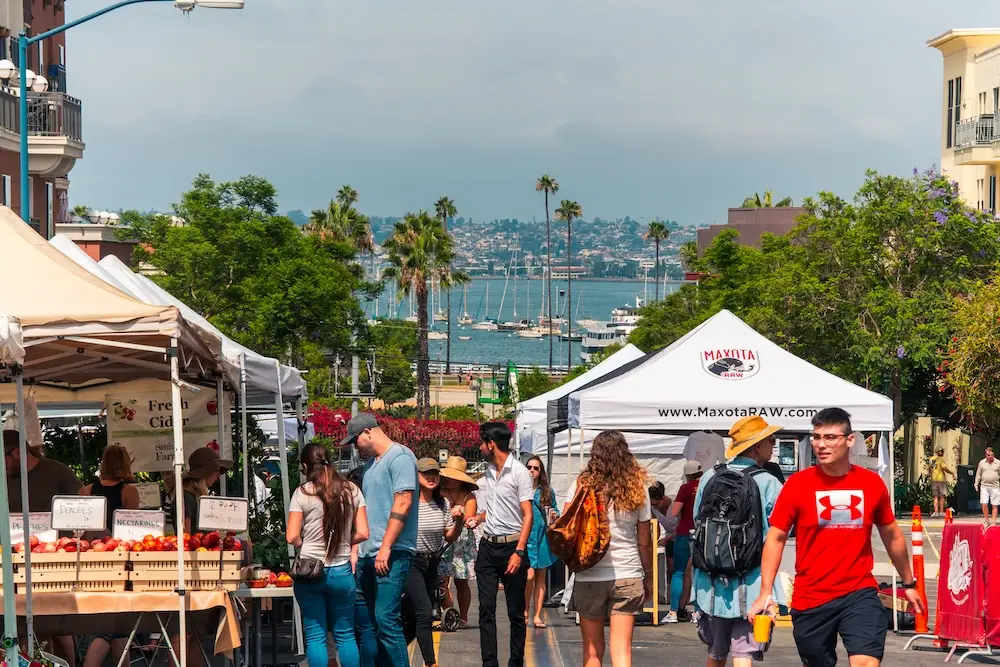
As editors of a regional magazine, we often get asked: What are the best things to do in San Diego? While that answer often involves our favorite taco spot, a definitive ranking of each neighborhood with age-specific notes (head to PB if you’re under 25, grab drinks in Del Mar if you’re over 35), and which surf breaks are friendly to visitors, we figured it’s high time to memorialize our handpicked recs. Below are 101 very human, very local, non-AI, actually experienced, sometimes weird, oddly specific things to do in San Diego.
Go to Mitch’s Surf Shop on Pearl Street in La Jolla. The very quiet, humble Japanese man at the counter? That’s Mitch. He opened this shop 60 years ago, and it’s become our indie surf church; hallowed ground where every kid got their starter surfboard. Buy your first (or your 30th) board here. Will it be more expensive than online retailers? You bet. Consider that extra money a tithe to the surf gods. Buy hats and shirts and sweatshirts. Go forth, and populate the earth with Mitch’s gospel.
Check the lineup at The Casbah in Little Italy. Plug every band into a Spotify playlist, and let it rip for a day or two. Some of the bands will sound critically injured. Others will be the next Nirvana or Chris Stapleton. Either way, you’re going to get an education on the future of music as seen through the eyes of local legend and music futurist Tim Mays. He founded The Casbah with friends in 1989, and while it hosts lighter, even dancier music from time to time now, it’s one of America’s last great rock ‘n’ roll dive bars.
Now pick a Casbah show, and make a holy trifecta of three of San Diego’s nightlife legends in one evening: Get a pre-shift whiskey drink at Aero Club, which has one of the city’s best bourbon collections. Bring a random band sticker to your Casbah show; add it to the collection in the appropriately sketchy bathroom. Finish your night at The Waterfront (it holds the city’s oldest existing liquor license). Order a shockingly good slider, a known hangover preventative.
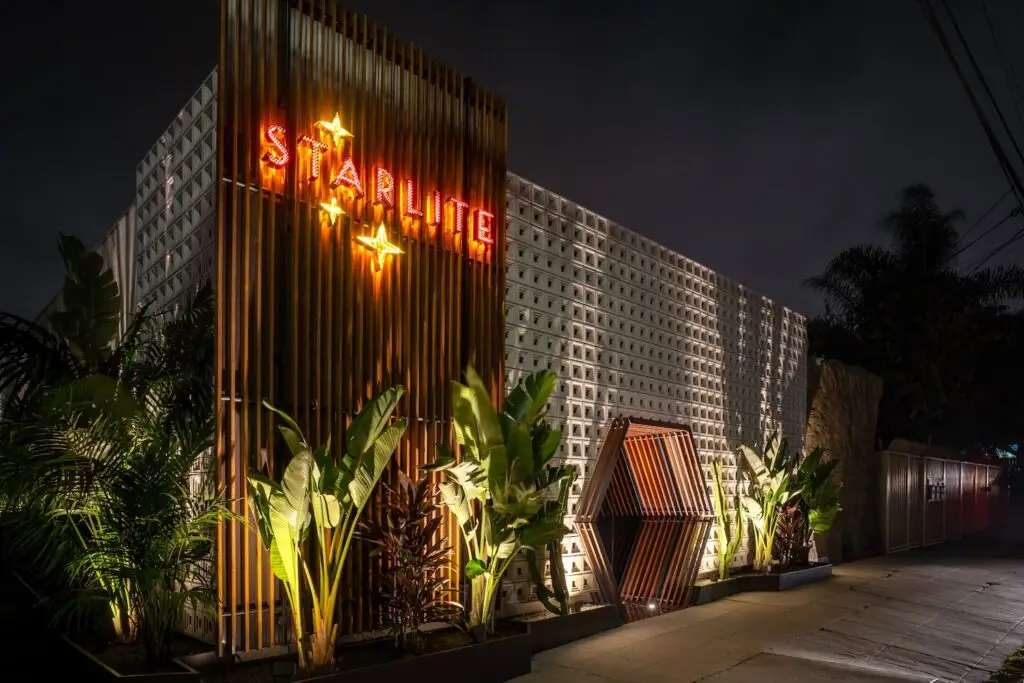
Okay, fine, hit another legend nearby. When a few creative do-gooders—including filmmaker and multidisciplinary artist Matt Hoyt, who died too young—opened Starlite in 2007, they reintroduced the Moscow mule to San Diego and helped kick off the modern cocktail age in the city. The whole place has been re-loved and reimagined in Matt’s honor. Check the back patio, especially the Liberace-disco subway tunnel lounge.
Salk Institute in La Jolla is a science castle perched on a cliff overlooking the beautiful, surfable abyss. It is severe and seductive (much like Anna Wintour, who chose it for a Louis Vuitton fashion show). That’s what brutalism is: giant, artful, concrete. And Salk is one of architect Louis Kahn’s greatest marvels of the genre. The Symphony at Salk (Aug. 15 this year) is the ultimate society party on its deck, featuring world-class musicians and dinner as the day ends.
Pick one indie fashion designer, and have them make you something pretty that only you have. Michael Lynch of Imperfects (OB) makes semi-formal surf life attire and Kasia Zygnerska Rosales produces sparkly magic at Kasia Jewelry (Encinitas). TJ Maxx it up the rest of the year if you must, but this time, save up and support a local creative and own a one-of-a-kind thing.
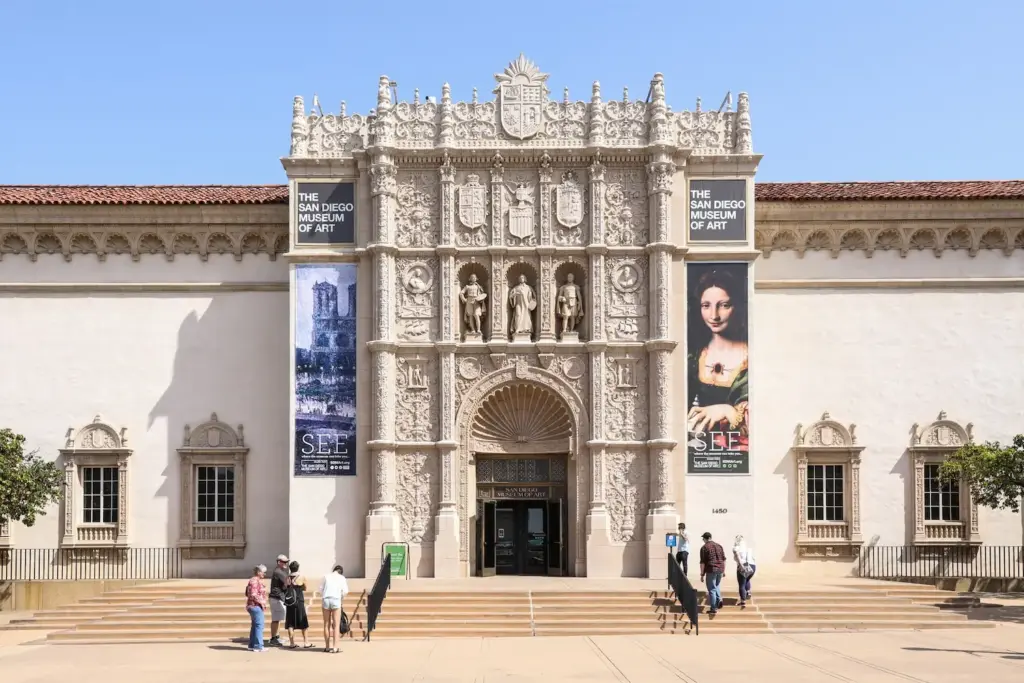
The city’s parking fiasco is hurting San Diego’s historic cultural superplex. So show up for Balboa Park. Do lunch at ARTIFACT at Mingei, shake your ass to live swing music at Panama 66, have a margarita between two ferns at The Prado. Explore “Wild San Diego” at The Nat and learn everything about San Diego’s ecosystem. SDMA turns 100 this year with gangbuster exhibits. The Timken has Old Masters and fun DIY workshops, and Ripley’s Believe it or Not! is back at the San Diego Air & Space Museum with some pretty crazy, immersive stuff.
One of the most exciting things about San Diego is Mexico. Tijuana is so alive—taco carts and Michelin stars and art and scene and craft cocktails in bodegas. Here’s a hyper-condensed wide-brush history: American celebs used it as a stocked-bar escape room during Prohibition, which explains why its Downtown was so cheaply Americanized for decades. After a difficult wave of cartel violence stopped the flood of tourists, TJ locals rebuilt it for themselves—making it a billion times better and how it always should have been. So bring your passport and take a day trip.
Throw a day party and progressive eating tour on The Coaster. The super smooth train that floats like a double-decker Cadillac along the coast—in some spots on the edge of the cliffs overlooking the surf—is a regional brand of magic that may soon(ish) be gone due to cliff erosion. Identify all the bars and restaurants and weird little shops and historical nooks you want to explore at every coastal stop—Solana Beach, Encinitas, Carlsbad, and Oceanside. Sit on the upper deck on the side facing the ocean, and watch the sunset.
Open-mic comedy nights are a crapshoot (will you see the next Taylor Tomlinson or a drunk guy with thinly veiled ex resentment?), so opt for curation. Abnormal Nights Comedy hosts free monthly shows at Adams Avenue Theater in Normal Heights. The lineup’s usually packed with local comics and visiting standup stars in town for paid gigs at other clubs. Arrive early and sit up front for the chance to be good-naturedly eviscerated by very funny people.
We get it. Not everyone has the luxury of a wide-open schedule to frolic around town (and neither do we… This magazine isn’t gonna write itself). But if you can’t find a way to escape during daylight hours, chug a 7 p.m. cold brew, top off the tank (ouch!), and head to East County for stargazing. Anza Borrego State Park, Palomar Mountain, and Tierra del Sol are a few favorites to watch the celestial light show. Just look out for the jumping chollas, those pesky cacti that seemingly attack shoes and skin with a vengeance.

Get a library card, you absolute maniac. Einstein told us the only thing we absolutely need to know is the location of the library. You can Google that now but it stands to remain: The public library is one of civilization’s great flexes—books, magazines, movies, research help, internet access, job hunting support, community, and glorious air conditioning, all for the price of being a person who lives here. In North County, make it a point to visit the Encinitas Library, where the ocean view might briefly trick you into picking up that Jane Austen novel you always wanted to read. Further south, the San Diego Central Library is less public building than civic mic drop—a work of art with a 9,000-square-foot children’s space, a rooftop, and enough architectural drama to remind you that democracy occasionally has good taste. Get the card—our taxes already bought the membership.
You don’t live in San Diego for the quality indoor lighting, and movies weren’t meant to be watched in your palm. They were created for environments. Watch flicks al fresco at Little Italy’s Rooftop Cinema Club as planes descend for landing. Hit the indie tuckaway at Cinema Under the Stars in Mission Hills, or sit on a hood at the South Bay Drive-In Theatres. Got kids? Point Loma Community Park pops a screen onto the Little League fields.
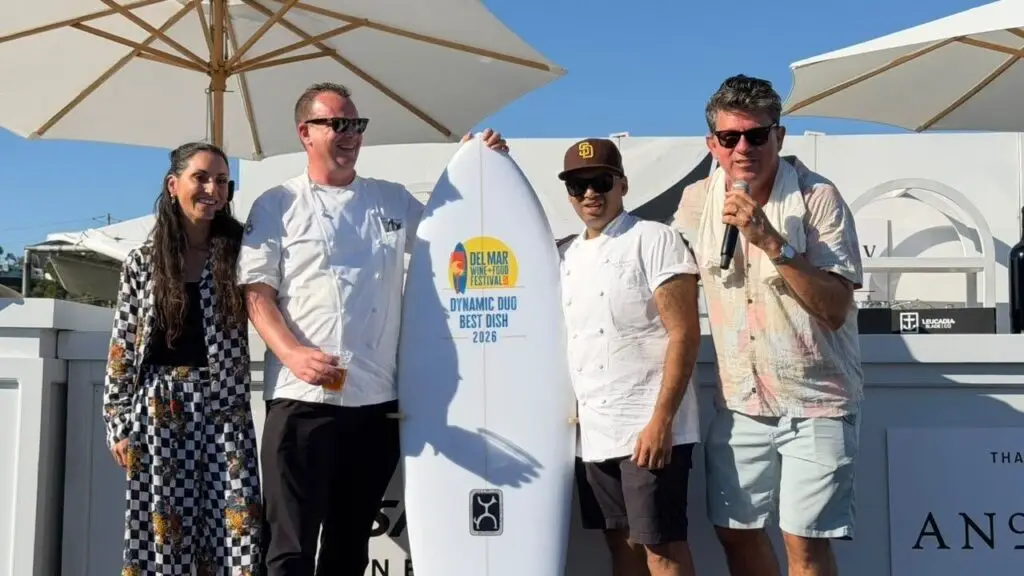
Here’s a shameless but valid plug. The dream? A massive food and drink festival on a stretch of weirdly perfect grass near the ocean. The fear? It’d be Fyre Festival, T-Pain crying in the corner, and VIP bologna sandwiches blowing in the wind. Luckily, three years in, Del Mar Wine & Food Festival has proven itself to be a rare kind of magic—an epic cookout and national stage for the city’s food and drink culture (thanks to the help of local restaurants, Alex Morgan, Drew Brees, Rob Machado, and Food Network friends).
Half the thrill of professional sports is the energy of thousands of people rooting for the same thing in the same giant-sized arena. The joules of women’s sports have never been higher, and San Diego’s the epicenter thanks to the San Diego Wave FC. The city’s pro soccer team broke a National Women’s Soccer League attendance record with their 2024 debut at Snapdragon Stadium in Mission Valley and are fresh off a playoff season. Hit a game and do it right—marinate something, paint your skin, wear a cape, tailgate.
Do a bonfire on the beach in Ocean Beach with friends. Make a day of it (legal pits go fast, especially in summer). Assign shifts. Morning shift gets espressos and peach-Champagne scones from Azucar and a box of regular donuts from OB Donuts. Lunch shift gets poke from It’s Raw, one of the best pokes in the city. Night shift brings house fried rice and wings (OB Noodle House) or pizza (Luigi’s) or burgers (Hodad’s or Rosemarie’s). Watch the sunset, and try not to wonder if it’s AI yet.
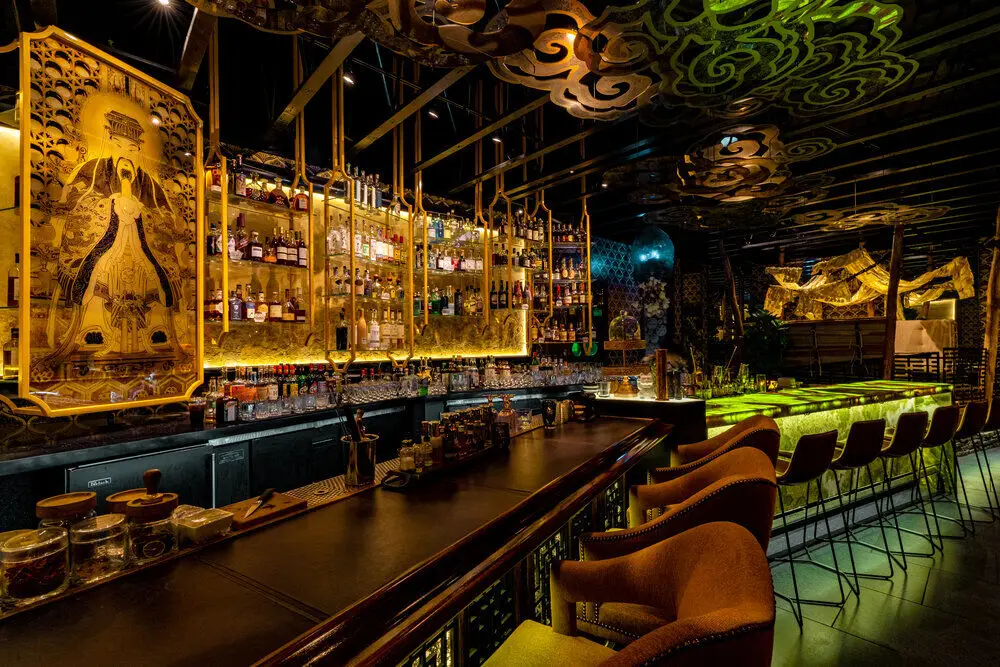
Research and pick one raved-about dish at five Convoy restaurants. Go early; find parking (good luck). Start with dim sum (we recommend China Max or Jasmine Seafood). Knock each dish off your list (take a crowd so you can all have a bite or two of each). Love a speakeasy and a great cocktail? Make a reservation at this year’s James Beard Award–nominated Realm of the 52 Remedies. Finish the night in a private karaoke room nearby, ruining music forever with joy and soju in your heart.
San Diegans live in the sun, so we escape to the dark. Speakeasies are just for show—the only real speakeasies were run by your great-great-nana, who kept sweet bathtub juice in mason jars next to a shotgun in her Studebaker. But show matters. Noble Experiment was the first modern “secret” bar, and now there are dozens—Captain’s Quarters, Occulto 477, and Forbidden Cove among them. The funniest shark-jump of the scene? A speakeasy got its own speakeasy: the damn excellent Youngblood behind Noble Experiment. That’s meta-dark.
Play rooftop bar bingo during happy hour. Hit every single one for an app and a drink—Mister A’s, Top of the Hyatt, Seneca, Deckman’s North Park, Rooftop by STK, Mission Pacific, The Holding Company, Catania, George’s at the Cove (which just remodeled), Cannonball, Five O’Clock Somewhere… all of them. One drink. Maybe six. An app. Perspective.
Each June, the weirdo locals of Ocean Beach host the annual OB Street Fair & Chili Cook-Off—because who doesn’t crave hot meat and bean stew in the summer? The all-day, beachside fest starts with the chili cage match and then evolves into a street fair with live music, a beer garden, burger- and wings-eating contests, and the popular Artists Alley. Best of all is the community mural, where families paint individual squares to add to a larger piece of public art.
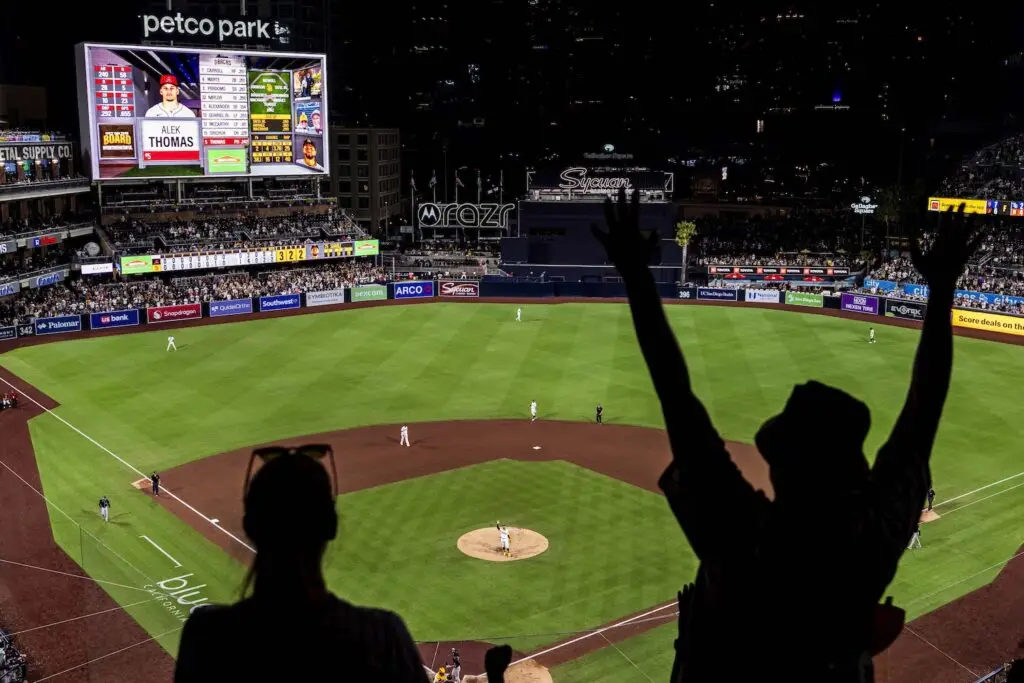
Catch a Padres game! “Whoa, never considered that, San Diego Mag!” But hey, we’ve got an itinerary: Start your day with brunch and mimosas at Margaritaville a couple blocks away. Enter Petco Park early to watch the players warm up (they frolic like recess kids—so cute). Hit the newly redesigned Western Union Building for arcade and lawn games. Check out the new Stone Taproom on level 309, with views of Coronado and the bay. After the game, grab a bacon-wrapped hot dog from the nearest vendor you see.
As a city, we’re pretty ripped. Maybe it’s because our gyms have rooftops with views—like Fit Mission Beach, where outdoor gym equipment makes for one of the best elliptical experiences you’ll ever have. Afterward, all glowy and swole, head downstairs to Fit Social—a healthy-ish hangout for protein-forward bites, juices, smoothies, and beachside cocktails. In the summer, DJs take over the boardwalk-adjacent stage so you can dance out all that synovial fluid.
Despite law enforcement’s feelings on the matter, Floatopia is one of Mission Bay’s best unofficial float parties. Takes place on a random Saturday in July (monitor social media). When the city banned alcohol on beaches in 2008, they failed to explicitly mention drinking on floating devices in the water. Day drinkers love a good loophole! Thousands show up between San Rafael and Santa Clara streets every year, armed with inflatable flamingos, life-sized cupcakes, and gigantic swans. The rest is pandemonium.
Travel less than two hours to Valle de Guadalupe, the wine oasis in the Baja desert. Where other regions have hoity-toity regulations and varietal restrictions, Valle is an experimental haven for winemakers like Vena Cava and Vinos Lechuza. Don’t go too nebbiolo-nuts—stay sober enough to appreciate killer restaurants like Javier Plascencia’s Michelin-starred Animalón. It’s mostly dirt roads here, so responsible friends with four-wheel-drive are a plus.
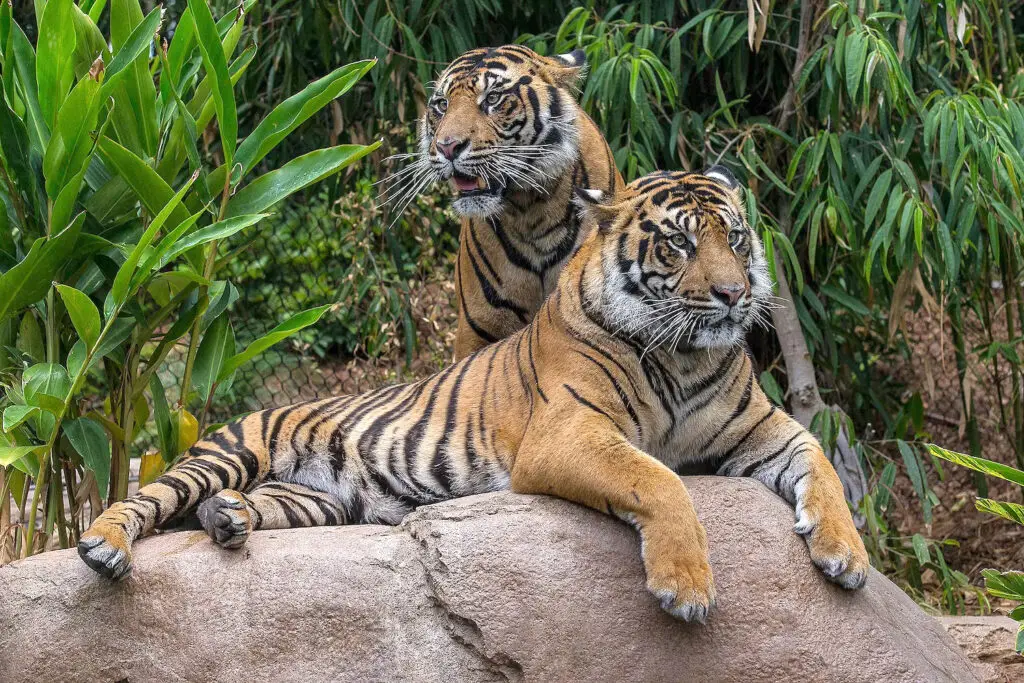
Stop going to the zoo at rush hour, you fool. Go on a weekday morning—shorter waits and fewer crowds for marquees like the capybaras (the most unimpressed animal in the world) and giant pandas. Then go Rudy slow-clap for the unsung critters on the zoo’s list of more than 680 species. What’s a fossa? Your new favorite animal. Look for the svelte, vaguely satanic cat/dog/weasel-looking creature near the lemurs in the Africa Rocks section.
Trying to convince an out-of-town friend to forsake their other life and join our cult? A concert at The Rady Shell at the Embarcadero should do it. Watching Paul Simon take an architecturally mesmerizing stage in a pristine waterfront park under a cloudless sky beats the snot out of any city where venues have “roofs.” Show them what locals know—that they can watch the whole show for free from the adjacent promenade—and they’ll be dream-scrolling Zillow before the night is out.
Feed your creative energy in a 135-year-old bread factory. Fourteen years ago, architect Jim Brown and his wife Isabel Dutra hatched a dream for the former Cramer’s Bakery (formed in 1889, famed for its “butter cream bread”). Barrio Logan’s Bread & Salt is now one of the most stunning, giant-ceilinged culture compounds in the city. Fueled by Provecho Coffee Co. (inside what was once the bakery’s kitchen), it hosts live music, art, and other creative gatherings. Pick an event: San Diego Zine Fest (underground lit energy), Art Attack (live art, DJs). Acculturate with levened ghosts.

San Diego’s Pride parade has marched through Hillcrest since 1974. While the annual festival takes place in Balboa Park (expect to shop from local vendors and see chart-topping artists and star-studded drag shows), the iconic gayborhood remains the heart of the action. Packed parties go off at longstanding nightlife spots like Rich’s (wild, neon-lit dance floors), The Brass Rail (SD’s oldest gay bar), and Gossip Grill (a DJ-soundtracked haven for queer women).
Go vintage and antique shopping the old-fashioned (and more affordable) way: By sorting through a chaotic sea of endless products under the meager shade of a polyester tent. Kobey’s Swap Meet—the city’s largest flea market—pops up in the parking lot next to Pechanga Arena in Point Loma every Friday through Sunday, beckoning treasure hunters. For a touch more curation, visit on the last Saturday of the month, when the market’s “Vintage Alley” brings together higher-end clothing and sneaker resellers.
For some of us, the idea of a Friday night bar crawl is akin to being spun in a chair and shaken up and down like a Kardashian salad. If your drinking stamina dropped at the first sign of a wrinkle, might we suggest a bakery crawl instead? Start at Izola and Relic Bageri downtown, then roll yourself to La Jolla and end up face-down in a box of Wayfarer Bread’s kouign-amann and strawberry pistachio croissants. No hangover in the morning, just a subtle sugar buzz.
If downtown is a neon red, La Mesa Village is a pastel yellow. The charming strip of restaurants and shops has more than enough to fill your day (Re-Animated Records, Maxwell’s House of Books, endless boutiques and antiques). Finish by taking a sunset drive to the top of Mount Helix, paired with an inevitable existential crisis about how we’re on a floating rock in space.
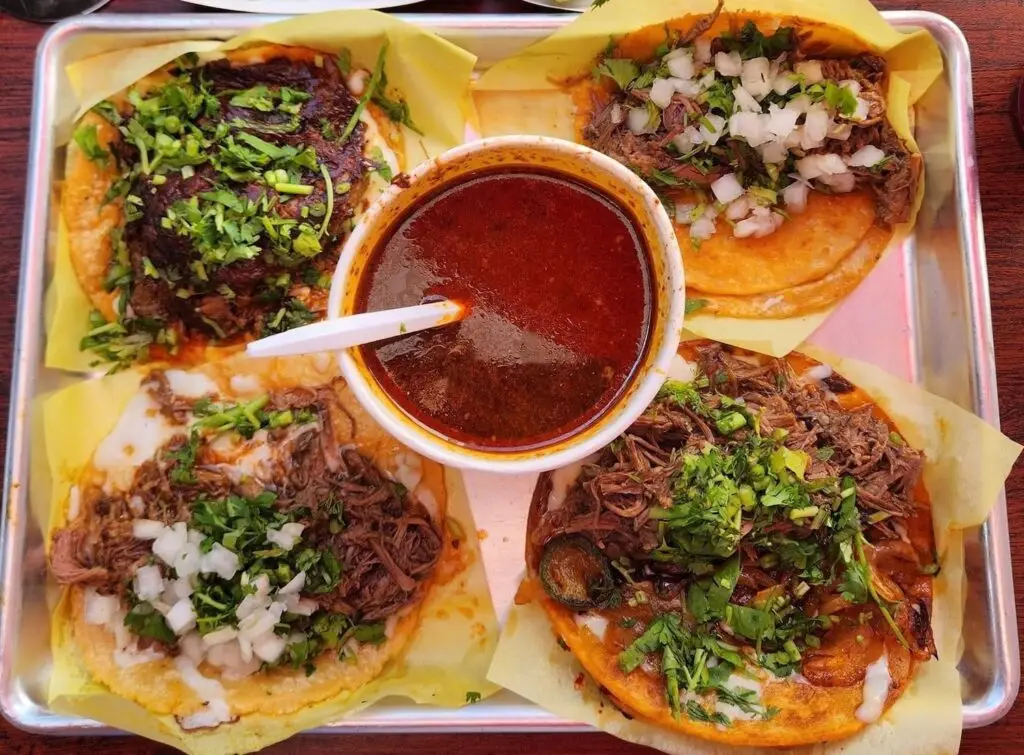
Being a taco-loving city, we had the very hard job of putting together a list of our favorite spots in San Diego in 2025. Before your visit, map out five to seven places you’d like to try based on our recs, and set out on a taco tour of SD. Establish the rules early on: one to two tacos per restaurant, all choices must be unique (no copying taco orders), two to three bites max per item. Be sure to keep notes on your phone so you can remember your favorites for your next visit.
Get small. Cruise through downtown Chula Vista, easily find parking, and gawk at how small-town dreamy it feels. Then grab one of 60 seats at OnStage Playhouse, the only live theater in San Diego’s South Bay. Now in its 42nd season, OnStage presents bold, diverse plays—many featuring local playwrights, directors, and actors. Ticket prices are from another era and the company’s pay-what-you-can First Thursdays make thought-provoking theater accessible to everyone. Honestly, what could be more dreamy than that?
Go to the country in the city. Hit the many trails winding around and through nearly 60 acres of public land. Bonita’s Rohr Park is one of the region’s best-kept secrets—especially for Northies who think the world ends at the 8. Venture south, and behold a lush, rural escape with a lil’ something for everyone: playground, fitness courts, basketball courts, soccer fields, and a 1.4-acre dog park with separate pens for biggies and smalls. Rohr also has the best grassy knoll for littles to climb and roll down ’til they can’t walk straight. To keep them from puking, play I Spy for cowboys on horseback. Turns out the good life isn’t just uptown.
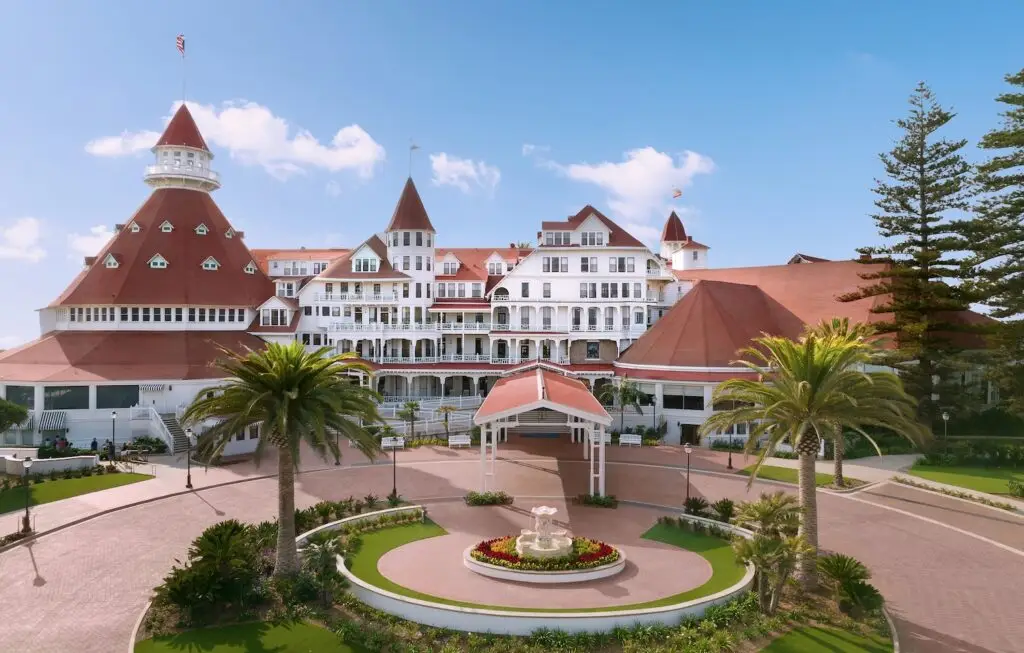
Drive or ferry over to Coronado and post up in the shade at Spreckels Park, complete with a dog-eared paperback. Once your stomach starts revving its engine, pack up shop and grab a sando from the unassuming but killer Park Place Liquor & Deli, or a cone from MooTime Creamery. Wander around the Hotel Del. Look for the ghost of Kate Morgan. Raid the gift shop for aloe vera, grab a ribeye from Stake.
Entertaining children without strapping an iPad to their face is a full-time job. One of the best near-freebies is KidsFest before Sunday Padres home games. Stiltwalkers, bubbles, games, a mini baseball diamond with a real home-run fence, the largest climbable baseball bat in the world, face-painting, free tchotchkes. After some games, if the kiddos are still vertical, they can get on the big field and run the actual bases.
Watch the lineup at Jitters Coffee Pub in Oceanside. Whenever it says “and friends,” there’s a pretty good chance it refers to Grammy-winning, angel-voiced, and tenderhearted acoustic avocado farmer Jason Mraz. He broke out of the OB coffeehouse scene (at Java Joe’s, RIP), and always kept it close. Two years ago, he partnered with longtime local Vallie Gilley to keep the Jitters café/coffee shop/musicians hangout alive for young guitar people like him.
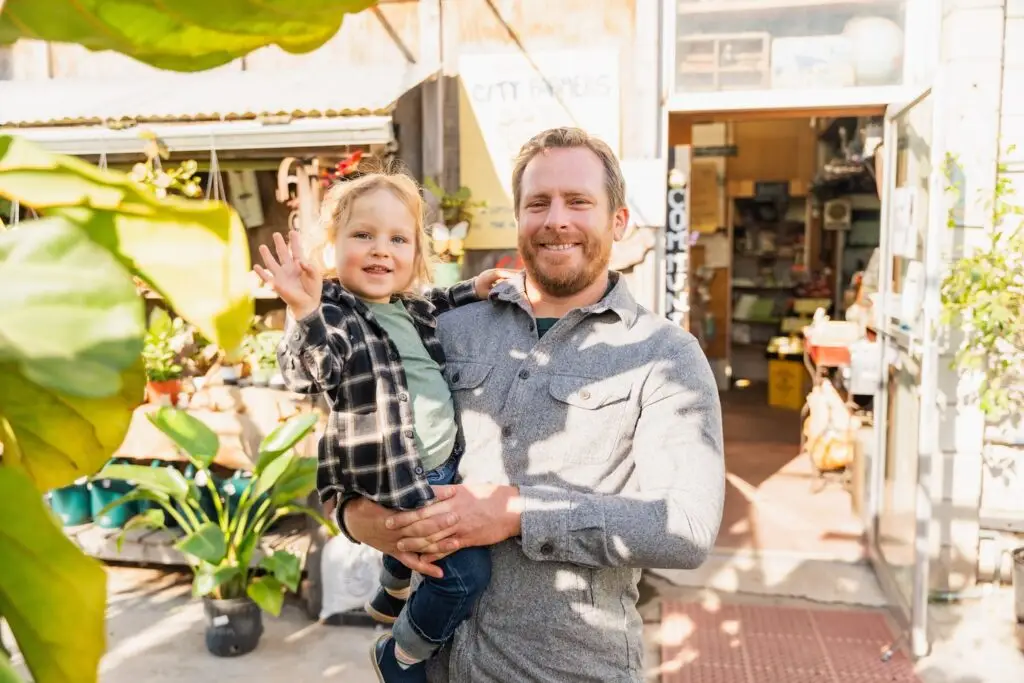
Opened in 1972, City Farmers Nursery is a capital-A activity for families (plus a place to pick up herb sprouts and beekeeping supplies). Kids can ogle mini donkeys, tortoises, chickens, and other critters. Adults can ogle a dangerously drinkable and affordable carafe of red sangria at the onsite Nate’s Garden Grill. Resist its boozy insistence that you need a rare and expensive citrus tree for your patio.
Put “apple-picking in Julian” on your September calendar now. In the thrilling, post–Labor Day high of locals’ summer, it’s easy to forget there’s a whole other season happening an hour up the road until it’s too late, and all the produce has been plucked. Okay, sure, it’s still warm up there, but play at autumn anyway: Collect fruit, stuff yourself with pie, glug cider at Calico Cidery. Performatively wear a sweater for orchard pics before ditching it in the car.
Visit The Book Catapult, owned by husband-and-wife team Seth Marko and Jennifer Powell. What began as Marko’s blog about books in 2006 is now a physical, brick-and-mortar destination in South Park. Though it features all types of genres, it specializes in fiction, local interest, and children’s books. While there, ask Marko why he had a change of heart about author James Patterson (shoot, ask him about his actual heart), or get his best reads of 2025—all answers will surely keep you busy for a bit.
Feed your sweet tooth. Get in line at Hans & Harry’s Bakery in Bonita, and cross your fingers it doesn’t sell out of its “world famous fruit strudel” while you wait (order ahead if you’re not a risk taker). You can’t go wrong with fresh sliced strawberries, blueberries, apricots, and kiwis nestled into Bavarian cream on top of a sugared puff pastry. You can go less wrong if you speed…er, drive safely…to nearby Rohr Park, spread out a blanket, and have a picnic. Bring friends as this strudel feeds many.
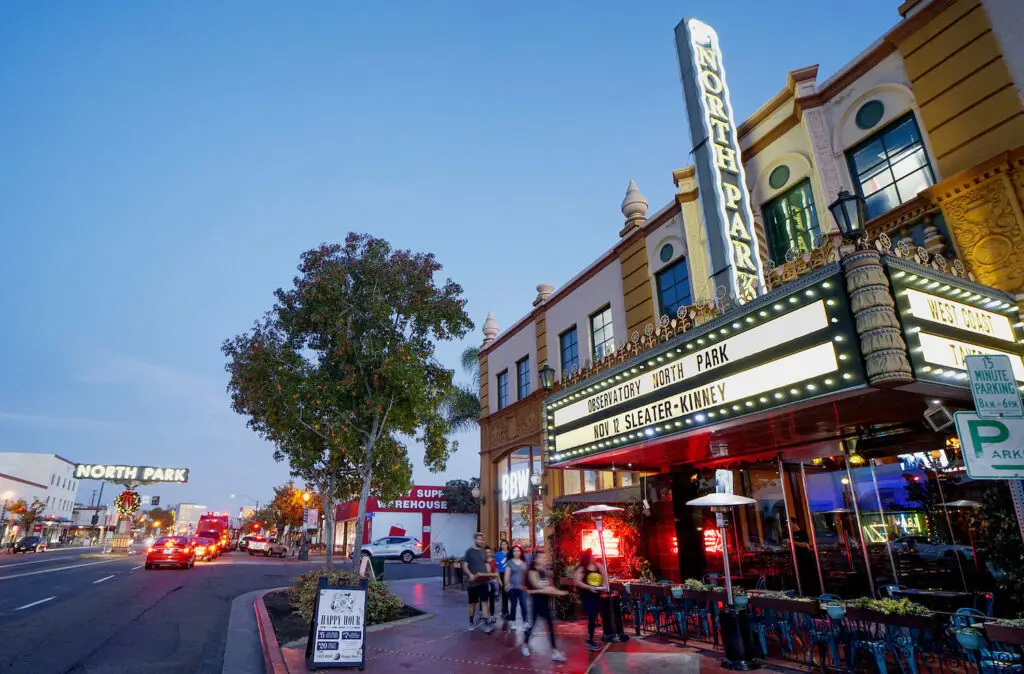
Some think North Park jumped the shark. But where else can you prep for the apocalypse while also learning how to pole dance? Stop into Bargain Center Military Surplus for all things end-times, stock up on Posca Pens at Visual, reenact Ghost at Plum Pottery, double-down on the sexy with Pole Buzz @ Queen Bee’s, and buy irreverent taxidermy home decor—like a cigarette-smoking fox head wearing a velvet-and-wool cowboy hat—at The Gold Dust Collective. Yeah… We say every day is Shark Week in NP.
Drive Sunset Cliffs until it ends. Park, and lock your phone inside your car. Look at the single house on the edge of the cliff (you’ll see it), and realize it’s just rented out by normal people and that anyone, even normal you, could be those people. Walk the cliffs until you’re face-down in a Buddha bowl at Little Lion Cafe.
Take a surf lesson at La Jolla Shores, fully expecting to fail in all new and freshly mortifying ways—but resolved with the realization that your time on this space rock is limited. Should you ever leave this city, you don’t want to tell the good people of your new, less awesome home (who pay far more affordable mortgages): “Believe it or not, I never tried it.”
Watch Top Gun and then go to Cabrillo Monument at low tide. Ponder the kind of mustache-care routine Viper must have had. Marvel at the crabs, sea anemone, and starfish with your kid (borrow someone’s if need be), and resist the very Florida urge to touch, harass, or—dear God—abscond with any sea life.
Now that you’re a full Top Gun nerd, make it a lifestyle choice. On the morning of the Miramar Air Show (where real-life Mavericks, the Blue Angels, do military air-catillion in $70 million fighter jets), go to the Jack in the Box on Miramar Road (congrats, you’re at another San Diego legend—J in the B is our city’s entry in the Great Fast Food Wars). Best place to watch for free.
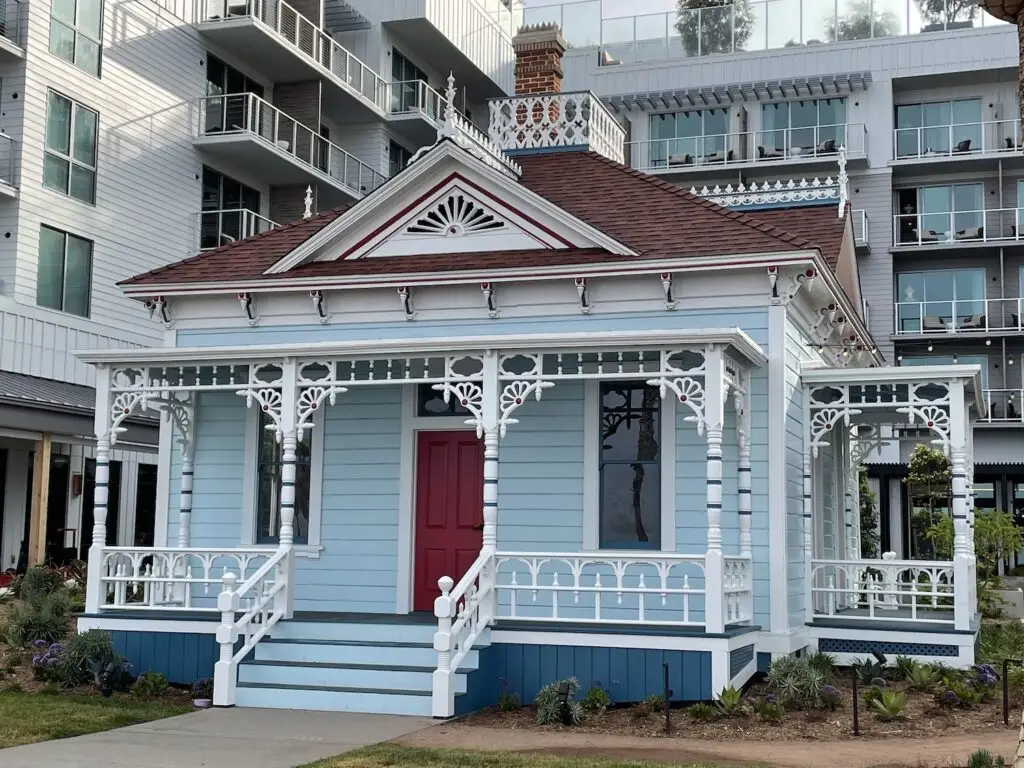
Last Top Gun entry, we swear. Now drive to Oceanside. Take the slow road, Highway 101, right along the coast. In front of the Mission Pacific Hotel is the house where Maverick live-time clickbaited Kelly McGillis, then rode off on his motorcycle just as she was suggestively “taking a shower.” About 100 feet away is San Diego’s only Michelin-starred Mexican restaurant, Valle. Do it.
Perform your own live-action Garden of Eden sequel at Black’s Beach, the only nude beach in SoCal and the largest in the US. Take the goat trail down from the glider port. Wear sneakers (flip-flops are ankle-twister death machines in this cliff-scaling exercise). SPF places that have never been SPF’d before, feel the ocean breeze hit new realms. Take a swim as the gods intended, and entertain fleeting thoughts about selling your worldly possessions. Bonus points if you surf au natural (the OG chest-hair-removal method).
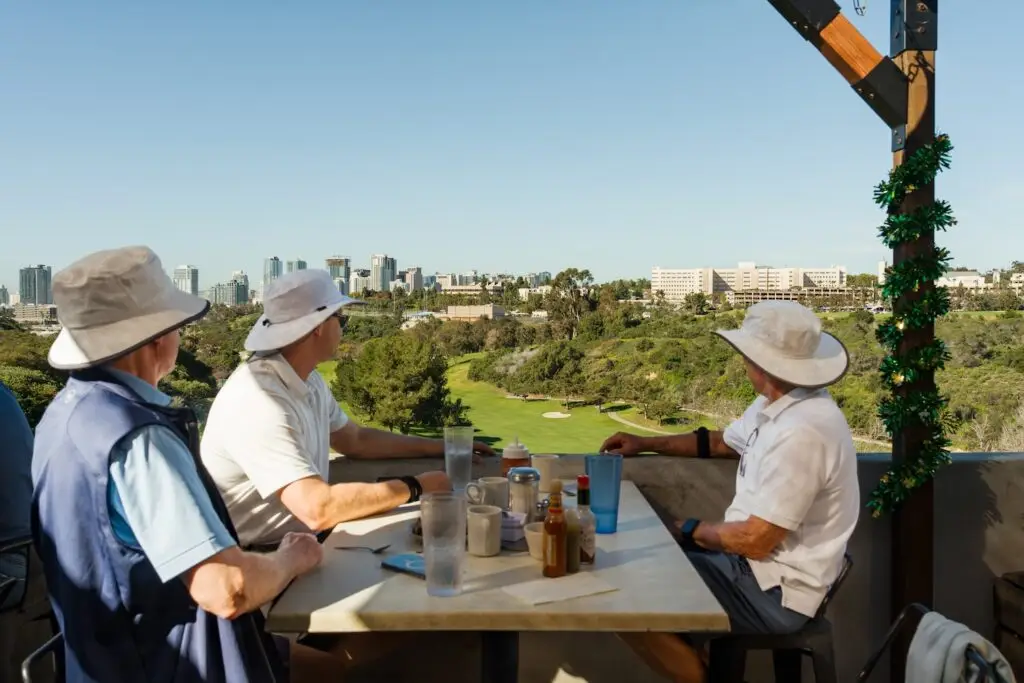
Go to the Torrey Pines Glider Port where ocean air currents meet 350-foot sandstone cliffs—creating a pretty consistent blast of wind that floats thrill-seekers attached to gliders and parachutes. It’s wild. For a fee, you strap yourself to a pro and just walk off a cliff. Nearby someone may be doing falconry, which is some Dungeons & Dragons–type magic. Even better: Parahawking is where you do both—glide next to a trained hawk. You’re basically Falkor at that point.
Go to the glider port at sunset and do absolutely none of those things. Sit at Cliffhanger Café and Bar and enjoy a more ancient thrill—drink beer. Bring binoculars (they’re in the closet behind the 30 trucker hats you have no recollection of obtaining) to see if you can spot some migrating whales (the blues come in late summer and early fall) or dolphins (summer, mostly) or drug cartel speedboats masquerading as tourists (year-round). Yell encouraging phrases at falcons.
Attend the OG food event that helped launch our modern farm-to-table movement. The idea’s as simple now as when Celebrate the Craft started in 2004: Pair top chefs with top farmers, ranchers, and winemakers; show what talented people can do with the world’s best agriculture. Gather under the sun on the Lodge at Torrey Pines’ Arroyo Terrace. Craft perfectly grounds a trade—restaurants and chefs—that can often be weirdly preciousized.
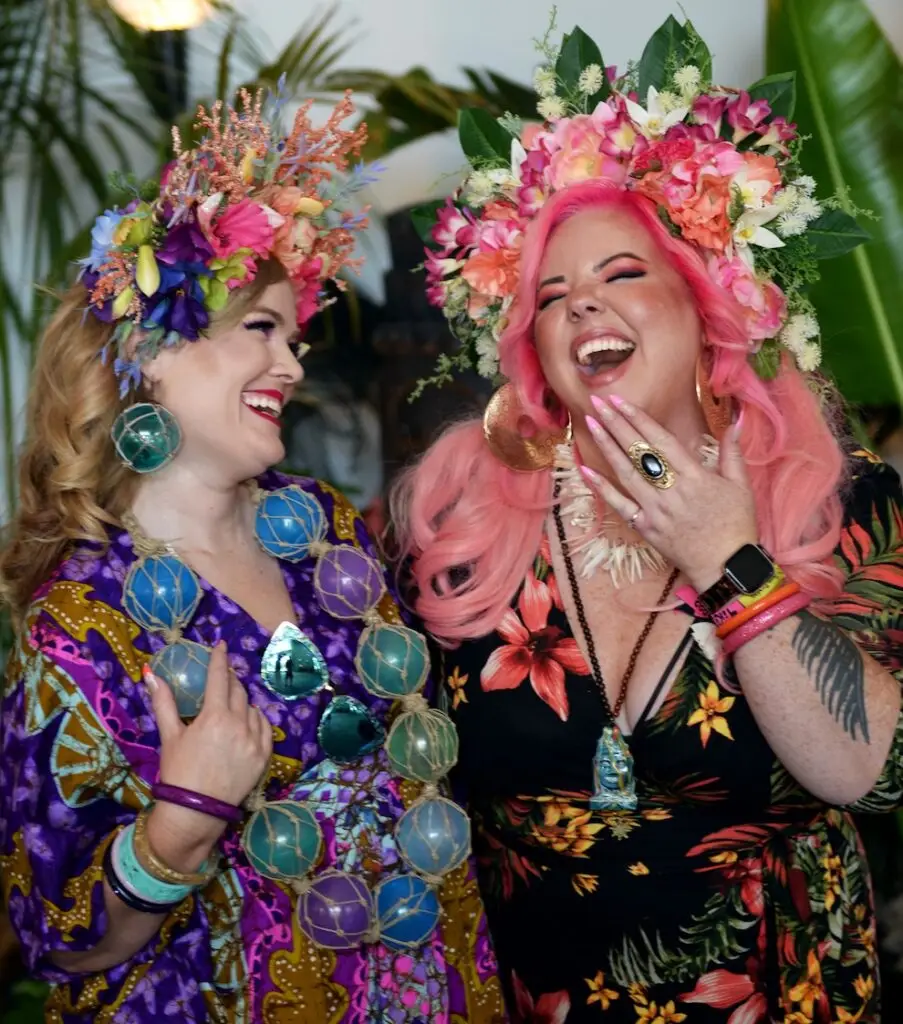
Mugs with faces, botanists-on-drugs shirts, the faint scent of lacquer—tiki culture is the lei-shaped strand of the city’s DNA. And Tiki Oasis is one of the ultimate gatherings in the country. An entire historic resort—Town & Country, which started as a 1953 roadside lodge (it was the first hotel in what’s now known as Hotel Circle)—is co-opted by good-natured, rip-roarin’, Fantasy Island fetishism. Rooms in the hotel become pop-up tiki netherworlds, a progressive cocktail party like no other.
Eat a four-star dinner in a bulletproof swimming pool. Few cities in the world have a restaurant in the ocean—which makes The Marine Room a global attraction. The sea broke the windows and ate the concrete for years. Then WWII brought the invention of bullet- and surf-proof glass and engineers covered the exterior in gunite (swimming pool concrete). A legend was engineered. Still, few locals have ever done a king tide dinner. Twice a year (usually December and February), San Diego gets mega tides, where waves slam and scale the windows while you eat local bluefin.
Actively count how many times a day you overhear a Sublime song in the wild. It will shock you. Despite our world-class life sciences, pristine beaches, cross-border cultural élan, small farms, and perfect damn weather—30-something years later, musically we are still trapped under the tyranny of one of the greatest, most overplayed bands in human and SoCal history.
Spend a year finding the best tomato. The reason top chefs are coming here and the food scene is finally ascendant? San Diego has more small farms per capita than any county in the US. So visit one each month. Fondle fruit, absorb sunshine, bathe in lost agrarian splendor, shake a farmer’s hand. Chino Farm was the first half of the modern farm-to-table movement (Alice Waters and Wolfgang Puck shopped here). There’s also Be Wise Ranch, Sugar Sweet Farm, Taj Farms, Mikolich Honey, and a zillion more.
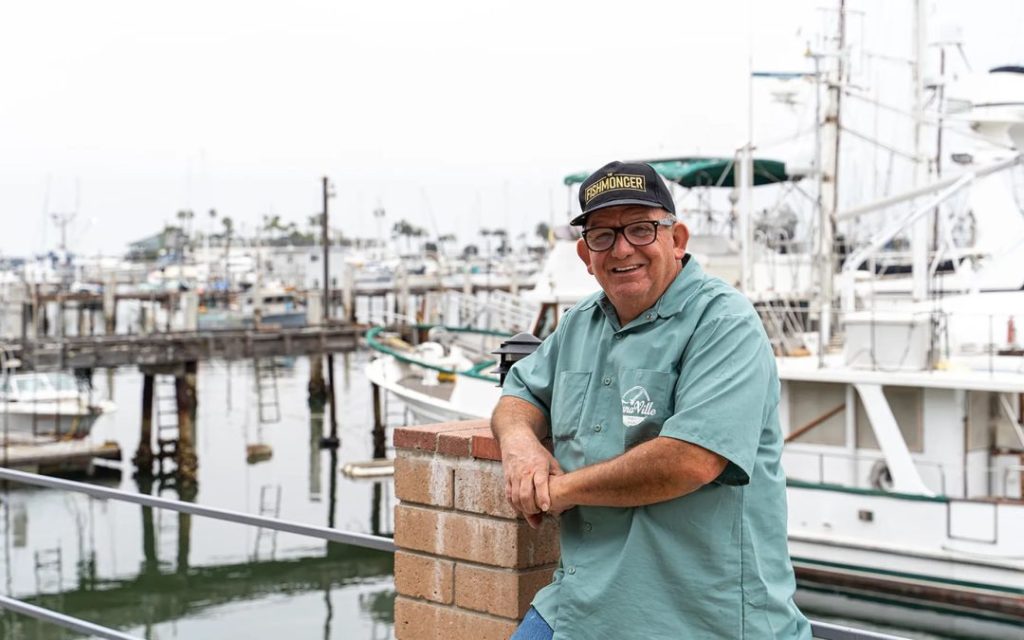
Go boat to throat. If you’re gonna eat fish in San Diego, at least once get it directly out of the net. In Point Loma, Tunaville Market & Grocery is owned by five fishing families, and they’ve got a parking spot right out front where local boats drop fish every morning. Every Saturday on the other side of the bay, local fishing families bring all sorts of fresh catch and sell it at Tuna Harbor Dockside Market.
Bike on the edge of the watery earth from Sunset Cliffs to Oceanside. Don’t be weird about it—take two or three days if you need to. Map out water restaurants (The Fishery in P.B., Catania in La Jolla, Wrench & Rodent Seabasstropub or Dija Mara to celebrate the end). When in Solana Beach, watch out for the bicycle gangs going 300 MPH like locusts in lycra.
Walk by the Godfather of Little Italy Nick Pecoraro sitting forever on the porch of his yellow house right in the middle of the restaurant madness (he is the grandfather from “Up”), raise a polite hand or salute or something. While there, pick up ingredients for your upcoming dinner party at Assenti’s Pasta, a family run market since 1981. Get some olive oil, salami, and a Spicy Special from Mona Lisa.
A decade or so ago, every hip urbanist decided shipping containers shouldn’t just contain illegal narcotics taking a joyride on the supply chain. Instead, they were the future—homes, offices, you name it. The idea’s faded, but one star remains: Quartyard, which turned a blighted corner of East Village into a legitimate hangout with live music, art, “Twisted Trivia,” an R&B block party, and the awesome “Hickeys and Dry Humps.” Go.
World peace seems less likely than a zombie apocalypse at the moment, but sewing is an evergreen skill for a transformative time. Not only does Claudia Biezunski-Rodriguez of Sew Loka make unique pieces, but she welcomes beginners and seasoned stitchers for one-on-one lessons and group workshops. Slow-clothes enthusiasts will be thrilled as they make something new from something discarded. Whether crafting for utopian gardens or undead alleys, you’ll be dressed to slay…whatever that might mean.
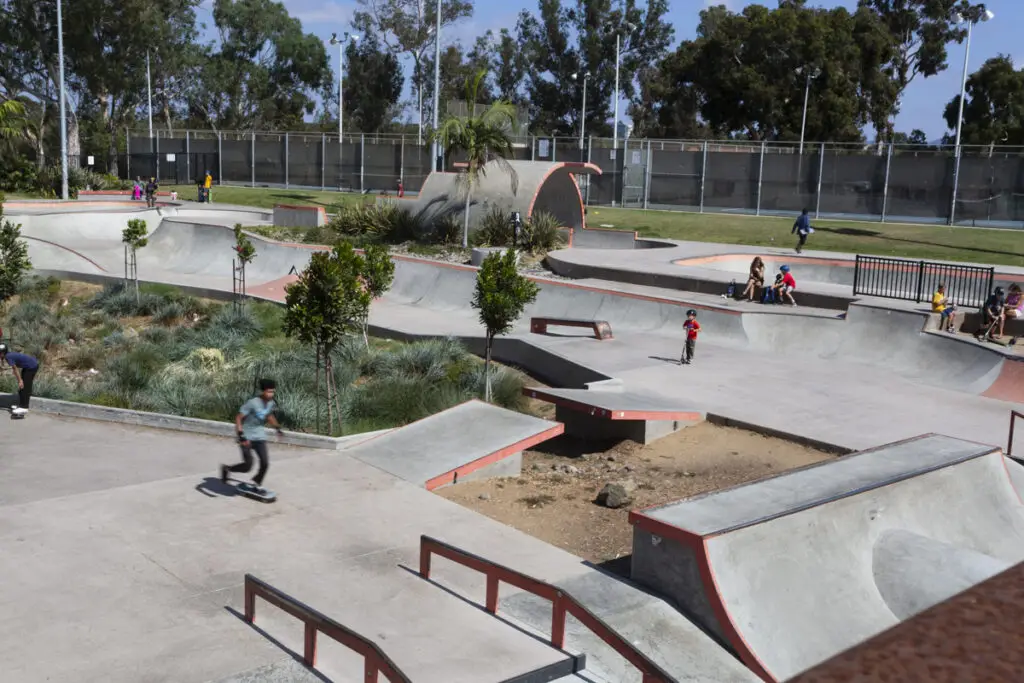
Strap on the armor and learn how to drop in on a skate ramp. You don’t need to go full half-pipe, psycho. Just try a baby one, and see where it takes you. Linda Vista’s park is the icon, with a 100-foot pedestrian bridge for bird’s-eye ogling. Robb Field is the OG in OB—the first city-run skate park. Mission Valley YMCA Krause Family Skate & Bike Park is the superdome of skating with the world’s first skatecross track.
With 25 tennis courts and 20-ish for pickleball, Barnes Tennis Center is the heart of racquet sports in San Diego and where pros play when they come to town. Littler-known fact: It’s a 501c3 nonprofit whose goal is to help low-income kids access the sport. The pickleball courts are a social club (sounds like there’s a Four Loko dispenser over there). Watch the calendar for the next pro tourney, and go marvel.
Doesn’t matter your age. If you’ve ever ridden anything with wheels and are still capable of experiencing joy, you’re gonna get a thrill out of a pump track. A smooth, undulating course for skating, biking, and scootering—it’s like ASMR for street sports. The Pacific Highlands Pump Track is 20,000 square feet, with a track for us newbies and a faster course for diehards, inspiring people who know their limits and have resolved to ignore them.
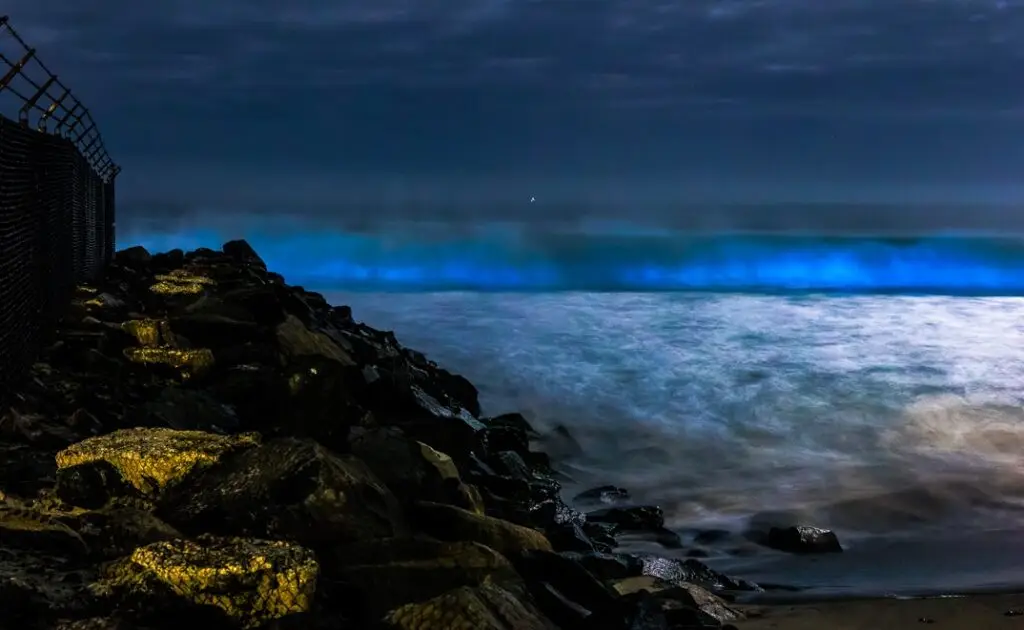
Go rave-swimming in the ocean. Bioluminescence has increased in recent years, possibly because the ecological end is nigh (but at least it’s pretty). Billions of arty algae make crashing waves turn neon blue. Keep your eyes peeled for it, and go slosh around in the shorebreak under whatever moon. We do not recommend you do this naked. That would be illegal.
Eons ago, children “pedaled” bikes instead of putting their feet up on the handlebars and playing Roblox on their phones while a lithium battery propels them 30 MPH through after-school traffic. Whew! That felt dangerous. Thankfully, analog biking is alive and well at a few designed tracks—BMX San Diego is the megaplex; Chula Vista is a close second. There’s one at YMCA Krause, too.
We locals tourist too little. Pretend you’re from Arizona. One of the most underrated daytime excursions is hopping on a harbor cruise, throwing back a cocktail, and listening to the boat captain explain, in great detail, everything every human has ever learned about the bay. Take a friend who excels at shutting up, or go alone. After going on a cruise years ago, we’re fairly certain we could drive a nuclear submarine if shit really went down.
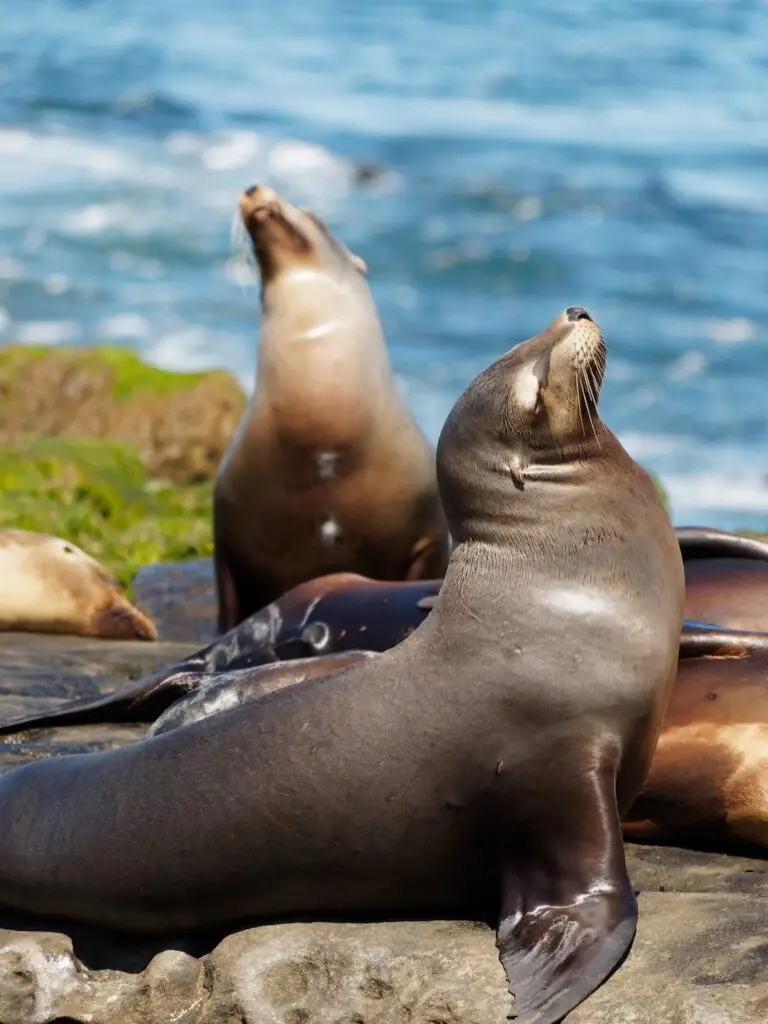
Go watch the sea lions in the La Jolla Cove during pupping season (December-May). The sight of a baby seal is at least one viable solution to bipartisan politics. Whenever a Karen or Brad gets too close and you see that “seal selfie!” gleam in their eye, resoundingly boo them as if they are an L.A. Dodger who just hit on your spouse. Don’t boo children. Just gently herd those.
Work on your monologue about the cost of living in San Diego. Don’t just wing it every time with a disjointed speech—some vague hodgepodge of half-points about the lack of industry, housing shortages, vacation rentals, and the illuminati. Spend time nailing your stats until you can recite them like Matt Damon eviscerating that ponytailed Ken doll in Good Will Hunting.
When looking for a place to live, realize there are two very distinct San Diegos: west of the five and east of the five. The San Diego everyone talks about—where our famously mild sun never fails to shine on your golden life—is east of the five. West of the five is like a lukewarm Portland. The marine layer shows up for work. It does not miss a shift. Yes, fully processing this is an essential “thing to do.”
Morley Field is our Lowenbrau—an underappreciated gem of the good, vintage life in San Diego. Tennis courts, a velodrome, archery, swimming pool, bocce, fitness parcourse, dog park, golf course. The greatest of all is the disc golf course, a 19-hole “competitive” frisbee experience through the trees, each with a complimentary whiff of high-grade weed on every single hole.
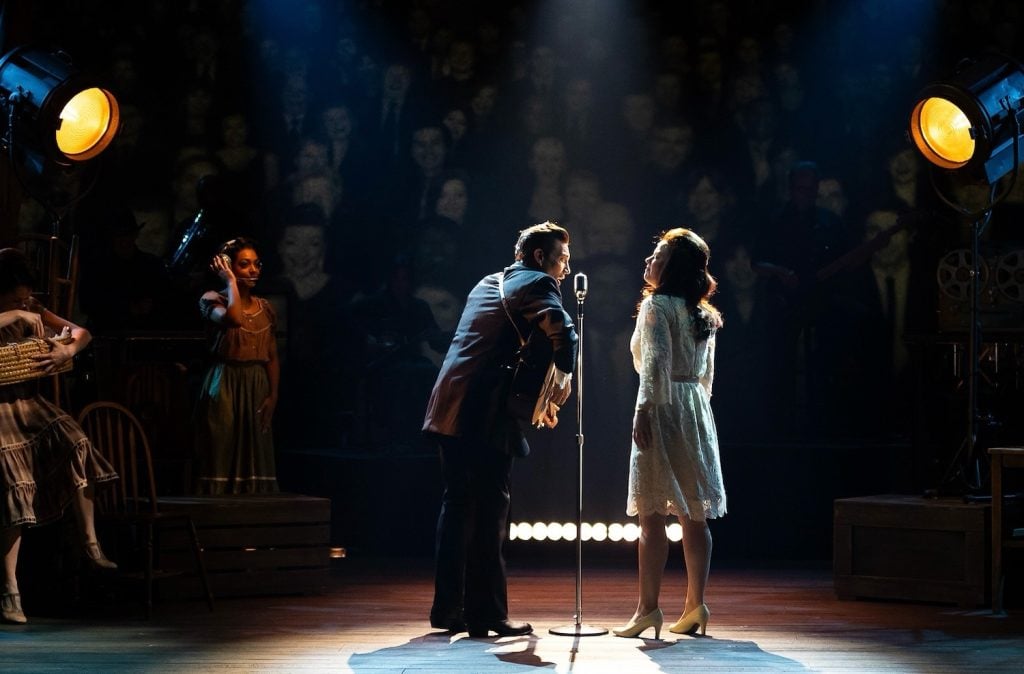
You look under-theatered. Let’s fix that, plus dinner. La Jolla Playhouse is basically a Broadway feeder program with a new artistic director, Jessica Stone. Next door, one of the top Italian chefs and scratch-pasta makers in the city, Accursio Lota, just opened Dora (get the sardines). In Balboa Park, the Old Globe pulled in Katie Holmes earlier this year and this summer British actor/director Emma Rice is doing a wild take on Shakespeare. Hit happy hour at Mister A’s, try the grape leaf-wrapped tomino cheese at Italian Cucina Urbana, or get sushi at Azuki or Kinme.
San Diego’s biggest employer is still the US Navy. As national headlines continue to be a red-blue MMA extremo match and servicemembers get caught in the middle, a more human approach is to walk onto one of the most iconic ships in Naval history and get a glimpse of how veterans lived and worked. The USS Midway Museum is a wild, fascinating glimpse into the floating planets of geopolitical might.
Farmers’ markets are the most regularly attended public gathering. It’s dirt church with organic snap peas as communion wafers. Here’s the plan: Go at least once a month (work your way to weekly). Say hello to at least one farmer per trip and ask for the story of the farm and one tip on picking the best “X” fruit. Every other month, hit a different neighborhood: Hillcrest’s is an OG, Little Italy’s is the Super Bowl, OB’s is Burning Man, Escondido’s is where the farmers live.
Dress like a Bridgerton and do high tea. Unless you’re Asian, British, or from some other culture where ceremony is art, tea culture might feel like left-handed scissors on your right-handed life. So have fun with it. Cosplay like those highly aroused Netflix Brits, and do a small tour—The Aubrey Rose Tea Room, Coral Tree, Marlene’s, Britannia Tea Rooms.
The Fourth of July is our sacred derelict dance for the sun gods. Rent a pontoon boat with a water slide to float around Mission Bay. Pack an adult picnic, zoom around to alcoves (Ski Beach, Bonita Cove) where you can jump out, swim, and mingle with locals and Zonies in star-spangled Speedos. Pro tip: Bring floaties and rope; tie the floaties together so that one wandery friend doesn’t drift off into Mexico.
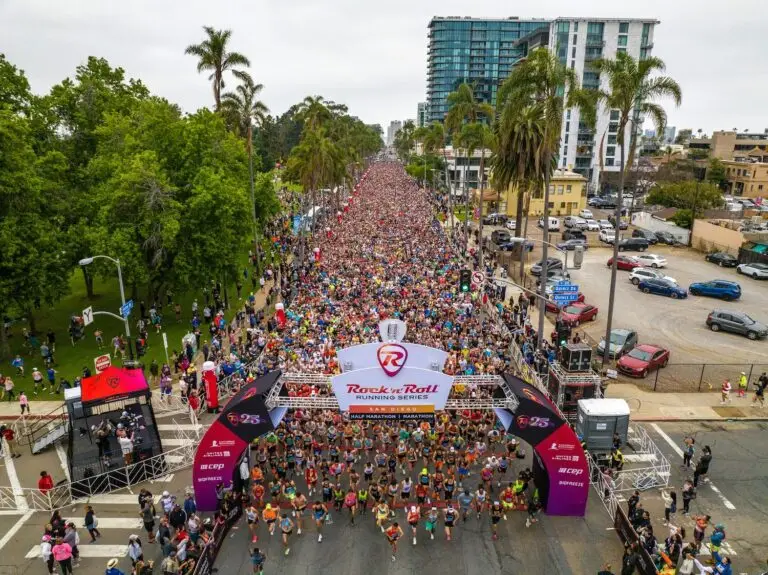
Marathons are for blister masochists and/or people with something to prove. Maybe that’s you. If so, join the 30,000-or-so athletic wackos who run the annual Rock ‘n’ Roll Marathon (and half-marathon) every spring. Jog to the tune of live bands, fueled by weird gel squeezed from a tube, and full-strength vodka shots handed out by random citizens as you barrel through their neighborhood.
Phone a friend or ask a subreddit where to shop in San Diego, and everyone’s gonna tell you North Park. True, but don’t sleep on its smaller, lowkey sister South Park. It’s rich with vintage clothing and furniture (Bad Madge & Co., The Reverie Room) and charming boutiques great for gifts and hard-to-find brands (Gold Leaf, Ayi, Thread + Seed). Fuel your spree with a sourdough pastry from Secret Sister Sourdough Bakery + Tea House, then celebrate expendable income well spent with a cocktail from Mothership, a plant-based space-tiki bar.
Natural wine (aka nattys, aka lo-fi) is a broad term for organic, biodynamic, additive-free, small-batch, and/or low-intervention vino. It’s the kombucha of wine, having gone from a niche hobby of rural French winemakers and hippies to something your aunt might order in place of her usual Sauvy B. Natty-loving bars and shops like Vino Carta (Little Italy), Clos (University Heights), and The Rose (South Park) can make recs. Try a “glou glou,” a light, easy-drinking, chilled wine invented for summer sipping.
“Swimming with sharks” conjures visions of next-gen Steve Irwins voluntarily making themselves Lunchables for Great Whites. But San Diego sharks, like locals, are a little less bitey. In summer and early fall, thousands of leopard sharks (harmless shellfish eaters about the size of a labradoodle) gather right next to shore in La Jolla to have babies. Bring a snorkel, and—as are the rules for all nurseries and wildlife encounters—keep your hands to yourself.
Kate Sessions Park is criminally underrated, and we’re using our platform to end the ghastly slight. Nearly 80 acres of hillside green grass perched high above Mission Bay and downtown—angled weirdly, so that it feels like you’re falling into the view—it clocks in as one of the great my-rent-is-worth-it epiphany-causers. Free summer concerts. Kids and dogs play tag. Friend groups casually flout open-container laws. Food vendors nourishing attendees who didn’t feel like packing portable charcuterie. Does Kate proud.
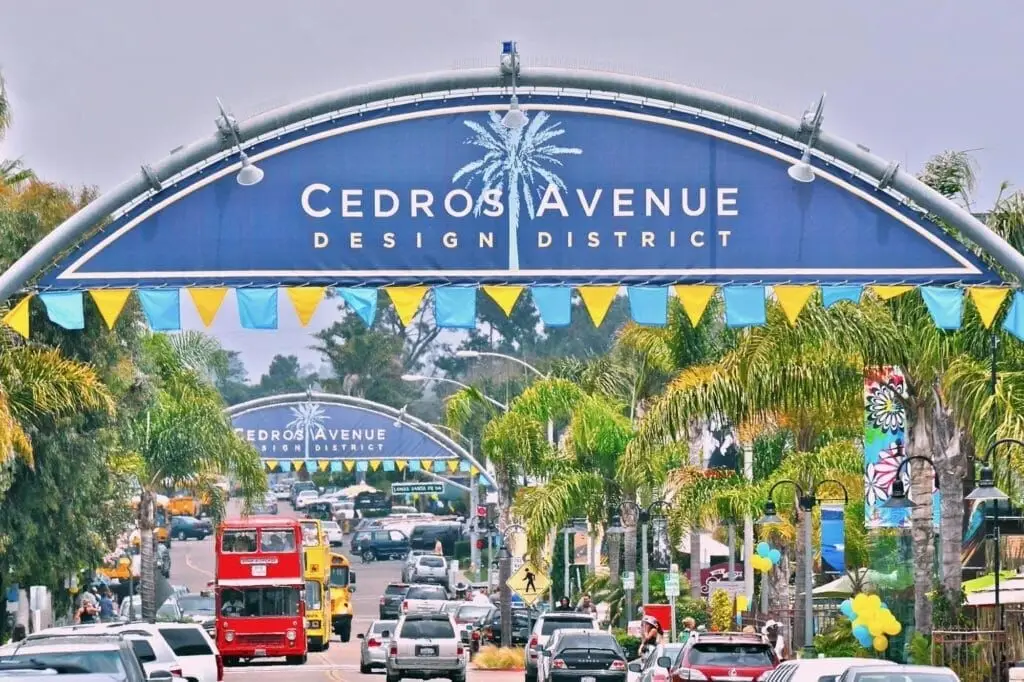
Facebook Marketplace is full of small tragedies in the vein of “bought this gray couch and turns out that’s just cigarette ash.” Avoid furniture catfishing and go sit on sofas IRL in the Cedros Avenue Design District—Solana Beach’s strip of airy, high-end furniture showrooms. Even if you’re not in the market for a living room refresh, it’s fun to wander through and play “Would you rather buy this $4,500 marble hedgehog or this $6,000 Dadaist lamp?”
DIY a little seaside art tour. La Jolla’s history as an art town began in 1894 when Anna Held established the Green Dragon Colony, a collection of cottages that hosted artists and performers. It’s still a top destination for culturing up. The main attraction is the Museum of Contemporary Art San Diego, but there are several smaller galleries you can wander through for free, from the longstanding Quint to LOS/NR to Bird Rock’s Two Rooms from artist Lizzie Zelter.
Ever want to be a zookeeper, minus the cleaning-up part of the job? Nurtured by Nature will heal your unfulfilled Joan Embry ambition. At the conservation nonprofit in Valley Center, you can feed a capybara, pet a sloth, and get in a large kiddie pool with a bunch of adorable otters who want to do front flips off your forearms. The (admittedly expensive) appointment fee helps ensure that the critters’ wild cousins are protected from extinction.
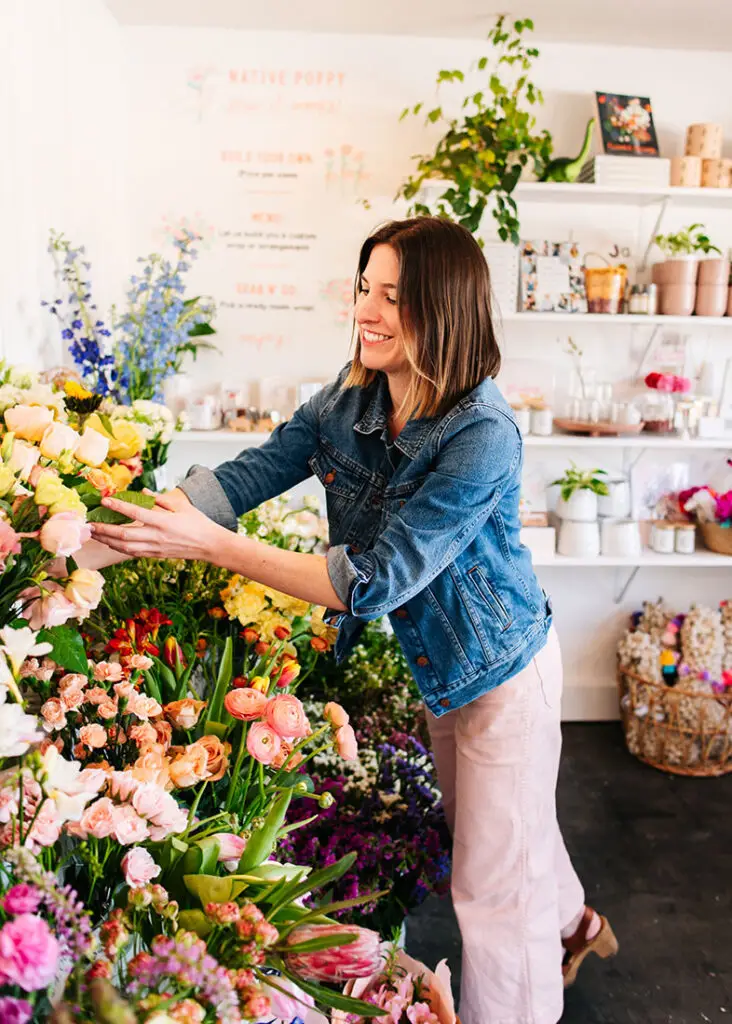
According to a 2024 survey, 15 percent of Americans have no hobbies. Don’t be one of them. Learn a new skill at one of the many San Diego shops and institutions offering workshops and courses: South Park’s Native Poppy does flower-arranging classes, Leucadia’s The Mudd House will teach you how to make your own mug, and Liberty Station’s San Diego Craft Collective offers instruction on everything from perfume-making to basket-weaving.
If picking through detritus under the hot sun to find a treasure isn’t your thing, point yourself to Kurtz Street Vintage Marketplace. Indoors and airconditioned, the detritus here is curated, organized, pleasing to the eye. More expensive, too, but who cares? The world is ending! Kurtz is jam-packed with antiques, vintage wares, midcentury furniture, kitschy art, costume jewlery…nobody will not like this place. Well, except kids. They’ll be bored as a fake gourd. Leave them home, grab a friend, and happy shopping.
Maybe you’ve been a devout Catholic since your great-grandmother gifted you a rosary on your fifth birthday when you really wanted a Nintendo. Or maybe the idea of God to you is a perfectly made taco al pastor. Either way, you’re welcome to mass at The Immaculata Church on University of San Diego’s campus (the white, castle-looking building you see from a distance when you’re driving on the 8). The church holds vigil mass on Saturdays, two services on Sundays, and even the occasional wedding. The stained glass alone is enough to make an agnostic tear up.
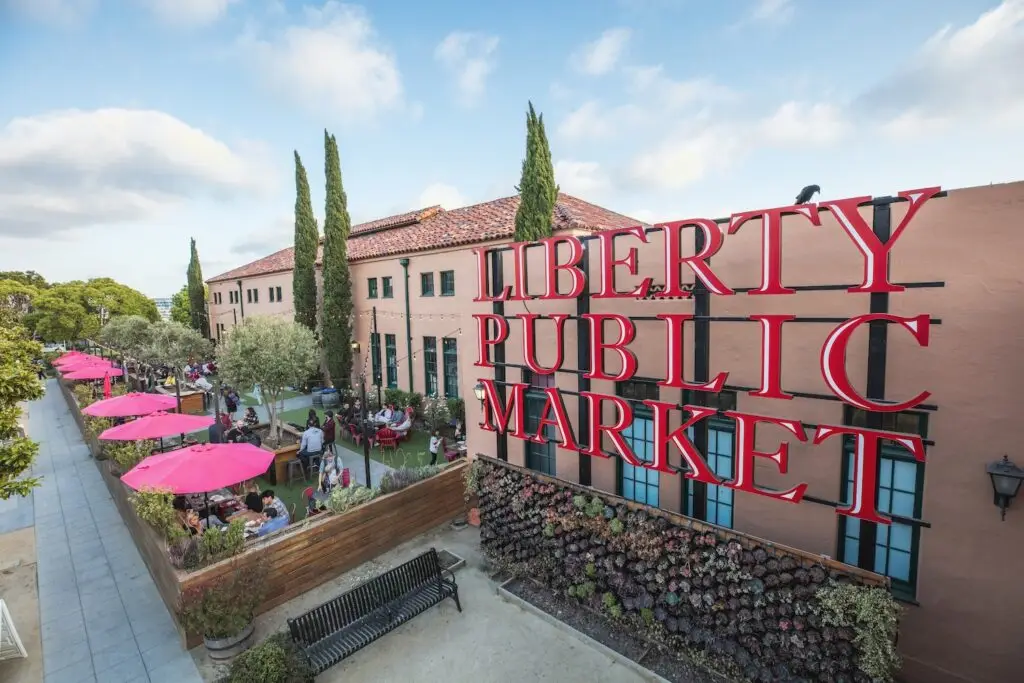
Confuse your stomach by ordering at as many food stands in the Liberty Station Public Market as you can. That means double-fisting a box of mini donuts and a container of yellow curry while ordering a $4.50 slice of margherita. Good luck finding your way out, but once you do, chow down and take a sleepy stroll through the 100-plus galleries in the Arts District.
Ask not what San Diego can do for you, but what you can do for San Diego—that is, volunteer for a local environmental organization like Surfrider Foundation or I Love A Clean San Diego. Pick up trash, plant a native shrub, learn the names of some birds. Bonus points if you meet an elderly green-thumb who can teach you about tidepool conservation.
Hop on the 5 and drive with the windows down until the smell of freshly made tostadas hits you. That’s when you exit: Welcome to Barrio Logan. Beyond just great Mexican food—and there’s plenty—the neighborhood has days worth of culture and art to explore. From reading the outdoor murals in Chicano Park like a history book to joining the Barrio Logan Art Crawl every second Saturday of the month, there’s something for everyone.
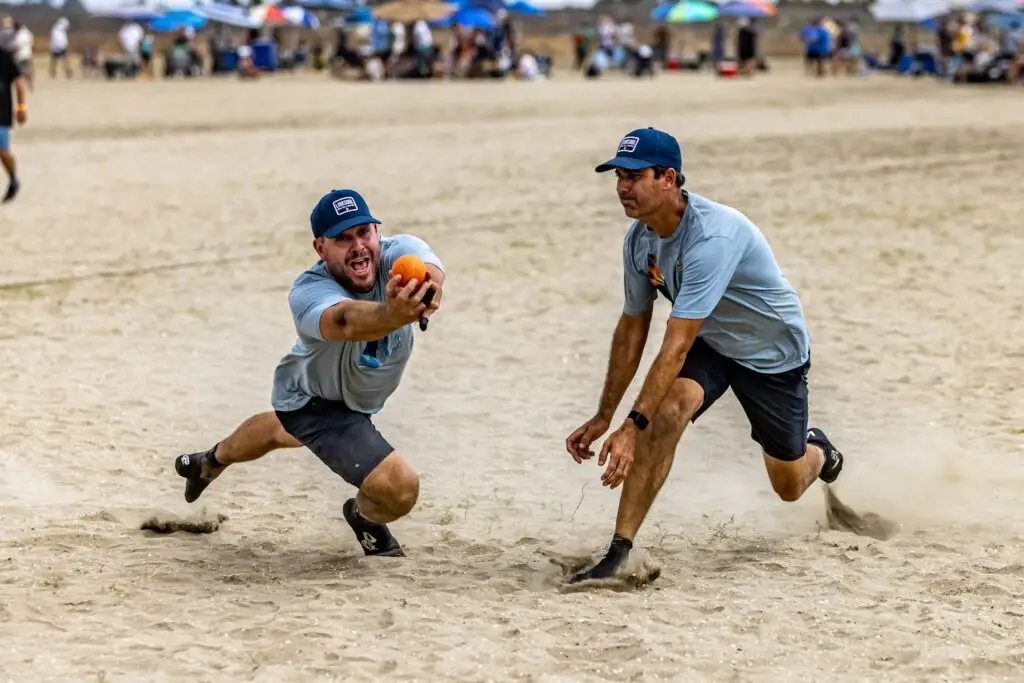
San Diego is known for a good handful of inventions: WD-40, Jack in the Box, and, of course, Over-the-Line. If you’re not familiar, this softball-beach-volleyball love child first started in the ’50s on South Mission with a group of bored dudes waiting for a volleyball net to free up (some things don’t change). Now, it’s become an annual midsummer tradition with 8,000-10,000 participants showing up last year (eight to 10 of whom were sober).
Stretch those hammies, and hit Sunset Cliffs for a vinyasa flow. Various yoga studios and collective groups offer outdoor classes weekly, typically in the morning or at sunset when the light hits the cliffs and makes them glow. Don’t forget to snap a pic: It’s the easiest way to make your out-of-town relatives jealous.
There are a few places to rent jet skis in San Diego, but if you want to really test your skills, reserve yours from Luxury Jet Ski Rentals on Coronado Island. From its dock, make your way under the Coronado Bridge for wide- open waters that allow for stronger waves and fewer boats, allowing for drivers to enjoy increased speeds. Afterwards, drive over to Glorietta Bay, a family-friendly spot known for its calmer waters. Here you’ll find locals and visitors swimming, paddle boarding, boating, and picnicking.
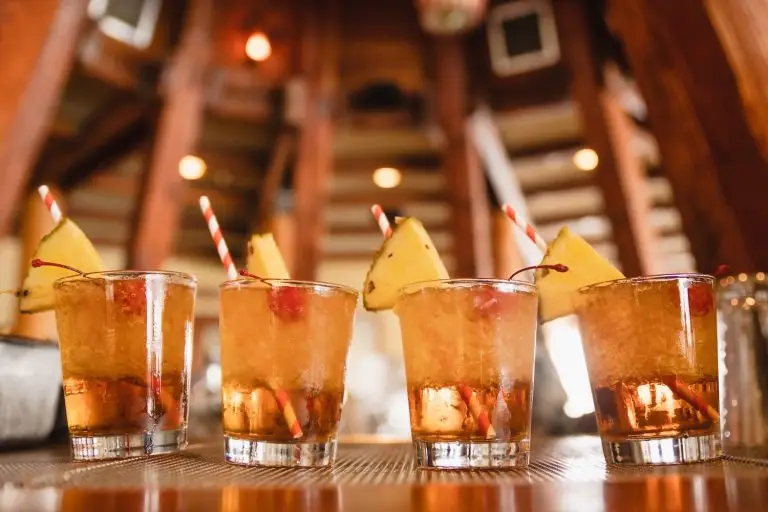
A lesser-known tourist attraction, Shelter Island in Point Loma is one of San Diego’s best- kept secrets. Start your morning with breakfast at Tom Ham’s Lighthouse (the only U.S. restaurant with an active U.S. Coast Guard-operated lighthouse built into its structure), then walk along the one-mile Shoreline Park for scenic views of the city. For lunch, visit Fathom Bistro, the smallest bar in the city that functions as a high-quality craft beer locale and bait and tackle shop. Try one of its famous house-made sausages before heading to Bali Hai for a signature mai tai. The restaurant that’s been around since 1954, and guests are limited to only two of these cocktails per person—trust us, that’s all you’ll need.
Rent a small kayak or bring your own floating device to catch an outdoor concert at Humphreys by the Bay. The music venue’s summer concerts run from April through October, and locals regularly catch their favorite acts for free using this little hack. From the beach at Bessemer Street on the Point Loma side of the La Playa Cove, you can paddle out (about 10- to 15-minutes) to the stage side of the channel. Don’t worry about getting lost, just follow the crowds to party—all hauling over their adult beverages and snacks for the show.
Stick with us here, but go to the mall for a day. Westfield UTC is more than just your average third place. While it’s got a good mix of high-end and affordable shops, visitors can also enjoy activities such as an escape room, arts and craft stores for families, a movie theater, and a playground for kids. On top of that, UTC’s food scene is top notch with standouts such as Din Tai Fung, Lucrezia, Raised by Wolves, and the newly opened Katsuya Ko.
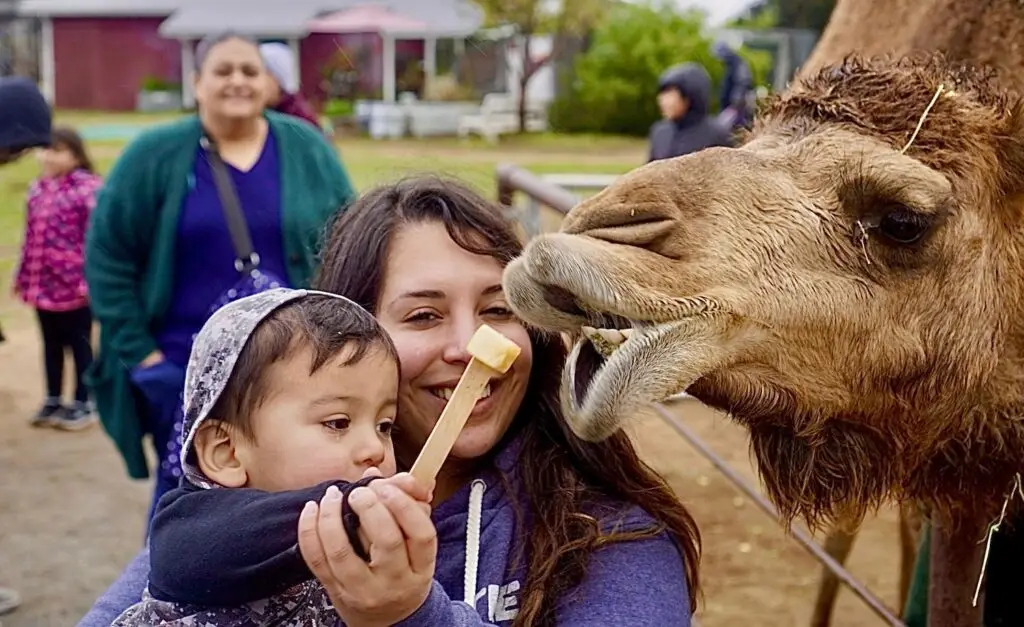
When you think San Diego wildlife, you probably think sea lions, dolphins, perhaps the occasional pompous seagull. But as it turns out, camels belong on that list too. The Ramona Oasis Camel Dairy offers camel tours to feed (or even ride!) the gentle giants. They even have camel camps for die-hard zoophilists. It’s less s’mores over the fire, more camel hair grooming. To each their own.
Turn off Spotify. Cancel it, actually, and experience live music. Head to Tender Hooligan in Chula Vista, a cozy record store/bar/coffee shop/listening lounge where vinyl vibes meet cocktails and coffee. On Wednesday nights, treat yo’ self to the Caballeros Homey Jammmm. El Maestro Bill Caballero has anchored Barrio Logan’s Latin jazz scene for decades—and he’s still got the chops. His band shreds like queso on a street taco. Sure, it’s a school night, but you can sleep when the congas stop. Order another cocktail—or a beer or a coffee—and stay for all three hours of this rippin’ show.
Celebrate freedom. Juneteenth is every day, but the Cooper Family Juneteenth Celebration happens Saturday, June 20, in Southeast San Diego. Recognized as the largest gathering of the Black community in San Diego County, this festival brings folks together for music, DJs, African drumming, food, kids’ activities, cultural education, and free community resources. What began more than 50 years ago as a family picnic hosted by Thelma and Sidney Cooper to honor Black Independence Day has grown into one of the city’s longest-running cultural events. Thelma and Sidney, the unofficial mayors of Southeast San Diego, dedicated their lives to service—from free haircuts and school support to creating spaces for connection. All San Diegans are welcome to this joyful, inclusive celebration of history, culture, and neighborhood pride.
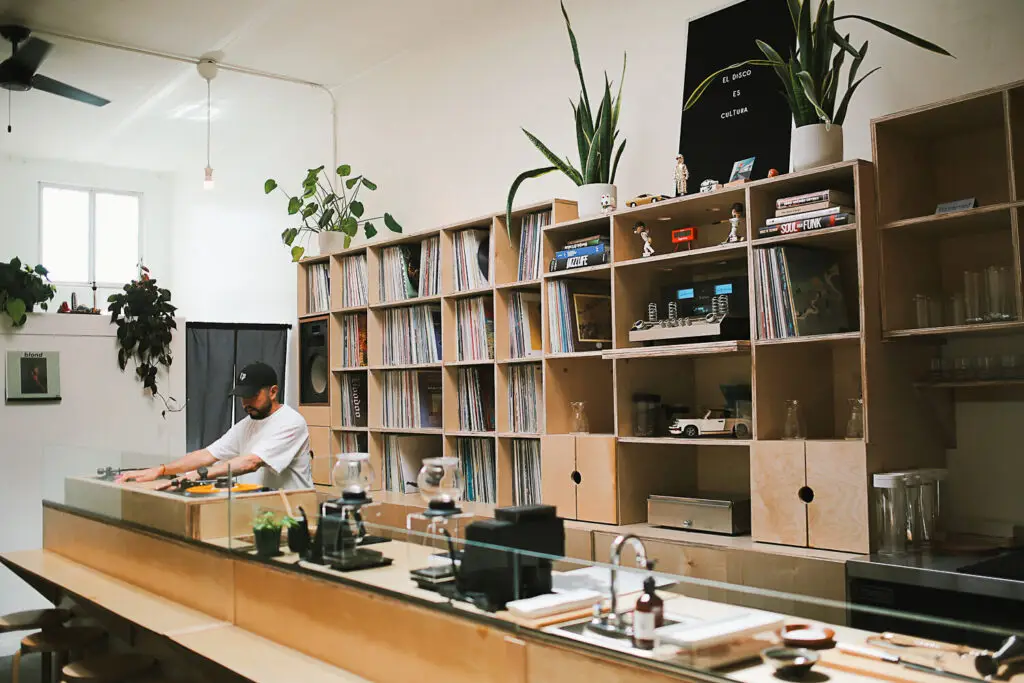
Get some daytime kissas. For lovers of vinyl and intimacy, still-under-the-radar Longplay Hi-Fi is not to be missed. Grab your lover by the hand and head to Sherman Heights. Pay attention or you might miss it: Longplay is tiny; its storefront unassuming. Patrons wait outside this listening bar—modeled after Tokyo “jazz kissas”—until they’re invited in and treated to owner Gibrán Huerta spinning one of his more than 1,000 records. Open Friday through Monday from 10 a.m. to 6 p.m., this café + bar is for day-daters, old friends who only have an hour to catch up, a hopeless romantic seeking an analog place to read haiku by the Great Four. Longplay is for anyone who wants to fall in love with…well…everything.
Go cruising…but skip the Mazatlán voyage with sweaty strangers and no shortage of norovirus. Ew, David! No, cruise culture means an entirely different—and way cooler—experience in National City. After the city repealed its cruising ban in 2023, lowrider clubs and local drivers began revving the tradition back to life through informal pop-up cruise nights. Everyone will find something to love: Classic Chevys, Impalas and other lowriders with poppin’ hydraulics and candy-colored paint roll along the historic strip. These gatherings aren’t usually scheduled—many spread by word of mouth or social media—but neighbors line the sidewalks to watch. If your timing is right, the street transforms into a rolling celebration of lowrider culture. You can’t get that if you’re out to sea.
Skip the wallet-shock, not the wildlife. Take the kiddos to the Living Coast Discovery Center. You’re welcome. Tucked inside the San Diego Bay National Wildlife Refuge in Chula Vista, this nonprofit zoo-aquarium hybrid introduces visitors to wildlife that actually lives around these parts. Think leopard sharks and bat rays, rescued sea turtles and birds of prey. Outside, easy marsh trails are dotted with benches and lookout points ideal for a quick snack while herons and egrets angle for dropped Goldfish. In other words: This is zoo-level experience without zoo-level sticker shock. Parking’s free, too (via shuttle), meaning families can spend the day exploring and learning at a fraction of the cost of, well, *gestures broadly at any outing in Southern California.*
