16 Things to Do in San Diego This Weekend: April 2-6
Enjoy a seasonal soiree at Estancia La Jolla, experience anime on the big screen at Naruto: The Symphonic Experience, & support neurodiverse artists at OMA’s The Art of Autism
From San Marcos’s free Spring Fling Festival to a full day of country at Boots in the Park, this weekend is fit for festivals galore. San Diego will flex its muscles as the Capital of Craft at the North Park Festival of Beers while local writers can gain insight from dozens of authors at the San Diego Storytelling Festival. Plus, the 2025 San Diego JFest will begin with three one-night-only plays at The Old Globe during The Whole Megillah Jewish New Play Festival. Check out our full list of things to do in San Diego this weekend below:
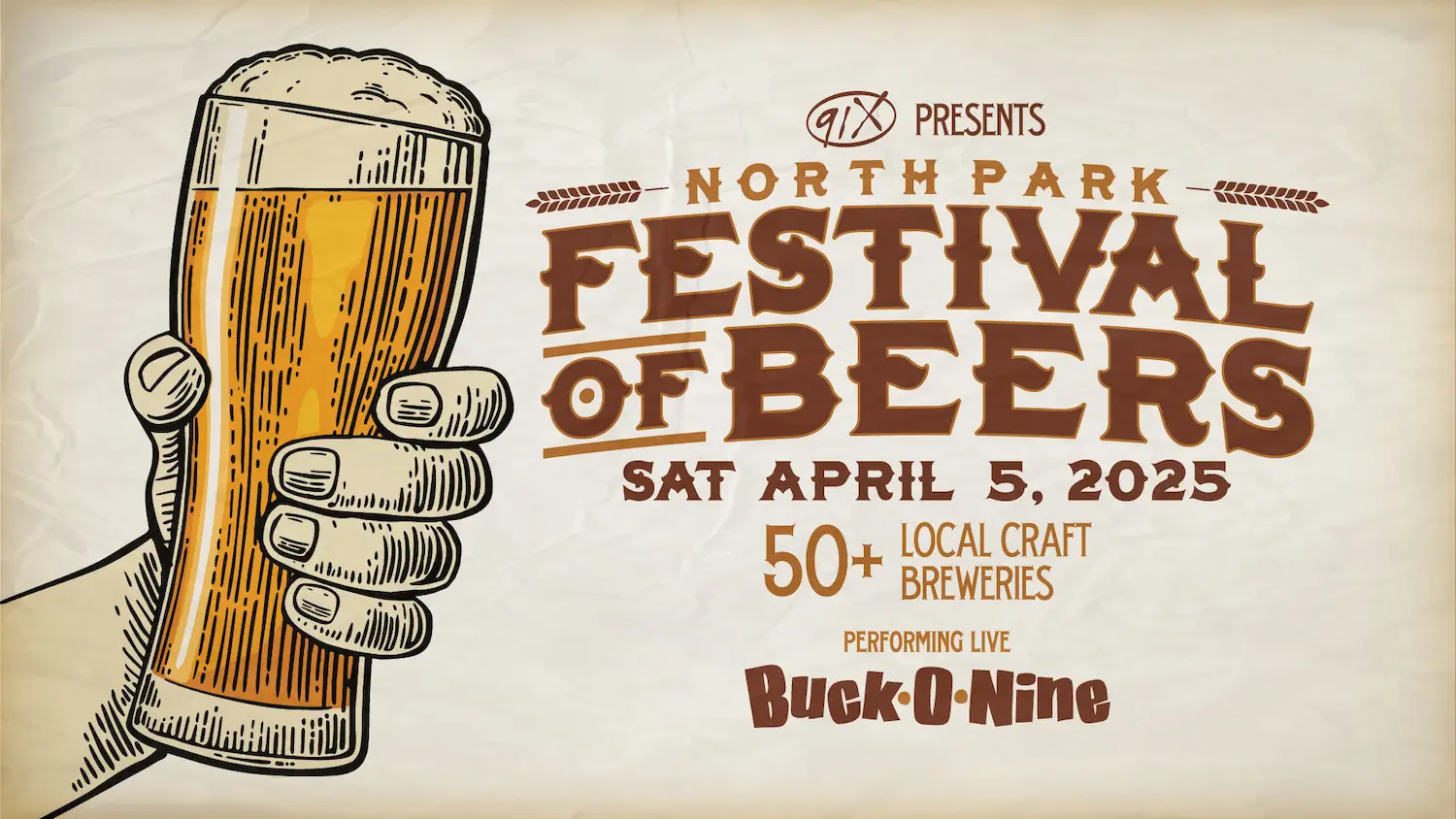
91X will present its annual salute to suds in front of the LaFayette Hotel this Saturday from noon to 4 p.m. with live music, artisans, food vendors and unlimited beer sampling of over 40 breweries and 80 beers during the North Park Festival of Beers. Ticket options include the admission-only designated driver pass ($33), general admission ($48) and VIP entry ($69), which includes early access at noon, in and out privileges, and special beer selections. Most importantly, a portion of the festival proceeds will be donated to the San Diego Music Foundation’s Taylor Guitars in Schools program.
Stroll The Forum Carlsbad for eats, wines and wide-ranging artwork during the shopping center’s free Spring Art & Wine Walk, returning Saturday from 3 p.m. to 6 p.m. Guests can enjoy complimentary wine tastings and a cupcake bar courtesy of Jimbo’s, charcuterie from Mirabelle Charcuterie, dessert from McConnell’s Fine Ice Creams, and a live performance from acoustic musician Freddie Walton. Plus, paintings, ceramics, photography and mixed media artwork will be available to view in participating eateries, galleries and department stores.
1923 Calle Barcelona, Carlsbad
Garden Party at Estancia La Jolla
April 6
Dress for an exuberant springtime affair, full of cocktails, Champagne and a garden full of fluorescent finds at Estancia La Jolla Hotel & Spa’s annual Garden Party this Sunday from noon to 4 p.m. At this 21+ outdoor bash, immerse yourself in the seasonal splendor with a bountifully botanical menu, floral decor and a range of local vendors selling distinctive items. Tickets ($82) come with food, a welcome beverage, and two complimentary cocktails.
9700 North Torrey Pines Road, La Jolla
Courtesy of Boots in the Park
Concerts & Festivals in San Diego This Weekend
The Whole Megillah Jewish New Play Festival
April 2-6
Kicking off the programming for the 2025 San Diego JFEST (April 1 – June 30) is the Whole Megillah Jewish New Play Festival, presenting a trio of new Jewish plays at The Old Globe. On stage at the Sheryl and Harvey White Theatre this week will be unwavering stories of family history, religious observances, and the lasting power of klezmer music in Variations of Crossing The Alps(April 2), The Treehouse(April 3)and Chagall(April 6). Tickets start at $23 for each performance.
See one of anime’s greatest protagonists revered on stage during NARUTO: The Symphonic Experience, coming to the Civic Theatre for an evening performance on Thursday at 7:30 p.m. Two hours of pivotal scenes from the 200+ episode run of Naruto will depict the evolution of Naruto Uzumaki while a live orchestra will play Toshio Masuda’s original score during this performance celebrating the iconic Japanese series. Tickets start at $53.
1100 Third Avenue, Gaslamp
Quartyard’s 10th Anniversary Weekend Concerts
April 4-6
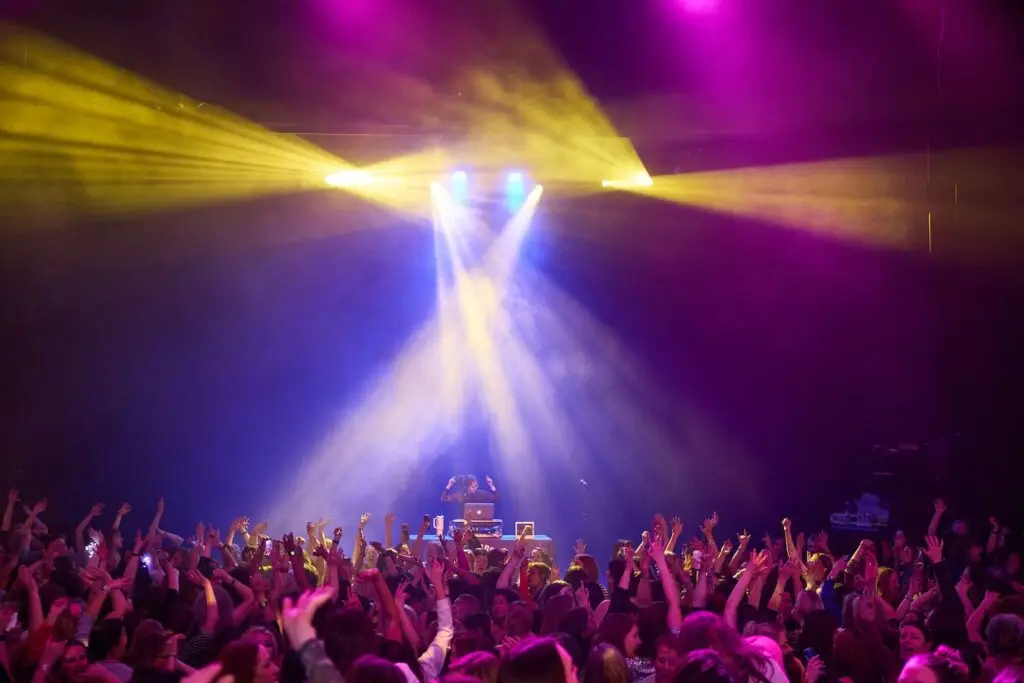
Quartyard is celebrating its 10th birthday with not one, but three concerts happening Friday through Sunday at the East Village venue. First up Friday night is psychedelic rock group WILLIS ($23), who will be joined by Manwolves. Saturday evening, composer and multi-instrumentalist Adrian Younge ($30) and the San Diego Freak Out DJs will perform with a ten piece orchestra. To cap off the b-day performances will be the dance-happy grooves of Rubblebucket ($30).
San Diego Writers Festival at Coronado Public Library
April 5
A collection of 100 speakers will take part in Saturday’s San Diego Writers Festival at the Coronado Public Library, with panels, workshops and author talks happening from 9 a.m. to 5 p.m. The festival is open to readers and writers of all ages, with topics like travel writing, psychological thrillers and pitching being discussed, and featured authors including Tembi Locke, Ed Begley Jr. and Hank Phillippi Ryan. One highlight of the festival programming is the chance to attend a screening for The Night Agent followed by a talkback with the author whose book the series is based on. Register for this free event here.
640 Orange Avenue, Coronado
Boots In The Park Festival at Waterfront Park
April 5
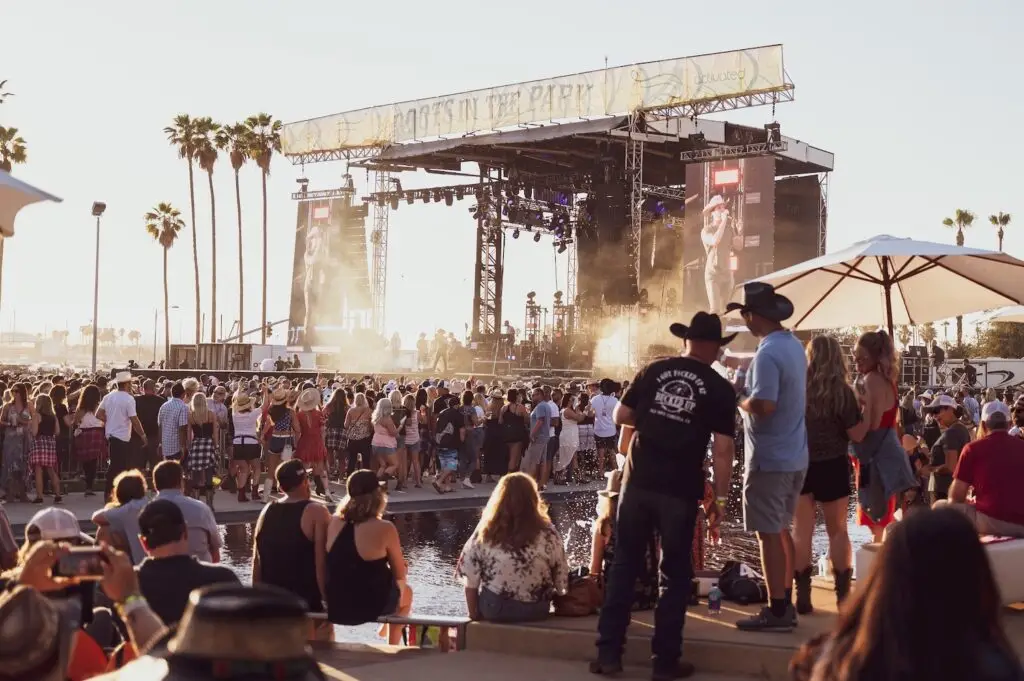
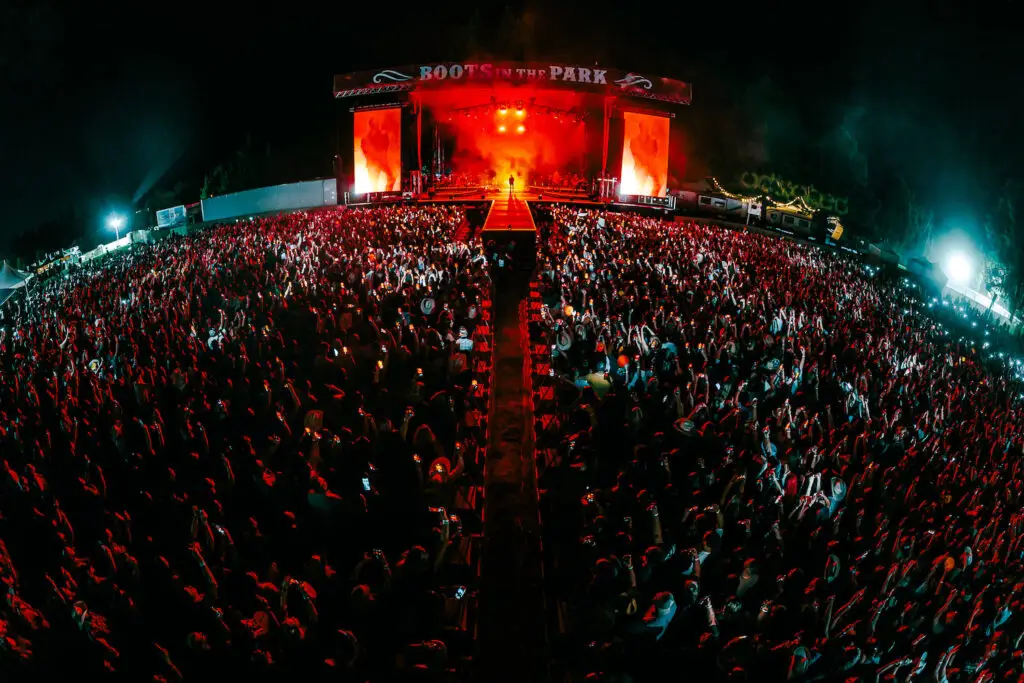
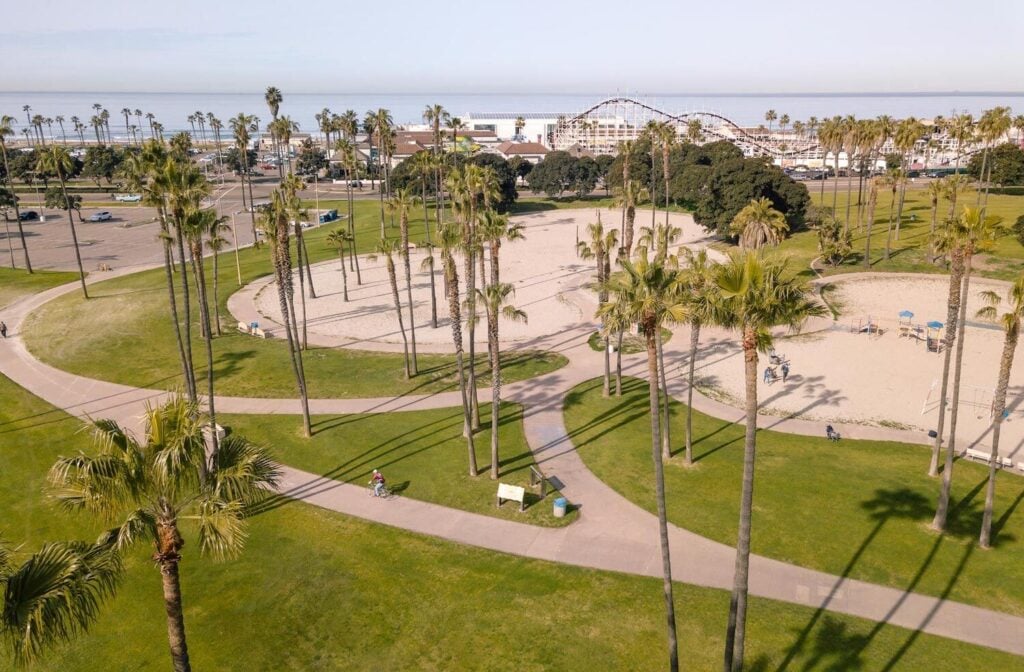
This Saturday, the shores of San Diego will be the site of a line dancing-laden country jamboree as the traveling Boots In The Park festival moseys its way back to Waterfront Park. This year’s lineup features one of Nashville’s biggest bands and several solo artists with Old Dominion, Chris Young, Tyler Hubbard, Tayler Holder, Presley Tennant and Luwiss Lux on the bill. General admission tickets are $129, GA Pit Pass+ are $229 and VIP tickets are $330, with perks like private bars and exclusive food vendors.
1600 Pacific Highway, Embarcadero
San Marcos Spring Fling Festival
April 6
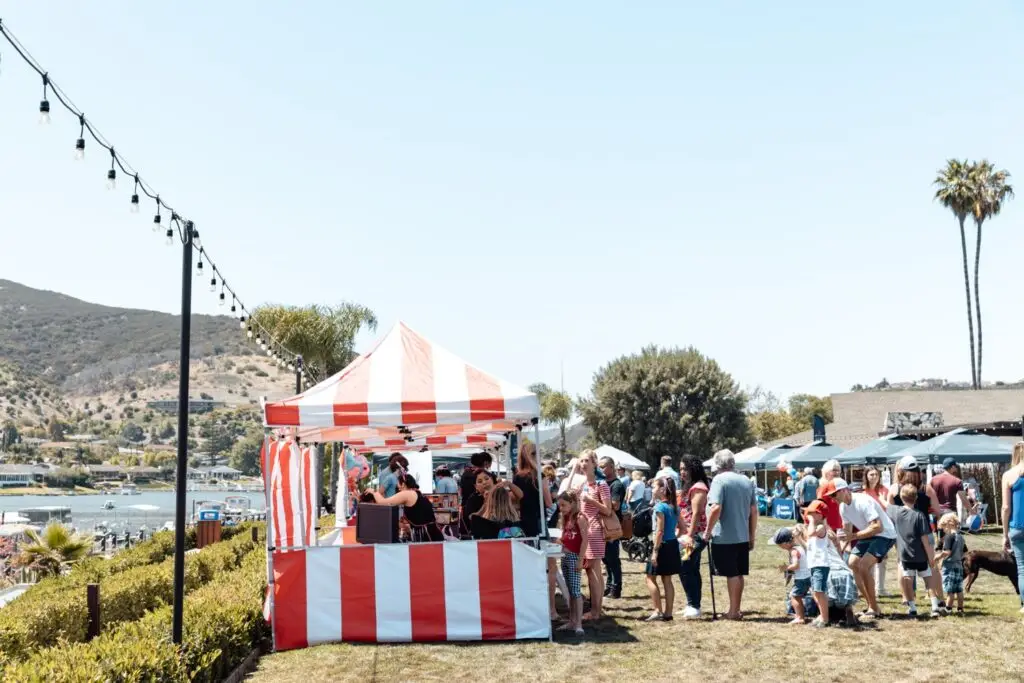
This Sunday, San Marcos’ North City District will be the new home for the city’s annual Spring Fling Festival, bringing together over 250 vendors, live entertainment, and an assortment of North County breweries and wineries for a free all-day event. This Sunday from 9 a.m. to 5 p.m., attendees can peruse a range of street food options, a mobile play area for children, local musicians performing on The Teri Bornemann Main Stage and the many makers, shops and businesses on the festival grounds.
250 North City Drive, San Marcos
Courtesy of Oceanside Museum of Art
Theater & Art Exhibits in San Diego This Weekend
Hillary and Clinton at the Alma Hotel
April 3-19
Lucas Hnath’s fictional take on Hillary Clinton’s 2008 presidential campaign finds its story in Clinton’s contentious relationship with her husband Bill. In OnWord Theatre’s San Diego premiere production of Hillary and Clinton, public perception and the expectations for a woman in politics will also be dissected. There will be a “Pay what you can” preview performance of Hillary and Clinton this Thursday at 7 p.m.; tickets are $45 for all other performances, with no assigned seating.
As with the underworlds depicted in classic films like The Maltese Falcon and Double Indemnity, The Studio Door invites all to step into the seedy and deceitful world of the noir. Art Noir will merge pop culture and fine art with the mysterious aesthetic of the genre, while typically painted with black and white boundaries often operates in the unconventional. The gallery will host an artist reception for the exhibition on Thursday, April 10 from 6 p.m. to 9 p.m.
3867 Fourth Avenue, Hillcrest
Fine Art and Craft Sale to Benefit LA Artists Affected by Recent Wildfires at Union Hall Gallery
April 4-6 & 11-13
Union Hall Gallery is raising money for artists and art workers affected by the Pacific Palisades and Altadena wildfires through a fine art and craft sale featuring more than 250 donated pieces across a variety of mediums. Over two weekends (Friday from 2 p.m. to 6 p.m. and Saturday & Sunday from 11 a.m. to 5 p.m.), there will be rotating artwork on display from several artists—including prominent local creators and burgeoning talents—with pieces on sale going for $10 to $5,000. All proceeds from the sale will go to Grief and Hope: LA Art World Fire Relief Fund.
2323 Broadway, Golden Hill
The Art of Autism: A Different Lens at Oceanside Museum of Art
April 5 – August 3
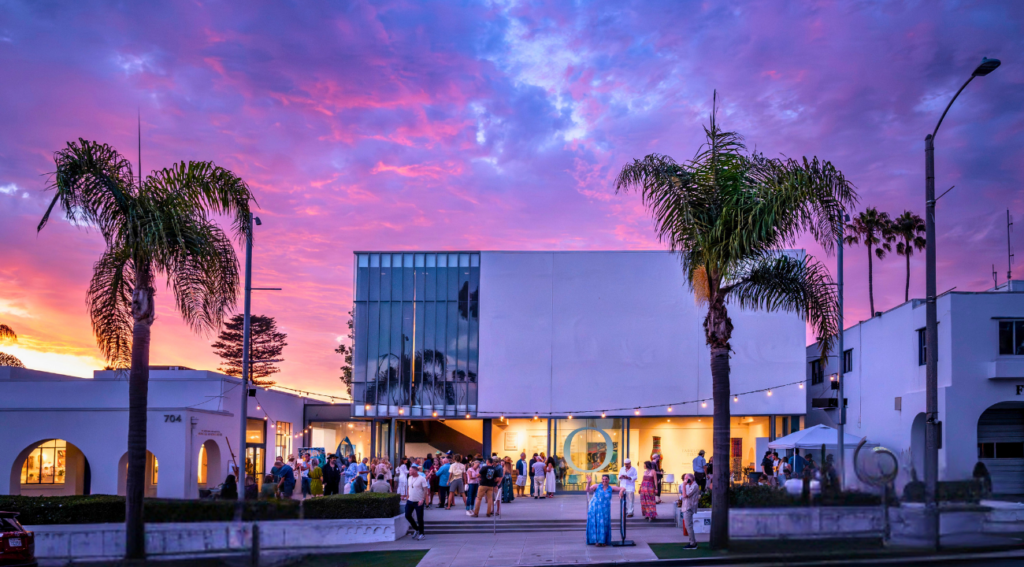
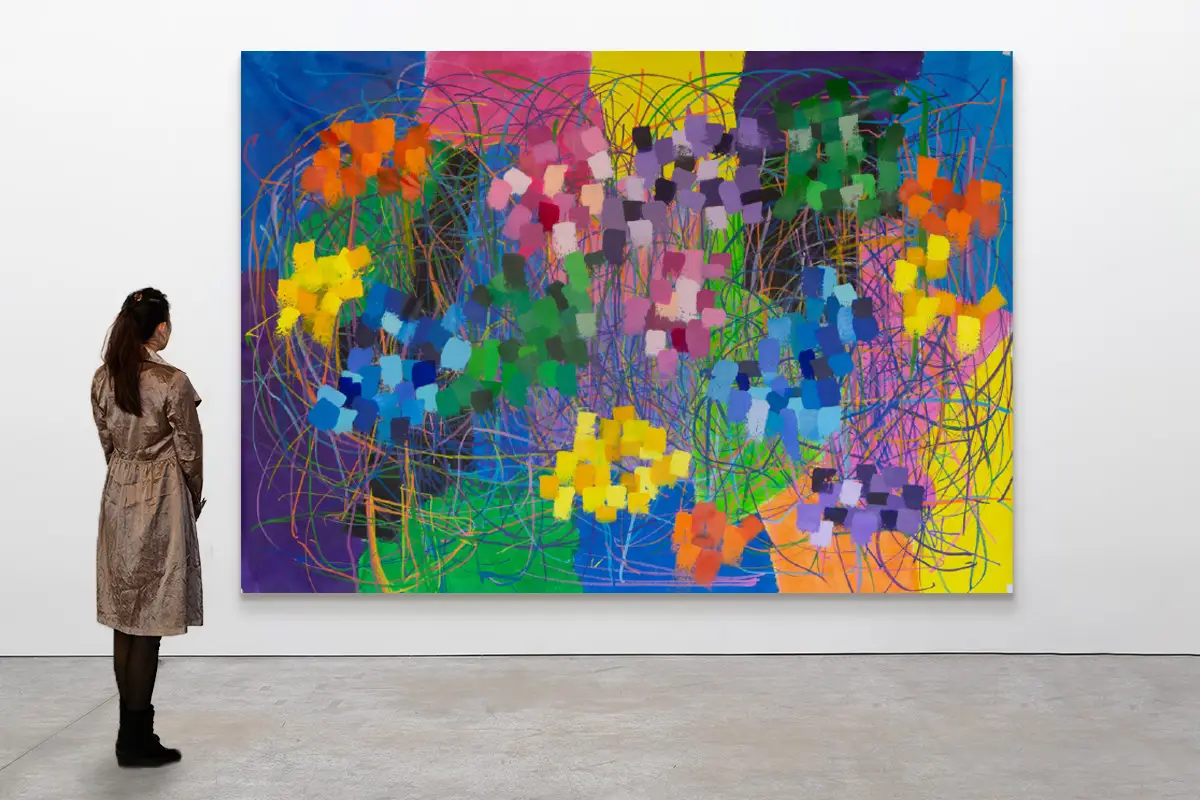
The transcendent works of over a dozen neurodivergent artists will make up the Oceanside Museum of Art’s The Art of Autism: A Different Lensexhibition, opening this Saturday.This exhibition is a collaboration between the museum and local nonprofit The Art of Autism, which supports people on the autism spectrum and those who are neurodivergent pursuing the visual arts. The Art of Autism will have an exhibition celebration on Saturday, May 3 that is free for museum members and $15 for the general public.
704 Pier View Way, Oceanside
Courtesy of GranFondo San Diego
More Fun Things To Do in San Diego This Weekend
Wanda Sykes at Civic Theatre
April 4
Wanda Sykes can make nearly anything sound funny, whether it be curt political observations or personal gripes. Outside of her many comedy specials, Sykes’ distinct voice and timely line deliveries have made her an integral part of acclaimed shows like The Other Two, Black-ish and The Upshaws, which she also serves on as a writer and co-creator. Tickets range from $52 to $170 for Sykes’ stand-up show this Friday at 7:30 p.m. at the Civic Theatre, featuring special guest Keith Robinson.
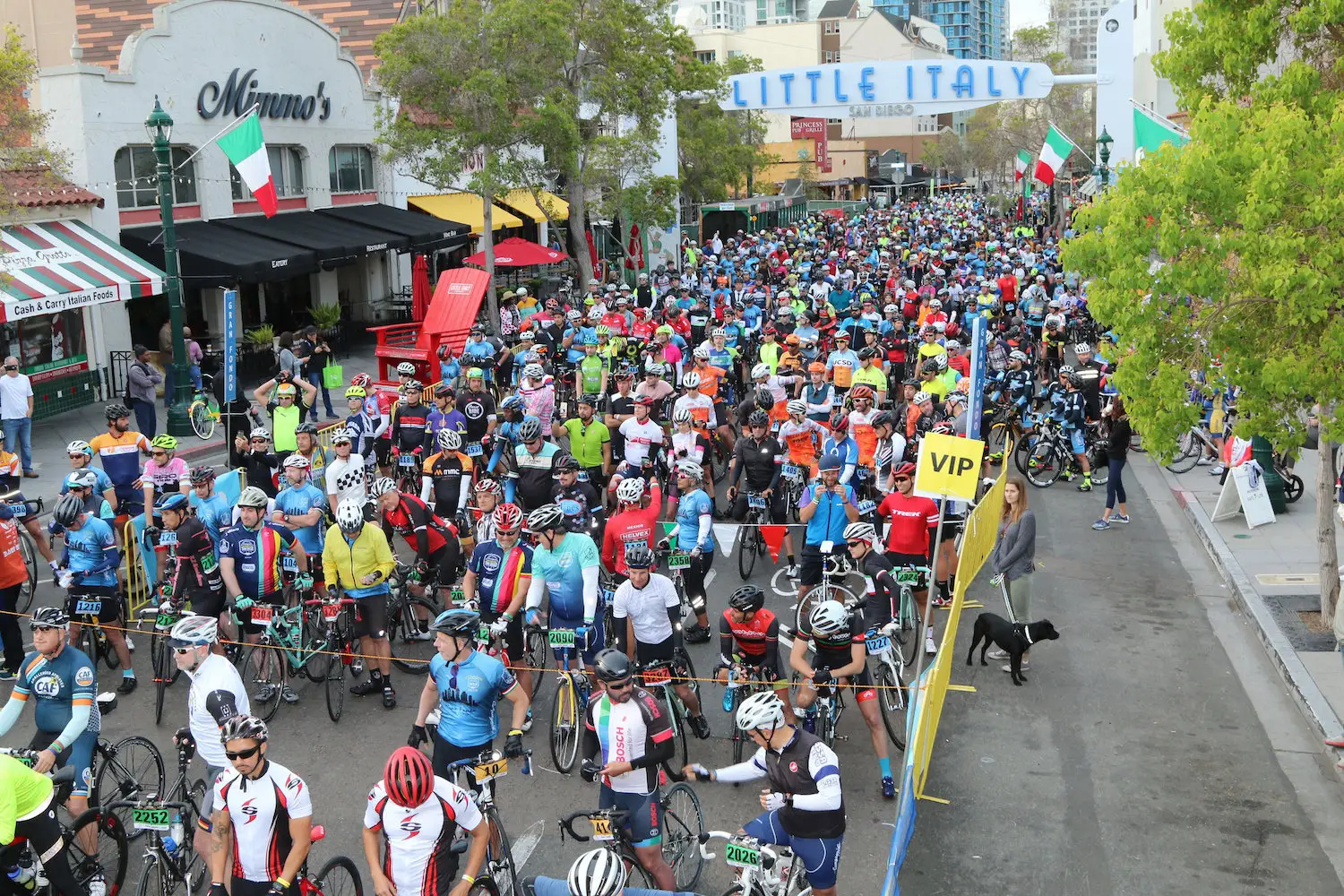
The GranFondo San Diego, a.k.a. the “big ride,” is an adventurous cycling experience with the promise of pasta waiting across the finish line. Cyclists of all levels can ride 34, 60 or 101 miles with each course starting and finishing at Ruocco Park. Following the race, there will be a bike & fitness expo, and Italian pasta lunch, a beer garden and live music for riders to check out. Registration ranges from $88 to $252 depending on route choice and racing jersey purchase.
585 Harbor Lane, Embarcadero
Carlsbad 5000
April 6
A race that’s ripe for runner PRs, the Carlsbad 5000 is an out-and-back road run on Coast Highway 101 that is equipped for runners of all skill levels and ages to go their very fastest. There will be 5Ks in multiple categories as well as the People’s Race, a non-competitive option for walkers and joggers. All participants can enjoy a post-race health and fitness expo with exhibitors, a beer garden from Pizza Port and live music from Betamaxx. Registration is $43 for the kids’ half-mile and mile and races and $80 for the adult 5Ks. Those who register will receive two beers (if they are 21+), a race shirt, finisher medal, race photos and results.
Ryan Hardison is a freelance arts and entertainment writer and recent graduate of San Diego State. When he's not staring at his laptop, he's likely eating an adobada burrito or getting sunburnt at the beach.
If you’ve ever wondered what it would feel like to perform on one of San Diego’s most iconic stages, here’s your shot. The Old Globe is looking for local singers, songwriters, and musicians to take the spotlight before performances of its upcoming musical Begin Again—and the gig comes with a chance to perform on the theater’s main stage and at a new community music event, Begin Again: San Diego Sessions.
Inspired by the opening scene of Begin Again, which makes its pre-Broadway premiere at The Old Globe this fall, the open mic–style performances celebrate local talent while giving audiences a taste of San Diego’s music scene before the curtain rises.
Solo artists and duets ages 18 and older can submit video entries here through Friday, July 10. Selected performers will be notified by July 14.
The public is also invited to Begin Again: San Diego Sessions, a free event on Monday, July 20, at 7 p.m. in the Globe’s Copley Plaza. Attendees can catch performances from top contest participants while enjoying discounted drinks from the theater’s pub.
“Begin Again is a story about hope and someone finding their light,” says Adena Varner, Director of Arts Engagement at The Old Globe. “The opening moment, which is what we’re excited about with this contest, is about an artist who’s unknown taking a chance at an open mic night—and then their life changes.”
“What I love about San Diego is it’s a space where hopes and dreams seem to actually be able to come true, and people get to find themselves, find their light and their voice, so I think the spirit of the show really resonates with who we are as San Diegans,” she says.
For director Lorin Latarro, the pre-show performances are a chance to weave San Diego into the production. While the musical has been developed in New York with New York–based musicians and actors, these performances create a direct connection between the show and the city’s local music community.
“One of the things Lorin is passionate about is wanting these performances to feel like San Diego, so we want them to be diverse,” Varner says. “We want these moments to look like us and all that that means… We have submissions from artists based in Tijuana, North County, and East County, so it’s geographically diverse, ethnically diverse, and we’re looking at age diversity as well.”
The Old Globe has hosted community engagement opportunities tied to past productions—including an art contest and walk-on performances—but nothing quite like this.
“We’ve also never had an open mic night on the plaza, so we’re excited, and we really want the music community to know that they’ve got a place at The Old Globe, too,” Varner says. “We’re getting in the practice of making sure our community feels connected to our shows and have an opportunity to contribute in a way that’s meaningful and impactful for them.”
Begin Again is based on the 2013 film starring Keira Knightley and Mark Ruffalo, with a book by Jenna Clark Embrey and Molly Beach Murphy and music and lyrics by Pat Monahan of Train. Performances run September 6 through October 11, with opening night on September 17.
At the time of publication, The Old Globe had received nearly 100 video submissions.
Kai Oliver-Kurtin is a San Diego-based writer who covers travel, dining, events, and culture. Her writing has been published in USA Today, Condé Nast Traveler, Fodor's Travel, Marie Claire, and HuffPost, among others.
Growing up in Carlsbad, I never quite understood why people vacationed there. What, so you want to check out the field where I have soccer practice? Pay my orthodontist a visit? Carlsbad just felt like a town by the beach, no better or worse than any other in the country. It took going to college out of state for me to actually understand just how rare a place like Carlsbad is.
Thanksgiving break my freshman year, my first time coming home after three months in the Midwest, my shoulders dropped. I rolled down the windows and drove to lifeguard tower 37—the hangout magnet for Carlsbad’s youths (and, in the summer, tourists)—and the smells of the ocean woke me right up like smelling salts do. I finally got it.
Carlsbad isn’t just a stopover town on your way to something better. It is the destination. Travel + Leisure named Carlsbad one of the top 50 places around the world to travel in 2026. From the whole globe, the travel magazine picked my home. Sure, we’ve got the Flower Fields and Legoland—but now it’s the smaller ships and indier dreams that are giving it street-level character.
It’s not just Carlsbad, either. People have talked about the “North County bubble” for decades—a force field that prevents its residents from traveling south of the 56. It’s often used derogatorily, and it’s a fairly accurate burn.
For decades, living up in North County meant giving up on culture, or at least culture within close proximity. But now, the main expansion of San Diego culture is happening up north. Central San Diego restaurants have started taking notice and are expanding into the area—spurred no doubt by Oceanside’s food boom and the Jeune et Jolie–Campfire–Wildland–Lilo constellation in Carlsbad. City Heights burger joint Key & Cleaver opened a new spot in Oceanside; the owners of Parc Bistro-Brasserie in Bankers Hill opened Parc Lounge in Rancho Santa Fe. Possibly the strongest market indicator is that Sam Fox—one of the most successful restaurateurs west of the Rockies—has started focusing on North County for his concepts. In 2025, he opened both The Henry in Carlsbad and Culinary Dropout in Del Mar.
For the ultimate insider guide, we found a handful of inspiring people who live and create and truly know six North County neighborhoods—San Marcos, Escondido, Oceanside, Leucadia, Rancho Santa Fe, and Vista—and asked them how they’d spend a dream day out and about in their town.
Courtesy of North City Farmers Market
San Marcos
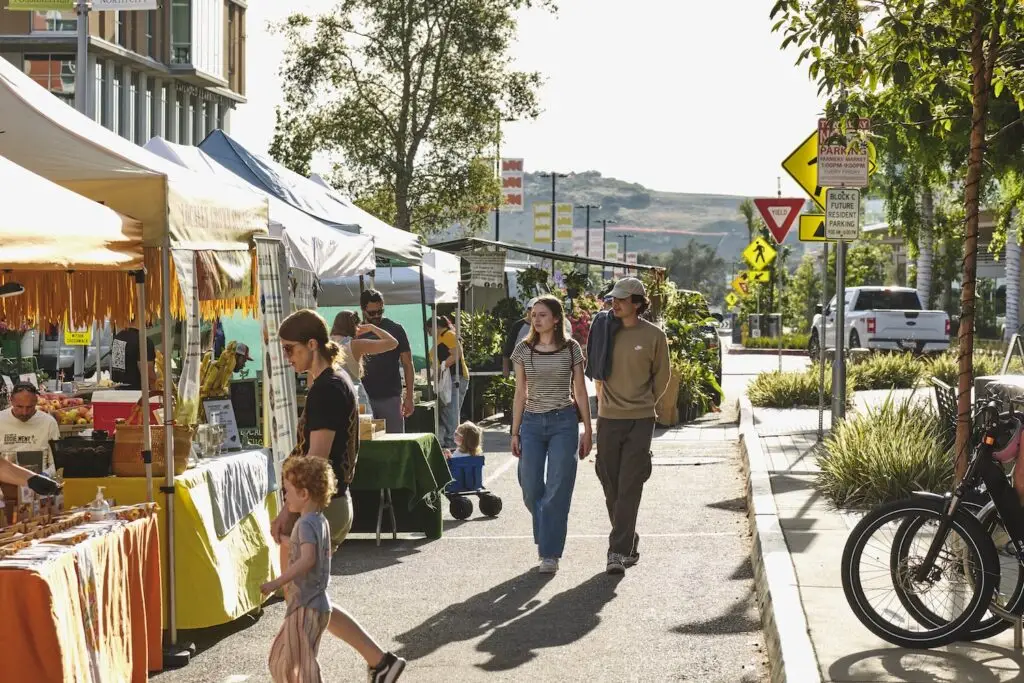
San Marcos is in full renaissance mode. The biggest story is that the grand North City vision is starting to peek through the scaffolding. It’s essentially the North County Downtown that’s been written in the tea leaves and discussed whenever someone gets stuck in traffic at the 5/805 merge: a 200-acre, pedestrian-friendly, mixed-use face-changer that’s slated for 2,600 homes, 350,000 square feet of retail and restaurants, 250 hotel rooms, and about a million square feet of offices and labs. Its most recent manifestation is 222 North City—a 12-story residential tower with over 450 residences, rooftop garden, pool cabanas, art installations, and almost 20,000 square feet of ground-floor retail (Necessity Coffee, Buona Forchetta, Draft Republic, Milonga Empanadas, and a grocery store anchor on its way).
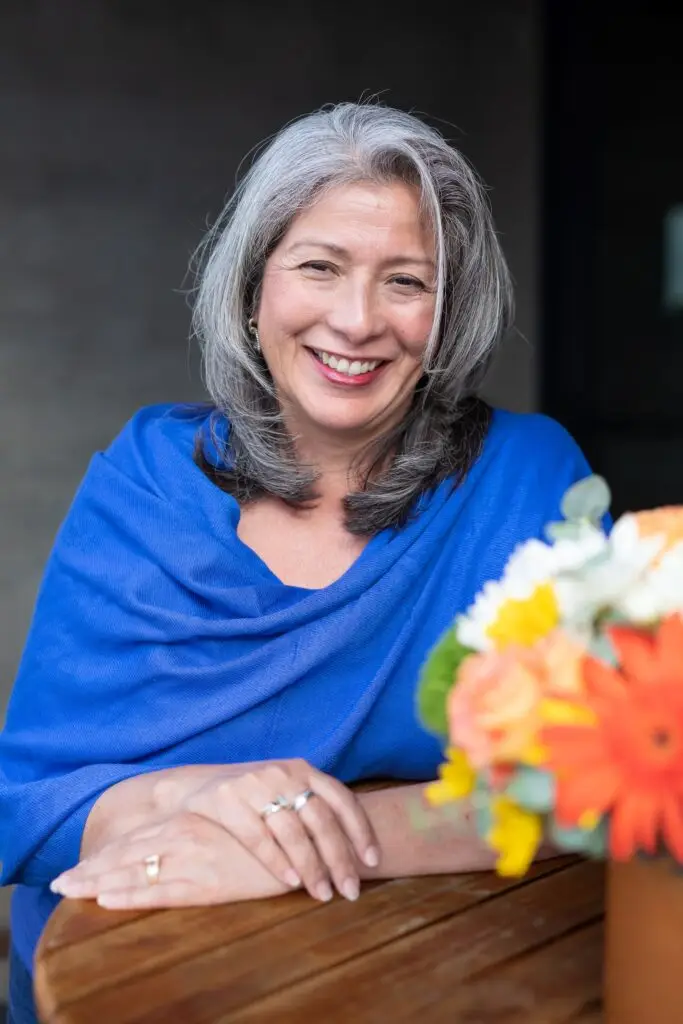
Which means Restaurant Row is no longer burdened with being the primary caregiver for the hungry or the socially inclined. Patricia Prado-Olmos has watched the city morph during her nearly three-decade tenure at CSUSM, having spent the past six years as the school’s chief community engagement officer. She also just announced her forthcoming retirement at the end of the 2026–2027 school year, so she’ll have even more time to haunt local haunts.
Meet the Local: Patricia Prado-Olmos
Those in the know call the university “Cal State StairMaster” from the Sisyphean amount of stairs on the hillside campus. So, any day at or around CSUSM should start with a homestyle carbo-load (biscuits and gravy) from Mama Kat’s.
“There’s something about this breakfast spot that immediately puts me in a good mood,” she says. Mama Kat’s is also known for its pie (strawberry-rhubarb), which is breakfast if you change your perspective.
After a few hours on campus—with a break to pet the university’s official therapy goldendoodle, Frank, who helps ease finals tremors or apprehension of on-campus stairs—Prado-Olmos will wander into North City, just steps away. She says the almond croissant and coffee at Christophe Rull Patisserie rival Parisian cafés: “It feels like the kind of place you’d stumble across in a much bigger city.”
Rull, a Michelin-trained pastry chef who’s done stints on Netflix (Bake Squad) and Food Network (Super Mega Cakes, Halloween Wars), opened his patisserie last fall. The hype hasn’t cooled off yet: Get there early because the crowds do.
Emma Veidt is an editor at San Diego Magazine. She earned her bachelor's and master's degrees from the Missouri School of Journalism. She loves running, hiking, and rock climbing, but really, she mostly loves encounters with the street cats around North Park.
It’s happening, San Diego. The pre–Comic-Con excitement jitters begin to creep in as soon as July hits the calendar. But for those who forgot to set an alarm on registration day, whose batteries died or whose luck ran out in the virtual waiting room, or who simply prefer to soak up the fandom frenzy from the outside, we’ve got the best ways to experience Comic-Con weekend—no badge required.
Ready Party One: The Final Level 2026 SDCC Kickoff Party
Ain’t no party like an after-hours party, and XLE Productions’ Ready Party One is definitely one for comic book fans. Kick-start your convention weekend at Parq Nightclub and enjoy music by fan-favorite ’80s tribute band The Flux Capacitors, along with enough fandom fun, cosplay, retro gaming and pop-culture nostalgia to satisfy your inner geek. At least for the night.
Date & Time: Wednesday, July 22, 8 p.m. Location: Parq Nightclub, 615 Broadway, San Diego, CA 92101 Price: Tickets start at $34
Interactive Zone at Petco Park and Gallagher Square Events
With more than a dozen activities and brand activations, Petco Park’s Interactive Zone is a badgeless fan’s playground, bringing together brands, games, celebrity appearances and immersive experiences all in one place. On Friday, July 24, Funko’s beloved annual party, hosted by Funko founder Mike Becker, returns to Gallagher Square. This year’s “Quest for the Grail” event will take guests on a journey to the sunken city of Atlantis. Expect themed décor, food, drinks, games and special guest appearances.
Date & Time: Thursday, July 23–Sunday, July 26 (times TBD) Location: Lexus Premier Lot across from Petco Park Price: Free; Funko Funday event is ticketed
Cartoon and art lovers can celebrate the work of Chuck Jones, creator of some of animation’s most iconic characters, including Bugs Bunny, Daffy Duck, Road Runner, Wile E. Coyote and Pepé Le Pew, at Seaport Village’s Chuck Jones Gallery. During Comic-Con weekend, the showroom will also host meet-and-greets with talented artists including Disney artist and seascape painter Steve Barton, The Simpsons animator Stephen Reis, and licensed Warner Bros., Hanna-Barbera and Disney fine artist Ben Olson.
Date & Time: Thursday, July 23–Saturday, July 25, 2026 (times TBD) Location: Chuck Jones Gallery, 809 W. Harbor Drive, San Diego, CA Price: Free
PAWmicon Pet Cosplay
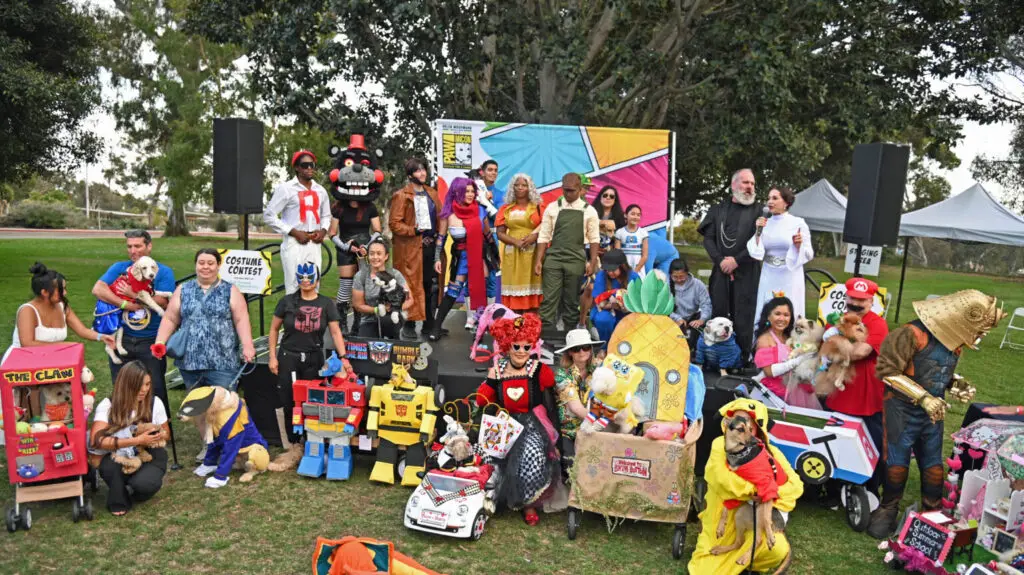
Get your pup’s—and your own—cosplay game ready because Helen Woodward Animal Center’s PAWmicon is back. Enjoy a Comic-Con-themed outing with the whole family while raising awareness for orphaned pets in San Diego. Divided into three categories—Flying Solo, Dynamic Duos & Trios & More, and Fantastic Floats—the event is a paw-fect way to jump-start the festivities.
Date & Time: Tuesday, July 21, 2026, 4:30–7 p.m. Location: Presidents Way Lawn at Balboa Park Price: Free
Comic-Con-Themed Bar Crawl
Why leave all the fun, mischief and mayhem to badge holders when you can join more than 300 partygoers and crawl through some of downtown San Diego’s top bars and nightclubs? Whether you’re called to save the universe or have an allegiance to the dark side, the annual Comic-Con Bar Crawl gives attendees exclusive access to more than 20 venues throughout the Gaslamp Quarter, with free welcome shots, exclusive drink discounts and complimentary entry along the way. This event for ages 21 and older is a fun way to celebrate your fandom outside the convention center.
Date & Time: Friday, July 24–Sunday, July 26, 2026, 8 p.m.–2 a.m. Location: Check-in at Toro, 672 Fifth Ave., San Diego, CA 92101, from 8–9 p.m. Price: $13–$30
Her Universe Fashion Show
Geek out over couture at the annual Her Universe Fashion Show at the Manchester Grand Hyatt. Hosted by founder and Star Wars: The Clone Wars actress Ashley Eckstein and presented by Warner Bros. Discovery Global Consumer Products, this year’s show will feature a selection of designers showcasing one-of-a-kind DC-inspired creations as they compete for a $2,000 cash prize.
Note: Wristbands are traditionally distributed the morning of the event on a first-come, first-served basis, but official details have not yet been announced.
Date & Time: Thursday, July 23, 6 p.m. Location: Manchester Grand Hyatt, Seaport Ballroom, 1 Market Place, San Diego, CA 92101 Price: Free
Comic-Con Museum
A destination for all things fandom, Balboa Park’s Comic-Con Museum brings world-premiere and exclusive exhibits and events to the heart of San Diego, giving fans a place to geek out all year long. The museum is currently featuring the U.S. debut of Doctor Who Worlds of Wonder, showcasing 17 of the Doctor’s most iconic costumes, a full-size TARDIS and a collection of original sonic screwdrivers used on-screen. Visitors can also explore Sangre, Sudor y Mito: The Art and Tradition of Mexican Lucha Libre, featuring rare collectibles and authentic masks and costumes worn by legendary luchadores.
Date & Time: Open Thursday through Tuesday (closed Wednesdays), 10 a.m.–5 p.m. Location: 2131 Pan American Plaza, San Diego, CA 92101 Price: $15–$30; free for children younger than 6
Comic-Con Art Show
Browse an extensive collection of original drawings, paintings, jewelry and other whimsical creations from more than 100 professional and amateur artists at the Comic-Con Art Show. Many pieces will be available for purchase through the silent auction or Quick Sale, giving fans the chance to take home a one-of-a-kind Comic-Con souvenir while supporting talented artists.
Dates & Times:
Thursday, July 23: 11 a.m.–8 p.m.
Friday, July 24: 9 a.m.–8 p.m.
Saturday, July 25: 9 a.m.–6 p.m.
Sunday, July 26: 9 a.m.–6 p.m.
Location: Manchester Grand Hyatt, Grand Hall CD, 1 Market Place, San Diego, CA 92101 Price: Free
Looking for a supercute way to fuel your Comic-Con adventures? Swing by the Hello Kitty Café Truck. This traveling pink café on wheels will be parked at Petco Park’s Interactive Zone, serving up tasty treats and exclusive merchandise. From limited-edition tote bags and hats to mugs and T-shirts, it’s the perfect stop to grab a snack and a little extra kawaii cuteness.
Date & Time:
Thursday, July 23–Saturday, July 25: 10 a.m.–4 p.m.
Sunday, July 26: 10 a.m. (closing time TBD)
Location: Petco Park Interactive Zone, 100 Park Blvd., San Diego, CA 92101 Price: Menu items vary
PopUp Bagels, Spider-Man and Donut Bar Activations at Pendry San Diego
Get ready to fuel up and hype up. Whether you’re a plain-bagel purist or an everything-bagel fan, don’t miss your chance to grab breakfast or recharge at PopUp Bagels’ Volkswagen bus parked outside Pendry San Diego. Then satisfy your sweet tooth at Provisional with a rotating selection of character-themed doughnuts from Donut Bar. Both are available throughout the weekend beginning at 7 a.m. until sold out.
On Saturday, July 25, from noon to 3 p.m., head to Nason’s Beer Hall to celebrate Sony Pictures’ upcoming Spider-Man: Brand New Day. Guests can sample Tom Holland’s nonalcoholic beer brand, BERO, served in limited-edition themed cans available exclusively during the event.
Camila Ibarra Gallego is a CaliBaja native pursuing a master's degree in culinary journalism at the Basque Culinary Center. Shaped by the culturally rich, bicultural megaregion, she's passionate about sniffing out stories that connect people, territory and culture through food. When she's not tumbling down internet rabbit holes, you can find her pretending to be a wine connoisseur at a local wine bar or nose-deep in a good book.
Finding a gift that feels truly personal can be surprisingly difficult. In a sea of generic options — flowers, gift cards, candles, and the like — Xplosion Box offers something more lasting: a customized keepsake built around the photos, messages, and memories that matter most.
Founded by Southern California entrepreneur Jay Vijay, Xplosion Box LLC creates fully customized explosion gift boxes that arrive professionally designed, printed, assembled, and ready to gift. Each box opens layer by layer to reveal personal photos, heartfelt messages, pull-out albums, origami-style photo pockets, and hidden notes, turning a simple gift into an emotional reveal.
The brand was built for people who want to give something meaningful without spending hours printing photos, cutting paper, folding cardstock, or assembling a DIY project. Customers simply choose a box, upload their favorite photos, add personal messages, and the Xplosion Box team transforms those details into a polished keepsake that feels thoughtful, personal, and beautifully made.
Xplosion Box offers personalized gift boxes for birthdays, anniversaries, weddings, graduations, Mother’s Day, Father’s Day, Valentine’s Day, Christmas, proposals, bridesmaid gifts, long-distance relationships, and thoughtful “just because” moments.
Customers can choose from flexible customization options starting at $27. The Mini Surprise Box includes 10 photos, three message cards, and one hidden secret note, while the Mega Surprise Box offers a fuller keepsake experience with 40 photos, three message cards, and one hidden secret note.
What sets Xplosion Box apart is its high level of customization combined with convenience. Filled with personal photos, custom text, decorative details, and layered surprises, each box gives customers the freedom to create a gift that feels one-of-a-kind — without having to make it themselves.
At its core, Xplosion Box helps people turn favorite photos, stories, and words into something tangible: a keepsake that can be opened, revisited, and remembered long after the occasion has passed.
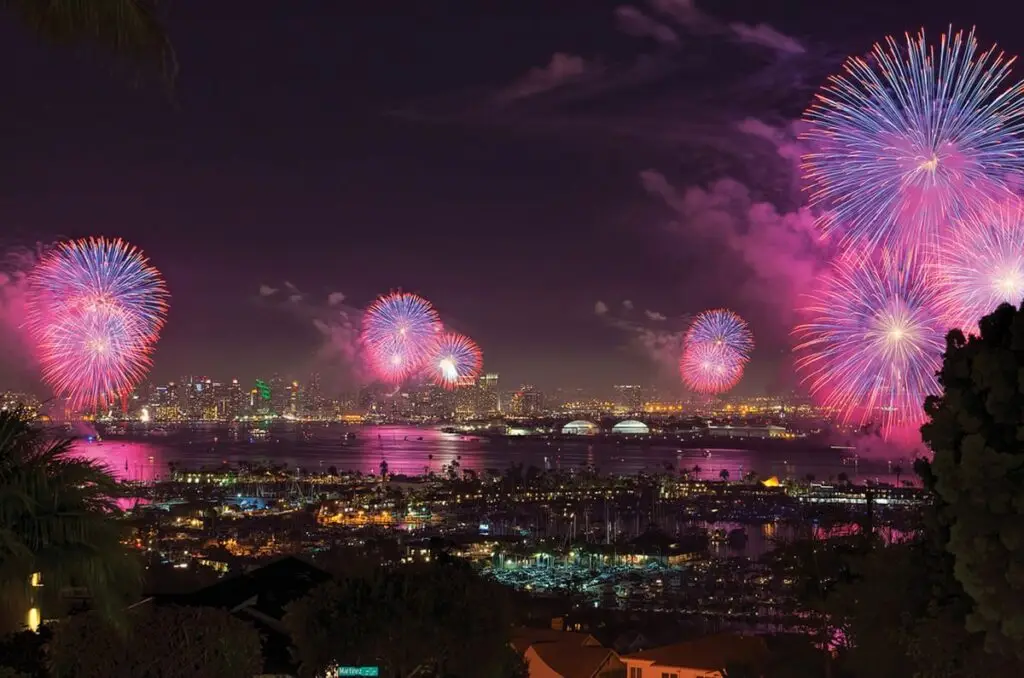
Before, during, and after the Fourth of July, San Diegans can commemorate America’s 250th anniversary with an abundance of stars, stripes and local celebrations. America The Beautiful: 250 at The Rady Shell and Lamb’s Players Theatre’s revival of American Rhythm will look back at the many songs which define our country. Liberty Station’s Anchored in Freedom celebration and the Independence Day Carnival offer community-centered fun and loads of family-friendly activities. And who can possibly forget the Big Bay Boom, which will resume its reign over San Diego Bay as the state’s biggest fireworks show. Outside of the holiday festivities, this week brings the yearly return of Little Italy’s Summer Sera and the Athenaeum Summer Festival, as well as a slate of championship matches for All Elite Wrestling.
Sip on refreshing beverages and savor a panoramic rooftop view this Friday from 6-8 p.m. during the 21-plus Sunset & Spritz at Margaritaville Hotel San Diego Gaslamp Quarter’s 5 O’Clock Somewhere Bar. There will be a live DJ (until 9 p.m.), appetizers, pool and cabana access, a photo booth, and a cash bar (until 11 p.m.). To accentuate the summer theme, guests are invited to dress in white, pink, and orange attire. Tickets are $29 and come with a welcome aperol spritz.
616 J Street, Gaslamp
The 250 Grand Tasting Menu at Amaya
July 3 & 4
Bring a patriotic palette to the Fairmont Grand Del Mar for The 250 Grand Tasting Menu at Amaya this Friday and Saturday from 5-8:30 p.m. Patrons will be treated to a five-course tasting menu, curated to exhibit a selection of standout regional flavors and culinary concepts that have shaped our country’s distinct food heritage. The meal will also include beverage pairings with each course, such as wine, cocktails, and artisanal drinks. Reservations are $330 per person (with tax and 20% gratuity) on OpenTable.
Don Toliver thrives at being the life of the party (and the “After Party”). His fifth album Octane, released in February, is indicative of his thrill-seeking nature. As with his earlier releases, Octane sees Toliver operating in the space between hip-hop and R&B, with warbling vocals and blaring beats that are best heard at a high volume. This Tuesday at 7:30 p.m., Toliver will play at Pechanga Arena, with rappers SoFaygo, Chase B and SahBabii—who had a guest verse on Octane standout “K9”—as special guests. Tickets start at $156 for this concert.
What makes musicals like Wicked, Cats, Chicago, and Jersey Boys so timeless is the legion of excellent songs that makes fans out of those who’ve never even watched the show. This Friday at 7:30 p.m. during Blockbuster Broadway! at The Rady Shell, conductor Evan Roider, the San Diego Symphony Orchestra, and veteran vocalists Alex Getlin, Jessica Hendy, Scott Coulter, and John Boswell (also on piano) will perform an all-star theater soundtrack. In addition to the shows named above, audiences can expect songs from A Chorus Line, The Phantom of the Opera, Annie,and more. Tickets range from $57 to $129 for this concert.
222 Marina Park Way, Embarcadero
America The Beautiful: 250 at The Rady Shell
July 4
One night after recognizing the brilliance of Broadway, The Rady Shell will ring in the United States’ landmark anniversary with America The Beautiful: 250 this Saturday at 7:30 p.m. Conductor Byron Stripling, joined by a five-performer ensemble and the San Diego Symphony Orchestra, will lead a night of ballads that best resemble the red, white, and blue, including songs sourced from the Great American Songbook. After the show, concertgoers are invited to watch the nearby Big Bay Boom from their seats. Tickets range from $71 to $139 for this concert.
222 Marina Park Way, Embarcadero
Athenaeum Summer Festival at Athenaeum Music & Arts Library
Ryan Hardison is a freelance arts and entertainment writer and recent graduate of San Diego State. When he's not staring at his laptop, he's likely eating an adobada burrito or getting sunburnt at the beach.
Summer has officially kicked off, and San Diego is celebrating the sunny season with a myriad of fun events. From San Diego Pride week and a fairytale performance at Civic Theatre to a Santigold concert and Comic-Con, there are dozens of opportunities to make memories worth adding to your scrapbook. Here are all the best things to do in San Diego this July:
Divine inspirations, operatic ballads, and symphonic pop production elevate Rosalía’s Lux to heavenly levels. Hear angelic vocals ascend—in up to 13 languages—during her performance at Pechanga Arena.
Enjoy a night of feel-good indie rock and sing-along anthems at the Cal Coast Credit Union Open Air Theatre courtesy of Young the Giant and special guest Cold War Kids.
29
Santigold collects genres like gold stars: musical accouterments that brighten her uniquely alternative sound. See her live in concert with dancehall producer Troy Baker Sound at Humphreys Concerts by the Bay.
Two male government workers pursue a secret romance amid the Lavender Scare in the San Diego Opera’s production of “Fellow Travelers” at the Balboa Theatre.
Audrey Hepburn. Marlon Brando. Salvador Dalí. What do these icons have in common? Each was the enigmatic focus of a Cecil Beaton portrait. Step inside Cecil Beaton’s Fashionable World, an alluring showcase of 20th-century style at San Diego Museum of Art.
Courtesy of San Diego Pride
More Fun Things to Do in San Diego This Month
1
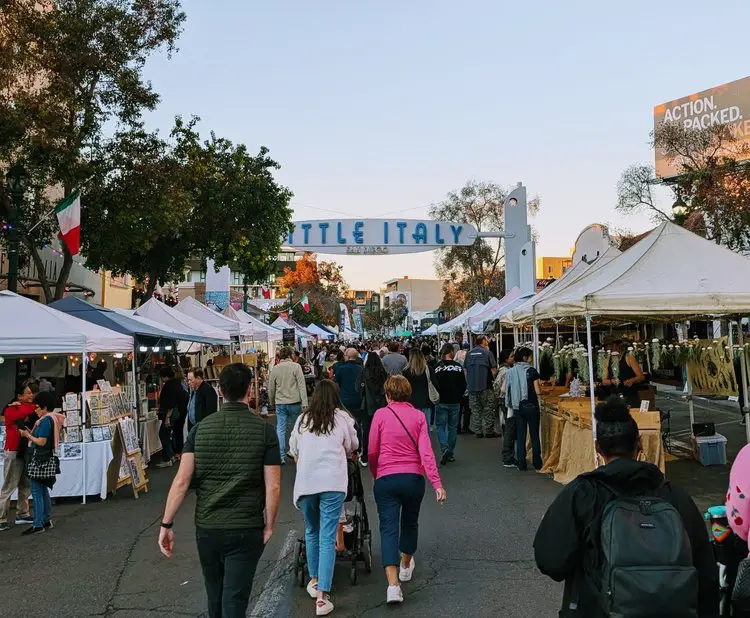
The Little Italy Mercato will trade morning rays for golden-hour glow through its free Summer Sera, an expansion of the neighborhood’s farmers market with live music, artisanal finds, and a fetching amount of pet activities.
11–19
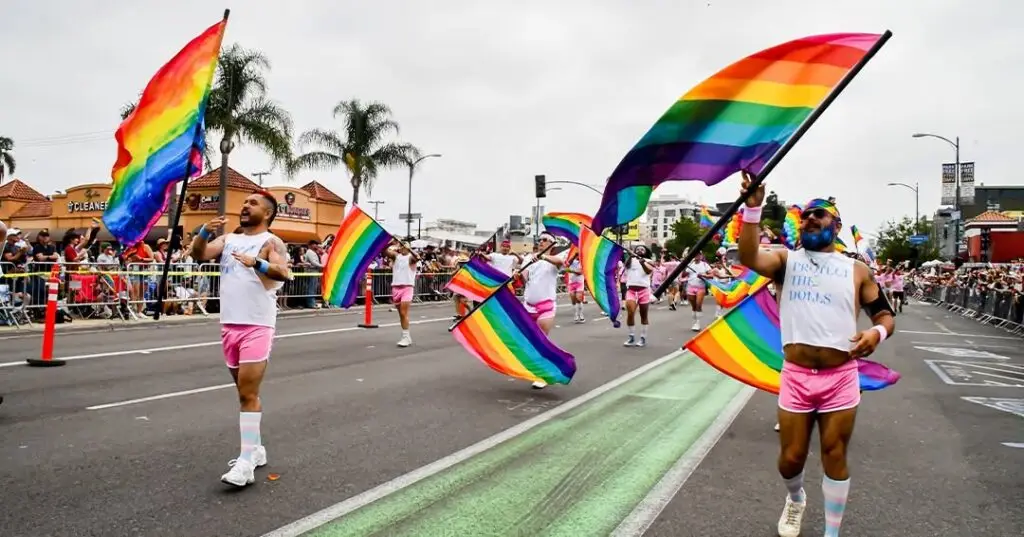
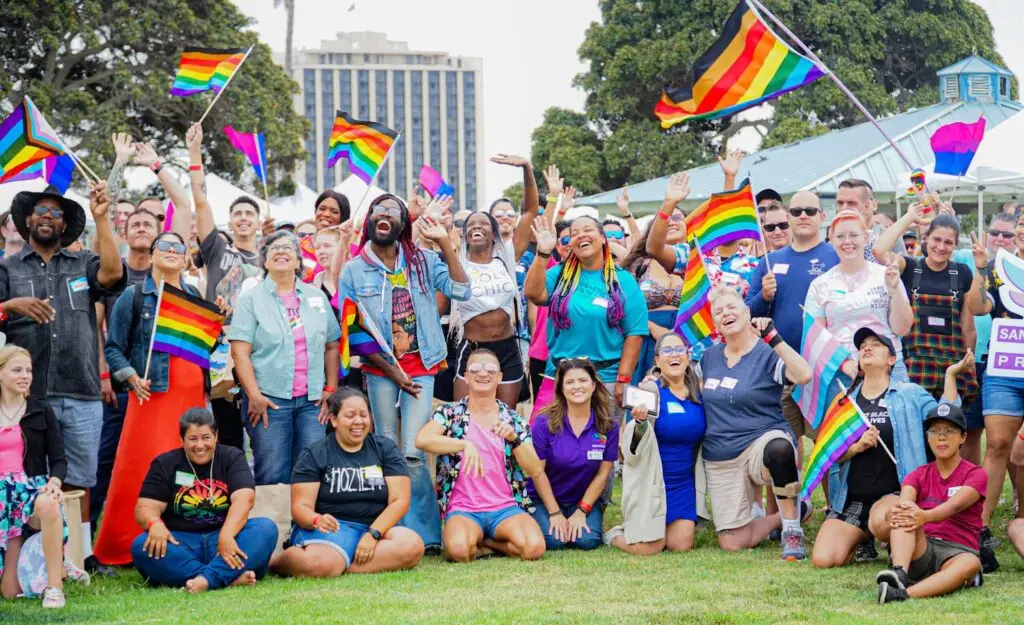
San Diego Pride week starts with a Dyke March and ends with the two-day “Pride Shines On” festival. The days in between? Run a 5K, march in the parade, visit the rainbow-lit St. Paul’s Episcopal Cathedral, and more.
19
Dress up for a Mediterranean-themed tea time at the Estancia La Jolla, a laid-back yet refined afternoon planned for the resort’s monthly Tea in the Garden series.
23–26
Nerd culture’s biggest gathering returns to the Convention Center. San Diego Comic-Con welcomes fans of everything from comic book cinema to ultra-rare collectibles for panels, exhibits, sneak peeks, and much more.
Ryan Hardison is a freelance arts and entertainment writer and recent graduate of San Diego State. When he's not staring at his laptop, he's likely eating an adobada burrito or getting sunburnt at the beach.
National Philanthropy Day, presented by PNC Bank, Celebrates the Best of Philanthropy in San Diego
The 53rd Annual National Philanthropy Day Takes Place on November 21. Join us from 11:00 a.m. – 1:30 p.m. at the new Gaylord Pacific Resort & Convention Center!
Once yearly, AFP San Diego joins with others worldwide to celebrate National Philanthropy Day (NPD), a special day set aside to recognize the great contributions of donors and nonprofits that enrich of our community and the world. San Diego’s NPD is one of the largest and most successful in the U.S., attracting nearly 900 participants, including philanthropists, nonprofit leaders, CEOs, board members, development professionals, and business, community, and civic leaders.
Sponsorship proceeds from National Philanthropy Day are reinvested in education, training, scholarships, career development, and the advancement of fundraising professionals throughout San Diego. These resources and training provide fundraising professionals with the tools necessary to support our region’s diverse array of nonprofit organizations, which rely on charitable giving for close to half of their annual revenues.
The National Philanthropy Day Honorees are selected by the NPD Honorary Committee, a group of highly respected, diverse nonprofit and business leaders. Our 2025 Honorees include:
Outstanding Development Emerging Leader – Taylor Thompson Self-Nominated
Outstanding Development Professional – Sharyn Goodson Nominated by: AJ Steinberg & Jeanne Schmelzer
Outstanding Organization for IDEA – Accessity Self-Nominated
Outstanding Philanthropic Institution – Life Science Cares San Diego Nominated by: Blair Search Partners
Outstanding Philanthropist – Dan & Phyllis Epstein Nominated by: CSU San Marcos & KPBS
Outstanding Student Volunteer – Camden Hall Nominated by: Curebound
National Philanthropy Day San Diego provides an opportunity to reflect on the meaning of giving and to celebrate the selfless contributions of individuals and organizations across the region. We look forward to celebrating with you!
Sponsorship opportunities and individual tickets are available. Please visit www.afpsd.org for more information.