Featured articles
Featured articles
Things to Do
Guides
Things to Do
Featured articles
Things to Do
Things to Do

Things to Do
What's next
Featured articles
Featured articles
Featured articles
Things to Do
Things to Do
Guides
Ready to know more about San Diego?
SubscribeReady to know more about San Diego?
16 women get candid about getting there first in their field

Women Firsts in San Diego
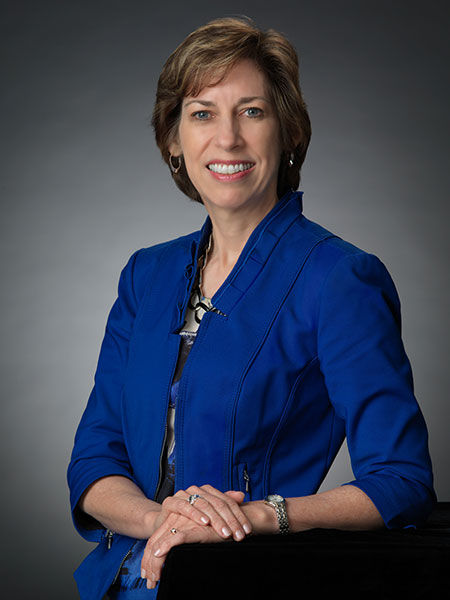
Bill Stafford – NASA – JSC
How many women alive today can say there’s a school named after them—let alone six? Yet children around the US are attending classes at places like Ellen Ochoa Elementary (Tulsa, Oklahoma) and Ellen Ochoa Middle School (Pasco, Washington).
Ellen Ochoa was 11 years old when astronauts first landed on the moon. “It was thrilling,” she says. “But women weren’t allowed to be astronauts at the time. I don’t think I had enough of an imagination to realize that would be a possibility in the future.” Not even after she graduated from Grossmont High School or went to San Diego State University did she dream of it. At SDSU she considered majoring in music or business. But she excelled in math, which led her to physics. Ochoa went on to get a PhD in electrical engineering from Stanford.
In 1990, she was one of five women NASA selected to go to space. (In the last two astronaut classes at NASA, one was fifty percent women, the other close to fifty.) “I wasn’t actually scared at all, other than wanting to make sure I was doing a good job. You’re very busy during these flights, going from one procedure to the next, and they require 100 percent of your concentration.” In fact, the missions require so much focus and mental energy that the luxury to take it all in doesn’t come until bedtime. “That was an amazing time, because you just had the opportunity to look at the Earth as you were going around. That’s always astronauts’ favorite activity that they just don’t get tired of doing.”
Ochoa has flown on four missions, totaling about 978 hours or 41 days. On the first two she studied the Earth’s atmosphere and the hole in the ozone layer; she also deployed and retrieved research satellites. On the third and fourth missions, she served as the flight engineer. “I worked closely with the commander and pilot during the dynamic phases of the flight, like launch, rendezvous, undocking, and landing.” She helped assemble the International Space Station, transferring supplies, attaching a 42-foot-long piece of the truss structure, and supporting space walks. By her third flight, she had a one-year-old at home; by her fourth, two toddlers.
Ochoa saw some women at NASA in the early days of her 30-year career there, but not in leadership roles. Eventually that changed, and she went on to become the 11th director of the Johnson Space Center in Houston—the first Hispanic director and second female director. “You want to hire a diverse group of people and make sure you’re seeing them throughout the entire organization. It’s not only the right thing to do, but, for NASA, it really affects safety as well because we need everybody to feel like they’re going to be valued, like they’re going to be heard.”
Currently living in Idaho, Ochoa travels the country for speaking engagements and board meetings. She’s the vice chair of the National Science Board, which sets the policy for the National Science Foundation; she sits on corporate boards in New York and Texas, and a family foundation board in California.
“We don’t have enough women yet in science and engineering fields. I would say we need your brains. We want you and need you in these kinds of fields.” —Erin Meanley Glenny
Women Firsts in San Diego
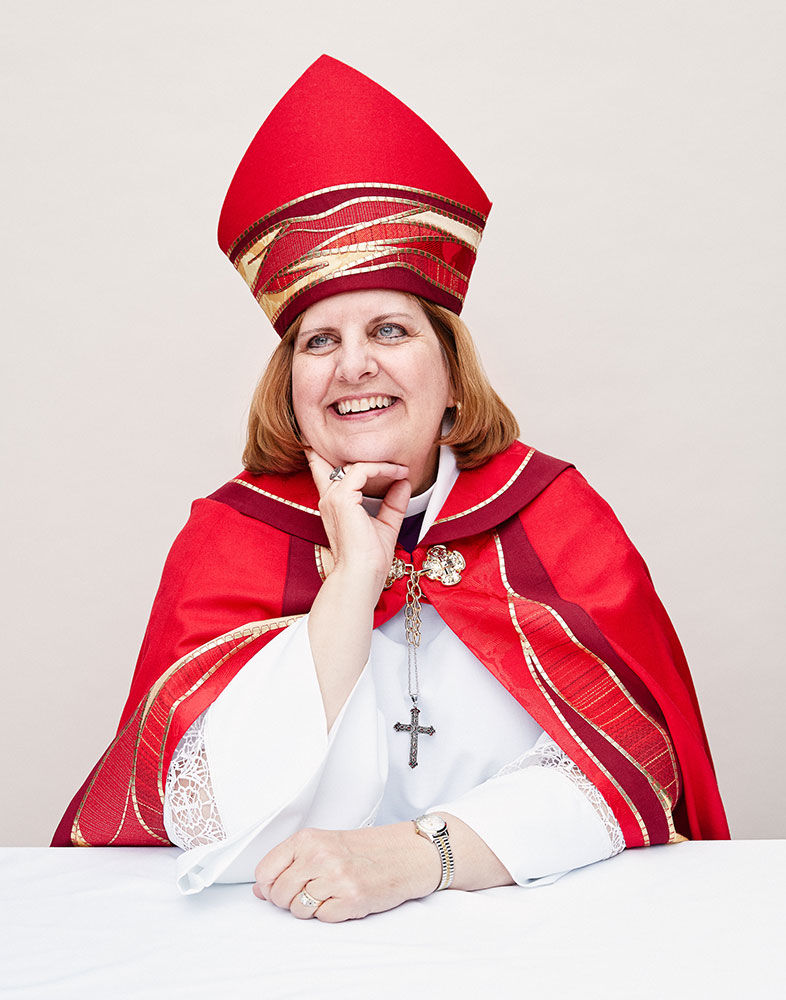
Photo by Nate Hoffman
When Susan Brown Snook first graduated from college, she never would’ve predicted that her résumé would one day include the titles “reverend” and “bishop.” She earned a bachelor’s in managerial studies and later an MBA in accounting from Rice University, and spent 10 years working as a certified public accountant.
But something shifted in her when she moved from Houston to Phoenix with her family. She’d just had her second child and decided not to return to work right away, and she started volunteering at a local Episcopal church. She’d been successful as a CPA, “but toward the end of that time, I started to feel that there was something missing, a deeper meaning and purpose to life,” Brown Snook says.
Through that volunteer work, she found the purpose and meaning she’d been looking for and became her church’s director of Christian education. Two years later, the Episcopal bishop of Arizona sent her to seminary, where she earned a master’s in divinity. After becoming an ordained priest, Brown Snook served in the dioceses of Arizona and Oklahoma for 11 years, before being elected bishop of the diocese of San Diego. She was ordained and consecrated as bishop at St. Paul’s Episcopal Cathedral in Bankers Hill this June.
“It feels somewhat improbable. Fifteen years ago, San Diego was known as a very conservative diocese, which ordained very few women as priests. Now they’ve elected a woman bishop.” Brown Snook is the first woman to lead the church in San Diego in its 45-year history. The diocese makes up 15,000 church members across 43 congregations in Southern California. —Marie Tutko
Women Firsts in San Diego
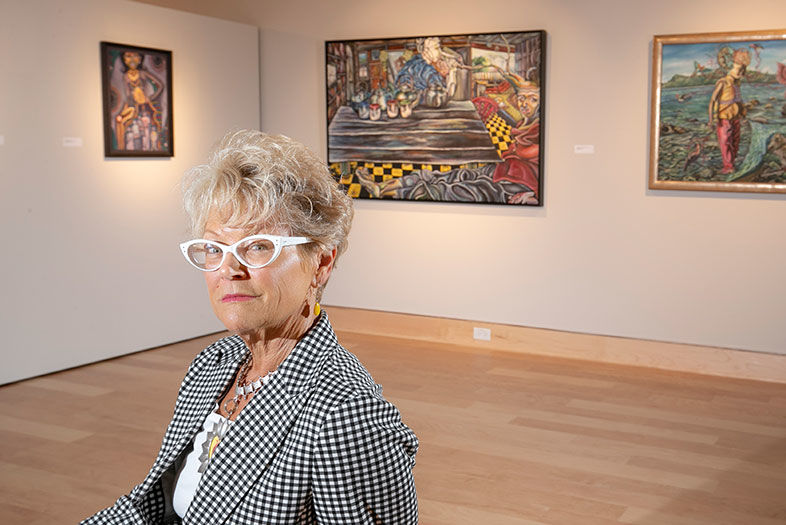
Photo by Ben Krain
These days, there are countless ways to purchase fine art online. But in 1994 there was only one: Art Cellar Exchange. “It was only two pages when it was launched, but that was a revolution in 1994,” says Pierrette Van Cleve, the founder and president.
An early adopter of technology (she worked on a 45-pound Zenith “laptop” in the ’80s), Van Cleve had a life-changing experience at a conference called Cyberfest in 1989. At the time, she was the owner of a newsprint magazine called Art Cellar Exchange, where collectors could buy and sell fine art. While attending Cyberfest, she learned about “this new thing called the internet” and met pioneers in the field. A few years later, the connections she made there paid off when the groundbreaking digital artist Donna Cox and the developers of Mac Web asked if they could design a website for Art Cellar Exchange as a prototype to showcase their new graphic capabilities. Van Cleve said yes, and artcellarex.com was born. (“That was the maximum length of characters you could have in a URL.”)
It worked. “Our first month, we sold a $60,000 work of art to a tech guy in Germany,” she says. “The game was on.” Two years later, the website was such a hit they dropped the print edition entirely. —Angela Ashman
Women Firsts in San Diego
Photo courtesy of Vans

Women Firsts in San Diego
Anthony Acosta
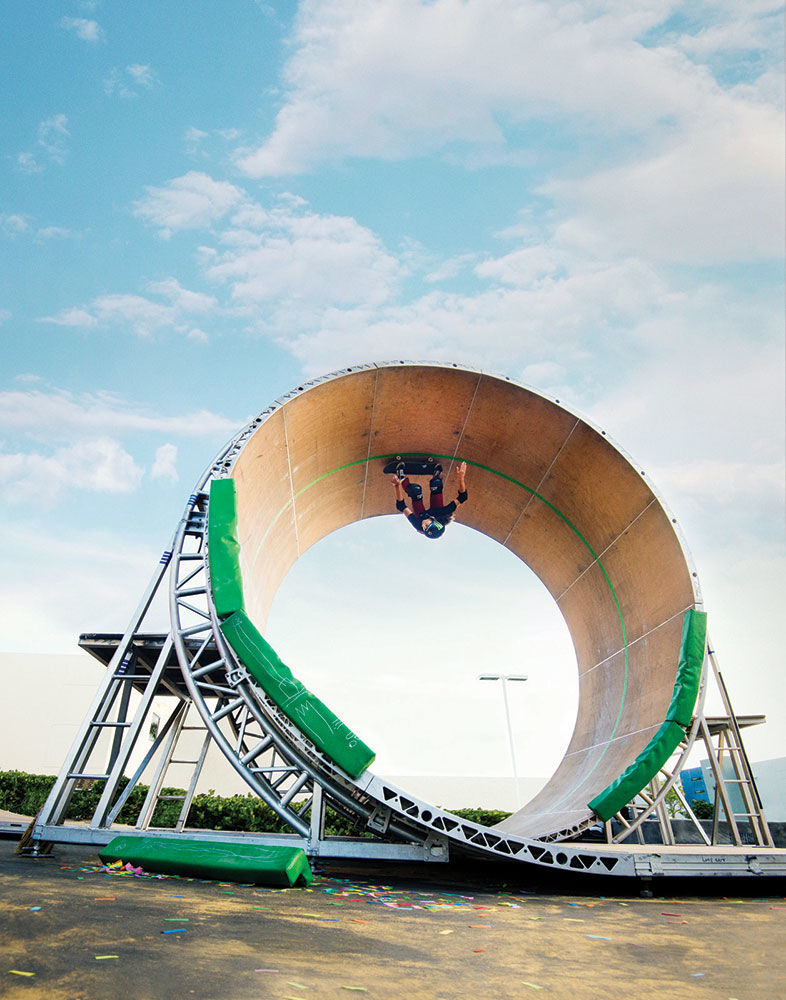
The 26-year-old Oceanside resident was the first woman ever to grace the covers of both TransWorld Skateboarding and Thrasher magazine, in 2016 and 2017 respectively, but those photo shoots are peanuts compared to her accomplishment last year: becoming the first woman to successfully complete Tony Hawk’s dangerous vertical loop.
The challenge starts with a launch ramp that propels a skater into a 360-degree loop with a short exit track. In order to not fall and risk serious injury, a skateboarder has to balance momentum and control to go completely upside down and emerge upright.
“There’s no real way to prepare,” Armanto says. “It’s counterintuitive, so you have to unlearn everything that skateboarding has taught you.”
She landed the trick on August 26, 2018, and what followed was a well-deserved shower of contest winnings, sponsorships, and respect—both for her and for women’s skateboarding in general.
Another turning point came last year when the Vans Park Series and other major contests started awarding equal prize money to men and women. “It’s all happened so quickly that I sometimes feel like the carpet will get pulled out from under me,” Armanto says. But that hasn’t stopped her from pursuing another “first.”
Originally from Santa Monica and now a dual citizen of the US and Finland, Armanto has her sights set on summer 2020, when skateboarding will make its Olympic debut.
She’s hoping to qualify and represent Finland in the Games to free up a spot on the US team. With many more pro skateboarders here compared to other nations, Armanto says her choice means that “at least one more deserving female” will go to Tokyo. Spoken like a team player. —Carey Blakely
Women Firsts in San Diego
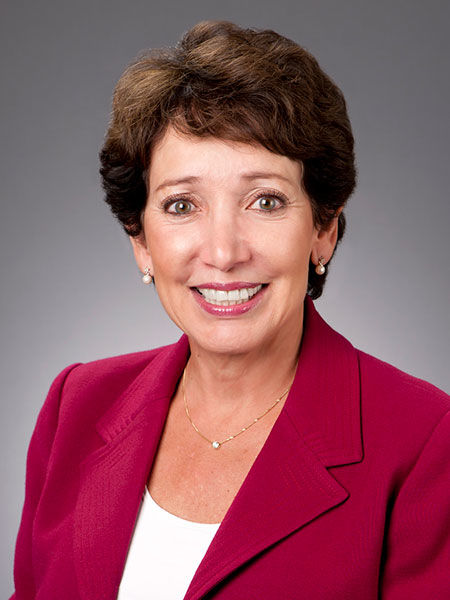
Irma Elsa Gonzalez has been a first three times over in the legal world. She was the first Hispanic magistrate judge to be appointed to the US District Court for the Southern District of California, and the first Hispanic woman appointed to the San Diego Superior Court. When former President George H. W. Bush nominated her to our US District Court in 1992 (and called her directly at work to deliver the news that she was confirmed by the Senate), she became the first Mexican American woman to serve as a federal judge. That year, there were only 35 federal judges on the bench who were of Hispanic descent (1,007 judges were white).
“Positions of power were very rare for women in the legal market, and still are, especially for women of color,” she says. In fact, six district courts around the country have never had a female judge. “Things have changed, especially in California. On the federal side, it’s still lagging.
“We should be representing the community in which we live. So therefore, we are still behind in being appointed, especially on the bench.”
Gonzalez was chief judge of the court from 2005 until her retirement in 2013.
“I’m proud to be a ‘first.’ I’m very proud of my heritage. Maybe I was a token—the token woman or the token Mexican American—but I think I’ve proved that I was competent and did a good job.” —MT
Women Firsts in San Diego
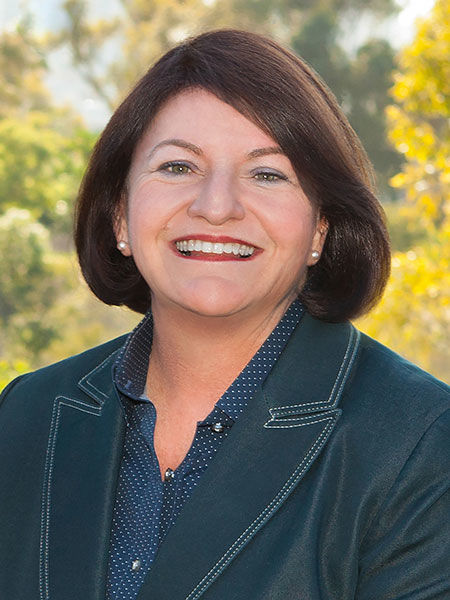
“I grew up in Appalachia in a blue-collar, working-class family. I saw my parents work harder than anyone else and still struggle. No health care, no sick days, no running water, sometimes no electricity. By the time I was able to get to college on a scholarship and Pell Grants, I had a lot of anger about life’s inequities. But one of my early mentors helped me understand that it was important to channel that anger into action.
“I’ve worked many jobs; as restaurant waitstaff, a dry cleaner, a hotel housekeeper, in a dress factory, a frame factory, pumping gas. In all that time, I never gave up on my dream to be a part of something bigger—something that could make quality of life better, easier, and fairer for people like my parents and all those wonderful working people I shared jobs with.
“Given my humble beginnings, and as a woman and a member of the LGBTQ community, to be the only individual in the 169 years of California history to have led both the Assembly and the Senate means that the California dream—the American dream—is real.”
Women Firsts in San Diego
Photo by Nate Hoffman
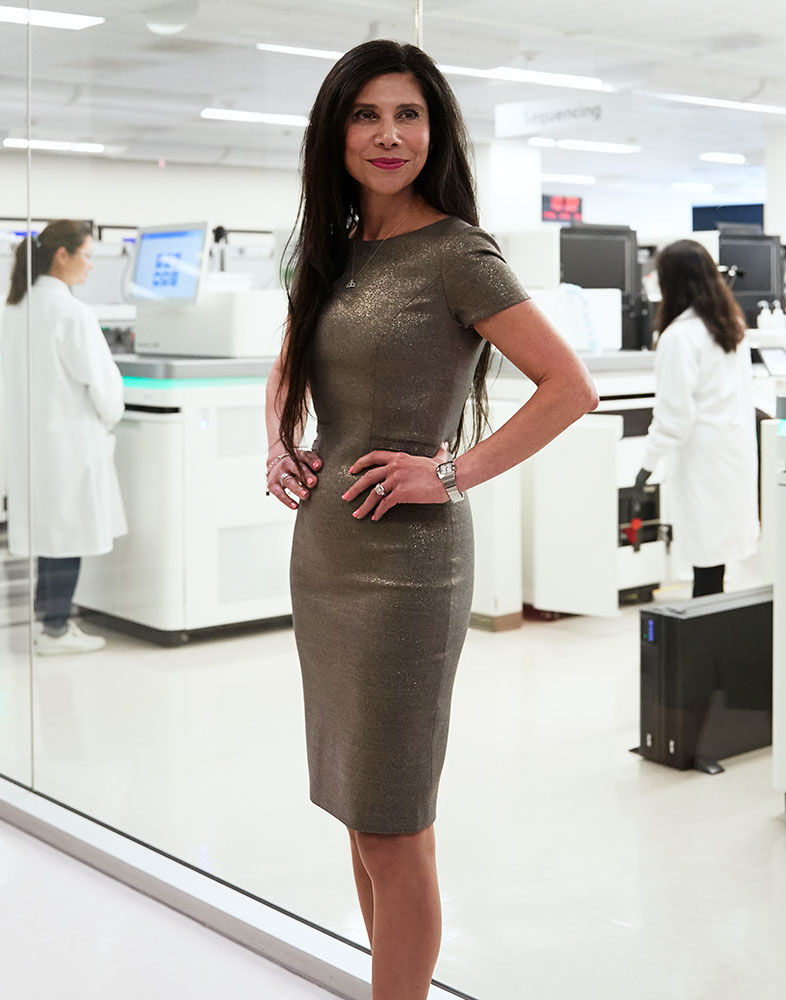
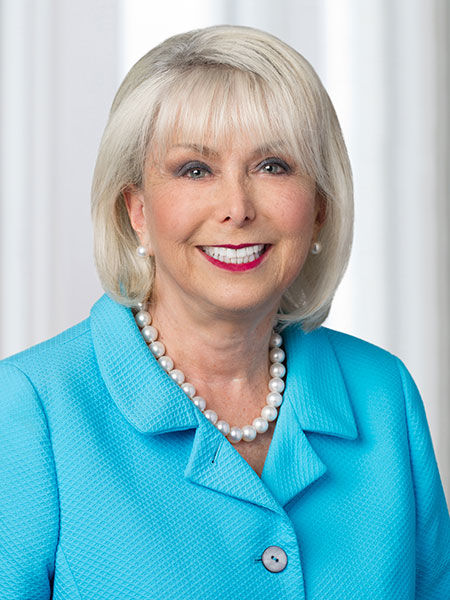
Last year, Susan Tousi received one of the nation’s highest honors for an engineer: She was inducted into the National Academy of Engineering. Jeff Bezos was in her class of 83 members, 19 of whom were women.
The chatter at the induction was all about attracting girls to STEM. “Girls are inspired by wanting to help people, wanting to change the world, to make lives better for their friends, their families, their loved ones—they’re not inspired by power or blowing things up,” Tousi says. “We need to talk about engineering and STEM differently.”
Tousi, who is Illumina’s senior vice president of product development, never considered engineering until a teacher took her aside. “That was the ‘aha!’ moment for me, that science and engineering could make lives better, which is why Illumina really resonates with me. Our entire mission is about improving human health by unlocking the power of the genome.”
Today, Tousi is a trustee of La Jolla Playhouse and an advisory council member for the Fleet Science Center. She also mentors women.
“I run a Lean In Circle with our top women across R&D at Illumina. What surprises me the most is that they still have a confidence issue, compared to a lot of their male peers.
“In meetings, I look around the room for other women who I know have something to offer on a subject, and I make an opportunity for them to speak. A lot of times, when they say something, it’s brushed over until a male counterpart says it later in the meeting, and I’ll point out, ‘That’s exactly what so-and-so said earlier. I’m so glad we got the point now.’” —EMG
Women Firsts in San Diego
As a young law student at the University of San Diego in the late 1960s, Lynn Schenk learned quickly that she wasn’t welcome in the male-dominated field. “My property professor said to me, ‘Miss Schenk, what are you doing in this class, taking up the space of a man? Why don’t you go learn to fix a toaster or a dishwasher, so later in life you can save your husband money and fix these things yourself?’”
“All of that just makes you more resilient,” she says. The daughter of a Holocaust survivor, Schenk tirelessly battled for equal rights throughout her career. In the 1970s, she founded the Women’s Bank to help women gain financial independence from men. “If you wanted to have a little business, you needed to have a line of credit from the bank,” she says. “But you could not get it without a male cosigner. So a group of us said, well, the heck with them!”
In the ’80s, she became the first woman to hold the position of secretary of the California Business, Transportation and Housing Agency. And in the ’90s, she became the first woman elected to Congress south of Los Angeles, as well as the first woman to be chief of staff to a California governor (Gray Davis). One thing she’s especially proud of: “When I had the opportunity to hire bright women, I always did.”
Another proud achievement was the time in 1971 when she and two female friends (including Justice Judith McConnell) demanded to be seated at the Grant Grill in downtown San Diego, where a sign declared “Men Only” from noon to three. When the maître d’ finally escorted them to a table, the men in the dining room booed. “You can put up with a lot,” she says, “but ridicule, derisive laughter, booing—that hurts.” As further proof of her grit, she returned three more times, until the sign finally came down. —AA
Women Firsts in San Diego
Photo by Jenny Siegwart
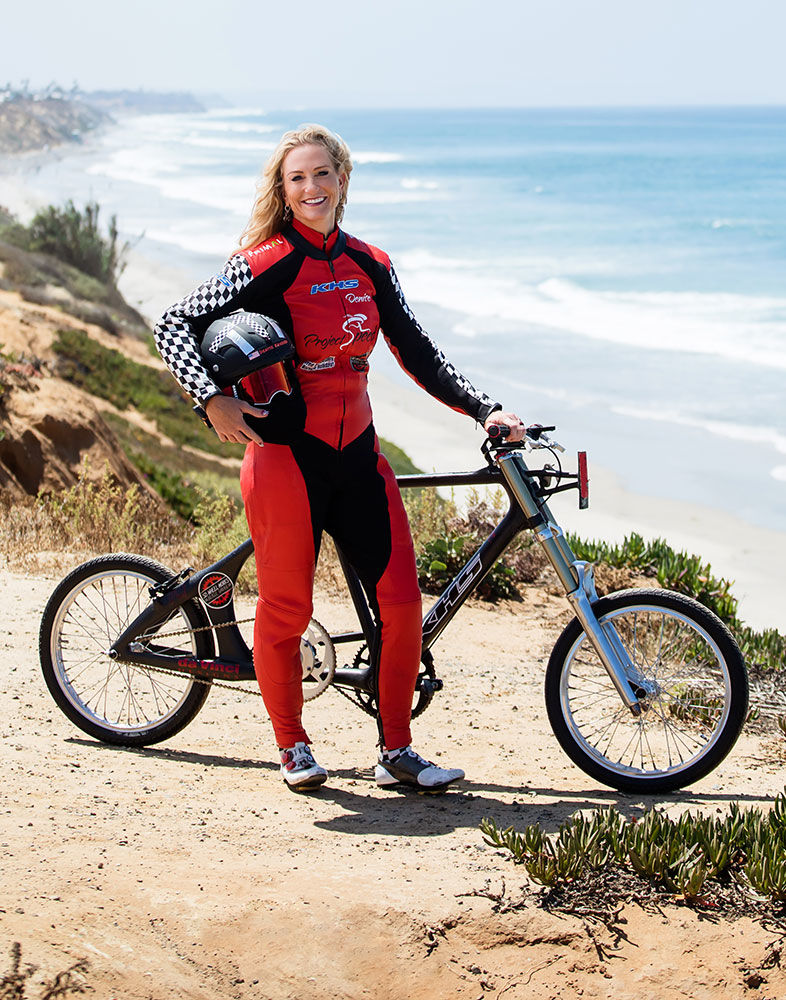
Ask Denise Mueller-Korenek, who set the record last year for the world’s fastest person on a paced bicycle, what it feels like to go 183.9 miles per hour on a bike behind a roaring dragster, and it’s difficult for her to recall. “I am so hyper-focused at that speed because things are happening so quickly,” she says.
That feat, which she accomplished last September at the Bonneville Salt Flats in Utah, seems all the more impressive when you learn that Mueller-Korenek, a mother of three grown sons, was 45 when she did it.
After a successful career as a junior cyclist, she quit racing at age 19 to join the family business, Rancho Santa Fe Security Systems, of which she is now the CEO. Then, in 2012, her former coach convinced her to participate in the Million Dollar Challenge, a 620-mile bike ride from Palo Alto to San Diego for the Challenged Athletes Foundation. “My coach saw there was something still there—that spark,” she says. Upon learning that no woman had ever attempted to break the paced bicycle land speed record of 167 miles per hour, she began four intense years of training. In 2016, she set the record of 147.7 miles per hour for women, and then returned in 2018 for what she calls “a death-defying ride” to break the men’s record.
“I’m an adrenaline junkie,” says Mueller-Korenek, whose own mother jumped out of an airplane at age 84. “I didn’t even think about any potential issues with safety.”
This month, she’s headed to Nevada to see if she can beat the women’s speed record of 75.69 miles per hour on an unpaced bicycle (which means there will be no motor-pacing car in front to shield her from the wind). What makes her so courageous? “You just go. If a man was able to do it and survive, I know I’m going to be able to do it.” —AA
Women Firsts in San Diego
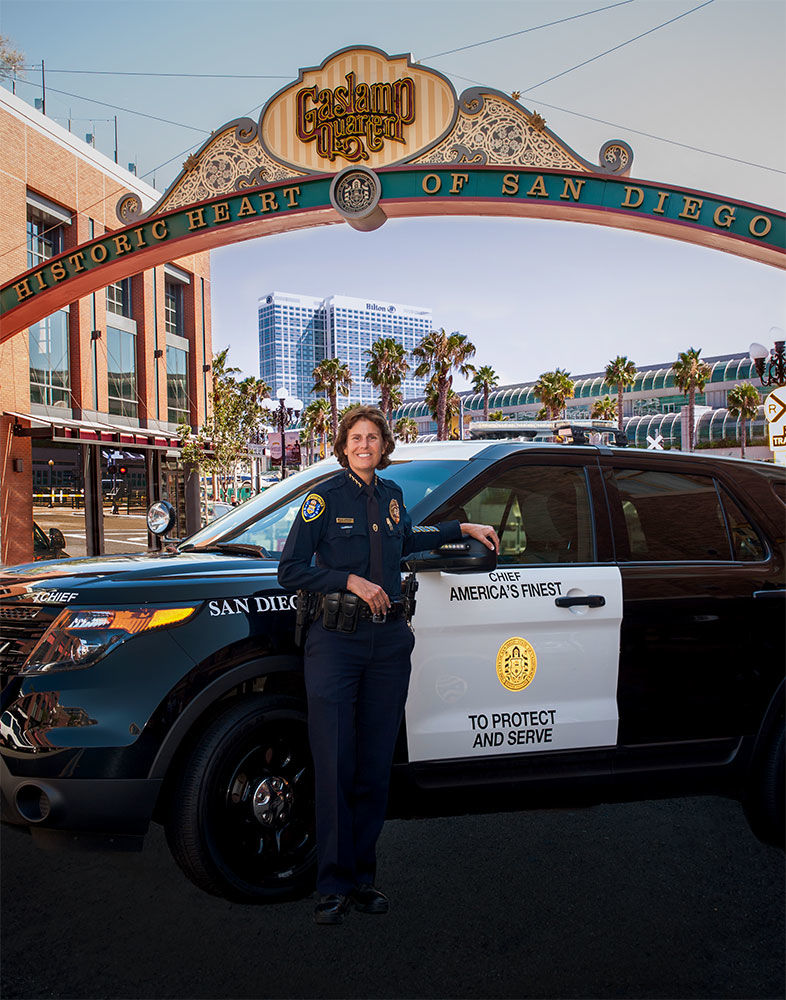
In 2014, when Shelley Zimmerman took over as the first female police chief of San Diego, the SDPD was in turmoil. Officers were leaving due to low pay and the department was in the news for a sexual misconduct scandal. To encourage change, Zimmerman put a sign on her desk: “Bad news welcomed here.”
“As a leader, never bite off the head that brings you the bad news,” she says. “They’ll never tell you another thing. Instead, welcome them, thank them for it, and then try to figure out how to make things better together.”
And fix things she did. Some of her many achievements include deploying body cameras for all officers (making San Diego the largest city at the time to do so) and successfully advocating for pay raises for the officers. In a study done by the FBI, San Diego was the safest big city in the country during her last full year as chief. But don’t try to give her all the credit. “We did it together,” the 35-year department veteran insists.
Zimmerman, who had to leave the agency in 2018 due to a retirement plan she signed up for a year before becoming chief, says one of the things she enjoyed most was being a role model for girls. “I’ll tell you, probably more fathers than mothers would come up to me with their young daughters and say, ‘Honey, this is the chief of police. It just goes to prove you can do anything you want in the world.’ And then I would add, ‘Yes, you can—but you’ve got to be willing to work hard.’” —AA
Women Firsts in San Diego
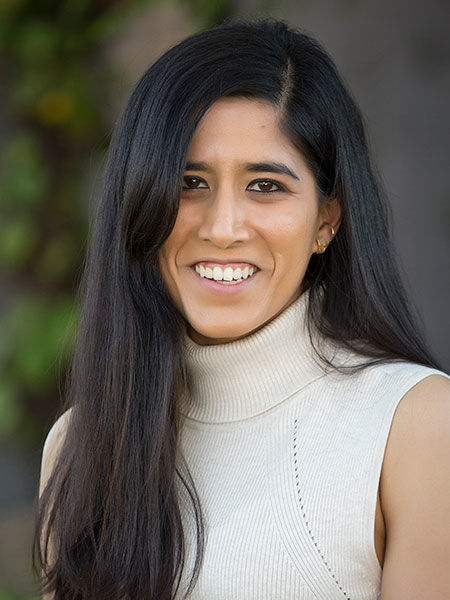
When Priya Bhat-Patel announced her run for Carlsbad’s city council last year, the odds were against her. She was a 30-year-old health care consultant who identified as a progressive in a community that traditionally votes conservative. She was also earning her doctorate in public health.
Bhat-Patel ran the show by herself and didn’t hire staff or a manager until the last month of the campaign. Just two weeks before the election, she defended her dissertation on public policies regarding sugar-sweetened beverages.
Against those odds, she was elected—and became the first Indian American city council member in San Diego County.
In January, her colleagues designated her mayor pro tempore and elected her to the North County Transit District board of directors.
Bhat-Patel, who grew up in Carlsbad as the daughter of immigrant parents from India, says her election is indicative of how the coastal city is changing.
“Being South Asian, and an Asian American in general, and a woman, to have broken that barrier… I’m super excited to represent a diverse point of view—and a different one than other politicians may have.
“So many people told me during this run that I couldn’t do it. I hope that me being elected brings to light that if there isn’t a seat at the table for you, you can create that space.” —MT
Women Firsts in San Diego
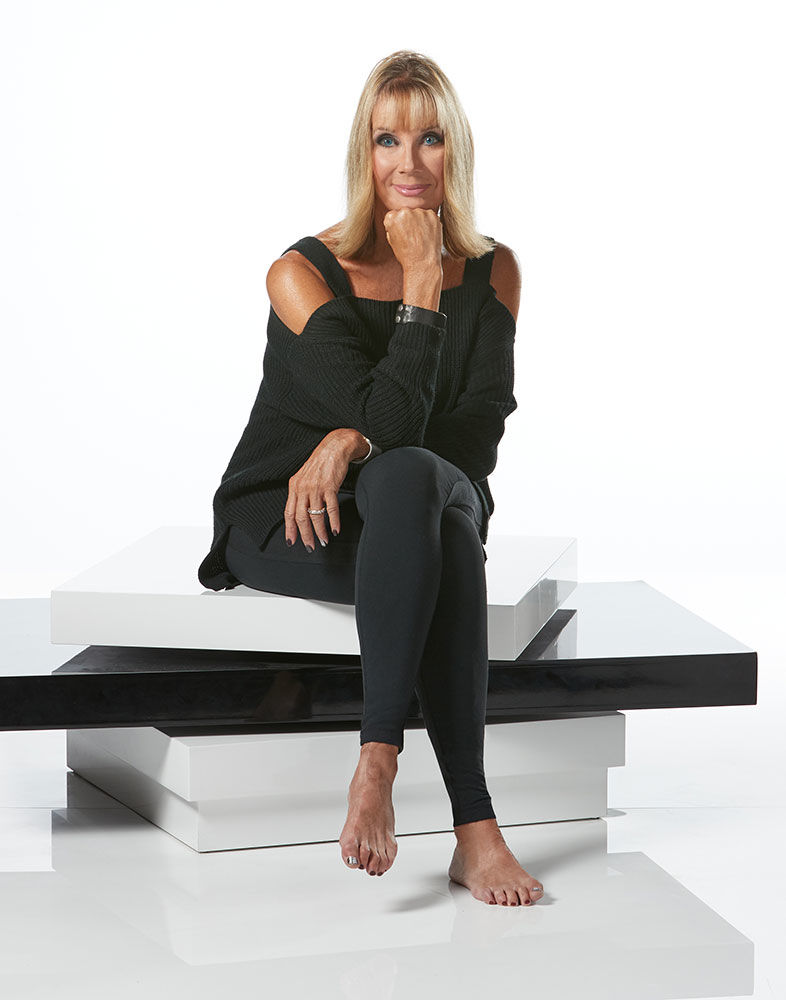
“I was dancing professionally and teaching at Gus Giordano Jazz Dance Chicago [before moving to San Diego in 1971]. I noticed that during children’s classes, the moms would hang out in the studio. I decided to offer a class to the moms. People came to class at first, but attendance dropped kind of quickly. Sucking up my pride, I called a couple of the ladies and asked why they didn’t come back. They said things like, ‘Well, your class is too hard!’ and ‘I don’t want to be a professional dancer—I just want to look like one.’ After that, I turned the students away from the mirror and had them mirror me, so they could focus on having fun instead of doing every dance move perfectly. Ultimately, Jazzercise came from teaching a dance class that didn’t go very well at first, but it soon blossomed into something better—and bigger [8,500 franchises in 25 countries]—than I could have imagined.”
Women Firsts in San Diego
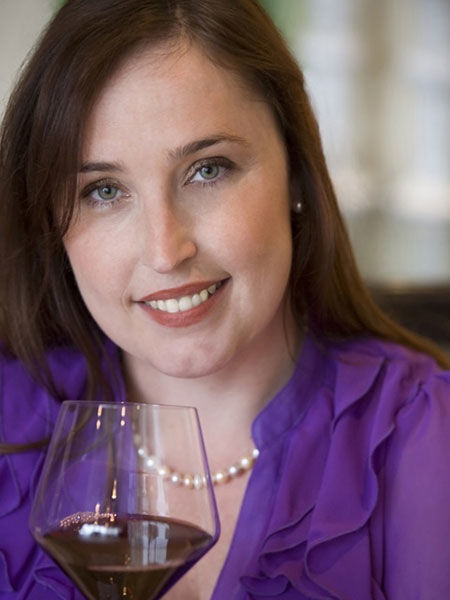
Megan Yelenosky doesn’t technically have a nose for wine—she has chronic sinusitis—but that’s never stopped her from becoming a sommelier, and an advanced one at that. The director of banquets at Hilton San Diego Bayfront originally went to culinary school, but a restaurant boss told her she talked too much and would never make it in the kitchen. “He was right. I am a social person. I struggled.”
He suggested she try a front-of-house position. And it was there, while managing Ajax Tavern in Aspen’s Little Nell Hotel, that she got her first exposure to good wines. Guests brought in beautiful vintages and let her taste them.
Yelenosky says it would have taken her years to see that kind of wine outside of an upscale restaurant—and even then, she never would’ve been able to go out and buy them—so being in her position was key. She never saw many female servers in fine dining restaurants, and believes this is why fewer women were studying wine.
In 2000, she moved from Aspen to San Diego with her husband, a La Jolla High alum. “At that point, San Diego wasn’t the culinary hot spot it is now, so you were a ‘shmanager’—a sommelier/manager. Addison hadn’t opened yet.”
Not only were salaried positions like sommelier or wine director a rare luxury, so were certifications. Court of Master Sommelier tests are an incredible mental feat—requiring memorization of not just facts, but smells and tastes. For example, in a blind tasting, candidates must identify the wine’s varietal, its origin, its quality level, and its vintage. The test also covers wine service, decanting, food pairing, and recommending and pricing bottles. And it’s not just wine; it’s Champagne, spirits, and—when she first started taking the advanced course—cigars.
She took the Advanced Sommelier Certificate test three times. You must pass all three portions in the same attempt—one year she didn’t pass theory; the next year it was tasting.
On May 1, 2009, she finally passed. “It was a relief, because the first time I failed at this test was the first time I failed at anything that I ever wanted.”
Not only was she the first woman in San Diego to earn the Advanced Sommelier Certificate, but there were years when she carried the most wine certifications from any organization, as well. She went on to attempt the Master’s test three times, but has since stopped to have children. “The test will always be there. You don’t get a do-over with your kids,” she says. “But now that my twins are five, I can start putting in the time to study.” Cheers to that. —EMG
Women Firsts in San Diego
JENNIFERSIEGWART
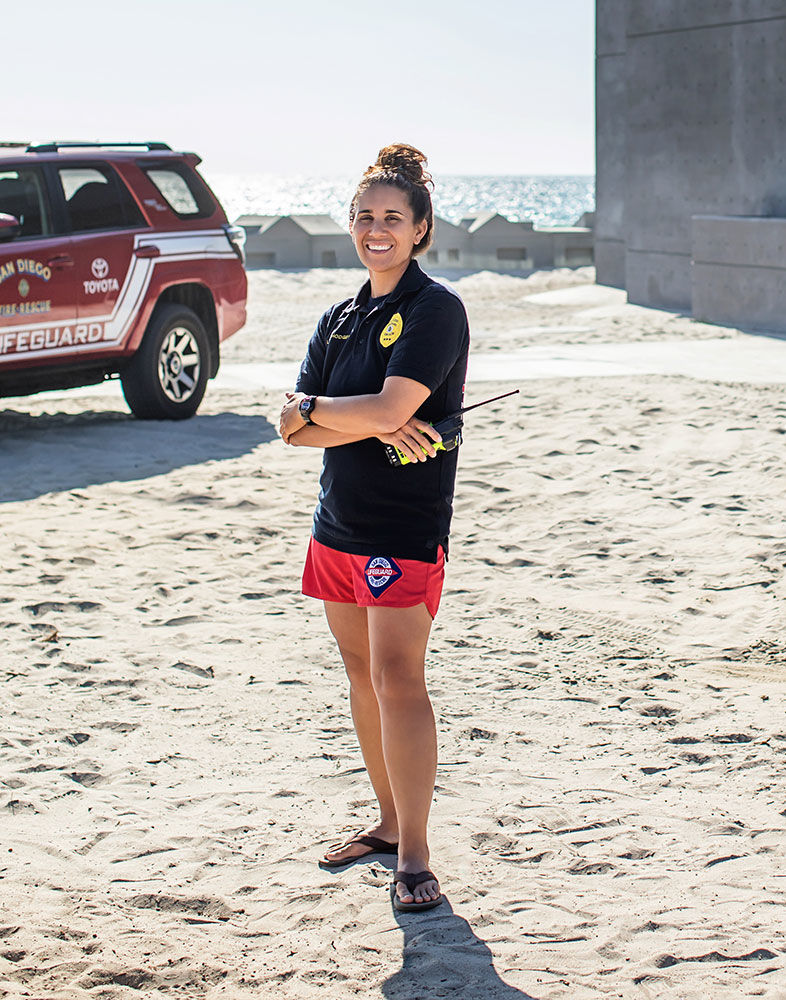
“I returned to lifeguarding in San Diego after having moved to Australia with my Australian husband. I’d been gone for four and a half years, so they had me go through the San Diego Advanced Academy [10-week formal training for lifeguards] again. I had a two-year-old son and was still breastfeeding my seven-month-old, so I’d have to pop out of the academy and go somewhere and pump twice a day. I was in the academy with a lot of people in their early to mid-20s. I was definitely in the minority, and I think a lot of them at first were like, ‘What are you doing? Breastfeeding? We don’t want to know about that. She said “breast.”’ But they were all very supportive, especially as I got to know them. It was definitely a huge challenge to go through the academy [after having a baby and moving from overseas six days prior to starting]. It was an El Niño year; the surf was giant every day and I was seven months postpartum. It was probably the hardest time in my personal life to do it, but I look back and think, If I can do that, I can do anything. And it shows other women that we can do this job and be moms.”
Women Firsts in San Diego
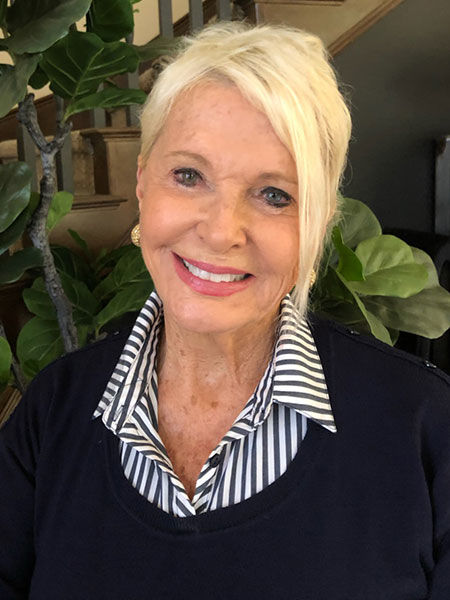
Toni Anderson’s world was turned upside down the day her husband walked out on her and her two-year-old daughter. “He left me a stereo and $62,” she says. In 1970, a judge ordered him to pay child support until their daughter turned 21. After his first check to Anderson bounced, he fled to Canada with his girlfriend.
To make ends meet, Anderson worked long hours as an interior designer, “living paycheck to paycheck,” she says. “The worst thing was what it did to my daughter—because the children suffer. My daughter is 53 and she still suffers. She feels abandoned. He never did a thing—no birthday cards, no Christmas, nothing.”
Fast forward nearly 50 years later, and through a Google search, Anderson learned that her ex was living a seemingly successful life in Oregon. Because California has no statute of limitations on child support, Anderson had a case. “I was fearful,” she says. “I thought, no, no, I can’t go after him.” But she did, and won: The judge awarded her $150,000, which included back child support with interest. “He was so silly,” the 74-year-old Carlsbad resident says. “If he had paid when he was supposed to, it would have been only $39,000.” Her hope is that her success will empower other parents to fight for what they’re owed. “Take a stand for what’s rightfully yours,” she says. “And don’t be afraid.” —AA
Women Firsts in San Diego
Photo by Ted Walton
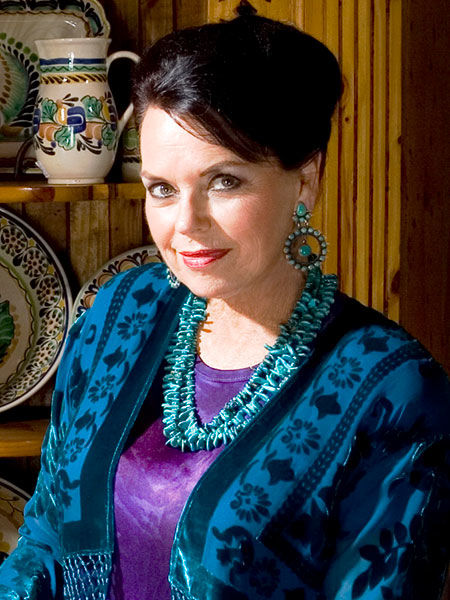
When out-of-town friends visit San Diego for the first time, taking them for a stroll through Old Town’s Bazaar del Mundo and over to Casa Guadalajara for a fishbowl-size margarita is one of the de rigueur activities. You can thank Diane Powers for these memories, since she developed the marketplace back in 1971—it was once the most successful concession in the California State Park system—and fought to keep it alive even when she lost the lease at its original location in Old Town State Park in 2005. Powers is a restaurant maven, owning four iconic Mexican restaurants around the county (including the flagship Casa Guadalajara), but her biggest achievement may be the founding of Fiesta Old Town Cinco de Mayo over 30 years ago. It was the city’s first official celebration of the holiday, and today the event draws more than 100,000 people to the historic neighborhood.
“The idea to open Bazaar del Mundo came to me after I had just gotten back from traveling through Mexico and Central America,” she says. “I saw an article in the newspaper that the state parks department was requesting concepts and presentations for a remodel of the old Casa de Pico motel and portions of the historic park in Old Town. Given my background and passion for Latin American culture, I went ahead and presented them with my vision to bring a marketplace, restaurant, and entertainment venue to Old Town. During this time, it was more common for men to own businesses than women. However, I was ambitious, I had a vision, I believed in myself—and it didn’t matter. —MT
The San Diego designer has created more than 3,000 concert posters over nearly 40 years for artists including the Rolling Stones and the Red Hot Chili Peppers
Let’s start with his name.
No, not his birth name, Craig McKenzie Haskett.
Scrojo.
When he was in high school, he and his friends were trying to come up with the perfect name for their punk band that would encapsulate all their personas. Nicaragua. The Freds.
One of his friends said he was going to go by Jimmy Stacks and called it “the perfect rock and roll name.” Their names changed so much that Haskett erupted: “Fine, I’m f—ing Scrotum Joe, the true defender of the Open West.”
Their response: Wow, that’s a great name.
As a teenager, he drew chalkboards for Del Mar’s Pannikin coffee shop and would design T-shirts for surf/skate brand Life’s a Beach. He signed the shirts with his moniker, but even in punk rebellion, who wants a shirt with the words Scrotum Joe on it? “They just cut out the ‘t-u-m,’ and the next thing you know, a client referred to me as that, and it stuck,” he says.

Scrojo could have been part of a band as iconic as The Misfits—had he been able to learn the famously cumbersome bassline to The Kingsmen’s “Louie Louie.” Becoming one of the most renowned concert poster designers—someone who quite literally designed the cover of Art of Modern Rock: The Poster Explosion—is a pretty good Plan B.
“To my knowledge, he’s done more rock posters than anybody else alive,” says Dennis King, whose D. King Gallery in Berkeley, California, serves as one of the largest private rock poster collections in the world. “He’s the hardest-working guy in the poster business.”
King not only co-authored the sequel to music historian Paul Grushkin’s The Art of Rock, but he also handles distribution and sales for all of Scrojo’s work. That’s more than 3,000 different posters over nearly 40 years. (That’s over one poster each week. For four decades straight.)
For anything from boxing matches to rodeos, posters have long been used as promotional items. Toulouse-Lautrec’s famous lithographs advertised Moulin Rouge in the late 1800s. Around the same time, Hatch Show Print in Nashville was making handbills for the Grand Ole Opry.
“I propose this: Cave paintings are the first poster art,” Scrojo says.

Rock and roll posters took off in the 1960s, when the hippie counterculture era replaced conformity and suburbia. Artists like Jimi Hendrix and the Grateful Dead used their vibrant, psychedelic prints as a form of rebellion from the mainstream. Posters were promotional, commemorative, collectible, and especially expressive.
If the name Scrojo is any indication, he doesn’t shy away from imagery that toes the line of being too provocative. He focused more on what inspired him instead of trying to be offensive for the sake of getting attention.
“Didn’t want to show it to my grandmother, but my parents were fine with it,” Scrojo says with a laugh.
“We’ve had to ask him to put a Band-Aid over a nipple every now and then,” says Chris Goldsmith, president of Belly Up Tavern in Solana Beach, where Scrojo started out and hundreds of his posters currently line the walls.
Scrojo spent six weeks at Otis College of Art and Design for a summer semester before drugs, alcohol, and a self-described lack of discipline prevented him from enrolling full time. Still, he taught himself concepts like text hierarchy and later found his niche at the Belly Up and in the surfing and skating world, working with brands like Quiksilver, Rip Curl, Scorpion Bay, and DGK.
His first concert poster was for North County band Borracho y Loco, of which Goldsmith was bass guitarist. Scrojo drew an abstract version of the Belly Up’s iconic shark with colorful calypso and tiki themes.
Early on, he would craft using a pencil, pen, non-reproduction blue pencil, X-Acto knife, rubber knife, and proportion scale to create each poster, and the finished product could take a week or even longer.

“I recommend every artist coming up to do that for like six weeks,” Scrojo says. “It forces you to think about every design decision as you’re going along.”
He has since mastered vector imagery through Adobe Illustrator to the point where, depending on the level of detail needed, he could finish two projects in a day. Still, he fills sketchbook after sketchbook to blueprint.
“I liked his line in particular, and he knows how to draw, which a lot of people don’t really know how to do these days,” King says.
Scrojo would research what each musician’s merchandise looks like to get a feel for each artist’s tone and voice. Once he has his central image in mind, he focuses on what and where to place the text.
He doesn’t have one specific style, ranging his talents from art deco to psychedelic and everything in between (and outside the lines). Want a pop surrealist comic book cartoon devil with splattered paint textures, halftone dot patterns, and pure chaos? Red Hot Chili Peppers, February 1986. Want a minimalist graphic portrait with bold strokes and graffiti text? P!nk, October 2023. Want a carnival sideshow style piece with a tasteful caricature of Jeff Bridges? The Big Lebowski, August 2011.
Scrojo calls himself a jack of all trades because he can create posters for all music genres. King calls him a chameleon for his ability to adapt his voice to new eras.

“The variety of his skillset makes it possible for us to put 50 of his posters on a wall next to each other and have it look compelling, not just a bunch of the same thing over and over,” Goldsmith says.
Some of Scrojo’s favorite posters are when he feels a personal connection to the artist or the album. He has a vivid memory as a child of being trapped in a closet filled with marijuana leaves while playing hide and seek and staring at Jimmy Cliff’s “The Harder They Come” LP. “For whatever reason, as a kid, that sparked a desire to do graphic design,” Scrojo says.
Fast forward to February 2012, Cliff is performing at Belly Up. Scrojo decided to modify Cliff’s original album cover from rainbow gradient fills to classic reggae psychedelia while preserving Cliff’s striped pants and bold hat. Cliff’s manager called him and said they wanted to use it for the rest of their tour.
“We always get artists requesting that he does their posters,” Goldsmith says. “A lot of artists don’t want venues to go all rogue because they want to control how they’re being presented. With him, they’re like, ‘Let him go nuts.’”
Matt Eisenberg is an award-winning writer and photographer based in San Diego. A former ESPN editor, his work has also been published by CNN, Bleacher Report and the New York Daily News.
New editor Emma Veidt gives an introduction and her ode to the once-sleepy, now slept-on North County
I am fairly sure they don’t let you graduate from Carlsbad High School without a W-2 from Legoland. Being a Legoland MC (Model Citizen, the employee’s moniker) is a rite of passage for all of us who grew up in North County. If you spent a day at the theme park in the 2010s, I probably pointed you toward the Granny Apple Fries or measured your height at a ride entrance.
And now we meet again. I can still point you to quality fries.
This is my first full issue as the new print editor for San Diego Magazine. But it’s not my first time here: I was an editorial intern for these pages back in 2018 (see photo). To be a part of a constant study of the city, its people, its culture, then finding the most compelling stories and bringing them to life—it was incredibly impactful and solidified my decision to pursue all of this (local, print magazine journalism) as a career. Since my internship, I’ve gotten my bachelor’s and master’s degrees from the Missouri School of Journalism and worked for nearly five years at Backpacker magazine. And I’m back at San Diego Magazine, baby. There’s a real magic to narrating the lives lived and dreams dreamt in the place that built me. I am excited to be a part of building the culture of where I’m from. And, born in Tri-City Medical Center and raised in Carlsbad, I can’t think of any other place than our North County issue for me to make my grand entrance as an editor.

To me, North County isn’t just where I’m from; it’s home. Throughout the years, I have run thousands of miles (I did the math) up and down the 101 between Oceanside and Cardiff. I’ve spent thousands of dollars (an estimation, too painful to do the actual math) on BRCs—beans, rice, and cheese burritos—from Lola’s, Juanita’s, and the late, great Pollos Maria.
The stretch of land between Camp Pendleton and the 56 is easy to love. We’re quieter and a little more zenned out than our lower-latitude neighbors, sure, but we’re neither sleepy nor boring.
Do you think Scrojo, the Belly Up’s punked-out poster artist featured on page 68, could last a day somewhere boring?
What I’ve always loved about North County is that the culture shifts every couple of miles as you reach a new town. For years, the media seemed to cast the realm above the merge as a two-toned monolith: sleepy surf towns to the west, suburbs and country living to the east. The nuance of each section seemed flattened or clumped. I think you’ll see the vastly different cultures of North County in this issue—but all distinctly San Diego. Which is to say a little mellower, fewer airs, come as you are.
It’s hard to imagine that the dusty trails and vibrant, muraled alleyways of Escondido are just miles from the barefoot surfers roaming Leucadia. Even though the SDM editorial staff is made up of two lifelong locals and other longtime residents, we don’t pretend to be the experts on every street. What a good city media company does is find the people who are experts, who have a unique hyper-local perspective—and give them the stage.
So we picked six North County neighborhoods—Oceanside, Vista, San Marcos, Leucadia, Rancho Santa Fe, and Escondido—and reached out to artists, community leaders, business owners, anyone making their neighborhood brighter, and we had them describe their perfect day out and favorite things that give their neighborhoods meaning and culture. These itinerary curators included San Marcos’ Patricia Prado-Olmos, Leucadia’s Jeff Schade, Oceanside’s Aaron Crossland, Escondido’s Suzanne Nicolaisen, Rancho Santa Fe’s Charo Garcia-Acevedo, and Vista’s Steve Glaudini. If there’s anyone who lives and breathes North County, it’s them. Check out their recommendations in our feature on page 56.
This month, we’re also going back in time almost 15 years to the Big Bay Boom. Yes, that meme-ified Fourth of July fireworks show where enough pyrotechnics for a 17-minute show went off at once over San Diego Bay. Content Chief Troy Johnson remembers the day and dug back through the story for a hilarious locals’ take on the big debate: Was it the worst fireworks show of all time, or the greatest? (Page 38.)
Before I leave you to our hard work, a sentimental note. When my parents moved from St. Louis to San Diego in the early ’90s, my mom subscribed to San Diego Magazine to learn about her new neighborhood. Now, over three decades later, I’m here—on this planet and in these pages. I thought about my parents a lot as we worked on this issue. Maybe there are a couple new San Diegans reading this magazine for the first time. Maybe that’s you.
Well then, to both of us, I say, “Welcome.” Let’s do this.
Emma Veidt is an editor at San Diego Magazine. She earned her bachelor's and master's degrees from the Missouri School of Journalism. She loves running, hiking, and rock climbing, but really, she mostly loves encounters with the street cats around North Park.
Eighteen seconds, one unforgettable mistake, and a Fourth of July story that somehow gets better with age
There’s a famous video.
“This is insane!” the guy filming it seems to proclaim. “It’s the best fireworks show ever!” a companion confirms, inspiring a debate lasting over a decade.
All told, 7,000 fireworks exploded in the span of 25 seconds over San Diego Bay on July 4, 2012. A Michael Bay amount of unison. $125,000 worth of shells, cakes, Roman candles, and skyrockets had been placed on a barge—enough for 17 minutes of decorative sky flares—and…
Boom.
The sky looked like someone had set a giant Rorschach test on fire. Or as if whatever we all see in our Rorschachs—butterflies, clowns, tongue kissing, dads—was being electrocuted and lifted heavenward, amen. It was shocking how bright it was, how much it sizzled the local cosmos. Could’ve been one of those sci-fi films where a hole is ripped open between warring universes. But angstier, more metal—the work of some methy creator in a sleeveless concert tee.
The sound?
Lou Reed once released an entire album that contained 64 minutes of mindflaying guitar screeches and machine noises. No regular songs, just a fascinating amount of ear distress. His record label reps no doubt heard the melodic outro of their careers, but everyone else was in pain and stumped. That album still sounded better than the bay did that night. The bay sounded like a god who struggled with emotional regulation had blown his speakers and was working through the anger stage of AV grief.
In the left frame of the video, a middle-aged woman is attempting to drag her husband off by the hand. In no way does he want to go, possibly because he had missed the time Roseanne Barr sung the national anthem at a Padres game, simultaneously disemboweling and amusing America through the power of song. He would not willingly abandon an equally worthy San Diego trainwreck.
Another woman in the video appears to have just filled her beer, rushing to sit down for the show. She pauses mid-sit and returns to the full and upright position to properly bear witness. What was supposed to be prolonged entertainment has been so radically shortened that she will have to find another reason to drink. Lucky for her, drinking will be the only way to adequately process.
Locals remember the conspiracy theories. People wondered if the fuses had been tripped by a saboteur who was sympathetic to dogs, fish, or the growing suspicion that late-stage capitalism is a gorgeously branded but impossible dream sustained by remarkably efficient top-tier wealth retention and the soft compliance of fireworks-watchers who can no longer afford a house, a beer, or the personal impacts of human reproduction.
Speaking of being terrified of babies, babies were terrified. The children who witnessed it probably still can’t go near a candle store. But those kids will be tougher, perfectly scarred kids. They’ll write better songs.
That night helped us absolutely dominate the national news cycle. For a hot minute, we became America’s water-skiing squirrel. Now, years later, when you Google “fireworks gone wrong,” San Diego is always a top contender, along with that poor Nebraska family who nearly wiped out a couple generations in their front yard, their minivan somehow turning into a howitzer of recreational TNT.
There is still debate as to whether Big Bay Boom 2012 is the worst or greatest fireworks show of all time. But the advanced parts of civilization arrived at the truth as quickly as the women in the video did. It was undeniably amazing.
First of all, the point of Fourth of July fireworks isn’t “the intricate choreography of sky fire over a guaranteed amount of show time.” It’s about creating a vivid memory shared with some people you like, love, or would like to love.
BBB2012 used large-scale chemical fire to create the ultimate memory.
Sure, some people who iron their jeans subjected their family to a sermon about how San Diego managed to botch America’s birthday like a Disney princess-for-hire who smelled of quite a few Sauvignons.
The rest of us saw how perfectly it nailed the actual feeling of being an American. Because only a miniscule percentage of us bake postcard apple pies where every inch of crust is perfectly laminated like the wood in an Irish bar. Very few of us can paint on par with Picasso. The rest of us—despite truly believing in our America-activated abilities to achieve greatness in almost any field of our choosing—burn pies. We try to paint only to realize it looks like our fine motor skills have entered active death.
That’s why BBB2012 was the most perfectly American fireworks show ever: A wildly ambitious idea galvanized thousands upon thousands of people to both work on it and come to hold a beer and gawk at it, only to have it fail in the most glorious TMZ-level spectacle.
America isn’t about immaculate, storyless wins. It’s about how the framework of a country is solid enough that we can accidentally detonate our entire lives—a few times—and still probably be OK.
No one has America’d quite like San Diego did on that day. It was performance art. Lou Reed’s heart slow-clapped. Any brief municipal embarrassment quickly became a pride of our people. I can only hope the same for the Nebraskan yard family whose Dodge Aerostar became a hyperactive Death Star.
P.S. Local writer Maya Kroth compiled a quite great oral history of that night for Thrillist. The bottom lines for me were—it took nine months to prepare, no one was hurt, and even though the pyrotechnics company tried to zero out the bill, Big Bay Boom founder H. P. “Sandy” Purdon refused and paid them in full. This year will mark the 25th Anniversary of the yearly Big Bay Boom.
Troy Johnson is the magazine’s award-winning food writer and humorist, and a long-standing expert on Food Network. His work has been featured on NatGeo, Travel Channel, NPR, and in Food Matters, a textbook of the best American food writing.
A customized memory-filled explosion gift box is a creative way to show someone you care
Finding a gift that feels truly personal can be surprisingly difficult. In a sea of generic options — flowers, gift cards, candles, and the like — Xplosion Box offers something more lasting: a customized keepsake built around the photos, messages, and memories that matter most.
Founded by Southern California entrepreneur Jay Vijay, Xplosion Box LLC creates fully customized explosion gift boxes that arrive professionally designed, printed, assembled, and ready to gift. Each box opens layer by layer to reveal personal photos, heartfelt messages, pull-out albums, origami-style photo pockets, and hidden notes, turning a simple gift into an emotional reveal.

The brand was built for people who want to give something meaningful without spending hours printing photos, cutting paper, folding cardstock, or assembling a DIY project. Customers simply choose a box, upload their favorite photos, add personal messages, and the Xplosion Box team transforms those details into a polished keepsake that feels thoughtful, personal, and beautifully made.
Xplosion Box offers personalized gift boxes for birthdays, anniversaries, weddings, graduations, Mother’s Day, Father’s Day, Valentine’s Day, Christmas, proposals, bridesmaid gifts, long-distance relationships, and thoughtful “just because” moments.

Customers can choose from flexible customization options starting at $27. The Mini Surprise Box includes 10 photos, three message cards, and one hidden secret note, while the Mega Surprise Box offers a fuller keepsake experience with 40 photos, three message cards, and one hidden secret note.
What sets Xplosion Box apart is its high level of customization combined with convenience. Filled with personal photos, custom text, decorative details, and layered surprises, each box gives customers the freedom to create a gift that feels one-of-a-kind — without having to make it themselves.
At its core, Xplosion Box helps people turn favorite photos, stories, and words into something tangible: a keepsake that can be opened, revisited, and remembered long after the occasion has passed. asion has passed.
From surprise revivals to changing dining habits, these are the shifts redefining the local culinary landscape
If absence makes hearts (and stomachs) grow fonder, then shuttered restaurants quickly become the hottest tickets in town—something a number of iconic institutions found out after taking very public hiatuses after historically long runs. For instance, following a lengthy (and extremely flip-floppy) closing process after 92 years in business, Las Cuatro Milpas reopened two blocks away in Mercado del Barrio. Similarly, Carlsbad butcher shop Tip Top Meats reopened in the same location (albeit a smaller space) after the death of founder Joachim “Big John” Haedrich in 2023. Finally, after a whopping decade out of business, Sami Ladeki and chef Alfie Szeprethy brought back Roppongi to its original Prospect Street space, where it was the talk of the town in the late ’90s. All came back under the same proprietors, so they weren’t third-party nostalgia-licensing deals. The algorithm may have ravaged our attention spans away from all but the newest and shiniest, but this proves there’s still hope for our collective prefrontal cortex.
Other local eateries honored their pasts by bringing in new perspectives. The Lion’s Share in Embarcadero, Milton’s Deli in Del Mar, Dudley’s Bakery in Santa Ysabel, and J-K’s Greek Cafe in La Mesa handed over the keys to new owners willing to take on a big task: maintain the soul of icons through particularly rough economic circumstances for restaurants, navigate big feelings from longtime regulars (who often don’t take kindly to change), and make some necessary changes to keep going for another few decades. Taking over a project in process can be a lot harder than starting from scratch. But building that feel-good nostalgia doesn’t happen overnight, so it sure helps to have a well-established playbook of success passed down from those who came before.

It wasn’t just restaurant groups from Los Angeles that decided to put down roots en masse, although San Diego saw plenty of LA transplants recently (Sugarfish, Mr. Charlie’s, For the Win, Katsuya Ko, Bacari). Global brands like Chef Fei, Zuma, and Pepper Lunch have locations of their own on the way, and upscale Canadian eatery Joey joined to the inescapable gravitational pull of Westfield UTC’s culinary cosmos for its first spot in America’s Finest City. Good to see the rest of the world is catching up with what we’ve been seeing the last few years—San Diego is a dining destination already on the rise.
Between the never-ending news cycle of doom and perimenopause brain fog, I’m at the stage in life where I’m more than happy to let someone else make a decision for me, especially when it comes to what’s for dinner. And based on the way a lot of menus look right now, I’m not alone. It seems like half the places I visit offer some version of a prix fixe, omakase, or tasting menu. Restaurants are embracing the curated experience to solve the problem of affordability (a fixed menu reduces food and labor costs, guarantees an acceptable check average, etc.) and critical thinking in one fell swoop. Omakase (meaning “I leave it up to you”) is far from a new concept in high-end Japanese sushi culture, but now that it’s popping up everywhere from coffee experiences to grab-and-go sushi and sandwiches, it’s gone from somewhat niche to nearly omnipresent.

The world got an up-close look at San Diego’s coffee industry when we hosted the premier specialty coffee expo World of Coffee for the first time this April. San Diego’s long and rich coffee history stretches back to the late 19th century. Things percolated fairly quietly for around a century before really picking up steam. Today, there are nearly 200 specialty roasters and cafes across the county, with many earning national accolades like the Good Food Award (Steady State Roasting, 2020; Bird Rock Coffee Roasters, 2023, 2021, 2019, 2017, 2016), Roaster of the Year by Roast Magazine (Mostra Coffee, 2020; Bird Rock Coffee Roasters, 2012), and the Specialty Coffee Association Coffee Design Award for packaging (Rikka Fika, 2026). Now that we’ve moved past the comically insufferable coffee snob era of the early 2000s, even java newbies can feel comfortable walking into pretty much any coffee shop in San Diego, asking questions, trying a few things, and feeling confident they’re going to get great service and a great beverage.
Beth Demmon is an award-winning writer and podcaster whose work regularly appears in national outlets and San Diego Magazine. Her first book, The Beer Lover's Guide to Cider, is now available. Find out more on bethdemmon.com.
Jeff Russell traded dreams of SNL for bee rescues, building a social media following of more than 4 million people along the way
The Groundlings improv theater has churned out world-famous comedic talents like Will Ferrell and Maya Rudolph. And in San Diego, a former Groundling has used that training to campaign for a higher power. The power to protect bees.
“The goal was to try and get on SNL,” says Jeff Russell of his time in the improv troupe. “[But now], I have an audience, and I get to crack jokes and be silly and entertain and educate.”
That audience? The over 4 million people who follow Mr. and Mrs. Bee Rescue in the socialmediaverse. Jeff and his wife, Julie, operate the business, which means they remove unwelcome bees without harming them and rehome them to apiaries throughout the county. Their social media is a hub of videos of Jeff peeling open car trunks, flooring, barbecues—any cozy spot for a bee to set up shop—and using smoke to coax them out of the hive (sometimes working sans gloves or protective gear).
Bees in a hive will follow their queen, so finding and moving her helps speed along the relocation process. It’s “a really hard game of Where’s Waldo,” Julie says. But there’s a secret to it: “If the bees start running completely in some random opposite direction in a hurry, then we know that the queen is probably that direction,” says Jeff. Their social videos document this process in a way that turns a reasonable nightmare (being swarmed by bees) into a form of entertainment and advocacy. The Russells spread the apian gospel, sharing why relocating bees is the only option to consider.
Since the 1960s, bee populations across the US have shrunk drastically for a slew of reasons—habitat loss (postwar industrialization led to fewer farms and crops), climate change (petulant temps affect blooming schedules), and pesticides (when used improperly, they can be toxic for bees).
Bees are also responsible for up to 75 percent of all flowering plants; 35 percent of food crops rely on animal pollinators to reproduce. So, basically, we’d be living in a flowerless world fueled by a diet of wind-pollinated oats and Red Dye 40 without them.
Jeff and Julie met on Tinder in 2016. “It would have been more appropriate if we met on Bumble,” Julie says. A photographer and graphic designer, she had no experience in a swarm of stingers before 2018. When Jeff broke his back surfing, she had no choice but to step in. Later, when she was laid off from her job in 2020, she focused on growing Mr. and Mrs. Bee Removal’s social media accounts. That’s when their business took off. These videos work. People are learning.
“Quite a lot of my customers were [initially] like, ‘Why don’t we just kill?’” Jeff says. “Now, the vast majority are like, ‘You take them alive, don’t you?’”
Emma Veidt is an editor at San Diego Magazine. She earned her bachelor's and master's degrees from the Missouri School of Journalism. She loves running, hiking, and rock climbing, but really, she mostly loves encounters with the street cats around North Park.
It’s a Self-Care Summer. Because your best self is our favorite self.
If you’re anything like us, it can be easy to get so caught up in taking care of everyone else, that your own needs get lost in the ether. But while this may be a cliché, that doesn’t make it any less true: You can’t give your best self to other people unless you’re taking care of yourself.
Sometimes, that looks like stopping in for your regular acupuncture or chiropractic appointment. Other days, it means giving your body the fresh, organic fuel it needs to truly feel and function at its best. And some other times still, it involves leaving your responsibilities behind for a weekend to pamper yourself at an incredible resort and spa.
Only you can decide what your truly need. We’re just here to help you find the best ways to get it.

Island living meets desert luxury at the Tommy Bahama Miramonte Resort & Spa in Indian Wells. When you step onto the 11-acre property, you’ll be surrounded by sweeping view of the Santa Rosa Mountains with olive trees and fragrant citrus groves decorating the grounds. In other words, everything about this relaxed but refined resort is primed to help you let go of the stress from home and enjoy easy sun-soaked days and gorgeous starry nights.
The rooms blend calming, woven textures with Tommy Bahama’s signature tropical prints and feature private lanais, making it easy unwind the moment you walk in the door. If you book one of the four Villa Suites, you’ll be treated to exclusive Tommy Bahama furniture and unique personal touches to further that feeling of instant ease.
At the award-winning Spa Rosa, the expert team will help reset and recharge your body and mind using methods and rituals inspired by the desert. The 12,000-square-foot retreat includes outdoor soaking pools, eucalyptus steam rooms, and outdoor cabanas, as well as massages, facials, and body masks—all aimed at creating a day dedicated to you. We’re particularly partial to the Day Long Escape, an indulgent all-day affair of CDBs soaks, renewing scrubs, life changing massages, and transformative facials.
Following your treatment, continue the experience with a meal on the patio at Grapefruit Basil. We love the Hamachi Crudo, a light, citrus-forward dish featuring premium yellowtail, house-made ponzu, creamy avocado, and fresh seasonal garnishes.
Whether you’re strolling the gardens, relaxing beside its saltwater pools, or indulging in a restorative treatment, you’ll be able to escape in style and relax in luxury at the Tommy Bahama Miramonte Resort & Spa.

There’s no shortage of ways to stay active in San Diego—but if you really want to enjoy everything the city has to offer, you’ve got to make sure you’re giving your body its tune-ups. Enter: Healcove Chiropractic. The board-certified chiropractors and wellness professionals at Healcove are experts at addressing that stage where you’re not injured, exactly, but you’re not at 100%, either. Maybe you’re feeling a bit tense or stressed out. Or it could be that you’re not quite moving the way you want to. Sometimes, it’s just that the accumulation of days, weeks, or even years of daily strain is starting to take a toll. No matter what stage you find yourself at, the Healcove Chiropractic team can provide integrated, preventative care centered on long-term, science-backed approaches that ensure you can always stay active and live the life you want to live pain-free.
This starts by providing truly individualized care. Every patient can expect a thorough 60-minute consultation session that includes a posture and movement screening. This allows the team to develop a completely personalized plan. That plan might include chiropractic care, acupuncture, or massage therapy, as well as functional fitness training, vibration and sound therapy, and Dynamic Neuromuscular Stabilization, a clinical rehabilitation method that retrains the body’s stabilization systems. Whatever the team recommends, you can be sure that it’s tailored to meeting your body’s needs today and the future.
There’s a reason that San Diego Magazine named Healcove the “Best Chiropractor in San Diego”—don’t wait until you’re struggling with an injury to find out why. Book an appointment today for holistic, integrated care that helps ground and heal your body before it reaches a crisis point.

West Coast wellness culture meets the community feel of Southern Appalachia at Juice Holler. Juice Holler’s menu consists of made-to-order smoothies and smoothie bowls, as well as grab-and-go cold-pressed juices, wellness shots, salads, and more. It operates from the blissfully simple premise that fueling up with food and drink that’s guilt-free and good your body should be simple, accessible, and, above all else, delicious. And if you haven’t yet made it out to the Encinitas café, which opened just this year, let us be the first to tell you: Juice Holler delivers on each and every of these fronts.
We love the Supercharger smoothie, a mood-lifting and body-fueling option made with banana, almond butter, blue spirulina, maca, grass-fed whey protein, raw cacao nibs, medjool dates, and coconut milk. We’re also partial to the Thrive Alive smoothie bowl, where avocado, mango, sea moss, spirulina, mint, coconut milk, and agave are mixed and topped with coconut, chia seeds, strawberry, mango, and chocolate drizzle. The wellness shots include the Detoxifier, a cleansing blend of kale, cucumber, lemon and spirulina, plus a shot specially designed to fight inflammation (named, fittingly, Anti-Inflammation). Probiotic overnight oats, lemon turmeric bars, and strawberry shortcake chia pudding are other standouts on the grab-and-go menu.
Much of the vibe feels beachy North County chic—think green tile with orange and pink accents, grounded with greenery and natural wood—but Juice Holler founder Kelly Sergott, a longtime Encinitas local, has also enfused the space with her Kentucky roots. In Appalachia, a holler is small valley between hills and mountains, where nature reigns, community is king, and nourishment comes right from the land. At Juice Holler, Sergott has created a holler for the busy modern times, using local ingredients to create a spot for people to come together and enjoy fresh, fast, feel-good fuel for their day.

We’ve all had that experience with a medical professional where we’ve felt rushed, ignored, or misunderstood—and ultimately, like we didn’t get the answers that we needed. But at Everwell, the holistic acupuncture practice located in Solana Beach, the care team wants to transform your understanding of what healthcare can look like.
Patients at Everwell experience care rooted in intentional listening and radical empathy—and trust us, those aren’t just corporate buzzwords. This place actually puts those ideas into practice. You will always be given the time you need to tell your story— initial in-take appointments are two hours long—and you can rest assured that your story will be believed. Every single question and concern will be addressed by a dedicated practitioner who wants to find the specific solutions that work best for you, and you’ll receive care that’s aimed at healing the body, mind, and spirit.
Everwell’s highly trained, doctorate-level practitioners blend evidence-based acupuncture with the practice of classical Chinese medicine. (If you’ve never tried acupuncture before or aren’t sure if the team will be a fit, we’d highly recommended Everwell’s complimentary 20-minute consultations.) Research shows that by stimulating specific points on the body, acupuncture activates a natural healing response in the body, helping to restore balance, regulate the nervous system, and improve overall wellbeing. This allows the practice to address an incredibly wide range of conditions from chronic pain and autoimmune disorders to digestive issues, from stress and burnout to headaches migraines, fertility and postpartum struggles, hormonal imbalances, sleep concerns and more.
At Everwell, you can expect to feel heard, trusted, respected, and cared for. This is a space that doesn’t want to be just another healthcare provider you visit; it wants to provide patients with dedicated partner who will be there for their entire health journey.