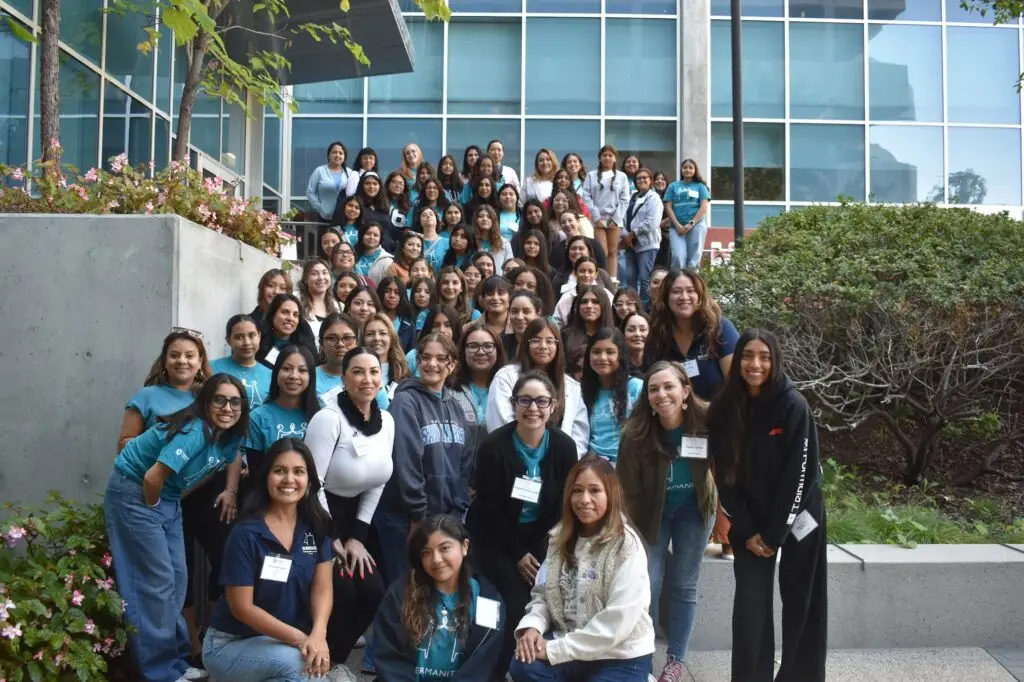
During its Digital Day of Giving fundraiser, The Preuss School raised $595,000 to help furnish its roughly 800 students with laptops, cameras, software, and other tools necessary for distance-learning success. The charter school on the UC San Diego campus serves economically disadvantaged students striving to be the first in their family to graduate from college.
“It is through the support of our committed donors and talented faculty that we can build a bridge to success for underserved scholars by closing the achievement gap,” said Helen V. Griffith, executive director of The Preuss School. “But more than that, we create a belief system that our scholars belong, that they can compete against any other student in college and will become tomorrow’s leaders.”
The pandemic prompted The Preuss School to switch to a distance-learning model in mid-March. The school was able to distribute laptops and hot spots to promote connectivity. Within two weeks, all 850 students were able to access the online curriculum. Philanthropy also enabled the school to launch the Preuss Scholar Support Mobile Library, which lets students pick up and return library books, textbooks, and supplies for art, engineering, and music.
Founders First CDC and Pacific Western Bank have launched the San Diego Clydesdale Community Leaders Program, an accelerator for Black-owned small businesses. The curriculum includes a 24-month intensive transformational growth program, access to new business contracts, and the opportunity to secure flexible-revenue-based business loans. The first cohort will start October 20.
“We are thrilled to help position San Diego as a center for growth-oriented entrepreneurship by continuing to have a significant impact in using best practices, experience, and leveraging combined expertise of leadership, stakeholders/corporates, investors, and mentors to guide and implement a deliberate, sequenced, and prioritized small business development strategy,” said Kim Folsom, founder and CEO of Founders First. “We actively work to improve the well-being of those we serve by committing financial and human resources in San Diego County and throughout the state of California and beyond.”
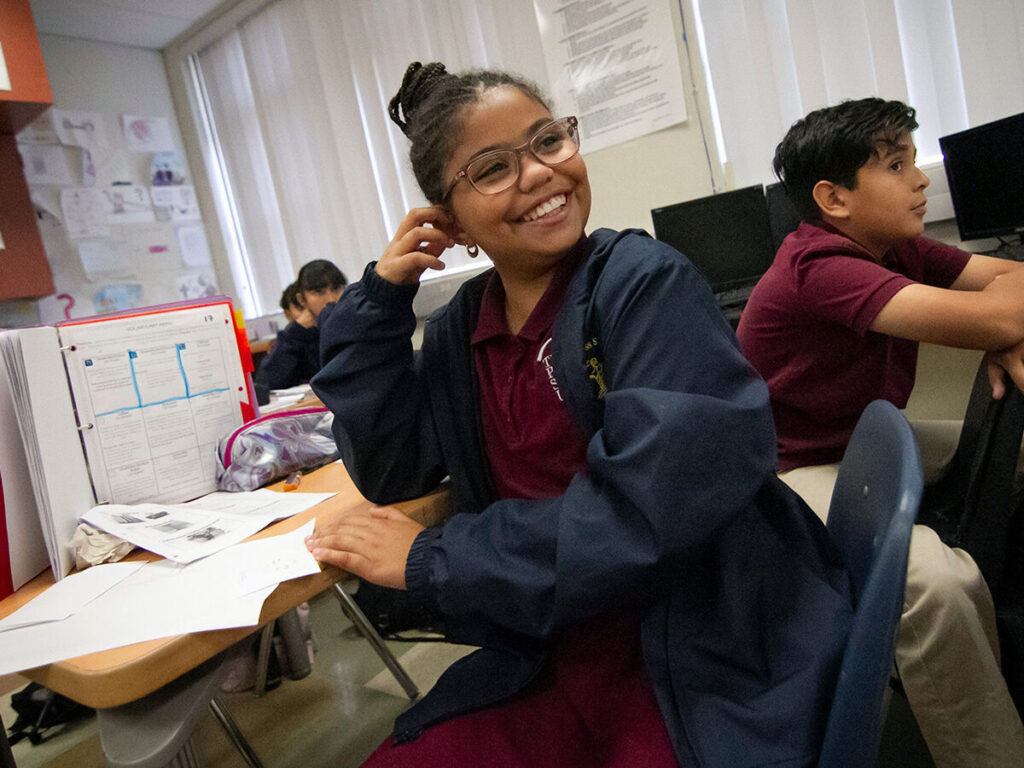
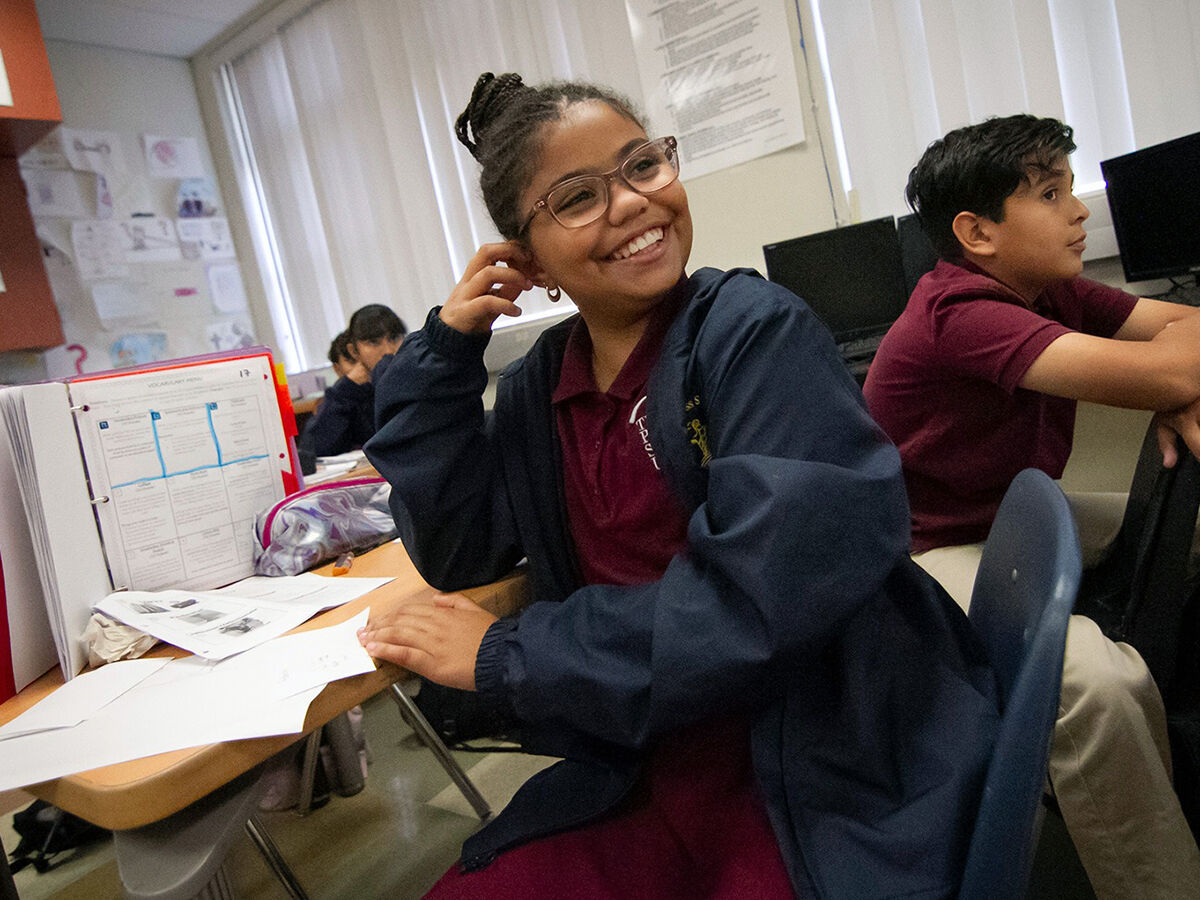
Nearly $600,000 was raised to help Preuss School students, like seventh-grader Jaya Carter, shown here before the pandemic.
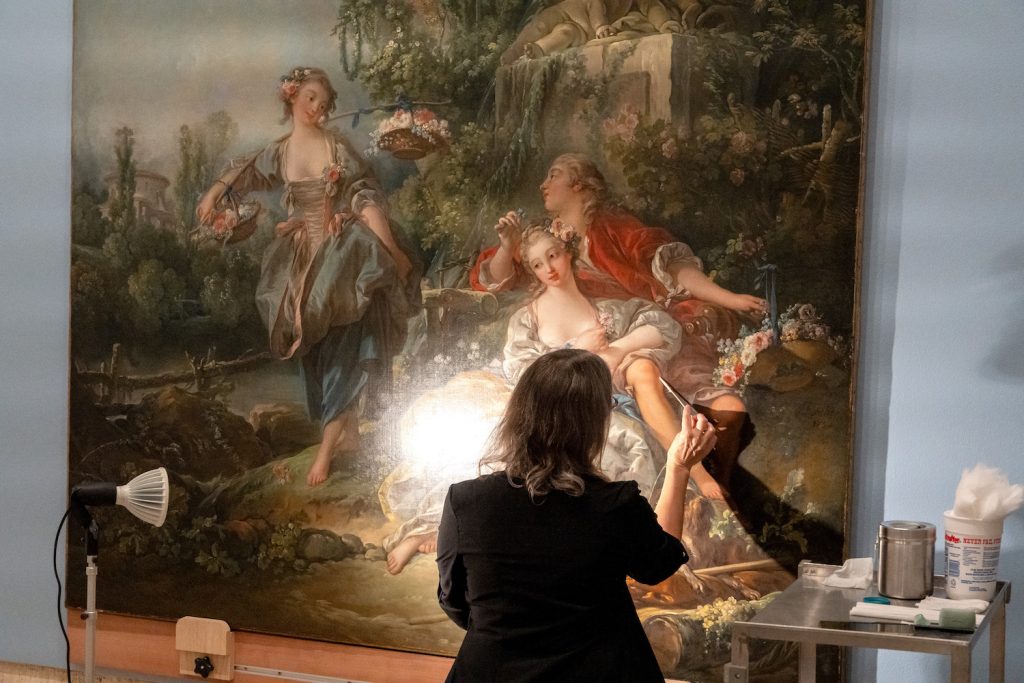
The bones are here. A mirrored closet reflecting a massive painting. A pleated window shade peeking out from behind a frame. Reminders that, before this place was a museum, it was a regular—albeit expansive—house tucked away in the North County neighborhood of Rancho Santa Fe.
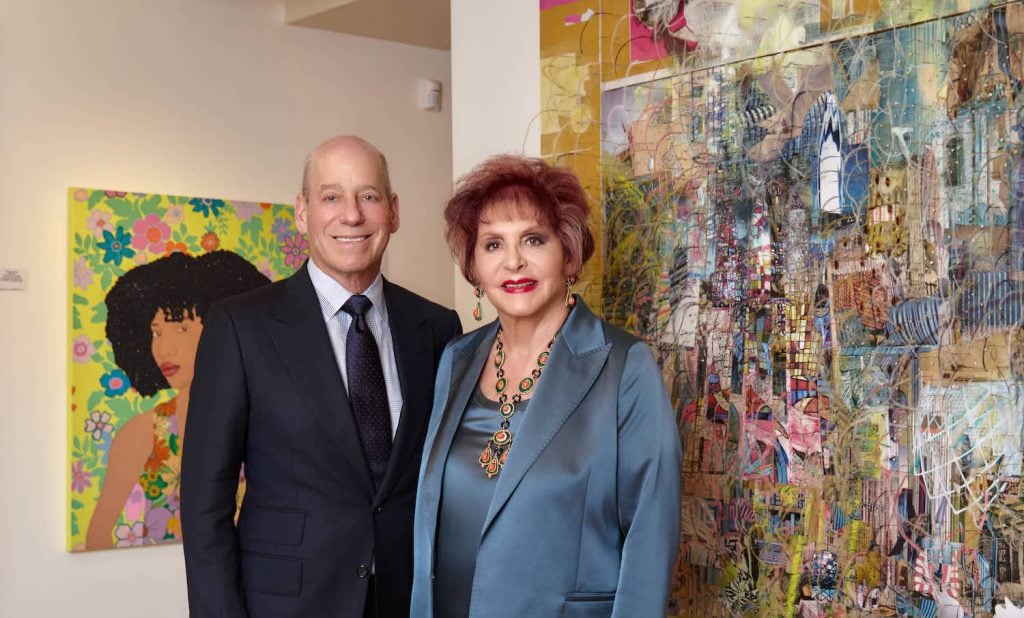
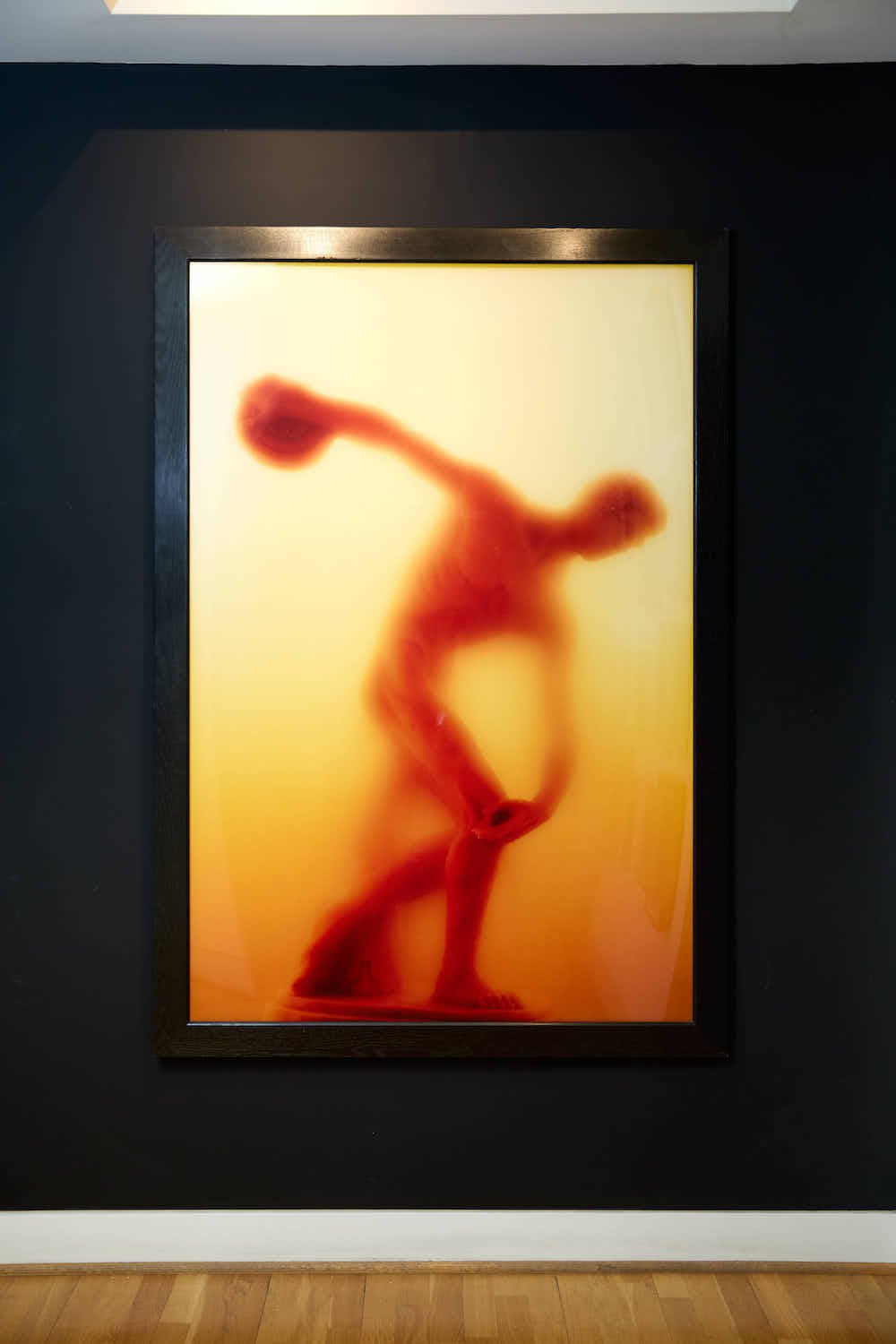
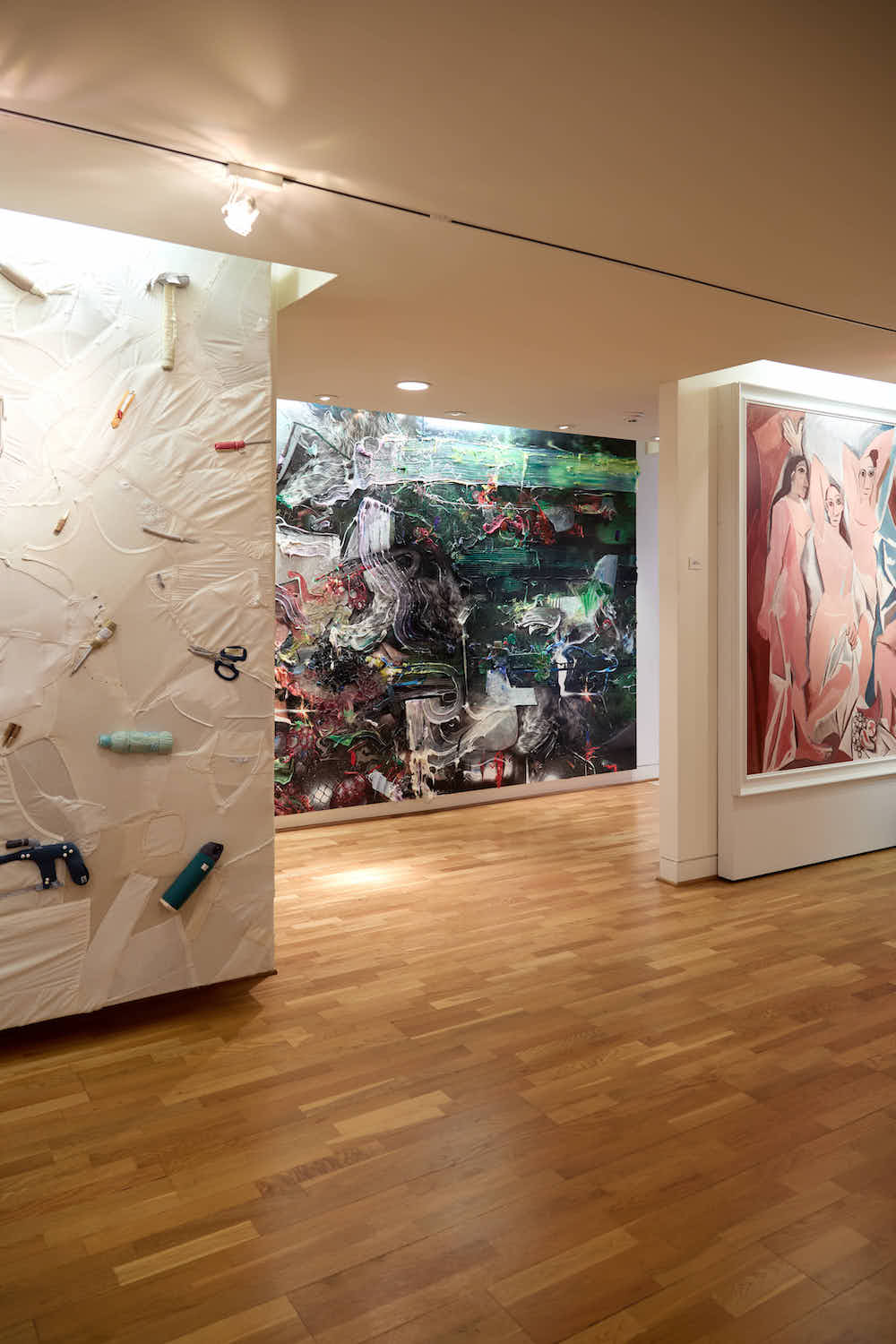
Real estate moguls Matthew and Iris Strauss purchased the 6,000-square-foot dwelling, situated directly next door to their own art-filled private residence, in 1999. “We more or less took it down to the base, with an eye toward turning it into an art gallery,” Iris says. Ever since, it’s held the Strauss Family Foundation, a contemporary art collection that steadily expanded with the Strausses’ trips to Miami’s Art Basel, the Venice Biennale, and other renowned art fairs. Today, the collection is valued at approximately $20 million, according to the family.
Photo Credit: Erica Joan Fiona Rae’s Cute Motion! So Lovely! (2005).
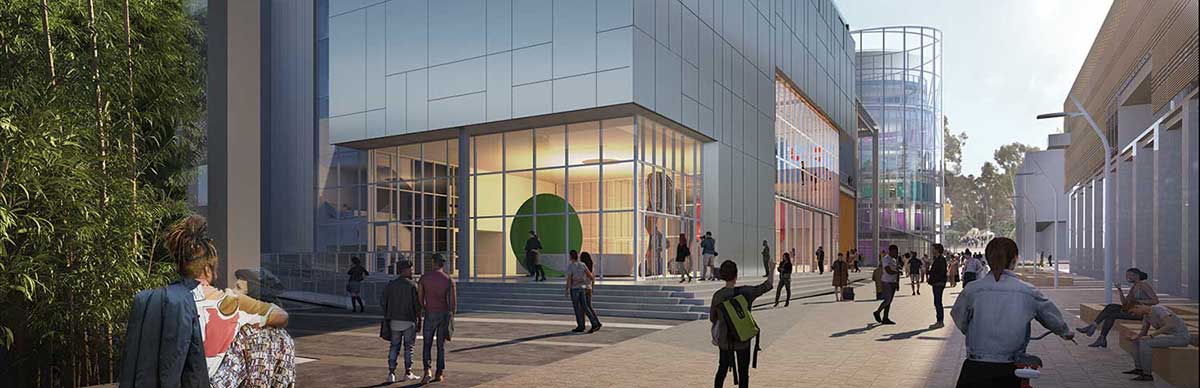
But, soon, all that art will move to a new home: In October 2023, the Strauss family donated the entire collection to UC San Diego. They also gave the foundation house, which will be sold to create an endowment fund for the art’s maintenance. UCSD, in turn, is building a museum as part of the incoming Triton Center, a new central campus hub that will also include an alumni building. Named The Strauss, the arts space is slated to open in fall 2026.
It’s a natural progression of the Strausses’ longtime vision. “Mom and Dad always felt it was very important that the art be seen by the public,” says the couple’s son, Steven Strauss.
The foundation offered 12 to 15 pre-booked tours a year. Matthew, who passed away in August 2024 at the age of 91, particularly enjoyed welcoming student visitors and often led tours himself. “He loved it when they would come in with their phones and then, after a few minutes, they would put their phone away, and they’d start looking at the art and they’d start asking questions,” Steven remembers.
Photo Credit: Erica Joan
The family has also been deeply involved with UCSD for years. After their two daughters passed away from cancer, Matthew and Iris became leaders at UC San Diego Health, donating significant funds to research a cancer vaccine and establishing the Iris and Matthew Strauss Center for Early Detection of Ovarian Cancer. Steven and his wife funded the new Steven Strauss and Lise Wilson Cardiomyopathy Center in 2021. However, they dreamed of doing more for the campus’s arts scene, as well.
“[Matthew] used to say, ‘Every great institution has a museum,’” Iris recalls. “‘You look at Yale, you look at Harvard, you look at Stanford—they all have an art museum. We should have one here [at UCSD], too.’”
The museum’s presence on campus will offer students increased opportunities to do what Matthew didn’t: get into art in their youth.
Photo Credit: Erica Joan
“My husband never really knew anything about art, and he was never that interested. He was too busy being a businessman,” Iris says of the early days of their marriage. “I was an art major in school, so I knew something. Once we got the house [in the 1980s], we started looking at the walls. We said, ‘We need art. It’s empty.’”
They began by hiring an art consultant, but within two months, Matthew’s curiosity had grown. The couple elected to handle acquisition themselves. “We decided we wanted art of our time,” Iris adds. They began attending art fairs and then became involved with the Museum of Contemporary Art in La Jolla.
“Once we joined the museum, we really got going,” Iris says. “The director at that time was Hugh Davies, and he had arranged a trip for collectors to go to Documenta in Germany, which was and is one of the greatest art shows ever. We signed up—our kids were grown and married, our grandchildren in college, so we went and we made friends there.” Among them were Irwin Jacobs and his late wife Joan, who became Iris’ best friend. “We really saw art,” Iris continues. “Oh, boy, we saw great art, and that really was it.”
“He wouldn’t just look for the most pleasing pieces, but pieces that he thought were unique, the best work of the artist, maybe challenging,” Steven says. When the Strausses began separating the foundation collection from their personal one, those edgier, younger works became the focus of the former.
Rendering Courtesy of UCSD The Strauss Museum
New acquisitions, commissions, and exhibitions at The Strauss museum will share that polestar. “It’s really where contemporary art will meet technology,” says Jess Berlanga Taylor, director and curator of UCSD’s Stuart Collection. She’s leading the creation of The Strauss. “We’re also asking ourselves what the future of art is through our programs. We’ll be presenting immersive environments. We’ll be working with augmented realities and VR and AI and everything that digital artists are doing nowadays.”
She wants the museum to be a “portal”—to a place both familiar and transformative. “Most museums are still based on the 18th-century tradition in which art is in one place, and life happens elsewhere. That is something that doesn’t work for our societies nowadays. So we’re really looking at creating a space where it’s truly social, and you’re surrounded by art,” Taylor says. “We’re hoping that, because of one of our exhibitions, you suddenly feel connected to something much bigger than yourself.”
For her part, Iris’ dream is to drive a new generation of art lovers. “I hope that [visiting The Strauss] enhances their way of thinking, or perhaps even their life, because art just does that for you,” she says. “It would be very empty to live without it.”
The foundation house—mostly devoid of furniture but nearly bursting at the seams with color and history—is proof.
Amelia Rodriguez is a writer and journalist and winner of the San Diego Press Club's 2023 Rising Star Award and 2024 Best of Show Award, she’s also covered music, food, arts and culture, fashion, and design for Rolling Stone, Palm Springs Life, and other national and regional publications. After work, you can find her hunting down San Diego’s best pastries and maintaining her five-year Duolingo streak.
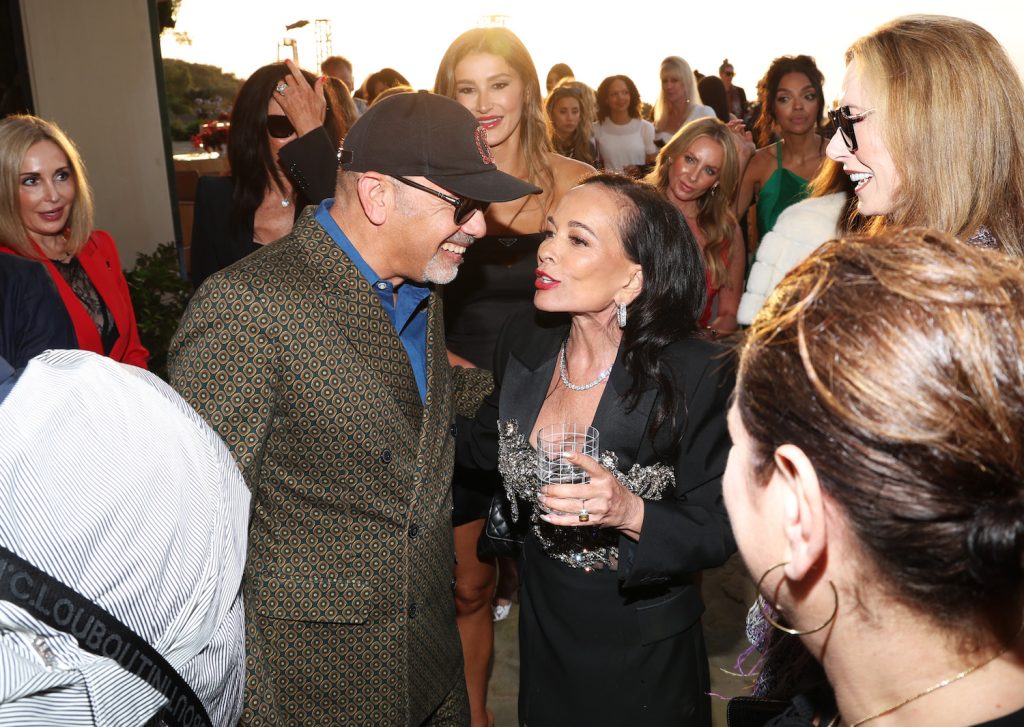
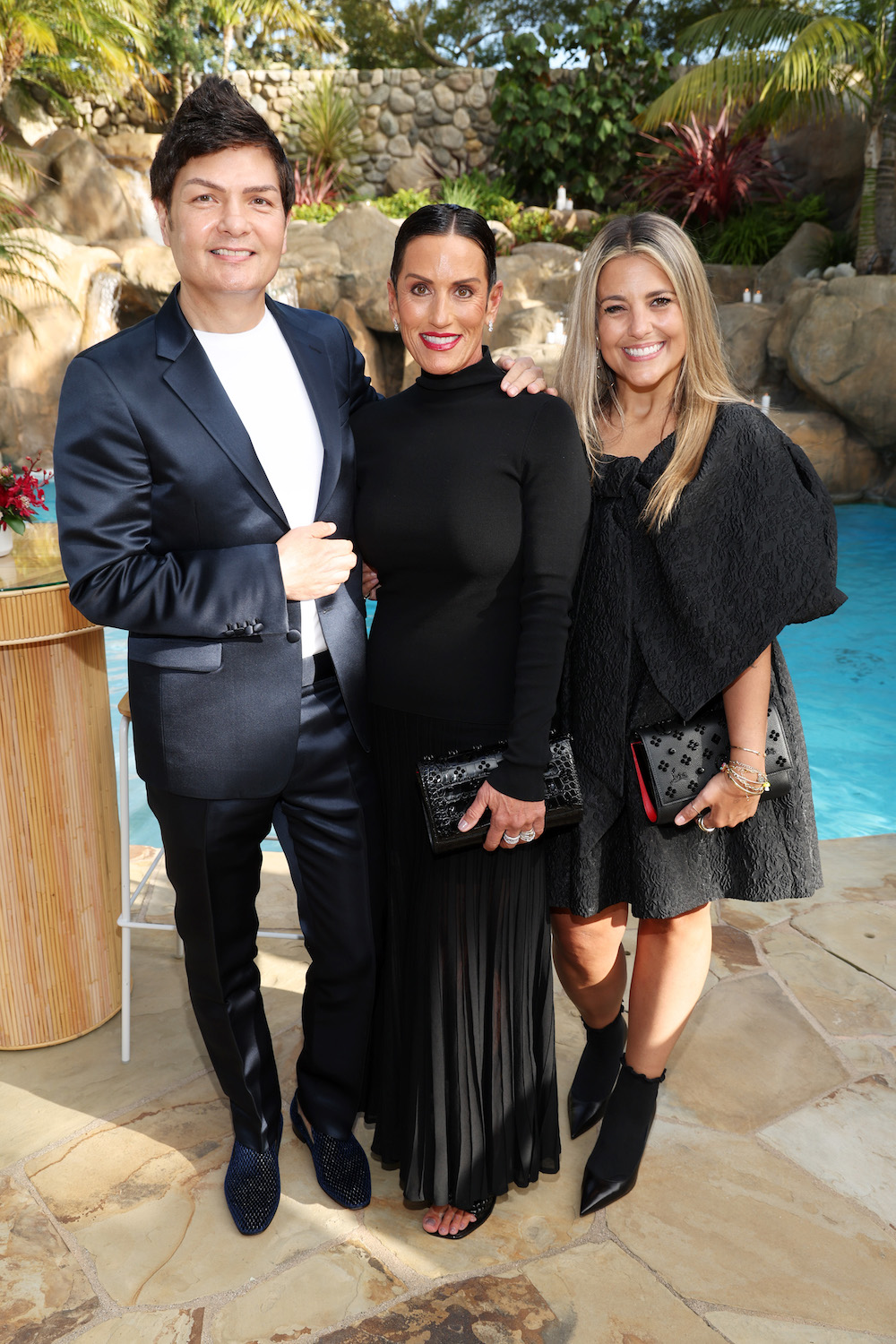
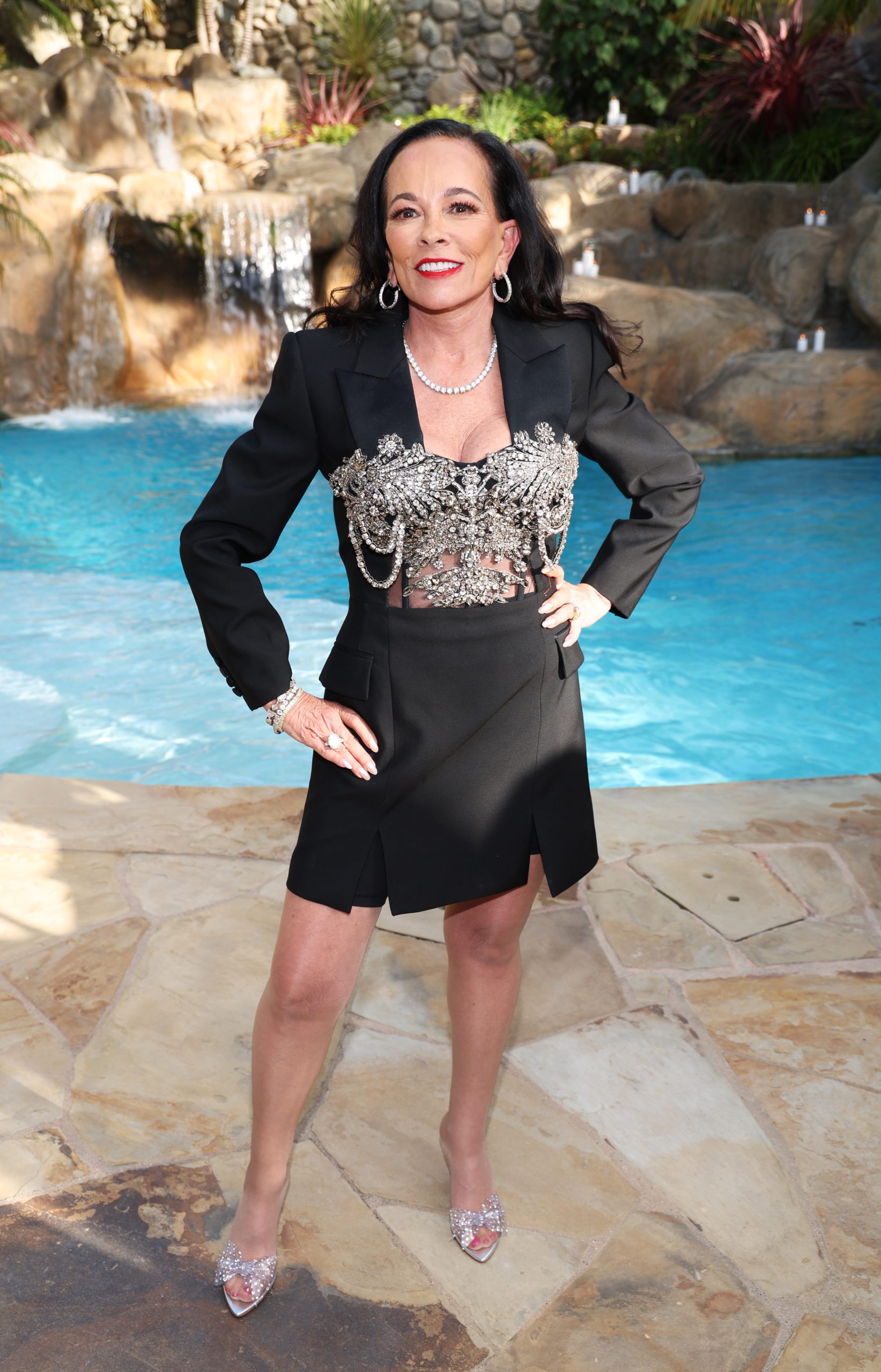
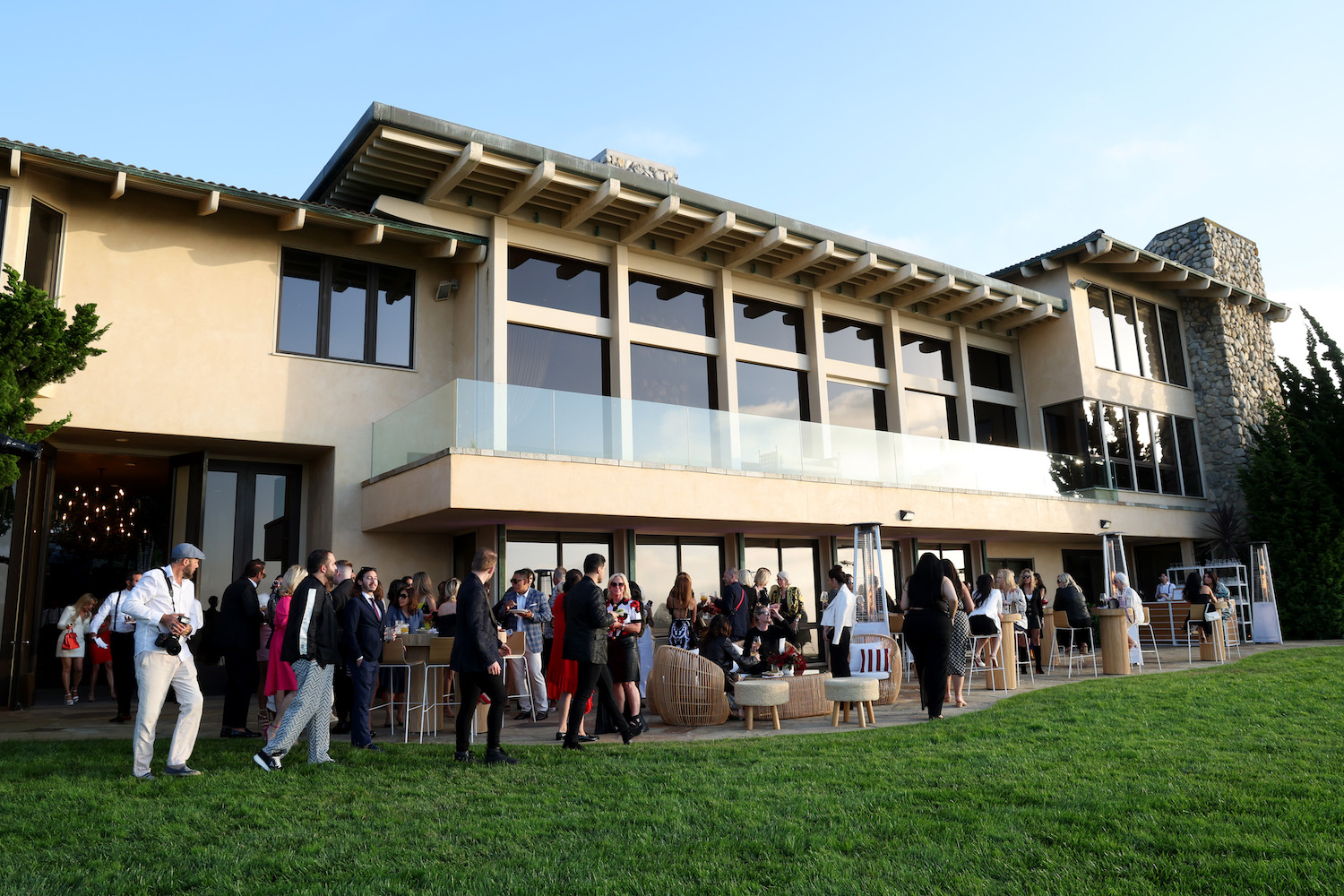
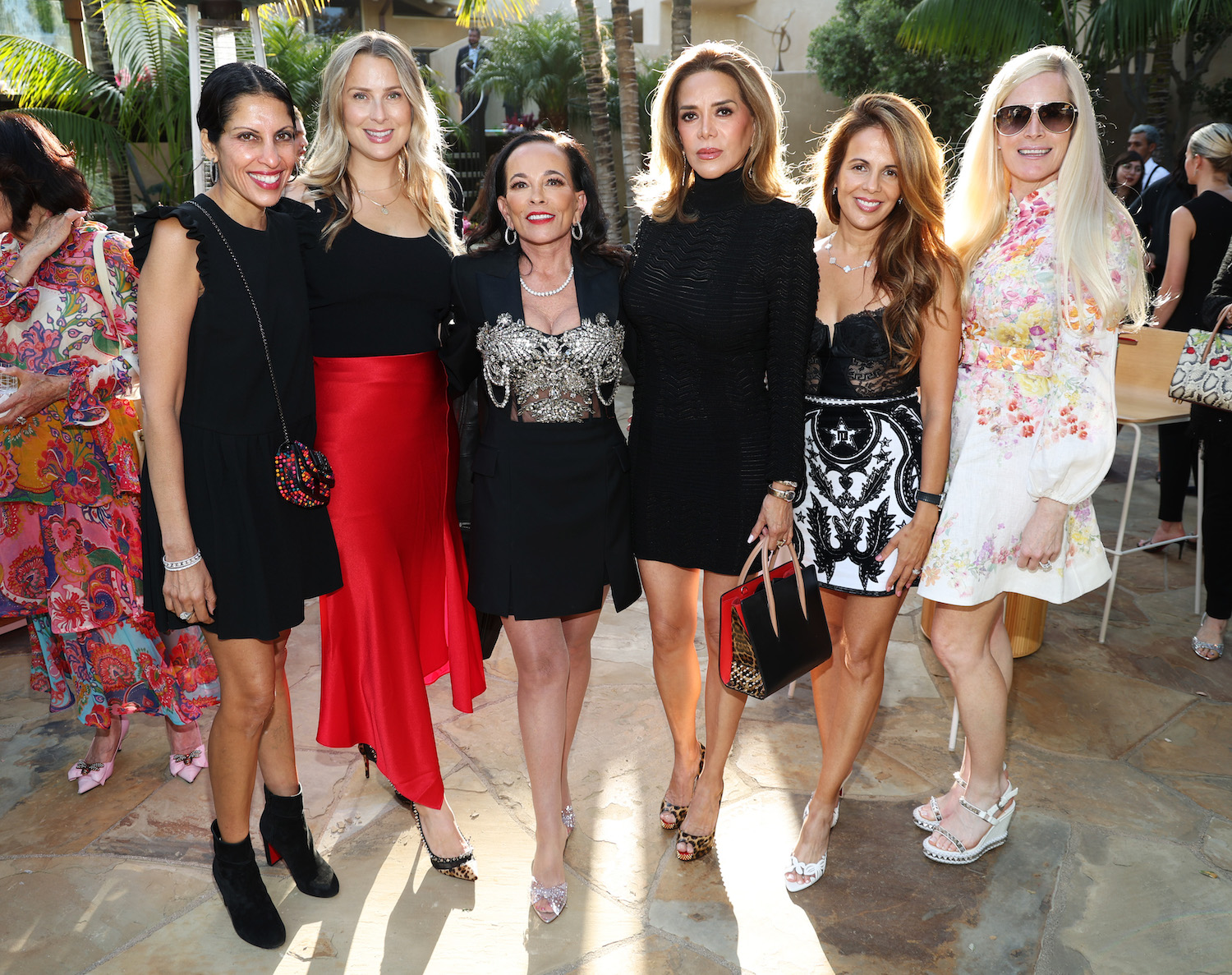
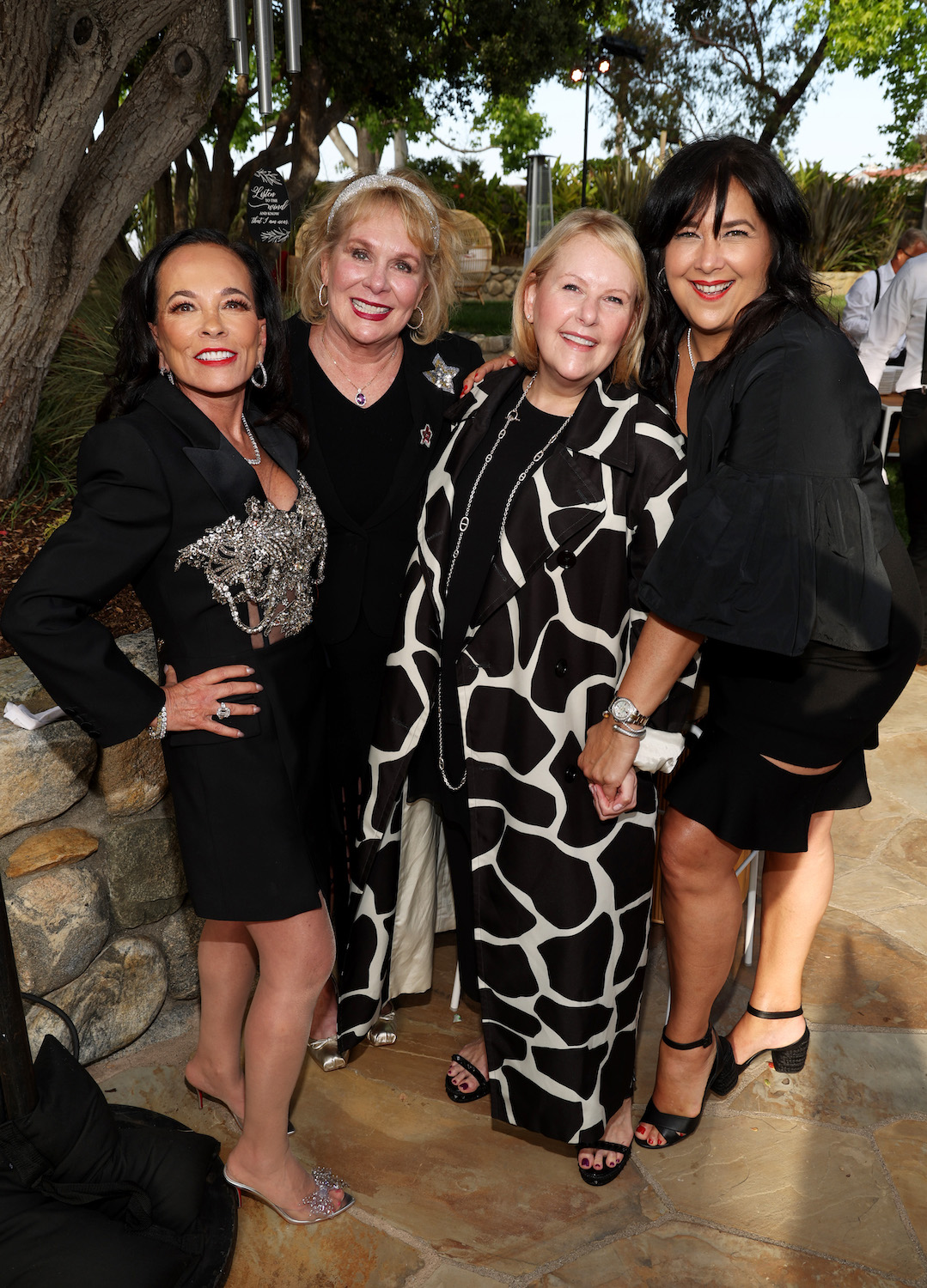
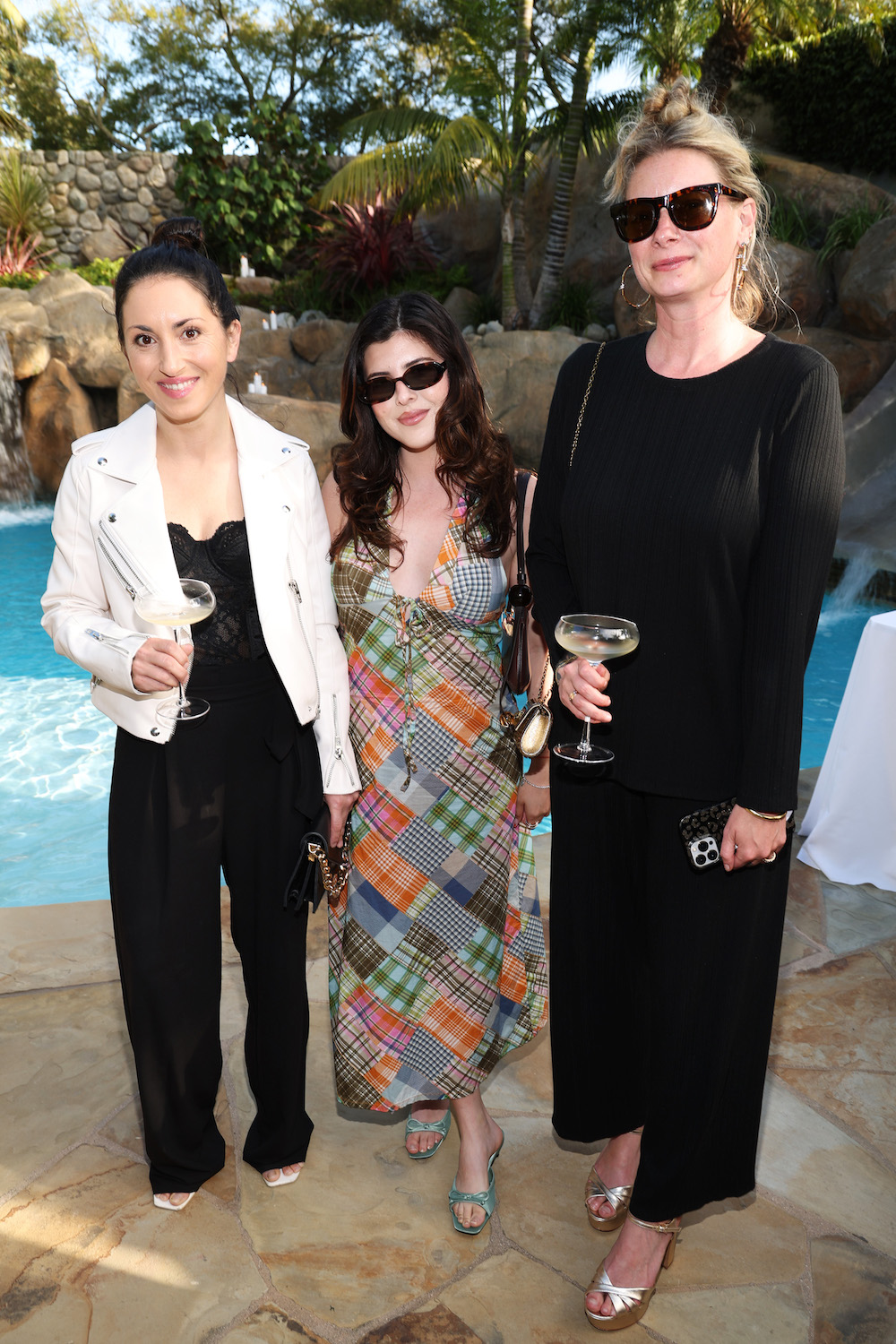
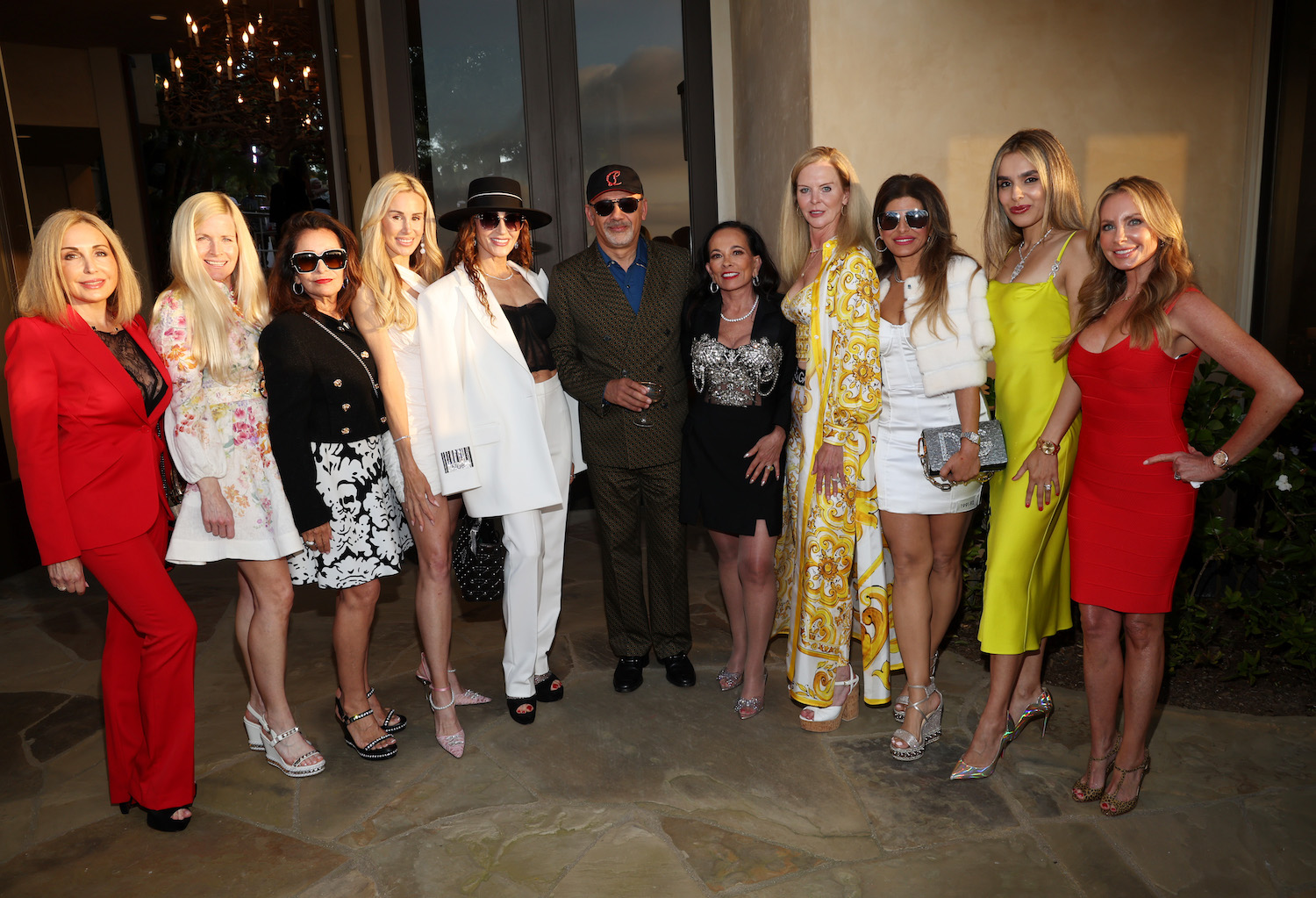
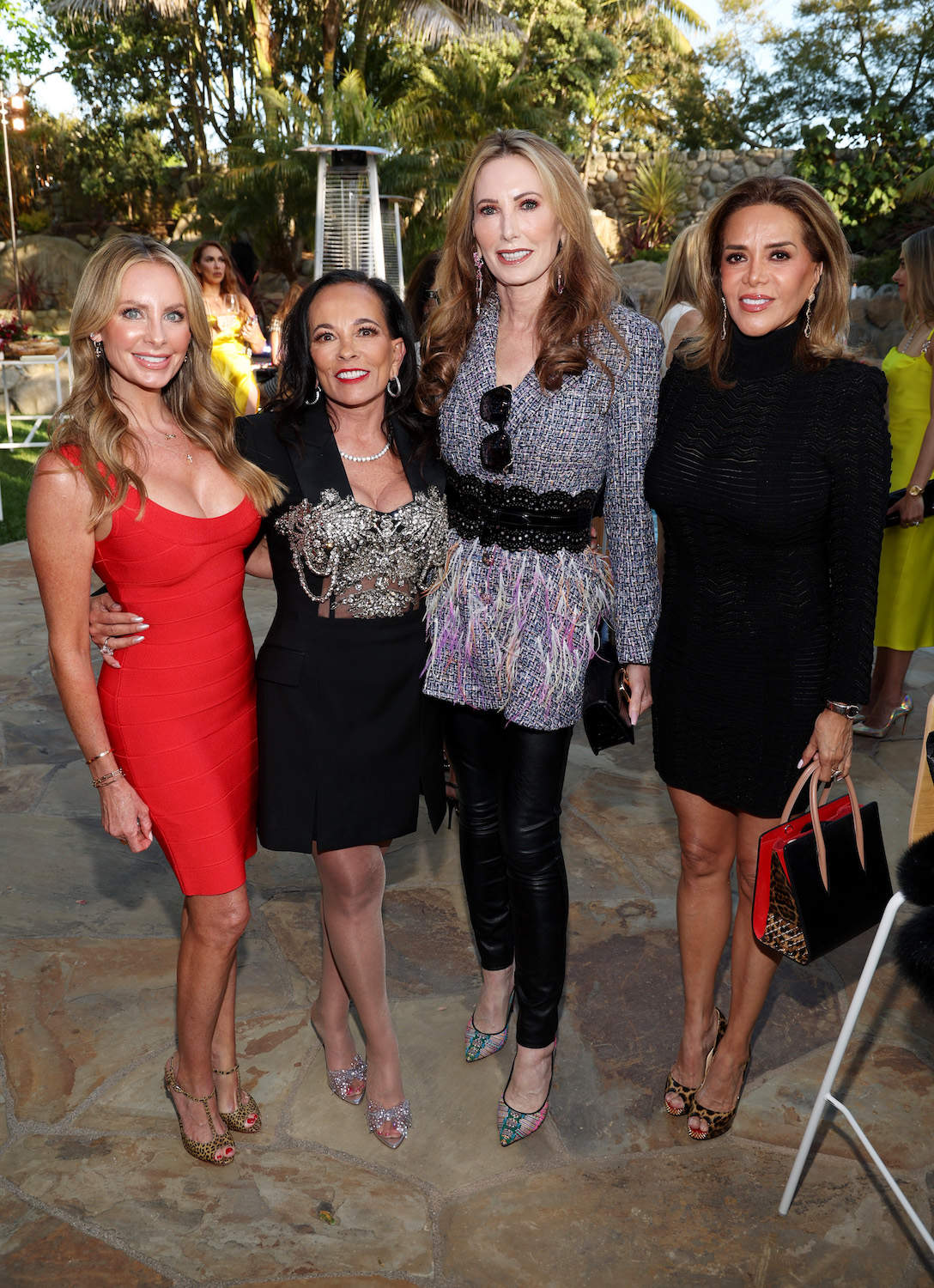
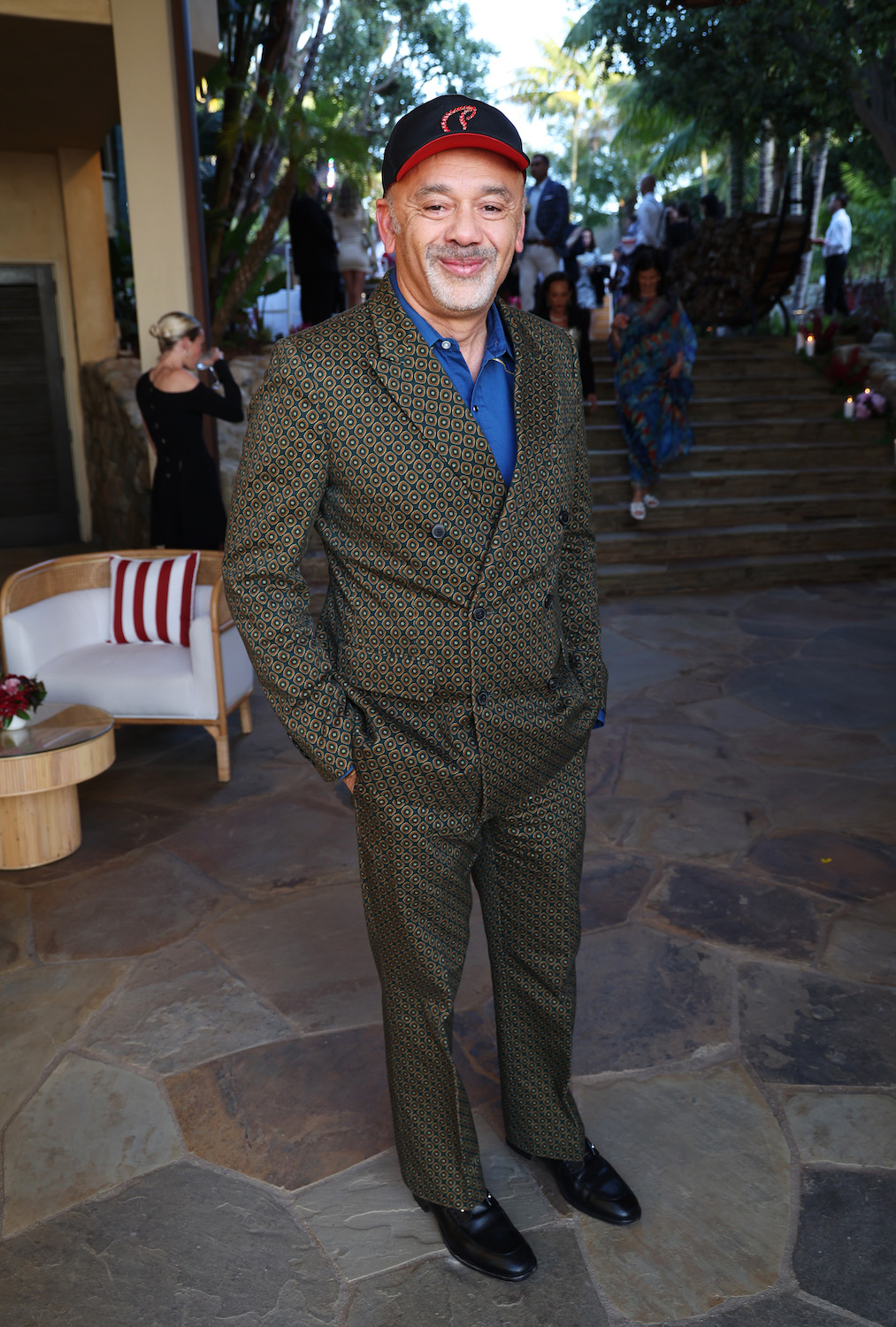
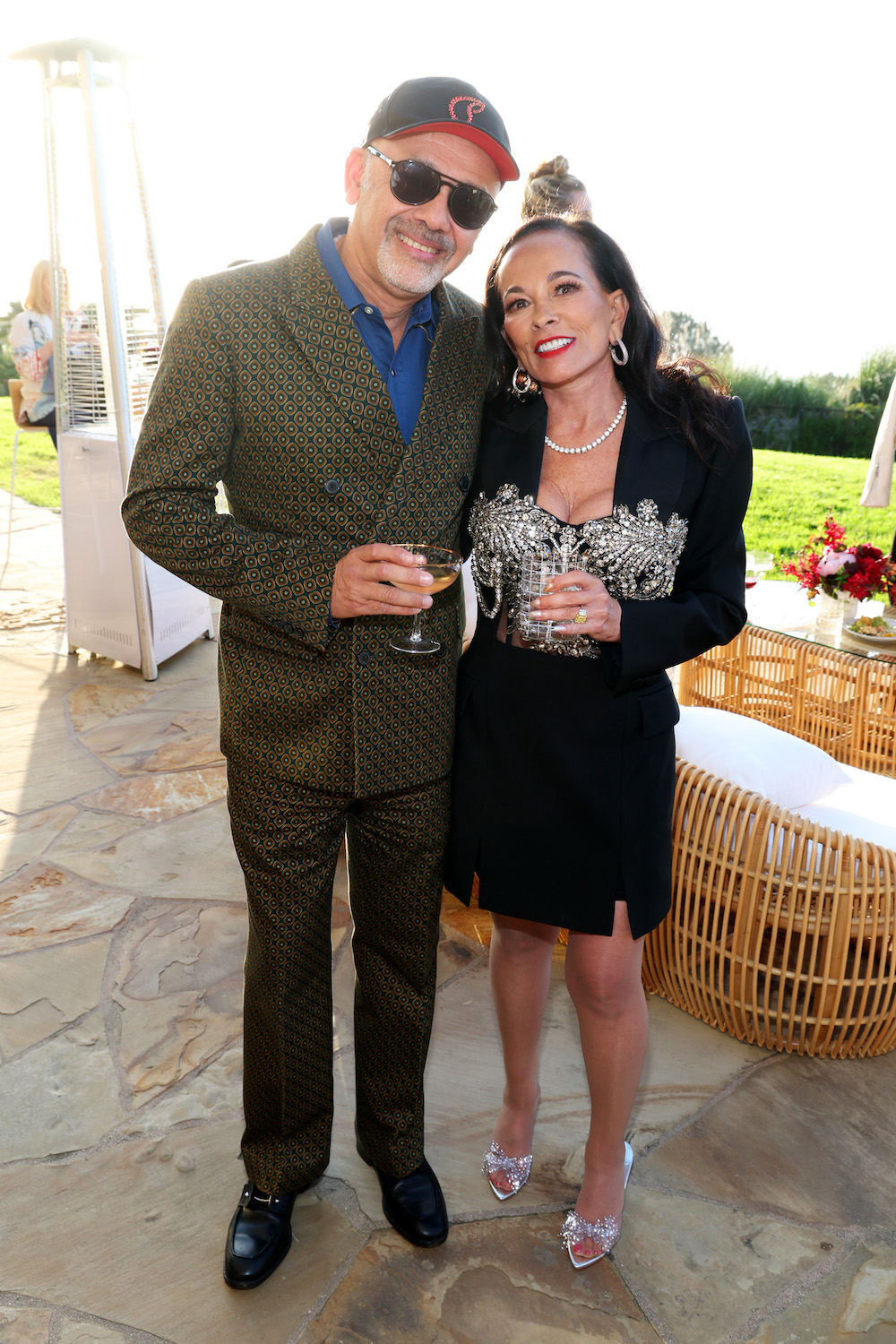
Local philanthropist Joan Waitt hosted a meet and greet for shoe designer Christian Louboutin at her La Jolla home on June 19 with Nordstrom Fashion Valley. Louboutin is known for his signature red-soled high-heeled shoes, which adorned the feet of many guests.
In addition to her prolific philanthropic activities around town, she’s a long-time Promises2Kids Board member and a past chair of the organization’s Board of Directors. She also hosts the nonprofit’s Dream On Concert Gala at her home. This year, it will be held on Monday, September 9, and will feature a Kool & The Gang concert for 500+ of San Diego‘s top business and philanthropic leaders, who will raise awareness and funds for foster children.
“I was honored to have Christian Louboutin for a private meet and greet event at my home. He is known for his success with his red-soled shoes all over the world. Despite his highly recognizable brand, he is a humble man who loves small gatherings and is very private,” says Waitt. “We got to know the man behind the shoes and hear his stories of how he got started in the fashion business. A special thank you to Nordstrom Fashion Valley for hosting him at my home.”
Photos by Phillip Faraone
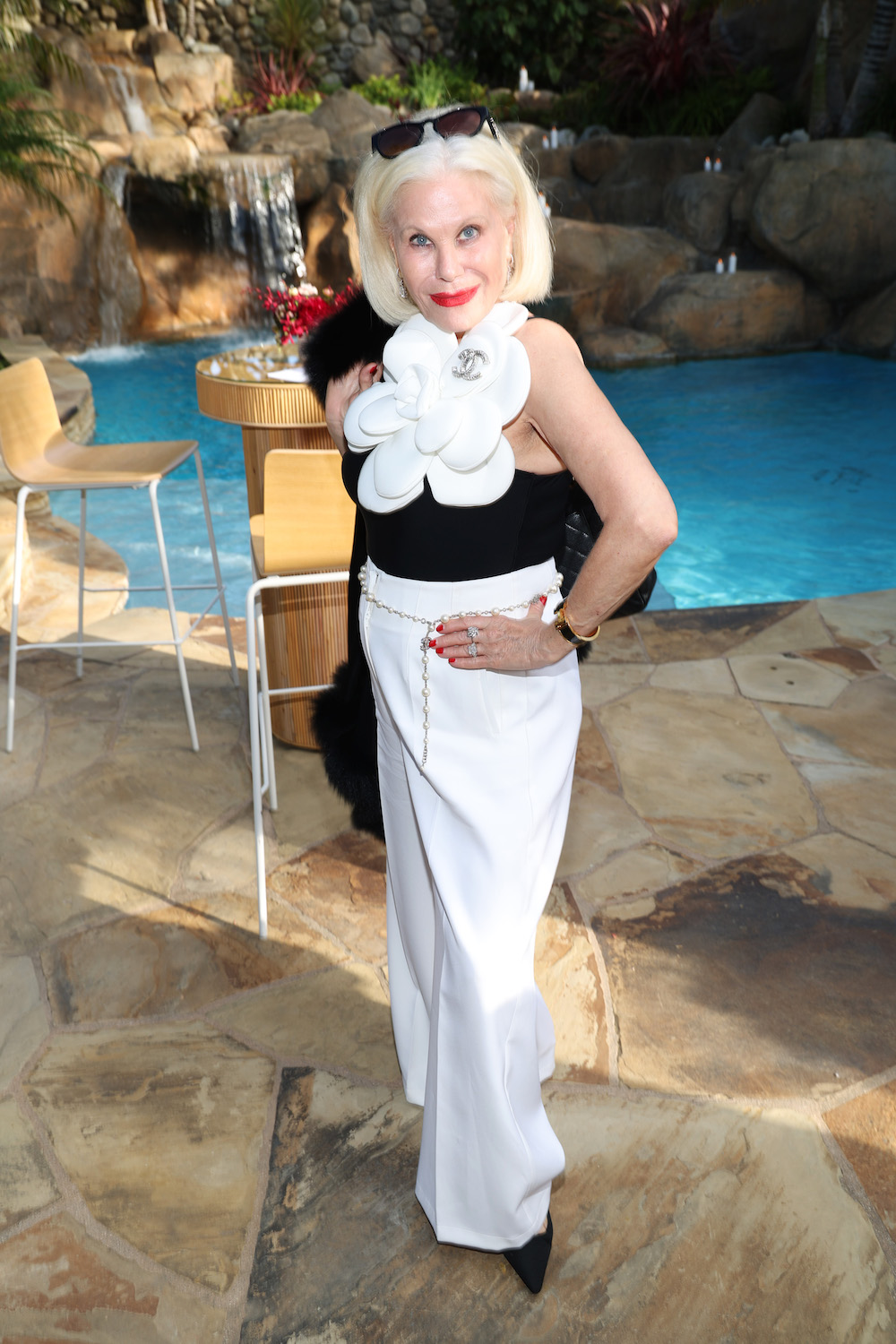
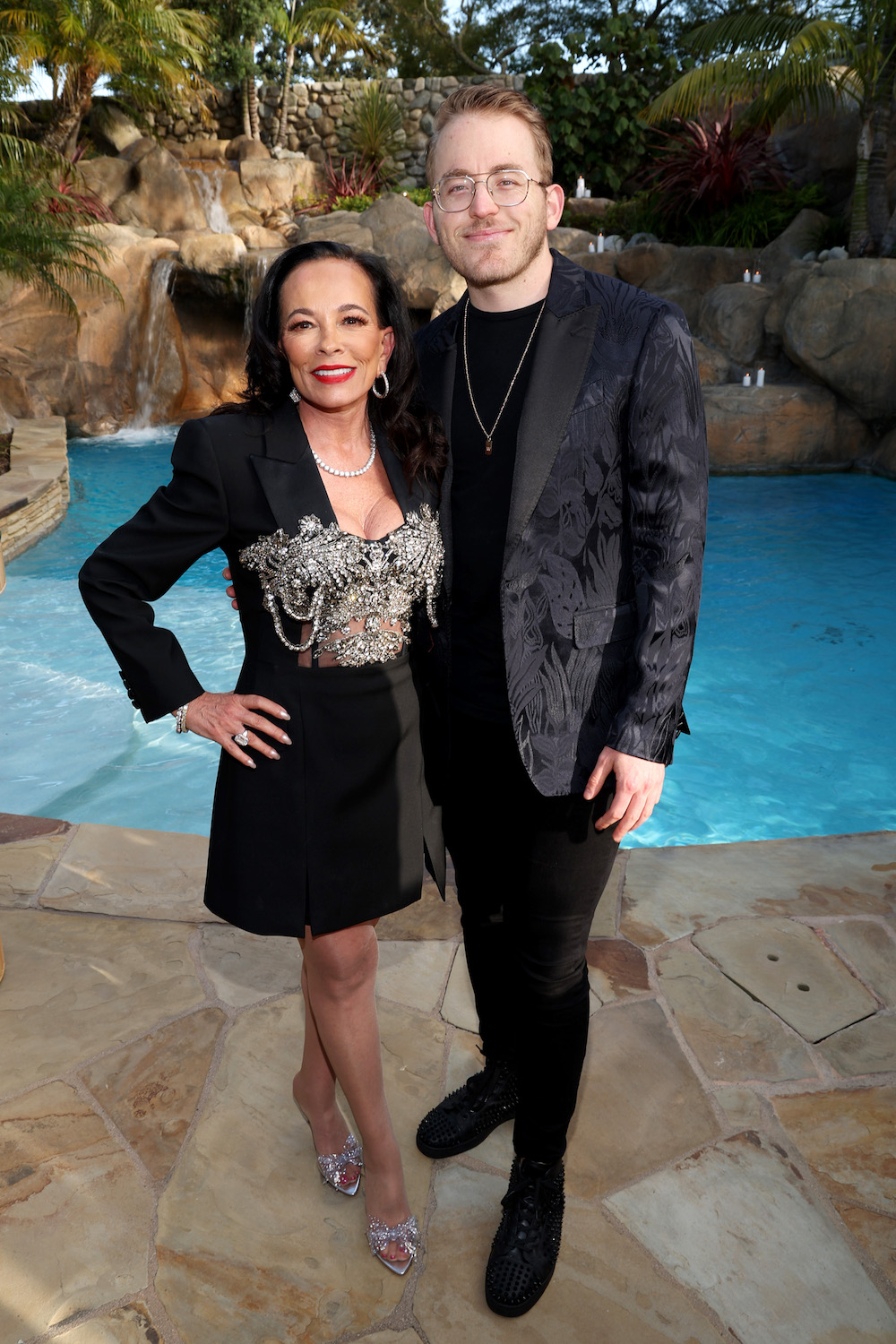
(L-R) John Langston, Debbie Dimich, and Ashley SimmonsJoan Waitt(L-R) Dr. Shakha Gillin, Amy Jacobs, Joan Waitt, Rocio Flynn , Linda Shelton, and Julie PlashkesManya OrtizJoan Waitt and Maxwell Waitt(L-R) Joan Waitt, Cynthia Hardie, Allison Borkenheim, and Danielle Gilbert(L-R) Claire Johnson, Roxana Becerril, and Jackie Bryant (L-R) Sydney HollandLinda Shelton, Joan Waitt, Valerie Robbins, Marjan Mortazabi, Michelle Woodfield, and Miriam SmotrichChristian Louboutin, Joan Waitt, and guests (L-R) Michelle Woodfield, Joan Waitt, Vallerie Cooper, and Rocio FlynnChristian LouboutinChristian Louboutin and Joan Waitt
Jackie is a long-time freelance journalist covering cannabis, food/restaurants, travel, labor, wine, spirits, arts & culture, design, and other topics. Her work has been selected twice for Best American Travel Writing, and she has won a variety of national and local awards for her writing and reporting.
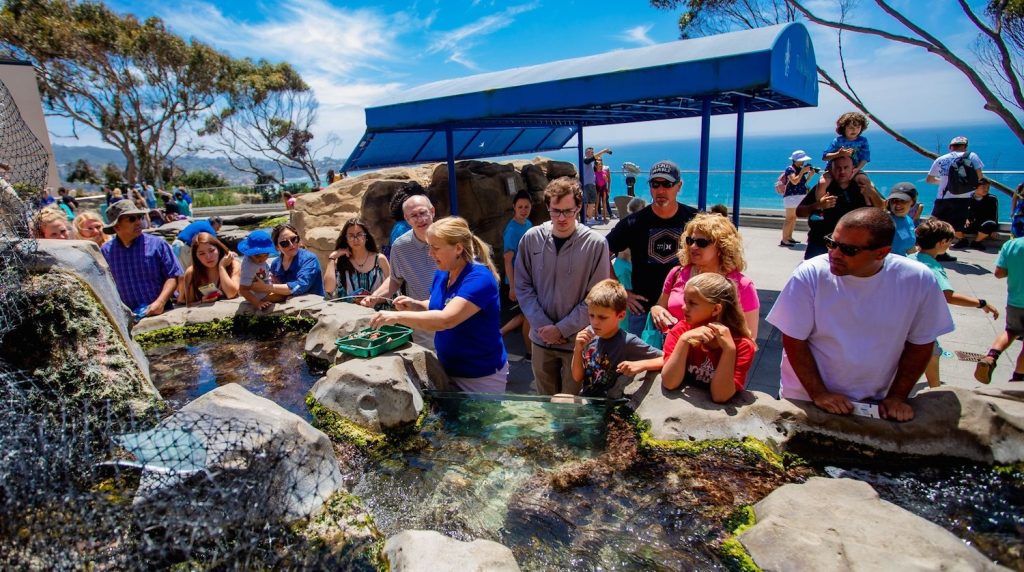
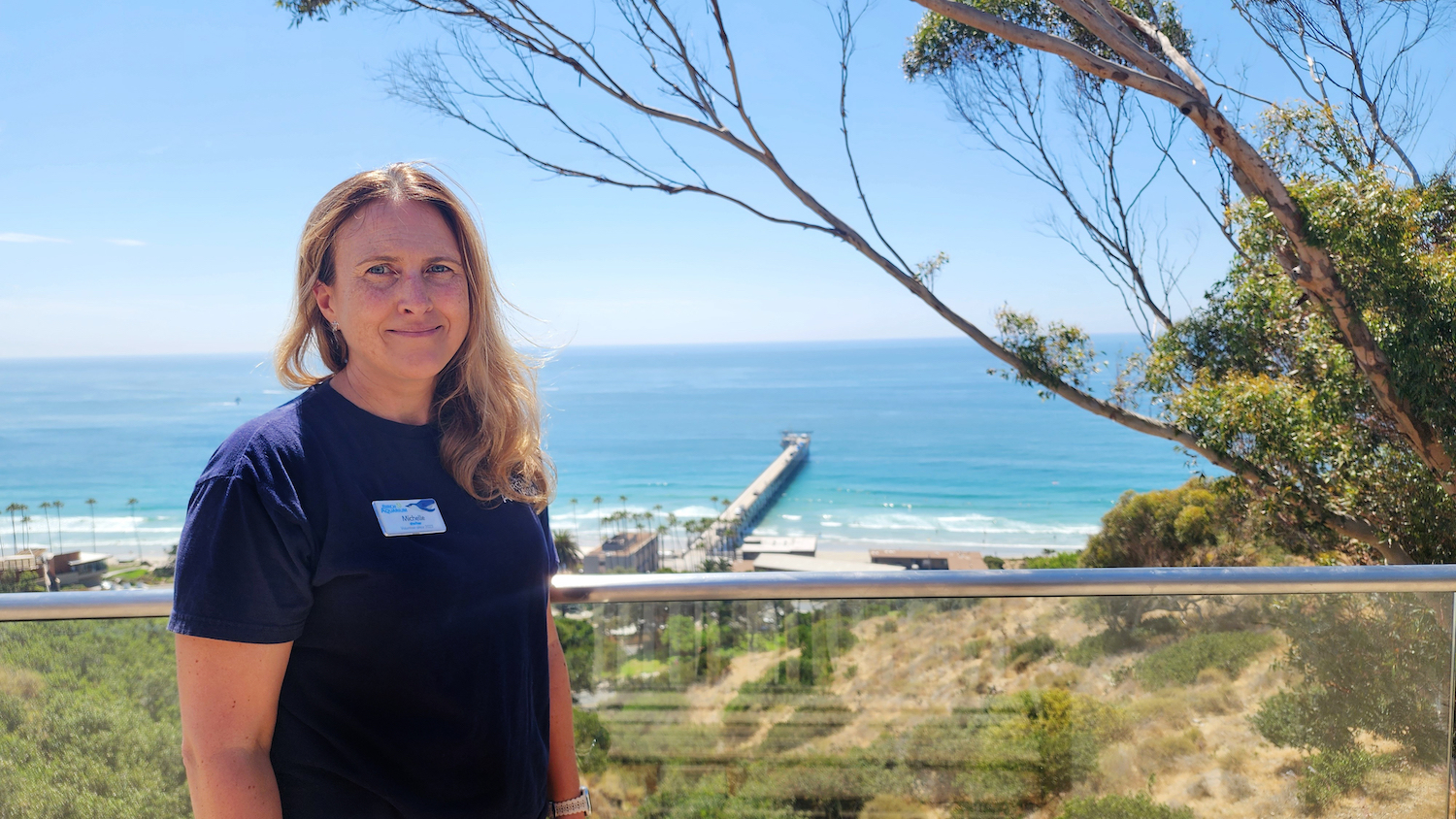
Birch Aquarium at Scripps Institution of Oceanography is not only a place where visitors can get up close and personal with their favorite sea creatures, but also a center for science and conservation dedicated to protecting the ocean. More than half a million people visit the aquarium each year to view its exhibits and enjoy hands-on experiences, some led by volunteers like Michelle Harris. Harris spends her spare time wherever she’s needed and isn’t afraid to get her hands dirty—or wet, in this case.
What made you want to become a volunteer for Birch Aquarium?
I moved to the San Diego area from the Bay Area in late 2022, but I’ve lived all over. I was born in the Midwest and grew up in Hawaii, so I have a connection with the ocean—tide pools were part of my childhood for sure. I loved that Birch Aquarium was a smaller aquarium and was really dedicated to animal preservation and education. Conservation and protecting the environment is something near and dear to my heart. Not everybody has access to the ocean and to be able to give back in that way and provide that experience is unique.
Courtesy of Birch Aquarium at Scripps
What do your volunteer duties entail?
I try to do whatever is needed. Sometimes I read, sometimes I help in the classroom. It’s based on what the need is and the availability I have and how I feel. It could be interacting with kids or the tide pools or helping out at a corporate event. They offer a variety of areas that volunteers are able to help in.
Can you describe your favorite or most memorable experience while volunteering?
One of my favorite things is to see some people’s initial reaction with wildlife. For example, in the tide pools when you’re showing people different species of shark eggs, and some people don’t even know that sharks lay eggs, or they’d seen them washed up on shore but didn’t know what they were. I think that’s fun.
What’s the biggest challenge you’ve faced?
Just trying to make time. That’s the biggest challenge because it’s so rewarding.
Any advice for someone considering volunteering as a way to give back?
Definitely give it a shot and contact the volunteer office. There’s a lot of information on Birch Aquarium’s website. Look at the things that are important and see if your values align. Do something because your heart is in it.
Sarah Sapeda is San Diego Magazine’s Custom Content Editor. In her 15 years in San Diego journalism, she has covered charitable events, health care, education, crime, current events, and more.
Meet ArtsConnect, UC San Diego’s Invitation to SoCal Arts Lovers
ArtsConnect brings those experiences into view, helping residents discover what they can see, hear and create at UC San Diego while experiencing the campus in a new way.
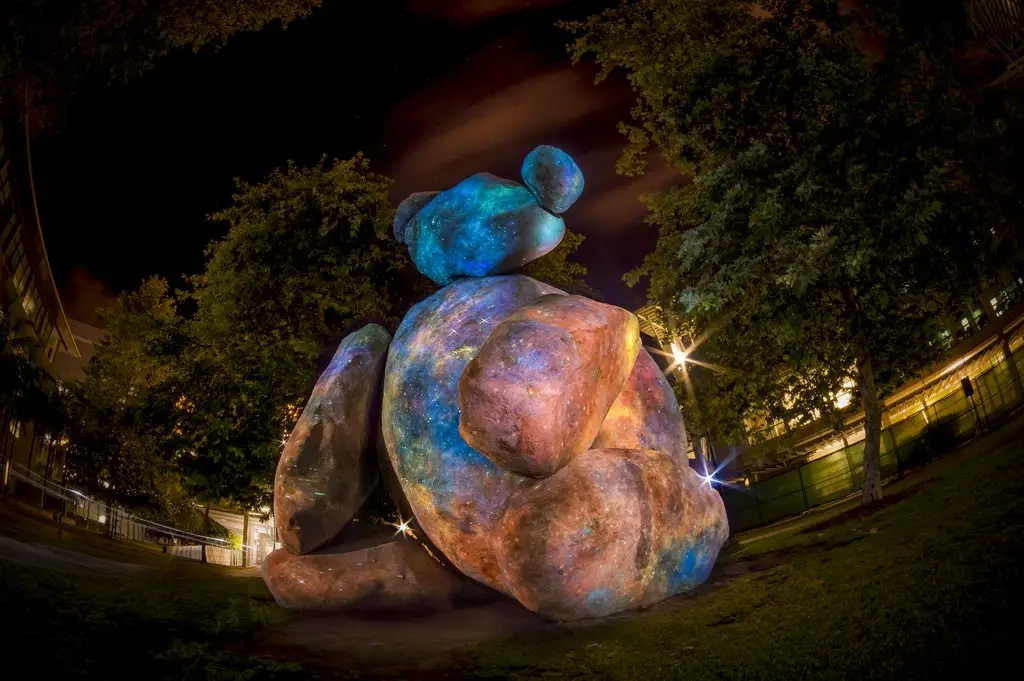
Ask most people what UC San Diego is known for, and the arts may not be the first answer. Yet this fall, San Diegans can watch Ghostbusters with a live orchestra, try their hand at glassmaking and wander among more than 20 works of public art woven throughout the university’s La Jolla campus.
ArtsConnect brings those experiences into view, helping residents discover what they can see, hear and create at UC San Diego while experiencing the campus in a new way.
Courtesy of UC San Diego | Photo Cred: Erik Jensen
“The arts are at the heart of UC San Diego’s student-centered mission and vision,” says Alysson Satterlund, Vice Chancellor for Student Affairs and Campus Life. “Whether creating, participating in, or experiencing performances, the arts are essential to a healthy and truly fun Triton student experience.”
That invitation often begins where the arts intersect with other fields.
“Some of the most innovative work and discovery happen where disciplines don’t usually share a stage,” says Cristina Della Coletta, Dean of the UC San Diego School of Arts and Humanities. “So through our unique intersection of the arts with science, technology, and medicine, we are improving lives, physically and emotionally.
Take The Inaudible Ocean, a collaboration between Department of Music Professor Lei Liang and Scripps Institution of Oceanography Assistant Project Scientist Josh Jones. Over eight years, the pair recorded earthquakes, ship noise, whale songs and other sounds in remote underwater locations. They transformed those recordings into a live music experience that allowed audiences to hear the ocean in an entirely new way. The work premiered on campus in May and continues to evolve.
The arts also connect the campus to the global art world and diverse perspectives. Chief Campus Curator Jessica Berlanga Taylor recently curated the Mexico Pavilion at the 61st Venice Biennale, featuring RojoNegro, the collective formed by Noé Martínez and María Sosa. The collective will unveil a compelling new permanent installation for UC San Diego’s celebrated Stuart Collection later this fall.
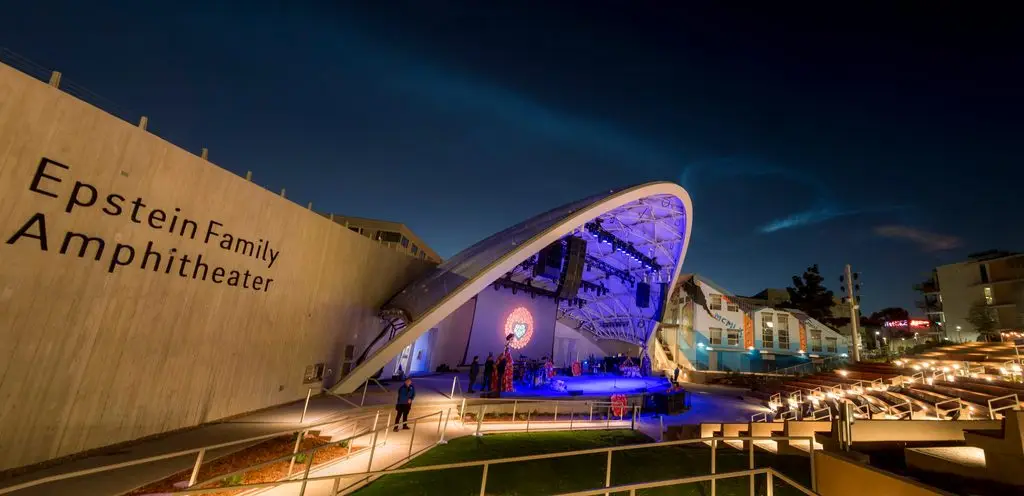
ArtPower offers another easy entry point, bringing touring performers to venues including the outdoor Epstein Family Amphitheater and the intimate Loft. The nearly three dozen performances featured through its 2026-2027 season span music, dance, film, theater and conversation.
Among the fall highlights is Ghostbusters in Concert on Sept. 25, pairing the beloved 1984 film with a live performance of Elmer Bernstein’s score. Tickets start at $35, and the amphitheater is located next to the UC San Diego Blue Line trolley station.
“Every member of our community should have access to world-class art, so we work hard to remove the barriers that stand in the way,” says Colleen Kollar Smith, executive artistic director of the Campus Performances and Events Office. “That means affordable ticket prices, and performances, voices and experiences where people see themselves reflected on stage and know they belong.”
The arts at UC San Diego are not only something to watch. The Craft Center offers public classes and workshops in ceramics, jewelry, woodworking, culinary arts and even surfboard shaping. At the new Glass Center, beginners and experienced makers can explore glassmaking through classes, demonstrations and studio experiences.
Whether you want to attend a performance, make something yourself or spend an afternoon exploring public art, there is an easy way in. And the invitation extends well beyond students and alumni.
Kollar Smith says it best: “Visit, participate, spectate or create. You’re invited, and we hope you’ll connect with us soon.”
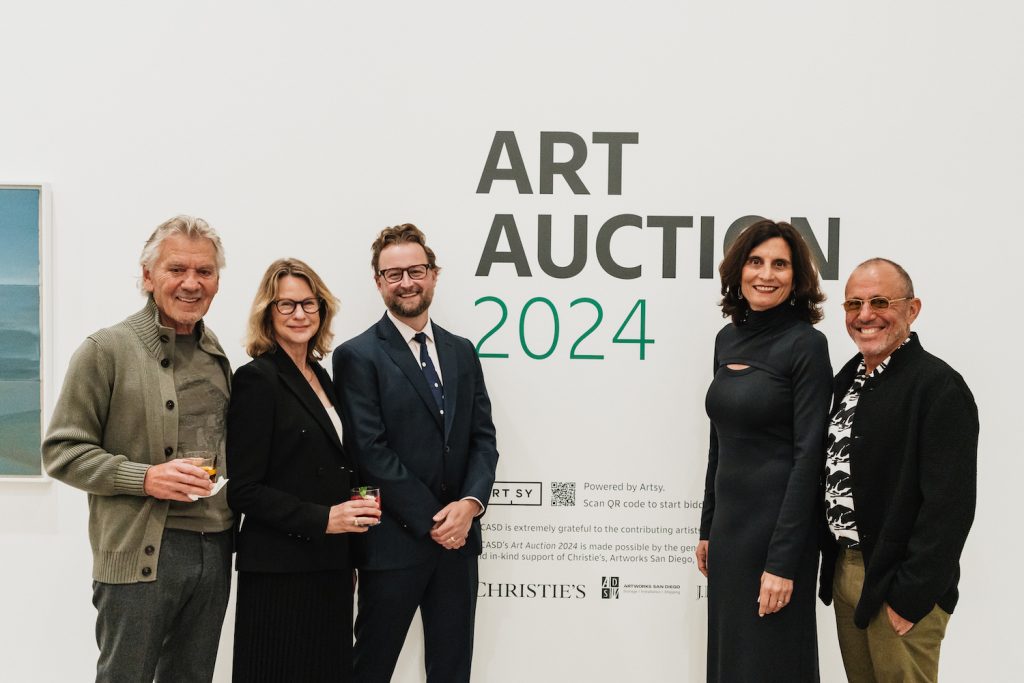
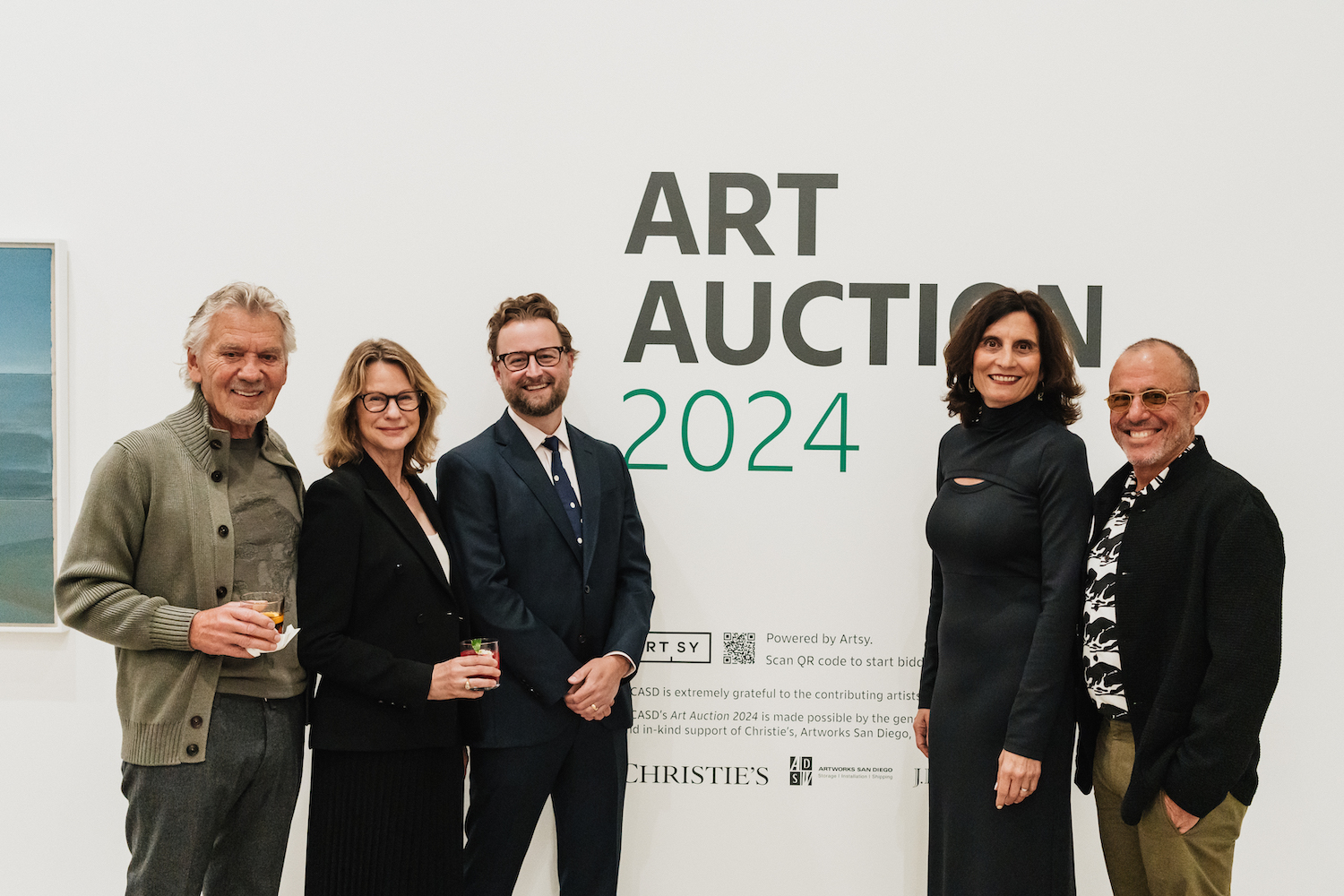
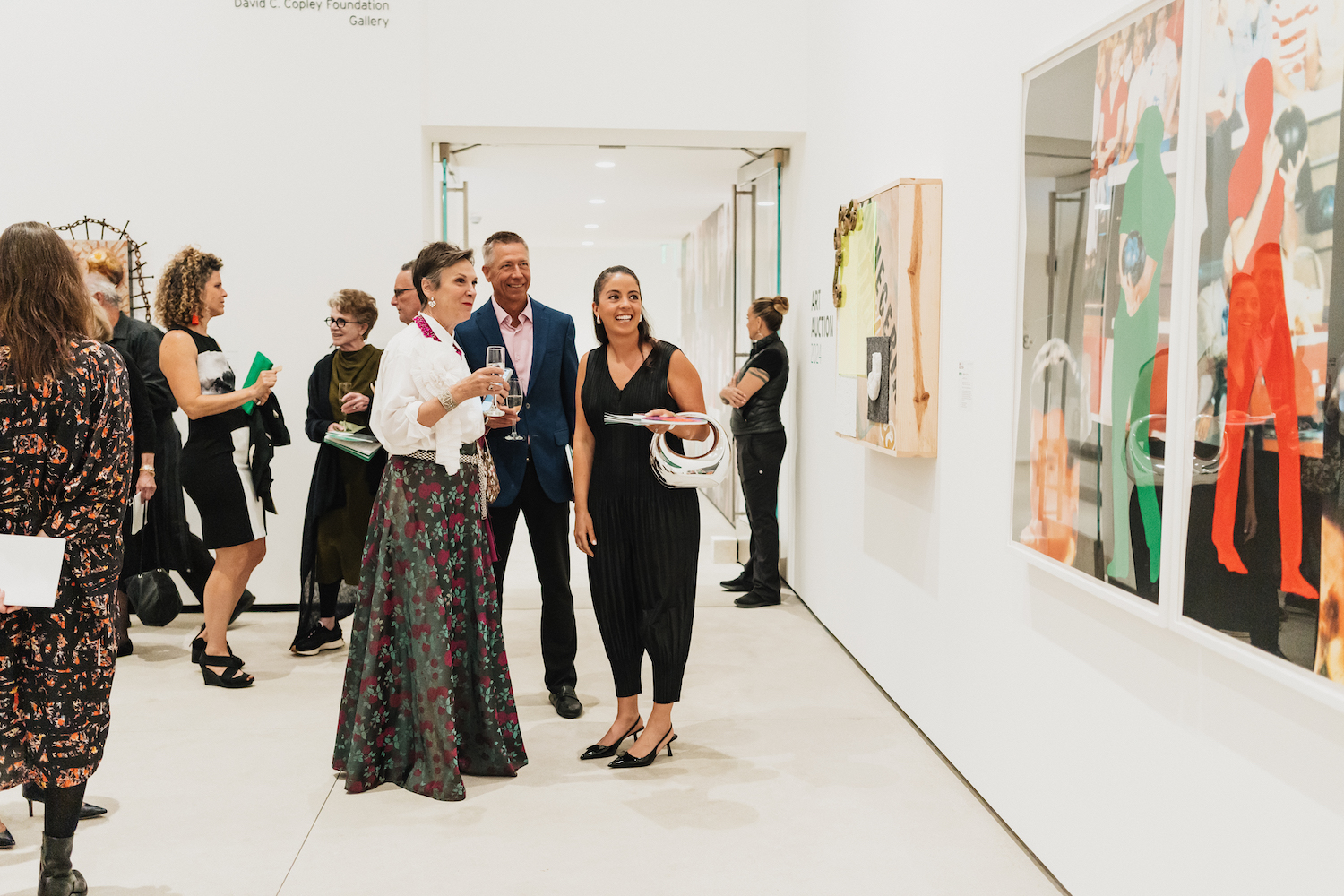
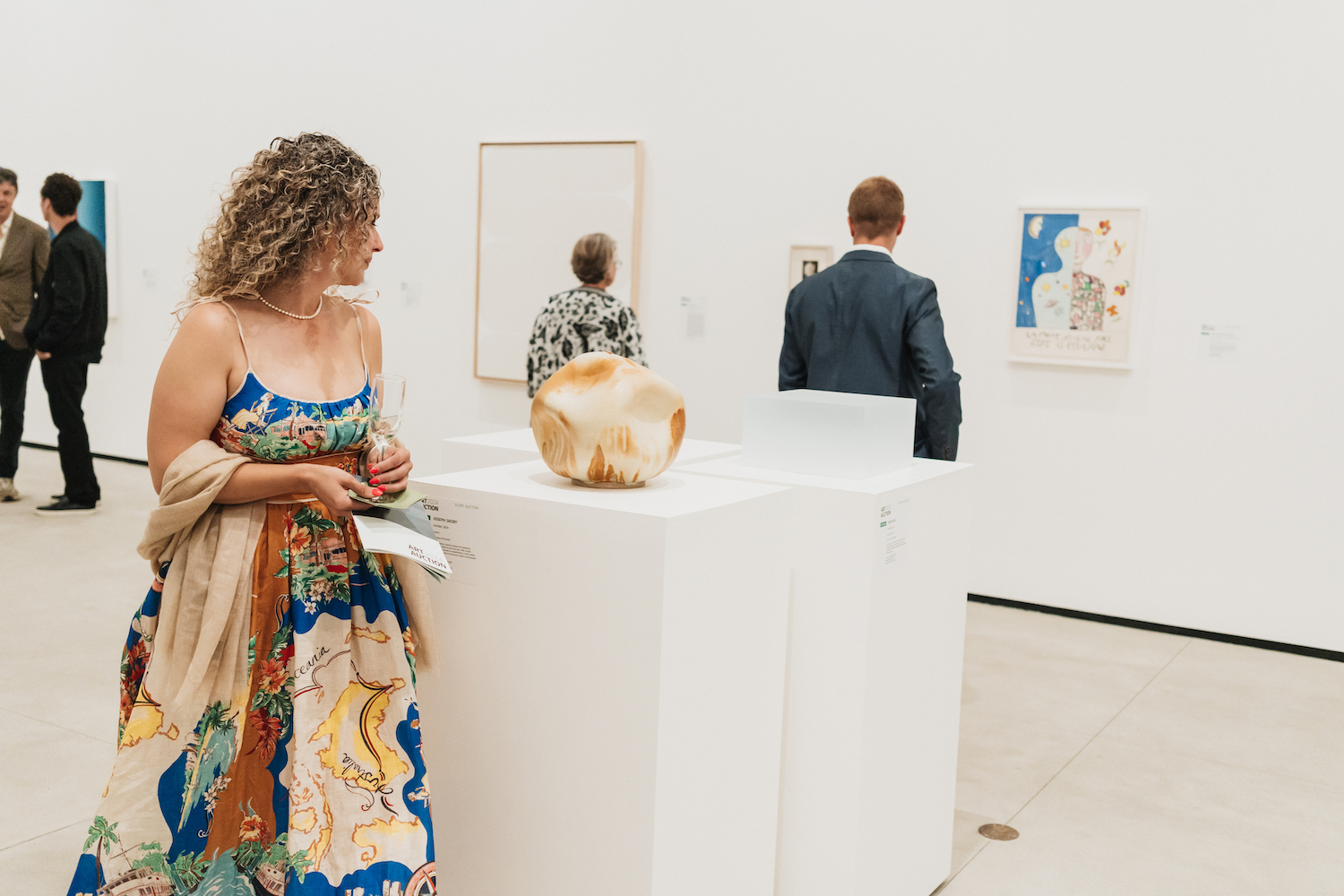
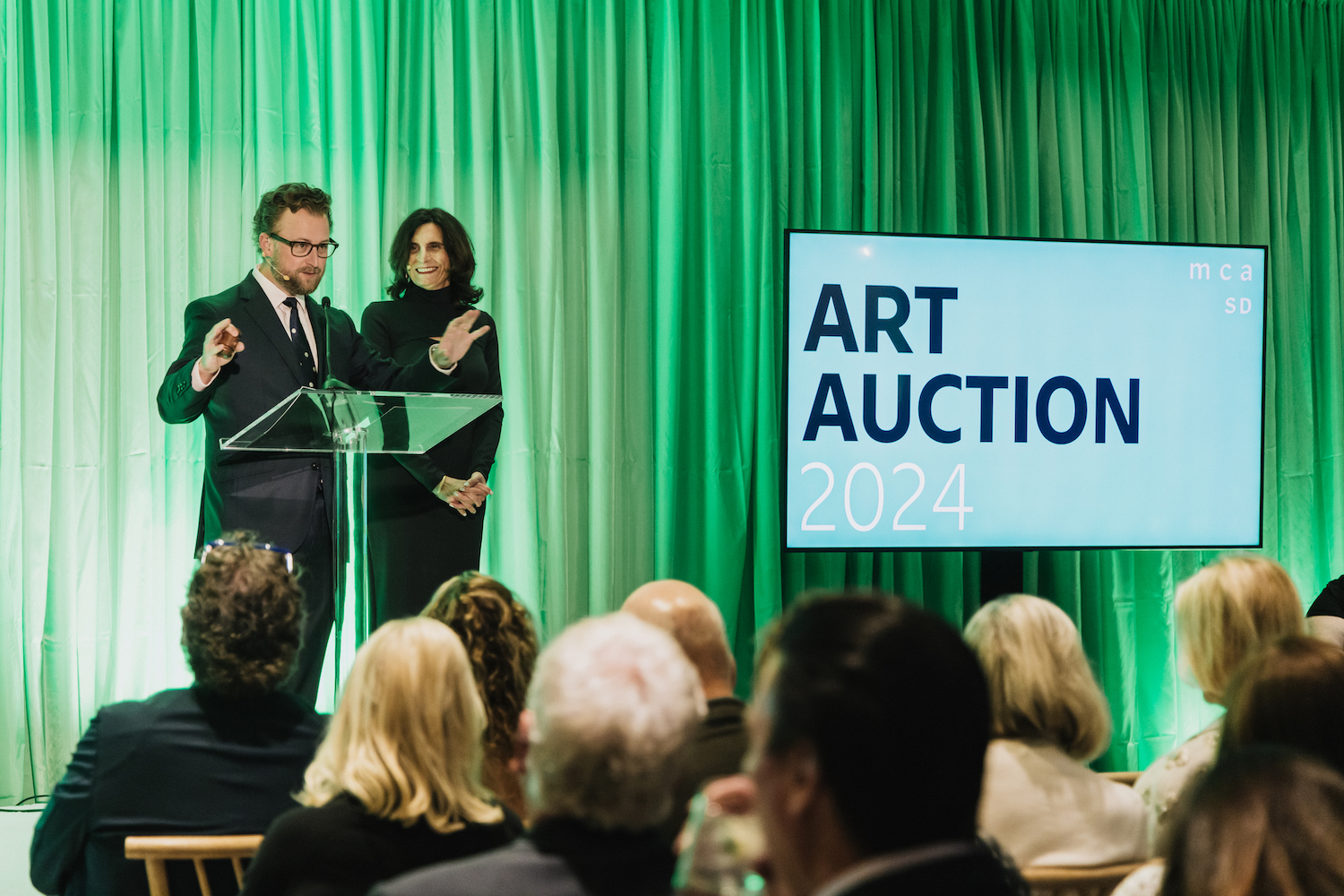
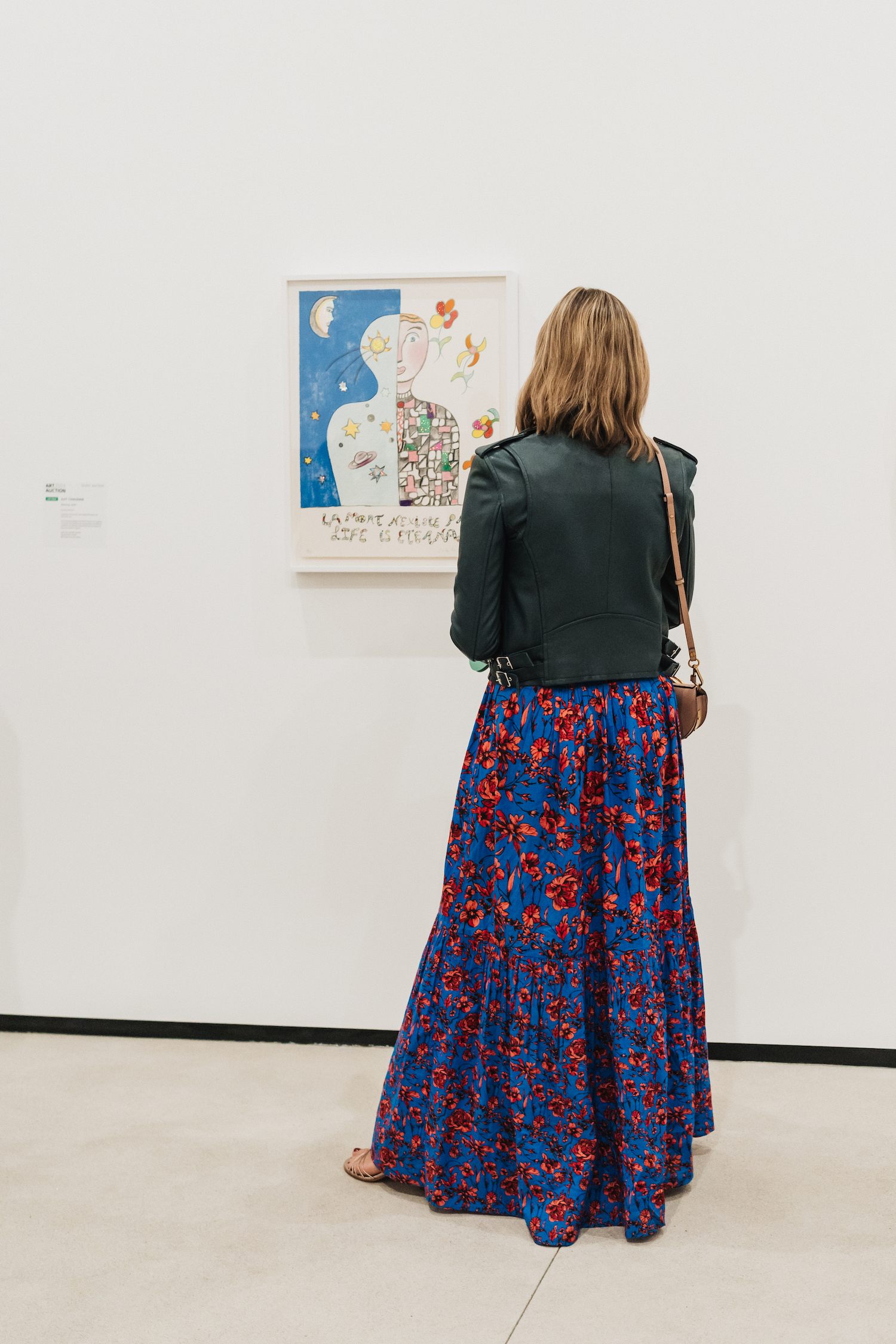
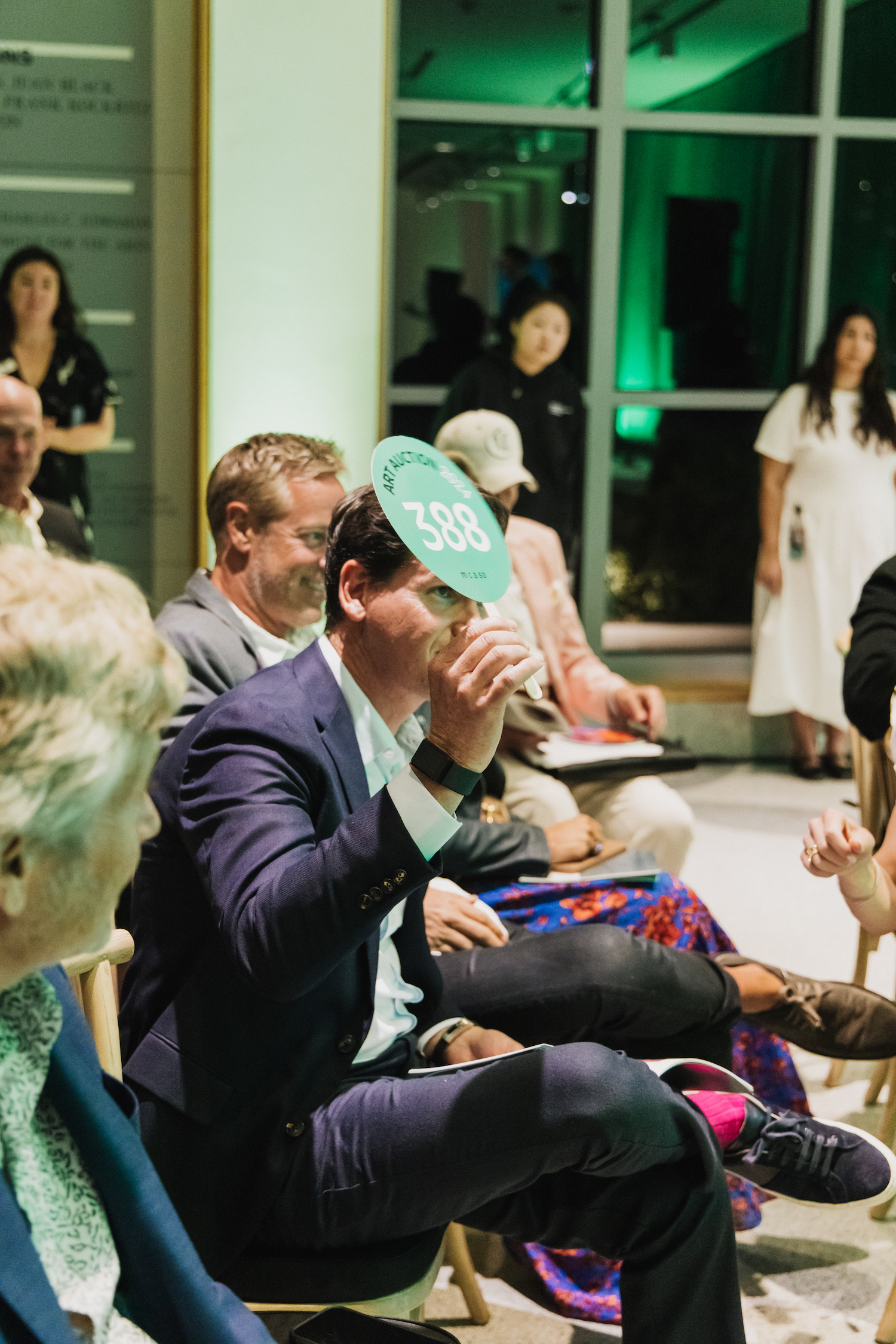
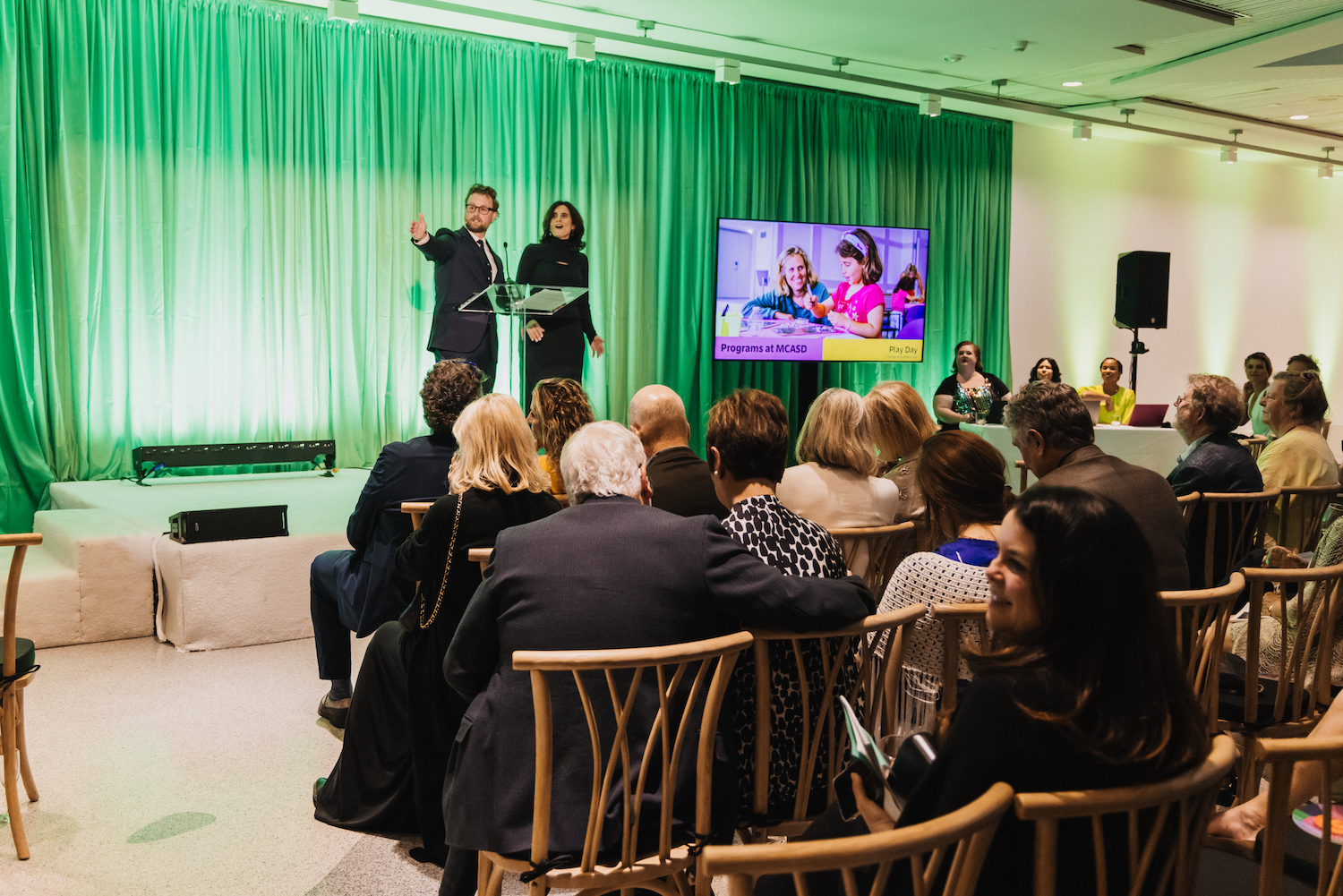
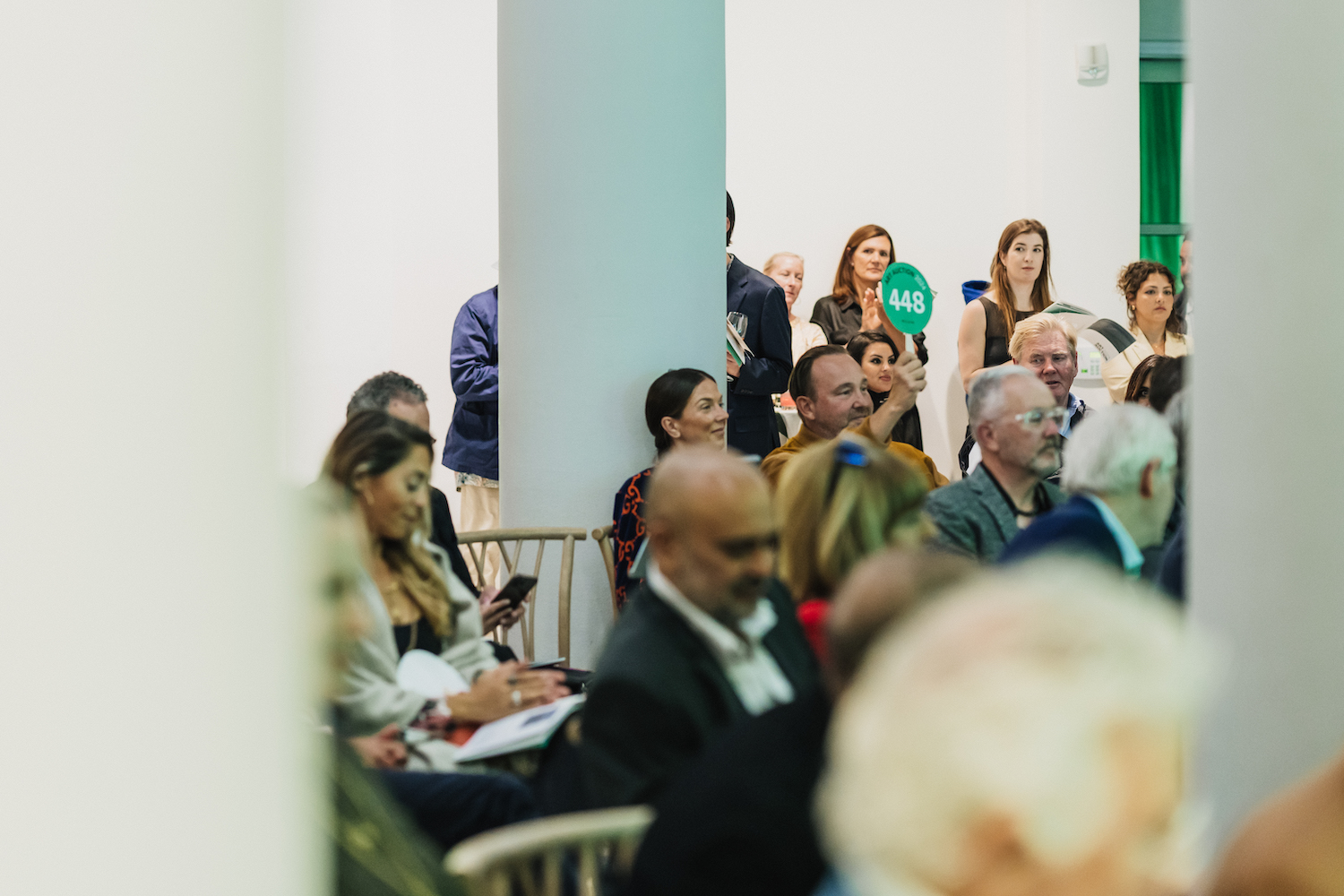
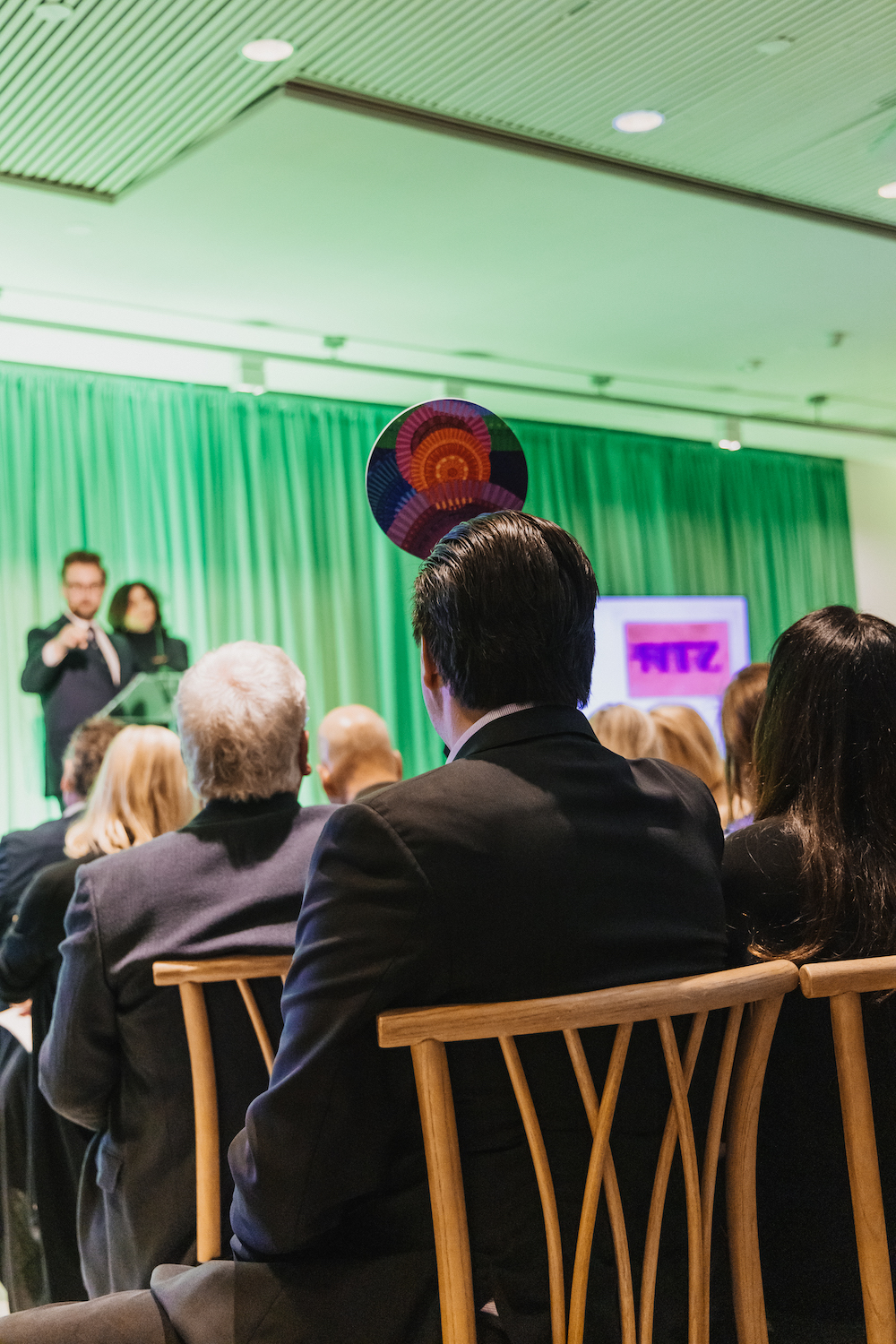
The Museum of Contemporary Art San Diego’s (MCASD) Art Auction returned after a four-year hiatus to raise money for the museum’s exhibitions, acquisitions, and education programs. Guests enjoyed a hosted bar and food stations while perusing the pieces up for bid in the fundraiser’s silent auction. Auctioneer Andrew M. Lueck of Christie’s Auction House led the live auction and certain attendees received a special edition auction paddle, created by artist June Edmonds.
Sarah Sapeda is San Diego Magazine’s Custom Content Editor. In her 15 years in San Diego journalism, she has covered charitable events, health care, education, crime, current events, and more.
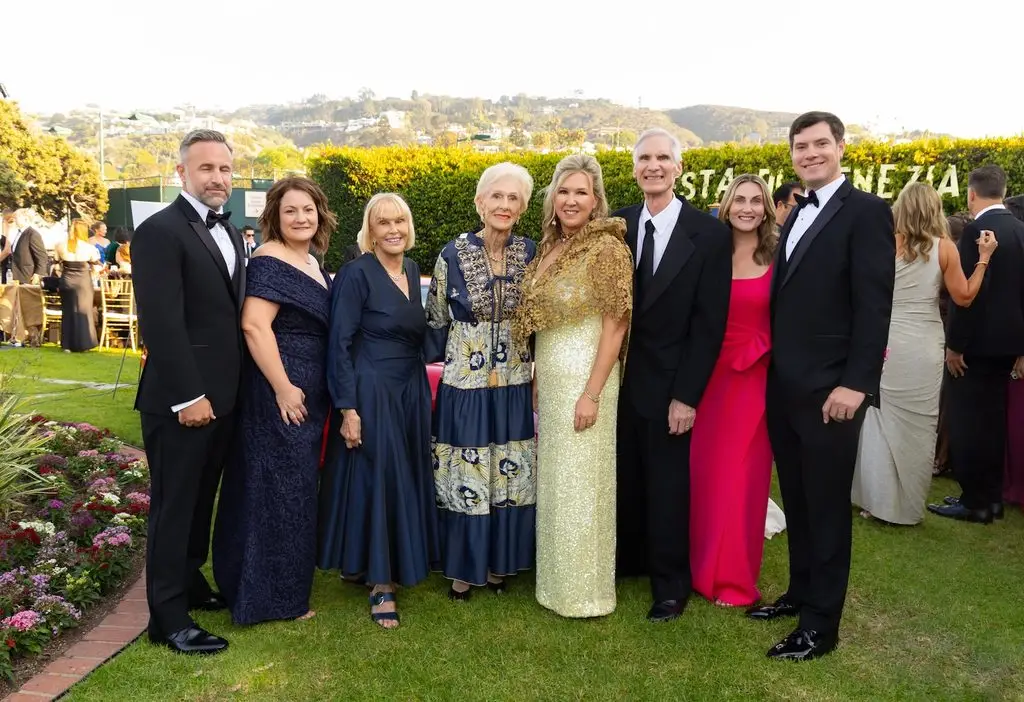
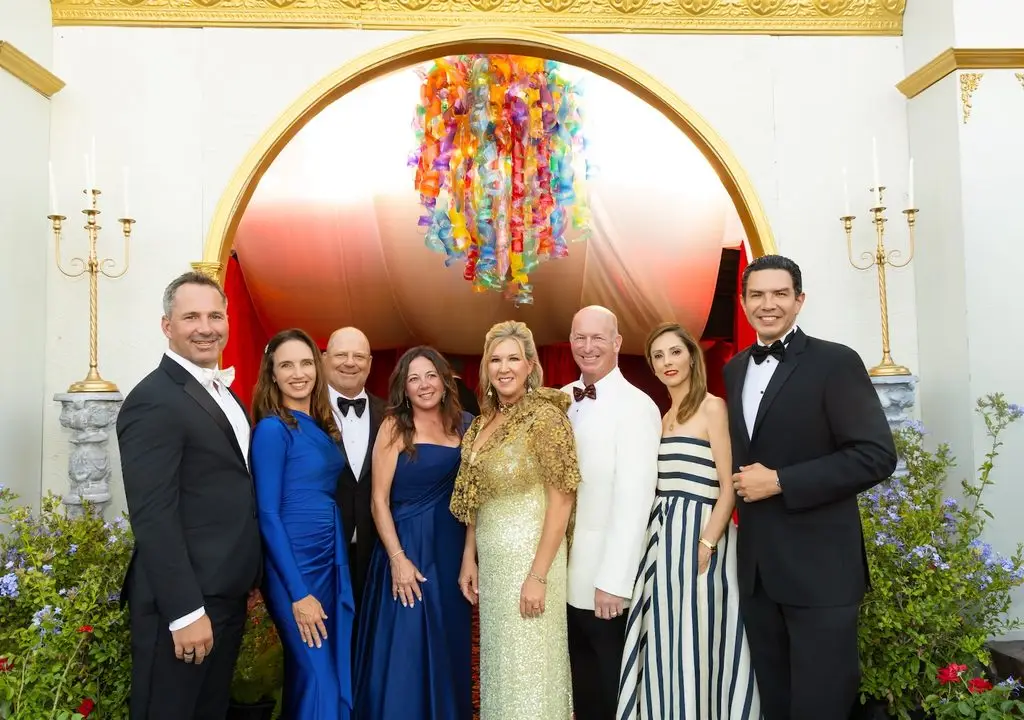
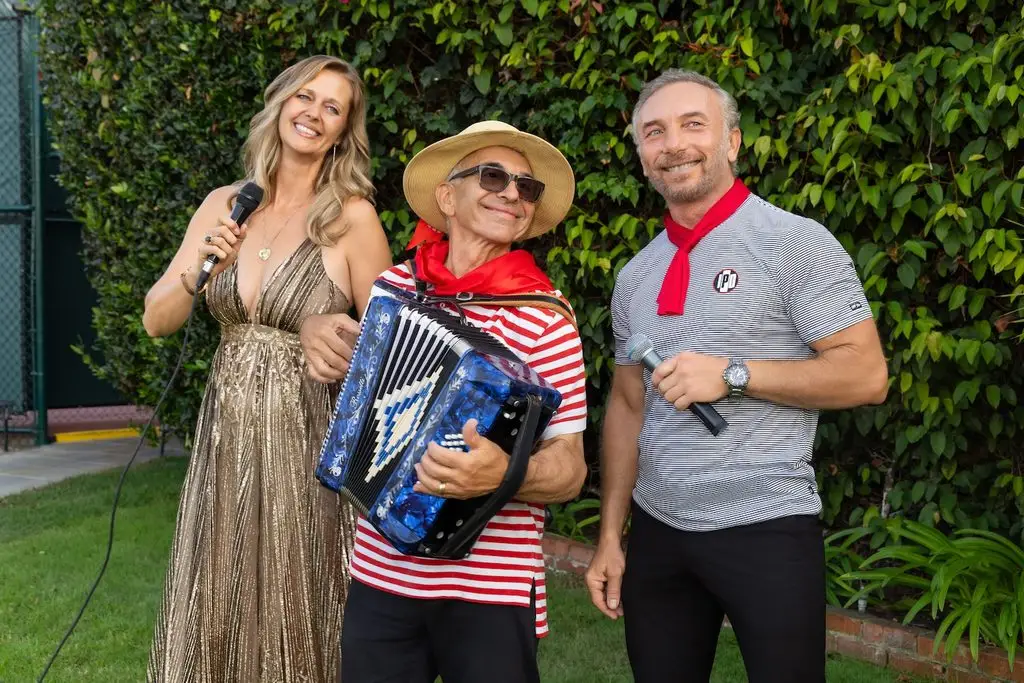
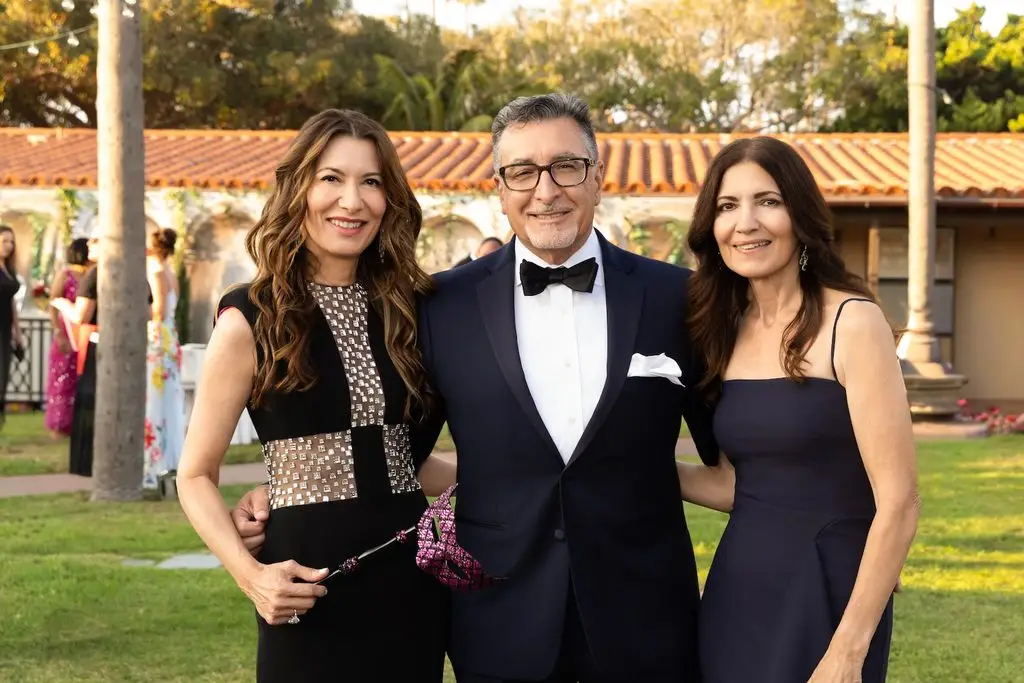
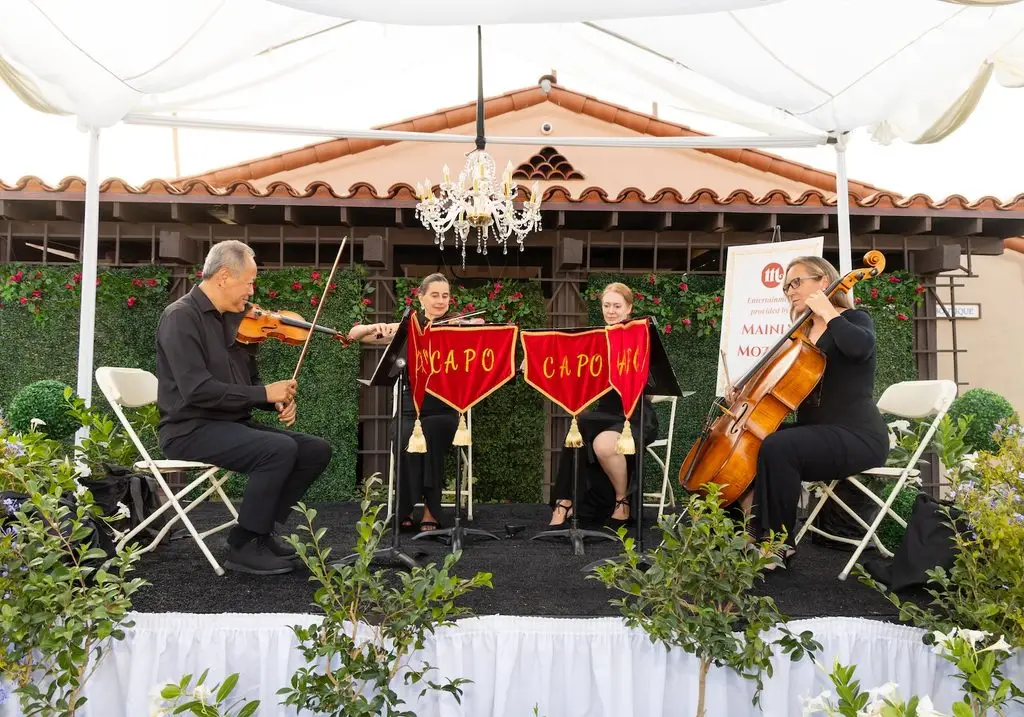
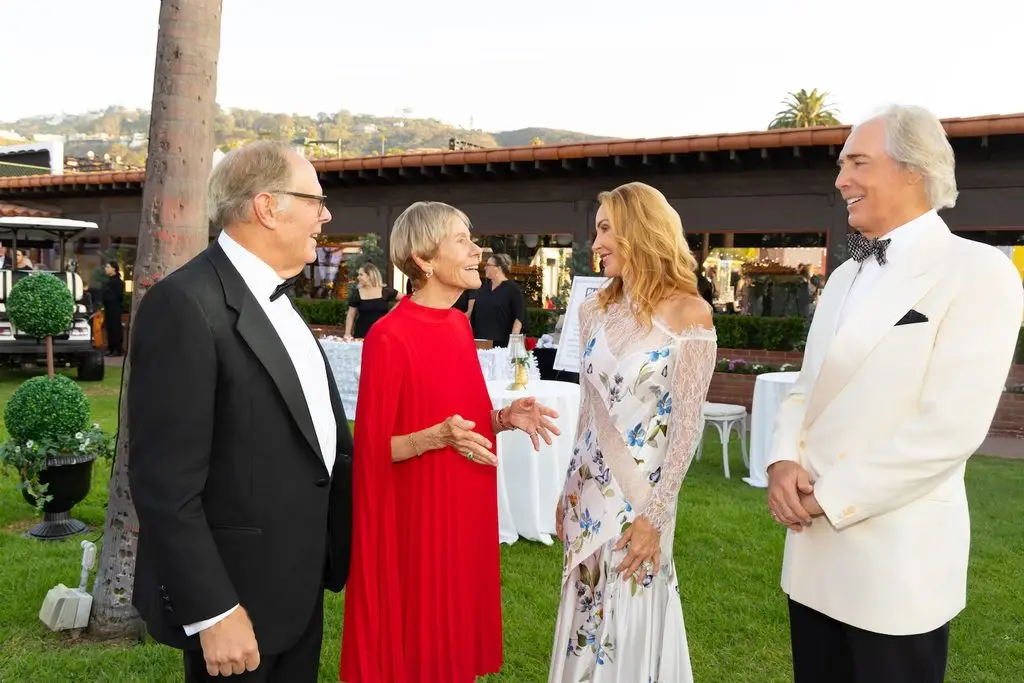
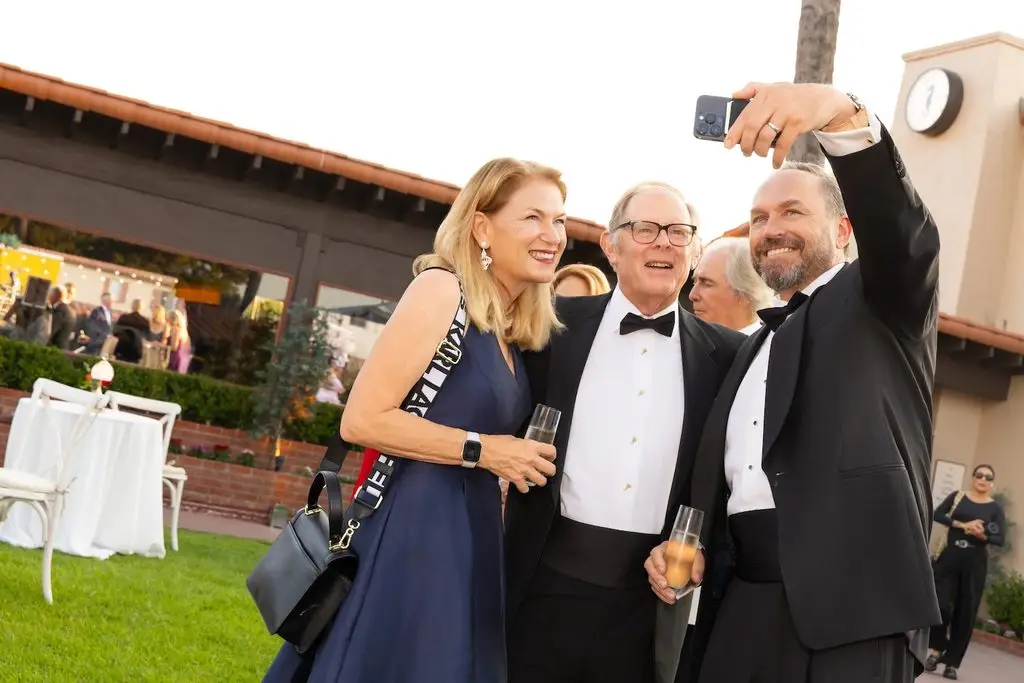
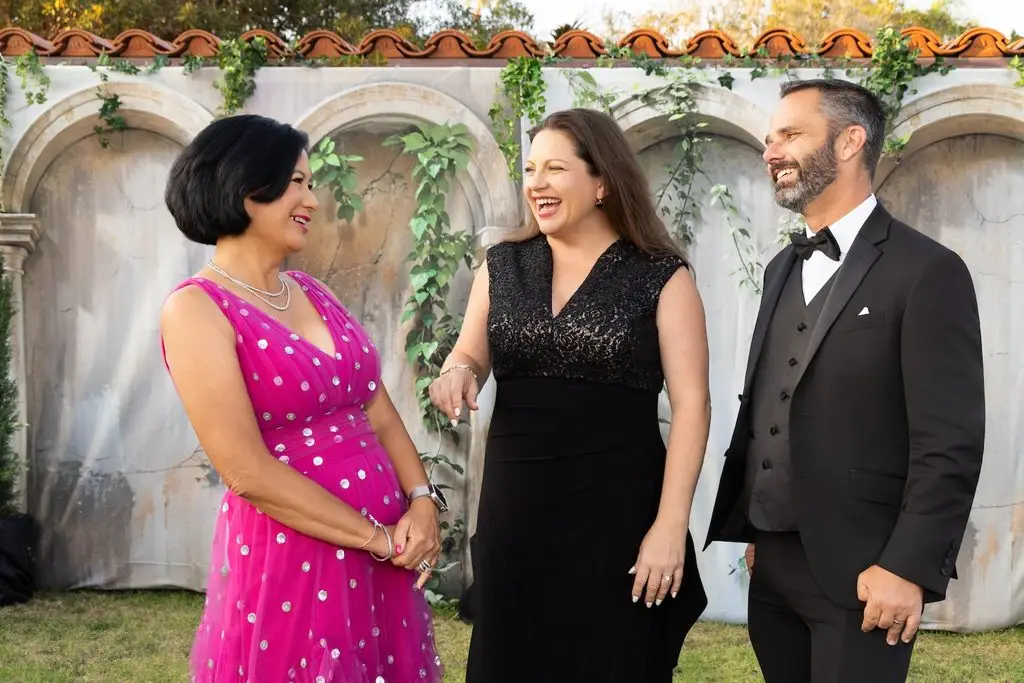
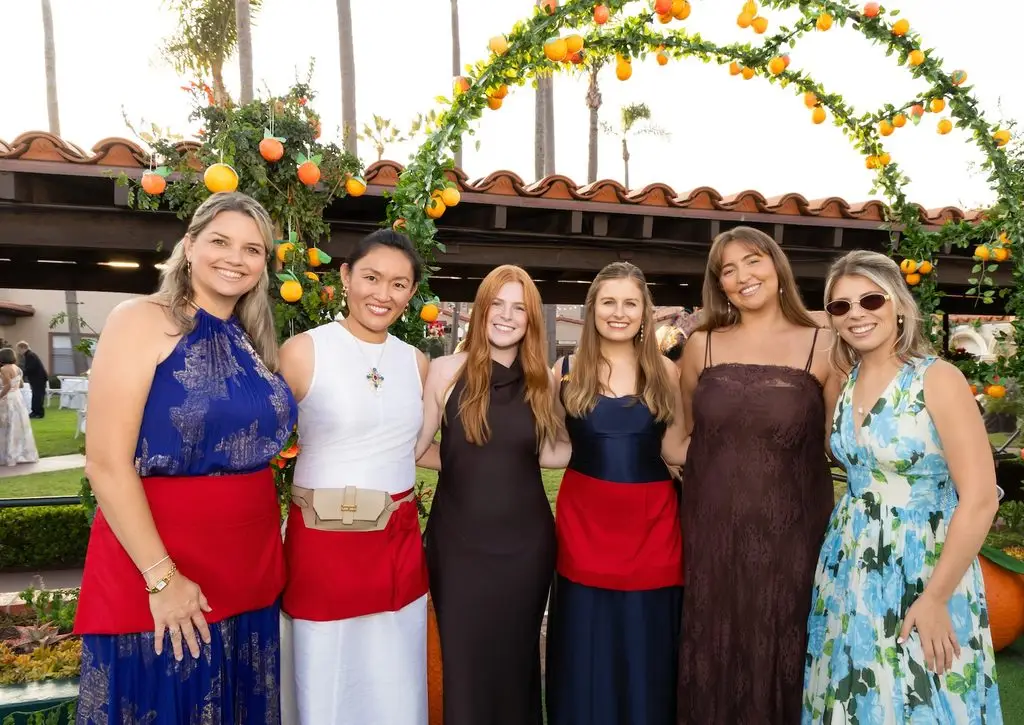
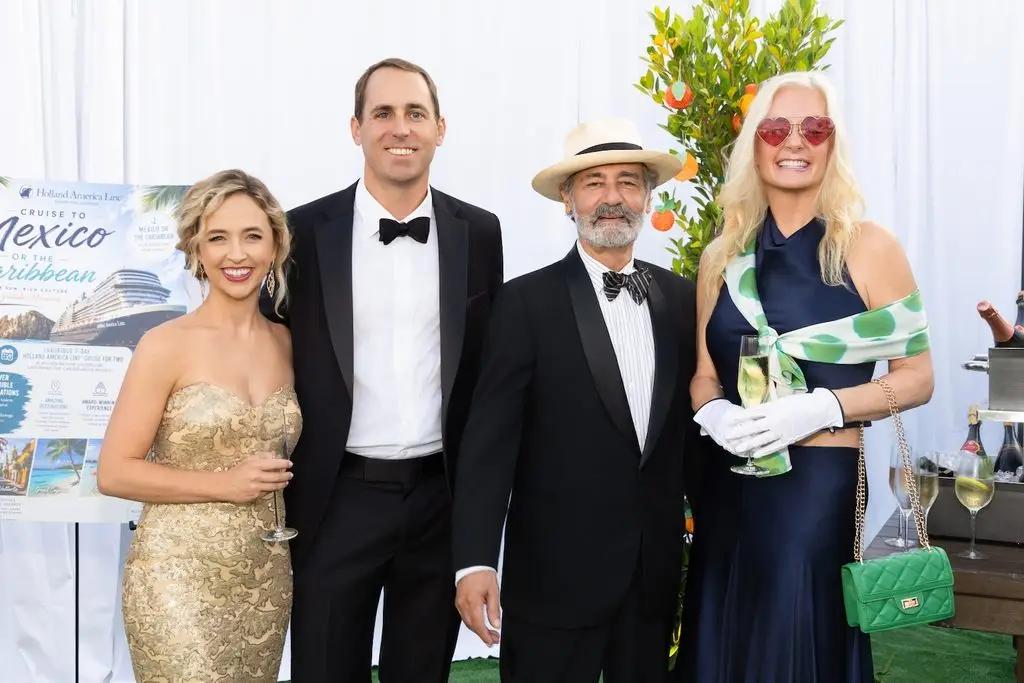
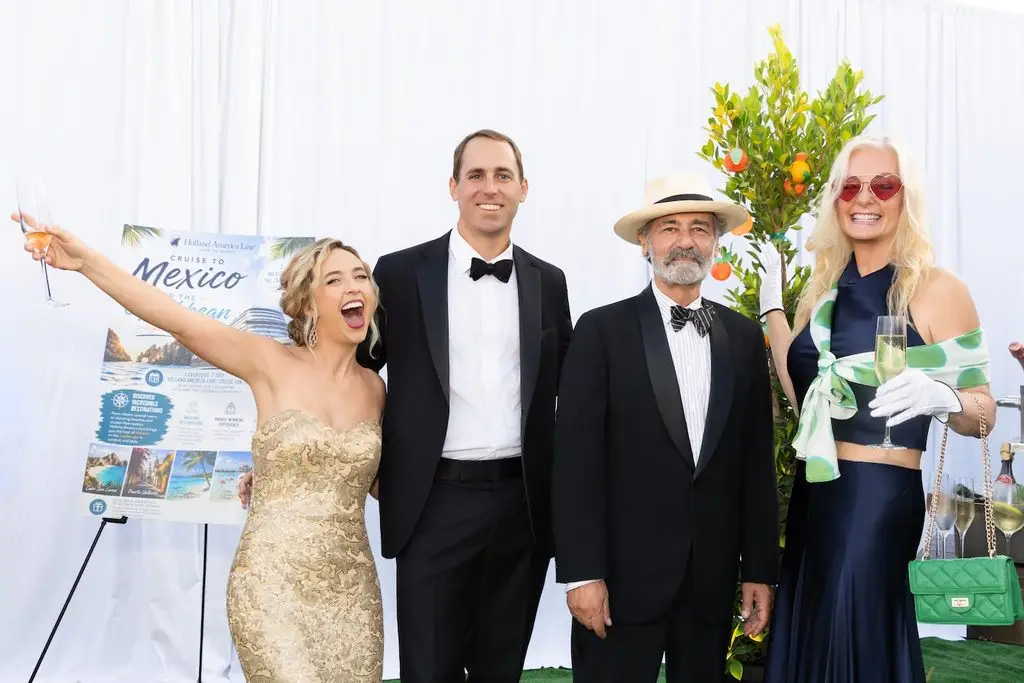
Las Patronas turns 80 this year. But its newly minted octogenarian status doesn’t mean the all-volunteer organization is slowing down. On August 8, Las Patronas celebrated eight decades of philanthropy at its Venetian-themed Jewel Ball at the La Jolla Beach & Tennis Club.
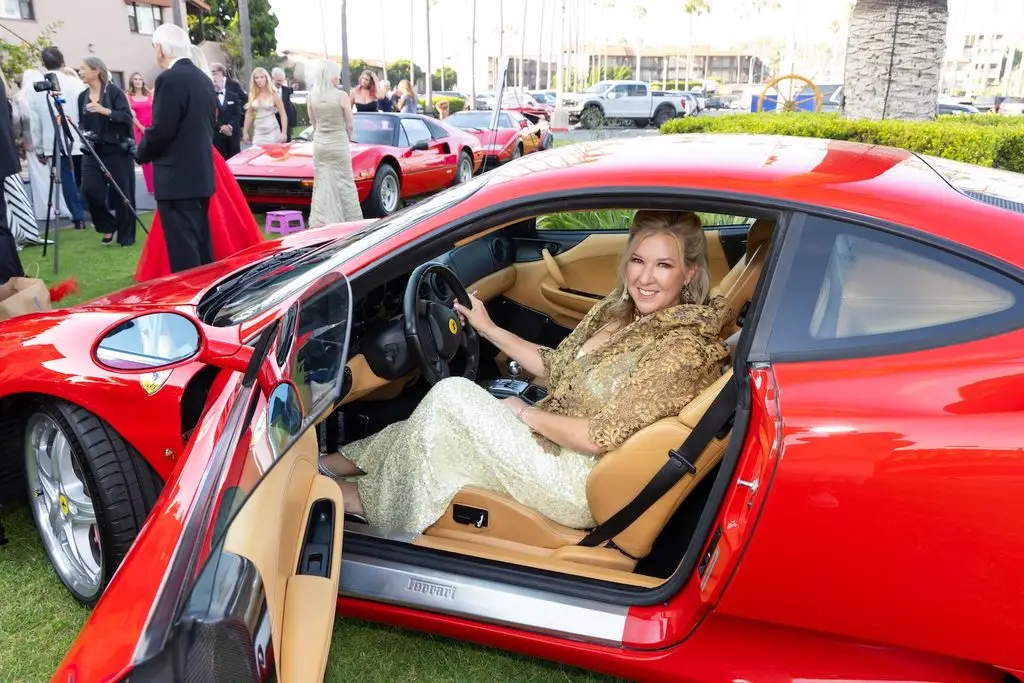
More than 800 attendees attended the philanthropic event, a sold-out black-tie gala, which featured classic Italian sports cars, photo ops in a gondola, a replica of the Orologio tower, and other thoughtful details that set the scene for an elegant and festive evening.
Though the Jewel Ball is one of the highlights of the gala season and the most visible element of Las Patronas’ mission, it’s also an opportunity to thank supporters, showcase the organization’s impact, and cap off fundraising efforts throughout the year.
“Behind the gowns, flowers, and celebration is an extraordinary amount of work and an even more extraordinary group of women who make that work possible. This includes our members, both active and advisory, along with our donors, sponsors, nonprofit partners, and generations of San Diegans who have supported Las Patronas,” says Colleen Lighter, the organization’s president.
Courtesy of Las Patronas
Looking Back on a Legacy
As Las Patronas celebrated at its 80th annual Jewel Ball, Festa di Venezia, members reflected on how special it is for an organization to remain so vibrant and relevant for eight decades.
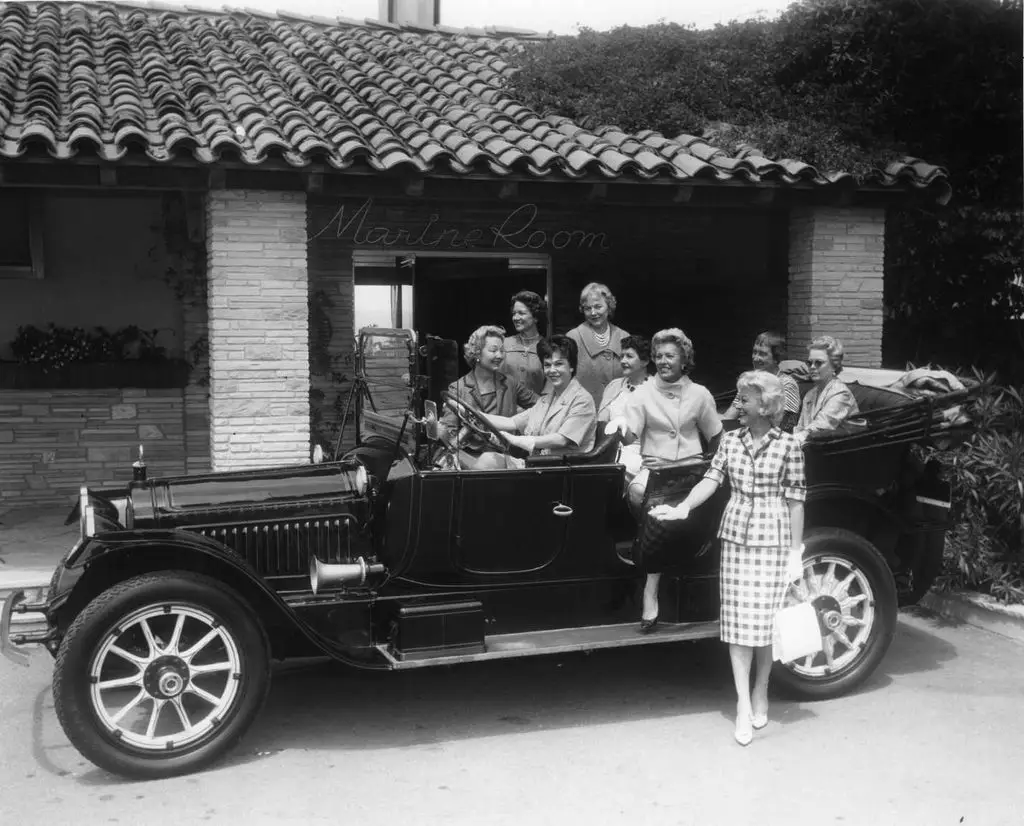
Las Patronas was founded in 1946 by a small group of women with a shared desire to give back to their community. In the decades since, Las Patronas has transitioned into one of San Diego’s premier philanthropic organizations, providing financial assistance to nonprofit organizations across an array of causes. Major beneficiaries for 2026, who will each receive grants of more than $20,000 for capital projects, include Alpha Project for the Homeless, Canine Companions, Meals on Wheels San Diego County, National Marine Mammal Foundation, Promises2Kids, Sanford Burnham Prebys Medical Discovery Institute, and Workshops for Warriors.
“What started with friendship, philanthropy, and service has grown into an organization that has funded more than $28 million in grants for over 4,500 nonprofit organizations throughout San Diego County,” explains Lighter.
She notes that it’s especially meaningful that while San Diego has changed tremendously over the years, Las Patronas’ spirit of giving has held steady. “The needs of our community evolve, the organizations serving those needs evolve, and the things they need to do their work evolve. Our responsibility is to listen, learn, and make thoughtful investments that allow those organizations to serve San Diego more effectively,” she says.
Courtesy of Las Patronas
Charity and Commitment
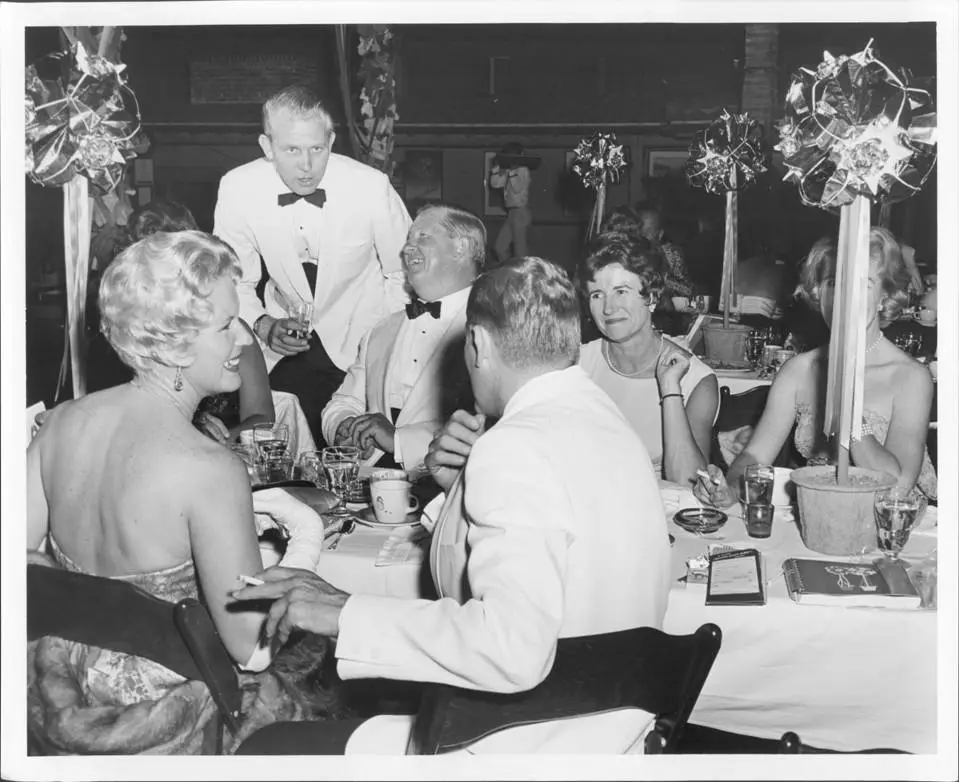
Part of what makes Las Patronas stand out among philanthropic groups is its hands-on approach to service. The Jewel Ball is known for over-the-top décor, with many of its elements crafted in painstaking detail by members of Las Patronas, a tradition dating back to the first Jewel Ball.
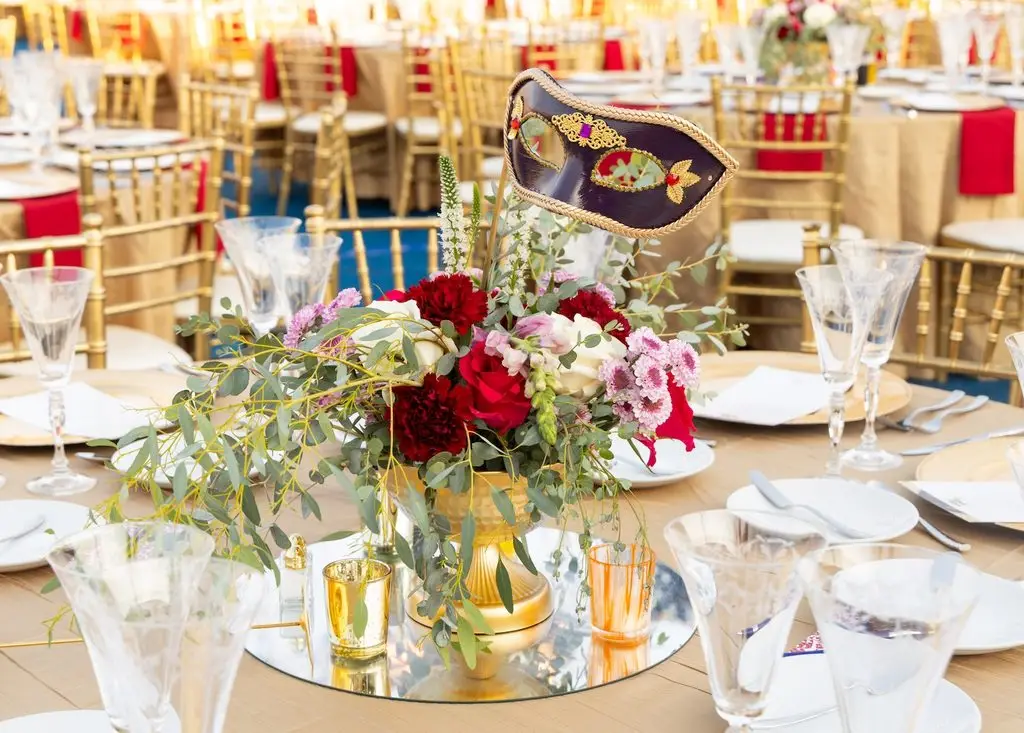
In addition to fundraising throughout the year, leading up to the event, members log long hours in “The Warehouse,” where they put their creative skills to work, painting backdrops, assembling centerpieces, and doing everything it takes to turn the exterior of the La Jolla Beach & Tennis Club into a grand ballroom. They also haul all of their handiwork to the venue and set up, then break it back down immediately after the event wraps.
“The motivation behind one extraordinary evening is an entire year of fundraising, grantmaking, and thousands of hours of volunteer work,” says Lighter.
That collaborative spirit stretches far longer than just a year. Las Patronas keeps its roster of members intentionally small and highly engaged. To ensure senior members stay on long enough to hold a handful of leadership positions and show newer members the ropes, the organization requires a commitment of six to seven years. It also requires all members to work with its grants committee, visit eligible nonprofit organizations that apply for grants, and assist in the vetting and selection processes.
“Our members have careers, families, and very full lives, yet they make an extraordinary commitment of time. Members participate in fundraising, evaluate grant requests, visit nonprofit organizations, serve on committees, and quite literally build and produce the Jewel Ball together,” says Lighter. “That investment of time is part of what makes Las Patronas and the relationships we form within the group special. We don’t simply raise money and write checks. We do the work ourselves, shoulder-to-shoulder, and we take stewardship of the money entrusted to us very seriously.”
Courtesy of Las Patronas
The Past Carries the Future
Lighter says Las Patronas is defined not by moments or events, but by its traditions, which will continue for generations to come.
“When you think about the generations of women who have given their time, talent, and energy to Las Patronas since 1946 and the donors, sponsors, advisory members, and community partners who have believed in our mission, you realize that our job is both to honor what they built and make sure it remains relevant and strong for the future,” she says.
And though events like Jewel Ball are rewarding, the real magic happens once the funds are put to work. Lighter recalls one story that captures the quiet impact Las Patronas hopes to continue to make. A woman reached out to say that as a child, she’d attended a school where Las Patronas had funded a new floor and noted how much brighter the campus felt. It may not sound transformational, but it made a difference, and decades later, people still remember.
“That is what capital giving can do. A vehicle can allow an organization to reach people it couldn’t reach before. A piece of medical equipment can expand care. A commercial kitchen can allow a nonprofit to feed more people or train people in a new profession so they can flourish. Technology can help an organization serve an entirely new population and expand their impact,” she explains. “We aren’t trying to tell nonprofits what they need. We listen to them, learn about their work, and help provide the critical tools they tell us will allow them to do more of it.”
As she looks to the next 80 years, Lighter’s hope is that Las Patronas continues to evolve without losing what makes it special: thoughtful stewardship, hands-on service, friendship, and an unwavering commitment to San Diego.
“The needs will change. The nonprofits will change. San Diego will change. Las Patronas will change with it, but our mission will always remain the same,” she says.
Sarah Sapeda is San Diego Magazine’s Custom Content Editor. In her 15 years in San Diego journalism, she has covered charitable events, health care, education, crime, current events, and more.
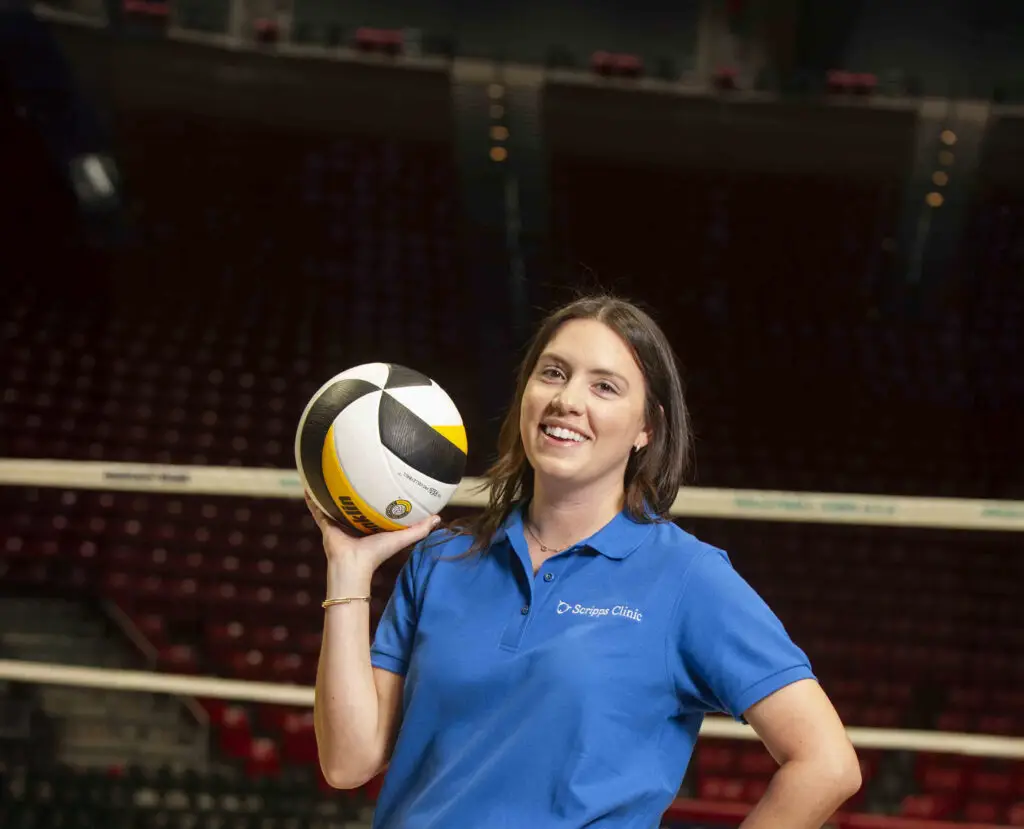
Growing up, Laika Nur, MD, Scripps Clinic sports medicine specialist, loved watching beach volleyball when the Association of Volleyball Professionals tour came to her hometown of Chicago. A talented volleyball player herself, she remembers sitting in the stands all day, and once, even got a couple autographs. Years later, Dr. Nur was attending a professional event focused on women’s sports, and the discussion turned to a new professional women’s volleyball league. The general manager and coaching staff for San Diego’s team, the Mojo, happened to be in attendance, and Dr. Nur took the opportunity to ask them if they needed a team doctor. Flash forward to the Mojo’s inaugural 2024 season, when Dr. Nur officially became the team physician. Click here to read more about Dr. Nur and how she incorporates lessons she learned on the court into her practice.
For more nutrition, wellness, and healthy living tips, sign up for the San Diego Health newsletter here.