

Featured articles
Featured articles
Featured articles
What's next
Featured articles
Featured articles
Featured articles
Ready to know more about San Diego?
SubscribeReady to know more about San Diego?

Brandon Colt and Brandon Garva bring decades of experience and deep community ties to revitalize San Diego’s iconic home for dance music
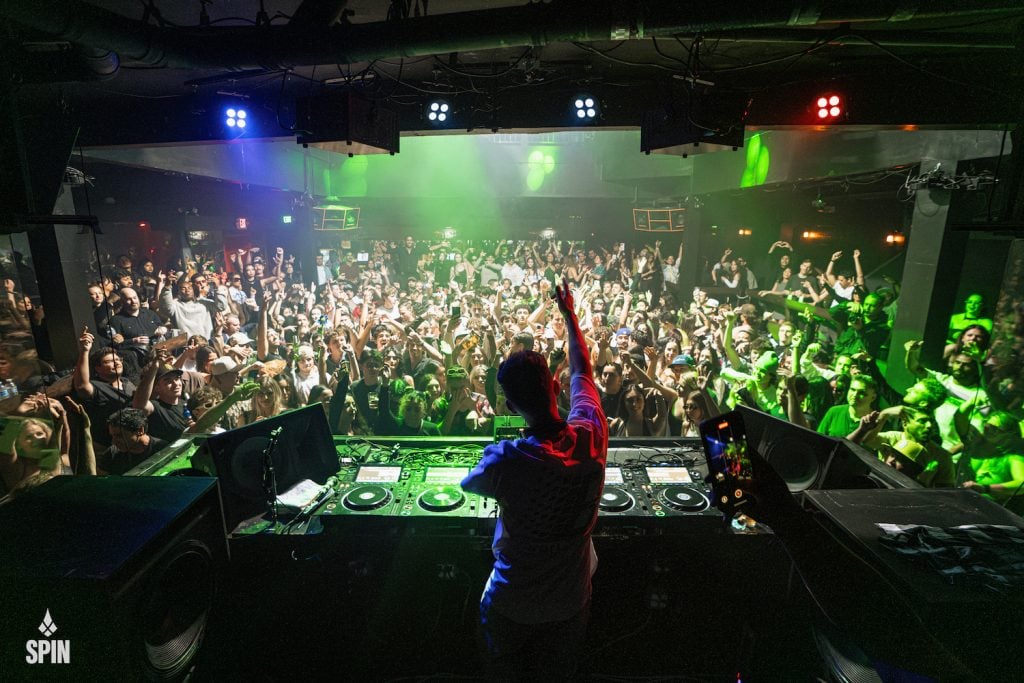
Spin Nightclub has been a cornerstone of San Diego’s nightlife scene for 18 years. It’s where genres collide, communities thrive, and music pounds through the early hours. But now, under the ownership of nightlife industry vets Brandon Colt and Brandon Garva, who bought the club last August, it’s entering a bold new era.
These two didn’t just inherit a legacy—they’ve lived it.
Colt has been Spin’s general manager for over a decade and has 20 years of nightlife experience, previously working at iconic Gaslamp Quarter venues, including Olé Madrid, Belō, The Ivy Hotel, and Voyeur. Garva is a DJ who runs United By Bass Recordings and United By Bass Talent Agency and is the co-founder of United By Bass, which runs SD Union, San Diego’s longest-running Drum n’ Bass music night. Together, they bring decades of nightlife expertise and community ties along with loudspeaker designer and sound engineer, Chris Regalado.
Spin’s transition into their hands is significant because it puts the club back in the care of people who know its history, understand its culture, and have big plans for its future. It’s not just a venue takeover; it’s a reclamation of Spin’s underground roots, committed to revitalizing its iconic after-hours vibe, elevating its production, and preserving its place as a haven for San Diego’s diverse dance music scene.
Though the club has been open and bumping since the duo purchased it last August, they’re having a celebratory weekend beginning January 16, called “Spin: Remixed,” which revelers can think of as a grand re-opening party. Four nights of special DJ sets will run into early Monday morning through the entire weekend. We caught up with Colt and Garva to learn more about Spin’s exciting changes.
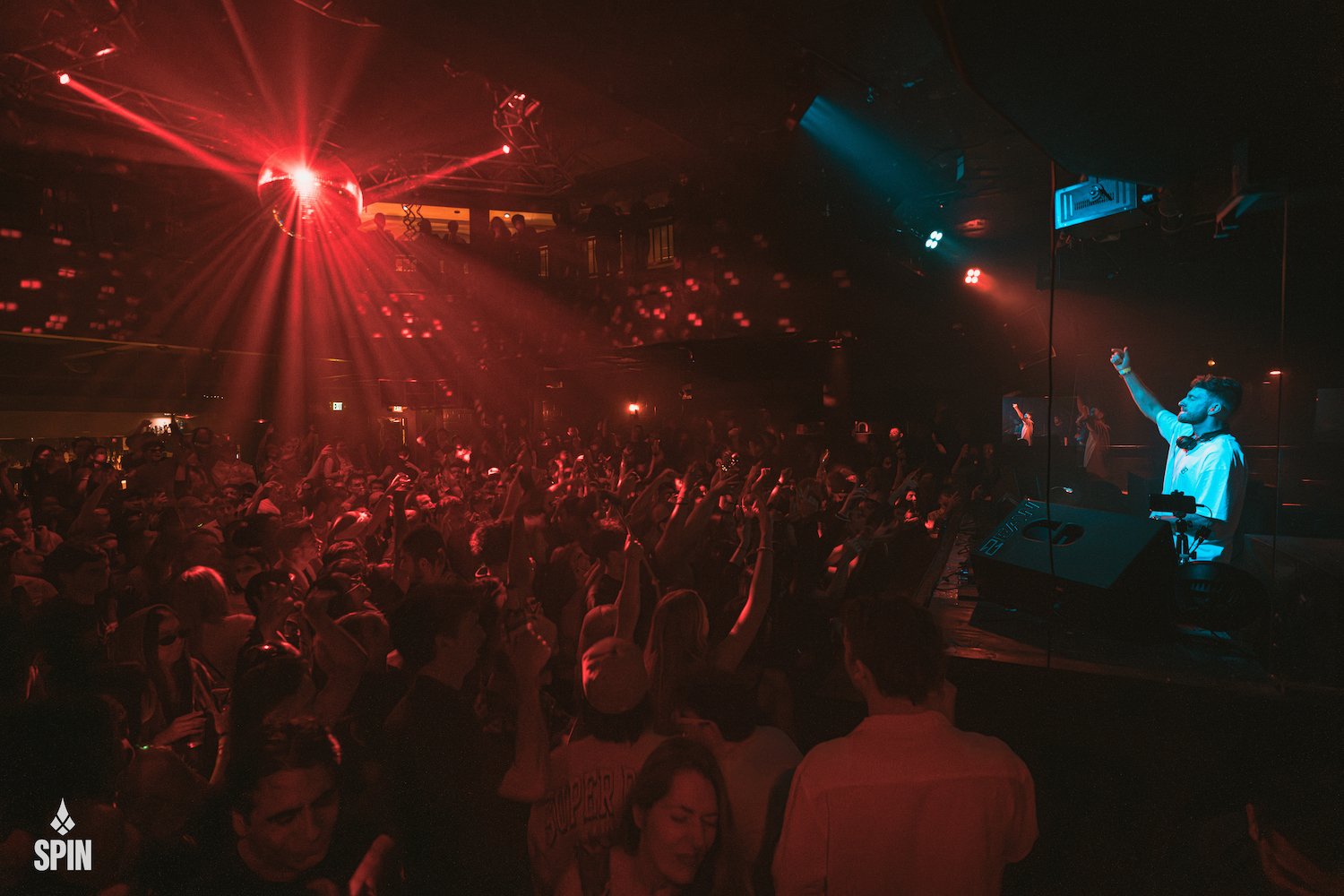
Brandon Colt (BC): The building that now holds Spin Nightclub was built in 1991 and is one of the only clubs explicitly created to be a club. It drew inspiration from venues in New York and Miami. It has changed names a few times, but before it became Spin in 2007, it was Montage, one of the best gay clubs in the country. If only these walls could talk—a lot of nightlife history has happened here.
One of Montage’s owners partnered with a new team to start Spin, and they promoted Giant Fridays, which brought in the biggest DJs San Diego had ever seen at the time, including Armin van Buuren. At the time, there wasn’t any underground electronic music downtown, only Top 40. Things were going well, but like in any business, things shifted. The original owners went their separate ways, and the person left running the club was new to owning a nightclub.
I joined the team soon after in 2014. I saw the club didn’t have any real direction, so I asked the owners if I could run it and started creating what I thought would be a cool club. I saw an opportunity to make a space for the people who were putting their hearts into dance music culture in San Diego.
Spin grew into this hub where promoters and crews could grow, including SD Union, Desert Hearts, House 2 Ourselves, Ego Trip, Overdrive, Kino Village, Dangle Zone, and Soul Work. Production became essential to what we did, and we saw everyone’s visions come to life. To host those nights and see all the genres that came through reminded me of the underground warehouse raves I used to go to in the ’90s, and it just felt right.
We’ve always wanted everyone to be represented here—all genres, including the LGBTQ+ community, goth night, hip hop, Brazilian, Burning Man camps, and more. Spin Nightclub has long been a space where people want to experience dance music culture, and it has a reputation as a place for after-hours.
We were on a pretty awesome trajectory, and then Covid-19 hit. We were closed for 15 months, and once we reopened, things were back like before until we lost our after-hours license in 2023. We were as successful as possible closing at 2 a.m., but it wasn’t the same. In August 2024, Garva and I officially took ownership of Spin, and we are all in on a shared vision to bring Spin to the level it should be.
Brandon Garva (BG): What makes this change so exciting is the merger of passion and experience we’re bringing to the table. For the first time at Spin, you’ve got a team with two decades of experience in event production and promotion and a clear vision for what Spin can be. We’re fully dedicated to helping the scene thrive, and it’s the perfect storm—knowing how to properly curate events, deliver solid production, run the club right, and most importantly, give people what they want: a safe place to experience music, create bonds and make memories.
Especially with the shifts happening in the industry, Spin is carving out something totally unique. Colt and I started as ravers back in high school, and we’ve never lost that passion. That underground vibe is rare these days, but having a venue like Spin that cultivates and provides that for the city is something really special. We’re returning to the roots—giving people raw, authentic dance culture in a safe environment.
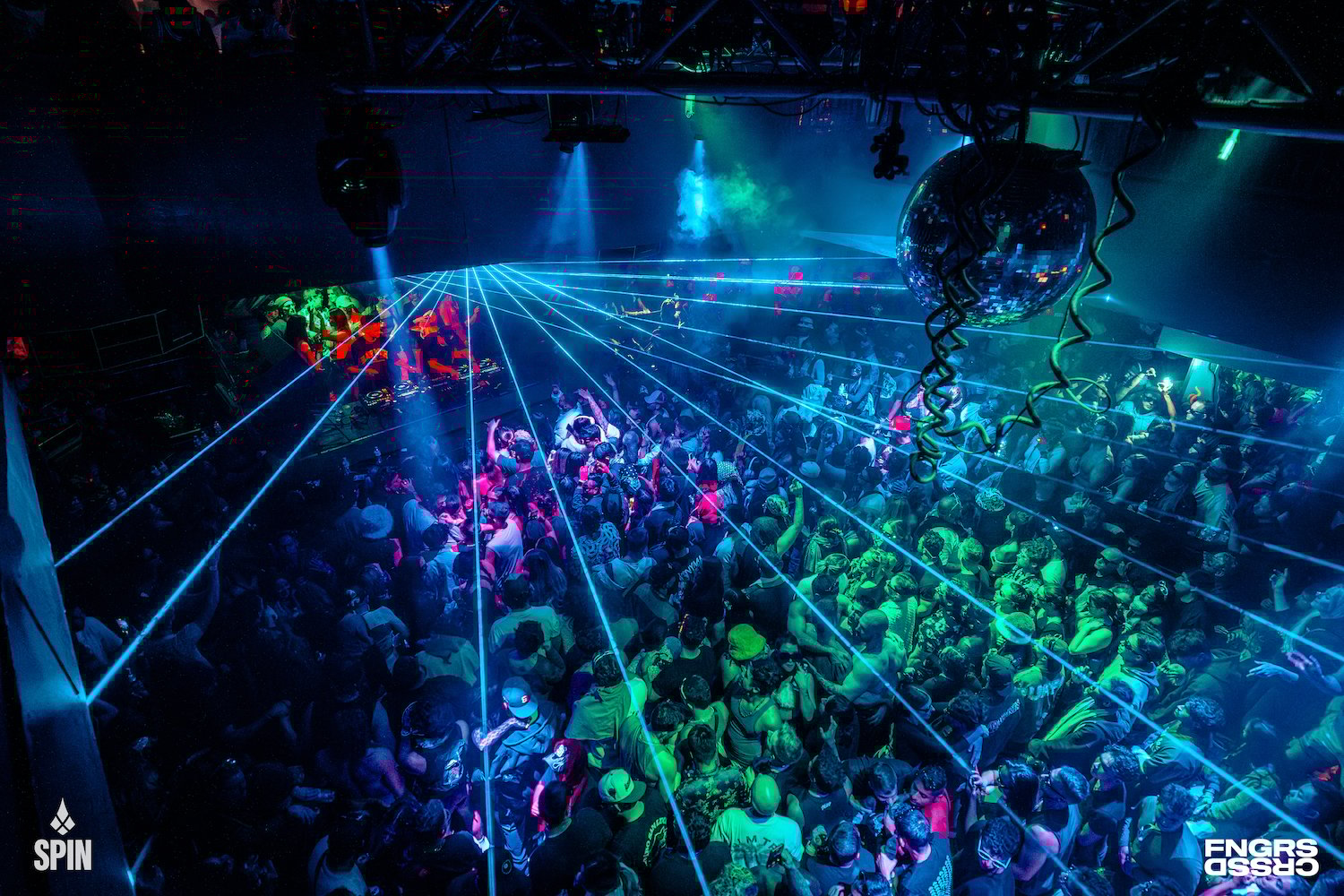
BC: Nightlife just needs creativity, passion, value, and most importantly, community. When venues struggle, it’s often because they’re missing those things. We’re focused on creating something more than just a place to see an artist. We offer multiple headliners, multiple rooms, and a community that values the freedom of self expression and an alternative to the mainstream.
So many people have amazing memories here, and we want to keep that alive. Spin has always been a place where people feel comfortable and safe, a spot they want to spend what precious free time they have on weekend nights. The culture has always been here—it’s just been overshadowed by a lack of vision and commitment under previous ownership.
Now, we’re making things right by upgrading lighting, sound, and facilities—bringing it all up to a level Spin has never seen before. It’s not about creating a new culture; it’s about honoring the one that’s been here all along. The community has stuck with us through a lot. We’re doing this out of respect for that dedication, to give back to a community we care so deeply about so they want to return and make more memories.
BG: I threw multi-genre events in North San Diego County from 2005 to 2010 under the name Schedule One Media and then partnered with Tyler Rosier right after the formation of SD Union in 2010. In 2014, we had an issue pop up with a venue where we were scheduled to throw an event, and a friend linked us up with Spin, who offered to help by hosting the event. The day of the event, I met Colt, who was working behind the bar, and we all hit it off. Since then, we have hosted most of our SD Union events at Spin.
Throwing our shows at Spin was a turning point for SD Union. Spin was a much larger venue than we’d previously had, and we had the creative freedom to expand our productions tenfold. From there, our brand grew on all fronts. This December, we celebrated 14 years of SD Union, and we’re so grateful to Spin for giving us the platform to grow, as well as everyone who has supported us over the years and helped make SD Union what it is today.
BC: Garva and I are in the community. We’re not just making this a club for dance music people; we are the dance music people. The owners and the whole team we have attracted care so much about this business. Everybody on our team loves this industry and the club, and it’s really cool to be working with people passionate about the vision and goal.
BG: Spin has long been the go-to destination for after-hours in San Diego, legendary for its 4 a.m. dance floor and unforgettable weekend-long marathons during Pride. In 2023, we could not host after-hours anymore, but this November, we proudly brought back our first 4 a.m. show. The response has been incredible. The excitement and support from the community have been overwhelming, and we’re thrilled to announce that more late-night events are on the horizon for 2025.
BC: We’re completely revamping our sound system, working with an in-house, world-class audio engineer to create a custom setup that is as satisfying as it is immersive.
Chris Regalado (CR): In the main room, we’re creating a new system and have added support speakers around the dancefloor, VIP areas, and mezzanine, which have allowed us to provide a much better and more immersive experience to guests and we have plans to add even more to make it more dynamic.
We have new subwoofers designed from scratch with help from several engineers who have created a new hybrid bass reflex/transmission line. The goal is to achieve low bass and accurate mid-bass. Woofers share one cabinet but are powered and processed separately. This allows for the summation of the best attributes and proper delays to be set. We’re also upgrading the rooftop and side room, which we’re excited about.
BG: This is our declaration to the world that Spin is under new leadership, management, and ownership. We’re setting the tone for what you can expect: a community-focused space with a renewed commitment to dance music and culture.
To mark this new chapter, we’re hosting Spin: Remixed four days in one weekend to celebrate the change in leadership and highlight the ongoing improvements, including to the venue and introducing two new event series: Spin Thursdays and Spindustry.
For Spin Thursdays, we will highlight a different genre of electronic music each week. The intention behind this night is to allow the up-and-comers to play and to bring more music variety to San Diego. There are a lot of cookie-cutter clubs and events playing the same tracks over and over. This is about supporting the whole culture and giving new sounds and styles space. On Thursday, January 16, we will focus on techno with a lineup of ZESTi, JAQ.XS, Luna Michelle and A.Knives.
On Friday, January 17, we’ll celebrate with the next installment of SD Union, San Diego’s longest-running drum and bass night, with a triple headliner lineup: Document One, T & Sugah and Whiney. This night will be extra special because SD Union has considered Spin our home for the past decade, and we really found momentum when we started working with Colt to host our shows at Spin Nightclub.
On Saturday, January 18, we’re hosting a huge family affair. This will be the main event where we pay homage to the individuals and promoters who have grown alongside Spin. We’ll be going until 4 a.m. with a lineup of local legends playing back-to-back sets, including Memo Rex and Sprout, Oren and Techno Tupac, Mitch Dodge and Susio, Nik Thrine and H2H, and Cole Vassallo and Layerz, among others.
Last, Sunday is special to us because we’re introducing Spin’s first industry night, Spindustry, a monthly Sunday event. We want to create a night for the people who work their asses off and help give others a good time. This is where they can let loose and be shown appreciation through attractive ticket and drink prices. Our first show on Sunday, January 19, will feature Tara Brooks, Porky, DJ Ideal, and Evlo.
Jackie is a long-time freelance journalist covering cannabis, food/restaurants, travel, labor, wine, spirits, arts & culture, design, and other topics. Her work has been selected twice for Best American Travel Writing, and she has won a variety of national and local awards for her writing and reporting.
Meet the artists, makers, and advocates whose work shapes how the city looks, sounds, gathers, and connects
San Diego is full of people who deserve a few thousand words on what they make, who they bring together, and how their work changes the city around them. The artists, makers, advocates, and behind-the-scenes talent below are a small part of that larger ecosystem.
To help us narrow our list, we looked for names that kept coming up, work that reflects the diversity of our region, and people building something bigger than themselves.
Jackie is a long-time freelance journalist covering cannabis, food/restaurants, travel, labor, wine, spirits, arts & culture, design, and other topics. Her work has been selected twice for Best American Travel Writing, and she has won a variety of national and local awards for her writing and reporting.

Isabella Dallas is a freelance writer for San Diego Magazine and the Arts and Culture Editor at The Daily Aztec in her final year at San Diego State University. She previously worked as an editorial intern for SDM, but when she’s not writing, you can find her trying the best coffee spots in SD, devouring the latest rom-coms, and indulging in anything and everything pop culture.
Matt Eisenberg is an award-winning writer and photographer based in San Diego. A former ESPN editor, his work has also been published by CNN, Bleacher Report and the New York Daily News.
Aaryn Belfer is a writer and editor specializing in nonfiction across art, architecture, and culture. Once upon a time, she wrote a provocative column for San Diego CityBeat (RIP). She was a runner up in the 2025 Matchbook Stories contest at the San Diego Central Library and is irrationally happy about it. Currently in her Soft Girl Era, Aaryn has expensive taste in (mostly flat) shoes and will choose a great art exhibit or live jazz concert over almost anything else. Except, possibly, Javier Bardem.
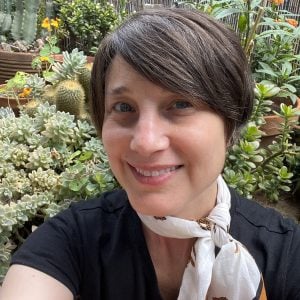
Leorah Gavidor won her first essay contest at age 5. She writes features, news, and non-fiction in San Diego.
Lili Kim is a content coordinator and writer for San Diego Magazine, with experience highlighting local businesses and communities. When not writing or shooting film, she is likely brewing her seventh cup of tea of the day or strolling along Sunset Cliffs.
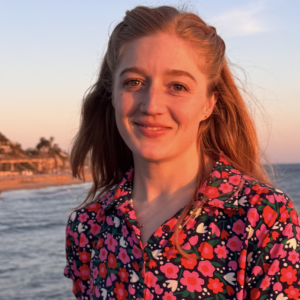
Emma Veidt is an editor at San Diego Magazine. She earned her bachelor's and master's degrees from the Missouri School of Journalism. She loves running, hiking, and rock climbing, but really, she mostly loves encounters with the street cats around North Park.
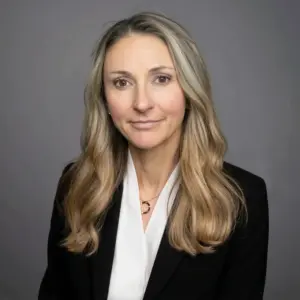
Gail Czyszczon is owner/copywriter at Z3 Writing and best-selling author of a children’s book series. As a strategic communications professional and editorialist, she's passionate about discovering untold stories and themes that ignite fresh conversation and true change in communities.
Joe Dreamz built a local following by asking strangers about their ambitions and turning their answers into songs
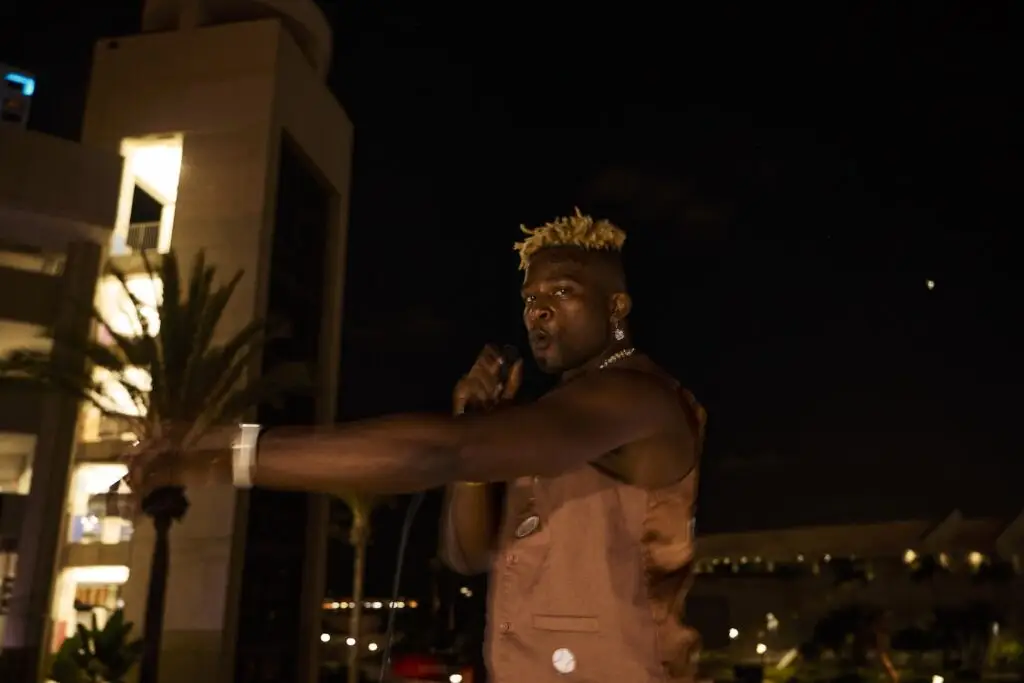
People remember the first time they see Joe Dreamz.
Mine was a mile into the 2023 Carlsbad Half Marathon. He was standing on a speaker in the middle of the course, singing: “Hey you with the shoes, are you living Joe Dreamz?” Clearly not. I’m running uphill at 7 in the morning, I thought.
Months later, walking out of The Rady Shell, there he was again—parting the crowd of concertleavers Moses and the Red Sea style, singing the same song: “Hey you with the purse, are you living Joe Dreamz?”
Who’s this man at every public spectacle, singing metaphysical questions in a hand-altered, color-coordinating suit that would make James Brown proud and standing on a Soundboks speaker with a microphone and tip bucket?
A few years ago, San Carlos–born, El Cajon–based Joe Dreamz wasn’t exactly living Joe Dreamz—making $5 footlongs at Subway, dealing with croissant coworkers at Costco’s bakery, and selling life insurance. After he got let go from the life insurance gig and his car broke down in the middle of a 2020 road trip in Seattle, he used his emergency savings to buy a microphone and a speaker; a self-taught musician, he pulled from the only skillset he knew to monetize. He’d set up at Seattle’s Pier 55 and ask people what their dreams were. Then, for $5, create a freestyle rap to commemorate (and hopefully activate) those dreams.
“The goal is that someone listens to a Joe Dreamz song, and they don’t have to wait until metaphorically their car breaks down before they chase their dreams,” he says.
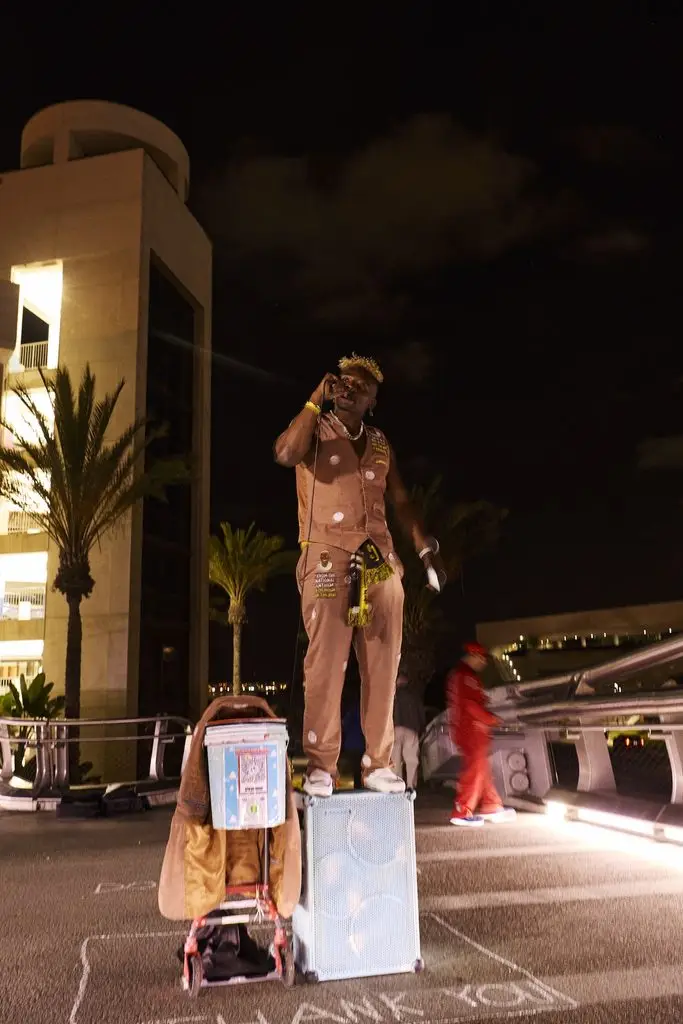
A chance encounter with an airport worker led to a free flight back to San Diego, and Joe Dreamz came home “transformed,” he says. He started busking at the Mission Beach boardwalk, Kate Sessions Park, outside Gaslamp bars; then Padres games, farmers markets, marathons. He also hit the mic outside of Coachella this year (“Joe-chella,” he says).
It’s not a get-viral-quick gimmick; people’s lives are changing. One fan finished writing her book after a dose of Joe Dreamzpiration. Another named his own daughter Joy Dreams.
Now, he’s working on the upstart “Tell Me Your Dream” podcast and DREAM Week in local schools, where each day represents a step toward achievement (D is destination day, R is reason day…). He doesn’t want inspiration to reach you only after hearing a song or watching a video: He believes in this message so much that he literally got DREAM tattooed onto his forehead.
“It’s on my face, so people have no choice [but to see it],” he says. “I’m a local celebrity here, so everywhere I go, people ask me for pictures. In every selfie, the message goes along for the ride too.”
Emma Veidt is an editor at San Diego Magazine. She earned her bachelor's and master's degrees from the Missouri School of Journalism. She loves running, hiking, and rock climbing, but really, she mostly loves encounters with the street cats around North Park.
Live Nation is turning the historic Wonder Bread Building into a 4,000-capacity concert hall designed to bring more touring acts to the city
Imagine being the song continuously getting skipped on the playlist. Not because no one wants to hear you, but because you never quite fit the moment. For years, San Diego has been that song on the touring circuit. Artists who have outgrown intimate clubs but aren’t yet filling arenas and stadiums have often passed us by, heading north to venues better suited to the size of their show. San Diego wasn’t missing the audience, it was missing the room.
That’s all about to change.
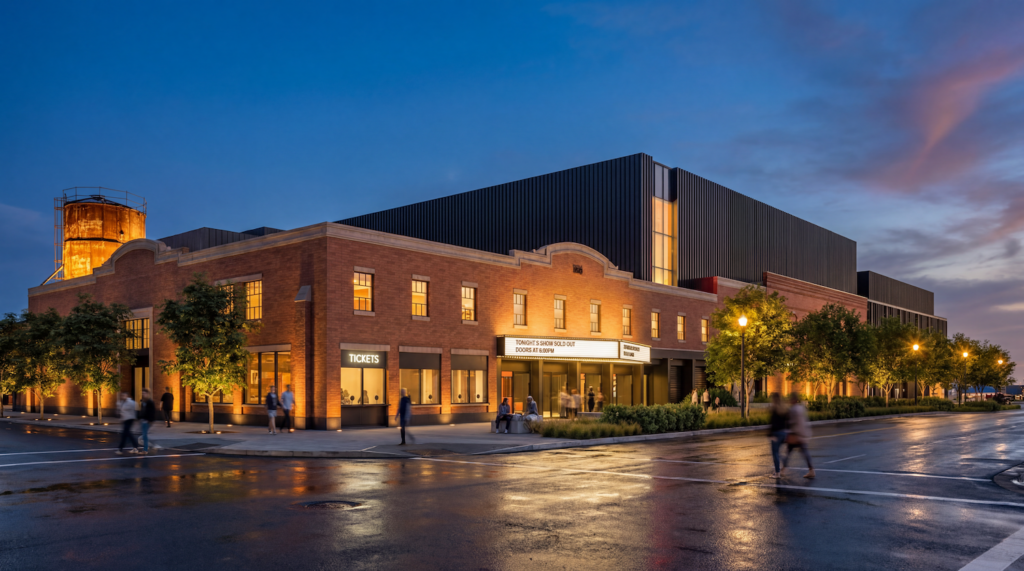
On August 17, Live Nation Entertainment announced plans to transform the historic Wonder Bread Building, which it purchased in June for $16.8 million, into a 4,000-capacity indoor venue slated to open in fall 2028. The new space will host music acts as well as private, corporate, and community events.
Currently, San Diego’s concert landscape jumps quickly from intimate clubs like the Casbah, Winston’s, and Belly Up to larger theaters, amphitheaters, arenas, and stadiums. What’s largely missing—particularly downtown—is a modern indoor room built specifically for roughly 4,000 concertgoers. This leaves a gap in mid-size venues for touring acts that land stages like the Hollywood Palladium or Boston’s MGM Music Hall at Fenway.
“We are filling a void in the market,” says John Schalk, Live Nation’s Vice President, San Diego Market. “There are other venues in town, but this […] building is just something that doesn’t currently exist.” Although SDSU’s Cal Coast Credit Union Amphitheater serves the 4,000-capacity range, its outdoor, fixed-seating arrangement isn’t as versatile as the proposed Live Nation project.
Located at 171 14th Street, just a six-minute walk from Petco Park, the building carries a century of history. Architect Eugene Hoffman designed it in 1924, a year after completing the Barcelona Apartment Hotel in Bankers Hill. The landmark brick building served as a bakery and warehouse for the Southern California Baking Company before Continental Baking Company, producers of Wonder Bread, took over in the 1950s and operated there through 1988 continued at the site until 2007.
In the early 2000s, Bob and Gay Sinclair, the couple behind a portfolio of East Village properties, purchased the building. After Bob—the founder of Pannikin Coffee & Tea—died in 2011, Gay sold much of their real estate portfolio but held onto the Wonder Bread Building. Mission Brewing eventually took over the space, where it operated for more than a decade before announcing its 2026 departure.
Now, the building is preparing for another reinvention. Live Nation plans to preserve the historic bakery’s four exterior walls, red brick façade, grain silo, barrel-vaulted trusses, and skylights as part of its next chapter.
Live Nation isn’t looking to erase its history but to celebrate it, allowing the building’s past to give the new venue some soul. “It’s really important for us that we maintain the integrity and the history of that building,” Schalk says. “There will be new construction and design elements as we go through the process to create the concert venue, but we’re working really hard to preserve it.”
Blueprint Studio, Live Nation’s in-house design and development group, and Gensler, the architecture firm behind San Diego International Airport Terminal 1 and Snapdragon Stadium, will be heading the project. The plan is to design the ground-floor space as an open, general-admission area with a premium level above with 600-plus fixed seats, in addition to box and suite sections. There will also be an additional structure built on top of the historical portion of the building (the four original walls that house the lobby) called the Vinyl Room—a Japanese-inspired hi-fi listening VIP lounge serving elevated food options.
One of the most reassuring aspects of the project is the focus on the concertgoer’s experience—specifically the “pet peeves” we all know too well: long bathroom lines, cramped exits, obstructed views. According to Schalk, one of the best things about building upon the existing structure is having the ability to consider potential obstacles and tackle them before construction begins. “I’d say we are ‘purpose building’ the entirety of the project for a music venue,” says Gensler lead project architect Garrett van Leeuwen. “As part of our design process, we do an in-depth sightline analysis to make sure that sightlines are optimized from every point and seat within the venue.”
Circulation design is also being implemented to ease traffic flow, alongside acoustic optimization and a transformative outdoor beautification effort. According to van Leeuwen, this “public realm space” will grow the existing 14-foot sidewalk to a 32-foot sidewalk complete with plazas and landscaping.
“This venue is for the fans. For the music lovers,” Schalk explains. The vision is intimate: “I want a fan to walk up to that building, see that red brick facade, grab their ticket from the box office, go into the lobby and see some of the history that will present itself… and feel like you entered a home.” Schalk also expressed a “keen interest in making sure that we work with the local artists, the local bands, the local musicians in town.” It’s a project that recognizes San Diego as a growing market that is hungry and ready to see a vibrant arts and culture community thrive.
According to an analysis by Oxford Economics analysis shared by Live Nation, the venue is projected to deliver a significant boost to the local economy, generating approximately $97 million in annual economic impact and supporting 660 jobs. This also includes welcoming 316,000 fans each year—with 126,000 traveling from outside the San Diego metro area—and driving $53 million in local spending at nearby restaurants, hotels, and retail establishments.
Considering its proximity to other major event spaces and overall busy urban areas, traffic and parking may be a concern, especially on nights of overlapping events. But in those cases, Schalk said they would work together on communication efforts; parking availability; and staggering start, end, and loading times; as well as providing easy access to designated rideshare areas. With transit stations nearby (the closest one being a 4-minute walk at 12th & Imperial), public transportation is another great option for enjoying your night out.
There are still two years of design, construction, and plenty of logistics between now and opening night. But the bigger promise of the Wonder Bread Building is simple: San Diego finally gets a venue built for the artists who have historically passed it by. After years of getting skipped on the touring playlist, the city may finally be getting its turn on repeat.

Camila Ibarra Gallego is a CaliBaja native pursuing a master's degree in culinary journalism at the Basque Culinary Center. Shaped by the culturally rich, bicultural megaregion, she's passionate about sniffing out stories that connect people, territory and culture through food. When she's not tumbling down internet rabbit holes, you can find her pretending to be a wine connoisseur at a local wine bar or nose-deep in a good book.
KQ Aesthetic Society goes beyond cosmetic to provide comprehensive care and transformative results

Kelly H. Harfouche, founder of KQ Aesthetic Society, knows firsthand that cosmetic treatments like fillers, neurotoxins, and microneedling, can not only enhance a person’s appearance and restore confidence, they have the power to truly change a person’s life. An expert injector has the ability to tailor treatments to each individual patient’s anatomy and goals for personalized results. Harfouche, a board-certified nurse practitioner, has spent nearly a decade perfecting her craft as an aesthetic injector and integrating her multifaceted artistic skills with precision patient care. Her commitment to continual education and training, plus a passion for helping people look—and feel—their best, set KQ Aesthetic Society apart in a sea of local medspas.
For many people considering nonsurgical treatments, the intent is to look refreshed and refined. KQ Aesthetic Society’s philosophy eschews a cookie cutter approach that bases treatments around units, instead working to understand each person’s unique goals, then curating a treatment plan to fit that vision. Harfouche focuses on “inclusive luxury,” the belief that everyone deserves access to aesthetic treatments, respective of budget restrictions. She develops long-standing trusted relationships with her patients, and works with each one to achieve their aesthetic objectives and address the underlying causes of their concerns.
“For me, forming an honest and open relationship with every patient who walks through the door is essential. This means understanding them on a deeper level and meeting them where they are to define and achieve their individual goals,” she says.

Drawing on her artistic background, which inspired her transition into medical aesthetics, Harfouche sees each client as a “unique canvas.” Rather than relying on standardized procedures, the practitioner’s distinctive approach combines her profound understanding of the physiological and anatomical changes associated with aging with an unwavering commitment to ongoing education about the newest products and their mechanisms of action. Her goal is to make each patient feel beautiful in their own skin and to embrace their individuality.
She has also pioneered a way to combine her talent for aesthetic artistry with her philanthropic nature. Harfouche is one of only a handful of providers using dermal fillers to treat patients with lip asymmetry and scarring resulting from cleft lip surgery. Patients travel from around the country for this transformative treatment, noting increased confidence and a restored identity. She hopes to eventually launch a training program to help fill the void in this space.
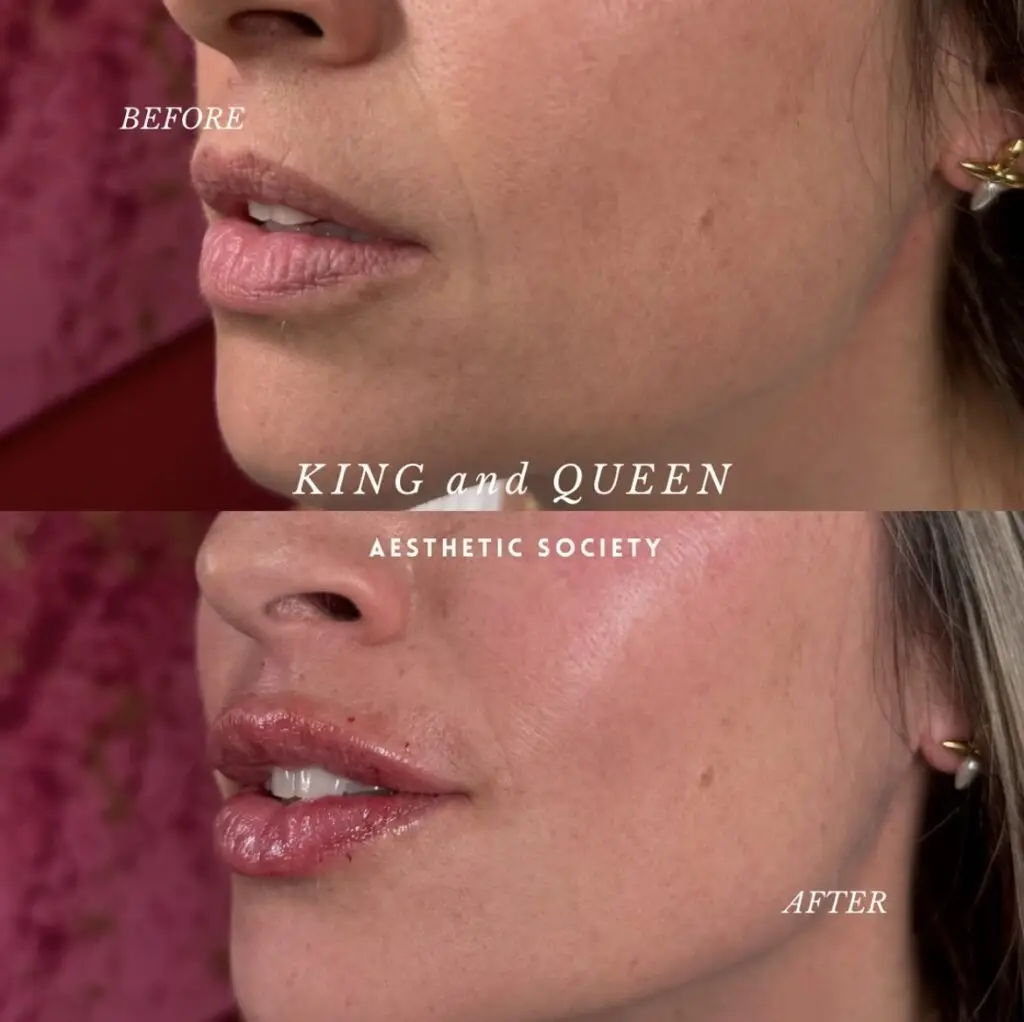
“My passion has always been connecting with people and giving back in any capacity that I can,” she says. In the rapidly advancing landscape of aesthetic medicine, you can place your confidence in Harfouche and KQ Aesthetic Society to deliver exceptional care. To learn more or book a consultation, please visit kqaestheticsociety.com.
Whether you're a lover of the arts, music, or a leisurely stroll through the park, these are Balboa's best attractions
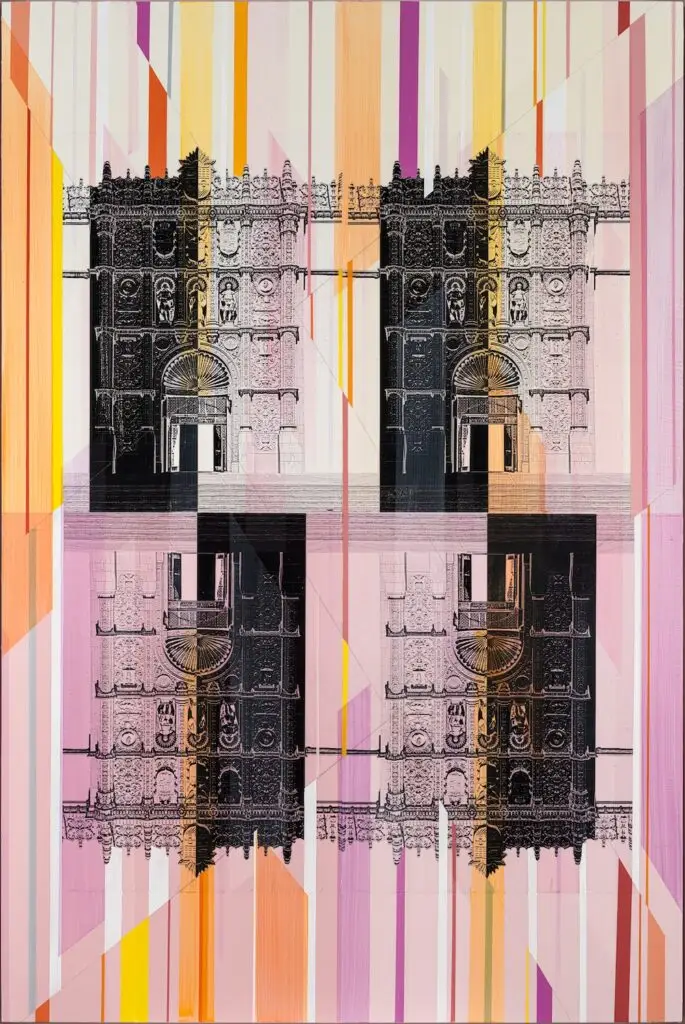
On February 28, 1926, the Fine Arts Gallery of San Diego (now called the San Diego Museum of Art) opened its Plateresque doors to 3,000 guests for opening day. Over the next century, the museum changed with the times—even once functioning as a naval hospital after Pearl Harbor. This year, the museum is celebrating its 100th birthday with an exhibit (open through January 24, 2027) featuring photographs, ephemera, and film footage spanning the museum’s history.
Every Sunday from 2 to 3 p.m., stop by the historic Spreckels Organ Pavilion for a free concert presented by the City of San Diego on the largest outdoor organ in the world (more than 5,000 pipes). The pavilion seats 2,400 for performances by the civic organist or guest artists.
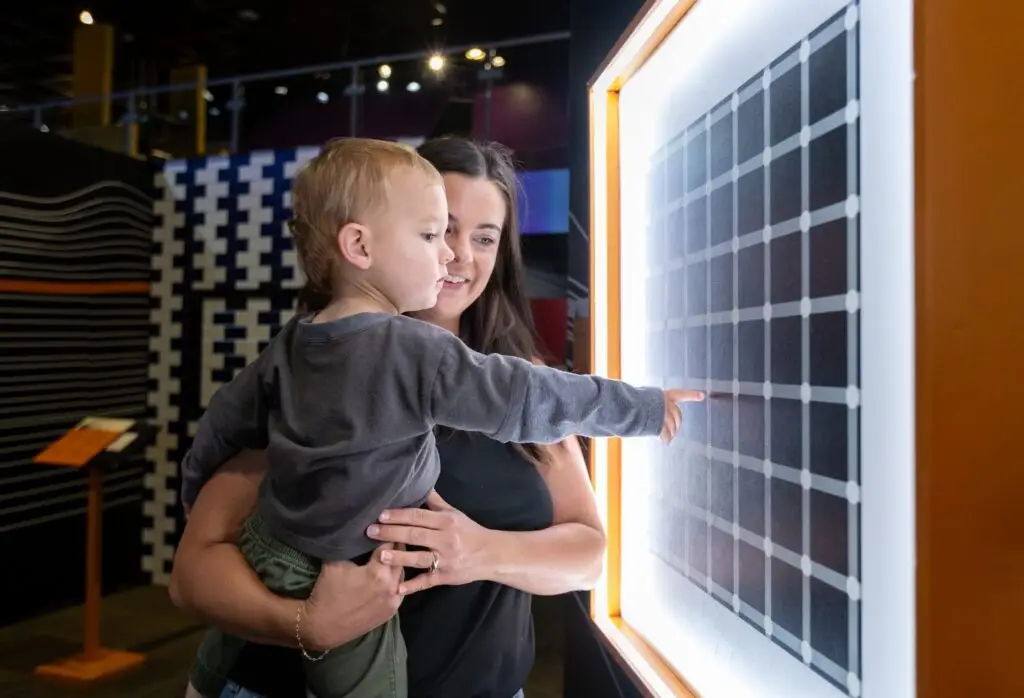
Some think natural history museums are just cemeteries for dioramas that haven’t received an update since the Reagan administration. When it comes to The Nat, which just finished a $7.5 million rejuvenation, they’re totally wrong. The museum debuted a new rooftop that replaces its 25-year-old atrium. The old roof created a greenhouse effect that steamed up some exhibits, so the new one—which includes 200 solar panels and better temperature control—will help preserve the artifacts inside. Each Friday in the summer, The Nat also becomes one of the season’s vibiest hotspots during Nat at Night, with food from places like Wolf in the Woods and The Craft Taco, bars and signature cocktails on several floors, and a rooftop DJ.
The Fleet Science Center just received its most significant update since the 1990s. It expanded its exhibit space by 20 percent and introduced a newly designed entrance gallery (formerly the IMAX theater lobby) that includes free exhibits for visitors who want a taste of the science without paying an admission fee. The former ticketing area now houses the Mindbender Mansion exhibit, and there’s a new café, Element 8, that will, of course, sell the center’s famous soft serve.
Whether you’re ready to lean into fall or determined to keep summer going, here are all the best things to do this month
September is San Diego’s unofficial second summer—the crowds thin, the weather stays warm, and the city’s calendar somehow gets even busier. This month brings stadium-sized rock shows, Broadway’s buzziest comedy, a new anime convention, world-premiere theater, gallery openings, food festivals, and the first signs of spooky season. Whether you’re ready to lean into fall or determined to keep summer going, here are the best things to do in San Diego this September.
Concerts & Festivals | Theater & Art Exhibits | More Fun Things to Do
As Guns N’ Roses storm into decade five, their appetite for destruction persists. During their Snapdragon Stadium concert, hear the hard rock anthems, new material and a set from The Black Crowes.
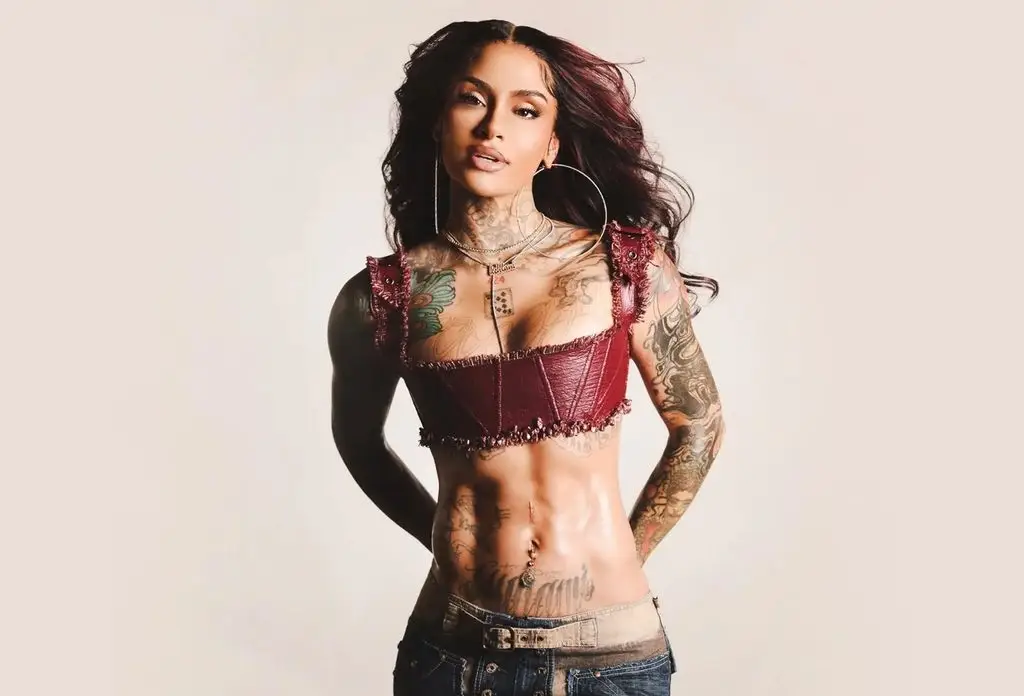
Kehlani is proof that the romance and earnest sensuality of old-school R&B will never go out of style. Hear her take it back to the aughts at Viejas Arena.
From the silver screen to The Old Globe stage, John Carney will Begin Again (again) with a world premiere musical adaptation featuring new songs—courtesy of Train—and a story overflowing with hope.
The concept of work is a guiding principle for San Diego native and multidisciplinary creative noé olivas. Observe his community-informed approach via Tierra y Cielo (Earth and Sky) at Best Practice Gallery.
Two workers grapple with the weight of their roles at a temporary migrant shelter in Mario Vega’s world premiere play Our Lady of the San Diego Convention Center, set for citywide performances.
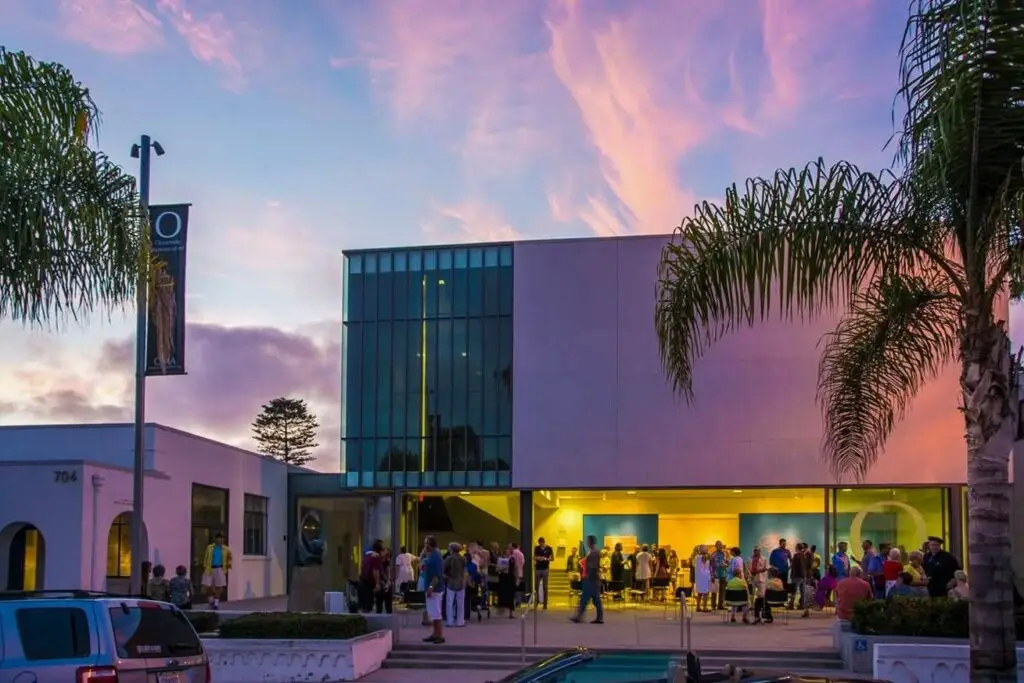
Luminous visions of peace and the Punjabi-American roots of Rupinder Kaloti inform The Gathering, a wondrous unification of family foretold via paintings at Oceanside Museum of Art.
It’s Mary Todd Lincoln’s world and we’re just living in it. See the presidential paramour barrel to her way to stardom at the Civic Theatre during Oh, Mary!, Cole Escola’s political spoof.
Pros and Con(vention)s: Anime San Diego will debut at the San Diego Convention Center with cosplayers, panels and more than 400 vendors well-versed in Japanese animation.
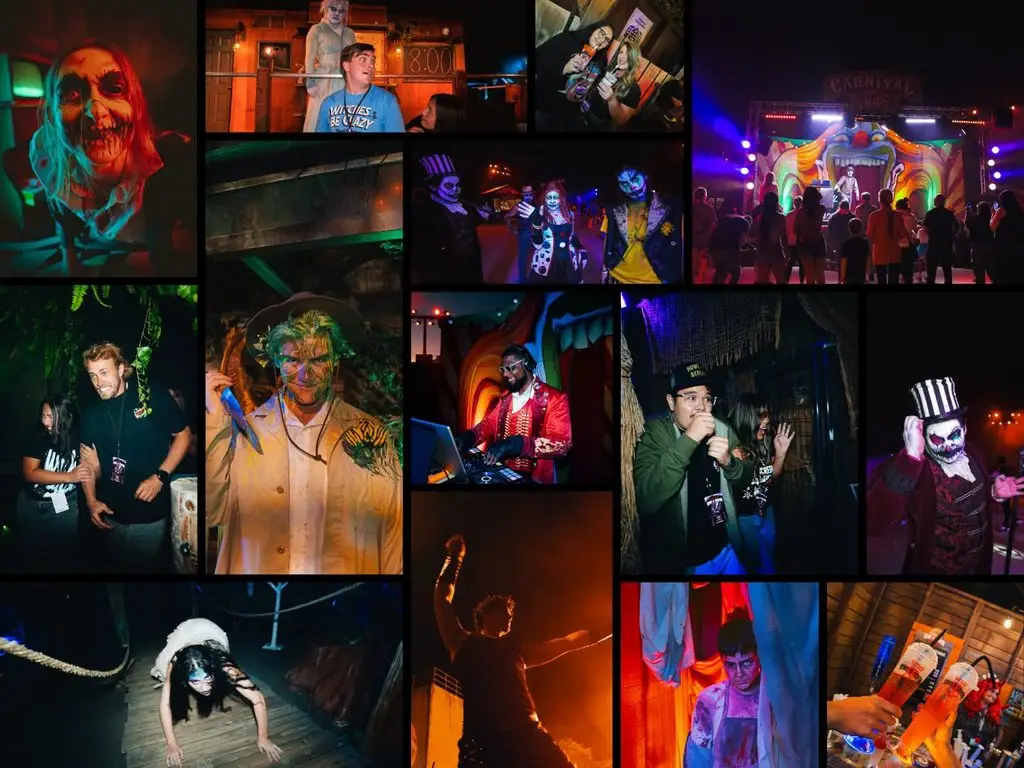
Scaredy cats beware: SeaWorld San Diego’s Howl-O-Scream embraces frights forged in darkness. Enjoy an ominous lineup of live shows, scare zones and bloody bars ahead of Halloween.
The best parts of Artivál and the Alley Cat Art Walk have united for the free Alley Cat Art Fest, an all-day outing for live music and immersive artwork in Downtown El Cajon.
Take a Grecian vacation for a fraction of the price during the annual Cardiff Greek Festival, two days of immersive cuisine and culture—with plenty of dancing—on the Encinitas coast.
Step away from the stove! The California Restaurant Association has eight days of eating experiences with your name on it. During San Diego Restaurant Week, explore by meal, neighborhood or cuisine for your personal dining plan.
Nourish yourself with an all-inclusive spread of Pacific Beach eats and locally-crafted artwork during the HeArt of PB Restaurant Walk on Garnet Avenue.
When it comes to stand-up comedy, Chelsea Handler is always ready to roast. See Handler tell anecdotes and skewer an assemblage of victims during her Balboa Theatre performance.

Ryan Hardison is a freelance arts and entertainment writer and recent graduate of San Diego State. When he's not staring at his laptop, he's likely eating an adobada burrito or getting sunburnt at the beach.
A look at San Diego's top designers creating unique environments that combine creativity and function
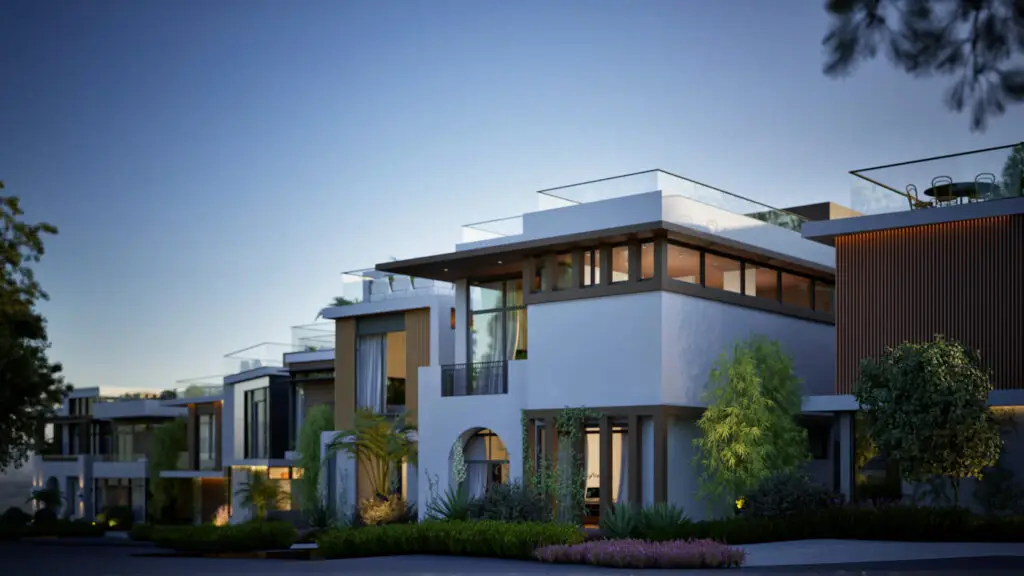
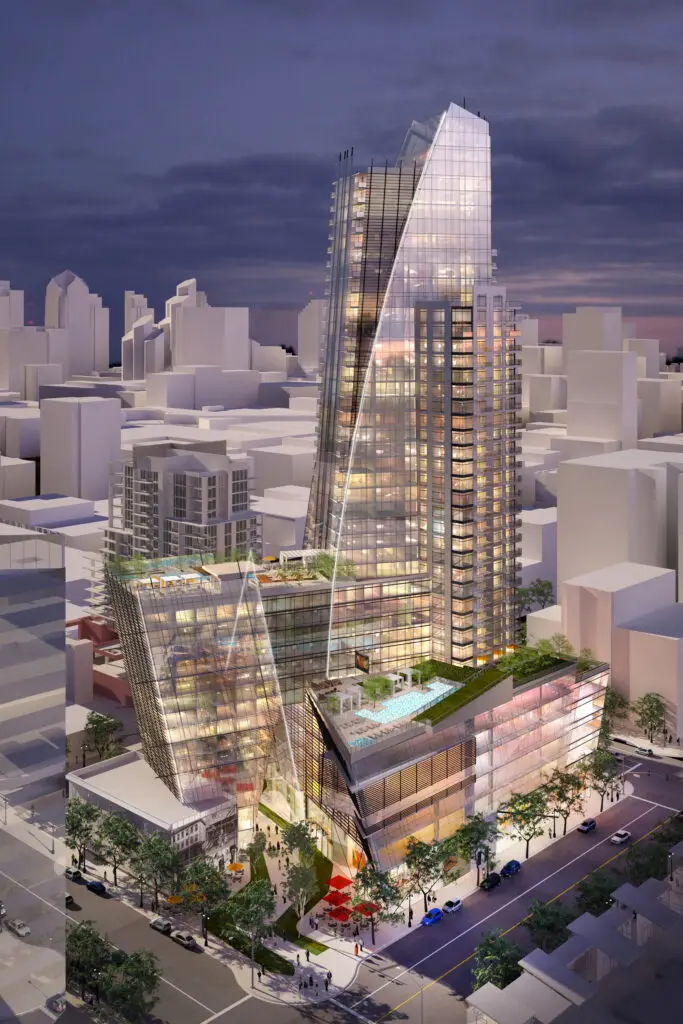
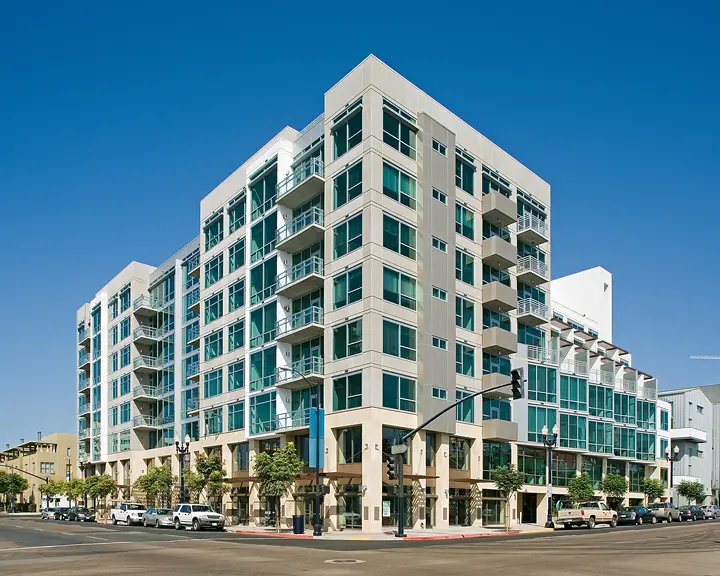
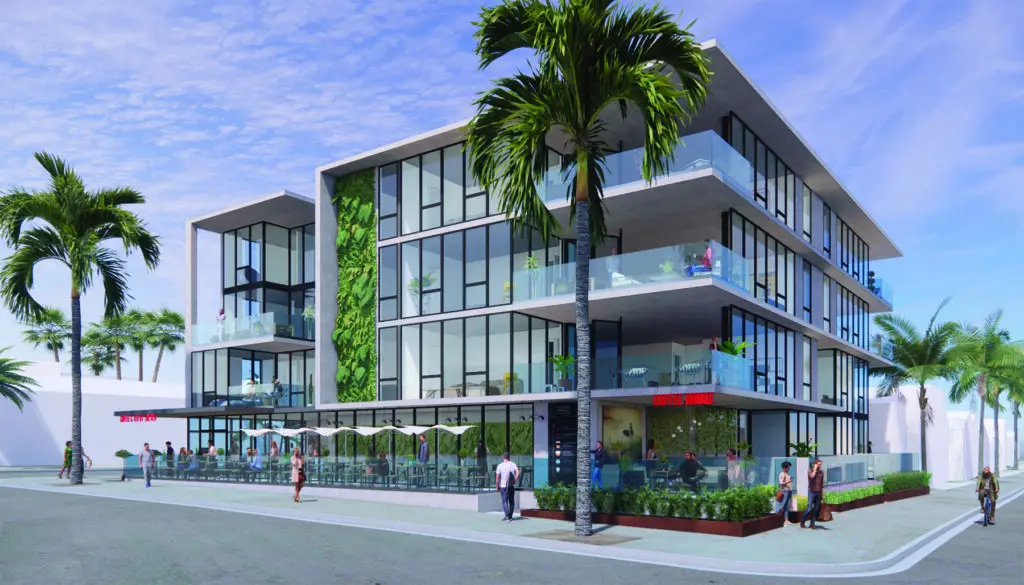
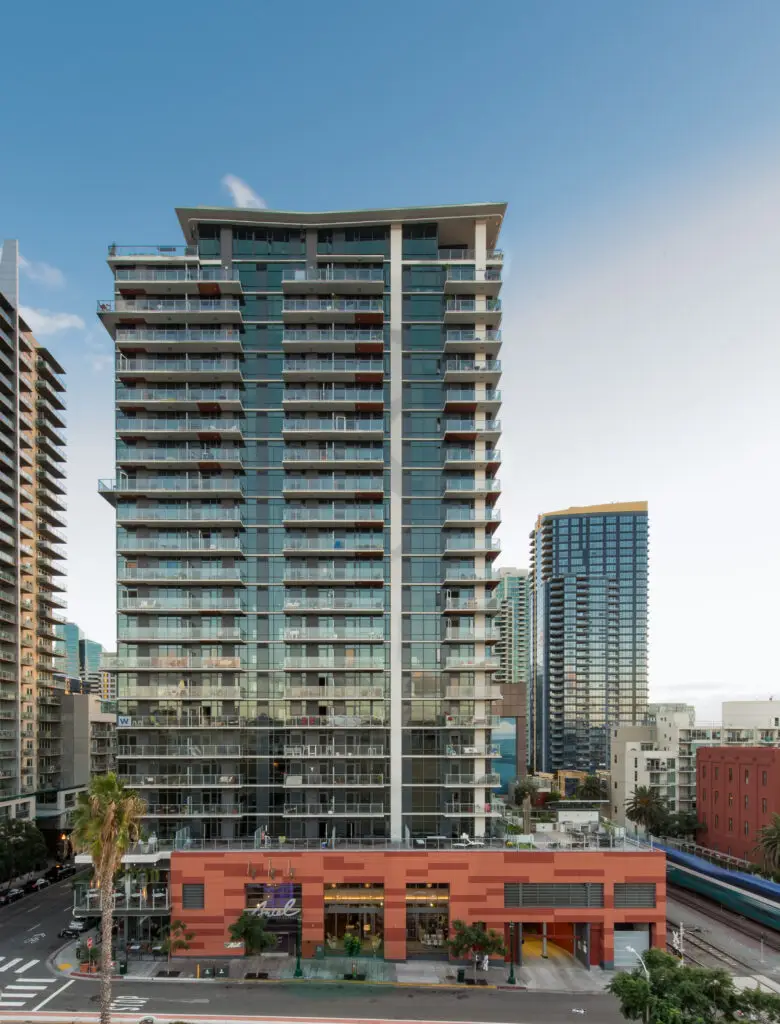
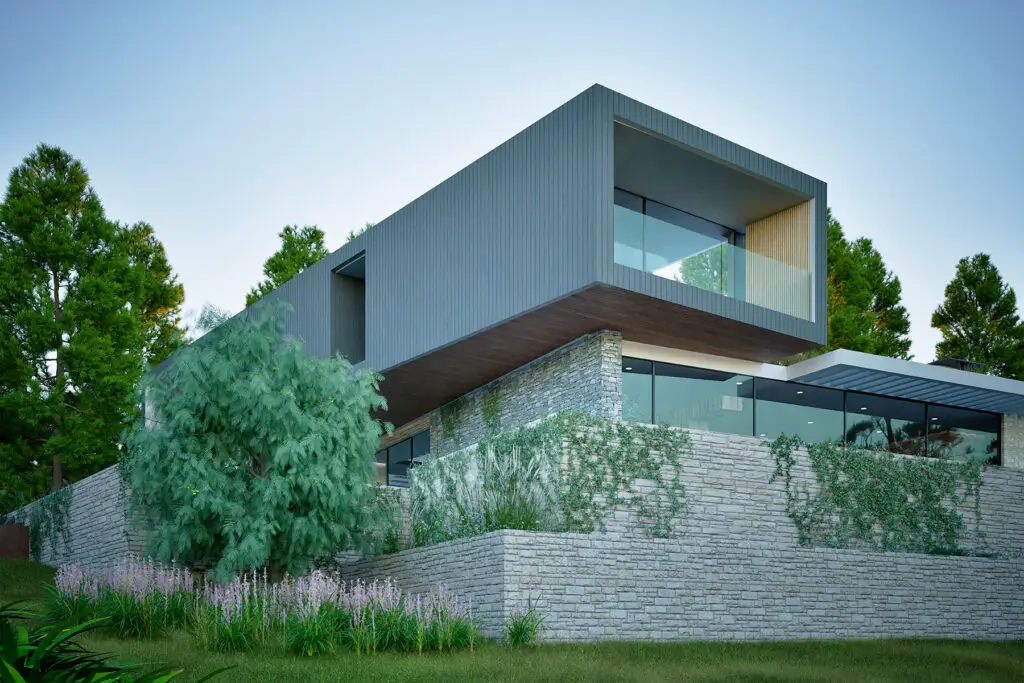
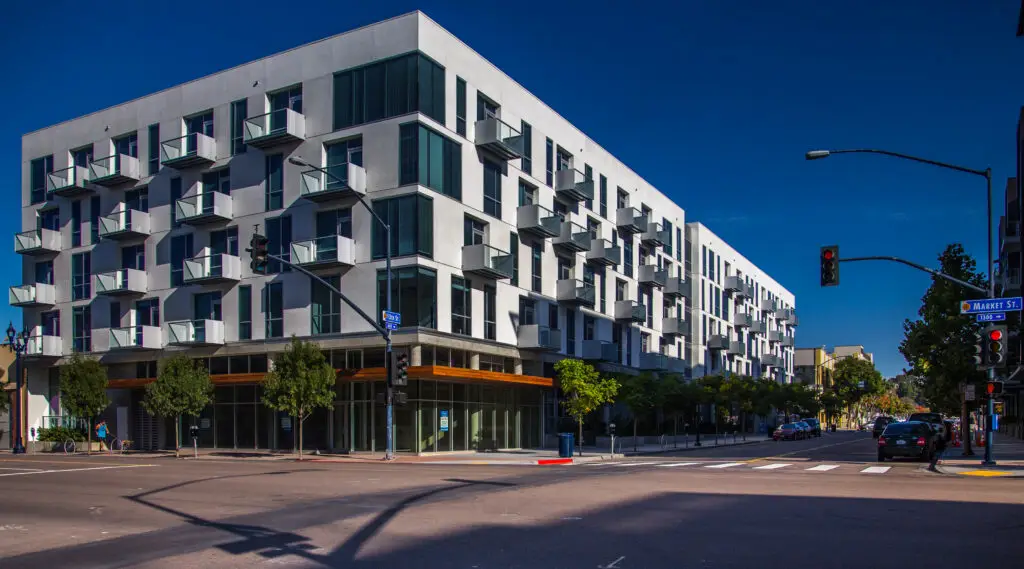
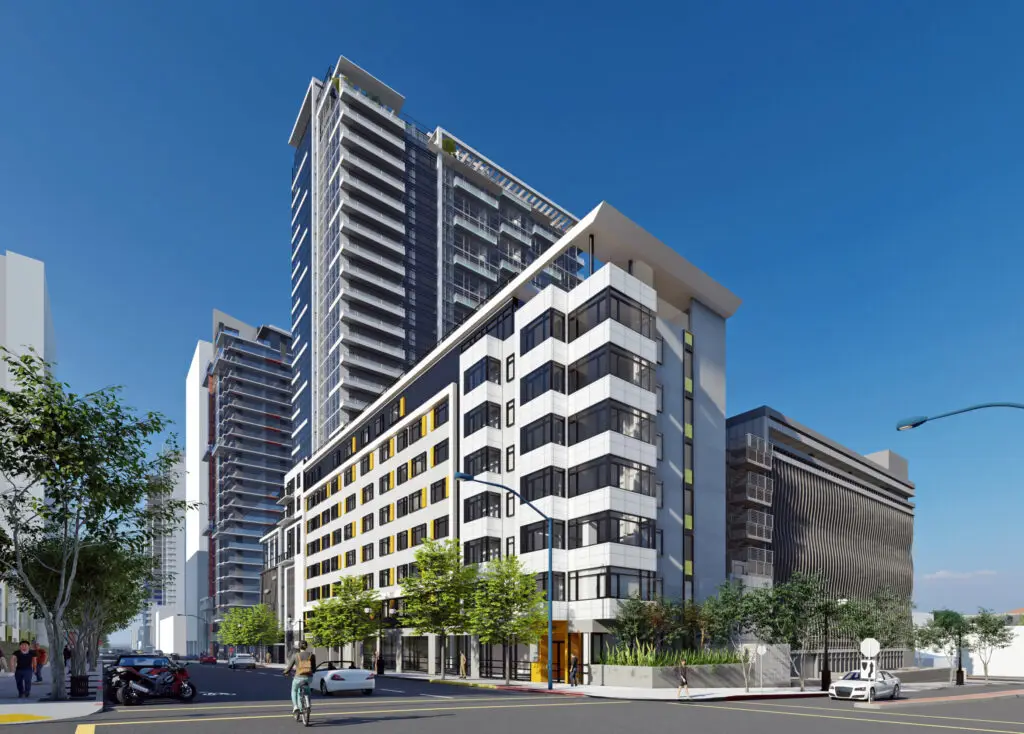
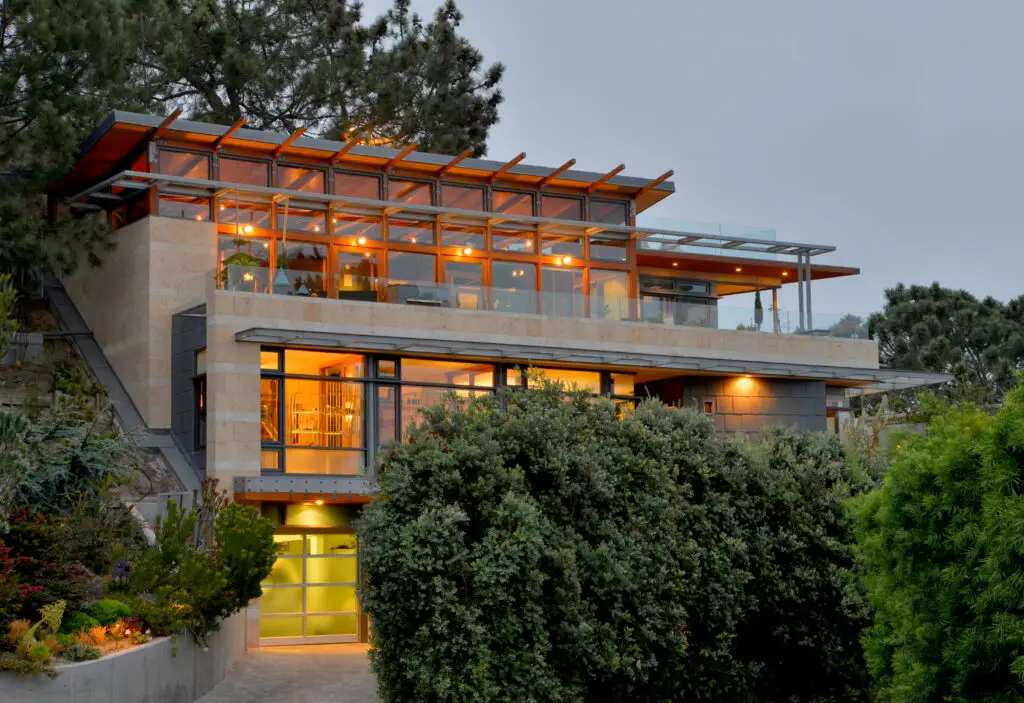
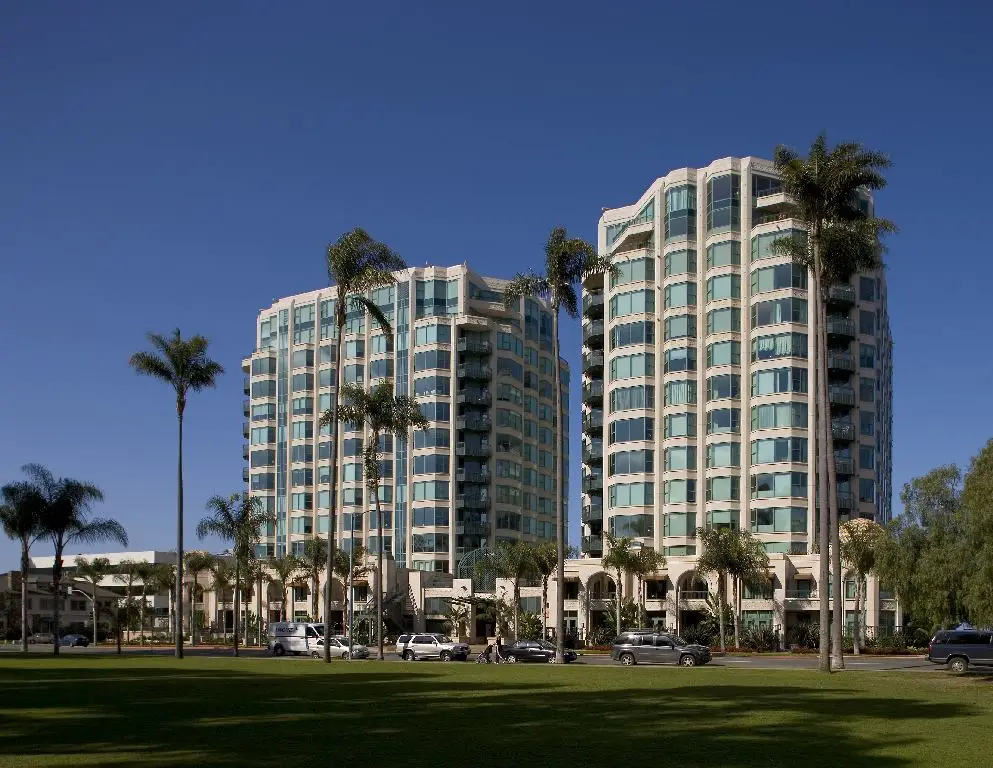
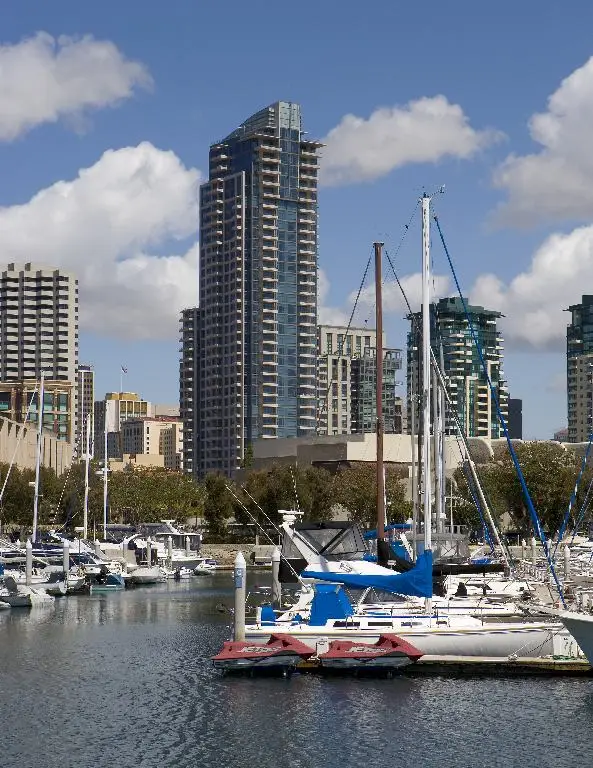
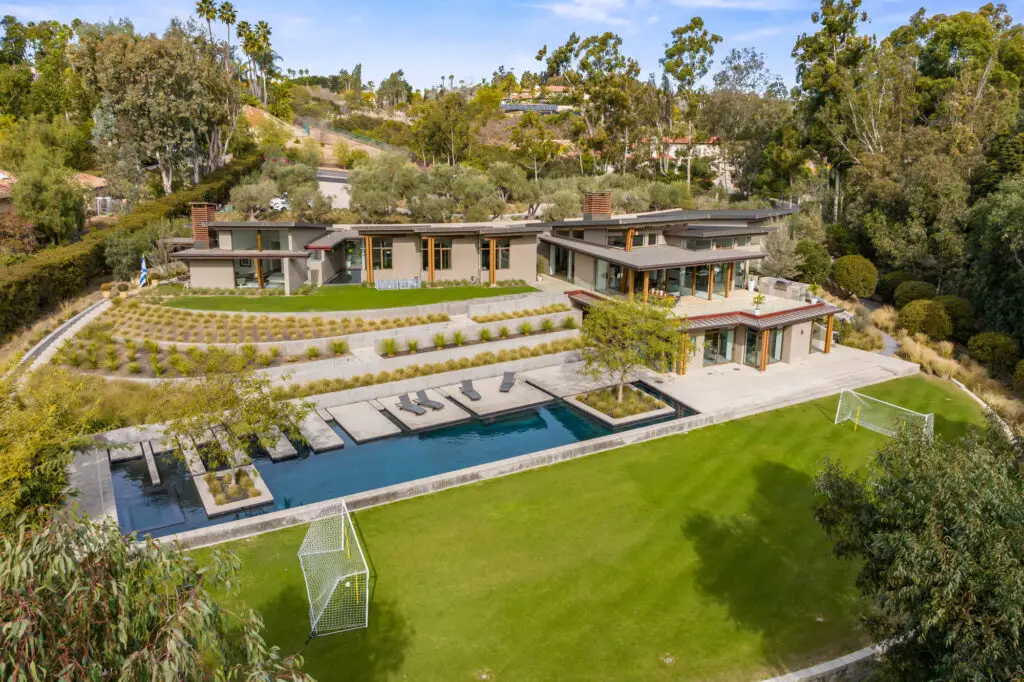
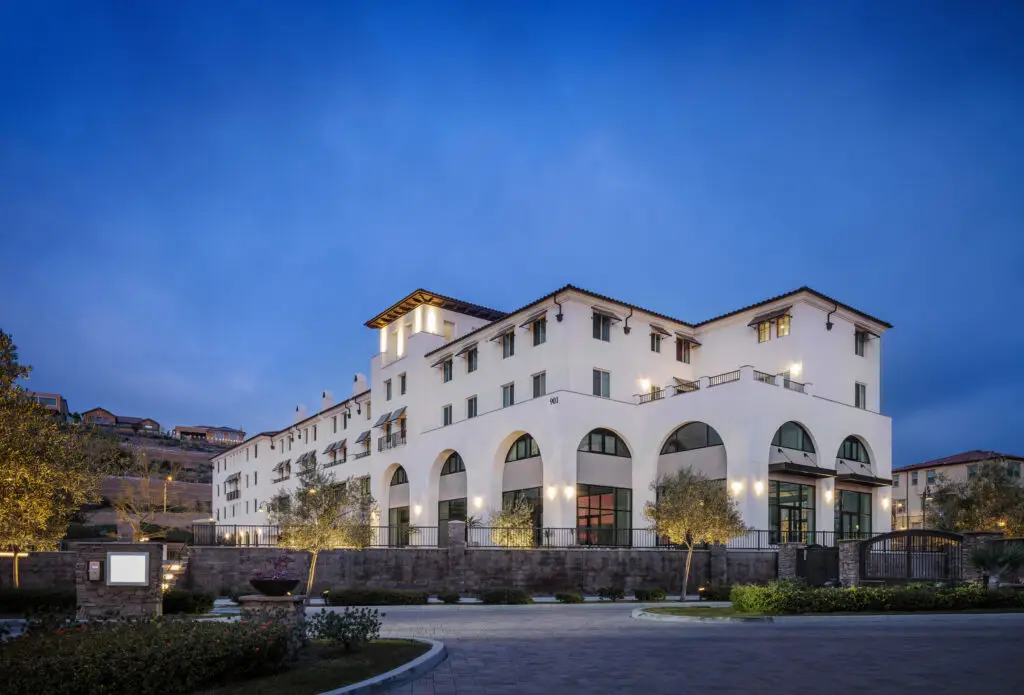
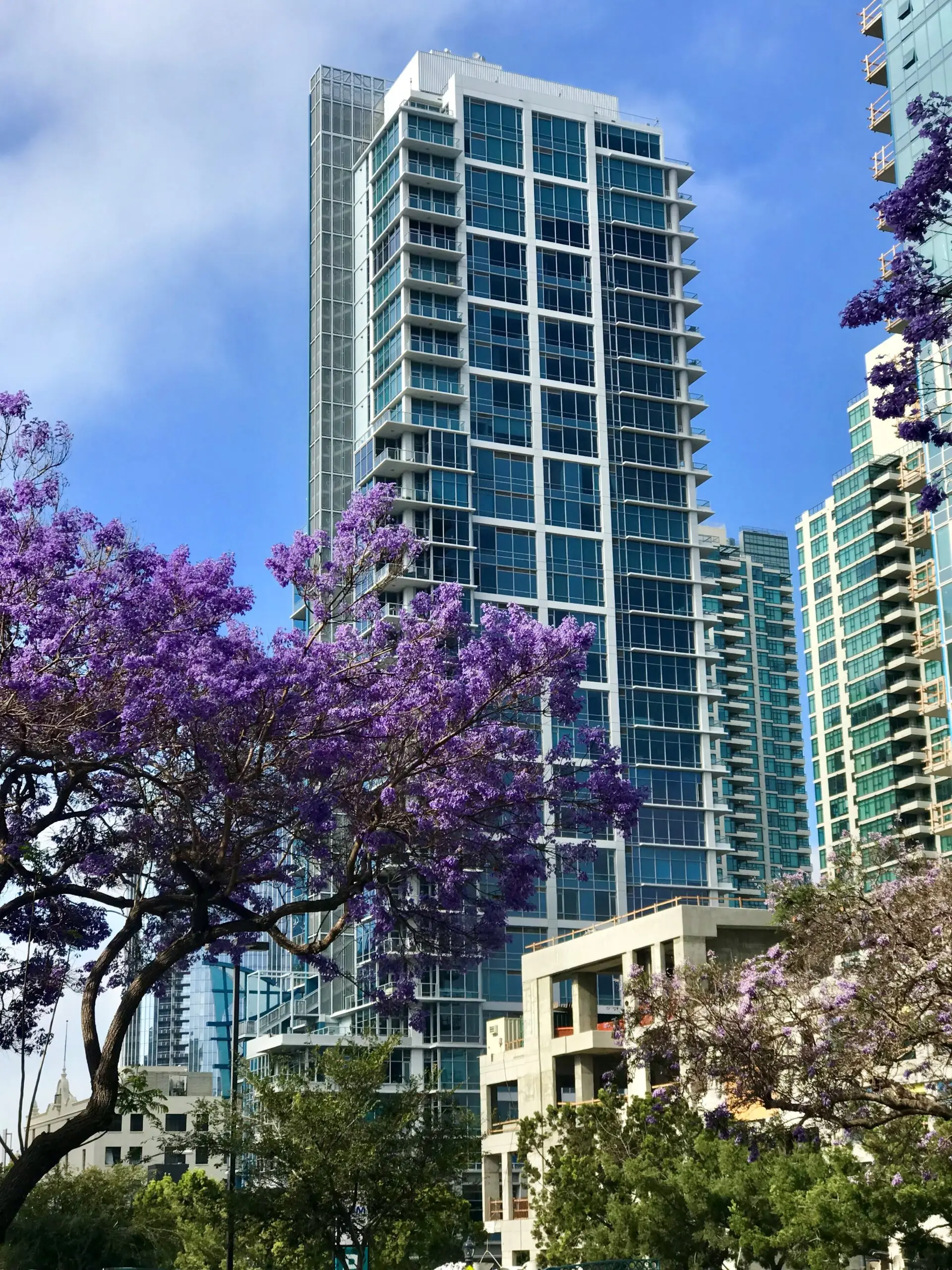
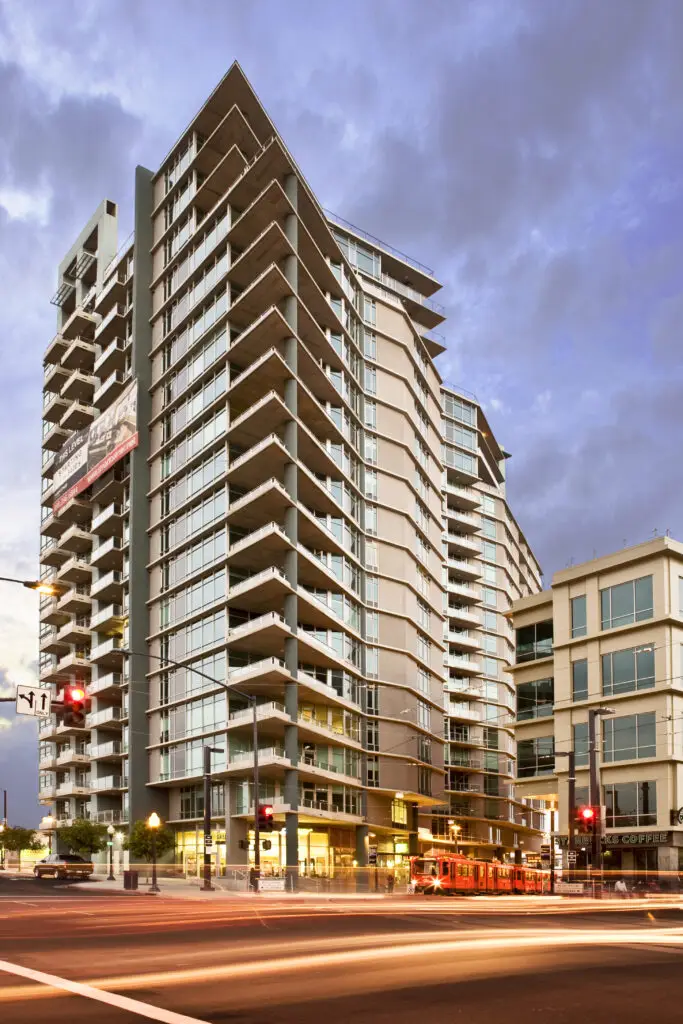
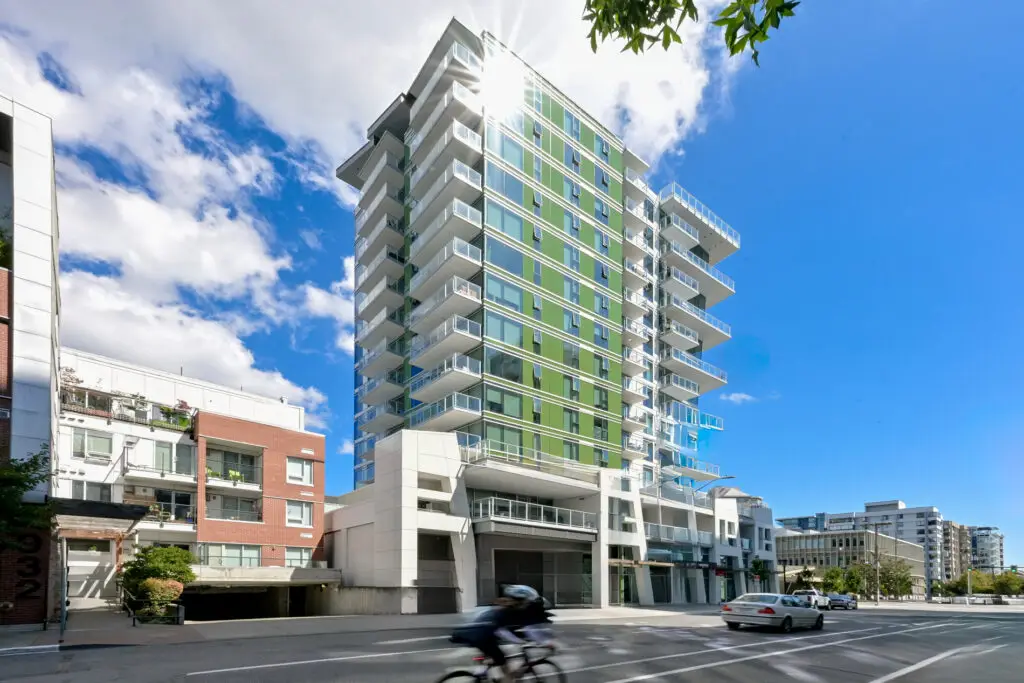
AVRP Studios’ tradition for Design Excellence and Innovation began in 1976 with Doug Austin, FAIA, in Solana Beach, California. The firm has since grown to complete major projects throughout the United States and Canada. We think of ourselves as a family and we care deeply about people. We want to inspire, help make their lives richer and more complete through our efforts. We believe that architecture is one of the most important art forms because of the impact it can have on the lives of those it touches. We’re delighted to have been recognized with over 150 awards for design excellence.
703 16th Street, Suite 200, San Diego, California 92101 | 619-704-2700 | avrpstudios.com