Featured articles
Food & Drink
Food & Drink
Food & Drink
Featured articles

Features
Everything SD
Everything SD
Featured articles

Things to Do
Everything SD
Things to Do
Featured articles
podcast-ep

podcast-ep

podcast-ep
Featured articles

Features

Features

Features
Featured articles
Food & Drink
Food & Drink
Things to Do
Ready to know more about San Diego?
SubscribeReady to know more about San Diego?
The city's leaders in health, science, politics, food, and culture share their game-changing ideas for San Diego in 2016.
San Diego stands on the brink of becoming a leader in genomics, bioethics, public transit, criminal justice, and so much more, improving our daily lives and pushing the boundaries of possibility. For our second annual feature on game-changing ideas, the most innovative thinkers tell us how they would make America’s Finest City a whole lot finer.
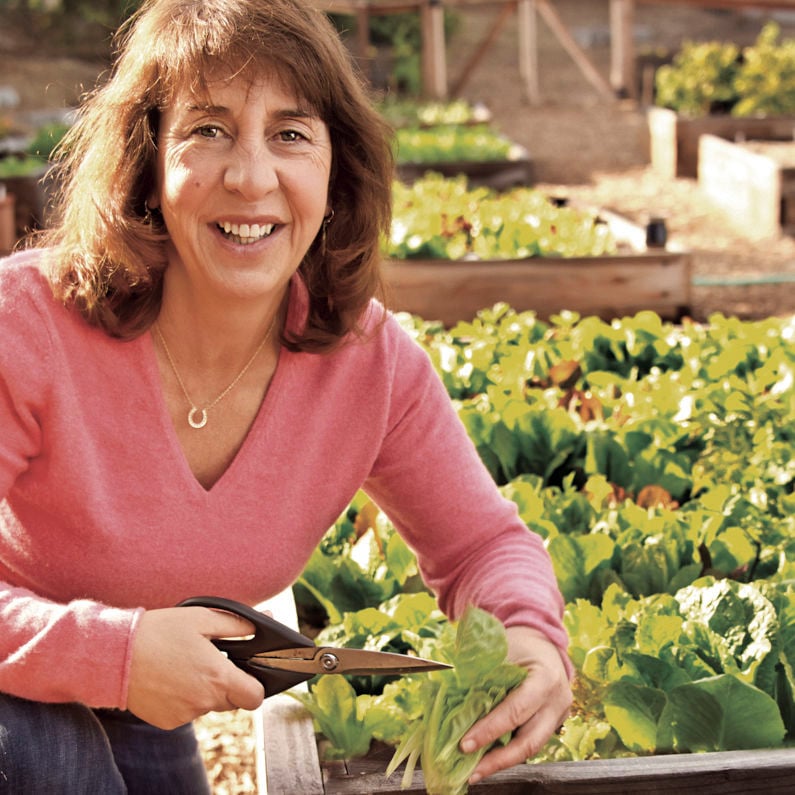
Trish in the garden
Cass Greene
Trish Watlington, Owner, The Red Door
“Because we have a year-round growing season and because it’s so easy to ship things in, we haven’t developed the kind of regional cuisine you’d find in European countries,” says Watlington, who co-owns The Red Door restaurant with her husband, Tom. “In the small regions of Europe, you start with what’s available and then you create a cuisine. We don’t do that in the U.S. It’s totally backwards.” Watlington works with local farmers to take advantage of native ingredients, including low-water crops and low-carbon-footprint animals like rabbits. The couple also owns a half-acre farm on Mount Helix that yields up to 7,000 pounds of produce, all used for their Mission Hills restaurant. Cultivating only what our surroundings can grow, she says, means supporting the local economy, eating more flavorful food, and developing a culinary identity anchored by seasonality. “True regional cuisines are made up of recipes that serve the environment and dishes that are byproducts of the primary goal, which is to protect the ecosystem for the long term,” she says. “And that cuisine should be driven by farmers, fishermen, conservationists, and environmentalists, not by the whims of a chef.”
Use the navigation below to see more Big Ideas.
26 BIG Ideas
Denice Garcia, Director of Binational, Affairs, Mayor’s Office
“I’m a border child,” says the Tijuana-born Garcia. “My family did a constant back and forth and that seemed so normal.” An estimated 50,000 people cross the U.S.-Mexico border daily, making it the busiest port of entry in the Western Hemisphere. Garcia says, “It makes us extremely unique and it’s also a competitive advantage that doesn’t exist anywhere in the world.” Businesses can establish headquarters in San Diego while manufacturing products in Tijuana at a lower cost, with a more efficient supply chain. “You’re not going to manufacture in China to import it back to the U.S.” At the mayor’s office, Garcia is in charge of liaising between San Diego and Tijuana, Rosarito, Ensenada, Mexicali, and Tecate. Last year saw the first ever cross-border TEDx as well as a binational Maker Faire at Balboa Park. She would like to see more of these events, and at next year’s Maker Faire, she hopes to throw a spotlight on Baja’s culinary talents. “I consider myself a border groupie,” Garcia laughs. “I think it’s cool that you can go back and forth.” ¡Bienvenidos!

26 BIG Ideas
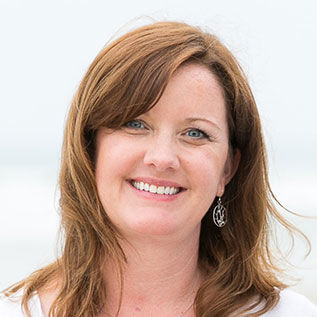
Dr. Stephen Kingsmore, President and CEO, Rady Pediatric Genomics and Systems Medicine Institute at Rady Children’s Hospital
When a baby is in the NICU, doctors are often treating the symptoms without a diagnosis. If a doc misses the diagnosis in the first week, the consequences could be deadly. Enter Dr. Kingsmore, who came to San Diego in September from Kansas City, where he had been experimenting with genomic sequencing at Children’s Mercy Hospital. Given the nearly 8,000 genetic diseases caused by mutations, Kingsmore sought to make genomic sequencing the standard way of identifying a genetic disease. But testing a child and their parents costs about $22,000. So he spent a year talking to universities and hospitals all around the country, until finally landing at Rady Children’s, where Ernest Rady and his family donated $120 million to establish the institute. By March, the hospital will be sequencing the genome of every child in the NICU and PICU whose condition calls for it. That means receiving a molecular diagnosis in less than a week, sometimes as soon as two days. “Each day of life is not for certain,” Kingsmore says of these babies. “Mortality is high. And complications can be long-term. Every day we can shave off the process is very meaningful.” The project will start in the NICU and PICU, where it’s most urgently needed, but even now Kingsmore’s team is developing strategies for other areas, such as autism and brain cancer.
It will take a decade, but Kingsmore plans to put genomic sequencing into the hands of every child in San Diego who needs it. He is working on the technology with local biotech company Illumina to make the testing faster and cheaper. “Illumina is a big part of the reason I came here. I’ve been working with Illumina for a decade and I knew they were keen to make it happen. Genome sequencing was kind of invented in San Diego. We’re in a position where we can become the world leader,” Kingsmore says. “In a few years, people will fly to San Diego [for treatment] if their child has a genetic disease.”
26 BIG Ideas
Kiva Allgood, Vice President of Business Development, Qualcomm
On the Qualcomm campus in Sorrento Valley, you’ll find smart trash cans equipped with garbage compactors as well as detectors that alert maintenance workers—via smartphone app—when the containers are full and need to be picked up. And they determine the worker’s route using real-time data, in order to save time, labor, and gas. The Qualcomm buildings, too, are optimized with wireless products to show where electricity is being used. “We’re trying to live through example,” Allgood says. The campus is also a great lab for testing these ideas before taking them to the real world. Using information, communication, and intelligent connectivity, her department is solving city problems in infrastructure, transportation, building and automation, and energy. That can mean making a single-purpose lamppost multipurpose—it not only lights the sidewalk but is equipped with parking sensors; gunfire, earthquake, and pollution detectors; cellular and Wi-Fi relays; and more. That same concept could also apply to a park bench, trash can, or any type of city fixture. “There is a strong correlation between how the better infrastructure becomes, the better a person’s overall welfare is.” Qualcomm is working with local universities, the mayor’s office, and San Diego planning departments to develop that sort of thoughtful infrastructure. It gives new meaning to the term “street smarts.”
26 BIG Ideas
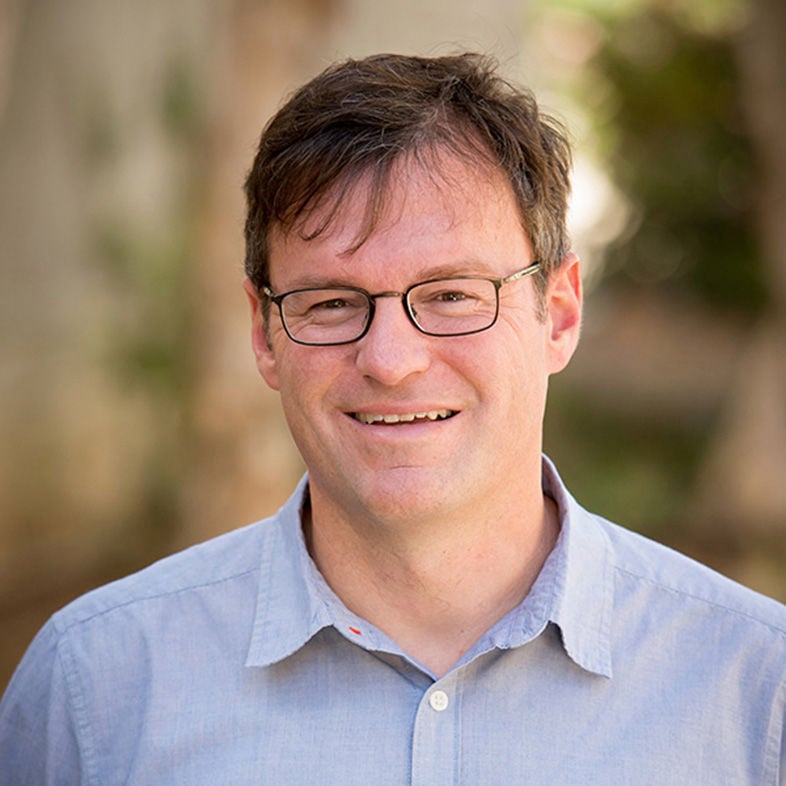
Craig Callender, Chair of Philosophy, UC San Diego
Designer babies, driverless cars, and modified mosquitoes—innovations may be boundary-pushing, but the moral quandaries these advances create are raising plenty of controversy. That’s why Dr. Callender, who is launching UC San Diego’s new bioethics minor this month, has big plans to establish the Institute for Practical Ethics.
At the institute, research would identify costs and benefits and, in some cases, influence policy and legislation. “Sometimes the results of research are indirect. Yet ideas have power. Look at the spread of informed consent forms throughout medicine. That idea went from the ivory tower to the hospital wards in my lifetime,” he says. “Scientists, like the rest of us, are well-meaning people and also fear these irresponsible interventions. So perhaps the bigger worry is that not knowing what’s responsible leads to paralysis. The idea is not to slow down science, but rather to figure out what’s responsible, so that we can progress.”
26 BIG Ideas
AndreaRaffin
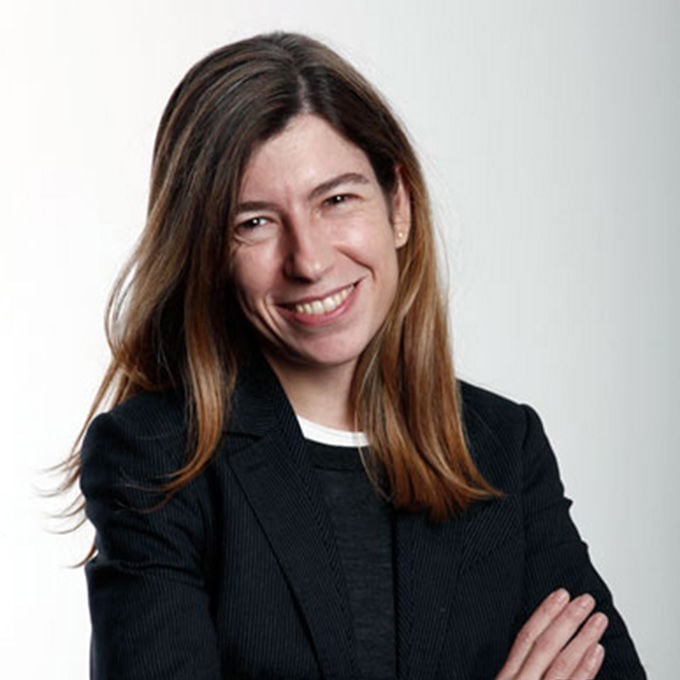
Elena Pacenti, Director, Domus Academy School of Design at NSAD
Coming from Milan, Pacenti has a unique perspective on San Diego. “I see an opportunity to reinforce the importance of design as a promoter of innovation and as a connector between technology, human beings, business, and society.” She would like to see a design exhibit space that would display items like the next GoPro, the next wearable device for preventive health, the next sustainable prefab house, or the next Car2Go. “San Diego is ripe to become part of the international design scene and conversation, but it has to give visibility to local innovations and be exposed to innovation worldwide.” She envisions design awards, satellite event series, and other programming inspired by Design Week in Milan. “The goal would be to show how design can truly innovate the way we live.”
26 BIG Ideas
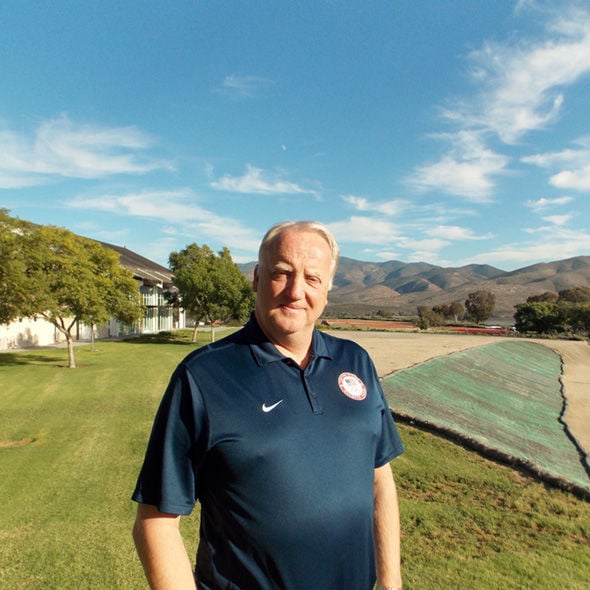
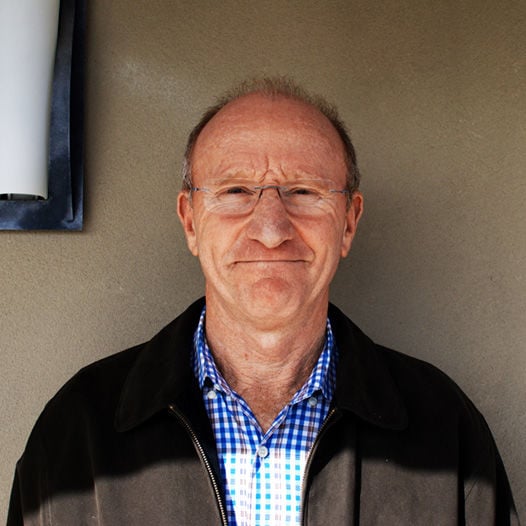
Tracy Lamb, Director, Chula Vista Olympic Training Center
Why should the Chargers get all the attention? “Let’s get more people interested in archery, BMX, and rugby,” says Lamb, who notes that right in our own backyard, Olympic hopefuls are training for the Rio 2016 games. Rugby, especially, is having a moment. “It’s one of the fastest-growing sports in the United States. Both the men’s and women’s sevens national teams are based in Chula Vista and will make their Olympic debut this year.” While most rugby games are played internationally, you can check out local rugby clubs like the Old Aztecs, Old Mission Beach Athletic Club, and San Diego Surfers Women’s Rugby. That is, until the sport grows more visible. USA Rugby and World Rugby just announced that a pro rugby league similar to MLS and the NHL will launch in 2016. Beyond rugby, you can watch important meets at the Chula Vista Olympic Training Center this year: The second round of the U.S. Archery Team Olympic trials will be held April 17–22; the U.S. BMX Team Olympic trials are scheduled for June 11–12.
26 BIG Ideas
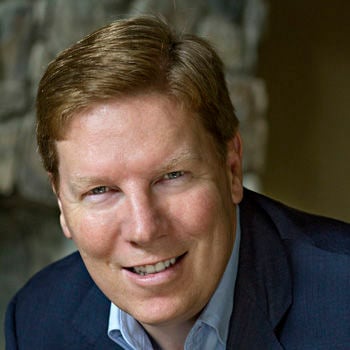
Gary Levitt, Developer, Urban Villages
The planners are calling it North City and likening it to a college town. South of Highway 78 and north of Cal State San Marcos lies space for a 204-acre mixed-use development, with a pedestrian bridge linking to the college. This city will have housing, retail, restaurants, offices, entertainment, and a hotel designed by architects Taal Safdie and Ricardo Rabines (the brains behind Harbor Drive Pedestrian Bridge and Scripps Seaside Forum). The Quad, a student housing building, has already opened and won a 2015 Orchid Award for Architecture. Next up? A mixed-use building with 197 market-rate units above retail and restaurant spaces that will open to an outdoor plaza. “Central to this concept is the need to achieve land use intensities that support smart growth and utilize available mass transit,” Levitt says. The community is highly walkable and also strings together two stations on the Sprinter light rail line. To put the size of North City’s 204 acres in perspective, Carmel Valley’s polarizing One Paseo is 23 acres—a mere shopping plaza by comparison. And the idea of having two downtowns is nothing new—L.A. has a downtown by USC and high-rises in Westwood near UCLA. Hey, if North City provides housing and improves our commute, our only question is: When can we move in?
26 BIG Ideas
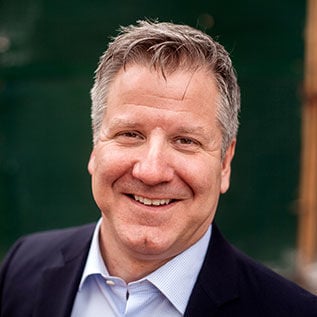
Greg McKee, CEO, Connect
McKee says San Diego’s vertical industries like agricultural tech, microbiome, genomics, and digital health are popping up quickly, and we should capitalize. “We need to get real and step up our game around how we innovate. We need to be faster and a lot more global,” urges McKee, whose company connects entrepreneurs and CEOs with great talent, capital, and technology. His startup accelerator, Connect, is developing a platform that will track emerging technologies and match teams with capital providers. This past summer the company opened its new Innovation Clubhouse, in University City, where people can meet about ideas as well as sit and work for free. “We don’t ask people to pay. We ask them to pay it forward if they’re successful.” San Diego’s billion-dollar success stories already include Illumina, Ballast Point, and Qualcomm. McKee would like to see the city build ten more billion-dollar companies in the next decade. “Enterprises of this magnitude bring economic vitality, jobs, tax revenues, international recognition and sophistication, and—perhaps most importantly—critical mass. Naturally, highly successful entrepreneurs want to be around other successful entrepreneurs, so the more successful companies we can create, the stronger the gravitational pull to San Diego becomes.”
26 BIG Ideas
Sam Hodgson
David Bennett, General Director, San Diego Opera
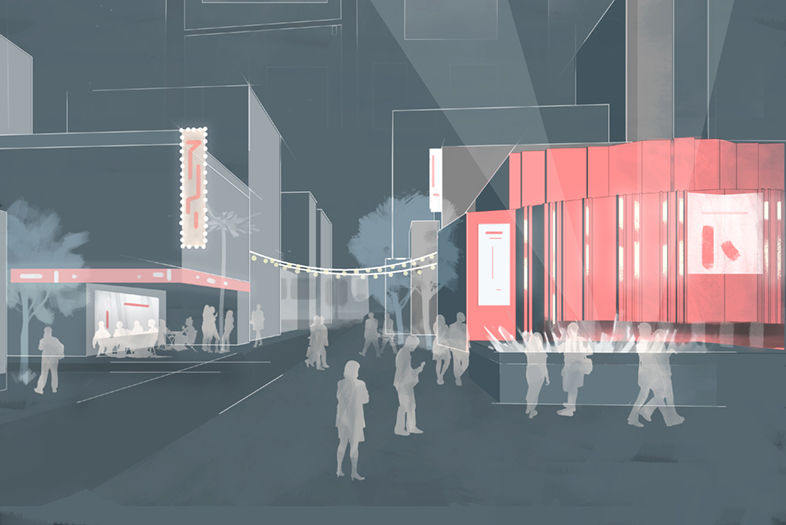
New Yorkers love their neighborhoods, and East Coast transplant David Bennett is no exception. The new general director of the opera has been studying San Diego since he arrived last summer and has found that while places like the Gaslamp, East Village, and Little Italy seem to have their own identities, our city lacks an arts district. “The institutions are in place, so why not focus on the strength of what we already have?” To wit: You can walk from the Jacobs Music Center to the Lyceum and Balboa theaters, Spreckels, the Civic, and even MCASD. Bennett adds that the closed rock venue 4th and B would make “a perfect black box theater,” if only the right people would step up. “The arts district would have its own energy. Arts should be what gives this zone its sense of identity, and a developer should build on that.” He pictures retail and restaurants in the first floors of the bank buildings, so that people coming to the theater don’t necessarily have to dine in the Gaslamp. “If you exit the Civic after a show, you’re in a plaza, and if you squint your eyes you can almost imagine you’re in an Italian piazza—but then you open your eyes. It wants to be developed.” Bennett also points out that “traffic is an issue in San Diego County… We have to be mindful and reach audiences where they are in addition to where art is being made.” He has his eye on North County performing arts centers, plus outdoor venues and nontraditional performance spaces. (Bennett once produced an opera in a New York planetarium.) Opera: coming to a theater, warehouse—and possibly our very own version of Times Square—near you.
26 BIG Ideas
Michael Brunker, Executive Director, Jackie Robinson Family YMCA
There are only three public pools in the Southeastern San Diego community, including the Jackie Robinson Family YMCA where Brunker works. Within its service area, an estimated three-quarters of children ages 5–12 have never taken swimming lessons. “At a time when our kids see loss of life in so many venues, learning how to swim teaches children the value of life—starting with their own,” says Brunker. More pools are needed, as well as more swim instructors, more days and hours of operation, and a way to get the kids to the lessons. “Plus,” says Brunker, “the fear factor of parents who cannot swim themselves.” The San Diego Junior Lifeguard Foundation works with the region’s YMCAs to help fill this gap with its Waterproofing San Diego initiative, running a Junior Guards program, parent-child swim lessons, and more. But statistics show it’s still not enough. “Especially for a coastal region, it’s time to ensure that every child learns how to swim and develops a healthy respect for the water.”
26 BIG Ideas
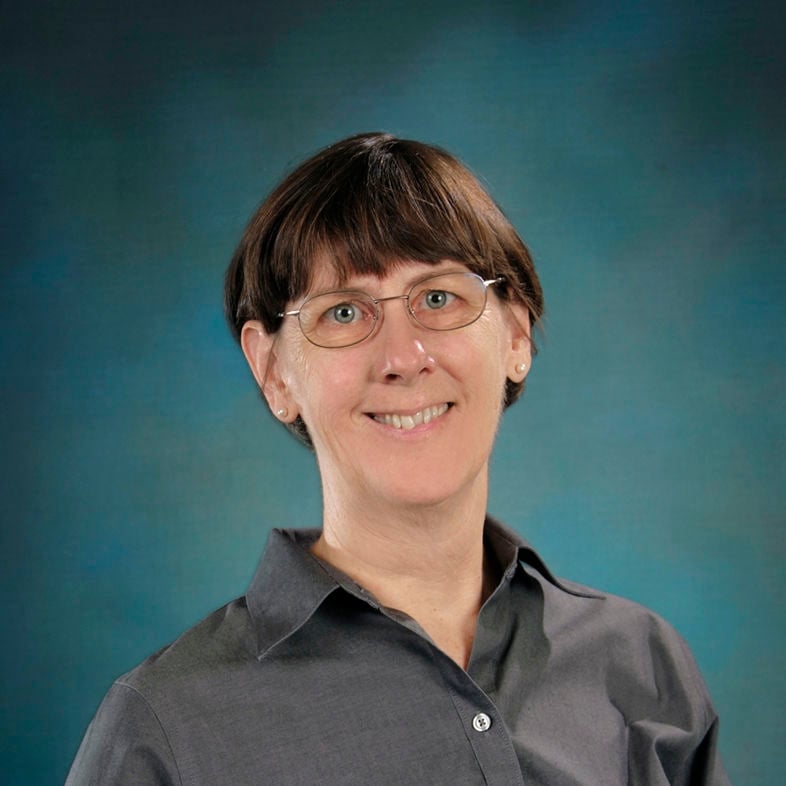
Jo Ann Lane, Co-director, USC Center for Systems and Software Engineering
Floods, fires, earthquakes, tsunamis… Mother Nature could strike here at any moment. When San Diego native Jo Ann Lane was getting her PhD at USC, she studied historical crises like these—and the oftentimes lagged and insufficient responses that followed. With focus, she says, we could prepare better. Lane envisions adaptable and flexible systems, like a network of smart roads to change the direction of traffic flow in case of evacuation. And we should be able to reroute resources—divert water that is flooding, or restore power in areas where it is lost. “El Niño is the potential issue that’s on our doorstep.” She cautions that we will probably struggle with poor drainage, overloaded sewers, and other infrastructure in flood-prone areas. “When systems like that break down, it can affect water supply, our health, and more.” One of Lane’s research areas is “systems of systems,” or how we look at groups of individual systems, whether they’re electronic or bureaucratic. The key is communication and interoperability between agencies so we don’t rely on just one source, which could get overwhelmed and shut down. She recommends studying past mistakes. Looking at how we’ve responded to wildfires, she believes we should use the military sooner. “The marines were sitting there. They wanted to go fight but they weren’t allowed, because it was political.” One system needs to work with another, she says, and we need to improve our “situational awareness”—understanding what is happening and when. Only then we will be a Smart City.
26 BIG Ideas
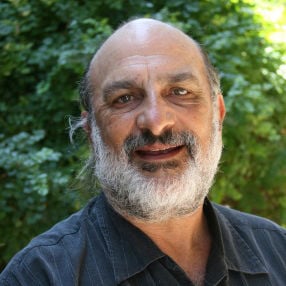
Rick Anthony, President, Zero Waste International Alliance
The top three sources of greenhouse gases in the city and county are traffic, farming, and landfills. While lifestyle solutions like carpooling and eating less meat can help with the first two issues, landfills are an increasingly problematic issue. But there’s a plan in place to fix that—so long as San Diegans do their part. Last July, the city approved a zero waste initiative that would first divert up to 75 percent of waste by 2020 and eliminate it by 2040. “In our affluence, we’re not paying attention to what we’re doing to the environment,” Anthony says. “If we don’t, we’re going to lose 10 feet of coastline. What does that mean to Ocean Beach or Pacific Beach or Baja?” While a lack of accessible composting is one of the region’s biggest impediments—Anthony says we’ll see more resources over the next five years thanks to state mandates—it also boils down to smarter consumer decisions now. “Watch what you buy and make sure what you have is recyclable and compostable. If you’re a single family resident, make soil for your garden with compost. It’s more cost effective, and it’s better for quality of life.”
26 BIG Ideas
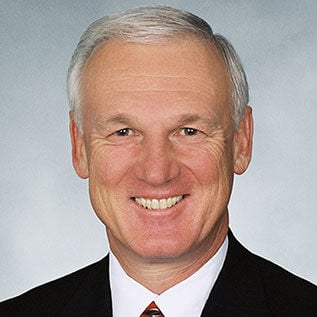
Ron Roberts, San Diego County Supervisor
Most people have heard of Roberts’s passion for adding aerial gondolas to our growing mass transit system, and now, thanks to a vote for an initial engineering study, the bay-to-park skyway is starting to take off. The first line would be a two-mile stretch up Sixth Avenue from the 12th & Imperial trolley station to Spreckles Organ Pavilion in Balboa Park. Think of moving not just the occasional cyclist, but all the crowds during December Nights and Comic-Con. “What’s not to love about a project that can fly a busload of people per minute, be powered by a 500-horsepower electric engine, pay for its operations with fares, and be fun for transit riders?” asks Roberts. The county supervisor has been enamored with aerial gondolas ever since he rode the zoo’s Skyfari in 1969, when it opened. In 2006, he was equally impressed when he rode a cable car line in Singapore that passed through the top floor of a high-rise. “Once San Diegans use this, I think they’ll find places to add more, as will other cities now considering skyways.” In fact, a federal or state grant may help fund the $75-million skyway, in the interest of beta testing it for other cities. San Diego seems to be an ideal place for a gondola network, given our unique topography. Where a trolley can’t climb a hill or descend a canyon, the gondola flies right over. Roberts envisions a system that connects our trolley, Coaster, and Sprinter stations, alleviating some of the tourist and commuter traffic into places like Pacific Beach or Sorrento Valley.
26 BIG Ideas
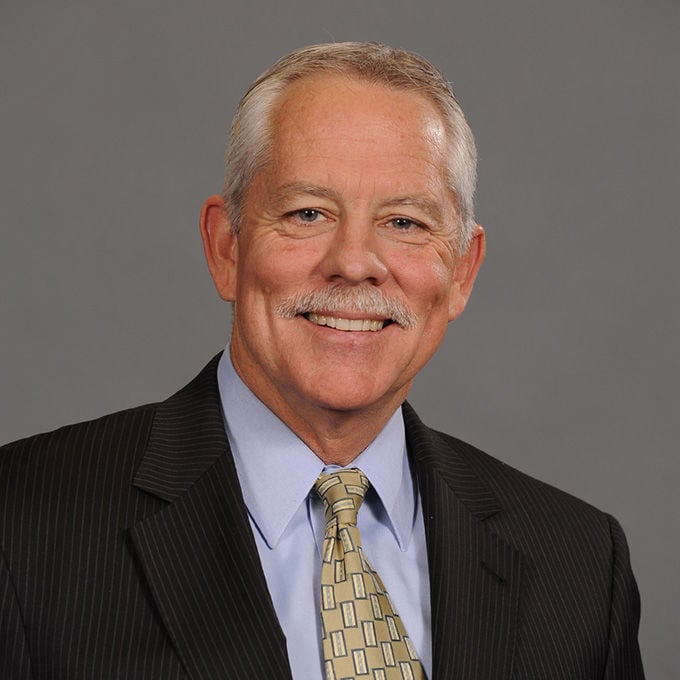
Kevin Crawford, CEO, United Way
The nonprofit world has long been missing the mark with redundancies and overlapping services. For instance, a mom might be given clothes when her child needs food and health care instead. “With the old model, a lot of good work was done but not in a coordinated fashion,” says Crawford. But United Way is changing all that. In City Heights, the organization collaborates with the Hoover Cluster of schools, which tracks and shares attendance records and reading scores. After identifying kids who are frequently absent, United Way places social work and public health interns from SDSU and Point Loma Nazarene into the classroom, who in turn reach out to the kids’ families. The interns then refer those families to area nonprofit programs and services that specifically address the issues causing the absenteeism. “They’re not just passing along a phone number, but developing a relationship,” Crawford explains. Later, they follow up to see if attendance and scores have improved. “Before, a lot of the effort was motivated by the heart, and the measuring of success was not as critical. But we’re in a day and age where we need to be more shrewd about outcomes and the cost of those outcomes.” The San Diego County chapter is just one of nine that are incorporating what they call the “collective impact model,” aligning resources among universities, school districts, and nonprofits. Here’s to United Way helping us make a united effort.
26 BIG Ideas
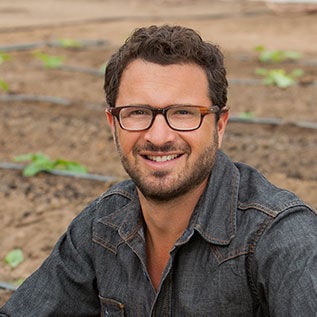
Daron Joffe, Director of Agricultural Innovation and Development, The Leichtag Foundation
When Joffe dropped out of the University of Wisconsin–Madison to buy a 175-acre farm, he got another education altogether. While he was successful in turning the land into a community-supported farm, he was living and working two hours from the nearest place where he could sell the produce and have a social life. That’s when Joffe, also known as “Farmer D,” quit and began consulting on community farms and agrihoods—housing developments built around crops instead of a golf course or pool. Joffe believes agriculture shouldn’t have to compete with urban sprawl. “There is still time to shift the paradigm to a symbiotic relationship where the land, people, and business all win,” he says. “Growing food closer to where people live helps to reduce its carbon footprint and increase freshness and nutrition, while connecting people to where their food comes from.” A community farm, he reminds us, can take root anywhere—rooftops, prisons, schools, corporate campuses, military bases, and hospitals. It provides education, a social platform, and more. In 2012, the Leichtag Foundation purchased the Ecke Ranch in Encinitas, a 67.5-acre, independently run, nonprofit community farm. About a dozen farmers live on site. “We’re creating a community farm in a really large neighborhood—the City of Encinitas—to engage community in the same way you would if you were designing an agrihood. It’s a somewhat reverse approach. We’re kind of retrofitting and preserving the presence of farmland in the area.”
26 BIG Ideas
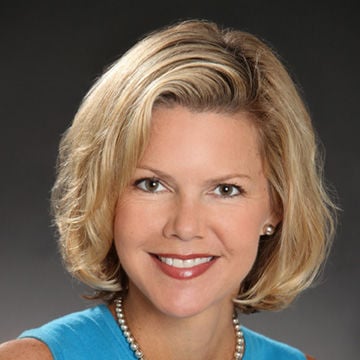
Katherine Stuart Faulconer, Honorary Chair, One San Diego
“Imagine showing up to work and your computer has vanished. Your boss expects you to complete your assignments, but without an Internet connection you’re going to fall behind,” says Faulconer, wife of Mayor Kevin Faulconer. “This is the reality for many San Diego children in struggling communities who don’t have the technology at home they need to do homework and keep up in class.” Faulconer wants to fix that. In its first year of operation, the nonprofit One San Diego provided more than 100 laptops for kids to use in libraries in Logan Heights, Southeastern San Diego, San Ysidro, and Linda Vista, courtesy of local organizations and businesses like the San Diego Library Foundation, Cox Communications, Wal-Mart, and Hewlett-Packard. “Imagine a city where everyone has the opportunity to succeed, no matter which neighborhood they call home.”
26 BIG Ideas
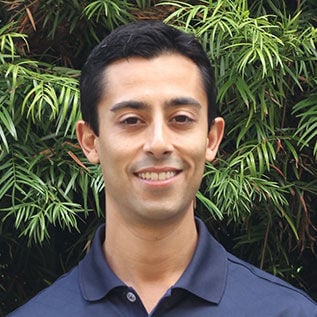
Eaman Talai, Founder and CEO, BoxedGreen
Given our transient population—Veterans! Students! Beach-loving nomads!—it’s no surprise that every year roughly half a million people in the county move. But that also means more than 12 million boxes are needed annually to accommodate those moves. Add to that the millions of boxes that stores and companies go through, and that’s a lot of cardboard waste. Though most gets recycled, local startup BoxedGreen is shifting people’s habits toward reusing before they recycle. “Recycling a cardboard box takes 70 percent of the energy needed to create a new box,” says Talai. “People sometimes forget about the ‘reuse’ in ‘reduce, reuse, recycle,’ but most boxes can be reused up to three more times.” His company’s website connects people who are moving with stores that have gently-used cardboard boxes. Customers buy the boxes, starting at $1 per box, and pick them up at retail stores and storage facilities in San Diego. Talai, who plans to expand to North County, got the idea after seeing stacks of perfectly usable cardboard at a neighborhood store. “It’s easy, good for the environment, and saves you money. No-brainer,” he explains. “We need to get to a point where anytime we discard something, we ask ourselves, ‘Can someone else reuse this?’ One man’s trash can really be another man’s treasure.”
26 BIG Ideas
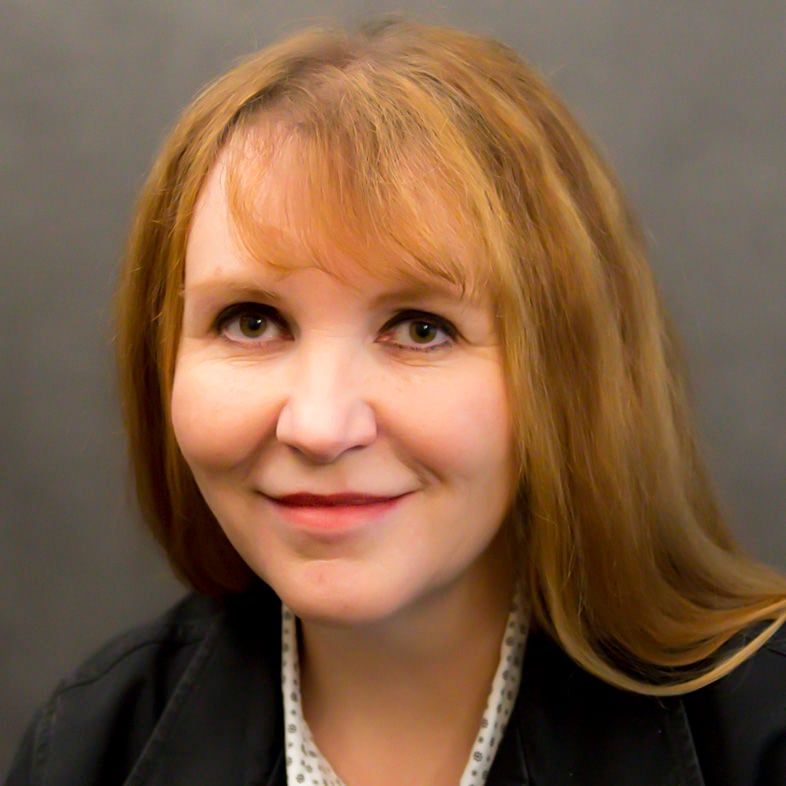
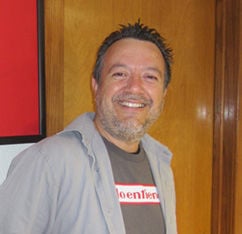
Lada Rasochova, Director, mystartupXX accelerator program at UCSD
âWhy aren’t there more female entrepreneurs in San Diego? Rasochova says she constantly meets women who don’t think their ideas are ready. “They typically do not want to participate in startup competitions, apply for various accelerator programs, or pitch to potential investors,” she says. “They think they need to work on their startup more before they are ready and before they can be competitive. Because of that, they miss opportunities.” In 2012, Rasochova co-founded mystartupXX (“XX” as in the female chromosome) to build confidence in female entrepreneurs. At their space in UCSD’s Rady School of Management, mystartupXX holds biweekly workshops where guest speakers help teams with all aspects of building a startup, such as legal, accounting, human resources, and IT. They also host “mentor mixers,” sponsor pitch competitions and conferences, and connect entrepreneurs with potential investors. “An important part of mystartupXX accelerator is creating a community of female startup founders so they can support each other.” Rasochova and her cohorts are succeeding in their mission. Case in point: the annual UCSD startup competition, E-Challenge. “Typically, women don’t participate and the finalists are very often 100 percent males. This year, for the first time in E-Challenge history the gender ratio was 50:50, with two female-led teams from mystartupXX competing in tech track finals out of four finalists.” Now that’s a ratio we can get behind.
26 BIG Ideas
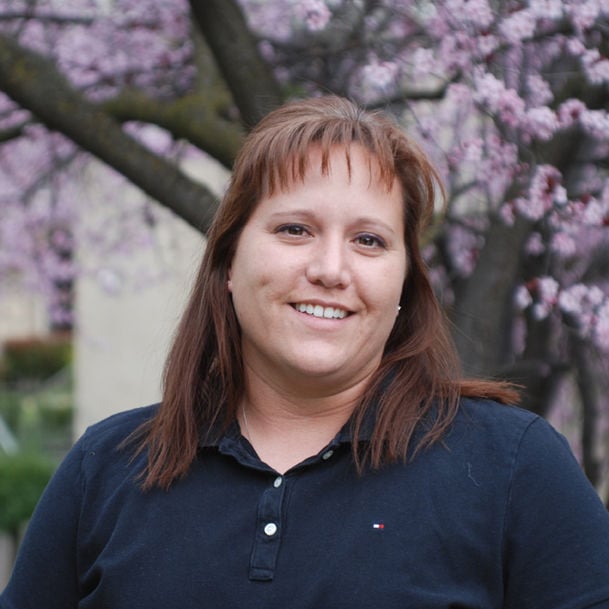
William Anthony Nericcio, Director, SDSU’s Master of Arts in Liberal Arts and Sciences program
In 2007, Dr. Nericcio published a well-received book called Tex[t]-Mex: Seductive Hallucinations of the “Mexican” in America, which later led to an art exhibit featuring many of the artifacts—such as stereotypical magazines and advertisements—that appeared in his book. Two years ago, a producer from Mexico City and another from Madrid approached him to ask if he’d ever considered doing an Anthony Bourdain–style TV show. They got a $750,000 deal from a Mexican production company and began filming Mextasy in San Diego, Los Angeles, and Mexico, with Nericcio as head writer and host. “If you see Latinos on TV, they’re crooked or naked or both,” he says. “My show is the flip side. It’s about all the smart people, the artists, the intellectuals, the restaurateurs—my friends and the people in my network. I never see these people on TV.” With several episodes in the can, he has been trying to sell Mextasy for a year. “The Mexican cable networks said it was too American, and the American cable networks said it was too Mexican.” It was recently screened alongside Bordertown, Fox’s new “Simpsons meets San Ysidro” animated series. But as for distribution, it’s hard to say what the future holds. “Mextasy is the greatest unsold project that’s ever been made.” We’re looking at you, Netflix and Amazon!
26 BIG Ideas
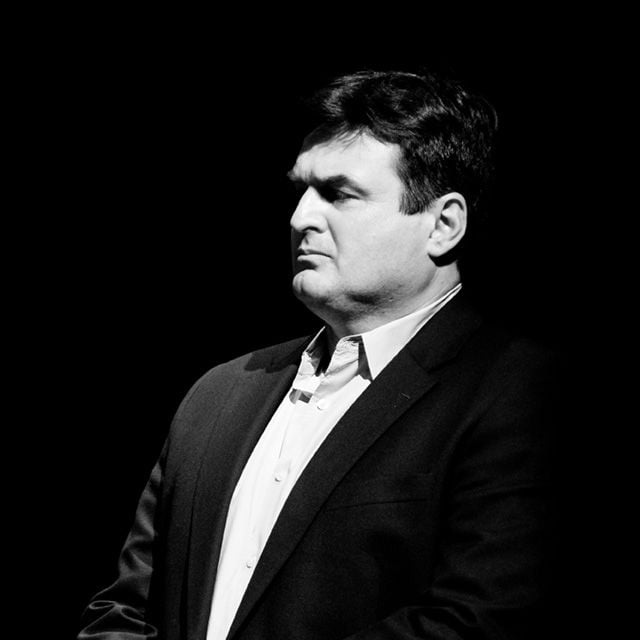
Christina Scherr, Region 6 Director, California Athletic Trainers’ Association
If your son or daughter is a student athlete, heads up: California is the only U.S. state that does not require athletic trainers to have certification. Scherr and her organization recently tried to pass a bill that would require trainers to take a “rigorous national certification exam” and earn a bachelor’s degree from an accredited university program. “Despite unanimous, bipartisan approval in the state legislature,” she says, “the bill was vetoed by Governor Jerry Brown this past September.” Thankfully, more than 70 percent of the country’s certified trainers have at least a master’s degree—and by the year 2022, it will be a requirement. But in the meantime, ATs are providing emergency care and rehab in our schools, among other services, and their expertise is critical. It’s not just footballers who are at risk for injury. According to the American Journal of Sports Medicine, football results in the most concussions, followed by soccer and lacrosse. Student athletes are also in danger of spine, growth plate, and overuse injuries, as well as sudden cardiac arrest. What’s a parent to do? Scherr, who is the only trainer serving all 23 of Torrey Pines High School’s sports teams, advises: “Verify if your high school’s athletic trainer is actually certified by searching his or her name on bocatc.org. If the person is not a certified athletic trainer, contact your school district and ask why they haven’t made student athlete safety a priority.”
26 BIG Ideas
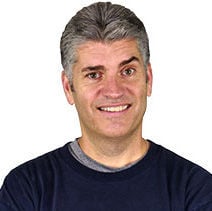
Howard M. Blackson III, Urban Designer, Michael Baker International
“The San Francisco Bay Area’s housing disaster tells us that our housing crisis will only get worse,” warns Blackson, “and doing nothing is not an option.” He proposes modeling our neighborhoods after San Diego’s beach areas, where “mixed-use walkable urbanism” rules the scene. “Our beach density model is essentially a residence or shop with three to five units that are no more than two or three stories on each lot.” This kind of development would support public transportation and small businesses “without dramatically altering our city’s character.” It would also instill a healthy, pedestrian-friendly lifestyle, and bolster local developers. Existing urbanized areas such as Southeastern San Diego, Golden Hill, and South Park are perfect candidates, as well as Bay Park, City Heights, and neighborhoods along our major corridors like El Cajon Boulevard and University Avenue. Unfortunately, there’s a fear of change. “‘Density’ is a polarizing term that eventually turns either to demands for no new growth or to building tall towers,” Blackson says. “Our home values are a major part of our personal wealth. Therefore, we are leery of any change that may affect any of that value. That’s why using a local model makes sense—as opposed to an imported Portland or Vancouver model.”
26 BIG Ideas
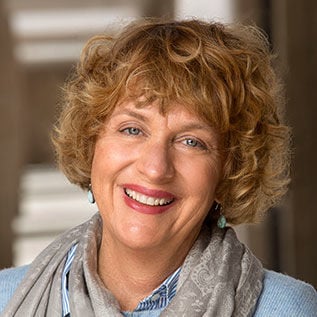
Justin Brooks, Director, California Innocence Project at California Western School of Law
When an innocent person goes to prison, the cost is high—not just to the accused, but to all taxpayers. Take into account the time spent by police pursuing a case, the use of prosecutors and defense attorneys (whom are paid by the county), and the expense of keeping the wrong person incarcerated. “All while the guilty person is walking the streets committing more crimes,” says Brooks. Since 1989, 1,702 wrongful convictions have been documented in the U.S., and according to Brooks, whose organization has exonerated 19 San Diegans so far, at least 6,000 of California’s 150,000 inmates shouldn’t even be in custody (most recently including Luis Vargas, who spent 16 years doing time for three sexual assaults that—according to new DNA evidence—were actually committed by the “Teardrop Rapist,” who is still at large).
“The leading causes of wrongful convictions are witness misidentification, false witness testimony, false confessions, bad police work, and bad lawyering,” Brooks explains. He’d like to probe deeper and do the kind of investigating that happens after a plane crash. “Law enforcement, prosecutors, and defense attorneys should come together and study the cases where people were wrongfully convicted.” San Diego is in a good position to set an example. “We already have a great public defender’s office and prosecutor’s office. The D.A. cooperates on exonerations in ways very few others do in the U.S. Our chief of police is open to reform. We now have body cameras and a low crime rate.” But to raise the bar, we should perform identification procedures based on the latest science. We should record all interrogations and use best practices to lessen the likelihood of false confession, throw out unreliable informant testimony, hire independent labs rather than police crime labs, and provide full discovery and maximum transparency in every case. How to fund these extra steps? He says we could stop pursuing costly death penalty cases, and use those resources to investigate uncharged rape and murder cases. To get the ball rolling, firsthand experience would be a great motivator for change. “I’d like to see every police officer, prosecutor, defense attorney, and judge spend one day in jail, so they have at least the slightest idea what people go through when the system gets it wrong.”
26 BIG Ideas
Ellen Potter, Director of Educational Outreach, Salk Institute for Biological Studies
The Salk Institute is best known for its groundbreaking scientific research, but few know the prestigious organization has been bringing science to the masses for decades. Dr. Potter’s department runs several programs that expose kids to genetics and biotechnology, subjects San Diego schoolteachers have requested because they lack experience with them. One such program is a mobile science lab that travels to middle schools and provides a three-day curriculum. “We’re not teaching content as much as awareness,” says Potter, who’s met kids in San Ysidro who have no concept of where La Jolla is, nor any clue about the breakthrough science being done on the mesa. “We want to show them that this work is fun and you can have a career and it’s close to home,” she says. “We want them to look at science as something they can understand. That’s our real mission.” Salk recently invited 300 girls from the San Diego Unified School District for a Women in Biotech presentation. And this year, Salk will begin SciChats—Skype tours and talks between researchers and students—as well as video curriculum for teachers. Sounds like science just got a lot cooler.
26 BIG Ideas
© weheartphotography.com
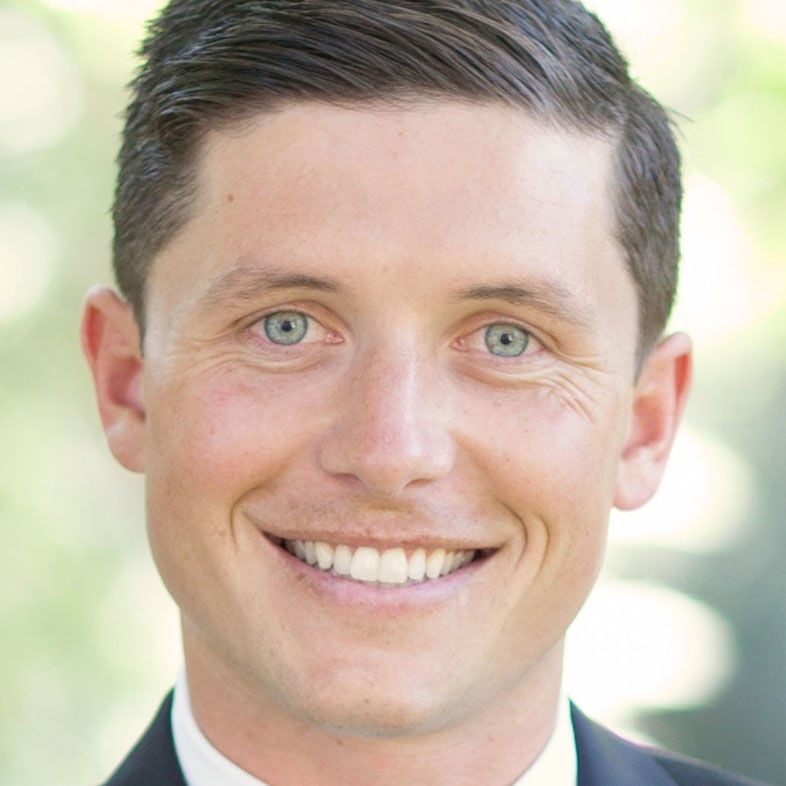
Nathan Cadieux, Vice President, The Corky McMillin Companies
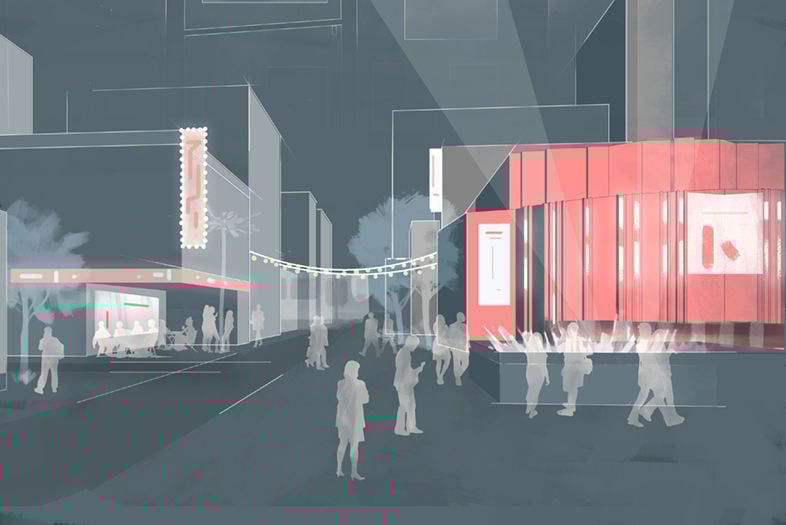
In 2016, Liberty Station is set to unveil a brand new look, particularly in its north end Arts District, with more pedestrian-friendly access and new boutiques and restaurants. The makeover will define Liberty Station as its own neighborhood and redefine what it means to be a community. “Our communities and shopping centers are very car-focused and consumerist. And technology means we’re hyperconnected but disconnected personally,” Cadieux says. “We’re creating a space that you can experience by foot, which is more intimate than driving around at 65 miles per hour from one place to the next. We’re pushing against societal laziness.” While Buona Forchetta, Liberty Public Market, and luxury cinema venue The Lot are set to open in the first quarter, the next phase of development will focus on utilizing even more outdoor space. That means less screen time, more sunshine.
26 BIG Ideas
Lauren Radack
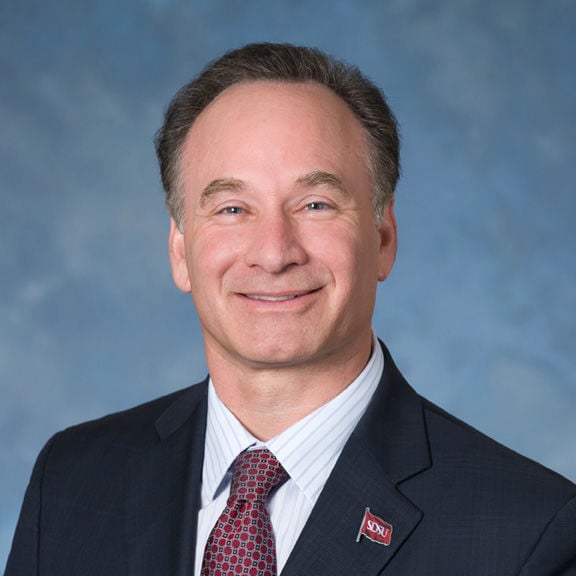
Elliot Hirshman, President, SDSU
Coming to the Aztec mesa in 2018: a $90-million, five-story, 85,000-square-foot Engineering and Interdisciplinary Sciences Complex. Bring on the engineers, biologists, climatologists, and entrepreneurs who will work together within its viromics, nanotechnology, and wireless technology labs; brain imaging center; and more. “It will provide unprecedented opportunities for our students, faculty, and staff to collaborate and learn at the cutting edge of discovery,” says Hirshman. It will stand next to the current engineering building with a quad in the middle, adding “a literal crossroads for our scientists, engineers, and entrepreneurs to gather, create, and innovate.” Go, Aztecs!
26 BIG Ideas
Illustration by Andrew Wagner
The San Diego designer has created more than 3,000 concert posters over nearly 40 years for artists including the Rolling Stones and the Red Hot Chili Peppers
Let’s start with his name.
No, not his birth name, Craig McKenzie Haskett.
Scrojo.
When he was in high school, he and his friends were trying to come up with the perfect name for their punk band that would encapsulate all their personas. Nicaragua. The Freds.
One of his friends said he was going to go by Jimmy Stacks and called it “the perfect rock and roll name.” Their names changed so much that Haskett erupted: “Fine, I’m f—ing Scrotum Joe, the true defender of the Open West.”
Their response: Wow, that’s a great name.
As a teenager, he drew chalkboards for Del Mar’s Pannikin coffee shop and would design T-shirts for surf/skate brand Life’s a Beach. He signed the shirts with his moniker, but even in punk rebellion, who wants a shirt with the words Scrotum Joe on it? “They just cut out the ‘t-u-m,’ and the next thing you know, a client referred to me as that, and it stuck,” he says.

Scrojo could have been part of a band as iconic as The Misfits—had he been able to learn the famously cumbersome bassline to The Kingsmen’s “Louie Louie.” Becoming one of the most renowned concert poster designers—someone who quite literally designed the cover of Art of Modern Rock: The Poster Explosion—is a pretty good Plan B.
“To my knowledge, he’s done more rock posters than anybody else alive,” says Dennis King, whose D. King Gallery in Berkeley, California, serves as one of the largest private rock poster collections in the world. “He’s the hardest-working guy in the poster business.”
King not only co-authored the sequel to music historian Paul Grushkin’s The Art of Rock, but he also handles distribution and sales for all of Scrojo’s work. That’s more than 3,000 different posters over nearly 40 years. (That’s over one poster each week. For four decades straight.)
For anything from boxing matches to rodeos, posters have long been used as promotional items. Toulouse-Lautrec’s famous lithographs advertised Moulin Rouge in the late 1800s. Around the same time, Hatch Show Print in Nashville was making handbills for the Grand Ole Opry.
“I propose this: Cave paintings are the first poster art,” Scrojo says.

Rock and roll posters took off in the 1960s, when the hippie counterculture era replaced conformity and suburbia. Artists like Jimi Hendrix and the Grateful Dead used their vibrant, psychedelic prints as a form of rebellion from the mainstream. Posters were promotional, commemorative, collectible, and especially expressive.
If the name Scrojo is any indication, he doesn’t shy away from imagery that toes the line of being too provocative. He focused more on what inspired him instead of trying to be offensive for the sake of getting attention.
“Didn’t want to show it to my grandmother, but my parents were fine with it,” Scrojo says with a laugh.
“We’ve had to ask him to put a Band-Aid over a nipple every now and then,” says Chris Goldsmith, president of Belly Up Tavern in Solana Beach, where Scrojo started out and hundreds of his posters currently line the walls.
Scrojo spent six weeks at Otis College of Art and Design for a summer semester before drugs, alcohol, and a self-described lack of discipline prevented him from enrolling full time. Still, he taught himself concepts like text hierarchy and later found his niche at the Belly Up and in the surfing and skating world, working with brands like Quiksilver, Rip Curl, Scorpion Bay, and DGK.
His first concert poster was for North County band Borracho y Loco, of which Goldsmith was bass guitarist. Scrojo drew an abstract version of the Belly Up’s iconic shark with colorful calypso and tiki themes.
Early on, he would craft using a pencil, pen, non-reproduction blue pencil, X-Acto knife, rubber knife, and proportion scale to create each poster, and the finished product could take a week or even longer.

“I recommend every artist coming up to do that for like six weeks,” Scrojo says. “It forces you to think about every design decision as you’re going along.”
He has since mastered vector imagery through Adobe Illustrator to the point where, depending on the level of detail needed, he could finish two projects in a day. Still, he fills sketchbook after sketchbook to blueprint.
“I liked his line in particular, and he knows how to draw, which a lot of people don’t really know how to do these days,” King says.
Scrojo would research what each musician’s merchandise looks like to get a feel for each artist’s tone and voice. Once he has his central image in mind, he focuses on what and where to place the text.
He doesn’t have one specific style, ranging his talents from art deco to psychedelic and everything in between (and outside the lines). Want a pop surrealist comic book cartoon devil with splattered paint textures, halftone dot patterns, and pure chaos? Red Hot Chili Peppers, February 1986. Want a minimalist graphic portrait with bold strokes and graffiti text? P!nk, October 2023. Want a carnival sideshow style piece with a tasteful caricature of Jeff Bridges? The Big Lebowski, August 2011.
Scrojo calls himself a jack of all trades because he can create posters for all music genres. King calls him a chameleon for his ability to adapt his voice to new eras.

“The variety of his skillset makes it possible for us to put 50 of his posters on a wall next to each other and have it look compelling, not just a bunch of the same thing over and over,” Goldsmith says.
Some of Scrojo’s favorite posters are when he feels a personal connection to the artist or the album. He has a vivid memory as a child of being trapped in a closet filled with marijuana leaves while playing hide and seek and staring at Jimmy Cliff’s “The Harder They Come” LP. “For whatever reason, as a kid, that sparked a desire to do graphic design,” Scrojo says.
Fast forward to February 2012, Cliff is performing at Belly Up. Scrojo decided to modify Cliff’s original album cover from rainbow gradient fills to classic reggae psychedelia while preserving Cliff’s striped pants and bold hat. Cliff’s manager called him and said they wanted to use it for the rest of their tour.
“We always get artists requesting that he does their posters,” Goldsmith says. “A lot of artists don’t want venues to go all rogue because they want to control how they’re being presented. With him, they’re like, ‘Let him go nuts.’”
Matt Eisenberg is an award-winning writer and photographer based in San Diego. A former ESPN editor, his work has also been published by CNN, Bleacher Report and the New York Daily News.
Explore restaurants, activities, and shops within this affluent North County community
The inland North County community of Rancho Santa Fe is often associated with wealth. It’s one of San Diego’s most expensive residential markets and is consistently ranked one of the highest-income zip codes in California and the U.S. Rancho Santa Fe is known for its large equestrian community including riding facilities and horse trails, as well as its country club lifestyle and associated golf courses.
At the center of this luxury master-planned community is a small, walkable downtown area referred to as the “village,” with The Inn at Rancho Santa Fe acting as both a landmark and social hub. Much of the community, including the historic Inn, was designed by acclaimed architect Lilian Rice, one of California’s earliest female architects. The Spanish Colonial-style architecture she brought to the village is still one of its defining characteristics today.
Whether you’re coming to Rancho Santa Fe for golf, horseback riding, or pampering at a resort spa, be sure to start with a short walk around the village to take in the neighborhood’s charm. Plan your next visit here with our neighborhood guide to the area’s best restaurants, things to do, and shopping.
Jump To: Restaurants | Things to Do | Shopping

Families congregate at The Pony Room for elevated California ranch-style cuisine. Lamb lollipops, carne asada tacos, burgers, and weekly dinner specials are offered here, alongside an extensive collection of wine and spirits (especially tequila) and sizeable kids menus. As the signature restaurant of Rancho Valencia Resort & Spa, this all-day eatery is a lively centerpiece of the local social scene.
5921 Valencia Circle
The piano bar at Mille Fleurs is the buzziest spot to be on Friday and Saturday nights in Rancho Santa Fe. French classics like escargot, lobster bisque, duck confit, and steak frites are the main dinner attractions at this local institution that has been around for more than 40 years. Spring for the four-course prix fixe menu before nabbing a coveted bar seat near the piano entertainer.
6009 Paseo Delicias
Nick & G’s is one of the most prominent restaurants in the village, with an outdoor patio that overlooks the main thoroughfare. Enjoy modern Italian food, steaks, and seafood dishes here, including homemade pasta, pizza, wagyu beef, and oysters. Be sure to check their live music schedule and events calendar for the latest happenings.
6106 Paseo Delicias
Named after renowned architect and planner Lilian Rice, Lilian’s is The Inn at Rancho Santa Fe’s flagship restaurant. Their upscale menus feature sustainable seafood, grass-fed meats, local produce, and even sushi rolls during dinner. Outdoor seating provides a bird’s-eye view of the village and an elegant backdrop for weekend brunch. Stop by Bing’s Bar (a nod to Bing Crosby) for craft cocktails, beer, wine, and light bites in a refined setting.
5951 Linea Del Cielo
Quaint cafe and bakery Thyme in the Ranch serves a small selection of breakfast and lunch items (don’t miss the tarragon chicken salad), but is perhaps best known for its pastries and baked goods. Cakes, pies, muffins, scones, and cookies fly off the shelves here, where locals come for special occasions, parties, and group catering orders.
16905 Avenida De Acacias
Located inside a historic building once home to Rancho Santa Fe’s original schoolhouse, Paseo RSF is one of the village’s newest dining options. The charming American bistro has pasta, salads, burgers, meat and seafood entrees, plus a thoughtfully selected California wine list and new sushi and omakase program. Kids and dogs are both welcome here.
6024 Paseo Delicias, Suite C
Grab a quick coffee to go from this walk-up window in the same shopping center as the post office. Cinnamon roll lattes, cold brew, spiced chai, smoothies, protein bowls, and more can be found at Rancho Roasters, where they brew beans from Dark Horse Coffee.
16950 Via De Santa Fe
Casual pizzeria and martini bar Goli is a popular spot for catching the latest sports games. Order one of their unique specialty pizzas like the Casbah with hummus and veggies, build your own pizza or burger, or go with one of their hearty wraps that’s made with an extra thin version of pizza dough.
18021 Calle Ambiente, Suite 403
Find generous portions of Mexican food at Cocina del Rancho, run by the same owners as Carlsbad’s Cicciotti’s Trattoria Italiana and Village Kabob. Get classic dishes like burritos, tacos, and enchiladas, plus their specialty items including pulpo, carne asada, and fajitas with lobster tail. Don’t skip the margaritas.
16089 San Dieguito Road
Kai Oliver-Kurtin is a San Diego-based writer who covers travel, dining, events, and culture. Her writing has been published in USA Today, Condé Nast Traveler, Fodor's Travel, Marie Claire, and HuffPost, among others.
We found a handful of inspiring people who live in, and truly know, these 'hoods and asked them how they’d spend their time out and about
Growing up in Carlsbad, I never quite understood why people vacationed there. What, so you want to check out the field where I have soccer practice? Pay my orthodontist a visit? Carlsbad just felt like a town by the beach, no better or worse than any other in the country. It took going to college out of state for me to actually understand just how rare a place like Carlsbad is.
Thanksgiving break my freshman year, my first time coming home after three months in the Midwest, my shoulders dropped. I rolled down the windows and drove to lifeguard tower 37—the hangout magnet for Carlsbad’s youths (and, in the summer, tourists)—and the smells of the ocean woke me right up like smelling salts do. I finally got it.
Carlsbad isn’t just a stopover town on your way to something better. It is the destination. Travel + Leisure named Carlsbad one of the top 50 places around the world to travel in 2026. From the whole globe, the travel magazine picked my home. Sure, we’ve got the Flower Fields and Legoland—but now it’s the smaller ships and indier dreams that are giving it street-level character.
It’s not just Carlsbad, either. People have talked about the “North County bubble” for decades—a force field that prevents its residents from traveling south of the 56. It’s often used derogatorily, and it’s a fairly accurate burn.
For decades, living up in North County meant giving up on culture, or at least culture within close proximity. But now, the main expansion of San Diego culture is happening up north. Central San Diego restaurants have started taking notice and are expanding into the area—spurred no doubt by Oceanside’s food boom and the Jeune et Jolie–Campfire–Wildland–Lilo constellation in Carlsbad. City Heights burger joint Key & Cleaver opened a new spot in Oceanside; the owners of Parc Bistro-Brasserie in Bankers Hill opened Parc Lounge in Rancho Santa Fe. Possibly the strongest market indicator is that Sam Fox—one of the most successful restaurateurs west of the Rockies—has started focusing on North County for his concepts. In 2025, he opened both The Henry in Carlsbad and Culinary Dropout in Del Mar.
For the ultimate insider guide, we found a handful of inspiring people who live and create and truly know six North County neighborhoods—San Marcos, Escondido, Oceanside, Leucadia, Rancho Santa Fe, and Vista—and asked them how they’d spend a dream day out and about in their town.

San Marcos is in full renaissance mode. The biggest story is that the grand North City vision is starting to peek through the scaffolding. It’s essentially the North County Downtown that’s been written in the tea leaves and discussed whenever someone gets stuck in traffic at the 5/805 merge: a 200-acre, pedestrian-friendly, mixed-use face-changer that’s slated for 2,600 homes, 350,000 square feet of retail and restaurants, 250 hotel rooms, and about a million square feet of offices and labs. Its most recent manifestation is 222 North City—a 12-story residential tower with over 450 residences, rooftop garden, pool cabanas, art installations, and almost 20,000 square feet of ground-floor retail (Necessity Coffee, Buona Forchetta, Draft Republic, Milonga Empanadas, and a grocery store anchor on its way).
Which means Restaurant Row is no longer burdened with being the primary caregiver for the hungry or the socially inclined. Patricia Prado-Olmos has watched the city morph during her nearly three-decade tenure at CSUSM, having spent the past six years as the school’s chief community engagement officer. She also just announced her forthcoming retirement at the end of the 2026–2027 school year, so she’ll have even more time to haunt local haunts.
Those in the know call the university “Cal State StairMaster” from the Sisyphean amount of stairs on the hillside campus. So, any day at or around CSUSM should start with a homestyle carbo-load (biscuits and gravy) from Mama Kat’s.

“There’s something about this breakfast spot that immediately puts me in a good mood,” she says. Mama Kat’s is also known for its pie (strawberry-rhubarb), which is breakfast if you change your perspective.
After a few hours on campus—with a break to pet the university’s official therapy goldendoodle, Frank, who helps ease finals tremors or apprehension of on-campus stairs—Prado-Olmos will wander into North City, just steps away. She says the almond croissant and coffee at Christophe Rull Patisserie rival Parisian cafés: “It feels like the kind of place you’d stumble across in a much bigger city.”
Rull, a Michelin-trained pastry chef who’s done stints on Netflix (Bake Squad) and Food Network (Super Mega Cakes, Halloween Wars), opened his patisserie last fall. The hype hasn’t cooled off yet: Get there early because the crowds do.
Emma Veidt is an editor at San Diego Magazine. She earned her bachelor's and master's degrees from the Missouri School of Journalism. She loves running, hiking, and rock climbing, but really, she mostly loves encounters with the street cats around North Park.
A customized memory-filled explosion gift box is a creative way to show someone you care
Finding a gift that feels truly personal can be surprisingly difficult. In a sea of generic options — flowers, gift cards, candles, and the like — Xplosion Box offers something more lasting: a customized keepsake built around the photos, messages, and memories that matter most.
Founded by Southern California entrepreneur Jay Vijay, Xplosion Box LLC creates fully customized explosion gift boxes that arrive professionally designed, printed, assembled, and ready to gift. Each box opens layer by layer to reveal personal photos, heartfelt messages, pull-out albums, origami-style photo pockets, and hidden notes, turning a simple gift into an emotional reveal.

The brand was built for people who want to give something meaningful without spending hours printing photos, cutting paper, folding cardstock, or assembling a DIY project. Customers simply choose a box, upload their favorite photos, add personal messages, and the Xplosion Box team transforms those details into a polished keepsake that feels thoughtful, personal, and beautifully made.
Xplosion Box offers personalized gift boxes for birthdays, anniversaries, weddings, graduations, Mother’s Day, Father’s Day, Valentine’s Day, Christmas, proposals, bridesmaid gifts, long-distance relationships, and thoughtful “just because” moments.

Customers can choose from flexible customization options starting at $27. The Mini Surprise Box includes 10 photos, three message cards, and one hidden secret note, while the Mega Surprise Box offers a fuller keepsake experience with 40 photos, three message cards, and one hidden secret note.
What sets Xplosion Box apart is its high level of customization combined with convenience. Filled with personal photos, custom text, decorative details, and layered surprises, each box gives customers the freedom to create a gift that feels one-of-a-kind — without having to make it themselves.
At its core, Xplosion Box helps people turn favorite photos, stories, and words into something tangible: a keepsake that can be opened, revisited, and remembered long after the occasion has passed. asion has passed.
New editor Emma Veidt gives an introduction and her ode to the once-sleepy, now slept-on North County
I am fairly sure they don’t let you graduate from Carlsbad High School without a W-2 from Legoland. Being a Legoland MC (Model Citizen, the employee’s moniker) is a rite of passage for all of us who grew up in North County. If you spent a day at the theme park in the 2010s, I probably pointed you toward the Granny Apple Fries or measured your height at a ride entrance.
And now we meet again. I can still point you to quality fries.
This is my first full issue as the new print editor for San Diego Magazine. But it’s not my first time here: I was an editorial intern for these pages back in 2018 (see photo). To be a part of a constant study of the city, its people, its culture, then finding the most compelling stories and bringing them to life—it was incredibly impactful and solidified my decision to pursue all of this (local, print magazine journalism) as a career. Since my internship, I’ve gotten my bachelor’s and master’s degrees from the Missouri School of Journalism and worked for nearly five years at Backpacker magazine. And I’m back at San Diego Magazine, baby. There’s a real magic to narrating the lives lived and dreams dreamt in the place that built me. I am excited to be a part of building the culture of where I’m from. And, born in Tri-City Medical Center and raised in Carlsbad, I can’t think of any other place than our North County issue for me to make my grand entrance as an editor.

To me, North County isn’t just where I’m from; it’s home. Throughout the years, I have run thousands of miles (I did the math) up and down the 101 between Oceanside and Cardiff. I’ve spent thousands of dollars (an estimation, too painful to do the actual math) on BRCs—beans, rice, and cheese burritos—from Lola’s, Juanita’s, and the late, great Pollos Maria.
The stretch of land between Camp Pendleton and the 56 is easy to love. We’re quieter and a little more zenned out than our lower-latitude neighbors, sure, but we’re neither sleepy nor boring.
Do you think Scrojo, the Belly Up’s punked-out poster artist featured on page 68, could last a day somewhere boring?
What I’ve always loved about North County is that the culture shifts every couple of miles as you reach a new town. For years, the media seemed to cast the realm above the merge as a two-toned monolith: sleepy surf towns to the west, suburbs and country living to the east. The nuance of each section seemed flattened or clumped. I think you’ll see the vastly different cultures of North County in this issue—but all distinctly San Diego. Which is to say a little mellower, fewer airs, come as you are.
It’s hard to imagine that the dusty trails and vibrant, muraled alleyways of Escondido are just miles from the barefoot surfers roaming Leucadia. Even though the SDM editorial staff is made up of two lifelong locals and other longtime residents, we don’t pretend to be the experts on every street. What a good city media company does is find the people who are experts, who have a unique hyper-local perspective—and give them the stage.
So we picked six North County neighborhoods—Oceanside, Vista, San Marcos, Leucadia, Rancho Santa Fe, and Escondido—and reached out to artists, community leaders, business owners, anyone making their neighborhood brighter, and we had them describe their perfect day out and favorite things that give their neighborhoods meaning and culture. These itinerary curators included San Marcos’ Patricia Prado-Olmos, Leucadia’s Jeff Schade, Oceanside’s Aaron Crossland, Escondido’s Suzanne Nicolaisen, Rancho Santa Fe’s Charo Garcia-Acevedo, and Vista’s Steve Glaudini. If there’s anyone who lives and breathes North County, it’s them. Check out their recommendations in our feature on page 56.
This month, we’re also going back in time almost 15 years to the Big Bay Boom. Yes, that meme-ified Fourth of July fireworks show where enough pyrotechnics for a 17-minute show went off at once over San Diego Bay. Content Chief Troy Johnson remembers the day and dug back through the story for a hilarious locals’ take on the big debate: Was it the worst fireworks show of all time, or the greatest? (Page 38.)
Before I leave you to our hard work, a sentimental note. When my parents moved from St. Louis to San Diego in the early ’90s, my mom subscribed to San Diego Magazine to learn about her new neighborhood. Now, over three decades later, I’m here—on this planet and in these pages. I thought about my parents a lot as we worked on this issue. Maybe there are a couple new San Diegans reading this magazine for the first time. Maybe that’s you.
Well then, to both of us, I say, “Welcome.” Let’s do this.
Emma Veidt is an editor at San Diego Magazine. She earned her bachelor's and master's degrees from the Missouri School of Journalism. She loves running, hiking, and rock climbing, but really, she mostly loves encounters with the street cats around North Park.
Eighteen seconds, one unforgettable mistake, and a Fourth of July story that somehow gets better with age
There’s a famous video.
“This is insane!” the guy filming it seems to proclaim. “It’s the best fireworks show ever!” a companion confirms, inspiring a debate lasting over a decade.
All told, 7,000 fireworks exploded in the span of 25 seconds over San Diego Bay on July 4, 2012. A Michael Bay amount of unison. $125,000 worth of shells, cakes, Roman candles, and skyrockets had been placed on a barge—enough for 17 minutes of decorative sky flares—and…
Boom.
The sky looked like someone had set a giant Rorschach test on fire. Or as if whatever we all see in our Rorschachs—butterflies, clowns, tongue kissing, dads—was being electrocuted and lifted heavenward, amen. It was shocking how bright it was, how much it sizzled the local cosmos. Could’ve been one of those sci-fi films where a hole is ripped open between warring universes. But angstier, more metal—the work of some methy creator in a sleeveless concert tee.
The sound?
Lou Reed once released an entire album that contained 64 minutes of mindflaying guitar screeches and machine noises. No regular songs, just a fascinating amount of ear distress. His record label reps no doubt heard the melodic outro of their careers, but everyone else was in pain and stumped. That album still sounded better than the bay did that night. The bay sounded like a god who struggled with emotional regulation had blown his speakers and was working through the anger stage of AV grief.
In the left frame of the video, a middle-aged woman is attempting to drag her husband off by the hand. In no way does he want to go, possibly because he had missed the time Roseanne Barr sung the national anthem at a Padres game, simultaneously disemboweling and amusing America through the power of song. He would not willingly abandon an equally worthy San Diego trainwreck.
Another woman in the video appears to have just filled her beer, rushing to sit down for the show. She pauses mid-sit and returns to the full and upright position to properly bear witness. What was supposed to be prolonged entertainment has been so radically shortened that she will have to find another reason to drink. Lucky for her, drinking will be the only way to adequately process.
Locals remember the conspiracy theories. People wondered if the fuses had been tripped by a saboteur who was sympathetic to dogs, fish, or the growing suspicion that late-stage capitalism is a gorgeously branded but impossible dream sustained by remarkably efficient top-tier wealth retention and the soft compliance of fireworks-watchers who can no longer afford a house, a beer, or the personal impacts of human reproduction.
Speaking of being terrified of babies, babies were terrified. The children who witnessed it probably still can’t go near a candle store. But those kids will be tougher, perfectly scarred kids. They’ll write better songs.
That night helped us absolutely dominate the national news cycle. For a hot minute, we became America’s water-skiing squirrel. Now, years later, when you Google “fireworks gone wrong,” San Diego is always a top contender, along with that poor Nebraska family who nearly wiped out a couple generations in their front yard, their minivan somehow turning into a howitzer of recreational TNT.
There is still debate as to whether Big Bay Boom 2012 is the worst or greatest fireworks show of all time. But the advanced parts of civilization arrived at the truth as quickly as the women in the video did. It was undeniably amazing.
First of all, the point of Fourth of July fireworks isn’t “the intricate choreography of sky fire over a guaranteed amount of show time.” It’s about creating a vivid memory shared with some people you like, love, or would like to love.
BBB2012 used large-scale chemical fire to create the ultimate memory.
Sure, some people who iron their jeans subjected their family to a sermon about how San Diego managed to botch America’s birthday like a Disney princess-for-hire who smelled of quite a few Sauvignons.
The rest of us saw how perfectly it nailed the actual feeling of being an American. Because only a miniscule percentage of us bake postcard apple pies where every inch of crust is perfectly laminated like the wood in an Irish bar. Very few of us can paint on par with Picasso. The rest of us—despite truly believing in our America-activated abilities to achieve greatness in almost any field of our choosing—burn pies. We try to paint only to realize it looks like our fine motor skills have entered active death.
That’s why BBB2012 was the most perfectly American fireworks show ever: A wildly ambitious idea galvanized thousands upon thousands of people to both work on it and come to hold a beer and gawk at it, only to have it fail in the most glorious TMZ-level spectacle.
America isn’t about immaculate, storyless wins. It’s about how the framework of a country is solid enough that we can accidentally detonate our entire lives—a few times—and still probably be OK.
No one has America’d quite like San Diego did on that day. It was performance art. Lou Reed’s heart slow-clapped. Any brief municipal embarrassment quickly became a pride of our people. I can only hope the same for the Nebraskan yard family whose Dodge Aerostar became a hyperactive Death Star.
P.S. Local writer Maya Kroth compiled a quite great oral history of that night for Thrillist. The bottom lines for me were—it took nine months to prepare, no one was hurt, and even though the pyrotechnics company tried to zero out the bill, Big Bay Boom founder H. P. “Sandy” Purdon refused and paid them in full. This year will mark the 25th Anniversary of the yearly Big Bay Boom.
Troy Johnson is the magazine’s award-winning food writer and humorist, and a long-standing expert on Food Network. His work has been featured on NatGeo, Travel Channel, NPR, and in Food Matters, a textbook of the best American food writing.
It’s a Self-Care Summer. Because your best self is our favorite self.
If you’re anything like us, it can be easy to get so caught up in taking care of everyone else, that your own needs get lost in the ether. But while this may be a cliché, that doesn’t make it any less true: You can’t give your best self to other people unless you’re taking care of yourself.
Sometimes, that looks like stopping in for your regular acupuncture or chiropractic appointment. Other days, it means giving your body the fresh, organic fuel it needs to truly feel and function at its best. And some other times still, it involves leaving your responsibilities behind for a weekend to pamper yourself at an incredible resort and spa.
Only you can decide what your truly need. We’re just here to help you find the best ways to get it.

Island living meets desert luxury at the Tommy Bahama Miramonte Resort & Spa in Indian Wells. When you step onto the 11-acre property, you’ll be surrounded by sweeping view of the Santa Rosa Mountains with olive trees and fragrant citrus groves decorating the grounds. In other words, everything about this relaxed but refined resort is primed to help you let go of the stress from home and enjoy easy sun-soaked days and gorgeous starry nights.
The rooms blend calming, woven textures with Tommy Bahama’s signature tropical prints and feature private lanais, making it easy unwind the moment you walk in the door. If you book one of the four Villa Suites, you’ll be treated to exclusive Tommy Bahama furniture and unique personal touches to further that feeling of instant ease.
At the award-winning Spa Rosa, the expert team will help reset and recharge your body and mind using methods and rituals inspired by the desert. The 12,000-square-foot retreat includes outdoor soaking pools, eucalyptus steam rooms, and outdoor cabanas, as well as massages, facials, and body masks—all aimed at creating a day dedicated to you. We’re particularly partial to the Day Long Escape, an indulgent all-day affair of CDBs soaks, renewing scrubs, life changing massages, and transformative facials.
Following your treatment, continue the experience with a meal on the patio at Grapefruit Basil. We love the Hamachi Crudo, a light, citrus-forward dish featuring premium yellowtail, house-made ponzu, creamy avocado, and fresh seasonal garnishes.
Whether you’re strolling the gardens, relaxing beside its saltwater pools, or indulging in a restorative treatment, you’ll be able to escape in style and relax in luxury at the Tommy Bahama Miramonte Resort & Spa.

There’s no shortage of ways to stay active in San Diego—but if you really want to enjoy everything the city has to offer, you’ve got to make sure you’re giving your body its tune-ups. Enter: Healcove Chiropractic. The board-certified chiropractors and wellness professionals at Healcove are experts at addressing that stage where you’re not injured, exactly, but you’re not at 100%, either. Maybe you’re feeling a bit tense or stressed out. Or it could be that you’re not quite moving the way you want to. Sometimes, it’s just that the accumulation of days, weeks, or even years of daily strain is starting to take a toll. No matter what stage you find yourself at, the Healcove Chiropractic team can provide integrated, preventative care centered on long-term, science-backed approaches that ensure you can always stay active and live the life you want to live pain-free.
This starts by providing truly individualized care. Every patient can expect a thorough 60-minute consultation session that includes a posture and movement screening. This allows the team to develop a completely personalized plan. That plan might include chiropractic care, acupuncture, or massage therapy, as well as functional fitness training, vibration and sound therapy, and Dynamic Neuromuscular Stabilization, a clinical rehabilitation method that retrains the body’s stabilization systems. Whatever the team recommends, you can be sure that it’s tailored to meeting your body’s needs today and the future.
There’s a reason that San Diego Magazine named Healcove the “Best Chiropractor in San Diego”—don’t wait until you’re struggling with an injury to find out why. Book an appointment today for holistic, integrated care that helps ground and heal your body before it reaches a crisis point.

West Coast wellness culture meets the community feel of Southern Appalachia at Juice Holler. Juice Holler’s menu consists of made-to-order smoothies and smoothie bowls, as well as grab-and-go cold-pressed juices, wellness shots, salads, and more. It operates from the blissfully simple premise that fueling up with food and drink that’s guilt-free and good your body should be simple, accessible, and, above all else, delicious. And if you haven’t yet made it out to the Encinitas café, which opened just this year, let us be the first to tell you: Juice Holler delivers on each and every of these fronts.
We love the Supercharger smoothie, a mood-lifting and body-fueling option made with banana, almond butter, blue spirulina, maca, grass-fed whey protein, raw cacao nibs, medjool dates, and coconut milk. We’re also partial to the Thrive Alive smoothie bowl, where avocado, mango, sea moss, spirulina, mint, coconut milk, and agave are mixed and topped with coconut, chia seeds, strawberry, mango, and chocolate drizzle. The wellness shots include the Detoxifier, a cleansing blend of kale, cucumber, lemon and spirulina, plus a shot specially designed to fight inflammation (named, fittingly, Anti-Inflammation). Probiotic overnight oats, lemon turmeric bars, and strawberry shortcake chia pudding are other standouts on the grab-and-go menu.
Much of the vibe feels beachy North County chic—think green tile with orange and pink accents, grounded with greenery and natural wood—but Juice Holler founder Kelly Sergott, a longtime Encinitas local, has also enfused the space with her Kentucky roots. In Appalachia, a holler is small valley between hills and mountains, where nature reigns, community is king, and nourishment comes right from the land. At Juice Holler, Sergott has created a holler for the busy modern times, using local ingredients to create a spot for people to come together and enjoy fresh, fast, feel-good fuel for their day.

We’ve all had that experience with a medical professional where we’ve felt rushed, ignored, or misunderstood—and ultimately, like we didn’t get the answers that we needed. But at Everwell, the holistic acupuncture practice located in Solana Beach, the care team wants to transform your understanding of what healthcare can look like.
Patients at Everwell experience care rooted in intentional listening and radical empathy—and trust us, those aren’t just corporate buzzwords. This place actually puts those ideas into practice. You will always be given the time you need to tell your story— initial in-take appointments are two hours long—and you can rest assured that your story will be believed. Every single question and concern will be addressed by a dedicated practitioner who wants to find the specific solutions that work best for you, and you’ll receive care that’s aimed at healing the body, mind, and spirit.
Everwell’s highly trained, doctorate-level practitioners blend evidence-based acupuncture with the practice of classical Chinese medicine. (If you’ve never tried acupuncture before or aren’t sure if the team will be a fit, we’d highly recommended Everwell’s complimentary 20-minute consultations.) Research shows that by stimulating specific points on the body, acupuncture activates a natural healing response in the body, helping to restore balance, regulate the nervous system, and improve overall wellbeing. This allows the practice to address an incredibly wide range of conditions from chronic pain and autoimmune disorders to digestive issues, from stress and burnout to headaches migraines, fertility and postpartum struggles, hormonal imbalances, sleep concerns and more.
At Everwell, you can expect to feel heard, trusted, respected, and cared for. This is a space that doesn’t want to be just another healthcare provider you visit; it wants to provide patients with dedicated partner who will be there for their entire health journey.