Featured articles
Things to Do
Food & Drink
Food & Drink
Featured articles
Things to Do
Arts & Culture
Arts & Culture
Featured articles
Things to Do
Things to Do
Things to Do
Featured articles
podcast-ep
podcast-ep
podcast-ep
Featured articles
Arts & Culture
Arts & Culture
Features
Featured articles
Things to Do
Arts & Culture
Partner content
Ready to know more about San Diego?
SubscribeReady to know more about San Diego?
Camps, classes, and activities for San Diego’s youngest—and perhaps busiest—residents
CATEGORIES
Arts + Science | Weekend Fun | Sports + Athletics | Animal Encounters | Food + Sweets
89 Things to Do With Your Kids in San Diego
The New Children’s Museum
On the third Saturday of each month, the Birch Aquarium hosts a SEA (Science, Exploration, Adventure) Day where guests can meet researchers from Scripps Institution of Oceanography, partake in hands-on science, move through activity stations, and flex creativity with a thematic craft. All ages, $14/child, $18.50/adult.
2300 Expedition Way, La Jolla
During Family Sundays, children use an interactive treasure map to get to know the museum’s exhibits. They also make art, take home prizes, and enjoy chamber music ensemble Camarada. April 9, otherwise on the third Sunday each month. $5.
1439 El Prado, Balboa Park
This charming spot, tucked in the far corner of Balboa Park near the Air & Space Museum, has been entertaining children with hand puppets and marionettes since 1947. Check online for show schedules, which rotate weekly (Wednesday–Sunday). $5.
2130 Pan American Plaza, Balboa Park
This museum is known for its artist-in-residence series, and has a corresponding four-week Kids-in-Residence after-school program where students work with the visiting artists. Lux also offers an open studio for teens, classes, and camps; its summer sessions are especially popular, and campers get to exhibit their work at the end. Ages 5–17; prices vary.
1550 South El Camino Real, Encinitas
In a stunning Rob Quigley–designed building, explore a collection of age-specific exhibits, each one a collaboration between an artist and child development specialists. You won’t see any Disney or comic characters here—everything is about the imagination. Art studios, a garden project, innovators lab, giant sandbox, karaoke space, and more all offer an educational and interactive environment. Toddlers and up; $13.
200 West Island Avenue, Marina District
Budding coders can get a jump on their career path with this program offering nine levels of classes (one of which is a community service initiative) taught by professional programmers. Students who complete all levels are eligible for Java certification. Grades 5–12; $240/month.
12625 High Bluff Drive, Carmel Valley
This nonprofit community music school starts music appreciation and education early, beginning with mommy-and-me classes for babies. As kids grow, they can take private lessons or affordable group lessons for all kinds of instruments. Student bands have the opportunity to perform for the community. All ages; $26/private lesson.
2590 Truxtun Road, Liberty Station
89 Things to Do With Your Kids in San Diego
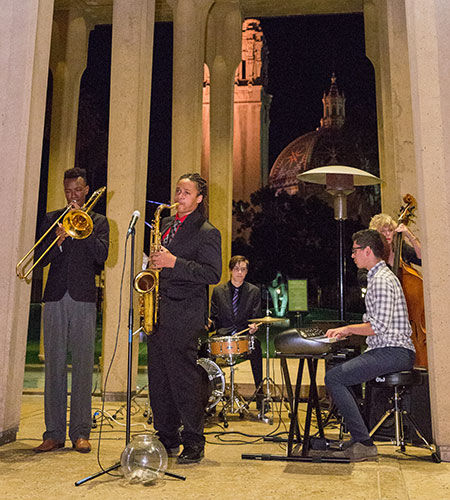
Young Lions | Photo by Jennifer Siegward
Walk-ins are welcome at both Ceramicafe locations. Paint ceramics, mosaics, clay, and more. Turnaround time for finished pieces is just five days. Ask about school projects, fundraisers, and organized parties.
3435 Del Mar Heights Road, Carmel Valley and 5500 Grossmont Center Drive, La Mesa
A wonderland of model trains, mini villages, and interactive exhibits at a kid’s-eye level can be found in Balboa Park. Ask for their scavenger list so your small fry can search for miniatures like a shark in a pool, a drive-in movie, rock climbers, and more while exploring the colorful displays. All ages; $4–$10.75; kids under 5 free.
1649 El Prado, Balboa Park
Enroll your child in one of San Diego Junior Theatre’s arts, dancing, singing, movement, or acting classes that are offered at locations all over the county. After-school programs and production workshops are available by grade and theme. Grades PreK–12; $140–$190.
1650 El Prado, Balboa Park
Mentored by famed jazz musician Gilbert Castellanos, the Young Lions (aka local jazz prodigies) perform jam sessions every Wednesday from 6 to 8 p.m. at Panama 66. Kids can enjoy the live music and run around the enclosed sculpture garden.
1450 El Prado, Balboa Park
89 Things to Do With Your Kids in San Diego
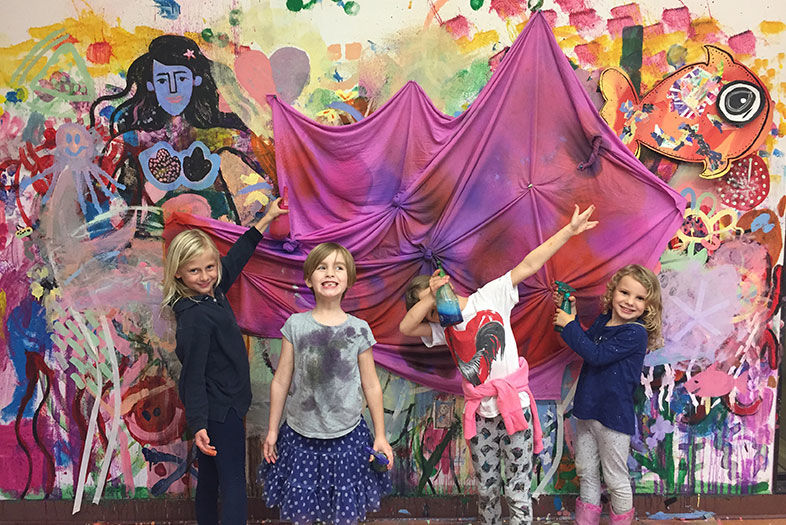
Pachis Art Studio for Kids
Founder and owner Juliana Flores offers art classes, workshops, and camps. The curriculum balances structure and open expression to create a safe environment for kids to unleash their artistic capabilities and make meaningful artwork to bring home. Ages 18 months–10 years; $25–$30/drop-in class.
2820 Roosevelt Road, Liberty Station
At the Just For Kids cooking classes, young chefs work together in teams to create their own dishes and sauces. Each class ends with a taste-off. Ages 7–13; $49/class.
512 Via de la Valle, Solana Beach
Allow your child the freedom to paint whatever and however they like at Clay ’N Latte’s paint-your-own-ceramics studio and creativity lounge. Children are provided with paint, tools, and a variety of ceramic pieces to choose from. Staff members glaze and fire the completed masterpiece, which is then available for pickup six days later. All ages; $6/child, $8/adult, plus price of ceramic.
20 Main Street, Vista
89 Things to Do With Your Kids in San Diego

Saturday Science Club for Girls at the Fleet
Monart is an educational drawing method with a studio in Liberty Station. Work on fundamental drawing skills while improving focus, fine motor skills, hand-eye coordination, problem solving, and self-confidence. Morning and evening studio classes are available; the first class is free. Ages 4–16; $20/class, camps start at $140.
2590 Truxtun Road, Liberty Station
The name sounds intimidating, but future animators or video game designers will be eager to jump right in at this learning center for digital art. Ages 6+; $205/five classes.
2690 Historic Decatur Road, Liberty Station
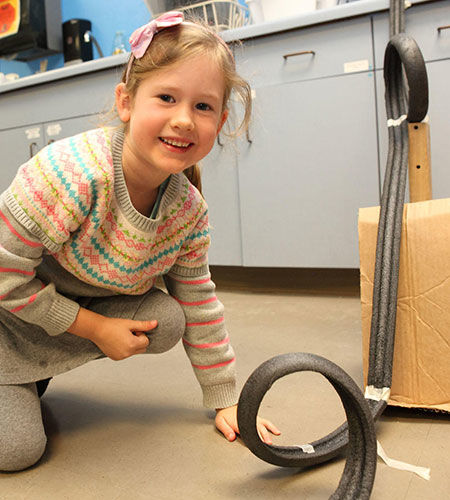
Girls in grades 5–8 are invited to investigate contemporary science topics every second Saturday of the month at the Fleet Science Center. Each lesson features hands-on activities and interaction with local female scientists. Students face exciting challenges within a variety of fields, including biology, physics, and robotics. $15.
1875 El Prado, Balboa Park
89 Things to Do With Your Kids in San Diego
Belmont Park | Photo by Jennifer Siegwart
This amusement park is kid heaven, with rides, arcade games, mini golf, an escape room, wave machines, and more. At the Mission: Impossible–style Lazerblast, players must duck, dive, and roll to avoid touching the laser beams on a timed course. Ages 5+; free admission and parking; rides start at $3.
3146 Mission Boulevard, Mission Beach
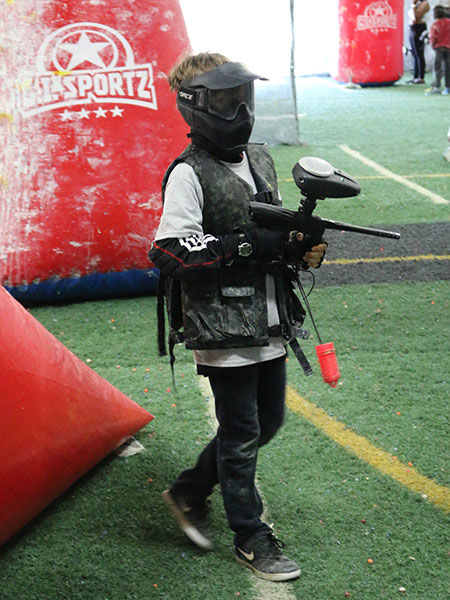
Kids will love this indoor paintball venue, where the two playing fields have plenty of inflatable obstacles to shoot around (or hide behind) during games such as Capture the Flag and Buzzer Beater. Parents will love that the safety gear can be rented on-site and the paint is water based for easy cleanup. Ages 6+; packages start at $44.
8268 Industrial Park Driveway, Clairemont Mesa
C’mon and ride the train at this hidden North County park that boasts full-size authentic steam engines, cable cars, and more from the early 1900s. Plus, the park’s monthly Kids’ Night Out offers themed games, arts and crafts, and movies for kids in grades 1 to 5. Registration required. $1 train rides for kids, $2.50 and up for adults.
14134 Midland Road, Poway
Climb into the cockpit of a helicopter, become a pilot in a flight simulator, tour the engine room, galley, and brig, or explore the 29 restored aircraft on the deck of this floating aircraft carrier museum. All ages; $8–$18.
910 North Harbor Drive, Marina District
Make it a family staycay and get early access to the park when you spend the night at this 250-room hotel with kid-friendly buffets and Lego palm trees. Their new Castle Hotel, opening in 2018, will feature knights, princesses, dragons, wizards, and a spectacular pool with slides and splash fountains. Rooms start at $175.
5885 The Crossings Drive, Carlsbad
As the name suggests, this indoor park has climbing walls, slides, trampolines, an obstacle course, and more. Parents can mingle and catch the game on TV in an adult area. Ages 5+; starts at $10/hour.
8711 North Magnolia Avenue, Santee
89 Things to Do With Your Kids in San Diego
San Diego Paintball Park
Kids don’t need a license to drive the electric go-karts at K1’s two San Diego County locations. Junior karting lets kids race against one another. For young drivers who want to learn more about the sport, junior and youth leagues and individual lessons are available. Must be at least 48 inches tall; $20+.
1709 Main Street, Barrio Logan and 6212 Corte Del Aberto, Carlsbad
This indoor play village consists of a fire station, theater, nursery, pirate ship, and more. The facility encourages creativity while providing education and entertainment. Look for seasonal events, themed workshops, and kids’-night-out activities. Toddlers and up; $15.
2865 Sims Road, Liberty Station
Up to 36 players on three teams can battle it out in this mazelike, fog-filled laser tag arena. Your child can indulge their space action hero fantasies as they capture bases, gain special powerups, and take home a comprehensive scorecard showing their rank and how many times they got ambushed by their best friends. Good news for the young at heart, too: There’s no upper age limit. $7.50+.
3146 Sports Arena Boulevard, Midway District
Get your exercise while wearing out your toddler during the mommy-and-me times when rates are cheaper than regular hours and you don’t have to worry about your littles getting trampled by big kids.
Sky Zone Toddler Time (Tuesdays) $10. 851 Showroom Place, Chula Vista
Rockin’ Jump Rockin’ Tots (Tuesdays, Wednesdays, and Saturdays) $7. 8190 Miralani Drive, Mira Mesa
89 Things to Do With Your Kids in San Diego
Climbing Monster Programs at Mesa Rim
If your kiddo already monkeys around, consider arming them with the skills to do it safely. Two beginner classes are available based on age: the Mini Monster Program for kids ages 4–6 and the Rock Monster Program for kids 7–14. $30/lesson; reservations recommended.
10110 Mesa Rim Road, Mira Mesa and 405 Camino del Rio South, Mission Valley
This kids’ yoga studio has a weekly program that consists of a 75-minute art and yoga class and a healthy snack. The studio also offers monthly yoga events designed around themes, holidays, family, and seasons. Ages 6 months–19 years; $15 and up.
1040 University Avenue, Hillcrest and 2670 Via de la Valle, Del Mar

89 Things to Do With Your Kids in San Diego
Surf Divas
This youth program not only helps kids hone their running skills and set new personal records, it also introduces them to other track and field events such as the pole vault, long jump, and decathlon. Members of Eagles Wings—which uses the track at Cathedral Catholic High School—get to participate in USA Track & Field youth competitions. Ages 9–18; $600 for the competitive season (February through August); off-season pricing available.
5555 Del Mar Heights Road, Carmel Valley
At this golf mainstay across from the fairgrounds, kids can play mini golf, take lessons at the Junior Golf Academy, practice driving and putting, attend a summer golf camp (ages 4–13) or get in shape at the Milo Fitness outdoor gym. Prices vary.
15555 Jimmy Durante Boulevard, Del Mar
Learn to hang ten at this unintimidating surf school that offers private lessons for newbies or advanced shredders, along with fun camps. Kids learn to surf on the gentle waves at La Jolla Shores. Ages 5–17; private lessons start at $85; $330 for 5-day camps.
2160 Avenida de la Playa, La Jolla
This new program for the body and mind—45 minutes each of outdoor workout, yoga, and free writing—gives kids a competitive edge, but with a greater focus on empowering teens. Ages 14–18; $180–$250/month.
Meets at Pure Yoga, 100 Chesterfield Drive, Cardiff-by-the-Sea
This Linda Vista arena is a roller-skating mecca replete with flashing disco lights, DJs, slushies at the snack bar, and a cast of characters from serious trick skaters and women sporting 1980s Madonna-esque fashion to date night couples and raucous teens. There’s rink hockey, roller derby, and dance instruction, too. All ages, $10 admission, $4 skate rental.
6907 Linda Vista Road, Linda Vista
89 Things to Do With Your Kids in San Diego
Chula Vista BMX
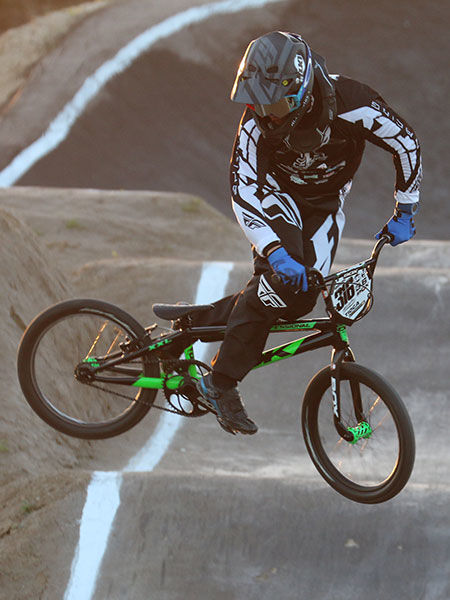
Take off the training wheels this summer and watch your easy rider blossom into an Olympic-level BMX champion. With events held at the Chula Vista Elite Athlete Training Center (formerly the Olympic Training Center), riders compete in age categories beginning as young as 5. $5 admission, $20/clinic.
2800 Olympic Parkway, Chula Vista
San Diego is a triathlete’s paradise, so it’s no surprise we start them young here. USA Triathlon–certified coach Judi Carbary runs youth workouts year-round in Mission Bay, Solana Beach, and Carmel Valley, with the opportunity for kids to compete in several triathlons. Ages 7–15.
Locations vary
89 Things to Do With Your Kids in San Diego
KinderTots
Attend the Pet Awareness Workshop Series (PAWS) at this San Elijo vet hospital and tour the X-ray room, surgery room, and more. In small groups, kids meet and hold Hubert the bearded dragon, William Snakespeare, Parker the turtle, and others. PAWS also teaches pet health and safety to kids begging to get a pet. $40/student; second Wednesday of every month, 3:30–5:30 p.m.
1691 Melrose Drive, San Marcos
At the San Diego Zoo Safari Park, sleep in a cozy bed in a canvas tent, watch elephants from your patio, experience intimate animal encounters, and roast marshmallows by the fire under a blanket of stars. Zip-line and private caravan tours can be added; dinner, snacks, and breakfast included. All ages. $140–$220/person.
15500 San Pasqual Valley Road, Escondido

89 Things to Do With Your Kids in San Diego
The San Diego Zoo holds an hour-long class on Saturdays just for preschoolers, led by early childhood education specialists with animal guest stars. Themes vary by month. Coming up: All About Body Adaptations (April), Keeper Work Includes Counting (May), and Balancing Bash (June). 18 months–3 years, $12 plus admission.
2920 Zoo Drive, Balboa Park
The county’s most popular Pumpkin Patch also has a year-round zoo with mini-donkeys, goats, llamas, pigs, emus, peacocks, and more. Purchase bags of animal feed for 50 cents and let them eat right from your hands. Bring a picnic and have lunch under the shaded trees. And don’t miss the candy shop on the way out! Free.
15954 Woods Valley Road, Valley Center
At the Pet Pals program (one Friday each month from September to May), a themed workshop such as “Meow! Cute Kittens and Cats” teaches kids about all things animal. In April, kids visit a veterinarian. With the five-week Junior Trainers Intro to Dog Training, future pet whisperers will learn about body language, handling, basic obedience, tricks, and more. Ages 6–12; Pet Pals $10/class; Junior Trainers $120. Registration required.
5500 Gaines Street, Morena

89 Things to Do With Your Kids in San Diego
This hidden gem in City Heights stocks garden supplies and plants, but it’s the adjacent café, farm animals, and playhouses that make our kiddos flip. Teach them about gardening, harvesting, and animal care. Bonus: The store has a section devoted to science fair supplies.
3110 Euclid Avenue, City Heights
For an easy walk that toddlers can do, the trail loop by the nature center is flat with shortcuts; young children can look for lizards and birds. The nature center also offers free Family Fun Days the first Sunday of each month with different themes, crafts, and interactive exhibits. All ages; free.
2710 Manchester Avenue, Cardiff-by-the-Sea
89 Things to Do With Your Kids in San Diego
Corvette Diner
Little Italy is home to high-tech desserts ordered via tablet, like flavored merengue bowls of gelato or ice cream, homemade cakes, sauces, candies, and fruit.
1608 India Street, Little Italy
Climb around the school bus in the restaurant’s outdoor area or draw on the chalkboard wall.
8384 La Mesa Boulevard, La Mesa
The next time you’re headed out for margaritas, get the kids a treat, too, at one of the park’s sweet shops. Old Town House of Jerky & Root Beer has more than 45 types of root beer and delicious root beer floats, and Cousin’s Candy Shop is filled with barrels of old-fashioned candies that will lead your littles on an inevitable sugar rush.
2754 Calhoun Street and 2711 San Diego Avenue, Old Town

89 Things to Do With Your Kids in San Diego

Dancing servers in poodle skirts, arcade games, rock ’n’ roll memorabilia, and a glow-in-the-dark dining room have all made this ’50s-inspired diner a hit for the past 30 years.
2965 Historic Decatur Road, Liberty Station
Besides the play area decked out with toys, books, and pillows, the restaurant hosts a monthly Family Movie Night. Free.
3794 30th Street, North Park; 16490 Paseo Del Sur, Del Sur (opening soon)
This playful scene is the new hot spot for brunch with the kids in tow, thanks to corn hole, hula hoops, soccer balls, Frisbees, and spacious green turf. Dogs are welcome, too.
10996 Torreyana Road, La Jolla
Coronado’s sweet shop is an eye-popping sugar nirvana of truffles, taffy, fudge, and chocolate-covered strawberries, along with colorful bins of licorice, lollipops, jawbreakers, M&Ms, jelly beans, Pez collectibles, and retro novelty treats.
1126 Orange Avenue, Coronado
Fried chicken, nuggets, soft-serve, bocce, a sand pit, and an enclosed play area make this casual, walk-up eatery the ultimate kid-friendly spot. (The Encinitas location even has mini golf!)
407 Encinitas Boulevard, Encinitas; 2266 Kettner Boulevard, Little Italy
Kids eat free after 4 p.m. every Wednesday and are given pre-rolled pizza dough, marinara sauce, cheese, and three toppings of their choice to build their own pizza.
1206 Orange Avenue and 1201 First Street, Coronado
When figuring out where to get your weekend donut fix, remember that kids get free kid-themed donuts at this Downtown staple.
631 B Street, Downtown
89 Things to Do With Your Kids in San Diego

Check out the stacked lineup of talent participating in this year’s celebration of food, cocktails, wellness, and SoCal energy
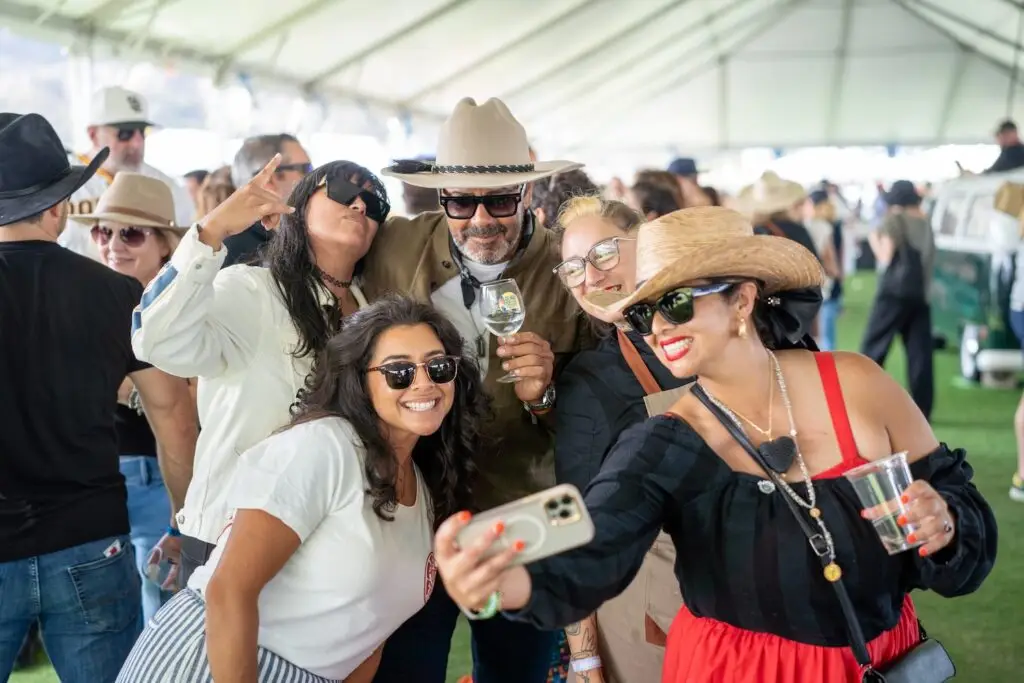
Tickets to the Del Mar Wine & Food Festival get you in the door. The real fun is figuring out who you’ll run into once you’re there. This year’s weeklong schedule of exclusive events, running September 30–October 4, includes dinners, tastings, and loosely-supervised chaos where celebrity chefs and local icons finally let their hair down.
The festival has a track record of the unexpected: Bryan Cranston and Aaron Paul once toasted their mezcal brand Dos Hombres with an intimate dinner at the Lodge at Torrey Pines (and then, evidently unsatisfied, kept drinking it on the cliffs above Blacks Beach with a rotating cast of San Diego and Food Network chefs. Alex Morgan showed up for a dinner under the lights honoring the country’s most badass women chefs). Drew Brees ran a celebrity pickleball tournament where the guy from It’s Always Sunny in Philadelphia got absolutely humbled by locals.
If you scored a ticket to last year’s Grand Tasting, you might’ve caught Guy Fieri doing exactly what Guy Fieri does: strolling the grass, signing t-shirts and foreheads, and hanging off the DJ surf van like it was built for him. Meanwhile, local chef Ethan Yang of Glass Box walked off with the Chef Competition surfboard.
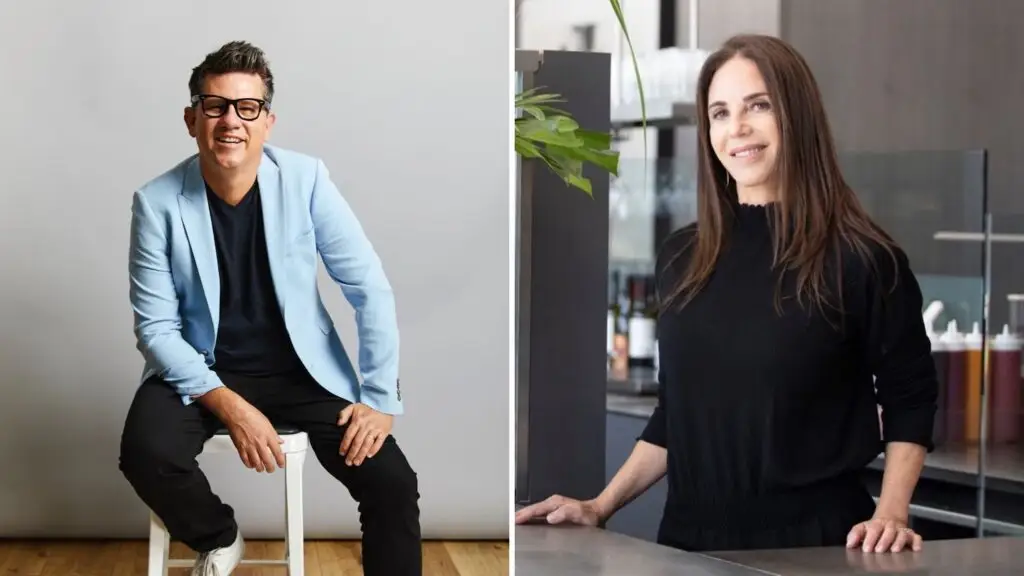
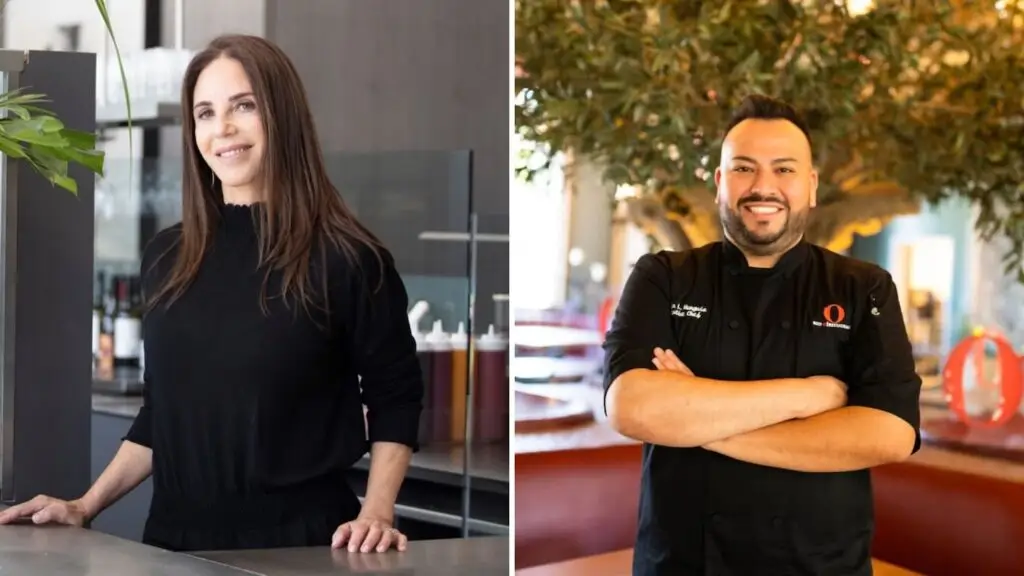
So whether your plan for 2026 is to corner legendary San Diego chefs like Victor Jimenez of Cowboy Star and Jon Sloan of Juniper & Ivy in person, or just aim for a spontaneous golf cart ride with a Food Network star—here’s your cheat sheet for where to run into a celebrity chef, TV personality, award-winning winemaker, or pro athlete at this year’s Del Mar Wine & Food Festival.

Consider this your soft landing into festival week—the walk-around tasting that eases you in before things get chaotic later on. Monarch Ocean Pub hands its patio over to the flavors that define San Diego eating: Baja seafood done right, coastal bites, Mexican flavors with some heat behind them, all the staples locals will fight you over.
The celebrity sightings here lean more “bump into” than “spot from across the room.” Troy Johnson—Food Network judge, San Diego Magazine chief content officer and co-owner, Emmy-winning host, a man who has eaten his way across the entire country professionally—is the type to materialize at whichever station has the longest line, because he already knows it’s worth the wait. Ask him what he’s had so far. He’ll have opinions.
Then there’s celebrity pastry chef Karen Krasne, owner and executive pastry chef of Extraordinary Desserts, James Beard House alum, and a woman Forbes once ranked among the top 10 pastry chefs in the country—which tracks, because you might find her holding court next to a tray of her roasted pecan shortbread dipped in white chocolate, explaining exactly why this is the flavor combination. You will listen to every word, too, because you’ll want to try that cookie.
This is an opening night party where the person next to you in line might just be the one who baked the thing you’re about to eat.

Fifty years ago, a Napa Chardonnay beat France at its own game and rewrote what the world thought it knew about wine. This dinner is that legacy, poured by the family who built it, course by course.
Under the arches at Fairmont Grand Del Mar, Ernie Hahn and the Hahn family, who partnered with the Barretts to revive Chateau Montelena into the Napa powerhouse it is today, host an evening built entirely around the winery’s most iconic pours. Every course gets its own pairing straight from the Montelena portfolio, so you’re not just hearing about the Judgment of Paris, you’re tasting the wine that started it.
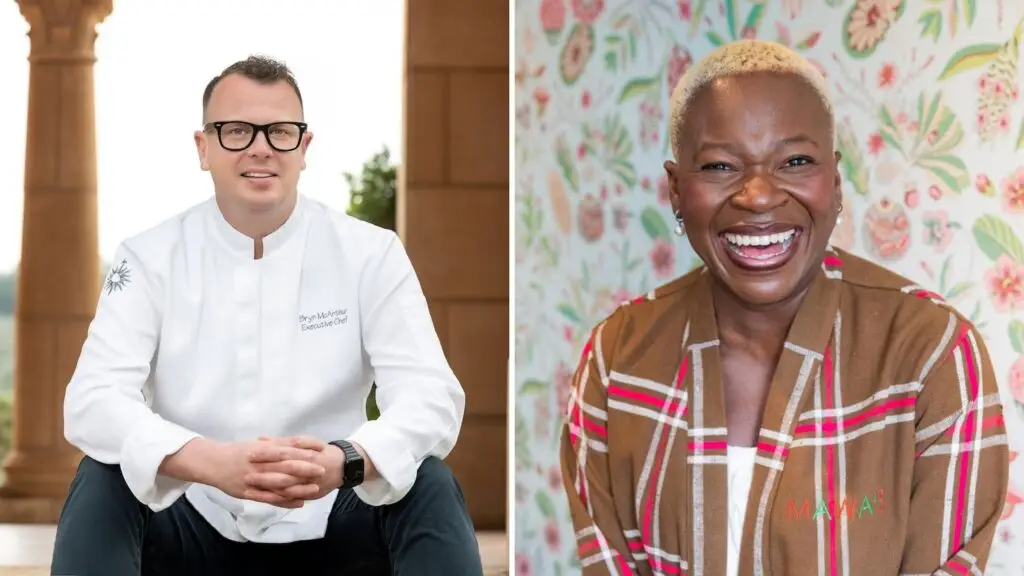
Chef Mawa McQueen, a former James Beard Best of the West winner out of Aspen, brings globally inspired cuisine and serious technique to the table. Alongside her, Fairmont Grand Del Mar’s executive chef Bryn McArthur leans into farm-to-table sensibility shaped by a career of global kitchens. Together they’re building a menu meant to hold its own against wine that already changed history once.
This is the rare dinner where the wine isn’t just accompanying the meal, it’s the reason the meal exists. Fifty years after Paris, the rematch is happening right here in Del Mar.

Isabella Dallas is a freelance writer for San Diego Magazine and the Arts and Culture Editor at The Daily Aztec in her final year at San Diego State University. She previously worked as an editorial intern for SDM, but when she’s not writing, you can find her trying the best coffee spots in SD, devouring the latest rom-coms, and indulging in anything and everything pop culture.
Jonathon Glus on the Art + Design District, investing in the creative economy, keeping artists in the city, and what we can learn from places like London and Chicago
Jonathon Glus is the Prebys Foundation senior fellow leading the development of the Art + Design District at the Downtown San Diego Partnership. He has been asked what an arts and design district is many times. In our conversation, I asked him instead to describe what it isn’t. His answer opened up a broader discussion about what San Diego has and hasn’t invested in, what it has the capacity to become, and what other cities have done that we haven’t. Glus speaks about global art fairs and architecture biennials in Chicago and long tables at dinner parties all with the same fluency. He also discusses who gets to live in the neighborhoods where creative work happens, and what it means when they can’t afford to stay.
Jonathon Glus: It is not a place designed intentionally and specifically for tourists. Of course there will be opportunities for tourists to come, but the district is really focused on creatives, on creative education, and on the creative workforce—as well as our major performing arts organizations. That is the emphasis.
[It needs to] develop greater connectivity between the anchor institutions—the symphony, Broadway San Diego, the opera, all the wonderful things happening in Balboa [Park]—and the creative workforce that will be living and working in that neighborhood 24/7.
We have not been intentionally investing in the contemporary art product that other major cities have been building. A contemporary art fair. A biennial that reflects the ethos of this region. Chicago developed an architecture biennial about eight years ago. London has a design biennial. Desert X, right here in Southern California, invests in and elevates contemporary artists inside a city. We have not really been playing in the global art market in a way that we have the capacity to.
We have a wonderful foundation. Two theater companies that produce work that goes to Broadway more than many regional theaters in the country, major museums, artists teaching at UC San Diego and University of San Diego. What a city does when it wants to take itself to the next level is intentionally create the product. Miami went after the Art Basel fair; they did not passively receive it. You have to have the intention and the will, and you have to go after it. We haven’t done that in the way that other cities have.
Look at what we did with the tech sector; we’re now a major tech center. That was intentional. Leadership organized around it. We have to do the same thing around the arts. We have a lot of contemporary art collectors here. We have a lot of galleries. But the ecosystem of the business of contemporary art is not as organized or as visible as it should be.
It’s bits and pieces of different cities. Dubai has invested very quickly and very intentionally in contemporary art—art fairs, design fairs, higher education, artist residencies from all over the world. London has centered artists and creatives in the contemporary zeitgeist in a way that was not true 40 years ago. They built biennials. They ensured British artists had affordable housing and workspace. They made sure the media paid attention to what they were doing.
If you don’t have an artist at your dinner table, it’s not a dinner party. That sounds elitist, but it’s true. It shows the value that artists have in a community. Our relationship culturally with Tijuana is really significant here because artists in Baja seem to be at the table.
They aren’t. When super creative people are in a community doing extraordinary work, that draws other super creative people doing extraordinary work. That’s why other arts and design districts around the world end up populated with some of the most interesting restaurants and young fashion designers. Creatives want to be around other creatives.
Our creative economy already employs about 170,000 people and generates more than $11 billion in economic activity. It’s large and robust. But we must center all of this in accessibility and affordability. Williamsburg used to be affordable. Artists can’t afford to live there anymore. Wicker Park and Bucktown in Chicago—artist central, now unaffordable. If we’re going to invest in this district, we have to be really intentional about housing and workspace, so creatives have a place in the future of this district.
I think the lesson is that nothing changes. What do people love? Long tables. Why? Because you’re with a lot of people—some you may have known your entire life, but most you don’t. And if it’s driven by a creative process, all the better. We know one of the best ways to do that is around food, but also music.
For the Art + Design District, part of why we’re leaning into the process is because, culturally, we’re bringing down the barriers between film, fashion, multimedia, tech, and architecture. It’s an experiential mashup in the best possible way.
And it’s not just about art and design, but community writ large. Creative expression is something we all desire. Whether it’s at a long table, at the opera, or in your studio, we gravitate toward creative expression as a way of building community and communicating with the people around us.
I hope you are writing about this in seven years when the district is fully mature. But this is just the beginning for all of this. I think that’s what’s most exciting to me. We don’t know what this is going to be like, but we know it’s going to be creatively centered, and that’s super exciting to me.
A conversation with Sebastián Morúa on art, community, and why the club’s future heroes should include the creatives helping build it
Sebastián Morúa is the Senior Vice President of Brand & Innovation for San Diego FC. He oversees Playmakers, the program through which the club has, over the past three years, engaged with over 80 working artists—not as marketing partners, but as co-creative directors.
Morúa didn’t build Playmakers as a community-outreach program bolted onto a Major League Soccer franchise. He built it as the identity of the franchise. When we sat down, he talked about the World Cup, San Diego’s creative workforce, his challenge to other sports franchises in the city, and the mural of heroes he hopes people will see one day when they close their eyes and picture San Diego FC.
Sebastián Morúa: I want to answer that in two parts. Philosophically first—because I think what you’re really asking is why should any sports team do this when most don’t.
Sport is a platform for transformation. It has proven that over and over. We saw it this summer with countries participating in the World Cup for the first time and what that did in their home countries—the sense of self-identification, pride, possibility. That is the power of sport.
When you take a sports team that’s fueled by that principle and understands what it could mean for other stakeholders in a community, you start to think about what you can accomplish in collaboration with them. One of those stakeholders, very early on, was the creative community. If we were going to build a team that represents this place and its people, we needed to go to the source. Artists are uniquely positioned to translate the essence and the soul of a community. When you zoom out and look at the multitude of artists in a place, you start to see the fabric of that local culture. That’s where the sense of pride and possibility gets unlocked.
Our mission is to create opportunities for talent to flourish and make San Diego shine. That means the club is a platform. When we started doing the early research for the brand, we brought artists into our focus groups. The response was immediate. There was a clear need. In 2024, we ran the first full year of what became Playmakers, working with more than 20 artists to help us tell the story of how San Diego FC could weave 18 distinct communities together.
We’re in the business of developing communities through sport. We’re not in the business of fútbol to entertain communities. That is an outcome—but not the purpose.
No. I wasn’t thinking about where this was going or how much it would cost. It instinctively felt aligned with our organizational purpose, and we made a decision to go for it. Now it’s become what it’s become.
If a fan closed their eyes 20 years from now and tried to paint a mural of the heroes that make up the club, they would see a big percentage of Playmakers artists on that mural. Ask any fan about the team they’ve supported for decades, and they’ll tell you about players, maybe a coach, maybe an owner. We’re expanding that. In our mural, there’ll be artists, entrepreneurs, community leaders, youth coaches. The community will be present.
Three to five years from now, Playmakers is an established community of creatives who have co-directed the identity of the club and the evolving identity of San Diego. If we keep the pace we’ve kept, we should have collaborated with 150 to 200 artists whose stories we’ve told and whose next steps we’ve helped support.
There’s a huge benefit for us as a club and as a brand. This is symbiotic. The artists have a need, we can support that need, and in return the community cares more about our club because of the investment we’re doing in the community. That’s what I would tell another organization.
San Diego is waking up to how much it has to offer the global conversation around culture. There’s a purity to life here—partly because of the weather, which allows us to spend so much time outside, in nature—and that exists alongside this incredible richness in food, music, art, and now sports.
I have a sense that San Diego is ready to unlock its full potential. You see it in the artists and creatives here. They’re ready. There’s very little hesitation. It’s more like: “Hell yeah, of course I want to do this. I know I’m talented. I’ve been waiting for something like this.”
That energy, combined with the unique lifestyle and character of this place, creates a really exciting sense of what San Diego can become in the years ahead.
I would ask: What would you say to the other big players in San Diego who are—or could be—shaping the cultural fabric of our community? Do they understand the symbiotic benefit? Are they supporting it?
Because Playmakers, in the end, is a cultural compass. It’s making sure that San Diego still feels—and will always feel—represented in the creative process of building San Diego FC and what that means for San Diego.
The pitch is a canvas. Athletes are painting collectively during every game. There is a story in every game. That’s the link between sport and art. At the core, it’s the same creative process.
At Vi at La Jolla Village, residents don't have to choose between security and adventure, connection and independence. They get all of it.
Today’s seniors are more connected than ever, with a renewed focus on retirement as a time of discovery and enriching experiences. The ultimate reward for a retirement well-earned is the wisdom to appreciate it all, and what better place to enjoy that unique perspective than Vi at La Jolla Village, in the heart of San Diego.
All-access pass to good living.
As a Continuing Care Retirement Community (CCRC), Vi provides access to a connected and fulfilling community while making it easy to plan for future care, should the need ever arise. With a care plan in place, residents enjoy greater financial predictability and long-term value, freeing them to focus on making the most out of retirement.
Resort-style amenities at the epicenter of a cultural hub like San Diego offer a retirement experience unlike any other. Paired with exceptional dining, spacious accommodations and dedicated staff, the best of maintenance-free living is all around. And with the introduction of Vista 360 Well-Being, Vi’s panoramic approach to wellness, there are more ways than ever for residents to access it all.
The harmony of mind, body and community.

The key to longevity is striking the right balance in maintaining an active lifestyle with an active mind in a fulfilling community. With newly renovated community spaces and restaurants, Vista brings a variety of opportunities for residents to elevate their well-being through Vi-exclusive “Signature Experiences.”
Vista Enrich takes an evidence-based approach to brain vitality, keeping residents at the forefront of cognitive health through exergaming (exercising + gaming), nutritional plans and informative workshops. It is also home to The Brain Vitality Studio, an innovative facility dedicated to cognitive fitness that has garnered national recognition.
Vista Discover invites residents into stimulating educational experiences, from chef-led cooking demos and guided wine tastings to lectures at local universities and intimate lectures following cultural outings.
While Vista Enrich focuses on brain health and Vista Discover engages residents intellectually, Vista Explore cultivates a sense of adventure through curated travel and local excursions. But broadening one’s horizons doesn’t always require a plane ticket. One recent event brought a taste of the world right to the community: an onsite “jazz cruise” featuring live music and global cuisine served at a series of themed “ports” all within the community’s own ballroom.
“Location, location, location”

One of the biggest perks of life at Vi at La Jolla Village is its proximity to just about everything. With easy access to transportation and local attractions just steps away, residents can explore and engage with their community at their own pace.
“There are trolley and bus stops within a 5-minute walk that will get you to the beach, UCSD Campus, medical appointments, downtown La Jolla or San Diego, et cetera. We rarely use our car,” said resident Tom Yager.
With the best of San Diego just steps away, residents don’t just live in the city, they live within reach of everything that makes it special.
The best of all worlds.

At Vi at La Jolla Village, retirement isn’t a chapter to slow down; it’s an invitation to discover more. Tailored community experiences created by Vista, paired with the vibrant pulse of San Diego just outside the door, mean that residents don’t have to choose between security and adventure, connection and independence. They get all of it.
This is what an all-access pass to good living looks like: the comforts of an elevated lifestyle, a community built for growth and a city made for discovery – all in one place.
To learn more about Vi at La Jolla Village or for details on available floor plans, visit ViatLaJollaVillage.com/SDM.
Your checklist for the best stage performances, museum exhibits, and one-night-only cinematic events hitting San Diego this autumn
Fall Arts Preview presented by SDFC Playmakers
Now through Jan. 10, 2027
Sift through over 200 photographs, sketches, letters, and costumes from “The King of Vogue,” who photographed World War II, modernized royal portraits, and created the aesthetic for 1920s socialites in London.
Now through Feb. 28, 2027
Walk through an 18-foot whale ribcage (and a couple dozen other marine-creature sculptures) made entirely of plastic bottles, flip-flops, lighters, rope, and other plastic detritus found on the beach in the Nat’s 3,000-square-foot second-floor gallery.
Now through May 31, 2027
Part of SDMA’s centennial, “Forging a Legacy,” highlights artists from the past (Picasso, Monet) and modern day (Hugo Crosthwaite) who contributed to the museum’s collection.
Now through 2027
See the stars (without the smog) at their best from the winners of the world’s largest astrophotography competition—all in the Fleet Science Center’s new basement gallery, specifically dimmed to let the cosmos shine.
Sept. 6–Oct. 11
From the 2013 silver screen to this year’s The Old Globe stage, you can “Begin Again” (again) with a world-premiere musical adaptation featuring new songs—courtesy of Train—and a story overflowing with hope.
Sept. 9–Oct. 4
“On the outside, always looking in…” marks the emotional crux of the Tony-, Grammy-, and Emmy-award winning musical coming to the Cygnet Theatre.
Opening Sept. 12
Learn the history of the Kumeyaay Nation from the perspective of the members themselves in an immersive exhibit inspired by graphic novels “Our Past, Present, and Future,” and “Beyond Gaming.”
Sept. 16–Oct. 11
During Oscar Levant’s appearances on “The Jack Paar Show,” he explained his reality with mental illness—the institutionalizations, electroshock therapies, nothing was too taboo for him. “Good Night, Oscar” takes us backstage in the raw moments before his 1958 television appearance.
Sept. 19–Jan. 10, 2027
A disco ball isn’t just a disco ball. It’s a symbol of where queer communities can finally exhale and be their fullest selves. “Visiones Nocturnas” uses paintings, sculptures, textiles, performances, photos, and videos from Latin American artists to explore what’s at stake when nightclub lights shut off.
Sept. 21, Oct. 26, Dec. 7
Guest organists from across the country will come to the Balboa Theatre to accompany a new silent film for each performance. This year closes out with The Headless Horseman (1922), Dr. Jekyll & Mr. Hyde (1920), and a holiday triple feature of Laurel and Hardy films.
Sept. 29–Oct. 4
“What if Abe’s assassination wasn’t such a bad thing for Mary Todd Lincoln?” was the question that inspired Cole Escola’s play “Oh, Mary!” In the production, Mary Todd desperately tries to return to the cabaret stage, but her husband (President Lincoln in the midst of the Civil War) keeps getting in the way.

Oct. 3–4
Conductor Rafael Payare opens the San Diego Symphony’s 2026-2027 season with a three-part concert featuring composers Sofia Gubaidulina, Wolfgang Amadeus Mozart, and Richard Strauss.
Oct. 8
Two dozen of Emily Dickinson’s poems are turned into songs—composed by Pulitzer Prize winner Kevin Puts and performed by Grammy-winning mezzo-soprano Joyce DiDonato—for a one-night-only exploration of love, loss, loneliness, and mortality.
Oct. 8–Nov. 1
Roommate beef has no age limit. The latest play from Pulitzer Prize winner David Lindsay-Abaire turns that experience into a comedy through retirement home roommates Marilyn and Abby and the bet between them to see who will break first and move out.
Oct. 12
Composer Olivier Messiaen has chromesthia, so for him, sound evokes a visual connotation. His work “Des Canyons aux Étoiles” brings desert rock and the night sky to mind. See what he means from La Casa del Zorro in the Anza-Borrego Desert, in this performance immersed within nature.
Oct. 13–18
San Diego International Film Festival salutes the silver screen for a 25th time, now with a sixth day adding extra time for parties, screenings, and movie-star tributes.
Oct. 23–25
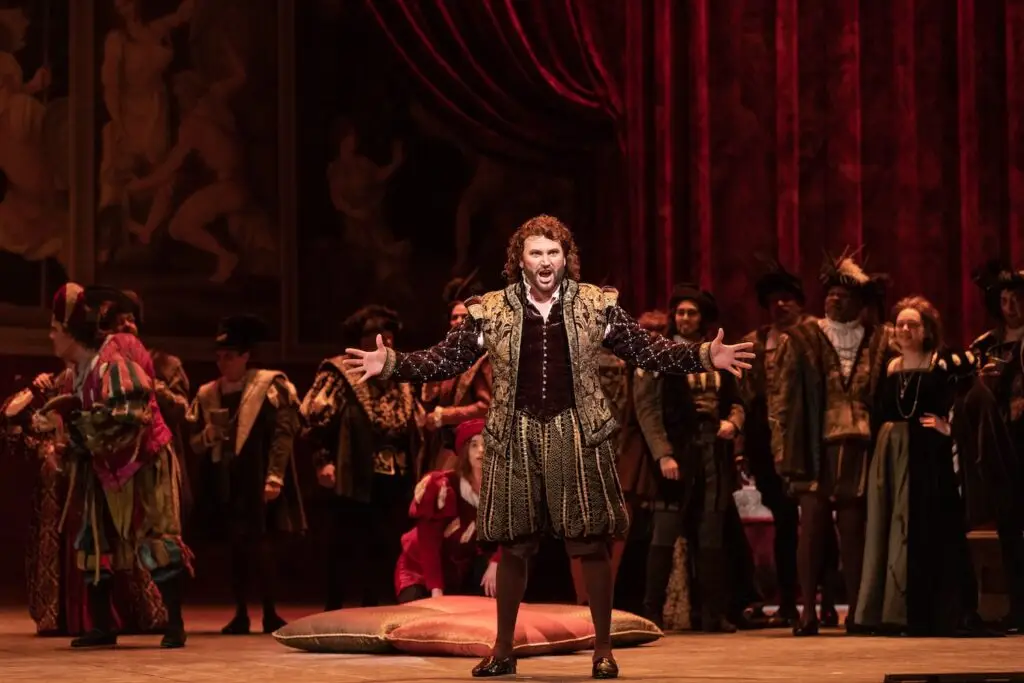
Considered one of the masterpieces from opera great Giuseppe Verdi, San Diego Opera’s “Rigoletto” sees what happens when the prurient Duke of Mantua and his sharp-tongued court jester become entangled in a fatal curse.
Oct. 27–Nov. 29
When the Grim Reaper’s job becomes too…grim…and he retires after 300,000 years, his daughter picks up the family business. But when she falls for a human and finds beauty in the souls she’s meant to reap, she questions her purpose.

Nov. 21–May 9, 2027
San Diego is nothing without skate culture. Mingei’s “Skate Craft” portrays skateboarding as “living folk art” via its DIY roots (skateboards built in garages) and shows how that ethos shapes the future.
Emma Veidt is an editor at San Diego Magazine. She earned her bachelor's and master's degrees from the Missouri School of Journalism. She loves running, hiking, and rock climbing, but really, she mostly loves encounters with the street cats around North Park.
Ryan Hardison is a freelance arts and entertainment writer and recent graduate of San Diego State. When he's not staring at his laptop, he's likely eating an adobada burrito or getting sunburnt at the beach.
Artists and advocates are building a more sustainable creative future through public funding, political organization, and cross-border collaboration
This is part of a three-part series. This is Act III. See Act I and Act II here.
We’ve been here before.
In 2012, city funding for the arts and culture in San Diego had eroded. As a corrective, the city council unanimously approved “Penny for the Arts”—a promise to dedicate roughly one penny of every dollar spent on hotel rooms (the Transient Occupancy Tax, or TOT).
The logic was fair and sound: Cultural institutions and events help attract visitors. Those visitors pay hotel taxes. So, the people agreed, some of that hotel-tax revenue should go back into maintaining the cultural ecosystem that helps bring those visitors and that money.
Projected as a five-year plan, the measure was supposed to increase funding to $17.9 million by 2017.
It never did. The penny was never guaranteed, so each year the city used part of it for other priorities. By 2023, the money going to arts and culture was up to about a half a penny. Even as TOT revenue has gone up significantly.
In 2019, TOT revenue was $245 million.
In 2025: $325 million.
One fix would be to guarantee the penny. Not simple, given San Diego’s financial woes. But the alternative—eroding the culture that makes San Diego San Diego, give it its identity—also doesn’t feel wise. Plus, even a locked percentage still rises and falls with tourism, which is why culture advocates want a guaranteed floor on top of it.
Another solution would be to give the arts commission actual authority.
“It’s an advisory body,” says arts commissioner Kamaal Martin. “You’d be hard-pressed to find anybody who takes our advice.”

He described the commissioners debating real, consequential questions this year, like whether and how to divide the cuts between funding pools. But those conversations “don’t connect to whoever’s actually deciding,” Martin says. “We haven’t been entrusted with decision-making about relevant things nearly enough.”
Christine Martinez is building political infrastructure through her organization Arts+Culture:San Diego—which is starting a 501(c)(4) lobbying structure not unlike police and fire unions. Martinez is also keeping her community actively engaged. “We won’t be caught off guard next year like we were this year,” she tells me.
Then there’s the evergreen issue of affordability and accessibility. Kiplinger’s most recent report ranks San Diego as the 11th most expensive city in the US, based on cost of living. The average home value is $980,700 (the US median is $540,000), but San Diego’s median household income is only one-third greater than the national level. Rent is also 66 percent higher than the national average ($2,716 vs. $1,636).
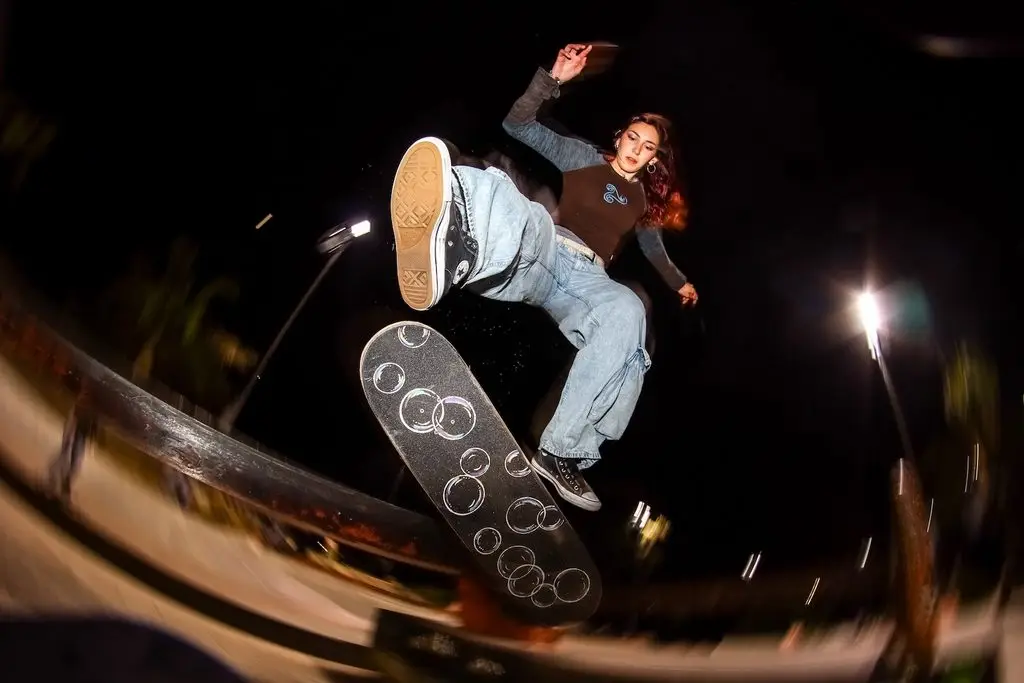
This is why San Diego has long suffered from the creative brain drain—creatives leaving for more affordable cities. “Artists are free to live wherever they want, and they will go where the rent is affordable,” says Jennifer de Poyen of Space 4 Art. “When they leave, they take their gifts with them, and their contributions, and their economic impact.”
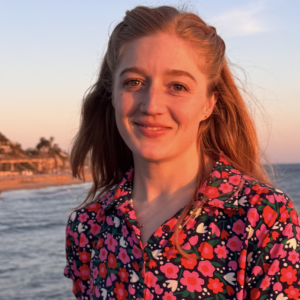
One saving grace is the presence of Tijuana, where the cost of living is about 60 percent lower than San Diego, per Numbeo. Tijuana has long functioned as an affordable neighborhood for many in San Diego’s creative culture. It’s part of the reason why the binational identity is such a constant in our galleries, music, theater, murals, and culture. While that cross-border blood flow is one of San Diego’s most compelling attributes, few artists living that life would call it convenient or easy. A city is at a disadvantage when its culture creators have to cross a border to go home at night, and cross again the next morning to work.
In May, San Diego County Board of Supervisors approved a $2.75 million arts initiative of its own. It includes an Artist Space Grant Program aimed directly at the affordability crisis, as well as an artist-in-residence program, a dedicated Binational Creative Economy Investment, and a one-time investment in the Black Arts and Culture District in Encanto.

Bob Lehman of San Diego Art Matters has been doing county-level, binational organizing for years; in 2023, he helped get the county’s arts commission reestablished after 30 years of defunctness. That’s important because it gives arts and culture an official seat in county government, advising the County Board of Supervisors on arts and culture policy. He also brought in consultant Laura Zucker, who ran LA County’s arts program for three decades, to build a real regional plan.
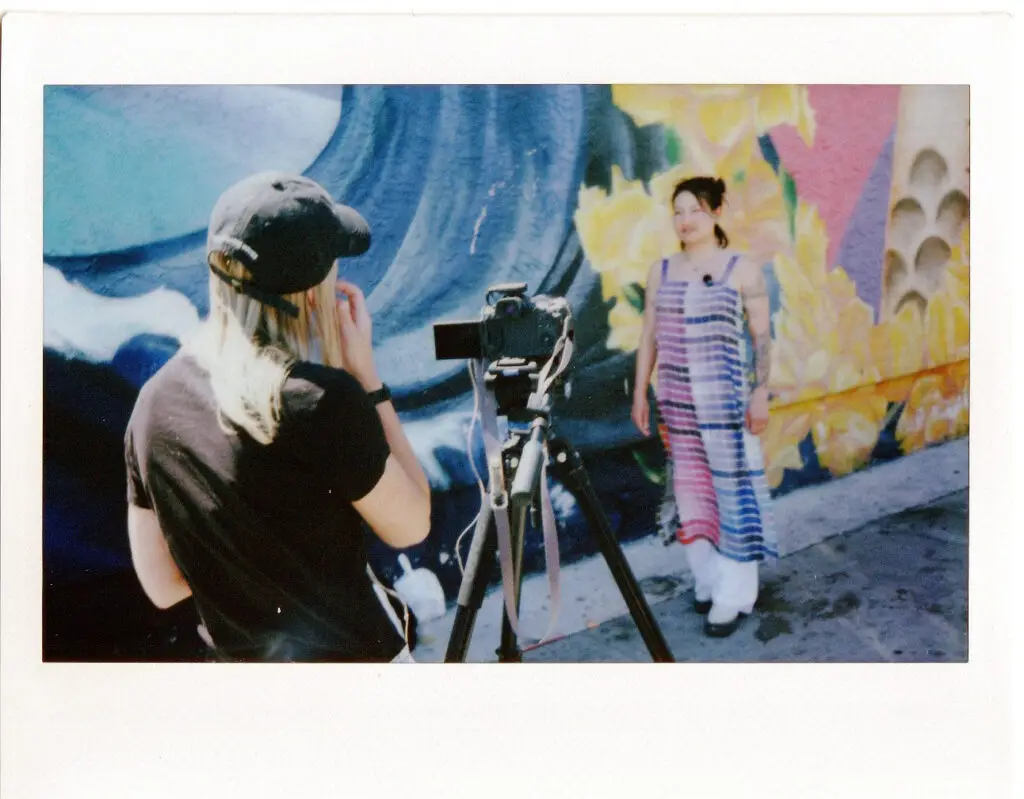
“I really believe we’ll have something set up here that other communities come and look at,” he told me. “A national template other cities come to learn from.”
When asked who decides which artists will get the new grant money, county arts commissioner and executive director of the Chicano Park Museum and Cultural Center Monica Delgadillo Hernandez doesn’t hedge.
“That’s part of the infrastructure we’re going to be building,” she says. “What should a panel of reviewers look like? Should it be the commissioners? Should it be other folks? A supervisor?” She was just as candid that the commission itself doesn’t reflect San Diego’s population—Chicano communities are roughly a third of the city, she tells me, “and that’s not represented at the table yet.”

The great news is that none of these solutions have to be invented from scratch. Numerous cities serve as examples of what’s possible—if we have the will.
Jonathon Glus—Prebys Foundation Senior Fellow for Art & Design, the Executive Director of the Art + Design District, and board president for California for the Arts—worked in Houston before coming to San Diego. The Texas city dedicates 74.5 percent of its hotel tax to arts grants by formula, and that support is guaranteed. Washington, DC locked in dedicated arts funding in 2019. Salt Lake City, my hometown, has run a voter-approved arts tax for almost 30 years, most recently reauthorized through 2034. And just this summer, New York City pushed cultural funding to a record $323.8 million, even incorporating an emergency fund.
Denver’s model is interesting because instead of a city-dependent funding model, theirs is a 0.1 percent regional sales tax. In place since 1988 and renewed by voters three times, their Scientific & Cultural Facilities District has distributed between $54 million and $85 million to arts, culture, and scientific orgs—each of the last 12 years.
This is part of a three-part series. This is Act III. See Act I and Act II here.
None of these cities got there by accident. They decided, on purpose, that arts and culture were worth protecting from politics—and, in some cases, worth building an entire identity around.
“That’s how Miami has flipped the switch,” says Glus. “People go to Miami for culture as much as they do the beach.”
San Diego has spent decades selling itself backward: Beach and weather first, culture as an afterthought you might stumble into. Glus would love to see the strategy flipped: Visitors should come for the art, “and then, by the way, you’re on the beach.”
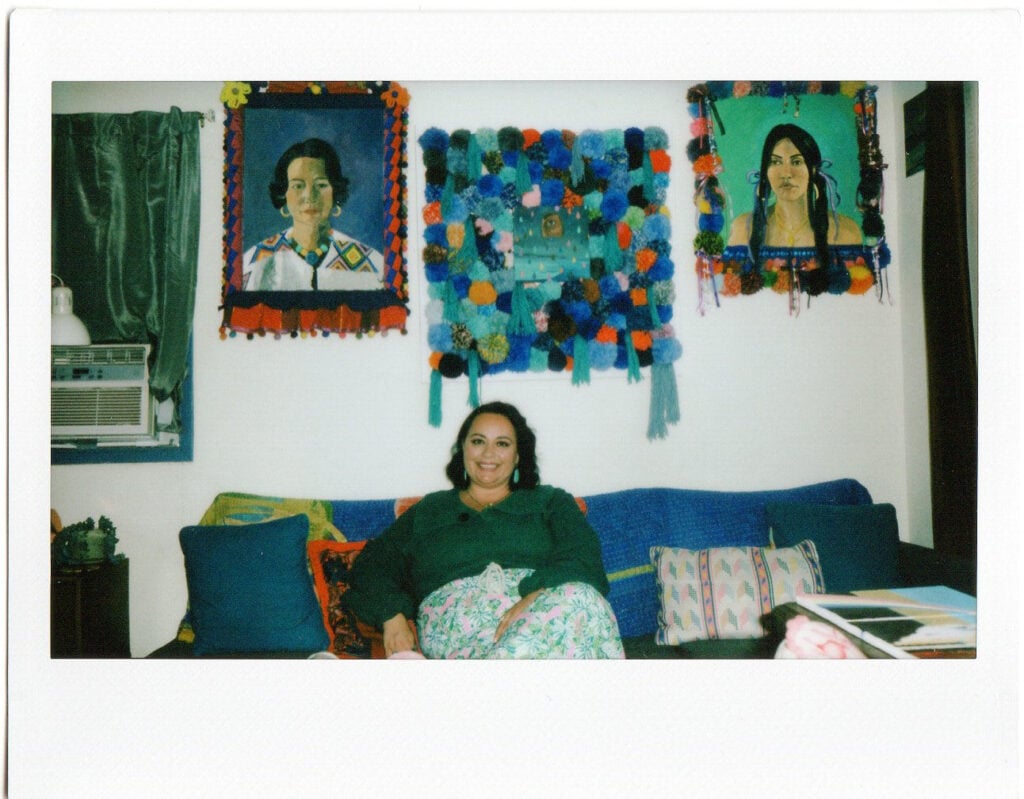
“I do think it was a wake-up call for the community,” de Poyen says of the budget fight. “People understand that our funding is vulnerable. It was a lesson in how much power people have when they coalesce. But wow, is it painful.”
Glus says he’s genuinely optimistic. “The players have all changed seats, but the work is moving forward.”
“I believe optimism is a moral duty,” says Martin, who’s both power-fist and polite.
In eight months, there will be another budget fight. Everyone I talked to expects it will be worse. But something happened this spring that can’t be undone.
“I hope this rupture has brought us together in a moment of self-realization,” says Leticia Gomez Franco of the Balboa Art Conservation Center. “I hope we stop being so transactional; we begin to see ourselves and each other as partners in this work.”
That’s the whole ask, really. And it’s on all of us.
This is part of a three-part series. This is Act III. See Act I and Act II here.
Aaryn Belfer is a writer and editor specializing in nonfiction across art, architecture, and culture. Once upon a time, she wrote a provocative column for San Diego CityBeat (RIP). She was a runner up in the 2025 Matchbook Stories contest at the San Diego Central Library and is irrationally happy about it. Currently in her Soft Girl Era, Aaryn has expensive taste in (mostly flat) shoes and will choose a great art exhibit or live jazz concert over almost anything else. Except, possibly, Javier Bardem.
Laika Nur, MD, takes her love of volleyball from the court to the clinic as team physician for the San Diego Mojo
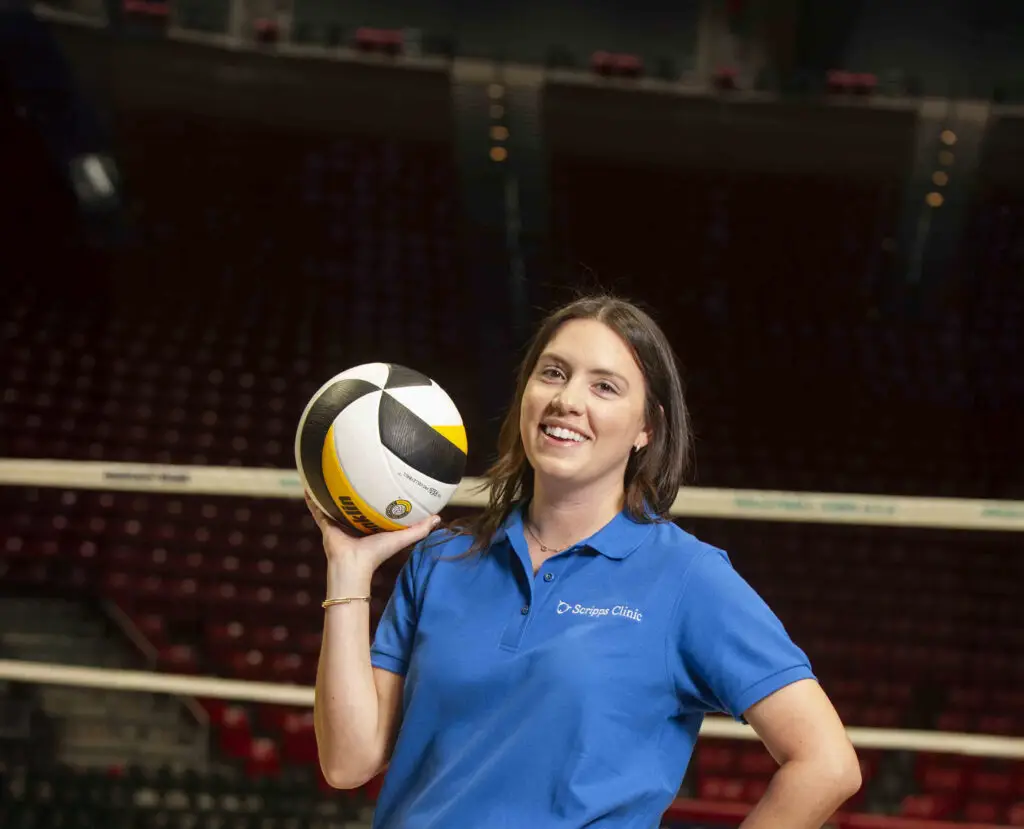
Growing up, Laika Nur, MD, Scripps Clinic sports medicine specialist, loved watching beach volleyball when the Association of Volleyball Professionals tour came to her hometown of Chicago. A talented volleyball player herself, she remembers sitting in the stands all day, and once, even got a couple autographs. Years later, Dr. Nur was attending a professional event focused on women’s sports, and the discussion turned to a new professional women’s volleyball league. The general manager and coaching staff for San Diego’s team, the Mojo, happened to be in attendance, and Dr. Nur took the opportunity to ask them if they needed a team doctor. Flash forward to the Mojo’s inaugural 2024 season, when Dr. Nur officially became the team physician. Click here to read more about Dr. Nur and how she incorporates lessons she learned on the court into her practice.
For more nutrition, wellness, and healthy living tips, sign up for the San Diego Health newsletter here.