
Ready to know more about San Diego?

Subscribe
Arts & Culture APRIL 23, 2026

If San Diego Wants a Cultural Future, Here’s the Work

Proposed budget cuts could begin on July 1—four ways to support the arts right now
If San Diego Wants a Cultural Future, Here’s the Work
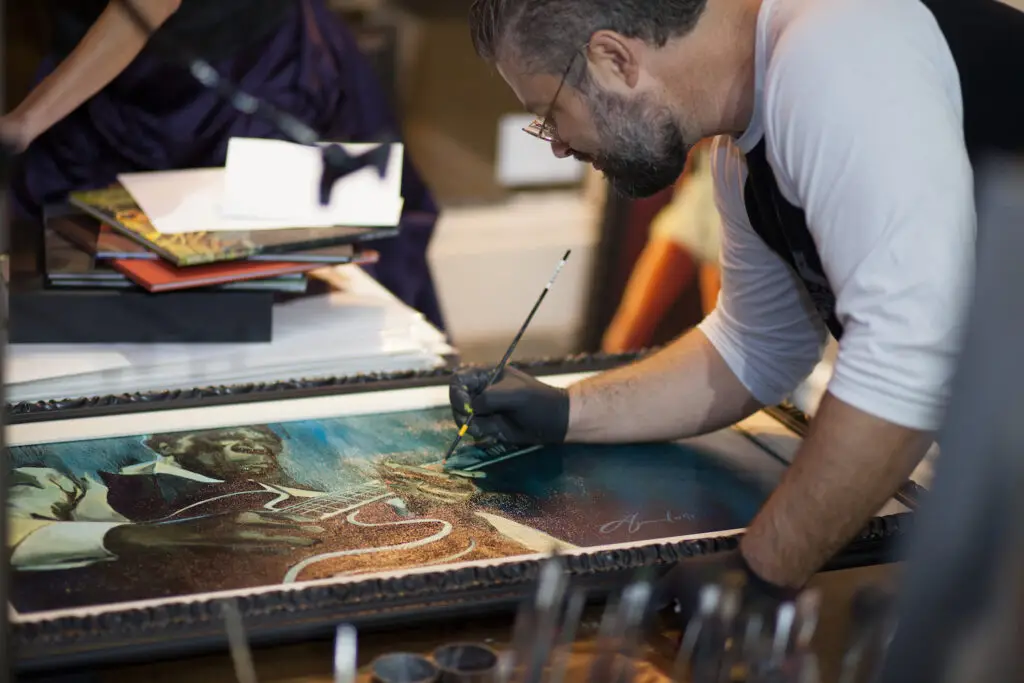
Courtesy of Distinction Gallery

San Diego is facing an 85 percent cut to arts and culture funding. This is not just a reduction or a course correction. This is a cliff. And the question now isn’t whether people care—the response to last week’s piece made that abundantly clear—it’s whether caring is enough to change what happens next.

It isn’t. Not on its own.

This problem didn’t appear overnight, and accountability doesn’t belong in one place. Local leaders are making difficult choices inside a fiscal squeeze that extends far beyond City Hall. That’s real. But it doesn’t make an 85 percent cut responsible and it doesn’t absolve any of us, in the public or private sector, from the work ahead.

So here is that work, as specifically as I can name it.
Reduce the Cut

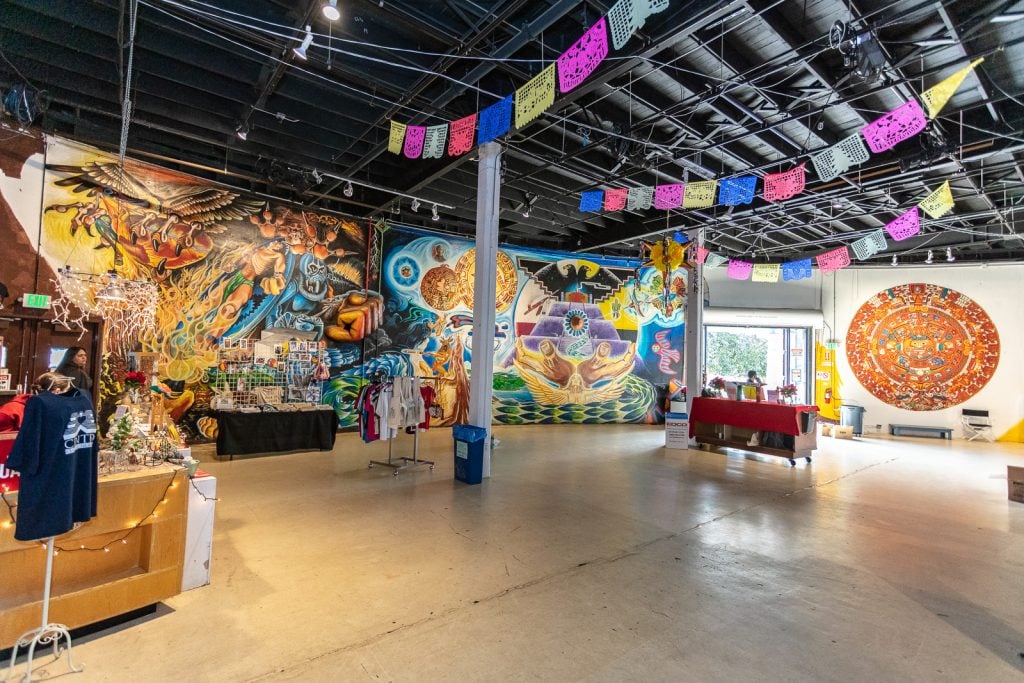
The proposed drop from roughly $13.8 million to $2 million has been widely reported as an 85 percent reduction solely to the arts budget. That number is accurate, and its implications are severe.

There is a meaningful difference between asking every sector to share in fiscal pain and effectively collapsing one. Arts and culture funding isn’t abstract: it creates jobs, drives foot traffic to neighborhoods, generates tax revenue, and supports organizations that took decades to build. An overnight cut of this magnitude with a July 1, 2026, effective date gives those organizations little to no time to adapt. Some won’t survive the attempt.

A more responsible approach would phase the reduction over time, preserve core grantmaking where possible, and give organizations enough runway to respond. That’s not special treatment. That’s how you manage a transition without causing irreversible damage.

Other cities have also developed smarter ways to finance the arts structurally. Denver’s Scientific and Cultural Facilities District, funded by a voter-approved regional sales tax of one penny on every $10, distributed nearly $85 million to almost 300 organizations in 2024. A 2025 study found those organizations generated $3.1 billion in economic activity and supported nearly 14,500 jobs. Houston ties cultural support directly to tourism by dedicating portions of hotel tax revenue to arts and culture. It’s an important thing to keep alive: In 2022, nonprofit arts organizations generated about $1.3 billion in economic activity in Houston alone.

The lesson isn’t that San Diego should replicate any one model. It’s that the healthiest arts ecosystems are built on stable, predictable funding—not annual uncertainty. San Diego has the same ingredients. What it lacks, right now, is the political will to use them.
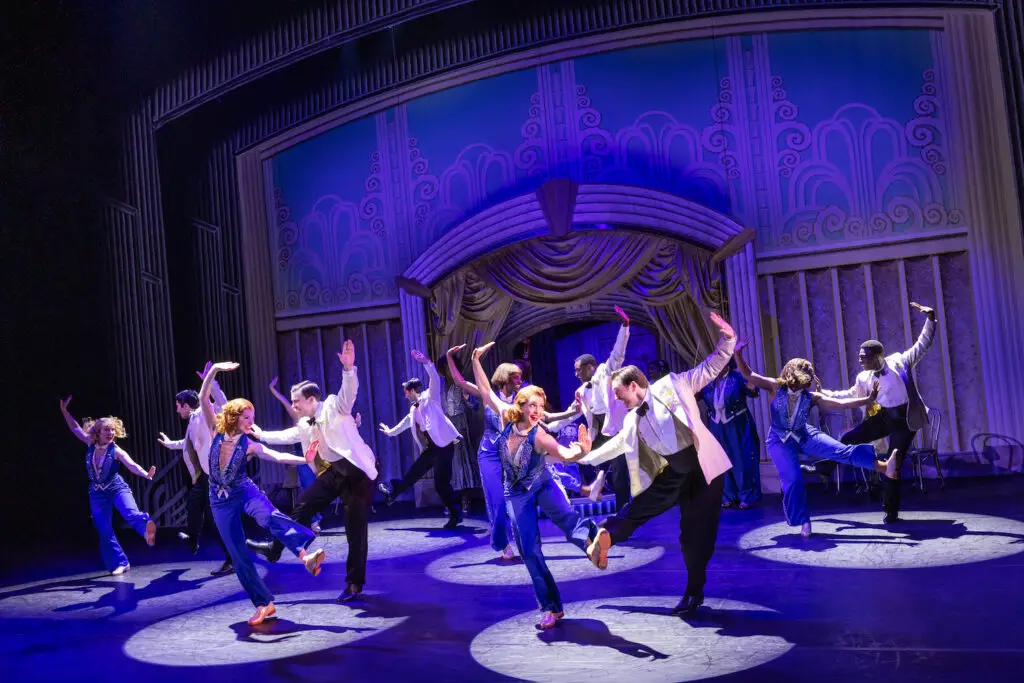
Photo Credit: Matthew Murphy

We Need to Act Like Stakeholders

If we want a vibrant arts and culture scene, we need to acknowledge that the government alone should not be responsible for footing the bill. People who care about this ecosystem need to participate in it in specific, tangible ways.

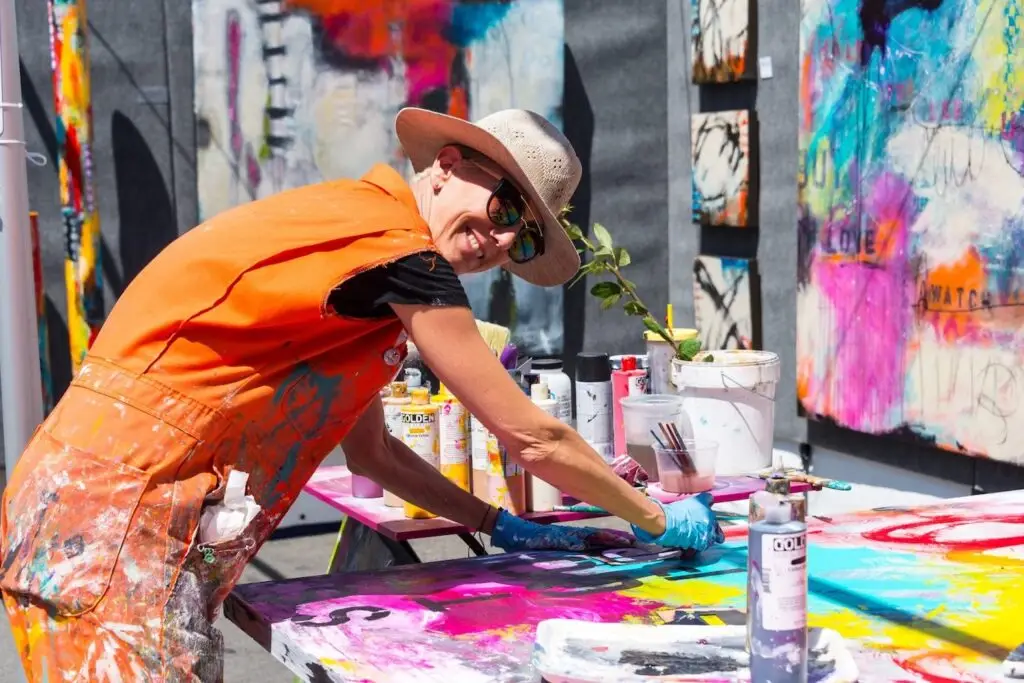
That means making concrete choices with how we spend our time and money. It means buying museum memberships, theater subscriptions, class packages, and event tickets at institutions like the San Diego Museum of Art, Fleet Science Center, the Vanguard at Westminster Theater, the Museum of Contemporary Art San Diego, and the Japanese Friendship Garden, and at organizations like Cygnet Theatre, The Old Globe, La Jolla Playhouse, San Diego Opera, North Coast Rep, and Broadway San Diego. It means showing up to a class at the San Diego Craft Collective, a Voices of Our City Choir performance, or Mission Fed ArtWalk. These aren’t symbolic gestures. They’re direct financial decisions that keep institutions alive when public funding retreats.

I want to address something that came up repeatedly in the responses to last week’s article. Several invoked “Penny for the Arts” as though voters had already weighed in either for or against arts funding. That’s not quite right. Penny for the Arts was a San Diego City Council policy adopted in 2012, not a ballot measure. It committed to restoring arts funding to 9.52 percent of annual hotel tax revenue by 2017. The city never fully met that goal. In FY24, the actual arts allocation was about $18.3 million—well below the roughly $31 million that full funding would have implied.

In November 2024, voters did reject Measure E, a proposed 1 cent sales tax increase. Its failure worsened the city’s overall budget pressure, but it’s important to note that Measure E had no dedicated carveout for arts and culture. Voting no on Measure E was not a vote against the arts. It was a vote against a general fund increase.

I raise this because the conversation matters, and it should be based on facts. If San Diego is going to ask arts organizations to survive on less public support, we need to understand the situation clearly.

Businesses Must Invest in the Arts, Too

Local brands and businesses have to do more than applaud the arts community; they have to invest in it. That doesn’t always mean making a nonprofit donation, though that matters too.

It means hiring local creatives (writers, photographers, designers, musicians) for real, well-paying commercial work. It means choosing a local creative agency for a campaign instead of outsourcing to another city. It means commissioning original work, sponsoring cultural programming and events, and treating creative labor as the economic driver it actually is.

My husband Troy and I sit on the board of San Diego FC’s Playmakers initiative—the club’s artists and creatives program, which has built artist collaborations tied to merchandise and community activations. It won’t fund a museum or a library. But it is a clear example of what it looks like when a major brand invests in the creative community as part of its identity and growth strategy.

Another way to approach this systemically: What if the top 10 corporations in San Diego each pledged to dedicate one percent of their marketing budget to hiring local artists, sponsoring local events, or commissioning local studios? In isolation, one percent doesn’t sound like much. In aggregate, across 10 major companies, it would represent a genuine catalyst for the creative economy—and it would send a signal that San Diego’s business community understands what’s at stake.

In a moment when public support is contracting, private sector participation is a critical part of the solution.
Courtesy of Mission Fed ArtWalk

Media Is Part of The Infrastructure

I own a for-profit arts and culture media company, so I want to be transparent: I have a direct stake in this ecosystem. I also think that stake gives me a clear view of something that doesn’t get discussed enough.

Cultural media coverage and cultural institutions have a symbiotic relationship.

At the very minimum, people need to know what’s happening in order to engage. That’s where listings and calendars come in: the KPBS Arts Calendar, the San Diego Theatre Alliance calendar, Arts+Culture:SD, the City of San Diego’s own listings, and San Diego Magazine’s Things to Do column and Best of San Diego newsletter all play that role. 

But deeper, well-produced stories do something different. They have the power to create a real movement and galvanize people to care on an emotional level. A reported feature on an artist that conveys a compelling human behind it that people want to know more about. An essay that explains why a body of work matters or gives historical context on a movement—that kind of journalism leaves a lasting impression, a deeper impulse to get near it, participate in it. It builds a bridge between artist and audience, between institution and attendee. It turns curiosity into connection, and connection into a ticket purchase, then a return visit or membership.

Even at San Diego Magazine, we can’t keep pace with the volume of work happening in this city. Every week, we receive hundreds of pitches about new galleries, performances, installations, and cultural projects. The scene is bigger and more active than we are staffed to cover, not because the work isn’t there but because the resources aren’t.

That’s why local media should be understood as cultural infrastructure, not a separate category. When editorial capacity shrinks, visibility for the city’s arts and culture shrinks. When visibility shrinks, attendance follows. And when attendance falls, the sponsorships, donations, and earned revenue that institutions depend on get harder to sustain. Supporting local media by subscribing, advertising, or partnering is one concrete way to keep that cycle moving in the right direction.

The public response to Mayor Todd Gloria’s proposed budget cuts revealed something worth holding onto: The arts and culture are not a side issue for San Diegans. They are woven into this city’s economic life, its civic identity, and the texture of daily experience in ways that are easy to take for granted until they’re gone.

I’ve spent the past 18 years working in media, and five of those years building a business around this city’s creative community. I’ve watched what happens when arts and culture budgets get cut—including tough decisions we’ve needed to make over the years at the magazine. Coverage disappears, venues close, artists leave because the conditions that made staying possible no longer exist. The losses compound quietly, and they are very hard to reverse.

The answer here isn’t to pretend government should fund everything forever. It also isn’t to pretend the private market can absorb an 85 percent cut overnight without real and lasting damage. The answer is a stronger, more intentional mix: public investment and private support, civic engagement and earned revenue, media infrastructure and community participation—and all of it understood as part of the same ecosystem.

San Diego cares about its culture. The public response to the budget proposal proved that. The question now is: What, specifically, are we each willing to do to support it, and how soon will we act?

Arts & Culture

Subscribe to our newsletters

Select Options

By subscribing you confirm that you agree with our Terms and Conditions and Privacy Policy.

Arts & Culture JUNE 26, 2026

Who Makes San Diego, San Diego?

That's the question at the center of a new collaborative arts initiative launching this September, celebrating the artists, performers, designers, and makers shaping the region

Who Makes San Diego, San Diego?
Courtesy of Downtown San Diego Partnership

You may not know his name, but if you were one of the millions of people who traveled in and out of Terminal 2 at San Diego International Airport in 2024, you’ve seen his work. David Mont Virgen was born and raised in Tijuana. He earned a degree in international business and studied interior design in Madrid. In early 2020 during the global pandemic, he made one of life’s impactful pivots and decided to pursue art full time. 

David works between San Diego and Tijuana, in the cross-border corridor that is, depending on who you ask, either one of the most complicated places to build a life or one of the most generative creative regions in the country. He makes minimalist work—paintings, sculpture, objects. To do minimalism well, you have to be very good, because there is nowhere to hide. That airport piece? It’s officially entered the permanent collection of the San Diego Museum of Art. David is very good.

While his work was gaining real traction in San Diego, his marriage ended. When that relationship dissolved, the legal and physical ground beneath his feet shook: The future of his citizenship was now in limbo. David looked at his options and chose yet another life pivot.  

An accomplished working artist with a piece in a museum’s permanent collection enlisted in the U.S. Army, at a time when this country is at war. David describes this period of his life with grace, as “…an opportunity to choose myself and move forward with greater clarity and intention. For the love of self.” 

That phrase, “For the Love of Self,” became the title of his show, which opened at the Guild Hotel in January 2026 with support from Oram Hotels and the Consulate General of Mexico in San Diego. Jennifer Findley of JFin Collective led the curation. Within weeks of the show’s debut, David shipped off to train with the army. It would be easy to read his enlistment as purely practical, and citizenship was part of his calculus, but he is precise about his reasons: He wants to continue building a future in this country and building a future for this country. Because service, he says, feels connected to art. “Both are rooted in the belief that we are responsible for contributing something larger than ourselves.”

David is one creator out of many whose story hasn’t yet been told, but whose path reflects the world we live in. The truth he represents is that the artists in this city are creating under increasingly challenging constraints even as their work actively shapes the world we move through—the places we gather, the neighborhoods we love and live in—whether we know their names or not. 

It’s time their stories are told.

This fall, we’ll be publishing an ambitious arts and culture issue made possible by the support of two organizations who are underwriting an expanded freelance budget with one question at its center: Who makes San Diego, San Diego? 

The Art & Design District—a Prebys-supported initiative to develop and shape a dedicated area of the city for creative work, led by Jonathan Glus—has joined as co-publisher of our September issue. SDFC Playmakers led by Sebastian Morúa, the MLS team’s program dedicated to showcasing San Diego’s creative community, has also joined as digital co-publisher for the next six months. 

With their support, our freelance budget has tripled. In the spirit of radical transparency, and because our readers deserve to know how our work is funded, our typical monthly print freelance budget is about $6,000. That supports writing, photography, and design across more than 100 pages. Our monthly digital budget is $2,500. 

With the support of our co-publishers, we’ve brought on Aaryn Belfer, one of San Diego’s most respected editorial voices, as the issue’s special editor. Alongside Troy Johnson, content chief; and Emma Veidt, editor; she is helping shape the editorial vision of the issue.

With an expanded team, we’ll soon bring on a digital producer and an additional art designer. We’ll produce an expansive portrait of the artists, makers, performers, and institutions defining this region’s creative life, commission original photography, and create a comprehensive fall arts and culture calendar. The issue will anchor a six-month editorial program that will extend across digital, social media, video, podcast, and newsletters through early next year.

We have been doing this for 78 years, and we have learned how to do it well with limited resources. But the conversation happening in San Diego right now—about the role arts and culture play in shaping a city and the role a city plays in shaping arts and culture—is one that demands more than what our standard monthly budget can produce. Until now. 

This partnership model is new to us but the challenges that precede it are not new to media, particularly on the local level. And yet, this collaboration serves as real proof that civic organizations and local media can work together to document and preserve the story of a place and the people who make it, for the record.

David told me that San Diego gave him a sense of belonging. That he felt supported and encouraged to keep growing. Not because life got easier, but because he learned to trust himself through uncertainty.

Today, he’s somewhere in basic training. But he is still an artist and he will keep making work. The artists in this city are almost never just one thing. They are painters and soldiers, sculptors and teachers, dancers and mathematicians. David is a minimalist artist and a U.S. Army recruit. He is Tijuana and San Diego. He is, in the most literal sense, still becoming.

A great city knows its makers. I want San Diego to be that city. 

September is on newsstands soon.

Arts & Culture JUNE 16, 2026

18 Things to Do in San Diego This Weekend: June 16-21

Dine at The Freedom Table, see Bob Dylan in concert, and explore local and national history through America 250

18 Things to Do in San Diego This Weekend: June 16-21
Courtesy of SD Melanin

As summertime inches closer to the shores of San Diego, there are plenty of reasons to be ecstatic. For one thing, there’s the impending arrival of the summer solstice (Sunday), and three days before that, Del Mar’s own Summer Solstice will return for its yearly golden hour. There are also plenty of local Juneteenth events, such as Kinfolk Fest, the Cooper Family Foundation’s Juneteenth Celebration, and The Freedom Table, a new, food-centered event from the originators of Juneteenth San Marcos. We’re also less than three weeks away from America’s 250th anniversary, and the celebrations range from the San Diego History Center’s America 250: San Diego 1776-2026 to NASCAR’s weekend of racing at Naval Base Coronado. 

Food & Drink | Concerts & Festivals | Theater & Art Exhibits | More Fun Things to Do

Courtesy of Del Mar Village

Food & Drink Events in San Diego This Weekend

1-Year Anniversary Week at Cbar

Through June 20

Cbar has planned a week’s worth of festivities to mark its first birthday, and everyone can get in on the fun. The 1-Year Anniversary Week celebrations continue with a special edition of the Sips & Shells craft series ($50) on Tuesday from 6-8:30 p.m., half-off pastries with any purchase of a barista drink (plus an anniversary summer wine flight) on Wednesday and a five-course winemaker dinner on Thursday from 6-9 p.m. ($130). Finally, the birthday bash will conclude with live music on Friday (Will Fedak) and Saturday (Cappo Kelley) from 6-9 p.m.

2917 State Street, Carlsbad

Taste of Little Italy

June 16 & 17

Little Italy’s annual food crawl has so many options that it warrants splitting into two evenings, each boasting a diverse lineup of 20 neighborhood vendors. During the Taste of Little Italy, taking place Tuesday and Wednesday from 4-8 p.m., attendees can make their way from the Piazza della Famiglia to nearby dining destinations for bites like esquites, sausage rolls, hot chicken tenders, and forkfuls of handmade pasta. Each night will also include live music and stops for drinks, desserts, and vegetarian items. Tickets are $71 per day.  

Little Italy

Del Mar’s Summer Solstice at Powerhouse Park

June 18

As spring makes its golden transition into summer, welcome the new season with open arms and a big appetite during Del Mar Village’s marquee tasting event this Thursday from 5-8 p.m. With the Summer Solstice celebrating its 20th anniversary, this year’s iteration will include dozens of food and drink offerings from Del Mar Village vendors, soulful tunes from Christian Jules Taylor, live art by Sarah O’Connor, and wave-crashing views at Powerhouse Park. General admission (21+) is $157 and comes with unlimited tastings as well as a commemorative tasting glass, while VIP tickets are sold out; proceeds support the Del Mar Village Association. 

1658 Coast Boulevard, Del Mar

The Freedom Table at TERI Campus of Life

June 19

After hosting the first-ever Juneteenth San Marcos festival in 2025, Lionel and Natalie Saulsberry have upped the ante with The Freedom Table, an elevated observance of community, culture, and the culinary arts. This Friday from 4-9 p.m. at TERI Campus of Life, guests can enjoy storytelling, art installations, live music, curated cocktails, and a chef-led dining experience, all in recognition of Juneteenth’s lasting importance. Ticket options include general admission ($261), plus two charitable ticket options: supporter ($313) and impact ($417), with a portion of sales going towards the youth nonprofit Achievement in Motion. 

555 Deer Springs Road, San Marcos

Talladega Nights Father’s Day Brunch at ARLO

June 21

In honor of NASCAR’s Coronado debut and Talladega Nights: The Ballad of Ricky Bobby, ARLO is throwing a Father’s Day brunch for the dads who want to go fast. This Sunday from 8 a.m. to 2 p.m., patrons can order from ARLO’s regular brunch menu, as well as a trio of holiday specials: the Dad’s Day Steak and Fries ($64), the Fit For a King Muffuletta Sandwich ($29), and the Big Daddy Brookie ($14). This shake and bake-approved meal will also include a DJ, cigar rollings, whiskey tastings and a Ricky Bobby costume contest. Reservations can be made online.

500 Hotel Circle North, Mission Valley

Concerts & Festivals in San Diego This Weekend

All the Feelings Tour with Metric, Broken Social Scene, and Stars

June 19

Ryan Hardison is a freelance arts and entertainment writer and recent graduate of San Diego State. When he's not staring at his laptop, he's likely eating an adobada burrito or getting sunburnt at the beach.

Arts & Culture JUNE 15, 2026

Art Plus Story Equals Culture

Announcing a partnership between Art & Design District, SDFC Playmakers, and San Diego Magazine

Art Plus Story Equals Culture
Photo Credit: Richard Barnes

FOR IMMEDIATE RELEASE

SAN DIEGO, CA — [June 15th, 2026] — Art plus story equals culture. Today, three local groups deeply invested in advancing San Diego arts and cultureSan Diego FC Playmakers, Art & Design District, and San Diego Magazine—have joined forces to tell its stories.

The initial project will be a landmark September edition of San Diego Magazine—fully dedicated to the people, ideas, and identities of the city’s creative community. After its release, those stories and more will extend across six months of integrated digital, social, and multi-platform coverage. Art & Design District and SDFC Playmakers will serve as co-publishers of the expanded editorial vision.

The Art & Design District is evolving into San Diego’s first home for the performing arts at iconic downtown venues like the Civic Theatre and Jacobs Music Center alongside research and development programs focused on artist live/work spaces, galleries, studios, and New School of Architecture & Design.

“[The Art & Design District initiative] is a long-term investment in San Diego’s creative life and the creative workforce that powers our cultural experiences and creative industries here at home and across the world,” says Jonathan Glus, Prebys Senior Fellow for Art & Design in Residence at Downtown San Diego Partnership. “But infrastructure alone is not enough. The public needs to see, understand, and participate in what’s being built and why. Joining as co-publisher of this issue means helping ensure that the story of San Diego’s creative community—its artists, its institutions, its future—gets told at the level of ambition the moment requires.”

San Diego has entered a defining chapter in how the region invests in its creative community, with civic and philanthropic leaders working alongside artists, brands, institutions, and people to chart a new model of public-private support for arts and culture.

As digital co-publishers of San Diego Magazine‘s arts and culture coverage, SDFC’s Playmakers partnership will include a six-month integrated collaboration designed to sustain the visibility of San Diego’s creative community well beyond a single issue.

“The Playmakers program was built on the belief that the creative community is essential to what makes San Diego, San Diego,” says Sebastian, San Diego FC’s SVP of Brand and Innovation. “Investing in local media that tells those stories—and reaches the audiences who need to hear them—is one of the most direct ways we can support the artists, organizations, and cultural leaders shaping this city’s future. We’re proud to step in as digital co-publishers of San Diego Magazine‘s arts and culture coverage and the founding partner of this new editorial program.”

Under the partnerships:

  • The Art & Design District joins as Co-Publisher of the September 2026 Arts & Culture Issue, undwriting San Diego Magazine‘s most ambitious editorial event of the year. 
  • SDFC Playmakers joins as Digital Co-Publisher of San Diego Magazine‘s arts and culture coverage, founding a six-month integrated partnership that includes co-publisher presence in the September issue. 

The partnership represents a new model for regional media: civic and cultural institutions providing the resources required for sustained, ambitious, local editorial media focused on the neighborhoods it serves. 

“For 78 years, the magazine has told the story of arts and culture here,” says Claire Johnson, CEO of San Diego Magazine. “But the fragmentation of traditional media has made it harder than ever to cover this community at the depth and scale it deserves. SDFC Playmakers and the Art & Design District have recognized something critical: Media is not separate from the civic conversation, it’s the stage for the conversation.”

San Diego Magazine retains full editorial control over all reporting, features, and original content produced under both partnerships.

“Our role in this ecosystem is to tell the story of San Diego’s culture and provide context for our readers.” says Johnson. “These partnerships give us the resources to do justice to that responsibility—and to extend that commitment well beyond a single issue. Our readers also deserve to know exactly how this work was funded. I’m grateful to our partners, and to the arts and culture community in San Diego for letting us tell this story.”

The September Arts & Culture Issue will be released early September 2026, with digital, social, video, and podcast coverage rolling out through early 2027.


ABOUT SAN DIEGO MAGAZINE For 78 years, San Diego Magazine has been the region’s leading lifestyle and culture publication, reaching approximately 6 million readers monthly across print, digital, newsletter, and social platforms. Owned and operated locally, the magazine has been the connective tissue of San Diego’s cultural conversation since 1948.

ABOUT SDFC PLAYMAKERS The Playmakers program is an ongoing initiative that seeks to identify and showcase the talent of San Diego creatives who are contributing to the culture, substance, and flow of our community. We want to bring the San Diego community together by marrying football and creativity to provide a platform for these Playmakers who are positively impacting our culture by pushing the boundaries through innovative ideas. The goal is to create a program that consistently provides growth and exposure opportunities for San Diego creatives, while shaping an authentic direction for San Diego FC’s brand and community-building process. Through this program we hope to contribute to the creative fabric of our city by providing paid jobs, projects, collaborations, as well as networking opportunities for Playmakers.

ABOUT THE ART & DESIGN DISTRICT The Art & Design District is a Downtown San Diego Partnership initiative, supported by the Prebys Foundation, working to shape a connected, vibrant arts and design district in downtown San Diego. Led by Art and Culture Expert Fellow Jonathan Glus, the initiative convenes artists, cultural leaders, civic stakeholders, and residents in service of a downtown that reflects the creativity, identity, and diversity of the region. Learn more at downtownsandiego.org.

Studio S JUNE 15, 2026

A Modern Take on Steak

Stake Chophouse & Bar brings contemporary classics and old-school service to the heart of Coronado

A Modern Take on Steak
Courtesy of Stake Chophouse

Stake Chophouse & Bar isn’t your average steakhouse. Blue Bridge Hospitality’s Coronado outpost is a modern interpretation of a big-city steakhouse nestled in the heart of the small coastal community. The team at Stake has reimagined the whole steakhouse experience. By prioritizing a seasonal farm-to-table sourcing philosophy, a personalized guest experience, and unique service touches, like a formal steak presentation and a bespoke knife selection process, Stake distinguishes itself in a sea of steakhouses.

Exceptional steaks, including Wagyu from Japan, Australia, and the U.S., and fresh seafood flown in daily form the core of Stake’s culinary identity. The menu features a five-course omakase-style steak experience highlighting house favorites, plus an array of cuts, and classic steakhouse staples—think a wedge salad, baked potato, or pasta carbonara—refined for a contemporary palate without losing their traditional appeal. Stake focuses on seasonal sourcing from the region’s best family farms and specialty purveyors, and incorporates intentionally unexpected touches to create something truly unique.

“I challenge our chefs and myself to take it a step further in sourcing,” says Chef Ronnie Schwandt. “It’s important to us to highlight different farms, unique one-off farms—whether it’s cattle, strawberries, a local fisherman or from anywhere in the United States, we’re always trying to find that niche.”

Beyond the menu, Stake emphasizes outstanding service, says Vinny Spatafore, Director of Hospitality Operations. Staff maintains detailed notes, allowing them to remember guests by name, recall previous orders such as a favorite martini (also memorable for the customer since it’s served in an extra tall, distinctly-shaped glass), and celebrate special occasions like birthdays and anniversaries.

“When you have those points of topic that you remember about a guest, they appreciate that,” he says. “Our servers are really good with that—we have a couple servers who have been here since the beginning and they’ll remember somebody from years ago, their name, their kids’ names, where they live. I’m really thankful to have a great front of house staff.”

Award-winning wines, rare whiskeys, special events, and a complementary black car service that provides transportation for guests throughout Coronado add to Stake’s appeal.

Schwandt stresses that Stake offers more than a meal; they aim to give patrons something unforgettable.

“It starts when you walk up the stairs and are greeted by the hostess—that sets the tone for the night. Then you’re greeted by a server, who may know you by name, and can guide you through the menu and curate as they get to know you,” says Schwandt. “Most people leave kind of blown away; they leave feeling like they just had an experience. That’s the goal, right? Whether you’re serving smash burgers or high-end steak, you want somebody to leave thinking, Wow, that was awesome.”

Partner Content
Arts & Culture JUNE 10, 2026

Artist India Thompson Weaves New Meaning into Everyday Items

On view at Mingei International Museum now through October 18, Thompson's basketry invites viewers to notice the seemingly mundane

Artist India Thompson Weaves New Meaning into Everyday Items
Photo Credit: Ron Kerner

When was the last time you really looked at your fridge? Not for milk or ketchup or that takeout you hope is still good, but really looked at it. Considered it. Its texture. Its shape. Its role in your life. “Never” is probably your answer here. But once you’ve seen India Thompson’s life-size fridge made of reed, you’ll probably pause the next time you’re in your kitchen.

Thompson’s new Looks Like Home exhibit on view at Mingei International Museum takes everyday items that most of us use on a daily basis—the things that usually make our lives faster and more convenient—and renders them useless but beautiful as intricately woven reed sculptures.

The museum’s name comes from the philosophy of Yanagi Sōetsu, who wrote in the essay “The Beauty of Miscellaneous Things” that “when one becomes too familiar with a sight, one loses the ability to truly see it. Habit robs us of the power to perceive anew, much less the power to be moved.”

Thompson joins artists who use material transformation to remake the familiar, like Katarina Kamprani who redesigns everyday objects in ways that render them physically unusable, or Do Ho Suh who recreates domestic spaces through labor-intensive processes. Thompson’s approach is quieter, more tender: She doesn’t distort. She weaves.

Photo Credit: Ron Kerner

Seeing her work for the first time brought up emotions I hadn’t felt since I was a kid watching The Brave Little Toaster, the movie that taught me to hold space for the invisible servants that make up our homes. Thompson’s collection encourages a kind of reckoning with what it means to ignore the essential. It asks you to reconsider what “home” means in an era where so few can afford to buy one. Her sculptures are like a challenge to pause where you usually press on. Being close to her work is like taking a breath and not realizing how long you’ve been holding it.

Thompson was born in Los Angeles and is now a multidisciplinary artist based in San Diego. While ceramic is her primary artistic medium, this exhibition highlights her exploration of basketry—a thousand-year-old, time-consuming process and an art form she describes as one of “care and memory-keeping.”

Thompson also happens to 9-to-5 as Mingei’s studio program specialist. Assistant Curator Ariana Torres didn’t know about Thompson’s basketry work until she saw Thompson post a picture of her woven toilet paper on Instagram. Then came a woven microwave.

“It seemed really poignant and uncanny,” Torres says. “It was mundane, but it was also kind of quiet … something you wouldn’t think anybody would focus on.”

Photo Credit: Ron Kerner

Thompson began making art five years ago in her college ceramic class called Handbuilding, and she immediately fell in love. The first art she ever shared with others were her ceramic figurines: round, red-clayed pot-like sculptures with minimalist, barely-there faces in a variety of expressions. Some look surprised. Some look very concerned. Some look like they spend Friday nights at a Star Wars cantina. She calls them “Moots.”

The definition of the English word moot, in verb form, is “to gather and discuss an important topic,” as Thompson explains. “They look so serious … like they’ve wriggled through the earth to talk to each other.”

Thompson found her way to basketry three years ago and learned by watching YouTube videos.

“It’s something you can do at home,” she says. “And I love a repetitive process.”

The toilet paper roll came to her while making a cylinder that she thought looked like a roll of Charmin. Then she thought maybe she should make one on purpose. “I just thought it would be funny and really challenging, too,” she says. “Because there’s no tutorial for that. Why would there be, right?”

She figured it out and shared it on Instagram. People loved it. It received more than double the amount of likes and comments she usually got, but what really struck her was how many people came up to her in person to talk about how they connected with it. That, to her, was even more meaningful than the online response.

So she kept going and chose to make a microwave next.

Photo Credit: Ron Kerner

“[It’s an] object we all own and we all need,” she says. “Yet no one really cares about a microwave.”

She started the collection during a time when her landlord was coming into her apartment constantly with a crew of people, making notes of what they were going to remodel without ever acknowledging her in the room.

“It was such a weird fishbowl moment,” she says. “I technically don’t own my apartment, but I still consider it home. I live here and I pay to live here, but this isn’t mine. We live in this space and I call it my apartment. I call it my refrigerator. But it could be taken away at any moment.”

It dawned on her how much we depend on things we don’t own, how little we notice the things we rely on every day, and how temporal the word “my” can be.

The woven refrigerator is the largest in Thompson’s collection at Mingei, and inside it you can find additional woven items like a ranch bottle, a Brita filter, and a sandwich on a plate. You can’t open the freezer door, but if you look carefully between the gaps of woven reed, you might be able to see a few other things Thompson made and placed inside.

“If you really look closely,” she explains, “you’ll be rewarded.”

Arts & Culture JUNE 1, 2026

The Best Things to Do in San Diego: June 2026

From jazz concerts to devouring fried foods at the fair, here are all the best things to do this month in San Diego

The Best Things to Do in San Diego: June 2026
Courtesy of Switchfoot BRO-Am Beach Fest

June Gloom isn’t stopping San Diegans from making the most out of the month. There’s something for every music lover, from swaying to smooth jazz at The Rady Shell to rocking out at Slightly Stoopid’s Field of Dreamz Festival. Art enthusiasts can visit the Mingei for an exhibit showcasing Native American and Pacific Rim heritage, while foodies can try the latest fried fad at the San Diego County Fair. Whatever your interests, it’s time to text the group chat and make some plans. Here are all the best things to do in San Diego this month:

Concerts & Festivals | Theater & Art Exhibits | More Fun Things to Do

Concerts & Festivals in San Diego This Month

13 & 14

World-class jazz musicians are returning to The Rady Shell for the San Diego Smooth Jazz Festival.

13

“If you build it, they will come,” and so they shall to Slightly Stoopid’s inaugural Field of Dreamz Festival. The OB-native rock band will share the lineup with Stephen Marley, Sublime, Pepper, and more at Petco Park.

22

Khalid is headlining his first tour since 2019—this time for the R&B and pop showstopper After the Sun Goes Down—and he’s ready to dance through Cal Coast Credit Union Open Air Theatre.

Photo Credit: Angela Babby / Courtesy of Angela Babby

Theater & Art Exhibits in San Diego This Month

6/5–7/19

With a beat that can’t be stopped, New Village Arts will revive the joyful musical Hairspray, a fusion of teen pop stardom and racial integration in Civil Rights–era Baltimore.

6/13–9/13

Cat Gunn poignantly examines the impact of forced separation from ancestral lineage through If Only by the Light of a New Moon, their solo museum debut at ICA Central.

6/27–9/20

See lasting visions of cultural heritage via Clearly Indigenous: Native Visions Reimagined in Glass, a traveling showcase for Native American and Pacific Rim glassmakers at Mingei International Museum.

Courtesy of Scoop Ice Cream Festival

More Fun Things to Do in San Diego This Month

6 & 7

Proceed to Pride Month with the Out & Abt Festival, featuring a carnival-themed playground at The Soap Factory, an afterparty hosted by Gossip Grill, and the next day, a sapphic poolside bash at the Hard Rock Hotel.

6/10–7/5

Imagine and experience your favorite fairytale ending during the San Diego County Fair, which returns this summer with a new theme: Once Upon a Fair.

11 & 13

The return of the Switchfoot Bro-Am means two things: an elegant seaside fundraiser in North County and a free bash at Moonlight Beach full of sun, surf competitions, and live music.

19–21

For the first time, NASCAR will start its engines in San Diego. Naval Base Coronado will host this one-of-a-kind racing spectacle to commemorate the U.S. Navy’s semiquincentennial.

25

Itadakimasu! In other words: Let’s eat! Sample, then rank, the best Pan-Asian dishes from local eateries at Julep Venue during SD Mag’s 21+ Omakase Open, done to support the Convoy District.

28

If you ever needed a reason to eat ice cream and gelato, here’s a charitable one. Raise money—one waffle cone at a time—for Feeding San Diego during this year’s Scoop San Diego festival.

Ryan Hardison is a freelance arts and entertainment writer and recent graduate of San Diego State. When he's not staring at his laptop, he's likely eating an adobada burrito or getting sunburnt at the beach.

Partner Content JUNE 25, 2026

Summer Nights at SeaWorld San Diego

SeaWorld dazzles with a drone show, big-name entertainers, new animal adventures and more 

Summer Nights at SeaWorld San Diego

Nights are heating up at SeaWorld San Diego. The quintessential summertime staple on Mission Bay is transforming into a destination for unforgettable day-to-night adventures, bringing back some of its most popular Summer Nights programming and introducing exciting new experiences sure to delight both kids and adults alike. 

The 2026 Summer Day to Night at SeaWorld San Diego is the park’s most ambitious season yet. SeaWorld has planned a highly anticipated entertainment lineup that features nine weeks of throwback concerts featuring R&B and hip‑hop favorites from the ‘90s and early 2000s, including Jordin Sparks, Too $hort and Warren G, Ashanti, and an array of boy band heartthrobs performing together as part of the Pop 2000 Tour. 

New this season is perhaps the park’s most visible update: a nightly drone show, Ocean of Dreams, which illuminates the sky with hundreds of synchronized sparklers. Drones form sea otters, sharks, dolphins, and a majestic orca that tell a breathtaking 12-minute story of marine life and underwater ecosystems. The show culminates with a spectacular electric neon finale celebrating hope, wonder, and ocean stewardship.

Nighttime visitors are also in store for animal adventures that fuse education with high-energy fun and the dreamy ambiance of nighttime. The park has launched two all-new animal presentations: Shamu’s Celebration: Light Up the Night and Dolphins: Touch the Sky. Shamu’s Celebration: Light Up the Night features vibrant lighting, music, and dynamic choreography that celebrates the power and beauty of killer whales. Dolphins: Touch the Sky showcases playful bottlenose dolphins and the special connection between humans and the natural world. And back by popular demand is fan-favorite Sea Lions Tonite. See the charming pinnipeds splash, play, and parody pop culture in this refreshed crowd-pleaser. 

More must-sees: a newly reimagined Shark Encounter, one of the country’s more immersive exhibits highlighting 11 different species up close, SeaWorld’s beloved BMX Blast! stunt show, and high-seas escapade, Pirates Ahoy! The Battle for Mermaid Cove. And don’t miss the park’s all-new Deep Sea Disco, which encourages guests to dance the night away under the glow of the SkyTower, and vibrant closing time laser light display Laser Reef Summer Spectacular. 

Amp up the nighttime vibe with local craft beers, curated cocktails, and nostalgic theme park treats with $1 beer all summer long. SeaWorld is the place for day to night summer fun. When the sun goes down, SeaWorld lights up, and inspires guests of all ages to embrace their inner whimsy and see why generations of San Diegans head to SeaWorld to make memories they’ll never forget. 

Thousands of savvy locals already get it.

San Diego's best restaurants, experiences, and events—handpicked and delivered to your inbox weekly. You in?

Close the CTA

Contact Us

1230 Columbia Street, Suite 800,

San Diego, CA