Featured articles
Food & Drink
Food & Drink
Food & Drink
Featured articles
Features
Features
Features
Featured articles
Things to Do
Everything SD
Everything SD
Featured articles
podcast-ep
podcast-ep
podcast-ep
Featured articles
Features
Features
Features
Featured articles
Features
Features
Features
Ready to know more about San Diego?
SubscribeReady to know more about San Diego?
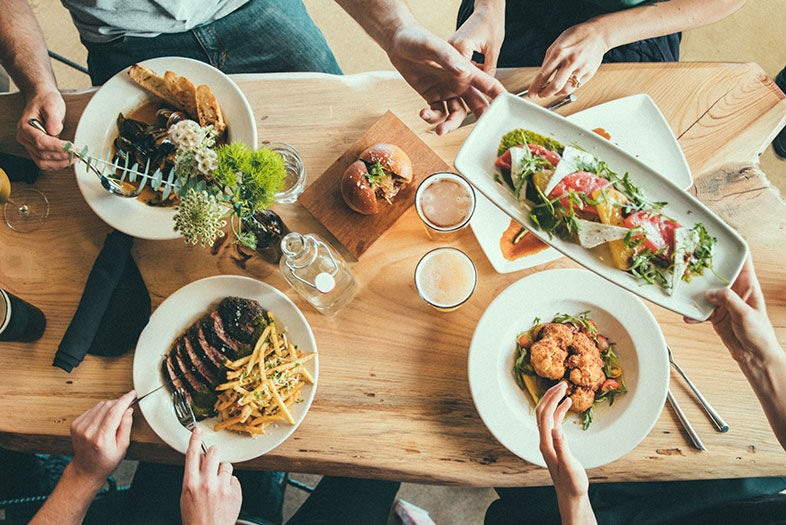
Our annual list of what we're loving above the 56, from bites and brews to shopping, wellness, and arts and kids' activities galore
Food & Drink | Shopping & Beauty | Health & Wellness | Arts & Culture | Kids
Given San Diego’s brewery boom, it’s hard to believe Del Mar didn’t have one under its belt. That changed when this 7,000-square-foot brewery, tasting room, and gastropub opened last summer, led by owner, chef, and homebrewer Charles Koll (grandson of the jeweler) and executive chef Gunnar Planter (both ex-Mille Fleurs). The setting is prime for adults and kids alike, with a view overlooking the San Dieguito Lagoon and lawn games aplenty. They have nearly a dozen beers on tap, including smooth chocolate stouts and the tropical-tinged Moe.saic, that pair well with their salted vinegar fries and black bean burger.
2201 San Dieguito Drive, Del Mar
No plain turkey and Swiss on white here. The sandwiches at this Del Mar Highlands Town Center shop run the gamut, from the kurobuta pork belly bánh mì to the vegan Superfood Hemp Burger. They’re packed with ingredients like house-made pickled daikon and carrots, nitrate-free Creminelli salami, and Creekstone Farms steak, plus gluten-free bread options. A side of their curried couscous is a must, and there’s a kids’ menu for the wee ones.
12873 El Camino Real, Carmel Valley
If you’re struggling to find a babysitter for date night, try Landon’s Gourmet Kitchen. Not only will you dine on a gourmet farm-to-table meal like smoked salmon tartine or osso bucco, the restaurant also offers on-site daycare in a colorful playroom with toys and books. They’ll even feed your child so you don’t have to. That’s what we call service!
1020 West San Marcos Boulevard, San Marcos
You could partake in a whole day’s worth of meals (and drinks!) without ever leaving this four-concept restaurant operated by Wade and Kristi Hageman, the couple behind Encinitas’ Blue Ribbon Pizzeria. During the day, The Crafty Egg serves up omelets, burgers, and flatbreads—many of them accompanied by their signature tater tots. In the evening, Open House Asian Kitchen takes over with a menu of poke, yakitori, and more; you can also get craft cocktails at Driftwood, or try the raw bar, ramen, and tequila at Saltwater.
345 South Coast Highway 101, Encinitas
A few blocks from their wildly popular brunch spot Cafe Topes, the Barille family recently opened another outpost dedicated to a.m. fare. The Goods is a bright, airy café on State Street that specializes in gourmet scratch donuts in flavors like chocolate ganache, strawberry cheesecake, and s’mores, with gluten-free and vegan varieties on select days. Pair them with a cup of Stumptown Coffee, and check out their mini retail area with Mast Brothers chocolate and greeting cards.
2965 State Street, Carlsbad
The Best of North County 2018
Plant Power
Last August, the San Diego–based restaurant unveiled a new drive-thru at their Encinitas location that combines plant-based nutrition with McDonald’s-style efficiency. Called a “free” drive-thru experience because the entire menu is cholesterol-, meat-, and dairy-free, Plant Power serves burgers, fries, shakes, sandwiches, wraps, salads, and desserts—all of which are, of course, plant-based. There’s also walk-up takeout service, as well as an outdoor patio.
411 Santa Fe Drive, Encinitas
There are a lot of places that will deliver pizza to your house, but how about your beach towel? Napizza’s new location is just a few blocks from Moonlight Beach, and delivery is available within a 5-mile radius—roughly Leucadia to Cardiff, west of I-5. Just give the number of the closest lifeguard tower when you place your order, and your pie will arrive courtesy of a cute electric bike. (Note: If you’re planning a beach trip during the off-season, it’s recommended you call a day ahead to arrange delivery.)
615 South Highway 101, Encinitas
Vietnamese cuisine isn’t just brothy pho. For less than $6, you can feast on baguette sandwiches like the House Special Bánh Mì, stuffed with Vietnamese ham, pork roll, grilled pork, char siu pork, pâté, house special mayo, pickled carrots, daikon, jalapeño, fresh cucumber, and cilantro. Too much pork for you? Try the caramelized shrimp bánh mì or organic tofu bánh mì.
4160 Oceanside Boulevard, Oceanside
The latest in the Brothers Provisions arsenal aims to pick you up, whether by espresso drinks, breakfast plates, fresh-baked pastries (candied bacon scone, anyone?), refreshing pressed juices, or gelato. Sip on a Signature Cold made with nitro espresso cold brew, milk, and house-made syrup; or take Mason home to enjoy whenever you like via cold brew growler or a bag of roasted beans.
16471 Bernardo Center Drive, Rancho Bernardo
The Best of North County 2018
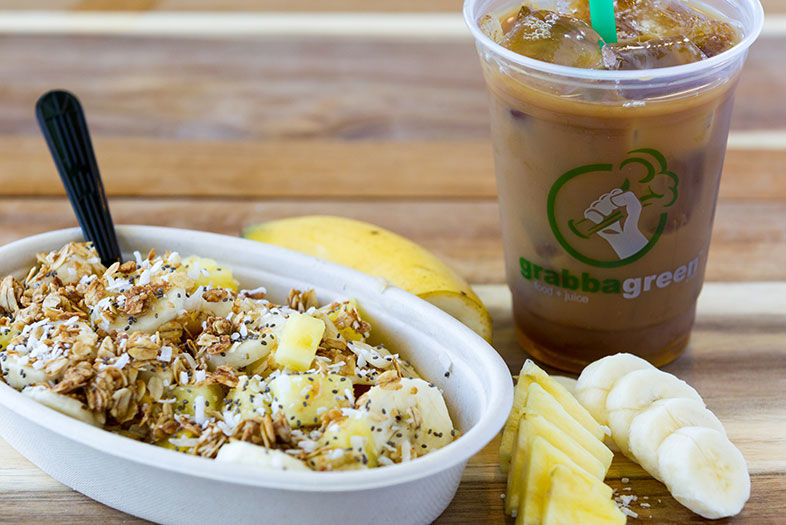
Grabbagreen
Want to eat healthy in a hurry? At this fast-casual Arizona import, you can order grain or salad bowls from the menu, or create your own with quinoa noodles and brown rice, house-made sauces, optional proteins such as steak and salmon, and add-ons from almonds to yams. Wash it all down with one of Grabbagreen’s many juices or smoothies.
1454 Encinitas Boulevard, Encinitas
This vegan hangout on Highway 101 has a devout following, and co-owner/chef Scott Steele helms a zero-waste kitchen where he makes a crispy gluten-free crust primarily from cauliflower with chickpea flour. Try the truffled mushroom pizza with butternut squash and coconut “bacon.”
575 South Coast Highway 101, Encinitas
Opened by Vista native Morgan Feirich, Milk serves the good-for-you gamut, from tonics and cold-pressed juices to green smoothie bowls, organic bagel sandwiches, and vegan gyros with coconut yogurt. Indulge in sweet treats like the nutty-without-nuts tahini chocolate cups or creamy avocado mousse.
210 East Broadway, Vista
This spot has a separate play area for children called “The Bear Den” that’s easily visible from the comforts of your table. Come for “Date Night” every Wednesday, drop the kids across the room, and enjoy a special $65 three-course menu for two, which includes a bottle of wine.
16480 Paseo Del Sur, Del Sur
The Best of North County 2018
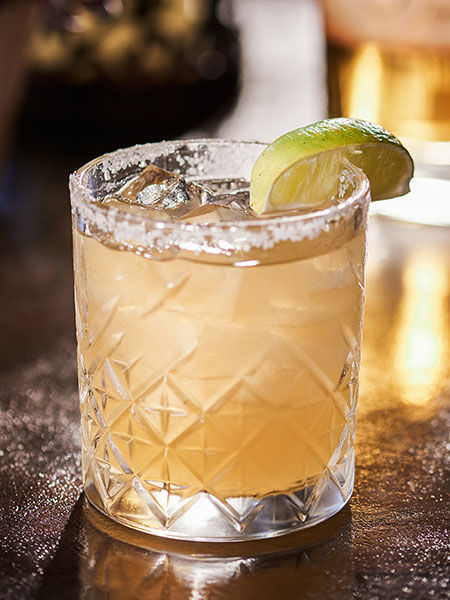
Jalisco Cantina
This bright, modern Mexican eatery is big on tacos and on tequila, one of its namesake’s biggest exports. Tacos ranging from birria to portobello come in threes, and there are also tortas, salads, and more serious entrées. Beyond the lengthy list of cocktails, they also offer mezcal or tequila flights.
213 North Coast Highway, Oceanside
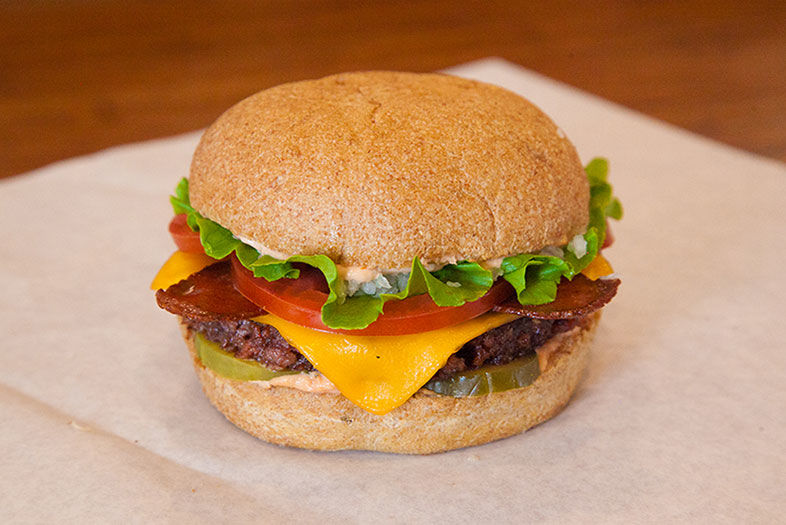
Now there’s an option to skip the heavy, meat-centric meals often found on brewery menus in favor of Bagby Beer’s new vegan selections. See what all the buzz is about when you try the Impossible Burger, made with a plant-based patty, vegan cheese, and a whole-grain bun. Bagby’s Sriracha corn dogs, Italian sausage pizza, and grilled cheese sandwich all have crossover appeal for veg and non-veg diners alike. One perk of going meatless? You’ll save room for a pint of Back Garden Pale Ale.
601 South Coast Highway, Oceanside
After success in Leucadia, this casual, kid-friendly Hawaiian eatery opened a second location last summer in Del Mar. Menu staples like poke bowls, kalua pork sandwiches, and classic loco moco remain the same, but you’ll also be able to order wine and beer at the new outpost. Peep a distant view of the shoreline through their front windows as you sip a Hawaiian Sun or Kona beer.
1101 Camino Del Mar, Del Mar
Cedros Avenue or the Avenue des Champs-Élysées? You’ll be hard-pressed to tell the difference once you sample Madeleine’s French-influenced fare, which runs from crepes to charcuterie and cheese. Pastries include fruit tarts and macarons, and the boulangerie offers buttery croissants, chocolate twists, and chouquettes.
240 South Cedros Avenue, Solana Beach
In Vista’s already growing brewery scene, this place makes a name for itself with nearly a dozen taps ranging from malt-forward options to crisp, citrusy saisons, plus food trucks, a play area for kids, and a dog-friendly atmosphere. Pick a board game or brush up on the history of beer with their informative mural.
2449 Cades Way, Vista
The Best of North County 2018
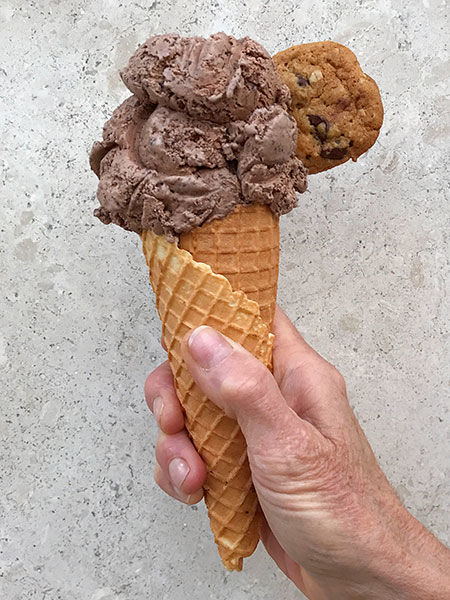
JoJo’s Creamery
There may not be 31 flavors, but the menu of ice creams here includes decadent bananas Foster, cayenne sea salt caramel, and mud pie, plus rotating selections that are vegan or dairy-free. No matter what scoop you select, all orders come with a free freshly baked cookie on the side.
937 South Coast Highway 101, Encinitas
Sure, this shop inside Del Sur Town Center serves 38 kinds of gelato and sorbet daily, rotating over 80 flavors throughout the year, all of which are made in-house. But we get the biggest feels (or shivers!) from their gelato cakes, Frost Bites gelato bonbons, and the Sorbettini: a frozen drink made with sparkling water and your choice of sorbet to be slurped through a color-changing straw.
16490 Paseo Del Sur, Del Sur
â
This bi-level, 8,000-square-foot complex in the heart of Carlsbad Village has casual eats like sandwiches, juices, coffee, and ice cream, served with a side of games like cornhole and life-size Connect 4. On the upper Tamarack View Deck is a more low-key adult space with wines, beers on tap, and small plates around fire pits to keep you cozy.
3040 Carlsbad Boulevard, Carlsbad
There’s nothing low-key about Ryan Scott’s donut aesthetics and flavors. His catalog includes a luxe marbled white and dark chocolate glazed, a modernist two-toned matcha blueberry, and the playful Animal Cookie—a donut dotted with rainbow nonpareils and topped with a homemade animal cookie. There’s a vegan option with the Margarita, which features a lime-zest glaze tinged with Patrón Silver. His donuts are available at several locations, including Oceanside’s Buccaneer Cafe and Vista’s Milk Organics.
â
Grocery shopping isn’t a chore here. Pick up organic produce while getting cooking tips from local chefs, listening to live music, and interacting with artists and environmental speakers. Plus, feel good about being part of a monthly project where the goal is to not produce any trash. BYOB (bring your own bags), of course. Check the Coral Tree Farms Facebook page for spring farm stand dates; the farm is also open for community visits on Saturdays.
598 Park Lane, Encinitas
The Best of North County 2018
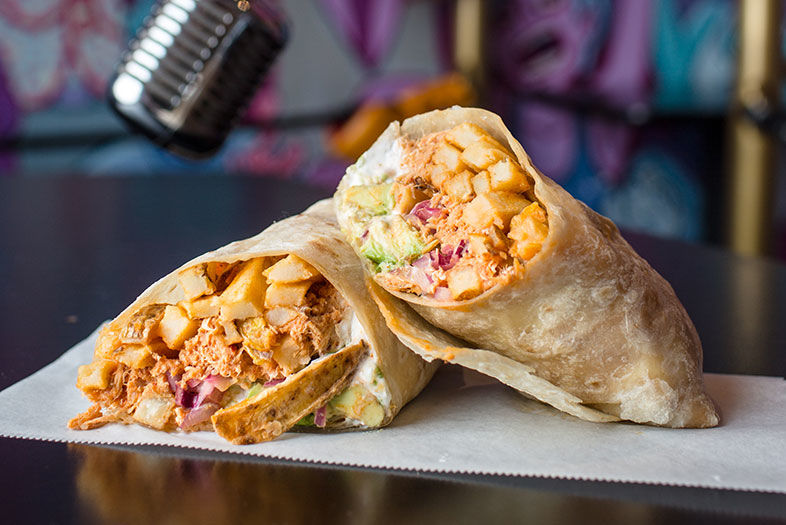
Lucha Libre Taco Shop
Come hungry—really hungry—for your burrito go-tos, like the Surfin’ California and Undefeated Seafood Taco, at Lucha Libre’s new NoCo digs. Spot the neon pink and gold luchador decor, salsa trophy flights, and Tijuana-style corn that made this Mexican eatery a San Diego staple. Don’t forget the cilantro cream sauce!
2525 El Camino Real, Carlsbad
Spirits Specialist Ted Gibson teaches these interactive cocktail classes, offering aspiring mixologists a chance to get behind the bar. Shake, stir, and sip poolside at the Rein Bar while nibbling on gourmet snacks and learning tricks of the trade, from frothing egg whites to muddling herbs. You’ll walk away knowing how to make a proper Vesper martini (James Bond–style), boulevardier, Negroni, and more. Look for classes this month and in July and November.
5921 Valencia Circle, Rancho Santa Fe
Chef Emmanuel Piqueras’s indoor-outdoor eatery serves up a menu inspired by the Chinese, Japanese, and Italian cultures that make up much of Peru’s cuisine and boasts the largest selection of pisco cocktails—Peru’s national drink of choice—in San Diego. Your happy hour consists of 50 percent off small plates, including chicken empanadas, fresh ceviche, and grilled octopus, plus $2 off wines and refreshing pisco sours.
5970 Avenida Encinas, Carlsbad
The Best of North County 2018
Dija Mara
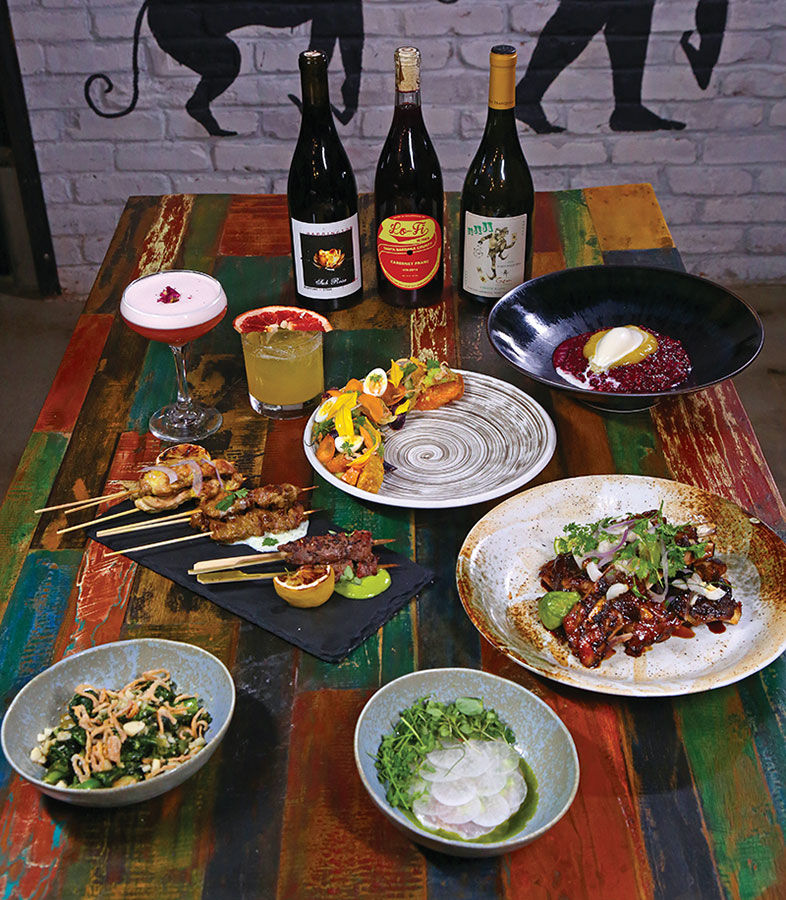
This restaurant and bar specializes in Balinese-inspired Cali cuisine crafted by Ryan Costanza, who moved here from San Francisco after working under lauded chef Dominique Crenn. Highlights include ceviche with kaffir lime under daikon radish, tender eggplant dressed in a smoky tomato sambal, and Costanza’s killer nasi goreng. Dija Mara (Balinese for “where have you been”) claims to have San Diego’s only completely natural wine list; or, try clever low-ABV cocktails like a paloma with grapefruit-infused agave wine and passion-fruit syrup. No reservations, first come first served, and worth the wait.
232 South Coast Highway, Oceanside
The Best of North County 2018
Salt Culture
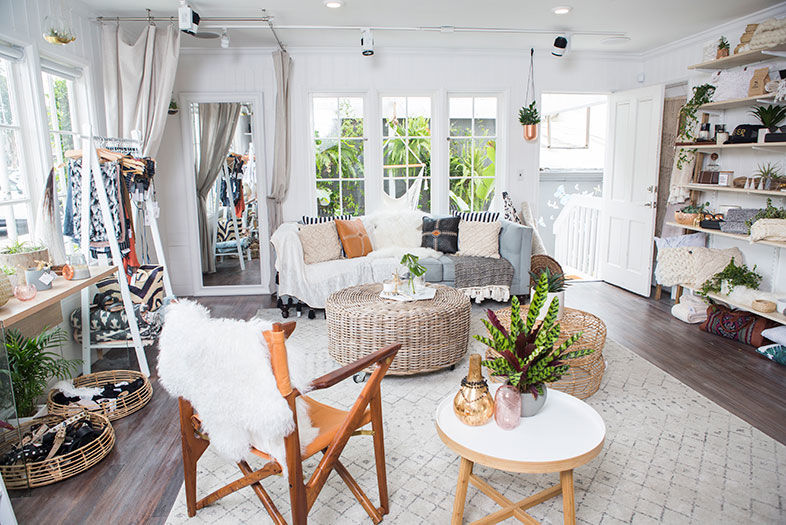
It’s no surprise that a shop run by pro surfer Rob Machado and his wife, Sophie, oozes with a relaxed SoCal beach vibe. Inside the 1930s cottage are home pieces, jewelry, and clothing from a mix of indie labels, mainstream brands, and goods from Bali. But this is a place you’ll want to sit and stay awhile. There’s a stylish indoor seating area, plus an outdoor patio with a hammock and lush greenery. Even the checkout area—a converted kitchen with original green tiling—is worth ogling over. It’s beach chic at its best.
930 South Coast Highway 101, Encinitas
Every day is 72 degrees and sunny at this LA–based chain, where you can find stylish, beach-friendly pieces like gauzy embroidered tunic tops, silky caftans, kimono wraps, and intricately patterned scarves. There are also handbags and shoes to complete just the right look for lounging on the Amalfi Coast—or at least swanning around San Diego.
1923 Calle Barcelona, Carlsbad
Solana Beach Antique Mall may have closed, but you can now get your vintage fix in Oceanside at this 12,000-square-foot emporium. Look for more than 100 vendors selling Native American jewelry, midcentury modern furniture, records, paintings, you name it. They also host charity bake sales, holiday events, and family photo sessions.
1555 South Coast Highway, Oceanside
This North County plant nursery known for advocating holistic practices and organic eating has expanded its lineup of DIY craft events. In addition to macramé workshops, this year’s series focuses on succulents, from a how-to on mounting and caring for staghorn ferns, to using cacti for art, headbands, teacup arrangements, and living frames.
1452 Santa Fe Drive, Encinitas
The Best of North County 2018
Nixon
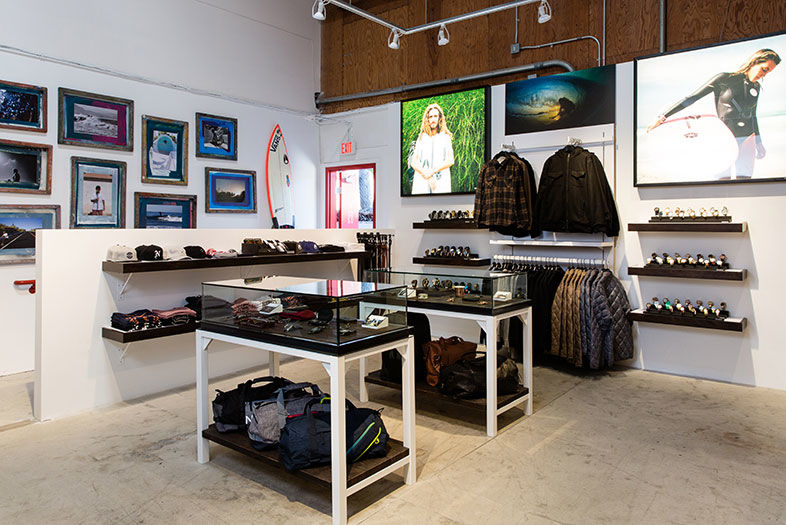
After two decades of watchmaking, Nixon has finally opened its first retail location, at its Encinitas headquarters. Complete with a custom watch bar, where you can personalize your timepieces down to the model, case finish, bezel, and dial, the store also carries travel bags, backpacks, clothing, and other accessories. But the stunner of the space is the brand’s Rock LTD collection, consisting of limited-edition tickers banded by materials like leather jackets, pants, and guitar straps from some of the biggest names in music, including Steven Tyler. Rock on to that!
701 South Coast Highway 101, Encinitas
The Best of North County 2018
The Shoppes at Carlsbad
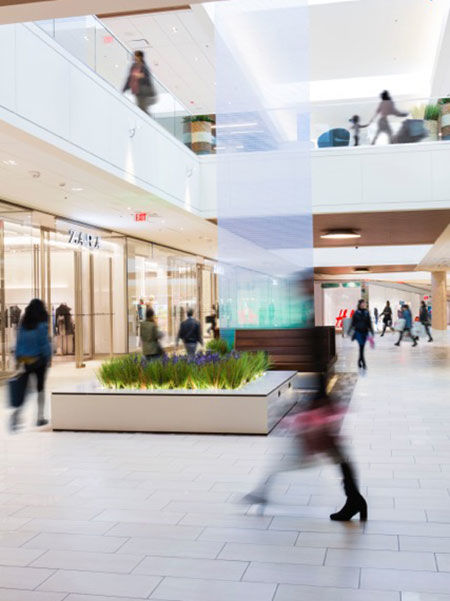
The indoor mall received a much-needed facelift in the new year and, with it, an influx of new tenants. H&M, Zara, Francesca’s, and Pandora are among the national retailers who’ve moved in. Local bath bomb brand Lux Products secured a storefront, and so did Solana Beach–born activewear line Gracedbygrit with a yearlong pop-up shop. There’s no shortage of new eats, either, as Lucha Libre Taco Shop, Grubby’s Poke + Fish Market, and Breakfast Republic all snagged a spot on the directory.
2525 El Camino Real, Carlsbad
Need a hostess gift, a coworker’s birthday present, or a token of thanks for Teacher Appreciation Week? You can find something for everyone at this cheery shop at The Village at Pacific Highlands Ranch, thanks to its selection of whimsical mugs and glasses, candles, hand lotion, wall art, tote bags, and other fun gifts and accessories, with an emphasis on kitchen and home goods.
5980 Village Way, Carmel Valley
She’s a fiber artist who’s created pieces for Nixon watches, and he’s a graphic designer who has worked with Adidas, Nike, and Expedition One skateboards. Together, Erika and Pete Panciera launched Norden Goods’ line of earthy candles, minimalist dishware, and ceramic planters in Encinitas in 2014. The brand has exploded since then, with stockists everywhere from San Francisco to Brooklyn, and locally at Moniker General in Liberty Station. Most recently they partnered with cool-kid fashion magazine Baccalà on a candle scented with sandalwood, tobacco, and leather.
Encinitas
This shop appeals to the bohemian set. Think Moroccan rugs, fringed clutches, Spanish brocade loafers, handwoven baskets, and breezy dresses.
587 South Coast Highway 101, Encinitas
Pulling inspiration from Aviara’s backyard strawberry fields, this part of the luxe resort’s new spa menu is all about brightening and hydrating. The treat-yourself experience includes a strawberry rhubarb exfoliator and mask with hyaluronic acid to hold in moisture, plus an acai-based moisturizer—all using products from the organic Eminence skin care line. Even considering the facial focus, there’s a surprisingly lengthy neck and shoulder massage added into the mix. Post-treatment, head to the bright solarium for tea and snacks, or the sauna and whirlpool. ($160 for 50 minutes or $215 for 80 minutes.)
7100 Aviara Resort Drive, Carlsbad
The Best of North County 2018
Four Moons Spa
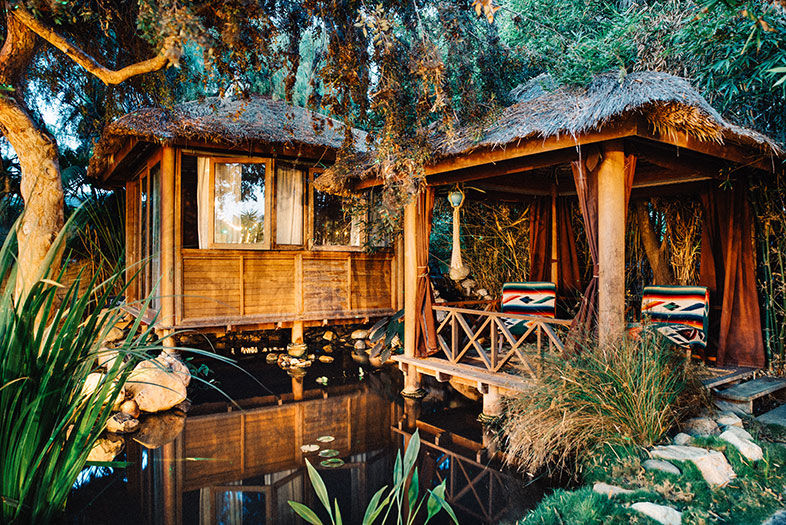
Formerly Bergamot Spa, this sanctuary for wellness has attracted the area’s finest therapists and healers, whether you want acupuncture, a session with a medical intuitive, sacred energy healing, an organic facial, or a belly dancing class. Chill time here is easy thanks to its bean-bag-dotted meditation deck overlooking the koi pond, Balinese bungalows, and garden daybeds.
775 North Vulcan Avenue, Leucadia
Last year’s inaugural event hit the ground running, earning top marks from racers for everything from the cool Swami’s-themed medals and T-shirts to the abundance of portable toilets. Best of all was the course’s 7-mile stretch along picturesque Coast Highway 101. New this year? An after-party at Seaside Bazaar for runners and the community.
Encinitas
Founded by Annemarie Alf, a physical therapist who has trained Olympic gold medalists, the fitness center can meet all your athletic health needs under one roof, including an open gym, therapists, nutritionists, and an on-site registered nurse—plus more niche services like vitamin injections and hormone rebalancing.
1281 Liberty Way, Vista

The Best of North County 2018
The Blissful Goat
Keys Creek offers tours, lavender lotions—the farm has more than a dozen varieties of the flower—and, most recently, glamping and yoga retreats on their 8.5-acre farm. Previously known as The Lavender Fields, Keys Creek is open to guests during bloom season from May to June, but weekend events run all year long and include everything from a dip in the Himalayan salt pool to lavender-scented soap making.
12460 Keys Creek Road, Valley Center
It’s “naaaaamaste” all day at this San Marcos goat farm, which turns into an outdoor yoga studio several times a month. Classes are led by instructor and goat enthusiast Star Bailey, a licensed chiropractor who uses a mind-body philosophy to help patients with chronic pain and illness. Goat Yoga Light welcomes yogis of all skill levels to breathe, stretch, pose, and laugh stress away while the animals join in (or just get on top of your back).
San Marcos
The Best of North County 2018
Way Way Out There
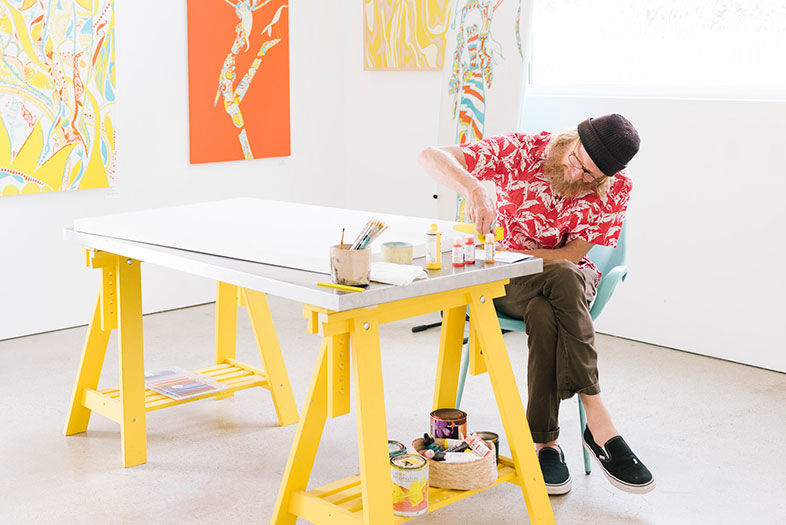
Born-and-raised Southern Californian Andy Davis has a knack for colorful, surf-inspired art. It’s that talent that nabbed him deals with Patagonia and Billabong and led him to design the eye-catching wood installation at the new Solana Beach West Elm. At his Way Way Out There gallery nearby, open since November, he displays those signature surf and sun pieces via solo and group shows that bring in fellow SoCal artists.
345 North Highway 101, Solana Beach
Litvak is made up of both young and seasoned professionals, all dedicated to creating diverse stories about and for the community through contemporary movement. Led by artistic director and San Diego modern dance trailblazer Sadie Weinberg, they offer weekly open company classes and, starting this month, a chance to see them live in their first official company performance.
1465 Encinitas Boulevard, Encinitas (open classes and performances may be at various locations)
Escondido’s California Center for the Arts is organizing 10 free outdoor concerts at Grape Day Park this year under the banner of the 2018 Levitt AMP Escondido Music Series. Escondido was one of only 15 American cities awarded a grant of $25,000 in matching funds this year by the Mortimer & Mimi Levitt Foundation, which funds transformations of underused public spaces for musical enjoyment.
340 North Escondido Boulevard, Escondido
It’s all about immersion and education at this nonprofit, which is celebrating 20 years of creativity in 2018. The core of the institute is its artist-in-residence program, which invites internationally renowned artists for a monthlong stay so the community can watch and learn from their process firsthand via classes and programs. Camps—like the spring break offering this month—also provide kids and teens an opportunity to refine their craft. Look for Lux’s annual fundraising gala, Lux After Dark, on May 19.
1550 South El Camino Real, Encinitas
In San Diego, rare is a second-floor dance studio with big picture windows. (So NYC!) The bright and modern Pacific Arts Dance Center is the result of Del Mar Ballet’s recent merge with Royal Academy of Performing Arts. Pacific Arts now boasts twice the student following, plus respected instructors in adult dance, pre-professional ballet, hip-hop, tap, acro, and more. Did we mention there are music rooms and a wide balcony with sliding doors that doubles as an indoor-outdoor performance space? It’s literally taking the stuffiness out of classical ballet.
5550 Carmel Mountain Road, Carmel Valley
The Best of North County 2018
Tempest Freerunning Academy North County
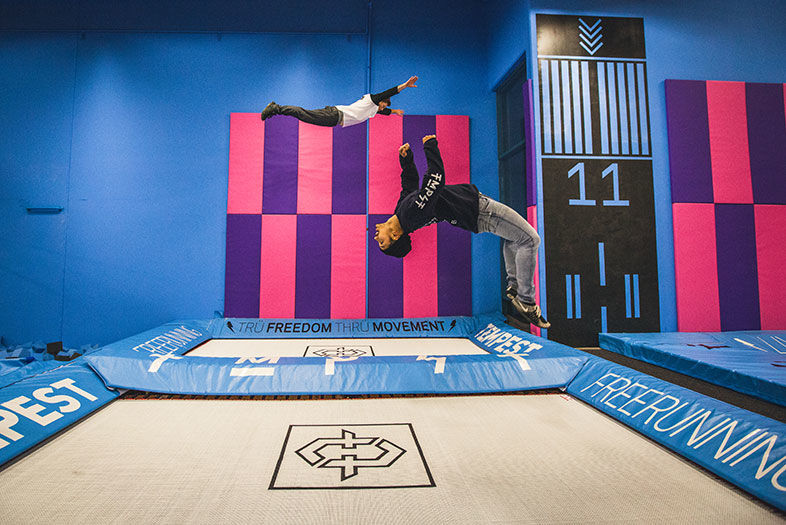
Build your kiddos’ fitness and coordination by giving them the chance to jump, run, swing, and flip around a space that looks like the 8-bit Super Mario Bros. invaded The LEGO Movie. Don’t worry: This parkour gym is outfitted with plenty of safe, soft landings. Classes are available for 4-year-olds, tweens, teens, and adults.
2620 Progress Street, Vista
Launched last summer by a North County mom who works as a family therapist, GUT hosts events aimed at empowering young girls from an early age. Activities range from dancing, singing, and yoga to exercises focused on team-building and emotional wellness—all with parents and family members encouraged to join. Events are spread throughout the county and even the country; they’re taking the movement to New York next month. Check their website for details on upcoming San Diego sessions.
Kids who have outgrown playgrounds can get their thrills here, where the attractions include rock-climbing walls, mini golf, and an American Ninja Warrior–style obstacle course; daredevils can strap on a harness and test out the Skyscraper ropes course that hovers in midair over the bumper cars—all of which glow in the dark.
1390 Engineer Street, Vista
Kids transfixed by Cirque du Soleil can take a spin (or a flip or a climb) on silks just like the pros in aerial arts classes at the YMCA’s gymnastics facility. Participants learn how to wrap the silks around themselves for midair twirls, splits, or suspended hangs. Parents can get in on the fun with the Y’s set of adult aerial classes, too.
200 Saxony Road, Encinitas

The Best of North County 2018
Cravory Cookies
Kids will be on cloud nine at this giant indoor adrenaline park. Packed with trampoline dodgeball, dunk basketball, slacklining, jousting, rock climbing, airbags, and even a 20-foot free fall jump tower, youngsters can bounce back and forth between activities and then grab a snack from the park’s café. Parents will love the flexible party packages, on-site safety staff, and three dedicated zones for their littlest flyers. Ages 3+; packages start at $190.
6133 Innovation Way, Carlsbad
Every third Sunday of the month, kids can unleash their inner cookie monster at The Cravory’s Bressi Ranch location. Just buy a cookie and let them go wild with flavor combinations—think chocolate sprinkles with cherries or marshmallows on the Cookies N Cream Milkshake cookie.
2675 Gateway Road, Carlsbad
The Best of North County 2018
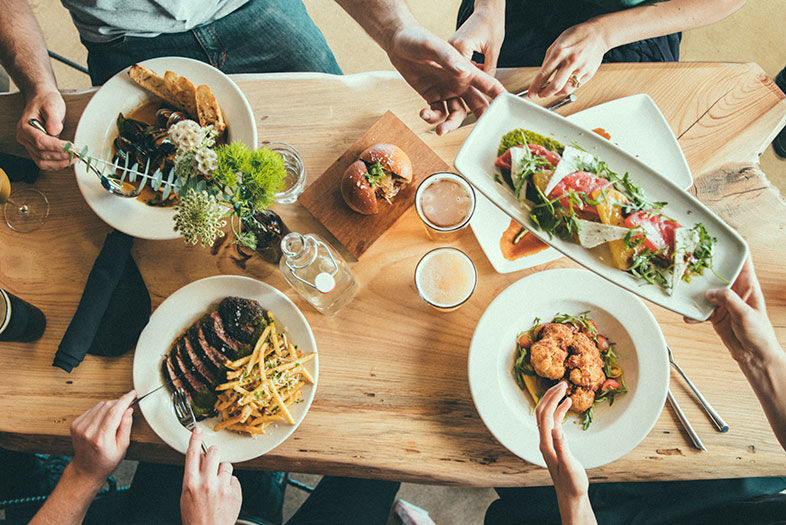
Viewpoint Brewing Co.
Artists and advocates are building a more sustainable creative future through public funding, political organization, and cross-border collaboration
This is part of a three-part series. This is Act III. See Act I and Act II here.
We’ve been here before.
In 2012, city funding for the arts and culture in San Diego had eroded. As a corrective, the city council unanimously approved “Penny for the Arts”—a promise to dedicate roughly one penny of every dollar spent on hotel rooms (the Transient Occupancy Tax, or TOT).
The logic was fair and sound: Cultural institutions and events help attract visitors. Those visitors pay hotel taxes. So, the people agreed, some of that hotel-tax revenue should go back into maintaining the cultural ecosystem that helps bring those visitors and that money.
Projected as a five-year plan, the measure was supposed to increase funding to $17.9 million by 2017.
It never did. The penny was never guaranteed, so each year the city used part of it for other priorities. By 2023, the money going to arts and culture was up to about a half a penny. Even as TOT revenue has gone up significantly.
In 2019, TOT revenue was $245 million.
In 2025: $325 million.
One fix would be to guarantee the penny. Not simple, given San Diego’s financial woes. But the alternative—eroding the culture that makes San Diego San Diego, give it its identity—also doesn’t feel wise. Plus, even a locked percentage still rises and falls with tourism, which is why culture advocates want a guaranteed floor on top of it.
Another solution would be to give the arts commission actual authority.
“It’s an advisory body,” says arts commissioner Kamaal Martin. “You’d be hard-pressed to find anybody who takes our advice.”

He described the commissioners debating real, consequential questions this year, like whether and how to divide the cuts between funding pools. But those conversations “don’t connect to whoever’s actually deciding,” Martin says. “We haven’t been entrusted with decision-making about relevant things nearly enough.”
Christine Martinez is building political infrastructure through her organization Arts+Culture:San Diego—which is starting a 501(c)(4) lobbying structure not unlike police and fire unions. Martinez is also keeping her community actively engaged. “We won’t be caught off guard next year like we were this year,” she tells me.
Then there’s the evergreen issue of affordability and accessibility. Kiplinger’s most recent report ranks San Diego as the 11th most expensive city in the US, based on cost of living. The average home value is $980,700 (the US median is $540,000), but San Diego’s median household income is only one-third greater than the national level. Rent is also 66 percent higher than the national average ($2,716 vs. $1,636).
This is why San Diego has long suffered from the creative brain drain—creatives leaving for more affordable cities. “Artists are free to live wherever they want, and they will go where the rent is affordable,” says Jennifer de Poyen of Space 4 Art. “When they leave, they take their gifts with them, and their contributions, and their economic impact.”
One saving grace is the presence of Tijuana, where the cost of living is about 60 percent lower than San Diego, per Numbeo. Tijuana has long functioned as an affordable neighborhood for many in San Diego’s creative culture. It’s part of the reason why the binational identity is such a constant in our galleries, music, theater, murals, and culture. While that cross-border blood flow is one of San Diego’s most compelling attributes, few artists living that life would call it convenient or easy. A city is at a disadvantage when its culture creators have to cross a border to go home at night, and cross again the next morning to work.
In May, San Diego County Board of Supervisors approved a $2.75 million arts initiative of its own. It includes an Artist Space Grant Program aimed directly at the affordability crisis, as well as an artist-in-residence program, a dedicated Binational Creative Economy Investment, and a one-time investment in the Black Arts and Culture District in Encanto.
Bob Lehman of San Diego Art Matters has been doing county-level, binational organizing for years; in 2023, he helped get the county’s arts commission reestablished after 30 years of defunctness. That’s important because it gives arts and culture an official seat in county government, advising the County Board of Supervisors on arts and culture policy. He also brought in consultant Laura Zucker, who ran LA County’s arts program for three decades, to build a real regional plan.
“I really believe we’ll have something set up here that other communities come and look at,” he told me. “A national template other cities come to learn from.”
When asked who decides which artists will get the new grant money, county arts commissioner and executive director of the Chicano Park Museum and Cultural Center Monica Delgadillo Hernandez doesn’t hedge.
“That’s part of the infrastructure we’re going to be building,” she says. “What should a panel of reviewers look like? Should it be the commissioners? Should it be other folks? A supervisor?” She was just as candid that the commission itself doesn’t reflect San Diego’s population—Chicano communities are roughly a third of the city, she tells me, “and that’s not represented at the table yet.”

The great news is that none of these solutions have to be invented from scratch. Numerous cities serve as examples of what’s possible—if we have the will.
Jonathon Glus—Prebys Foundation Senior Fellow for Art & Design, the Executive Director of the Art + Design District, and board president for California for the Arts—worked in Houston before coming to San Diego. The Texas city dedicates 74.5 percent of its hotel tax to arts grants by formula, and that support is guaranteed. Washington, DC locked in dedicated arts funding in 2019. Salt Lake City, my hometown, has run a voter-approved arts tax for almost 30 years, most recently reauthorized through 2034. And just this summer, New York City pushed cultural funding to a record $323.8 million, even incorporating an emergency fund.
Denver’s model is interesting because instead of a city-dependent funding model, theirs is a 0.1 percent regional sales tax. In place since 1988 and renewed by voters three times, their Scientific & Cultural Facilities District has distributed between $54 million and $85 million to arts, culture, and scientific orgs—each of the last 12 years.
This is part of a three-part series. This is Act III. See Act I and Act II here.
None of these cities got there by accident. They decided, on purpose, that arts and culture were worth protecting from politics—and, in some cases, worth building an entire identity around.
“That’s how Miami has flipped the switch,” says Glus. “People go to Miami for culture as much as they do the beach.”
San Diego has spent decades selling itself backward: Beach and weather first, culture as an afterthought you might stumble into. Glus would love to see the strategy flipped: Visitors should come for the art, “and then, by the way, you’re on the beach.”

“I do think it was a wake-up call for the community,” de Poyen says of the budget fight. “People understand that our funding is vulnerable. It was a lesson in how much power people have when they coalesce. But wow, is it painful.”
Glus says he’s genuinely optimistic. “The players have all changed seats, but the work is moving forward.”
“I believe optimism is a moral duty,” says Martin, who’s both power-fist and polite.
In eight months, there will be another budget fight. Everyone I talked to expects it will be worse. But something happened this spring that can’t be undone.
“I hope this rupture has brought us together in a moment of self-realization,” says Leticia Gomez Franco of the Balboa Art Conservation Center. “I hope we stop being so transactional; we begin to see ourselves and each other as partners in this work.”
That’s the whole ask, really. And it’s on all of us.
This is part of a three-part series. This is Act III. See Act I and Act II here.
Aaryn Belfer is a writer and editor specializing in nonfiction across art, architecture, and culture. Once upon a time, she wrote a provocative column for San Diego CityBeat (RIP). She was a runner up in the 2025 Matchbook Stories contest at the San Diego Central Library and is irrationally happy about it. Currently in her Soft Girl Era, Aaryn has expensive taste in (mostly flat) shoes and will choose a great art exhibit or live jazz concert over almost anything else. Except, possibly, Javier Bardem.
The history, communities, and creative movements behind a cultural scene that extends far beyond the city’s postcard image
This is part of a three-part series. This is Act II. See Act I and Act III here.
Without concrete, wildflowers are just weeds. Any honest history of San Diego art and culture is tension and its reckonings. It begins before the name existed, with the Kumeyaay. It must pass through the Panama-California Exposition, one hell of a county fair that conjured Balboa Park as our grand cultural stage. It pays tribute to the lights of La Jolla, where the donor pool helped realize unrealizable things. It should mention names like Marston, Scripps, Ochoa, DeWitt, Lopez, Klauber, Baldessari, Torres… so many.
In short spaces like this, long histories like that become roll calls. So this is more of a walk through pressure points, notes on recurring forces and regional oddities.
Border life is key to understanding the here of here. Art without dialogue is just decoration. At its best, that dialogue should be a tad muddy, emotionally gassed. In other words, it should be in need of art—to widen perspective, parse meaning, see the unseen.
San Diego’s central dialogue—the magic and the stressor—is being flatmates with Mexico’s second-largest city by population. That makes San Diego a swing-gate of shared and vastly different perspectives, both its own place and something larger. And in no other major city in the US do the fresh flow of ideas from two countries—different governments, laws, mores, expressions, arts, cultures, traditions, economies, loves, and resentments—mingle at such a constant daily rate (due respect to El Paso).
That binational steam created Chicano Park, one of the most uniquely San Diegan contributions to national and international culture. When construction of the I-5 and Coronado Bridge divided Logan Heights, neighbors protested by transmuting prejudicial concrete into redwoods of Chicano art. Turning a civic wound into a beautiful and enduring landmark that expressed and preserved a core identity—like East Side Gallery in Berlin or Constitution Hill in Johannesburg—is damn near the core of what art is supposed to do.
Like any city, the underground-overground friction is crucial in San Diego. Our culture is headlined by institutions that lift creative work onto national and international stages: MCASD, The Nat, SDMA, Centro Cultural de la Raza, the Symphony, WorldBeat Center, The Old Globe, La Jolla Playhouse, Mingei, Museum of Us, Stuart Collection, Timken, ICA, Comic-Con, etc. The next mutations grow in the seams: street murals, music dives, tattoo shops, wheatpasted walls, graffiti, lowriders, surf and skate art (though in San Diego, this is mainstream), pop-up shows, backyard shows, beach raves, any place with room for people and a loose relationship with regulations.

Both art and culture get their power from power. They’re fundamentally a conversation with and retort against dominant structures. San Diego’s most pervasive structure is arguably the most rigid form: the military. Its presence is heavy in the southern tip (Border Patrol), the middle (Navy and MCAS Miramar), and northern edge (Camp Pendleton). The military is San Diego’s largest employer, by a long shot.
Within this plus-sized environment of order and hierarchy, it’s understandable that Shepard Fairey’s “OBEY” posters in the late ’90s struck such a potent chord. The most compelling punk rock is often outside a strong governor’s window. (The “OBEY” series featured an ominous, propaganda-style André the Giant wheatpasted on random ugly surfaces across San Diego—launching Fairey’s style that he eventually used for Obama’s “HOPE” poster.)
Armed forces are often viewed as the absence of creative culture—understandably so, since rogue individual expression feels like a pretty sure way to sink a war effort.
But in San Diego, the Navy’s unsuspecting role as art creator—directly or indirectly—is hard to ignore. Tattoos are a dawn-of-time practice of many early cultures, including the Kumeyaay. But Polynesia was a core realm. Sailors were exposed to it on deployment in the Pacific Rim, inking their arms with the names of loved ones and unit insignia. Back in San Diego, they’d flaunt those tats in the beaches and bars of Mission Beach or PB (Marines did the same in Oceanside.) Enlistees were the muscular flesh galleries that helped turn skin art into one of the city’s most widespread modern art forms.
During WWII, the military also trained huge legions of San Diego laborers how to build war machines. Those mechanics, engineers, machinists, welders, painters, and metal fabricators used those skills for creative good in their neighborhoods—especially in custom car culture, which took off in the post-war ’50s and ’60s. Mexican-American vets helped develop the lowrider scene, a deeply rooted part of San Diego creative expression. Galleries on slow-moving wheels.
Tourism is the other mainstream force ripe for creating against. It is both critical to San Diego’s economy, and one of the greatest barriers to deeper, more nuanced expressions of what and who San Diego is. The industry of selling our city to passers-through creates a gigantic tarp of cultural tropes. It reinforces the most obvious charms—cute zoo animal takes in an epic sunset with a giant margarita—and doesn’t yield much airspace to the thrilling micro-cultures that live and breathe where locals live and breathe. Nothing against watercolors of dolphins, but much against the hegemony of watercolors of dolphins.
Maybe because of these dominant forces, San Diegans especially tend to force underground and institutional art into a needless cage match. It’s human instinct to champion the underdog as more worthy, but that has always felt like a form of articide.

It’s like saying the only good food is made by gritty upstarts who crafted their own whisks from discarded shopping carts. Most of those plucky whisk-makers would love to eventually be paid properly, would love a stage, a grant, a building, a donor, a lighting rig, health insurance, maybe even one chair that doesn’t threaten the spine.
That’s what the major institutions do. Both stages—the duct-taped and the donored—serve vital roles and deserve commensurate support if we care about the entire lifespan of creative expression and not just its first exciting steps. Championing the starving artist exclusively just secures an enduring poverty for the creative class at large.
I’ve often theorized it’s harder to create great art and culture in cities like San Diego, where the climate is supernaturally pleasant. In colder/hotter/rainier/less beautiful cities, people are forced indoors to fabricate their own beauty (the grunge music of Seattle, the obscene creative output of Reykjavík). San Diego’s eternally mild sunshine tends to make the human body our art medium of choice. But scratch the surface of that surf poster (and I’ve only scratched a miniscule percent here), and this city’s far from the cultural shallows it gets accused of being.
Addendum: A Personal Agenda. In scouting the route of art and culture across San Diego county through history, two areas come up again and again: La Jolla and Barrio Logan. So I propose a collaboration between two icons of artful concrete—Chicano Park and Salk Institute (one of the world’s great examples of brutalism architecture). Let Barrio Logan’s muralists go nuts on that coastal science fortress, unite the realms for a moment in time.
This is part of a three-part series. This is Act II. See Act I and Act III here.
Troy Johnson is the magazine’s award-winning food writer and humorist, and a long-standing expert on Food Network. His work has been featured on NatGeo, Travel Channel, NPR, and in Food Matters, a textbook of the best American food writing.
The city’s cultural sector regained millions after a proposed 85 percent cut, yet nonprofits, youth programs and major institutions still face painful losses
This is part of a three-part series. This is Act I. See Act II and Act III here.
Every spring, Christine Martinez reaches out to the arts community to explain what’s on the line, hoping they’ll engage with the city’s budget process. Cultural funding, she constantly reminds, is almost always strapped to the guillotine. Especially in a city strapped for cash.
“It’s not an easy ask,” says Martinez, manager of Arts+Culture:San Diego. “Showing up is a real cost for small, volunteer-run groups that can’t spare half a day at City Council without possibly having to close their doors.”
Then, last April—with one day’s notice to arts leaders—Mayor Todd Gloria proposed a budget that didn’t trim arts funding; it eviscerated it, from $13.8 million to $2 million. An 85 percent slash. Other city departments faced cuts of about 7 percent.
The scheduled date of the cuts was just three months away (beginning of the fiscal year). Organizational leaders have to plan months if not years ahead to run their organizations. They had made hires, dedicated spending, and programmed their seasons based on a reasonable expectation that support for the arts would be somewhat in line with previous years. (The City has allotted at least $7 million a year to arts every year for the last 20 years, and the last four years have ranged between $13.8 and $18.2 million.)
The day felt even more existential given the national and international climate around the arts: namely, the federal government’s repeated proposal to eliminate the country’s two biggest cultural foundations (NEA and NEH), and the global trend of AI replacing more costly human creatives.
“It shocked everybody,” says Kamaal Martin, arts commissioner and co-founder of Art Power Equity. “If the message had been, ‘Times are tough, everybody tighten their belts a little,’ it would have landed differently. But there was no vision offered for the future, no parity in the cut. It was just, essentially, ‘Fuck you.’”
Among things I’m good at—sleeping late, low bidding for expensive shoes on Poshmark, parallel parking on either side of the street—budget analysis isn’t among them. In trying to understand how bad the finances were for San Diego to propose this drastic cut, I found myself drowning in numbers, pie charts, and politi-speak.
In his April 27 newsletter, Gloria explained that balancing the budget means “asking hard questions about every single dollar this city spends: Is this a core responsibility of city government, or is it something we do when we can afford to?”
Fair enough—if he were to ask those hard questions about every single dollar this city spends. It also makes his conclusion clear: The City of San Diego does not view supporting arts and culture as a core responsibility.
Which begs more than a few questions: Should the City be responsible? If not, then who? How crucial are arts and culture to a city? And since this is a budget discussion, how much revenue does the arts and culture industry generate for San Diego? What’s the ROI?

$1.2 billion.
That’s how much economic activity San Diego’s arts and culture nonprofits generated in 2022, according to the City’s latest Arts & Economic Prosperity 6 report. The industry created nearly 17,000 jobs and generated $878 million of personal income for local residents. About 15 percent of the people showing up to arts events in San Diego are tourists, so money was raised through TOT (Transit Occupancy Tax). The activity generated $275.7 million in tax revenue to the city.
In other words, the ROI seems to be ROI-ing.
Still, there have been signs that cuts were coming. In 2025, the City demoted the Department of Cultural Affairs to a division, folding it into the Economic Development Department (EDD). That meant Cultural Affairs no longer had independence, nor its own leader sitting at the same organizational level as departments like parks and recreation, library, police, and fire. It lost institutional leverage and would now have to compete with other EDD priorities—real estate, airport operations, business development, etc.—for budget allocation.
To be clear, few arts administrators and leaders I spoke with are interested in the either/or false choice of funding law enforcement or after-school programs; the fire departments or libraries. They’re sincere in looking for solutions that don’t leave any single group with a greater burden of righting a long-out-of-balance budget.
Jennifer de Poyen, executive director of Space 4 Art, says Gloria had long been a supporter of the arts, which made his attempted Red Wedding especially upsetting.
Aaryn Belfer is a writer and editor specializing in nonfiction across art, architecture, and culture. Once upon a time, she wrote a provocative column for San Diego CityBeat (RIP). She was a runner up in the 2025 Matchbook Stories contest at the San Diego Central Library and is irrationally happy about it. Currently in her Soft Girl Era, Aaryn has expensive taste in (mostly flat) shoes and will choose a great art exhibit or live jazz concert over almost anything else. Except, possibly, Javier Bardem.
Earlier this year, Fit quietly dropped "athletic" from its brand, from Fit Athletic Clubs to simply Fit, and started calling itself something new: a social wellness club.
There’s a version of San Diego that lives in two extremes. On one side, the 5 a.m. crowd: biohackers, marathoners, people who’ve already logged a cold plunge before your alarm goes off. On the other, the after-dark crowd, the ones chasing sunset happy hours and late dinners with friends. Everyone seems to be either optimizing or unwinding, and most of us feel like we’re failing at both.
Fit, San Diego’s reigning Best Gym for the third year running, has built its entire identity around erasing that divide.
Walk into one of Fit’s three San Diego locations on a Tuesday afternoon and the lines blur fast. Someone’s mid-set on the squat rack. Someone else has a laptop open at a café table a few feet away, half-working, half-people-watching. A group is trading plans for the weekend’s event by the recovery lounge. Nobody’s in a rush to leave.
“We’re not competing for the same people,” says Emily Waybright, Public Relations Manager at Fit, addressing the arrival of a national luxury gym chain in San Diego this year. “We don’t really feel like we’re in the gym category. It’s this unique thing.”
That unique thing has a name now. Earlier this year, Fit quietly dropped “athletic” from its brand, from Fit Athletic Clubs to simply Fit, and started calling itself something new: a social wellness club.
It’s a small wording change with a bigger idea behind it. Fit was never built around escaping the workday. It was built around the people who genuinely like what they do, and who want workouts, work, and friendships to happen in the same place instead of three separate ones. Because sometimes red light therapy with a stranger turns into weekend plans.
Fit’s philosophy traces back to its founder, who started the brand nearly two decades ago after failing to find a gym he actually wanted to belong to. He looked instead to the old-school country club, where people came for a shared interest and stayed for the community. His version was made for a younger generation, minus the golf, plus the loud music.
Which makes it a little ironic that the very award putting Fit back in the spotlight this year is Best Gym.
What does the best traditional gym look like when the definition of a gym is becoming less traditional? It’s a fair question, and Fit’s answer is that the fitness industry itself is shifting. The 45-minutes-in, 45-minutes-out model is giving way to something closer to a genuine third space, the kind of role the office and the bar used to play before remote work and changing nightlife habits rearranged how people spend their time
For Fit, community isn’t a marketing add-on to fitness. It’s the through-line. Members aren’t just paying for a treadmill; they’re paying for an entire day of social wellness that’s built on performance, recovery, connection, and a plan for the next event on the calendar. That’s a much harder membership to walk away from.
Ambition and ease aren’t opposites here, they exist side by side, where passion and play share the same morning. On September 12, Fit is hosting Sol, a full day wellness festival at Fit Social. The morning focuses on wellness classes and vendors and then the evening is a full party with multiple DJ sets and an open bar. Think of it as a kick-off to locals’ summer in San Diego.
Ready to see what a social wellness club actually looks like? Visit fitclubs.com, or follow along at @thefitclubs on Instagram.
Meet the artists, makers, and advocates whose work shapes how the city looks, sounds, gathers, and connects
San Diego is full of people who deserve a few thousand words on what they make, who they bring together, and how their work changes the city around them. The artists, makers, advocates, and behind-the-scenes talent below are a small part of that larger ecosystem.
To help us narrow our list, we looked for names that kept coming up, work that reflects the diversity of our region, and people building something bigger than themselves.
Jackie is a long-time freelance journalist covering cannabis, food/restaurants, travel, labor, wine, spirits, arts & culture, design, and other topics. Her work has been selected twice for Best American Travel Writing, and she has won a variety of national and local awards for her writing and reporting.
Isabella Dallas is a freelance writer for San Diego Magazine and the Arts and Culture Editor at The Daily Aztec in her final year at San Diego State University. She previously worked as an editorial intern for SDM, but when she’s not writing, you can find her trying the best coffee spots in SD, devouring the latest rom-coms, and indulging in anything and everything pop culture.
Matt Eisenberg is an award-winning writer and photographer based in San Diego. A former ESPN editor, his work has also been published by CNN, Bleacher Report and the New York Daily News.
Aaryn Belfer is a writer and editor specializing in nonfiction across art, architecture, and culture. Once upon a time, she wrote a provocative column for San Diego CityBeat (RIP). She was a runner up in the 2025 Matchbook Stories contest at the San Diego Central Library and is irrationally happy about it. Currently in her Soft Girl Era, Aaryn has expensive taste in (mostly flat) shoes and will choose a great art exhibit or live jazz concert over almost anything else. Except, possibly, Javier Bardem.
Leorah Gavidor won her first essay contest at age 5. She writes features, news, and non-fiction in San Diego.
Lili Kim is a content coordinator and writer for San Diego Magazine, with experience highlighting local businesses and communities. When not writing or shooting film, she is likely brewing her seventh cup of tea of the day or strolling along Sunset Cliffs.
Emma Veidt is an editor at San Diego Magazine. She earned her bachelor's and master's degrees from the Missouri School of Journalism. She loves running, hiking, and rock climbing, but really, she mostly loves encounters with the street cats around North Park.
Gail Czyszczon is owner/copywriter at Z3 Writing and best-selling author of a children’s book series. As a strategic communications professional and editorialist, she's passionate about discovering untold stories and themes that ignite fresh conversation and true change in communities.
For Jonathon Glus, San Diego’s next chapter begins with the artists who help us understand where we’ve been
Some ancient philosophers believed that humans experience seven-year life cycles or phases of life. Some went so far as to believe that every cell in the body regenerates every seven years.
Much later, in the 1800s, Austrian philosopher, architect, and social reformer Rudolf Steiner developed anthroposophy—an integration of science, art, and spirituality—into his understanding of the human experience. Steiner believed that each of us changes every seven years—from spiritual beliefs to physical evolution—and art is the connective tissue through each of these cycles. Still today, Steiner’s teachings are foundational to the principles of Waldorf education.
While I’ve certainly experienced more than a few human life cycles of my own, I believe that, just like us, cities have their own life cycles.
Cities are living organisms, regenerated every day by the people that live, work, and gather there. Environmental changes, human migration, economic shifts, technological advances, politics, and public policy—they all inform a city’s evolution, sometimes intentionally and sometimes by forces outside of our control. But ultimately, we as humans respond, adapt, and sometimes make our most important new advances.

In the aftermath of World War II, in 1947, the Edinburgh International Festival was established to promote international peace through the performing arts. Today, that festival continues as a global gathering place to experience some of the world’s most innovative dance and theater.
In post-revolution Mexico, that country’s government launched a monumental muralism program to celebrate the history of its Indigenous cultures. Today, that tradition still informs the way Mexico tells its stories and how we understand its history.
Here in the US, the National Endowment for the Arts was established in 1965, at a time when the arts were seen as part of our national strength and resilience. For the first time, federal funds were directed to communities across the country to invest in the arts at a local level.
San Diego may be relatively young as a major American urban center, and even younger on the world stage, but our region as home to humans is ancient. Today, we love a San Diego that is built on roads and traditions of the Kumeyaay Nation, where we share a modern mega-region with our sister city and cultural twin, Tijuana, on unceded Kumeyaay land.
History has shown us that the arts generate the very human connection and understanding that allows our politics, policies, technological advances, and human migration to move forward. In that way and more, the arts are the very heartbeat of our city.
In this issue of San Diego Magazine, we celebrate the artists, creatives, culture bearers, and workers who keep our region connected and in conversation as we take on challenges big and small—internationally as well as on our own neighborhood streets.
Artists are our storytellers. They respond to and chronicle the best and the worst of us—our foibles and weaknesses, our struggles, and, undeniably, our successes.
Now: a look back into the past seven years in history. They have not been a walk in the park, with a pandemic, global unrest, and shifting domestic politics as only a few forces that have challenged our lives and our region. Together, we experienced some of our greatest struggles and witnessed tremendous resilience.
That’s exactly why this is an exciting time for the arts in San Diego. We are on the precipice of an even more fertile, sustained, and inclusive time for the arts in our region.
In some ways, Covid seems like an eternity ago. I remember all too well the massive economic impact on our cultural institutions, some of which have never fully recovered. I remember the mass layoffs of the workers who keep our arts institutions going and the teaching artists who were suddenly out of work.
I also remember the poets, filmmakers, actors, and musicians who helped us grapple with the disruptions of the pandemic. Our communities became virtual, and artists gave us the space to make sense of it all.
In fact, a common phrase emerged from the Covid: artists as second responders.
Still today, I think about the short film made by San Diegans Susanna Peredo Swap and Gill Sotu called History of Joy, which captured so brilliantly what we were experiencing during those days of lockdown.
Since then, as an arts community, we’ve pushed forward transformational work that we will continue to build upon in this next seven-year cycle and well beyond.
Hundreds of artists and culture bearers have spent the past several years going to work with community groups across the region as part of Far South/Border North, our region’s component of the California Arts Council’s groundbreaking artist work program, Creative Corps. The impact resonated so deeply that local government and philanthropy partnered for a second iteration, Artist Count, this time a binational initiative launched just a few months ago.
We’ve invested mightily in cultural infrastructure. Need some examples? There’s the reimagined Jacobs Music Center and Museum of Contemporary Art San Diego, the Black Arts & Culture District, the state designation of Arts District Liberty Station, and now the burgeoning Art + Design District downtown.
World Design Capital San Diego Tijuana 2024 elevated what we already knew—that the two neighboring cities are culturally and creatively intertwined as one region—and boosted our global presence as a creative juggernaut. Artists, designers, and community leaders worked together to produce more than 600 events across our region that year, and the impact continues.
And “Creative City,” the City of San Diego’s first cultural plan that incorporates arts and culture advancements in the city’s development, was crafted by thousands of San Diegans as a roadmap to take us into the future.
Here’s what I know about the past seven years: San Diego’s artists, creatives, and culture bearers showed up for our region as our storytellers, second responders, and creative workforce.
And for the next seven? San Diego will morph and change, as every city does. Sometimes because of us, sometimes in spite of us. But our city’s creative community has a solid foundation on which to build, led by the artists who witness and tell our stories each and every day.
—Jonathon Glus, Conrad Prebys Foundation’s Senior Fellow for Art and Design in Residence at the Downtown San Diego Partnership
Laika Nur, MD, takes her love of volleyball from the court to the clinic as team physician for the San Diego Mojo
Growing up, Laika Nur, MD, Scripps Clinic sports medicine specialist, loved watching beach volleyball when the Association of Volleyball Professionals tour came to her hometown of Chicago. A talented volleyball player herself, she remembers sitting in the stands all day, and once, even got a couple autographs. Years later, Dr. Nur was attending a professional event focused on women’s sports, and the discussion turned to a new professional women’s volleyball league. The general manager and coaching staff for San Diego’s team, the Mojo, happened to be in attendance, and Dr. Nur took the opportunity to ask them if they needed a team doctor. Flash forward to the Mojo’s inaugural 2024 season, when Dr. Nur officially became the team physician. Click here to read more about Dr. Nur and how she incorporates lessons she learned on the court into her practice.
For more nutrition, wellness, and healthy living tips, sign up for the San Diego Health newsletter here.