It’s almost a dare to not shop here. Newport Beach has become a capital of Southern California fashion, known for its byzantine map of brick-and-mortar boutiques. Now classic hotels are getting reboots, renewing their courtship of you and your discretionary income. Underneath the manicured verandas and yachty veneer of this OC beach burg, there are plenty of wild, upstart imaginations at work. Newport will never be LA—and that’s precisely the allure.
Fashion Island
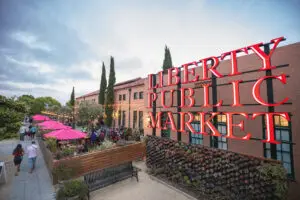
Most destinations have a payoff place; the one that encapsulates everything about its appeal—landscape, built environment, view, food, drink, people, style. For me, it’s Fashion Island. The distinctive open-air shopping center was the one that started it all. Fifty-five years ago, developers turned the traditional mall inside out by placing corridors outside, meandering through Mediterranean gardens and koi ponds.
Today, it remains potently relevant on the retail front as dozens of digitally native brands have hand-picked the center to debut physical stores. There’s Buck Mason, Johnnie-O and Something Navy alongside newcomers like Paired Up, a sneaker store that feels more like an art gallery. The athleisure game is strong here—with shiny flagships from Travis Mathew, Alo and Offline by Aerie.
In January, they’ll add Neighborhood Goods, a neo-department store with locations in Chelsea Market and Austin. “People still like tangible experiences when they’re shopping for clothes,” says Jim Davis, chief customer officer of Buck Mason, the made-in-LA brand that recently opened a breezy store with a vintage Porsche as the centerpiece. “The space has this timeless, midcentury vibe.”
Inside the Buck Mason boutique, which boasts breezy interiors and a vintage Porsche as its centerpiece.
In Newport’s culinary scene, next year Maestro’s will debut its newest concept, Ocean 48, and the drumroll has begun for RH’s four-story Design Gallery with a rooftop restaurant. Meanwhile, a local private equity group, Eagle Four Partners, is banking on the hotel scene. Across from Nordstrom, VEA Newport Beach, which opened in July, revved up the old Marriott with a sleek tropical vibe vis-à-vis Gensler, Burton Studio, and Houston Tyner Architects. VEA is sleek, cosmopolitan, and low-key. A reverse-engineered circular waterfall—The Oculus— is integrated into a pier-inspired design that lures guests from the sexy lobby to the restaurant veranda and pool bar with an unobstructed view of the undulating golf course at Newport Beach Country Club and the ocean beyond.
Coming soon, Eagle Four has teamed up with The Pendry for a complete overhaul of the Island Hotel with nightlife top of mind. The 295 guest rooms will include 82 suites with floor-to-ceiling windows that open to balconies, and the property will showcase three restaurants, a members-only club, an elaborate spa, and ample event space. It marks the brand’s third Southern California hotel after San Diego and West Hollywood.
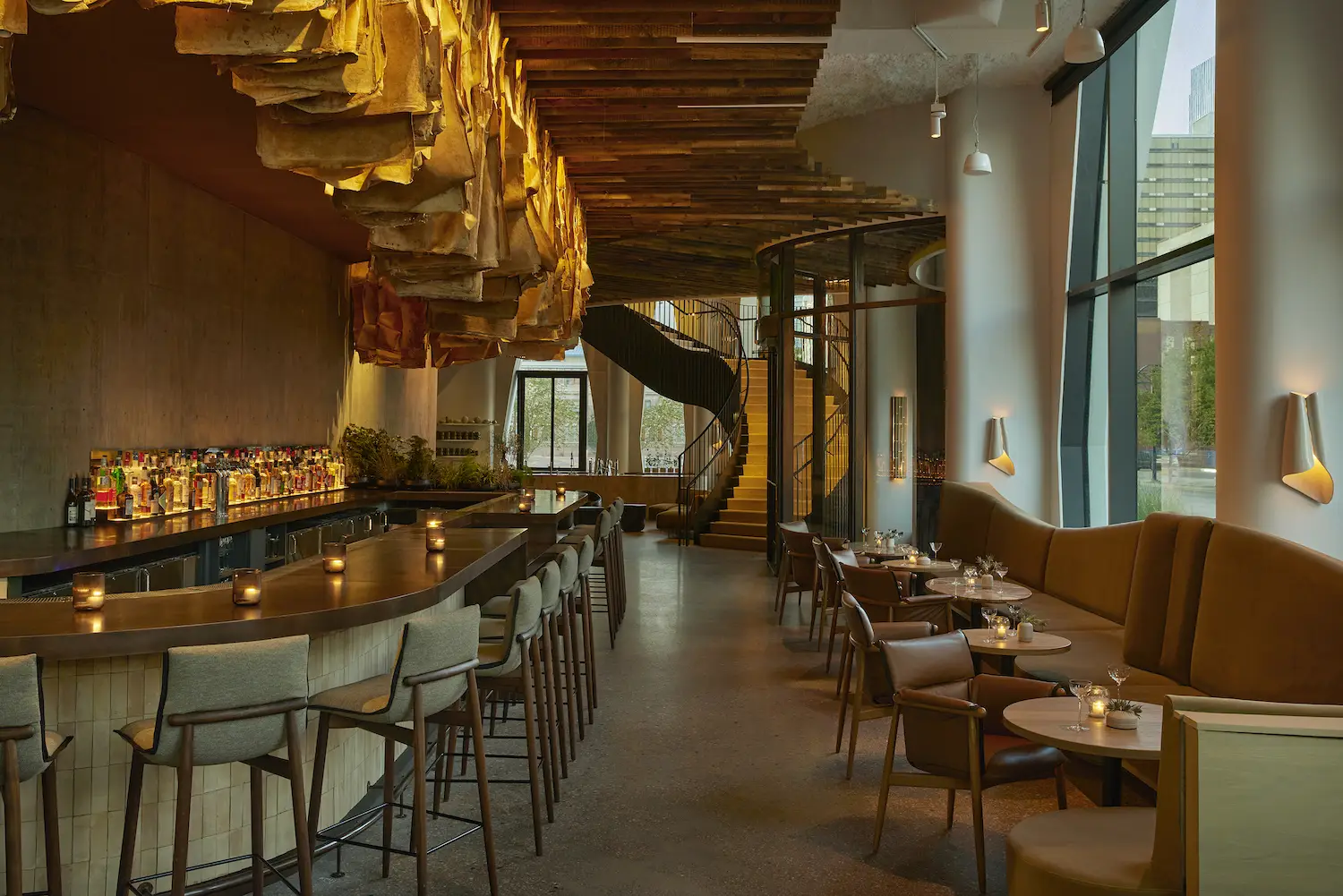
The bar at the recently opened VEA Newport Beach, which was designed by Gensler, Burton Studio, and Houston Tyner Architects.
Lido Marina Village, Balboa Peninsula
Some places create odes to style. Others create it. Lido Marina Village manages both. What was once home to wedding boats and dive bars has given way to the one of the finest examples of adaptive reuse on the California coast—one that preserved the mariner’s soul of Newport while luring in top-shelf retailers.
A nautical palette of high gloss, teak wood, and brass riffs on the adjacent docks. There are other fascinating subcultures to pull inspiration from, including The Wedge—a colossally dangerous surf break on the Southeast edge of Balboa Peninsula. “There are these amazing little shops that cater to a specific surf, beach, and casual lifestyle, all with a highly-curated, fun aesthetic,” says Scott Richards, founder of Slightly Choppy, maker of retro pennants that celebrate local surf breaks.
The boutiques not to miss: Alchemy Works’ expertly sourced vintage section; Maxine, a milliner known for a sublime curation of international brands (French sunglasses, Peruvian jewelry); SeaVees, local maker of kicks; and stockist of Slightly Choppy, Shoppe Amber Interiors, Marrow Fine, Elyse Walker and Love Shack Fancy.
A Duffy boat ferries passengers in and around Lido Marina Village and Balboa Peninsula.
Meanwhile, the culinary scene is be-seen with Nobu, Zinqué, and Malibu Farm. The margarita of note (every destination in SoCal must have a margarita hit list) is the Lido House Hotel, one of those rarified resort settings to wade in aesthetic pursuits swirling a Topside Margarita (Don Julio Blanco, Hellfire, Grand Marnier, fresh juice). Topside is the neighborhood’s only rooftop bar, and its cocktails and Champagne pairings make it a celebratory kind of place. On the ground floor, Mayor’s Table does moody, downtempo elegance and one of the best burgers in town (another contender is Arc Butcher & Baker a few blocks away).
The 130-room Lido has an architectural character that’s “Newport Beach nautical,” a West Coast interpretation of Cape Cod Style. Five local design firms outfitted the beach cottages for a decidedly local feel, and a cascading rope sculpture by Laguna Beach artist Jim Olarte is a scene stealer.
Forgoing a car while on Lido is easier than ever. There are beach cruisers, courtesy of the hotel, and the hyper-local Duffy Boats offer eco-friendly shuttling from Isle to harbor—and boast new-wave hues like seafoam and mango. Also cute and electric: The Moke, a retro-styled, low-speed vehicle that’s open-air and photogenic.
How many American cities do you know that radiate an energy and cast a spell? A handful probably come to mind: New Orleans, New York, San Francisco.
But Tennessee Williams said beyond those few, every place else is just Cleveland, which is a category you may assume Denver, Colorado fits snugly into. However, Denver, I’ve found, if done right, packs a particular type of flavor that might make it more memorable than expected—you just need to put your walking boots on. Cleveland (much love) be damned.
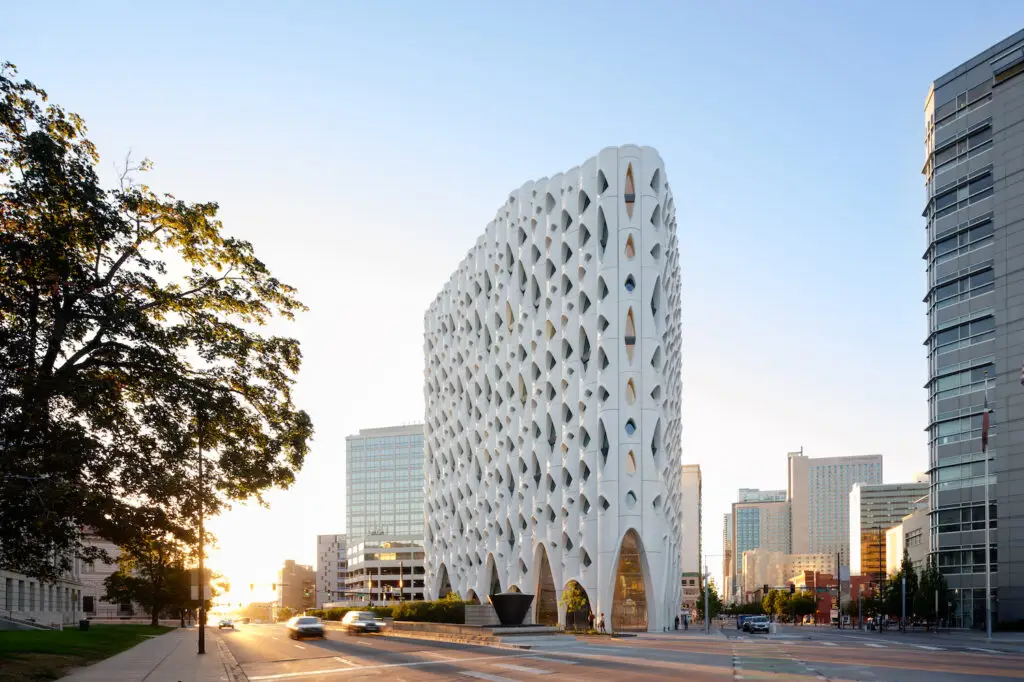
The Populus Hotel, Denver’s newest architectural icon, is a solid jumping-off point for visitors. Modeled after Colorado’s iconic aspen trees, Populus is fetching outside and in with nature-inspired design woven throughout. With reclaimed beetle-kill wood in the main areas and mushroom-based fabrics hanging from lobby restaurant ceilings, it’s a forest-lover’s downtown dream, built with an eye toward ecological harmony. The hotel composts all food waste with an onsite biodigester, utilizes no single-use plastics, and claims to plant a tree for every night a guest stays. The room fobs are crafted from wood and given to guests in a square sleeve of handmade paper strewn with wildflower seeds for planting.
Photo Credit: Jason O’Rear
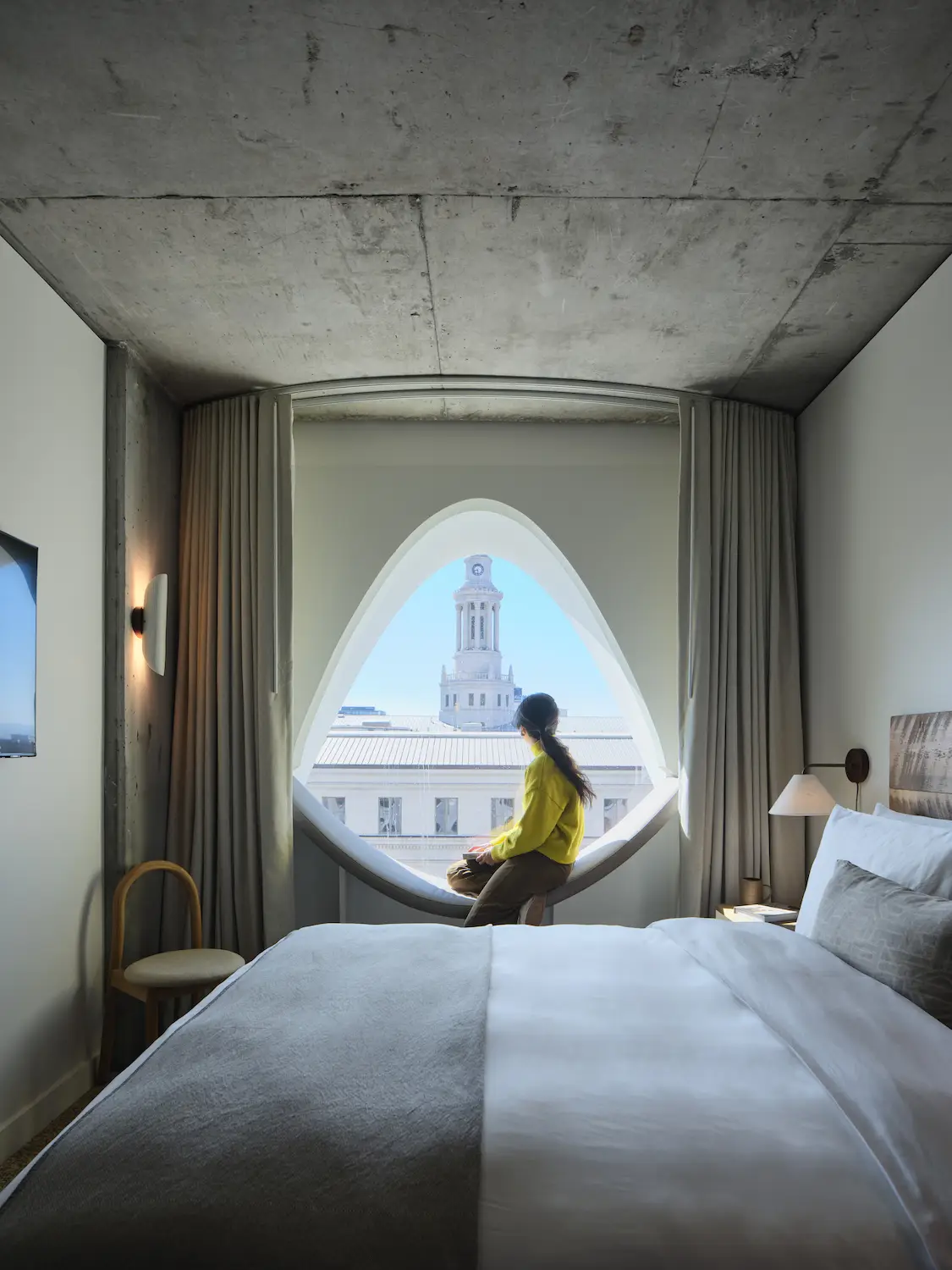
The king rooms are cozy but still new-feeling, clean, and—most importantly—comfortable. Almond-shaped windows frame curved, hammock-like padded benches (presumably for lounging, but lord only knows what the neighboring office buildings see). Outside, it’s all city views, with the Rocky Mountains in the distance. From up here, Denver vibrates.
Photo Credit: Yoshihiro Makino
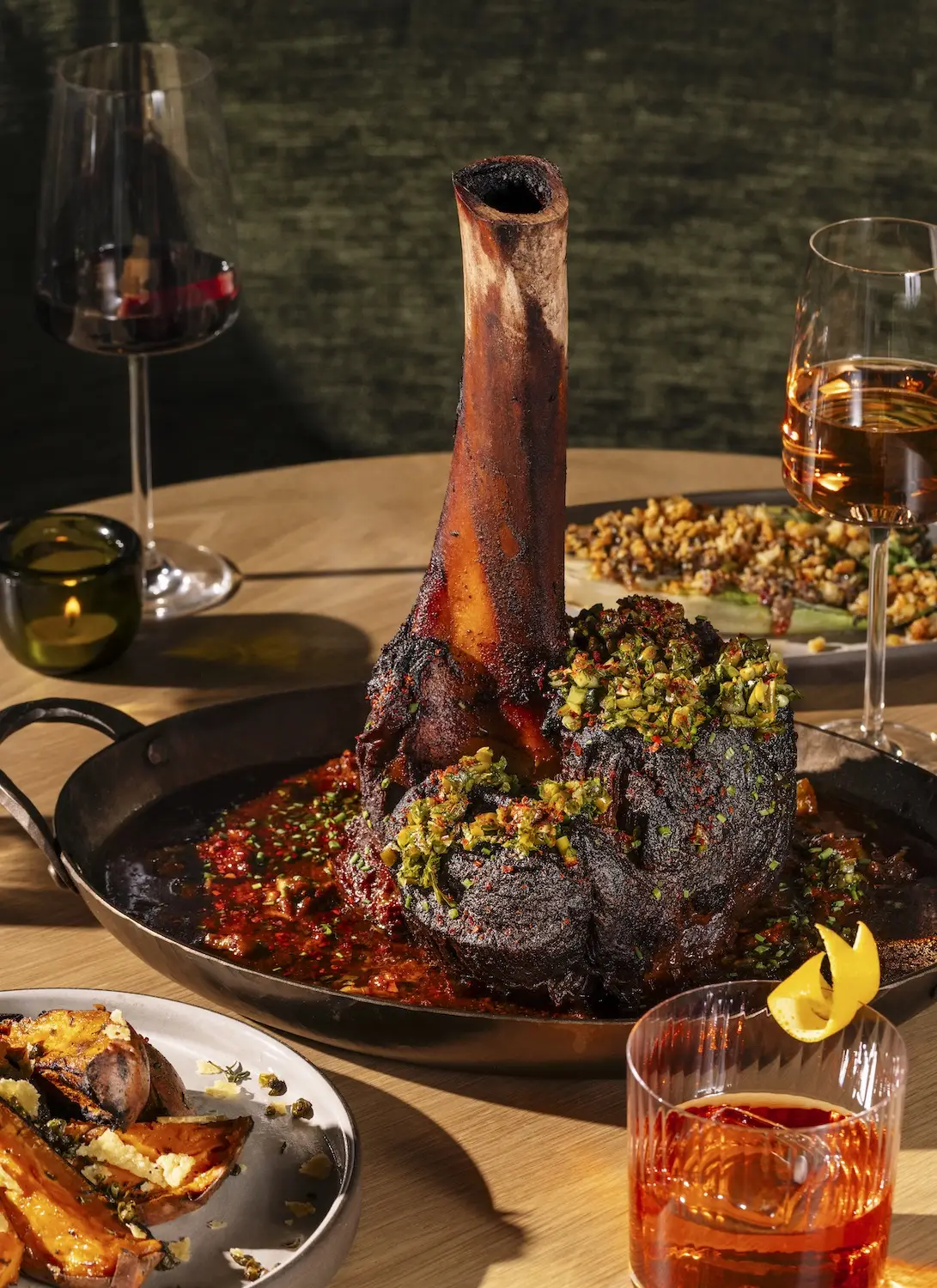
The rooftop restaurant, Stellar Jay, is worth visiting whether you call a coast home or live nearby. Here, the specialty is open-flame cooking—meat mostly, but some veggie sides can be arranged. The fires in the open kitchen grow large, hypnotizing visitors with flares as tall as barstools. An aroma of campfire grill fills the air (and, disconcertingly, the upper floors of the hotel below). The restaurant sources local ingredients from regenerative farms, and the food arrives with a relaxed elegance that matches the space—farm-to-table, but without rubbing your face in it.
Photo Credit: Alanna Hale
The local trout with pickled fingerling potatoes and fennel gremolata ($31) felt presidential. My wife and I don’t really eat pork, but when the chef sent out a bone-in pork chop ($41) with puréed parsnip, star anise, and radicchio agrodolce (an Italian sweet-and-sour sauce), we were surprised to find ourselves finishing the plate. The spicy carrots with cannellini beans ($16) and harissa and the sugar snap peas with tahini ($16) were worthy of a return trip.
The vibe up here: unexpectedly fabulous. One would not be far off to assume that— not unlike San Diego—Denver’s upscale restaurants see plenty of baseball hats, golf shirts, shorts, and yoga pants, alongside the occasional parking cone–orange Broncos jersey. But we saw more designer dresses than athleisure, which for Denver (or SD, for that matter) is saying something. A refined mood with a view where the food shines like the sun glinting off a ski run is nothing to take for granted.
Photo Credit: Yoshihiro Makino
Outside, Denver, with its oft-cited 300 days of sunshine a year, is walkable year-round. In spring through fall, the heart of Denver is best explored on foot (possibly with a coat and scarf for comfort). Walking a city is all about improvisation. Go where the green lights guide you; let the winds blow you where they may. As long as the coffee is hot and the beer is cold, you’re good. Denver, it turns out, is all about improvisation.
Photo Credit: Steve Hall
I like to start in Capitol Hill, full of countless classic bars, restaurants, and music venues, as well as Denver’s best museums. For this, Populus’ location is solid—you can cross a few streets and be in the artistic embraces of the architecturally wild and tremendously underrated Denver Art Museum or the Clyfford Still Museum (less cool architecturally but unbelievably cool inside), where American abstract expressionists’ paintings get the star treatment they deserve. If you’ve ever found yourself punched in the heart by a Rothko, then the Still may prove your mile-high cathedral. Even the nearby central library is fun to explore.
The Colorado State Capitol building is here (obviously), as well as one of the best food and drink spots in all of Denver: City o’ City, a coffee and booze diner where the area’s hipsters have long gone to work, eat, hang out, and drink carefully crafted stimulants and depressants. If you happen to be gluten-free or prefer a veg-forward meal, this is your Denver office.
The Black Gold: Stories Untold exhibit at Fort Point National Historic Site in San Francisco is haunted. Really. But that’s not an excuse to avoid the place—it’s all the more reason to go and get up close to history. “Black Californians have been central, not marginal, to our collective narrative,” says Cheryl Haines, the curator behind the exhibit, which features 17 contemporary artists and groups and runs through November 2. Presented by arts nonprofit FOR-SITE, the show focuses on the experiences of Black Americans who lived in the state from 1849 to 1877. “There’s a whole new generation that really doesn’t understand how important their legacy is here.”
Walking through the exhibition is electrifying—like each piece on display is a breath in the stone lungs of this 164-year-old fort. Inside, the casemate is dark, the only light peeking through a half-filled embrasure. Beyond, there is merely the bay and the sound of water breaking on the fort—another kind of breathing. Each piece feels like a portal to a past that is pushing its way through the brick.
The exhibit’s home is not an accident. “It’s a location that [makes it] very easy to imagine oneself in a different moment in time,” Haines says. This act of imagination is compulsive; you have no choice but to lose your place in the stream of California’s history.
“It’s very punishing there, so it makes you really kind of bundle up and go inside a bit and think about the lives of these people and all the challenges,” Haines adds. “The weather is a symbolic part of thinking about the challenges that they had in their lives.”
It seems like Fort Point, too, bundles up, tucking itself under the Golden Gate Bridge and gathering the fog to itself like a shawl, shivering in the wind. It crouches at the helm of the Presidio, where Buffalo Soldiers of the 24th Infantry and 9th Cavalry Regiment were garrisoned—regiments made up of Black soldiers who fought for the Union during the Civil War. Almost 100 years later, another Buffalo Soldier Cavalry would patrol on horseback from Calexico to Otay Lakes in Chula Vista.
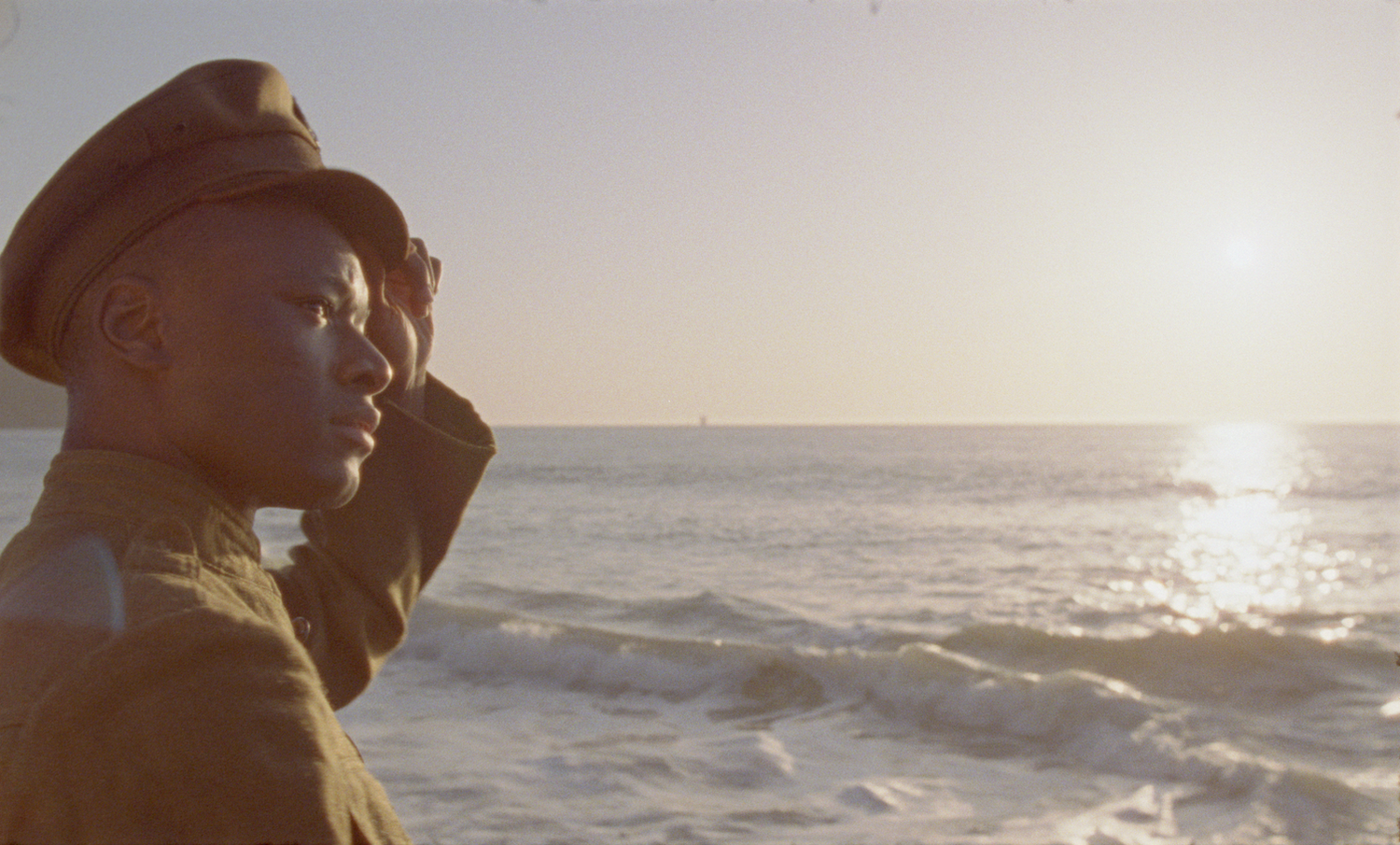
Courtesy of Trina Michelle Robinson A still from Trina Michelle Robinson’s 2025 short film Transposing Landscapes: A Requiem for Charles Young.
Trina Michelle Robinson’s short film, Transposing Landscapes: A Requiem for Charles Young, is in conversation with this history of the Buffalo Soldiers. Brigadier General Charles Young was not only the first Black man to achieve the rank of colonel in the US Army and the first Black superintendent of a US national park—he was also a musician and composer. One of his original compositions, “There’s a Service-Flag in the Window,” is the soundtrack to the film, and, perhaps, the exhibition as a whole.
The music adds a unifying tie to the show’s tight braid of interwoven histories: the Gold Rush and the Civil War, the patchwork of the Bay Area and the vibrancy of San Diego. The history of Black Californians is inextricable from that braid—it’s impossible to unpick one strand without undoing the whole.
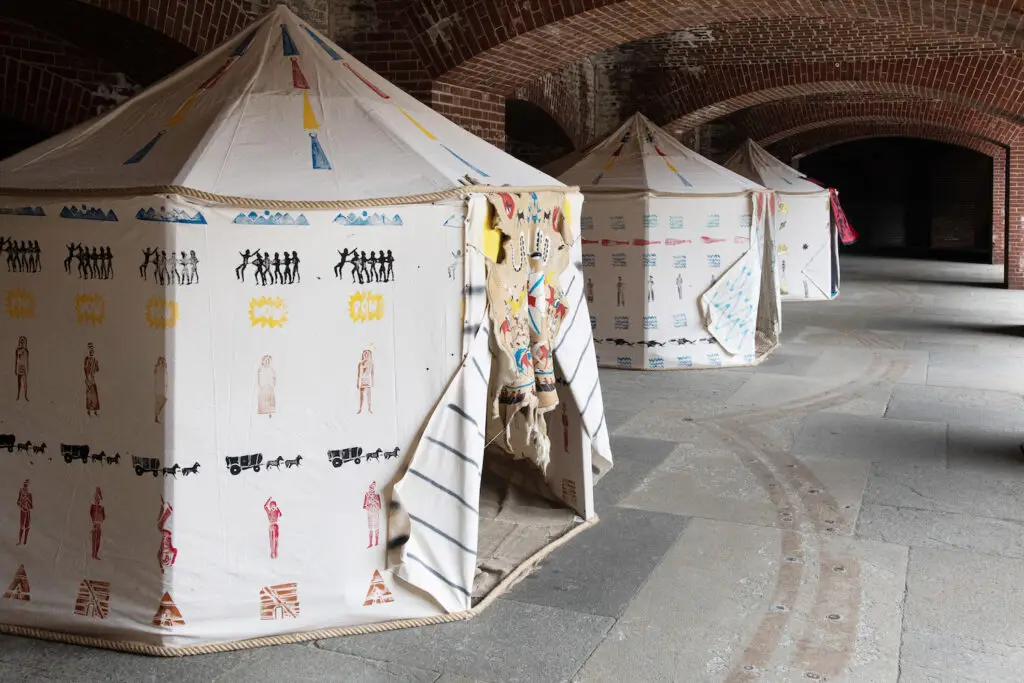
Photo Credit: Jan Sturmann The three tents of Umar Rashid’s By Land. By Sea. By Star. (2025).
Black Gold’s exhibits, too, are enmeshed with the educational elements of Fort Point. A greyscale cutout of a Buffalo Soldier stands next to a plain tent, its lacquered supplies suggesting how the members of the regiment might have lived during the 19th century. Just on the other side of the wall, the three lush tents of Umar Rashid’s installation By Land. By Sea. By Star. represent “figures who navigated the complexities of race, power, and survival.” The third tent is dedicated to a figure that does not yet exist, one of the “unknown future.” It’s a reminder that the story of Californians does not only go backwards—it is a work in progress, the joy not in its ending but in its creation.
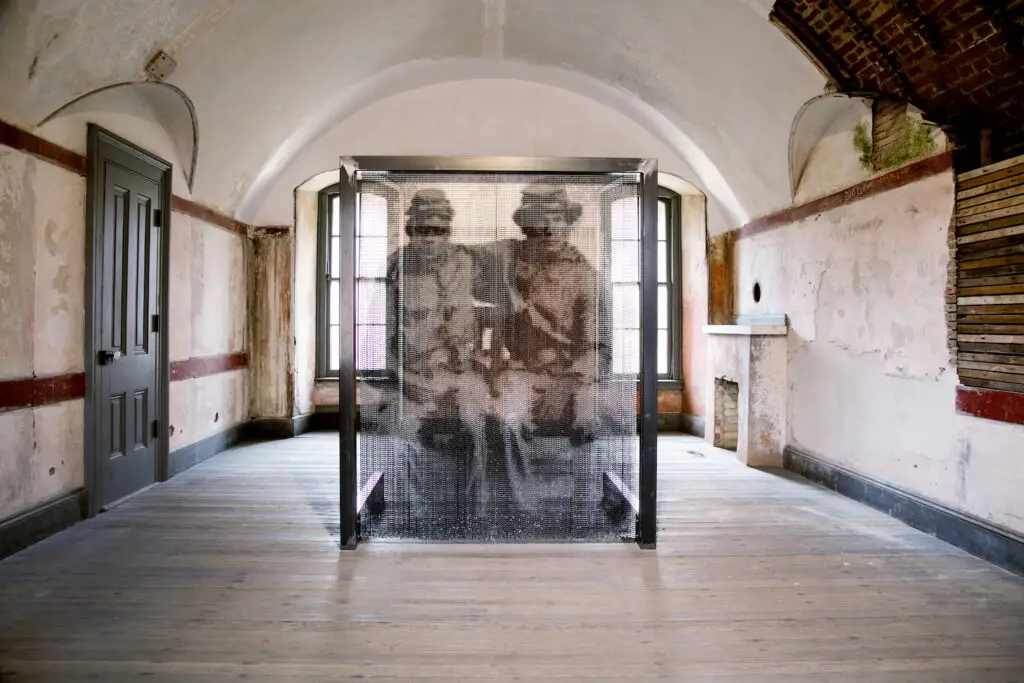
Photo Credit: Jan Sturmann To create Soldiers (2025), artist Cosmo Whyte painted a beaded steel curtain.
In the next room, Akea Brionne’s seven-foot-tall tapestry of Mary Ellen Pleasant stands vibrant and shimmering in the empty, whitewashed space. A staunch civil rights activist and abolitionist, Pleasant used her Gold Rush wealth to support her community, including opening laundries and boarding houses (staffed mostly by Black individuals) and helping enslaved people flee to California.
Courtesy of Demetri Broxton & Patricia Sweetow Gallery, Los Angeles Demetri Broxton’s Eyes That Have Seen the Ocean Will Not Tremble at the Sight of the Lagoon (2025).
These pieces do not merely hang on a wall, corded off in a museum or removed behind glass. They live around corners and perch near windows and sprawl in the hallways of the barracks. Each installation shares space with the viewer, inviting curiosity about a history and community in California that is often overlooked. “This exhibition is a powerful way to ensure more people see their history, contributions, and perseverance reflected in these iconic spaces,” says Chris Lehnertz, president and CEO of the Golden Gate National Parks Conservancy.
Black Gold is about California. Or, a better way of putting it—without Black gold, there is no California.
Courtesy Daniel Green & Creativity Explored Daniel Green’s 2025 Loving Lady (Pauline Burns) honors the first Black artist to exhibit paintings in California.
Back in the casemate with the film, near the crack in the stone that was probably (maybe) once a window, the wind appears to have knocked down some sheet music from a stand. Is this part of the exhibit? Are visitors meant to step over it without touching it, carefully keeping their distance?
Encased in clear plastic, it is sheet music for Young’s “There’s a Service-Flag in the Window.” One line reads, “There’s a service-flag in the window placed there by loving hands.” For the space of a breath, one can imagine that he is the one playing the song reverberating in the walls.
Inna is a California native with a passion for local art, literature, and a really good salad. Her favorite pastime is visiting furniture exhibits at museums and wishing that she could sit in the chairs (even once!).
For some, September signals the bittersweet end of summer. For others, it’s a new beginning: the height of harvest season in California wine country. Vineyard grapes reach optimal ripeness for picking, stomping, and fermenting, while the warm, dry, and temperate weather invites wine lovers across the country outdoors to see the vineyards for themselves. Craving a vino vacation of your own? Here’s what to do, eat, and drink, plus where to stay.
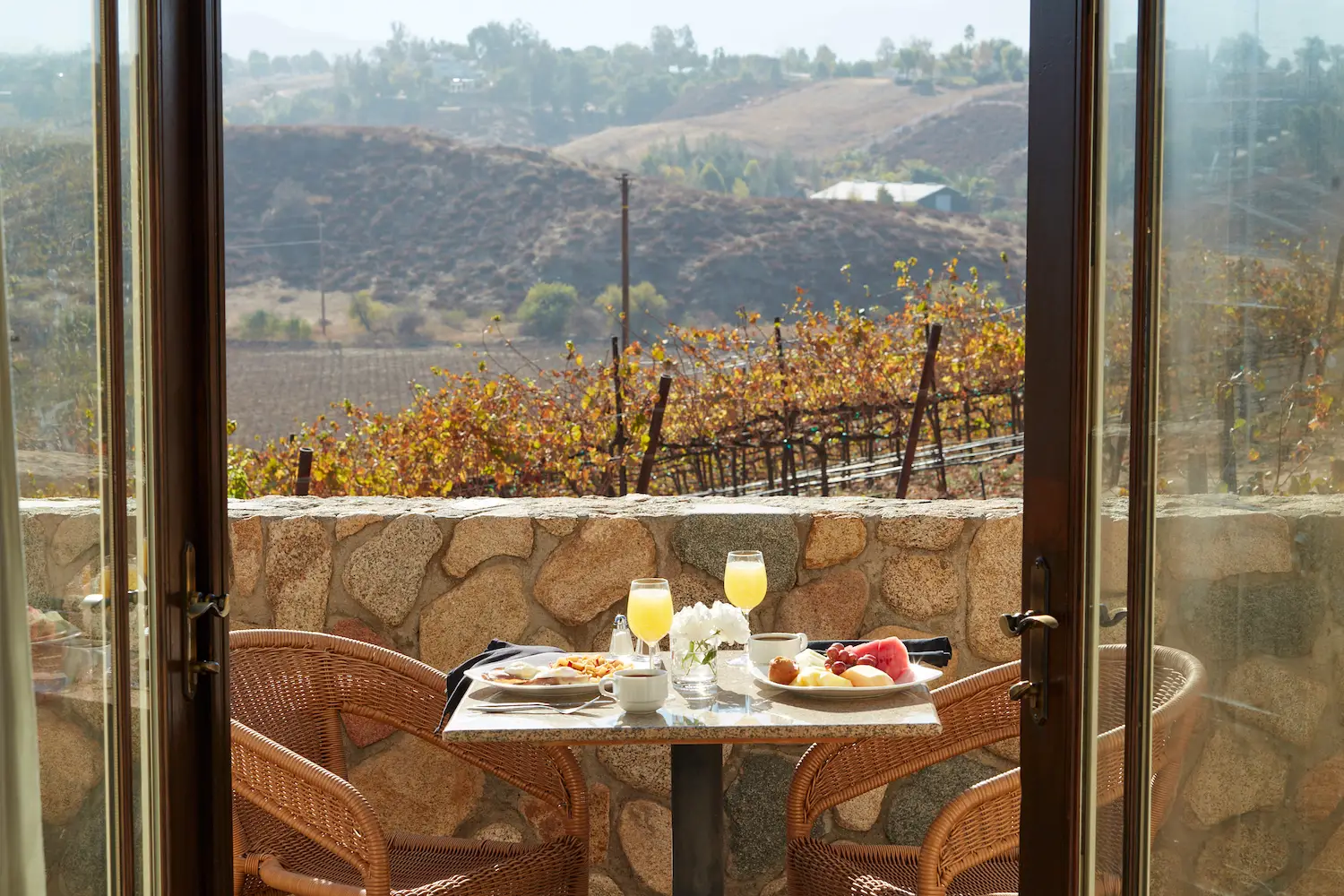
Courtesy of South Coast Winery Resort & Spa South Coast Winery Resort & Spa’s villas come equipped with cozy patios where guests can gaze out at lush hills of vineyards.
Temecula
Families, in particular, should start in the Riverside County city of Temecula, where anyone age 6 or above can sightsee from the skies with family-run company Cielo Balloons. Those who prefer to keep their feet firmly on the ground might go for a sunset horseback ride with California Ranch Company before turning in for the night at the ultra-luxurious South Coast Winery Resort & Spa—the first and only five-time winner of the “Golden State Winery of the Year” award, as granted by the California State Fair Commercial Wine Competition—or a room at the Spanish-style Ponte Vineyard Inn, which has its own vineyard and is within walking distance of two more.
Courtesy of Peltzer Family Cellars
From there, stroll to Bottaia Winery, where creative types looking to play winemaker for a day can blend their own vinos and bring them home as a souvenir to age. Hop in the car for your five-minute drive to lunch at the upper veranda of Flower Hill Bistro at Miramonte Winery. Wrap up your day with a tasting at the nearby Peltzer Family Cellars before heading into town for a last hurrah dinner at the 98-year-old, storied Swing Inn Cafe & BBQ.
2019 Wild Horse Peak Il Temporaleat South Coast Winery: Firm-bodied with notes of black cherry. Bright acidity and velvety tannins.
2023 Blushat Bottaia Winery: Simple and clean with notes of raspberry, melogold grapefruit, and lime.
2024 Sauvignon Blanc at Peltzer Family Cellars: Light and crisp, with apple blossom and honeydew melon notes.
Photo Credit: Matt Weir Seven Gables Inn’s seaview rooms are spread across seven Victorian-era houses, including a three-story mansion constructed in 1886.
Central Coast
Head north and stop for a meal at the Hotel Californian’s Blackbird restaurant in Santa Barbara, where executive chef Travis Watson and his staff host a once-monthly series featuring a different winery or spirits company. Patrons who don’t want to build their schedule around that event can still savor offerings from local wineries like Lincourt and Firestone before checking in at The Inn at Mattei’s Tavern in Los Olivos.
After spending some time in the property’s airy restaurant and renowned spa, continue onwards to Paso Robles, where you should plan ahead to book a table at the Michelin-starred Six Test Kitchen. There, the seating counter—which can only accommodate 12—wraps around the kitchen for a real-time, behind-the-scenes view of the staff whipping up 12 delicate courses using the bounty of the area’s farms. (Traveling next month? You’re in luck— October is the region’s Harvest Wine Month, when many wineries host special events.)
Courtesy of Lincourt Wines
If you’re looking instead to prioritize the “coast” part of the region’s namesake, follow Carmel-by-the-Sea’s free, self-guided wine walk (get the app for discounts on included wineries’ tastings) before holing up at the romantic, 19th-century Seven Gables Inn, which overlooks Lovers Point Beach in Monterey. Admire the stained glass windows and Victorian architecture; plus, every single one of its 25 rooms offers views of the water.
2022 Estate Collection Soul of a Lion at Daou Vineyards: Fragrances of violet and strawberry jam; flavors of red fruit and chocolate-covered blueberry.
2024 Roséat Peachy Canyon: Notes of strawberry, guava, and elderberry liqueur with a spicy Tajín aftertaste.
Courtesy of Livermore Wine Trolley Travel between tastings on the Livermore Wine Trolley.
Livermore
Take the 101 straight to Livermore’s iconic Wine Trolley, which shuttles riders to three local vineyards for tastings. Or sit down for a casual picnic at Del Valle Regional Park with a sandwich from Ofelia’s Kitchen and a bottle from First Street Wine Company. Make a stop at McGrail Vineyards before unpacking your suitcase for a stay in one of The Purple Orchid Resort & Spa’s 10 fireplace-equipped rooms and suites. Nibble on a complimentary, made-to-order breakfast while looking out at the garden or olive orchard from every room. Guests can also enjoy a community event each evening, featuring an olive oil tasting, wine, and cheeses.
Courtesy of Livermore Valley Winegrowers Association
Julie Bogen is an experienced writer and digital strategist whose work has been featured in The Atlantic, The 19th News, Cosmopolitan Magazine, and more. She is passionate about storytelling that centers women and marginalized communities, and when not working she's either with her family or in a barre studio.
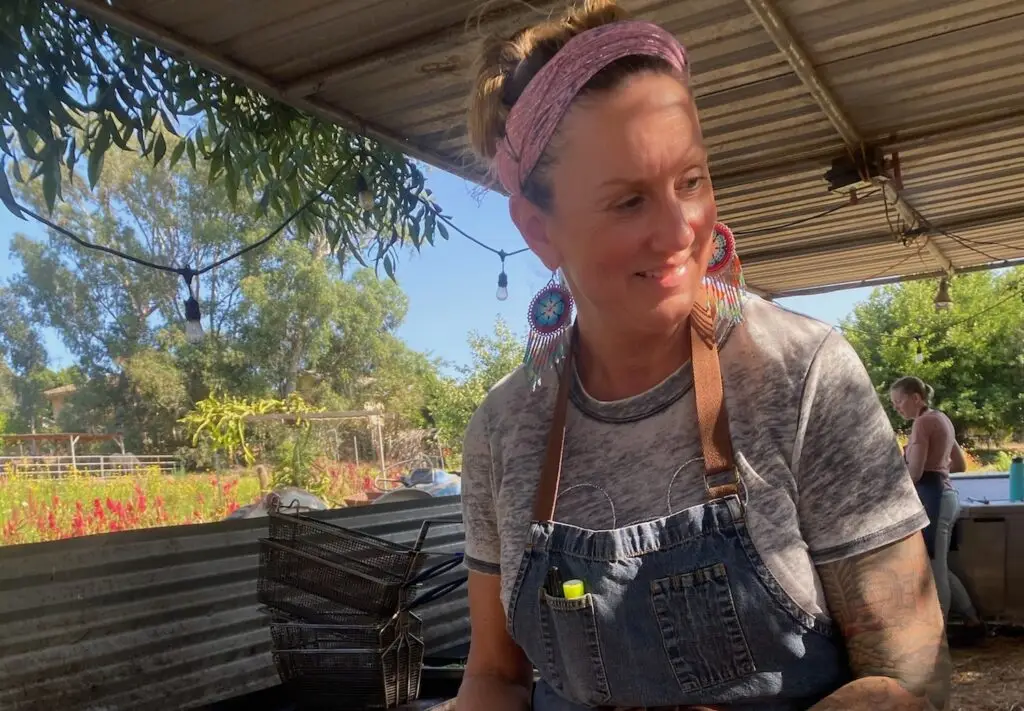
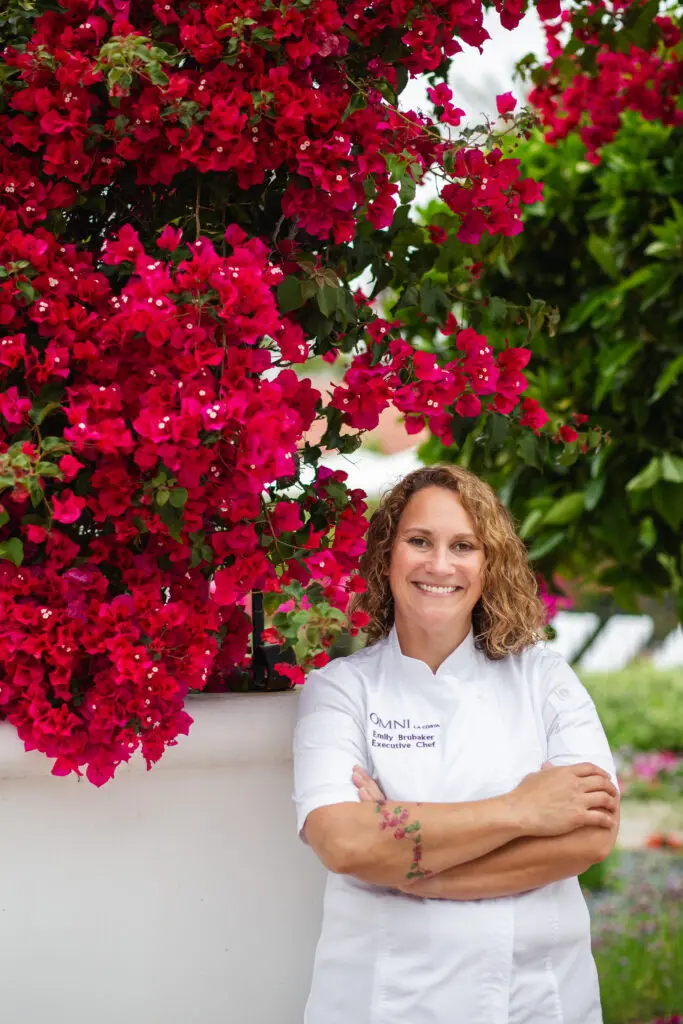
For Executive Chef Emily Brubaker, Omni La Costa Resort & Spa feels like home. She grew up just a mile-and-a-half away from the 400-acre property and fondly recalls walking the golf course perimeter as a kid. Though her ambitions led her away from San Diego for nearly two decades in which she honed her craft in some of the highest of high-profile Las Vegas restaurants—including triple Michelin-starred Joël Robuchon at MGM Grand—they ultimately brought her back to North County.
Courtesy of Omni La Costa
Today, the classically French-trained chef, who’s fresh off a victory on NBC’s Yes, Chef!, judged by Martha Stewart and José Andrés, oversees Omni La Costa Resort & Spa’s seven distinct dining concepts. Her goal is to elevate the resort’s culinary program with her creative, hyperlocal ingredient-driven approach while maintaining the Spanish- inspired flavors and fresh California coastal cuisine that are the bedrock of its culinary identity.
“The San Diego food scene is really growing, and in North County alone, it’s really exploded in the last five years,” Brubaker says. “There are Michelin stars, beautiful tasting menus, craft bakers, and all this food—when I was growing up in La Costa, it was fish tacos. Now there are really cool things popping up, and I’m so happy to be here to see where it’s going to go.”
Brubaker gives chefs de cuisine at each individual restaurant autonomy, however, her influence is evident across the resort.
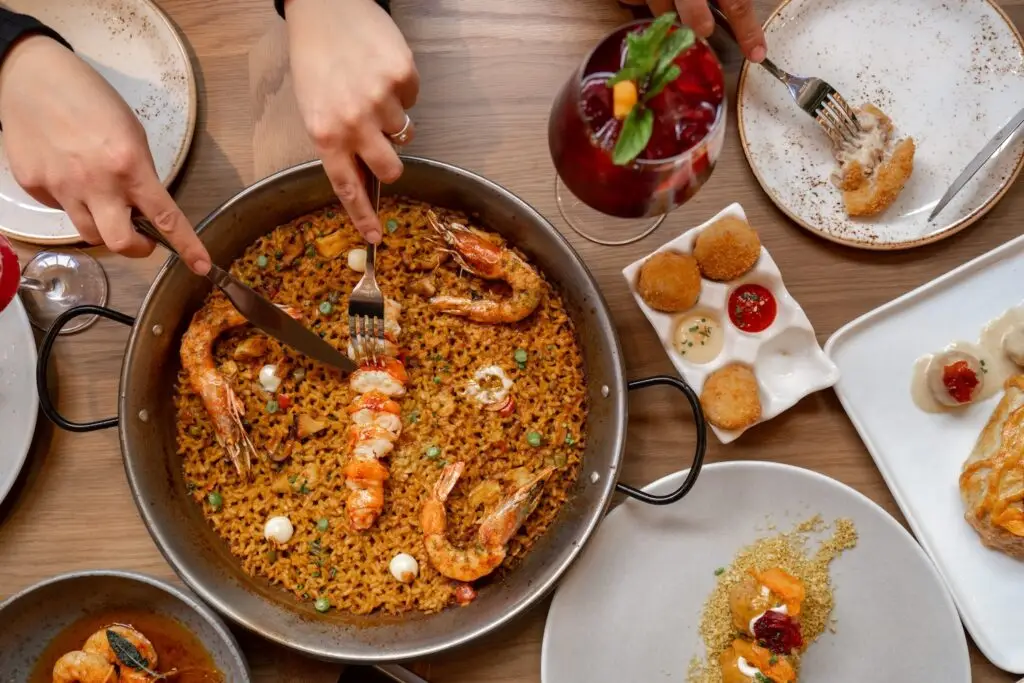
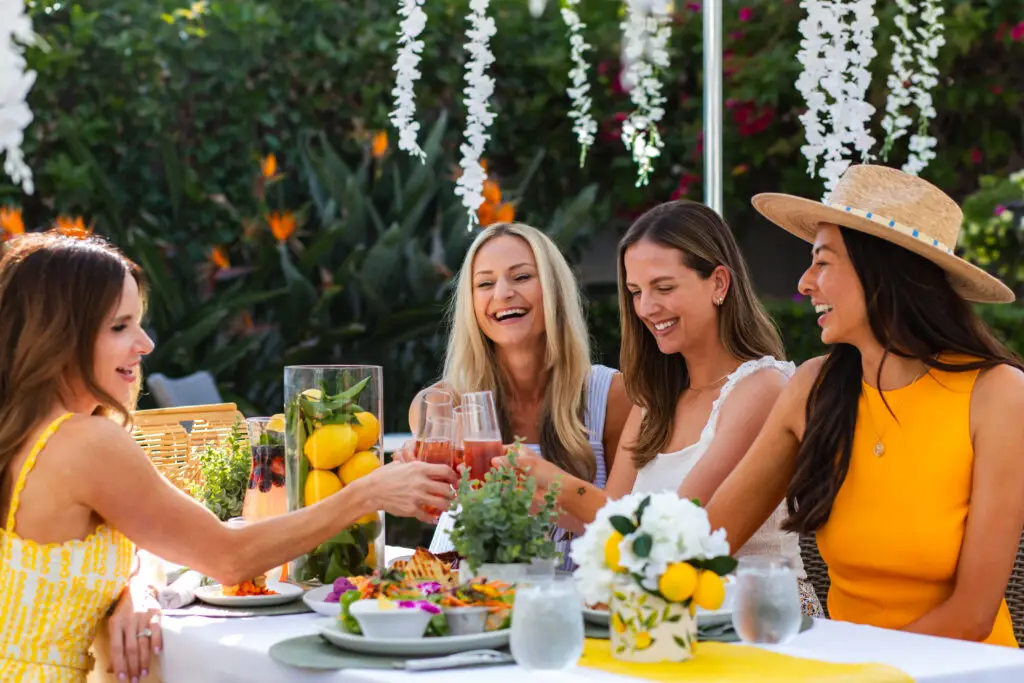
For example, lobby restaurant Bar Traza serves as Omni La Costa’s culinary centerpiece and features bold Spanish flavors in a lively, social atmosphere. Brubaker overhauled the menu to be more consistent and centered on casual bites with that signature vibe. Think smoky paprika, vibrant citrus, and Spanish meats and cheeses.
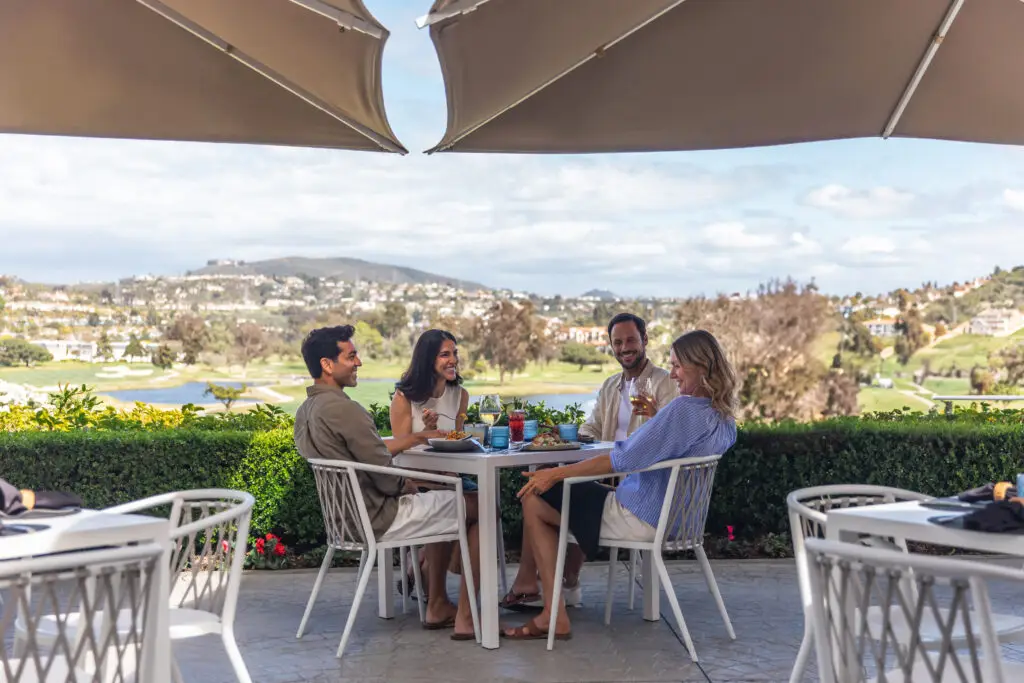
At VUE, the focus is on seasonal offerings, California coastal cuisine, and Baja-inspired dishes. She and Chef de Cuisine Cameron Dixon change the menu biannually, which heading into summer, will highlight farm-fresh produce and hyperlocal ingredients—the resort even has its own herb garden and honeybee hives.
Courtesy of Omni La Costa
Poolside dining options are leaning into the country’s 250th this summer with a selection of classic American dishes with an Omni La Costa twist. And Bob’s Steak & Chop House (Brubaker is a trained butcher) offers a classic steakhouse experience with elevated service.
The chef and company also plan menus for special events at the resort where her creativity can really shine. For an upcoming National Ski Association dinner, the banquet hall will be transformed into an Alpine-themed winter wonderland complete with a snow machine, savory sausages, and melty, decadent raclette. A recent dinner was built around the Carlsbad Flower Fields and each course was matched to a color of ranunculus (Did you know pink dragonfruit are grown in North County? You do now.).
“It’s my zen to be in the kitchen playing with food,” Brubaker says.
Omni La Costa’s culinary program is a key part of the resort experience. And with Brubaker’s leadership, it’s becoming a draw for visitors and locals alike.
“These aren’t just hotel restaurants, these are restaurants that you should go to. They’re destinations, and I’m really hoping for the future that’s where we’re going,” Brubaker says.
Courtesy of Omni La Costa
Brubaker is also channeling her experience on Yes, Chef! into the culture at Omni La Costa—more emphasis on teamwork and collaboration, empowering her staff to share constructive critiques, and embracing different perspectives. Alongside her leadership role, Brubaker has become an advocate for mental health in the hospitality industry, serving as chief ambassador for the Burnt Chef Project and serves on the Board of Advisors for the Apex Culinary Program, where she mentors and develops future talent.
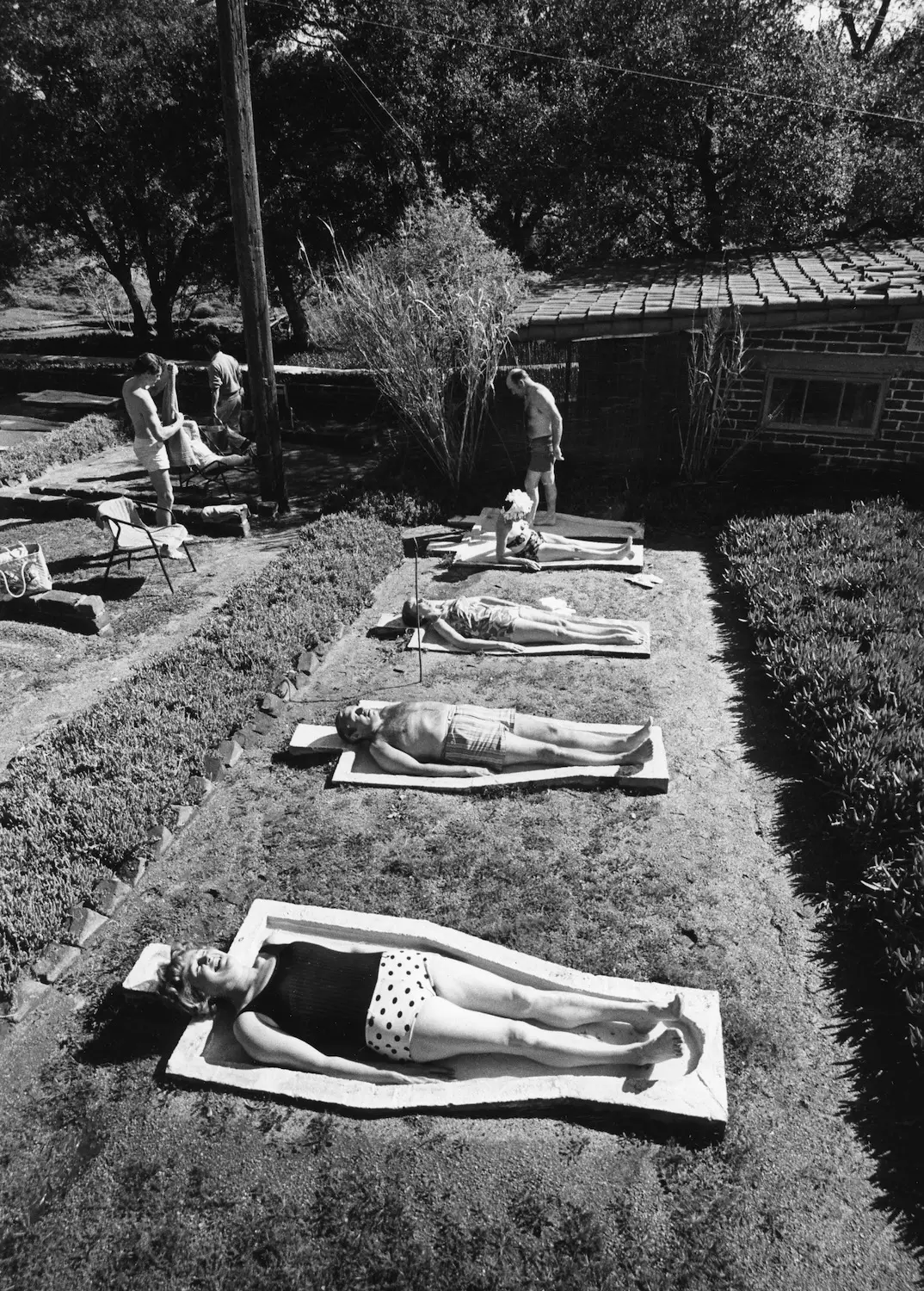
World War II is raging, and Deborah Szekely is newly married to a Jewish health guru known as the Professor. “My husband was a prominent writer, a Hungarian with a Romanian passport,” she recalls. “When his visa expired in the United States in 1940, we tried to get it renewed, but we were unsuccessful.”
Courtesy of Rancho La Puerta
So, they go to Tecate, Mexico, where they rent a hay shack at the foot of the sacred Mt. Kuchumaa for $50 a year. It’s the furthest thing from fancy, but that doesn’t stop the people from coming—health-conscious devotees drawn by the Professor’s work. For $17.50 a week and some chores, they can hear him speak and follow his diet and exercise recommendations, sleeping in tents they bring themselves. They don’t know it yet, but they’re the first guests of one of the first wellness retreats in the world. Eventually encompassing 4,000 acres just south of the US-Mexico border, it would come to be known as Rancho La Puerta.
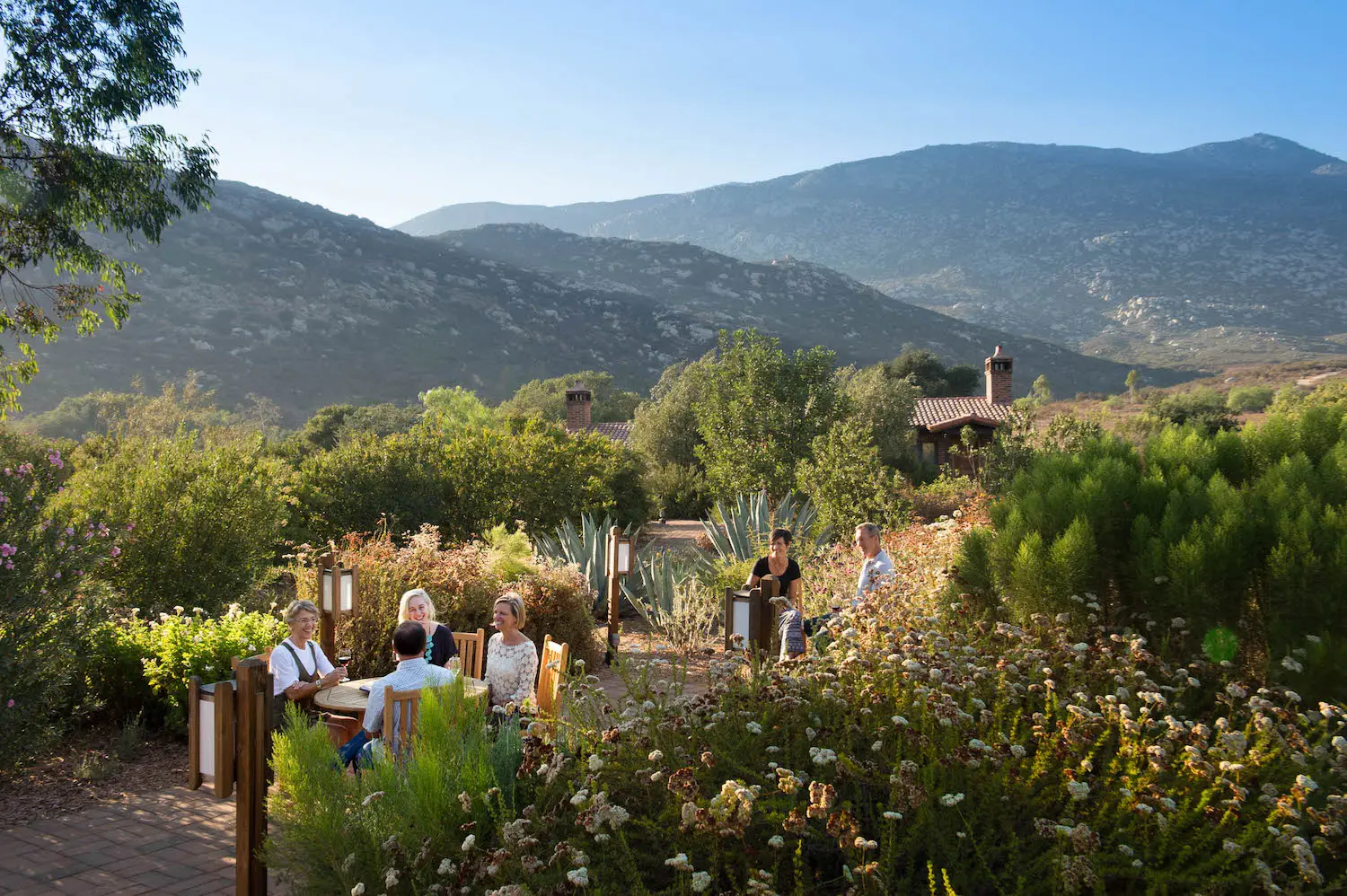
Now, in RLP’s 85th year, guests have traded tents for Mexican-tiled casitas equipped with wood-burning fireplaces. But an adult summer camp sensibility endures.
Courtesy of Rancho La Puerta
A typical day at the Ranch, as guests and staff affectionately call it, starts around 6 a.m. “I would say 90 percent of our guests do some kind of hike or walk before breakfast,” says Director of Guest Experience Barry Shingle. After you eat, it’s off to your pick of RLP’s 40-or-so daily 45-minute classes—meditation, water workouts, Pilates, yoga, breathwork, art, sound healing, stretching, pickleball clinics, dance, tai chi—from 9 a.m. to about 4 p.m., with a midday break for a buffet lunch and, if one is so inclined, a spa treatment or a few hours by the pool. Dinner is four pescatarian courses, usually shared with strangers. After that, it’s time for a movie or lecture before an early bedtime, so you can do it all again the next day.
Courtesy of Rancho La Puerta Rancho La Puerta’ s rustic architecture is nestled in a fragrant, 80-acre garden designed by the Szekelys’ daughter, current RLP president Sarah Livia Brightwood Szekely.
Some travelers (the must-sightsee-everything or don’t-talk-to-me-until-I’ve-had-my-breakfast-margarita types) will find this concept akin to paying $5,150 or more to spend a week in a Daedalean labyrinth of small talk and abdominal soreness. For a certain kind of person, it’s heaven.
More than 60 percent of guests return after their first visit, with plenty booking dozens of eight-day stays over the years. (A handful have made their way there more than 100 times.) And while many publications have sung RLP’s praises (“I first read about this place in Teen magazine when I was 13 and I thought, ‘I have to go there,’” now-retired, first-time guest Gloria Rathbun tells me), most people find themselves here on the recommendation of friends. The Ranch tends to create evangelists.
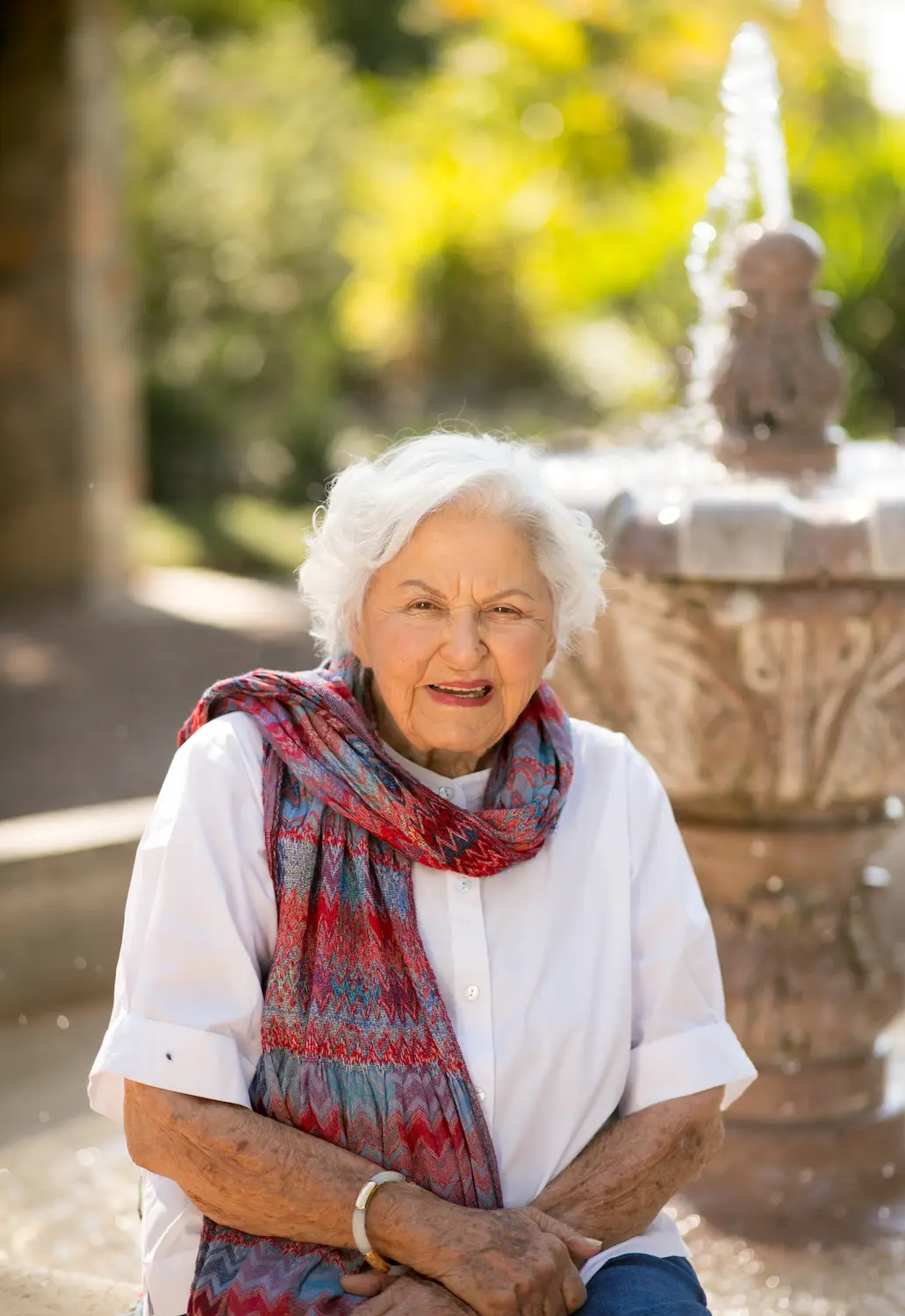
Courtesy of Rancho La Puerta RLP founder Deborah Szekely turned 103 on May 3.
Many credit Szekely’s warm influence. Turning 103 this month, she is vibrant, still sharp, a living advertisement for the RLP brand of wellness. “I think some people make wellness too complicated and can get obsessive,” she says. “For me, regular exercise, eating well, and communing in nature helps me feel well.”
Indeed, you won’t encounter blood tests or calorie counts or supplements or body scans at the Ranch. Instead, you move. You eat produce grown on the property’s five-acre organic garden. And, with a maximum of 150 guests a week and all those group classes and structured mealtimes, you spend most of your waking hours immersed in one of wellness’s most underrated tenets: community.
Courtesy of Rancho La Puerta
While the Ranch, now run by the Szekelys’ daughter, always has something new in the works—they are currently building onsite residences, and a treatment plant that will process wastewater from 5,000 local families—its guiding lights remain the same.
“After we’d been in business for about 10 years, a reporter from the San Diego Union Tribunecame to the Ranch to give us a review and called us ‘a cult to end all cults,’” Szekely remembers. “But today, many of the things the Professor taught and we’ve practiced at the Ranch since the beginning … are all considered common sense. Wellness is like buoyancy; you float in happiness, and you can do things that you wouldn’t be able to do if you were tired.”
Amelia Rodriguez is a writer and journalist and winner of the San Diego Press Club's 2023 Rising Star Award and 2024 Best of Show Award, she’s also covered music, food, arts and culture, fashion, and design for Rolling Stone, Palm Springs Life, and other national and regional publications. After work, you can find her hunting down San Diego’s best pastries and maintaining her five-year Duolingo streak.
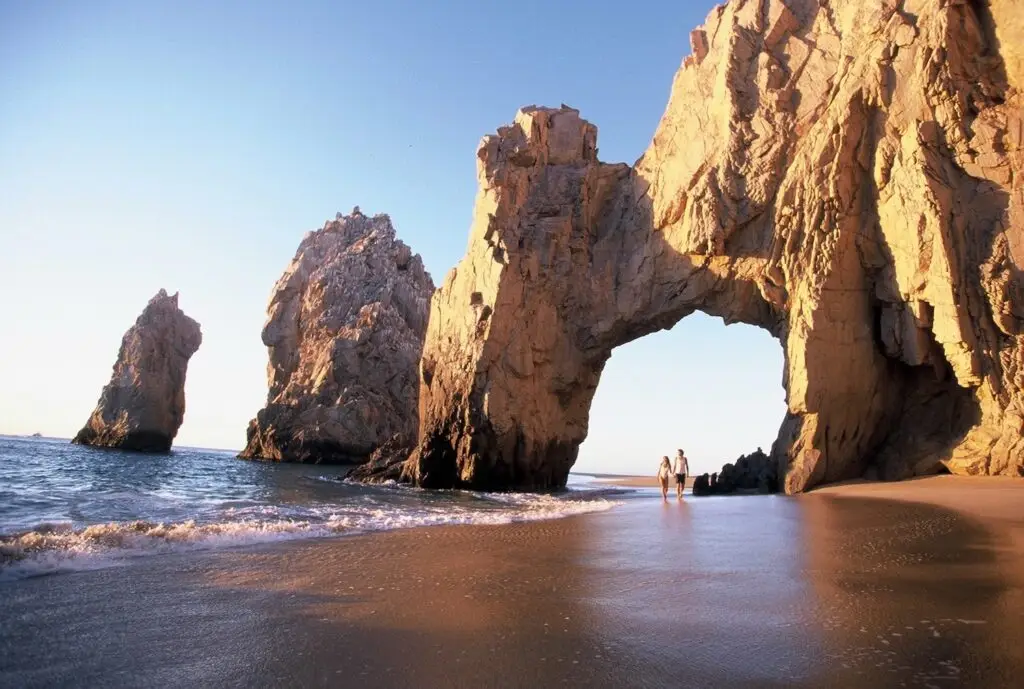
Baja California Sur is hot right now, and it’s not just the weather—leading hotel brands are adding dazzling properties to the beachfront (and golf-adjacent) lineup, notable chefs are helming farm- and sea-to-table restaurants, and master mixologists are crafting new cocktails from garden-fresh ingredients. San Jose del Cabo and Cabo San Lucas still retain that prized seaside vibe, capital city La Paz is expanding its luxury offerings, Loreto is maximizing its status as the enchanting “Pueblo Mágico” where charm meets nature, and low-key Todos Santos is dialing up the opulence. Luckily, all the “new” is just a short flight (or road trip, if you’re adventurous) from San Diego.
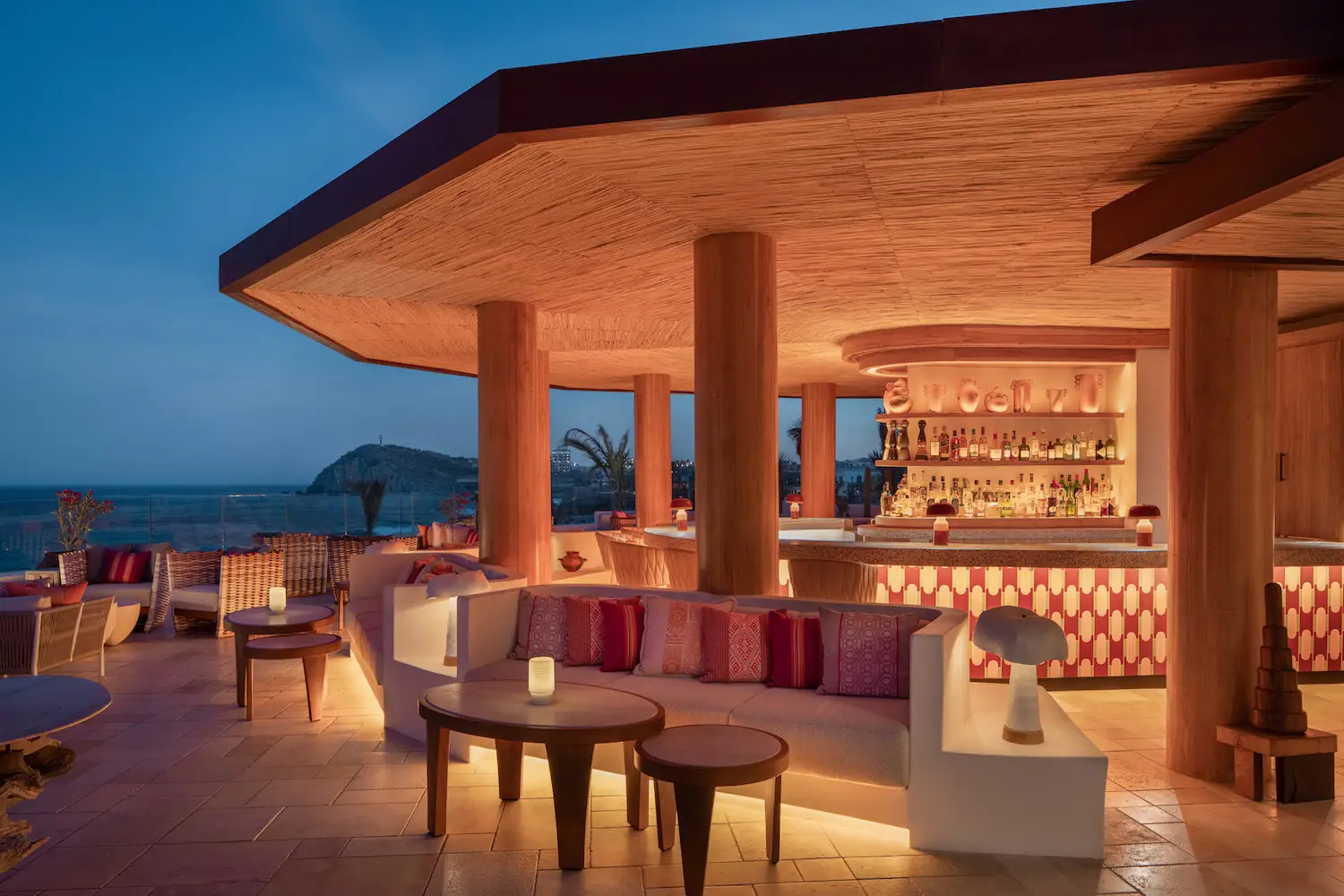
Photo Credit: Joseph Thomas Sora Rooftop Lounge gives guests killer views from atop the Four Seasons Cabo San Lucas at Cabo Del Sol.
Hotels in Los Cabos, Mexico
Four Seasons Resort and Residences Cabo San Lucas at Cabo Del Sol
Opened in 2024 with a mix of guestrooms and private residences, this luxuriously welcoming, village-style resort within putting distance of Cabo Del Sol greens offers a guests-only, swimmable beach; private plunge pools; and retractable floor-to-ceiling glass doors.
This adults-only, $150 million, beachfront all-inclusive enclave within Grand Velas Los Cabos launched in 2023 with Michelin-starred cuisine and four mixology concepts to sip your way through. Try an Ice & Fire treatment at the spa or reset with a “harmonizing ritual.”
Park Hyatt Los Cabos at Cabo Del Sol
Loyal Hyatt guests, rejoice: The first Park Hyatt in Mexico debuts in summer 2025 with plunge pools for private dipping, cabanas, golf, a full-service spa, a fitness center, international dining, a nail salon, a coffee shop, and a kids’ club onsite.
Hyatt Ziva Los Cabos
2025 ushers in a $50 million update to this all-ages, all-inclusive seaside resort: relaxing décor, swim-up suites and floating lagoon fire pits, a two-story spa, 16 dining and drinking spots, and renovated rooms with private balconies.
Tropicana Los Cabos, Tapestry by Hilton Collection
Last year brought a complete revamp of the iconic 1956 Tropicana Inn, one of the oldest hotels in the heart of San Jose del Cabo. It’s still cozy but much more expansive, with 68 rooms, a new pool, an intimate bar overlooking the boulevard, and a farm-to-table restaurant.
GR Solaris Lighthouse, San José del Cabo
New as of late 2024, this all-inclusive resort provides a beachfront pool, plus private balconies and views with every room. The sushi bar at El Faro (the lighthouse) offers 360-degree vistas.
Courtesy of Diamente Cabo San Lucas The Woods Cabo
Restaurants in Los Cabos, Mexico
The Woods Cabo
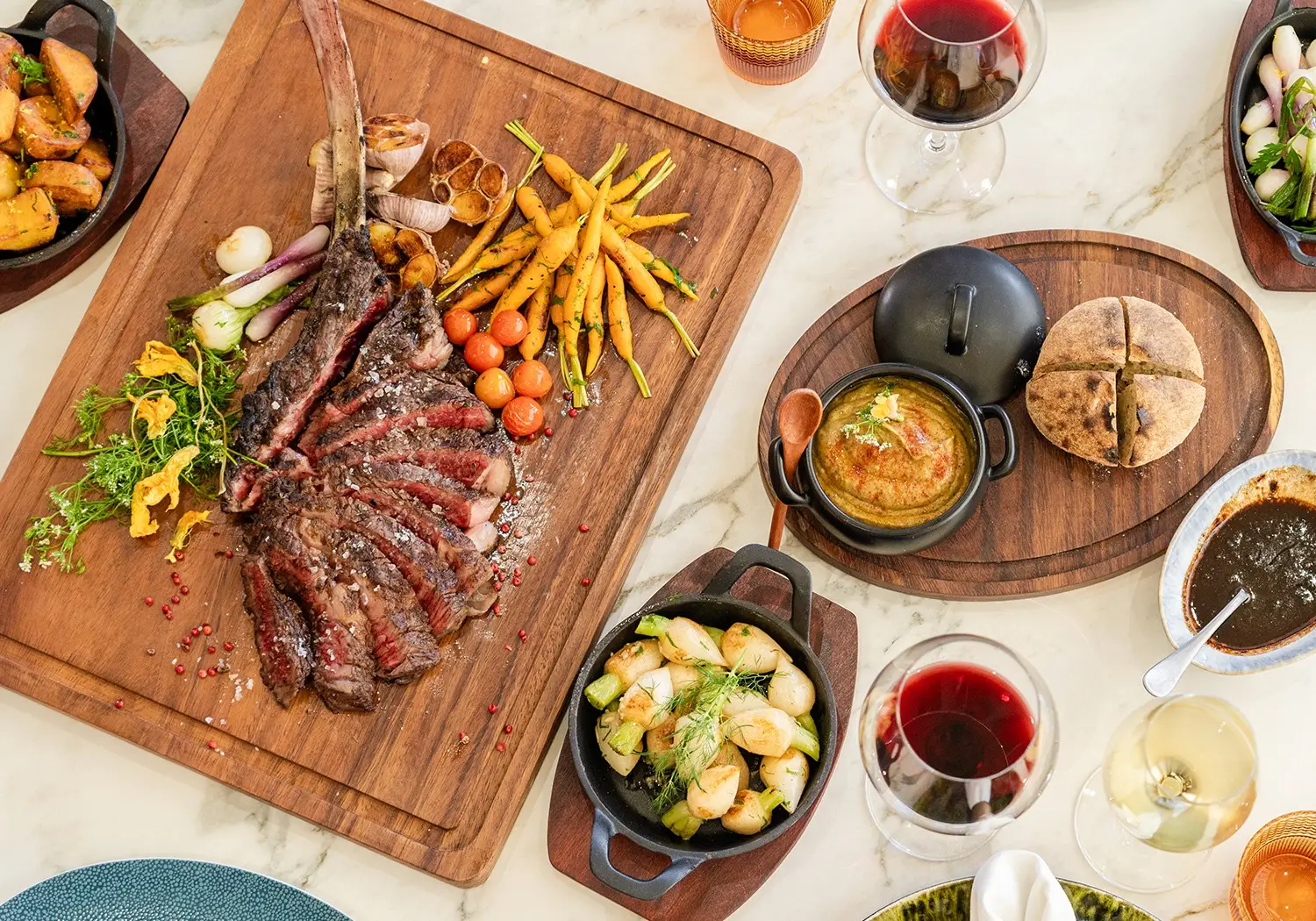
Opened in late 2023 at Diamante Cabo San Lucas and overlooking the greens at El Cardonal and the Pacific, Tiger Woods’ luxury sports bar serves Mexiterranean fare with local produce, fresh- caught seafood, and an onsite butcher shop.
Laying down spicy, gingery Asian-Latin seafood dishes since late 2023, Zenna is a stylish escape (with plenty of al fresco seating) at Palmilla Dunes.
Casa Martín
At beloved chef Roger Martín’s second location, opened in 2024, you’ll find Baja dishes, Italian cuisine, and classics like tuna tartare. Start with charcuterie and a cocktail, then order the linguine habanero and the lobster risotto.
M Bar
M Bar joined Nobu Residences’ rooftop lineup in 2023. Catch the sunset here on the west side of the cape, order cocktails and nibbles, and take in the view and sea air, then hit your next stop for the main meal.
Zest
Dine under the stars in executive chef Fabio Quarta’s private garden at Four Seasons Costa Palmas. This restaurant, opened in 2024, seats only 12 guests a night for a nine-course odyssey featuring seasonal ingredients and pairings from sommelier Victor Itza Pacheco.
Courtesy of Hotel Indigo La Paz Puerta Cortés Stays at La Paz resorts like Hotel Indigo offer a more serene escape than those in bustling Los Cabos.
Hotels in La Paz, Mexico
Hotel Indigo La Paz Puerta Cortés
In 2024, IHG Hotels & Resorts opened this 115-room facility as a getaway from the bustle of Los Cabos, with a beach club and outdoor infinity pool. Access golfing, snorkeling, and boating, or simply stroll along the malecón.
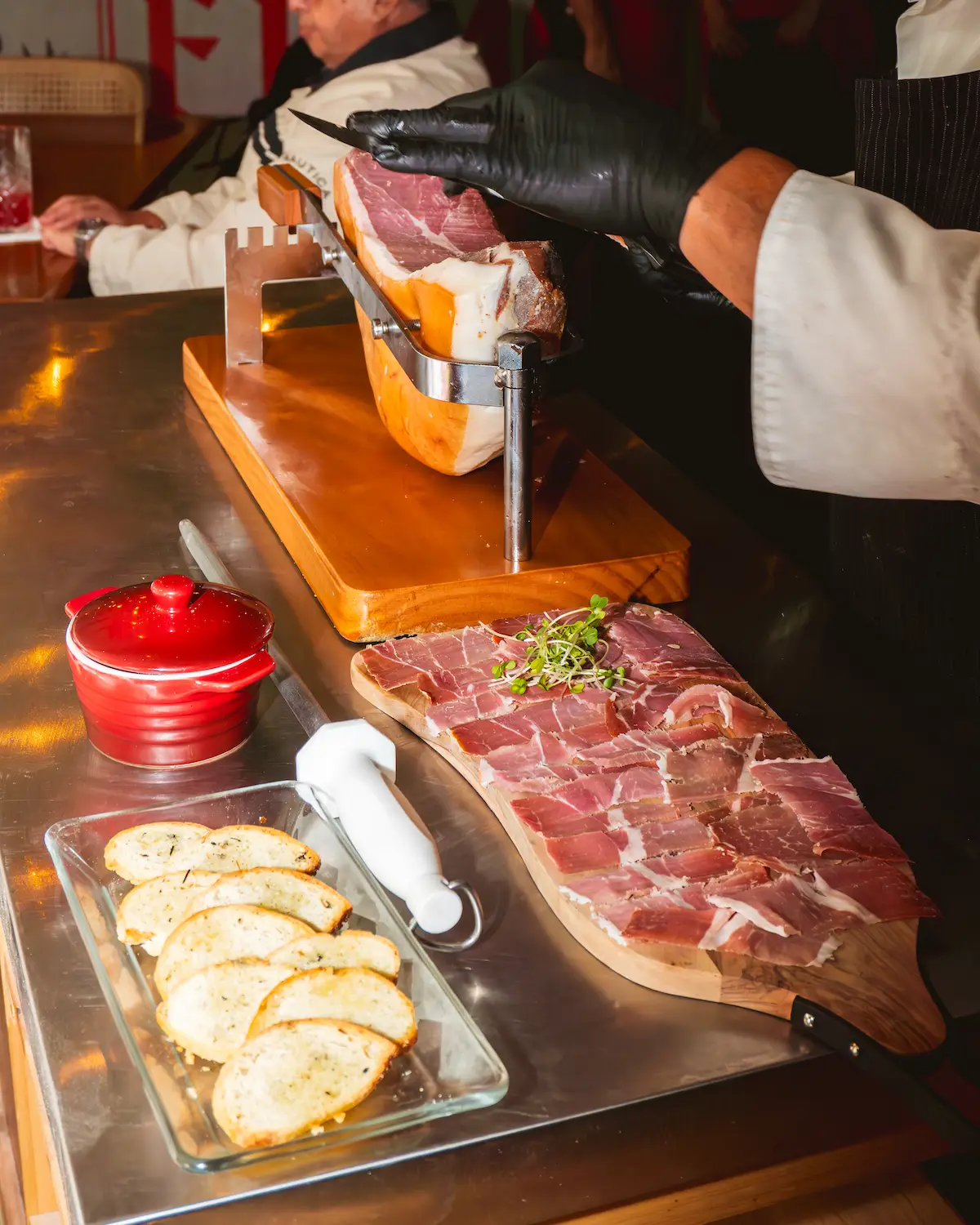
Photo Credit: Isle Castillo/Haken Media A chef slices charcuterie at Fumo Italian Grill.
Restaurants in La Paz, Mexico
Fumo Italian Grill
This upscale, full-service restaurant opened in 2024 on the terrace at popular sando spot La Esquina Deli & Market. Expect sumptuous Italian pastas, hand-tossed wood-fired pizzas, and grilled meats. Don’t skip the cocktails—or the reservations.
Azotea
Beneath flowing, sculptural architecture, look out over the sea from the rooftop of hotel República Pagana while enjoying master mixology, music, and comforting bites.
Courtesy of Paradero Todos Santos
Hotels in Todos Santos, Mexico
Todos Santos Boutique Hotel
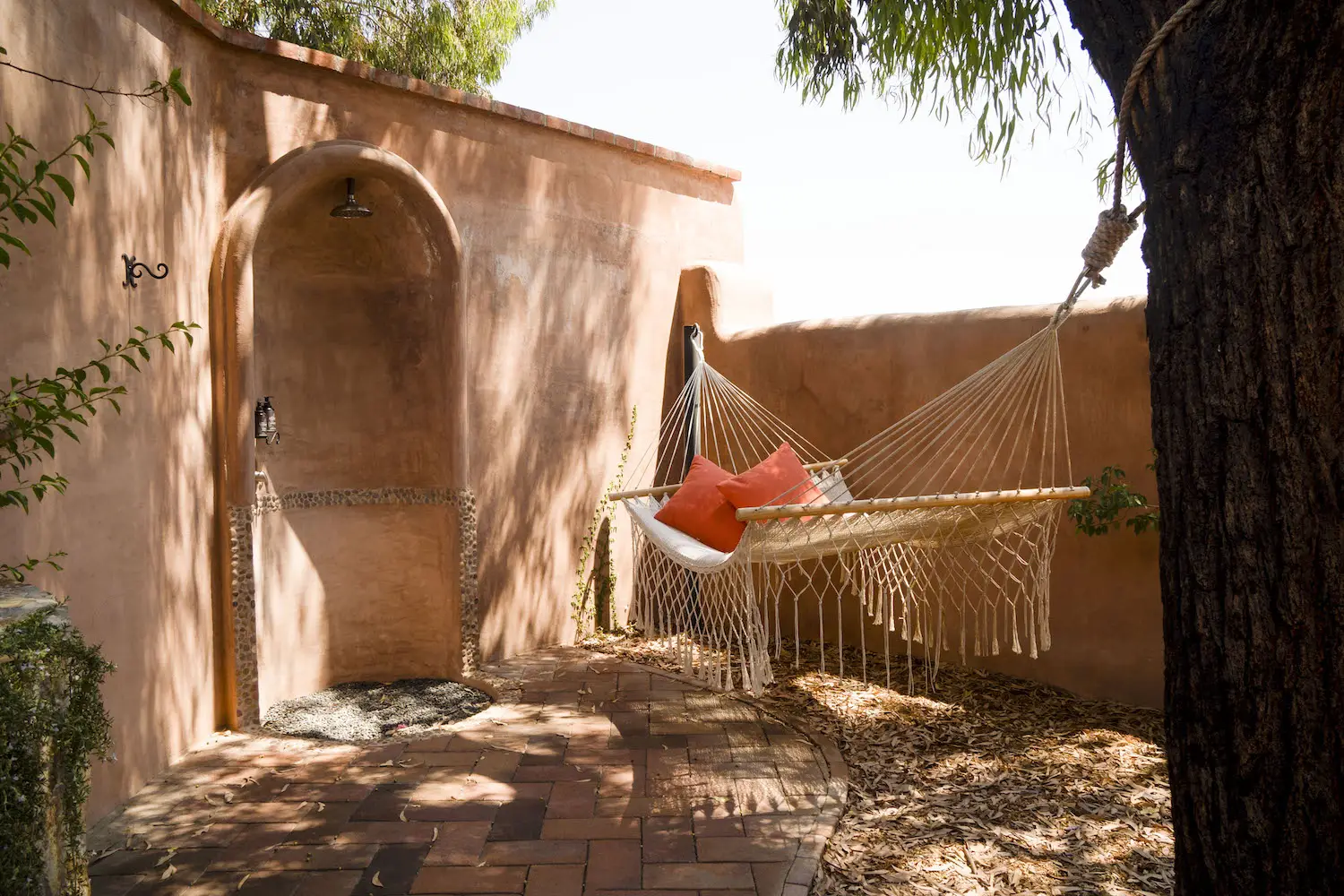
Built in 1890 by a Spanish countess and converted in 2024 to a 10-key boutique hotel with $1 million in renovations, this is an opulent escape with a secret wine cellar. The lower-level suites come with plunge pools and gardens.
Paradero Todos Santos
One of three hotels in Mexico to join the Leading Hotels of the World list in 2024, this resort treats guests to opportunities to explore nature. It’s set to expand in 2025 with 26 family-friendly, ultra- luxe villa residences starting at $2.5 million.
Hotel San Cristóbal
This Playa Punta guest favorite just added a private beach and six luxurious oceanfront saltwater plunge pool rooms with immersive indoor-outdoor spaces and private outdoor soaking tubs.
Villa Santa Cruz
A 2025 refresh brings 24 new ocean-view rooms, including eight rooftop villas with hot tubs and fire pits, and oceanfront glamping tents. The hotel—co-owned by two San Diego families—provides horseback-riding excursions, onsite stargazing, beach bonfires, and outdoor massages.
Kimpton Mas Olas Resort & Spa
Opened in April 2024, this updated oceanfront, adults-only, luxury boutique hotel offers seamless indoor-outdoor spaces, with terraces and private plunge pools in view of dramatic mountain, desert, and ocean backdrops. There’s a sea turtle hatchery and a bird sanctuary on the grounds.
Courtesy of Cosecha
Restaurants in Todos Santos, Mexico
Cosecha at Hotel San Cristóbal
Dishes are prepared in an outdoor kitchen and served family-style in the garden, with seasonal ingredients from land and sea. Sip a cocktail adorned with a flower or infused with herbs.
Caracara at Villa Santa Cruz
The hotel restaurant serves seasonal produce and handcrafted cocktails from the new Farm Bar in the open air amid agave plants.
Courtesy of IHG
Things to Do in Todos Santos, Mexico
Kimpton Mas Olas Botánica Spa
Here, you’ll find 25,000 square feet of curative treatments (with botanicals from the garden onsite), meditation indoors or outdoors, hydrotherapy, yoga, Pilates, and, soon, pickleball.
Courtesy of Elastic Architects Amanvari
Hotels in La Ribera/East Cape, Mexico
Amanvari
On the quieter East Cape near La Ribera, this new enclave at Four Seasons Costas Palmas—slated for late 2025—will feature 20 standalone bi-level villas. Floor-to-ceiling windows, private pools, and outdoor terraces will provide a seamless transition between interior accommodations and natural surroundings.
Visit Tuolumne County to Find the Unmistakable Spirit of Fall and Winter
Take a refreshing trip to Tuolumne County, where your senses will get their fill and your wallet will stay full with off-peak accommodation prices
Gold Country Columbia Stage Coach.jpg
It’s that time when all of your senses are awakened by the unmistakable feel, sights, tastes, smells, and sounds of fall and winter. Experience them all in Tuolumne County in Northern California! Discover a different side of Yosemite National Park in the quieter and less crowded destinations. Watch as history comes to life with local tales and vibrant colors in Gold Country. Temperatures are dropping, but cooler adventures are found on the trails and slopes of the High Sierra and at unique events throughout the County.
Take a refreshing trip to Tuolumne County, where your senses will get their fill and your wallet will stay full with off-peak accommodation prices.
Find Serenity in Less-Crowded Yosemite National Park and Surrounding Area
Yosemite
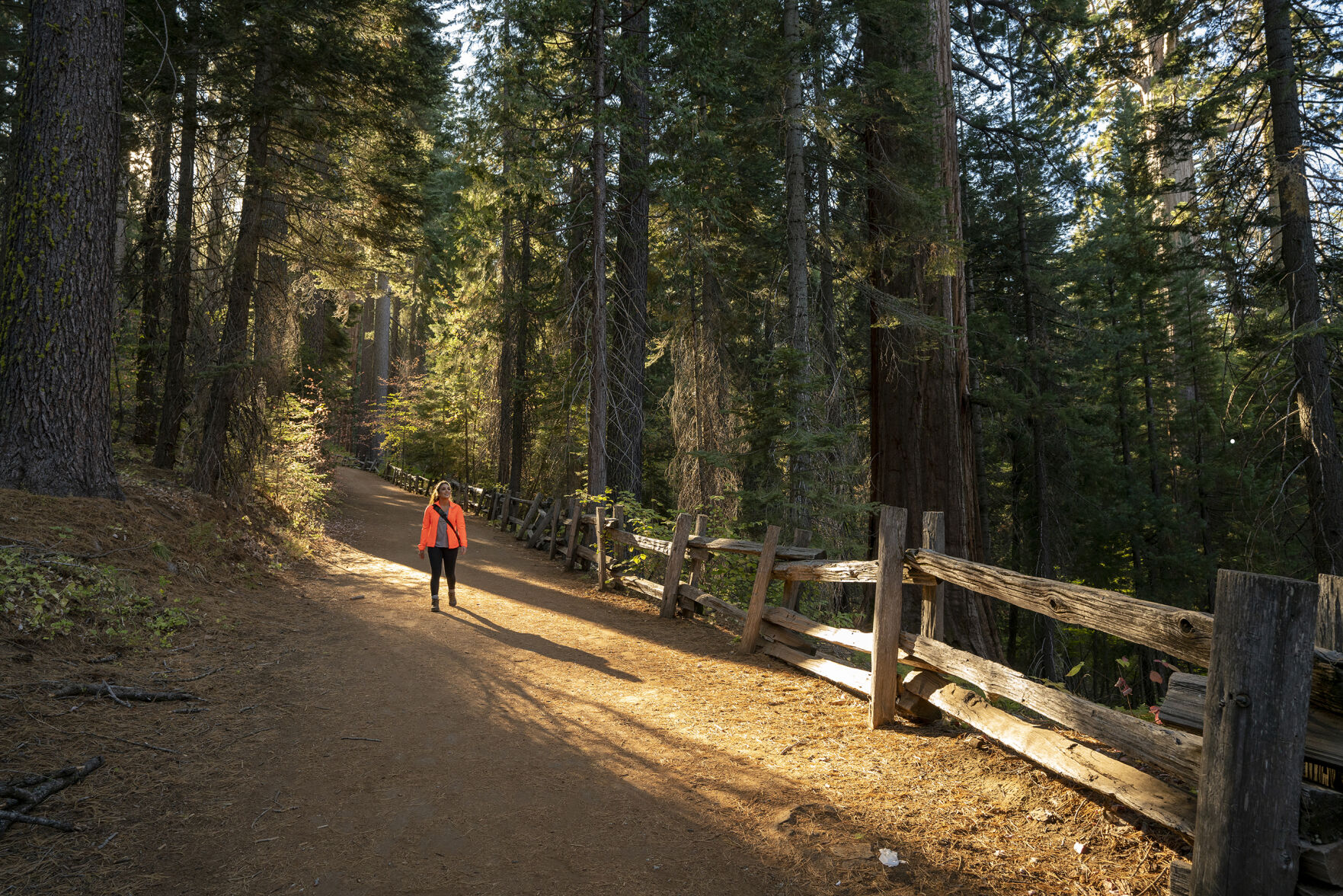
Yosemite has quieted down, and now’s the time for national park adventures and new explorations. Find yourself in awe as you take in the sights among the giant sequoias backdropped by colors of maples and dogwoods and maybe some glistening snow in the Tuolumne Grove of Giant Sequoias. Or, hike around stunning Hetch Hetchy Reservoir.
Wander in Groveland, outside of Yosemite, and enjoy a warming pumpkin spice latte or a one-of-a-kind seasonal brew. Feel like shopping? Pop into some of the unique shops in town to find gifts and seasonal decor to bring home.
Discover an Era Past in Gold Country
Gold Country Jamestown – Railtown SHP Roundhouse-3.jpg
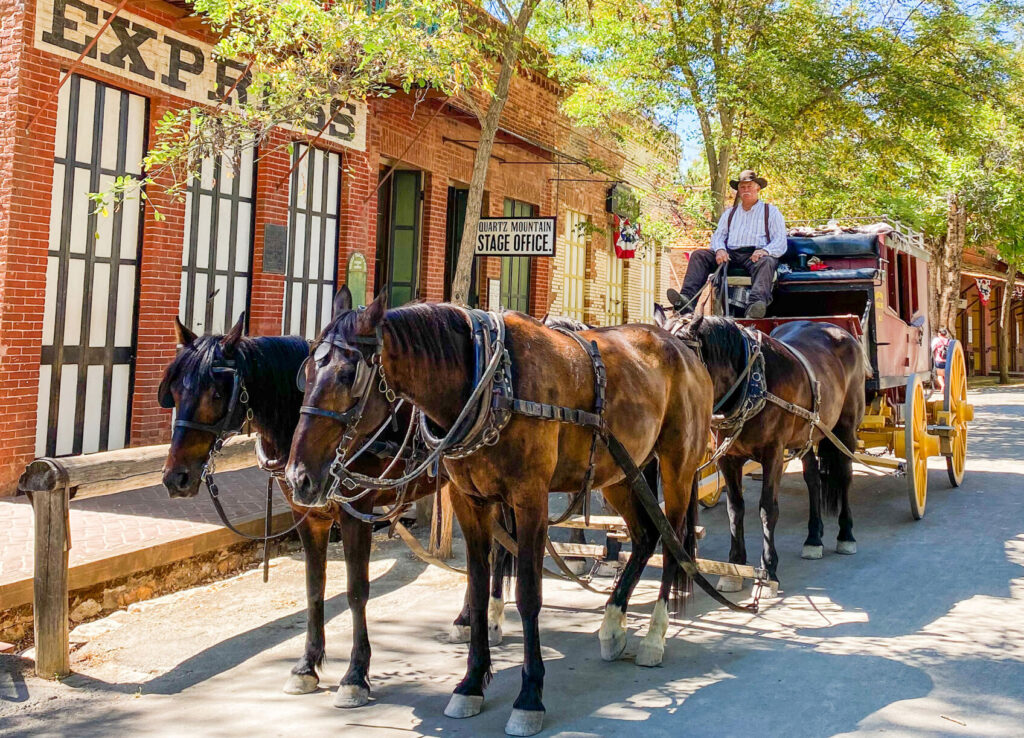
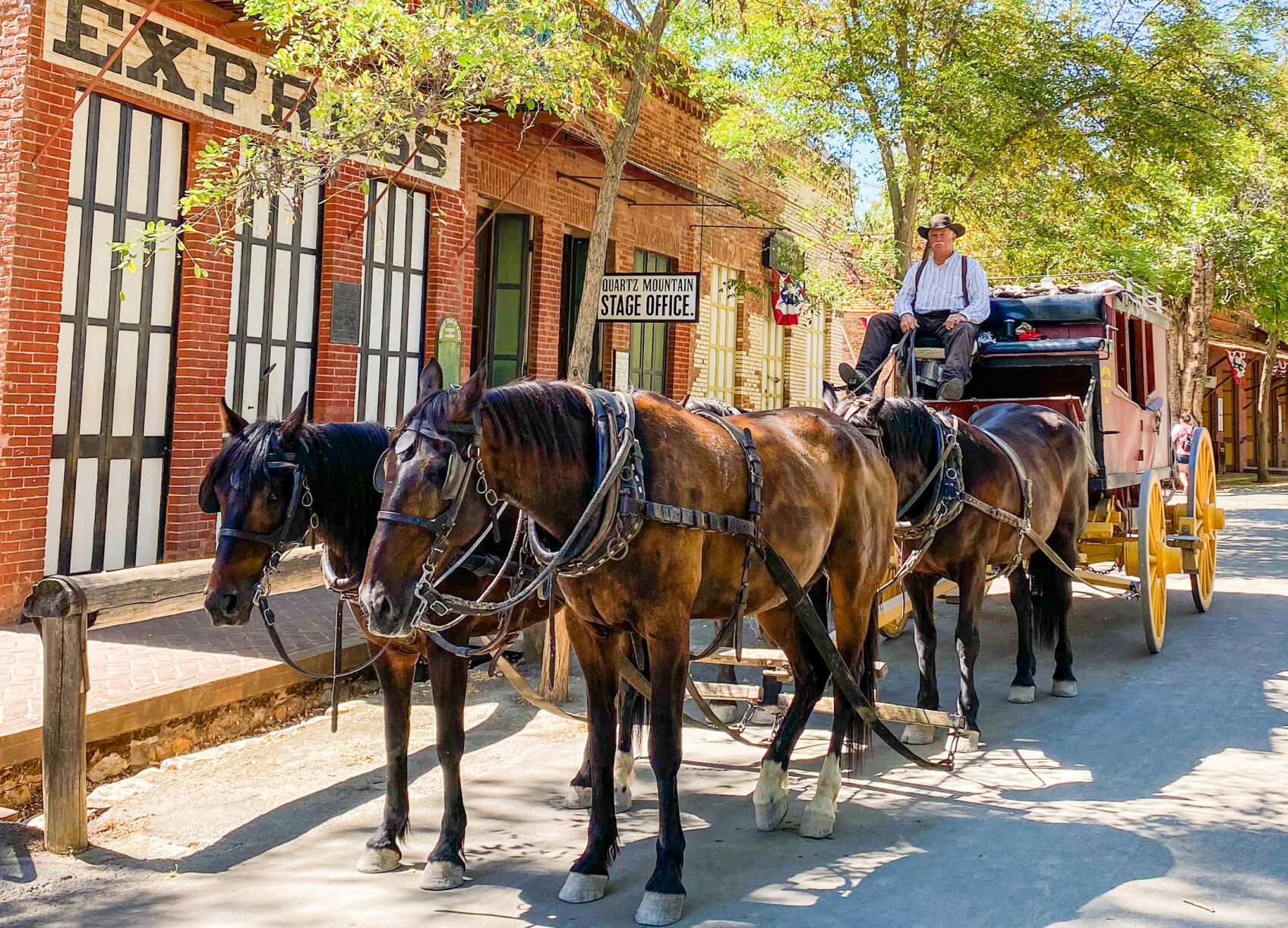
Explore Gold Country starting with the nooks of Columbia State Historic Park, and let your eyes and nose lead you into candle, candy, and provisional shops where their seasonal creations will warm your heart. Listen for clanging from the blacksmith shop or clinking of the authentic stagecoach as it enters town.
In nearby Jamestown, become immersed by the smells, sounds, and sights of Wild West railroad culture at Railtown 1897 State Historic Park, and stroll down Main Street where you’ll find shops, restaurants, and inns housed in picturesque historic buildings.
In Downtown Sonora, you’ll find many shops and restaurants located in historic buildings; as you step inside, you’ll see some interiors are left to show the architecture of 150 years ago. Also, take in a show at the Gold Country’s premier theater company, Sierra Repertory Theatre.
Reach the Mountain Tops in the High Sierra
High Sierra Ski_Photo Credit-Dodge Ridge Mountain Resort.jpg
High Sierra adventures await where brisk mountain breezes are the perfect excuse for a cozy sweater. Take a hike along the Pinecrest Lake Loop Trail, and catch unreal views of changing leaves set against rugged granite mountains. Feel the invigorating wind in your face as you ski, snowboard, or snow tube down glorious mountain sides.
Visit the nostalgic mountain town of Twain Harte and enjoy a relaxing stroll to find some fun fall fashions or handy cooking gadgets to help with upcoming holiday cooking or gift giving.
Stir Up Your Seasonal Cheer
Events Sonora Christmas Parade.jpg
Seasonal cheer is found in every town throughout Tuolumne County. Events include Fall Fest at Indigeny Reserve in Sonora and Harvest Festifall in Columbia State Historic Park in October. The night-time Sonora Christmas Parade, the night after Thanksgiving, and the sights and activities of Christmas Town Sonora delight all ages. The Polar Express departs Railtown 1897 State Historic Park for the North Pole on weekends following Thanksgiving.
Plan Your Trip to Tuolumne County
Rush Creek Lodge
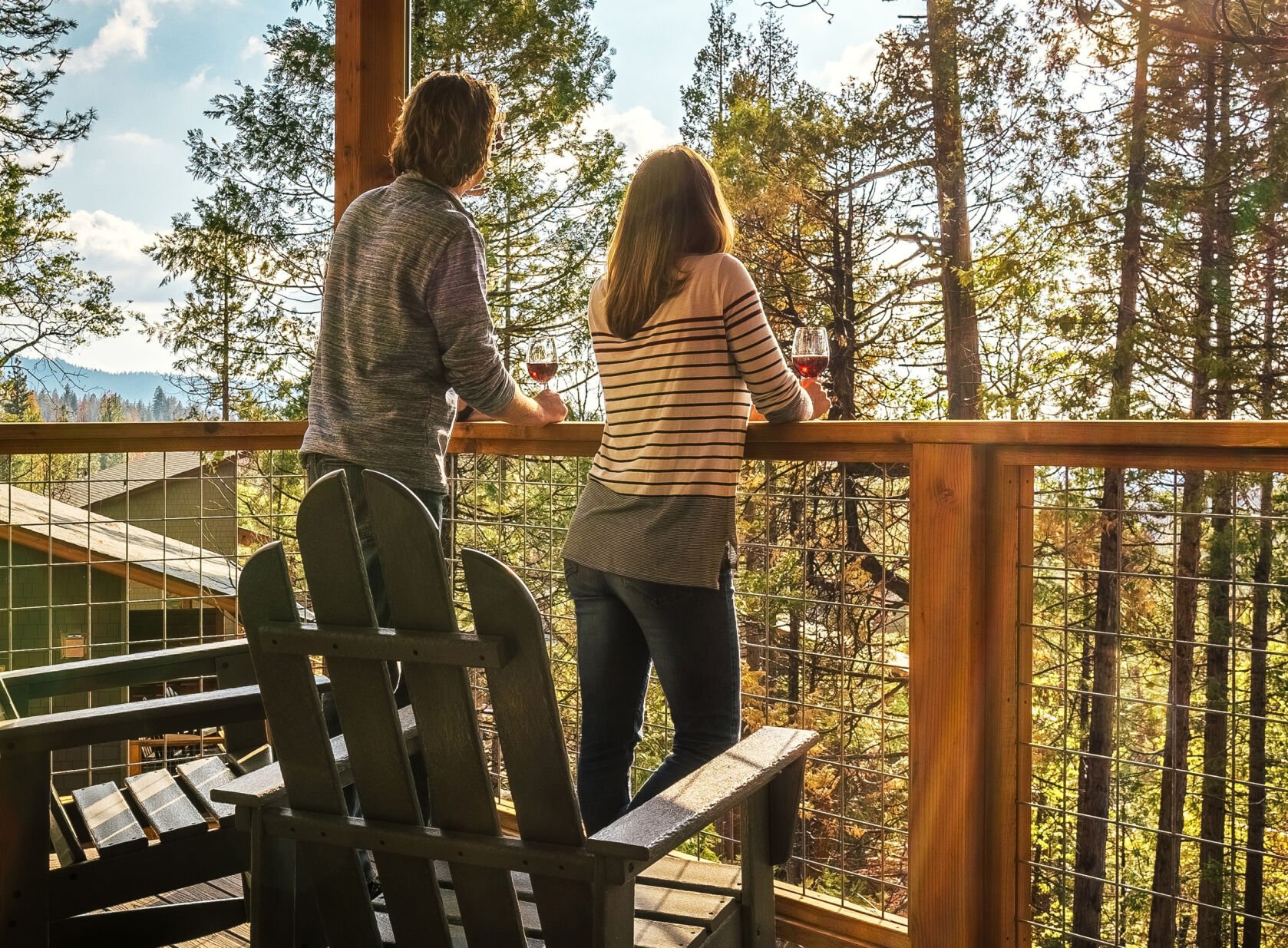
You’ll need a place to stay during your visit. Pick from mountain resorts, historic inns, cozy vacation cabins (perfect for gathering the family), distinctive B&Bs, and full-service RV parks.
Start planning your vacation with the help of travel inspiration and information delivered directly to your mailbox. Request your FREE Tuolumne County Travel Guide at VisitTuolumne.com today. Or, call the Visit Tuolumne County team at 209-533-4420.