Food & Drink AUGUST 30, 2025

Review: Little Victory Wine Bar in Carlsbad

The two families behind the North County restaurant take a hands-off approach to great food and wine

Review: Little Victory Wine Bar in Carlsbad
Photo Credit: Kimberly Motos

The Perfect Order: Beef Tartare | Crudo | All the Wine


We take really good food and don’t f*** it up. And food from right over there tastes better than something older and further away.”

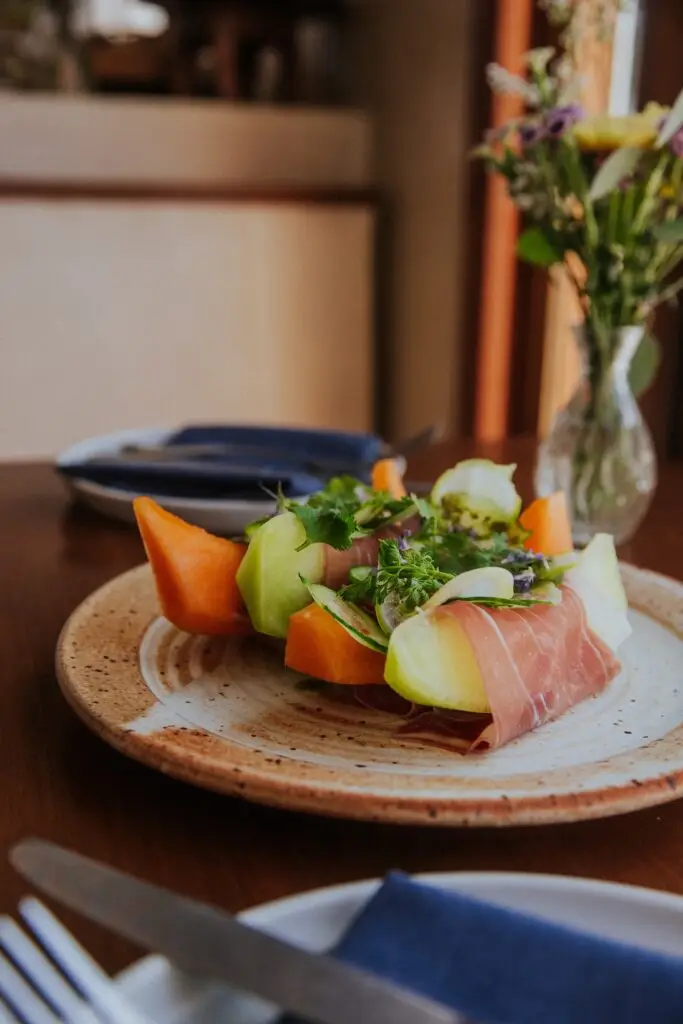
That’s former rapper and current chef Elliott Townsend’s simple lyric explaining why he and his fellow chef/partner/wife Kelly are so whoop-whoop on local food. I stare through the window into their petite cooking sauna at Little Victory Wine Bar in Carlsbad, where the two of them are surrounded by it—melons from Escondido’s JR Organics sliced into juicy scythes, Thompson Heritage Ranch pork chops from Ramona, bluefin tuna from Shane’s Seafoods. All they’ve got is an induction burner and two ovens to handle the orders of a wall-to-wall Friday night crowd, but they have mutually accumulated grit and Motown singalongs.

There are a couple dozen feel-good philosophical reasons to buy melons at peak, juicy, seasonal ripeness from places like JR Organics: supporting local farmers (in this case, Joe Rodriguez and his family), reducing food waste (fresh food is a melodramatic and fairly terrible traveler), lowering your carbon footprint (debatably and depending on the case).

Photo Credit: Kimberly Motos

But when it comes to the simple, simian joy of eating—in almost all taste tests, food picked at peak season down the road and served as immediately as possible puts a total ass whipping on food picked when it’s not-quite-ripe and shipped across the country or continents. Think of how you look and feel after a long road trip. Ripe, but not in the right way? Same.

Great chefs can make canned asparagus—the wet paper towel of food, nature hitting its Coldplay-kiss-cam rock bottom—and turn it into something pretty good. But true enlightenment comes when great chefs start with local ingredients that don’t suck. Plus, story matters.

“It just respects the microclimate and the small aspect of terroir in San Diego, which is why I fell in love with natural wine,” says Elliott, whose Instagram handle is @nattywinechef.

Little Victory is his and Kelly’s new home. After years of study at some of the city’s top restaurants (Juniper and Ivy, Cowboy Star, The Fishery), the duo launched the raved-about pop-up dinner series Long Story Short at places like Little Italy’s Vino Carta and now-shuttered North Park wine bar Little Thief, cheffing as house guests. Local dirt dictated their menus.

“We weren’t dope chefs, and we’re not now,” Elliott lies. “We’re just cooks, and we’re like, ‘Okay, where do we want to work?’ We’ve done so many pop-ups out of random places that were illegal. It’s really about just making it happen with what you got. But I was tired of stuffing an entire kitchen into my wife’s trunk.”

Photo Credit: Kimberly Motos
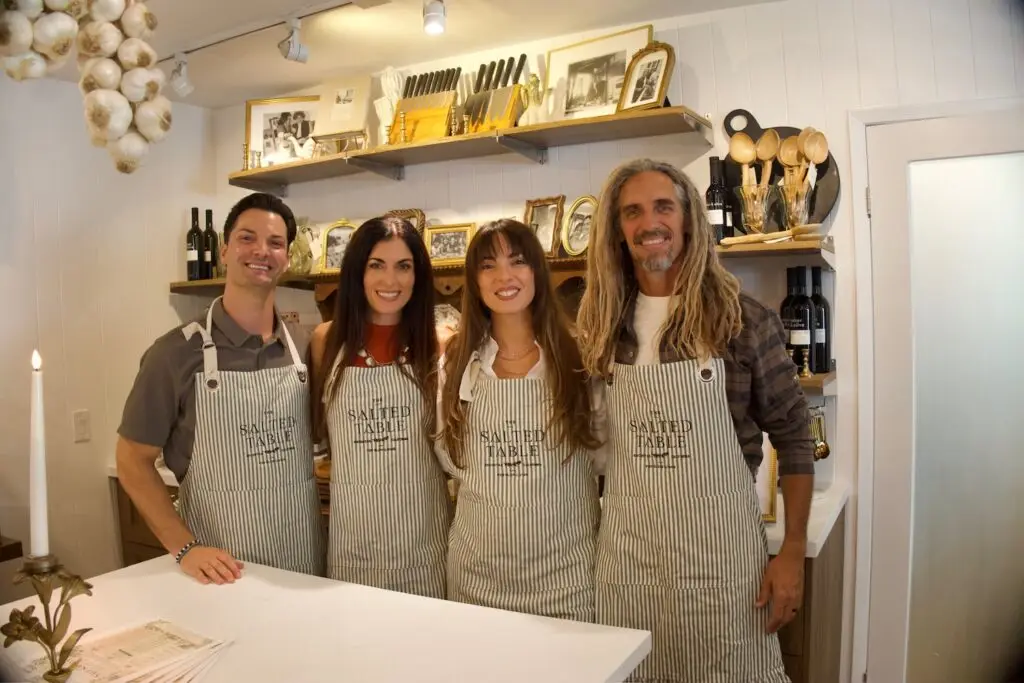
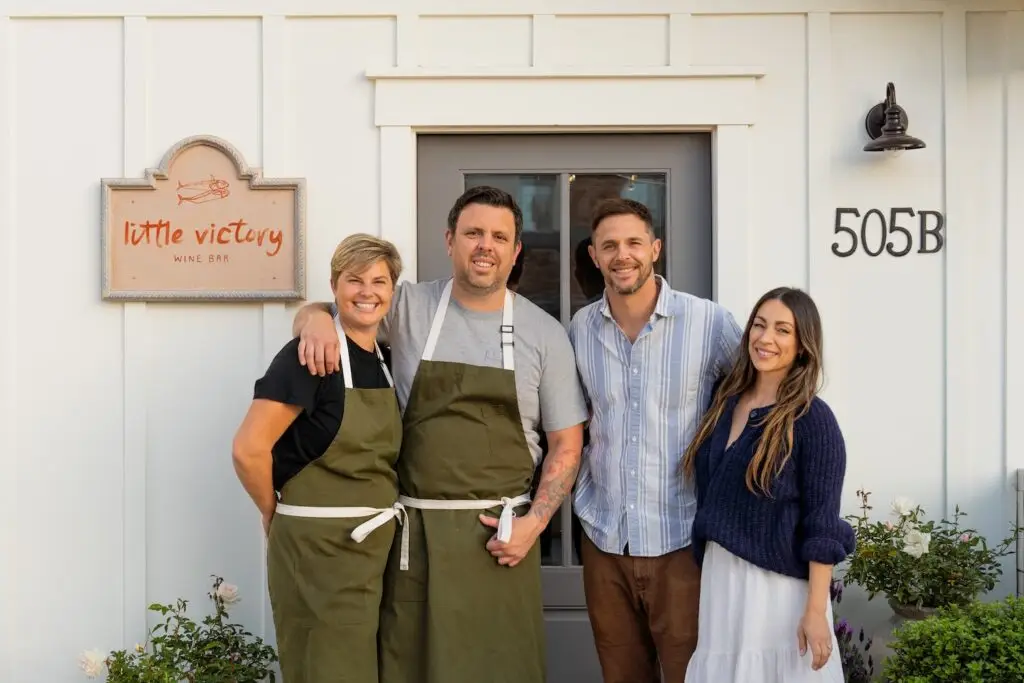
Left to right: Little Victory Wine Bar owners Kelly and Elliott Townsend, Jeremy Simpson, and Kirsten Potenza

Now they’re in a permanent spot, having teamed with another married couple, Little Victory creators Jeremy Simpson and Kirsten Potenza. Potenza is the CEO of now-global fitness brand Pound, which may explain why the crowd is 20- and 30-somethings with flexible muscles: young surf lads with firefighter-wall-calendar mustaches and wetsuit tans; women who’ve mastered the art of using the sun as whole body foundation makeup, not a rookie sunburn in sight.

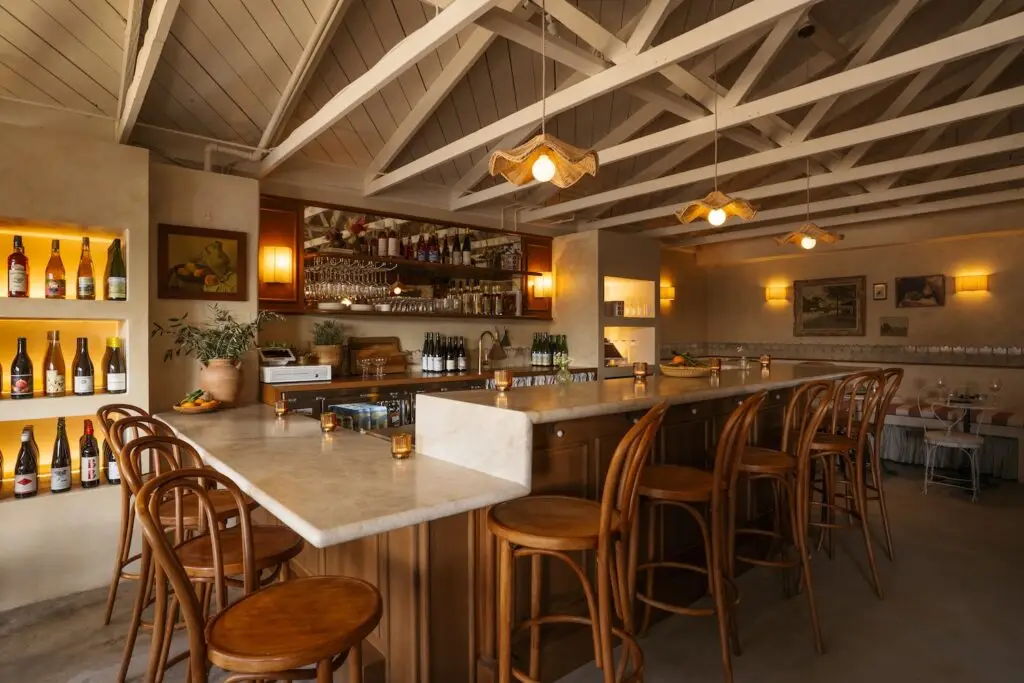
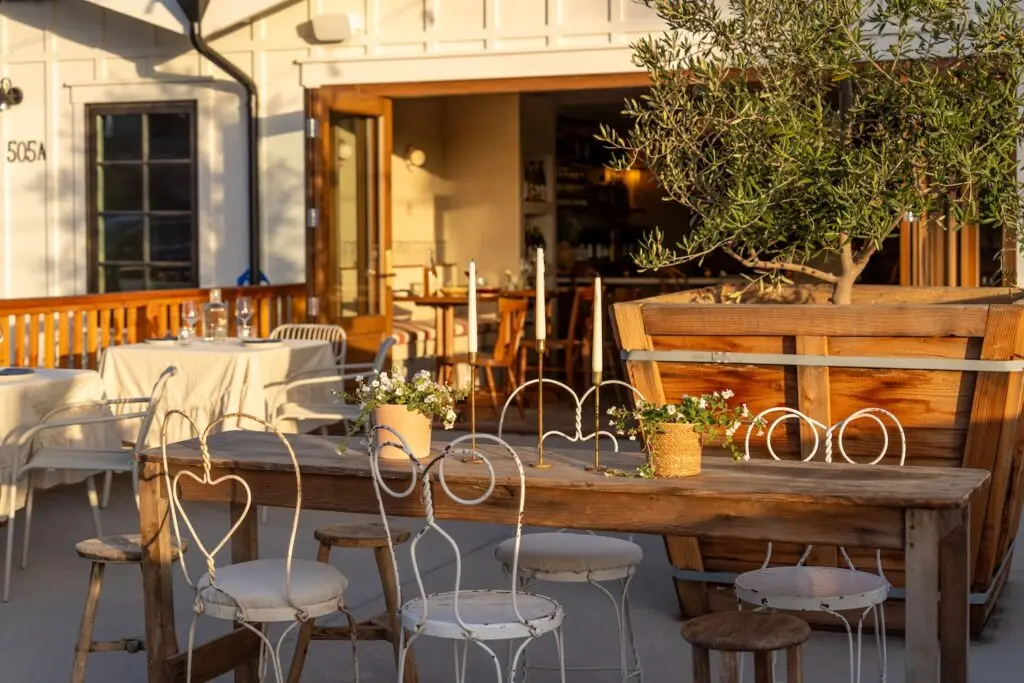
Potenza designed the wine bar/restaurant/general store (one wall is packed with local food and drink provisions, sold to-go). Things are crammed in all the crannies, but you largely can’t tell. There’s probably wine under your seat. There are antique wicker chairs and mismatched things, the décor of people with good instincts, winging it. And that’s what any new restaurant from first-timers is: a relentless winging.

Simpson was the bar manager at LA’s James Beard Award–nominated, Italian-ish spot Bestia. He came to San Diego as the beverage director for San Diego’s Michelin-starred Jeune et Jolie and its sister restaurant, Campfire. He’s a level-three certified sommelier who’s fallen hard for the natural wine scene, which is the language of Little Victory.

Photo Credit: Kimberly Motos

Natty wines—AKA lo-fi wines, raw wine, or zero-zeros (zero things added, zero things taken away)—aren’t groomed or modified or clarified or dolled up in any major way. They are the closest expression of what that specific grape (grown in that particular soil, on that hillside, with that hillside’s specific cast of honeybees and supporting pollinators, activated by whatever yeast is loitering in the air) tastes like when it ferments.

Most commercial wines are started with commercially dependable yeasts, then hit with preservatives (sulfites) and “fined” (things like gelatine and isinglass are added to remove proteins and tannins and clarify the wine). Sometimes producers age those wines with oak chips instead of in oak barrels, and sometimes they chaptalize them, or add sugar. None of these are inherently negative things, and some are good (aside from maybe chaptalization, which kinda sucks in all circumstances except in cold climates where grapes can’t develop enough of their own sugar). It’s just a matter of preference, and Little Victory prefers peak ingredients, relatively untweaked.

“There’s a pursuit in the American food system to have everything taste perfectly the same every time,” Simpson says. “There’s something good to be said about consistency, but with natural wine, the unpredictability is kind of the beauty of it. You can chase a different expression based on whether there was excessive rain. Or if there was something happening with the soil… Maybe it was better that year.”

Food from San Diego rooftop restaurant Communion in Mission Hills atop the Sasan

What traditionalists might call blemishes, natty champions call charms. Natural wines use wild yeasts—no preservatives, no fining. “Winemaker is a term that they use, but a lot of times in natural wine, I look at them more as stewards for the grapes,” Simpson says. Lo-fi winemakers are the bumper on the grapes’ bowling: just making sure it stays out of the gutter. 

Photo Credit: Kimberly Motos

As such, natural wines take some getting used to. I avoided them for years, based on my “vinegar-and-AA-batteries” impression of their early years. Now I’m hooked. Partially because winemakers have gotten exponentially better at this hands-nearly-off process, sure. But also because natty wines’ non-commercial otherness, their charming juice funk, is just plain exciting. Things you have to learn to love are usually the things you love the most. (For instance, big, fluffy, NASA-engineered pop hooks are spontaneously singable but quickly become too clingy and annoying, whereas the taciturn charms of Radiohead and Frank Ocean take longer but hit deeper veins. Natties are the indie record stores of wines.)

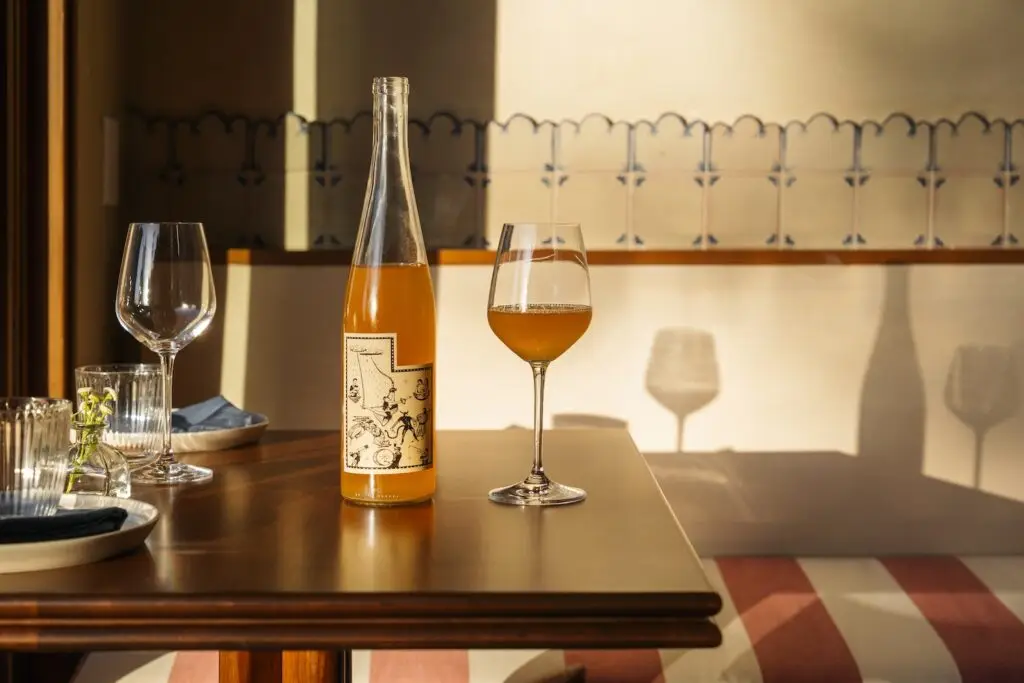
Simpson starts us with a cooled Florèz Wines ’24 Lovebirds, a co-ferment of organic Santa Cruz pinot noir and chardonnay. It’s a “glou-glou”—a French term meaning “glug glug,” it denotes easydrinking wines not to be fussed over or preciousized. Then comes the Frisant Bianco from il Farneto, a pear-tasting pet nat (naturally sparkling wine) made from sauvignon blanc and spergola, an ancient grape from Emilia-Romagna, Italy.

Next, the Haus Weiss from Weingut Brand in Pfalz, Germany. A blend of Weissburgunder (pinot blanc) and Sylvaner (a spicier grape with an opinion). The final is a feinherb (meaning “off-dry,” or lightly sweet) riesling from Max Kilburg, the 20th-generation winemaker on his famed family estate in Mosel, Germany. Tastes like peaches.

Photo Credit: Jed Villejo

Simpson’s skill is that he can tell a story of why each hilltop is unique, what farm animals are puttering around, why it’s fun to give a damn about those things and how they affect what you’re drinking without sounding like a doctoral student forcing a dissertation rehearsal on friends who would have canceled had they known. Or like a tent revival for fringe juice religions. Pretension is the poison of any potentially awesome newish cultural obsession, and Little Victory avoids it.

“This is Stagiaire,” Simpson says. “The winemaker is Brent Mayeaux, based out of Treasure Island in the San Francisco Bay. All chardonnay from Sonoma Mountain, from a very biodiverse vineyard. Sheep grazing, cover crops. It’s beautiful. He says it tastes like a gooseberry margarita.”

Knowing the story of the grower, rancher, or maker is dawn-of-time stuff, since almost all food was local food until the industrial revolution. It just got lost for a while in the US with the nationalization of food production (winter tomatoes from Florida, plastic-encased blueberries from a distribution plant in the middle states).

Photo Credit: Kimberly Motos

Local-food energy got new wattage around 2010 when Noma in Copenhagen was named best restaurant in the world thanks to its chef’s penchant for foraging and cooking exclusively what grew around the restaurant (a feat, because in frozen-earth Scandinavia it’s easier to grow seasonal affective disorder than food).

If René Redzepe could achieve chef sainthood by cooking reindeer moss, pine cones, and ants from nearby fields, imagine the possibilities in places where the soil was less handcuffed by the vagaries of Celsius.

Since then, the idyll for more and more cooks and drinks people has been to have what’s on the plate or glass tell you a story about the nature in a place. Ideally a place down the road. Let food be a true expression of soil and sky and microscopic cellular bugs and rain or lack of rain. Go forward by going back. Instead of serving crappy versions of fruit grown in its off-season through science and might, pick that fruit at peak season, can it, save it for later, pickle it, ferment it, koji and miso it. “Terroir” has been poked and sullied as a food snob virtue signal, but it really just means (my interpretation) “food that tastes like what it’s supposed to taste like.” Tastes like the soil in Escondido. Like the salty clouds over the pinot noir grapes in Santa Cruz.

So the Townsends’ food shares a storytelling jones with Simpson’s wines, and that’s what makes Little Victory such a thrill.

Photo Credit: Kimberly Motos

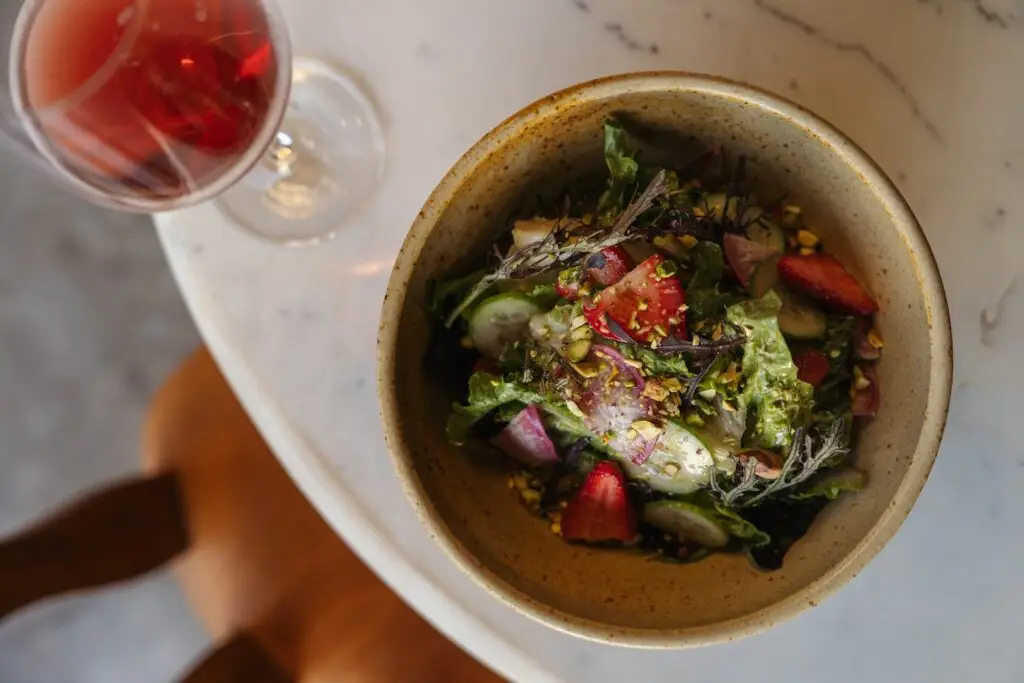
A killer roasted romanesco with pistachio crema and pesto hits the table, a pretty simple preparation that happens to be vegan. The green, spiral vegetable—a crucifer in the ballpark of broccoli and cauliflower—looks like an acid trip, as if Ken Kesey grew it in L. Ron Hubbard’s personal loam. Char tastes so damn good on crucifers because they have a natural bitterness (due to sulfur-happy compounds called glucosinolates), and high heat not only produces the Maillard reaction (that buttered popcorn–tasting marriage between amino acids and sugars), but it also disables those sulfur bombs.

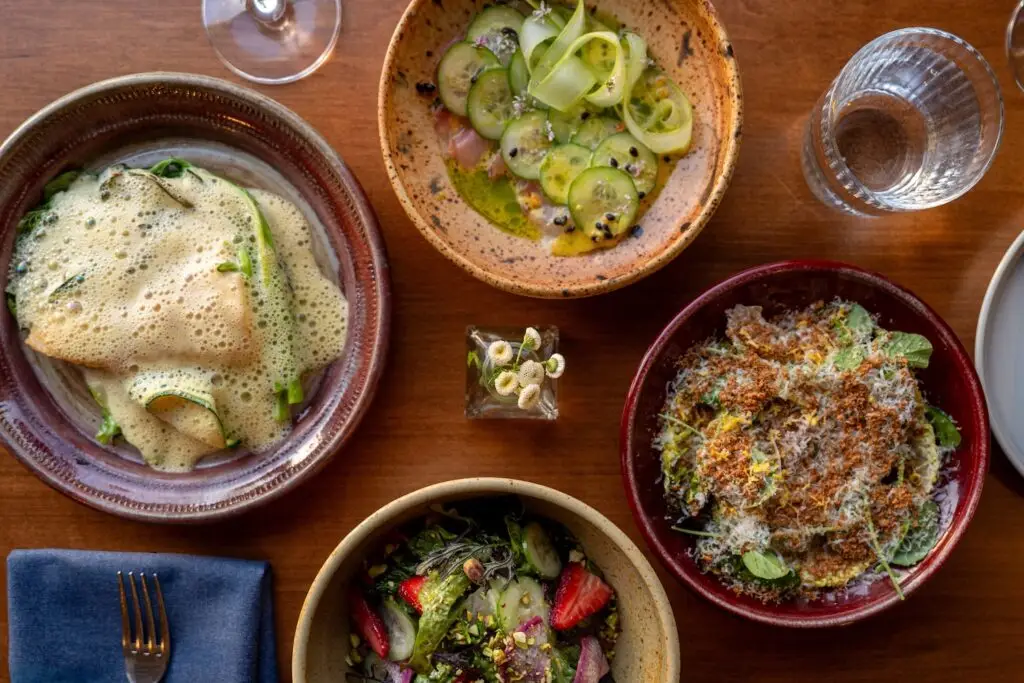
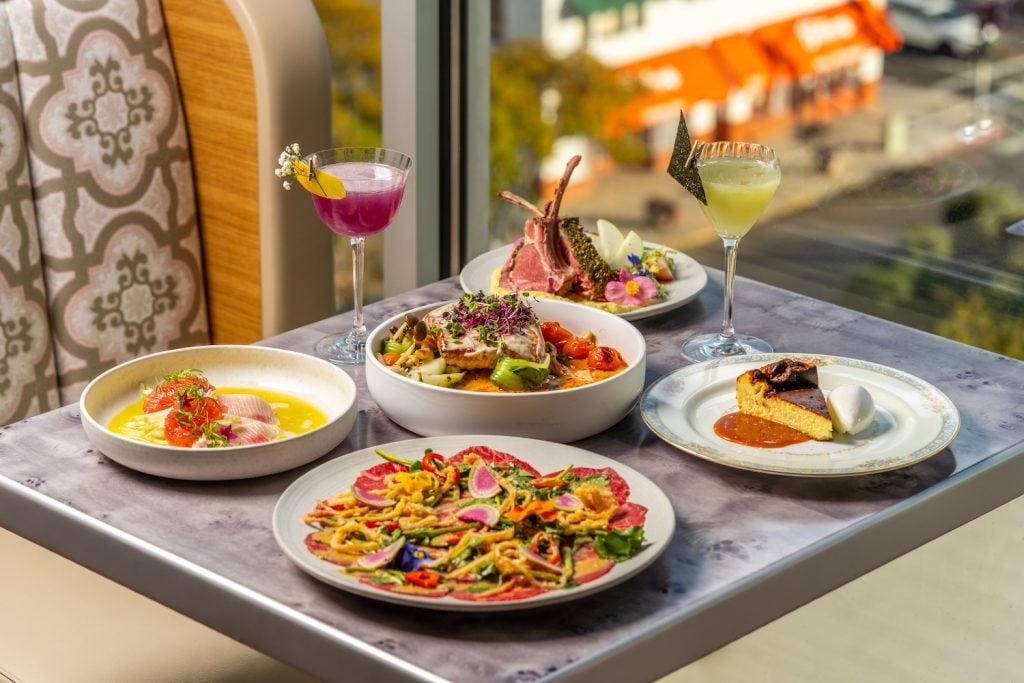
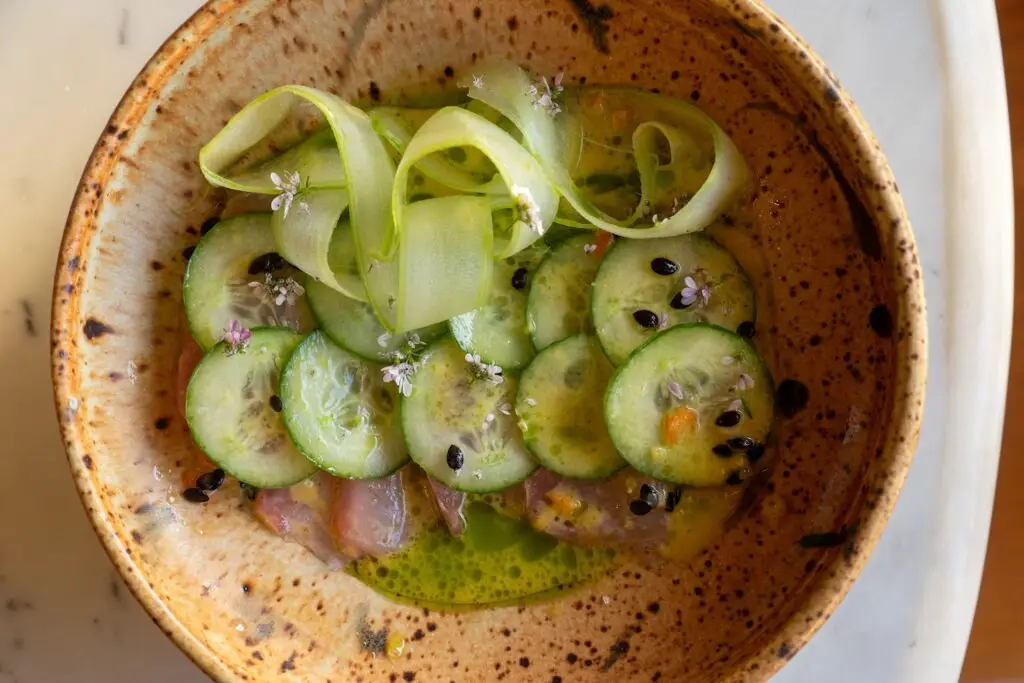
In my line of work, I’ve eaten a lot of raw beef cubes tossed in various sauces, but Little Victory’s tartare—Thompson Heritage Ranch sirloin in a house-made Caesar—rivals Kingfisher’s in Golden Hill for the best I’ve had. Why hasn’t every cook tossed their tartare in Caesar? Feels like a “duh” no-brainer. The crudo—raw bluefin in a watermelon consommé with a Thai-inspired salsa (herbs, chiles, lemongrass, barrel-aged fish sauce)—is excellent. And a plate of rigatoni gets a sauce of gold bar squash, saffron, and miso with roasted tomatoes. Like San Diego summer on a plate.

Halfway through our meal, we spot Simpson’s and Potenza’s son—a long-haired, moon-blonde, 4-year-old energy dispenser who acts as maitre’d. Little Victory is his after-school extended learning program. The couple sold their house in Bonsall and moved into a condo 50 feet from the restaurant’s front patio. Simpson will disappear around 7 p.m. to walk him across the street and kiss him good night, then return to talk about pet nats.

“He’ll ask, ‘Are we packed tonight?’” Simpson says. “Yeah, buddy, we’re packed tonight.”

Troy Johnson

About Troy Johnson

Troy Johnson is the magazine’s award-winning food writer and humorist, and a long-standing expert on Food Network. His work has been featured on NatGeo, Travel Channel, NPR, and in Food Matters, a textbook of the best American food writing.


Subscribe to our newsletters

Select Options

By subscribing you confirm that you agree with our Terms and Conditions and Privacy Policy.

Food & Drink SEPTEMBER 2, 2026

A Gluten- and Dairy-Free Bakery Is Popping Up Across San Diego

At The Delicate Squash, Shannon English is rethinking cookies, cakes, and pastries with seasonal ingredients and natural sweeteners

A Gluten- and Dairy-Free Bakery Is Popping Up Across San Diego
Courtesy of Shannon English

Midway through my phone conversation with Shannon English, owner of The Delicate Squash, I hear an alarm shrilling in her background. 

“Sorry, I’ve got to pull some cookies out of the oven right now!” she apologizes. After a few beats, she picks the phone back up and laughs. “I feel like I’m bouncing around all over the place.”

After hearing her run through a list of her professions and current hobbies, I’d have to agree. English runs The Delicate Squash, a gluten- and dairy-free bakery; teaches cooking demos; pops up at farmers markets; wrote a book of poetry (Deep Water came out this month from Beyond the Veil Press); hosts a monthly open mic night; dipped her toe into ballet; recently joined a running club; volunteers at local farms; and finally, teaches at a play-based, nature-based preschool.

I’m tired just talking to her. 

Surprising no one, English seems to have unlimited energy and enthusiasm for all this work, notably in education. Early childhood education is one of the most pivotal times for nurturing lifelong learning, but she also aims to educate the public on how to eat cleaner, feel better, and support your local food systems. She started The Delicate Squash in late 2023 after discovering she has a chronic illness, going through the typical standards of care and even strict elimination diets, to no avail. 

Courtesy of Shannon English

“I’m not going to say I found a diet that has ‘cured’ me, but I have found that taking a more mindful approach to a lot of things, including diet, has made symptoms far more manageable for me,” she says. 

Even people with dietary restrictions deserve a little treat from time to time, but she had a hard time finding anything that tasted good and made her feel good. Thus, The Delicate Squash was born.

All of her baked goods avoid gluten and dairy, and use natural sweeteners like coconut sugar or maple syrup as well as herbs, fruits, foraged flowers, and other natural flavorings. Her signature cookie, the “Delicate” cookie, is a sea salt dark chocolate cookie that’s soft, a little salty, a little sweet, and made with oatmeal to keep it gluten-free. Other crowd favorites are thumbprint jam cookies with jams made from scratch with change seasonally; breakfast pastries like orange, dark chocolate and cardamom scones; brownies; orange and black sesame banana bread; seasonal pies; and custom and seasonal cakes (currently, the late summer flavor is a dark chocolate coconut milk ganache with berry jam).

English says some people are surprised she can produce such a variety of goods with the dietary restrictions she adheres to. “A lot of feedback I get is ‘I could never do that,’” she says. But if she can do it, she assures me that anyone can. “I like to say ‘practice makes progress, not perfection.’” 

Her advice? Focus more on being present than presentation, and don’t be afraid to experiment to keep things interesting. And if that doesn’t work, you can always hit her open mic night to ask for tips.
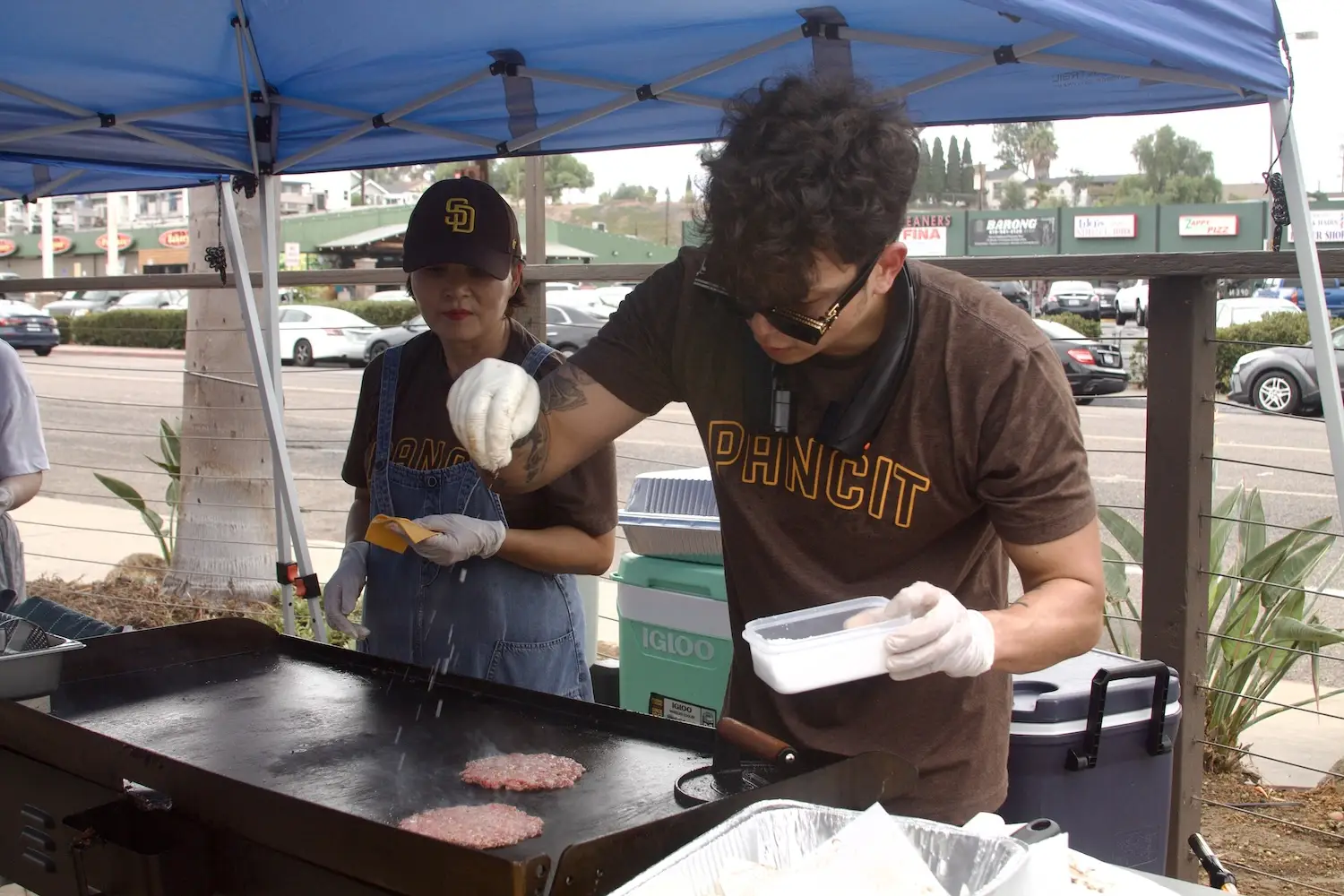
Customers can order from The Delicate Squash’s online store, check her upcoming schedule of pop-ups, or find her goods at various independent retailers around San Diego.

San Diego Restaurant News & Food Events

Vinyl Listening Room Opening Inside Escondido’s Distinction Gallery

Escondido is getting in on the listening bar phenomenon. On September 5, musicians Mat Rakers, Kevin Capacia, and Billy Petty will open Plot Armor, a Japanese-style vinyl listening bar that Rakers says they aim to feel “curated and intelligent.” 

“Currently, there are not a lot of ‘cool’ spots in Escondido,” he says. Backed by The San Diego Music And Art Company and The Escondido Music And Art Company, Plot Armor will soon offer sake, wine, beer, and soju cocktails, plus Japanese non-alcoholic options and cold brew. Eventually, they’ll add Japanese-inspired snacks, but the focus will be creating a small place (very small—the seating capacity is 20) where vinyl junkies can come listen, linger, and libate. 

Courtesy of Fairmont Grand Del Mar

Beth’s Bites

  • Ocean Beach has a new watering hole. The Jetty opened in July at 4934 Voltaire Street (where Voltaire Beach House used to be), and while I don’t think OBceans were hurting for where to get a drink, the more the merrier. 
  • Chinese restaurant powerhouse Chef Fei is finally making it to the U.S., opening a spot at Westfield UTC mall on September 5. Known for Hunan-style stir fry dishes, it’s often lauded as one of the most consistently solid chains in the world—in fact, in 2018 chef Fei Lianghui took home the highest honor a Chinese chef can earn, the China Golden Chef Award. Again, I don’t think mallgoers were hurting for great places to slurp some noodles, but there’s always room in my heart for more stir fry.
  • In past years, Fairmont Grand Del Mar didn’t exactly jump to mind when I looked for different Día de Muertos celebrations around San Diego. That changes this year, when the five-star resort will debut its first Día de Muertos celebration on November 1. Michelin-recognized chefs like Javier Plascencia (Erizo, Animalon), Roberto Alcocer (Valle), Drew Deckman (Deckman’s En El Mogor), and more will come from both sides of the border for one night only, with proceeds going to Fundación Tijuana Sin Hambre. Get ready for what will undoubtedly be San Diego’s most upscale take on the Mexican holiday.

Listen Now: The Latest in San Diego’s Food and Drink Scene

Have breaking news, exciting scoops, or great stories about new San Diego restaurants or the city’s food scene? Send your pitches to [email protected].

Beth Demmon

About Beth Demmon

Beth Demmon is an award-winning writer and podcaster whose work regularly appears in national outlets and San Diego Magazine. Her first book, The Beer Lover's Guide to Cider, is now available. Find out more on bethdemmon.com.

Food & Drink AUGUST 31, 2026

The Best Basque Cheesecakes in San Diego

After a blind taste test, these four desserts came out on top—see the winners here

The Best Basque Cheesecakes in San Diego
Courtesy of Muse Cheesecakes & Bakery

Basque grandmothers have not been making it for centuries. If you’re a millennial, there’s a strong possibility you’re older than the dessert itself. Yet somehow in less than 40 years, the Basque cheesecake—a half-pudding, half-cake creation with a top that looks like a mistake—managed to ooze its way onto menus all over the world.

It became the undisputed dessert star of San Diego’s restaurant world this year. So we invited 19 of the top restaurants, pastry chefs, and bakers to bring their best to the San Diego Magazine office for a blind taste test to find the best in the city.

First, a little history and context.

In 1987, after failing to find a job as an electrician, Santiago Rivera started working as a bartender at his parents’ unassuming pintxo bar La Viña, in San Sebastián, Spain. He was a naturally curious, self-taught cook who spent his free time testing recipes, tinkering with ingredients, and tweaking techniques.

So when it came to the cheesecake—which hadn’t changed much since its invention (a rudimentary version was served at the first Olympics in Greece 4,000 years ago, and the modern New York version in 1872)—he got radical with it.

He removed the crust (partly just to speed up the process because time is money for a small business). Without the crumbly crust, the experience was far creamier, less granulated. Then he cranked the oven to 400 degrees, nearly 100 degrees hotter than the normal baking temperature.

The result? The top became deeply caramelized, almost burnt, while leaving the center luxuriously soft and loosely set. The restaurant became a legend because of this breakthrough in the dairy arts, and his father never let him stop making it after that.

Now, 67 years after the restaurant’s opening, La Viña stands out for the unceasing line spilling onto the street, and the remarkable amount of curd cultists standing nearby, hovering over cream-smeared plastic containers. It’s the kind of scene that makes you stop and think: What the hell are they eating?

Now, the blind tasting. To keep things fair, the contenders were divided into four categories: Restaurant Traditional, Restaurant Flavored, Bakery Traditional, and Bakery Flavored. (It’s a tad unfair to pit a baker who specializes in the one glorious thing against a restaurant that cooks dozens of things.) Each entry was served blind and judged on texture, flavor, and number of vaguely inappropriate food moans.
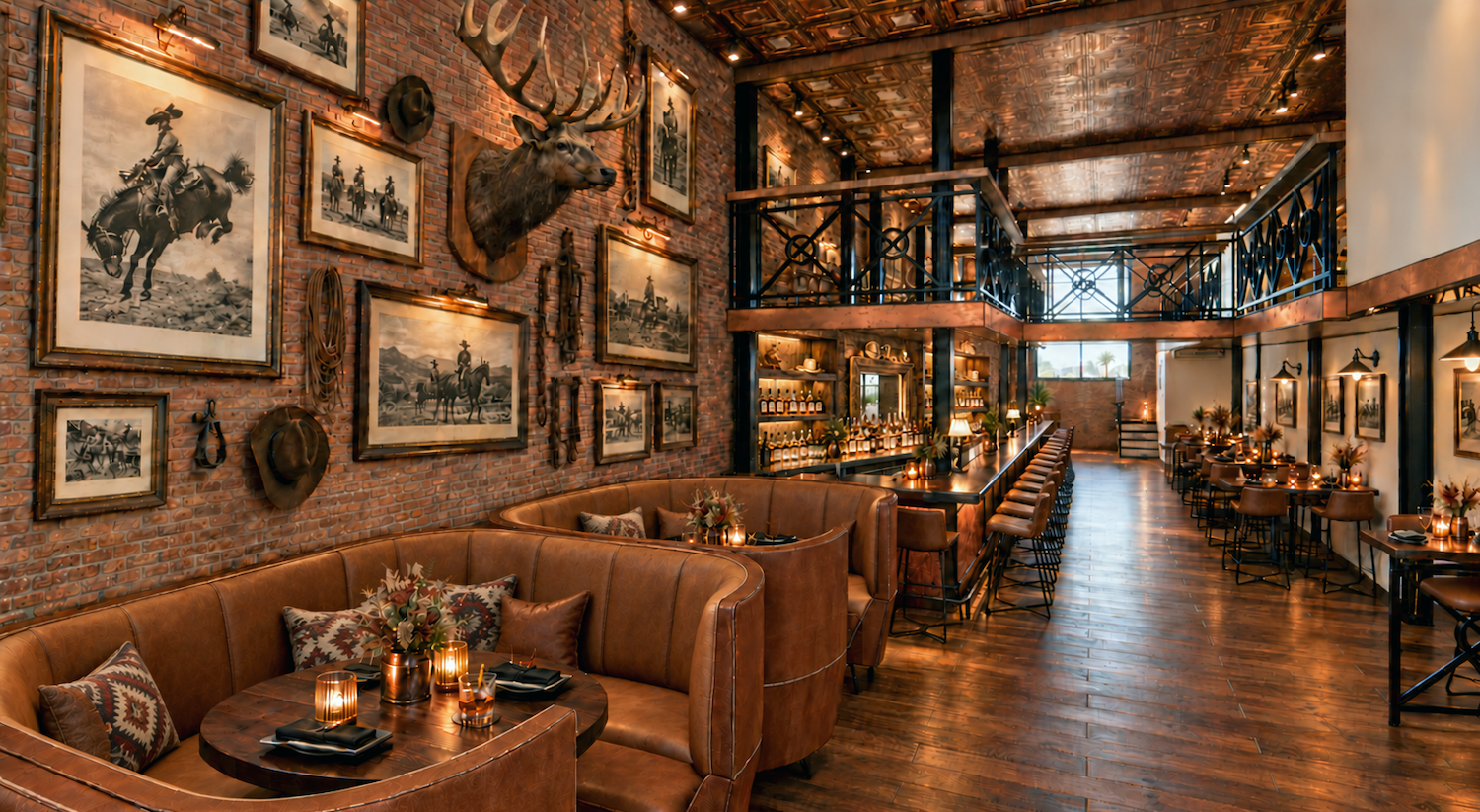
The logistics were chaotic, to say the least. Our fridge—not a walk-in, sadly—was packed to the brim. Each cake was sliced, secretly labeled, and shuffled onto plates while the team gathered in the conference room. The whole shebang was not in any way sponsored by Lactaid, despite our various attempts to convince them of this ripe marketing opportunity.

The judging became gloriously unhinged. We heard it all, from “I don’t care how the cheesecake gets in my mouth, it just needs to happen,” and “Is it supposed to be this jiggly?” to “Kind of a baby throw-up situation,” “Straight cheese,” and “I’m getting vague socks there.”

But four Basque cheesecakes stood out among the rest, earning themselves the title of Best Burnt Basque Cheesecake in San Diego.

Courtesy of Mesa Agricola

Restaurant: Traditional

Mesa Agricola

A restaurant for the people. Rosarito native chef Juan González and Megan Strom are the ideal married couple to be running a farm-to-table joint. She’s been a farmer for decades, selling top-notch produce to some of the best restaurants in California—which is how the two met. A couple years ago, she started working at the small organic farm in Valley Center run by Mike Reeske, who had spent decades breeding the perfect heirloom beans for SoCal’s climate. He recently retired, and gifted those strains to Strom—who grows them (and other crops) for their tiny Escondido taco/burrito shop specializing in guisados (Mexican stews).

A Basque cheesecake in a taco shop? You bet. Juan’s got family roots in Spain and has cooked in Spanish kitchens.

Mesa Agricola’s winning Basque is by far the most “burnt” of all contenders—so much so that an Instagram follower declared it a mistake. But as Chef Juan notes, there’s an art to hitting the sweet spot where “the bitterness of the char balances the richness and sweetness without turning it into ‘chicharrón.’” Plus, char is a core charm of Baja cooking. It’s the perfect Basque for the people who prefer setting their campfire marshmallows fully on fire.
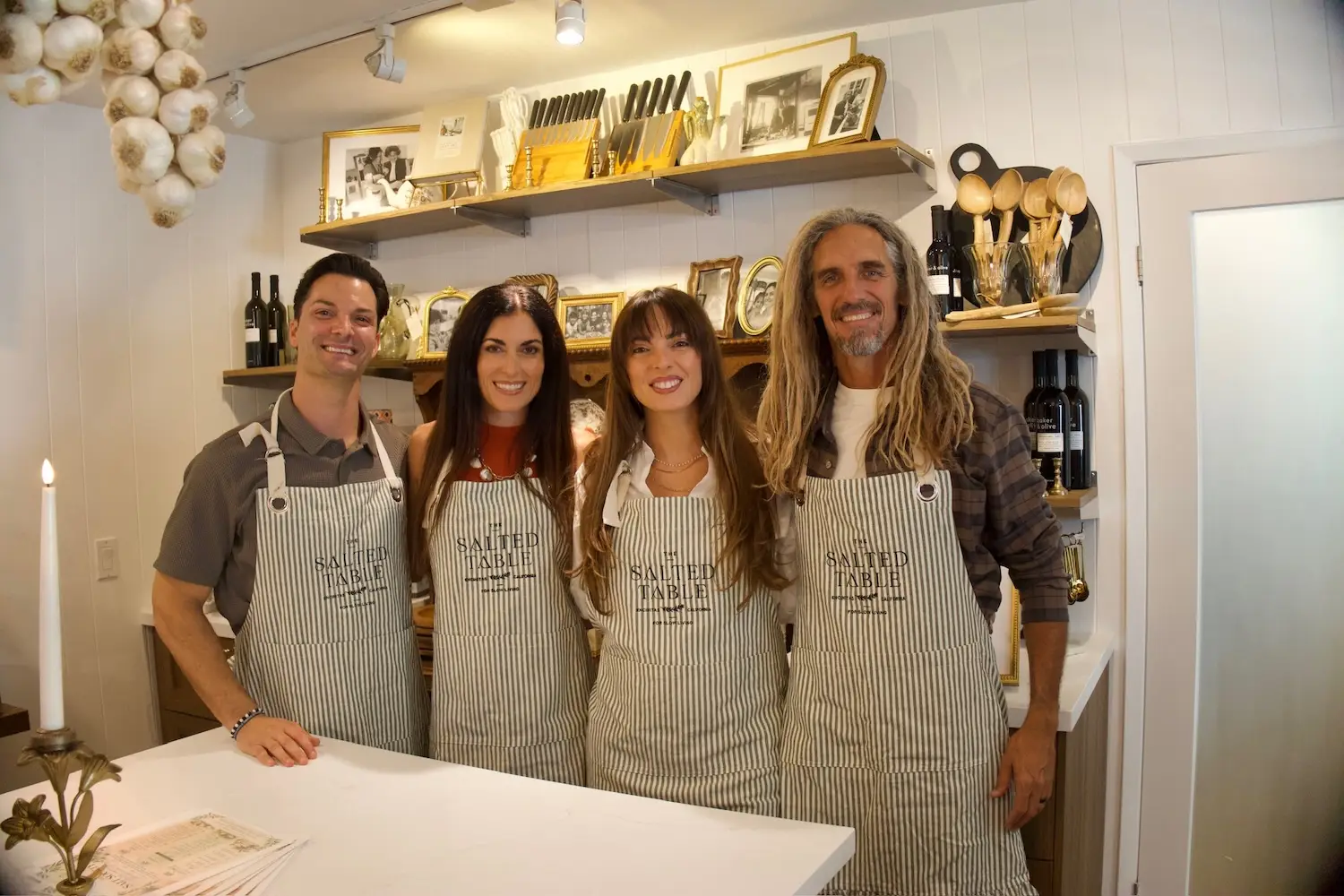
Photo Credit: Casiel Sanchez

Restaurant: Flavored

Moe’s Steakhouse

With red leather booths and a retro steakhouse vibe, Moe’s in Mission Beach is a good cheat day destination. The menu is flavor maximalism—dry-aged steaks, housemade pastas, brown liquors, and sides like the lobster truffle mac ’n’ cheese. Pastry chef Eli Peralta (whom some might remember as the creator of The Patio on Lamont’s “Twisted Elvis”—a peanut butter-banana brûlée stunner) brings that same intensity to the dessert menu.

Baked at sister restaurant Molly’s (6 feet away), his Basque is served on a bed of caramel with walnut brittle and a dollop of whipped cream, an indulgent recipe that converted the pastry chef himself. “I wasn’t crazy about cheesecakes,” Eli admits. “Then I started making different flavors, and I started to like them.” He’s not the only convert: During our blind tasting, one judge likened the cake to crème brûlée, concluding, “I don’t even like crème brûlée, but I like this.”

Courtesy of Muse Cheesecakes & Bakery

Bakery: Traditional

Muse Cheesecakes & Bakery

Every creative pursuit starts with a muse—and Lada Sadovnyk’s has been the Basque cheesecake for years. In Ukraine, she baked them for friends and family gatherings, never imagining she would one day build an entire bakery around them in the US. “When we moved to San Diego,” she explains, “I kept thinking, ‘What can I do? What do I really love to do?’”

The answer is pretty fantastic.

After obsessing over proportion and techniques, chasing that molten center and deeply caramelized top, what began as an online recipe evolved into something entirely of her own.

She moved from her home kitchen to a rented commercial kitchen close to Sports Arena. The orders kept coming, and so did the pressure. “At one point, I was thinking about divorcing my husband,” she says with a laugh (while sitting next to him). The grind paid off: Today, Muse Cheesecakes bakes roughly 1,200 cheesecakes a month and is planning to open its first brick-and-mortar home in Pacific Beach.

For our competition, the expectations met reality. Muse has made a quick name in San Diego as the Basque to beat. In a blind taste test, there’s no bias, no reputational shine to sway a room. The response on reveal: “Oh, of course.”

Photo Credit: Casiel Sanchez

Bakery: Flavored

Bite Cheesecakes & Bakery

Husband-and-wife duo Alex and Anastasia Kiperband pulled off the number of failures (and then some) that are required of any search for the best recipe. After adjusting baking temps, sugar rations, and experimenting with different brands of cream cheese and heavy cream—they finally landed on something worthy of a business license.

“When we started this business in America, we were really nervous,” Anastasia says, co-owner of Bite Cheesecakes & Bakery.

Once they won over those first customers, their confidence grew enough to start tinkering. When Dubai chocolate took social media by storm, they developed their own version, making the pistachio paste from scratch before layering the buttery kataifi pastry beneath a glossy chocolate shell to create its signature Dubai Chocolate Basque Cheesecake.

“In a lot of situations, we’re converting cheesecake haters to cheesecake lovers,” they say. “That’s probably the best feedback that we get.”

Camila Ibarra Gallego is a CaliBaja native pursuing a master's degree in culinary journalism at the Basque Culinary Center. Shaped by the culturally rich, bicultural megaregion, she's passionate about sniffing out stories that connect people, territory and culture through food. When she's not tumbling down internet rabbit holes, you can find her pretending to be a wine connoisseur at a local wine bar or nose-deep in a good book.

Food & Drink AUGUST 26, 2026

Filo Brings a Taste of the Mediterranean to Bankers Hill

The team behind El Agave and Nómade will open a breezy new restaurant with tapas, housemade pasta, seafood, and plenty of wine this September

Filo Brings a Taste of the Mediterranean to Bankers Hill
Courtesy of Juan Carlos Gomez

After running El Agave Restaurant & Tequileria in Old Town for 30 years and opening Nómade Tapas & Records in North Park in 2025, owner Juan Carlos Gomez wasn’t actively on the hunt for a new project. But sometimes, you have to grab the opportunities as they come, unexpected though they may be.

He was taking a stroll in Bankers Hill last year when he noticed Barrio Star was closing after 17 years. “[It] was a neighborhood staple for a long time,” he says. So he figured he’d take a look. “We were talking with ownership and threw out an offer, and then it was accepted. So we were like, ‘Okay, cool, guess we’re going to get a new concept going!” (Much respect to the YOLO business style.)

That new restaurant is nearing completion. Filo will open early in September. The restaurant’s name, pronounced fie-low, references phyllo, the Greek word for “leaf” and an unleavened pastry dough commonly used in Mediterranean (often Greek) cuisines. Gomez says the menu will range from all over the Mediterranean region.

“I’ve always been a fan of European cuisine, obviously, but I can’t land on just one,” he laughs. “I’m part Spanish, so we wanted to do something Mediterranean, have a little bit of Spanish, have a little bit of French, Italian, Greek… a lot of olive oil, a lot of sea salt, and very, very light seasoning.”

Courtesy of Juan Carlos Gomez

Although the menu feels European, Gomez says expect the vibe and ingredients to feel very Southern Californian. There will be tapas, of course, and other small plates, along with housemade pastas, salads, with lots of seafood (like a whole branzino) coming from local purveyors. The accompanying beverage program will feel equally breezy, “fresh, very light, citrusy, salty,” he says. “We’re going to have a pretty hefty wine list and full bar.”

Gomez’s goal for Filo is for it to feel like a laid-back, seaside eatery on the craggy Mediterranean coastline—light colors, white oak, lime wash, flowing between the indoor dining room and outdoor patio. Personally, a European escape sounds pretty awesome right about now. 

Filo opens at 2706 Fifth Avenue in early September. Initial operating hours are 4 p.m. to 10 p.m. daily, with lunch and happy hour coming soon. (Subject to change.) 

Courtesy of Nobu Del Coronado

San Diego Restaurant News & Food Events

Beth’s Bites

  • It’s hotter than a mile of Georgia asphalt in July, but relief is on the horizon. No, I don’t mean autumn (or as we San Diegans call it, “second summer”). I’m talking about the Sails & Ales Beer Fest at Kona Kai San Diego. The annual brew fest takes place on Saturday, September 12 from 1 p.m. to 5 p.m. at the Polynesian-themed Shelter Island resort, with over 30 local beverage makers bringing their most refreshing products to the hot and thirsty masses. Look for names like Pure Project, Coronado Brewing, Ketch Brewing, and a whole lot more, all of whom are donating a portion of the proceeds to Surfrider Foundation San Diego. Tasty waves? A cool buzz? Sounds just fine. 
  • If you seek edible respite before September 12, Hotel del Coronado has you covered. On Friday, September 11 from 6 p.m. to 8 p.m., the man behind global sushi powerhouse Nobu—Chef Nobu Matsuhisa himself—will host Taste of Nobu, an immersive evening of sushi and signature cocktails on the Paseo Lawn. Prepare yourself for the famous black cod miso, Wagyu dumplings, hand rolls galore, and much more. (Personally, I will also prepare myself to be somewhat star-struck.)
  • I love a group grilling get-together, something Kingfisher must have known when the Golden Hill restaurant launched its Nướng Nights series. The recurring patio grill event brings patrons to the curb with a casual, but ridiculously delicious collection of skewers alongside special cocktails, this month coming from Realm of the 52 Remedies. Keep August 26 open for grilling glory (and save September 29 for the Mid-Autumn dinner with chef Helen Nguyen of NYC’s Saigon Social).

Listen Now: The Latest in San Diego’s Food and Drink Scene

Have breaking news, exciting scoops, or great stories about new San Diego restaurants or the city’s food scene? Send your pitches to [email protected].

Beth Demmon

About Beth Demmon

Beth Demmon is an award-winning writer and podcaster whose work regularly appears in national outlets and San Diego Magazine. Her first book, The Beer Lover's Guide to Cider, is now available. Find out more on bethdemmon.com.

Studio S FEBRUARY 26, 2026

Chef Aidan Owens Thinks Your Fish is Boring

The 29-year-old culinary director at Herb & Sea is making seafood sexy (and approachable) again

Implementing a farm-to-table model hardly deserves acknowledgement these days. It’s not a stretch. It’s not innovative. “It’s the bare f**king minimum,” says Herb & Sea‘s executive chef Aidan Owens.  

When I arrive at the Encinitas restaurant, I’m ready to talk sustainability, farm-to-table stuff, with Owens. “Did you see the chin on that?” he says of the extra big jiggly chin on the sheephead that just arrived with the day’s fresh catch. I did. It was Jay Leno adjacent.

I learn quickly that he somehow oozes both charm and stone-cold honesty. Maybe he could construct a new dish with chin goo, like he did when he had a bunch of tuna scraps and voila’d it into a smooth and crowd-pleasing ‘nduja. “I want to know what’s in there,” he says.    

Courtesy of Herb & Sea

The instinct to look closer, to dig into what others might discard, says a lot about the chef’s approach. I guide him back to our topic, but he has something else on his mind. “We’re overcomplicating food—what happened to just cooking good food and having fun with it?”

Owens grew up on a farm in Byron Bay, Australia, where sustainability wasn’t a concept you chat about so much as a way of life. Think dirt roads, backyard chickens, pulling vegetables straight from the ground, and a mother who believed that if you couldn’t pronounce the ingredients on a package, you shouldn’t eat what was inside.

Food wasn’t precious or performative. Making it was what you did because you were hungry and that’s still what inspires Owens today. “I like to cook good food because I like to eat good food,” he says.

His approach to sustainability at Herb & Sea began so naturally that it felt just like instinct. “I was just like, ‘Let’s order food from the people who live and work here,’” he says.

Courtesy of Herb & Sea

And why wouldn’t he when lives in San Diego? Cities all over the world vie for our goods. Our tuna is sent overseas. Our spiny lobsters hit dinner plates in China and Japan. Not to mention California’s producing a third of the country’s vegetables and three-quarters of its fruits and nuts. 

“Why would we outsource when it’s all here?” Owens asks.

Sustainability, in this context, is about cooking what exists in abundance, nearby, right now. “I love the local fish here. It’s f**king delicious and San Diego citrus, I mean, it is so f**ing good,” he says.

Instead of importing ingredients, Owens also looks for nearby alternatives. “You can find really cool things in the local waters,” he says, pointing out that stingray cheeks taste similar to scallops.

Courtesy of Herb & Sea

Whatever he finds in that sheephead chin might just be the next substitute for marrow. But to make this work, it means getting diners amped up about the slightly unfamiliar. 

Tasting menus, where diners are completely in his hands, become an opportunity to gently push boundaries. “I’ll serve mackerel, because people think they hate it,” Owens says, noting that the abundant local fish can have some fishiness. “But when it’s fresh, it’s arguably one of the best fish in the ocean.”

He also tweaks the language on the menu so people might feel more compelled to give dishes a try without preconceived notions. He might use “lengua” instead of “tongue.” “Whelk” instead of “snail.” When he puts “stingray throat” on the menu, he disarmingly calls it “skate.” 

To reduce waste, scraps aren’t always discarded but rather turned into something new. Sometimes they’re smoked, cured or fermented. Apples going bad turn into apple ponzu. Lemons turn to marmalade, which stretches their usefulness far beyond peak season. “And it’s super tasty on our pizza,” he says.

What makes the food even richer, is the relationships he’s built with farmers. Though it didn’t always feel natural, Owens sought personal connection first. He recalls approaching a fisherman at the Tuna Harbor Dockside Market. “I was awkward,” he says. “I went up to him and said, ‘I like your fish.’”

Owen’s is now so close to his suppliers—like fishermen Ryan Sebo and Joe Daly—that he gets texted pictures of fresh catches right as they flop on the boat. The messages always ask if he wants first dibs. “I say yes to a lot of fish,” Owens says, noting that Herb & Sea can go through 2,000 pounds of seafood a week.

Courtesy of Herb & Sea

The next evolution of sustainability, in his view, will be chefs working directly with producers such as his alliance with Sebo, cutting out middlemen and purveyors where possible. “It will put more money in the pockets of the people doing the work,” he says.

It will mean that chefs can’t just know their local farmers and producers, but they’ll choose to work with the ones who have the best practices. Dining and sustainability will become much less about the final plate. “It will be more about the impact that plate has on the Earth,” he says.  

Ultimately, he believes sustainability doesn’t need to be loud. It doesn’t need hashtags. It just needs to be honest.

“We aren’t saving lives. We’re feeding people good food,” he says.

And yet, in feeding people well—simply, thoughtfully, responsibly—something meaningful happens. Guests leave satisfied. Ingredients are respected. Local ecosystems are supported and food returns to what it has always been at its core: nourishment, pleasure, and a quiet reflection of the place it comes from.

No buzzwords required.

Food & Drink AUGUST 18, 2026

Fish Guts’ Pablo Becker Is Betting Bigger on Barrio Logan

The city's fish taco hero is opening Concrete Cowboy across the street, plus a home-cooked Mexican sandwich spot

Fish Guts’ Pablo Becker Is Betting Bigger on Barrio Logan
Courtesy of Fish Guts | Photo Credit: Adam Martinez

You have to be crazy or a genius to name a restaurant Fish Guts. You have to be even crazier to open a restaurant that holds maybe two dozen people at a time—if you don’t mind elbowing one other while scarfing down some of the best fish tacos in San Diego.

And yes, “best” is a relative term. But in Fish Guts’ case, it’s for real—and that’s saying something in a town literally world-famous for fish tacos

Ever since Pablo Becker opened up his diminutive eatery in 2023 at the corner of Logan Avenue and Sampson Street in Barrio Logan, Fish Guts has been named one of the city’s best new restaurants in 2023, Critic’s Pick for the best fish tacos in San Diego in 2024, 2025 and 2026, as well as readers’ top pick in 2024. It’s like if Rubio’s married into the royal family. 

Most of his ingredients come straight from the cold waters of the Pacific Ocean, which happens to be down the street. His de espada (blackened swordfish) taco is the stuff of legend. He’s kept Fish Guts operating at an elite level, which tends to happen when you work for five years in Chicago under chef Richard Sandoval (who, by chance, is also his cousin) and open an ahead-of-its-time high-end modern Mexican restaurant in East Village (El Vitral Restaurant & Tequileria, 2009-2013). 

Now Becker is branching out again, opening two new concepts in Barrio Logan this fall. 

The first will be upstairs from Fish Guts, which at one point was destined to become an intimate omakase counter. Santo Poco will be a lunch-only sandwich shop, offering takeout and delivery (no dine-in), and the sandwiches will be a little Mexican, a little French, a little Italian, a little from Chicago, a little from New York. Basically, a bunch of different styles all on really, really good bread. 

“There’s probably going to be a Cuban-style sandwich in there with a touch of Mexican, some cold cut Italians, too, putting my touch on them,” he says. “That’s what I feel like is my style of cooking.” 

Things will be traditional, but inventive. Like his fish & chips taco at Fish Guts: two classic dishes, one killer mash-up. There will also be a hat tip to the late, great Anthony Bourdain, a sandwich called the Antonio Bourdain. 

The second will be across the street from Fish Guts in the former Lia’s Lumpia space. Concrete Cowboy will be a taco-driven joint on the same wavelength as Fish Guts (keep it simple, keep it special), but featuring land animals rather than sea brethren. Think tacos made with duck confit, ribeye, pork belly, skirt steak. 

The inspiration behind Concrete Cowboy comes from Becker’s father, a lifelong Western obsessive, despite growing up in Mexico City’s urban metropolis. “He always liked that cowboy life, that vibe,” he says. “I always say ‘Dad, you just grew up in the wrong city.”

He’s aiming to open Santo Poco in October and Concrete Cowboy in November. Neither require massive renovations, and while the former Lia’s Lumpia space will keep the cabin-esque aesthetic, he’s creating more of an adobe-style exterior and an interior lined with Western-themed wallpaper and taxidermied animals. He’ll also tweak the bar layout to move from a fast-casual feel to full service. 

Local designer Dane Danner is designing both spaces and visual direction for menu layouts, logos, and packaging, going for low-key, but high on vibes. Once Concrete Cowboy opens, Fish Guts will temporarily close to remodel the space to switch its white palette for a warmer feel, plus introducing a refreshed menu featuring some new tacos and other items. 

Could another Fish Guts be on the way somewhere else in San Diego? Not likely, says Becker. “Fish Guts is cool, “ he says. “I feel once you start branching out, it’s more forced, not as organic.” So for now, count on Becker staying in the neighborhood. 

Santo Poco opens for lunch daily October 2026, 2222 Logan Avenue (above Fish Guts). Concrete Cowboy opens Tuesday through Sunday for lunch and dinner November 2026, 2219 Logan Avenue.

Beth Demmon

About Beth Demmon

Beth Demmon is an award-winning writer and podcaster whose work regularly appears in national outlets and San Diego Magazine. Her first book, The Beer Lover's Guide to Cider, is now available. Find out more on bethdemmon.com.

Food & Drink AUGUST 16, 2026

Madison on Park Temporarily Closing Next Month

The University Heights eatery will close September 7 for a multi-month renovation and rebrand

Madison on Park Temporarily Closing Next Month
Courtesy of Madison on Park

Ten years ago, restaurant design centered around sleek minimalism. Fonts lacked serifs, clean lines dominated, and any manufacturer that made globe-shaped chandeliers must have made an absolute killing.

Things have changed since then, and Jeff Fink says it’s time for Madison on Park to glow up. On September 7, Madison will temporarily close its doors for a top-to-bottom renovation of the space and concept. Fink hopes to reopen this fall ahead of the busy holiday season, with a new look he calls moody mid-century maximalism. 

“We have to take into consideration what’s going on culturally,” he says. When Madison first opened, TikTok wasn’t a thing in the U.S. and craft cocktails felt relatively cutting-edge. Today, he sees a resurgence in the vintage look, handmade goods, and low-to-no ABV drinks dominating menus everywhere. 

Courtesy of Madison on Park | Photo Credit: Andy McRory

Fink and his partner Matt Sieve have already dabbled with that sort of motif at Sonny’s Pizza, their Brooklyn-inspired joint around the corner. Fully half of the cocktail menu is made up of spritzes, mocktails, and Negronis. Madison 2.0 will take it further.

The new concept doesn’t have a name yet—Fink says they have to feel out the vibes as they make progress with the design. “The name comes when you see it appear,” he says. But he has a few design elements in mind: things like more artwork and more uplighting. “Not cluttered and overstuffed… I want to keep it intimate, sexy, and immersive.”

Madison rightly earned its rep as one of the best-dressed eateries in San Diego, nabbing an Orchid Award for interior design its first year. The returning designers Anna and David Sindelar originally transformed the space from weird padded walls and fake greenery at Lei Lounge into a mid-century modern wonderland, complete with a signature arched ceiling and geometric patterns aplenty. Michelin-recognized chef Mario Cassineri (Ciccia Osteria, Bice Ristorante) built a menu heavy on Mediterranean flavors mixed with California classics. 

The new menu shouldn’t feel completely jarring, but will take cues from Fink’s recent travels in Spain with his family. Expect shareable plates with lighter ingredients. “Americans eat way too much, and our portions are way too big,” he says. “I like the idea of smaller plates, healthier plates, and being creative… I’d rather see 15 items on the menu that are all less than $20 so that I can try different ones.” Bar manager Danny Kuehner will continue developing craft cocktails and mocktails for the new venture, as well as curating a selection of wine from Europe and locally. 

Courtesy of Madison on Park | Photo Credit: Haley Hill

This isn’t the only project on their plate. Besides running Sonny’s in University Heights and Madi in Normal Heights, later this fall, Fink and Sieve will also open Josie’s, a modern all-day, Midwestern-style diner inspired by Sieve’s Minnesota roots. Like all their restaurants, it’ll hold a special part of their families’ legacies—something Fink hopes people feel as soon as they enter.

“You walk into Sonny’s, you’re like ‘Oh, Jeff’s at home,’” Fink laughs. “[Josies’] will be ‘Matt’s at home.’” The next version of Madison? We’ll have to wait and see. 

Madison on Park will temporarily close on September 7 until October (barring any unexpected delays). Keep up with the newest updates on Madison’s Instagram.


Listen Now: The Latest in San Diego’s Food and Drink Scene

Have breaking news, exciting scoops, or great stories about new San Diego restaurants or the city’s food scene? Send your pitches to [email protected].

Beth Demmon

About Beth Demmon

Beth Demmon is an award-winning writer and podcaster whose work regularly appears in national outlets and San Diego Magazine. Her first book, The Beer Lover's Guide to Cider, is now available. Find out more on bethdemmon.com.

Partner Content JUNE 25, 2026

Summer Nights at SeaWorld San Diego

SeaWorld dazzles with a drone show, big-name entertainers, new animal adventures and more 

Summer Nights at SeaWorld San Diego

Nights are heating up at SeaWorld San Diego. The quintessential summertime staple on Mission Bay is transforming into a destination for unforgettable day-to-night adventures, bringing back some of its most popular Summer Nights programming and introducing exciting new experiences sure to delight both kids and adults alike. 

The 2026 Summer Day to Night at SeaWorld San Diego is the park’s most ambitious season yet. SeaWorld has planned a highly anticipated entertainment lineup that features nine weeks of throwback concerts featuring R&B and hip‑hop favorites from the ‘90s and early 2000s, including Jordin Sparks, Too $hort and Warren G, Ashanti, and an array of boy band heartthrobs performing together as part of the Pop 2000 Tour. 

New this season is perhaps the park’s most visible update: a nightly drone show, Ocean of Dreams, which illuminates the sky with hundreds of synchronized sparklers. Drones form sea otters, sharks, dolphins, and a majestic orca that tell a breathtaking 12-minute story of marine life and underwater ecosystems. The show culminates with a spectacular electric neon finale celebrating hope, wonder, and ocean stewardship.

Nighttime visitors are also in store for animal adventures that fuse education with high-energy fun and the dreamy ambiance of nighttime. The park has launched two all-new animal presentations: Shamu’s Celebration: Light Up the Night and Dolphins: Touch the Sky. Shamu’s Celebration: Light Up the Night features vibrant lighting, music, and dynamic choreography that celebrates the power and beauty of killer whales. Dolphins: Touch the Sky showcases playful bottlenose dolphins and the special connection between humans and the natural world. And back by popular demand is fan-favorite Sea Lions Tonite. See the charming pinnipeds splash, play, and parody pop culture in this refreshed crowd-pleaser. 

More must-sees: a newly reimagined Shark Encounter, one of the country’s more immersive exhibits highlighting 11 different species up close, SeaWorld’s beloved BMX Blast! stunt show, and high-seas escapade, Pirates Ahoy! The Battle for Mermaid Cove. And don’t miss the park’s all-new Deep Sea Disco, which encourages guests to dance the night away under the glow of the SkyTower, and vibrant closing time laser light display Laser Reef Summer Spectacular. 

Amp up the nighttime vibe with local craft beers, curated cocktails, and nostalgic theme park treats with $1 beer all summer long. SeaWorld is the place for day to night summer fun. When the sun goes down, SeaWorld lights up, and inspires guests of all ages to embrace their inner whimsy and see why generations of San Diegans head to SeaWorld to make memories they’ll never forget. 

Eat Like a Local (Who Knows a Guy).

Restaurant news, culinary storytelling, and Troy Johnson’s sharp takes delivered straight to your inbox twice a month.

Close the CTA

Contact Us

1230 Columbia Street, Suite 800,

San Diego, CA