Ready to know more about San Diego?

Subscribe
Features MARCH 1, 2019

21 Ultimate Road Trips from San Diego

Tired of airport hassles and layovers? These itineraries will take you through California, Arizona, Nevada, Utah, and Mexico, whether you want to drive for two hours or eight.
21 Ultimate Road Trips from San Diego
Photography by Emily Kaszton and Jim David

Choose a Road Trip:

1–2 Hours | 3–4 Hours | 5–6 Hours | 8 Hours | National Treasures


1–2 Hours


Palm Springs

Why We Love It: The desert is a bright spot with cool options for a no-children getaway

We love kids, but sometimes we want to enjoy our mimosas and pool time in peace. Thankfully, Coachella Valley has new destinations for travelers without tots. Open since October, the adults-only Villa Royale is a Mission Revival–style property with 38 rooms and pet-friendly amenities (dog beds, bowls, treats).

Or try Sparrows Lodge, a 21-and-over boutique hotel with a hip country-cool vibe and elegant outdoor dinners every Wednesday and Saturday. In town, get to Rooster and the Pig when it opens at 5 p.m.—the no-reservations, dinner-only pan-Asian restaurant is a hot ticket in town for those in the know, and the wait is worth it for crispy beef noodles and black pepper tofu.
21 Ultimate Road Trip Itineraries from San Diego

21 Ultimate Road Trip Itineraries from San Diego

Sands Hotel & Spa

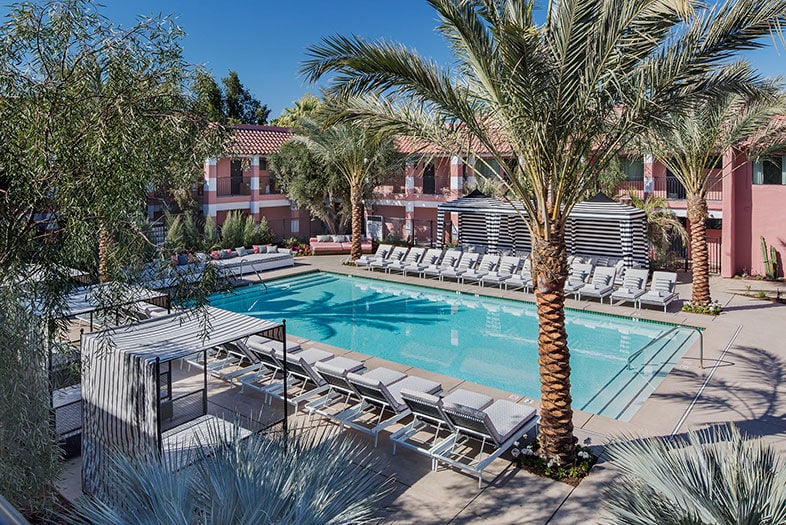
If you want to get away from the hustle and bustle, there’s no prettier stay than Sands Hotel & Spa (for guests 18 and over) in Indian Wells, site of this month’s BNP Paribas Open tennis tournament. The Moroccan-inspired hotel is decked out in blush tones, ornate tile work, a three-room spa, and the Pink Cabana restaurant, a print-happy nod to retro tennis and racquet clubs. And even if you go to the scene-y Parker Palm Springs, don’t miss the somewhat secret Counter Reformation, a monastery-chic indoor wine bar tucked into their back garden.

Road Trip Playlist

Queue up our editorial- and reader-curated playlist of road trip songs before hitting the road.

Valle de Guadalupe

Why We Love It: There’s a new crop of resorts and restaurants in Mexico’s wine country

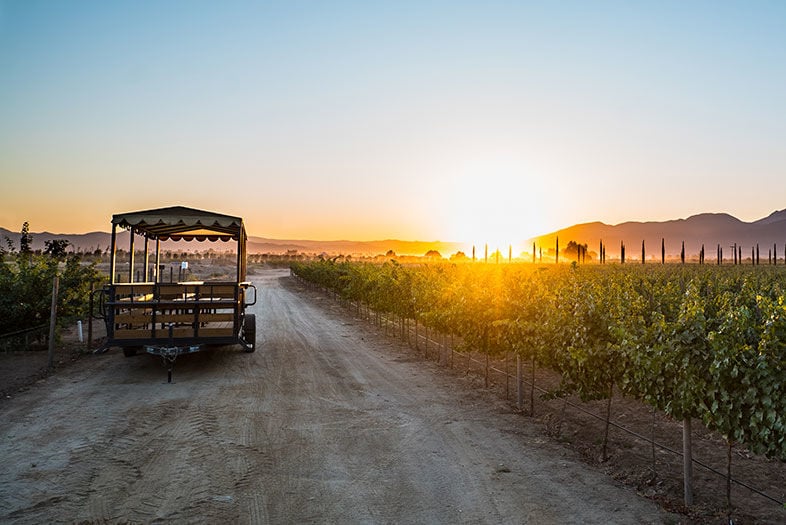
Maybe you’ve been to Finca Altozano, Laja, and Deckman’s, and you’ve already stayed at La Villa del Valle and Encuentro. So let us introduce you to el Valle’s impressive freshman recruits. The Villas at El Cielo Winery Resort debuted in November with 95 suites and 33 villas, two restaurants, and a café adjacent to the five-year-old winery, all spanning 79 acres.
21 Ultimate Road Trip Itineraries from San Diego

21 Ultimate Road Trip Itineraries from San Diego

Vineyards at El Cielo Winery Resort, Valle de Guadalupe

In August, Hotel Partana opened its six-room steel-and-wood-heavy property on the same site as Finca (chef Javier Plascencia’s alfresco ode to wood-fire cooking), Lupe (his food truck serving tortas and ice cream), Animalón (his pop-up dinner series hosted beneath a 200-year-old oak tree), and Das Cortez (a trendy coffee kiosk).

This summer, look for glamping staple CuatroCuatros in nearby Ensenada to open new cabins, plus a spa and Japanese restaurant. And in the fall, the Valle Food & Wine Festival—which last year drew major chefs like Nancy Silverton and Dominique Crenn—is rumored to be returning for food, music, and oenophilic pleasures.

Pit Stop!

Just across the border in Tijuana, take in cocktails and food from the famed Tacos Kokopelli at the new Cereus Bar, located in the trendy live-work space Estacíon Federal.

Laguna Beach

Why We Love It: A new hotel is breathing fresh air into the quirky beach town

We’ve always appreciated the pristine beaches, electric sunsets, and funky art scene in Laguna Beach, but thanks to the somewhat uninspiring hotel scene, it’s usually a day trip rather than a multi-day excursion. That’s changed with Hotel Joaquin, a 22-room boutique property on the beach from the same team behind Korakia Pensione in Palm Springs. It’s understated sexy, best suited for adults and friend groups. Breakfast and gear like bodyboards and surfboards are free, and it’s a quick two-minute walk to the beach.

21 Ultimate Road Trip Itineraries from San Diego

21 Ultimate Road Trip Itineraries from San Diego

Hotel Joaquin

Around town, Trap Door Dining hosts seasonal pop-up dinners for 15–20 guests led by chef Kenny Seliger, who previously worked in the kitchen at Montage Laguna Beach. His next dinner takes place March 23 at Newport Beach’s Kit Coffee with a four-course meal of whipped burrata, spring peas with pork belly, and a vanilla shortcake with blueberry jelly.

Los Angeles

Why We Love It: City of Angels? Try City of Creatives.

Don’t let proximity stop you from enjoying LA’s current renaissance. Finally there’s a chic place to rest your head on the east side: The upcoming Silver Lake Pool & Inn, due next month, has a vintage California feel—wood facades, open layouts, greenery, and natural light aplenty.

Farther west, Culver City is now a destination in its own right thanks to the vibrant, two-month-old Palihotel Culver City, with 49 rooms outfitted in modern decor and art deco touches. They say nobody walks in LA, but from the Palihotel it’s no more than 20 minutes to BäcoShop for Middle Eastern eats, Destroyer for Scandinavian-style plates, and Arcana for coffee table books on fashion and photography.

Elsewhere in the city, clock in at least one meal at Fiona, the new all-day eatery near Melrose serving Asian-inspired dishes as well as can’t-miss desserts—owners Shawn Pham and Nicole Rucker previously worked at the Southeast Asian spot Simbal and carb temple Gjelina, respectively.
21 Ultimate Road Trip Itineraries from San Diego

21 Ultimate Road Trip Itineraries from San Diego

The Hollywood Roosevelt

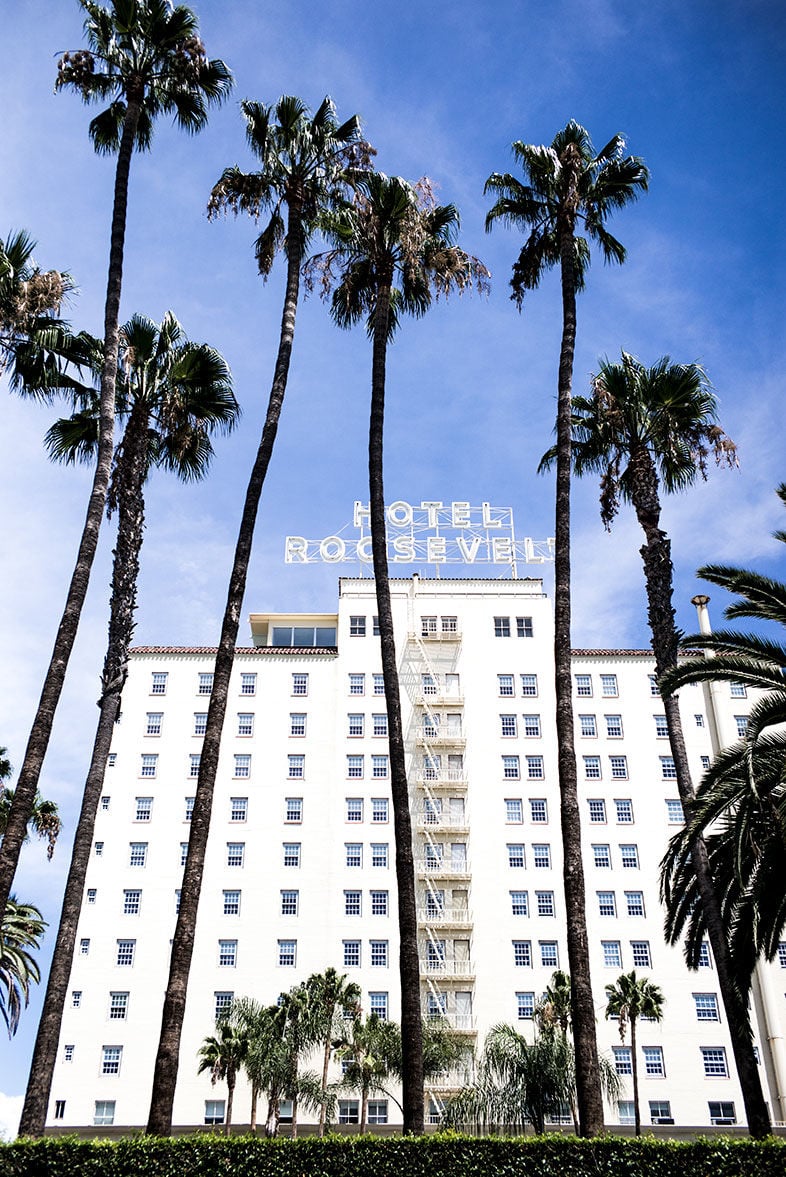
Looking for a more classic stay? The Hollywood Roosevelt, site of the first Academy Awards 90 years ago, is a posh boutique option with The Spare Room, a hybrid cocktail bar and bowling alley within the hotel.

Leave the car at home!

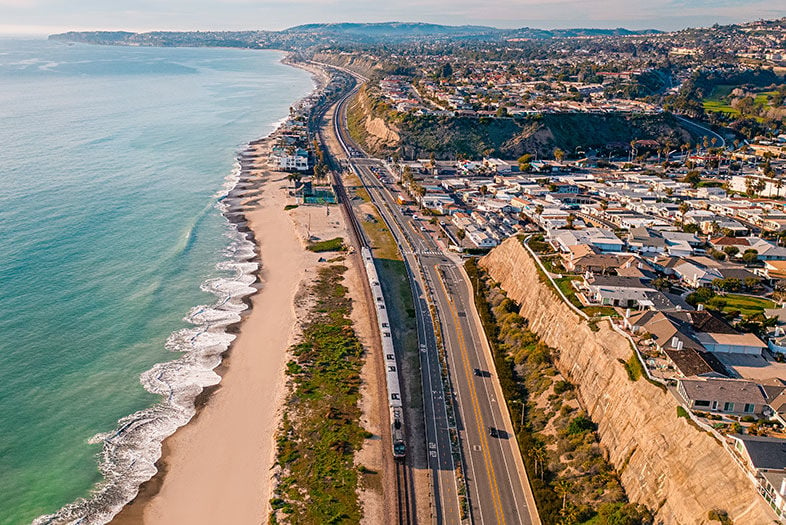
Board the Pacific Surfliner train from downtown, Solana Beach, or Oceanside and get to LA in under 2.5 hours. You can use The Freehand as a home base—the 13-story downtown hotel has apartment-style lofts, traditional rooms, and coed or female-only shared accommodations with bunk beds, less than two miles from Union Station. And don’t miss yoga on their colorful rooftop.
21 Ultimate Road Trip Itineraries from San Diego

21 Ultimate Road Trip Itineraries from San Diego

^ Back to Top

3–4 Hours


Malibu

Why We Love It: Post-wildfires, the ’bu needs your support

Last fall’s deadly fires wreaked havoc on the tony coastal enclave, obliterating at least 670 structures. Now it’s time to pour some money back into the community. The Surfrider Malibu combines classic SoCal beach culture with high-end details. Beachfront rooms are decked in whites and blond woods, fitted with rain showers and outdoor terraces, and in the suites, hammocks.

21 Ultimate Road Trip Itineraries from San Diego

21 Ultimate Road Trip Itineraries from San Diego

The Surfrider Malibu

If you can pull yourself away from the property, the front desk can arrange “surf safaris” and hiking trips. It’s a similarly serene vibe at Nobu Ryokan. With only 16 rooms, the Japanese-style inn embraces its East Asian influences with teak soaking tubs, linen yukata robes, and tatami mats. Plus, it’s just a short walk to Nobu Malibu for their famous sushi, sashimi, and Japanese fusion dishes. To take in that fresh sea air, lace up for a hike to Mugu Peak, a five-mile trek past meadows and mountains that leads to a panoramic ocean view.

Montecito

Why We Love It: The SoCal town specializes in next-level luxury

In the high-end beach community of Montecito, which counts Oprah among its residents, the weeks-old Rosewood Miramar Beach promises luxury and seclusion from the wineries, restaurants, and State Street hubbub in Santa Barbara just five miles away. The resort feels more like an estate, with 161 rooms over 16 acres, plus seven restaurants, a yacht-inspired beach bar, the farm-to-table eatery Malibu Farm, two pools, The Gatehouse (a concept store curated by James Perse), and a Goop boutique, selling Gwyneth Paltrow–approved skin care, clothing, and gifts.

21 Ultimate Road Trip Itineraries from San Diego

21 Ultimate Road Trip Itineraries from San Diego

Rosewood Miramar Beach

Want to really splash out? Book one of the eight seats in the restaurant-within-a-restaurant The Silver Bough at the Montecito Inn. For $550 per person (tax and gratuity included, phew!), each diner is treated to an 18-course meal with pairings—anything from bone-marrow-stuffed potato to dishes made with locally caught box crab—available Thursday through Sunday by reservation only (they’ll accommodate vegan and pescatarian menus upon request).

21 Ultimate Road Trip Itineraries from San Diego

21 Ultimate Road Trip Itineraries from San Diego

The Silver Bough

For a little more energy and walkability, head west to Santa Barbara for gourmet versions of Thai and Vietnamese street food at the new Tyger Tyger in the Funk Zone, a neighborhood of warehouses turned wineries and restaurants.

Leave the car at home!

It’s about five hours via the Pacific Surfliner to Santa Barbara, with an ocean view most of the way. The station is conveniently located less than a mile from the Funk Zone, for wineries and restaurants and the Mediterranean-inspired Hotel California.

Joshua Tree

Why We Love It: Geek out beneath the night sky

Designated an International Dark Sky Park two years ago, Joshua Tree National Park is celebrating its fifth annual Night Sky Festival on September 21, pegged to the fall equinox. Tickets go on sale this summer for the event, which will have 20 telescopes, astronomy lectures, photo booths, music, nature walks, and crafts for kids. (The park website has some recommended night-sky etiquette, like using red flashlights instead of white.)
21 Ultimate Road Trip Itineraries from San Diego

21 Ultimate Road Trip Itineraries from San Diego

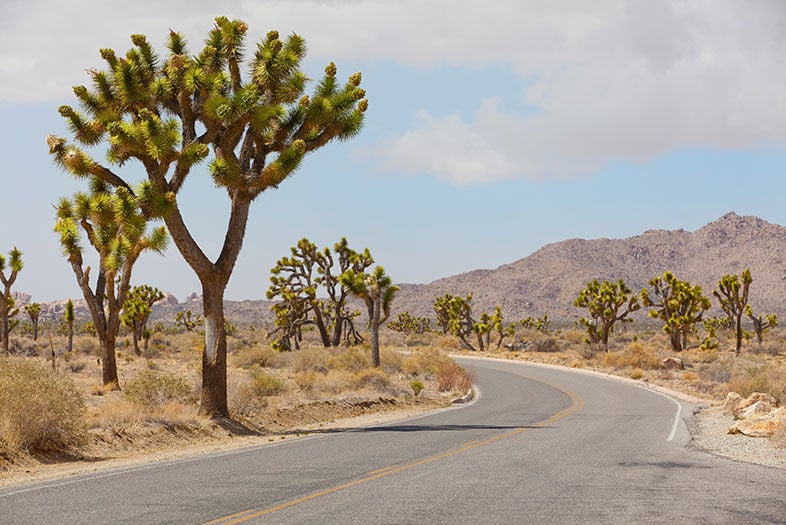
Find the eponymous trees in the northwestern section of Joshua Tree National Park.

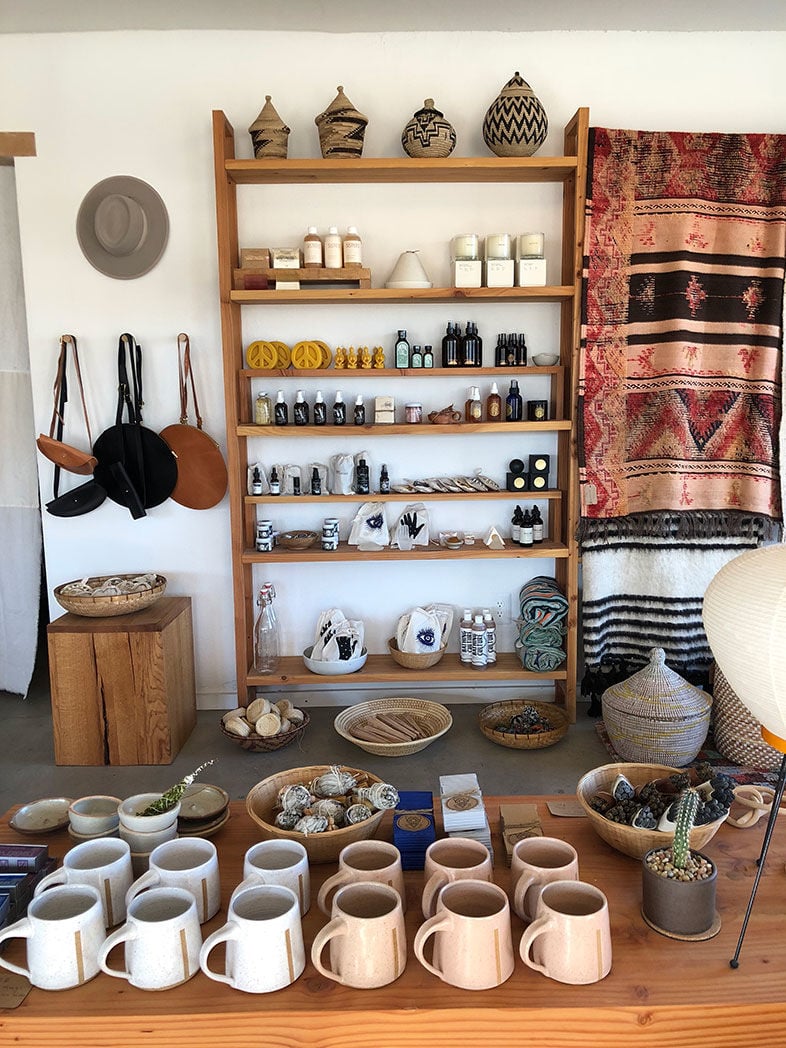
When you’re not hiking, rock climbing, or observing the stars, check out the year-old boutique Shop on the Mesa, stocked with desert-chic decor, including many locally made pieces. And while options for food in town are limited to vegan eats at Natural Sisters Cafe and Pie for the People! pizza, make time for La Copine, a surprisingly polished restaurant in nearby Flamingo Heights started by a Philadelphia couple who honeymooned in Joshua Tree and fell in love with it, then took over an old diner. The menu has high-end fare like grilled flatbread with whipped ricotta and a lamb burger topped with harissa—a far cry from those campfire hot dogs.
21 Ultimate Road Trip Itineraries from San Diego

21 Ultimate Road Trip Itineraries from San Diego

Shop on the Mesa

Ojai

Why We Love It: One tiny town packs a ton of eclectic festivals

Beyond its hippie ethos, famous “pink moment” sunsets, and the luxurious Ojai Valley Inn & Resort, the tiny town of Ojai (population 7,400) is also a hub for nearly a dozen annual festivals. Things kick off over Memorial Day Weekend with Art in the Park, a two-day celebration where nearly 100 fine artists sell their work in a show hosted by California’s oldest art nonprofit. On June 6, the 73rd annual Ojai Music Festival returns with four days of classical music at the Libbey Bowl amphitheater. This year’s event pays tribute to composers with ties to Ojai, including Igor Stravinsky. June 9 brings the Wine Festival, when more than 60 wineries and 30 breweries pour into town.
21 Ultimate Road Trip Itineraries from San Diego

21 Ultimate Road Trip Itineraries from San Diego

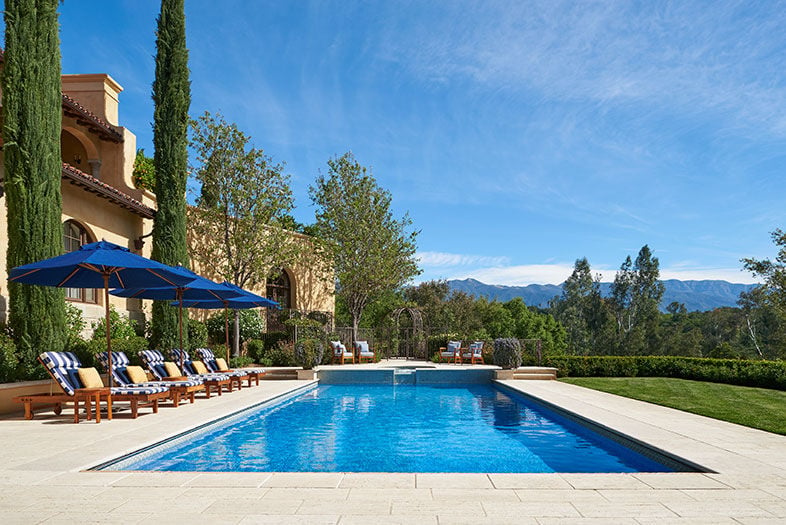
No room? No problem. Access two pools, the gym, and locker amenities with Ojai Valley Inn & Resort’s $75 day pass (ages 16 and up).

Want to enjoy Ojai Valley’s bounty? The Lavender Festival on June 29 has local farmers selling soaps, oils, and decor made from the versatile flower. And due in August and October, respectively, the Playwrights Conference gives audiences a seat to workshop performances from new writers, while the Storytelling Festival brings together storytellers from across the country to perform personal narratives, ghost stories, folktales, and more. When you need some mid-festival fuel, be sure to visit the recently reopened cafe Hip Vegan for wholesome salads, sandwiches, smoothies, and desserts.
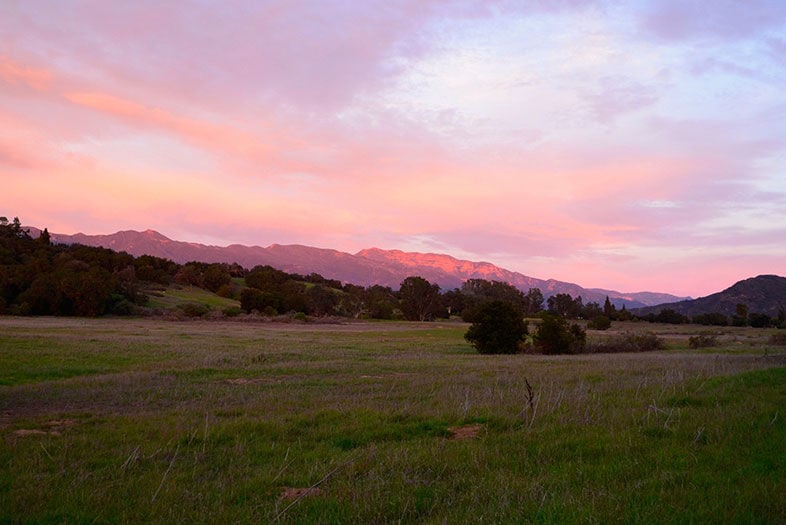
21 Ultimate Road Trip Itineraries from San Diego

21 Ultimate Road Trip Itineraries from San Diego

Ojai’s “pink moment

^ Back to Top

5–6 Hours


Death Valley

Why We Love It: Views that are so out-of-this-world, they’ve stood in for Star Wars planets

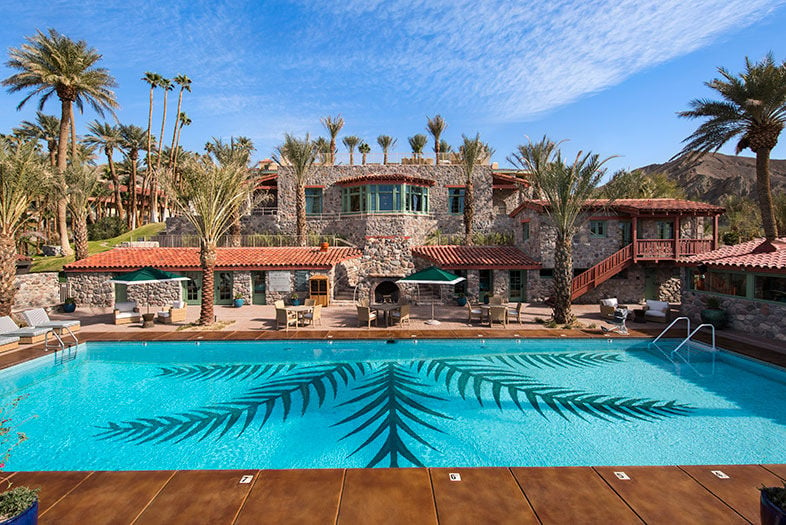
It may be the “hottest, driest, lowest national park,” but you’ll forget that when you’re splashing around the spring-fed pool at the revamped Oasis at Death Valley (formerly Furnace Creek Resort), the 92-year-old resort composed of Inn at Death Valley (66 rooms plus 22 casitas) and Ranch at Death Valley (geared toward families, with 224 rooms). The property just unveiled a $100 million makeover that includes refreshed rooms, a spa, and a new restaurant and cocktail lounge, all surrounded by date palms and sweeping mountain views.
21 Ultimate Road Trip Itineraries from San Diego

21 Ultimate Road Trip Itineraries from San Diego

Oasis at Death Valley

You can book sunset and moonlight horseback riding excursions with Furnace Creek Stables or tee off at The Furnace Creek Golf Course. Within Death Valley National Park, see shooting locations from A New Hope and Return of the Jedi at Golden Canyon and Dante’s View terrace, or visit Badwater Basin to see otherworldly salt flats located at the lowest point in North America.

Tucson

Why We Love It: The college town has grown up

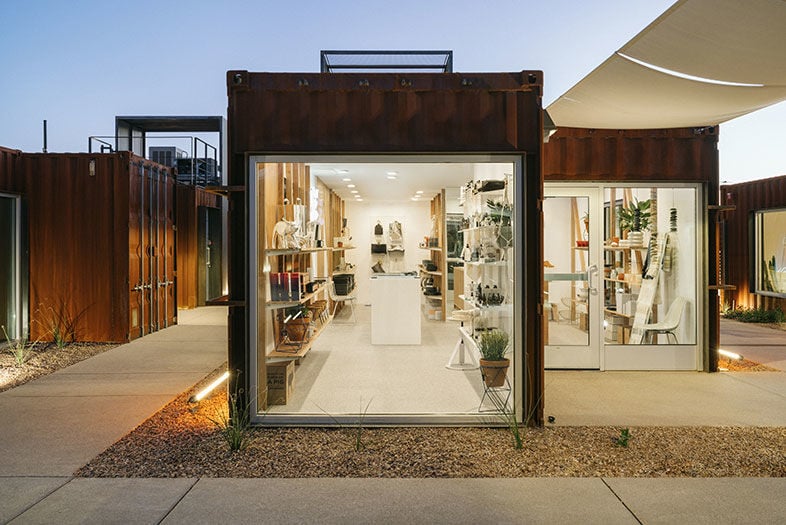
Dated strip malls, fraternity life, and sugary margaritas no more—the affluent, history-rich hometown of the University of Arizona has recently gotten a fresh perspective thanks to an influx of young creatives. Shop for minimalist apparel and accessories at the MSA Annex (a collection of 13 shops housed in shipping containers), dine on Central Mexican cuisine at Penca Restaurante downtown, and grab a light meal at Exo Roast Co., which uses local ingredients like barrel cactus jam and the cult favorite Barrio Bread. The award for most unique nightcap goes to The Owl’s Club, a hip, intimate cocktail bar located in a former funeral home.
21 Ultimate Road Trip Itineraries from San Diego

21 Ultimate Road Trip Itineraries from San Diego

MSA Annex

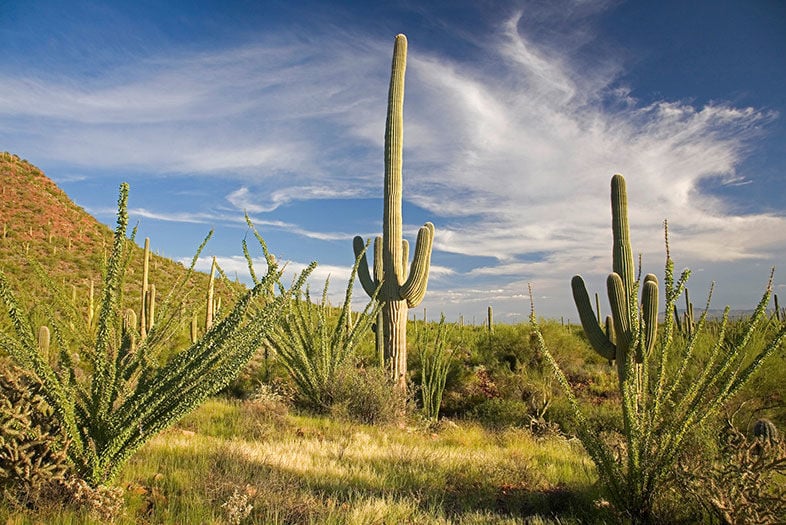
Amid all the new and cool, there are still the staples worth visiting, like Saguaro National Park, home to 25 varieties of cacti, including the namesake, which ranks as the tallest in the country, and Sabino Canyon, with its hiking trails, freshwater pools, and mini waterfalls. The retro-cool Hotel McCoy opened last summer with a pool and local art.
21 Ultimate Road Trip Itineraries from San Diego

21 Ultimate Road Trip Itineraries from San Diego

Saguaro National Park

And side trip alert! It’s worth detouring two hours north to Phoenix for the all-day eatery Roland’s Cafe Market Bar, a joint venture between award-winning pizza pro Chris Bianco and the duo behind Tacos Chiwas. While there, stay at Arizona Biltmore, a favorite among US presidents that just commemorated its 90th year with a $35 million renovation. Take a happy hour history tour of the 39-acre property with your choice of two tipples—like a tequila sunrise (first created at the resort) and a Catalina Spritz (Marilyn Monroe’s favorite to sip poolside).

Eastern Sierra

Why We Love It: It’s an underappreciated playground for outdoor enthusiasts

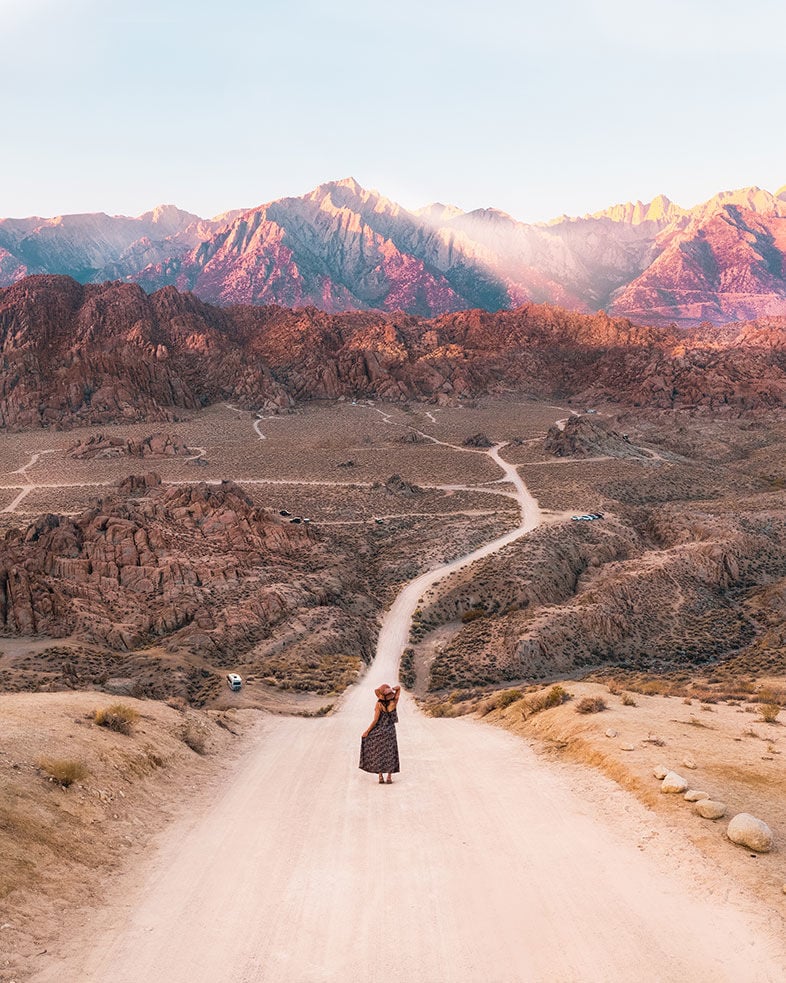
Fancy a road trip within a road trip? Venture north near Sequoia National Park and begin your drive along the 395, a gateway to some of California’s most photogenic natural wonders. You’ll start in Lone Pine, an Old West town that’s home to the impressive rock formations of Alabama Hills, where movies like 2013’s The Lone Ranger were filmed, as well as Mount Whitney.
21 Ultimate Road Trip Itineraries from San Diego

21 Ultimate Road Trip Itineraries from San Diego

Iron Man, Django Unchained, and other movies have been filmed in Alabama Hills.

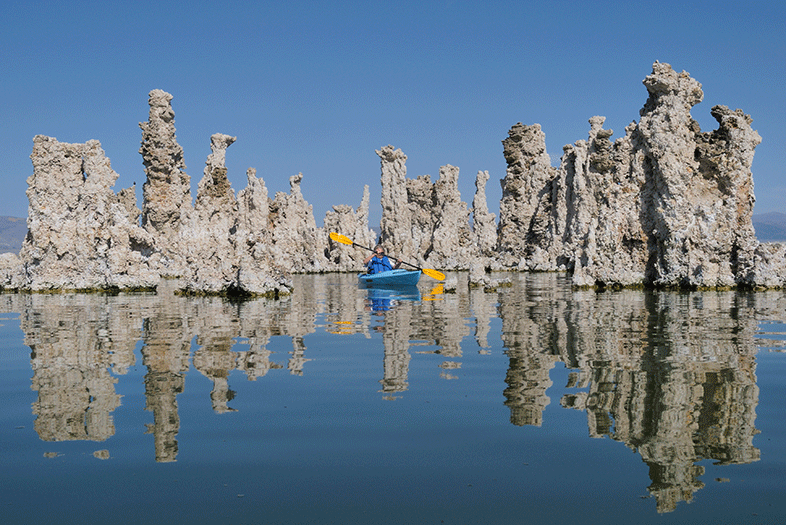
From there head an hour north to Bishop, known for its trout fishing and bouldering—there’s a women’s climbing event March 22–24. Great Basin Bakery is a homey, tasty option for bagels, sandwiches, pastries, and coffee. Making your way another hour north, bypass the tried-and-true Mammoth Lakes and opt for June Lake Loop. The landscape of the 15-mile drive looks straight out of the Swiss Alps, with plenty of cycling, fishing, and horseback riding to keep you busy. When you want to rest up, Double Eagle Resort & Spa is the winner, with comfortable cabins (pets allowed in some), a spa, and an indoor pool. If you want to trek even farther, head to Mono Lake, a serene, slightly spooky basin with boating and nature walks.
21 Ultimate Road Trip Itineraries from San Diego

21 Ultimate Road Trip Itineraries from San Diego

Mono Lake

Las Vegas

Sin City is more than just casinos, pulsating nightclubs, and restaurants that’ll shrink your wallet. Here’s a guide to the other side of Vegas—sparkly dresses and AmEx black cards not necessary.

Skip the Buffets—Dine Downtown

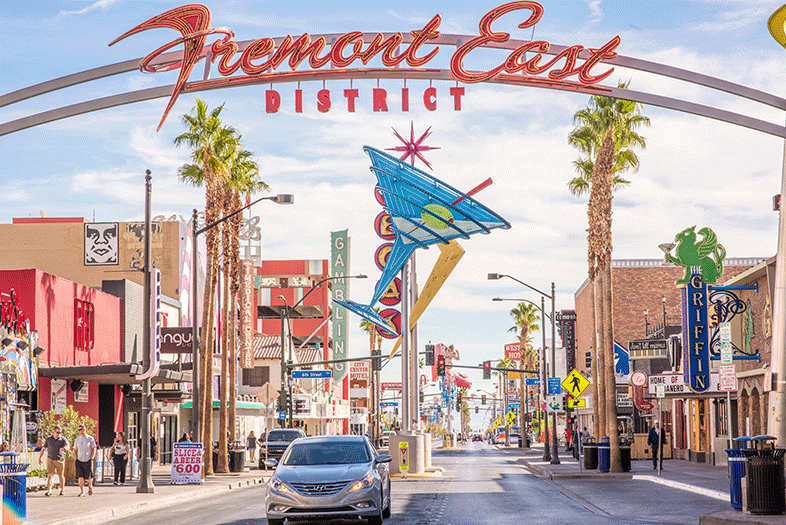
Located five miles from the flash of the Strip is a set of restaurants and cocktail bars that are much friendlier to your bank account. (And frankly, who needs a dozen types of pancakes before noon?) Try pies made by a 12-time pizza world champion at Pizza Rock or Asian-influenced chicken dishes at Flock & Fowl from James Beard–nominated, Joël Robuchon–trained chef Sheridan Su.
21 Ultimate Road Trip Itineraries from San Diego

21 Ultimate Road Trip Itineraries from San Diego

Fremont East

Forget Club Hopping—Go Cocktail Bar Hopping

Instead of succumbing to bottle service, try the numerous zero-fuss bars around town, beginning with Herbs & Rye, a locally loved steakhouse with great happy hour deals. Then head north to Frankie’s Tiki Room for potent tropical tipples. When you cross east into the Arts District, the dimly lit Velveteen Rabbit will please everyone from cheap beer drinkers to cocktail connoisseurs. Finish the night at Atomic Liquors, a staple spot known for beer cocktails.

Don’t Walk the Strip—Stroll the Museums

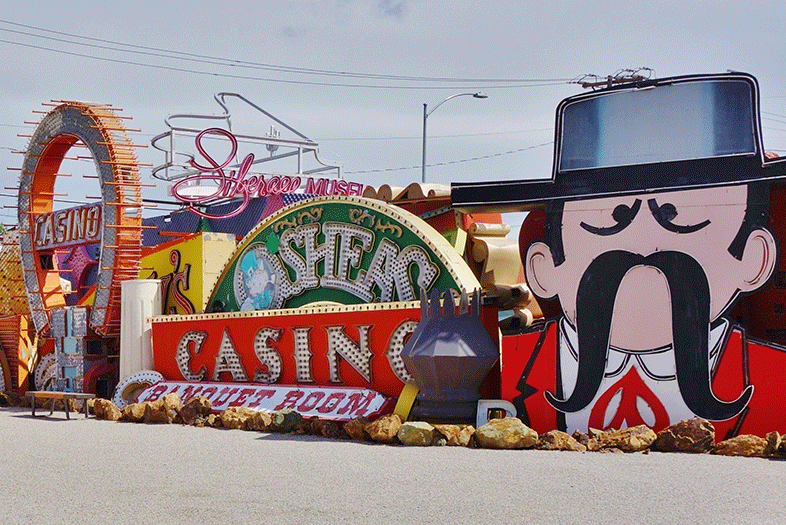
Vegas culture goes beyond Lady Gaga concerts and Cirque du Soleil performances. At the Neon Museum, visit the Neon Boneyard, an alfresco collection of iconic neon signs collected from casinos, restaurants, and elsewhere. This fall, director Tim Burton will bring his original fine art to the space. The Mob Museum traces the history of organized crime in Las Vegas and throughout the country with hands-on forensic exhibits, preserved artifacts, and a working speakeasy and distillery to better explain the seedy side of the Prohibition era—and serve thirsty museum-goers.
21 Ultimate Road Trip Itineraries from San Diego

21 Ultimate Road Trip Itineraries from San Diego

Neon Museum

^ Back to Top

8 Hours


Napa

Why We Love It: Newcomers are bucking the Napa traditions you used to know

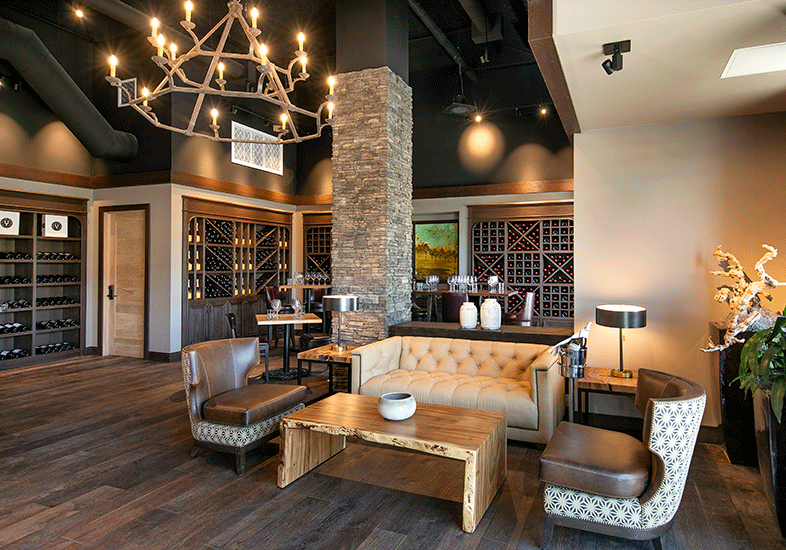
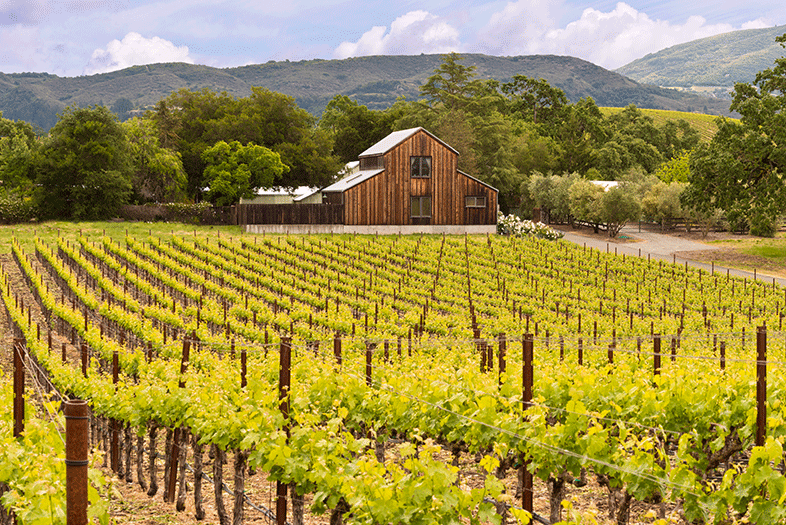
You’ve ridden the wine train, dipped in the mud baths, and been denied a reservation at The French Laundry. Thanks to a crop of up-and-comers, Napa locales surrounded by old vines are finally keeping up with the times. On the northern tip of the region, Healdsburg’s Harmon Guest House, a boutique with 39 rooms, opened last fall; so did Vista Collina Resort on the southern end. The latter boasts “The Village,” a lawn next to a food and wine center with cooking classes and nine tasting rooms, where you can even support San Diegan Tim Bacino at Gen7.
21 Ultimate Road Trip Itineraries from San Diego

21 Ultimate Road Trip Itineraries from San Diego

Vista Collina Resort

Indulge in buttermilk fried chicken at Yountville’s Addendum, a counter-service offshoot of Ad Hoc (itself known for chef Thomas Keller’s simple prix fixe dinner), before beginning your tasting. Robert Mondavi and Grgich Hills are a good place to start. Purchase a Wine Priority Pass online to help pare down the rest of your reservations with deals like two-for-one tastings at select wineries. Ashes & Diamonds’ made-for-Instagram tasting room nails a midcentury-modern aesthetic as an homage to the era when wines really put the valley on the map.
21 Ultimate Road Trip Itineraries from San Diego

21 Ultimate Road Trip Itineraries from San Diego

And while most of wine country calls it quits around 5 p.m., there’s the updated Villagio Bar & Lounge in Yountville and Sky & Vine Rooftop Bar atop the Archer Hotel in downtown Napa, both of which stay up late for the die-hard oenophiles.

Sedona

Why We Love It: It’s one of the country’s most famous R&R spots for a reason

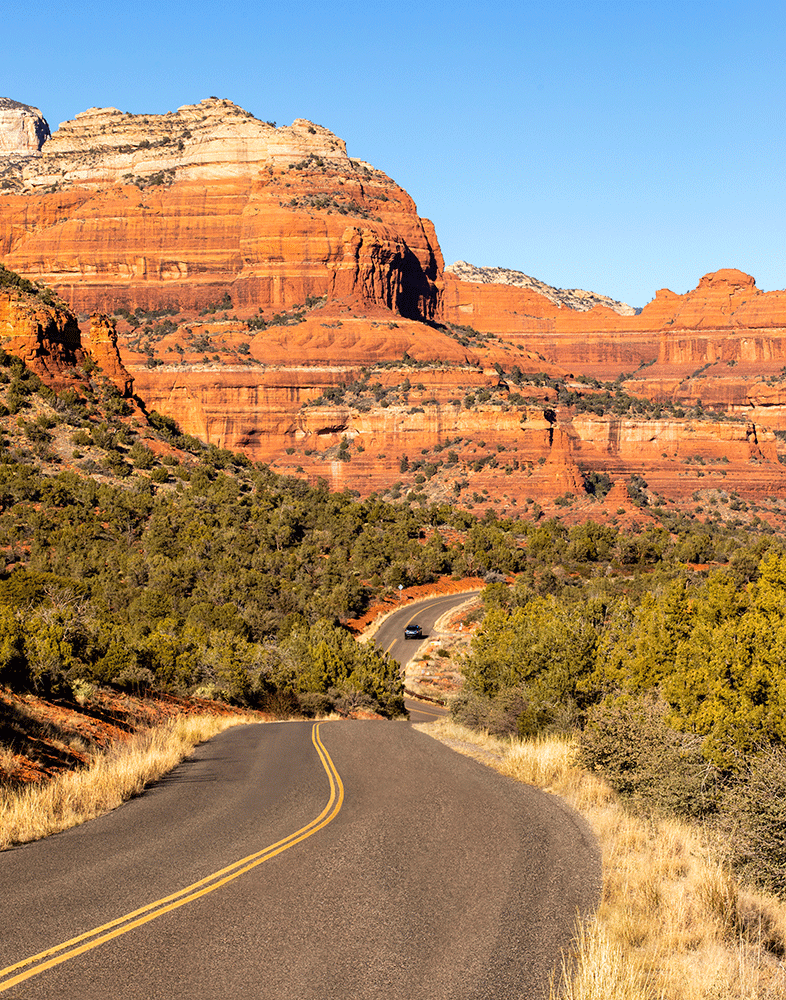
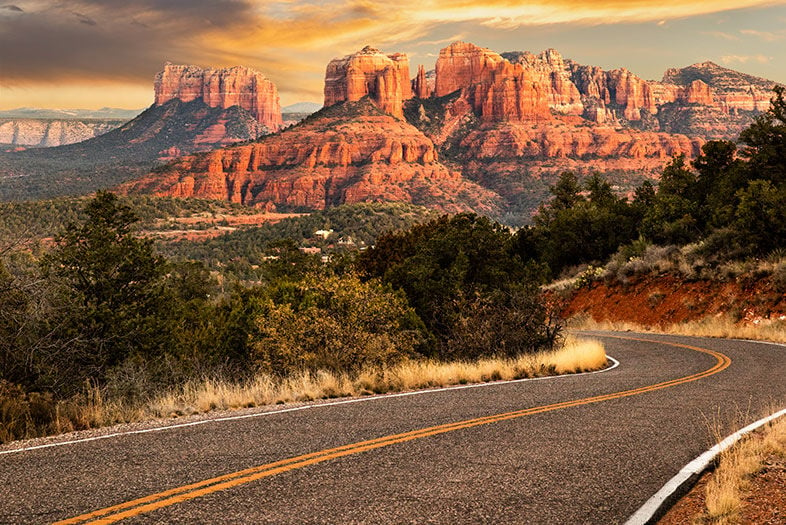
This pine-forest oasis in the scorching Southwest is famous among New Age and alt-medicine circles for its four “vortexes,” said to be natural centers of earth energy and enlightenment. Start with a psychic reading and aura photo from Mystical Bazaar. At ChocolaTree, nourish your physical body with an organic, homemade, largely vegan menu with gluten-free and raw options. For affordable crystals and geodes, brave the tourist crowds downtown for Discount Gems & Minerals—and enjoy the public-use marimbas just outside.
21 Ultimate Road Trip Itineraries from San Diego

21 Ultimate Road Trip Itineraries from San Diego

Jim David

Marg’s Draw makes for an easy afternoon hike; or for a steeper trek, Cathedral Rock Trail brings you to one of the fabled vortexes. Once you’ve hit peak serenity, lay your head in one of Sky Ranch Lodge Resort’s private cabins with a back porch that opens up to stunning views of the red-rock-bluff valley.

San Francisco

Why We Love It: A new nonprofit restaurant is all the buzz

For 14 years, La Cocina has served as an incubator for food entrepreneurs in the saturated, uber-costly market of San Francisco. Their mission is to offer immigrant women and women of color affordable commercial kitchen space and technical assistance to build their businesses. So far, their efforts have helped launch several well-loved restaurants in the Bay Area: There’s the Lebanese-Syrian bakery Reem’s California and Cambodian Nyum Bai in Oakland, Southern food translated into sandwiches at Pinky & Red’s in Berkeley, and vegan tamales at Alicia’s Tamales Los Mayas in Hayward.
21 Ultimate Road Trip Itineraries from San Diego

21 Ultimate Road Trip Itineraries from San Diego

Tilden Hotel

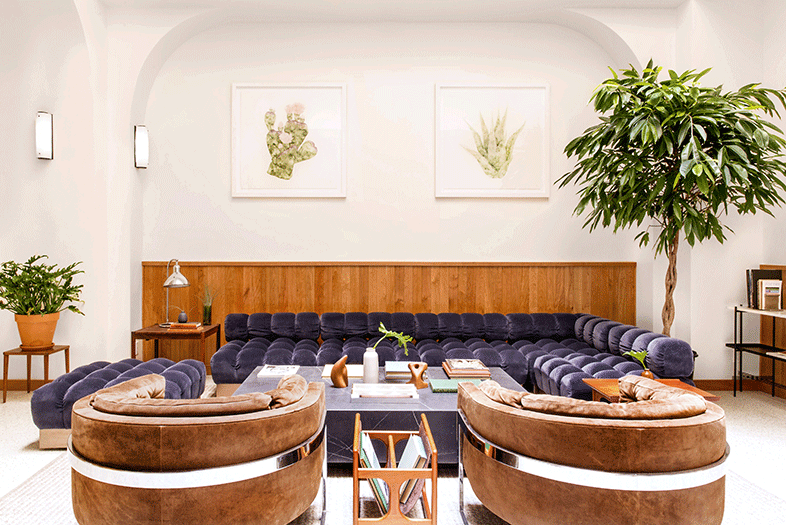
This summer, the incubator will debut La Cocina Municipal Market in San Francisco’s ever-changing Tenderloin neighborhood to showcase the many small businesses they’ve fostered. In the same neighborhood, the Tilden Hotel’s minimalist design and suave in-house speakeasy are a welcome respite from the city’s hubbub. Hotel Emblem on the border between Nob Hill and Union Square just opened in January, paying tribute to the Beat Generation in decor and activities. They offer Meditation Hour every Saturday, a book butler program, and poetry slam nights, when guests are encouraged to take the stage.

21 Ultimate Road Trip Itineraries from San Diego

21 Ultimate Road Trip Itineraries from San Diego

Hotel Emblem

Pit Stop!

Pfeiffer Canyon Bridge, Big Sur’s crucial connection to the outside world, reopened after a mudslide closed it down for eight months in 2017. Many of the hotels—like Post Ranch Inn and Ventana Big Sur—used that time to execute multimillion-dollar renovations. (Hello, glamping tents!) To really take in the scene, sign up for the Big Sur Marathon, taking place April 28 along Highway 1. The highlight is the tuxedo-clad pianist playing on a baby grand along the Bixby Bridge.
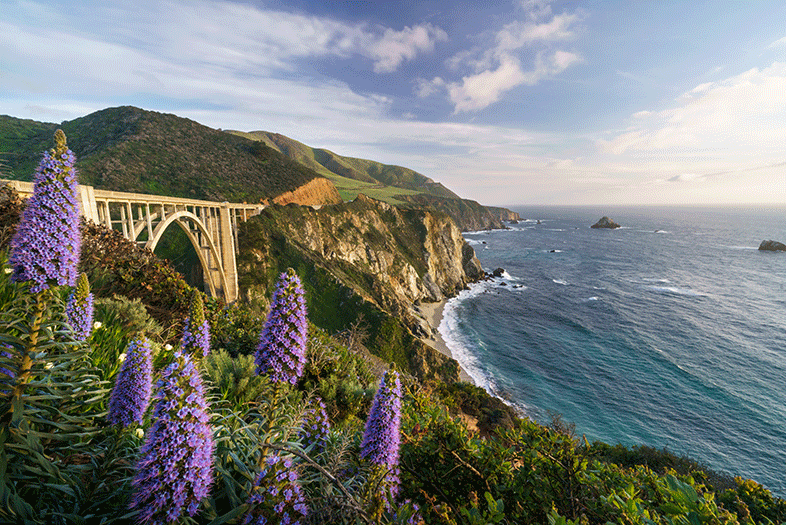
21 Ultimate Road Trip Itineraries from San Diego

21 Ultimate Road Trip Itineraries from San Diego

Pfeiffer Canyon Bridge

^ Back to Top

National Treasures

There’s no time like the present to show some love for our national parks. Here are three road-trip-friendly excursions, plus one longer haul that’s worth every mile.


Grand Canyon

The Grand Canyon celebrates its 100th year as a national park in 2019 with events all year long. Highlights include the Centennial Summerfest and Star Party June 22–29 and a music festival August 25–26. The South Rim, a little over eight hours by car, offers that classic postcard landscape, but is also notoriously crowded. Opt for the more secluded North Rim, which is open after the snow melts from May to October and boasts vibrant foliage in the fall.
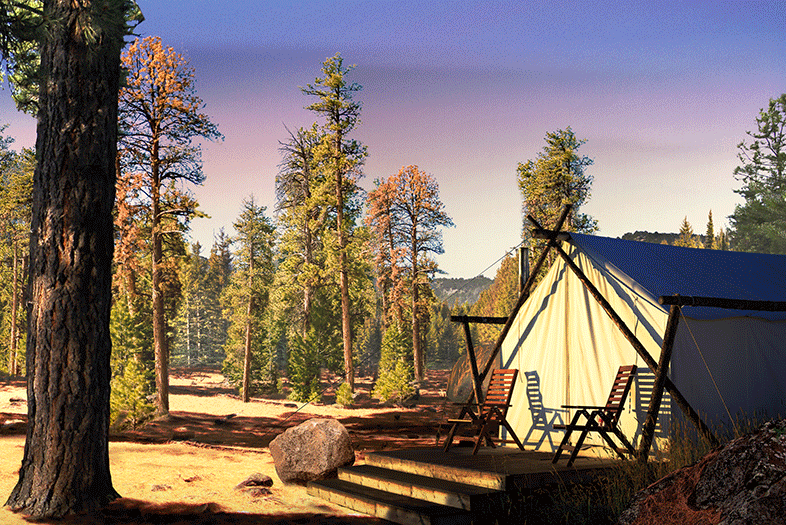
21 Ultimate Road Trip Itineraries from San Diego

21 Ultimate Road Trip Itineraries from San Diego

Under Canvas

You can make a home away from home with Under Canvas, a company that sets up glamping tents with a shower, sink, and flush toilet from late April to mid-November just outside the park in Valle, Arizona. (Their other locations include Yellowstone, Glacier, and Zion national parks, as well as Tucson, Mount Rushmore, Moab, and the Smoky Mountains.) After the arid areas, quench your visual thirst with a two-hour trip north to Lake Powell, a reservoir in Glen Canyon National Recreation Area that straddles the Arizona-Utah border, where you can swim, kayak, and hike.
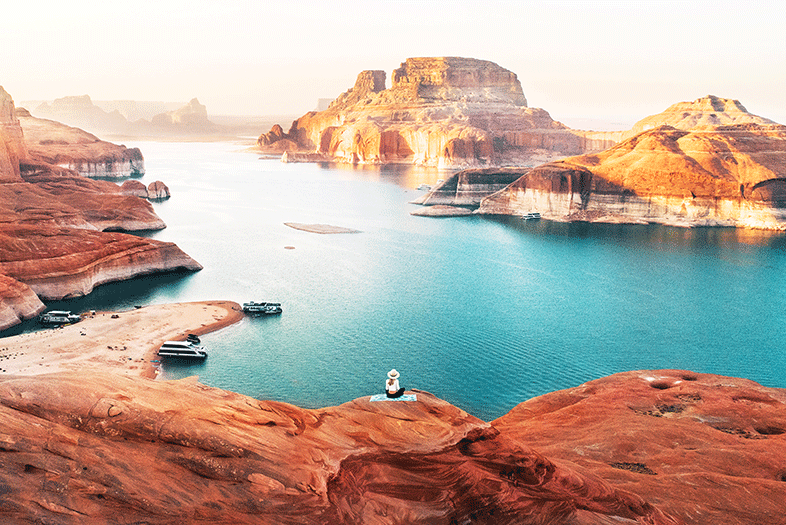
21 Ultimate Road Trip Itineraries from San Diego

21 Ultimate Road Trip Itineraries from San Diego

Lake Powell

Yosemite

Eight hours from San Diego, Yosemite is all about the granite peaks and cliffs, especially El Capitan and Half Dome, which is why it’s such a draw for rock climbers. If you’re new to the sport or need a brush-up, REI’s Kearny Mesa store is hosting a Preparing for Half Dome class on March 2 with tips on gear, routes, and training. Otherwise, Half Dome’s summit is reachable on foot—if you’ve had a couple days to adjust to the altitude and start the 17-mile hike at the crack of dawn, that is.
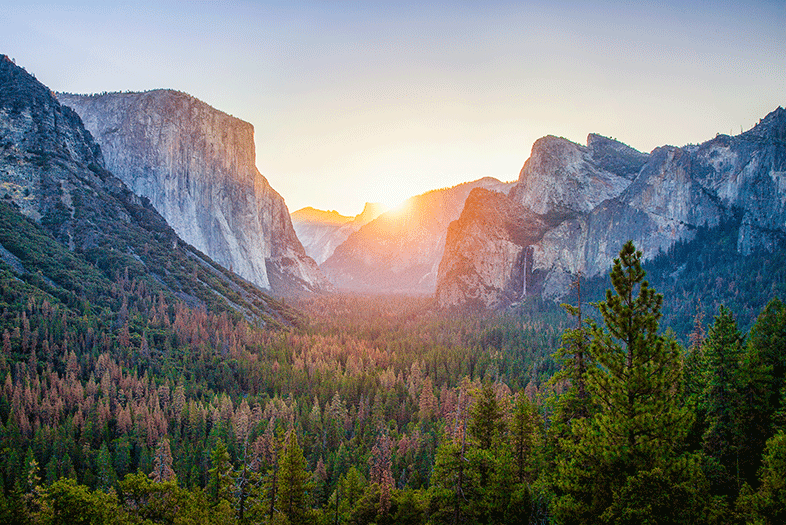
21 Ultimate Road Trip Itineraries from San Diego

21 Ultimate Road Trip Itineraries from San Diego

Yosemite National Park

For an easier trail, seeing the supersize sequoias in Mariposa Grove is a must, and the park also offers a five-hour tour bus option departing from Yosemite Valley Lodge May through September. The Majestic Yosemite Hotel, formerly the Ahwahnee, is the quintessential stay, but if you want to get a taste without the triple-digit commitment, lunch in their grand dining room will give you the flavor.

For fun and inexpensive lodging minutes outside the park, stay in a yurt (sleeps four to six) at Yosemite Lakes RV Resort, complete with bathroom, kitchen, gas grill, and even cable TV.

Zion National Park

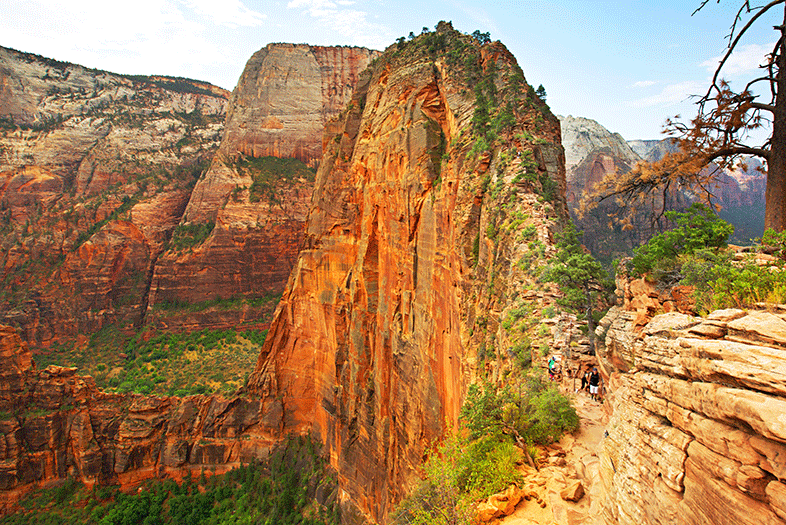
About eight hours from San Diego, Zion was Utah’s first national park—now there are five—and it has some of the state’s most famous trails. Check out the waterfalls of Emerald Pools, and The Narrows, a gorge with walls reaching thousands of feet high that requires “hiking” through a river. Or let someone else do the trekking for you: Local operators like Zion Ponderosa offer horseback riding trips into the park.
21 Ultimate Road Trip Itineraries from San Diego

21 Ultimate Road Trip Itineraries from San Diego

Zion National Park

When you want to rest those weary limbs, you can camp (Lava Point and Watchman are popular sites) or stay at the only in-park accommodation, Zion Lodge, in a cabin, hotel room, or suite surrounded by towering trees and red rock mountains.

Redwood National & State Parks

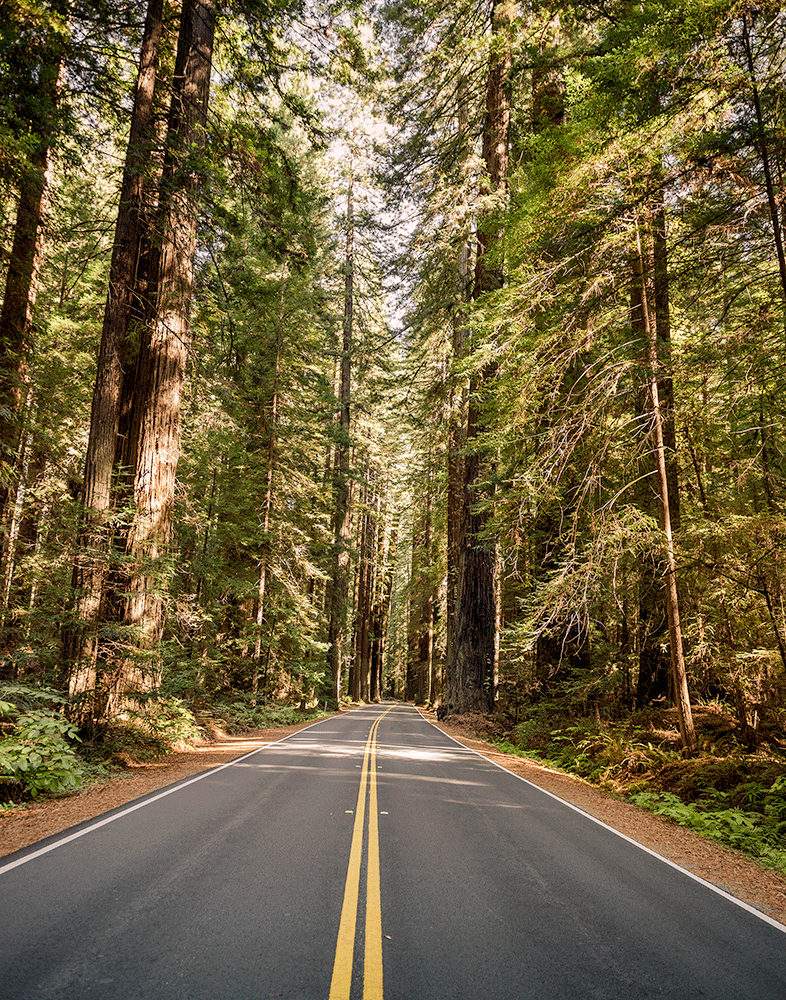
What a trip to the Redwoods costs in 800 miles worth of gas, it makes up for with the staggering sight of the world’s largest trees. The national park, which celebrated its 50th anniversary last year, is unlike many others in that there’s no entrance station or fee, and portions of it overlap with the state park, for which daily use fees apply.
21 Ultimate Road Trip Itineraries from San Diego

21 Ultimate Road Trip Itineraries from San Diego

Redwood National & State Parks

One of the best places to see the trees is the moderately challenging 4.2-mile James Irvine Trail in Prairie Creek Redwoods State Park, which ends at Fern Canyon, a lush area (albeit redwood-free) marked by a footbridge that’s open in summer months. Or hop back in the car and drive the steep 17 miles down Bald Hills Road to see old-growth redwoods, wildflowers in the spring, and if you’re lucky, Roosevelt elk.
^ Back to Top

21 Ultimate Road Trip Itineraries from San Diego

Photography by Emily Kaszton and Jim David

Subscribe to our newsletters

Select Options

By subscribing you confirm that you agree with our Terms and Conditions and Privacy Policy.

Arts & Culture SEPTEMBER 4, 2026

What’s Next for Arts and Culture in San Diego?

Artists and advocates are building a more sustainable creative future through public funding, political organization, and cross-border collaboration

What’s Next for Arts and Culture in San Diego?
Photo Credit: Katie Gardner & Matt Furman

This is part of a three-part series. This is Act III. See Act I and Act II here.

The Future

We’ve been here before.

In 2012, city funding for the arts and culture in San Diego had eroded. As a corrective, the city council unanimously approved “Penny for the Arts”—a promise to dedicate roughly one penny of every dollar spent on hotel rooms (the Transient Occupancy Tax, or TOT).

The logic was fair and sound: Cultural institutions and events help attract visitors. Those visitors pay hotel taxes. So, the people agreed, some of that hotel-tax revenue should go back into maintaining the cultural ecosystem that helps bring those visitors and that money.

Projected as a five-year plan, the measure was supposed to increase funding to $17.9 million by 2017.

It never did. The penny was never guaranteed, so each year the city used part of it for other priorities. By 2023, the money going to arts and culture was up to about a half a penny. Even as TOT revenue has gone up significantly.

In 2019, TOT revenue was $245 million.

In 2025: $325 million.

One fix would be to guarantee the penny. Not simple, given San Diego’s financial woes. But the alternative—eroding the culture that makes San Diego San Diego, give it its identity—also doesn’t feel wise. Plus, even a locked percentage still rises and falls with tourism, which is why culture advocates want a guaranteed floor on top of it.

Another solution would be to give the arts commission actual authority.

“It’s an advisory body,” says arts commissioner Kamaal Martin. “You’d be hard-pressed to find anybody who takes our advice.”

Photo Credit: Katie Gardner & Matt Furman

He described the commissioners debating real, consequential questions this year, like whether and how to divide the cuts between funding pools. But those conversations “don’t connect to whoever’s actually deciding,” Martin says. “We haven’t been entrusted with decision-making about relevant things nearly enough.”

Christine Martinez is building political infrastructure through her organization Arts+Culture:San Diego—which is starting a 501(c)(4) lobbying structure not unlike police and fire unions. Martinez is also keeping her community actively engaged. “We won’t be caught off guard next year like we were this year,” she tells me.

Then there’s the evergreen issue of affordability and accessibility. Kiplinger’s most recent report ranks San Diego as the 11th most expensive city in the US, based on cost of living. The average home value is $980,700 (the US median is $540,000), but San Diego’s median household income is only one-third greater than the national level. Rent is also 66 percent higher than the national average ($2,716 vs. $1,636).

This is why San Diego has long suffered from the creative brain drain—creatives leaving for more affordable cities. “Artists are free to live wherever they want, and they will go where the rent is affordable,” says Jennifer de Poyen of Space 4 Art. “When they leave, they take their gifts with them, and their contributions, and their economic impact.”

One saving grace is the presence of Tijuana, where the cost of living is about 60 percent lower than San Diego, per Numbeo. Tijuana has long functioned as an affordable neighborhood for many in San Diego’s creative culture. It’s part of the reason why the binational identity is such a constant in our galleries, music, theater, murals, and culture. While that cross-border blood flow is one of San Diego’s most compelling attributes, few artists living that life would call it convenient or easy. A city is at a disadvantage when its culture creators have to cross a border to go home at night, and cross again the next morning to work.

In May, San Diego County Board of Supervisors approved a $2.75 million arts initiative of its own. It includes an Artist Space Grant Program aimed directly at the affordability crisis, as well as an artist-in-residence program, a dedicated Binational Creative Economy Investment, and a one-time investment in the Black Arts and Culture District in Encanto.

Bob Lehman of San Diego Art Matters has been doing county-level, binational organizing for years; in 2023, he helped get the county’s arts commission reestablished after 30 years of defunctness. That’s important because it gives arts and culture an official seat in county government, advising the County Board of Supervisors on arts and culture policy. He also brought in consultant Laura Zucker, who ran LA County’s arts program for three decades, to build a real regional plan.

“I really believe we’ll have something set up here that other communities come and look at,” he told me. “A national template other cities come to learn from.”

When asked who decides which artists will get the new grant money, county arts commissioner and executive director of the Chicano Park Museum and Cultural Center Monica Delgadillo Hernandez doesn’t hedge.

“That’s part of the infrastructure we’re going to be building,” she says. “What should a panel of reviewers look like? Should it be the commissioners? Should it be other folks? A supervisor?” She was just as candid that the commission itself doesn’t reflect San Diego’s population—Chicano communities are roughly a third of the city, she tells me, “and that’s not represented at the table yet.”

Photo Credit: Katie Gardner & Matt Furman

What Other Cities Prove Is Possible

The great news is that none of these solutions have to be invented from scratch. Numerous cities serve as examples of what’s possible—if we have the will.

Jonathon Glus—Prebys Foundation Senior Fellow for Art & Design, the Executive Director of the Art + Design District, and board president for California for the Arts—worked in Houston before coming to San Diego. The Texas city dedicates 74.5 percent of its hotel tax to arts grants by formula, and that support is guaranteed. Washington, DC locked in dedicated arts funding in 2019. Salt Lake City, my hometown, has run a voter-approved arts tax for almost 30 years, most recently reauthorized through 2034. And just this summer, New York City pushed cultural funding to a record $323.8 million, even incorporating an emergency fund.

Denver’s model is interesting because instead of a city-dependent funding model, theirs is a 0.1 percent regional sales tax. In place since 1988 and renewed by voters three times, their Scientific & Cultural Facilities District has distributed between $54 million and $85 million to arts, culture, and scientific orgs—each of the last 12 years.

This is part of a three-part series. This is Act III. See Act I and Act II here.

None of these cities got there by accident. They decided, on purpose, that arts and culture were worth protecting from politics—and, in some cases, worth building an entire identity around.

“That’s how Miami has flipped the switch,” says Glus. “People go to Miami for culture as much as they do the beach.”

San Diego has spent decades selling itself backward: Beach and weather first, culture as an afterthought you might stumble into. Glus would love to see the strategy flipped: Visitors should come for the art, “and then, by the way, you’re on the beach.”

Photo Credit: Katie Gardner & Matt Furman

So What Happens From Here?

“I do think it was a wake-up call for the community,” de Poyen says of the budget fight. “People understand that our funding is vulnerable. It was a lesson in how much power people have when they coalesce. But wow, is it painful.”

Glus says he’s genuinely optimistic. “The players have all changed seats, but the work is moving forward.”

“I believe optimism is a moral duty,” says Martin, who’s both power-fist and polite.

In eight months, there will be another budget fight. Everyone I talked to expects it will be worse. But something happened this spring that can’t be undone.

“I hope this rupture has brought us together in a moment of self-realization,” says Leticia Gomez Franco of the Balboa Art Conservation Center. “I hope we stop being so transactional; we begin to see ourselves and each other as partners in this work.”

That’s the whole ask, really. And it’s on all of us.

This is part of a three-part series. This is Act III. See Act I and Act II here.

A

About Aaryn Belfer

Aaryn Belfer is a writer and editor specializing in nonfiction across art, architecture, and culture. Once upon a time, she wrote a provocative column for San Diego CityBeat (RIP). She was a runner up in the 2025 Matchbook Stories contest at the San Diego Central Library and is irrationally happy about it. Currently in her Soft Girl Era, Aaryn has expensive taste in (mostly flat) shoes and will choose a great art exhibit or live jazz concert over almost anything else. Except, possibly, Javier Bardem.

Art Arts & Culture
Arts & Culture SEPTEMBER 4, 2026

How San Diego Became a City of Art and Culture

The history, communities, and creative movements behind a cultural scene that extends far beyond the city’s postcard image

How San Diego Became a City of Art and Culture
Photo Credit: Katie Gardner & Matt Furman

This is part of a three-part series. This is Act II. See Act I and Act III here.

Without concrete, wildflowers are just weeds. Any honest history of San Diego art and culture is tension and its reckonings. It begins before the name existed, with the Kumeyaay. It must pass through the Panama-California Exposition, one hell of a county fair that conjured Balboa Park as our grand cultural stage. It pays tribute to the lights of La Jolla, where the donor pool helped realize unrealizable things. It should mention names like Marston, Scripps, Ochoa, DeWitt, Lopez, Klauber, Baldessari, Torres… so many.

In short spaces like this, long histories like that become roll calls. So this is more of a walk through pressure points, notes on recurring forces and regional oddities.

Border life is key to understanding the here of here. Art without dialogue is just decoration. At its best, that dialogue should be a tad muddy, emotionally gassed. In other words, it should be in need of art—to widen perspective, parse meaning, see the unseen.

San Diego’s central dialogue—the magic and the stressor—is being flatmates with Mexico’s second-largest city by population. That makes San Diego a swing-gate of shared and vastly different perspectives, both its own place and something larger. And in no other major city in the US do the fresh flow of ideas from two countries—different governments, laws, mores, expressions, arts, cultures, traditions, economies, loves, and resentments—mingle at such a constant daily rate (due respect to El Paso).

That binational steam created Chicano Park, one of the most uniquely San Diegan contributions to national and international culture. When construction of the I-5 and Coronado Bridge divided Logan Heights, neighbors protested by transmuting prejudicial concrete into redwoods of Chicano art. Turning a civic wound into a beautiful and enduring landmark that expressed and preserved a core identity—like East Side Gallery in Berlin or Constitution Hill in Johannesburg—is damn near the core of what art is supposed to do.

Like any city, the underground-overground friction is crucial in San Diego. Our culture is headlined by institutions that lift creative work onto national and international stages: MCASD, The Nat, SDMA, Centro Cultural de la Raza, the Symphony, WorldBeat Center, The Old Globe, La Jolla Playhouse, Mingei, Museum of Us, Stuart Collection, Timken, ICA, Comic-Con, etc. The next mutations grow in the seams: street murals, music dives, tattoo shops, wheatpasted walls, graffiti, lowriders, surf and skate art (though in San Diego, this is mainstream), pop-up shows, backyard shows, beach raves, any place with room for people and a loose relationship with regulations.

Photo Credit: Katie Gardner & Matt Furman

Both art and culture get their power from power. They’re fundamentally a conversation with and retort against dominant structures. San Diego’s most pervasive structure is arguably the most rigid form: the military. Its presence is heavy in the southern tip (Border Patrol), the middle (Navy and MCAS Miramar), and northern edge (Camp Pendleton). The military is San Diego’s largest employer, by a long shot.

Within this plus-sized environment of order and hierarchy, it’s understandable that Shepard Fairey’s “OBEY” posters in the late ’90s struck such a potent chord. The most compelling punk rock is often outside a strong governor’s window. (The “OBEY” series featured an ominous, propaganda-style André the Giant wheatpasted on random ugly surfaces across San Diego—launching Fairey’s style that he eventually used for Obama’s “HOPE” poster.)

Armed forces are often viewed as the absence of creative culture—understandably so, since rogue individual expression feels like a pretty sure way to sink a war effort.

But in San Diego, the Navy’s unsuspecting role as art creator—directly or indirectly—is hard to ignore. Tattoos are a dawn-of-time practice of many early cultures, including the Kumeyaay. But Polynesia was a core realm. Sailors were exposed to it on deployment in the Pacific Rim, inking their arms with the names of loved ones and unit insignia. Back in San Diego, they’d flaunt those tats in the beaches and bars of Mission Beach or PB (Marines did the same in Oceanside.) Enlistees were the muscular flesh galleries that helped turn skin art into one of the city’s most widespread modern art forms.

During WWII, the military also trained huge legions of San Diego laborers how to build war machines. Those mechanics, engineers, machinists, welders, painters, and metal fabricators used those skills for creative good in their neighborhoods—especially in custom car culture, which took off in the post-war ’50s and ’60s. Mexican-American vets helped develop the lowrider scene, a deeply rooted part of San Diego creative expression. Galleries on slow-moving wheels.

Tourism is the other mainstream force ripe for creating against. It is both critical to San Diego’s economy, and one of the greatest barriers to deeper, more nuanced expressions of what and who San Diego is. The industry of selling our city to passers-through creates a gigantic tarp of cultural tropes. It reinforces the most obvious charms—cute zoo animal takes in an epic sunset with a giant margarita—and doesn’t yield much airspace to the thrilling micro-cultures that live and breathe where locals live and breathe. Nothing against watercolors of dolphins, but much against the hegemony of watercolors of dolphins.

Maybe because of these dominant forces, San Diegans especially tend to force underground and institutional art into a needless cage match. It’s human instinct to champion the underdog as more worthy, but that has always felt like a form of articide.

Photo Credit: Katie Gardner & Matt Furman

It’s like saying the only good food is made by gritty upstarts who crafted their own whisks from discarded shopping carts. Most of those plucky whisk-makers would love to eventually be paid properly, would love a stage, a grant, a building, a donor, a lighting rig, health insurance, maybe even one chair that doesn’t threaten the spine.

That’s what the major institutions do. Both stages—the duct-taped and the donored—serve vital roles and deserve commensurate support if we care about the entire lifespan of creative expression and not just its first exciting steps. Championing the starving artist exclusively just secures an enduring poverty for the creative class at large.

I’ve often theorized it’s harder to create great art and culture in cities like San Diego, where the climate is supernaturally pleasant. In colder/hotter/rainier/less beautiful cities, people are forced indoors to fabricate their own beauty (the grunge music of Seattle, the obscene creative output of Reykjavík). San Diego’s eternally mild sunshine tends to make the human body our art medium of choice. But scratch the surface of that surf poster (and I’ve only scratched a miniscule percent here), and this city’s far from the cultural shallows it gets accused of being.

Addendum: A Personal Agenda. In scouting the route of art and culture across San Diego county through history, two areas come up again and again: La Jolla and Barrio Logan. So I propose a collaboration between two icons of artful concrete—Chicano Park and Salk Institute (one of the world’s great examples of brutalism architecture). Let Barrio Logan’s muralists go nuts on that coastal science fortress, unite the realms for a moment in time.

This is part of a three-part series. This is Act II. See Act I and Act III here.

Troy Johnson

About Troy Johnson

Troy Johnson is the magazine’s award-winning food writer and humorist, and a long-standing expert on Food Network. His work has been featured on NatGeo, Travel Channel, NPR, and in Food Matters, a textbook of the best American food writing.

Arts & Culture SEPTEMBER 4, 2026

San Diego Restored Arts Funding—But the Crisis Isn’t Over

The city’s cultural sector regained millions after a proposed 85 percent cut, yet nonprofits, youth programs and major institutions still face painful losses

San Diego Restored Arts Funding—But the Crisis Isn’t Over
Photo Credit: Katie Gardner & Matt Furman

This is part of a three-part series. This is Act I. See Act II and Act III here.

Every spring, Christine Martinez reaches out to the arts community to explain what’s on the line, hoping they’ll engage with the city’s budget process. Cultural funding, she constantly reminds, is almost always strapped to the guillotine. Especially in a city strapped for cash.

“It’s not an easy ask,” says Martinez, manager of Arts+Culture:San Diego. “Showing up is a real cost for small, volunteer-run groups that can’t spare half a day at City Council without possibly having to close their doors.”

Then, last April—with one day’s notice to arts leaders—Mayor Todd Gloria proposed a budget that didn’t trim arts funding; it eviscerated it, from $13.8 million to $2 million. An 85 percent slash. Other city departments faced cuts of about 7 percent.

The scheduled date of the cuts was just three months away (beginning of the fiscal year). Organizational leaders have to plan months if not years ahead to run their organizations. They had made hires, dedicated spending, and programmed their seasons based on a reasonable expectation that support for the arts would be somewhat in line with previous years. (The City has allotted at least $7 million a year to arts every year for the last 20 years, and the last four years have ranged between $13.8 and $18.2 million.)

The day felt even more existential given the national and international climate around the arts: namely, the federal government’s repeated proposal to eliminate the country’s two biggest cultural foundations (NEA and NEH), and the global trend of AI replacing more costly human creatives.

“It shocked everybody,” says Kamaal Martin, arts commissioner and co-founder of Art Power Equity. “If the message had been, ‘Times are tough, everybody tighten their belts a little,’ it would have landed differently. But there was no vision offered for the future, no parity in the cut. It was just, essentially, ‘Fuck you.’”

Among things I’m good at—sleeping late, low bidding for expensive shoes on Poshmark, parallel parking on either side of the street—budget analysis isn’t among them. In trying to understand how bad the finances were for San Diego to propose this drastic cut, I found myself drowning in numbers, pie charts, and politi-speak.

In his April 27 newsletter, Gloria explained that balancing the budget means “asking hard questions about every single dollar this city spends: Is this a core responsibility of city government, or is it something we do when we can afford to?”

Fair enough—if he were to ask those hard questions about every single dollar this city spends. It also makes his conclusion clear: The City of San Diego does not view supporting arts and culture as a core responsibility.

Which begs more than a few questions: Should the City be responsible? If not, then who? How crucial are arts and culture to a city? And since this is a budget discussion, how much revenue does the arts and culture industry generate for San Diego? What’s the ROI?

Photo Credit: Katie Gardner & Matt Furman

The Impact of Arts & Culture

$1.2 billion.

That’s how much economic activity San Diego’s arts and culture nonprofits generated in 2022, according to the City’s latest Arts & Economic Prosperity 6 report. The industry created nearly 17,000 jobs and generated $878 million of personal income for local residents. About 15 percent of the people showing up to arts events in San Diego are tourists, so money was raised through TOT (Transit Occupancy Tax). The activity generated $275.7 million in tax revenue to the city.

In other words, the ROI seems to be ROI-ing.

Still, there have been signs that cuts were coming. In 2025, the City demoted the Department of Cultural Affairs to a division, folding it into the Economic Development Department (EDD). That meant Cultural Affairs no longer had independence, nor its own leader sitting at the same organizational level as departments like parks and recreation, library, police, and fire. It lost institutional leverage and would now have to compete with other EDD priorities—real estate, airport operations, business development, etc.—for budget allocation.

To be clear, few arts administrators and leaders I spoke with are interested in the either/or false choice of funding law enforcement or after-school programs; the fire departments or libraries. They’re sincere in looking for solutions that don’t leave any single group with a greater burden of righting a long-out-of-balance budget.

Jennifer de Poyen, executive director of Space 4 Art, says Gloria had long been a supporter of the arts, which made his attempted Red Wedding especially upsetting.

A

About Aaryn Belfer

Aaryn Belfer is a writer and editor specializing in nonfiction across art, architecture, and culture. Once upon a time, she wrote a provocative column for San Diego CityBeat (RIP). She was a runner up in the 2025 Matchbook Stories contest at the San Diego Central Library and is irrationally happy about it. Currently in her Soft Girl Era, Aaryn has expensive taste in (mostly flat) shoes and will choose a great art exhibit or live jazz concert over almost anything else. Except, possibly, Javier Bardem.

Art Arts & Culture
Studio S SEPTEMBER 1, 2026

The Best Gym in San Diego Isn’t Really a Gym Anymore

Earlier this year, Fit quietly dropped "athletic" from its brand, from Fit Athletic Clubs to simply Fit, and started calling itself something new: a social wellness club.

The Best Gym in San Diego Isn’t Really a Gym Anymore
Courtesy of FIT

There’s a version of San Diego that lives in two extremes. On one side, the 5 a.m. crowd: biohackers, marathoners, people who’ve already logged a cold plunge before your alarm goes off. On the other, the after-dark crowd, the ones chasing sunset happy hours and late dinners with friends. Everyone seems to be either optimizing or unwinding, and most of us feel like we’re failing at both.

Fit, San Diego’s reigning Best Gym for the third year running, has built its entire identity around erasing that divide.

Walk into one of Fit’s three San Diego locations on a Tuesday afternoon and the lines blur fast. Someone’s mid-set on the squat rack. Someone else has a laptop open at a café table a few feet away, half-working, half-people-watching. A group is trading plans for the weekend’s event by the recovery lounge. Nobody’s in a rush to leave. 

“We’re not competing for the same people,” says Emily Waybright, Public Relations Manager at Fit,  addressing the arrival of a national luxury gym chain in San Diego this year. “We don’t really feel like we’re in the gym category. It’s this unique thing.”

That unique thing has a name now. Earlier this year, Fit quietly dropped “athletic” from its brand, from Fit Athletic Clubs to simply Fit, and started calling itself something new: a social wellness club.

It’s a small wording change with a bigger idea behind it. Fit was never built around escaping the workday. It was built around the people who genuinely like what they do, and who want workouts, work, and friendships to happen in the same place instead of three separate ones. Because sometimes red light therapy with a stranger turns into weekend plans.

Fit’s philosophy traces back to its founder, who started the brand nearly two decades ago after failing to find a gym he actually wanted to belong to. He looked instead to the old-school country club, where people came for a shared interest and stayed for the community. His version was made for a younger generation, minus the golf, plus the loud music.

Which makes it a little ironic that the very award putting Fit back in the spotlight this year is Best Gym.

What does the best traditional gym look like when the definition of a gym is becoming less traditional? It’s a fair question, and Fit’s answer is that the fitness industry itself is shifting. The 45-minutes-in, 45-minutes-out model is giving way to something closer to a genuine third space, the kind of role the office and the bar used to play before remote work and changing nightlife habits rearranged how people spend their time

For Fit, community isn’t a marketing add-on to fitness. It’s the through-line. Members aren’t just paying for a treadmill; they’re paying for an entire day of social wellness that’s built on performance, recovery, connection, and a plan for the next event on the calendar. That’s a much harder membership to walk away from.

Ambition and ease aren’t opposites here, they exist side by side, where passion and play share the same morning. On September 12, Fit is hosting Sol, a full day wellness festival at Fit Social. The morning focuses on wellness classes and vendors and then the evening is a full party with multiple DJ sets and an open bar. Think of it as a kick-off to locals’ summer in San Diego. 

Ready to see what a social wellness club actually looks like? Visit fitclubs.com, or follow along at @thefitclubs on Instagram.

Partner Content
Arts & Culture SEPTEMBER 2, 2026

31 People Shaping San Diego’s Creative Scene

Meet the artists, makers, and advocates whose work shapes how the city looks, sounds, gathers, and connects

31 People Shaping San Diego’s Creative Scene
Photo Credit: Katie Gardner & Matt Furman

San Diego is full of people who deserve a few thousand words on what they make, who they bring together, and how their work changes the city around them. The artists, makers, advocates, and behind-the-scenes talent below are a small part of that larger ecosystem.

To help us narrow our list, we looked for names that kept coming up, work that reflects the diversity of our region, and people building something bigger than themselves.

Jackie is a long-time freelance journalist covering cannabis, food/restaurants, travel, labor, wine, spirits, arts & culture, design, and other topics. Her work has been selected twice for Best American Travel Writing, and she has won a variety of national and local awards for her writing and reporting.

Isabella Dallas is a freelance writer for San Diego Magazine and the Arts and Culture Editor at The Daily Aztec in her final year at San Diego State University. She previously worked as an editorial intern for SDM, but when she’s not writing, you can find her trying the best coffee spots in SD, devouring the latest rom-coms, and indulging in anything and everything pop culture.

Matt Eisenberg is an award-winning writer and photographer based in San Diego. A former ESPN editor, his work has also been published by CNN, Bleacher Report and the New York Daily News.

A

About Aaryn Belfer

Aaryn Belfer is a writer and editor specializing in nonfiction across art, architecture, and culture. Once upon a time, she wrote a provocative column for San Diego CityBeat (RIP). She was a runner up in the 2025 Matchbook Stories contest at the San Diego Central Library and is irrationally happy about it. Currently in her Soft Girl Era, Aaryn has expensive taste in (mostly flat) shoes and will choose a great art exhibit or live jazz concert over almost anything else. Except, possibly, Javier Bardem.

Leorah Gavidor won her first essay contest at age 5. She writes features, news, and non-fiction in San Diego.

Lili Kim

About Lili Kim

Lili Kim is a content coordinator and writer for San Diego Magazine, with experience highlighting local businesses and communities. When not writing or shooting film, she is likely brewing her seventh cup of tea of the day or strolling along Sunset Cliffs.

Emma Veidt

About Emma Veidt

Emma Veidt is an editor at San Diego Magazine. She earned her bachelor's and master's degrees from the Missouri School of Journalism. She loves running, hiking, and rock climbing, but really, she mostly loves encounters with the street cats around North Park.

Gail Czyszczon is owner/copywriter at Z3 Writing and best-selling author of a children’s book series. As a strategic communications professional and editorialist, she's passionate about discovering untold stories and themes that ignite fresh conversation and true change in communities.

Everything SD SEPTEMBER 1, 2026

Guest Publisher’s Note, September 2026: The Arts Edition

For Jonathon Glus, San Diego’s next chapter begins with the artists who help us understand where we’ve been

Guest Publisher’s Note, September 2026: The Arts Edition
Photo Credit: Katie Gardner & Matt Furman

Some ancient philosophers believed that humans experience seven-year life cycles or phases of life. Some went so far as to believe that every cell in the body regenerates every seven years.

Much later, in the 1800s, Austrian philosopher, architect, and social reformer Rudolf Steiner developed anthroposophy—an integration of science, art, and spirituality—into his understanding of the human experience. Steiner believed that each of us changes every seven years—from spiritual beliefs to physical evolution—and art is the connective tissue through each of these cycles. Still today, Steiner’s teachings are foundational to the principles of Waldorf education.

While I’ve certainly experienced more than a few human life cycles of my own, I believe that, just like us, cities have their own life cycles.

Cities are living organisms, regenerated every day by the people that live, work, and gather there. Environmental changes, human migration, economic shifts, technological advances, politics, and public policy—they all inform a city’s evolution, sometimes intentionally and sometimes by forces outside of our control. But ultimately, we as humans respond, adapt, and sometimes make our most important new advances.

Photo Credit: Matt Furman

In the aftermath of World War II, in 1947, the Edinburgh International Festival was established to promote international peace through the performing arts. Today, that festival continues as a global gathering place to experience some of the world’s most innovative dance and theater.

In post-revolution Mexico, that country’s government launched a monumental muralism program to celebrate the history of its Indigenous cultures. Today, that tradition still informs the way Mexico tells its stories and how we understand its history.

Here in the US, the National Endowment for the Arts was established in 1965, at a time when the arts were seen as part of our national strength and resilience. For the first time, federal funds were directed to communities across the country to invest in the arts at a local level.

San Diego may be relatively young as a major American urban center, and even younger on the world stage, but our region as home to humans is ancient. Today, we love a San Diego that is built on roads and traditions of the Kumeyaay Nation, where we share a modern mega-region with our sister city and cultural twin, Tijuana, on unceded Kumeyaay land.

History has shown us that the arts generate the very human connection and understanding that allows our politics, policies, technological advances, and human migration to move forward. In that way and more, the arts are the very heartbeat of our city.

In this issue of San Diego Magazine, we celebrate the artists, creatives, culture bearers, and workers who keep our region connected and in conversation as we take on challenges big and small—internationally as well as on our own neighborhood streets.

Artists are our storytellers. They respond to and chronicle the best and the worst of us—our foibles and weaknesses, our struggles, and, undeniably, our successes.

Now: a look back into the past seven years in history. They have not been a walk in the park, with a pandemic, global unrest, and shifting domestic politics as only a few forces that have challenged our lives and our region. Together, we experienced some of our greatest struggles and witnessed tremendous resilience.

That’s exactly why this is an exciting time for the arts in San Diego. We are on the precipice of an even more fertile, sustained, and inclusive time for the arts in our region.

In some ways, Covid seems like an eternity ago. I remember all too well the massive economic impact on our cultural institutions, some of which have never fully recovered. I remember the mass layoffs of the workers who keep our arts institutions going and the teaching artists who were suddenly out of work.

I also remember the poets, filmmakers, actors, and musicians who helped us grapple with the disruptions of the pandemic. Our communities became virtual, and artists gave us the space to make sense of it all.

In fact, a common phrase emerged from the Covid: artists as second responders.

Still today, I think about the short film made by San Diegans Susanna Peredo Swap and Gill Sotu called History of Joy, which captured so brilliantly what we were experiencing during those days of lockdown.

Since then, as an arts community, we’ve pushed forward transformational work that we will continue to build upon in this next seven-year cycle and well beyond.

Hundreds of artists and culture bearers have spent the past several years going to work with community groups across the region as part of Far South/Border North, our region’s component of the California Arts Council’s groundbreaking artist work program, Creative Corps. The impact resonated so deeply that local government and philanthropy partnered for a second iteration, Artist Count, this time a binational initiative launched just a few months ago.

We’ve invested mightily in cultural infrastructure. Need some examples? There’s the reimagined Jacobs Music Center and Museum of Contemporary Art San Diego, the Black Arts & Culture District, the state designation of Arts District Liberty Station, and now the burgeoning Art + Design District downtown.

World Design Capital San Diego Tijuana 2024 elevated what we already knew—that the two neighboring cities are culturally and creatively intertwined as one region—and boosted our global presence as a creative juggernaut. Artists, designers, and community leaders worked together to produce more than 600 events across our region that year, and the impact continues.

And “Creative City,” the City of San Diego’s first cultural plan that incorporates arts and culture advancements in the city’s development, was crafted by thousands of San Diegans as a roadmap to take us into the future.

Here’s what I know about the past seven years: San Diego’s artists, creatives, and culture bearers showed up for our region as our storytellers, second responders, and creative workforce.

And for the next seven? San Diego will morph and change, as every city does. Sometimes because of us, sometimes in spite of us. But our city’s creative community has a solid foundation on which to build, led by the artists who witness and tell our stories each and every day.

Jonathon Glus, Conrad Prebys Foundation’s Senior Fellow for Art and Design in Residence at the Downtown San Diego Partnership

Partner Content AUGUST 21, 2026

This Scripps Clinic Physician is Serving Up Care

Laika Nur, MD, takes her love of volleyball from the court to the clinic as team physician for the San Diego Mojo

This Scripps Clinic Physician is Serving Up Care
Courtesy of Scripps Health

Growing up, Laika Nur, MD, Scripps Clinic sports medicine specialist, loved watching beach volleyball when the Association of Volleyball Professionals tour came to her hometown of Chicago. A talented volleyball player herself, she remembers sitting in the stands all day, and once, even got a couple autographs. Years later, Dr. Nur was attending a professional event focused on women’s sports, and the discussion turned to a new professional women’s volleyball league. The general manager and coaching staff  for San Diego’s team, the Mojo, happened to be in attendance, and Dr. Nur took the opportunity to ask them if they needed a team doctor. Flash forward to the Mojo’s inaugural 2024 season, when Dr. Nur officially became the team physician. Click here to read more about Dr. Nur and how she incorporates lessons she learned on the court into her practice. 

For more nutrition, wellness, and healthy living tips, sign up for the San Diego Health newsletter here.

Partner Content

Thousands of savvy locals already get it.

San Diego's best restaurants, experiences, and events—handpicked and delivered to your inbox weekly. You in?

Close the CTA

Contact Us

1230 Columbia Street, Suite 800,

San Diego, CA