
Featured articles
Food & Drink
Food & Drink
Food & Drink
Featured articles
Things to Do
Arts & Culture
Everything SD
Featured articles
Things to Do

Things to Do

Things to Do
Featured articles

podcast-ep

podcast-ep

podcast-ep
Featured articles
Food & Drink
Everything SD
Everything SD
Featured articles
Food & Drink
Things to Do
Arts & Culture
Ready to know more about San Diego?
SubscribeReady to know more about San Diego?
Experience Gator by the Bay, see the premiere of ArtSpectrum 2026 and secure a flame-throwing Mason Miller bobblehead
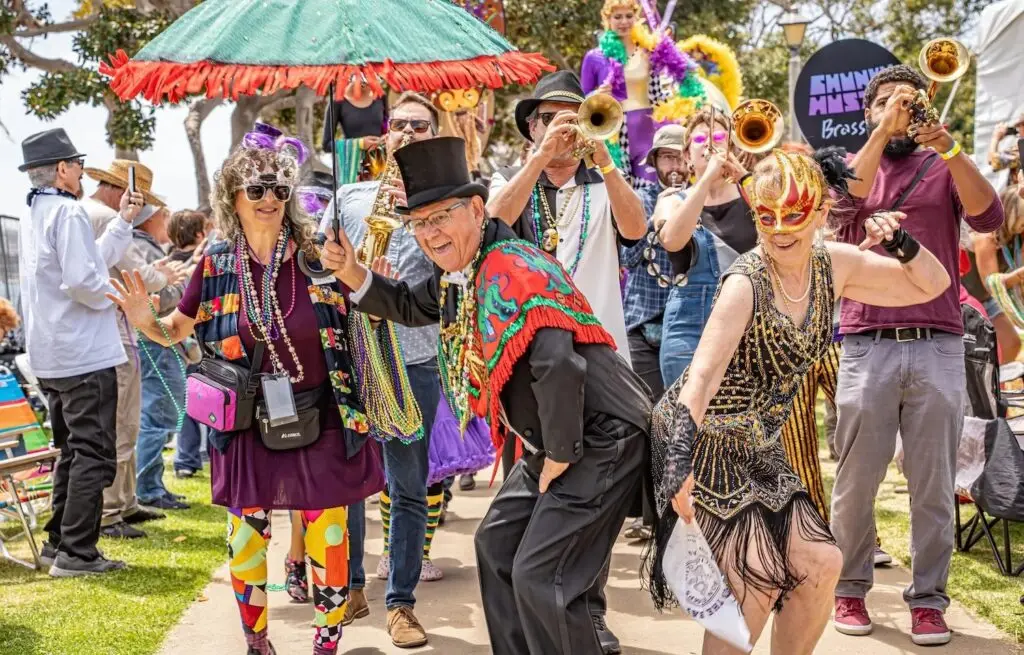
For the people still fretting about what to do for Mother’s Day: We’ve got you. If mom likes a good festival, consider stopping for drinks at the Coronado Art & Wine Festival or learning how to dance in the zydeco tradition at Gator by the Bay. Or peruse the local art scene and explore new exhibitions Bloodlines & Brushtrokes at Distinction Gallery, ArtSpectrum 2026 at Gallery 21, or (fittingly) Athenaeum Art Center’s Día de las Madres pop-up. Regardless of how you choose to spend time with mom this weekend, there’s plenty of ways to make her feel special.
Food & Drink | Concerts & Festivals | Theater & Art Exhibits | More Fun Things to Do
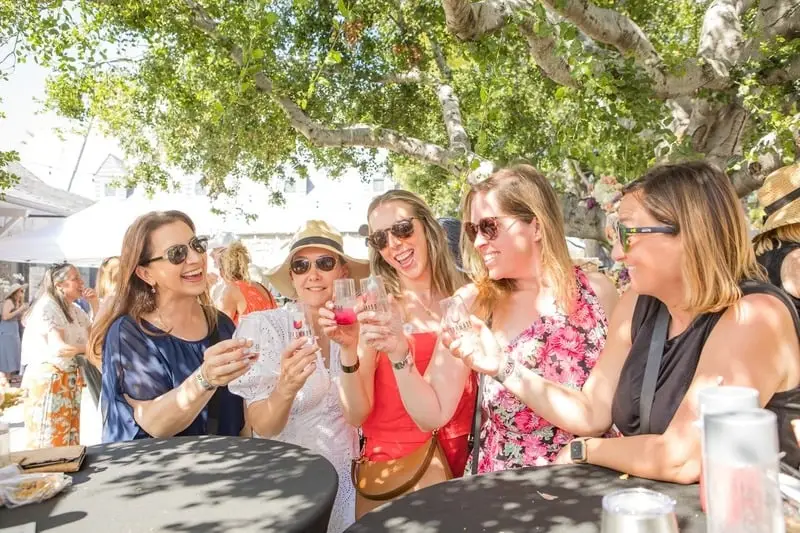
To celebrate Mother’s Day, Gaslamp’s Huntress is offering a trio of food specials crafted by Executive Chef Chris Hutchison, plus complimentary welcome mimosas for all the mothers in attendance. This Friday-Sunday, patrons can order a lemony spring pea risotto, a beef Wellington with wild mushrooms and a rose dessert with chocolate mousse, strawberry air cake and loads of raspberry. The specials also include the Mother’s Flower Cocktail which comes with gin, lavender, citrus and prosecco and Albert Bichot Crémant Sparkling Rosé. Reservations can be made through OpenTable.
376 Fifth Avenue, Gaslamp
Stroll the fifth annual Coronado Art & Wine Festival for fine artwork, live music, pour of wine and bubbly, and to raise money for STEM and arts education for Coronado’s K-12 students. This Saturday from noon to 5 p.m., over 100 artists, including this year’s four featured artists, will display and sell their work, with other festivities including selfie stations, family-friendly crafts, 21+ libation zones. General admission is free; deluxe ticket options include Wine Village passes with six tastings, Bubbles Lounge/Wine Village passes with nine tastings, and all-access VIP with 12 tastings.
10th Street and Orange Avenue, Coronado
Take mom out for a sophisticated, yet thrifty, sushi dinner through Temaki Bar’s ‘Momakase’ experience, happening this Sunday from 11 a.m. to 9 p.m. The experience ($39 per person) comes with salmon, shrimp and yellowtail handrolls, a nigiri platter with deluxe seafood and flavor combos—including salmon with brown butter aioli, sweet soy and smoked salt—and a matcha-flavored vodka martini. Because Temaki does not take reservations, guests are advised to join the restaurant’s online waitlist before arriving.
575 South Coast Highway 101, Encinitas
Armed with a bass guitar that could nourish any souls its vibrations encounter, and an alluring voice to match, Meshell Ndegeocello is a vital figure in the lineage of Black musical tradition. Her vocation, an artistic desire for love and truth told through jazz, pop, R&B and neo-soul, is best understood through her sublime covers project Ventriloquism and her most recent album, No More Water: The Gospel of James Baldwin. This Wednesday from 7-9 p.m., Ndegeocello will perform tracks from No More Water and career-spanning hits at Epstein Family Amphitheater as part of ArtPower’s spring event lineup. Tickets range for $18 to $50 for this concert.
9480 Innovation Lane, La Jolla
Active and former military members will share their experiences through cinema during the GI Film Festival at the Museum of Photographic Arts, coinciding with Military Appreciation Month. The festival begins Wednesday with an opening night reception featuring awards, photo ops and a screening of Home from the Vietnam War, continues Thursday with Ugo: An Artist at War and documentary shorts and finishes Friday with American Solitaire and narrative shorts. Ticket options include opening night admission, tickets for screenings/blocks, and multi-ticket packs which come with admission to all screenings and events.
1649 El Prado, Balboa Park
Calling Sister Nancy a dancehall pioneer is true, yet also an understatement. Though her career never resembled a normal trajectory for someone of her talents, the persistence of her 1982 hit “Bam Bam” is undeniable, cementing her as a beacon for Caribbean sound and a worldwide influence—with the song having since been sampled 100+ times, including by Too $hort, Jay-Z and Lauryn Hill. This Saturday at Music Box, hear classics from Sister Nancy’s catalog, plus jazzy reggae tunes from opener Kat Hall. Tickets start at $44 for this concert.
1337 India Street, Little Italy
Those familiar with Yebba likely know of the singer/songwriter for a variety of reasons. Maybe its her multiple collaborations with Drake, her star-making vocals for Chance the Rapper on Saturday Night Live, or perhaps, her immensely heartfelt debut Dawn, a rumination on grief created in the aftermath of her mother’s suicide. But I reckon Yebba’s newest album, Jean, is the best chance to jump on the bandwagon yet. Jean finds Yebba still persisting, and its stripped down, guitar-driven production should make her concert this Sunday (7 p.m.) at The Observatory North Park feel intimate on a nearly spiritual level. Tickets start at $41 for this concert.
2891 University Avenue, North Park
May 5-10
As evidenced by the box office numbers for Michael, nostalgia for the King of Pop is currently at a fever pitch. While the biopic focuses on Michael Jackson’s upbringing and ‘80s stardom, MJ: The Musical—returning to the Civic Theatre for a week-long run—is set during the making of Jackson’s Dangerous World Tour in 1992. Playing the role of MJ will be former San Diego resident Jordan Markus, who has donned the sequined glove once again for the show’s nationwide run. Tickets start at $51, with performances this Tuesday and Wednesday at 7 p.m., Thursday at 7:30 p.m., Friday at 8 p.m., Saturday at 2 and 8 p.m. and Sunday at 1 and 6:30 p.m.
1100 Third Avenue, Gaslamp
This week marks the birth of a hopeful new tradition for San Diego’s long-established community of LGBTQ artists. The group exhibition ArtSpectrum 2026, curated by RD Riccoboni and overseen by The Studio Door and Village Arts and Education Foundation, features a dozen local LGBTQ artists making an impact. Because the exhibition doesn’t abide by a particular subject or style, it’s a way for audiences to explore the artists’ best individual works. ArtSpectrum 2026 will have a free opening reception this Saturday from 1–4 p.m. at Gallery 21.
1770 Village Place, Balboa Park
Weeks before Mother’s Day was set to arrive, the Athenaeum Art Center surveyed the public, welcoming artists of all skill levels to express what it means to be a mother and how they define maternal love. The result is Día de las Madres, a three-day pop-up intended to elicit bilingual and bicultural POVs ahead of the holiday. To celebrate the exhibition, all are invited to Saturday’s free opening reception from noon to 8 p.m. to enjoy tamales, live mariachi, printmaking workshops and demonstrations, and a chance to converse with the artists.
955 Julian Avenue, Logan Heights
Fifteen local Asian American and Pacific Islander artists are showcasing their ancestry-inspired pieces via Thumbprint Gallery’s Bloodlines & Brushstrokes group exhibition for AAPI Heritage Month. Part one opened at Thumbprint last Friday, and will remain on display through the end of May, with part two premiering Saturday at Distinction Gallery with a free reception from 6-10 p.m. Both locations will feature a unique piece by each participating artist, offering a chance to see a range of artistic mediums and culturally resonant viewpoints.
317 East Grand Avenue, Escondido
The continued depiction of the San Diego River’s beautiful, wide-spanning ecosystem is the guiding ethos of the San Diego River Artists Alliance. Beginning with a free opening reception this Saturday from 4-7 p.m. the collective will open its newest environmental exhibition, Art of the River, at Santa Ysabel Art Gallery. Visitors are invited to peruse and purchase artwork, as well as partake in the San Diego River Park Foundation’s River Days initiative (May 9-17); A portion of sales from Art of the River will go towards the SDRPF.
30352 Highway 78, Santa Ysabel
No skull, no ghost, no ‘to be or not to be’ monologue, but still so much story to tell. Lauren Gunderson’s stage play A Room in the Castle, a modernized, female-centered retelling of William Shakespeare’s Hamlet, will have a new production beginning Sunday at MOXIE Theatre. Though the actions of The Bard’s tragic hero hang like a dark cloud over the lives of Ophelia and Queen Gertrude, A Room in the Castle awards them the primary perspective. Tickets are pay-what-you-can, ranging from free to $88.
6663 El Cajon Boulevard, Rolando
Drawing on your personal life—the ups, downs and hard-to-believe stories—can serve as a rich source of creative material. Just ask David Sedaris, best-selling author, renowned satirist and long-time contributor for The New Yorker. Throughout his writing career, Sedaris’ works contain a whole host of quirky insights, including a secret marriage divulged just a few weeks ago. This Thursday at 8 p.m. during ArtPower’s An Evening with David Sedaris at Jacobs Music Center, he’ll recite passages from both beloved pieces and unpublished stories, offering a detailed perspective of his humor and storytelling style. Tickets range from $60 to $108 for this event.
1245 Seventh Avenue, Downtown
With the lack of elite closers in today’s game, Padres fans can rest easy knowing when the 9th inning arrives, they have a reliable arm ready to pounce. Mason Miller—NL Reliever of Month Mason Miller, that is—is a perfect 11/11 in save opportunities, averaging nearly two strikeouts per inning and recently compiled a 34 ⅔ consecutive scoreless inning streak, a franchise record. Not too shabby. Plus, the first 40K fans through the Petco Park gates for Thursday’s game (7:10 p.m.) against the Cardinals will receive a flame-throwing Mason Miller bobblehead. Tickets start at $35, with games Friday (6:45 p.m.), Saturday (4:15 p.m.) and Sunday (1:10 p.m.) at home.
100 Park Boulevard, Downtown
It’s Fat Tuesday everyday at Gator by the Bay, Bon Temps Social Club’s yearly toast to bayou living. The festivities include Creole cooking demonstrations, seven live music stages, Zydeco dance lessons and 10,000 boiling pounds of crawfish. Gator by the Bay kicks off with a free party Thursday from 5-9 p.m. at Sheraton’s Lanai Lawn before heading to Spanish Landing Park Friday (4-10 p.m.), Saturday (11 a.m. to 10 p.m.) and Sunday (11 a.m. to 7 p.m.). Single-day GA (Friday: $80, Saturday: $90, Sunday: $85), any day GA ($90) and three-day GA tickets ($230) are available; admission is free for kids ages 17 and under with a paid adult.
3900 North Harbor Drive, Embarcadero
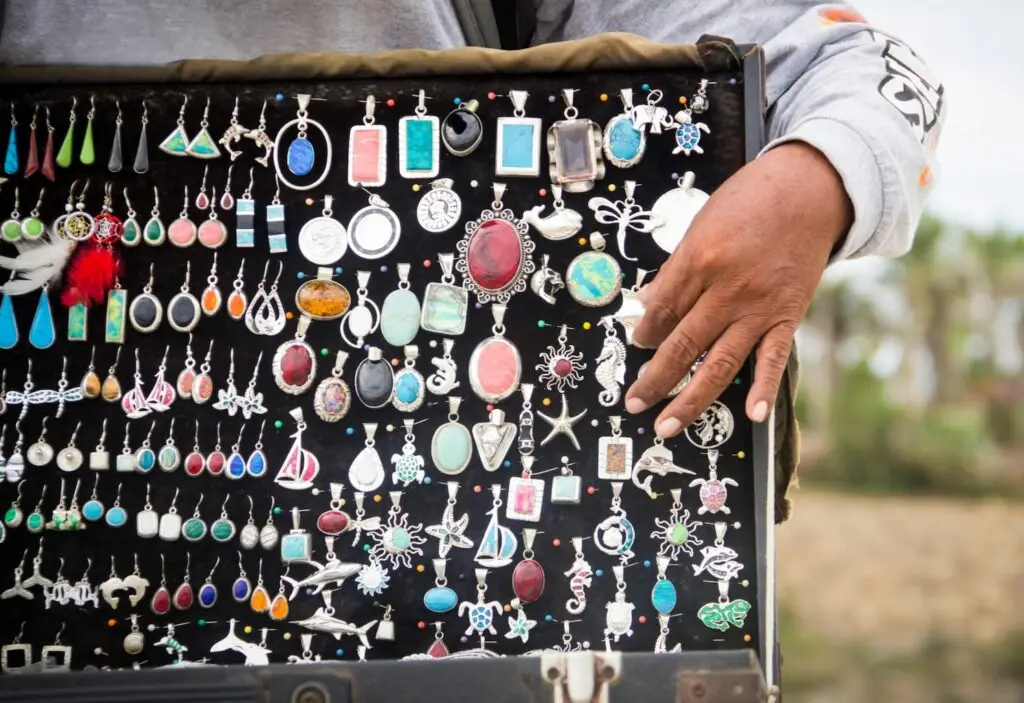
The San Diego American Indian Health Center will host its 38th annual Balboa Park Pow Wow this Saturday and Sunday from 10 a.m. to 6 p.m. As is tradition, the Pow Wow spotlights a range of cultural regalia, music and dance, including gourd dancing and Kumeyaay bird singing. This free community event also offers the chance to shop from a lineup of Indigenous food and artisan vendors, with hand-crafted goods such as art, jewelry and apparel available for purchase.
Park Boulevard and President’s Way, Balboa Park

Ryan Hardison is a freelance arts and entertainment writer and recent graduate of San Diego State. When he's not staring at his laptop, he's likely eating an adobada burrito or getting sunburnt at the beach.
See Rosalía in concert, stroll through Little Italy for Summer Sera, and dress up for Comic-Con
Summer has officially kicked off, and San Diego is celebrating the sunny season with a myriad of fun events. From San Diego Pride week and a fairytale performance at Civic Theatre to a Santigold concert and Comic-Con, there are dozens of opportunities to make memories worth adding to your scrapbook. Here are all the best things to do in San Diego this July:
Concerts & Festivals | Theater & Art Exhibits | More Fun Things to Do
Divine inspirations, operatic ballads, and symphonic pop production elevate Rosalía’s Lux to heavenly levels. Hear angelic vocals ascend—in up to 13 languages—during her performance at Pechanga Arena.
Enjoy a night of feel-good indie rock and sing-along anthems at the Cal Coast Credit Union Open Air Theatre courtesy of Young the Giant and special guest Cold War Kids.
Santigold collects genres like gold stars: musical accouterments that brighten her uniquely alternative sound. See her live in concert with dancehall producer Troy Baker Sound at Humphreys Concerts by the Bay.

Be the Civic Theatre’s guest for “Beauty and the Beast” and discover that a fairytale love sometimes lies beneath the surface.
Two male government workers pursue a secret romance amid the Lavender Scare in the San Diego Opera’s production of “Fellow Travelers” at the Balboa Theatre.
The deep blue sea is home to countless ecological treasures, including the remarkable marine organisms documented by Oriana Poindexter. Study her educational and experimental imagery at The Photographer’s Eye via Field Notes.
Audrey Hepburn. Marlon Brando. Salvador Dalí. What do these icons have in common? Each was the enigmatic focus of a Cecil Beaton portrait. Step inside Cecil Beaton’s Fashionable World, an alluring showcase of 20th-century style at San Diego Museum of Art.

The Little Italy Mercato will trade morning rays for golden-hour glow through its free Summer Sera, an expansion of the neighborhood’s farmers market with live music, artisanal finds, and a fetching amount of pet activities.
San Diego Pride week starts with a Dyke March and ends with the two-day “Pride Shines On” festival. The days in between? Run a 5K, march in the parade, visit the rainbow-lit St. Paul’s Episcopal Cathedral, and more.
Dress up for a Mediterranean-themed tea time at the Estancia La Jolla, a laid-back yet refined afternoon planned for the resort’s monthly Tea in the Garden series.
Nerd culture’s biggest gathering returns to the Convention Center. San Diego Comic-Con welcomes fans of everything from comic book cinema to ultra-rare collectibles for panels, exhibits, sneak peeks, and much more.
Ryan Hardison is a freelance arts and entertainment writer and recent graduate of San Diego State. When he's not staring at his laptop, he's likely eating an adobada burrito or getting sunburnt at the beach.
A massive $1.3 billion construction project is slated to improve the border-crossing process—will it live up to its expectations?
You’re coasting home after a weekend in Rosarito Beach—still riding the high of vitamin D and Baja Med—and then comes a slap back into reality: brakelights and gridlock exhaust.
Small wonder, given that San Ysidro is the busiest land border crossing in the western hemisphere (fourth-busiest in the world). Otay Mesa’s no breeze either; it’s the busiest commercial port in California and second-busiest across the entire southern border. Smart Border Coalition says that each day last year, 41,800 vehicles crossed into the US at San Ysidro; 17,800 crossed at Otay Mesa, along with 1,023,000 commercial trucks.
Diana Pazos, a San Diego resident and adolescent psychiatrist working in Tijuana, says the northbound border wait at the San Ysidro crossing is often three to five hours Saturday through Monday—delays that modern humans and multinational maquiladoras alike aren’t built to endure. At the current Otay crossing, “commercial trucks may be in line for six hours or longer,” she says.
Needing to bake a couple hours of commute into the States doesn’t just affect vacations; tens of thousands of people cross the border each day for doctor’s appointments, work, school, you name it. The clog has personal and commercial ramifications.
But change is coming. Construction has begun on a new border crossing in Otay Mesa, which is expected to significantly reduce wait times across all San Diego border crossings, bolster binational trade, and improve the air pollution levels in the area.
Nikki Tiongco, an 18-year Caltrans veteran who oversees the Otay Mesa East project (aka Otay 2) for the agency, says the new border crossing will also be among the most high-tech, efficient, and secure border crossings in the nation.
“We have already completed the roadway network within the Otay Mesa East region,” says Tiongco. Part of this project included building State Route 11, an extension of SR 905, which has been open to the public since August and will feed traffic to the new entry port. Otay 2 comes with a 21st century upgrade, too. Miles of fiber-optic cables have been installed underground, which gives the port the brainpower to efficiently sort and streamline traffic as cars approach the border. (Unlike the San Ysidro border, where lanes get organized by vehicle type, Otay 2’s lanes will be interchangeable. For example, if the system indicates that a high number of commercial trucks is heading to the border, passenger lanes could be converted to cargo lanes in real time.)
Otay 2, driven by a binational collaboration among government agencies (Caltrans, SANDAG, General Services Administration, and U.S. Customs and Border Protection), receives both federal and state funding, plus hefty contributions from Mexico. So far, funds from the $1.3 billion project have helped build new bridges and roadway interchanges that will guide traffic to the crossing. At this stage in the process, Caltrans is “laser-focused on building the facility itself,” Tiongco says.
Now, to the juicy part: the prospect of a “20-to-30-minute border wait time” at Otay 2, according to Tiongco. Currently, there are three standard ways to cross the border at San Ysidro: Ready Lanes, General Lanes, or SENTRI Lanes. Most travelers use either the Ready or General lanes. SENTRI Lanes require a form of pre-approval from the US federal government plus an additional fee. According to CBP, the average wait time in 2025 at the San Ysidro crossing, was as little as 15 minutes in the SENTRI Lanes, 45 minutes in the Ready Lanes, and 1.5 to 2 hours in the General Lanes. Those are best-case scenarios that vary based on lane type and time of day.
Otay 2 is about 12 miles east of the San Ysidro crossing and 2.5 miles east of Otay 1. Those not wanting to spend that much extra time on the road to drive to the new border crossing, despite the allure of an under-30-minute wait, are still expected to see some benefits. Tiongco says Otay 2 will “provide a relief valve” overall by spreading the burden across the three border crossings. As a result, SANDAG says, wait times at San Ysidro and Otay 1 could be cut in half.
It’s not just your time waiting at the border that matters. Multinational corporations that relocated their manufacturing plants (maquiladoras) to Northern Baja have claimed for years that the long delays at Otay 1 eat away at their profits. More than 600 maquiladoras, used by companies such as Samsung and Panasonic, currently use Otay 1 to transport products to US and international markets. Ambassador Alicia G. Kerber-Palma, the consul general of Mexico in San Diego, says the project will facilitate more than $60 billion in cross-border trade annually.
Previous reports say that Otay 2 also has the capacity for around 12,000 passenger cars and 1,500 commercial trucks daily. A shiny, new element to this port: Commercial and personal vehicles that choose to cross will pay a dynamic toll on both sides of the border. The fee will increase during busy hours and decrease during slower periods, Tiongco says. Caltrans estimates that the toll could range from $4 to $30 for passenger vehicles and higher for commercial trucks. Drivers will be able to see current rates before they reach the actual border crossing.
And, with these changes, there are environmental benefits, too. “With shorter wait times at all three ports, there’s less idling and congestion, which should significantly reduce air pollution on both sides of the border,” says Kerber-Palma. The main factor driving improved air quality would be decreasing dirty emissions from idling diesel trucks. This county’s air could use some sprucing up, anyway. A 2026 report from the American Lung Association named San Diego as the fifth-most particle-polluted county in the US. The bulk of that dirty air comes from the heavy-duty trucks and ships that pass through the area.
Otay 2 is not only expected to curb the acceleration of air pollution in San Diego; if the state’s legislature passes California Senate Bill 10, the border crossing could also restore local water quality. This bill would use a portion of Otay 2 toll revenues to fund ongoing maintenance of the South Bay International Wastewater Treatment Plant. Current media reports say, however, that it’s increasingly unlikely that SB 10 will become law.
Otay 2 has been in the works for over two decades and is finally nearing the finish line. Construction estimates show that it should be up and running in 2029. Tiongco says this border crossing is “a good example of how the state, federal and local governments are working together and with Mexico to advance our mutual goals in the region.”
Adam is a longtime San Diego journalist and communications pro. He covers everything from politics and culture to surfing and business.
The creator of Mission Hills' iconic topiary garden hoped future owners would preserve the living artwork she spent decades cultivating
Edna Harper asked for one thing before she died: that the next owner of her iconic Mission Hills home keep the street-facing “garden.” Which is essentially asking the future residents to be curators of a whimsical and obsessive, delightful and strange, classic, cartoony and slightly unhinged sculpture museum. Harper, who died in January at the age of 87, poured her heart into this topiary bonanza, and it’s right there for everyone to see.
Like thousands (or millions, there’s no formal estimation) of others, I had scrolled through the photos of this topiary fantasia before I ever stood in front of it. As of this writing, Harper’s Topiary Garden is No. 227 of 2,686 Things to Do in San Diego on Tripadvisor, making it a popular tourist stop between fish tacos, a day at the beach, and a stroll in nearby Presidio Park. But crowdsourced photos quickly snapped in direct overhead sunlight tend to flatten the shapes that, while meticulously manicured, refuse to behave. In person, Harper’s figures seem to be in motion and, given that they’re sculpted out of bushes, they literally are. (I’d love to see a maintenance timelapse.)
Animals emerge out of shrubs as if they have impish ideas. A fanciful whale, a man in a sombrero, a random spiral twisting skyward, otherworldly creatures that defy categorization—all of these exist together in a neatly trimmed cascade pouring down the steep front slope of the property.
You don’t accidentally end up with a yard like this. You decide to create it and choose to cultivate it, and then you keep deciding and cultivating—for decades.
Although a consistent parade of looky-loos have visited over the years, most have never been inside the home, which is on the market for the first time since Harper and her husband, Alex (who died in 2020), bought it in 1969.

“It was and is a landmark,” says Christopher Delgado, Harper’s cousin and trustee of her estate. “She specialized in Chinese brush art and Japanese art called ‘sumi-e,’ a form of Zen art. She was a creator … she was very, very talented.”
I can’t stop thinking about Harper, sitting at the kitchen window, looking down at her masterpiece and the watchers watching it. The image of Harper enjoying the joy the public took from her handiwork makes me want to understand the woman behind the work. Because topiary, as an art form, has always been a little… loaded.
Topiary has always had a bit of an identity crisis—and that’s part of its charm.
When I think of topiary, I immediately think: Fancy. French bourgeoisie. Palace of Versailles. Mais non! Topiary has its origins in Rome. According to the Center for Architecture, the word “topiary” has its origins in late 16th century English, which combines the Greek word “topos” for place and the Latin word “topiarius” for ornamental gardner.

Topiary started as a flex, really. A Julius-Caesar-adjacent pastime for the most ancient one-percenters; an expression accessible only to those with land, labor (or, put more plainly, enslaved people), and spare time. In its earliest form, topiary was about control: bending nature into submission. It’s where symmetry and precision signaled order, taste, and money.
But with the collapse of the Roman Empire and the Dark Ages that followed, the topiary almost preceded the Dodo Bird in extinction. Monks quietly kept the art alive by growing herbs and manicuring the gardens and hedges within the courtyards of their monasteries.
It wasn’t until the Renaissance nine centuries later when topiary saw a resurgence—ah, Versailles!—and this form of pleasure gardening went into overdrive. Nature became architecture. The French pruned their foliage into iconic cones and obelisks, walls to keep out the riffraff, and ornamentation designed to impress. The Dutch got a little freaky, as they do, and sculpted complicated figures, animals, and even furniture.
Inevitably, the pendulum swung again, and topiary fell out of favor once it became viewed as excessive and even absurd. Even so, it never really disappeared. It just migrated to exist in a completely different paradigm. It was less Versailles and more, “What if this bush were a mouse?”
Fast forward to Disneyland in 1963. That year, the park opened a topiary garden in Fantasyland with verdant sculptures of giraffes, camels, elephants, and hippos all inspired by Denmark’s Tivoli Gardens.
Disney’s interpretation of topiary—which is still a fixture of park decor today—falls more into the realm of imagination and possibility than restrained aristocratic performance.
That’s one of the stranger throughlines of topiary: It moves from elite to everyday, from stiff and formal to playful and silly, from symbol of control to something steeped in personal expression.
Which is what makes a place like Harper’s Topiary Garden so compelling and the woman behind it utterly intriguing.

Born in 1938, Edna Harper was something of a Renaissance woman. She worked for two decades as a dental assistant, and she later became a notable painter, calligrapher, and stained glass artist (the house itself is adorned with her work). But she was also savvy in other ways.
“She graduated [with a degree in dental assisting] from San Diego City College and wanted to have her own money and her independence,” says Delgado. “Most people didn’t know that she was such a great businessperson, and for many years, she managed all of [the couple’s] properties on her own. She was great at building relationships … she touched a lot of people’s lives.”
Her friend and fellow artist Julie Roth attributes her artistry to her relationship with Harper. The pair met two decades ago at an art class at Oasis in Mission Valley.
“She was just the most encouraging person,” Roth says. “I didn’t know I could paint, but apparently I can. She was a tremendous person.”
I asked Roth what she’d want people to know about her friend.
“Her empathy and diplomacy,” she says. “[She had] a sharp eye for other talent. She spotted me, but I’m not the only one she encouraged.”
That sharp eye suggests attention, the same kind it takes to look at a bush and also see a whale. Or a spiral. Or something that doesn’t exist yet, but could.

Nothing about Harper’s life suggests someone chasing attention. And yet, she ended up creating something that demanded hers, and she took great pleasure in seeing people enjoy her creations.
The garden didn’t happen all at once. It grew out of years of travel, observation, and collaboration. Harper often traveled without her husband, always returning from trips to Japan, Thailand, and other parts of Asia with ideas and impressions captured through sketches in a notebook.
“She would get creative ideas from her travels … she’d come back with ideas and pictures, and they’d go about cutting that topiary bush into shape,” Delgado says.
For the past 25 years, she had the help of her gardener, Pedro Duran—who’s still employed by the trust and has maintained the garden since Harper’s passing.
In the early topiary years, Harper worked closely with Duran in what Delgado describes as a kind of shared “labor of love.” She would share her sketches and together the pair would shape the bushes into something deliberate.

“As she got older, she would increasingly draw her ideas and [Duran] would [carry them out],” Delgado says.
That collaboration reinforces that her garden was not an act of control, but one of creative collaboration and translation. From memory to sketch. From sketch to shrub. From something seen, somewhere else in the world, to something rooted in the soil of a steep hillside in Mission Hills.
Harper also made sure that the lawn’s boisterous energy made its way into the house on Union Street. Apparently, she threw legendary parties.
“Fairly regularly, in the late ’70s and ’80s, she would host Super Bowl parties with 200 people. She had TVs everywhere,” Delgado says.
It’s not hard to square that image with the stillness of the garden which, despite the careful pruning and intentional design, is voluminous and nearly vibrating.
And, damnit, I wish I’d watched some sportsball on her shocking number of TVs and wandered out front to the topiary—slightly wine-drunk with an orange smear of wing sauce on the corner of my mouth—to marvel at the leafy hippo and this woman’s elaborately creative life.

I can hear Delgado smiling as we talk on the phone. He’s going back to his childhood, when he talks about being one of the cousins Harper doted on when he visited.
“The adults were inside, and we’d be out in the camper,” he says, “and [Harper] would come check on us, make sure we were okay. She always had gifts for us. If it was Easter, there were chocolate eggs. If it was Christmas, stockings. We were the beneficiaries of them not having kids because they showered us with all their love.”
Knowing this and taking a look at her garden again, you can see it’s not the work of a shut-away curmudgeon. It’s wondrous, inviting, and the right kind of weird.
“Ultimately, she did it for herself and family, first and foremost,” Delgado says of Harper’s Topiary Garden.
Harper’s one request of whomever buys her home may seem like a focus on basic maintenance, about hedges and upkeep and preserving something visually striking. But it’s really about attention. And maybe, too, about legacy. Not hers, per se, but the legacy of community, relationships, art, creativity, possibility, adventure, culture, dedication, and love.
For now, it’s there for anyone to see, and its future is in the hands of whomever comes next.
KQ Aesthetic Society goes beyond cosmetic to provide comprehensive care and transformative results
Kelly H. Harfouche, founder of KQ Aesthetic Society, knows firsthand that cosmetic treatments like fillers, neurotoxins, and microneedling, can not only enhance a person’s appearance and restore confidence, they have the power to truly change a person’s life. An expert injector has the ability to tailor treatments to each individual patient’s anatomy and goals for personalized results. Harfouche, a board-certified nurse practitioner, has spent nearly a decade perfecting her craft as an aesthetic injector and integrating her multifaceted artistic skills with precision patient care. Her commitment to continual education and training, plus a passion for helping people look—and feel—their best, set KQ Aesthetic Society apart in a sea of local medspas.
For many people considering nonsurgical treatments, the intent is to look refreshed and refined. KQ Aesthetic Society’s philosophy eschews a cookie cutter approach that bases treatments around units, instead working to understand each person’s unique goals, then curating a treatment plan to fit that vision. Harfouche focuses on “inclusive luxury,” the belief that everyone deserves access to aesthetic treatments, respective of budget restrictions. She develops long-standing trusted relationships with her patients, and works with each one to achieve their aesthetic objectives and address the underlying causes of their concerns.
“For me, forming an honest and open relationship with every patient who walks through the door is essential. This means understanding them on a deeper level and meeting them where they are to define and achieve their individual goals,” she says.

Drawing on her artistic background, which inspired her transition into medical aesthetics, Harfouche sees each client as a “unique canvas.” Rather than relying on standardized procedures, the practitioner’s distinctive approach combines her profound understanding of the physiological and anatomical changes associated with aging with an unwavering commitment to ongoing education about the newest products and their mechanisms of action. Her goal is to make each patient feel beautiful in their own skin and to embrace their individuality.
She has also pioneered a way to combine her talent for aesthetic artistry with her philanthropic nature. Harfouche is one of only a handful of providers using dermal fillers to treat patients with lip asymmetry and scarring resulting from cleft lip surgery. Patients travel from around the country for this transformative treatment, noting increased confidence and a restored identity. She hopes to eventually launch a training program to help fill the void in this space.

“My passion has always been connecting with people and giving back in any capacity that I can,” she says. In the rapidly advancing landscape of aesthetic medicine, you can place your confidence in Harfouche and KQ Aesthetic Society to deliver exceptional care. To learn more or book a consultation, please visit kqaestheticsociety.com.
A complete guide to the festival, the parade, the lineup, and all the good stuff in between
There are two types of San Diegans in July: those who have their Pride Festival tickets, and those who wish they’d bought them sooner. Summer in San Diego already feels like a fever dream of sunshine and saltwater, and with Balboa Park turning it up to a level best described as joyfully unhinged, we wouldn’t have it any other way.
That’s right: San Diego Pride 2026 is bigger, louder, and more necessary than ever. From July 18–19, expect a full, unapologetic, flags-everywhere kind of weekend where the city opens its arms and means it. Here’s everything you need to know about San Diego Pride 2026.
The San Diego Pride Festival takes over Marston Point in Balboa Park (6th Ave. & Laurel St.) on Saturday, July 18 (12 p.m. to 10 p.m.) and Sunday, July 19 (12 p.m. to 9 p.m.).
Buy tickets early because prices go up closer to the weekend. Regular GA is priced at $45 for a single day or $75 for the full weekend. Once Pride Weekend pricing kicks in, that bumps to $48 for one day and $85 for two days. VIP Weekend starts at $269, and if you want a Meet & Greet with Hailie Sahar on July 18 at 2 p.m., tickets are $106.
Seniors 65 years and older can grab a ticket at the box office for $15, and high schoolers and younger get in free, though they still need to stop by the box office for a ticket before entering. Regular pricing is available through July 17, so don’t wait until the last minute.
The San Diego Pride Festival isn’t just a typical party. Expect Balboa Park at maximum capacity and maximum heart with five stages, hundreds of vendors, and more joy per square foot than anywhere else in the city that weekend.
At the heart of it all is the Stonewall Stage, the main event where legends and newcomers alike make their San Diego Pride debut. The Mundo Latino Stage brings Rock en Español, DJs, drag shows, and multicultural performers to the mix. The Movement Stage offers a full celebration of Black LGBTQIA+ arts, music, and culture through hip hop, urban contemporary, and local DJs, plus a Queer Locals Marketplace full of LGBTQ-owned small businesses selling handmade art, wellness goods, literature, community resources, and more.
For the people who came to actually dance, the Euphoria Stage delivers electronic music and groundbreaking talent. Prism For All is where art, libraries, and history collide, with workshops, performances, and a makerspace hosted by Art of Pride, the San Diego Public Library, and Lambda Archives. And the Youth Zone gives LGBTQIA+ young people their own dedicated area to meet, get creative, play, and find support.
The lineup includes:
Saturday, July 18
Sunday, July 19

The San Diego Pride Festival 2026 runs on the energy of over 2,000 volunteers every year. With more than 30 departments to choose from, whether you’re a people person, a behind-the-scenes organizer, or just someone who wants to do something good in a great outfit, there’s a spot with your name on it. Head to the San Diego Pride website to sign up.
San Diego’s Pride Parade calls the parade “the region’s largest single-day civic event,” drawing more than 250,000 attendees annually. This year it takes place on Saturday, July 18 from 10 a.m. to 3 p.m. and starts at University Avenue and Normal Street. Then it travels west on University Avenue, south on Sixth Avenue, and ends near Balboa Park/Quince Drive.
The Pride 5K Run & Walk is one of the highlights of Pride Week, drawing as many as 1,700 runners and walkers from around the world and raising approximately $40,000 for charity partners San Diego Pride and The LGBT Center’s Youth Housing Project. This year it also takes place on July 18, just a bit earlier at 8 a.m., at the corner of Centre and University Ave in Hillcrest.
Of course, buying a ticket is a guaranteed good time, but it’s also funding something real. San Diego Pride is a registered 501(c)(3) nonprofit, and proceeds go toward supporting organizations that host community events, programs, and fundraisers advancing pride, equality, and respect for LGBTQ+ communities locally, nationally, and globally.
That includes virtual youth programming like Pride’s Youth Leadership Academy, which reaches more than 4,000 LGBTQ children and young adults, as well as coalitions like the QAPIMEDA Coalition, Black LGBTQ Coalition, and Latinx Coalition, and more than 30 LGBTQ programs and events throughout the year.
The prohibited items list is lengthy (no balloons, no selfie sticks, no bubble-making devices, trust us they’ll make up for it elsewhere), but the big ones to keep in mind: clear bags only (max 12″x6″x12″), no outside food, no alcoholic beverages, no glass, no large umbrellas, and no knives or weapons of any kind. Leave the drone at home too. For the full list, head to sdpride.org/entry-policies.
Check out San Diego Pride’s frequently asked questions page for more details.
Isabella Dallas is a freelance writer for San Diego Magazine and the Arts and Culture Editor at The Daily Aztec in her final year at San Diego State University. She previously worked as an editorial intern for SDM, but when she’s not writing, you can find her trying the best coffee spots in SD, devouring the latest rom-coms, and indulging in anything and everything pop culture.
San Marcos-based Vintage Cellars designs and builds customized, high-end wine storage with calibrated humidity, racking systems, and LED lighting
The floor is made of glass. Under your feet, you can see the cellar—15-foot ceilings, soft light, and stained white oak walls the color of desert silt.
Tucked behind the wood, inside the doors, and in the ceiling is a highly advanced and very specific network of tech assembled in San Marcos—perfectly calibrating the room for humidity and temperature with vapor barriers, specialized insulation, and LED lights. Along the walls on matte blag pegs lay 1,000-plus bottles of wine—some iconic collector vintages, some with stories, some earmarked for major life moments.
This is a very serious wine home, built by someone whose obsession eventually leads to a call with Chris Noel.
“We have some clients who have been collecting wine since the ’60s and the ’70s, and they have collections of 15,000 or 20,000 or more bottles,” says Noel, owner of Vintage Cellars, the San Marcos–based designer of custom wine vaults for some of the region’s top restaurants and super-collectors. “[For them], collecting wine is similar to Jay Leno collecting cars.”

Before the wheel, there was wine. Fermenting fruit sugars into alcohol was a thing as early as 4100 B.C. (wheel, circa 3500 B.C.), most likely a happy accident. Unsurprisingly, the tipsy breakthrough in juice arts was a huge hit. The challenge was that it was also hugely perishable.
The first efforts to save it from spoil were clay vessels called amphora, often fully or partially buried to create a sun-proof, temperature-stable environment. The terra-cotta pots were pointy-bottomed, which stacked and traveled better, encouraged gas circulation (thus preventing oxidation, the famed wine ruiner), and helped separate sediments.
Once basic preservation was figured out, makers noticed the aging process ushered in a moodier magic. So they engineered structures to tinker with the possibilities of the long haul. Those first wine holes in the dirt evolved into entire catacombs, tombs, quarries, and caves.

Ancient Romans engineered wine storage rooms called fumariums, built facing north to avoid the sun and filled with smoke to speed the aging process (no doubt rapidly aging the cellar workers in the process).
For centuries, specialized wine storage was mostly a commercial venture. Serious wine people would (and still do) outsource their collections to a bonded storage facility or turn to professional cellarers who run giant chilled warehouses of cabernets.
A few major social moments sparked a more serious at-home cellar trend. First, the “Judgment of Paris” in 1976 (California wines famously besting the French in a blind tasting) established US wineries as worthy of collections.
A few years later came the 1982 Bordeaux, one of the most-coveted vintages in history. It was championed by a US lawyer named Robert Parker, whose 100-point scale rating system would quickly become the gold-standard for grading wines, creating a huge boom of wine collectors for the next few decades (wine as an economic investment became a thing).
The US economy also boomed in the ’80s, while France hit a skid. With the dollar trading 6-1 against the franc, US collectors had a rare chance to pick up Grand Crus at serious bargains, which demanded equally serious storage.

Given that framing, 1990 was a fairly great time for Vintage Cellars to get into the game. Noel—who worked his way up at the company and then eventually took over as owner in 2020—and his team work with architects, designers, and builders to create cellars that both fit the space and act as an attraction in multimillion-dollar homes across the region, and at top restaurants like Pamplemousse Grille in Del Mar and Avant Restaurant in Rancho Bernardo Inn. They hide cooling systems in brick-walled enclosures, bend bottle racks around curved walls, create standalone pavilions—engineer structures for cabs.
Their cellars hover between 50 to 70 percent humidity to keep the cork appropriately moist. Air too dry, and a cracked cork will give up the ghost—O2, in excess, turns wine into vinegar. If the air’s too dry, it can shrink the cork, eventually evaporating the wine and creating a low pressure that will pull in destruction. Too humid, and mold contaminates the works.
Light’s a big no-no for wine, too. Incandescent or halogen lights were the norm for cellars 20 years ago, but they emitted heat. Like Schrödinger’s Cat, these bulbs would risk the subject in order to view it. Vintage Cellars adopts LED lighting and, for glass cellars in the sightline of bright windows, mechanized shades that lower during UV exposure times.
Custom circumference-cut cove trays, leather saddles, and pegs stabilize bottles in Vintage Cellars storage areas; movement disturbs the tannins and upsets the aging process. And these cellars are smart, with app-based monitoring, remote temperature monitoring, and eSommelier cellar management. Don’t fret, Siri’s got your Syrah.
The most important decision, however, is deciding when to uncork that special bottle.
“[A lot of times, people] are saving those wines for specific moments in life—maybe a 50th anniversary or when their firstborn turns 21,” says Noel. “That’s how they look at it: as social and also to create memories.”
Pete Peterson has served as high as Editor-in-Chief of an enthusiast media magazine and as low as writer of his own bio… In addition to contributing to San Diego Magazine, Pete authored the YA novel One Tiger One Teen and is working on his second novel. Slightly more info is available at petepetersonauthor.com.
Troy Johnson is the magazine’s award-winning food writer and humorist, and a long-standing expert on Food Network. His work has been featured on NatGeo, Travel Channel, NPR, and in Food Matters, a textbook of the best American food writing.
SeaWorld dazzles with a drone show, big-name entertainers, new animal adventures and more
Nights are heating up at SeaWorld San Diego. The quintessential summertime staple on Mission Bay is transforming into a destination for unforgettable day-to-night adventures, bringing back some of its most popular Summer Nights programming and introducing exciting new experiences sure to delight both kids and adults alike.

The 2026 Summer Day to Night at SeaWorld San Diego is the park’s most ambitious season yet. SeaWorld has planned a highly anticipated entertainment lineup that features nine weeks of throwback concerts featuring R&B and hip‑hop favorites from the ‘90s and early 2000s, including Jordin Sparks, Too $hort and Warren G, Ashanti, and an array of boy band heartthrobs performing together as part of the Pop 2000 Tour.
New this season is perhaps the park’s most visible update: a nightly drone show, Ocean of Dreams, which illuminates the sky with hundreds of synchronized sparklers. Drones form sea otters, sharks, dolphins, and a majestic orca that tell a breathtaking 12-minute story of marine life and underwater ecosystems. The show culminates with a spectacular electric neon finale celebrating hope, wonder, and ocean stewardship.
Nighttime visitors are also in store for animal adventures that fuse education with high-energy fun and the dreamy ambiance of nighttime. The park has launched two all-new animal presentations: Shamu’s Celebration: Light Up the Night and Dolphins: Touch the Sky. Shamu’s Celebration: Light Up the Night features vibrant lighting, music, and dynamic choreography that celebrates the power and beauty of killer whales. Dolphins: Touch the Sky showcases playful bottlenose dolphins and the special connection between humans and the natural world. And back by popular demand is fan-favorite Sea Lions Tonite. See the charming pinnipeds splash, play, and parody pop culture in this refreshed crowd-pleaser.

More must-sees: a newly reimagined Shark Encounter, one of the country’s more immersive exhibits highlighting 11 different species up close, SeaWorld’s beloved BMX Blast! stunt show, and high-seas escapade, Pirates Ahoy! The Battle for Mermaid Cove. And don’t miss the park’s all-new Deep Sea Disco, which encourages guests to dance the night away under the glow of the SkyTower, and vibrant closing time laser light display Laser Reef Summer Spectacular.
Amp up the nighttime vibe with local craft beers, curated cocktails, and nostalgic theme park treats with $1 beer all summer long. SeaWorld is the place for day to night summer fun. When the sun goes down, SeaWorld lights up, and inspires guests of all ages to embrace their inner whimsy and see why generations of San Diegans head to SeaWorld to make memories they’ll never forget.