Featured articles
Food & Drink
Food & Drink

Food & Drink
Featured articles

Everything SD
Features
Everything SD
Featured articles
Things to Do

Everything SD
Everything SD
Featured articles
podcast-ep
podcast-ep
podcast-ep
Featured articles
Features
Features

Features
Featured articles
Food & Drink
Charitable SD
Charitable SD
Ready to know more about San Diego?
SubscribeReady to know more about San Diego?
Find more than 2,000 miles of coastline offering perfect waves, fish tacos, and plenty of adventure just south of the border
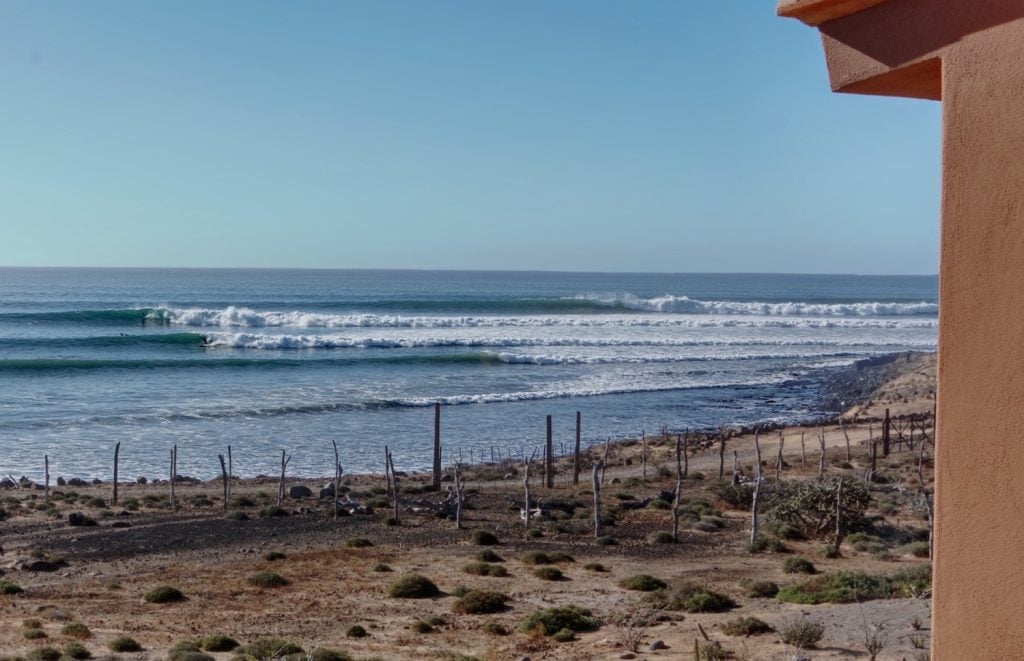
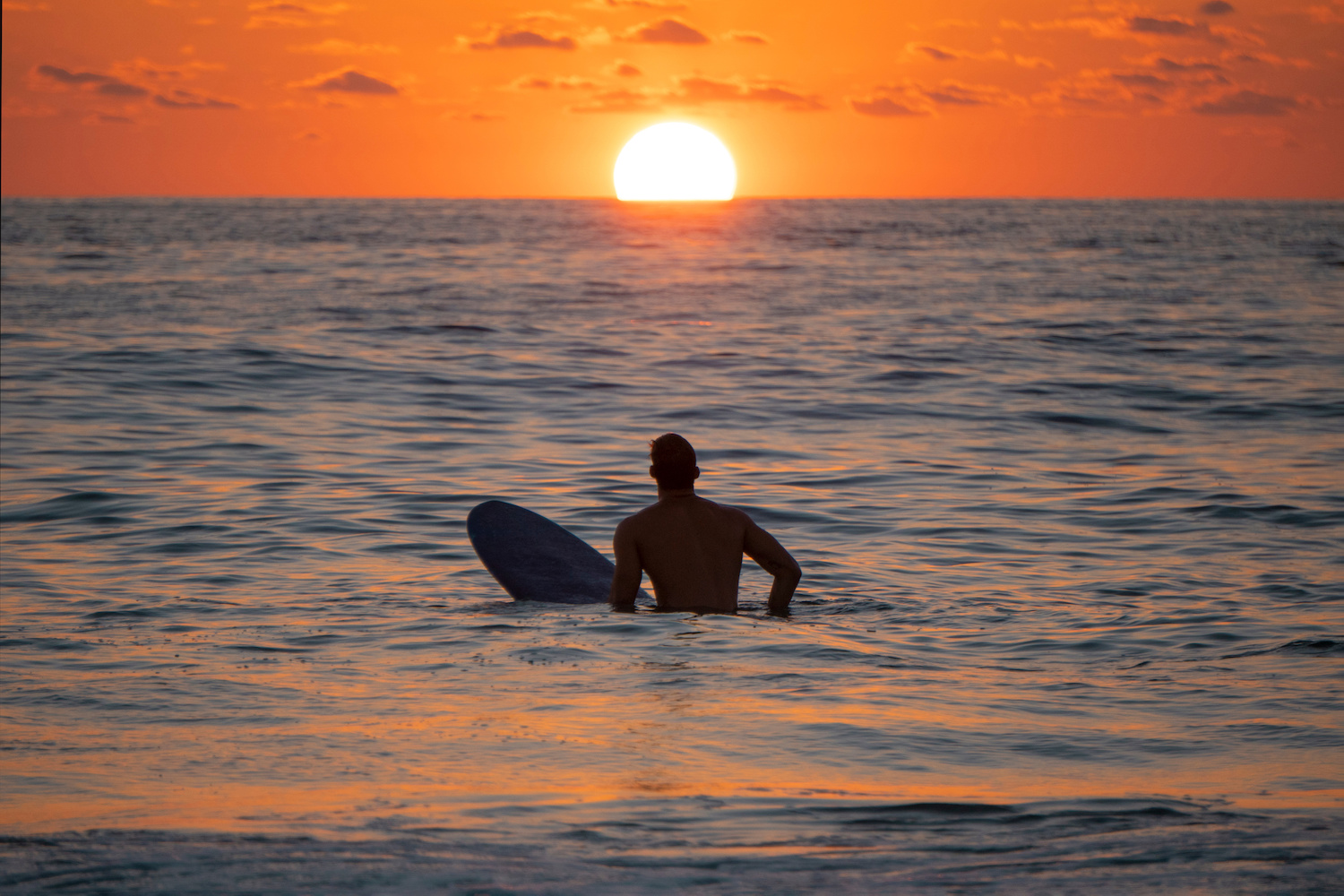
Growing up riding the waves of San Diego’s many breaks, I’ve come to appreciate our city’s consistent surf and beautiful beaches—but as summer arrives, so do flocks of tourists, beginners on wavestorms, and other coastal calamities. During these times, I daydream of the surfer’s paradise that lies just below our southern border: Baja California, Mexico. There, untouched reefs and punchy breaks await those that seek them.
And while each San Diego surf spot has a handful of nicknames assigned by locals, Baja surf spots are often identified by the kilometer marker along Highway 1 (K-38, K-42, K-55, and so on), as thousands of waves extend beyond surfers’ dominion. So, grab your board, wax, and pesos, and embark on an adventure to Baja California’s best surf spots.
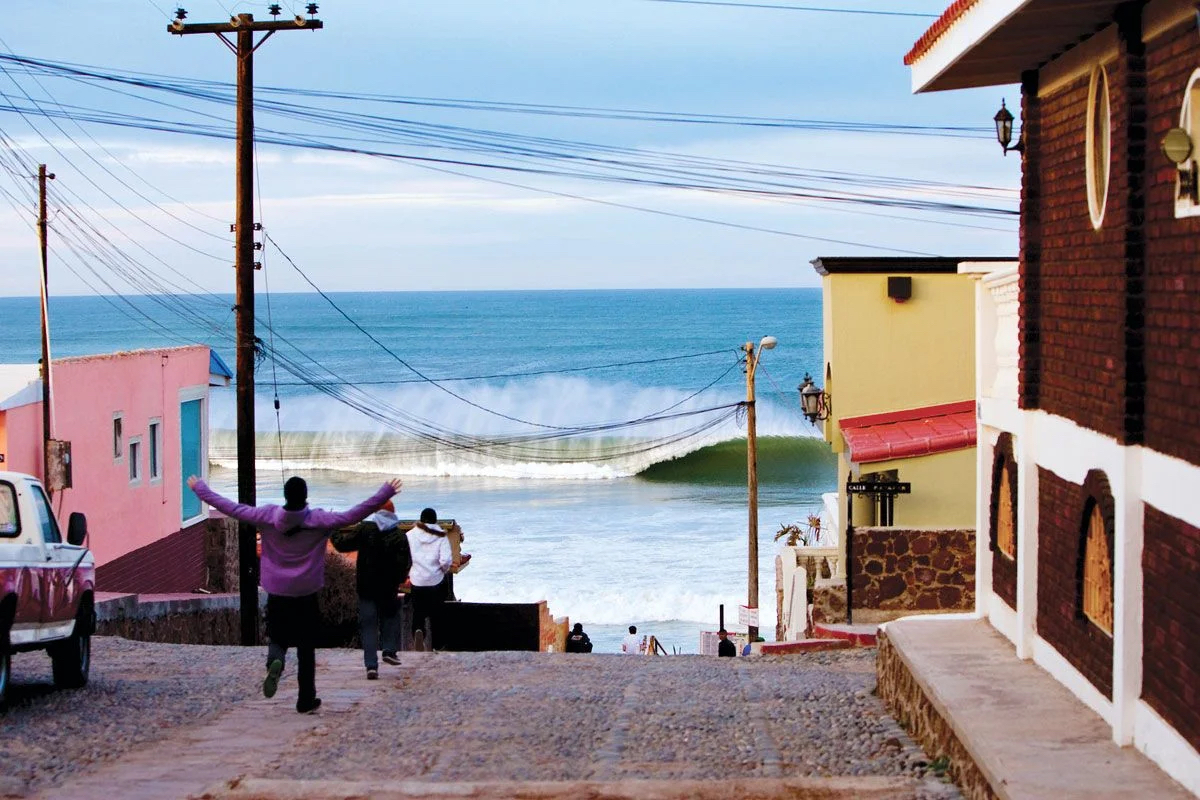
Malibu without the crowds? Sign me up. Contrary to its name, Baja Malibu isn’t a peeling canvas for longboarders to dance across. Instead, it’s a fast-breaking beach break ideal for shortboards. Just 30 miles south of downtown San Diego and southwest of Tijuana, it is many San Diegans’ first stop in the search for Baja waves. This spot packs serious heat, given a solid south swell and even some barrel time for those who can make the drop. Pack your shortboard and paddle out into world-class waves. Afterwards, stop by Bullies Patisserie or burger bar Plan B for fuel and start all over again tomorrow.
Type of Surf Break: Beach break
Skill Level: Advanced
Ideal Tide: Mid
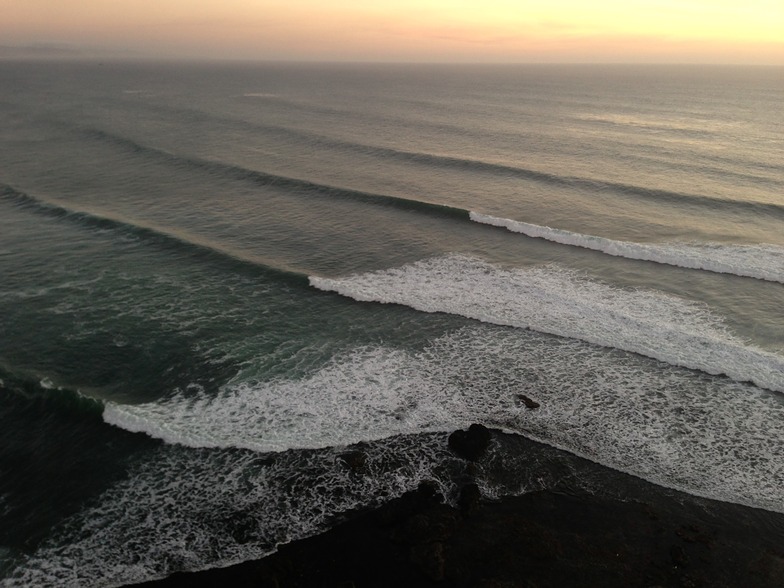
One of Northern Baja’s most beloved waves is a reliable, bowly right known simply as K-38. Just 25 miles south of Rosarito, this popular point break dishes up waves across four peaks known as The Point, The Left, Maria’s, and Theresa’s, which provide consistent rides year-round. Consider wearing booties to avoid grating your feet on the rocks and watch out for sea urchins ready to sting you on a wipeout at low tide. Just up the street, K-38 is home to its own surf shop, motel for lodging, and a Surfline cam, making it one of Baja’s more accessible waves.
Skill Level: Intermediate
Type of Surf Break: Reef with rocks
Ideal Tide: Mid or low
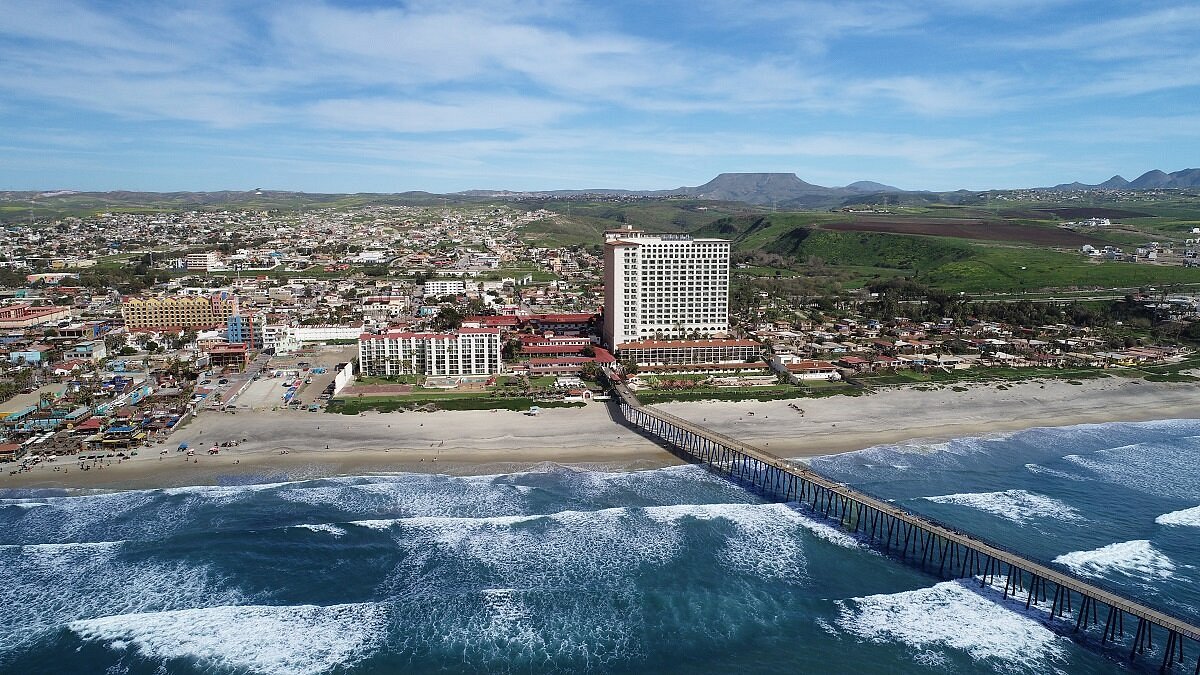
If downing tequila shots and dancing at bumpin’ beachside restaurant Papas & Beer til midnight, then paddling out six hours later sounds appealing, Rosarito Beach is your spot. Often known for its lively nightlife and popularity as a destination for expats, Rosarito can provide fun waves and sandbars to ride if paired with a proper combo swell. Pollution can be a factor here after rainy days, and booties are recommended—not to protect you from submerged hazards, but from a smattering of relics in the sand from partiers and local horseback tours.
Skill Level: Beginner
Type of Surf Break: Beach break
Ideal Tide: Mid
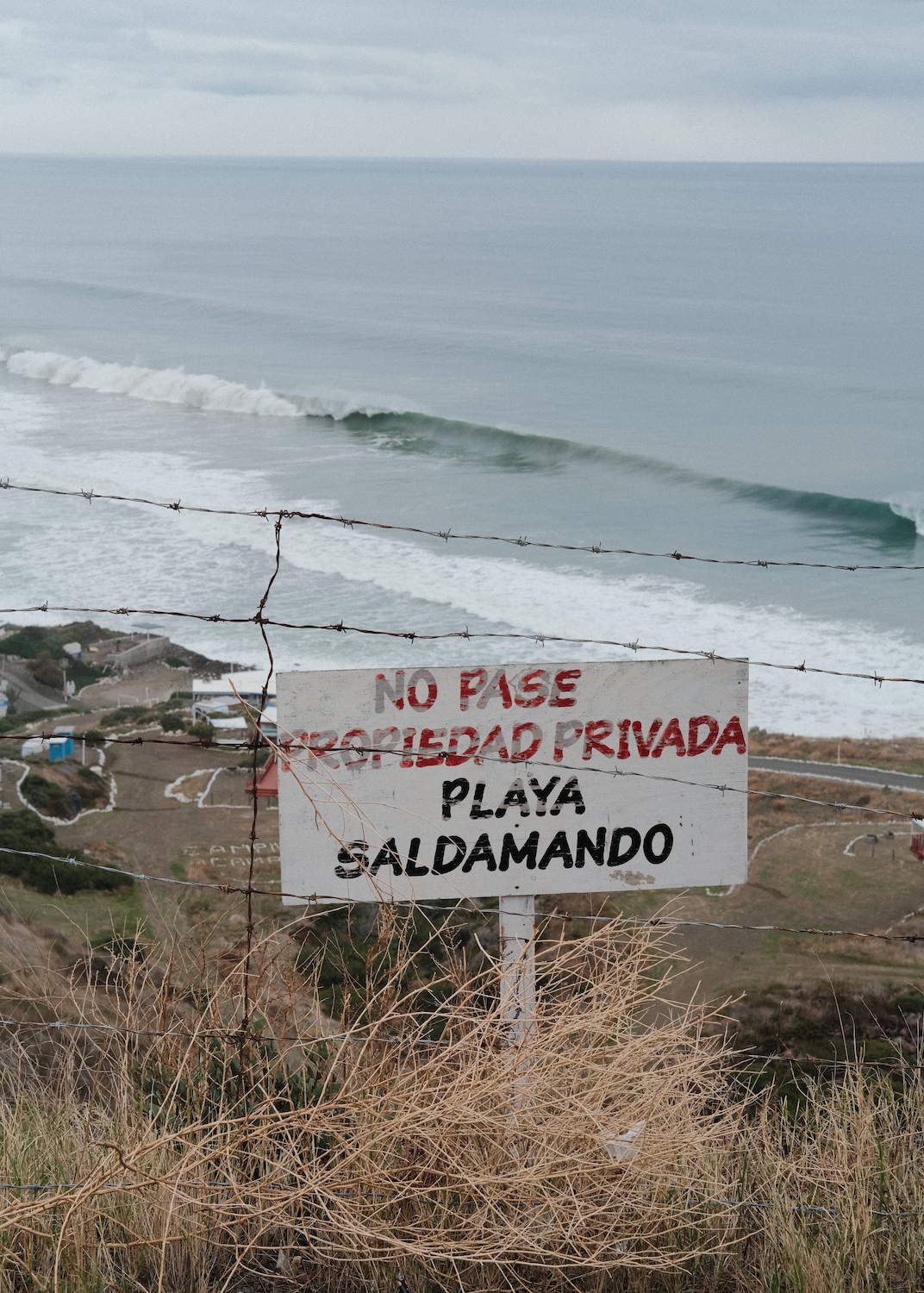
Perched on some of Northern Baja’s steepest cliffs, Salsipuedes translates to “leave if you can.” Heed the locals’ advice and bring a four-by-four vehicle with proper tread, a big wave gun or step-up, and a renewed health insurance policy if you plan on visiting during a powerful southwest swell. Surfers can access this spot through the Playa Saldamando campground for around $19 per night—or via a friend’s boat, if you’re so lucky. Salsipuedes transforms into a surfer’s paradise when bigger swells hit the point. To the north is a fun A-frame breaking over a reef, and further south is a point break with hollow rights sure to evoke Baja euphoria.
Skill Level: Advanced
Type of Surf Break: Point break and reef
Ideal Tide: Low
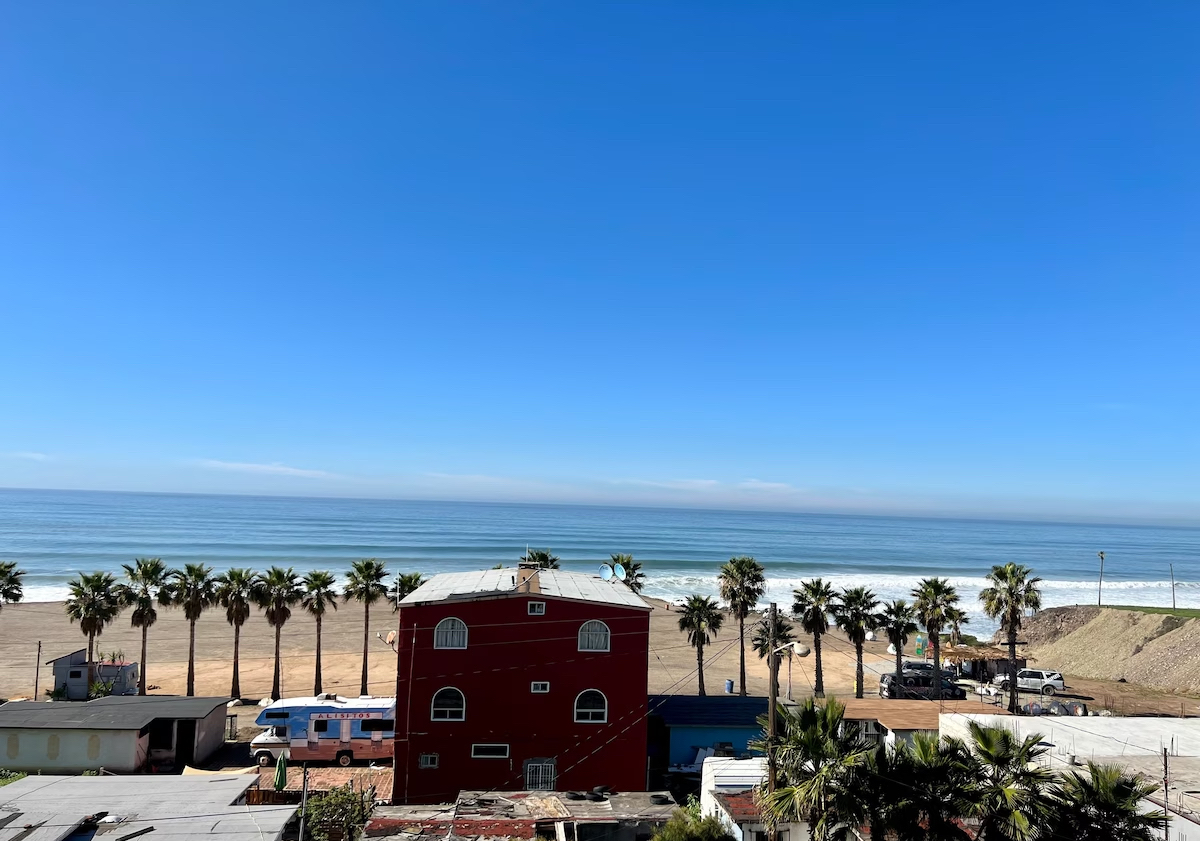
Baja is a regular-footers paradise, home to endless rights, but here’s one for the goofy-footers. This exposed rivermouth point break hosts a left that’s only 58 miles from downtown San Diego. Pay for parking at the Alisitos K-58 campsite, scope the waves from the cliffs, and paddle out to an empty peak (if you can find one). La Fonda is a gem when a solid west or south swell hits and can get crowded when it’s pumping. Visit La Mision for fish tacos and a cerveza in this small pueblo community just a few minutes inland to end a relaxing day of surfing.
Skill Level: Intermediate
Type of Surf Break: Point break
Ideal Tide: Mid
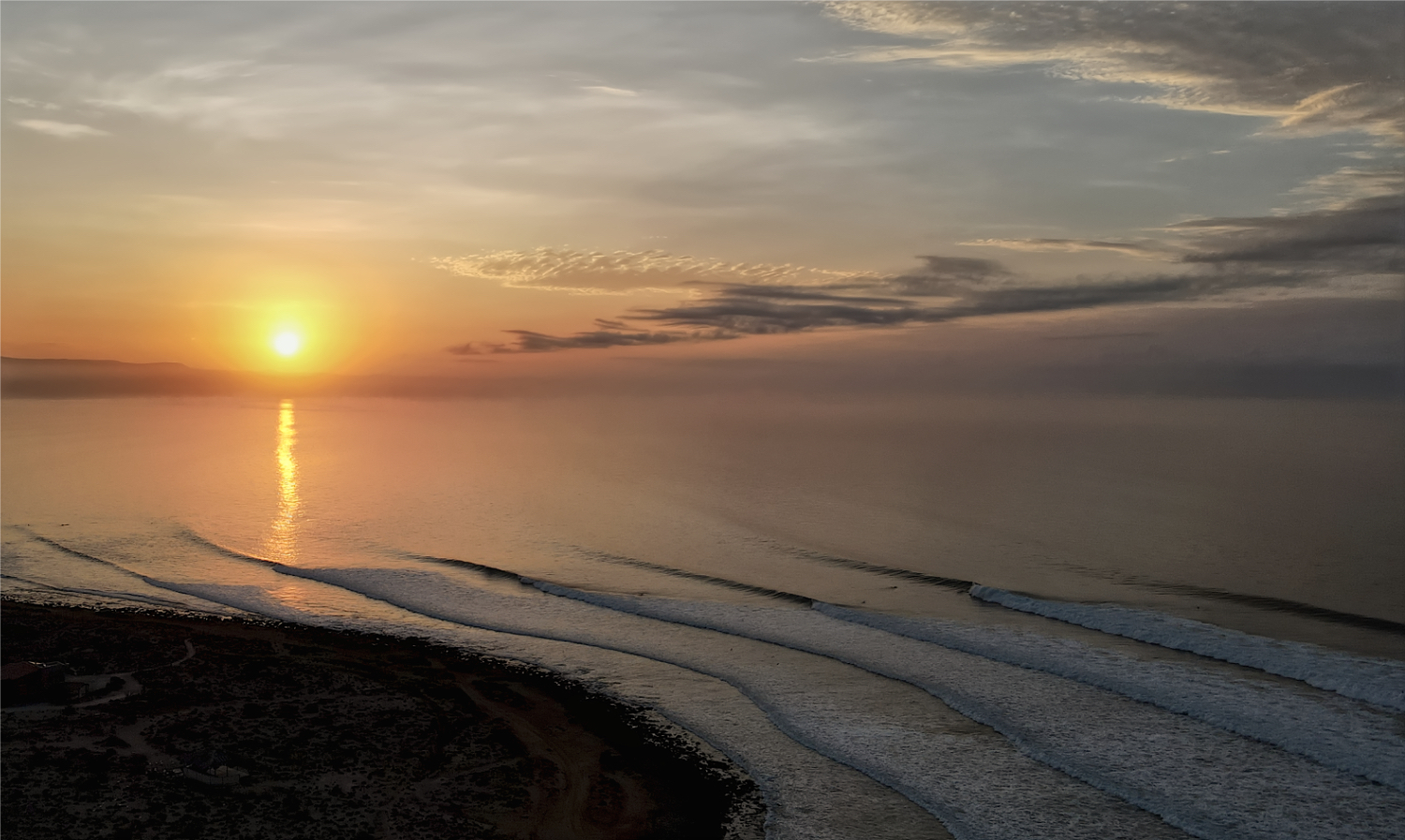
For more seasoned vagabonds traveling down the Baja coastline, stop by Scorpion Bay for a glimpse of longboarding heaven. This point break has been heralded as one of Mexico’s best surf spots, but those drawn there must be prepared for ungraded dirt roads, limited reception, and long stretches of emptiness. Rows of waves curl into this peculiar bay, breaking over a tabletop slab—a mirage in a landscape painted with sand dunes, distant plateaus, and a handful of local fishing vessels. Visitors can camp on the point for around $200 pesos per person for prime beach access or stay in a bungalow in the quaint town of San Juanico.
Skill Level: Intermediate
Type of Surf Break: Point break
Ideal Tide: Low or mid
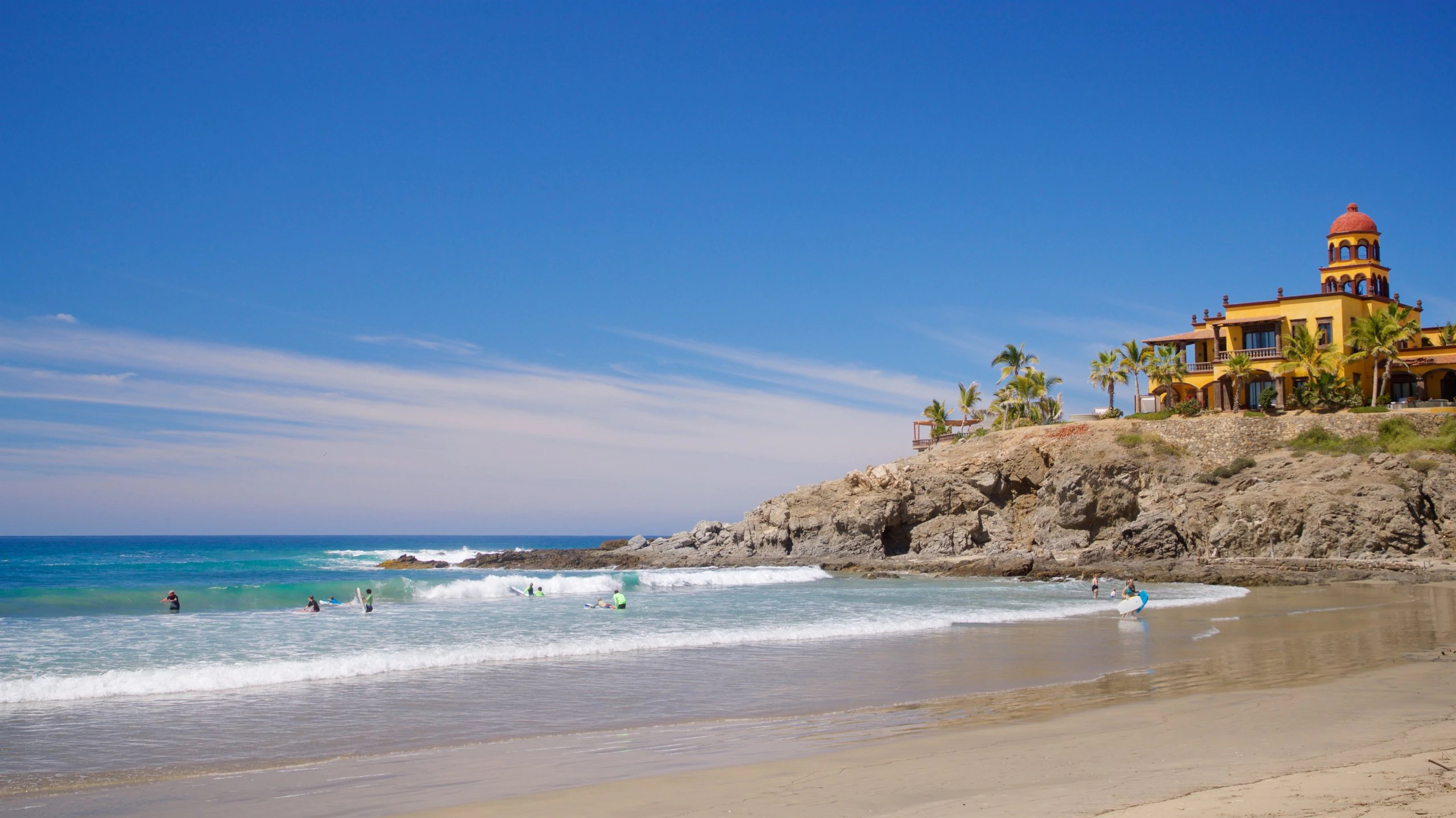
Journey north on your next trip to Los Cabos to ride waves at the pleasant beach of Los Cerritos. The spot, known for its iconic Hacienda Cerritos hotel atop the cliffs, attracts flocks of surfers of all skill levels while providing a sandy beach for land-faring travel companions. The main peak breaks over sandbars, offering mellow waves, while the southern reef peak provides more lip for advanced surfers. After a session, paddle in and grab a few fish tacos and a margarita to enjoy on the water.
Skill Level: Beginner
Type of Surf Break: Beach break and reef
Ideal Tide: Mid to high

Cole Novak is an award-winning writer with a passion for highlighting local figures, small businesses, and nonprofits. Born and raised in San Diego, Cole is passionate about photography, surfing, art, the local food scene, and the great outdoors.
For a city that lives outdoors, these hometown makers understand exactly what your complexion is up against
San Diego has always worshipped at the altar of good skin. Equal parts surf town, biotech hub, and wellness capital, it’s a city where lunch breaks become beach walks and sunscreen sits beside car keys by the front door. The products that get used here earn their place. With 266 sunny days a year and one of the highest rates of skin cancer in the country, we take skincare seriously. Dr. Bronner’s has been making soap in North County since the 1960s. Sun Bum was born in Encinitas and is now on shelves in over 70 countries. The tradition runs deep.
“Living in San Diego means your skin is exposed to sun almost every day of the year,” says Sue Zhang, M.D., a San Diego physician specializing in aesthetic medicine. “The products that tend to succeed here are the ones that can keep up with daily life, UV exposure, sweat, and movement, while still supporting long-term skin health.”
From a mineral powder that solves the sunscreen-over-makeup problem to an acorn oil serum rooted in Indigenous plant medicine, the local San Diego shelf is more diverse, and comprehensive, than most of us realize.

A hydrating gel-oil hybrid that applies like a body treatment and leaves skin with a sheen that reads as healthy rather than oily. La Jolla–founded Kopari built its reputation on cold-pressed coconut oil sourced from family farms in the Philippines, and the Sun Shield Body Glow SPF is exactly that in summer form: coverage that doubles as skincare.

The name is intentional. The founder got a basal cell carcinoma diagnosis that his dermatologist caught—she’s now his business partner. The question he couldn’t shake was why the skincare industry hadn’t yet figured out how to talk to men, and 4-Skin is the answer: a premium sunscreen and skincare line built around the kind of blunt, self-aware humor that gets guys to pay attention. Men’s skincare has needed this for a long time, and the formulas are serious enough to deliver.

Carlsbad-based Coola was formulating organic SPF before “clean sunscreen” was a marketing category, and the Classic Face Sunscreen is the brand’s thesis: protection that disappears into skin and layers cleanly under makeup. Sheer and lightly hydrating, it makes sunscreen easy to reapply before an afternoon walk at Torrey Pines.

Squalane, argan, jojoba, and CoQ10: a short ingredient list that does a lot. The Glow Finishing Oil from Mission Hills wellness sanctuary Saffron and Sage is plant-based, scientifically grounded, and formulated to absorb rather than sit on the skin. The brand started as an integrative health practice where acupuncture, naturopathic care, and functional medicine share a roof, and the skincare line runs on the same philosophy.

The Restorative Skin Complex is powered by TriHex+, a patented peptide blend developed by Carlsbad-based Alastin’s team of SkinMedica veterans. It promises to clear out damaged collagen and elastin while supporting new production, the kind of gradual improvement that makes a product hard to quit.

Beldi is a multi-functional cleansing tradition rooted in Moroccan hammam culture, dating back over 12 centuries. Alia Jouj is the brand’s flagship product, and San Diego–based founder Dr. Mia Chae Reddy built a brand around it. Alia Jouj uses 100 percent organic, cold-pressed argan oil and the same ancient saponification method to produce a honey-thick liquid cleanser that softens skin without stripping it.

Acorn oil has been used by California’s Indigenous communities as plant medicine for generations. Ruth-Ann Thorn, an enrolled member of the Rincon Band of Luiseño Indians, built N8iV around it as the first Native American–owned skincare brand to reach the national mainstream. The Móyla Moon Polish, named for the Luiseño word for moon, is an exfoliant centered on acorn oil Thorn gathers herself each year from the La Jolla reservation. Find it at the Gaslamp Quarter store Thorn owns at the historic Yuma Building.

This product solved the reapplication problem. As a brush applicator, this mineral SPF goes over makeup without disturbing it, which is why it has been on derm-office retail shelves in Carlsbad and beyond for over two decades. The tinted version doubles as foundation.

This steroid-free, petroleum-free eczema treatment was built specifically for babies and toddlers (although grown-ups can use it, too). It’s centered on FDA-approved 1 percent colloidal oatmeal with a base of sunflower seed oil, beeswax, and jojoba. The “linoleic-acid-rich sunflower oil is helpful for atopic, eczema-prone skin that is often deficient in that fatty acid,” says Dr. Zhang. Gentle enough for newborns, safe for daily use, and tested by both pediatricians and dermatologists.

The Mandelic Night Serum pairs mandelic acid, an AHA derived from almonds and gentler than glycolic acid on sensitive skin, with lactic acid, niacinamide, and urea to brighten, smooth texture, and reduce breakouts overnight. Fragrance-free, vegan, cruelty-free. The brand name is the initials of the founder’s five daughters, pronounced like courage. Dr. Zhang also says she “really value[s] [the founder’s] mission to create pregnancy-safe skincare products that are both effective and wallet-friendly.”
Ingrid Yang, M.D., J.D. is a hospital-based physician in San Diego, CA, certified yoga therapist, and longevity specialist. She loves *double hearts* San Diego and spends her days helping people fully engage in long, healthy lives through evidence-based lifestyle medicine. Her books include Adaptive Yoga, Zen Mindfulness, and Hatha Yoga Asanas. When she’s not leading international wellness retreats, she is chasing sunsets, handstanding in nature, or geeking out over mitochondria.
Explore restaurants, activities, and shops within this affluent North County community
The inland North County community of Rancho Santa Fe is often associated with wealth. It’s one of San Diego’s most expensive residential markets and is consistently ranked one of the highest-income zip codes in California and the U.S. Rancho Santa Fe is known for its large equestrian community including riding facilities and horse trails, as well as its country club lifestyle and associated golf courses.
At the center of this luxury master-planned community is a small, walkable downtown area referred to as the “village,” with The Inn at Rancho Santa Fe acting as both a landmark and social hub. Much of the community, including the historic Inn, was designed by acclaimed architect Lilian Rice, one of California’s earliest female architects. The Spanish Colonial-style architecture she brought to the village is still one of its defining characteristics today.
Whether you’re coming to Rancho Santa Fe for golf, horseback riding, or pampering at a resort spa, be sure to start with a short walk around the village to take in the neighborhood’s charm. Plan your next visit here with our neighborhood guide to the area’s best restaurants, things to do, and shopping.
Jump To: Restaurants | Things to Do | Shopping

Families congregate at The Pony Room for elevated California ranch-style cuisine. Lamb lollipops, carne asada tacos, burgers, and weekly dinner specials are offered here, alongside an extensive collection of wine and spirits (especially tequila) and sizeable kids menus. As the signature restaurant of Rancho Valencia Resort & Spa, this all-day eatery is a lively centerpiece of the local social scene.
5921 Valencia Circle
The piano bar at Mille Fleurs is the buzziest spot to be on Friday and Saturday nights in Rancho Santa Fe. French classics like escargot, lobster bisque, duck confit, and steak frites are the main dinner attractions at this local institution that has been around for more than 40 years. Spring for the four-course prix fixe menu before nabbing a coveted bar seat near the piano entertainer.
6009 Paseo Delicias
Nick & G’s is one of the most prominent restaurants in the village, with an outdoor patio that overlooks the main thoroughfare. Enjoy modern Italian food, steaks, and seafood dishes here, including homemade pasta, pizza, wagyu beef, and oysters. Be sure to check their live music schedule and events calendar for the latest happenings.
6106 Paseo Delicias
Named after renowned architect and planner Lilian Rice, Lilian’s is The Inn at Rancho Santa Fe’s flagship restaurant. Their upscale menus feature sustainable seafood, grass-fed meats, local produce, and even sushi rolls during dinner. Outdoor seating provides a bird’s-eye view of the village and an elegant backdrop for weekend brunch. Stop by Bing’s Bar (a nod to Bing Crosby) for craft cocktails, beer, wine, and light bites in a refined setting.
5951 Linea Del Cielo
Quaint cafe and bakery Thyme in the Ranch serves a small selection of breakfast and lunch items (don’t miss the tarragon chicken salad), but is perhaps best known for its pastries and baked goods. Cakes, pies, muffins, scones, and cookies fly off the shelves here, where locals come for special occasions, parties, and group catering orders.
16905 Avenida De Acacias
Located inside a historic building once home to Rancho Santa Fe’s original schoolhouse, Paseo RSF is one of the village’s newest dining options. The charming American bistro has pasta, salads, burgers, meat and seafood entrees, plus a thoughtfully selected California wine list and new sushi and omakase program. Kids and dogs are both welcome here.
6024 Paseo Delicias, Suite C
Grab a quick coffee to go from this walk-up window in the same shopping center as the post office. Cinnamon roll lattes, cold brew, spiced chai, smoothies, protein bowls, and more can be found at Rancho Roasters, where they brew beans from Dark Horse Coffee.
16950 Via De Santa Fe
Casual pizzeria and martini bar Goli is a popular spot for catching the latest sports games. Order one of their unique specialty pizzas like the Casbah with hummus and veggies, build your own pizza or burger, or go with one of their hearty wraps that’s made with an extra thin version of pizza dough.
18021 Calle Ambiente, Suite 403
Find generous portions of Mexican food at Cocina del Rancho, run by the same owners as Carlsbad’s Cicciotti’s Trattoria Italiana and Village Kabob. Get classic dishes like burritos, tacos, and enchiladas, plus their specialty items including pulpo, carne asada, and fajitas with lobster tail. Don’t skip the margaritas.
16089 San Dieguito Road
Kai Oliver-Kurtin is a San Diego-based writer who covers travel, dining, events, and culture. Her writing has been published in USA Today, Condé Nast Traveler, Fodor's Travel, Marie Claire, and HuffPost, among others.
Free and low-cost options for getting in on the pop culture action outside of the convention center’s walls
It’s happening, San Diego. The pre–Comic-Con excitement jitters begin to creep in as soon as July hits the calendar. But for those who forgot to set an alarm on registration day, whose batteries died or whose luck ran out in the virtual waiting room, or who simply prefer to soak up the fandom frenzy from the outside, we’ve got the best ways to experience Comic-Con weekend—no badge required.
Ain’t no party like an after-hours party, and XLE Productions’ Ready Party One is definitely one for comic book fans. Kick-start your convention weekend at Parq Nightclub and enjoy music by fan-favorite ’80s tribute band The Flux Capacitors, along with enough fandom fun, cosplay, retro gaming and pop-culture nostalgia to satisfy your inner geek. At least for the night.
Date & Time: Wednesday, July 22, 8 p.m.
Location: Parq Nightclub, 615 Broadway, San Diego, CA 92101
Price: Tickets start at $34
With more than a dozen activities and brand activations, Petco Park’s Interactive Zone is a badgeless fan’s playground, bringing together brands, games, celebrity appearances and immersive experiences all in one place. On Friday, July 24, Funko’s beloved annual party, hosted by Funko founder Mike Becker, returns to Gallagher Square. This year’s “Quest for the Grail” event will take guests on a journey to the sunken city of Atlantis. Expect themed décor, food, drinks, games and special guest appearances.
Date & Time: Thursday, July 23–Sunday, July 26 (times TBD)
Location: Lexus Premier Lot across from Petco Park
Price: Free; Funko Funday event is ticketed
Cartoon and art lovers can celebrate the work of Chuck Jones, creator of some of animation’s most iconic characters, including Bugs Bunny, Daffy Duck, Road Runner, Wile E. Coyote and Pepé Le Pew, at Seaport Village’s Chuck Jones Gallery. During Comic-Con weekend, the showroom will also host meet-and-greets with talented artists including Disney artist and seascape painter Steve Barton, The Simpsons animator Stephen Reis, and licensed Warner Bros., Hanna-Barbera and Disney fine artist Ben Olson.
Date & Time: Thursday, July 23–Saturday, July 25, 2026 (times TBD)
Location: Chuck Jones Gallery, 809 W. Harbor Drive, San Diego, CA
Price: Free
Get your pup’s—and your own—cosplay game ready because Helen Woodward Animal Center’s PAWmicon is back. Enjoy a Comic-Con-themed outing with the whole family while raising awareness for orphaned pets in San Diego. Divided into three categories—Flying Solo, Dynamic Duos & Trios & More, and Fantastic Floats—the event is a paw-fect way to jump-start the festivities.
Date & Time: Tuesday, July 21, 2026, 4:30–7 p.m.
Location: Presidents Way Lawn at Balboa Park
Price: Free
Why leave all the fun, mischief and mayhem to badge holders when you can join more than 300 partygoers and crawl through some of downtown San Diego’s top bars and nightclubs? Whether you’re called to save the universe or have an allegiance to the dark side, the annual Comic-Con Bar Crawl gives attendees exclusive access to more than 20 venues throughout the Gaslamp Quarter, with free welcome shots, exclusive drink discounts and complimentary entry along the way. This event for ages 21 and older is a fun way to celebrate your fandom outside the convention center.
Date & Time: Friday, July 24–Sunday, July 26, 2026, 8 p.m.–2 a.m.
Location: Check-in at Toro, 672 Fifth Ave., San Diego, CA 92101, from 8–9 p.m.
Price: $13–$30
Geek out over couture at the annual Her Universe Fashion Show at the Manchester Grand Hyatt. Hosted by founder and Star Wars: The Clone Wars actress Ashley Eckstein and presented by Warner Bros. Discovery Global Consumer Products, this year’s show will feature a selection of designers showcasing one-of-a-kind DC-inspired creations as they compete for a $2,000 cash prize.
Note: Wristbands are traditionally distributed the morning of the event on a first-come, first-served basis, but official details have not yet been announced.
Date & Time: Thursday, July 23, 6 p.m.
Location: Manchester Grand Hyatt, Seaport Ballroom, 1 Market Place, San Diego, CA 92101
Price: Free
A destination for all things fandom, Balboa Park’s Comic-Con Museum brings world-premiere and exclusive exhibits and events to the heart of San Diego, giving fans a place to geek out all year long. The museum is currently featuring the U.S. debut of Doctor Who Worlds of Wonder, showcasing 17 of the Doctor’s most iconic costumes, a full-size TARDIS and a collection of original sonic screwdrivers used on-screen. Visitors can also explore Sangre, Sudor y Mito: The Art and Tradition of Mexican Lucha Libre, featuring rare collectibles and authentic masks and costumes worn by legendary luchadores.
Date & Time: Open Thursday through Tuesday (closed Wednesdays), 10 a.m.–5 p.m.
Location: 2131 Pan American Plaza, San Diego, CA 92101
Price: $15–$30; free for children younger than 6
Browse an extensive collection of original drawings, paintings, jewelry and other whimsical creations from more than 100 professional and amateur artists at the Comic-Con Art Show. Many pieces will be available for purchase through the silent auction or Quick Sale, giving fans the chance to take home a one-of-a-kind Comic-Con souvenir while supporting talented artists.
Dates & Times:
Location: Manchester Grand Hyatt, Grand Hall CD, 1 Market Place, San Diego, CA 92101
Price: Free
Looking for a supercute way to fuel your Comic-Con adventures? Swing by the Hello Kitty Café Truck. This traveling pink café on wheels will be parked at Petco Park’s Interactive Zone, serving up tasty treats and exclusive merchandise. From limited-edition tote bags and hats to mugs and T-shirts, it’s the perfect stop to grab a snack and a little extra kawaii cuteness.
Date & Time:
Location: Petco Park Interactive Zone, 100 Park Blvd., San Diego, CA 92101
Price: Menu items vary
Get ready to fuel up and hype up. Whether you’re a plain-bagel purist or an everything-bagel fan, don’t miss your chance to grab breakfast or recharge at PopUp Bagels’ Volkswagen bus parked outside Pendry San Diego. Then satisfy your sweet tooth at Provisional with a rotating selection of character-themed doughnuts from Donut Bar. Both are available throughout the weekend beginning at 7 a.m. until sold out.
On July 24 and 25 from noon to 4 p.m., head to Nason’s Beer Hall for photo ops to celebrate Sony Pictures’ upcoming Spider-Man: Brand New Day. Guests can sample Tom Holland’s nonalcoholic beer brand, BERO, served in limited-edition themed cans available exclusively during the event.
Camila Ibarra Gallego is a CaliBaja native pursuing a master's degree in culinary journalism at the Basque Culinary Center. Shaped by the culturally rich, bicultural megaregion, she's passionate about sniffing out stories that connect people, territory and culture through food. When she's not tumbling down internet rabbit holes, you can find her pretending to be a wine connoisseur at a local wine bar or nose-deep in a good book.
NOW CFO provides scalable, on-demand accounting and finance support to companies ranging from pre-revenue startups to billion-dollar businesses
Entrepreneurs typically launch businesses because they’re passionate about a product or service, not because they want to manage its finances. While working to carve out a niche in their respective industries and drive their companies forward, many business owners find themselves bogged down by day-to-day accounting. Their existing accounting tools don’t provide the necessary visibility or insight, and they don’t have the time or resources to hire additional staff or a chief financial officer. That’s where NOW CFO comes in.
For more than 20 years, NOW CFO has been pairing businesses across the country with experienced accounting and finance professionals. Its outsourced model allows clients to customize solutions that match their individual needs, size, and financial challenges, whether that’s fractional or interim support, project-based services, or full-time placement.
NOW CFO’s clients range from startups preparing for rapid growth to established companies that need additional financial leadership without the commitment or expense of building an in-house team. However, many of these companies don’t fully understand their needs until they experience a “trigger” event: preparing for an acquisition or capital raise, navigating a first-time audit, or another period of transition. With a team of over 300 consultants nationwide, NOW CFO can start quickly and match the right expert to the right business.

“It’s important for companies to have financial visibility, and we can help them avoid a lot of the potholes that companies often run into,” says Mariah Block, a partner at NOW CFO’s San Diego branch. “Roughly half of our clients have an in-house finance person or department, and we’re resourced for more bandwidth when they need an extra set of hands at the staff or senior accountant level, or the controller or CFO level. Some clients use this a few hours a month and others use multiple people close to full-time. Our model is solution-based and customizable. We’re like a faucet you can turn on and off.”
With NOW CFO, there’s no one-size-fits-all approach. Solutions are based on the client’s individual goals, challenges, needs, and budget, meaning a client never pays for more than they need. Whether it’s a few hours of executive-level guidance or a full accounting team to support daily operations, NOW CFO meets businesses where they are and grows alongside them.
“We pride ourselves on providing our clients with the right resources at the right rate and being able to evolve as their needs evolve,” says Block.
And clients appreciate on-demand access to cost-effective support designed to improve performance and profitability.
Luxury car storage service Auto Concierge has partnered with NOW CFO to support growth over the past year. The arrangement began with a staff accountant who covered a leave of absence, but as the client’s needs changed, they also added a controller role. This allowed Auto Concierge to put effective processes in place and navigate operational challenges. Lori Church, Auto Concierge’s chief operating officer, says NOW CFO has been an “outstanding resource” and a “true strategic partner.”
“From the controller to the bookkeeper, every professional they’ve placed has brought a high level of expertise, responsiveness, and professionalism to our organization. Their team took the time to understand our business of high-profile clients and needs, adapted quickly to our fast-paced environment, and became a trusted extension of our team,” she says. “As Auto Concierge continues to grow, having a reliable financial partner like NOW CFO has allowed us to strengthen our financial and business operations while remaining focused on delivering exceptional service to our clients.”
A massive $1.3 billion construction project is slated to improve the border-crossing process—will it live up to its expectations?
You’re coasting home after a weekend in Rosarito Beach—still riding the high of vitamin D and Baja Med—and then comes a slap back into reality: brakelights and gridlock exhaust.
Small wonder, given that San Ysidro is the busiest land border crossing in the western hemisphere (fourth-busiest in the world). Otay Mesa’s no breeze either; it’s the busiest commercial port in California and second-busiest across the entire southern border. Smart Border Coalition says that each day last year, 41,800 vehicles crossed into the US at San Ysidro; 17,800 crossed at Otay Mesa, along with 1,023,000 commercial trucks.
Diana Pazos, a San Diego resident and adolescent psychiatrist working in Tijuana, says the northbound border wait at the San Ysidro crossing is often three to five hours Saturday through Monday—delays that modern humans and multinational maquiladoras alike aren’t built to endure. At the current Otay crossing, “commercial trucks may be in line for six hours or longer,” she says.
Needing to bake a couple hours of commute into the States doesn’t just affect vacations; tens of thousands of people cross the border each day for doctor’s appointments, work, school, you name it. The clog has personal and commercial ramifications.
But change is coming. Construction has begun on a new border crossing in Otay Mesa, which is expected to significantly reduce wait times across all San Diego border crossings, bolster binational trade, and improve the air pollution levels in the area.
Nikki Tiongco, an 18-year Caltrans veteran who oversees the Otay Mesa East project (aka Otay 2) for the agency, says the new border crossing will also be among the most high-tech, efficient, and secure border crossings in the nation.
“We have already completed the roadway network within the Otay Mesa East region,” says Tiongco. Part of this project included building State Route 11, an extension of SR 905, which has been open to the public since August and will feed traffic to the new entry port. Otay 2 comes with a 21st century upgrade, too. Miles of fiber-optic cables have been installed underground, which gives the port the brainpower to efficiently sort and streamline traffic as cars approach the border. (Unlike the San Ysidro border, where lanes get organized by vehicle type, Otay 2’s lanes will be interchangeable. For example, if the system indicates that a high number of commercial trucks is heading to the border, passenger lanes could be converted to cargo lanes in real time.)
Otay 2, driven by a binational collaboration among government agencies (Caltrans, SANDAG, General Services Administration, and U.S. Customs and Border Protection), receives both federal and state funding, plus hefty contributions from Mexico. So far, funds from the $1.3 billion project have helped build new bridges and roadway interchanges that will guide traffic to the crossing. At this stage in the process, Caltrans is “laser-focused on building the facility itself,” Tiongco says.
Now, to the juicy part: the prospect of a “20-to-30-minute border wait time” at Otay 2, according to Tiongco. Currently, there are three standard ways to cross the border at San Ysidro: Ready Lanes, General Lanes, or SENTRI Lanes. Most travelers use either the Ready or General lanes. SENTRI Lanes require a form of pre-approval from the US federal government plus an additional fee. According to CBP, the average wait time in 2025 at the San Ysidro crossing, was as little as 15 minutes in the SENTRI Lanes, 45 minutes in the Ready Lanes, and 1.5 to 2 hours in the General Lanes. Those are best-case scenarios that vary based on lane type and time of day.
Otay 2 is about 12 miles east of the San Ysidro crossing and 2.5 miles east of Otay 1. Those not wanting to spend that much extra time on the road to drive to the new border crossing, despite the allure of an under-30-minute wait, are still expected to see some benefits. Tiongco says Otay 2 will “provide a relief valve” overall by spreading the burden across the three border crossings. As a result, SANDAG says, wait times at San Ysidro and Otay 1 could be cut in half.
It’s not just your time waiting at the border that matters. Multinational corporations that relocated their manufacturing plants (maquiladoras) to Northern Baja have claimed for years that the long delays at Otay 1 eat away at their profits. More than 600 maquiladoras, used by companies such as Samsung and Panasonic, currently use Otay 1 to transport products to US and international markets. Ambassador Alicia G. Kerber-Palma, the consul general of Mexico in San Diego, says the project will facilitate more than $60 billion in cross-border trade annually.
Previous reports say that Otay 2 also has the capacity for around 12,000 passenger cars and 1,500 commercial trucks daily. A shiny, new element to this port: Commercial and personal vehicles that choose to cross will pay a dynamic toll on both sides of the border. The fee will increase during busy hours and decrease during slower periods, Tiongco says. Caltrans estimates that the toll could range from $4 to $30 for passenger vehicles and higher for commercial trucks. Drivers will be able to see current rates before they reach the actual border crossing.
And, with these changes, there are environmental benefits, too. “With shorter wait times at all three ports, there’s less idling and congestion, which should significantly reduce air pollution on both sides of the border,” says Kerber-Palma. The main factor driving improved air quality would be decreasing dirty emissions from idling diesel trucks. This county’s air could use some sprucing up, anyway. A 2026 report from the American Lung Association named San Diego as the fifth-most particle-polluted county in the US. The bulk of that dirty air comes from the heavy-duty trucks and ships that pass through the area.
Otay 2 is not only expected to curb the acceleration of air pollution in San Diego; if the state’s legislature passes California Senate Bill 10, the border crossing could also restore local water quality. This bill would use a portion of Otay 2 toll revenues to fund ongoing maintenance of the South Bay International Wastewater Treatment Plant. Current media reports say, however, that it’s increasingly unlikely that SB 10 will become law.
Otay 2 has been in the works for over two decades and is finally nearing the finish line. Construction estimates show that it should be up and running in 2029. Tiongco says this border crossing is “a good example of how the state, federal and local governments are working together and with Mexico to advance our mutual goals in the region.”
Adam is a longtime San Diego journalist and communications pro. He covers everything from politics and culture to surfing and business.
The Carlsbad-based concept has exploded nationally by turning men’s health clinics into man caves
Rub some dirt on it. Walk it off. Be a man. The tropes and reasons for men ignoring their health and doing preventive care are many, reinforced by action heroes and generational norms. As a result, compared to American women, American men live an average of five years less, seek healthcare treatment half as often, and die by suicide nearly four times more often.
Many national campaigns have tried to change this. This year’s “Relax Your Tight End” ad from Novartis during the Super Bowl—in which NFL legends advocated for early prostate cancer screenings—was a high-profile example. Meanwhile, in San Diego, Evan Miller seems to have figured it out.
Miller founded Gameday Men’s Health in 2018 as a small clinic in Carlsbad. The idea was to create a space men would actually want to spend time in. So he built Gameday to feel more like a sports bar or a man cave—snacks, sports on oversized, high-def flat screens in the waiting room. He personalized the care for each client, made the experience more casual, and, above all, efficient. If the wait for payoff is too long, Miller says, men won’t show up for their health.
“We need to feel better quick,” he says. “So that’s where the real hook with Gameday is: It’s fast; it works quick.”
The idea has worked. Big time.
Gameday now has 430 locations spread across 46 US states and parts of Canada, with hundreds more set to open over the next three years.
Prior to Gameday, Miller—who has a Ph.D. in clinical psychology—ran Akua Mind Body, an addiction treatment center in Newport Beach. After selling the center, Miller says he searched for a new way to help his community.
He drew from his behavioral health training and dispiriting past experiences with “sketchy” men’s clinics, albeit with a slightly different concept at first.

“My original idea for Gameday, funny enough, was men’s group therapy,” Miller says. “I wanted to put it in this ‘man cave’ environment because I knew guys wouldn’t show up otherwise.”
Initially envisioned as safe spaces to encourage men to open up emotionally, Miller pivoted to a more clinical approach with an athletic design that personally appealed to him. Soon, it evolved into a one-stop shop of compounded medication treatments for weight loss plans, hair loss treatments, anti-aging injections, sexual wellness strategies, and testosterone replacement therapy. The hotly debated trend of peptides—mini amino acid proteins that the FDA has yet to approve—has become a popular feature.
New patients undergo in-clinic assessments for testosterone and prostate levels with the goal of producing test results in just a quarter of an hour. “Our philosophy with our treatments is we only do what the research supports,” Miller says.
An Orange County native, Miller found Carlsbad to be a natural headquarters. He found a much bigger market in coastal North County of men seeking a boost—both in their marriages and their overall livelihoods. The pandemic proved to be a watershed moment, with front-yard gyms and outdoor, highly visible exercise sparking a wave of self-care. According to Cleveland Clinic, after the pandemic, about 20 percent of men started to exercise more and eat healthier, with a quarter of men reporting they scheduled more sleep and spent more time with family.
“When Covid happened, [suddenly] everyone looked in the mirror and was like, ‘I need to take care of my health; I have to do everything possible to get in shape,’” Miller says.
Two years after Gameday first began, Miller opened a second clinic in Temecula, followed by locations in Laguna Beach and Newport. Demand kept coming, so they started franchising in 2023. They sold 1,000 licenses in the first year. By 2025, they had over 400 clinics across the country.
When asked about the rapid growth, Miller cites the feedback he received along the way: “People were so excited about men’s health, cash-pay medicine, and not having to wait for insurance. They understood the model. It was for guys; it felt like ESPN meets healthcare.”
Now Miller says Gameday is starting to map out a global expansion—to Europe, Latin America, and the Middle East. Since the company first cultivated a following, Miller says there have been persistent questions about whether Gameday would ever expand its focus to include women. Their answer: Her Way.
“We only offer a very narrow menu, almost like In-N-Out Burger, because we stay in our lane, we do it really, really well, and we gain trust that way,” Miller says. “So we created the Her Way model to do the same thing for women [that] we’ve done with men.”
Her Way Health & Hormones launched in 2024 in clinics with more neutral and calming décor. With locations in Carlsbad and Mission Valley, it will officially start franchising this summer. Miller seems incapable of thinking small and expects around 1,000 Her Way locations to open nationwide within a few years.
Ryan Hardison is a freelance arts and entertainment writer and recent graduate of San Diego State. When he's not staring at his laptop, he's likely eating an adobada burrito or getting sunburnt at the beach.
The William and Mary Jane Rohn Brain Tumor and Brain Metastases Clinical Care and Research Program provides expert care and innovation
Central nervous system tumors are some of the most complex conditions in medicine. Scripps Cancer Center committed to expanding its neuro-oncology services, and has recruited some of the top medical professionals in their field, including neurosurgeon Jeremy Ciporen, MD, and neuro-oncologist and researcher Tresa McGranahan, MD, PhD. But that was just the start. Expert nurses, sophisticated imaging and surgical equipment were also added with philanthropic support. Most importantly, Scripps Cancer Center designed a program that puts the patient at the center of it all. Click here to read more about Scripps’ neuro-oncology program, and here for more on the pair of donors for which it’s named.
For more nutrition, wellness, and healthy living tips, sign up for the San Diego Health newsletter here.