




Featured articles
Food & Drink
Food & Drink
Food & Drink
Featured articles
Things to Do
Features
Features
Featured articles
Things to Do
Things to Do
Everything SD
Featured articles
podcast-ep
podcast-ep
podcast-ep
Featured articles
Features
Features
Features
Featured articles
Things to Do
Food & Drink
Partner content
Ready to know more about San Diego?
SubscribeReady to know more about San Diego?
Eat a beachside brunch at Duck Dive, have a country Christmas with Sara Petite at The Casbah, and watch a holiday marathon of The Office at Rooftop Cinema Club
Want a festive weekend in San Diego? We’ve got yearly yuletide events like the Golden State Ballet’s production of The Nutcracker, plus new traditions like Project [BLANK]’s Fates, Boots and Bob, which introduces an alien adventure into the Christmas canon. Of course, that’s not all of San Diego’s seasonal shindigs. The Vandals will play rowdy holiday tracks at the House of Blues and Exclusive Collection Gallery will exhibit original Grinch drawings by Dr. Seuss, in addition to 10 more can’t-miss happenings.
Food & Drink | Concerts & Festivals | Theater & Art Exhibits | More Fun Things to Do
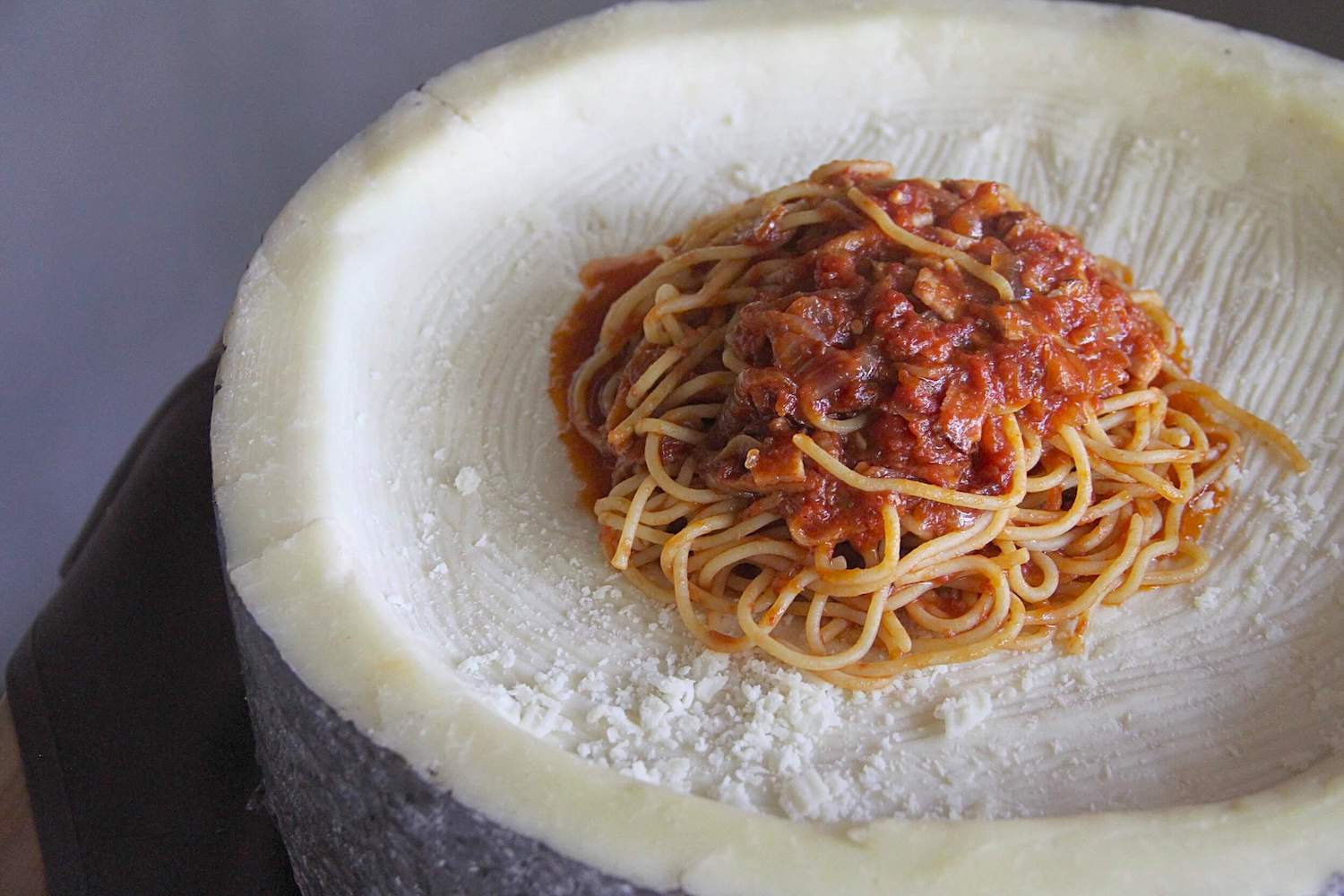
Chef Fabrizio Cavallini and GBOD Beverage Director Ryan Andrews will lead a four-course pairing dinner at Monello featuring Woodford Reserve Bourbon this Friday at 7 p.m. Guests will dine on handmade pasta and sip bourbon-infused cocktails. Andrews will also explore the history and production process of the whiskey. This meal is $125 and only open to 24 guests. To RSVP, you must submit a $50 reservation deposit.
750 West Fir Street, Little Italy
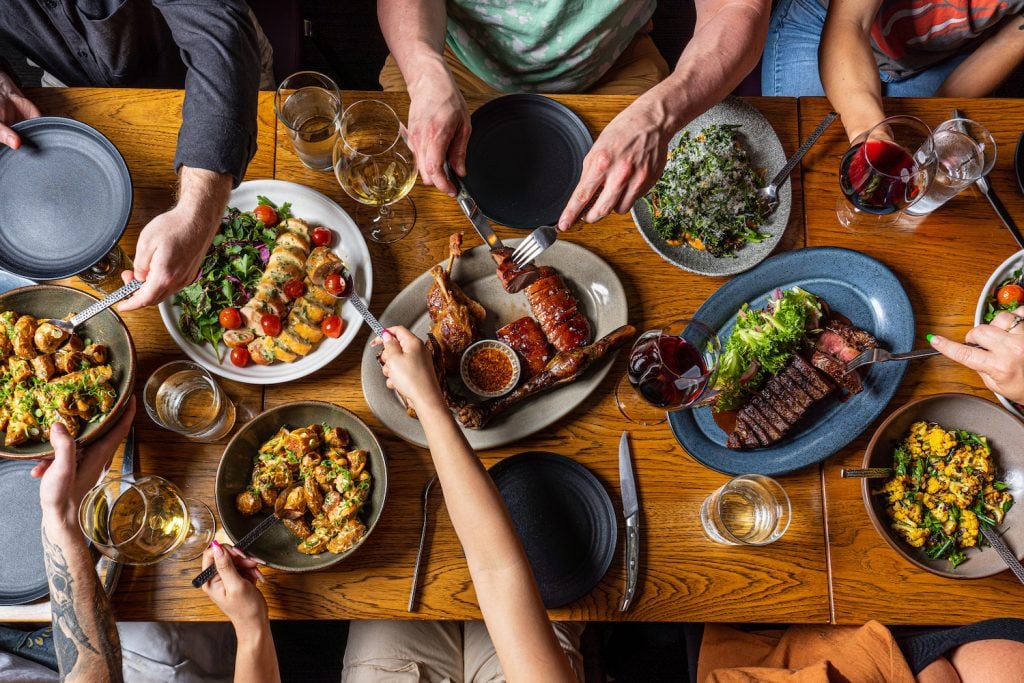
Enjoy a cozy meal in Pacific Beach at Duck Dive’s annual Holiday Onesie Brunch from 10 a.m. to 2 p.m. Come in your most comfortable onesie or pajamas and indulge in sweet and savory breakfast items like chorizo potato hash and stuffed French toast. Buying an entrée gets you $19 bottomless mimosas, also available until 2 p.m.
4650 Mission Boulevard, Pacific Beach
Spend your Winter Solstice at Garibaldi‘s fun and frosty Coastal Chill event at 4 p.m. this Saturday on the third floor of InterContinental San Diego. The event includes music from DJ Ayla Simone, luxe winter parkas, a snow machine, heaters, and an all-you-can-eat buffet that features oysters, lobster, and mussels. Also included in the ticket price are bottomless Amaro hot chocolate and Mediterranean s’mores with a dessert wine pairing, as well as an intention-setting station, where every card completed marks a $1 donation to the conservation nonprofit Wildcoast. Tickets can be purchased on Resy for $85.
901 Bayfront Court, Downtown

Legendary hip hop groups from opposite coasts—Brooklyn-based Digable Planets and LA’s The Pharcyde—will collide for a night of alternative rap at The Sound this Thursday at 8 p.m. Tickets start at $61 for this concert.
2260 Jimmy Durante Boulevard, Del Mar
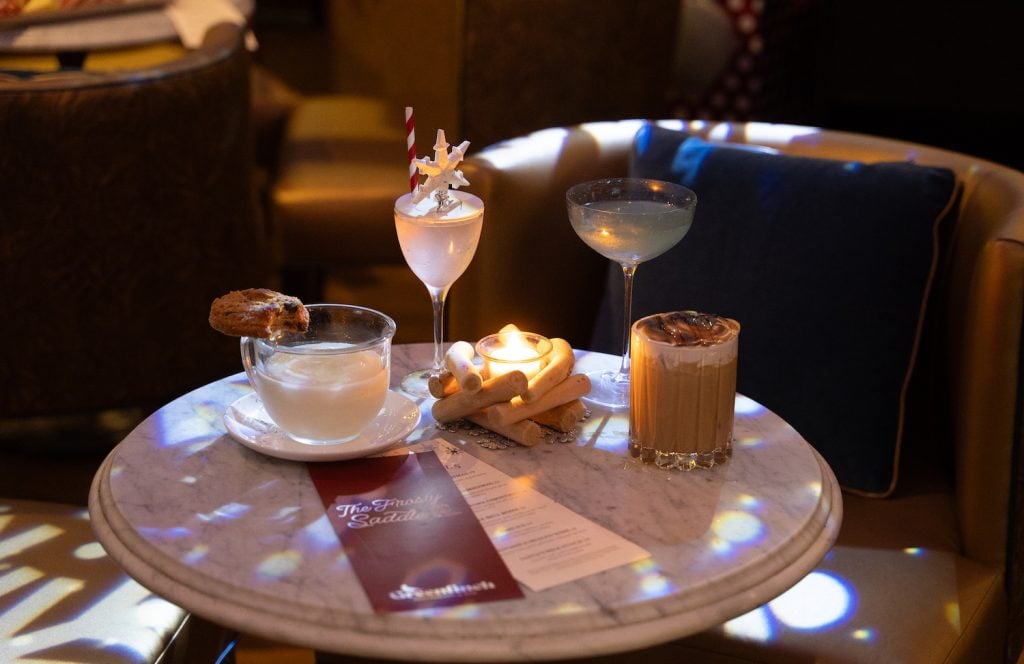
Orange County–bred punk rockers The Vandals have always had a soft spot for Christmas, dating back to their 1996 holiday album Oi to the World! This year, the band is bringing its annual Christmas Formal concert to San Diego this Friday night at the House of Blues. Tickets start at $42 for this show.
1055 Fifth Avenue, Gaslamp
This Friday at 7:30 p.m. at the Balboa Theatre, Las Posadas will tell the story of Mary and Joseph’s journey to Bethlehem and the birth of Jesus through traditional Mexican carols and American holiday tunes. Tickets start at $34.
868 Fourth Avenue, Gaslamp
Local americana artist Sara Petite will channel the country storytelling of the legendary Loretta Lynn in a performance with her band and some special guests this Sunday at 6 p.m. at The Casbah. Petite will debut her track “Honky Tonk Angel” and sing a handful of Christmas essentials in this intimate performance. Tickets are $20 for this concert.
2501 Kettner Boulevard, Harborview

Ted Geisel, known to readers worldwide as Dr. Seuss, penned iconic children’s books like How the Grinch Stole Christmas! In the new Merry Grinch-Mas exhibition from Exclusive Collection Gallery’s The Arts of Dr. Seuss collection, the gallery will display private images featuring Seuss’ beloved green grump, including works signed by his wife, Audrey Geisel.
621 Fifth Avenue, Gaslamp
This Friday at Bread & Salt Gallery, performers from Project [BLANK] will present the intergalactic comedy Fates, Boots and Bob: A Hijacked Hootenanny Holiday Hullabaloo. It’s A Christmas Carol with several twists, including an extraterrestrial visitor and a piece of sacred toast. This event has all-in pricing—you can choose your cost, from $5 to $50. Attendees are also invited to bring items like new clothing, undergarments, reusable water bottles, and non-perishable food items to donate to Border Angels.
1955 Julian Avenue, Logan Heights
Travel to the Land of the Sweets with Clara and the Nutcracker Prince at Golden State Ballet’s production of The Nutcracker at the Civic Theatre. There will be five performances of The Nutcracker this weekend. Tickets start at $48 for this timeless holiday ballet.
1100 Third Avenue, Downtown
The Lighthouse Players offer a musical version of A Christmas Carol with period-era costumes and a live orchestra this weekend. There will be performances on Saturday and Sunday at 2 p.m. and 7 p.m. at The Bornemann Theatre. Tickets range from $25 to $35 and can be purchased here.
555 Deer Springs Road, San Marcos
Test out your putt-putt skills this Wednesday from 4 to 9 p.m. as Swing Social sets up 18 holes of mini golf in the Gaslamp. Golfers can enjoy nearby food and drink specials, such as $16 draft beers and $10 Wagyu smash burgers and fries at Swing Social, long happy hours at Huntress (6 to 9 p.m.) and Lumi (4 to 9 p.m.), and $12 Wagyu sliders and spicy chicken sliders at Rustic Root. Tickets for this all-ages pop-up are $20; ticket prices will rise to $39 the day of the event.
527 Fifth Avenue, Gaslamp
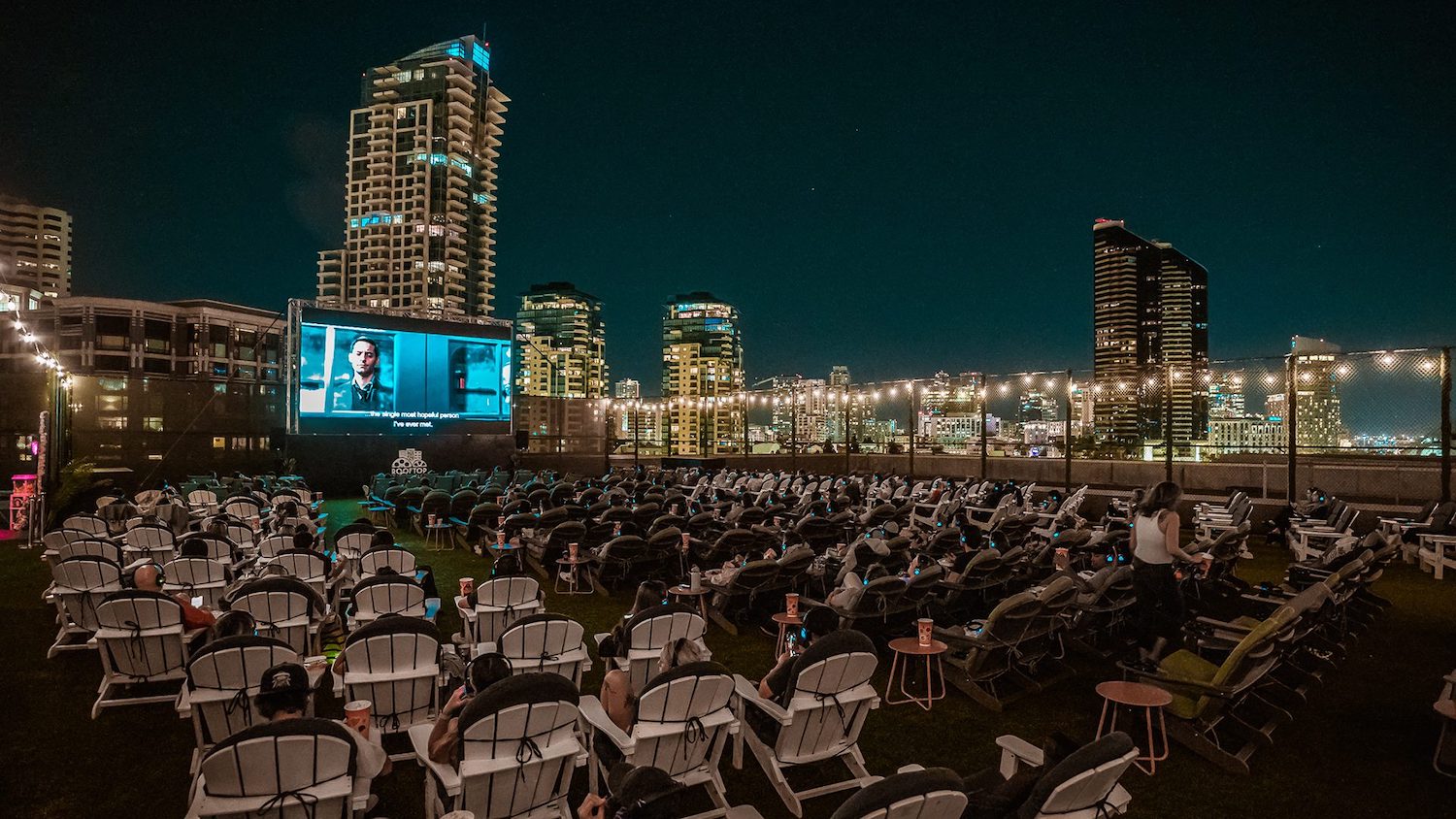
Spend your Thursday evening with Dunder Mifflin employees and superfans of The Office at the Rooftop Cinema Club Embarcadero. The Office: Holiday Party will run through the show’s iconic holiday party episodes: “Christmas Party,” “A Benihana Christmas – Parts 1 & 2,” and “Moroccan Christmas.” The screening at 6:30 p.m. is already sold out, but tickets ($33) for the 9:45 showing are still available. Your booking comes with a reserved loveseat; a heater; and a hot, seasonal, non-alcoholic beverage of your choice.
1 Market Place, Embarcadero
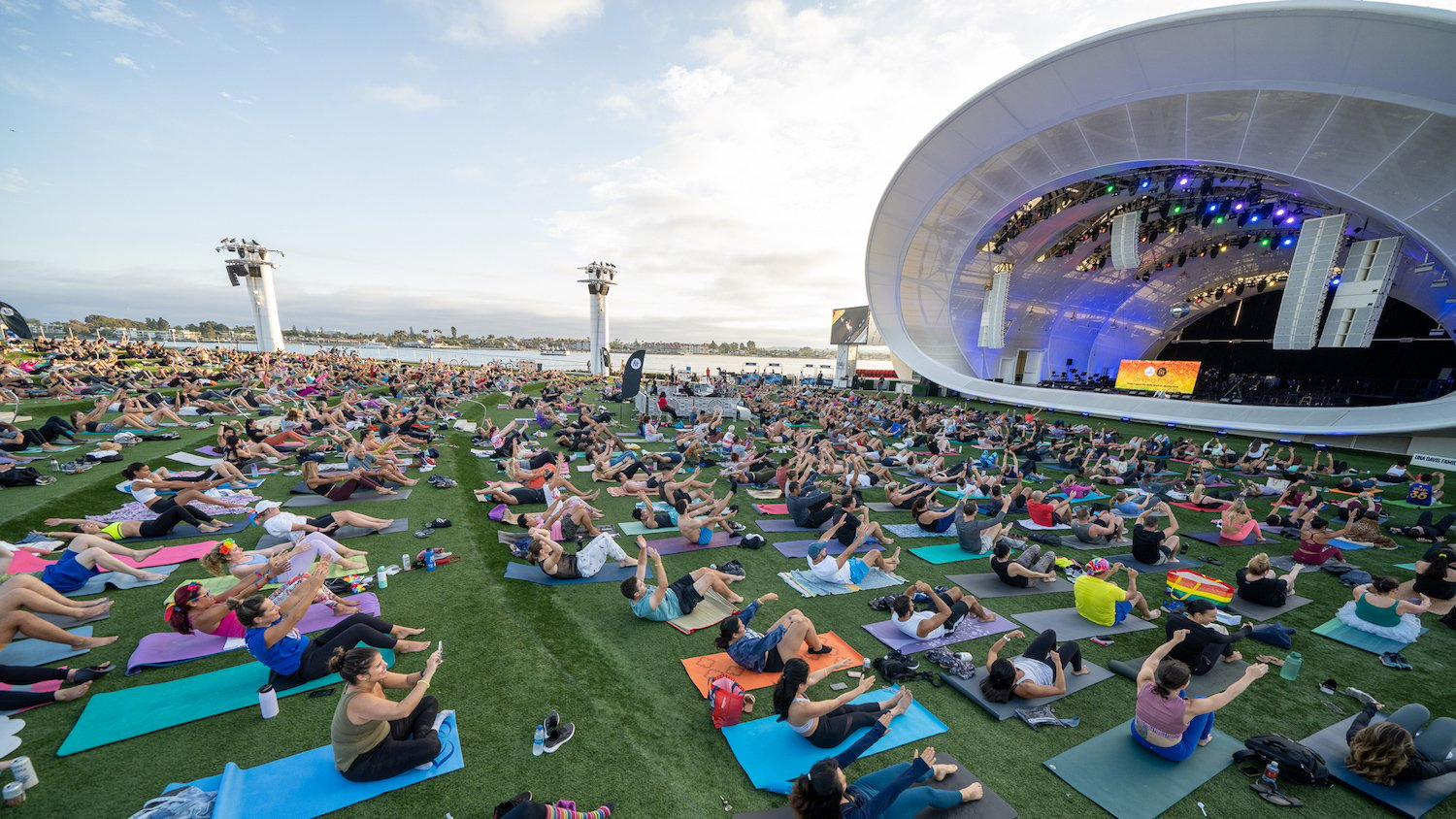
Beat the holiday stress with a free group yoga session this Saturday morning on the grass lawn of the Rady Shell at Jacobs Park. Instructor Viktoria Talbot of FIT Athletic leads the class from 9:30 to 10:30 a.m.. Anyone interested in attending can RSVP on Eventbrite.
222 Marina Park Way, Embarcadero
Ryan Hardison is a freelance arts and entertainment writer and recent graduate of San Diego State. When he's not staring at his laptop, he's likely eating an adobada burrito or getting sunburnt at the beach.
Your checklist for the best stage performances, museum exhibits, and one-night-only cinematic events hitting San Diego this autumn
Fall Arts Preview presented by SDFC Playmakers
Now through Jan. 10, 2027
Sift through over 200 photographs, sketches, letters, and costumes from “The King of Vogue,” who photographed World War II, modernized royal portraits, and created the aesthetic for 1920s socialites in London.
Now through Feb. 28, 2027
Walk through an 18-foot whale ribcage (and a couple dozen other marine-creature sculptures) made entirely of plastic bottles, flip-flops, lighters, rope, and other plastic detritus found on the beach in the Nat’s 3,000-square-foot second-floor gallery.
Now through May 31, 2027
Part of SDMA’s centennial, “Forging a Legacy,” highlights artists from the past (Picasso, Monet) and modern day (Hugo Crosthwaite) who contributed to the museum’s collection.
Now through 2027
See the stars (without the smog) at their best from the winners of the world’s largest astrophotography competition—all in the Fleet Science Center’s new basement gallery, specifically dimmed to let the cosmos shine.
Sept. 6–Oct. 11
From the 2013 silver screen to this year’s The Old Globe stage, you can “Begin Again” (again) with a world-premiere musical adaptation featuring new songs—courtesy of Train—and a story overflowing with hope.
Sept. 9–Oct. 4
“On the outside, always looking in…” marks the emotional crux of the Tony-, Grammy-, and Emmy-award winning musical coming to the Cygnet Theatre.
Opening Sept. 12
Learn the history of the Kumeyaay Nation from the perspective of the members themselves in an immersive exhibit inspired by graphic novels “Our Past, Present, and Future,” and “Beyond Gaming.”
Sept. 16–Oct. 11
During Oscar Levant’s appearances on “The Jack Paar Show,” he explained his reality with mental illness—the institutionalizations, electroshock therapies, nothing was too taboo for him. “Good Night, Oscar” takes us backstage in the raw moments before his 1958 television appearance.
Sept. 19–Jan. 10, 2027
A disco ball isn’t just a disco ball. It’s a symbol of where queer communities can finally exhale and be their fullest selves. “Visiones Nocturnas” uses paintings, sculptures, textiles, performances, photos, and videos from Latin American artists to explore what’s at stake when nightclub lights shut off.
Sept. 21, Oct. 26, Dec. 7
Guest organists from across the country will come to the Balboa Theatre to accompany a new silent film for each performance. This year closes out with The Headless Horseman (1922), Dr. Jekyll & Mr. Hyde (1920), and a holiday triple feature of Laurel and Hardy films.
Sept. 29–Oct. 4
“What if Abe’s assassination wasn’t such a bad thing for Mary Todd Lincoln?” was the question that inspired Cole Escola’s play “Oh, Mary!” In the production, Mary Todd desperately tries to return to the cabaret stage, but her husband (President Lincoln in the midst of the Civil War) keeps getting in the way.

Oct. 3–4
Conductor Rafael Payare opens the San Diego Symphony’s 2026-2027 season with a three-part concert featuring composers Sofia Gubaidulina, Wolfgang Amadeus Mozart, and Richard Strauss.
Oct. 8
Two dozen of Emily Dickinson’s poems are turned into songs—composed by Pulitzer Prize winner Kevin Puts and performed by Grammy-winning mezzo-soprano Joyce DiDonato—for a one-night-only exploration of love, loss, loneliness, and mortality.
Oct. 8–Nov. 1
Roommate beef has no age limit. The latest play from Pulitzer Prize winner David Lindsay-Abaire turns that experience into a comedy through retirement home roommates Marilyn and Abby and the bet between them to see who will break first and move out.
Oct. 12
Composer Olivier Messiaen has chromesthia, so for him, sound evokes a visual connotation. His work “Des Canyons aux Étoiles” brings desert rock and the night sky to mind. See what he means from La Casa del Zorro in the Anza-Borrego Desert, in this performance immersed within nature.
Oct. 13–18
San Diego International Film Festival salutes the silver screen for a 25th time, now with a sixth day adding extra time for parties, screenings, and movie-star tributes.
Oct. 23–25
Considered one of the masterpieces from opera great Giuseppe Verdi, San Diego Opera’s “Rigoletto” sees what happens when the prurient Duke of Mantua and his sharp-tongued court jester become entangled in a fatal curse.
Oct. 27–Nov. 29
When the Grim Reaper’s job becomes too…grim…and he retires after 300,000 years, his daughter picks up the family business. But when she falls for a human and finds beauty in the souls she’s meant to reap, she questions her purpose.

Nov. 21–May 9, 2027
San Diego is nothing without skate culture. Mingei’s “Skate Craft” portrays skateboarding as “living folk art” via its DIY roots (skateboards built in garages) and shows how that ethos shapes the future.
Emma Veidt is an editor at San Diego Magazine. She earned her bachelor's and master's degrees from the Missouri School of Journalism. She loves running, hiking, and rock climbing, but really, she mostly loves encounters with the street cats around North Park.
Ryan Hardison is a freelance arts and entertainment writer and recent graduate of San Diego State. When he's not staring at his laptop, he's likely eating an adobada burrito or getting sunburnt at the beach.
San Diego entrepreneur Kenji Blouin-Ito is turning a tiny Uptown Inn space into a destination for bentos, coffee, snacks, and more
Tokyo unquestionably holds the title as one of the best, if not the best, food cities of the world. But despite the plethora of Michelin-starred kaiseki restaurants and hole-in-the-wall ramen joints, you’d be remiss in walking past glowing signs beckoning you to enter one of the 56,000-plus konbini across the country.
Konbini cafes like Lawson’s, FamilyMart, and 7-Eleven may look like run-of-the-mill convenience stores, but convenience store culture is a completely different animal there. Absent are the sad, floppy hot dogs sizzling sweatily on a rotating wheel of misery. Instead, konbini are stocked with a bevy of hot and cold drinks in every imaginable flavor, meals like tamago sandos (Japanese egg salad sandwiches) and prepacked bento boxes, snacks like onigiri (handheld triangles of rice and seaweed, often filled with fish or pickled plum), and even limited-edition merchandise (not unlike Wawa’s line of merch).
Soon, Hillcrest will get a taste of konbibi culture. Hako Hako opens in front of Uptown Inn by Vantaggio, next to Ramen Ryoma, in early 2027.
Kenji Blouin-Ito, a half-Japanese, half-French San Diego native grew up eating Japanese food at home and during trips across the Pacific. “I remember looking forward to eating bentos on the train,” he says, grabbing quick items to munch on without sacrificing quality or succumbing to cost. When in France, he saw a rise of appreciation for casual Japanese cuisine, “long before it happened here.”

So he decided to bring it here. After AB 626 passed in 2018 to allow different jurisdictions to permit Microenterprise Home Kitchen Operations (MEHKOs), Blouin-Ito launched Foodnome, the first legal marketplace for homemade food in the US. Eventually, the national nonprofit The Cook Alliance took over the project, leaving him open to the next new idea but with the experience of running a food-based business.
“That experience changed how I think about food, not just what makes it good but what makes it work,” he explains. Bento boxes felt affordable in a time of inflation, convenient in a bustling world, and versatile to a variety of palates. When he got the chance to open a konbini himself, he went for it.
His family runs Uptown Inn, a mix of apartments and hotel rooms that’s seen increased food traffic over the past few years. “We had a small space in front of the building that wasn’t being used, and it just made sense,” he says. Hako means “box” in Japanese, a reference to both bentos and small space from where he’ll sling freshly made bentos, coffee, drinks, pastries, snacks, and a small retail selection.
Hako Hako will initially open for morning and afternoon hours, but you don’t have to wait until next year to get a taste of Japanese culture. Blouin-Ito’s concept is popping up at various coffee shops around San Diego, with a few coming up: Easy Does It on September 19 and Cafe Moto on October 17. Until then, practice the art of gaman: patience with grace.
Hako Hako opens at 819 University Avenue in Hillcrest in early 2027.
Listen Now: The Latest in San Diego’s Food and Drink Scene
Have breaking news, exciting scoops, or great stories about new San Diego restaurants or the city’s food scene? Send your pitches to [email protected].
Beth Demmon is an award-winning writer and podcaster whose work regularly appears in national outlets and San Diego Magazine. Her first book, The Beer Lover's Guide to Cider, is now available. Find out more on bethdemmon.com.
With Sosal Line, Heidi Greenwood and Juerie Masters are importing traceable seafood from small producers and building a global pantry business along the way
No matter your job, it’s helpful to find some sort of joy in it to avoid going completely insane. Some people savor the variety of personalities when dealing with customers. Others find comfort in the predictability of closing a bar after last call, counting tips and wiping counters. Perhaps achieving Inbox Zero really gets your blood pumping, or shipping a new product design sparks joy.
For Heidi Greenwood and Juerie Masters, work doesn’t get better than logistics and operations.
“[We] both love all the unsexy parts of supply chain and backend management,” laughs Greenwood. Tracking outbound orders? Ensuring compliance? Managing inbound freight? Stop me if this is getting too hot for you!
Not enough people think about the unsexy reality of running a business before launch, but effectively and consistently keeping an eye on operations separates successful companies from out-of-business ones. Both Masters and Greenwood already own their own businesses—Greenwood is behind the wine zine Campestre Mag and runs the online wine shop Esquina, and Masters co-owns Clos Wine Shop and Fintastic Provisions in University Heights with her husband Paul. Apparently, these gigs weren’t enough to satisfy their collective yearning for spreadsheets and inventory maintenance.
So, they decided to start another business together—Sosal Line, a San Diego-based import and distribution company specializing in global pantry items. The pair launched Sosal Line at the beginning of 2025 and currently only sell three brands of tinned fish, but Greenwood says they plan to expand their offerings as they discover other small or family-run businesses that share their values.
“We want to work with brands and with products that really have a sense of place and actually tell a story—not just the product, but the people behind it too,” she says.
Masters and Greenwood are both Korean-American and named this burgeoning business after Haenyeo, the legendary free-diving women of Jeju Island in South Korea. Traditional Haenyeo equipment and garb include oribal (swim fins), yeoncheol (lead belts to help them sink), and the company’s namesake sosal, a hand-held fishing spear (sometimes called jaksal).
The average person, if sitting completely still, can stay underwater for up to a minute and a half at most. Haenyeo can hold their breath for up to three minutes while actively foraging, harvesting, and swimming. Scientists say these diving women spend more time underwater than any other group of humans on earth. Not badass enough for you? The average age of Haenyeo is around 70.

“Fishing is a strong heritage for Koreans, and it’s the same here in San Diego with the Portuguese settlers,” Greenwood explains. (We aren’t the tuna capital of the US for no reason.)
Sosal Line carries 100 percent traceable, wild caught fish from Galicia in Northern Spain and the Pacific Northwest, all family-owned companies who don’t compromise on sustainable practices. Tinned fish has never been more popular—or more debated—but there’s more to it than cute labels designed for maximum Instagram reach. “I want to know who I’m purchasing from,” says Greenwood. One of their suppliers, Craft Fish Co., which is based in San Diego but fishes in the PNW, is run by JJ and Jessica Gerritsen. JJ catches, Jessica packages, and it’s a business relationship on a first-name basis. “You can’t find that when you’re working with some nameless brand.”
San Diegans can find Sosal Line products at local retailers like Clos/Fintastic (obviously), allmine in Oceanside, Always Hungry Grocery & Goods in Carlsbad, J. Brix Wines in San Marcos, Collins & Coupe/Tablespoon in North Park, and Green Acre in La Jolla. They’re also available in select retailers in Northern California, Oregon, Arizona, and strangely enough, South Carolina. Expanding its client base is, of course, a goal. But not at the expense of quality or joy of discovery.
“I would love to see people try food from different cultures and be excited about it,” says Greenwood. “Maybe make them want to travel to experience different areas of the world.”
Beth Demmon is an award-winning writer and podcaster whose work regularly appears in national outlets and San Diego Magazine. Her first book, The Beer Lover's Guide to Cider, is now available. Find out more on bethdemmon.com.
The 29-year-old culinary director at Herb & Sea is making seafood sexy (and approachable) again
Implementing a farm-to-table model hardly deserves acknowledgement these days. It’s not a stretch. It’s not innovative. “It’s the bare f**king minimum,” says Herb & Sea‘s executive chef Aidan Owens.
When I arrive at the Encinitas restaurant, I’m ready to talk sustainability, farm-to-table stuff, with Owens. “Did you see the chin on that?” he says of the extra big jiggly chin on the sheephead that just arrived with the day’s fresh catch. I did. It was Jay Leno adjacent.
I learn quickly that he somehow oozes both charm and stone-cold honesty. Maybe he could construct a new dish with chin goo, like he did when he had a bunch of tuna scraps and voila’d it into a smooth and crowd-pleasing ‘nduja. “I want to know what’s in there,” he says.

The instinct to look closer, to dig into what others might discard, says a lot about the chef’s approach. I guide him back to our topic, but he has something else on his mind. “We’re overcomplicating food—what happened to just cooking good food and having fun with it?”
Owens grew up on a farm in Byron Bay, Australia, where sustainability wasn’t a concept you chat about so much as a way of life. Think dirt roads, backyard chickens, pulling vegetables straight from the ground, and a mother who believed that if you couldn’t pronounce the ingredients on a package, you shouldn’t eat what was inside.
Food wasn’t precious or performative. Making it was what you did because you were hungry and that’s still what inspires Owens today. “I like to cook good food because I like to eat good food,” he says.
His approach to sustainability at Herb & Sea began so naturally that it felt just like instinct. “I was just like, ‘Let’s order food from the people who live and work here,’” he says.

And why wouldn’t he when lives in San Diego? Cities all over the world vie for our goods. Our tuna is sent overseas. Our spiny lobsters hit dinner plates in China and Japan. Not to mention California’s producing a third of the country’s vegetables and three-quarters of its fruits and nuts.
“Why would we outsource when it’s all here?” Owens asks.
Sustainability, in this context, is about cooking what exists in abundance, nearby, right now. “I love the local fish here. It’s f**king delicious and San Diego citrus, I mean, it is so f**ing good,” he says.
Instead of importing ingredients, Owens also looks for nearby alternatives. “You can find really cool things in the local waters,” he says, pointing out that stingray cheeks taste similar to scallops.

Whatever he finds in that sheephead chin might just be the next substitute for marrow. But to make this work, it means getting diners amped up about the slightly unfamiliar.
Tasting menus, where diners are completely in his hands, become an opportunity to gently push boundaries. “I’ll serve mackerel, because people think they hate it,” Owens says, noting that the abundant local fish can have some fishiness. “But when it’s fresh, it’s arguably one of the best fish in the ocean.”
He also tweaks the language on the menu so people might feel more compelled to give dishes a try without preconceived notions. He might use “lengua” instead of “tongue.” “Whelk” instead of “snail.” When he puts “stingray throat” on the menu, he disarmingly calls it “skate.”
To reduce waste, scraps aren’t always discarded but rather turned into something new. Sometimes they’re smoked, cured or fermented. Apples going bad turn into apple ponzu. Lemons turn to marmalade, which stretches their usefulness far beyond peak season. “And it’s super tasty on our pizza,” he says.
What makes the food even richer, is the relationships he’s built with farmers. Though it didn’t always feel natural, Owens sought personal connection first. He recalls approaching a fisherman at the Tuna Harbor Dockside Market. “I was awkward,” he says. “I went up to him and said, ‘I like your fish.’”
Owen’s is now so close to his suppliers—like fishermen Ryan Sebo and Joe Daly—that he gets texted pictures of fresh catches right as they flop on the boat. The messages always ask if he wants first dibs. “I say yes to a lot of fish,” Owens says, noting that Herb & Sea can go through 2,000 pounds of seafood a week.

The next evolution of sustainability, in his view, will be chefs working directly with producers such as his alliance with Sebo, cutting out middlemen and purveyors where possible. “It will put more money in the pockets of the people doing the work,” he says.
It will mean that chefs can’t just know their local farmers and producers, but they’ll choose to work with the ones who have the best practices. Dining and sustainability will become much less about the final plate. “It will be more about the impact that plate has on the Earth,” he says.
Ultimately, he believes sustainability doesn’t need to be loud. It doesn’t need hashtags. It just needs to be honest.
“We aren’t saving lives. We’re feeding people good food,” he says.
And yet, in feeding people well—simply, thoughtfully, responsibly—something meaningful happens. Guests leave satisfied. Ingredients are respected. Local ecosystems are supported and food returns to what it has always been at its core: nourishment, pleasure, and a quiet reflection of the place it comes from.
No buzzwords required.
The folks behind Oddish Wine and Lost Cause Meadery are partnering with Bica to open an all-day cafe, coffee shop, wine bar, and restaurant near La Mesa Village
La Mesa: a bucolic, hill-dappled city long regarded as a somewhat frumpy, never quite trendy bridge between the urban cool of Mid-City and the rural sprawls of East County. La Mesa’s population clocks in at around 4 percent of the city of San Diego’s—fewer than Chula Vista, Oceanside, Escondido, Carlsbad, El Cajon, Vista, San Marcos, and Encinitas, in that order. It’s home to a killer Oktoberfest, one of the best charter high schools in the state, and a theatrical mayor who tools around town in a golf cart (and so far, hasn’t cut any arts funding or closed public bathrooms).
But any area that’s only 20 minutes from downtown San Diego and under 20 miles to Mission Bay will only stay under the radar for so long. Slowly but surely, bits and bobs from San Diego’s cultural tastemakers have been popping up all over town. Dark Horse Coffee and the boutique Small Batch both opened in La Mesa in 2018. Stella Jean’s and Pop Pie are coming later this year. Native Poppy is building its new headquarters and studio this fall. After a year in business, the new owners of JK’s Greek have established themselves as one of the best Greek restaurants in the county.
Next year, La Mesa will get one of its most ambitious projects yet. Billy and Suzanna Beltz, owners of Lost Cause Meadery and Oddish Wine, are pouring everything they have into renovating a 5,000-square-foot building between the Village and MacArthur Park to open a wine/beer bar, coffee shop, all-day cafe, and wine shop.
The concept doesn’t have a name (yet), and Bica in Normal Heights will come on as a partner to run the restaurant aspect and coffee program (which also won’t be called Bica. Still lots of naming decisions to be made). But the Beltz’s vision is to create something in La Mesa that doesn’t exist yet—a community gathering space open from morning until night that’s family-friendly, creatively designed, and well… cool.
The building has been around since the 1940s, first operating as a neighborhood market, then butcher shop, secondhand children’s store, electronics store, dry cleaners, and bike shop. The Beltzses say they plan to keep the “soul and character” of the space as much as possible, highlighting original details like a barrel-shaped wooden roof, brightening up the corner building by utilizing the large front windows, and eventually building an outdoor dining/drinking space and kid-friendly area—a must for the neighborhood’s plethora of young families. They tapped all locals for the design and build: Tecscape Design, design consultant Carly Miller-Chen (who owns Ayi boutique in South Park) to create the space, and local contractor CLTVT.

Starting in the morning, the space will offer coffee and light breakfast items before transitioning to lunch and dinner menus, plus a full bar that will feature Oddish and Lost Cause products as well as other local wines, beers, ciders, and other beverages alongside an aperitivo program and low-ABV cocktails and spritzes. Food-wise, they plan to install a wood-fired oven and rotisserie, but expect more menu details to be revealed closer to opening.
There will also be a small retail space focused on natural wines and ciders from places like Raging Cider & Mead in San Marcos and other San Diego and Baja California makers. But don’t expect run-of-the-mill options from the guy who makes weird wines and mead, the oldest alcoholic beverage in human history (hardly TikTok trend material). “We have a unique perspective… Hopefully we can expand some palates and minds in the process,” says Billy.
Community is the heart of the project, more than food, more than drinks. “We have a young family. [Bica owners] Manny [Da Luz] and Charlie [Knowles] have families,” says Billy. Suzanna adds: “People want a space that they know they’re going to get really amazing food, really fun drinks, but they can also feel like they can bring their kids during the weeknights.” It won’t be North Park 2.0, although many families now living in La Mesa came from various neighborhoods across Mid-City (like the Beltzes). It’s filling a void. It’s something they can build from the ground up. And just maybe, it’s something that will surprise people who have yet to discover La Mesa’s potential.
Oddish Wine/Lost Cause Meadery’s new concept is projected to open by the end of 2027 at 8495 La Mesa Blvd.

Listen Now: The Latest in San Diego’s Food and Drink Scene
Have breaking news, exciting scoops, or great stories about new San Diego restaurants or the city’s food scene? Send your pitches to [email protected].
Beth Demmon is an award-winning writer and podcaster whose work regularly appears in national outlets and San Diego Magazine. Her first book, The Beer Lover's Guide to Cider, is now available. Find out more on bethdemmon.com.
Artists and advocates are building a more sustainable creative future through public funding, political organization, and cross-border collaboration
This is part of a three-part series. This is Act III. See Act I and Act II here.
We’ve been here before.
In 2012, city funding for the arts and culture in San Diego had eroded. As a corrective, the city council unanimously approved “Penny for the Arts”—a promise to dedicate roughly one penny of every dollar spent on hotel rooms (the Transient Occupancy Tax, or TOT).
The logic was fair and sound: Cultural institutions and events help attract visitors. Those visitors pay hotel taxes. So, the people agreed, some of that hotel-tax revenue should go back into maintaining the cultural ecosystem that helps bring those visitors and that money.
Projected as a five-year plan, the measure was supposed to increase funding to $17.9 million by 2017.
It never did. The penny was never guaranteed, so each year the city used part of it for other priorities. By 2023, the money going to arts and culture was up to about a half a penny. Even as TOT revenue has gone up significantly.
In 2019, TOT revenue was $245 million.
In 2025: $325 million.
One fix would be to guarantee the penny. Not simple, given San Diego’s financial woes. But the alternative—eroding the culture that makes San Diego San Diego, give it its identity—also doesn’t feel wise. Plus, even a locked percentage still rises and falls with tourism, which is why culture advocates want a guaranteed floor on top of it.
Another solution would be to give the arts commission actual authority.
“It’s an advisory body,” says arts commissioner Kamaal Martin. “You’d be hard-pressed to find anybody who takes our advice.”

He described the commissioners debating real, consequential questions this year, like whether and how to divide the cuts between funding pools. But those conversations “don’t connect to whoever’s actually deciding,” Martin says. “We haven’t been entrusted with decision-making about relevant things nearly enough.”
Christine Martinez is building political infrastructure through her organization Arts+Culture:San Diego—which is starting a 501(c)(4) lobbying structure not unlike police and fire unions. Martinez is also keeping her community actively engaged. “We won’t be caught off guard next year like we were this year,” she tells me.
Then there’s the evergreen issue of affordability and accessibility. Kiplinger’s most recent report ranks San Diego as the 11th most expensive city in the US, based on cost of living. The average home value is $980,700 (the US median is $540,000), but San Diego’s median household income is only one-third greater than the national level. Rent is also 66 percent higher than the national average ($2,716 vs. $1,636).
This is why San Diego has long suffered from the creative brain drain—creatives leaving for more affordable cities. “Artists are free to live wherever they want, and they will go where the rent is affordable,” says Jennifer de Poyen of Space 4 Art. “When they leave, they take their gifts with them, and their contributions, and their economic impact.”
One saving grace is the presence of Tijuana, where the cost of living is about 60 percent lower than San Diego, per Numbeo. Tijuana has long functioned as an affordable neighborhood for many in San Diego’s creative culture. It’s part of the reason why the binational identity is such a constant in our galleries, music, theater, murals, and culture. While that cross-border blood flow is one of San Diego’s most compelling attributes, few artists living that life would call it convenient or easy. A city is at a disadvantage when its culture creators have to cross a border to go home at night, and cross again the next morning to work.
In May, San Diego County Board of Supervisors approved a $2.75 million arts initiative of its own. It includes an Artist Space Grant Program aimed directly at the affordability crisis, as well as an artist-in-residence program, a dedicated Binational Creative Economy Investment, and a one-time investment in the Black Arts and Culture District in Encanto.
Bob Lehman of San Diego Art Matters has been doing county-level, binational organizing for years; in 2023, he helped get the county’s arts commission reestablished after 30 years of defunctness. That’s important because it gives arts and culture an official seat in county government, advising the County Board of Supervisors on arts and culture policy. He also brought in consultant Laura Zucker, who ran LA County’s arts program for three decades, to build a real regional plan.
“I really believe we’ll have something set up here that other communities come and look at,” he told me. “A national template other cities come to learn from.”
When asked who decides which artists will get the new grant money, county arts commissioner and executive director of the Chicano Park Museum and Cultural Center Monica Delgadillo Hernandez doesn’t hedge.
“That’s part of the infrastructure we’re going to be building,” she says. “What should a panel of reviewers look like? Should it be the commissioners? Should it be other folks? A supervisor?” She was just as candid that the commission itself doesn’t reflect San Diego’s population—Chicano communities are roughly a third of the city, she tells me, “and that’s not represented at the table yet.”

The great news is that none of these solutions have to be invented from scratch. Numerous cities serve as examples of what’s possible—if we have the will.
Jonathon Glus—Prebys Foundation Senior Fellow for Art & Design, the Executive Director of the Art + Design District, and board president for California for the Arts—worked in Houston before coming to San Diego. The Texas city dedicates 74.5 percent of its hotel tax to arts grants by formula, and that support is guaranteed. Washington, DC locked in dedicated arts funding in 2019. Salt Lake City, my hometown, has run a voter-approved arts tax for almost 30 years, most recently reauthorized through 2034. And just this summer, New York City pushed cultural funding to a record $323.8 million, even incorporating an emergency fund.
Denver’s model is interesting because instead of a city-dependent funding model, theirs is a 0.1 percent regional sales tax. In place since 1988 and renewed by voters three times, their Scientific & Cultural Facilities District has distributed between $54 million and $85 million to arts, culture, and scientific orgs—each of the last 12 years.
This is part of a three-part series. This is Act III. See Act I and Act II here.
None of these cities got there by accident. They decided, on purpose, that arts and culture were worth protecting from politics—and, in some cases, worth building an entire identity around.
“That’s how Miami has flipped the switch,” says Glus. “People go to Miami for culture as much as they do the beach.”
San Diego has spent decades selling itself backward: Beach and weather first, culture as an afterthought you might stumble into. Glus would love to see the strategy flipped: Visitors should come for the art, “and then, by the way, you’re on the beach.”

“I do think it was a wake-up call for the community,” de Poyen says of the budget fight. “People understand that our funding is vulnerable. It was a lesson in how much power people have when they coalesce. But wow, is it painful.”
Glus says he’s genuinely optimistic. “The players have all changed seats, but the work is moving forward.”
“I believe optimism is a moral duty,” says Martin, who’s both power-fist and polite.
In eight months, there will be another budget fight. Everyone I talked to expects it will be worse. But something happened this spring that can’t be undone.
“I hope this rupture has brought us together in a moment of self-realization,” says Leticia Gomez Franco of the Balboa Art Conservation Center. “I hope we stop being so transactional; we begin to see ourselves and each other as partners in this work.”
That’s the whole ask, really. And it’s on all of us.
This is part of a three-part series. This is Act III. See Act I and Act II here.
Aaryn Belfer is a writer and editor specializing in nonfiction across art, architecture, and culture. Once upon a time, she wrote a provocative column for San Diego CityBeat (RIP). She was a runner up in the 2025 Matchbook Stories contest at the San Diego Central Library and is irrationally happy about it. Currently in her Soft Girl Era, Aaryn has expensive taste in (mostly flat) shoes and will choose a great art exhibit or live jazz concert over almost anything else. Except, possibly, Javier Bardem.
The 53rd Annual National Philanthropy Day Takes Place on November 21. Join us from 11:00 a.m. – 1:30 p.m. at the new Gaylord Pacific Resort & Convention Center!
Once yearly, AFP San Diego joins with others worldwide to celebrate National Philanthropy Day (NPD), a special day set aside to recognize the great contributions of donors and nonprofits that enrich of our community and the world. San Diego’s NPD is one of the largest and most successful in the U.S., attracting nearly 900 participants, including philanthropists, nonprofit leaders, CEOs, board members, development professionals, and business, community, and civic leaders.
Sponsorship proceeds from National Philanthropy Day are reinvested in education, training, scholarships, career development, and the advancement of fundraising professionals throughout San Diego. These resources and training provide fundraising professionals with the tools necessary to support our region’s diverse array of nonprofit organizations, which rely on charitable giving for close to half of their annual revenues.
The National Philanthropy Day Honorees are selected by the NPD Honorary Committee, a group of highly respected, diverse nonprofit and business leaders. Our 2025 Honorees include:
National Philanthropy Day San Diego provides an opportunity to reflect on the meaning of giving and to celebrate the selfless contributions of individuals and organizations across the region. We look forward to celebrating with you!
Sponsorship opportunities and individual tickets are available. Please visit www.afpsd.org for more information.