


Food & Drink
5 Must-Try Meals in San Diego Right Now
Read article

Featured articles
Food & Drink
Food & Drink
Food News
Featured articles

Things to Do

Everything SD

Everything SD
Featured articles
Things to Do
Things to Do

Things to Do
Featured articles
podcast-ep

podcast-ep

podcast-ep
Featured articles

Features

Features

Features
Featured articles
Food & Drink
Partner content
Food & Drink

Meet the artists, makers, and advocates whose work shapes how the city looks, sounds, gathers, and connects
San Diego is full of people who deserve a few thousand words on what they make, who they bring together, and how their work changes the city around them. The artists, makers, advocates, and behind-the-scenes talent below are a small part of that larger ecosystem.
To help us narrow our list, we looked for names that kept coming up, work that reflects the diversity of our region, and people building something bigger than themselves.
Across studios, stages, classrooms, and neighborhoods, they’re giving San Diego more reasons to gather and the rest of the world more reasons to visit. Here are 31 locals helping shape San Diego’s creative scene.
“People in San Diego have stopped complaining about what we don’t have, and they started doing it here,” says Bilal Bikile.
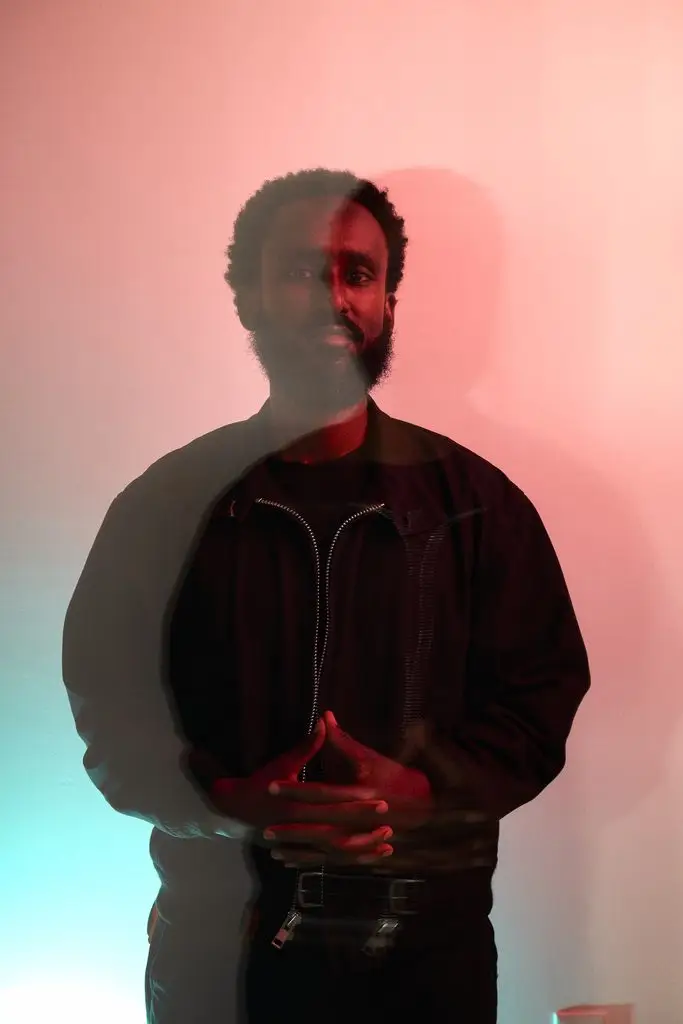
Behind a secret(ish) door on Logan Avenue, curator Bilal Bikile welcomes visitors to his exhibition and gathering space, Deixis Gallery, where he hosts “Salon de Deixis” every Tuesday. Here, community members circle up and hash out a weekly topic.
Some nights, it’s art. Children’s literature, Bikile says, sparked a more heated conversation than the one about how society would function without a police force. Other evenings bring surprise guests, like a chef. Bikile curates these conversations as much as exhibitions. “Some people call it group therapy; others call it a cult,” he laughs.
Any given Tuesday, there’s a breakthrough. “My nervous system has regulated,” a participant told Bikile once. Building spaces to deepen connections between creatives is Bikile’s goal: He met Art Power Equity founder Kamaal Martin at the now-closed Swish Projects, which led to both a CreativeMornings talk and a friendship.
Raised in Paradise Hills, Bikile finds happiness easily in San Diego and thinks the city will soon be known for creative collaboration, adding that it’s underrated that San Diegans smile and make eye contact. “Everyone’s welcome in every neighborhood,” he says. —LG
Kerianne Quick sees themself as part of a larger community. A materialsmith working with unconventional materials, Quick’s a jewelry designer, professor, and curator. They explore jewelry as functional art, and how materials carry meaning.
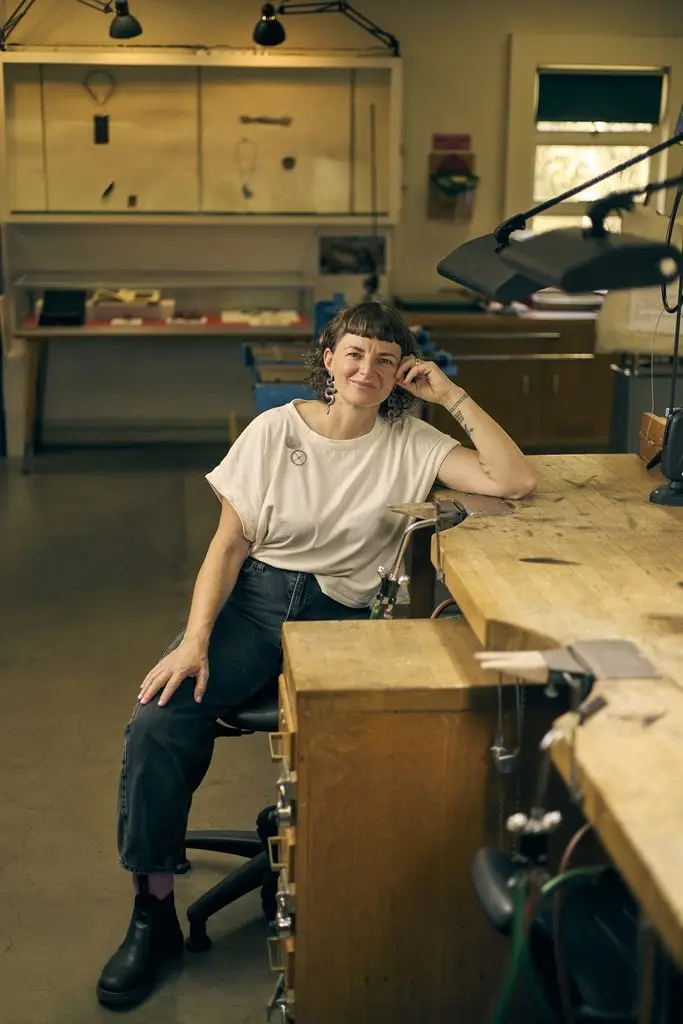
“Unlike other art forms, jewelry is not on a wall,” they say. “It lives with you; it’s touching you.”
Quick studied at SDSU’s storied metalwork and design studio and now leads it, preparing the next generation of materialsmiths.
They want to change outsiders’ view of San Diego’s art scene as “flyover country” between Tijuana and LA, and their curatorial work—like the recent SoCal SoCraft series—aspires to make San Diego a destination for handwork artists. Still, they worry about affordability. “Because of our high living cost, so many craftspeople are dual practice—making cabinets for a living and making weird stuff as an artist on the side.”
They see San Diego creatives “getting scrappy,” finding collaborative solutions instead of relying on grants.
Quick’s next curation project, “Becoming Heirlooms” (on view at Central Library), explores objects as repositories for shared experiences: “What if there was an heirloom object for San Diego? What would it be?” Porcelain vases inspired by—of all things—the 805 bridge over Mission Valley. A rooster-shaped belt buckle covered with pop culture images from an artist’s cross-border upbringing. It’s all here. —LG
Most people would say printmaking’s about the press: the ink stains, the steel rollers, the limestone slabs. Kelvin Lopez would argue it’s about the people gathered around them.
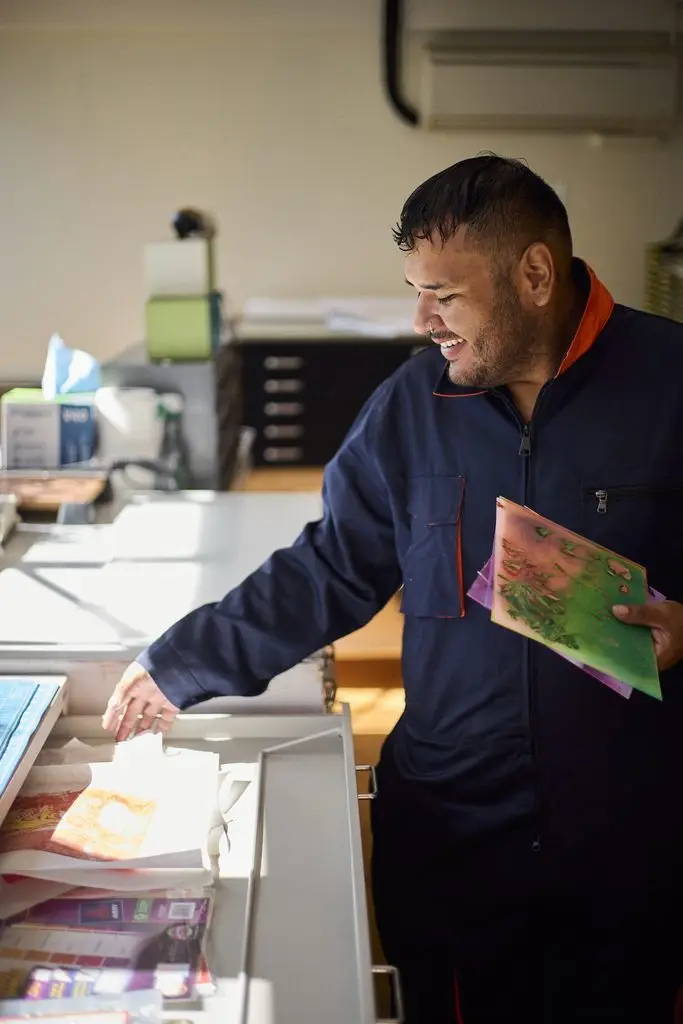
Founder of the San Diego Printmaking Society (SDPS), Lopez is turning a once hard-to-access art form into something community-driven. In two years, he’s brought printmakers from across the globe to San Diego, and created opportunities for local artists through exhibitions, workshops, and a permanent studio with classes and open print days.
“I want this space accessible to everyone,” Lopez says, noting scholarships are central to the mission.
Printmaking wasn’t an obvious home for Lopez at first. The tools were unfamiliar, the process intimidating, the work spaces out of reach. That changed at Cal State Long Beach, where mentors and fellow printmakers—Kimiko Miyoshi, Tava Tedesco, and Jennifer Chen—encouraged him to explore the medium and showed him the power of a creative collective. He earned an MFA in printmaking at Rhode Island School of Design.
That became the foundation for SDPS, connecting creative pockets from Barrio Logan to Tijuana. “If I had a superpower, it’d be building community,” Lopez says.
SDPS is proof: Heritage isn’t left untouched behind glass, but reimagined and passed from hand to hand. —ID
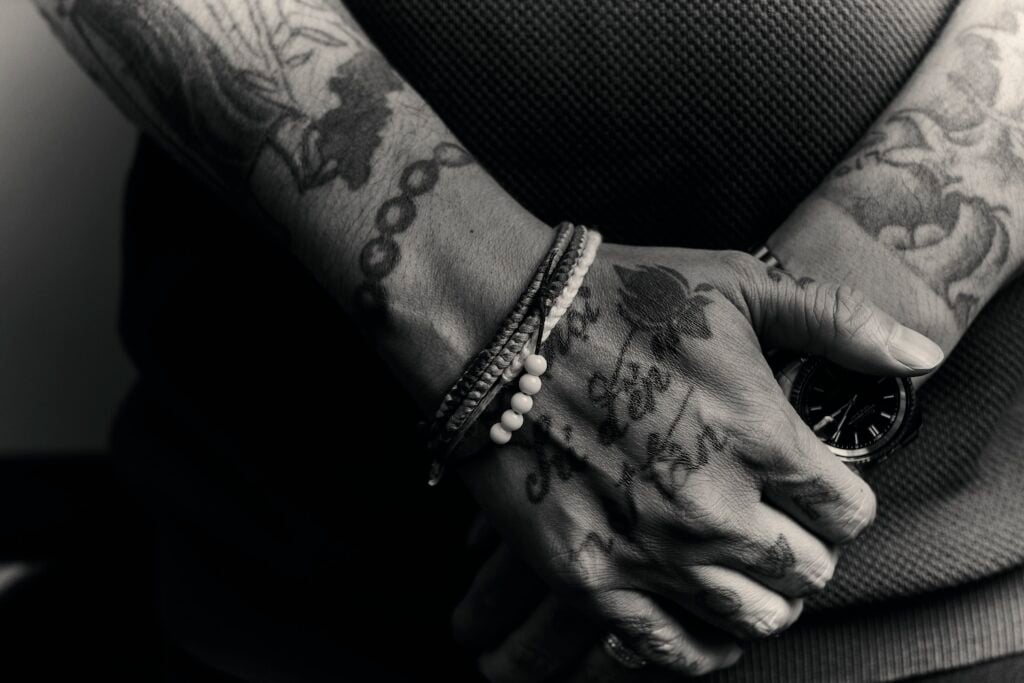
“Born from resilience. Built through rebellion. Rooted in purpose.” That’s Dennis “Dizzy” Doan’s tagline for his shop, BLVCK LOTVS TATTOO. It fits him, too.
A first-gen Vietnamese American, Doan’s first tattoo machine was an RC motor attached to a guitar string. A friend gave him the homemade device when he was 15—shortly after his mother left the family and his father, haunted by the Vietnam War, spent most nights drinking alone. It became Doan’s lifeline.
He taught himself the art form by watching a DVD, boiling India ink from a craft store. “That seemed to be the theme when I was growing up,” he says. “You had to be a product of your environment.”
Clients come from far-flung places to get a Doan, some coming for over 20 years, now with their kids and grandkids. His real reach shows in The Doan Foundation, which he founded, and its unrestricted grants built to break the cycle he experienced firsthand. Nonprofit workers told him about students who got accepted into good schools but couldn’t afford a plane ticket to get there. Doan makes sure they can.
Now a San Diego Arts & Culture commissioner (the first Vietnamese American in the seat), he says, “Why not open a door for the next person?” Roots meet purpose. —AB
Talking to Charles McPherson—San Diego’s alto sax icon who spent years playing with legends Charles Mingus and Barry Harris—is like listening to jazz: inviting, thrilling, quick to find a groove. The improvisation takes an intentional meander and just when it seems like chaos is king, everything comes together with a new perspective.
“It’s all connected,” he says.
McPherson still thinks drummer Billy Higgins nailed the description of bebop as a “sanctified intelligence”—a fusion of gospel and church music with the best composers of European classical music. “That covers the whole human spectrum of art—the intellect, spirituality, soul, craftsmanship,” he says. “How are you gonna beat that? No music has since.”
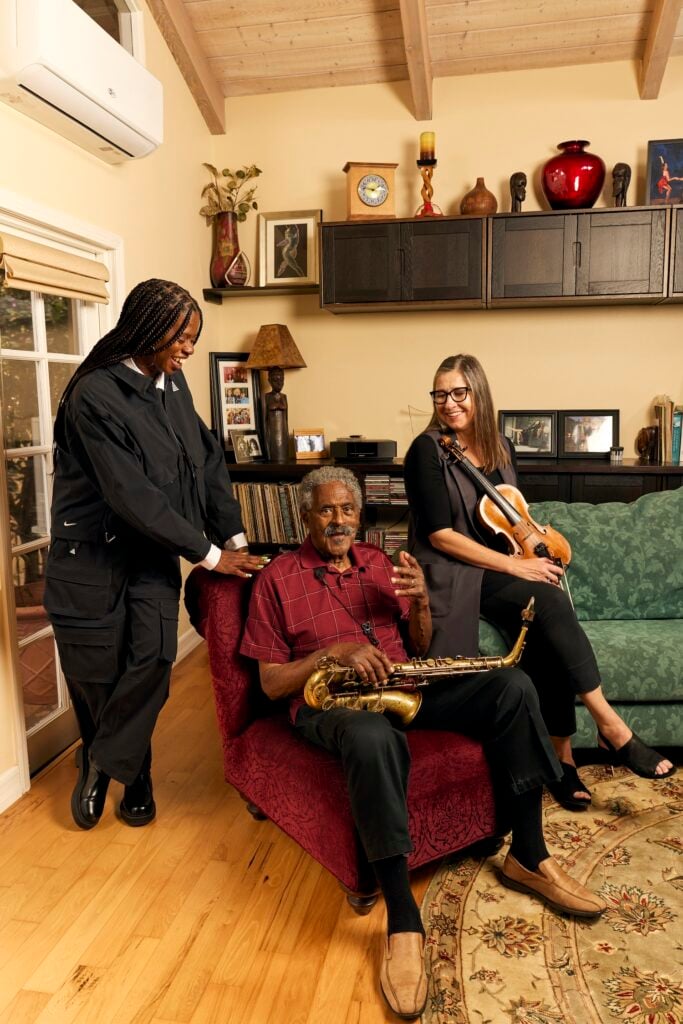
McPherson’s still composing and teaching at age 87. Musicians of all ages seek him out for coaching, advice, or just to hear him talk. Catch him at “Detroit to San Diego: A Jazz Celebration Honoring Charles McPherson,” a concert and film screening of Jazz From Detroit, featuring the icon, on Feb. 19–20, 2027. —AB
It started as two sisters in a National City family room—toy mic, and their parents spinning R&B and gospel tracks. DJ DAUCHÉ, who spent time at her grandparents home in Paradise Hills, the Urban League, and the YMCA, says Southeast San Diego shaped her.
This year, when Alicia Keys and Swizz Beatz needed a DJ for their “Giants” exhibit at the Museum of Contemporary Art San Diego, they called her.
DAUCHÉ trained with DJ Artistic (“he didn’t just share the stage; he made it bigger,” she says), spun for local kids after school, and promoted friends’ gigs. Her talent and community-building instinct manifested in a nine-year global dream tour with LA’s Colors Worldwide, then a Comic-Con activation, and San Diego FC’s World Cup parties.
Wherever she sets up, it tends to be a vibrant, joyous, and inclusive scene. —GC
Twenty years ago, violinist Kate Hatmaker won a San Diego Symphony chair, moved from Chicago, and found a highly individualized music scene. “San Diego felt like too small a town for people to be this atomized,” she says.
So, she co-founded a nonprofit called Art of Elan with flutist Demarre McGill, bringing classical music to nontraditional spaces. In their 20th season, they’re planning events at Mingei International Museum, along ICA San Diego’s sculpture trail, and in Borrego Springs—which this October will include a nature-immersed performance of Olivier Messiaen’s “Des Canyons Aux Étoiles.” “You’ll be hearing the stars come out in the music,” she says.
What she wants for San Diego’s culture is new habits: “We’re all on the couch, doom-scrolling. Pick a neighborhood, any given night, [and in five years,] there’ll be something worth getting up for.” —JB
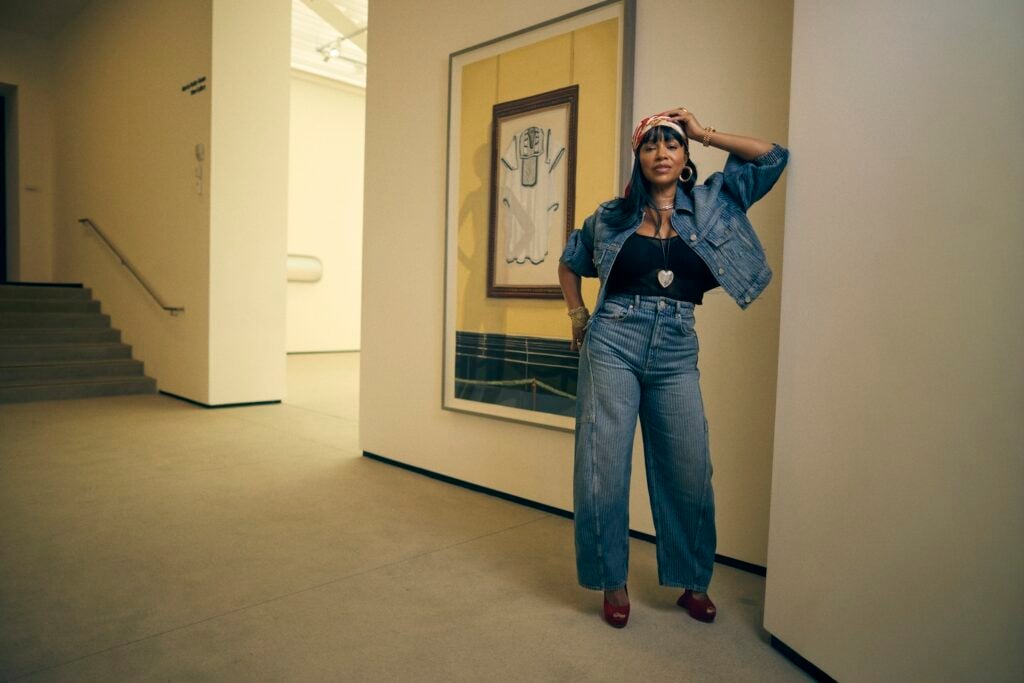
Before Mashonda Tifrere was a curator, she was a singer alongside names you may have heard of: Jay-Z, Snoop Dogg, Nas, and DMX. In 2016, she shifted her focus and founded ArtLeadHer and Art Genesis, two nonprofit organizations that platform emerging, underrepresented artists and give women and teenage girls a foothold in the visual arts. Since then, she’s curated more than 40 exhibitions and worked with over 250 women artists worldwide.
Last year, Tifrere launched Inscape, a mindfulness audio tour paired with the Stuart Collection’s sculptures at UC San Diego. This past winter, she curated an exhibit at Mandeville Art Gallery celebrating the late artist, author, and one-time UCSD professor Faith Ringgold. And this summer, she curated “Somewhere in Between” at Quint Gallery in La Jolla, spotlighting local and international talent side by side. The woman doesn’t seem to rest.
Tifrere is now curating her first exhibition with MCASD featuring the work of NYC-based Swoon—one of the first female street artists to gain international acclaim in the male-dominated format—while also launching an art and wellness residency built for women creators. Having dedicated herself “to building a vibrant community of creators and cultural thinkers,” in her adopted city, Tifrere seems to have found her stride: “I’m all about connecting the dots and bringing that big New York energy and creative drive to San Diego.” —AB
A pom-pom sits somewhere between fuzzy yarn and a tiny act of optimism. It begins with softness: a bundle of thread, a handmade ball, a textile passed down through generations—gentle materials that don’t usually carry conversations about borders. In Katie Ruiz’s hands, they do.
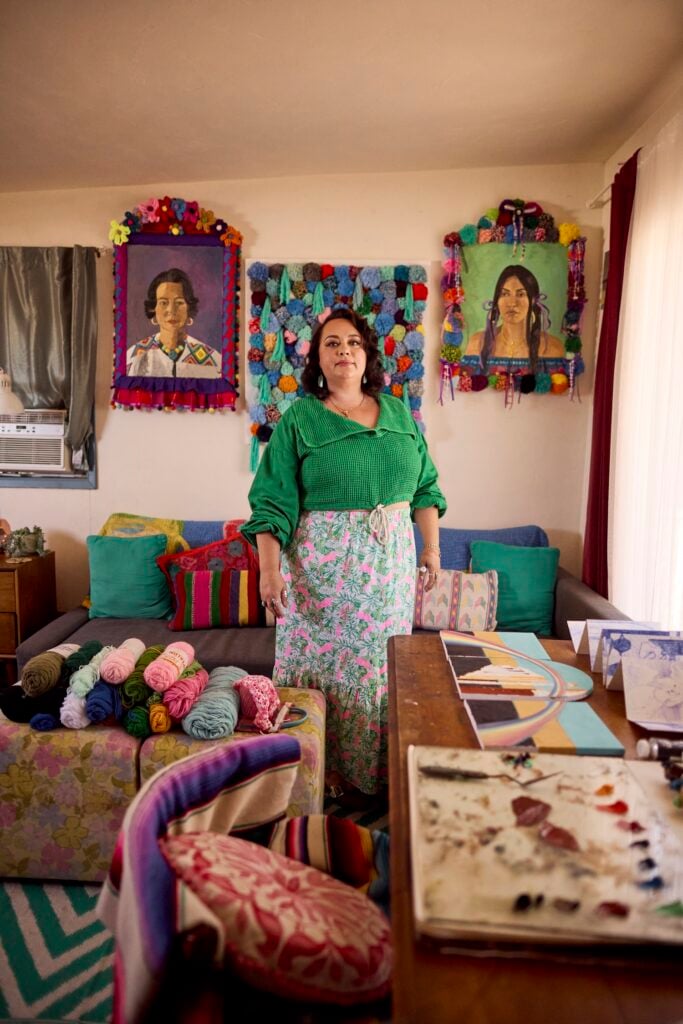
Ruiz created The Pompom Project, a community art program transforming thousands of pom-poms into large-scale installations across the region, including at the Oceanside Museum of Art and ICA San Diego.
“I call it community craftivism,” Ruiz says. “The revolution has to be soft, and we have to lead with softness.”
With a Tijuana-born father and US-born mother, Ruiz’s biracial, cross-border identity shapes her exploration of the third culture born from migration, assimilation, and preservation. (Her painted and sculpted “Border Portals” captures the emotional weight of crossing a border.)
Ruiz’s pom-poms aren’t high school football game regalia: She uses oil painting and textiles, activism and lightness, personal identity and collective storytelling. A figure painter, she began layering Mexican blankets over her canvases—a shift that led her into textile research and the colorful fiber-based work she creates today.
Her rainbow yarn spheres have formed a massive Pride heart in a school, a monumental pink Venus symbol cascading down the Women’s Museum of California, and a floating canopy of color suspended in the trees at Centro Cultural de la Raza. It’s commentary in a poof. —ID
With three decades in costume design, nearly 200 theater productions, and many awards, what’s Jennifer Brawn Gittings (or “JBG,” as her friends call her) doing at Grossmont Community College? Honoring her and her late brother’s dream.
Her fraternal twin, who was also her childhood theater partner, died in a car accident at 16. So she majored in theater at his dream school, UC Los Angeles, then worked to pave access in San Diego. “Four-year universities are increasingly expensive and competitive,” she says, “but our city has evolved to expand accessibility across economic and minority status.”
Co-chair of Grossmont’s theater department, JBG has modernized a Eurocentric curriculum for her students; many of whom are trying to balance school with financial, food, or housing insecurity. Many of her costumes and scenery and textiles are upcycled, a savvy way to make the program both more sustainable and affordable.
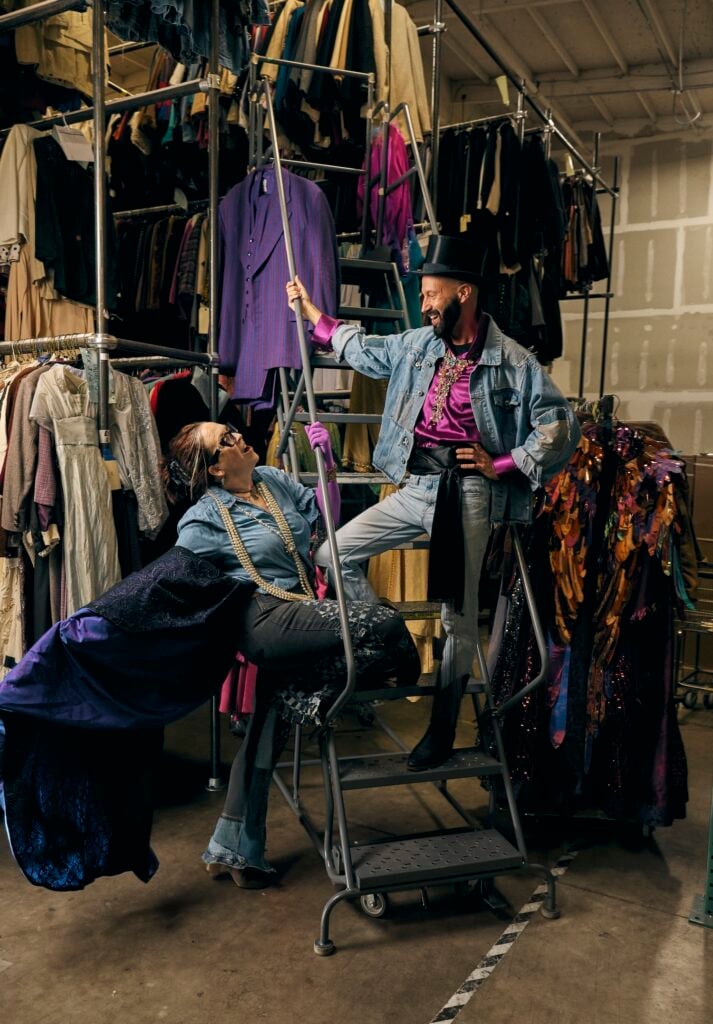
“San Diego’s an innovation lab, developing exclusive world premiers, and that makes our region special,” says JGB, who staged “El Henry”—a Mexican-American machismo play—in a dirt lot in Barrio Logan. —GC
“Luchadores may be icons of courage in the ring, but we all take everyday risks with no audience or applause,” says Guadalajaran-born David I. Reynoso of his theatrical work “La Lucha,” inspired by Mexican wrestlers.
The two-time Tony Award–nominated and OBIE-winning costume designer believes San Diego’s strength is embracing risk. “Theaters here support regional runs before Broadway,” he says. “That permission to create without perfection is the only way to move forward.”
In an era dominated by digital media and algorithmic feeds, Reynoso’s immersive design demands our physical presence. You can’t scroll or swipe past “La Lucha”—you must interact with it in a multisensory space.
Reynoso’s Mexican-American heritage saturates his work, from his grant-funded “Waking La Llorona,” inspired by Mexican folklore, to a new piece derived from Lotería (Mexican bingo). He likens immersive theater to Día de los Muertos, where reconnecting with lost ones through treasured possessions, foods, and music creates powerful shared experiences.
His studio? An iPad at his dining table. There, he envisions a San Diego where more non-arts institutions support the industry and more multidisciplinary maker spaces. That way, everyone’s capacity for innovation, identity, and human connection has the freedom to grow. —GC
There’s hardly a more ambitious and cool public arts event than the Without Walls (WOW) Festival. Performance art comes alive in distinctly un-theater-like settings: giant sea monsters wading into the ocean; a glass box in the middle of the street with someone living inside; a micro-play unfolding in the front seats of a parked taxicab, an audience of two in back.
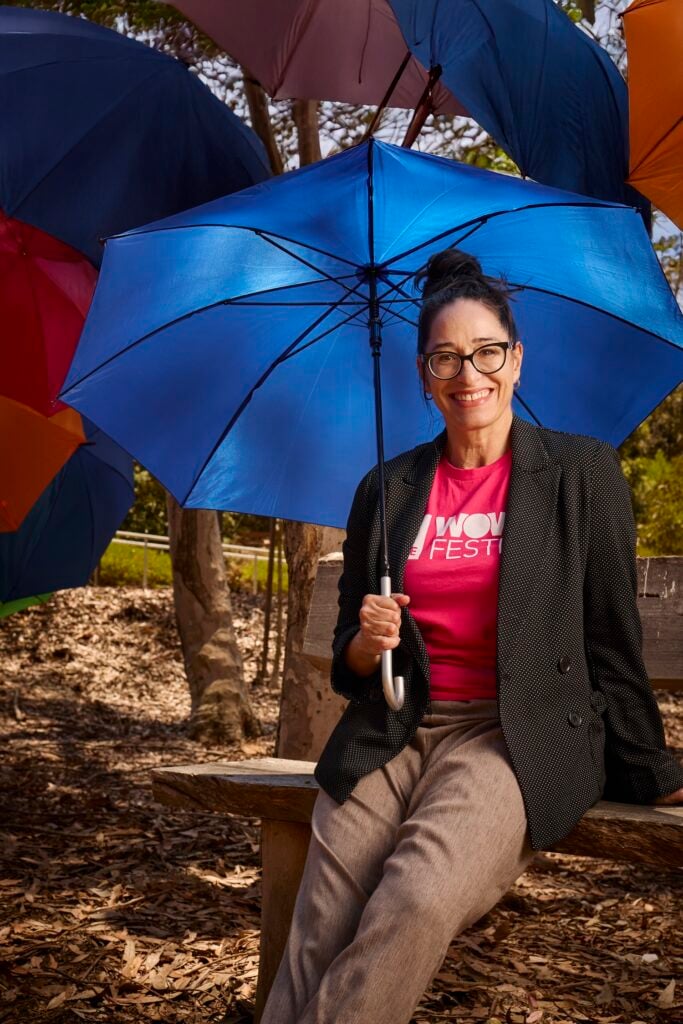
As director of La Jolla Playhouse’s WOW Festival, Mia Fiorella’s upped its global sophistication and extreme accessibility. She’s always scanning for work that fits WOW criteria: Does it transform the audience, connect people, take risks, make us a little uncomfortable? If it’s in the realm of the odd (see above), you’ve piqued her interest.
Supported by the Prebys Foundation and the City of San Diego, WOW leverages its work with the San Diego Symphony, the Fern Street Circus, and the Blind Spot Collective, among many others, to produce the annual four-day festival. Fiorella aims to make the WOW Festival “year-round, neighborhood-deep, and nationally watched, with immersive and site-inspired work woven into the fabric of the city, and other cities banging down our door to understand how we got so audacious.”
Fiorella sees positive change in San Diego’s self-investment, but says the next step is for city stakeholders to build “creative capital” for the arts community and create a city known for arts and culture as much as for sports and beaches. —LG
Originating in 12th century China as a fairly thrilling way to celebrate the new year, the modest piñata wound its way through history and eventually found itself at kids’ birthday parties across Latin America and in the US. A symbol of frivolity, joy, childhood innocence. Which, of course—in the vein of artists like Niki de Saint Phalle and Mike Kelley—makes them ripe vehicles for adult commentary.
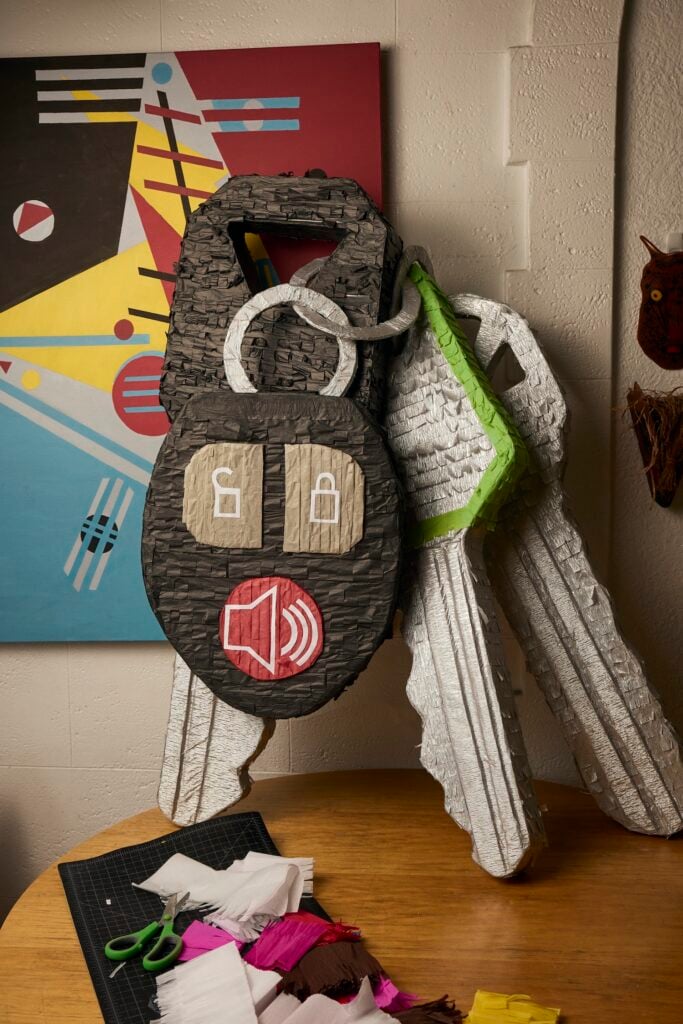
“People are surprised to think of a piñata as a sculpture,” says mixed-media artist Diana Benavídez. “Because piñatas are super accessible, I think people don’t realize how much work goes into them.”
In her University Heights studio apartment, the UC San Diego grad meticulously creates her sculptures using cardboard, tissue paper, and kanji paper. Her piece “Text Me When You Get Home”—a piñata shaped like a green text bubble—expresses how women check on each other and protect each other after a night out. Another pink piñata reads, “She was asking for it.” It has a crack down the middle.
“Instead of celebrating another year of life, which is how it’s used in Mexican culture, it’s a way to break the things that usually affect women,” she says. “In that sense, breaking it is a relief.” —ME
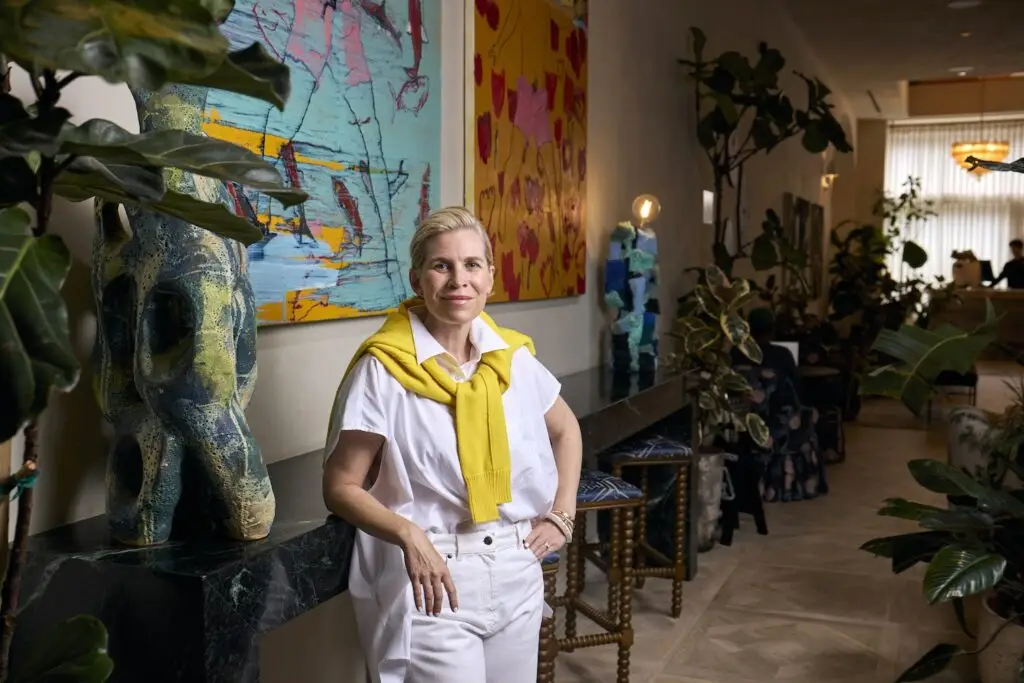
Jennifer Findley is surrounded by color. We’re sitting in “Organica: Flora to Fauna,” an exhibition she curated at the Granger Hotel downtown. Green botanicals shroud the room over rust-colored couches. Walnut cyanotypes and earthstar mushrooms line the walls. In her own home, Findley collects black-and-white art. In photographs, she wears yellow in honor of her late mother. (It was her favorite color.) She sits and stares at the space beside me—seeing things I can’t.
“I don’t create with my hands, I create with my eyes,” she says when asked to explain the role of a curator.
As founder and lead art advisor of JFiN Collective—plus Director of Arts & Culture at Oram Hotels, co-curator of “American Minimal” (2025) at San Diego Museum of Art, and chair of Mingei International Museum—Findley has a knack for recognizing artists whom others tend to miss. And she’s made sure they’ve found a space to be seen.
She’s an art matchmaker. If you’d like art to be a part of your life, she’ll start by asking about the places you’ve been, the things you’ve held onto, the colors you return to. Somewhere in those answers is the beginning of a collection.
“People should be able to walk around your home and see inside your soul,” she says and earnestly means.
The way she sees a room is the way she sees San Diego. Nothing exists on its own. Artists make the work, galleries give it walls, collectors give it homes, and museums preserve it. “To not fund these institutions is to not fund living artists working in the city,” she says. “If that cycle of life is broken or one suffers, the whole ecosystem collapses.” Showing up for an artist talk, walking through a gallery, reposting, tagging: Small acts, committed investment. —LK
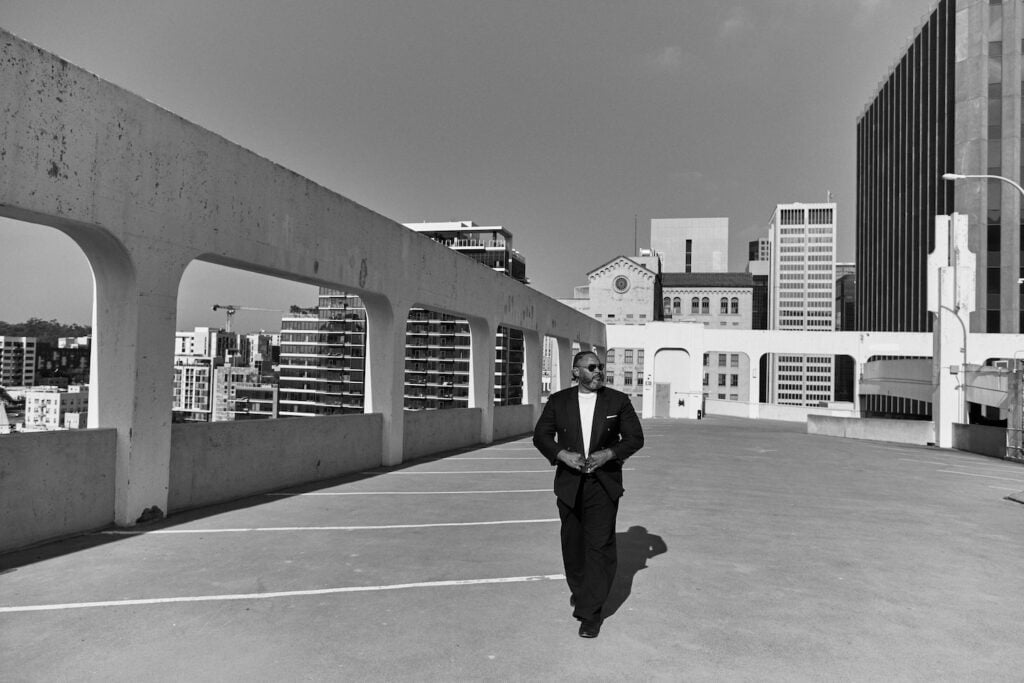
Kamaal Martin doesn’t have an office or a lane he stays in. When I ask what he does, he booms with laughter that shakes my dining room window. “I’m the fucking ecosystem, dude!” He’s the connective tissue in the San Diego art scene. Like water over stones, he moves in government, nonprofit, and philanthropic circles without belonging to any of them.
Co-founder of Art Power Equity, Martin built a career out of intersectional work. Some wins? He persuaded a funders’ collaborative to back an arts-and-health pilot in San Ysidro, where healthcare practitioners prescribe museum visits and watercolor classes instead of pills. He also secured a binational Grantmakers in the Arts conference for San Diego and Tijuana. On the city’s arts commission, he’s pushing to fix a 30-year-old funding formula that rewards organizations for already having money.
Hitching his consulting business to a client’s name opens doors his own wouldn’t, and Martin’s candid about the tradeoff. “You can get a lot more done if you’re willing to be flexible about whose name is on it,” he says. Call it playing the game—and Martin does, without apology. He’s not in it to be seen. He’s in it to keep good ideas alive long enough for someone to run with them. —AB
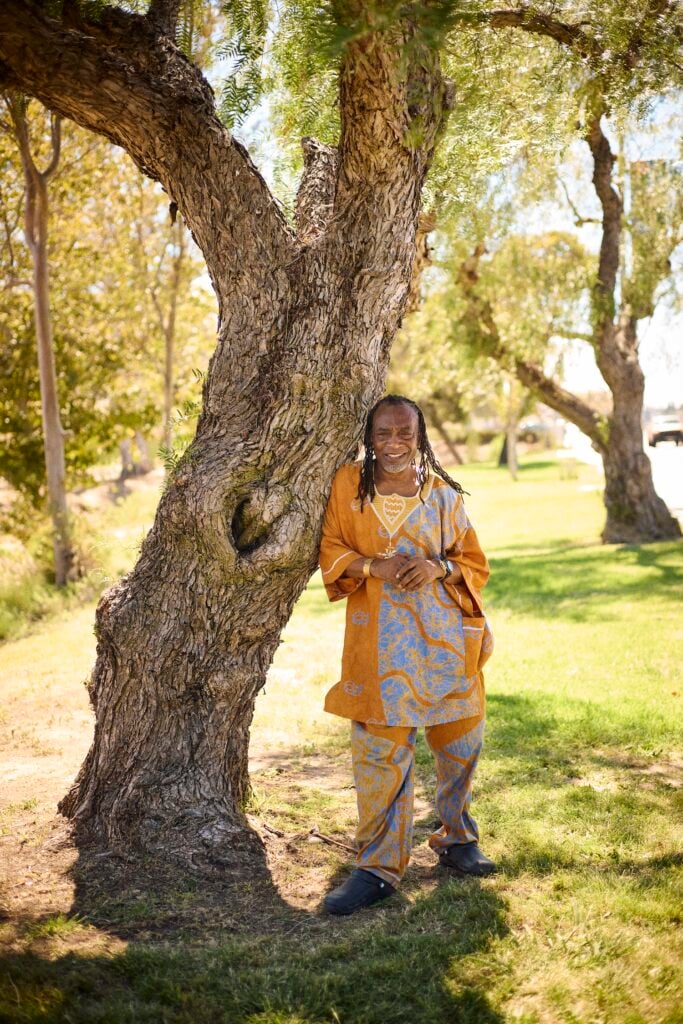
Dajahn Blevins has spent decades creating spaces for Black artists in Southeastern San Diego.
“We have a rich, incredible, powerful heritage in history,” he says. “It should be celebrated, so those who come after us know they can at least do this, if not something greater.”
An artist himself—an actor, singer, dancer, playwright, and director who studied sociology and performing arts at San Diego State—Blevins was familiar with the road blocks.
So he created Urban Warriors in 1986, using performing arts to reach young people who weren’t responding to traditional intervention programs. In 1993, the group launched Kuumba Fest (Kuumba is the Swahili word for creativity), an annual gathering celebrating Black arts and culture. After years of advocating for the community, he now sits on the committee of the San Diego Black Arts and Culture District in Encanto.
“Black culture, just like everyone else’s culture, is what you eat, what you believe in, what you value,” Blevins says.
For Blevins, art is a place to gather. The African drum call has historically been used as a tool for communication and community. “We use our entertainment, our children’s ability to sing, dance, write,” Blevins says, “as the drum call.” —ME
Lisa Porter and her 8-year-old daughter sat on the floor outside the bathrooms in The Old Globe’s basement. It was 2012, and they were listening to “Dr. Seuss’s How the Grinch Stole Christmas!” playing upstairs. Born with multiple disabilities, Daisy’s sensory system was overloaded by the big musical. That particular “pity party,” as Porter calls such moments, was sensory overload for her, too.
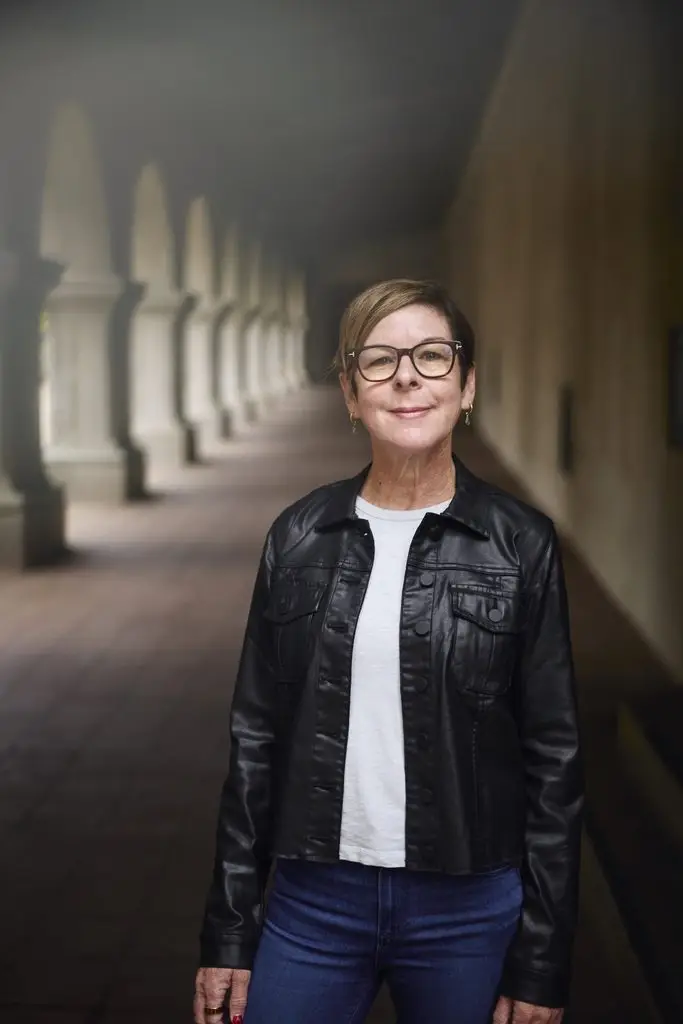
“I thought, ‘There’s got to be a way for families like ours to have access to live theater, ’” she says.
A behind-the-scenes giant, Porter has stage-managed productions on six continents, worked with some of the world’s most renowned artists (Yo-Yo Ma, Mikhail Baryshnikov, Laurie Anderson to name a few), and is a Distinguished Professor—the highest faculty honor—at UC San Diego. She could work anywhere. She stays here.
Making something positive out of the basement experience is among Porter’s proudest achievements: She pitched the Globe on a sensory-friendly “Grinch”—muted effects, blue-lit transitions, telegraphed entrances, and license for lots of audience noise. The Globe said yes. Porter donated her time, brought in Daisy’s speech and occupational therapists, and when she talked with the cast about what to expect, she tore down a wall.
“I kept these parts of my life very compartmentalized—professor, stage manager, parent, and separately, a lot of grief and hard stuff with Daisy,” she says. “I thought, Fuck it, I’m just going to tell the story and be real with them.” The cast met Porter’s tears with their own.
Porter has consulted on other sensory-friendly productions throughout San Diego, and 14 years later, that custom production of the famed show sells out every December. Daisy, now 22, has her own special seat, and families like Porter’s get to experience the magic of theater. —AB
Hugo Crosthwaite is the region’s foremost chronicler of the border that he refuses to recognize.
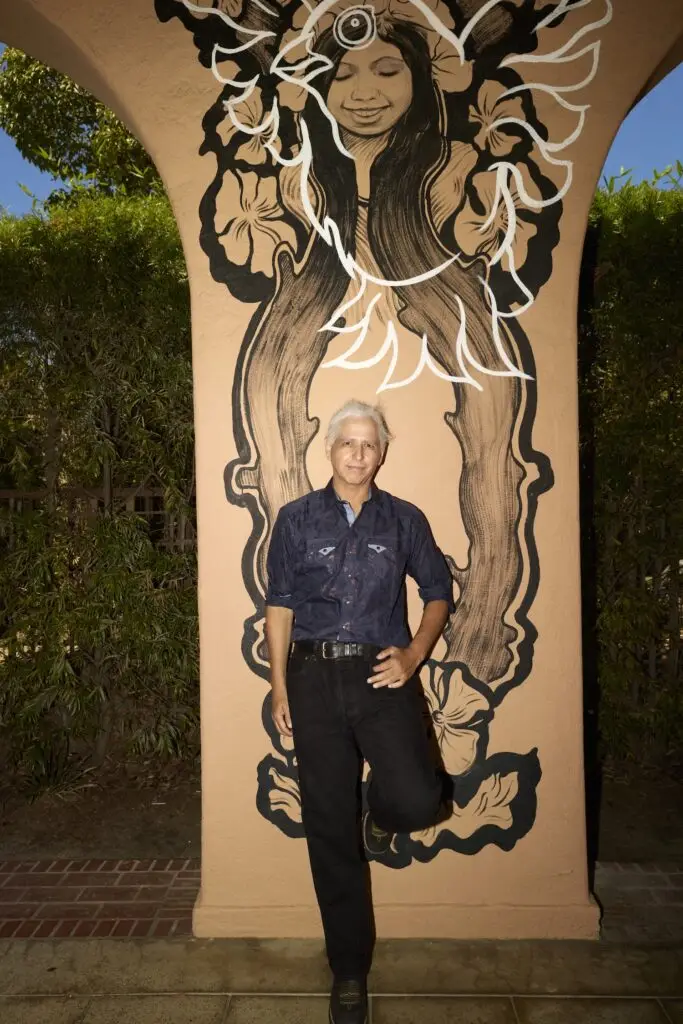
Born in Tijuana and trained at San Diego State, Crosthwaite draws his native city in teeming charcoal crowds—saints, hustlers, vendors, shoulder to shoulder—and in 2019, won the Smithsonian’s Outwin Boochever Portrait Competition for a stop-motion animation of a young Tijuanense’s portrait. The line dividing the two cities, he says, is “ridiculous… They are one community, and always have been.”
Next year, two Crosthwaite shows will continue documenting his argument. In April, he’ll install 60 drawings at Pierogi Gallery in New York as a single unbroken line circling the room, a work he calls “Tira Strip;” a nod both to comic strips and the lively, sometimes sordid, but always-human activities on Tijuana’s streets. Next summer, the San Diego Museum of Art will open “La Línea,” a survey of nearly 20 years of his work.
Crosthwaite improvises without preparatory sketches, which means galleries commit to work no one has seen. “Gallerists and curators have to take my word for it,” Crosthwaite says, crediting Bread & Salt and La Caja Galería in San Diego and Tijuana for providing art spaces “that take risks bigger institutions won’t.” He adds that San Diego still has an experimental spirit that other cities’ art institutions have largely stamped out.
Crosthwaite wants collectors to take the same risk: “There’s a lot of money in San Diego, there’s a lot of money in Tijuana, but there’s no investment in collecting artists.” —JB
The art gallery industry humbled Mark Quint after his first show. He was 27 and sold all 10 pieces by a Los Angeles artist. “I thought it was the easiest job in the world, you know?” he says. “Hang a couple pieces on the wall and sell them.”
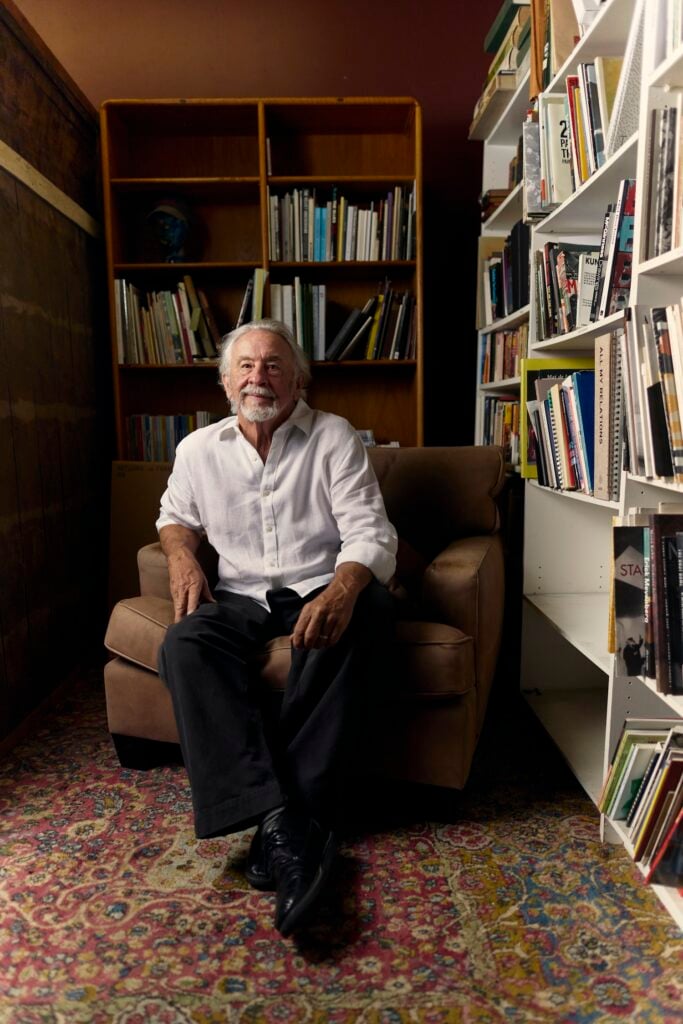
But then: “I didn’t sell a thing for over two months and was ready to go out of business.”
Quint was more passionate than defeated. “You have to know and believe that the art you’re working with is important and viable,” he says. He founded La Jolla’s Quint Gallery in 1981, and it became a tour de force—helping propel hundreds of artists, including now well-known names like Kelsey Brookes, Kim MacConnel, and Jean Lowe.
At 73, Quint is to San Diego what Arne Glimcher or Barbara Gladstone have been to the New York art world. His endorsement has weight. So when he chose Barrio Logan as the location for his newest gallery in 2021—ONE (at Bread & Salt) focuses on showing a single artwork at a time—it was yet another sign that the neighborhood is becoming crucial to the city’s creative scene.
Confidence is key when you’re an art dealer, Quint says: “People can read [desperation] on your face or hear it in your voice or read it in your text.”
And humility. He and his staff greet everybody—longtime collectors, newcomers to buying art, admirers—with a welcoming smile. Then they leave them the hell alone, letting them wander and enjoy the art. —ME
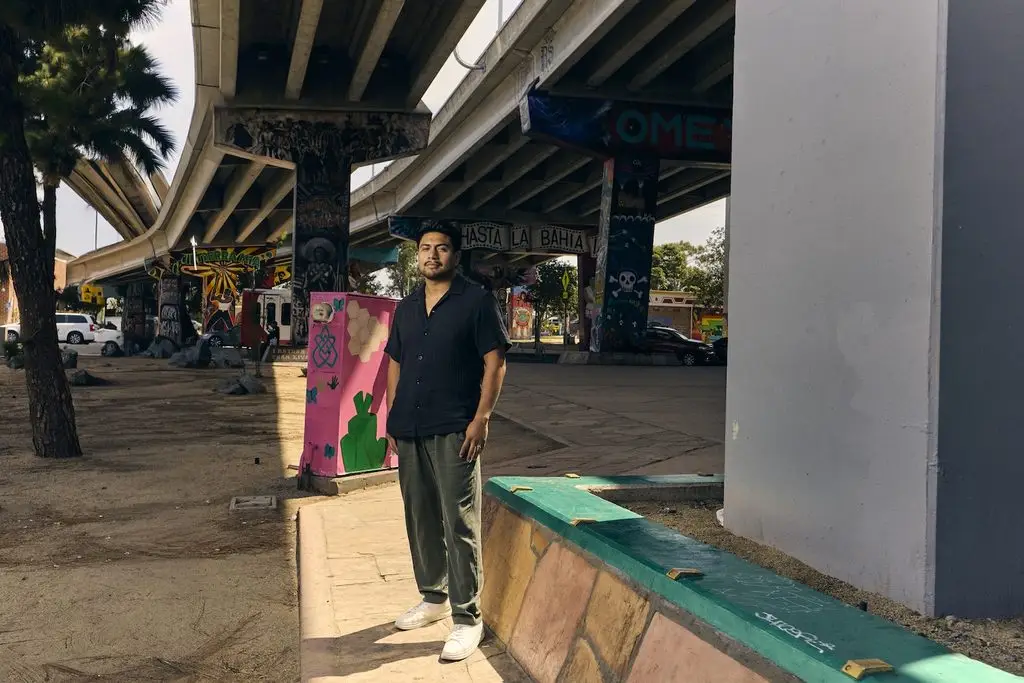
Perfect-looking people don’t interest Luis Lopez. As a director and videographer, he wants to capture the sun and the rain—metaphorically and physically—whatever makes his subjects special and flawed.
“We’re not perfect. We’re all so messy,” he says. “The stories I connect with are when they show it all.”
Born and raised in San Diego (and a graduate of San Diego State), Lopez worked as a cinematographer on Dear Philadelphia, Renee Osubu’s 2020 Sundance-nominated short. That experience pushed him toward telling the stories of nonprofits across San Diego, and he founded Legacy Light Studios in 2023.
Working with mission-driven organizations and those society overlooks takes an empathetic approach. Lopez is able to humanize stories without the dreaded heavy hand. As a father of one with another debuting soon, he says he just loves showing his son “the best of what San Diego has.”
His work has helped The Doan Foundation, granting unrestricted funds to underserved youth and creatives, and with United Way, profiling a former gang member rebuilding his life.
“Every film gives a dose of empathy,” Lopez says—offered through eye contact and thoughtful listening. The other day, a film subject texted him: “Thank you so much for making me feel important.” —ME
Thao Huynh French is fairly certain she’s the first Vietnamese female muralist working in San Diego. Born in Cam Ranh Bay, Vietnam, French’s family came to the US through the Amerasian Homecoming Act, passing through a refugee camp in the Philippines. She ended up in San Diego by accident: In town visiting her sister, her purse was stolen at a bar, leaving her stranded. So she got a receptionist job, which turned into a life. “San Diego basically chose me,” she says. She found her way to City Heights, and it shaped everything that came after.
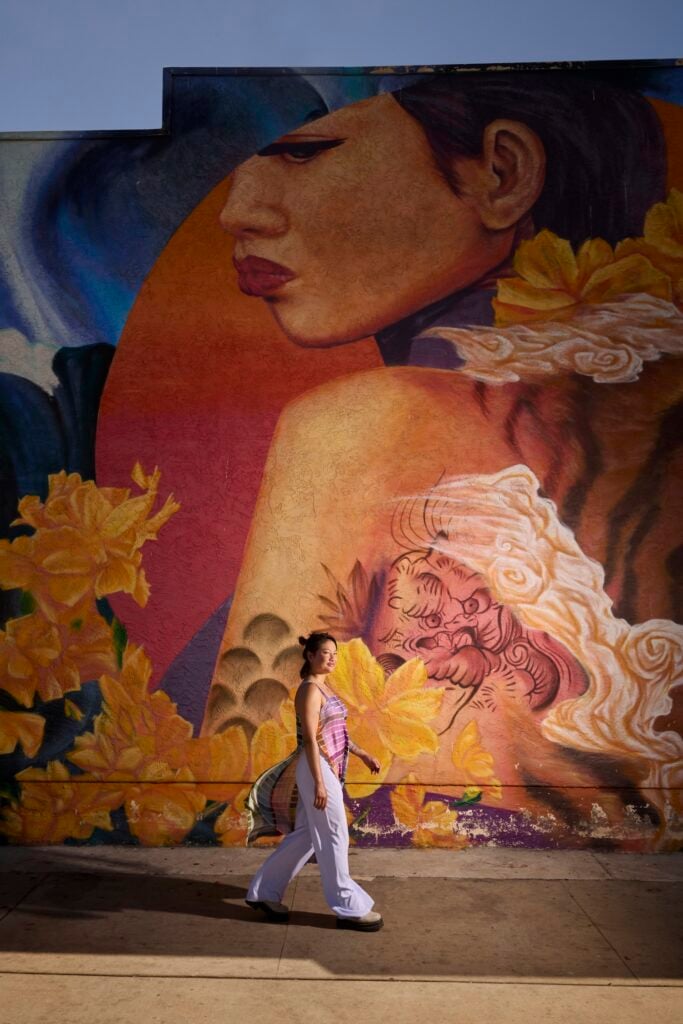
In 2022, French painted “Year of the Tiger,” Little Saigon’s first historical landmark mural, a direct response to the gentrification happening in the area. “We exist,” she says of the message. “Stop exploiting us.”
Co-founder of Mindful Murals and specializing in interactive art at local schools, French has a solo show at the Mesa College Art Gallery (runs until Sept. 17). “Future Flowers: Memory, Meaning, Mischief” is built around thousands of photos and documents she saw upon returning to that refugee camp in 2025.
French’s mission: Art beautiful enough to shift human behavior. “Aside from being an artist, I am a human being,” she says. “I’m trying to create something from my experiences, good and bad, so I can impact the world in a better way for systemic change.” —AB
Artists need advocates, and Bob Lehman is a fierce one. He’s dedicated his career to making sure the people who make art can keep making it. As executive director of San Diego Art Matters (SDAM), he spends his days meeting with council members, supervisors, and Baja counterparts in an effort to keep arts funding on the table.
For five years before SDAM, Lehman ran the region’s Museum Council, building relationships across the border. He’s quick to correct the assumption that those partnerships only run one way: “Don’t think because you’re helping a smaller organization, you’re not getting something out of it. You are.” Under his guidance, Baja became the Council’s second-largest social media audience, right behind San Diego.
Now Lehman is steering Artists Count, sending unrestricted grants of $20,000 to $50,000 directly to 42 artists across the city, county, and Baja, and he’s working alongside Christine Martinez to come up with a regional plan to make the yearly arts-funding scramble obsolete. —AB
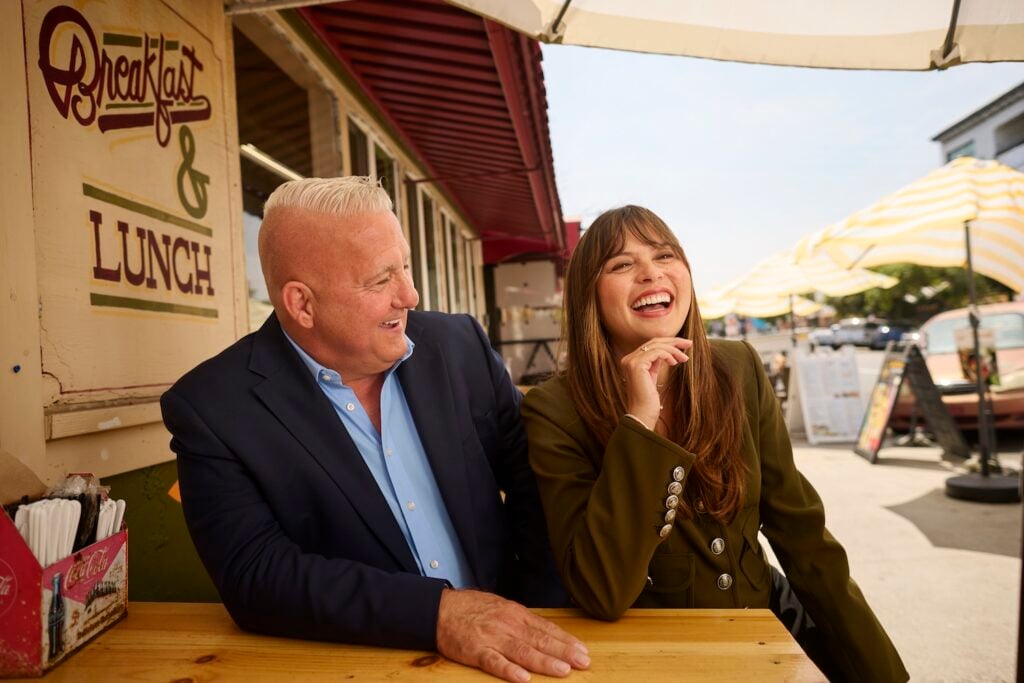
Ours is a hustle economy, meaning few of us do just one thing. This is true for Christine Martinez, marketing director of San Diego Ballet and manager of Arts+Culture:San Diego, the advocacy arm of the Balboa Park Cultural Partnership.
She calls herself and Bob Lehman “twin spirits” because, while they work for different organizations, they’re lockstep in the same fight. When the city’s proposed 2027 budget zeroed out arts grants entirely, the duo got a day’s notice before it went public. Martinez turned her contact list into a town hall, and the town hall into months of rallies. “We won’t be caught off guard next year like we were this year,” Martinez says.
With Vibrant San Diego, the 501(c)(4) she’s building, she’s focused on lobbying candidates to lock in the “Penny for the Arts” initiative—the great promise for local culture, unanimously adopted by the city council in 2012, but never realized. —AB
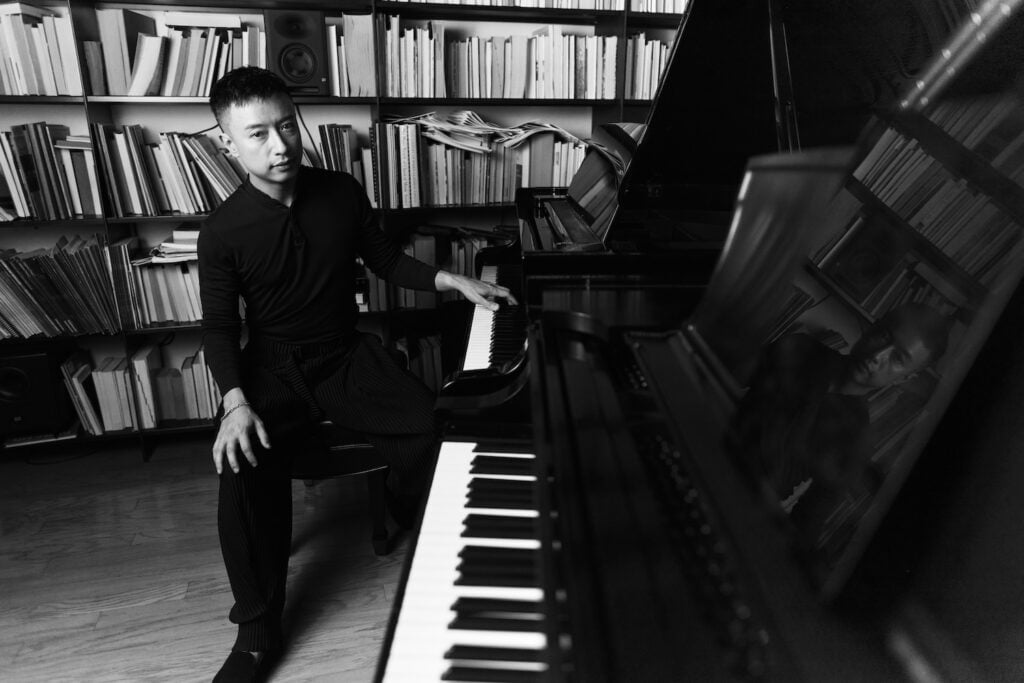
Musicians travel the world—teaching, performing, and collecting new ideas—and come home ready to experiment with their craft. That’s what led pianist Brendan Nguyen and his then-fellow UC San Diego PhD candidates, vocalist Leslie Leytham, to co-found Project [BLANK], giving cross-border interdisciplinary artists a dream space to create via concerts and events that intentionally break the traditional rules of art and music, all in the name of art and music.
Complicated-but-cool projects are routine for Nguyen. At UCSD, he curated a show that simultaneously utilized almost every performance space in Conrad Prebys Music Center. A logistical avalanche, but perfect practice for Project [BLANK].
During Covid, Project [BLANK] took on its experimental ethos to adapt with the times. Audiences couldn’t physically immerse themselves, so Project [BLANK] livestreamed shows as first-person POV—panning the room to capture multiple synchronous performances and art pieces. “We took [Covid] as a moment to rise to the occasion and do something for our communities,” Nguyen says. “We did whatever we could to help keep the social fabric intact.”
“We have a talent pool, or the potential for one, that rivals any other major international city,” Nguyen says of San Diego. With Project [BLANK] established, he’s returned to piano performance. His next piece? “Blood Replica,” which he says is the sonic representation of dying of AIDS and will premiere at Project [BLANK]’s Working Title show next May. —EV
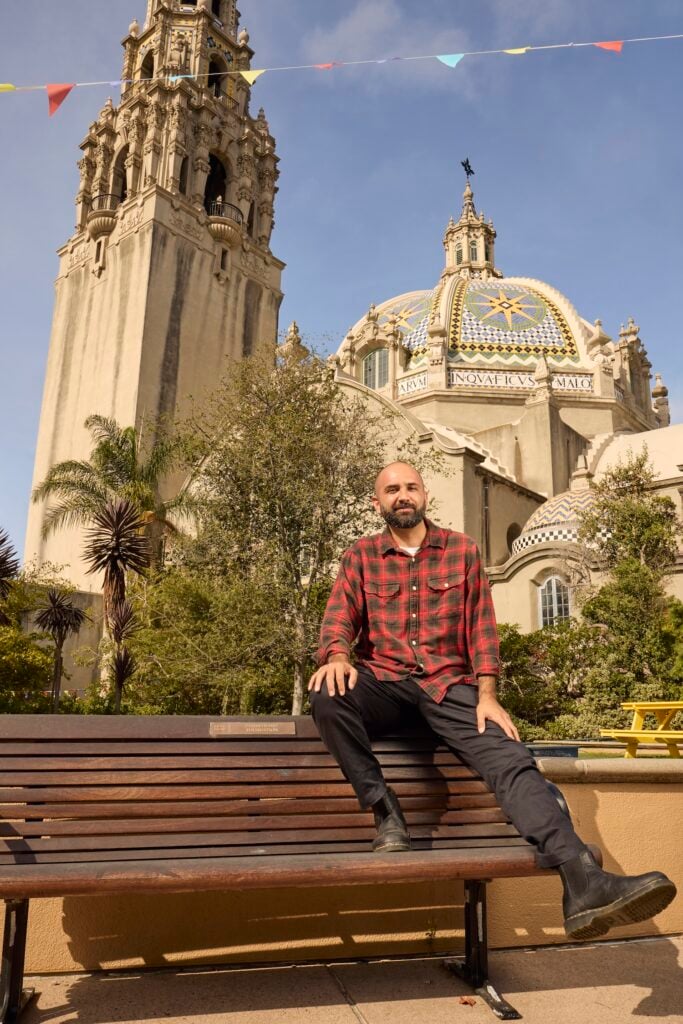
Brandon Boomizad’s hands move faster than a casino dealer’s. As Head of Sound for The Old Globe’s Festival Stage, he’s an expert at line-by-line mixing, the in-the-moment, rapid-fire art of making sure actors’ mics don’t pick up interference or feedback.
“Throughout an entire show, my fingers probably move over a thousand times,” Boomizad says. The biggest misconception? “We just turn everything on and then sit there.”
Having just finished the Globe’s “Much Ado About Nothing” and next launching the new musical adaptation of “Begin Again,” Boomizad teaches actors specific microphone techniques, specializes in the latest audiovisual tech, and collaborates with AV pros from New York who use the Globe to test their shows.
“They’ll show me how they do things, and that [validates] me to be like, ‘Oh, I could make Broadway,’” he says.
After training to become a recording engineer, Boomizad stopped listening to music for pleasure. He obsessed on the technical nuances behind everything he heard—from The Beatles to Kendrick Lamar—and applied that to theater.
“I watch a musical and think: ‘How did they mic all these actors? How did they mic the band? How did they program the console?’” he says. “I definitely incorporate that into how I do things now.” —ME
Leticia Gomez Franco knew nothing about art conservation when the Balboa Art Conservation Center (BACC) board handed her the keys in 2020. They hired her not despite her inexperience, but because of it. They wanted “a leader to inspire,” she says. Gomez Franco’s the person you want in your corner when you’re backed into it; the one who’ll ask you to hold her earrings.
Five years later, she’d secured two million-dollar Mellon Foundation grants, blowing the locks off an institution that celebrates 50 years this year, a gatekeeper that had served only museums and private collectors before Gomez Franco arrived.
She recalls being dumbstruck touring BACC’s lab—part science class, part art studio, with X-ray machines. Microscopes. “Freaking lasers.” She thought of years co-leading The Front Arte y Cultura in San Ysidro with college friend Monica Delgadillo Hernandez, now executive director of the Chicano Park Museum and Cultural Center, the pair selling carne con chile for $5 a bowl to afford mural paint. “We were picking up pennies, and then there are spaces like this?”
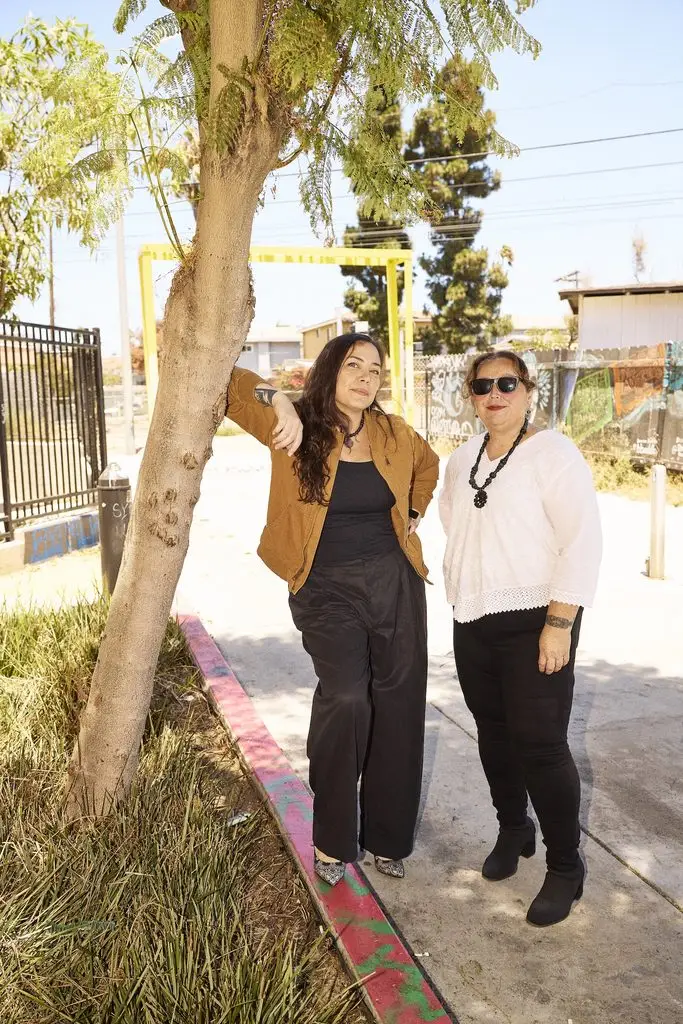
Now she’s thrown BACC’s doors open—tours, X-ray sessions, heirloom consultations—insisting preservation belongs to everyone. —AB
When Monica Delgadillo Hernandez was growing up in San Ysidro, today’s arts scene didn’t exist. No galleries, no museums, not even a high school—kids were bused out. Culture survived in living rooms and backyards, through tocadas and the neighborhood’s graffiti and hip-hop scenes. Hernandez is an “artivist,” her work built on the belief that art and social justice share one root.
She attended UC Berkeley, where she met Leticia Gomez Franco and saw real infrastructure in the Bay Area arts scene. She convinced Gomez Franco to come back to San Diego and build a similar framework. In 2004, the pair founded The Front Arte y Cultura with zero city funding, before Delgadillo Hernandez stepped away for nearly a decade as a shelter case manager running—unsurprisingly—an art-based program.
Now, she’s executive director of the Chicano Park Museum and Cultural Center and a San Diego County Arts & Culture commissioner. With the latter, she helped resurrect a defunct grants committee and win the county’s first dedicated arts funding. Last August, she curated “An Artist’s Duty” at The WOO, showcasing 142 Chicano artists—work that became protest when ICE raids hit San Diego. “Artist and activist,” she says, “one and the same.” —AB
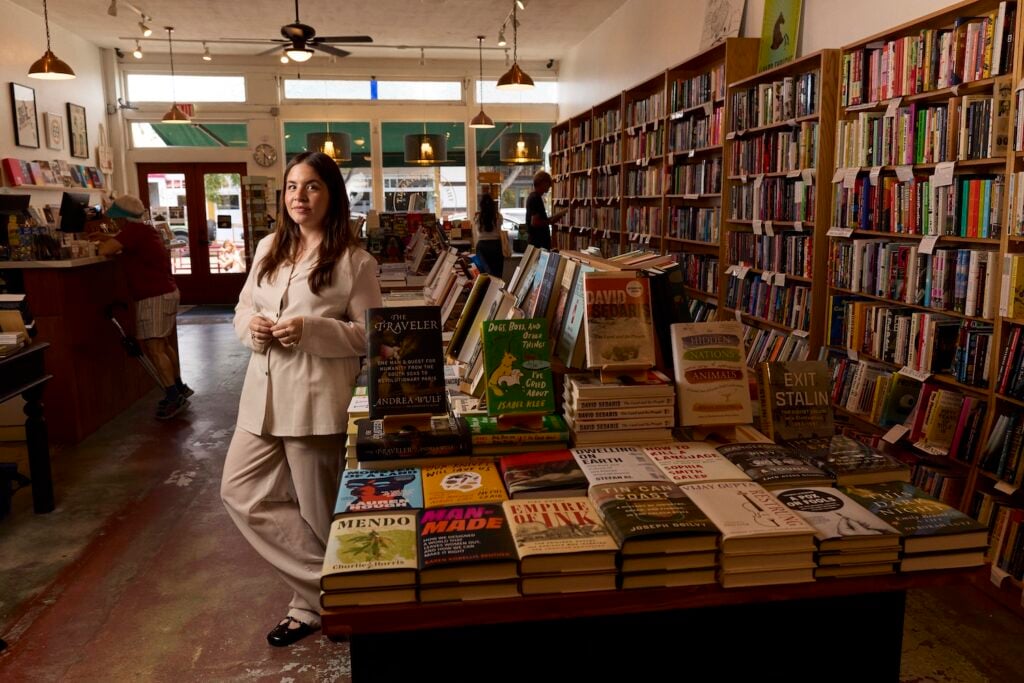
Before Paola Capó-García became San Diego’s Poet Laureate (2025–2027), she was a teenager with an empty journal and a curiosity about language. She didn’t know where those first poems would take her, only that they gave her a way to find her place.
Today, the Puerto Rico–raised educator is charged with bringing the art form out of diary solitude and into San Diego classrooms, libraries, and community spaces. In an age where written communication is being outsourced to GPTs, humans focusing on the rhythms of spoken language, singular turns of phrase, the sound of vowels and consonants—feels both quaint and urgent.
Her current project, “Apertura,” combines video, visual art, and writing to explore poetry through a workshop and an upcoming zine. “Poetry’s an act of service,” Capó-García says. “I can offer people space to do it for themselves—or to write it—and feel empowered and transformed by it.”
Capó-García is funny, and her language is concise, weaving in Spanish phrases for a different weight. “There’s an intimacy in that,” she says, “and I think that’s needed right now for people who feel scared to speak Spanish in public; people who feel scared to show who they are.”
She hopes more people give themselves permission to create and take risks. “We’re going to explode if we don’t start embracing the cringe and the vulnerability.” —ID
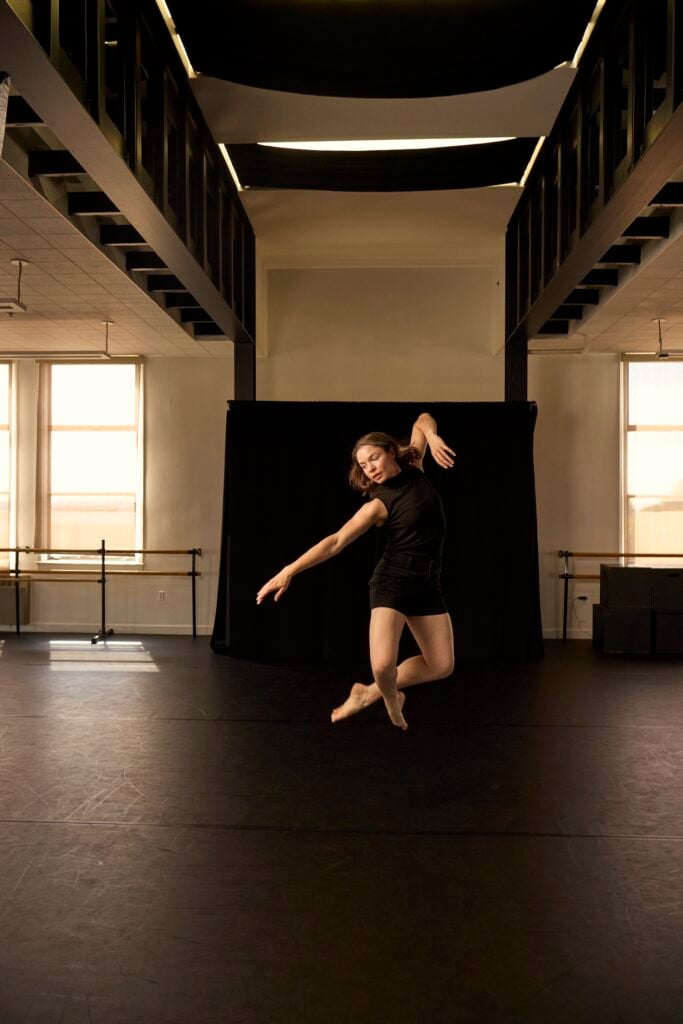
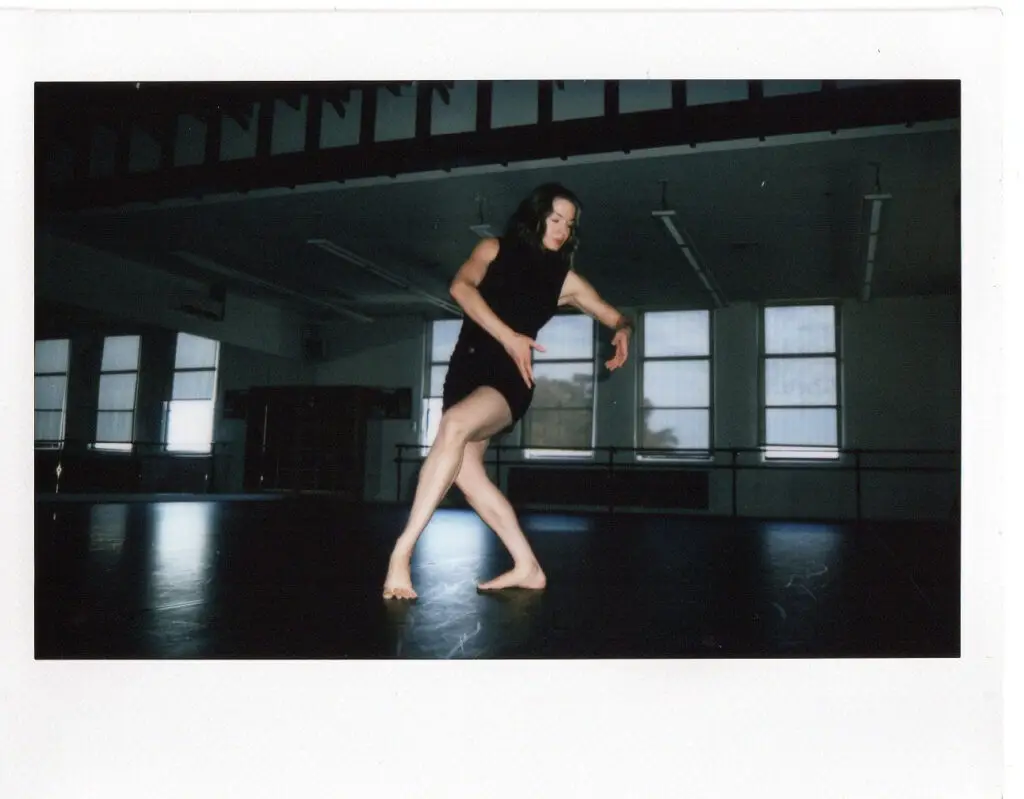
Malashock Dance is one of the city’s top modern dance studios, and Lauren Christie is the star within the star. As a dancer and rehearsal director, she’s an expert at harnessing her vulnerability and infusing her performance with it.
“I have to feel something for someone watching to feel something,” says Christie.
She grew up training at Ballet Memphis School in Tennessee and minored in dance at American University in Washington, DC. Her talent took her across the globe. This past summer, she was in Amsterdam studying countertechnique, a contemporary dance movement system that enables dancers to move more fluidly and spatially while limiting impact on the body. One of the most physically grueling art forms, dancing’s annual injury rate is between 67 and 95 percent.
Whether channeling emotion or baring her inner world—through contraction and release, a spiral skyward, a fall to the floor—Christie is magnetic. Delicate one moment and leaden the next, gravity is confused by her, and audiences are rapt. She brings intention into any performance space she enters. A world-class performer, right here in this city.
“The way that I try to really live in each moment as I’m dancing and performing, I hope that stays with other people,” Christie says. “And I hope the way I communicate through my dancing also carries over into the rest of my life.” —AB
Dinah Poellnitz didn’t wait for San Diego’s arts infrastructure to appear. She built it.
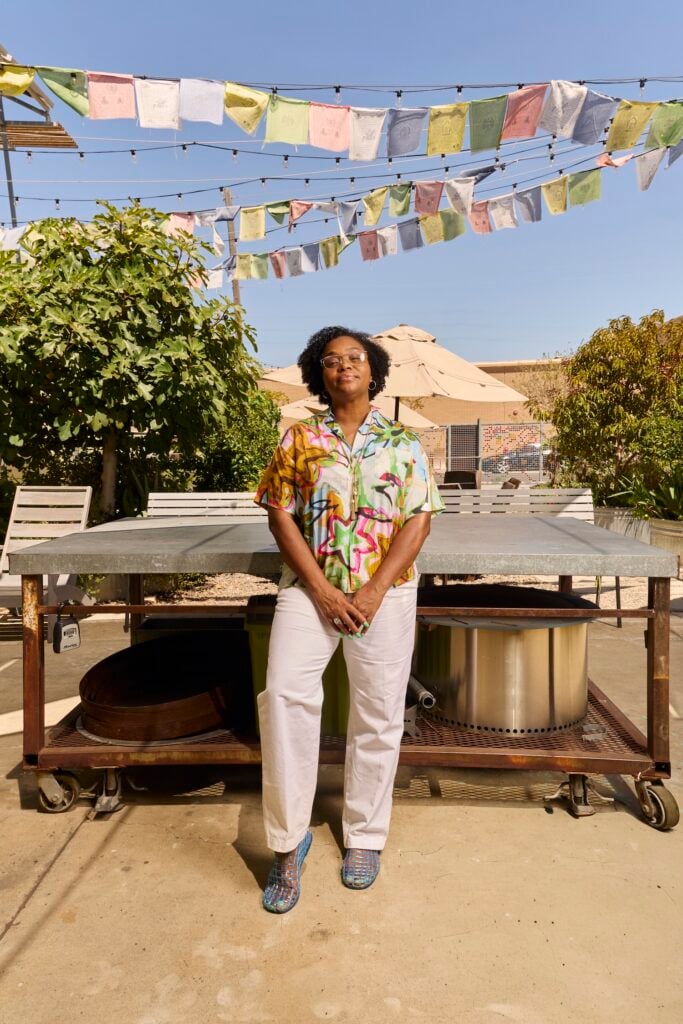
“For the last 14 years, all I did was ask until someone said yes,” she says.
One of the region’s most important arts leaders, Poellnitz co-founded The Hill Street Country Club (HSCC) in Oceanside in 2012; the space she wished existed, where artists could find opportunities without having to fight their way in.
Since then, HSCC has become one of San Diego County’s most influential DIY arts spaces. Her upcoming project, the Art Hotel Project, extends that mission into hospitality as a social enterprise supporting the creative economy. The hotel will fold artist studios, programming spaces, performances and community experiences into the guest experience—from textile studios to culinary programming—making creativity part of the infrastructure, not decoration.
“It gives me creative autonomy; it gives my community creative autonomy,” Poellnitz says, noting her goal to give artists more ownership over their work and futures.
One of the few Black women leading an independent arts space in San Diego County, Poellnitz says she uses art “as a tool for critical mass.” Hill Street is free to all—using art to explain public budgets, local policy, and arts advocacy—and anchors mutual aid by supporting collectives offering food access, laundry, and wellness programming. —ID
Look at the shut eyes of “Stargazer,” and artist Johnny Bear Contreras hopes you’ll feel connected to the past, present, and future of the Kumeyaay. The bronze face of a Kumeyaay in a corolla of steel, an ancient force experiencing rapture or struggle (or both) in shiny, modern materials surrounding him. Scan a QR code, and you’ll get a lesson on birdsong, a core tradition of Kumeyaay culture.
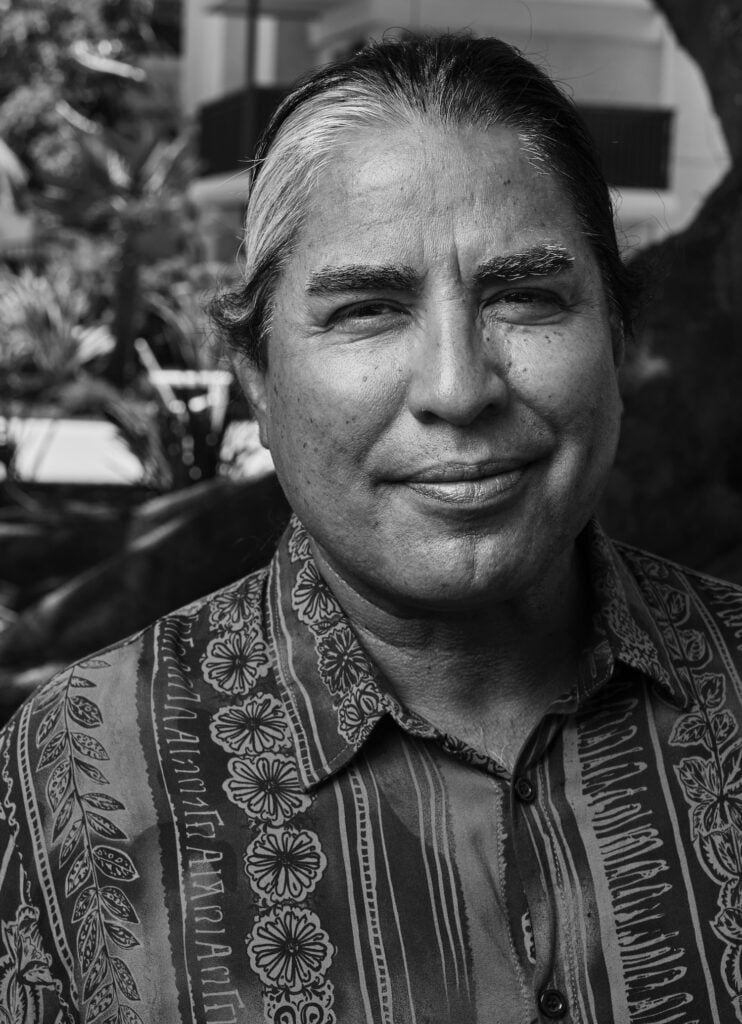
“Stargazer” is one of four existing—and 10 total planned—art pieces in San Diego State’s “Living Land Acknowledgement” series on campus. The series was designed to tell the stories of San Diego’s core Indigenous people and tribe, who lived on the mesa (and everywhere) and are still here, our third regional nation.
A tribal member of the San Pasqual Band of the Kumeyaay Nation, culture bearer and sculptor, Contreras makes public art that contextualizes Indigenous contributions in today’s settings. “As I work, I’m thinking, ‘Is this relatable?’” he says. “That’s what I want.”
In 1981, Contreras began studying patina and mold-making at Palomar College while working as a journeyman carpenter, selling art out of his ’65 Buick station wagon on weekends. Today, he’s a central voice for his people who made here, here—an advisor for both the Tijuana Estuary Foundation and La Jolla’s History and Culture Museum, and an arts fellow at Far South/Border North (a regional collaborative supporting communities in San Diego and Imperial counties).
Next up for Contreras is the first-ever permanent curated Kumeyaay exhibit at the Bonita Museum and Cultural Center, new sculptures for the local MTS, and Indigi-Con (he’s a co-founder) at Harrah’s Resort SoCal. “I think the depth we have here is underestimated,” Contreras says. “San Diego is becoming the arts community it deserves to be recognized for, which includes diversity and a trinational effort.” —LG
Jackie is a long-time freelance journalist covering cannabis, food/restaurants, travel, labor, wine, spirits, arts & culture, design, and other topics. Her work has been selected twice for Best American Travel Writing, and she has won a variety of national and local awards for her writing and reporting.

Isabella Dallas is a freelance writer for San Diego Magazine and the Arts and Culture Editor at The Daily Aztec in her final year at San Diego State University. She previously worked as an editorial intern for SDM, but when she’s not writing, you can find her trying the best coffee spots in SD, devouring the latest rom-coms, and indulging in anything and everything pop culture.
Matt Eisenberg is an award-winning writer and photographer based in San Diego. A former ESPN editor, his work has also been published by CNN, Bleacher Report and the New York Daily News.
Aaryn Belfer is a writer and editor specializing in nonfiction across art, architecture, and culture. Once upon a time, she wrote a provocative column for San Diego CityBeat (RIP). She was a runner up in the 2025 Matchbook Stories contest at the San Diego Central Library and is irrationally happy about it. Currently in her Soft Girl Era, Aaryn has expensive taste in (mostly flat) shoes and will choose a great art exhibit or live jazz concert over almost anything else. Except, possibly, Javier Bardem.
Leorah Gavidor won her first essay contest at age 5. She writes features, news, and non-fiction in San Diego.
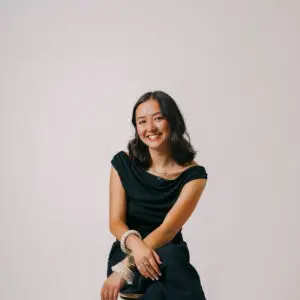
Lili Kim is a content coordinator and writer for San Diego Magazine, with experience highlighting local businesses and communities. When not writing or shooting film, she is likely brewing her seventh cup of tea of the day or strolling along Sunset Cliffs.
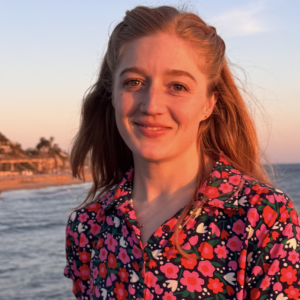
Emma Veidt is an editor at San Diego Magazine. She earned her bachelor's and master's degrees from the Missouri School of Journalism. She loves running, hiking, and rock climbing, but really, she mostly loves encounters with the street cats around North Park.
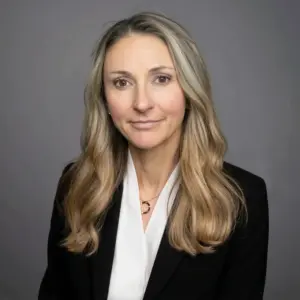
Gail Czyszczon is owner/copywriter at Z3 Writing and best-selling author of a children’s book series. As a strategic communications professional and editorialist, she's passionate about discovering untold stories and themes that ignite fresh conversation and true change in communities.
