For this adventure, you only need to be able to do one thing. “If you can follow directions, you can get in a boat,” says Brewster Schenck, who has quadriplegia and has cruised with Challenged Sailors—a nonprofit that offers free adaptive sailing to people with disabilities—for the past five years.
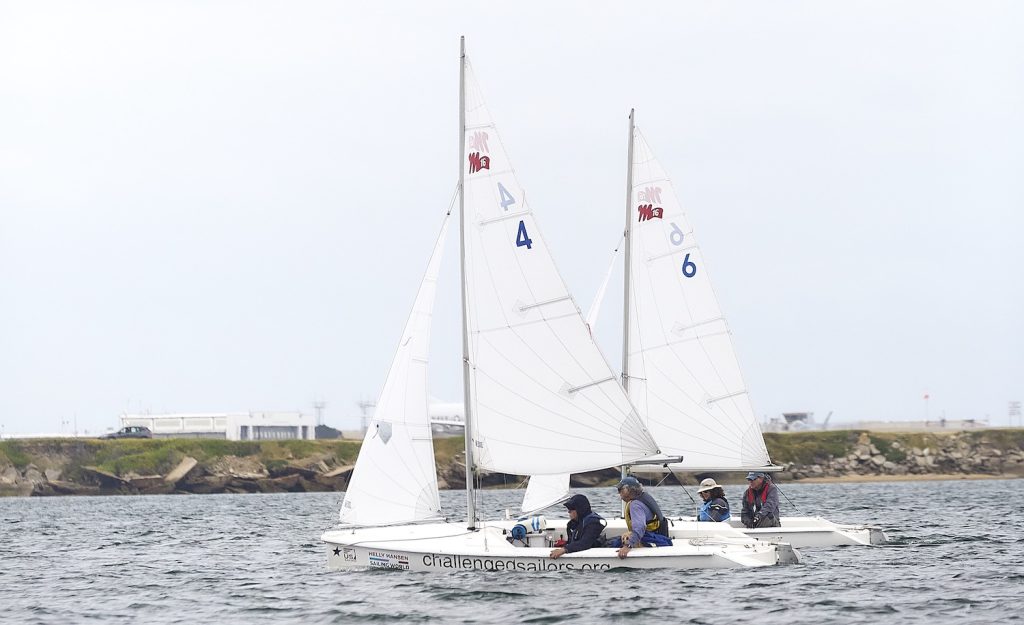
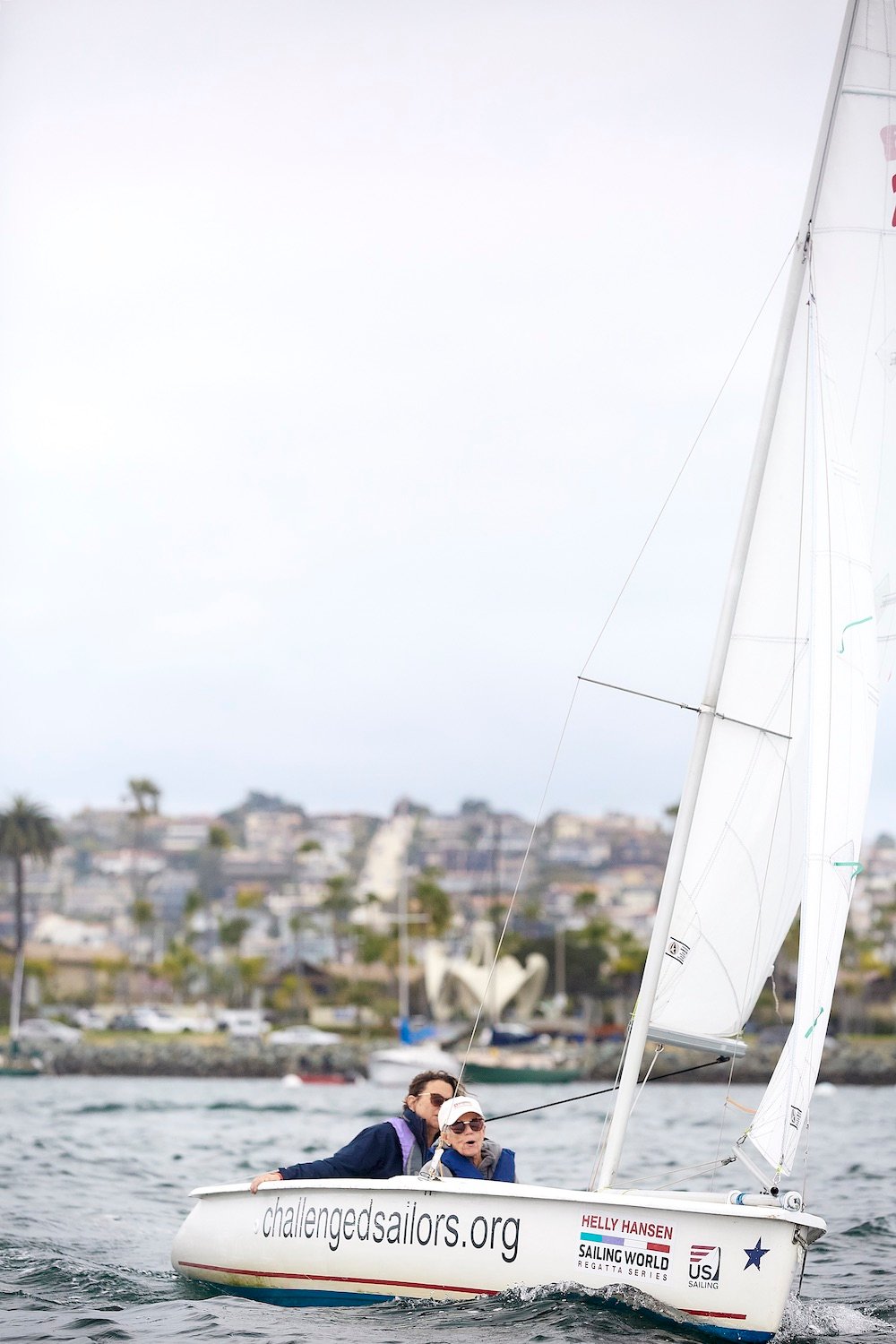
On an overcast Friday afternoon, a group of 17 huddles on Harbor Island’s docks, home to eight specially designed Martin16 sailboats. The two-person vessels are weighted so they can’t tip over. Even if they filled with water, they wouldn’t sink. The sails are controlled by two ropes and the rudder by a joystick, so the boater can sail without ever having to leave their seat. These boats can even be fitted with technology that allows sailors who can’t use their limbs to control the boat with their breath. As a precaution, a volunteer sailor travels in the seat behind.
Photo Credit: Erica Joan
The adapted boats give participants freedom they don’t always experience on land. Volunteer Dale Burchby recalls a woman who went sailing with them after a catastrophic accident that rendered her suddenly needing a wheelchair. Looking out at the bay, she asked, “Where do we go?”
Wheelchairs, walkers, and scooters stay on the docks, explains Challenged Sailors President Peter Phillips, who, because of nerve damage caused by Guillain-Barré syndrome, needs leg braces and a walker to get around.
“When I’m walking, I’m experiencing pain. I can’t go fast,” he says. But out on the bay, “there are no limitations—it’s just the boat and the wind and the water.”
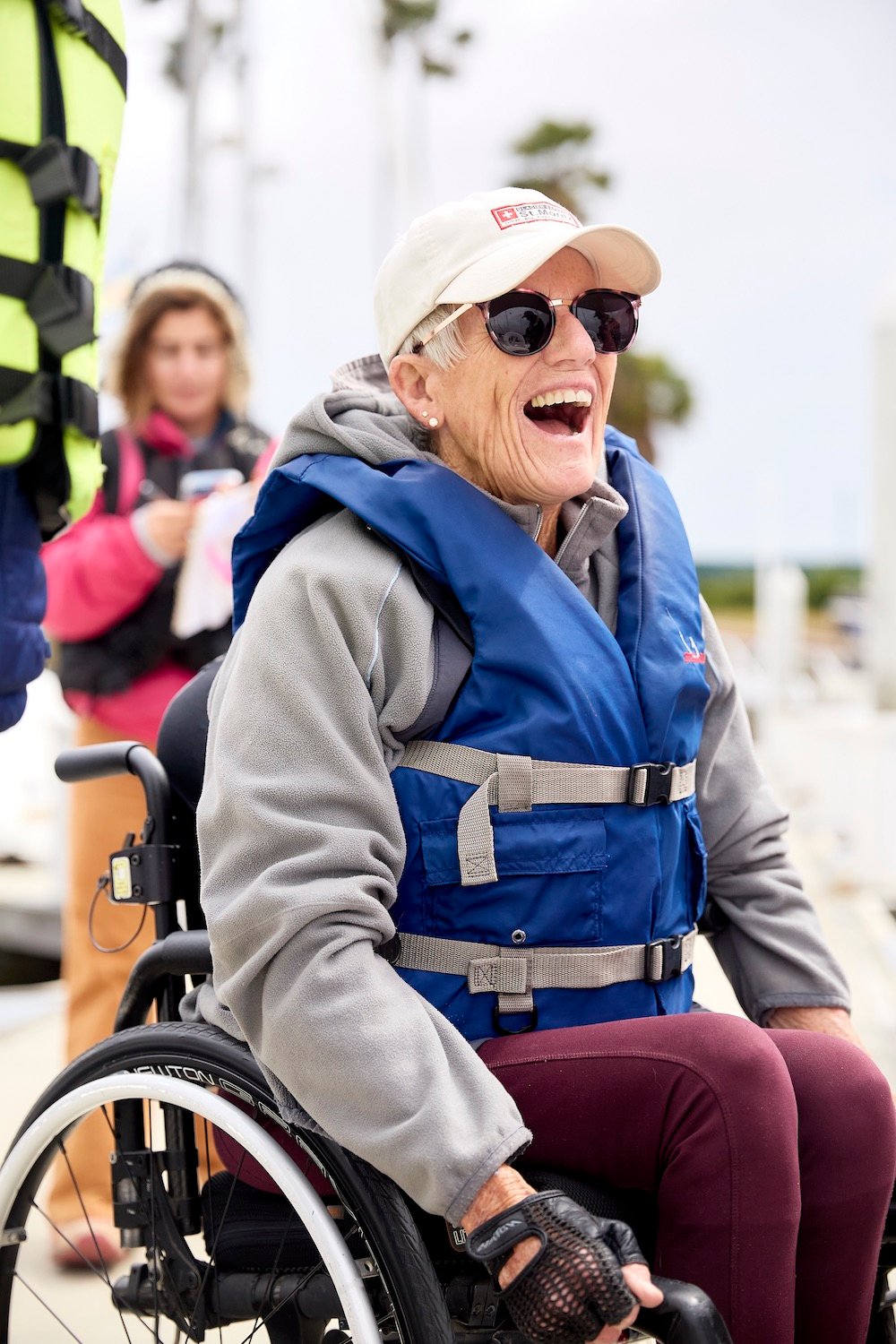
Photo Credit: Erica Joan Penny Anders feeling the stoke after a successful day on the sea.
Back on the dock, Penny Anders, who became paraplegic after an accident two years ago, gets ready to be lowered by a hoist into her boat. She beams as she ducks beneath the boom and takes control of the helm. “You go so fast [when you’re sailing]—you’re just flying,” Anders says. The sport has been a source of joy for her in what has been a difficult transition, she adds.
“It saved me, too,” says Leah Gualtieri, her volunteer companion sailor, who took up sailing after a divorce. “Once you’re out there, you don’t want to not be out there.”
Mara Altman is the author of two nonfiction books, Thanks for Coming and Gross Anatomy: Dispatches from the Front (and Back), which was a semi-finalist for the Thurber Prize for American Humor. Altman also wrote eight best-selling Kindle Singles and has written for publications such as The New York Times and New York Magazine. Earlier in her career, she was a staff writer for The Village Voice and daily newspapers in India and Thailand. She lives in North Park with her husband and twins.
Through its Playmakers initiative, San Diego FC is working with artists, musicians, and other local creatives to shape the identity of the city’s newest professional sports team
What does a soccer team have to do with San Diego’s arts scene? Quite a lot, as it turns out. When San Diego FC launched, the club could have spent its marketing budget on billboards, bus wraps, and digital ads. Instead, it went into neighborhoods, found local artists and creatives, and started building the club’s identity with them. Through its Playmakers initiative, artists have designed limited-edition merchandise, had their work featured on the stadium’s jumbotron, and found themselves in front of thousands of fans—and, in some cases, a national TV audience.
For this special edition of the podcast, created alongside San Diego Magazine’s September arts and culture issue, host Troy Johnson talks with Sebastián Morúa, SDFC’s Senior Vice President of Brand & Innovation, and longtime San Diego native and creative Tony Martinez of Barrio Junto. The conversation gets into why a professional soccer club would make local art part of its business, how Martinez’s decades in San Diego’s creative community helped shape Playmakers, and the club’s early efforts to connect with artists across the county through its Chrome Ball Tour and neighborhood events. The goal, they explain, isn’t simply to put a local artist on a T-shirt. It’s to let the people who already understand San Diego help define what the new club looks and feels like.
The conversation also gets into the less glamorous—but important—side of supporting artists: money. They talk about how Playmakers pays local creatives, the value of the platform SDFC provides, and what it means to build an ongoing relationship between a professional sports club and the artists who help shape its identity. They also discuss the club’s growing music initiative, which will bring local musicians into the fold, and the many ways artists have already contributed to SDFC through merchandise, murals, Parks & Pitches projects, and more. Ultimately, it’s a conversation about soccer, art, community, and what can happen when a major sports franchise gives the people already making culture in San Diego a bigger platform.
This summary was provided to you by AI. To hear from the humans, listen to the podcast wherever you get your podcasts.
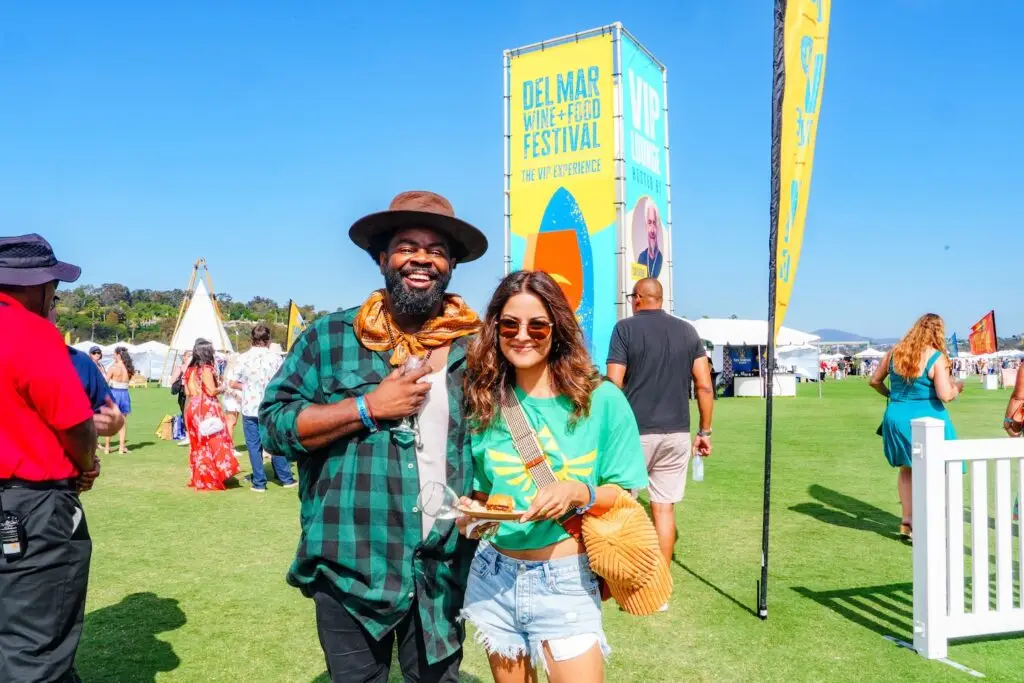
At Del Mar Wine & Food Festival’s Grand Tasting, the walk between food tents can take a while. You might stop to watch a chef competition, get pulled toward the DJ, or find yourself playing mini golf before you remember which bite you were after.
Across the Del Mar Polo Fields, there’s also line dancing, a 1961 red Beetle ready for photos, and an aviation-themed pop-up with Reno Tahoe chefs and mixologists. Need a slower stretch? Check out the wellness stops or browse the shops. Here’s what to look for as you make your way through the festival’s zones:
Courtesy of Del Mar Wine & Food Festival
VIP First Bites & First Sips
VIP ticket holders get a head start, with the VIP Reception running from 11:15 a.m. to 1 p.m. and serving first bites, first sips, and a few surprises before the Grand Tasting officially gets going. Champagne Telmont will make the festival’s first pour, while Cohn Restaurant Group brings carajillos alongside pours from Karl Strauss, Licor 43, Tap Truck San Diego, Bebemos Tequila, and Devil’s Grin Gin.
The bites are just as good. Celebrity chef Beau MacMillan will serve a first bite, while Warung RieRie is bringing one of its highly coveted dishes. Yes, this is the restaurant that currently has an eight-month waitlist. You’ll also find bites from The Shellfish Affair, The Waverly, Wolf in the Woods, Dora Ristorante, Cori Pastificio Trattoria, An’s Gelato, Pacific 333, Vintana, and more.
And because every good first act needs a soundtrack, there will be live painting and music, with Courtney Govan bringing live jazz to the reception. It’s the perfect opening act before the main event.
Live Cooking & Culinary Moments
During the VIP Reception, chefs Tommy Gomes and Jeff Roberto will conduct a live ahi cutting. Plant Paradise brings another culinary angle, with celebrity chef Zuliya Khawaja joining the plant-based lineup. The area combines chef talent with plant-forward restaurants and brands, giving guests a chance to see just how creative plant-based cooking can get.
Throughout the weekend, The Stage keeps the cooking demonstrations coming, with celebrities and chefs sharing techniques, recipes, and plenty of inspiration for anyone who plans to actually cook something when they get home. Before you know it, you’re watching a chef demo, casting your awards vote, and sipping mezcal on the grass with friends you just met in line.
Courtesy of Del Mar Wine & Food Festival
DJs, Music, & The Party
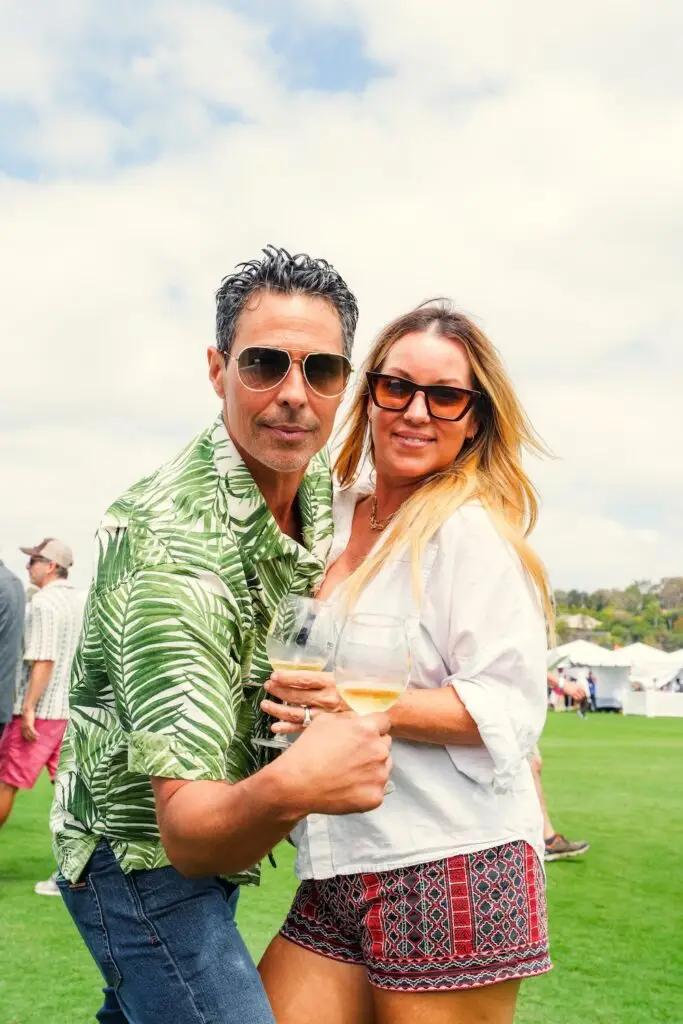
At the Grand Tasting, dancing just sort of… happens. A DJ drops the right song. Someone’s holding a taco in one hand and a glass of wine in the other. The country zone breaks into a two-step. Friends convince friends. Strangers become temporary dance partners. By the end of the day, everyone’s forgotten they were ever worried about looking cool.
DJ TENAX will be spinning in Plant Paradise, bringing house, techno, and UKG to an open-air dance floor that’s hard to leave. Chris Cantore, a veteran San Diego broadcaster, takes over the VIP Tent, while BootScootin Line Dance and PVO Events bring country-style line dancing to the Polo Fields, so you can work off your tasting itinerary one two-step at a time.
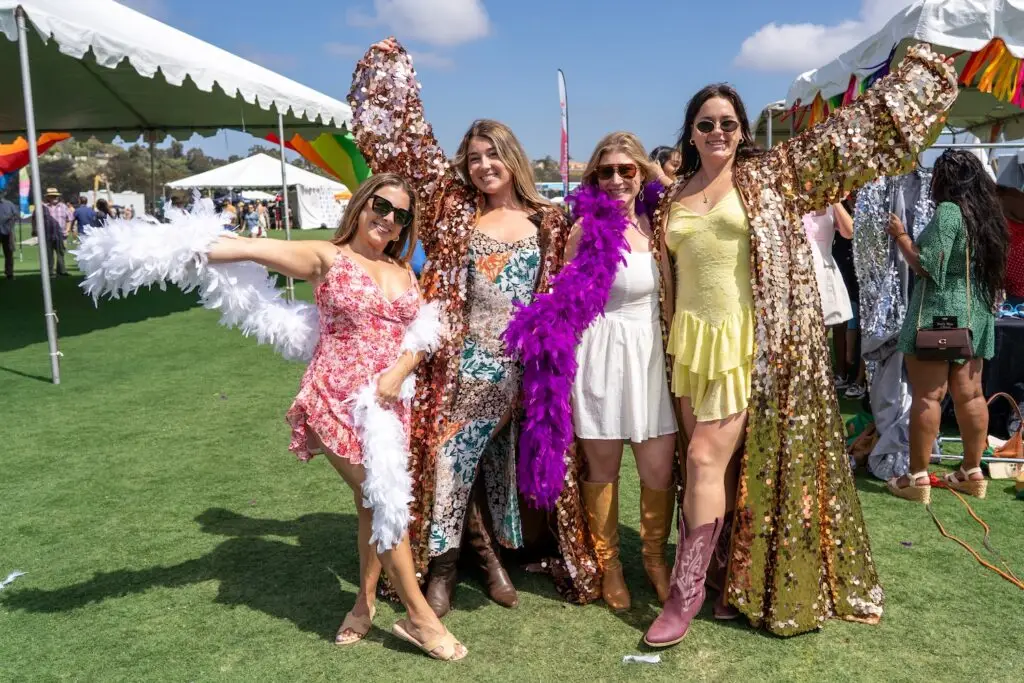
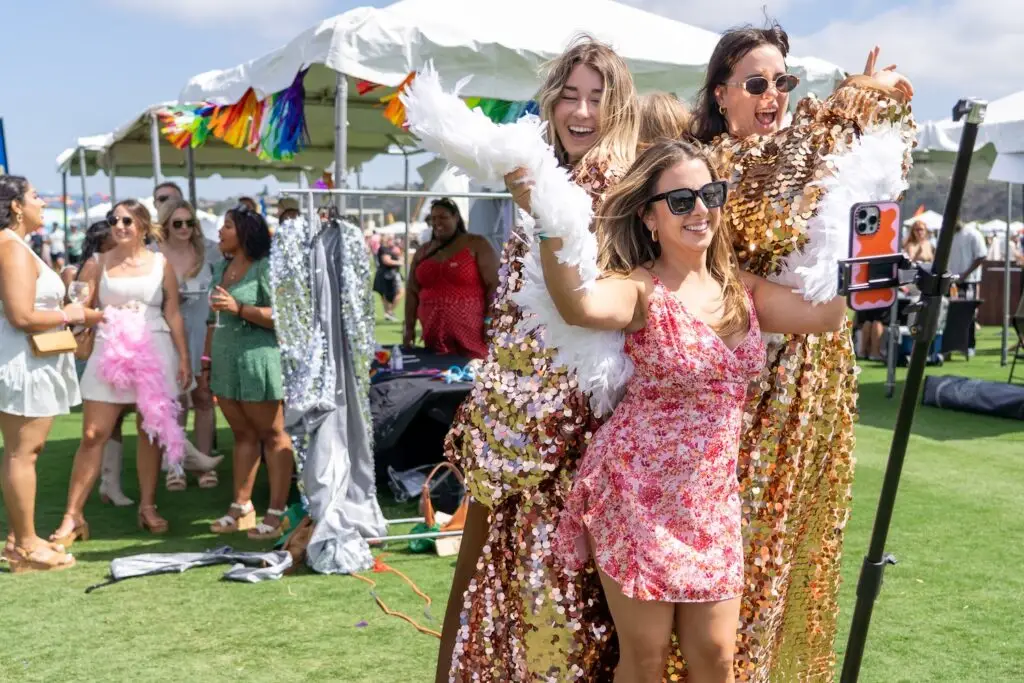
Then a live guitar hum in the distance leads you to a fuchsia boa over at the Pride Zone, where you’ll find yourself covered in sequins and having the lawn party of a lifetime.
Sports, Tailgates, & Games
Not every activity at the festival requires a tasting glass (although it’s certainly encouraged).
The Matchday Experience brings San Diego FC and San Diego Wave FC into the Grand Tasting, complete with interactive tents and plenty of game-day energy. Athletic Brewing is also sharing activation space with San Diego Wave FC, bringing a fun nonalcoholic option into the mix.
For golf fans, the Los Angeles Golf Club is bringing a Dryve Box golf simulator to the festival. And if your competitive streak is less fairway and more miniature windmill, SD Pop Up Mini Golf has you covered.
The Beach Zone gets in on the action, too, with surfing-inspired elements and Playavole paddle courts. Hemlock Hats and other California brands add to the coastal atmosphere, but the real draw is having somewhere to actually play. And don’t worry, you can cool down in COOLA’s turquoise beach chairs, too, and when your bestie suggests reapplying sunscreen, obviously you do. Basically, there are plenty of ways to work up an appetite between tastings.
Courtesy of Del Mar Wine & Food Festival
Photo Ops & Instagram Moments
You’re going to want to take photos, and the festival has made that extremely easy.
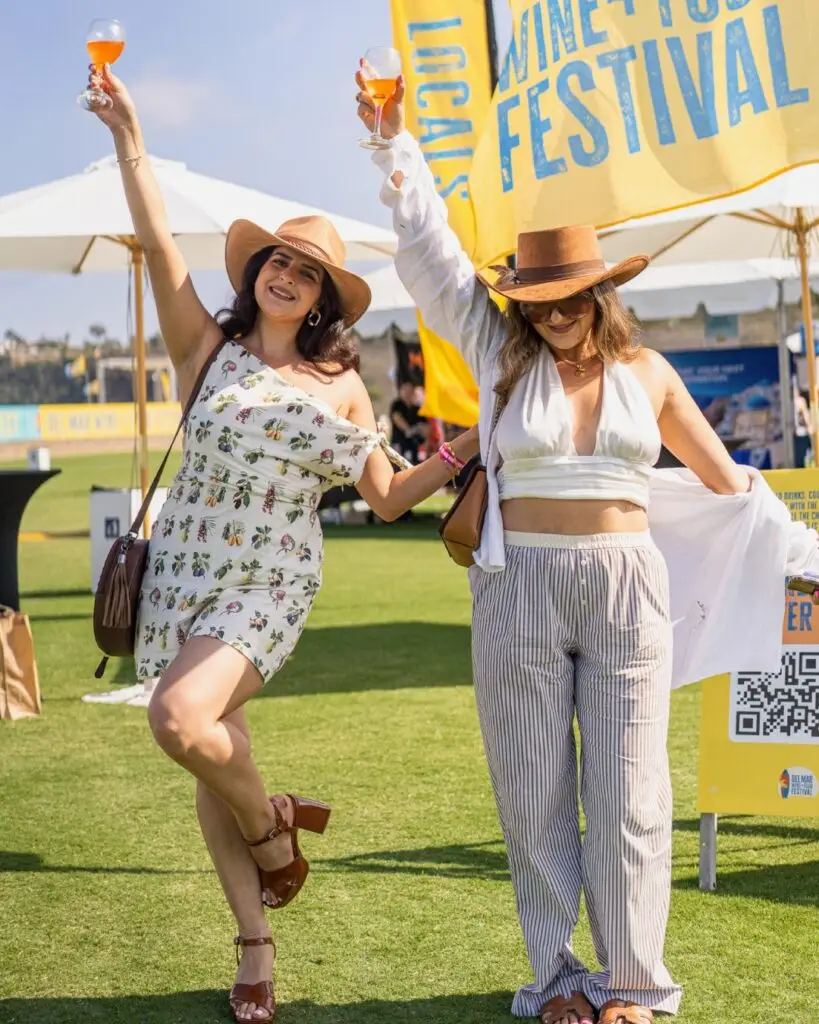
A Timeless Day is bringing multiple photo moments to the Grand Tasting, including a 1961 red Beetle at The Italian Getaway and a teal VW bus in The Beach Zone. For something a little more polished than the standard group selfie, head to the Locals Zone for Pixster Photo Booth and San Diego’s version of a Glam-Bot, complete with a grass red carpet.
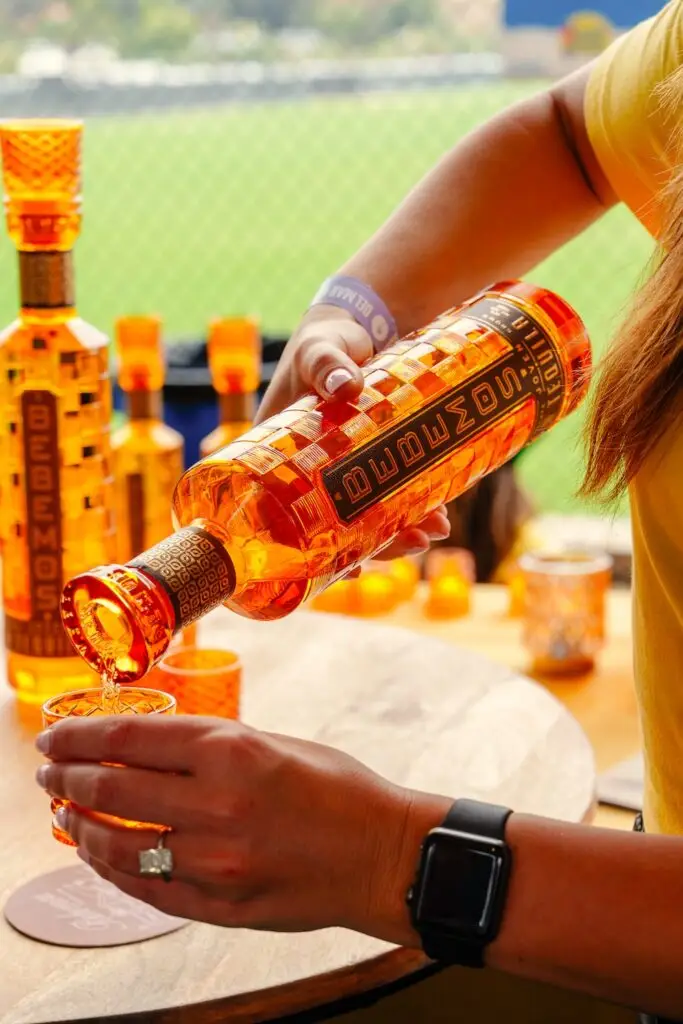
Bebemos Tequila is also bringing back its festival-favorite hidden speakeasy. If there’s ever a time for a photo, it’s here. Otherwise, people might not believe you. The speakeasy serves bone marrow shots straight from the bone, with candlelight, a lounge area that makes it hard to believe you’re in a tent outside, and little orange shot glasses. This is “first slide of your festival photo dump” material.
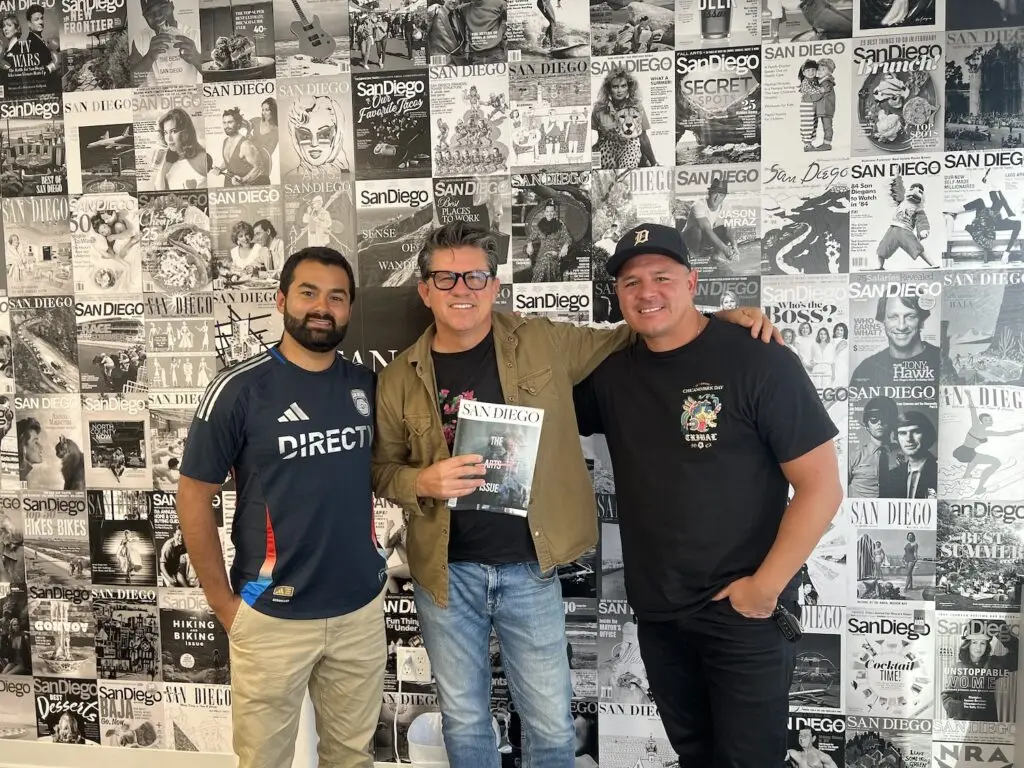
You can also grab your squad and head to LaCroix’s bright and ridiculously cute setup, or swing by San Diego Magazine’s area, where you might stop for a photo in front of the larger-than-life SD Magazine sign and find yourself watching a painting come to life.
But really, you’re in Del Mar. The ocean is essentially your backdrop, and every zone gives you an excuse to stop for the obligatory “totally candid” photo. And yes, the best strategy is to get the group shot before everyone has been sampling wine for three hours.
Shop, Browse, & Take Something Home
The Grand Tasting also doubles as a little shopping excursion, with local makers, fashion, vintage finds, jewelry, and lifestyle brands scattered throughout the grounds. Smoke Revival Vintage Vault brings the thrill of vintage treasure hunting, while Nortte Hats and Hemlock Hat Company make a pretty good case for leaving with a new accessory.
Keep an eye out for jewelry and creative vendors, too, including Iris Studio Jewelry and New Nightfall Jewelry, plus local artists and makers featured throughout the festival.
You can come for an all day food and wine festival, but still leave with something shiny you definitely did not plan to buy.
Wellness & Reset Moments
We know, at some point, even the most dedicated grazer has to come up for air. The Novo Dia Wellness Zone is designed for exactly that, bringing together mocktails, coffee, hydration, wellness brands, and even bites from Parakeet Cafe.
Step away from the food and drink frenzy for a few minutes, relax in the shade, try some skincare, stretch with prAna, and maybe grab some Instant Hydration Electrolytes before round three.
There’s also nothing wrong with stopping to smell the roses at Green Air Botanicals while devouring a dairy-free cheese dip. It’s less about disappearing from the party and more about making sure you have enough energy to keep going.
The zones give you somewhere to wander, and the activities give you a reason to keep going. So grab your tasting glass, check the schedule, and leave a little room in your afternoon for something you didn’t plan on doing. At Del Mar Wine & Food, that’s usually where things get interesting.
Isabella Dallas is a freelance writer for San Diego Magazine and the Arts and Culture Editor at The Daily Aztec in her final year at San Diego State University. She previously worked as an editorial intern for SDM, but when she’s not writing, you can find her trying the best coffee spots in SD, devouring the latest rom-coms, and indulging in anything and everything pop culture.
Marcella Johnson’s Comfort Cubs Help Families Carry Grief
The San Diego nonprofit grew from Johnson’s experience losing her infant son and now provides therapeutic teddy bears to grieving families and survivors of violent crimes
Grief is a complicated emotion. A profound loss can break a heart and bring unexpected emotional and physical pain that lasts for months or even years. As Marcella Johnson says, “Grief has no expiration date.” It can devastate, but it can also inspire.
Johnson knows this from experience. In 1999, her fourth child was diagnosed in utero with osteogenesis imperfecta type 2, a life-limiting disease. George was born on April 11, 1999, and died that same day.
“I got to hold him and look into his big blue eyes and tell him that I loved him,” she recalls. “That was very special for my family.”
In the days that followed, Johnson was swept up in sorrow and a physical pain she couldn’t understand. Her heart felt as though it physically ached; the only relief came from pressing on her chest, as if tending to an open wound. Her arms hurt, too, and rubbing them or applying ointment did nothing to ease the pain. She later came to understand the heart pain as stress-induced cardiomyopathy, also known as takotsubo syndrome or broken heart syndrome, a condition that was little understood at the time. She also experienced what’s commonly called empty arm syndrome, though it isn’t an official diagnosis. “It’s when your arms are literally aching to hold your child,” she says.
A week later, Johnson found an unexpected source of relief. Someone had left a terracotta pot of flowers at George’s gravesite, and her father urged her to take it home. When she held the pot, the aching began to subside.
“It was a cold, hard terracotta pot, but the weight of it gave me comfort. I felt an immediate response, and I thought, I can’t say anything to anyone. This is so weird,” she says. “I got home and I did not want to put that terracotta pot down. I found myself walking around the house, and every time I put it down, my pain would return. So I didn’t let go of it … I was so desperate to get myself out of pain that I [would] do whatever it takes.”
Courtesy of Marcella Johnson
Johnson soon learned she wasn’t the only grieving mother to find comfort in an inanimate object. Women had found solace in a sack of flour, a pillow, even a pineapple.
Johnson set aside her own grief and thought, I have to do something for these women.
“We needed to get to them before they left the hospital, because for me, leaving the hospital empty-handed was the worst experience of my life,” she says.
She began thinking about what might help. At George’s funeral, guests had brought stuffed animals to donate. Seeing a Beanie Baby at the top of the pile sparked an idea: What if she made a teddy bear about the size of a baby?
“It’s not uncommon for a grown woman to have a stuffed animal. And the teddy bear, the Comfort Cub that we came up with, if you look at it, you have no idea that it’s a therapeutic tool,” she says.
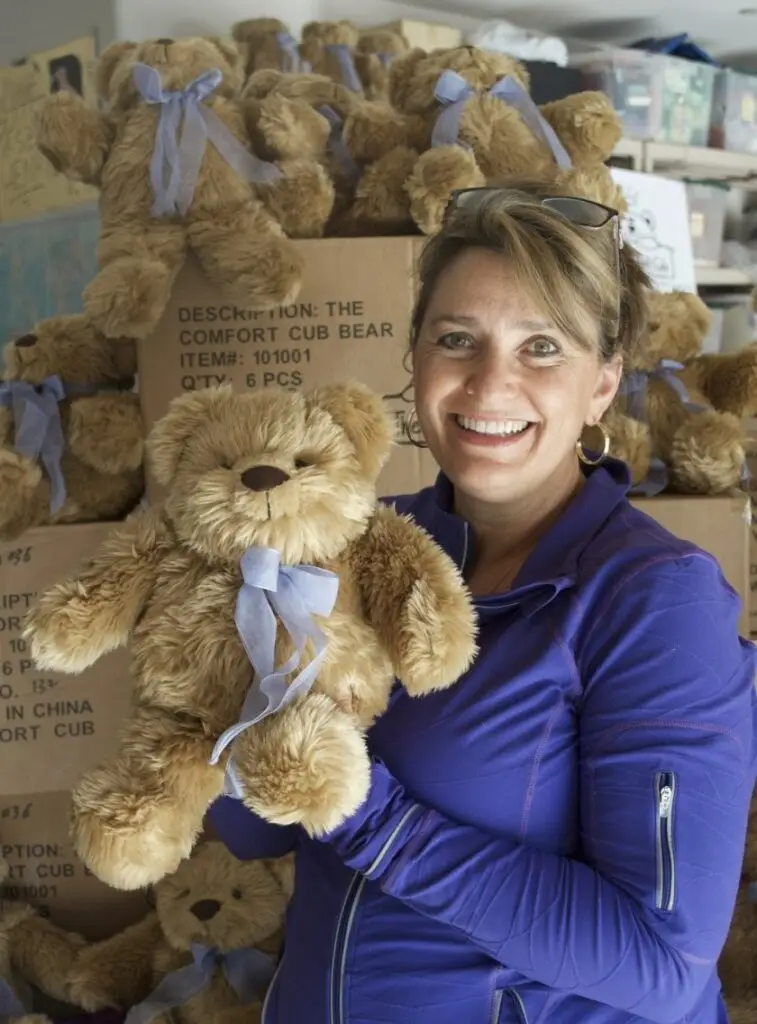
Johnson went to a predecessor of Build-A-Bear Workshop and filled a teddy bear with split peas. After a few tries, she found a weight that felt right. At first, she made every Comfort Cub by hand and included a personalized note. Soon, the bears were being donated to mothers who had lost a child at hospitals throughout San Diego. Johnson’s effort later expanded to select hospitals across the country.
As weighted blankets became more popular, Johnson saw growing interest in the calming effects of deep pressure. Research on weighted blankets suggests they may help some people feel calmer, though the evidence remains limited. Johnson also realized Comfort Cubs might help people beyond grieving mothers. She brought them to the San Diego Police Department for use during trauma cases. “They were very well received,” she says.
Today, through her nonprofit, the Comfort Cub Program, therapeutic bears are given to families grieving the loss of an infant and to survivors of violent crimes.
Courtesy of Marcella Johnson
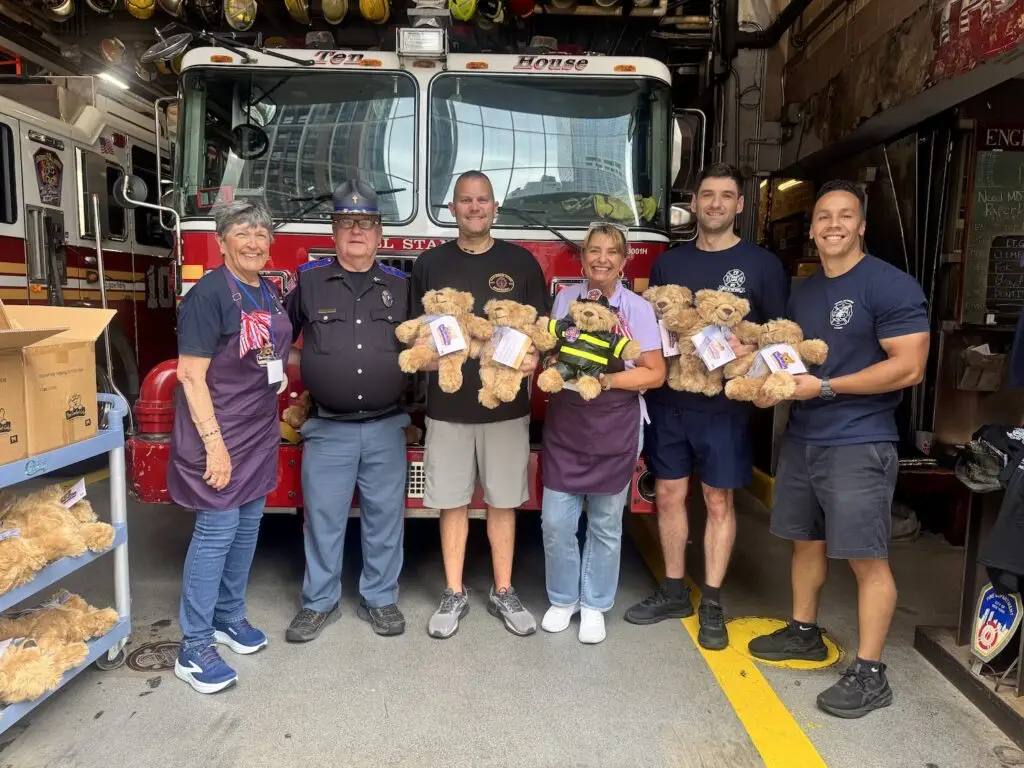
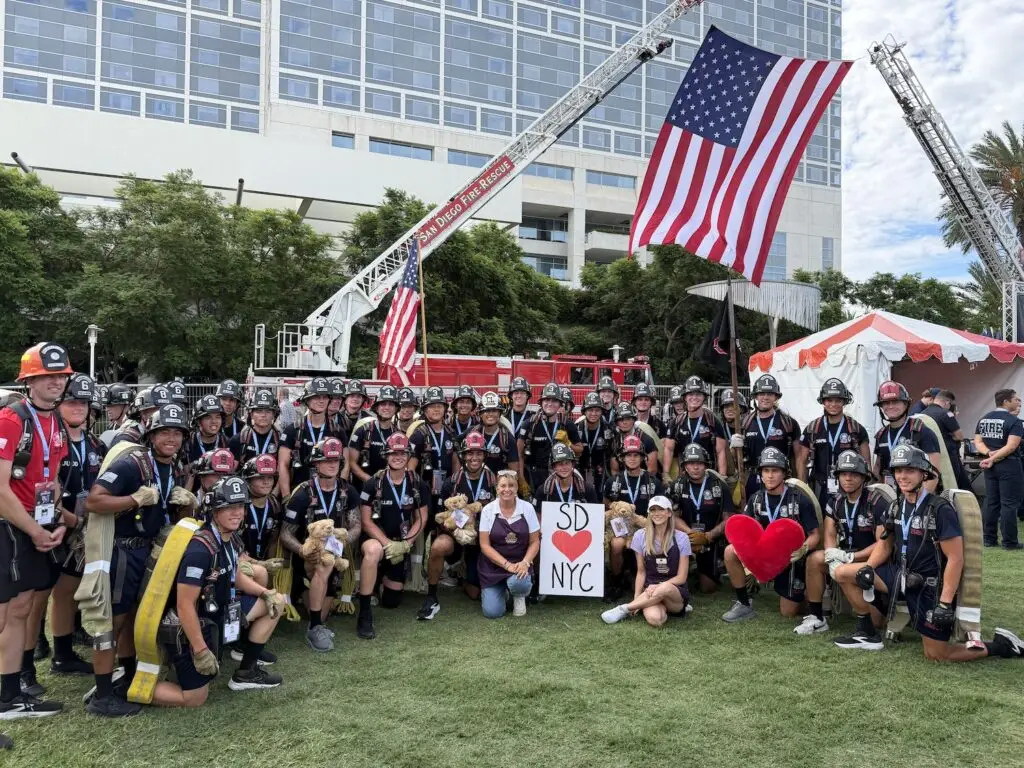
The organization has provided Comfort Cubs to individuals, families, first responders, and communities across the country affected by tragedy, trauma, and loss. Bears went to families of victims after the 2012 Sandy Hook shooting and the 2017 Las Vegas mass shooting, as well as to people affected by the wildfires in Maui and Los Angeles and the catastrophic flood that killed 28 people at Camp Mystic for Girls in Hunt, Texas. Johnson recently traveled to New York to donate more than 1,000 bears to surviving family members attending the VOICES 25th Anniversary NYC Symposium and Commemorative Luncheon, a 9/11 memorial event.
Johnson called the experience “humbling.”
“Whether a loss happened yesterday, five years ago, or 25 years ago, the need for emotional healing and support remains essential,” Johnson says. “Grief has no expiration date—and neither should comfort.”
Sarah Sapeda is San Diego Magazine’s Custom Content Editor. In her 15 years in San Diego journalism, she has covered charitable events, health care, education, crime, current events, and more.
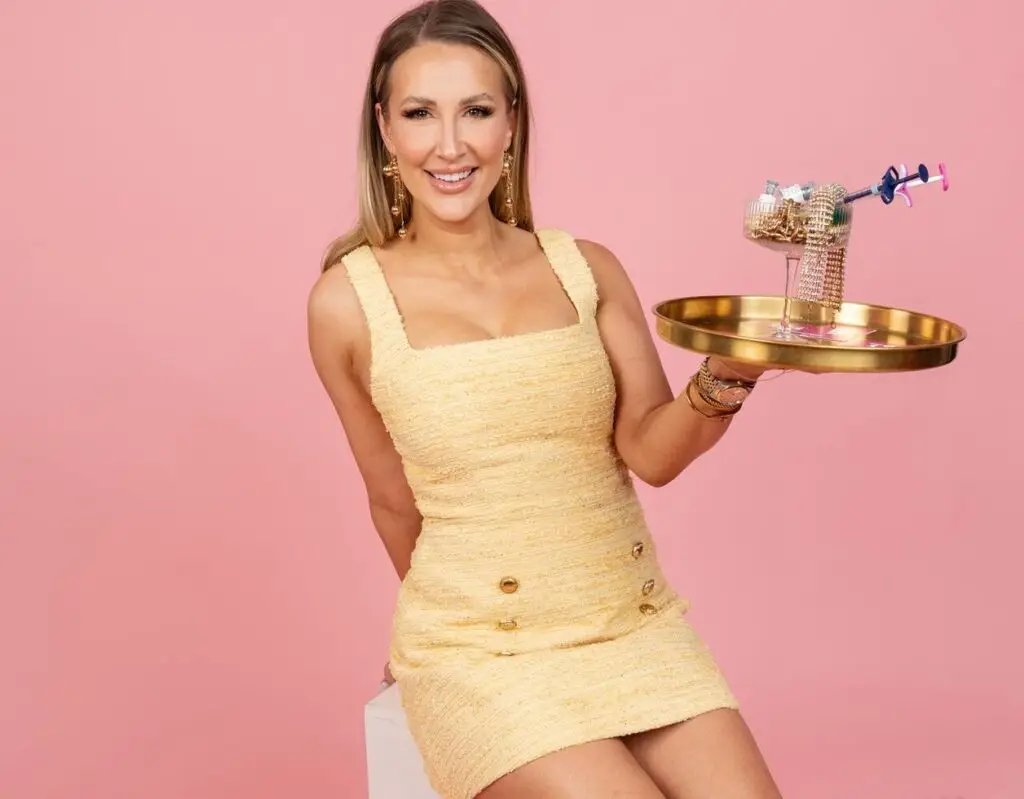
Kelly H. Harfouche, founder of KQ Aesthetic Society, knows firsthand that cosmetic treatments like fillers, neurotoxins, and microneedling, can not only enhance a person’s appearance and restore confidence, they have the power to truly change a person’s life. An expert injector has the ability to tailor treatments to each individual patient’s anatomy and goals for personalized results. Harfouche, a board-certified nurse practitioner, has spent nearly a decade perfecting her craft as an aesthetic injector and integrating her multifaceted artistic skills with precision patient care. Her commitment to continual education and training, plus a passion for helping people look—and feel—their best, set KQ Aesthetic Society apart in a sea of local medspas.
For many people considering nonsurgical treatments, the intent is to look refreshed and refined. KQ Aesthetic Society’s philosophy eschews a cookie cutter approach that bases treatments around units, instead working to understand each person’s unique goals, then curating a treatment plan to fit that vision. Harfouche focuses on “inclusive luxury,” the belief that everyone deserves access to aesthetic treatments, respective of budget restrictions. She develops long-standing trusted relationships with her patients, and works with each one to achieve their aesthetic objectives and address the underlying causes of their concerns.
“For me, forming an honest and open relationship with every patient who walks through the door is essential. This means understanding them on a deeper level and meeting them where they are to define and achieve their individual goals,” she says.
Drawing on her artistic background, which inspired her transition into medical aesthetics, Harfouche sees each client as a “unique canvas.” Rather than relying on standardized procedures, the practitioner’s distinctive approach combines her profound understanding of the physiological and anatomical changes associated with aging with an unwavering commitment to ongoing education about the newest products and their mechanisms of action. Her goal is to make each patient feel beautiful in their own skin and to embrace their individuality.
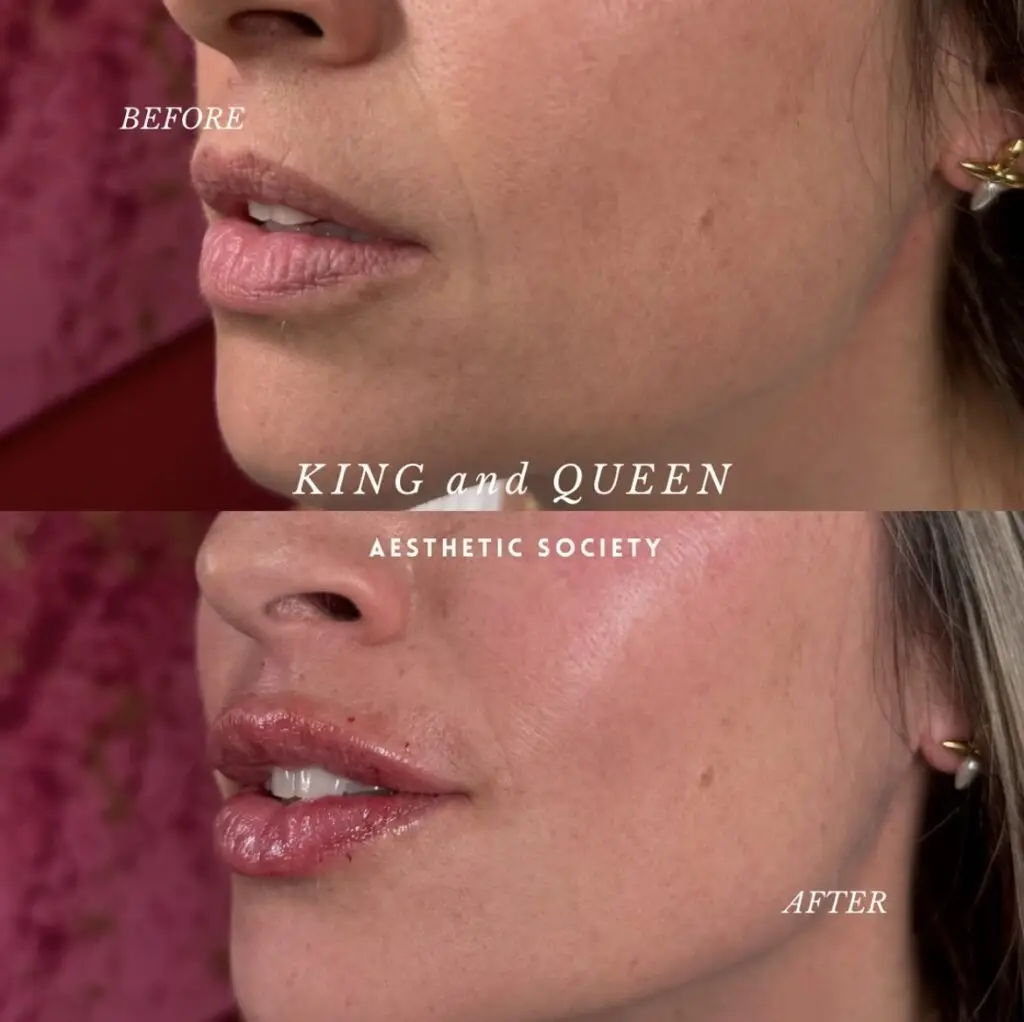
She has also pioneered a way to combine her talent for aesthetic artistry with her philanthropic nature. Harfouche is one of only a handful of providers using dermal fillers to treat patients with lip asymmetry and scarring resulting from cleft lip surgery. Patients travel from around the country for this transformative treatment, noting increased confidence and a restored identity. She hopes to eventually launch a training program to help fill the void in this space.
“My passion has always been connecting with people and giving back in any capacity that I can,” she says. In the rapidly advancing landscape of aesthetic medicine, you can place your confidence in Harfouche and KQ Aesthetic Society to deliver exceptional care. To learn more or book a consultation, please visit kqaestheticsociety.com.
At Del Mar Wine & Food Festival’s Grand Tasting, everyone has their own goals for the day. One friend wants oysters and Champagne. Another heard there’s line dancing. Someone disappeared into Taco Alley. The food person is making a beeline for every chef demo, the golf friend has found the simulator, and someone else is already settled into a beach chair with a mezcal cocktail and has announced they’re “never leaving.”
Consider yourself zoned in.
This year, the Grand Tasting turns the Del Mar Polo Fields into a full-blown foodie wonderland, with chef showdowns, wellness escapes, art installations, lawn games, music, and plenty of magazine-worthy plates. But the zones are where everyone gets to play their own way. You might sip your way through the SLO Zone, accidentally spend the afternoon behind the DJ booth in Plant Paradise, or live out your best beach day in The Beach Zone.
With 100-plus chefs and restaurants, 150-plus wineries, breweries, distilleries, and drink makers, plus a whole lot more happening in between, there’s no shortage of ways to spend the weekend. And with the Grand Tasting taking place October 3 and 4, there’s actually time to explore.
Because the problem with bringing your favorite people to an adult playground is that everyone wants to play differently. Luckily, you get two days to figure it out. Here’s where to start:
Courtesy of Del Mar Wine & Food Festival
The Beef Experience
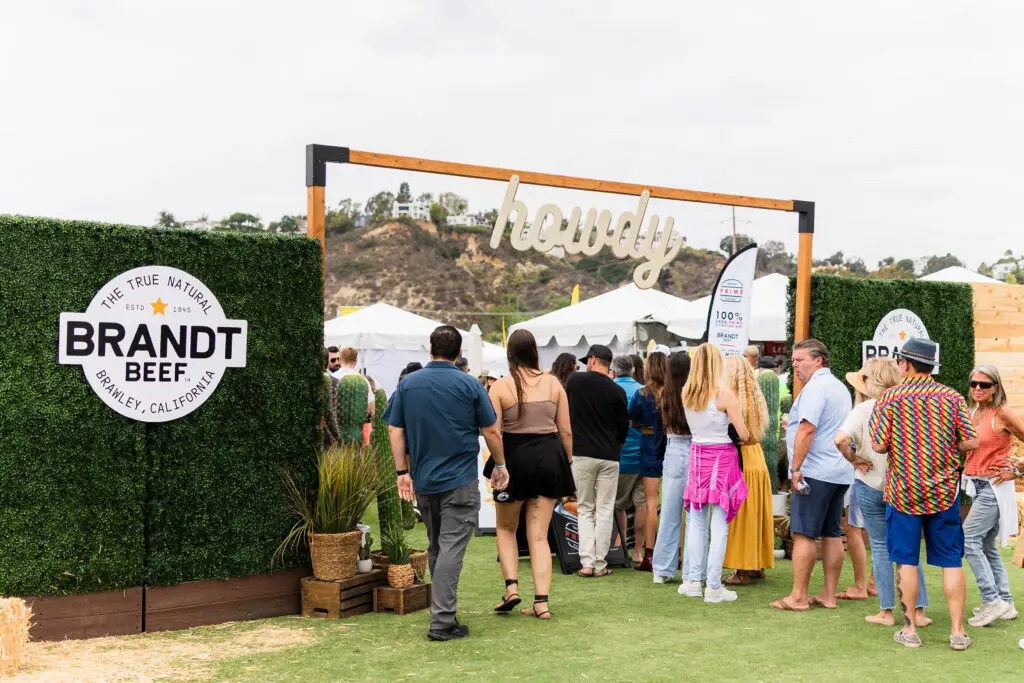
The Beef Experience, presented by Brandt Beef – One World Beef, is for the people who believe a food festival is a perfectly reasonable excuse to build an entire afternoon around meat. Brandt Beef brings its signature fare to the Polo Fields alongside a seriously stacked lineup of local favorites, from Tanner’s Prime Burgers and Ranch 45 to Jimmy’s Famous American Tavern, Order Fire Barbecue, Flying Pig Pub & Kitchen, The Pit BBQ, Aloha Rib Shack, and more.
And then there’s the tent you might almost miss.
Tucked into Brandt Beef Alley, Bebemos Tequila has set up what looks, from the outside, like a fairly unassuming tent. Walk inside, though, and you’ll find a full little speakeasy lounge, complete with a bar and one very dramatic tequila trick. The team lights the shots right in front of you before pouring them straight into guests’ mouths. Candlelight, fire, tequila, barbecue. Suddenly, your casual afternoon tasting has taken a turn.
Grab a plate of Brandt Beef tallow fries, chase it with a pour from Bebemos Tequila or Tap Truck San Diego, and maybe browse Nortte Hats while you recover. The rules are simple: follow the smoke, trust the grill, and maybe don’t make dinner plans afterward.
The Beach Zone
For the friend who thinks every good afternoon should involve a little sunshine, a cold drink, and nowhere to be, there’s The Beach Zone. Presented by Reef Lifestyle, this laid-back corner brings the San Diego summer fantasy to the Polo Fields, complete with coastal bites, beach-inspired brands, and plenty of reasons to stay awhile.
Grab bites from Duke’s La Jolla, Jake’s Del Mar, Lofty Coffee Co., Dang Brother Pizza Co., and Coral Del Mar, then cool off with Summer Club, Volley, Surfside Iced Tea and Lemonade + Vodka, Tito’s Handmade Vodka, Mezo Mezoritas, Roseade Wine Spritzer, Pinkys, and more. Hemlock Hat Co., Coola, Sambazon, Playavole, Shibumi Shade, Spritz del Conte, and Out of the Woods add a little retail therapy to the mix, because the Grand Tasting obviously needs shopping, too.
And yes, there’s a photo op. Find the teal VW bus from A Timeless Day, gather your favorite people, and pretend you’ve spent the afternoon cruising the California coast instead of wandering around a wine and food festival.
It’s an area filled with surf-inspired games, your next favorite beach accessory, and a drink in hand. Basically, San Diego summer, condensed into one very convenient patch of grass.
Courtesy of Del Mar Wine & Food Festival
Pride Zone
Neon boas, glitter-filled drinks, and enough food to make choosing a single dinner impossible. The Pride Zone presented by San Diego Pride is bringing the energy, gathering some of San Diego’s favorite restaurants, bars, breweries, and sweet spots in one very colorful corner of the Polo Fields. Expect bites and beverages from Cary Q Wines, Gossip Grill, Rootdown & Es Okay, T’Maro Brands, and more.
Plant Paradise
Plant Paradise is your green oasis, but don’t expect it to be particularly peaceful. DJ Tenax returns with house, techno, UKG, and the kind of set that can turn a quick stop into an hour on the open-air dance floor. As Green Air Botanicals sets the mood, grab a cocktail from Mission Craft Cocktails, Makku, or San Hagen Tequila, and a bite from the sprawling lineup of plant-based bites and snacks from some of San Diego’s vegan favorites.
Kindred, Nourish Eats, The Plot, Maya’s Cookies and more. There’s also a full lineup of brands to snack your way through, including Aficio 22, Bücha Hard Kombucha, Nichols Farms, Nuts For Cheese.
Isabella Dallas is a freelance writer for San Diego Magazine and the Arts and Culture Editor at The Daily Aztec in her final year at San Diego State University. She previously worked as an editorial intern for SDM, but when she’s not writing, you can find her trying the best coffee spots in SD, devouring the latest rom-coms, and indulging in anything and everything pop culture.
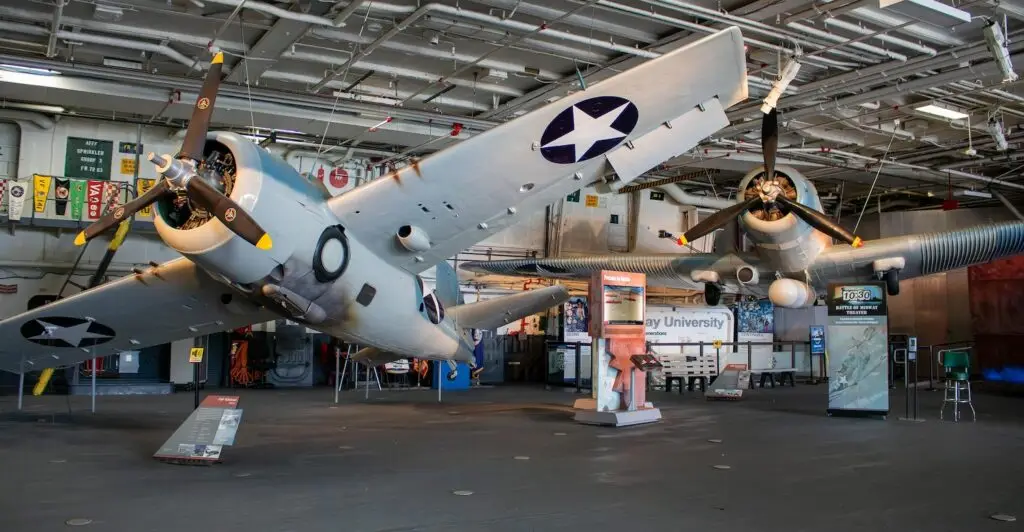
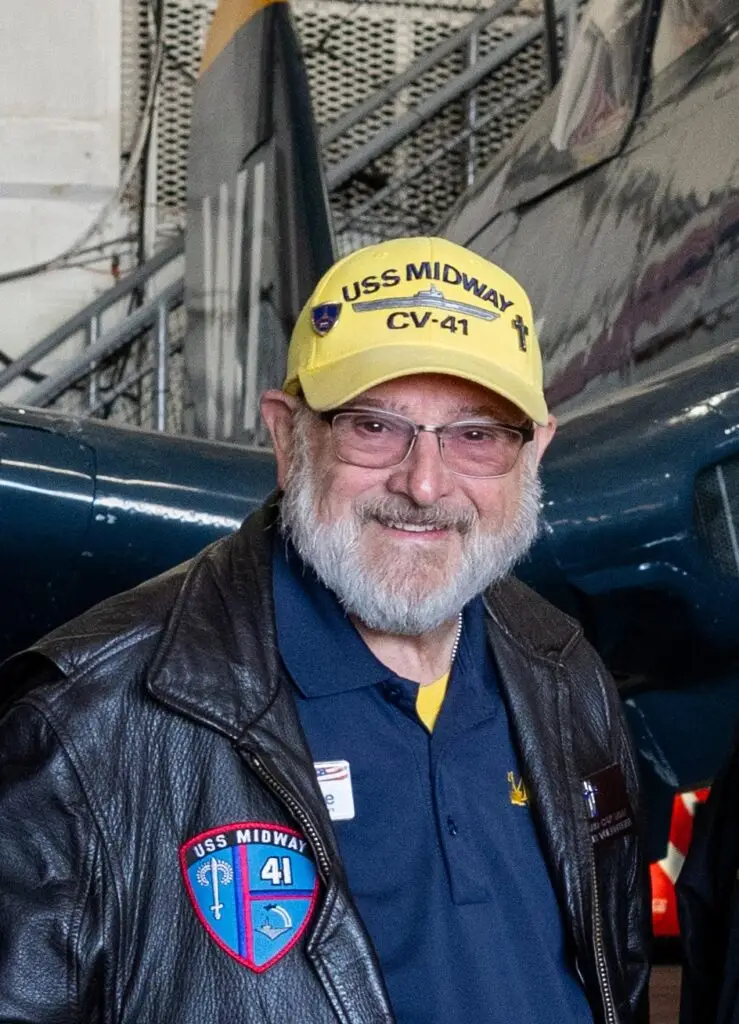
The USS Midway has a storied history. The longest-serving aircraft carrier of the 20th century has served as a home base for helicopters carrying fleeing refugees during the fall of Saigon, played a key role in developing naval missile warfare, and evacuated civilian personnel after the eruption of Mount Pinatubo in the Philippines. The Midway was decommissioned in 1992 and today stands as a monument to military history, drawing more than 1 million visitors each year. Its team of more than 750 volunteers supports this mission, doing everything from leading tours to controlling corrosion to operating HAM radio. Among them is Paul “Chappie” Ward, who has clocked more than 12,000 volunteer hours at the museum since 2018. Here, he details how he helps “bring history to life.”
How did you first get involved with the USS Midway Museum?
My connection to the USS Midway Museum began in 2010, when my wife and I came to San Diego for a Civil Air Patrol conference. My wife Nan and I had wanted to live in San Diego since vacationing here over the years, so San Diego was always on our radar. A couple of days before the conference began, my oldest son, his father-in-law, and I toured the Midway and I was immediately inspired by the experience. I remember telling Nan on the trip home that if we ever retired to San Diego, I would love to become involved with the Midway. In the subsequent years, our two granddaughters were born. In 2017, we retired and moved from San Luis Obispo to be closer to family. Nan reminded me of what I had said years earlier and encouraged me to follow through. I joined Docent Class #57 in January 2018, earned my “yellow hat” [upon completing the training] that March, and have been proud to be part of the Midway ever since.
What do your duties entail?
The Midway offers an incredible range of ways to serve, and I’ve had the privilege of contributing to five teams while also serving as the museum’s volunteer chaplain. As a docent, I bring the ship’s history to life through stories and guided experiences. With Guest Services, I help visitors plan their time aboard and make the most of their visit. On the Exhibits team, I help ensure the displays tell the Midway’s story accurately and meaningfully. Along with other members of the Library/Curatorial team, I research and provide information to former Midway sailors and their family members. Through Outreach and the Speakers Bureau, I represent the museum at community events, parades, and service clubs. I also administer the Midway Sailors Program Facebook group, where former crewmembers can reconnect with one another and with the ship. As chaplain, I help plan and officiate celebrations of life and weddings, and I offer invocations and benedictions at special events aboard the Midway.
What do you like best about volunteering for the Midway?
What I value most is what we call “Midway Magic.” It’s hard to define, but you feel it the moment you step aboard—the camaraderie among staff and volunteers, the shared passion for the ship, and the commitment to giving every guest an unforgettable experience.
At the end of the day, there is deep satisfaction in knowing you helped preserve and share something important. The Midway is “America’s Living Symbol of Freedom,” and we have the privilege of honoring the more than 200,000 people who served aboard her during 47 years of service, from the end of World War II through the Persian Gulf War. Sharing their service and sacrifice with my granddaughters and with visitors from around the world is one of the greatest rewards of volunteering here.
What’s the biggest challenge you’ve faced?
My biggest challenge was simply wondering if I could do this. I came from the civilian world as a retired pastor and former computer IT professional with a law enforcement agency. I had also served as a volunteer chaplain with the Civil Air Patrol, the U.S. Air Force Auxiliary, but I was not a veteran and had no Navy background. Stepping onto a Navy ship and learning its systems, language, and culture was a real adjustment. What made the difference was the Midway’s commitment to training and mentorship. Every department gives volunteers the knowledge, resources, and hands-on support they need to succeed. Docents, for example, complete a seven-week course combined with on-the-job training with experienced volunteers. Over time, I learned, grew, and found my place. More than 12,000 volunteer hours later, I can confidently say that I could do it, and so can others who are willing to learn.
Can you describe your favorite or most memorable moment or experience while volunteering?
One of my most memorable experiences began in April 2025, when a former Midway sailor contacted me through the Facebook group I administer. During Operation Desert Storm, his wife had sent him a birthday card. As he was preparing to leave Yokosuka in 1991, the card slipped behind a desk in his stateroom and disappeared into a narrow space. His wife passed away in 2015, and he told me how much it would mean to hold that card again and share it with their daughter. I reached out to the Safety Office, and when he returned to the Midway on April 30, our team worked a little “Midway Magic.” With access to the stateroom and help moving the desk, we found the card and placed it back in his hands. After 34 years, he was able to share it with his daughter, Cheryl. It was a powerful reminder that this ship holds not only history, but deeply personal stories that are still unfolding.
Any advice for someone considering volunteering as a way to give back?
Start by finding a cause or organization that genuinely aligns with your interests and values. Then take the time to learn its story, understand its purpose, and get involved. The more you invest, the more meaningful the experience becomes—not only for the people you serve, but for you as well. Volunteering is a powerful way to give back, build community, and discover just how much you have to offer.
Sarah Sapeda is San Diego Magazine’s Custom Content Editor. In her 15 years in San Diego journalism, she has covered charitable events, health care, education, crime, current events, and more.
SeaWorld dazzles with a drone show, big-name entertainers, new animal adventures and more
By Partner Content
Nights are heating up at SeaWorld San Diego. The quintessential summertime staple on Mission Bay is transforming into a destination for unforgettable day-to-night adventures, bringing back some of its most popular Summer Nights programming and introducing exciting new experiences sure to delight both kids and adults alike.
The 2026 Summer Day to Night at SeaWorld San Diego is the park’s most ambitious season yet. SeaWorld has planned a highly anticipated entertainment lineup that features nine weeks of throwback concerts featuring R&B and hip‑hop favorites from the ‘90s and early 2000s, including Jordin Sparks, Too $hort and Warren G, Ashanti, and an array of boy band heartthrobs performing together as part of the Pop 2000 Tour.
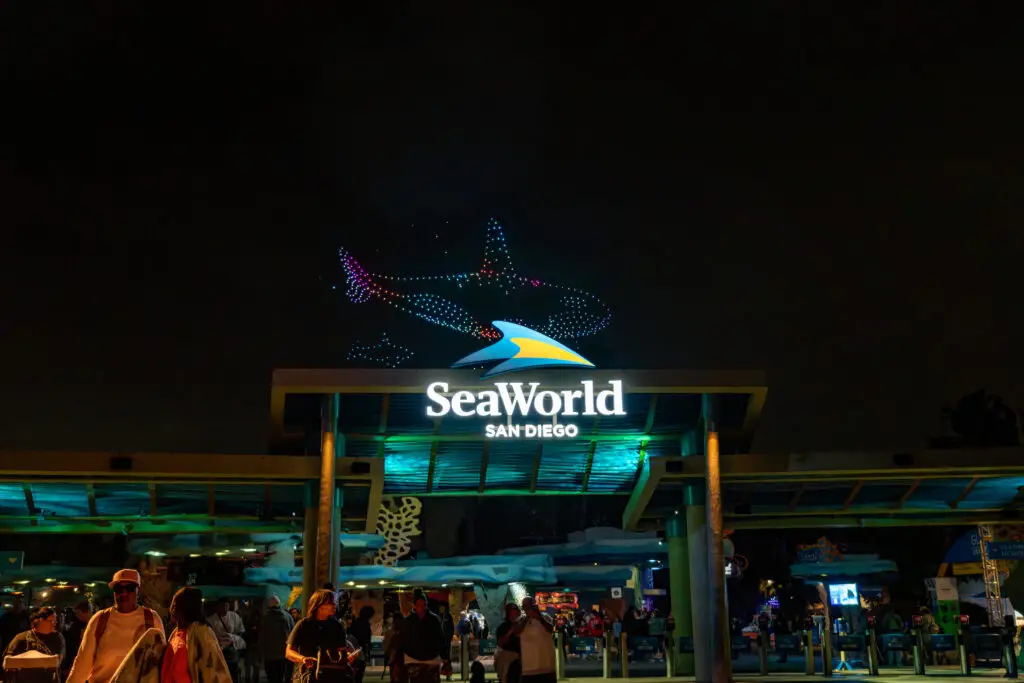
New this season is perhaps the park’s most visible update: a nightly drone show, Ocean of Dreams, which illuminates the sky with hundreds of synchronized sparklers. Drones form sea otters, sharks, dolphins, and a majestic orca that tell a breathtaking 12-minute story of marine life and underwater ecosystems. The show culminates with a spectacular electric neon finale celebrating hope, wonder, and ocean stewardship.
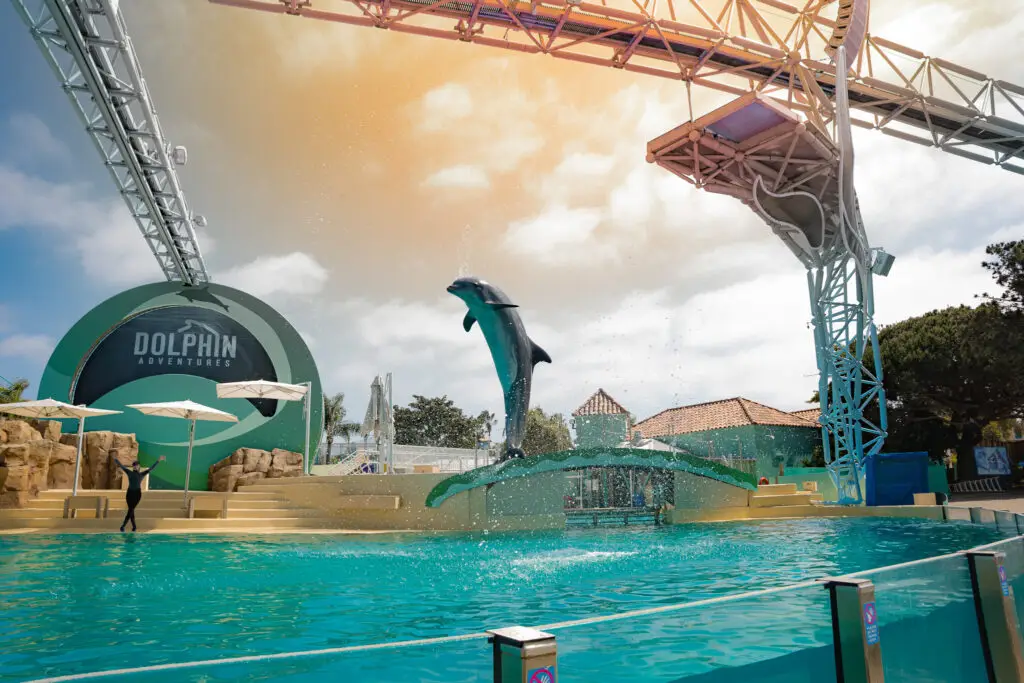
Nighttime visitors are also in store for animal adventures that fuse education with high-energy fun and the dreamy ambiance of nighttime. The park has launched two all-new animal presentations: Shamu’s Celebration:Light Up the Night and Dolphins: Touch the Sky. Shamu’s Celebration:Light Up the Night features vibrant lighting, music, and dynamic choreography that celebrates the power and beauty of killer whales. Dolphins: Touch the Sky showcases playful bottlenose dolphins and the special connection between humans and the natural world. And back by popular demand is fan-favorite Sea Lions Tonite. See the charming pinnipeds splash, play, and parody pop culture in this refreshed crowd-pleaser.
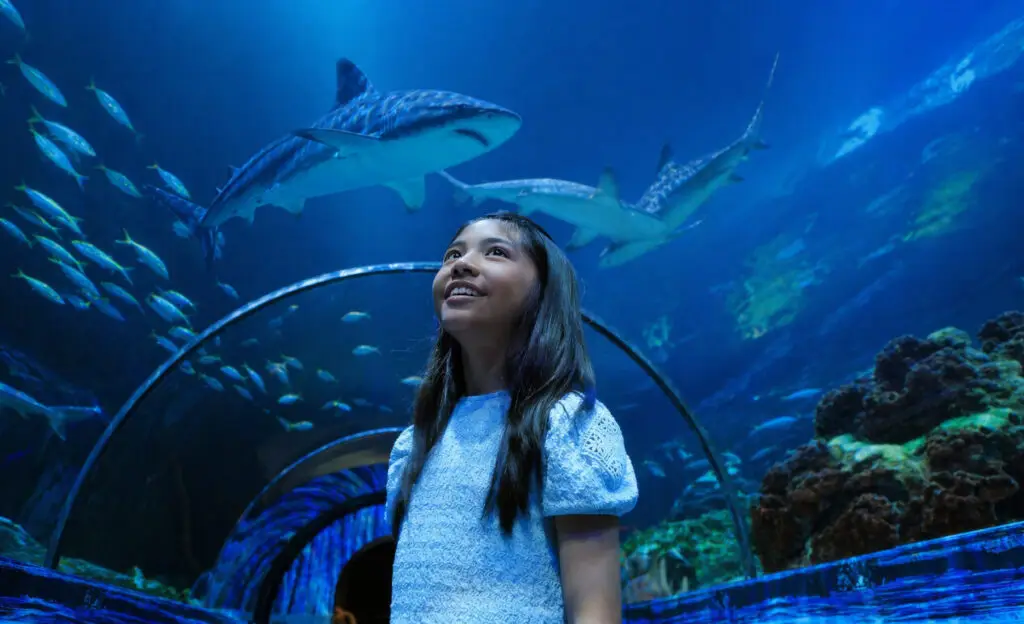
More must-sees: a newly reimagined Shark Encounter, one of the country’s more immersive exhibits highlighting 11 different species up close, SeaWorld’s beloved BMX Blast! stunt show, and high-seas escapade, Pirates Ahoy! The Battle for Mermaid Cove. And don’t miss the park’s all-new Deep Sea Disco, which encourages guests to dance the night away under the glow of the SkyTower, and vibrant closing time laser light display Laser Reef Summer Spectacular.
Amp up the nighttime vibe with local craft beers, curated cocktails, and nostalgic theme park treats with $1 beer all summer long. SeaWorld is the place for day to night summer fun. When the sun goes down, SeaWorld lights up, and inspires guests of all ages to embrace their inner whimsy and see why generations of San Diegans head to SeaWorld to make memories they’ll never forget.