10 Most-Listened-To Happy Half Hour Podcast Episodes of 2023
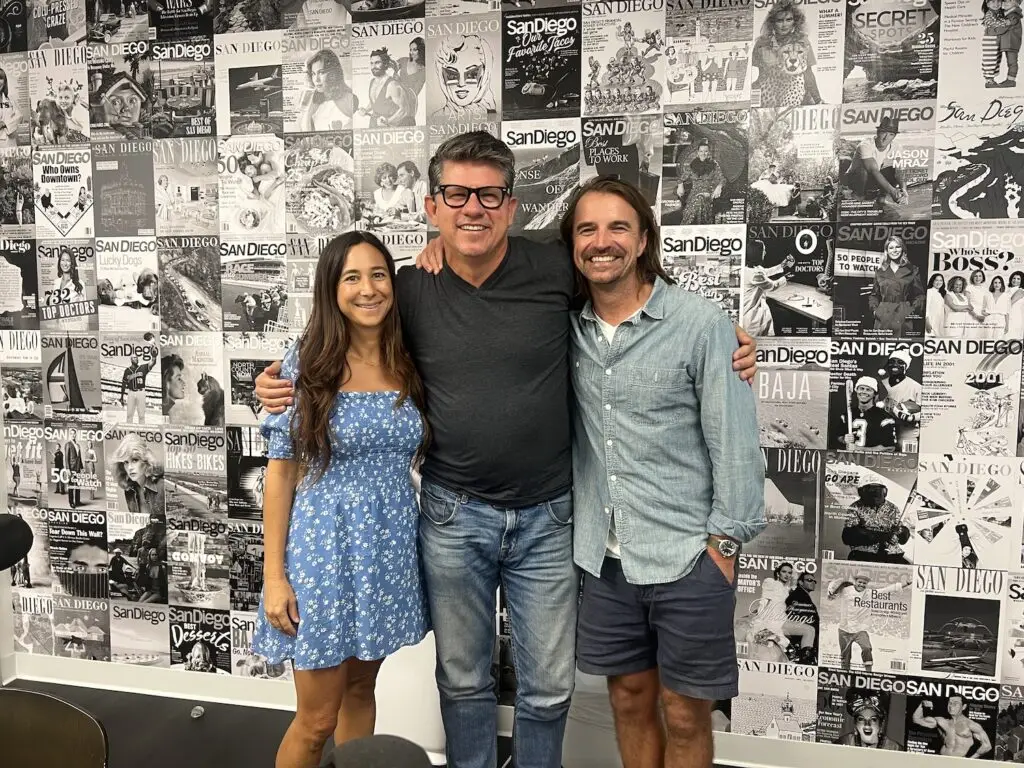
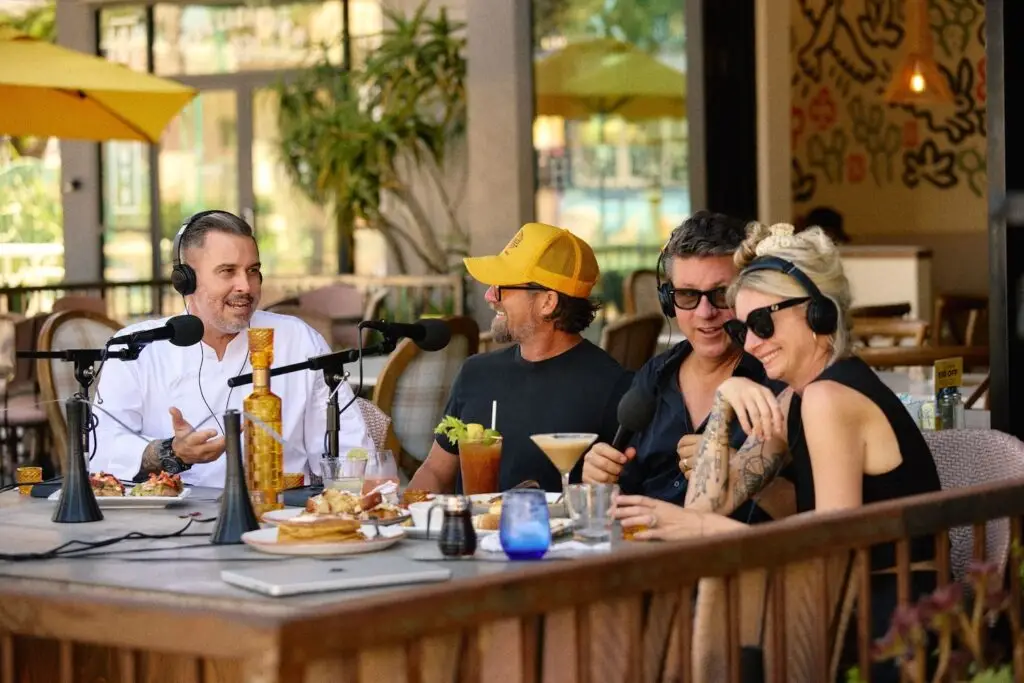
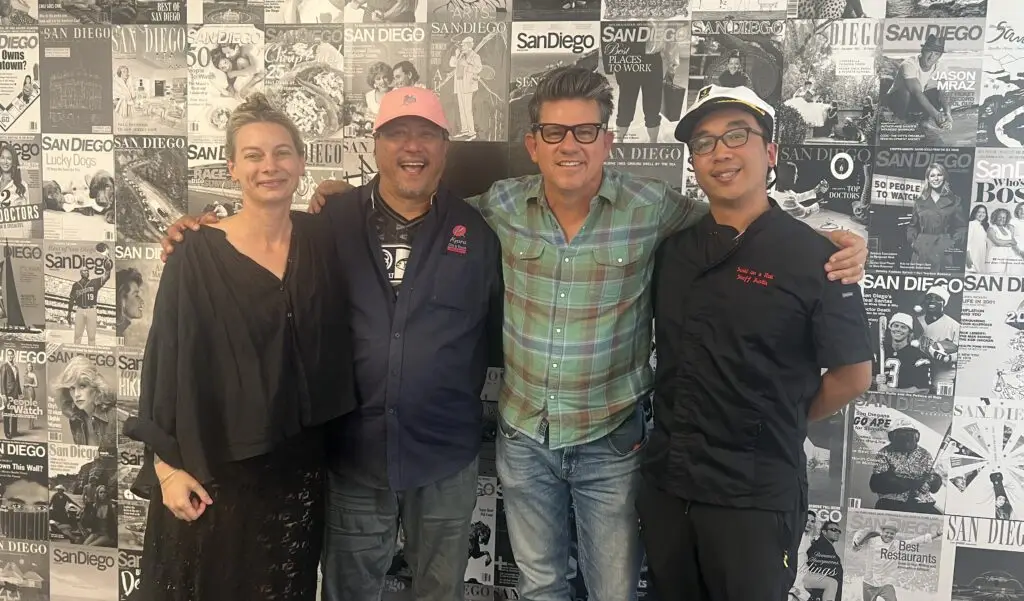
Since 2016, San Diego Mag‘s Happy Half Hour podcast has been highlighting the city’s finest food and drink makers and sharing the best in food news each month. This year, co-hosts Troy Johnson and David Martin spent 28 episodes catching up with the city’s top chefs, industry insiders, and local talent to find out what […]
Since 2016, San Diego Mag‘s Happy Half Hour podcast has been highlighting the city’s finest food and drink makers and sharing the best in food news each month. This year, co-hosts Troy Johnson and David Martin spent 28 episodes catching up with the city’s top chefs, industry insiders, and local talent to find out what makes San Diego’s food scene so great.
Among them, these 10 came out on top as the most-listened-to Happy Half Hour episodes of 2023. Haven’t checked them out yet? Give them a listen below:
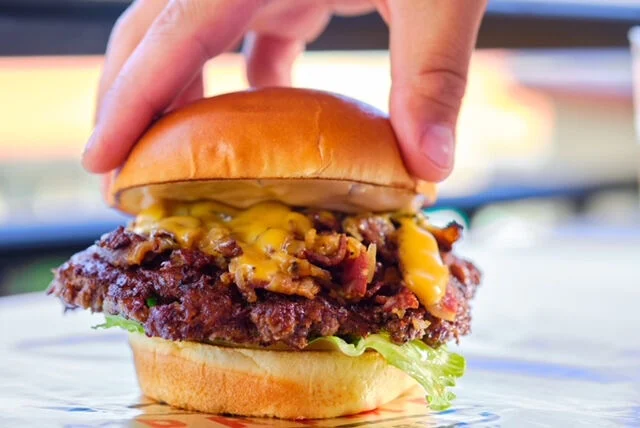
In this episode, Troy and David sit down with Brandon Rodgers of The French Laundry and Benu to discuss his newest venture: Tanner’s Prime Burgers, founded in partnership with Brandt Beef. Listen as they crush beef tallow fries and ice cream sandwiches, Brandon’s wife’s cookies, and a burger made with New School American Cheese.
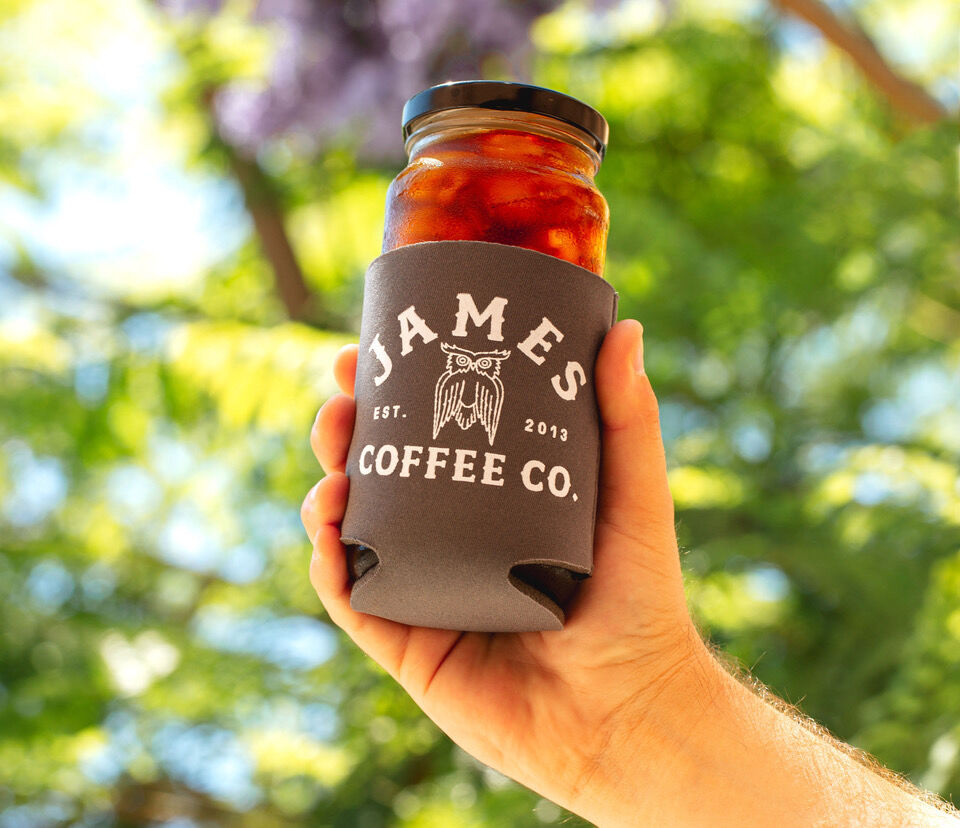
David Kennedy, co-owner of James Coffee Co., joins the pod to share the story of his coffee company and its efforts to get rid of single-use coffee cups and be as environmentally responsible as humanly possible. Kennedy also describes how ditching single-use cups didn’t quite go exactly as planned. Go listen. It’s a fun one.
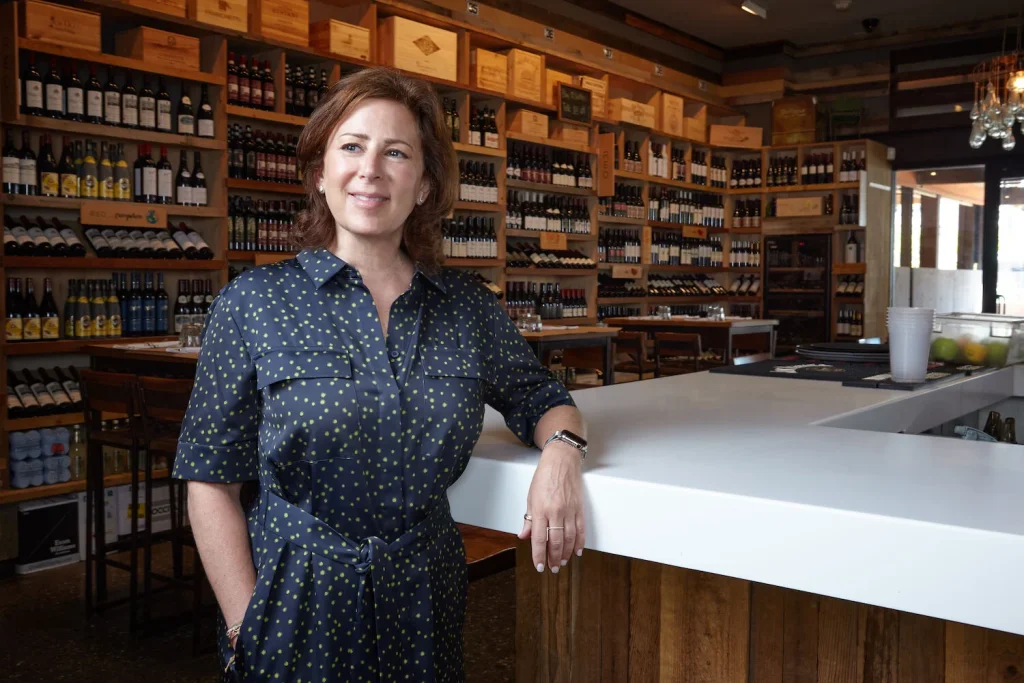
San Diego restaurateur Tracy Borkum and executive chef Tim Kolanko from Urban Kitchen Group discuss their newest eatery, Gold Finch (a contemporary take on a Jewish delicatessen), and their next prix-fixe dining concept in the center of MCASD. This episode has everything from illegal yard sales to lessons about adaptation and Olivia Rodrigo.
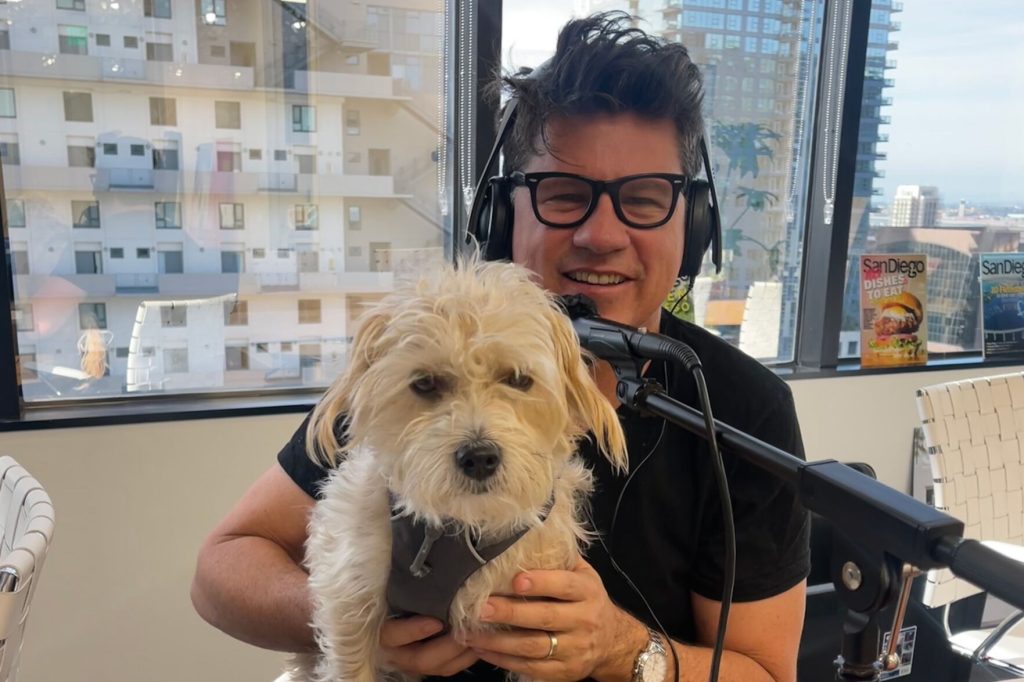
To be fair, this was an episode in December 2022, but we left it in because you continued to love it and we needed another reason to post a pic of our resident mascot: Miles Davis Jr. This episode goes back to the start of Happy Half Hour, when Troy and David were just young whippersnappers with a mic and a dream. Today, Troy co-owns the mag and David is its chief sales and marketing officer, and HHH has nearly one million plays to date. Troy also lays out his hit list of the “10 Best Things I Ate This Year.”
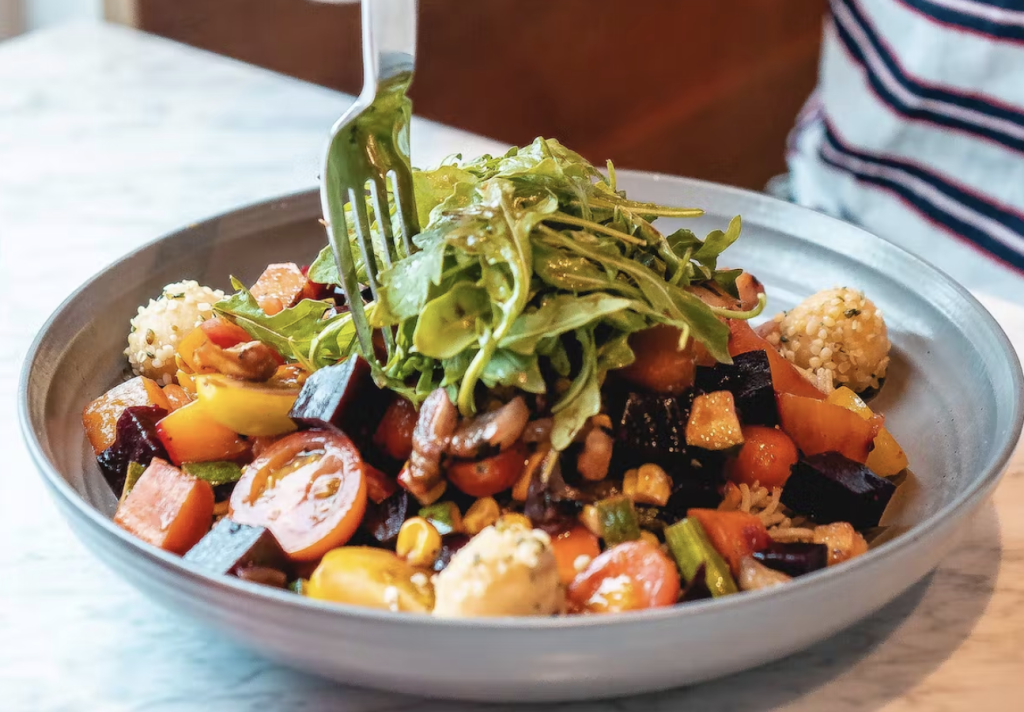
On this episode, the gents talk with Carol Roizen and Jonathan Goldwasser, the owners of Parakeet Cafe, on the very personal reason why they created their healthy café and how they turned it into a huge success. Carol also calls out her favorite sushi spot in San Diego, David finds yet another soup that he can’t live without, and Troy slow-claps for the polenta plate at Cucina Urbana.
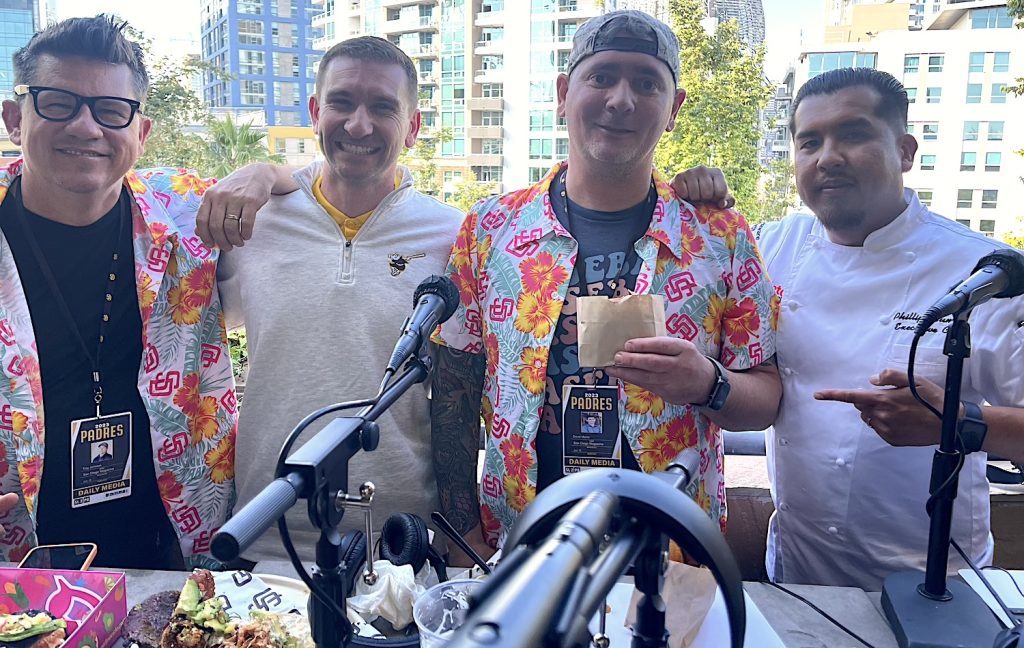
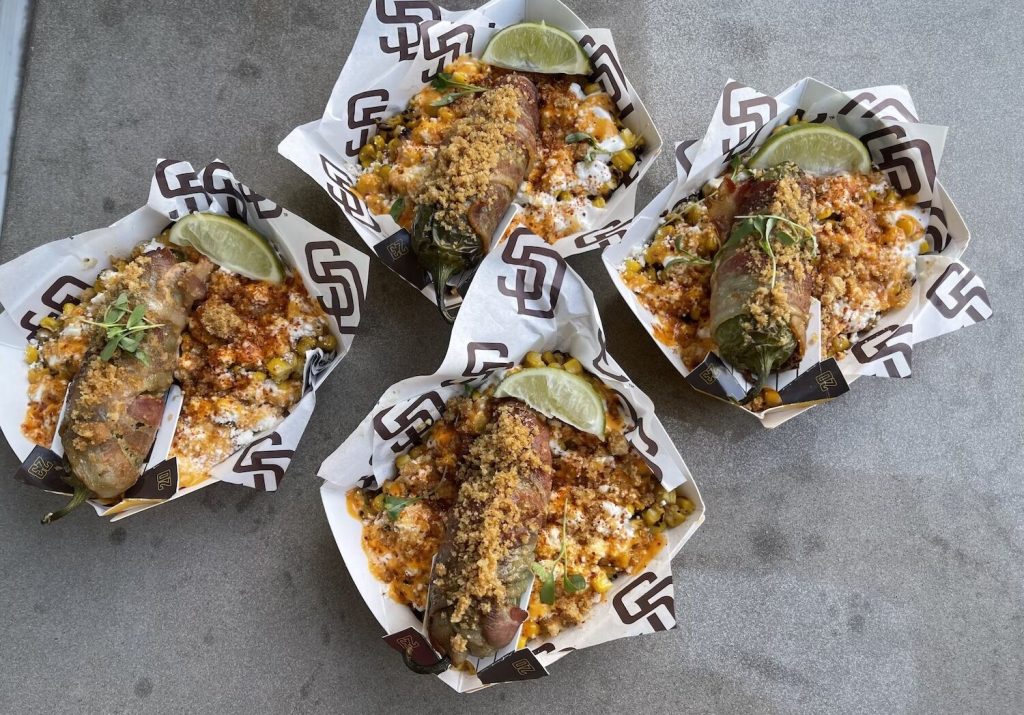
Troy and David get the inside scoop on Petco Park’s food and drink scene while grabbing a cold one at Alesmith’s 394 bar. Joined by vice president of hospitality Josh Momberg, they learn what it takes to feed nearly three million people each year. Go Pads!
This one isn’t as morbid as the title implies. The guys discuss their favorite meals of all time and get a sneak peek at the year’s Petco Park concerts, which included faves like Jimmy Eat World, Band of Horses, and Pixies. David also raves about the Sakura Bloom at Morning Glory, an egg-white cocktail worth a sip.
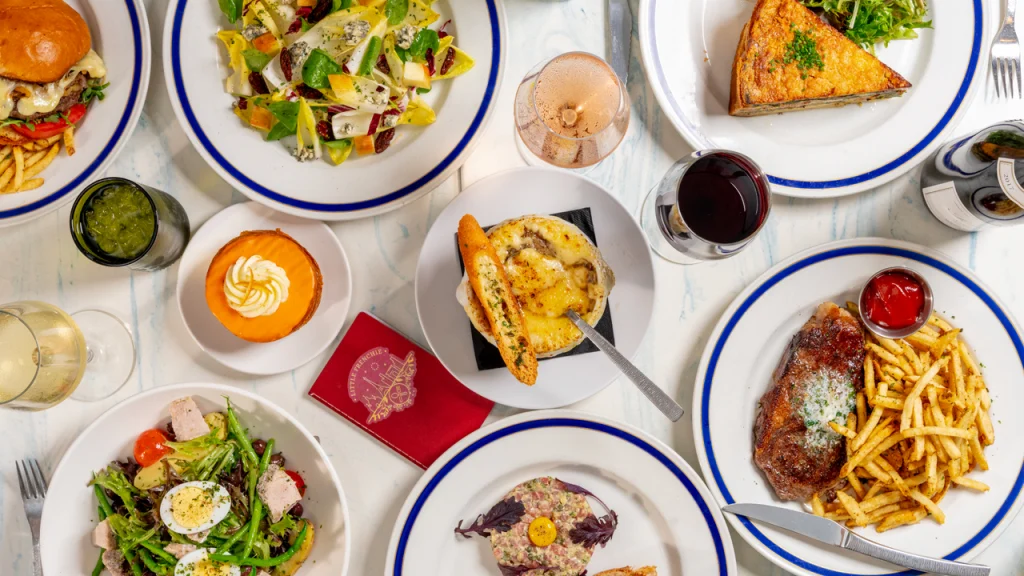
Having launched just before 2020, Coronado’s Little Frenchie made it through a global pandemic to become a Michelin-recognized spot and one of the best damn French bistros in San Diego. Troy and David chat with Blue Bridge exec chef Matt Sramek and VP of Operations Matt Gordon, who helped make Little Frenchie what it is today. They talk life on the island and their pandemic silver lining.
One of the best chefs in the country, Eric Greenspan, stops by to talk about his latest project: reinventing American cheese. He shares the story behind the new fromage, made with real butter, real cream, and aged cheese. Troy and David couldn’t get enough. Neither could the public when it was first introduced at the inaugural Del Mar Wine + Food Festival.
Rounding out our top 10 list, Baja’s wildly intelligent chef Drew Deckman stops by the office to chat with Troy and David about the precarious future of Valle de Guadalupe. Troy calls Drew “one of the funniest, most articulate, humblest, and give-a-damn people” he’s ever met as they chat about Drew’s failed dreams of becoming an umpire.
Nicolle Monico is an award-winning writer and the director of creative projects, digital editor for San Diego Magazine with more than 19 years of experience in media including Outside Run, JustLuxe and The San Francisco Chronicle.
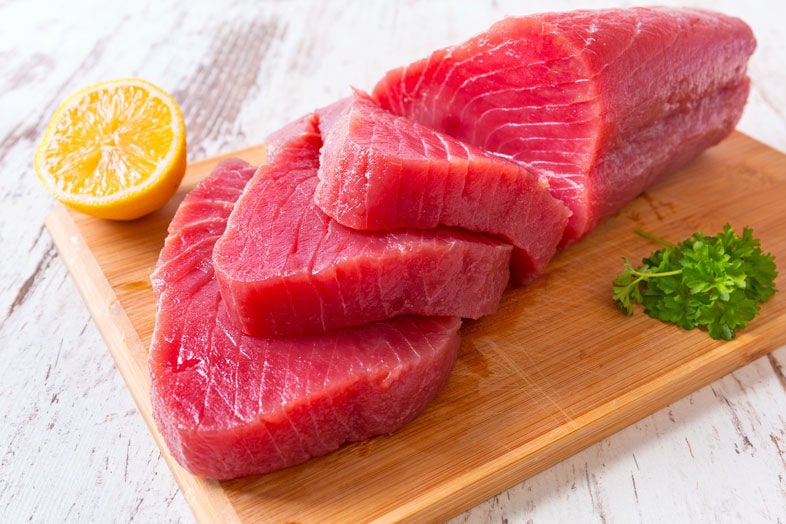
You know the tuna I’m talking about. It’s easy to mistake for a cube of watermelon. It’s the color of a Lyft logo. Appears to be glowing a vibrant, tantalizing purity. Tuna that bright red or pink means it’s… what, extremely fresh? Bursting with nutrients?
I thought this was widely known, but a chef recently told me very few of his staff members were aware of this, and almost none of his customers. So, especially with the recent proliferation of poke joints, I thought I’d be helpful with this PSA of sorts.
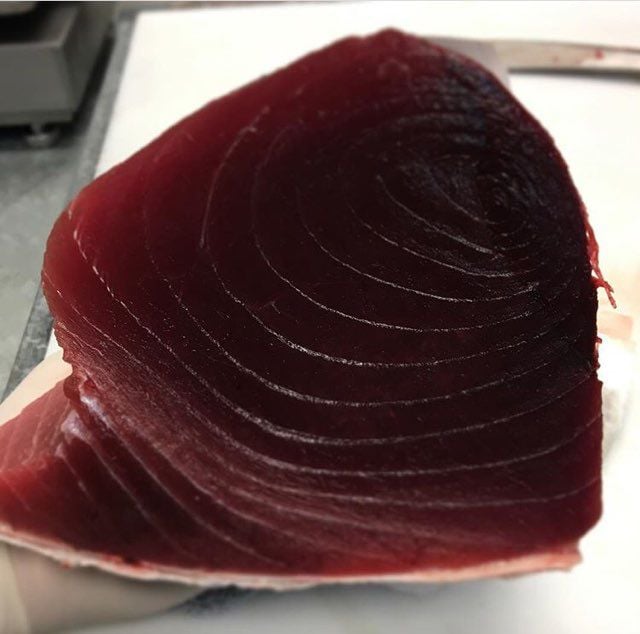
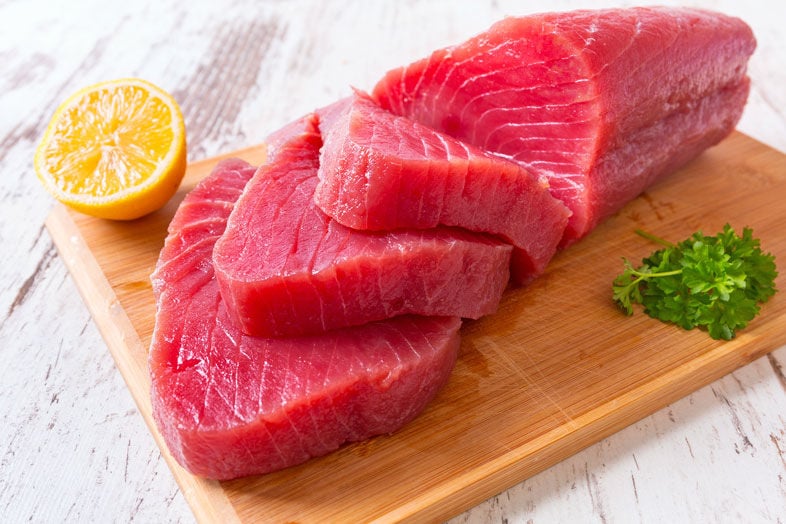
Bright red or pink tuna means it has been gassed. In its natural state, fresh tuna is dark red, almost maroon, sometimes even chocolatey-looking.
But here’s why I personally tend to back away when I see bright red or pink tuna:
1. IT’S MUCH HARDER TO TELL IF IT’S FRESH OR NOT.
It can be left out for days and it will not turn brown. In one study, the University of Florida found that carbon monoxided tuna kept its bright red color for 11 days in the fridge. “The carbon monoxide actually hides the quality of a fish,” says Tommy Gomes, fifth-generation San Diego fisherman, host of The Fishmonger on Outdoor Channel, and owner of seafood shop Tunaville in Point Loma. “It’ll make a poor-quality fish pretty like a rose. I’ve seen them take an old piece of brown tuna [and] put the gas on it, and it comes out looking like cherry lemonade.” The gas also masks the smell of old tuna (which is one way you can tell if tuna’s getting past its eat-by stage). “Since there’s no smell, it falsifies the freshness,” Gomes explains.
2. I TRUST GOVERNMENT HEALTH ORGANIZATIONS, BUT ALSO RECOGNIZE THEY’RE NOT PERFECT.
The 1992 USDA food pyramid suggested carbs should be the bulk of our diet (they corrected that in 2005 and 2011). The government approved the fat substitute Olestra, which gave people all sorts of tummy issues. Margarine and other trans fats were also approved, then banned in May 2019. There are some smart humans in the government, but even geniuses make mistakes. So I tend to go with my gut: tuna in its natural state, or tuna treated with carbon monoxide? Easy choice.
So why gas tuna at all? Because of us. Consumers don’t like brownish fish. Tuna oxidizes quickly. It’s difficult for tuna fishermen and women to get it to market quick enough before it turns that brownish or chocolatey color. Customers erroneously think all brownish-looking fish is old or bad and will pay more for “fresher-looking” fish. So in the 1990s, the FDA allowed companies to gas the tuna and keep it artificially bright red for long stretches at a time.
“There’s nothing wrong with a hot chocolate–looking tuna loin,” says Gomes. “But, here in America, we want [it] seared on the outside, rosy pink on the inside.”
What fresh tuna should look like
Gassed tuna is also often imported and less inexpensive than fresh, un-gassed tuna, says Gomes. “So, to be fair and honest,” Gomes acknowledges, “for families on a budget, gassed tuna is one of the best alternatives out there for frozen seafood.”
In theNew York Times article cited above, a sushi restaurant owner reported his sales of tuna tripled when he started using gassed tuna. So that’s obviously good for the small business owner, as well as grocery stores. Food waste is a massive epidemic—the US throws out about half of edible seafood. If gassed tuna gets Americans to eat perfectly edible tuna they otherwise might throw out, that’s a step in a good direction.
But it’d be better if we as consumers knew that fresh, non-gassed tuna is supposed to be dark red or maroon—not bright red or watermelon pink, like a majority of the tuna I’ve seen at local poke shops. Ideally, we would look at a piece of bright red/pink tuna and think “Oh, hey there, carbon monoxide.”
The most important things about buying tuna is to trust the source (whether grocery store, fishmonger, or sushi joint). It also should be shiny and somewhat translucent, and not have slime or an off-smell.
Troy Johnson is the magazine’s award-winning food writer and humorist, and a long-standing expert on Food Network. His work has been featured on NatGeo, Travel Channel, NPR, and in Food Matters, a textbook of the best American food writing.
Today’s seniors are more connected than ever, with a renewed focus on retirement as a time of discovery and enriching experiences. The ultimate reward for a retirement well-earned is the wisdom to appreciate it all, and what better place to enjoy that unique perspective than Vi at La Jolla Village, in the heart of San Diego.
All-access pass to good living.
As a Continuing Care Retirement Community (CCRC), Vi provides access to a connected and fulfilling community while making it easy to plan for future care, should the need ever arise. With a care plan in place, residents enjoy greater financial predictability and long-term value, freeing them to focus on making the most out of retirement.
Resort-style amenities at the epicenter of a cultural hub like San Diego offer a retirement experience unlike any other. Paired with exceptional dining, spacious accommodations and dedicated staff, the best of maintenance-free living is all around. And with the introduction of Vista 360 Well-Being, Vi’s panoramic approach to wellness, there are more ways than ever for residents to access it all.
The harmony of mind, body and community.
Courtesy of Vi at La Jolla Village
The key to longevity is striking the right balance in maintaining an active lifestyle with an active mind in a fulfilling community. With newly renovated community spaces and restaurants, Vista brings a variety of opportunities for residents to elevate their well-being through Vi-exclusive “Signature Experiences.”
Vista Enrich takes an evidence-based approach to brain vitality, keeping residents at the forefront of cognitive health through exergaming (exercising + gaming), nutritional plans and informative workshops. It is also home to The Brain Vitality Studio, an innovative facility dedicated to cognitive fitness that has garnered national recognition.
Vista Discover invites residents into stimulating educational experiences, from chef-led cooking demos and guided wine tastings to lectures at local universities and intimate lectures following cultural outings.
While Vista Enrich focuses on brain health and Vista Discover engages residents intellectually, Vista Explore cultivates a sense of adventure through curated travel and local excursions. But broadening one’s horizons doesn’t always require a plane ticket. One recent event brought a taste of the world right to the community: an onsite “jazz cruise” featuring live music and global cuisine served at a series of themed “ports” all within the community’s own ballroom.
“Location, location, location”
Courtesy of Vi at La Jolla Village
One of the biggest perks of life at Vi at La Jolla Village is its proximity to just about everything. With easy access to transportation and local attractions just steps away, residents can explore and engage with their community at their own pace.
“There are trolley and bus stops within a 5-minute walk that will get you to the beach, UCSD Campus, medical appointments, downtown La Jolla or San Diego, et cetera. We rarely use our car,” said resident Tom Yager.
With the best of San Diego just steps away, residents don’t just live in the city, they live within reach of everything that makes it special.
The best of all worlds.
Courtesy of Vi at La Jolla Village
At Vi at La Jolla Village, retirement isn’t a chapter to slow down; it’s an invitation to discover more. Tailored community experiences created by Vista, paired with the vibrant pulse of San Diego just outside the door, mean that residents don’t have to choose between security and adventure, connection and independence. They get all of it.
This is what an all-access pass to good living looks like: the comforts of an elevated lifestyle, a community built for growth and a city made for discovery – all in one place.
To learn more about Vi at La Jolla Village or for details on available floor plans, visit ViatLaJollaVillage.com/SDM.
Growing up, Laika Nur, MD, Scripps Clinic sports medicine specialist, loved watching beach volleyball when the Association of Volleyball Professionals tour came to her hometown of Chicago. A talented volleyball player herself, she remembers sitting in the stands all day, and once, even got a couple autographs. Years later, Dr. Nur was attending a professional event focused on women’s sports, and the discussion turned to a new professional women’s volleyball league. The general manager and coaching staff for San Diego’s team, the Mojo, happened to be in attendance, and Dr. Nur took the opportunity to ask them if they needed a team doctor. Flash forward to the Mojo’s inaugural 2024 season, when Dr. Nur officially became the team physician. Click here to read more about Dr. Nur and how she incorporates lessons she learned on the court into her practice.
For more nutrition, wellness, and healthy living tips, sign up for the San Diego Health newsletter here.