Featured articles
Food & Drink
Food & Drink

Food & Drink
Featured articles

Features
Features
Features
Featured articles
Things to Do

Everything SD
Everything SD
Featured articles
podcast-ep
podcast-ep

podcast-ep
Featured articles
Features

Features

Features
Featured articles
Food & Drink
Food & Drink
Features
Ready to know more about San Diego?
SubscribeReady to know more about San Diego?
Our annual guide to what’s new, cool, and delicious in San Diego and Baja (plus, things to do from a distance!)

Town and Country Resort
This story was published in the December 2020 issue of San Diego Magazine. Some of these attractions and businesses are now temporarily closed due to the Regional Stay Home Order. Visit covid19.ca.gov for the latest information.
Arts & Culture | Shopping & Beauty | Health & Wellness | Kids & Pets | Food & Drink | Baja

AirOshi
Get plenty of social distance by enjoying a scenic tour of San Diego by air. Aeronautical athlete Anthony Oshinuga takes passengers aboard his jet to experience the glistening ocean waters and the city’s historic landmarks from above. Oshinuga placed second at the 2015 National Championship Air Races.
Pickup and drop off from Montgomery Field and Palomar Airport
The famed “Pink Lady” hotel offers workcationers an Office by the Ocean package to set up your workspace in one of the high-end property’s king-size guest rooms for the day. You’ll get a sanitized and comfy desk and chair, high-speed Wi-Fi and, of course, a view worthy of your next Zoom meeting background.
1132 Prospect Street, La Jolla
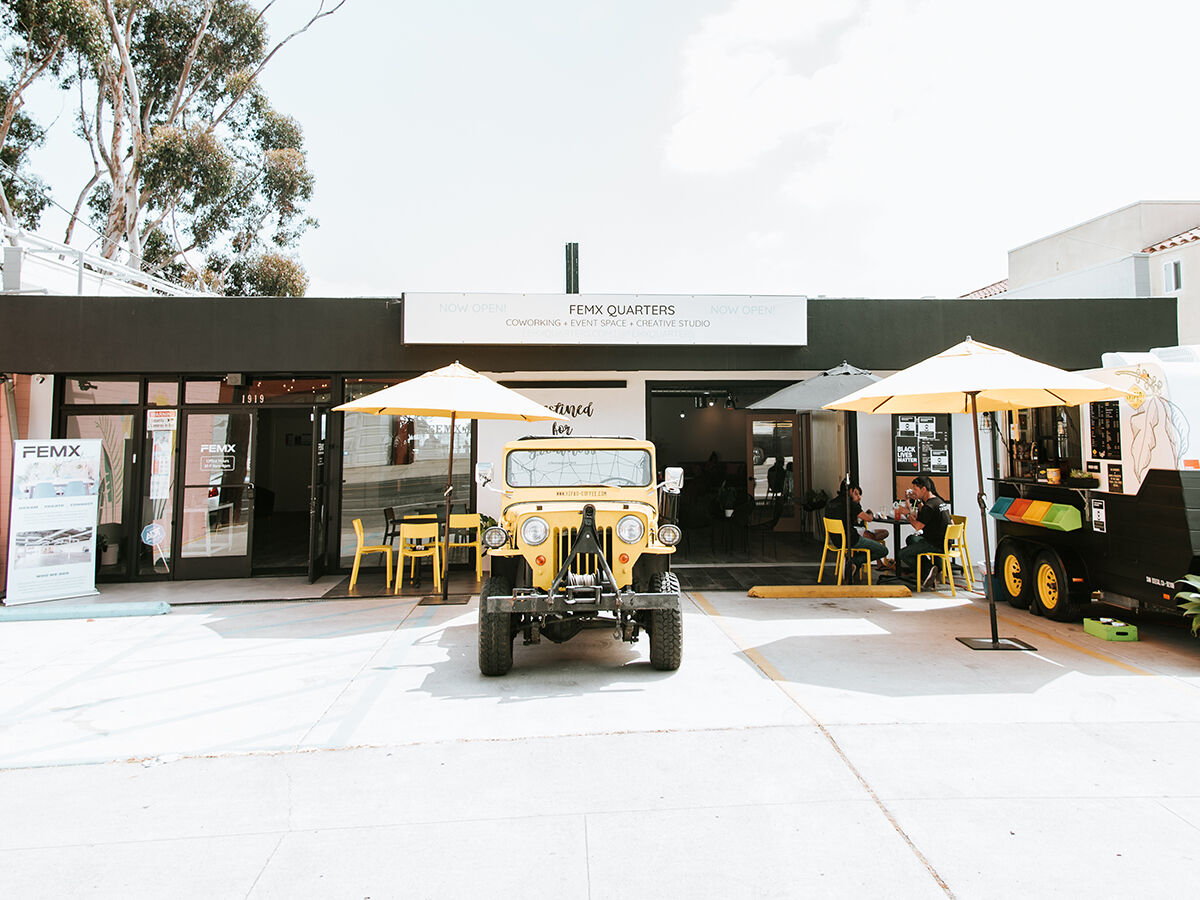
FemX Quarters
FemX Quarters is a Latina-founded multipurpose creative space for women that hosts events and includes coworking spaces and studios for photography, film, and audio recording. Because of the pandemic, FemX Quarters had to expand its digital footprint by launching online courses geared toward today’s economy and by hosting physically distant but socially connected events.
1919 San Diego Avenue, Mission Hills
The Del’s oceanfront cabana guest rooms got a complete makeover with refreshed coastal colors and stunning alfresco settings with lounge areas, fire pits, and sunset views. The new nearby pool also has private cabanas to offer a refreshed spot to enjoy craft cocktails and swanky SoCal living.
1500 Orange Avenue, Coronado
The Point Loma landmark remains true to its 1960s midcentury aesthetic, but with revamped interiors, thanks to local design firm Human Kind Design Company and to Electric Bowery.The property also changed its popular “dive-in” movies to “dine-in” movies over the oyster-shaped pool with a $50 prix fixe menu.
1410 Rosecrans Street, Point Loma
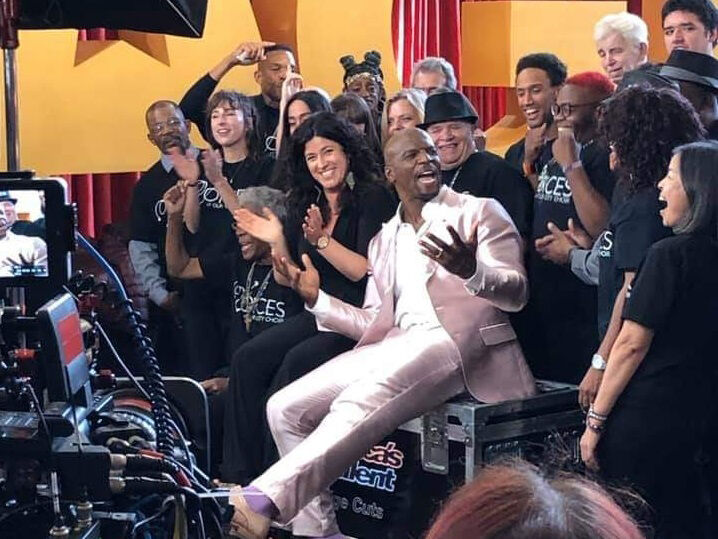
Voices of Our City Choir
Cofounded in 2016 by jazz singer Steph Johnson, this choir for people experiencing homelessness made it to the semifinals of this year’s America’s Got Talent competition. The celebrity judges were wowed by an original song the choir performed and by the story of how this group—now a nonprofit—welcomes people off the street and has empowered over 60 of its members to find stable housing.
1550 Market Street, East Village
2020 has been an extremely challenging year for the arts, and North Park’s Media Arts Center has adapted by transitioning its most popular events to virtual happenings. The organization behind Digital Gym Cinema and the annual Latino Film Festival hosted both events online with weekly arthouse engagements and digital access to the film festival’s movies. The nonprofit also continued its youth filmmakers program this summer, giving teens interested in cinema a chance to produce a documentary.
2921 El Cajon Boulevard, North Park
This innovative gallery concept shows only one piece of art at a time. Avoid crowds—visits are limited to groups of four, by appointment only—and enjoy the experience of “slow art.” Each visit is free, and a gallery worker will be on hand to offer information and insight or simply let you appreciate the work in silence. Each show runs for three weeks.
7722 Girard Avenue, La Jolla
The beloved gay nightclub pandemic-pivoted in truly spectacular fashion (we would expect nothing less) by transforming into an outdoor party palace complete with go-go dancing stages, socially distanced tables, a full menu, and fun decor.
1051 University Avenue, Hillcrest
In October, visual artist and South Park local Melody Moulton opened Trash Lamb, her first standalone art gallery. The intimate gallery features a variety of thought-provoking pieces by artists working in different media from San Diego and beyond. A small shop, curated by Moulton and stocked with artisanal goods, occupies the front. Moulton is also an avid traveler. The pandemic grounded her in more ways than one, giving her the courage to take the leap into this new venture.
2365 30th Street, South Park
The San Diego Public Library has kept readers of all ages engaged online despite coronavirus-related library closures. The SDPL Virtual Hub has real-time and recorded bilingual storytimes, teen and adult book talks, craft activities, science experiments, and special guest performances. The librarians dress up in costumes and do all the voices as they read aloud to book lovers young and old.
Various locations
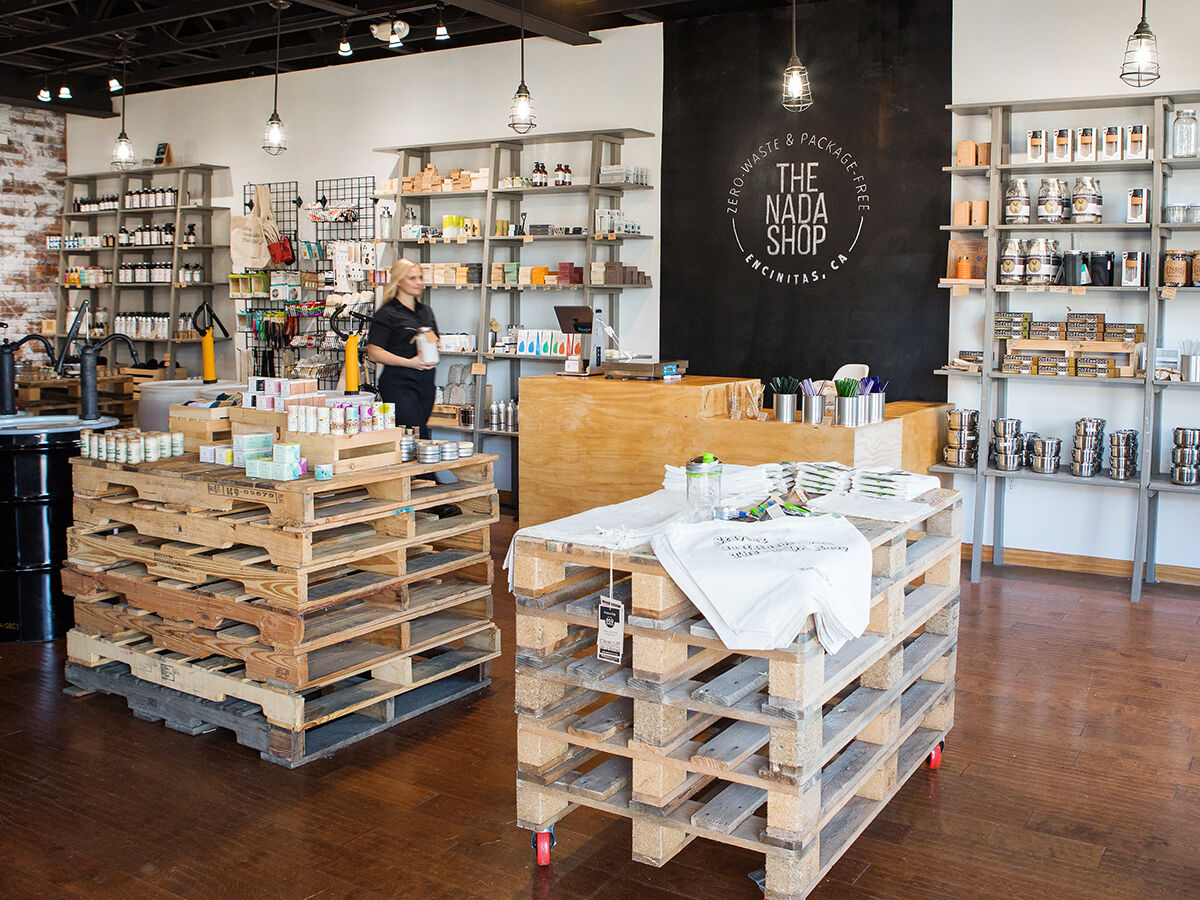
The Nada Shop
Becca Batista
Consider Samantha Simone the North County queen of low-waste living. She opened up her own refillery in Encinitas just last year, selling eco-friendly household cleaners and bath soaps in bulk. Bring in your own containers and fill them up, or let her team guide you through the Starter Collection to kick off your sustainable lifestyle. In addition to formulas, the shop also carries products that’ll get you on a greener living track—think reusable mugs and bags, and even solid dish soaps to avoid single-use plastics.
937 South Coast Highway 101, Encinitas; 332 South Coast Highway, Oceanside
When Janelle Noble Donovan’s daughter was suffering through a cycle of infections, she became desperate to create a solution. In developing Anshi topical rubs, she aimed to use the body’s largest organ—the skin—to promote healing. The dry rubs contain pink Himalayan salt for quick absorption, and can also be used as a shower scrub or bath soak to relieve various ailments, including joint and muscle pain, cold and flu symptoms, and bites and burns.
Music venues are hurting right now, and The Casbah introduced new merch this summer for loyal concertgoers and music lovers to show their support. The crowd favorite is the “Froberg” tees, featuring a cartoonish design by musician and former Encinitas resident Rick Froberg (Hot Snakes, Drive Like Jehu). The illustration is available as a unisex tee, women’s tank, and coffee mug. Also new to the merchandise is 2020’s hottest accessory—a face mask, with Casbah branding. Trust us, you can rock it.
2501 Kettner Boulevard, Little Italy
What started as a bow tie business has evolved to meet a niche market: wood-brimmed hats. The caps are crafted with real woods and spot-coated with epoxy resin for dashes of color. All fedoras come with iconic accessories, like a feather, quill, or pin. We’ll tip our hats to that!
With the homesteading lifestyle on the rise, home hobbyists need a shop of their own. Enter Home Ec., stocked with gardening supplies, cookbooks, sewing kits, and even the owner’s sourdough starter. Preheat your oven!
2355 India Street, Little Italy
You can’t get any more homegrown than running a plant shop out of your house. A former co-owner of North Park Nursery and its sister shop Eden San Diego, Stephanie Ward bases her new venture out of her Imperial Beach home and runs on an appointment-based system. The inventory skews toward tropical plants, but she also has all the basics like snake plants and pothos.
Imperial Beach
Klover’s art-forward dispensary livened up its industrial neighborhood when it opened up shop last year. Splashed across its exterior walls are murals from local cross-border artist Panca. Inside is a suite of THC-rich products from the highest-quality brands California cannabis has to offer.
3500 Estudillo Street, Pacific Highway
The longtime dream of Rais Case owner Julie Ellis, The Rising Co. in Oceanside opened in early 2020. The co-op is brimming with something for everyone from wares to activities. Beyond the merchandise, there’s coworking spaces, Seaborne Coffee Company, and fitness classes.
332 South Coast Highway, Oceanside

Maek
Married ceramicists Michaela and Ryan Maes opened up their first-ever brick and mortar shop in Ocean Beach last summer. They do all of their throwing in the shop, so customers can see the time and care each piece needs. Fan favorites include the Thumb Cup, the Traveler mug, and Portholes wall mirrors. Coming soon: a membership-based ceramic studio.
1918 Bacon Street, Ocean Beach
Sommeil—that’s French for ‘sleep’—is the boutique arm of the North Park mattress shop Sleep Bedder. They stock all the creature comforts one could want to wind down for a restful night, from candles to bath soaps and herbal supplements. If you’re into it, there are also crystals, sage, and smudge sticks.
2867 El Cajon Boulevard, North Park
When you have minimal square feet to work with, you bet your inventory has to be refined. That’s been Shop Soet’s philosophy since they opened in Hillcrest last summer. The little shop is tucked below the Abpópa microloft complex on Fifth Avenue and the gem of its inventory is a two-story wall of vinyl records that leads to their “music den” upstairs. On the bottom floor, you’ll find a modest collection of homewares, jewelry, books, and beauty and skin care goods.
3776 Fourth Avenue, Hillcrest
When he welcomed his first child into the world, Mark Frahm realized that the frayed shoebox he’d been using to store his cannabis stash was no longer adequate. To solve this problem, he created Rob Rodney, a luxury line of leather storage cases designed to keep cannabis products safely out of reach from kids and pets. The bags have locks and come with airtight jars and magnetic pouches to store joints, vapes, gummies, and oils.
No matter what you call it—an expansion, a rebranding, a reset—we’re loving that Melanie Michaud transformed her South Park clothing boutique, Graffiti Beach, into a second location of her Bankers Hill shop, Thread + Seed. The South Park post swapped the fast-fashion finds in favor of timeless pieces at an affordable price.Perfect for the holidays, the shop has a Build-a-Box Bar for shoppers to create their own gift box.
2220 Fern Street, South Park
Designer Ugochi Iwuaba makes her mark with attention-grabbing fashion inspired by African textiles and silhouettes. The same scene-stealing power that won Ugochi Iwuaba the award for Best Show at Orange County Fashion Week is back this season in liquid metallics and delicate details (hello, virtual holiday parties). Browse the racks at her eponymous flagship boutique, which opened this summer in Mission Valley.
5080 Camino del Arroyo, Mission Valley
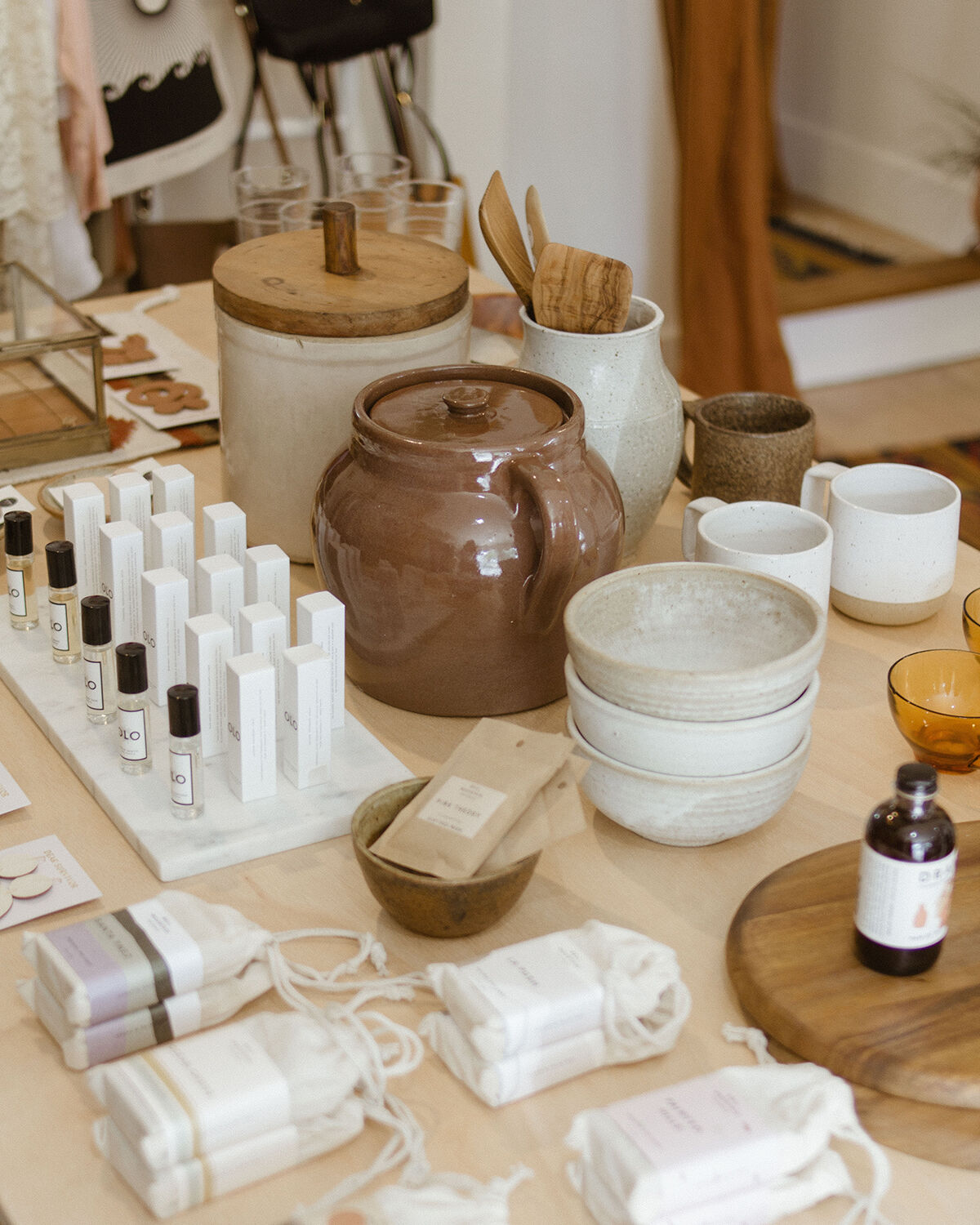
Timshel in Thread Spun
This modern-meets-vintage home goods boutique charmed Normal Heights for mere months before COVID-19 caused the closure of its brick and mortar. Then, the young owners found a saving grace through Thread Spun, which lent a nook of its shop space to Timshel to run as a pop-up and spotlight its sustainable wares and slow-fashion products.
1114 North Coast Highway 101, Encinitas
This Normal Heights plant shop pivoted their sales strictly to Instagram stories during the shutdown and got their process so perfected that they’ve continued their online sales even after reopening. Simply DM the shop to let them know you’re ready to retrieve your purchase and they’ll slide your new plant out the door, no contact required. In-person shoppers will love the newly installed community cutting swap wall.
3504 Adams Avenue, Normal Heights

Sojourn Healing Collective
Tiffany Allen
Coinciding with its three-year anniversary, Sojourn Healing Collective moved from its original Bankers Hill location to a new space with two sunlit studios in Golden Hill. Already known for their various yoga practices, meditation, sound healing, and breathwork, Sojourn has recently rolled out new in-person classes and workshops, plus a virtual studio membership for online instruction. The 2,000-square-foot facility has a modern vibe, brought to life with a plant wall, crystals, and an outdoor community courtyard.
811 25th Street, Golden Hill
Based on the success of their first two medical spas, Revive Salon & Spa expanded farther north with a new location in Encinitas. Providing laser, skin, and body treatments; facials, peels, and waxing; Botox and other fillers; Revive also houses full-service hair salons at their Mission Valley and Carmel Valley locations. All virtual consultations are free.
109 North El Camino Real, Suite 9, Encinitas
Set your leg warmer and leotard stereotypes aside. Jazzercise has lived on for 51 years for good reason—you burn calories, and fast. This year, the San Diego–based fitness empire has ramped up its Jazzercise On Demand workout so you can start burning calories from the moment you get up off the couch. The workouts target all muscle groups and incorporate strength, high-intensity interval training, and Pilates moves that bring the dance routines well into the modern era.
This hot-mat Pilates studio quickly grew a dedicated following after it debuted in Bankers Hill last year. When public health regulations barred indoor workouts for much of 2020, owner Betsy Blumenfeld hopped on the next best thing by launching an online streaming service for those determined to keep getting their sweat on. A monthly subscription of $25 grants access to over 200 videos, with new ones added each month. Their specialty is the Savor and Spice classes, which move through quick, blood-pumping intervals of classic mat moves.
Saffron & Sage is offering a comprehensive Mind, Body + Spirit detoxification so you can reset and rewire. Commit to this six-week self-care series and you’ll receive a detox kit designed by holistic health practitioners that includes nutritional guidance, sample menus, recipes, nutritional and homeopathic supplements, and daily journal prompts. It also comes with access to weekly virtual workshops, Saffron & Sage’s virtual classes, and flower essences delivered to your door.
2555 State Street, Mission Hills

Movement Warehouse
Movement Warehouse facilitates high-intensity weight lifting that prioritizes form over setting personal records. Think an athlete training facility, not a CrossFit. Owner Michael Hamanaka says it’s the people and community that make you want to keep coming back. In light of the pandemic, the gym upgraded their space for complete outdoor training and cleaning on rotation every six to seven minutes.
1425 Garnet Avenue, Pacific Beach
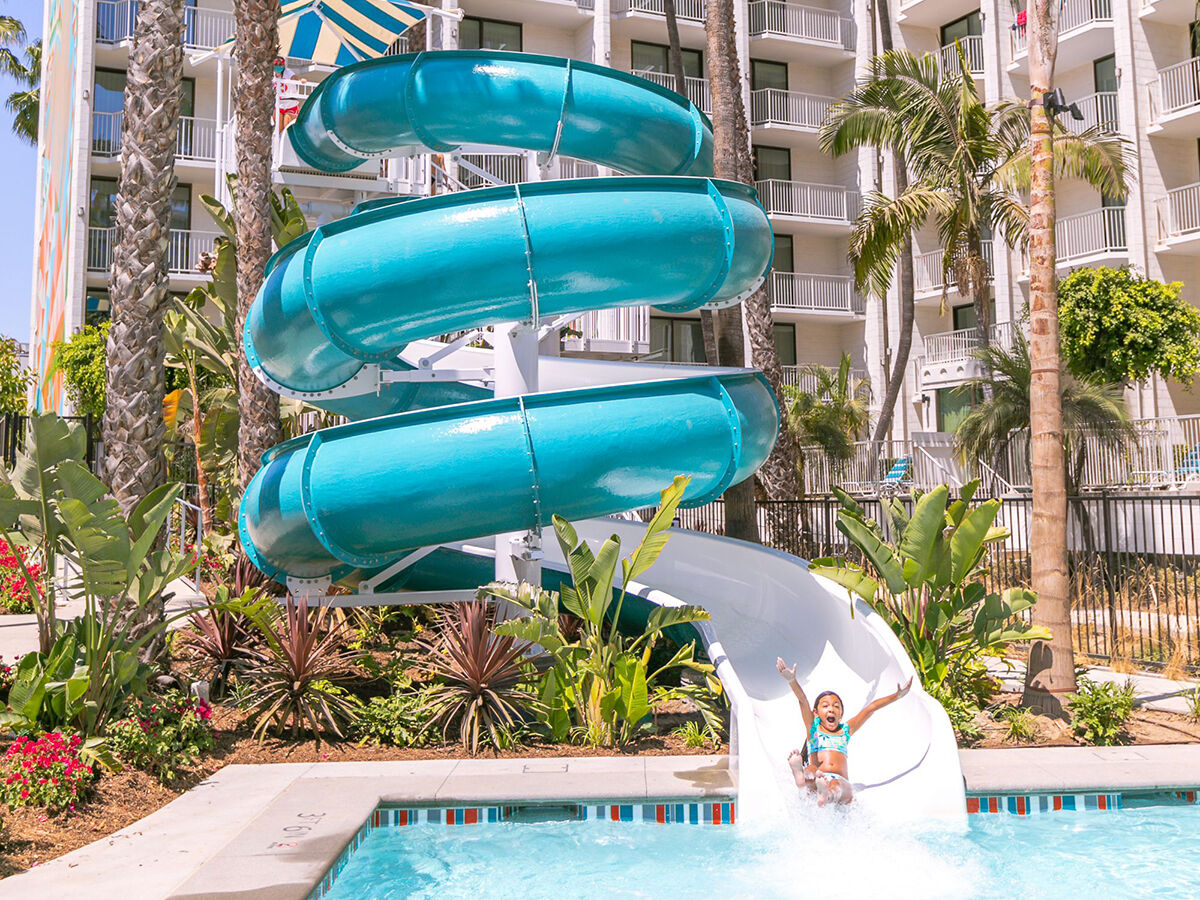
The nearly 70-year-old hotel got a new lease on life after $70 million worth of construction work, and the results make a big splash. The expansive pool deck has three areas to explore, including a kids’ pool. Older kids (and brave younger ones) will adore the Twister, a four-story-high waterslide (the city’s tallest!) while grown-ups will appreciate the margaritas served poolside. The hardest part of your day may be telling the kids when it’s time to head back home, but that’s a small win any parent will happily take! Day passes can be purchased at resortpass.com.
500 Hotel Circle North, Mission Valley
Rancho Bernardo Inn has debuted a private, interactive falconry experience for guests. Under the guidance of expert handlers, you can don the falconer’s glove and have close encounters with owls and other majestic raptors. You’ll learn all about the history of this ancient and noble sport and play field games with the birds on the sprawling Argon Lawn.
17550 Bernardo Oaks Drive, Rancho Bernardo
The former Camp-Run-A-Mutt location welcomed a refreshing rebranding inspired by the daycare owner’s 11-year-old puggle, Kirby. The new name comes with the same trusted service, but with updated perks like temperament testing to keep things safe, spacious big-dog and small-dog play yards, and dog pools for your pup to splash around. You can pick from half- or full-day stays or overnight boarding, and even treat your four-legged friend to a grooming so they come home happy and squeaky clean.
7888 Othello Avenue, Kearny Mesa
Stylish sustainability is at the heart of Le Shoob. The brand offers a collection of treats, goods, and wears for your favorite furry companion that you can feel good about. The small-batch treats are made from 100 percent natural ingredients and bagged in recycled packaging. Collars, leashes, and harnesses are available in a wide range of colors and, with each purchase, Le Shoob donates ten percent to Hearts & Bones Rescue.
The iconic indoor pool at Mission Beach opened last summer after getting a $12 million facelift. The new retractable roof and floor-to-ceiling windows let in plenty of light and ventilation, and during daytime recreational swim hours, there’s a fun floatie obstacle course for the kids to tackle in the shallow end. For the ultimate pool party, you can sign the kids up for a full day camp experience.
3115 Ocean Front Walk, Mission Beach

Home & Hound
Becca Batista
Home & Hound’s owner, Brittany Garbani, is on a mission to make home decor and dog garb jibe harmoniously. The inventory’s neutral color palette and Garbani’s minimalist-meets-boho aesthetic is a big part of it. The shop is a true 50/50 split between serving humans (textiles, accent furniture, decorative accessories, entertaining wares) and dogs (walking, eating, sleeping, and playing essentials). We couldn’t agree more with the shop’s tagline, “Home is where your hound is”—so decorate accordingly.
3768 30th Street, North Park
Experience the wildlife at this quiet retreat in Alpine. The Children’s Nature Retreat is a 20-acre sanctuary for 150 domesticated and wild animals. Visitors get up close with 22 different species, including one of the few white camels in the world. Many of the animals were donated from owners who could no longer care for them or rescued and brought to the sanctuary for a bit of San Diego sun and peace.
5178 Japatul Spur, Alpine

American Pizza Manufacturing
James Tran
American Pizza Manufacturing offers restaurant-quality pizzas and pastas without the prep work. Crowd favorites include the Harley pizza, topped with Italian sausage, caramelized onions, sage, Asiago, and mozzarella. Salads and desserts complete a full and no-fuss dinner.
7402 La Jolla Boulevard, La Jolla
At long last, University Heights has a wine shop to call its own. Married couple Juerie and Paul opened Clos this summer, delivering all the mom-and-pop vibes you wish for in a neighborhood bottle shop. They specialize in natural and organic wines sourced from small growers and producers. Grab a bottle to go or post up on the patio and stay awhile with a meat and cheese board or the house specialty, tinned fish.
4521 Park Boulevard, University Heights
From the high-altitude mesas of Durango, Mexico, comes Izo Mezcal, a smooth, smoky spirit that’s meant for sipping. Crafted from wild agave hearts, Izo has hints of banana and green apple flavors with subtle floral notes. The distillery will soon release a well tequila and sotol to round out its full collection.
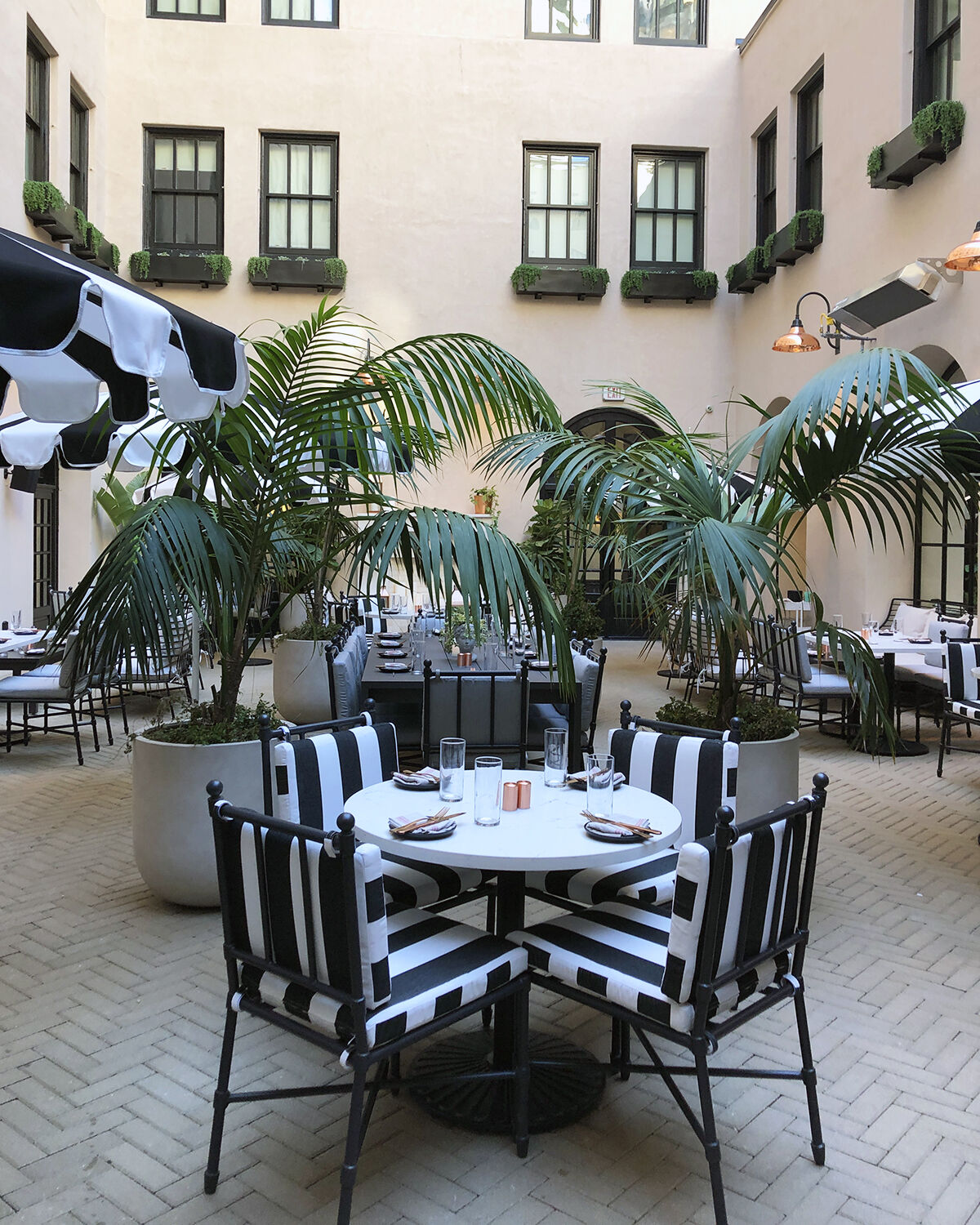
Luca at The Guild Hotel
Kai Oliver-Kurtin
International travel may be on pause, but guests dining at Luca in The Guild Hotel will feel transported to the French Riviera thanks to the restaurant’s chic alfresco setup. The menu combines flavors from the Mediterranean and North Africa, and its location makes for the perfect workday lunch spot.
500 West Broadway, Downtown
Metl Bar & Restaurant mixes alcohol and ice cream in deliciously campy ways. Try a “Painchiller” with three kinds of rum, orange, pineapple, and nutmeg; or stay on trend by ordering the “Tygrr King.” This wild concoction includes Skrewball Whiskey and chocolate rum dashed with banana pudding, cashews, and Whoppers candy.
748 Fifth Avenue, Gaslamp Quarter
Ivo Fedak sells his hard-to-grow gourmet mushrooms at local farmers’ markets. He specializes in “wood lovers,” or exotic strains that grow on trees and in forests—king trumpets, oysters, and lion’s manes, to name a few. Pay him a visit and expand your palate!
San Diego’s first zero-waste plant-based restaurant makes creative use of products that many restaurants throw out, like banana peels, which transform into a taco filling. Vegan proteins, including taste-alikes for crab and chicken, are all made in-house.
1733 S. Coast Highway, Oceanside
This multi-restaurant spot opened on the North Embarcadero in July. You’ll need to call ahead to get a reservation at Brigantine on the Bay. Just cruising by? Check out Ketch Grill & Taps. Over 1,000 seats are spread out across the two-story complex—most with fantastic bay views.
1360 North Harbor Drive, Downtown
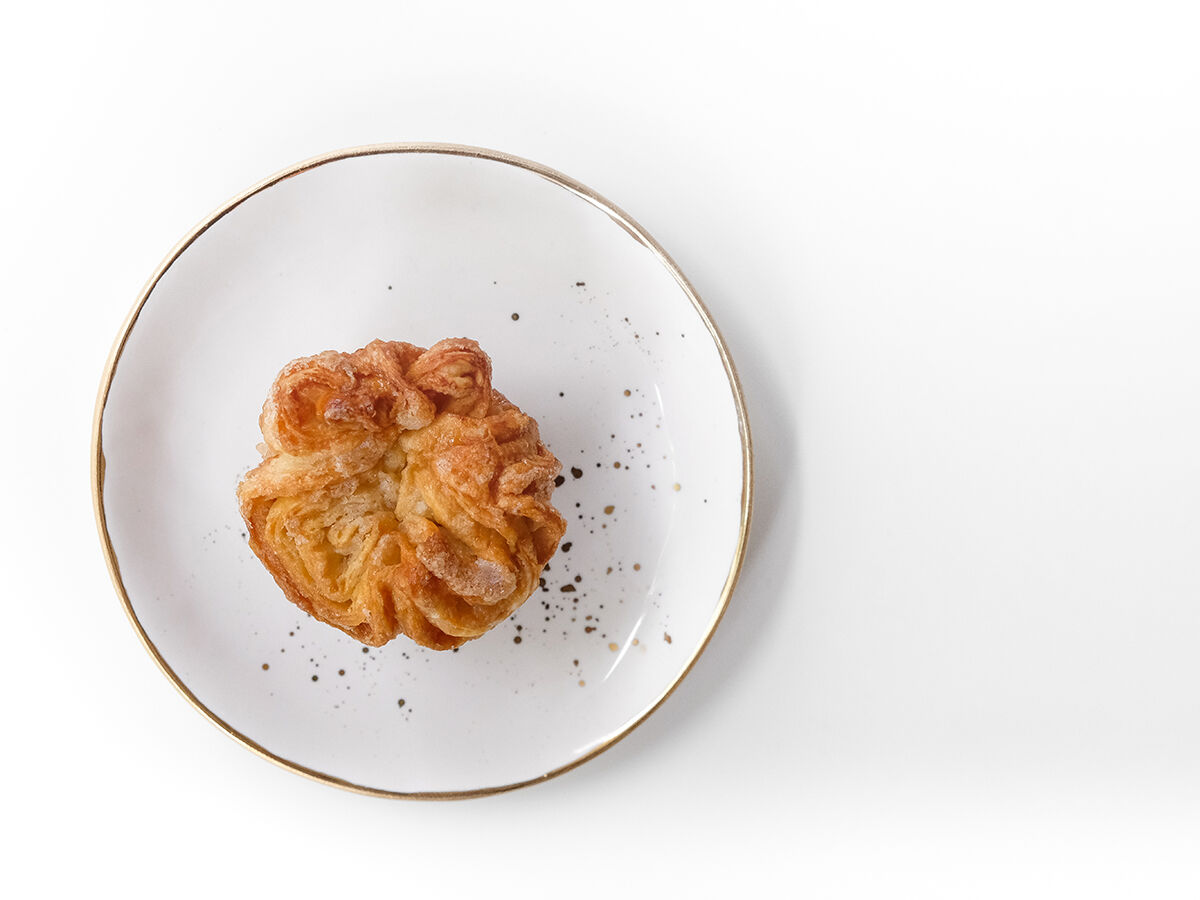
Pâtisserie Mélanie
Combining the best of a palmier and a croissant yields the kouign-amann. Le Cordon Bleu–trained chef Melanie Dunn creates her masterpiece by laminating the dough with lots of butter—the result is a rich, flaky, cinnamon-topped dessert that’s totally delicious.
3788 Park Boulevard, Hillcrest
Encinitas’ favorite spot for live music recently created a charming venue in the back of their restaurant, transforming the parking lot with market lights, artificial turf, barrel tables, and an elevated stage, so you can safely enjoy the local musicians while you sip a Coupe de la Vie nightcap—cold brew with Irish cream, crème de cacao, and vodka.
517 South Coast Highway 101, Encinitas
Tracy Borkum of Cucina Urbana fame has joined forces with the Snake Oil craft cocktail wizards to create Camp Cucina, a dynamic all-outdoor pop-up scene. Come holiday season, Urban Kitchen Group will continue to cater to the festive gatherings at Julep.
1735 Hancock Street, Middletown
The Vegan Lion delivers homestyle, plant-based comfort foods. Chef-founder Quin Butler runs San Diego’s first completely vegan, gluten-free, and soy-free meal service. Order the best-selling Lion Wings Meal: Air-fried oyster mushroom “wings” show off Quin’s skill with seasonings and stay crispy and delicious even through cross-town transit.
1100 North Magnolia Avenue, Suite D, El Cajon
Last summer, chef Socheath Sun (formerly of Tiger!Tiger! Tavern) opened one of the most talked about lunch spots downtown: a pop-up that has only one dish on the menu, which changes daily. Diners can expect dishes that span Southeast Asia. Sun’s family is from Cambodia, and dishes like prahok k’tiss (a dip of minced pork, eggplant, lemongrass, and chili) make appearances on the menu. Give Chef Sun a follow, and see what her loyal fan base has been raving about.
734 Park Boulevard, East Village
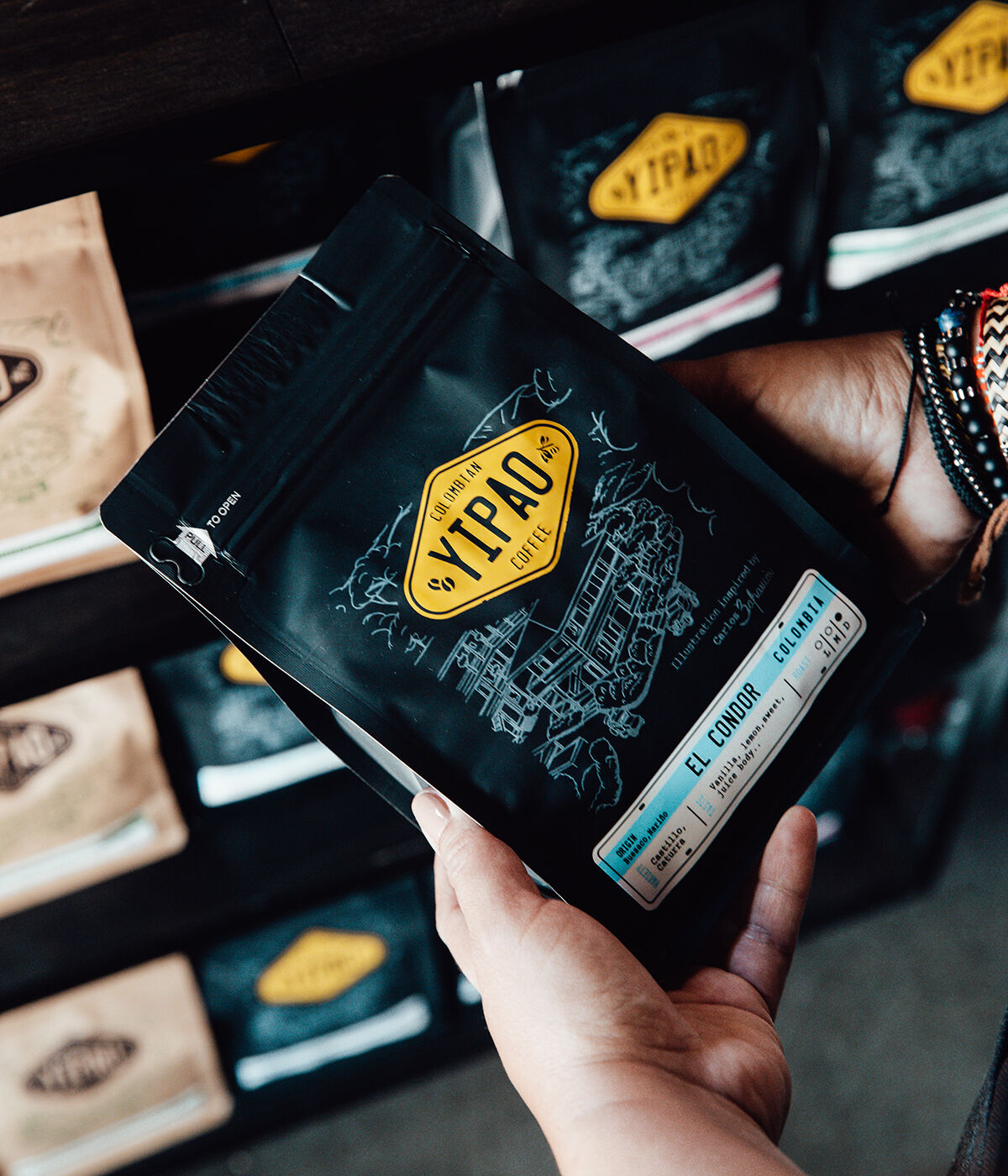
Yipao Coffee Bar
Israel Palacio
Positioned as an offshoot of Kairoa Brewing Company, Yipao specializes in Colombian coffee, roasted in San Diego. In addition to single-origin cold brews, pour-overs, espresso, and other coffee drinks, they sell bags of beans at Seaside Market in Cardiff and at their University Heights location to take to go. Just look for the namesake yipao jeep parked right in front.
4601 Park Boulevard, University Heights
Dare we say some cocktails taste better in a can? One sip from You & Yours’ collection of vodka sodas and gin and tonics, and you’ll see what we mean. New this year are two vodka sodas in Meyer lemon and cucumber mint flavors, rounding out the distillery’s collection of eight canned sippers. Both are made from their award-winning grape-based vodka and distilled at their tasting room.
1495 G Street, East Village
Owner David Young is no newbie when it comes to the business of fruit, with a degree in pomology (fruit science) and 20 years in winemaking to prove it. But what’s most impressive about his cidery is that everything is found, grown, and made on-site. Recipes include ingredients like pineapple weed and white sage, which gives their crisp apple ciders an extra flair. The tasting room is right on the apple orchard, making a sweet alfresco cider experience that much sweeter.
4200 Highway 78, Julian
Having a midweek slump? Tune in to Wino Wednesdays for some wine, cheese, and respite at this biweekly tasting hosted by one of the city’s most acclaimed cheese shops. Every week, they highlight a new wine from around the world, like a Spanish garnacha or even a local pinot noir, and pair it with a cheese plate for a virtual tasting on their YouTube channel. Order ahead online, pick up the cheese and vino that day at their shop in Del Mar or Mission Hills, and get ready for a comfy happy hour at home. If you’re up for it, you can engage in the live chat, but no one minds if you just sit in your sweatpants and listen in while you sip. If you want something more interactive (that will get you off the couch) they also have cooking classes hosted by Venissimo employees. Just want to socialize? Sign up for their informal Sunday Sessions and toast to making it through another week.
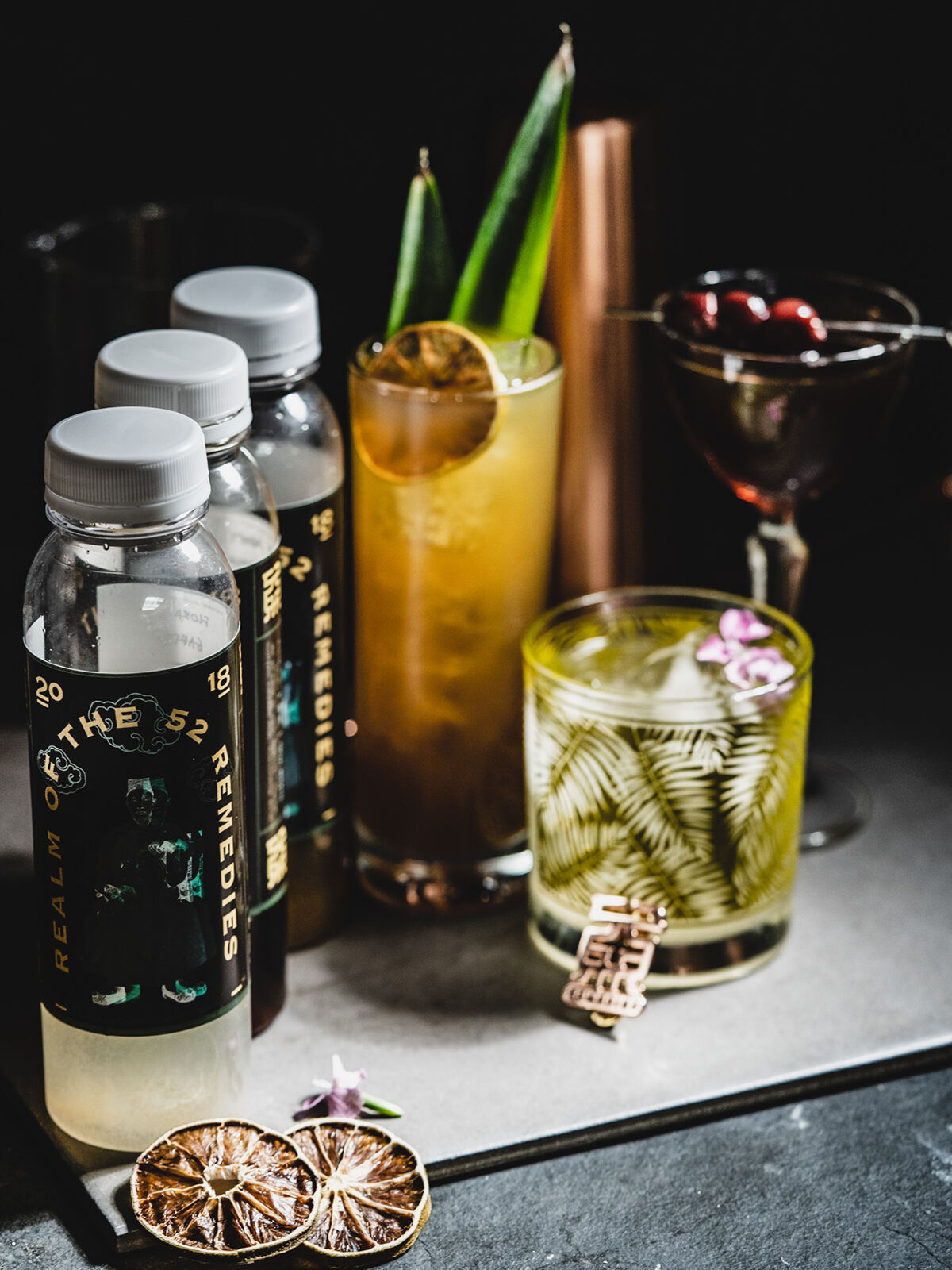
Realm of the 52 Remedies
When happy hour has to be a home affair, only the best cocktails will do. That’s where Common Theory’s not-so-secret speakeasy comes in. 52 Remedies’ innovative craft cocktails are now available in “Home Therapy” bottles to go—complete with garnishes. All you need to do is pour over ice and enjoy. Each week, the bar features three new recipes that you can order individually or as part of the Home Therapy Wellness Kit, which comes with all three premixed cocktails, garnishes, barbecue taro chips, and a surprise gift.
4805 Convoy Street, Kearny Mesa
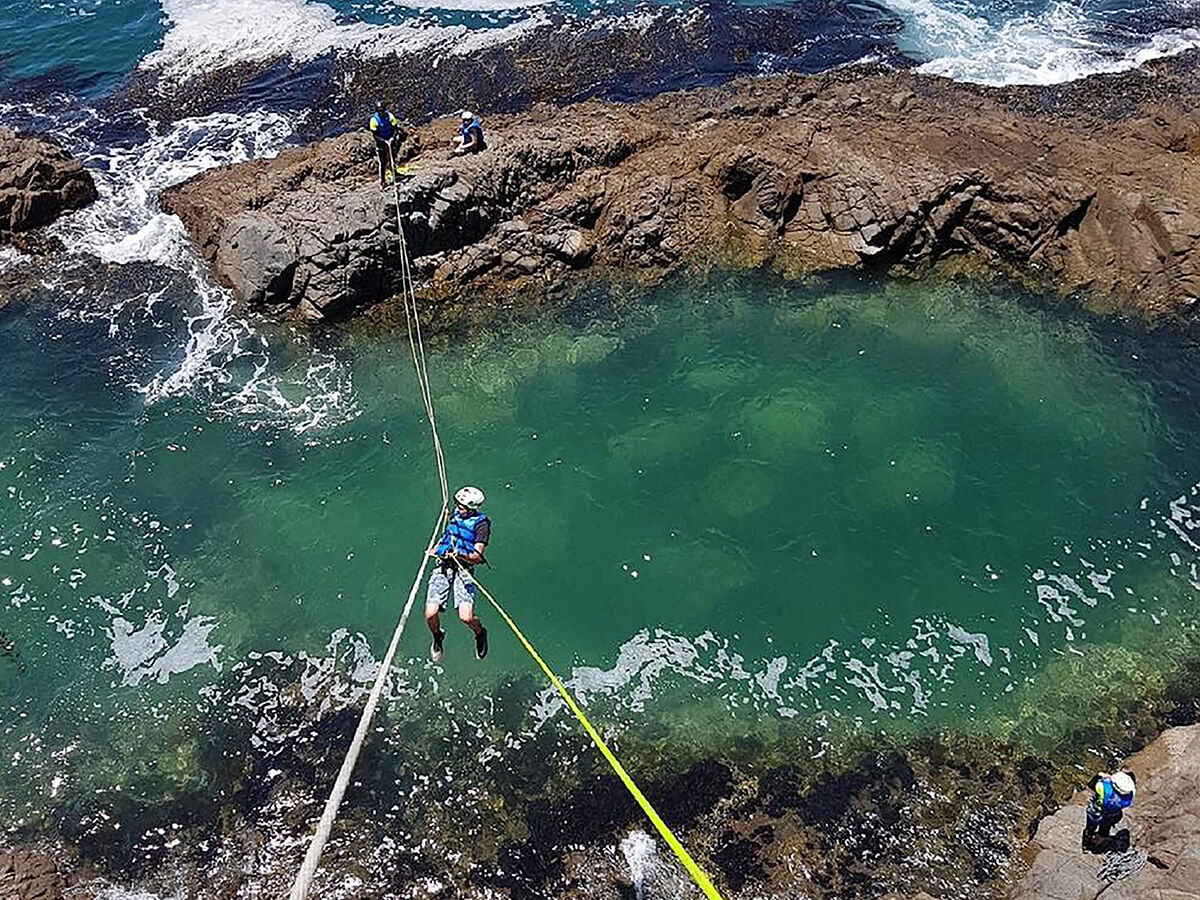
Baja Excursions
Ever wanted to rappel 25 meters off the ocean? It might be time to give coasteering a try. This nature tourism company offers a variety of extreme sports and outdoor activities such as hiking, canyoneering, kayaking, and coasteering. It’s the only company in Tijuana and Rosarito that has federal and state accreditations that are required for their line of services.
Departs to various locations
Tijuana’s only interactive science and technology museum is designed to catch your curiosity with 10 modifiable workshops, labs, robotics, and special events to explore. Most recently added is the planetarium, a space dedicated to the knowledge of the universe. They are offering online events, and visits are by appointment only.
Tijuana
La Lomita Winery is where chef Sheyla Alvarado continues to build her legacy in Valle de Guadalupe. After her residency at the vineyard’s acclaimed TrasLomita, Lunario shows off her mastery of the forces shaping the valley’s culinary universe. The six- and eight-course menus, which change with the phases of the moon, source from nearby fincas and the Ensenada coastline. The dining room is housed inside a greenhouse reminiscent of an observatory.
Ensenada
Sharpen your cooking skills with professional executive chefs at the Culinary Art School of Tijuana. They offer day courses for amateurs that walk you through popular dishes such as pan dulce, craft cocktails, veggie tacos, moles, salsas, burgers, crepes, and more. Courses include the recipes, ingredients, an apron, accident insurance, and a diploma at the end of the course. You don’t need great knife cutting skills, just comfortable shoes and a willingness to learn.
Tijuana
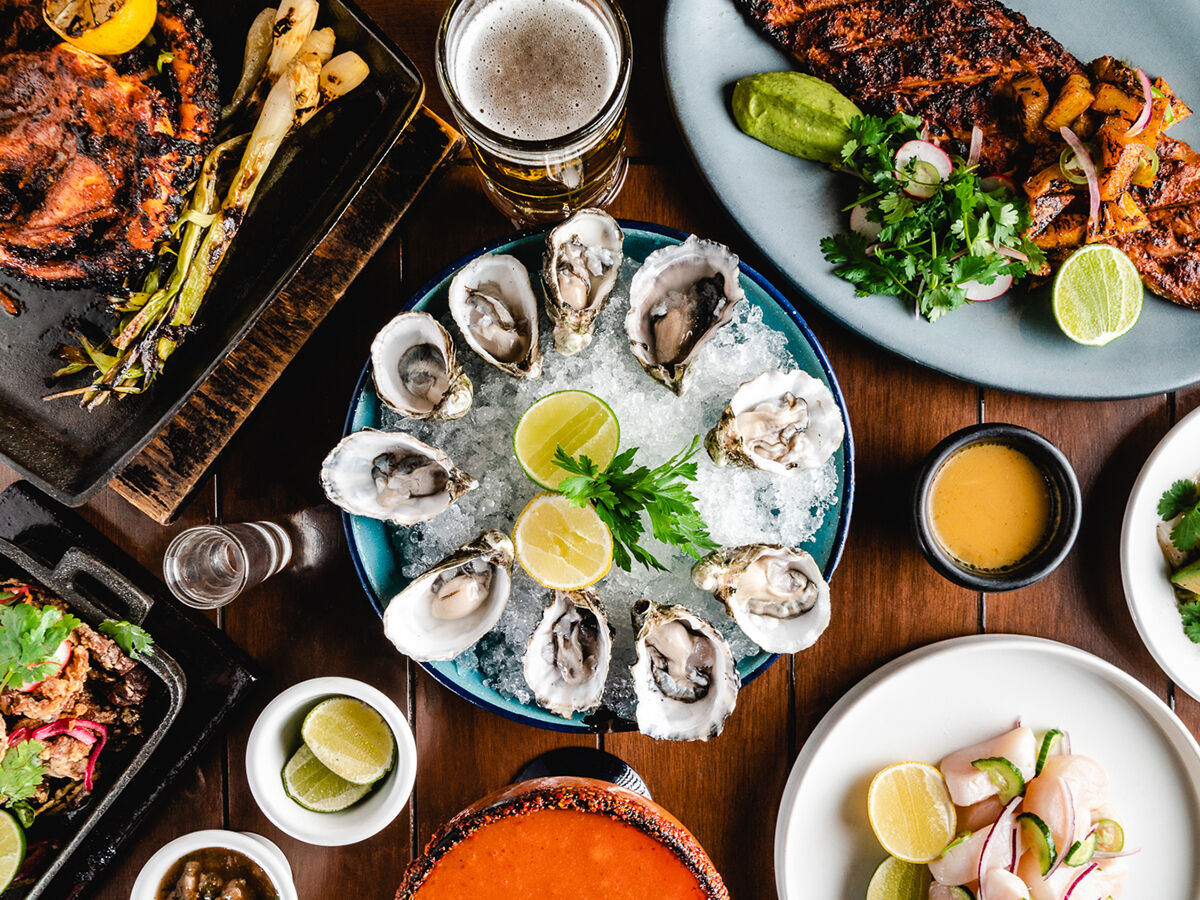
La Saladita
This new cantina from the owners of the iconic Cantina de los Remedios is focused on providing a seafood menu that distinguishes the fresh produce of the Baja region with rich marinades, sauces, and preparations from Southern Mexico. Menu items to try include the juicy golden shrimp marinated to perfection in paprika and soy, and a two-pound zarandeado octopus marinated in flavorful adobo, flash fried, and served with warm handmade tortillas.
Tijuana
Border Psycho laid a foundation of irreverent takes on classic brews. The craft label made major moves since last year, starting with Playami, its new taproom and multilevel dining space in the Playas de Tijuana neighborhood. Inside the tanks, they’ve been pulling off some must-drink collabs with brewers on both sides of the border, including San Marcos’s Mason Ale Works.
Tijuana
A new hospitality option for the millennial traveler is now taking reservations in downtown Tijuana. The 17-room hotel has city views and lots of natural light—ideal for snapping some photos—and houses a coffee shop, bar, and coworking spaces. The project was a collaboration led by Mariel Cuervo of Coyote Projects and Miguel Marshall of Centro Ventures.
Tijuana
This 360-degree outdoor event space is designed like a drive-in movie theater with a four-sided concert stage. Guests can park in front of one of the four large LED screens and enjoy movies, concerts, boxing matches, and live DJs Friday, Saturday, and Sunday nights. There are also food trucks and pop-up food stands.
Tijuana
Chef Jair Téllez’s landmark Verde y Crema made its much-anticipated return to a new two-level structure on Avenida Revolución downtown after a nearly two-year absence. Its outstanding menu has seen few changes, so anyone can get a taste of the dishes that got Tijuana buzzing for years.
Tijuana
When Telefónica opened in a downtown parking lot, few would have imagined its future as a foodie destination. Today, the food hall continues to top Tijuana to-do lists with its local tap list and roster of chefs. Founder Antonio Gamboa has big plans in the works: he announced on KPBS in February that he is actively looking for a San Diego location for a cross-border expansion.
Tijuana
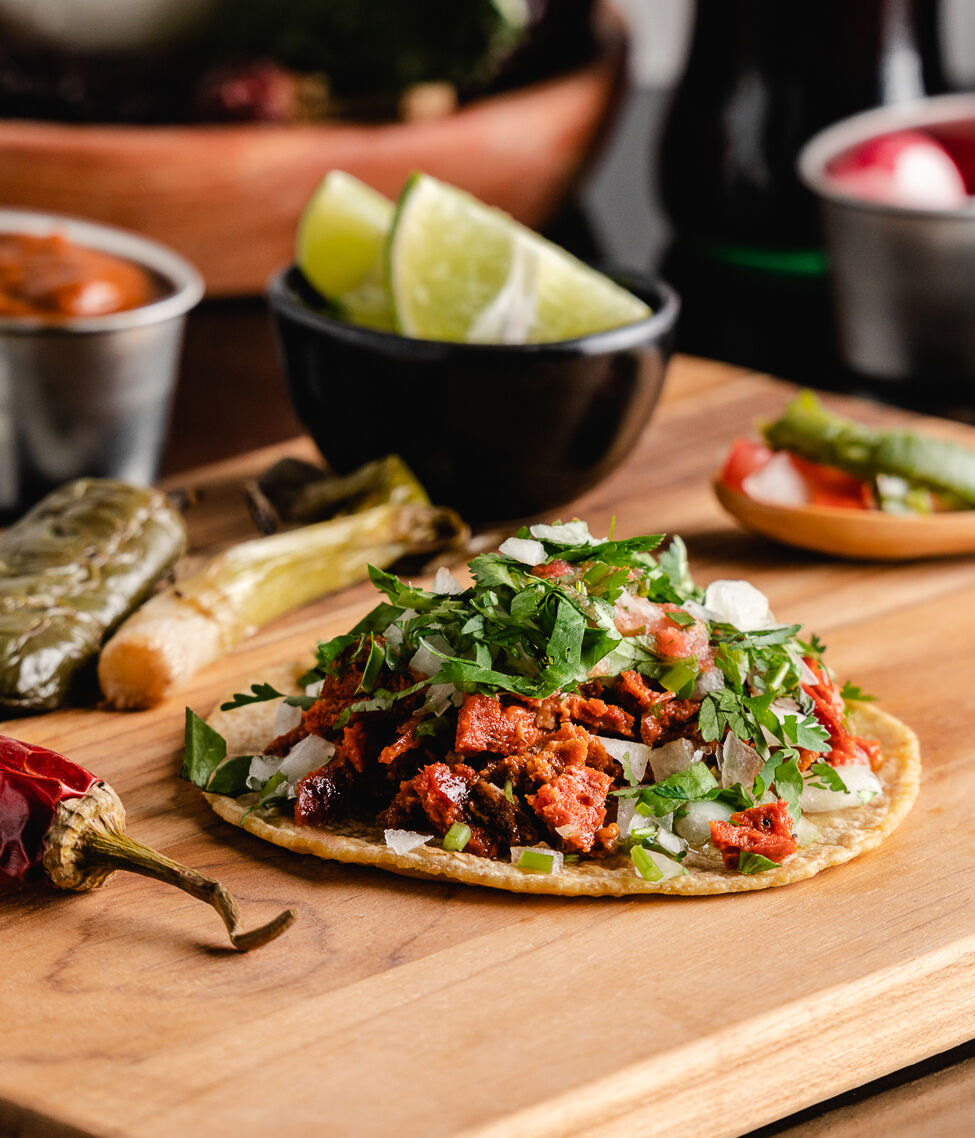
Tacos del Koshy
In Tijuana there are many taquerías to choose from, but this new spot is worth all the hype. In addition to staples such as carne asada, adobada, birria, cabeza, carnitas, lengua, suadero (interior shank), and tripa, Tacos del Koshy serves up Central Mexican flavors and original creations. Must-order items include the Taco del Koshy, with crispy suadero, pig skin, beans, and guacamole; and salsas that are made with special house recipes.
Tijuana
With Sosal Line, Heidi Greenwood and Juerie Masters are importing traceable seafood from small producers and building a global pantry business along the way
No matter your job, it’s helpful to find some sort of joy in it to avoid going completely insane. Some people savor the variety of personalities when dealing with customers. Others find comfort in the predictability of closing a bar after last call, counting tips and wiping counters. Perhaps achieving Inbox Zero really gets your blood pumping, or shipping a new product design sparks joy.
For Heidi Greenwood and Juerie Masters, work doesn’t get better than logistics and operations.
“[We] both love all the unsexy parts of supply chain and backend management,” laughs Greenwood. Tracking outbound orders? Ensuring compliance? Managing inbound freight? Stop me if this is getting too hot for you!
Not enough people think about the unsexy reality of running a business before launch, but effectively and consistently keeping an eye on operations separates successful companies from out-of-business ones. Both Masters and Greenwood already own their own businesses—Greenwood is behind the wine zine Campestre Mag and runs the online wine shop Esquina, and Masters co-owns Clos Wine Shop and Fintastic Provisions in University Heights with her husband Paul. Apparently, these gigs weren’t enough to satisfy their collective yearning for spreadsheets and inventory maintenance.
So, they decided to start another business together—Sosal Line, a San Diego-based import and distribution company specializing in global pantry items. The pair launched Sosal Line at the beginning of 2025 and currently only sell three brands of tinned fish, but Greenwood says they plan to expand their offerings as they discover other small or family-run businesses that share their values.
“We want to work with brands and with products that really have a sense of place and actually tell a story—not just the product, but the people behind it too,” she says.
Masters and Greenwood are both Korean-American and named this burgeoning business after Haenyeo, the legendary free-diving women of Jeju Island in South Korea. Traditional Haenyeo equipment and garb include oribal (swim fins), yeoncheol (lead belts to help them sink), and the company’s namesake sosal, a hand-held fishing spear (sometimes called jaksal).
The average person, if sitting completely still, can stay underwater for up to a minute and a half at most. Haenyeo can hold their breath for up to three minutes while actively foraging, harvesting, and swimming. Scientists say these diving women spend more time underwater than any other group of humans on earth. Not badass enough for you? The average age of Haenyeo is around 70.

“Fishing is a strong heritage for Koreans, and it’s the same here in San Diego with the Portuguese settlers,” Greenwood explains. (We aren’t the tuna capital of the US for no reason.)
Sosal Line carries 100 percent traceable, wild caught fish from Galicia in Northern Spain and the Pacific Northwest, all family-owned companies who don’t compromise on sustainable practices. Tinned fish has never been more popular—or more debated—but there’s more to it than cute labels designed for maximum Instagram reach. “I want to know who I’m purchasing from,” says Greenwood. One of their suppliers, Craft Fish Co., which is based in San Diego but fishes in the PNW, is run by JJ and Jessica Gerritsen. JJ catches, Jessica packages, and it’s a business relationship on a first-name basis. “You can’t find that when you’re working with some nameless brand.”
San Diegans can find Sosal Line products at local retailers like Clos/Fintastic (obviously), allmine in Oceanside, Always Hungry Grocery & Goods in Carlsbad, J. Brix Wines in San Marcos, Collins & Coupe/Tablespoon in North Park, and Green Acre in La Jolla. They’re also available in select retailers in Northern California, Oregon, Arizona, and strangely enough, South Carolina. Expanding its client base is, of course, a goal. But not at the expense of quality or joy of discovery.
“I would love to see people try food from different cultures and be excited about it,” says Greenwood. “Maybe make them want to travel to experience different areas of the world.”
Beth Demmon is an award-winning writer and podcaster whose work regularly appears in national outlets and San Diego Magazine. Her first book, The Beer Lover's Guide to Cider, is now available. Find out more on bethdemmon.com.
The folks behind Oddish Wine and Lost Cause Meadery are partnering with Bica to open an all-day cafe, coffee shop, wine bar, and restaurant near La Mesa Village
La Mesa: a bucolic, hill-dappled city long regarded as a somewhat frumpy, never quite trendy bridge between the urban cool of Mid-City and the rural sprawls of East County. La Mesa’s population clocks in at around 4 percent of the city of San Diego’s—fewer than Chula Vista, Oceanside, Escondido, Carlsbad, El Cajon, Vista, San Marcos, and Encinitas, in that order. It’s home to a killer Oktoberfest, one of the best charter high schools in the state, and a theatrical mayor who tools around town in a golf cart (and so far, hasn’t cut any arts funding or closed public bathrooms).
But any area that’s only 20 minutes from downtown San Diego and under 20 miles to Mission Bay will only stay under the radar for so long. Slowly but surely, bits and bobs from San Diego’s cultural tastemakers have been popping up all over town. Dark Horse Coffee and the boutique Small Batch both opened in La Mesa in 2018. Stella Jean’s and Pop Pie are coming later this year. Native Poppy is building its new headquarters and studio this fall. After a year in business, the new owners of JK’s Greek have established themselves as one of the best Greek restaurants in the county.
Next year, La Mesa will get one of its most ambitious projects yet. Billy and Suzanna Beltz, owners of Lost Cause Meadery and Oddish Wine, are pouring everything they have into renovating a 5,000-square-foot building between the Village and MacArthur Park to open a wine/beer bar, coffee shop, all-day cafe, and wine shop.
The concept doesn’t have a name (yet), and Bica in Normal Heights will come on as a partner to run the restaurant aspect and coffee program (which also won’t be called Bica. Still lots of naming decisions to be made). But the Beltz’s vision is to create something in La Mesa that doesn’t exist yet—a community gathering space open from morning until night that’s family-friendly, creatively designed, and well… cool.
The building has been around since the 1940s, first operating as a neighborhood market, then butcher shop, secondhand children’s store, electronics store, dry cleaners, and bike shop. The Beltzses say they plan to keep the “soul and character” of the space as much as possible, highlighting original details like a barrel-shaped wooden roof, brightening up the corner building by utilizing the large front windows, and eventually building an outdoor dining/drinking space and kid-friendly area—a must for the neighborhood’s plethora of young families. They tapped all locals for the design and build: Tecscape Design, design consultant Carly Miller-Chen (who owns Ayi boutique in South Park) to create the space, and local contractor CLTVT.

Starting in the morning, the space will offer coffee and light breakfast items before transitioning to lunch and dinner menus, plus a full bar that will feature Oddish and Lost Cause products as well as other local wines, beers, ciders, and other beverages alongside an aperitivo program and low-ABV cocktails and spritzes. Food-wise, they plan to install a wood-fired oven and rotisserie, but expect more menu details to be revealed closer to opening.
There will also be a small retail space focused on natural wines and ciders from places like Raging Cider & Mead in San Marcos and other San Diego and Baja California makers. But don’t expect run-of-the-mill options from the guy who makes weird wines and mead, the oldest alcoholic beverage in human history (hardly TikTok trend material). “We have a unique perspective… Hopefully we can expand some palates and minds in the process,” says Billy.
Community is the heart of the project, more than food, more than drinks. “We have a young family. [Bica owners] Manny [Da Luz] and Charlie [Knowles] have families,” says Billy. Suzanna adds: “People want a space that they know they’re going to get really amazing food, really fun drinks, but they can also feel like they can bring their kids during the weeknights.” It won’t be North Park 2.0, although many families now living in La Mesa came from various neighborhoods across Mid-City (like the Beltzes). It’s filling a void. It’s something they can build from the ground up. And just maybe, it’s something that will surprise people who have yet to discover La Mesa’s potential.
Oddish Wine/Lost Cause Meadery’s new concept is projected to open by the end of 2027 at 8495 La Mesa Blvd.

Listen Now: The Latest in San Diego’s Food and Drink Scene
Have breaking news, exciting scoops, or great stories about new San Diego restaurants or the city’s food scene? Send your pitches to [email protected].
Beth Demmon is an award-winning writer and podcaster whose work regularly appears in national outlets and San Diego Magazine. Her first book, The Beer Lover's Guide to Cider, is now available. Find out more on bethdemmon.com.
Artists and advocates are building a more sustainable creative future through public funding, political organization, and cross-border collaboration
This is part of a three-part series. This is Act III. See Act I and Act II here.
We’ve been here before.
In 2012, city funding for the arts and culture in San Diego had eroded. As a corrective, the city council unanimously approved “Penny for the Arts”—a promise to dedicate roughly one penny of every dollar spent on hotel rooms (the Transient Occupancy Tax, or TOT).
The logic was fair and sound: Cultural institutions and events help attract visitors. Those visitors pay hotel taxes. So, the people agreed, some of that hotel-tax revenue should go back into maintaining the cultural ecosystem that helps bring those visitors and that money.
Projected as a five-year plan, the measure was supposed to increase funding to $17.9 million by 2017.
It never did. The penny was never guaranteed, so each year the city used part of it for other priorities. By 2023, the money going to arts and culture was up to about a half a penny. Even as TOT revenue has gone up significantly.
In 2019, TOT revenue was $245 million.
In 2025: $325 million.
One fix would be to guarantee the penny. Not simple, given San Diego’s financial woes. But the alternative—eroding the culture that makes San Diego San Diego, give it its identity—also doesn’t feel wise. Plus, even a locked percentage still rises and falls with tourism, which is why culture advocates want a guaranteed floor on top of it.
Another solution would be to give the arts commission actual authority.
“It’s an advisory body,” says arts commissioner Kamaal Martin. “You’d be hard-pressed to find anybody who takes our advice.”

He described the commissioners debating real, consequential questions this year, like whether and how to divide the cuts between funding pools. But those conversations “don’t connect to whoever’s actually deciding,” Martin says. “We haven’t been entrusted with decision-making about relevant things nearly enough.”
Christine Martinez is building political infrastructure through her organization Arts+Culture:San Diego—which is starting a 501(c)(4) lobbying structure not unlike police and fire unions. Martinez is also keeping her community actively engaged. “We won’t be caught off guard next year like we were this year,” she tells me.
Then there’s the evergreen issue of affordability and accessibility. Kiplinger’s most recent report ranks San Diego as the 11th most expensive city in the US, based on cost of living. The average home value is $980,700 (the US median is $540,000), but San Diego’s median household income is only one-third greater than the national level. Rent is also 66 percent higher than the national average ($2,716 vs. $1,636).
This is why San Diego has long suffered from the creative brain drain—creatives leaving for more affordable cities. “Artists are free to live wherever they want, and they will go where the rent is affordable,” says Jennifer de Poyen of Space 4 Art. “When they leave, they take their gifts with them, and their contributions, and their economic impact.”
One saving grace is the presence of Tijuana, where the cost of living is about 60 percent lower than San Diego, per Numbeo. Tijuana has long functioned as an affordable neighborhood for many in San Diego’s creative culture. It’s part of the reason why the binational identity is such a constant in our galleries, music, theater, murals, and culture. While that cross-border blood flow is one of San Diego’s most compelling attributes, few artists living that life would call it convenient or easy. A city is at a disadvantage when its culture creators have to cross a border to go home at night, and cross again the next morning to work.
In May, San Diego County Board of Supervisors approved a $2.75 million arts initiative of its own. It includes an Artist Space Grant Program aimed directly at the affordability crisis, as well as an artist-in-residence program, a dedicated Binational Creative Economy Investment, and a one-time investment in the Black Arts and Culture District in Encanto.
Bob Lehman of San Diego Art Matters has been doing county-level, binational organizing for years; in 2023, he helped get the county’s arts commission reestablished after 30 years of defunctness. That’s important because it gives arts and culture an official seat in county government, advising the County Board of Supervisors on arts and culture policy. He also brought in consultant Laura Zucker, who ran LA County’s arts program for three decades, to build a real regional plan.
“I really believe we’ll have something set up here that other communities come and look at,” he told me. “A national template other cities come to learn from.”
When asked who decides which artists will get the new grant money, county arts commissioner and executive director of the Chicano Park Museum and Cultural Center Monica Delgadillo Hernandez doesn’t hedge.
“That’s part of the infrastructure we’re going to be building,” she says. “What should a panel of reviewers look like? Should it be the commissioners? Should it be other folks? A supervisor?” She was just as candid that the commission itself doesn’t reflect San Diego’s population—Chicano communities are roughly a third of the city, she tells me, “and that’s not represented at the table yet.”

The great news is that none of these solutions have to be invented from scratch. Numerous cities serve as examples of what’s possible—if we have the will.
Jonathon Glus—Prebys Foundation Senior Fellow for Art & Design, the Executive Director of the Art + Design District, and board president for California for the Arts—worked in Houston before coming to San Diego. The Texas city dedicates 74.5 percent of its hotel tax to arts grants by formula, and that support is guaranteed. Washington, DC locked in dedicated arts funding in 2019. Salt Lake City, my hometown, has run a voter-approved arts tax for almost 30 years, most recently reauthorized through 2034. And just this summer, New York City pushed cultural funding to a record $323.8 million, even incorporating an emergency fund.
Denver’s model is interesting because instead of a city-dependent funding model, theirs is a 0.1 percent regional sales tax. In place since 1988 and renewed by voters three times, their Scientific & Cultural Facilities District has distributed between $54 million and $85 million to arts, culture, and scientific orgs—each of the last 12 years.
This is part of a three-part series. This is Act III. See Act I and Act II here.
None of these cities got there by accident. They decided, on purpose, that arts and culture were worth protecting from politics—and, in some cases, worth building an entire identity around.
“That’s how Miami has flipped the switch,” says Glus. “People go to Miami for culture as much as they do the beach.”
San Diego has spent decades selling itself backward: Beach and weather first, culture as an afterthought you might stumble into. Glus would love to see the strategy flipped: Visitors should come for the art, “and then, by the way, you’re on the beach.”

“I do think it was a wake-up call for the community,” de Poyen says of the budget fight. “People understand that our funding is vulnerable. It was a lesson in how much power people have when they coalesce. But wow, is it painful.”
Glus says he’s genuinely optimistic. “The players have all changed seats, but the work is moving forward.”
“I believe optimism is a moral duty,” says Martin, who’s both power-fist and polite.
In eight months, there will be another budget fight. Everyone I talked to expects it will be worse. But something happened this spring that can’t be undone.
“I hope this rupture has brought us together in a moment of self-realization,” says Leticia Gomez Franco of the Balboa Art Conservation Center. “I hope we stop being so transactional; we begin to see ourselves and each other as partners in this work.”
That’s the whole ask, really. And it’s on all of us.
This is part of a three-part series. This is Act III. See Act I and Act II here.
Aaryn Belfer is a writer and editor specializing in nonfiction across art, architecture, and culture. Once upon a time, she wrote a provocative column for San Diego CityBeat (RIP). She was a runner up in the 2025 Matchbook Stories contest at the San Diego Central Library and is irrationally happy about it. Currently in her Soft Girl Era, Aaryn has expensive taste in (mostly flat) shoes and will choose a great art exhibit or live jazz concert over almost anything else. Except, possibly, Javier Bardem.
Earlier this year, Fit quietly dropped "athletic" from its brand, from Fit Athletic Clubs to simply Fit, and started calling itself something new: a social wellness club.
There’s a version of San Diego that lives in two extremes. On one side, the 5 a.m. crowd: biohackers, marathoners, people who’ve already logged a cold plunge before your alarm goes off. On the other, the after-dark crowd, the ones chasing sunset happy hours and late dinners with friends. Everyone seems to be either optimizing or unwinding, and most of us feel like we’re failing at both.
Fit, San Diego’s reigning Best Gym for the third year running, has built its entire identity around erasing that divide.
Walk into one of Fit’s three San Diego locations on a Tuesday afternoon and the lines blur fast. Someone’s mid-set on the squat rack. Someone else has a laptop open at a café table a few feet away, half-working, half-people-watching. A group is trading plans for the weekend’s event by the recovery lounge. Nobody’s in a rush to leave.
“We’re not competing for the same people,” says Emily Waybright, Public Relations Manager at Fit, addressing the arrival of a national luxury gym chain in San Diego this year. “We don’t really feel like we’re in the gym category. It’s this unique thing.”
That unique thing has a name now. Earlier this year, Fit quietly dropped “athletic” from its brand, from Fit Athletic Clubs to simply Fit, and started calling itself something new: a social wellness club.
It’s a small wording change with a bigger idea behind it. Fit was never built around escaping the workday. It was built around the people who genuinely like what they do, and who want workouts, work, and friendships to happen in the same place instead of three separate ones. Because sometimes red light therapy with a stranger turns into weekend plans.
Fit’s philosophy traces back to its founder, who started the brand nearly two decades ago after failing to find a gym he actually wanted to belong to. He looked instead to the old-school country club, where people came for a shared interest and stayed for the community. His version was made for a younger generation, minus the golf, plus the loud music.
Which makes it a little ironic that the very award putting Fit back in the spotlight this year is Best Gym.
What does the best traditional gym look like when the definition of a gym is becoming less traditional? It’s a fair question, and Fit’s answer is that the fitness industry itself is shifting. The 45-minutes-in, 45-minutes-out model is giving way to something closer to a genuine third space, the kind of role the office and the bar used to play before remote work and changing nightlife habits rearranged how people spend their time
For Fit, community isn’t a marketing add-on to fitness. It’s the through-line. Members aren’t just paying for a treadmill; they’re paying for an entire day of social wellness that’s built on performance, recovery, connection, and a plan for the next event on the calendar. That’s a much harder membership to walk away from.
Ambition and ease aren’t opposites here, they exist side by side, where passion and play share the same morning. On September 12, Fit is hosting Sol, a full day wellness festival at Fit Social. The morning focuses on wellness classes and vendors and then the evening is a full party with multiple DJ sets and an open bar. Think of it as a kick-off to locals’ summer in San Diego.
Ready to see what a social wellness club actually looks like? Visit fitclubs.com, or follow along at @thefitclubs on Instagram.
The history, communities, and creative movements behind a cultural scene that extends far beyond the city’s postcard image
This is part of a three-part series. This is Act II. See Act I and Act III here.
Without concrete, wildflowers are just weeds. Any honest history of San Diego art and culture is tension and its reckonings. It begins before the name existed, with the Kumeyaay. It must pass through the Panama-California Exposition, one hell of a county fair that conjured Balboa Park as our grand cultural stage. It pays tribute to the lights of La Jolla, where the donor pool helped realize unrealizable things. It should mention names like Marston, Scripps, Ochoa, DeWitt, Lopez, Klauber, Baldessari, Torres… so many.
In short spaces like this, long histories like that become roll calls. So this is more of a walk through pressure points, notes on recurring forces and regional oddities.
Border life is key to understanding the here of here. Art without dialogue is just decoration. At its best, that dialogue should be a tad muddy, emotionally gassed. In other words, it should be in need of art—to widen perspective, parse meaning, see the unseen.
San Diego’s central dialogue—the magic and the stressor—is being flatmates with Mexico’s second-largest city by population. That makes San Diego a swing-gate of shared and vastly different perspectives, both its own place and something larger. And in no other major city in the US do the fresh flow of ideas from two countries—different governments, laws, mores, expressions, arts, cultures, traditions, economies, loves, and resentments—mingle at such a constant daily rate (due respect to El Paso).
That binational steam created Chicano Park, one of the most uniquely San Diegan contributions to national and international culture. When construction of the I-5 and Coronado Bridge divided Logan Heights, neighbors protested by transmuting prejudicial concrete into redwoods of Chicano art. Turning a civic wound into a beautiful and enduring landmark that expressed and preserved a core identity—like East Side Gallery in Berlin or Constitution Hill in Johannesburg—is damn near the core of what art is supposed to do.
Like any city, the underground-overground friction is crucial in San Diego. Our culture is headlined by institutions that lift creative work onto national and international stages: MCASD, The Nat, SDMA, Centro Cultural de la Raza, the Symphony, WorldBeat Center, The Old Globe, La Jolla Playhouse, Mingei, Museum of Us, Stuart Collection, Timken, ICA, Comic-Con, etc. The next mutations grow in the seams: street murals, music dives, tattoo shops, wheatpasted walls, graffiti, lowriders, surf and skate art (though in San Diego, this is mainstream), pop-up shows, backyard shows, beach raves, any place with room for people and a loose relationship with regulations.

Both art and culture get their power from power. They’re fundamentally a conversation with and retort against dominant structures. San Diego’s most pervasive structure is arguably the most rigid form: the military. Its presence is heavy in the southern tip (Border Patrol), the middle (Navy and MCAS Miramar), and northern edge (Camp Pendleton). The military is San Diego’s largest employer, by a long shot.
Within this plus-sized environment of order and hierarchy, it’s understandable that Shepard Fairey’s “OBEY” posters in the late ’90s struck such a potent chord. The most compelling punk rock is often outside a strong governor’s window. (The “OBEY” series featured an ominous, propaganda-style André the Giant wheatpasted on random ugly surfaces across San Diego—launching Fairey’s style that he eventually used for Obama’s “HOPE” poster.)
Armed forces are often viewed as the absence of creative culture—understandably so, since rogue individual expression feels like a pretty sure way to sink a war effort.
But in San Diego, the Navy’s unsuspecting role as art creator—directly or indirectly—is hard to ignore. Tattoos are a dawn-of-time practice of many early cultures, including the Kumeyaay. But Polynesia was a core realm. Sailors were exposed to it on deployment in the Pacific Rim, inking their arms with the names of loved ones and unit insignia. Back in San Diego, they’d flaunt those tats in the beaches and bars of Mission Beach or PB (Marines did the same in Oceanside.) Enlistees were the muscular flesh galleries that helped turn skin art into one of the city’s most widespread modern art forms.
During WWII, the military also trained huge legions of San Diego laborers how to build war machines. Those mechanics, engineers, machinists, welders, painters, and metal fabricators used those skills for creative good in their neighborhoods—especially in custom car culture, which took off in the post-war ’50s and ’60s. Mexican-American vets helped develop the lowrider scene, a deeply rooted part of San Diego creative expression. Galleries on slow-moving wheels.
Tourism is the other mainstream force ripe for creating against. It is both critical to San Diego’s economy, and one of the greatest barriers to deeper, more nuanced expressions of what and who San Diego is. The industry of selling our city to passers-through creates a gigantic tarp of cultural tropes. It reinforces the most obvious charms—cute zoo animal takes in an epic sunset with a giant margarita—and doesn’t yield much airspace to the thrilling micro-cultures that live and breathe where locals live and breathe. Nothing against watercolors of dolphins, but much against the hegemony of watercolors of dolphins.
Maybe because of these dominant forces, San Diegans especially tend to force underground and institutional art into a needless cage match. It’s human instinct to champion the underdog as more worthy, but that has always felt like a form of articide.

It’s like saying the only good food is made by gritty upstarts who crafted their own whisks from discarded shopping carts. Most of those plucky whisk-makers would love to eventually be paid properly, would love a stage, a grant, a building, a donor, a lighting rig, health insurance, maybe even one chair that doesn’t threaten the spine.
That’s what the major institutions do. Both stages—the duct-taped and the donored—serve vital roles and deserve commensurate support if we care about the entire lifespan of creative expression and not just its first exciting steps. Championing the starving artist exclusively just secures an enduring poverty for the creative class at large.
I’ve often theorized it’s harder to create great art and culture in cities like San Diego, where the climate is supernaturally pleasant. In colder/hotter/rainier/less beautiful cities, people are forced indoors to fabricate their own beauty (the grunge music of Seattle, the obscene creative output of Reykjavík). San Diego’s eternally mild sunshine tends to make the human body our art medium of choice. But scratch the surface of that surf poster (and I’ve only scratched a miniscule percent here), and this city’s far from the cultural shallows it gets accused of being.
Addendum: A Personal Agenda. In scouting the route of art and culture across San Diego county through history, two areas come up again and again: La Jolla and Barrio Logan. So I propose a collaboration between two icons of artful concrete—Chicano Park and Salk Institute (one of the world’s great examples of brutalism architecture). Let Barrio Logan’s muralists go nuts on that coastal science fortress, unite the realms for a moment in time.
This is part of a three-part series. This is Act II. See Act I and Act III here.
Troy Johnson is the magazine’s award-winning food writer and humorist, and a long-standing expert on Food Network. His work has been featured on NatGeo, Travel Channel, NPR, and in Food Matters, a textbook of the best American food writing.
The city’s cultural sector regained millions after a proposed 85 percent cut, yet nonprofits, youth programs and major institutions still face painful losses
This is part of a three-part series. This is Act I. See Act II and Act III here.
Every spring, Christine Martinez reaches out to the arts community to explain what’s on the line, hoping they’ll engage with the city’s budget process. Cultural funding, she constantly reminds, is almost always strapped to the guillotine. Especially in a city strapped for cash.
“It’s not an easy ask,” says Martinez, manager of Arts+Culture:San Diego. “Showing up is a real cost for small, volunteer-run groups that can’t spare half a day at City Council without possibly having to close their doors.”
Then, last April—with one day’s notice to arts leaders—Mayor Todd Gloria proposed a budget that didn’t trim arts funding; it eviscerated it, from $13.8 million to $2 million. An 85 percent slash. Other city departments faced cuts of about 7 percent.
The scheduled date of the cuts was just three months away (beginning of the fiscal year). Organizational leaders have to plan months if not years ahead to run their organizations. They had made hires, dedicated spending, and programmed their seasons based on a reasonable expectation that support for the arts would be somewhat in line with previous years. (The City has allotted at least $7 million a year to arts every year for the last 20 years, and the last four years have ranged between $13.8 and $18.2 million.)
The day felt even more existential given the national and international climate around the arts: namely, the federal government’s repeated proposal to eliminate the country’s two biggest cultural foundations (NEA and NEH), and the global trend of AI replacing more costly human creatives.
“It shocked everybody,” says Kamaal Martin, arts commissioner and co-founder of Art Power Equity. “If the message had been, ‘Times are tough, everybody tighten their belts a little,’ it would have landed differently. But there was no vision offered for the future, no parity in the cut. It was just, essentially, ‘Fuck you.’”
Among things I’m good at—sleeping late, low bidding for expensive shoes on Poshmark, parallel parking on either side of the street—budget analysis isn’t among them. In trying to understand how bad the finances were for San Diego to propose this drastic cut, I found myself drowning in numbers, pie charts, and politi-speak.
In his April 27 newsletter, Gloria explained that balancing the budget means “asking hard questions about every single dollar this city spends: Is this a core responsibility of city government, or is it something we do when we can afford to?”
Fair enough—if he were to ask those hard questions about every single dollar this city spends. It also makes his conclusion clear: The City of San Diego does not view supporting arts and culture as a core responsibility.
Which begs more than a few questions: Should the City be responsible? If not, then who? How crucial are arts and culture to a city? And since this is a budget discussion, how much revenue does the arts and culture industry generate for San Diego? What’s the ROI?

$1.2 billion.
That’s how much economic activity San Diego’s arts and culture nonprofits generated in 2022, according to the City’s latest Arts & Economic Prosperity 6 report. The industry created nearly 17,000 jobs and generated $878 million of personal income for local residents. About 15 percent of the people showing up to arts events in San Diego are tourists, so money was raised through TOT (Transit Occupancy Tax). The activity generated $275.7 million in tax revenue to the city.
In other words, the ROI seems to be ROI-ing.
Still, there have been signs that cuts were coming. In 2025, the City demoted the Department of Cultural Affairs to a division, folding it into the Economic Development Department (EDD). That meant Cultural Affairs no longer had independence, nor its own leader sitting at the same organizational level as departments like parks and recreation, library, police, and fire. It lost institutional leverage and would now have to compete with other EDD priorities—real estate, airport operations, business development, etc.—for budget allocation.
To be clear, few arts administrators and leaders I spoke with are interested in the either/or false choice of funding law enforcement or after-school programs; the fire departments or libraries. They’re sincere in looking for solutions that don’t leave any single group with a greater burden of righting a long-out-of-balance budget.
Jennifer de Poyen, executive director of Space 4 Art, says Gloria had long been a supporter of the arts, which made his attempted Red Wedding especially upsetting.
Aaryn Belfer is a writer and editor specializing in nonfiction across art, architecture, and culture. Once upon a time, she wrote a provocative column for San Diego CityBeat (RIP). She was a runner up in the 2025 Matchbook Stories contest at the San Diego Central Library and is irrationally happy about it. Currently in her Soft Girl Era, Aaryn has expensive taste in (mostly flat) shoes and will choose a great art exhibit or live jazz concert over almost anything else. Except, possibly, Javier Bardem.
Laika Nur, MD, takes her love of volleyball from the court to the clinic as team physician for the San Diego Mojo
Growing up, Laika Nur, MD, Scripps Clinic sports medicine specialist, loved watching beach volleyball when the Association of Volleyball Professionals tour came to her hometown of Chicago. A talented volleyball player herself, she remembers sitting in the stands all day, and once, even got a couple autographs. Years later, Dr. Nur was attending a professional event focused on women’s sports, and the discussion turned to a new professional women’s volleyball league. The general manager and coaching staff for San Diego’s team, the Mojo, happened to be in attendance, and Dr. Nur took the opportunity to ask them if they needed a team doctor. Flash forward to the Mojo’s inaugural 2024 season, when Dr. Nur officially became the team physician. Click here to read more about Dr. Nur and how she incorporates lessons she learned on the court into her practice.
For more nutrition, wellness, and healthy living tips, sign up for the San Diego Health newsletter here.