
Guides FEBRUARY 27, 2018

Try These Outdoor Workouts in San Diego

From spinning to SUP yoga, there are no excuses for staying inside
Try These Outdoor Workouts in San Diego
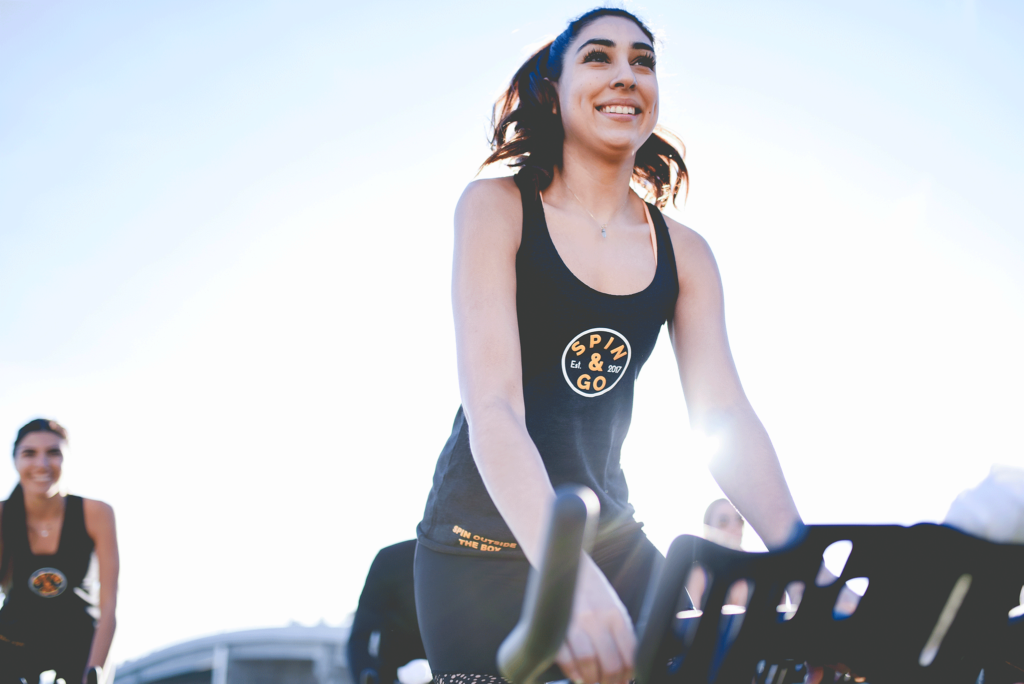
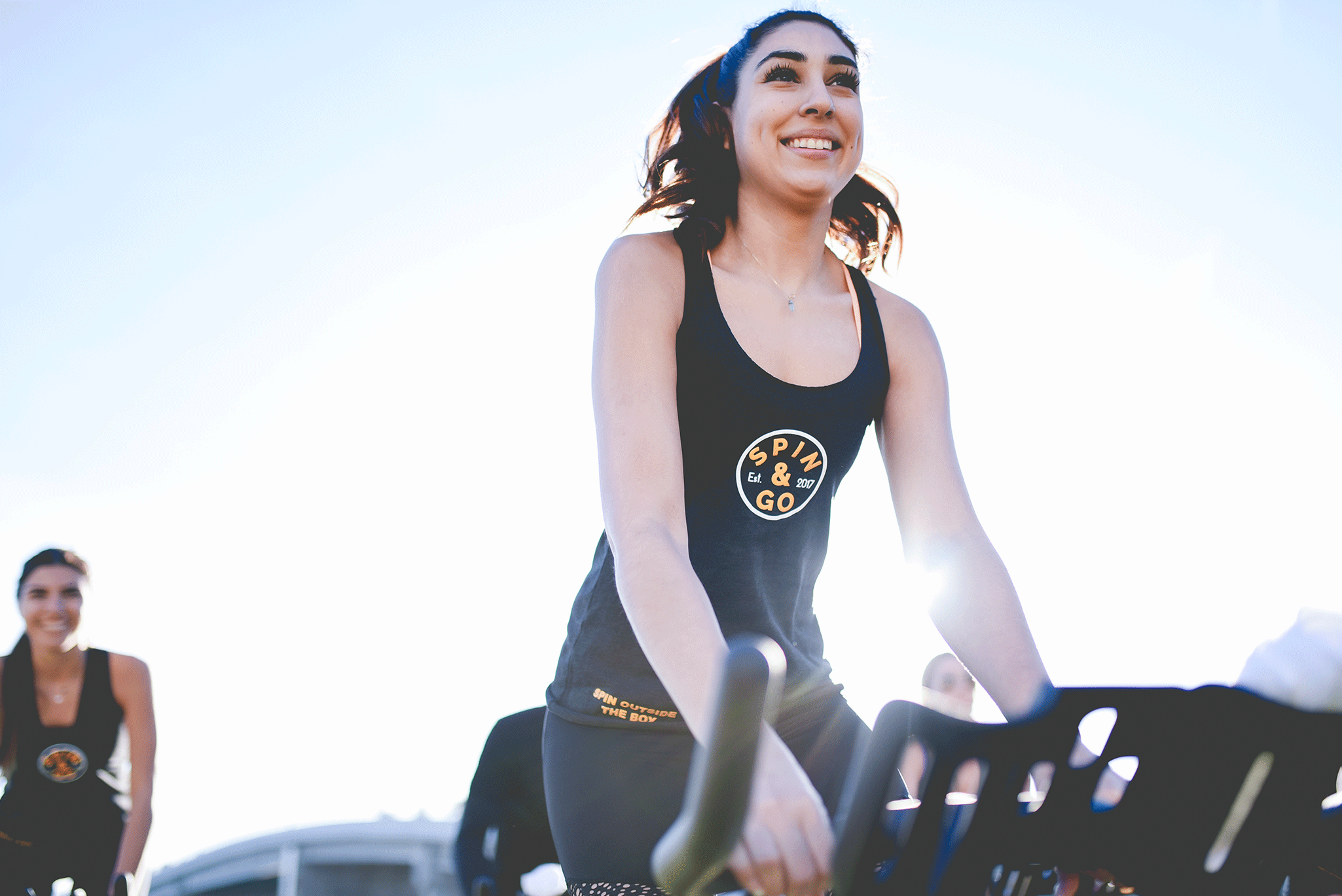
Spinning no longer needs to take place indoors. | Photo: Spin & Go

If you live in San Diego and you work out indoors, you’re doing something wrong. This week’s gloomy weather aside, there’s not a single reason to remain inside unless your job or Netflix addiction demand it. Whether you prefer the agony of interval training, the challenge of waterborne yoga, or the masochism of spinning, you can do it al fresco. In the sun. And the breeze. This list is by no means exhaustive, but it’ll get you active outside before sundown today.

Outdoor Spinning

You no longer have to stare at the accumulating puddle of sweat produced by your neighbor in a cramped spin studio. Join this roving spin class that pops up on Tuesdays and Thursdays at 6:45 a.m. and noon. Spin and Go plans to bring their outdoor classes to Balboa Park, Kate Sessions Park, and North County, but for now you can punish your quads at Liberty Station. Founders of this recently-launched company have trained NFL players. They will also come to your office with their bikes and make your boss suffer right there alongside you and everyone from accounting. Individual classes are $20.

Sunset and Full Moon Yoga

In San Diego, the world is your yoga studio. We’ve got outdoor yoga classes like some cities have subway stations. You could do worse than striking a tree post at sunset or under a full moon in Pacific Palisades Park in P.B. Bird Rock Yoga regularly offers these classes (beginning March 12 and March 31, respectively).

Boot Camp

You’ll find medicine balls and partner drills galore at the interval training-based workout classes offered by Wired Fitness. Their morning and after-work classes are available in various al fresco locations in Mission Bay, Carmel Valley, Solana Beach, and La Mesa. Find specific location information here. First class is free. San Diego Core Fitness also offers boot camp-style functional fitness at outdoor locations like Morley Field in Balboa Park.

SUP Yoga

When you can’t decide whether to go to yoga or for a paddle there’s always SUP yoga, the not-so-ancient discipline of holding yoga poses while balancing on a stand-up paddleboard made for the purpose. Bliss Paddle Yoga holds all-level classes in Mission Bay, $40.
Try These Outdoor Workouts in San Diego

Spinning no longer needs to take place indoors. | Photo: Spin & Go

Subscribe to our newsletters

Select Options

By subscribing you confirm that you agree with our Terms and Conditions and Privacy Policy.

Everything SD NOVEMBER 11, 2025

San Diego Doctors Share Their Best Advice on Women’s Hormone Health

OB-GYNs Dr. Meredith McMullen and Dr. Ashlee Schlesier and hormone coach Bridget Walton weigh in on how to support healthy hormones

San Diego Doctors Share Their Best Advice on Women’s Hormone Health
Collage by Casiel Sanchez

Everybody’s talking about hormones. Celebrities like Michelle Obama, Sex and the City’s Kim Cattrall, Oprah Winfrey, and the irrepressible Gwyneth Paltrow are waxing poetic on menopause, and, according to industry publication BeautyMatter, the market for products related to that particular life stage will hit $24.4 billion by 2030. There are more than 225,000 TikTok posts under the hashtag #hormonehealth, many of them focusing on “balancing” out-of-whack levels of estrogen, progesterone, testosterone, and more. Those often-mysterious little chemical messengers are having a moment.

According to Dr. Ashlee Schelsier, a Sharp Community Medical Group board-certified OB-GYN, “hormonal imbalance” isn’t a clinical diagnosis in and of itself, since “our hormones as women vary hour to hour, day to day, and by what part of the cycle we’re in, so it is normal to have big fluctuations.”

However, she adds, “we do have clinical diagnoses that result in changes in our hormones that are a symptom of a disease.” And with age comes the palpable shifts of menopause.

San Diego doctor, hormone expert, and OBGYN  Dr. Ashlee Schlesier of Sharp Community Medical Group
 Dr. Ashlee Schlesier
Courtesy of West Coast OBGYN

The associated symptoms—annoying at best and debilitating at worst—frequently leave ovary-havers scrambling for solutions, from medications and supplements to foods said to help our hormones achieve equilibrium. “It’s really important to partner with a medical team and a physician that is willing to sit and listen and understand your experience,” says Dr. Meredith McMullen, a San Diego OB-GYN with Kaiser Permanente. “In the past, there has been a tendency to underplay or dismiss these symptoms, both on the patient and provider side. But you don’t have to suffer in silence.”

The first step is working to understand exactly what’s going on. Per the World Health Organization, polycystic ovary syndrome, or PCOS, affects approximately six to 13 percent of reproductive-aged women globally. Doctors typically diagnose PCOS if you have some combination of irregular or absent periods; the titular cysts on your ovaries; and signs of elevated androgenic hormones like testosterone, including acne and excessive hair growth. People with the condition might also experience insulin resistance, chronic inflammation, issues regulating cholesterol, and even depression and anxiety.

“The syndrome itself actually runs with things like Type 2 diabetes … and obesity,” McMullen explains. “That’s why we call it a syndrome, because we see the effects across multiple body systems. This disorder is really specific to women who are still menstruating.”

San Diego doctor, hormone expert, and OBGYN  Dr. Meredith McMullen of Kaiser Permanente
Courtesy of Dr. Meredith McMullen

Others experience the lesser-known premenstrual dysphoric disorder (PMDD), “defined as recurrent, severe, and distressing symptoms that occur during the luteal phase, which is the week or two before menstruation, and significantly improve within a few days after the onset of menstruation,” McMullen says. Symptoms include anxiety, depression, headaches, and severe fatigue, all more extreme than your garden-variety PMS.

Perimenopause (the period of transition just before your cycle stops permanently) and menopause (which you’ll have officially reached once you’ve gone 12 months without a period) are different—they’re normal, age-related stages, but they can come with uncomfortable symptoms and side effects. “What menopause really signifies is the end of the ovaries producing consistent levels of estrogen and progesterone,” McMullen adds. “But instead of the ovaries stopping like a light switch, what we see is that the light switch ‘flickers.’ It’s that flickering time frame that corresponds to the perimenopausal phase where you’re getting irregular secretion of estrogen from the ovaries. That’s why you see these perimenopausal symptoms”— things like night sweats, hot flashes, fatigue, weight gain, even joint pain—“start to become more prevalent.”

A continuous glucose monitor from San Diego company Dexcom featuring their new product Stelo

But because the symptoms people experience can be so diverse and far-reaching, it can be difficult to tell whether what you’re dealing with is truly a hormone issue. For example, “there are a lot of things that mimic PCOS, like androgen disorders [or] thyroid disease,” Schlesier explains. Clinicians use tools like physical exams, patient history, blood tests, and ultrasounds to diagnose conditions such as PCOS and PMDD.

While many hormonal diseases are not curable, there are plenty of routes to treat them. “There’s a supplement that is helpful with PCOS called inositol,” Schlesier says. “The main treatment for PCOS is going to be an oral contraceptive pill. It increases something called your sex hormone–binding globulin, which binds up those excess androgens. It also regulates your cycle. It is important to have four cycles a year … to protect your uterus against potential pre-cancer and cancer.”

Amelia Rodriguez is a writer and journalist and winner of the San Diego Press Club's 2023 Rising Star Award and 2024 Best of Show Award, she’s also covered music, food, arts and culture, fashion, and design for Rolling Stone, Palm Springs Life, and other national and regional publications. After work, you can find her hunting down San Diego’s best pastries and maintaining her five-year Duolingo streak.

Everything SD SEPTEMBER 4, 2025

Can BrainEcho Technology Help Treat Insomnia?

Hoping to catch some Zs after two decades of sleep troubles, editor Nicolle Monico tries listening to the sounds in her own head

Can BrainEcho Technology Help Treat Insomnia?
Collage by Casiel Sanchez

As I walk into Cereset in Encinitas, I wonder if tonight will finally be the night I get the kind of sleep I remember from my childhood: fully knocked out, vivid dreams, pillow lines on my face. As I get situated in a La-Z-Boy chair, head tech coach Madolyn Dolce places electroencephalogram (EEG) sensors around the crown of my head and on my ear lobes to track my brain’s at-rest activity. I sit with my eyes closed in a dark room for several minutes at a time as headphones relay a symphony of the sounds firing off in my skull.

“Those sensors read a signal, and then the technology translates them into musical tones that you listen to in your ear buds. You’re basically hearing your brain back to you,” Dolce says. “It’s completely non-invasive.”

It had been nearly five years since I had slept without any type of assistance. I’ve struggled with irregular sleep patterns and insomnia for almost two decades, and, eventually, shuteye was only possible if I took prescription sleep aids or 12.5 milligrams worth of cannabis gummies. Without them, I was sleeping about two to three hours non-consecutively.

At the start of this year, I learned about Cereset, a wellness company that claims to use sound to help the brain relax and rebalance, ultimately promoting restorative sleep. Founded in Arizona in 2000 by Lee Gerdes, it’s reportedly aided more than 150,000 people with its BrainEcho technology.

Today, it has over 60 franchise locations in the United States and abroad, including San Diego County. According to the company, Cereset’s neurotechnology employs sensors to observe brain activity and then assigns an auditory tone to dominant brain frequencies. The idea is to hold up an “acoustic mirror” to your brain to help it find balance. While these sounds are incoherent to the human ear, the brain understands them, then self-corrects, Cereset argues.

Since the late 19th and early 20th centuries, research has shown that changes in brain wave patterns can indicate various mental health conditions. Recent studies in journals such as NeuroImage, Basic and Clinical Neuroscience, and Frontiers in Human Neuroscience have also looked at the brain’s ability to self-regulate and correct itself by monitoring its own electrical activity, especially through the use of EEGs. Some research argues that the use of feedback mechanisms (like sound mirroring) can potentially help alleviate symptoms of certain disorders. Though the data is not significant, I’m still hopeful. I’d try almost anything for a full night’s sleep.

Some doctors see promise in this alternative therapy’s potential to enact lasting change. “It’s totally legitimate to take brain activity and reflect it back to kind of help affect the behavior or the function of your brain. We’ve known about it ever since [Russian physiologist Ivan] Pavlov,” says Scripps neurologist Dr. James Grisolia.

He reminds me of Pavlov’s work focusing on classical conditioning. You know the one—dogs, a bell, kibble. His goal was to elicit a learned response, and soon, his dogs began to salivate any time a bell rang, knowing that their food would soon appear.

“You’re conditioning a response. Biofeedback, [what Cereset is doing with its program], is like that, too,” Grisolia says. Enough researchers are curious enough about the power of biofeedback that the technique became its own field of study in the 1960s.

“These types of mechanisms absolutely can work,” Grisolia adds. “[But they aren’t] used very much by regular MDs because, ordinarily, insurance doesn’t really cover them.”

For neuropsychologist Dr. Marian Rissenberg, though, the research isn’t sufficient. “The process and the rationale for [Cereset’s program] did not really make sense to me from a neurological perspective,” Rissenberg says. “[Cereset’s studies] showed a lack of significant effectiveness.”

San Diego custom probiotics company Floré featuring their gut health supplements

While Rissenberg can’t back Cereset’s methods, she’s quick to add that she believes in individuals pursuing all avenues to cure their chronic illnesses and physical or mental health conditions.

“If there is no risk to the treatment and … there are no negative psychological or physiological side effects, then I think that there’s nothing wrong with trying something when you’ve run out of options,” she says. “We know that there is a placebo effect and that it does work. Belief seems to play a part in the healing of our immune system.”

After my own research and a quick phone call with Cereset Encinitas’ co-owner Jason Prall, I found myself in an office park listening to the melodies in my head.

Before the first session, Prall asked that I go three weeks without any sleep aids, so I had to say goodbye to my security blankets. It was tough, but I stepped into that initial appointment free of sleep meds for the first time in years.

Nicolle Monico is an award-winning writer and the director of creative projects, digital editor for San Diego Magazine with more than 16 years of experience in media including Outside Run, JustLuxe and The San Francisco Chronicle.

Everything SD AUGUST 15, 2025

At Women-Focused RAGEher, Anger Is What It’s All About

The pop-up experience was founded as a way to help people express what can be an intimidating emotion in a healthy, collective way

At Women-Focused RAGEher, Anger Is What It’s All About
Photo Credit: Amy Boyle

I’m on all fours in a dark room, throat tight, body heaving, panting like an animal. My hair sticks to my sweat-soaked face, covering my eyes. All around me, like a scene from some ancient pagan ritual, women howl, curse, bawl, their bodies shaking in feral agitation. This is RAGEher, and we’re only halfway through the evening.

RAGEher is the brainchild of Kristina “Krissie” McMenamin, whose background in transformational leadership and somatic experiential coaching led her to navigate her own relationship with anger. She found few resources, especially for women to explore their rage, so she started hosting women-focused pop-up experiences as a way to help people express what can be an intimidating emotion in a healthy, collective way and channel it into joy, community, and relief. The event is modeled after a wild “girls’ night out”—the word “rager” is the loose basis for RAGEher.

People seeking spaces to vent anger seems to be an ever-increasing phenomenon. “Rage rooms” where participants can safely smash plates or old electronics with shameless abandon are a growing trend. And advertisements for men’s retreats in the woods—part fight club, part campfire Kumbaya— populate many an algorithm.

Monima Wellness Center in San Diego offering mental health services and recovery

Are we becoming an angrier society? Or is anger a healthy emotion we’re finally learning how to confront and integrate into our daily lives? A combination of both? Recent personal experiences and the constant churn of the global news cycle left me grappling with how to handle anger in my own life with few tools in my toolbox, particularly since, as a woman, I grew up being taught not to express it publicly. RAGEher looked like a beacon to explore this forbidden flame.

Tonight’s session takes place at Gold Meditation and Wellness Center in Encinitas. The evening is divided into three stages. Part one is dubbed “Tempest Tavern.” It’s the nervous “entering the bar” stage of not knowing who might be there or how the night might progress. When I arrive, I’m asked to leave my given name at the door and choose a “rageling” name, a moniker intended to help me embody the spirit of my anger or the state I’m trying to manifest through this experience.

Encinitas-based RAGEher therapy class program utilizing elements of rage rooms into anger management and therapy
Courtesy of RAGEher
Rage doulas teach participants how to scream from their bellies—or offer full body embraces to those in need.

The names other participants choose are telling and honest—some political; some visceral, alluding to flesh and bone, female anatomy, or totems of personal strength. I am first in line, panic, and choose something bird of prey–related. Next, I’m invited to write the first word that comes to mind when I think of anger on a large easel-bound white board. The board quickly fills up, words like “hurt,” “fear,” “power,” “release,” “violence,” “f**k” (multiple times), and “destruction” scrawled in red.

I’m drawn from the main reception area at Gold down several steps into the meditation room. It’s a dark bunker of a space, sparse except for the expected mats, pillows, yoga bolsters, and… rubber baseball bats? I take note of them and find a place on the floor. I’m handed two questions on strips of paper, and, soon, I’m surrounded by fellow ragelings, maybe 20 in all. We break into small groups and awkwardly introduce ourselves, diving straight into questions we may have never been asked: “What are you allowed to be angry about? In what situations or with what people do you stop yourself from showing anger?”

Many of the participants have come to tonight’s session with a sense that their anger is unwelcome within their family networks, that they have taken up people-pleasing as a means of self-protection. One rageling says she has made herself small or silent to avoid disrupting the status-quo. Another confesses that her willingness to express anger has damaged her relationships—it’s seen as “too much” in her community.

New luxury San Diego wellness club and medical spa LIVV Cardiff featuring founder Jason Phan

I hear of childhood trauma, abusive partnerships, the feeling of powerlessness over climate change or the war in Gaza. I feel pain, heaviness, resentment, and regret in their stories. But I also see a hopefulness, the desire to grow and explore, a deep need to connect with other women, the longing for space to feel held and accepted. I realize how much we seem to have in common despite our range of ages and backgrounds, and my initial nervousness fades.

Studio S JUNE 12, 2026

Nominations Open for the San Diego Business Impact Awards

The annual event honors middle market companies creating jobs, scaling up, and investing in the region

Nominations Open for the San Diego Business Impact Awards
Photo Credit: Kimberly Motos

San Diego is known for its startup culture and innovation economy, but what happens when the company moves beyond its early-stage years? The San Diego Business Impact Awards aim to answer that question, spotlighting the middle market businesses helping drive the region’s economy.

Hosted by San Diego Regional Economic Development Corporation (EDC) and JPMorganChase, the second annual awards celebration takes place on Thursday, July 23, from 4:30 to 7:00 p.m. at Scripps Research Auditorium. More than 200 executives, entrepreneurs, and business leaders are expected to attend the networking and cocktail event honoring some of San Diego County’s fastest-growing companies.

Businesses headquartered in San Diego County that have operated for at least two years are encouraged to submit their nomination by Thursday, June 18 at 4 p.m. Companies across industries—from technology and life sciences to tourism and consumer products, as well as pre-revenue startups—are eligible for recognition.

For EDC President and CEO Mark Cafferty, the event is as much about building connections as celebrating success. “We’ve had a longtime partnership with JPMorganChase; their work aligns with our efforts to support underserved communities and drive talent development,” says Cafferty. “And the networking was invaluable last year. I’m still in touch with people I met at last year’s awards.”

Photo Credit: Kimberly Motos

EDC is an independently-funded nonprofit that works directly with San Diego companies to help them grow the local economy, make the region as a whole more competitive, and attract and retain top-tier talent with quality jobs. Through EDC, companies can get help starting or expanding their business with support for things like site selection, permit navigation, and regulatory guidance, plus connections to local resources and potential business collaborators.

The San Diego Business Impact Awards began as an idea with one of EDC’s longtime strategic partners, JPMorganChase. The two organizations share a commitment to San Diego and are dedicated to bolstering middle market businesses.

“We’re blessed with a robust innovation economy and startup community,” says Aaron Ryan, San Diego Region Manager for JPMorgan’s Commercial and Investment Bank and vice chair of the firm’s’ San Diego Market Leadership Team. “But one of the segments of the business community we felt was overlooked was emerging middle market companies—the businesses that are no longer small but not yet large.”

Ryan says supporting those companies is critical as they scale and decide where to invest, hire, and grow.

San Diego’s high cost of living remains one of the region’s biggest business challenges, making talent recruitment and retention increasingly competitive. But local leaders point to the region’s quality of life, climate, and collaborative business community as advantages that continue to attract employers and workers.

Photo Credit: Kimberly Motos

“In order to support thriving households, there has to be enough high-quality jobs for people to be able to afford to live here,” Cafferty says. “Once a company grows and excels past that middle market point in their growth cycle, they become much more likely to pay higher wages and compete globally.”

Both Cafferty and Ryan proudly tout the unique collaboration that exists among San Diego County businesses. Bringing together top universities producing high-quality talent, cutting-edge research institutions, a robust military and defense presence, leading ocean science and environmental organizations, and a binational, cross-border identity creates a distinct business ecosystem that defines and strengthens the San Diego region. 

Last year’s San Diego Business Impact Awards celebrated nearly 60 honorees from 49 industries, representing a total of 8,232 jobs across eight sectors, including: software and technology, healthcare and life sciences, consumer goods, professional services, finance, construction and manufacturing, defense, and hospitality and tourism. On average, honoree companies doubled their revenues over the previous year, employed more than 145 San Diegans each, and offered an average annual compensation of $192,415.

Top honorees included defense contractor Innoflight, environmental consulting firm Bancroft Construction Services, life sciences startup Element Biosciences, defense technology contractor GALT Aerospace, organic grocery store chain Jimbo’s, and biopharmaceutical company LENZ Therapeutics. During the event, Innoflight Founder and CEO Jeff Janicik held a fireside chat offering his insights on investing in the community and embracing San Diego culture.

This year, organizers hope to continue highlighting the middle market players driving economic impact across the region. Nominations are now open through June 18 at 4 p.m. Get your tickets to the San Diego Business Impact Awards celebration to enjoy drinks by Snake Oil Cocktail Co., light bites, live music, and networking.

Everything SD JULY 30, 2025

The Best of San Diego 2025: Health & Outdoors

From infrared Pilates to canyon spas and booze-fueled pickleball, here’s where San Diego does fitness and wellness best

The Best of San Diego 2025: Health & Outdoors
Courtesy of FIT Athletic

Best Place for Athletes to Go Clubbing

Club House Encinitas

Need to baby your muscles after a marathon or sweat out the bad decisions you’ve made in the last decade? Club House is your spot. A 50-minute session at this wellness destination in Encinitas gets you access to tools like red light therapy, compression technology, vibration plates, an infrared sauna, and cold plunges (for the really hardcore types unafraid of freezing). The space also offers rotating workout classes from Pilates to HIIT, plus a lounge to continue your recovery with tequila and shopping.

Interior of the renovated Fairmont Grand Del Mar Spa in San Diego

Best Jet-Fueled Spa Treatment

The Fairmont Spa

Fairmont Grand Del Mar’s spa has been refreshed with cutting-edge wellness technology and a design inspired by the natural beauty of Los Peñasquitos Canyon Preserve. The result is a space that feels both luxurious and grounding. It’s the only spa currently offering the Zestós Dryfloat Therapy experience—a weightless, warm-water treatment that combines vibroacoustic sound (Google it) with jet-powered massage.

San Diego spa wellness treatments featuring Omni La Costa Resort & Spa in Carlsbad

Best Power Move in Pediatrics

Rady Children’s Hospital & Children’s Health of Orange County Merger

California’s attorney general just gave the green light to a historic merger between Rady Children’s Hospital and Children’s Health of Orange County. The two pediatric giants will unite under one nonprofit health system, making it the largest children’s care network on the West Coast. For San Diego, it’s a huge medical and financial milestone, expanding access to specialized care and resources for families across Southern California. The deal positions San Diego as a national leader in pediatric innovation and collaboration.

Best of San Diego 2025 Health & Outdoors featuring an exercise class at Saltvault gym
Courtesy of Saltvault

Best Way to Microwave Your Muscles

Saltvault

Saltvault’s name merely sounds like a fun rhyme until you find yourself sweating bullets in the confines of a massive, low-lit sauna-slash-studio, bridge-lifting like your life depends on it. Betsy Blumenfeld founded San Diego’s only infrared mat Pilates studio in 2019, and it has since expanded to four locations across the county. Soundtracked by clubby beats, the fast-paced classes are punishingly hot, supremely challenging, and, yes, strangely addictive.

Best Chance to Spot an Orange-Crowned Warbler

Mission Trails Regional Park

Many San Diegans regularly hit Mission Trails Regional Park for a heart-pumping hike. But few know that volunteers offer weekly free guided walks, each highlighting a different educational aspect of the 8,000-acre space. Learn to differentiate between avian calls on a guided bird walk, or see what critters creep out as night falls on a twilight stroll. All ages are welcome, and binoculars are always encouraged.

Best of San Diego 2025 Health & Outdoors featuring interior of Happy Does Bar in the Gaslamp Quarter
Courtesy of Happy Does Bar

Best Excuse to Dink With a Drink

Happy Does Bar

Yes, there’s really a pickleball court inside a bar. But downtown’s Happy Does Bar is less country club, more backyard party with paddles. With outdoor games, karaoke, and casual American bites, somehow, it’s pulled off the impossible: making working out actually fun. Whether you’re rallying on the court or holding a drink and yelling, “Good volley,” it’s the most fun you’ll have burning off questionable calories. Say hello to cardio with cocktails.

Best Incoming Biotech Boom

Novartis

Swiss pharmaceutical giant Novartis recently unveiled plans for a $1.1 billion expansion in Carlsbad, marking its second major research facility in the US. The project is part of a broader five-year strategy to grow its American footprint—and it’s a big win for San Diego. Anticipated to open in 2028 or 2029, the cutting-edge campus is expected to create around 4,000 new jobs and further cement the region’s reputation as a global hub for biomedical research and innovation.

Best Way to Support a Friend in Need

Solace

Solace founders Ashlee Davis, midwife Allison Tartari, and holistic nutritionist Torie Borrelli Hall drew upon their own experiences with pregnancy loss and fertility struggles to curate their company’s namesake Solace Box, a kind, thoughtful gift for a friend or family member who has recently undergone a miscarriage. It contains 12 comforting, organic products, including soothing herbal teas and tinctures, a cotton cold or heat pack, and belly-cradling underwear.

Best of San Diego 2025 Health & Outdoors featuring pole dancing classes at SVX San Diego
Courtesy of SVX

Best Reason to Trade Grip Socks for Platform Heels

Maybe it’s because Anora—Sean Baker’s 2024 film about a stripper—won five Oscars. Maybe it’s the fact that Pilates’ popularity has made scoring a reformer reservation a sport in itself. Whatever is driving people to pole, the sultry style of dance has gone mainstream, drawing bachelorette parties and fitness buffs alike. Here are four San Diego spots where you can give it a try.

The Dollhouse Fitness

With locations in Encinitas and Oceanside, this pole-only studio has been teaching women how to spin, split, and more since 2009.

Pole Buzz at Queen Bee’s

Queen Bee’s Art and Cultural Center in North Park hosts gender-inclusive group and private classes every day except Sunday.

AK Pole Studio

Founded by a ballerina-turned-pole-dancer, this beginner-friendly Pacific Beach studio also offers classes with aerial hoops and chains and “flying poles,” which are attached to the ceiling only.

Vertica Fitness

Your initial class is free at this nationwide franchise with a location in Grantville. Vertica prides itself upon providing options for all bodies and ability levels.

Everything SD JULY 15, 2025

The Sun Protection Routine San Diego Dermatologists Swear By

Keep your skin safer during summer activities with these expert tips

The Sun Protection Routine San Diego Dermatologists Swear By
Courtesy of The Skin Cancer Foundation – 2

In San Diego, sunshine isn’t just a weather pattern; it’s our religion. We chase it, bask in it, and occasionally pine for it when June gloom overstays its welcome. As a longevity doctor who’s spent years preaching healthy habits, I’ve learned that worshiping Earth’s nearest star comes at a cost (hello, wrinkles, sun spots, and even cancer). Thankfully, local dermatologists have cracked the code on keeping skin safe and radiant, even under the relentless SoCal sun.

Step 1: Sunscreen Rules According to Dermatologists

Let’s state the obvious: SPF is non-negotiable. You need “broad-spectrum sunscreen, SPF 30 or higher, every single morning,” emphasizes Dr. Swati Kannan, double board-certified dermatologist and assistant professor at UC San Diego Health. She advises applying it 30 minutes before sun exposure, since UV damage begins almost immediately, and using a nickel-sized amount for the face and neck, with reapplication every two hours when you’re outdoors.

San Diego spa wellness treatments featuring Omni La Costa Resort & Spa in Carlsbad

Mineral sunscreens (with zinc oxide or titanium dioxide) often offer superior protection and are reef-safe—a bonus for San Diegans who spend time in the ocean. Dr. Saami Khalifian, double board certified dermatologist and founder of SOM Aesthetics in Encinitas, prefers mineral formulas for sensitive or post-procedure skin but stresses that “the best sunscreen is the one you’ll actually use.”

And no, your SPF foundation doesn’t count. “Most people don’t apply enough to reach the labeled protection,” Khalifian clarifies. For truly effective defense, you need to layer your protection with sunscreen.

A dermatologists inspecting someone's skin for sun damage or skin cancer
Courtesy of The Skin Cancer Foundation

Step 2: Use Antioxidants for Extra Sun and Skin Protection

Antioxidants are currently all the rage in skincare circles, but do they offer sun protection? Dr. Solomiya Grushchak, double board-certified dermatologist and Mohs surgeon at La Jolla Cosmetic Laser Clinic, describes topical antioxidants like vitamin C and niacinamide as “supporting actors,” strengthening your skin’s defenses against UV-induced damage. Kannan says they work by “neutralizing oxidative and immunologic damage, [but they] are not a stand-in for sunscreen.”

Internally, supplements like Polypodium leucotomos can help, especially for those with photosensitivity or skin cancer risk. Kannan recommends 240 milligrams twice daily for people regularly outdoors or vacationing in sunny climates, noting that the capsules, which contain an extract from ferns, are “a legitimate adjunct but not a replacement for sunscreen.”

A child wearing a high ultraviolet protection factor (UPF) rash guard at the beach
Courtesy of Cleveland Health Clinic

Step 3: Wear UPF Clothing (Fashionably)

Clothing is a powerful addition to your sun-protection routine. Dermatologists universally recommend UV-protective pieces with a high UPF (ultraviolet protection factor) rating. Kannan appreciates clothing’s reliability. “Unlike sunscreen, fabric protection doesn’t rub off, so it’s my first line for outdoor sports and beach days,” she says. 

“UPF clothing is one of the most effective, low-maintenance ways to reduce UV exposure,” Grushchak agrees.

And don’t forget sunglasses with UV-protective lenses. They’ll shield your eyes from sun damage and help keep those squint-induced crow’s feet at bay.

Step 4: Wash Your Worries Away (with UV-Blocking Laundry Detergent)

Surprisingly, UV-blocking laundry detergent is real—and sort of brilliant. Kannan recommends UPF-boosting additives, noting that one wash can elevate a simple tee’s protection significantly for about 20 washes. “It’s an inexpensive way to upgrade everyday items,” she explains.

A family outside after following a skincare routine for healthy skin
Courtesy of The Skin Cancer Foundation

Step 5: Avoid Peak UV Hours and Reapply Consistently

Timing and consistency are everything when it comes to UV protection. “UV rays are strongest between 10 a.m. and 4 p.m.,” Khalifian warns. He recommends shifting walks and outdoor workouts to early morning or late afternoon, noting that “fine lines, wrinkles, and uneven pigment are driven more by UV exposure than age alone.”

And don’t assume that San Diego’s omnipresent marine layer is blocking out all those rays. “Just because it’s cloudy or overcast doesn’t mean you’re protected from UV,” Khalfian adds. He points out that many sunburns occur after morning hikes or surf sessions when the sun feels mild but the UV index is still high. Grushchak recommends treating cloudy days like sunny ones and suggests setting a recurring reminder to reapply sunscreen every two hours.

The best skincare routine for sun protection according to  dermatologists featuring someone putting on sunscreen
Courtesy of The Skin Cancer Foundation

Your San Diego Sun-Proof Protocol in Action

So, are you ready to turn expert advice into an everyday ritual? Here’s how to build your suit of armor, one sunny step at a time:

  • Morning: Apply antioxidant serum (with vitamin C and niacinamide) to fight oxidative damage, then a broad-spectrum SPF 50 mineral sunscreen, even on cloudy days. 
  • Before Outdoor Time: Take UV-protective supplements (like Polypodium leucotomos); wear a wide-brim hat, UPF clothing, and polarized sunglasses; and apply mineral sunscreen generously. 
  • Midday: Reapply sunscreen frequently, especially after swimming, sweating, or a long period of sun exposure—keep a travel-size on hand. 
  • Driving: Use a sunscreen stick on hands, arms, and other exposed areas (UVA rays penetrate car windows). 
  • Laundry: Use UV-protective detergent on swimwear, activewear, and everyday clothes to boost sun defense. 
  • After Sun: Moisturize and hydrate skin. Skip active skincare (like retinol and AHAs) if your skin is irritated or sunburned.

In San Diego, sun care isn’t just smart—it’s an essential part of the lifestyle. Luckily, it doesn’t have to be fussy. With a few good habits and the right gear, staying safe can become just another part of your daily routine.


Dermatologist-Approved Skincare Routines

Curious what actual dermatologists do to stay protected in San Diego? Their regimens are impressively simple—and unwaveringly consistent.

Grushchak begins her mornings with a vitamin C serum layered under broad-spectrum SPF 30, favoring tinted mineral formulas for extra coverage. She keeps a sunscreen stick in her car for reapplying to hands and arms while driving and avoids peak UV hours when possible. Her outdoor go-tos? A hat and UPF jacket.

Khalifian keeps things streamlined: vitamin C serum, tinted mineral sunscreen, wide-brimmed hat, and water-resistant SPF 50 lotion for the body. He skips sprays and powders in favor of lotions to ensure precise application and relies on UPF clothing for long hikes or beach days. As someone prone to melasma, he also uses Sciton laser treatments to help manage pigment.

Kannan takes a dual approach: two layers of sunscreen in the morning (regular, followed by tinted) and sun-smart clothing when spending time outdoors. She doubles cleanses at night to remove sunscreen thoroughly and uses tretinoin and pigment-fading serums as part of her skin-repair routine.

Ingrid Yang

About Ingrid Yang

Ingrid Yang, M.D., J.D. is a hospital-based physician in San Diego, CA, certified yoga therapist, and longevity specialist. She loves *double hearts* San Diego and spends her days helping people fully engage in long, healthy lives through evidence-based lifestyle medicine. Her books include Adaptive Yoga, Zen Mindfulness, and Hatha Yoga Asanas. When she’s not leading international wellness retreats, she is chasing sunsets, handstanding in nature, or geeking out over mitochondria.

Partner Content OCTOBER 2, 2025

Pioneers in Shoulder Care

Scripps leads the way in advanced orthopedic treatment and technology

Pioneers in Shoulder Care

In 2004, Scripps orthopedic surgeons made history when they implanted the world’s first electronic prosthetic knee, replacing a patient’s failing joint and subsequently collecting valuable data on how everyday activities impact the knee. Now, research at Scripps is applying the same approach to the shoulder. Scripps Clinic researchers have secured grant funding to develop a prototype of a rechargeable “smart shoulder”—a Wi-Fi- and sensor-equipped device that will track shoulder usage and provide new insight into the joint’s inner workings. Click here for more about the smart shoulder and other innovative research taking place at the Shiley Center for Orthopaedic Research and Education (SCORE) at Scripps Clinic.

For more nutrition, wellness, and healthy living tips, sign up for the San Diego Health
newsletter here.

Thousands of savvy locals already get it.

San Diego's best restaurants, experiences, and events—handpicked and delivered to your inbox weekly. You in?

Close the CTA

Contact Us

1230 Columbia Street, Suite 800,

San Diego, CA