Featured articles
Food & Drink
Food & Drink
Food & Drink
Featured articles

Things to Do
Everything SD
Everything SD
Featured articles
Things to Do
Things to Do
Things to Do
Featured articles
podcast-ep
podcast-ep
podcast-ep
Featured articles
Everything SD
Everything SD
Everything SD
Featured articles

Food & Drink
Things to Do
Everything SD
Ready to know more about San Diego?
SubscribeReady to know more about San Diego?
Glamping in Joshua Tree, wine festivals, and more
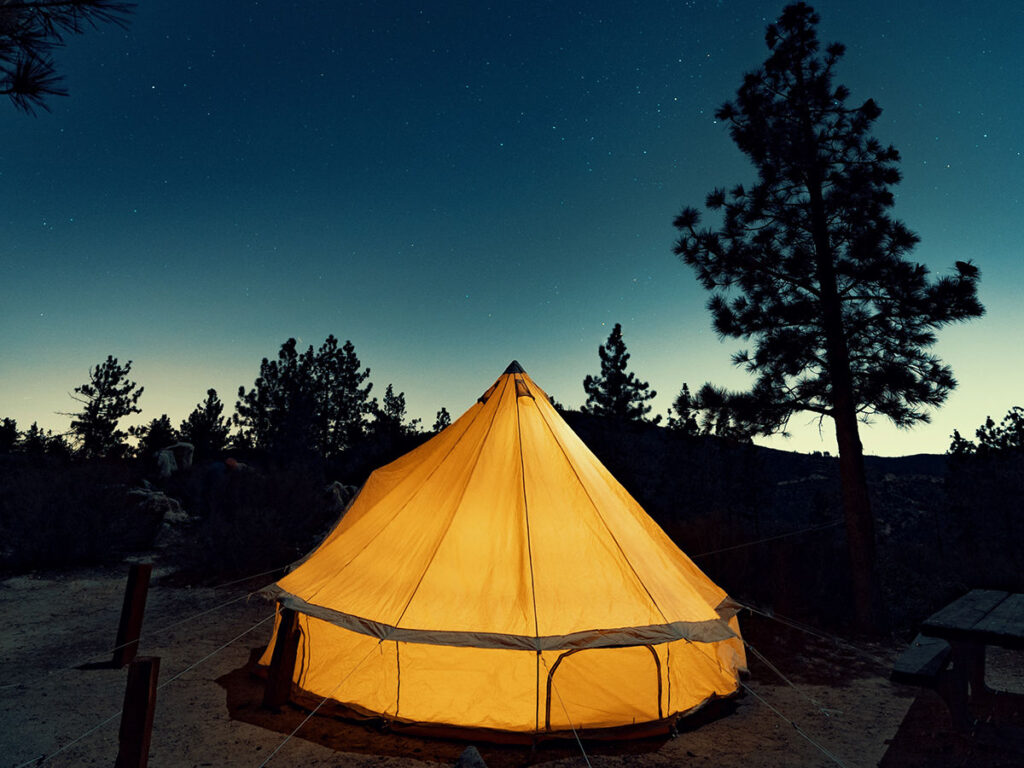
Is our California Adventure Bucket List too intense for you? La Quinta Resort & Club in Palm Springs partnered with outfitter Camp’d Out to develop a luxury camping experience inside a national park that lets you enjoy nature with (lots of) creature comforts. They’ll set you up in the otherworldly landscape of Joshua Tree in a large tent with Waldorf Astoria bedding, butler service, and a meal for two. Even better, you’ll wake up in the desert chill to a cup of freshly made coffee.
This month kicks off the California Wine Festival, a celebration of sipping that happens in multiple cities in Southern California over the course of a few months. It starts in Dana Point on April 17 and makes a stop in Carlsbad at the Park Hyatt Aviara on May 29 and 30 before going back up to the coast to Santa Barbara on July 17. Sample wines from all over the state, including acclaimed vineyards in Napa.
There’s a new place to hang your hat in Palm Springs. Les Cactus is a small boutique property (only 27 rooms) that has the cozy feel of an Airbnb, albeit a really well designed one—common areas have funky pineapple wallpaper, decorative cacti made from rattan, and breezy hammocks. It’s in a refurbished building that dates back to the ’30s, and it’s close to the Palm Springs Aerial Tramway.
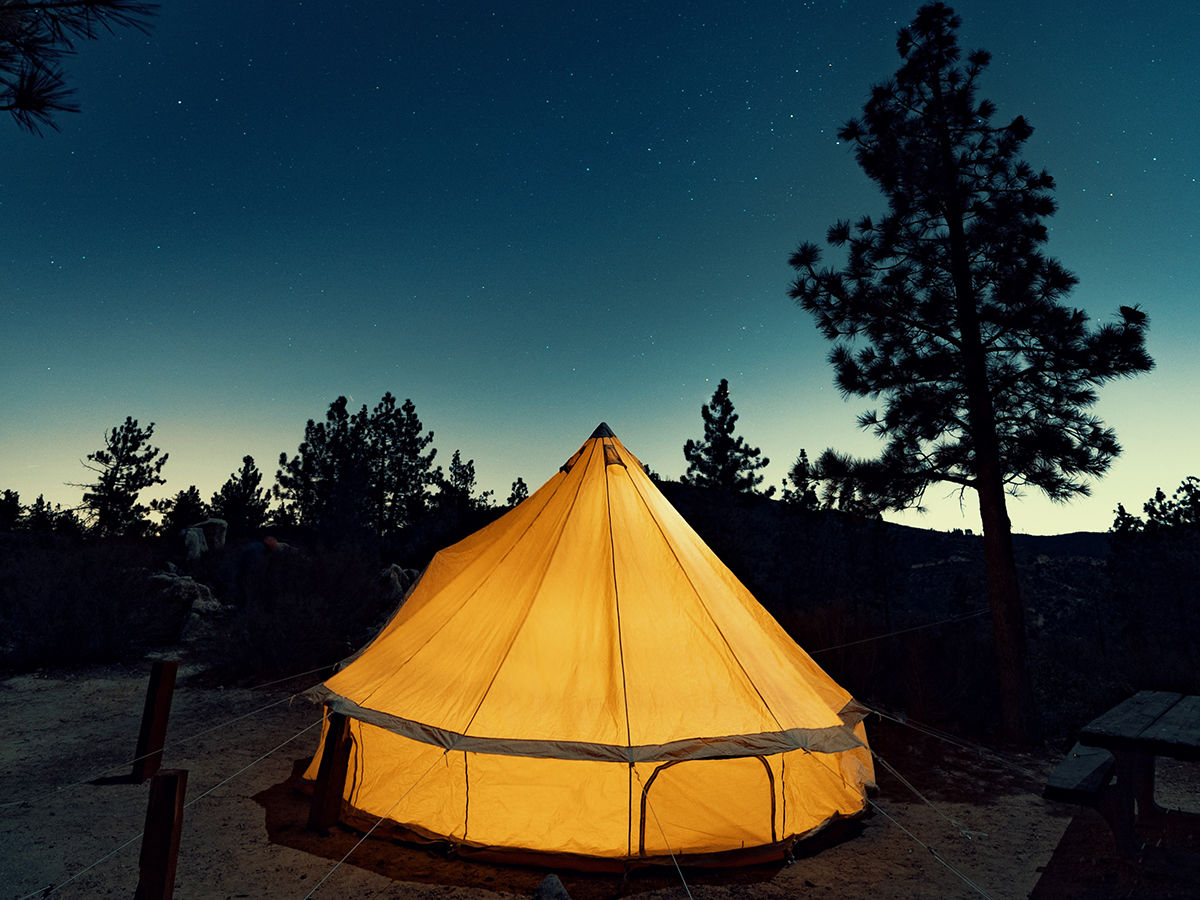
Glamping in Joshua Tree
Explore the latest attractions blooming in these warm-weather destinations near-ish San Diego
From artsy, boutique hotels in New Mexico to a revolutionary restaurant in Baja, explore what’s new in these desert cities around San Diego.
Serenity-seeking guests (and, presumably, the free-spirited ghosts of naked people) roam this 13-room wellness escape that was once a clothing-optional resort. Opened a year ago, it offers exclusive, 24-hour access to a Himalayan salt sauna, cold plunge pool, and rain room. For food and drink, it’s tonics and juice cleanses, plus poolside bites from Michael Beckman, exec chef of the nearby Workshop Kitchen + Bar.
Opened last year on the historic, two-acre Movie Colony neighborhood property originally built by actor Errol Flynn (it was called the Normandy then), this is a micro-hotel for people who love Taschen books. Casa Palma reimagined the place as a minimalist, veneers-white 33-room escape with pickleball; tennis; and a mountain view bistro serving breakfast, salads, and sandwiches.
“Surfing in the desert” sounds like an absurd ayahuasca notion, but the Coachella Valley already has one wave pool (Palm Springs Surf Club), and, soon, a 5.5-acre surf lagoon will anchor DSRT Surf, an incoming resort at the Desert Willow Golf Courses. Planned for completion in mid-2026, it’ll include a 139-room hotel, 57 luxury villas, and restaurants.

Last spring, the Casetta Group (the same folks who own SD’s Pearl Hotel) resuscitated an old motor lodge in Taos, a longtime beacon for creatives, and named it after Willa Cather (who finished her novel Death Comes to the Archbishop in town). The 51-room Hotel Willa has adobe architecture, an artist residency, a pool with a giant weeping willow nearby, and a seasonal restaurant from husband-and-wife duo chef Johnny Ortiz Concha and artist Maida Branch.
Originally built in 1965 as the Downtowner, a classic, six-story inn on the motel-culture strip of Route 66 in downtown Albuquerque cycled through several identities before last year, when Palisociety reimagined it with the Secret Gallery (featuring modern work from Southwest artists), a cocktail bar, a restaurant, and 137 dog-friendly rooms. Like any good desert road trip hotel, Arrive Albuquerque hotel is a cheeky, midcentury affair centered around an umbrella-shaded pool scene and those strappy ’80s patio loungers.

After forming Vital Spaces, an org that leased abandoned warehouses and rented them at a low cost to artists, furniture designer Jonathan Boyd launched Leo’s, a no-signage, no-reservations restaurant last August with James Beard Award–winning chef Zakary Pelaccio. It focuses on Thai and Malaysian dishes—catfish sum tum, pork belly with garlic prik phao, fried chicken with tofu-mustard sauce and jiao chili sauce—plus natural wines and inventive cocktails. It promptly landed on Esquire’s Best New Restaurants of 2025.
Trailborn is the base camp of hotel groups. It’s focused on America’s grand outdoorsy arenas, with spots in the Rockies; the Blue Ridge Mountains; and now, Williams, a mile from the Grand Canyon Railroad Depot. This kitchy, 96-room roadside hotel offers a moody, wood-paneled steakhouse; adventure excursions; free breakfast inside a bustling “camp hall;” and front-row access to the fanfare of Route 66’s centennial celebration this year.
Early this year, Paradise Valley (the mountain-wrapped town neighboring Scottsdale) will welcome the 40-acre Kimpton Miralina, with six pools; more than 400 rooms and villas; and three restaurants, including Hecho Libre, a new Baja-inspired concept from fellow Beard semifinalist Wes Avila (known for Angry Egret Dinette and MXO in Los Angeles).
As cities grow and stargazing becomes an endangered pastime, an org called International Dark Sky Places works to protect the best areas in the world to behold night skies. One of them is Fountain Hills on the outskirts of Phoenix. This summer, it’ll get even better with a $28 million discovery center featuring a massive telescope, a planetarium, science exhibits, and a stargazing terrace.

Cote is the only Michelin-starred Korean steakhouse in the US, an idea from Seoul-born and James Beard nominated chef and restaurateur Simon Kim. Part of The Venetian’s $1.5 billion renovation, it’s a show—18,000 square feet, with stadium seating, VIP skyboxes, a crow’s nest DJ booth, a glowing central bar, 1,200 wine bottles, and the inimitable buzz of energetic impulse spending.
2025 was a big year for Formula 1 racing—the sport celebrated 75 years with a Brad Pitt film (for which Rancho Bernardo–based Sony Electronics created a one-of-a-kind camera that took viewers inside the cockpit), and Caesars Palace welcomed a 21,000-square-foot F1 Arcade where fans can flex their inner Lando Norris with 87 racing simulators.
When built in the 1970s as the MGM Grand, the Grand Sierra Resort was one of the biggest hotels in the world with over 1,000 rooms. Almost 50 years later, it’s nearly doubled its occupancy and is undergoing a billion dollar upgrade. The star will be the $435 million, 10,000-seat GSR Arena, which broke ground in September. Once completed (hopefully in fall 2027), it’ll be home to the University of Nevada men’s basketball team.

Utah’s High West Distillery was a groundbreaker, the first legal distillery in Utah when it opened in 2006. Now High West’s master distiller Brendan Coyle has left to open his dream project with his wife, Carly. They purchased 20 acres in Kamas Valley at the foothills of the Uinta mountain range, where they’re growing high elevation apples and flipping them into bone-dry boozy cider with Dendric Estate. You can tour the estate or wait for the onsite tasting room, planned for 2027.
In 2020, Robert Redford sold his famed, conservationist-minded mountain ski resort to Broadreach Capital Partners and Cedar Capital Partners, who promised to keep his “build some, preserve more” vision going. Since, it’s earned a Michelin Key. This month, The Inn at Sundance Mountain Resort—a 63-room, ski-in/ski-out inn—opens with views of the 12,000-foot Mount Timpanagos. Perched right out front, the Outlaw Express chair lift takes you to the Mandan summit in seven minutes (getting there used to take 20). There’s a wrap-around porch, relaxation pools, a sauna, outdoor showers, and a cold plunge at The Springs.
Four years after hosting the Winter Olympics, famed ski-only resort Deer Valley is undergoing a massive expansion of its East Village, including eight new hotels (the Grand Hyatt is already there, and the Four Seasons and others are incoming). Scheduled to open this summer, Canopy will be Hilton’s 180-room, ski-in/ ski-out property with après-ski and rooftop lounges. Deer Valley has also added 2,000 additional acres of skiable slopes, 100 new runs, and 10 new chairlifts.

In the 2010s, Ensenada-born chef Diego Hernández was a headliner in the food-culture revolution in Valle de Guadalupe with Corazón de Tierra—named number 30 in the 2018 “World’s 50 Best Restaurants” list. It closed in 2020 (damn pandemic!). Last January, he returned with an eponymous 40-seat restaurant, Diego, inside Valle’s Museo de La Vid y El Vino, relying on onsite gardens and in-house butchery to prepare seasonal, multi-course tasting menus and à la carte dishes nodding to his Corazón roots.
Over the years, the trend in Cabo resorts has been to get away from the action with secluded beachfront hideouts. Well, not all who travel to Cabo want to be tucked away. Last October, Mexico Grand Hotels (known for elaborate luxury resorts like Marina Fiesta and El Encanto) opened a smaller but still opulent thing: Kadún, a 110-room hotel with a rooftop pool and sundeck. It’s within walking distance to the Cabo Marina (the Vegas of Baja’s southern tip) and Medano Beach (one of the only swimmable beaches in Cabo).

Carnival Cruise Line has a vested interest in building up the ports it parks in. It’s established spots in Grand Turk, Roatan, and Cozumel, and its next elaborate disembarkment project is a $26 million beachside playground in Ensenada, planned for completion in 2027. Expect a sort of Pinocchio’s Island isthmus packed with zip lines, dune buggy rides, river rides, an adult pool, thermal springs, a spa, and wine and cheese pairings from Valle de Guadalupe (the wine region is 15 minutes inland).
Troy Johnson is the magazine’s award-winning food writer and humorist, and a long-standing expert on Food Network. His work has been featured on NatGeo, Travel Channel, NPR, and in Food Matters, a textbook of the best American food writing.
Amelia Rodriguez is a writer and journalist and winner of the San Diego Press Club's 2023 Rising Star Award and 2024 Best of Show Award, she’s also covered music, food, arts and culture, fashion, and design for Rolling Stone, Palm Springs Life, and other national and regional publications. After work, you can find her hunting down San Diego’s best pastries and maintaining her five-year Duolingo streak.
Your ultimate guide to the state's best oenophile destinations—where to stay, what to sip & what to explore
For some, September signals the bittersweet end of summer. For others, it’s a new beginning: the height of harvest season in California wine country. Vineyard grapes reach optimal ripeness for picking, stomping, and fermenting, while the warm, dry, and temperate weather invites wine lovers across the country outdoors to see the vineyards for themselves. Craving a vino vacation of your own? Here’s what to do, eat, and drink, plus where to stay.

Families, in particular, should start in the Riverside County city of Temecula, where anyone age 6 or above can sightsee from the skies with family-run company Cielo Balloons. Those who prefer to keep their feet firmly on the ground might go for a sunset horseback ride with California Ranch Company before turning in for the night at the ultra-luxurious South Coast Winery Resort & Spa—the first and only five-time winner of the “Golden State Winery of the Year” award, as granted by the California State Fair Commercial Wine Competition—or a room at the Spanish-style Ponte Vineyard Inn, which has its own vineyard and is within walking distance of two more.

From there, stroll to Bottaia Winery, where creative types looking to play winemaker for a day can blend their own vinos and bring them home as a souvenir to age. Hop in the car for your five-minute drive to lunch at the upper veranda of Flower Hill Bistro at Miramonte Winery. Wrap up your day with a tasting at the nearby Peltzer Family Cellars before heading into town for a last hurrah dinner at the 98-year-old, storied Swing Inn Cafe & BBQ.

Head north and stop for a meal at the Hotel Californian’s Blackbird restaurant in Santa Barbara, where executive chef Travis Watson and his staff host a once-monthly series featuring a different winery or spirits company. Patrons who don’t want to build their schedule around that event can still savor offerings from local wineries like Lincourt and Firestone before checking in at The Inn at Mattei’s Tavern in Los Olivos.
After spending some time in the property’s airy restaurant and renowned spa, continue onwards to Paso Robles, where you should plan ahead to book a table at the Michelin-starred Six Test Kitchen. There, the seating counter—which can only accommodate 12—wraps around the kitchen for a real-time, behind-the-scenes view of the staff whipping up 12 delicate courses using the bounty of the area’s farms. (Traveling next month? You’re in luck— October is the region’s Harvest Wine Month, when many wineries host special events.)

If you’re looking instead to prioritize the “coast” part of the region’s namesake, follow Carmel-by-the-Sea’s free, self-guided wine walk (get the app for discounts on included wineries’ tastings) before holing up at the romantic, 19th-century Seven Gables Inn, which overlooks Lovers Point Beach in Monterey. Admire the stained glass windows and Victorian architecture; plus, every single one of its 25 rooms offers views of the water.

Take the 101 straight to Livermore’s iconic Wine Trolley, which shuttles riders to three local vineyards for tastings. Or sit down for a casual picnic at Del Valle Regional Park with a sandwich from Ofelia’s Kitchen and a bottle from First Street Wine Company. Make a stop at McGrail Vineyards before unpacking your suitcase for a stay in one of The Purple Orchid Resort & Spa’s 10 fireplace-equipped rooms and suites. Nibble on a complimentary, made-to-order breakfast while looking out at the garden or olive orchard from every room. Guests can also enjoy a community event each evening, featuring an olive oil tasting, wine, and cheeses.

Julie Bogen is an experienced writer and digital strategist whose work has been featured in The Atlantic, The 19th News, Cosmopolitan Magazine, and more. She is passionate about storytelling that centers women and marginalized communities, and when not working she's either with her family or in a barre studio.
Explore our list of cost-effective getaways, nearby destinations, activities, and attractions priced at $30 or less
Many people view San Diego as the ultimate vacation destination. But as residents, we need our own getaways, too. Thankfully, living in San Diego means that we’re never too far from our next adventure. With costs across the country on the rise, however, we put together a list of nearby destinations that are less than four hours from San Diego and attractions that won’t break the bank once there. In fact, all activities are $30 or less, so now you really have no reason to escape the city this year. Here’s our list of budget-friendly travel destinations near San Diego:

Less than two hours north of San Diego (traffic permitting, of course) sits the entertainment capital of the world: Los Angeles. In a city that’s bustling with unique and memorable experiences, it’s actually a great getaway that doesn’t have to drain your bank account.
A must-do on the budget-friendly LA itinerary is Griffith Park. With over 4,000 expansive acres, Griffith Park is chock-full of hiking trails and picnic spots. One of the park’s hotspots is Griffith Observatory, an iconic landmark that is free to visit. Close by is Runyon Canyon, a popular hiking destination that is frequented by celebrities and known for its views of the Hollywood sign. LA is also home to a range of museums that offer free admission, including The Broad, the Institute of Contemporary Art, and the California African American Museum.
If you’re looking for a more one-of-a-kind experience, consider checking out the swan pedal boats in Echo Park that cost $13 per hour. Then, just outside of LA is the well-known Huntington Library and Botanic Garden that features a vast library, art museum, and 16 themed gardens. Adult tickets cost $29, while children four and under can visit for free.

Just west of LA is Santa Monica, another easily accessible city that evokes images of sunshine, beach days, and a laid-back attitude. This makes it a great place to spend time if you’re looking for money-saving activities.
One of the city’s most visited landmarks is Santa Monica State Beach. With over three miles of sandy space, beachgoers can enjoy an inexpensive day lounging in the sun or playing in the water. The iconic Santa Monica Pier also offers plenty of affordable fun, from amusement park rides and arcade games to good old-fashioned people watching. Want to take in more picturesque views? Make the short drive over to the Venice Canals and enjoy a serene walk along the historic waterways.

If you’re looking for an island getaway, then Catalina Island might be the answer you’re looking for. It is one of California’s Channel Islands and offers a welcome blend of adventure and relaxation.
While a one-way ferry ticket does cost more than $30, once you’re on the island, there are plenty of free and reasonably-priced activities. Whether you bring your own gear or rent it, Catalina Island offers great opportunities to snorkel and spend time in the water, or simply just sunbathe on one of the many beaches. For ticketed options, visit Wrigley Memorial & Botanic Garden that features plants that naturally grow on one or more of the Channel Islands and nowhere else in the world. Adult admission costs $14, with discounts available for seniors, children, students, and veterans. Then, take the family to Mini Golf Gardens where adult tickets are priced at $15 and a child’s ticket costs $12. If museum culture is more your vibe, check out the Catalina Museum for Art & History. Tickets are priced at $12 for adults, while admission for children 15 years and younger is free with a paid adult ticket.

Nestled in the Cuyamaca Mountains is Julian, a charming town that’s overflowing with personality. Located just over an hour east of San Diego, it’s an accessible and peaceful destination away from the hustle-and-bustle of the city.
One of the things Julian is known for most is pie. A slice from Mom’s Pie House costs less than $8, while a majority of the full pies from Julian Pie Company are under $30. For some good family fun, head to Julian Farm and Orchard where, no matter the time of year, you can enjoy budget-friendly activities. Seasonal offerings include daffodils in early spring, berries in the summer, apples in late summer, and pumpkins in the fall, with farm pricing at $5 for general admission and add-ons available. For a truly distinctive experience, look into Eagle Mining Co., with tours priced at $15 for adults and $8 for children aged 5 to 11. If you’re still looking for more plans to fill your day, wander down Julian’s idyllic main street or drive out to nearby Cuyamaca Rancho State Park.

Jordyn Berg is a freelance writer whose favorite topics include food and travel. A Pacific Northwest native, she delights in exploring the best of San Diego, by searching for hidden gems, experiencing must-try restaurants, and soaking in the city’s amazing views.
Stake Chophouse & Bar brings contemporary classics and old-school service to the heart of Coronado
Stake Chophouse & Bar isn’t your average steakhouse. Blue Bridge Hospitality’s Coronado outpost is a modern interpretation of a big-city steakhouse nestled in the heart of the small coastal community. The team at Stake has reimagined the whole steakhouse experience. By prioritizing a seasonal farm-to-table sourcing philosophy, a personalized guest experience, and unique service touches, like a formal steak presentation and a bespoke knife selection process, Stake distinguishes itself in a sea of steakhouses.
Exceptional steaks, including Wagyu from Japan, Australia, and the U.S., and fresh seafood flown in daily form the core of Stake’s culinary identity. The menu features a five-course omakase-style steak experience highlighting house favorites, plus an array of cuts, and classic steakhouse staples—think a wedge salad, baked potato, or pasta carbonara—refined for a contemporary palate without losing their traditional appeal. Stake focuses on seasonal sourcing from the region’s best family farms and specialty purveyors, and incorporates intentionally unexpected touches to create something truly unique.
“I challenge our chefs and myself to take it a step further in sourcing,” says Chef Ronnie Schwandt. “It’s important to us to highlight different farms, unique one-off farms—whether it’s cattle, strawberries, a local fisherman or from anywhere in the United States, we’re always trying to find that niche.”
Beyond the menu, Stake emphasizes outstanding service, says Vinny Spatafore, Director of Hospitality Operations. Staff maintains detailed notes, allowing them to remember guests by name, recall previous orders such as a favorite martini (also memorable for the customer since it’s served in an extra tall, distinctly-shaped glass), and celebrate special occasions like birthdays and anniversaries.
“When you have those points of topic that you remember about a guest, they appreciate that,” he says. “Our servers are really good with that—we have a couple servers who have been here since the beginning and they’ll remember somebody from years ago, their name, their kids’ names, where they live. I’m really thankful to have a great front of house staff.”
Award-winning wines, rare whiskeys, special events, and a complementary black car service that provides transportation for guests throughout Coronado add to Stake’s appeal.
Schwandt stresses that Stake offers more than a meal; they aim to give patrons something unforgettable.
“It starts when you walk up the stairs and are greeted by the hostess—that sets the tone for the night. Then you’re greeted by a server, who may know you by name, and can guide you through the menu and curate as they get to know you,” says Schwandt. “Most people leave kind of blown away; they leave feeling like they just had an experience. That’s the goal, right? Whether you’re serving smash burgers or high-end steak, you want somebody to leave thinking, Wow, that was awesome.”
Start in San Diego and head up the coast for the ultimate surf vacation
There’s a reason 13 of the 15 surf spots mentioned in the Beach Boys’ “Surfin’ USA” are in California—the Golden State is home to hundreds of legendary breaks across 840 miles of coastline. Though more than one million surfers call the state home, waves still outnumber the groms. If you’re wanting to score some quality swells, a trip up the California coast is your best bet, so pack your boards, dust off your wetsuit, and hit the road.

Start your road trip in sunny San Diego at Black’s Beach, where world-class waves and unapologetically naked hippies converge. The secret recipe for this epic beach break is a massive submarine canyon a thousand feet deep that funnels swells up to the surface rapidly to produce rippable A-frames.
On bigger days, “canyon sets” are a looming threat that emerge from the depths and can clear whole lineups of unsuspecting surfers. In the winter, the spot can produce walls up to 25 feet tall and provide an elusive barrel for the most dedicated of big wave chargers. Black’s is the optimal proving grounds for testing the durability of your shortboard; your tolerance for big wave hold-downs; and your love of traversing tall, unstable cliffs.

Just 45 minutes up the coast (or an hour and a half in Camp Pendleton gridlock) is Trestles, home to arguably the most consistent waves in California. Named for the train tracks that cross the San Mateo Creek, Trestles is a veritable amusement park for surfers, attracting hundreds daily, including the world’s best—Caitlin Simmers, Jack Robinson, and Kolohe Andino among them.
Regardless of your skill level, there is a wave for you at Trestles, which is split into three main sections: Lowers, the home of the WSL finals, where groms bust airs for their sponsorship tapes; Uppers, equipped with fast rights for regular footers looking to carve; and Middles, offering some breathing room for longboarders wanting some mellow waves. No matter what you ride, Trestles is always serving up the goods—if you can dodge the crowds.

Travel another 35 miles north and you’ll reach the third destination in our journey, The Wedge. Reinstate your health insurance policy, limber up, and paddle out into the Thunderdome of California surf spots. Born from the construction of the Newport Harbor Jetty in the ’30s, this mutant of a wave can reach up to 25 feet tall, breaking directly onto dry sand. Surfing out here feels irresponsible.
Bodyboarders, skimboarders, and bodysurfers rule the water (and the sky) in this area producing gravity-defying airs and insane wipeouts, but surfers are known to sneak a few amid the chaos. This isn’t the place to take out your favorite board; opt for one of Costco’s finest $100 petrochemical watercrafts instead.

Just eight miles up Highway 1, you’ll arrive at the epicenter of California surfing: Huntington Beach. Known as “Surf City USA,” this spot holds over 100 years of surfing history. Duke Kahanamoku visited often in the 1920s, helping popularize surfing in the mainland, and the US Open of Surfing got its start here. Huntington has also been an incubator of surfing culture. It was the launching point for icons such as Jack’s Surfboards, Surfline, the Surfers’ Hall of Fame, and The Endless Summer.
A lot has changed over the years, and it hasn’t always been pretty—until the 1980s, hundreds of oil derricks lined the beach like an industrial forest, and nearby Bolsa Chica was nicknamed “Tin Can Beach” for the 300-plus tons of trash that littered the sand. While oil spills haven’t entirely disappeared (one occurred in 2021), the current vibes are a far cry from the area’s industrial days… except when 500,000 people flood the beach for the US Open, turning it into a new iteration of Tin Can Beach. Nevertheless, Huntington is still California’s shrine to surfing and a worthwhile pilgrimage for any disciple.
Cole Novak is an award-winning writer with a passion for highlighting local figures, small businesses, and nonprofits. Born and raised in San Diego, Cole is passionate about photography, surfing, art, the local food scene, and the great outdoors.
What to know before exploring the Golden State’s natural sanctuaries including fees, best times to visit, and must-see attractions
Franklin D. Roosevelt once said, “There is nothing so American as our national parks.” But one could argue that there is nothing so Californian—after all, we have nine of ’em, more than any other state. Each offers spectacular landscapes for outdoorsy types to explore, whether you’re road-tripping and looking for scenic pit stops, seeking a challenging summit, or wanting to reconnect with nature. From Yosemite’s towering granite peaks to Kings Canyon’s marble caves, here is your complete guide to visiting all of California’s national parks.

As California’s least-visited national park, Channel Islands supplies a near-untouched glimpse of pre-industrial California. Situated across five islands that were historically inhabited by the Chumash people, the park encompasses 346 miles of land accessible by ferry or private boat.
Popular activities include beachside camping, kayaking through sea caves, and hiking to scenic viewpoints like Inspiration Point on Anacapa Island. The park is home to endemic wildlife like the adorable Santa Rosa Island fox, deer mouse, and several species of birds. The underwater ecosystem is equally fascinating—more than 100 shipwrecks and mesmerizing reefs make it a prime spot for divers.
Map of Channel Islands National Park

The hottest place on Earth, Death Valley National Park is a land of extremes, from the lowest point in North America at Badwater Basin to the soaring Panamint mountain range. While much of the park may seem lifeless at first blush, it’s teeming with critters, such as bighorn sheep, jackrabbits, and sidewinder rattlesnakes.
Stargazing, camping, and off-roading are common activities here, and be sure to check out Zabriskie Point at sunrise for an unforgettable view. The Furnace Creek Visitor Center offers an ideal spot for a photo op next to the iconic Death Valley thermostat and is the last vestige of civilization before you lose cell service in deeper areas of the park. Embrace your inner geek and follow the self-guided Star Wars filming location tour, and don’t miss Artists Palette for a striking view of rolling, pastel-colored hills.
Map of Death Valley National Park

Joshue Tree sits wedged between three unique ecosystems: the Colorado Desert, the San Bernardino Mountains, and the Mojave Desert. Known for its iconic Joshua Trees (which aren’t actually trees, but rather a type of yucca), the national park offers more than 8,000 climbing routes, making it the ultimate destination for SoCal rock-hoppers and climbers.
Additionally, the park also houses 300 miles of hiking trails and nine campgrounds (make sure to reserve yours in advance). Joshua Tree is a designated dark sky park, meaning you’ll have the opportunity to get awe-inspiring views of the Milky Way with minimal light pollution. While visiting, you might even spot the park’s wildlife, like desert tortoises, roadrunners, and bighorn sheep hiding amongst otherworldly, wind-forged rock formations.
Map of Joshua Tree National Park

Arguably the greatest two-for-one deal around is admission into Kings Canyon and Sequoia national parks. To the south is Sequoia National Park, home to five of the world’s biggest trees. The largest of them all is General Sherman, a giant sequoia with a towering 275-foot height and staggering 36-foot diameter. Other beloved attractions include Mount Whitney, which offers a challenge for mountaineers; Crystal Cave, which features beautiful marble stalagmites; and Moro Rock, where a 350-step ascent finishes with rewarding panoramic views of the park.
Cole Novak is an award-winning writer with a passion for highlighting local figures, small businesses, and nonprofits. Born and raised in San Diego, Cole is passionate about photography, surfing, art, the local food scene, and the great outdoors.
sometimes, even us sun-soaked San Diegans need a getaway of our own. Fortunately, unforgettable experiences are just a short trip away.
It’s hard to think of two words that go together better than summer and vacation. Every summer, visitors flock to San Diego to explore our breathtaking beaches and awesome attractions—and who could blame them?
But sometimes, even us sun-soaked San Diegans need a getaway of our own. Fortunately, unforgettable experiences abound, around the world and in our own backyard.
This guide will help you pick the perfect summer escape. Want even more ideas? Check out the Central Coast’s tourism guide here.
Ventura Harbor.png
Relax and unwind at Ventura’s seaside Ventura Harbor Village for waterfront treats, fresh seafood, patio dining, coastal shops, artisans, pampering, dive trips, live music, and fun rentals on the water! Walk from Ventura Harbor hotels to scenic beaches, Ventura Harbor Village, and Channel Islands National Park Visitor Center. SEA you SEAside! venturaharborvillage.com
Solvang
Solvang’s walkable village is brimming with wine tasting rooms and bars, museums, galleries, independently owned shops, and restaurants helmed by Michelin-level chefs. Architecture reminiscent of Northern Europe frames Danish-pastry-filled itineraries. Spot the Little Mermaid, chase windmills, brush up on Hans Christian Andersen’s fairy tales— then live one of your own. What’s your Solvang story? Solvangusa.com
Gilroy.png
The super-splashy Water Oasis in Gilroy Gardens is the coolest place to play in Gilroy—but there’s lots more to see and do in the Garlic Capital of the World. Enjoy wine tasting, outlet shopping, golfing, hiking, and more. Visitgilroy.com
Ventura.png
Ventura is your portal to life-changing adventure. The closest of the five islands of Channel Islands National Park are just a 70-minute boat ride from Ventura Harbor, and they offer the wild glory you’d expect from one of America’s least visited national parks. “The Galapagos of North America”? Better. visitventura.com
Paso Robles
Escape to the majestic vineyards, oak-dotted hills, and small-town charm of Paso Robles. It’s where world-class food and wine meet small-town cowboy charm, and it boasts endless lodging options, from historic inns and luxury resorts to rustic vineyard escapes. Recently named a “must-visit region” by the New York Times. travelpaso.com
Pismo Beach.png
It’s all here waiting for you—a gentle climate, where sand, sun, sea, and sky converge to create the ideal getaway. California’s golden past is alive and well in Pismo Beach. Visit experiencepismobeach.com to book your stay. experiencepismobeach.com
Monterey.png
Escape to an inspiring place with striking coastline, secluded redwood forests, and a culinary scene as diverse as the landscape. Now is the moment to embrace the unexpected adventures and natural beauty of Monterey County. Why wait? Plan your trip and join us here. Seemonterey.com
Santa Barbar.png
Discover a gentle crescent of California coast where the sea and mountains meet, the sun feels more golden, and the valleys overflow with a bounty of color. Santa Barbara offers exhilarating outdoor adventure, fascinating arts and culture, an incredible variety of local food and wine, and more. santabarbaraca.com
Buellton.png
#SkipTheBigCities and head to Buellton, nestled in the Sta. Rita Hills wine region, where you’ll also enjoy feeding an ostrich, horseback riding, taking a stroll through the botanic garden, or enjoying the collection at Mendenhall’s Museum of Gasoline Pumps and Petroliana. You’ll find accommodations for all budgets, including “glamping.” discoverbuellton.com