
Featured articles
Food & Drink
Food & Drink
Food & Drink
Featured articles
Everything SD
Everything SD
Things to Do
Featured articles
Things to Do
Things to Do
Things to Do
Featured articles
podcast-ep
podcast-ep
podcast-ep
Featured articles
Features
Features
Food & Drink
Featured articles
Everything SD
Partner content
Everything SD
Ready to know more about San Diego?
SubscribeReady to know more about San Diego?
The suburban community is home to hidden gems, local faves, and outdoor adventures
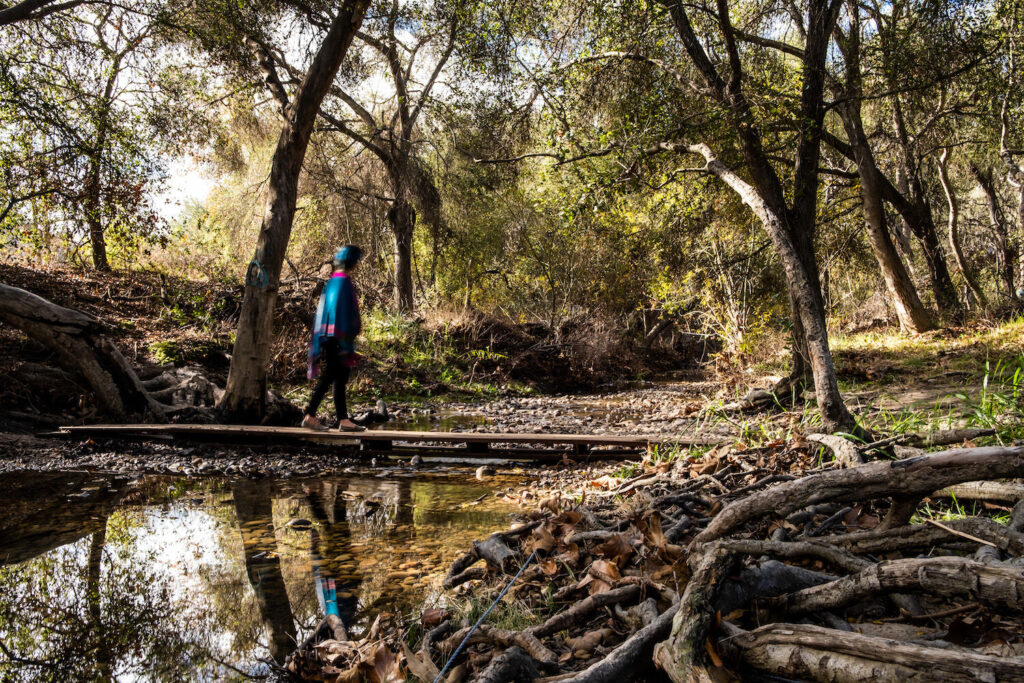
Nestled near University City, Clairemont is a seemingly sleepy residential neighborhood packed with hidden culinary gems. Turkish classics, Hawaiian comfort food, vegan shrimp—you’ll find it all here, along with expansive green spaces, wellness-focused studios, and unassuming shops catering to hobbyists and pet owners.
Here are our favorite spots to eat, shop, and play in Clairemont.
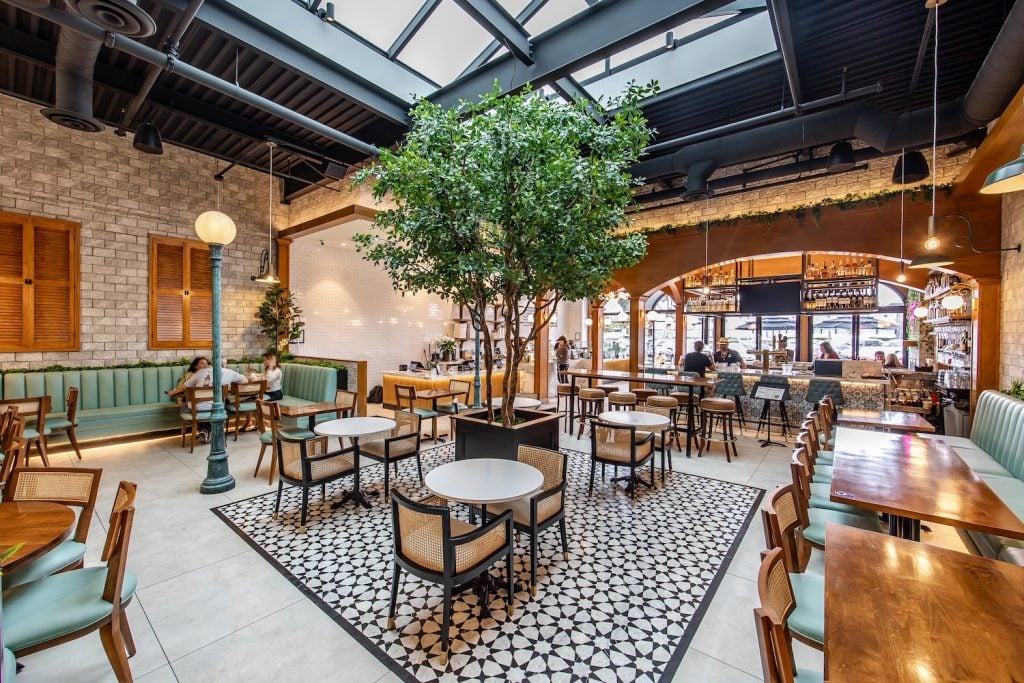
This casual, strip-mall joint offers Mediterranean eats inside or out on the patio. The robust menu includes a solid lineup of vegetarian options and harder-to-find dishes like Turkish tajine, zarb, and borak in addition to shawerma and gyros.
5420 Clairemont Mesa Boulevard
Settle into Havana Grill’s soft bench seats with a plate of plantains and lechón. This Cuban restaurant centers organic and locally sourced ingredients in traditional dishes like arroz con pollo, ropa vieja, and yuca fries. Douse it all in mojo sauce—a classic blend of olive oil, garlic, and citrus.
5450 Clairemont Mesa Boulevard, Suite G
Tucked away in a Smart & Final parking lot is a cozy spot with a broad selection of yakitori and sake. The jazz music–filled eatery is just as popular as its sister restaurants, Convoy’s Yakyudori and Kearny Mesa’s Hinotez, so make a reservation to nab one of the few seats.
5185 Clairemont Mesa Boulevard
This hidden gem is a craft burger and local beer joint serving meat (including bison, turkey, and lamb) and plant-based burgers, hot dogs, seafood, and more. On Fridays and Saturdays, stop by The Butcher N Cheese at 6 p.m. for live music and $5 beers.
4705 Clairemont Drive, Suite C
This bakehouse slinging Mexican-inspired donuts landed a spot on our March 2023 staff favorites list for its tart guayaba flavor, but there are plenty of other bites worth the visit here, including mazapan and jamaica donuts. They sell tortas, tamales, and coffee, too.
4714 Clairemont Mesa Boulevard
San Diegan Mike Touma took a birria tour of Mexico to help develop the recipes at his birria-focused food-truck-turned-storefront. Mike’s Red Tacos loads its titular tacos with beef birria, but you’ll also find the slow-simmered meat in unexpected places, like ramen, fries, and a Taco Bell–inspired “crunchstack.”
4310 Genesee Avenue, Suite 104
A just-as-casual alternative to the coffee date, Feng Cha is a bustling spot ideal for catching up with friends or getting to know romantic prospects over foam-topped teas and tiny cakes. Try the crème brûlée dirty boba, which comes threaded with crunchy brown sugar bits.
4340 Genesee Avenue, Suite 107
This hole-in-the-wall slings giant plates of Hawaiian comfort food, including Spam musubi, loco moco, and Kahlua pig. Breakfast is technically served all day, but you’ll have to arrive early to grab an order of macadamia nut pancakes—they always sell out.
7524 Mesa College Drive
Plant-based diners, rejoice: Everything at this Asian-fusion outpost is vegetarian (and most dishes are vegan), from the kung pao “chicken” and salt-and-pepper “shrimp” to the sushi and pho. Before digging into your main dish, split an order of vegan crab rangoons with the table.
5501 Clairemont Mesa Boulevard
Grab your chef’s coat. At this family-owned Mongolian restaurant, you’ll select from six different broths (including two vegetarian options) and dunk in an array of meats, seafood, veggies, and noodles. Their weekday lunch special for one is a steal.
4718 Clairemont Mesa Boulevard
A San Diego mainstay for more than 20 years, Comickaze vends popular and independent titles for graphic novel and manga fans. They always see a long line of customers during San Diego Comic-Con weekend, but it’s worth stopping by year-round to poke through the packed bookshelves.
5517 Clairemont Mesa Boulevard, Suite A
Making mezze? Pick up everything you need for your chef-ing at Balboa International Market, which carries a swath of tough-to-find groceries from the Mediterranean and beyond, plus pre-packaged tabbouleh and dolmas to go.
5905 Balboa Avenue
Around 84 percent of items donated to thrift shops end up in landfills, a stat Bridge Thrift works to combat. The secondhand shop ensures even unsellable items receive a second life (through recycling or upcycling) and donates 100 percent of its profits to local organizations like Hope for San Diego.
4220 Balboa Avenue
A nondescript warehouse hides one of SD’s most vibrant outposts for local and organic produce. In addition to seasonal fruits and veggies, shoppers can find snacks, nuts, honey, salad dressings, and firewood.
4330 Morena Boulevard, Suite C
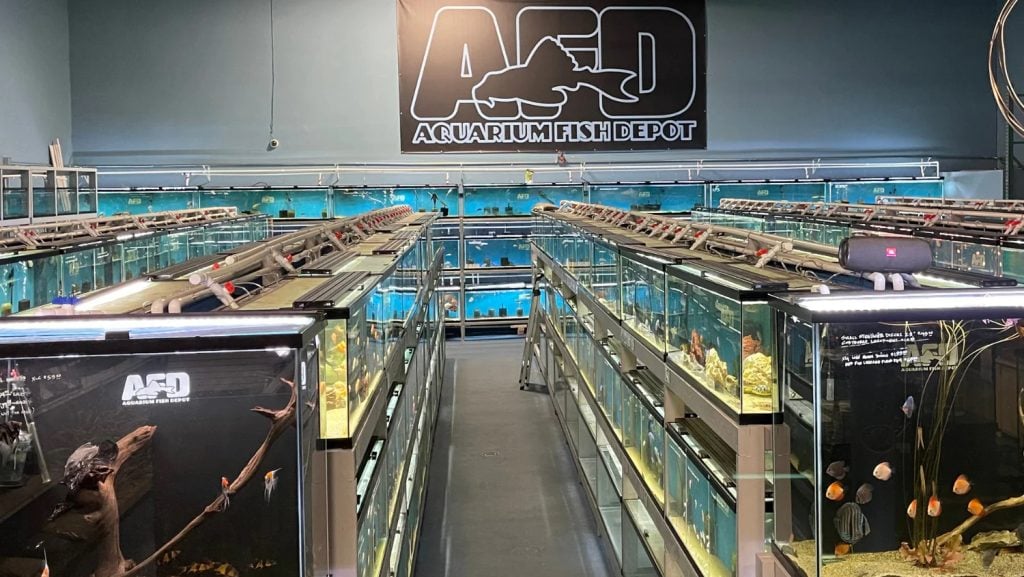
Anyone who spent their childhood dentist visits enthralled with the waiting room fish tank can fulfill their aquarium dreams at this well-stocked shop featuring finned friends (both fresh and saltwater varieties), live coral, and marine invertebrates like shrimp, snails, and crabs—and everything they need to thrive.
5121 Santa Fe Street, Suite F
Find a new feathered friend (and all their required supplies) at BirdSmart, where staff has been hand-raising birds onsite for more than 26 years. Even if you’re not in the market for a pet, drop by to say hello to baby finches, macaws, and other avian infants.
4688 Clairemont Mesa Boulevard
This little shop is packed wall to wall with collectable cards. Neatly organized by player and year, the stock primarily features NFL, NBA, and MLB heavy hitters (plus a nice assortment of Pokémon cards).
3949 Clairemont Drive, Suite 4
This spacious community park gets its moniker from a shady, bench-filled olive grove. The ample green space, picnic tables, and playground make it a great spot for kids’ birthday parties, while NBA aspirants can hit the park’s open basketball courts.
6075 Printwood Street
Perched in San Clemente Canyon, the 467-acre Marian Bear Memorial Park provides three miles of creekside walking and hiking paths. While most treks are flat, adventurers seeking a challenge can follow finger canyon trails up to the top of the mesa.
5491 Genesee Avenue
Tee up at this 3,161-yard golf course designed by Robert Trent Jones, Sr., and Sam Snead. A large practice facility with a driving ranges, putting and chipping greens, and more offers space to perfect your game before hitting the links.
2755 Snead Avenue
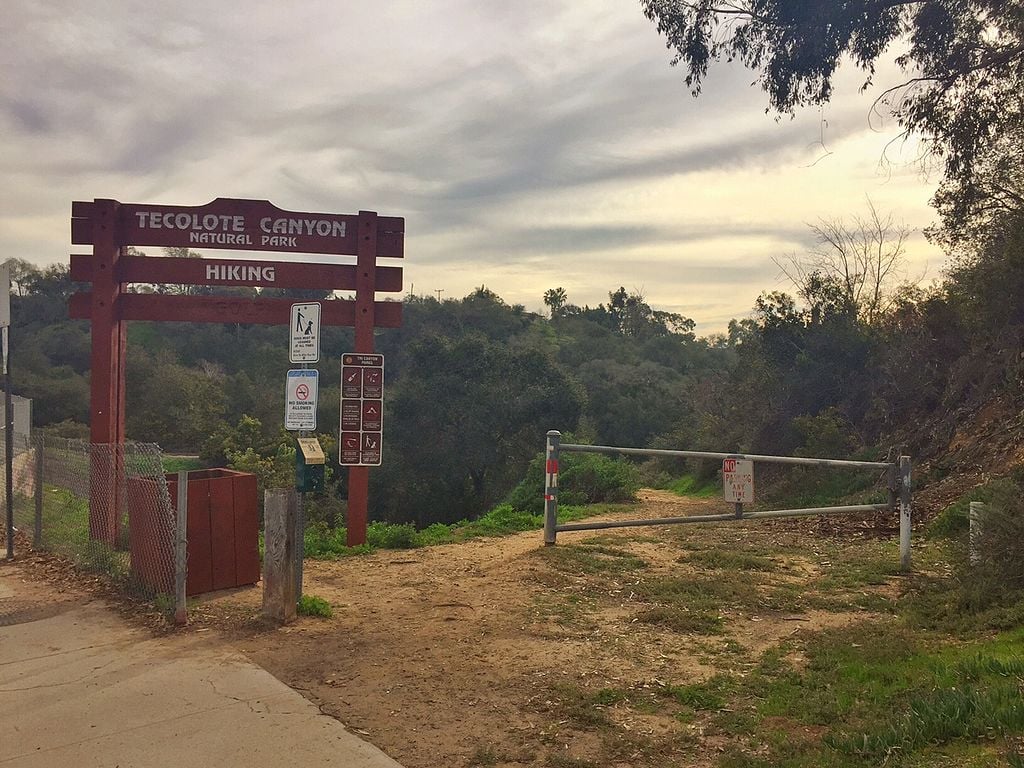
This park’s nature center is an ideal spot to learn about the canyon’s flora and fauna, including the owl (or tecolote) after which it is named. The preserve features about 6.5 miles of trails open to runners, hikers, and bikers.
5180 Tecolote Road
A glass of malbec probably won’t help your balance in triangle pose, so plan to hit this yoga studio’s onsite wine bar after your 5:30 p.m. “happy hour” flow. The bar also serves bites like salads, sandwiches, and charcuterie, making it a good brunch spot for pals embracing both fun and wellness.
6185 Balboa Avenue
Partner dances like salsa and bachata form the focus at this all-ages studio (though they also offer a women’s-only Latin fusion class). While classes typically start at $35 per drop-in, Indigo sometimes holds $5 intro events where you can pick up a few beginner steps.
5035 Shawline Street
This martial arts studio offers tai chi, qi gong, and taekwondo classes for adults, teens, and kids four years and older. Golden Rishi offers free intro classes for beginners, and little ones ready to go all-in can sign up for summer camp programs that run for one or two months.
7380 Clairemont Mesa Boulevard, Suite 110

Mimi Le is a web intern at San Diego Magazine. She is currently majoring in Communications at the University of California - San Diego with a minor in Marketing and plans to graduate in spring of 2024. She is always looking for creative and culturally-enriching ways to fill her days.
The Harbor Island resort debuts the Garden Terrace as the final piece of a $123 million renovation
If you’re anything like me, you’ve probably been planning your wedding your entire life. The impromptu daydreaming usually comes at the most inconvenient times: during a meeting or right as you’re falling asleep after watching too many episodes of TLC’s Four Weddings.
In those imagined scenes, there is always a sunset. Usually some kind of impossible garden that feels like Alice in Wonderland meets The Secret Garden. There are soft pinks and climbing greens, florals that look like they grew a little too perfectly on purpose, and somewhere in the distance, water that catches the light. It’s dramatic in the best way.
Perched on Harbor Island, Sheraton San Diego Resort feels like a tucked-away bayside escape. But the real centerpiece of its $123 million transformation is the new Garden Terrace, a private green oasis that feels like it was designed specifically for the dream wedding replaying in my head. This is what I had been imagining all those years. White tea roses, lavender, gardenia, jasmine, and magnolia trees line the space, creating a fragrance that feels like it’s part of the architecture.

Sheraton San Diego Resort has always had the advantage of its location, but what stands out now is how intentionally the indoor and outdoor spaces coexist. Panoramic harbor views stretch across the property, shifting from soft blue mornings to golden-hour glow and a nighttime skyline that feels almost cinematic. Of course, there are other ceremony and event spaces across the resort, too—including the Lanai Lawn, Harbor Vista Lawn, and Eventide Gardens—each offering its own variation of open-air beauty. But the Garden Terrace is the one that feels like it was made for vows.
I arrived on a Tuesday afternoon with a suitcase slightly overpacked, the result of not knowing what to fully expect from a resort doubling as a wedding venue. I tried to cover every possible version of the trip: a handful of summer dresses, a few breezy pants, marina-esque tank tops, sandals for everything, and accessories meant to sparkle in the sun (seven different earring and necklace options was probably unnecessary, though).
I did, however, underestimate the swimsuits, especially once I saw the paddleboards, endless water activities you’d want to try at least once, and pools and jacuzzis practically whispering your name. Business casual never made it out of the suitcase, replaced instead with easy cover-ups, pinks and greens, and airy button-ups that felt more in tune with the setting than structured jackets ever could.
The resort has been reimagined across rooms, dining areas, and outdoor spaces, with thoughtfully layered tile textures, lighting that shifts with the time of day, warm-toned palettes in the dining rooms, and fresh blues in the bedrooms that complement the views pouring in through the windows. The foyer feels expansive, framed by floor-to-ceiling windows and designed to bring a little bit of San Diego inside with you, rather than shut it out.

By late afternoon, I was sitting by the marina watching the water shift colors in real time, the kind of view that makes everything feel slower without trying. Dinner at Rumorosa brought the first real taste of the resort’s Cali-Baja identity, starting with a trio of margaritas—passion fruit, spicy watermelon, and creamy coconut—that made it impossible to pick a favorite and slightly dangerous to have them all in front of you at once.
The table opened with guacamole layered with spicy cotija, radish, pomegranate seeds, candied serranos, cilantro, limes, duritos, and warm tortilla chips, followed by Mexican street corn with sweet kernels, spiced aioli, cotija, and more candied serranos that hit just enough heat to keep you absolutely addicted.
For my main, I went with the roasted organic chicken breast with buttered jasmine rice, mole negro, and roasted cauliflower, which felt familiar in structure but elevated in small details like the cilantro and pickled onions. And then the Carajillo tres leches cake, a vanilla sponge layered with coffee and Licor 43 mousse, praline, and caramel sauce, arrived and disappeared faster than it probably should have.
What made it feel so curated wasn’t just the menu, but how intentional everything felt without ever feeling fussy: bright flavors balanced against rich ones, heat against sweetness, and plates that arrived right as the light over the marina started to soften. The next morning carried that same energy. Breakfast could unfold at your own pace, whether that meant taking a Zoom call in your room, heading downstairs for a sit-down meal with friends at Rumorosa, or grabbing something quick from Strada Italian Market. I opted for a vanilla latte from La Colombe at Strada before heading out for the morning.

I made it just in time for the resort’s complimentary morning yoga on the lawn, boats just visible beyond the stretch of green. The Sheraton offers it daily as part of the stay, a low-pressure option for anyone looking for an easy reset rather than a full workout, which I wasn’t expecting to take part in on this trip but ended up glad I did. The class itself was beginner-friendly, with slow flows and a few optional deeper stretches for anyone who wanted to push into more advanced poses.
Afterward, stand-up paddleboarding shifted everything into a different perspective. My small group launched from the resort’s private dock, boards wobbling slightly as we found our balance, then drifted out into the marina where the water opened up in every direction. We paddled past rows of docked boats, slipped alongside houseboats with their shaded decks and string lights, and followed the gentle curve of the harbor as it widened and narrowed again.
The afternoon transitioned into poolside lounging at Sunglow Cabana Bar, where cabanas, cold drinks, and a poolside lunch had me so relaxed I didn’t even realize my phone had died. Sunglow is open to the public, so if you’re looking for a quick day getaway, you can dock and settle in for SoCal-style shareables and frozen drinks.

Dinner at the Garden Terrace kind of shifted everything for me. In the daytime it just feels like a nice open space, but at night it becomes something else entirely: more intentional, more “put together” in a way I didn’t really clock at first. As the sun went down over the marina, everything turned warm and the garden lit up in this soft glow that was staged under fairy lights. It was as if you were meant to experience it in this very certain way.
It was easy to picture it then: the quiet before guests arrive, the moment someone steps forward, the pause right before “I do.” There’s often a specific kind of silence right before a ceremony begins. And, at the Garden Terrace, that feeling is built into the space itself. You are standing in a garden wrapped in white blooms and soft greenery, with the harbor stretched out just beyond it. The sun is low enough to turn everything gold. Someone is standing across from you, close enough that everything else fades into background noise.
At 3,600 square feet, the Garden Terrace can host up to 300 guests, with the wider property offering over 132,000 square feet of flexible event space. The transformation even earned a Northstar Stella Award Gold Medal for Best Renovation in the Far West Region in 2024.
That evolution, according to Sean Clancy, Vice President and General Manager of Sheraton San Diego Resort, has been years in the making. He describes the property as having been “completely transformed,” from the rooms to the restaurants and everything in between, with new spaces like the Garden Terrace designed to highlight the marina backdrop in a way that feels “naturally stunning” and “magical,” not just scenic.
By the time I checked out on Thursday, watching the sun rise over the marina, empty in the early light, I understood why someone would choose this exact spot to say something they mean forever.
Isabella Dallas is a freelance writer for San Diego Magazine and the Arts and Culture Editor at The Daily Aztec in her final year at San Diego State University. She previously worked as an editorial intern for SDM, but when she’s not writing, you can find her trying the best coffee spots in SD, devouring the latest rom-coms, and indulging in anything and everything pop culture.
After a childhood obsession with the Barefoot Contessa and years in Michelin-starred kitchens, Juan Lopez is bringing Poppy Bakeshop to Liberty Station
It wasn’t his mother who inspired Juan Lopez to start baking. Nor was it pandemic boredom. It was Ina Garten. Lopez remembers it clearly—he was in third grade, watching TV at home in San Diego when the Food Network’s Barefoot Contessa appeared on the screen. She was in Paris, France, making profiteroles, which are essentially French cream puffs. He’d never seen them before. “That stuck with me forever,” Lopez says.
Forever, or at least present day. It was enough inspiration for him to launch his own pop-up bakery this June: Poppy Bakeshop, which now appears every weekend from 7 a.m. to 12:30 p.m. (or sellout) at Moniker Coffee in Liberty Station.
But let’s not fast-forward how he went from a third-grader to burgeoning bakery entrepreneur. After falling under Garten’s spell—I mean, who among us hasn’t at one point or another—Lopez decided to try his hand at making cookies, which proved equal parts satisfying (making something from scratch) and frustrating (not actually knowing what on Earth he was doing). But that itch never went away through high school, when he decided to pursue culinary school. But before enrolling, prospective students had to complete a six-month internship in a professional kitchen.
So Lopez went to the first French restaurant he ever visited—Cafe Chloe in East Village, where chef Katie Grebow took him under her wing. School didn’t pan out, but his education was just beginning.
In the early 2010s, San Diego’s culinary scene was still an afterthought on the national scale. Lopez recalls Grebow encouraging him to move to San Francisco to really hone his skills. “I was 18 and was like, ‘Well, I’ve got nothing else to do,’” he laughs. He walked into the one Michelin-starred La Folie in the Russian Hill neighborhood, resume in hand, and asked chef Roland Passot for a job. He started the next day.
After a few years in San Francisco, he returned to San Diego with the intention of moving out of restaurants and focusing on perfecting the foundations of pastry. After stints at Con Pane Rustic Breads, Herb & Wood, and Hommage Bakehouse, he landed at Wayfarer Bread & Pastry in 2023.
The Bird Rock bakery was already well on its way to national acclaim—it was named one of the best 100 bakeries in America by Food & Wine Magazine in 2020, not to mention the Critic’s Pick for “Best Bakery” by San Diego Magazine in 2022, 2024, 2025, 2026, runner-up in 2023, critic’s pick and runner-up in 2021, and then I stopped counting (because I’m pretty sure we all get the picture).
He still works part-time at Wayfarer while growing Poppy, but Lopez says he hopes to increase his pop-up schedule and collaborate more with other local makers. “The ultimate goal is to get a storefront,” he says. Normal Heights would be ideal, but he’s flexible on location and timeframe.
One thing he’s not flexible on is boxing himself into one type of pastry or flavor profile. “I really want Poppy to be this overwhelming abundance of items with different colors and different textures… I don’t want to be known for one thing,” he says. French-inspired, Mexican-influenced, and yes, even taking cues from the fashion industry. Take his plum cornbread, for instance. It’s an homage to Belgian designer Dries Van Noten’s vibrant palette.
“They had this one outfit that had this very, very bright kind of burgundy with this khaki-ish color. Then I went to the farmer’s market, and one of my favorite farmers, Heritage Family Farms, they had these gorgeous, gorgeous plums, and I was like, ‘Well, those are literally the color of that.’” The result? A sweet slice of rich reddish-purple plum cake.
He also draws inspiration from his own family. Every year, he makes coffee cake for Mother’s Day. Cinnamon rolls for Christmas. Basically, anything and everything that makes it onto his shelves is “based on what I’m craving,” Lopez laughs.
And he’s ready to share his cravings with you. “I’ve had so many bad days, and so many of them have been made better through pastry or through food,” he says. “I think as long as everyone just takes the time to just really enjoy what’s in front of them, that’s kind of all I hope for.”

Listen Now: The Latest in San Diego’s Food and Drink Scene
Have breaking news, exciting scoops, or great stories about new San Diego restaurants or the city’s food scene? Send your pitches to [email protected].
Beth Demmon is an award-winning writer and podcaster whose work regularly appears in national outlets and San Diego Magazine. Her first book, The Beer Lover's Guide to Cider, is now available. Find out more on bethdemmon.com.
Along with other Filipino culinary icons, Ashley del Rosario is making Filipino pastries a category of their own
Baker Ashley del Rosario estimates she makes five people cry every day. It’s not because she’s some salty old grump. In fact, del Rosario is such a delight to talk to that we ended up chatting in the sunshine for 20 minutes after my two-hour parking meter ran out. (I got lucky—no ticket!) It’s because her baking philosophy, which centers around spotlighting her culture as a Filipina-American and using some of her mom’s recipes as inspiration, seems to uniquely touch a nerve in her community.
“People message me every day saying… ‘Oh my God, my mom loves your stuff. Oh my God, this made me so emotional. This reminds me of my childhood,’” she says. “I must be doing something right.”
We’re sitting outside at Michi Michi in Bankers Hill, where she finished up a two-month residency as the in-house guest baker on June 30. Her menu of Filipino-inspired pastries feature ingredients like mango, ube, pandan, calamansi, and taro leaves in items like French croissants and Italian maritozzos. But she’s also pushing flavor boundaries with pastries like a champorado tart, a Filipino chocolate rice pudding topped with a dollop of anchovy paste.
Love it or hate it, to del Rosario, the point is that she introduced champorado to a new audience. “If you don’t like Filipino food, or you’re not interested in it, or you don’t even get it… you [still] came into this bakery and you saw Filipino desserts,” she says. So the next time you come across champorado, your brain will already recognize it and hey, maybe you’ll give it a try.
San Diego is home to the fifth-largest Filipino population in the United States, with enclaves in Mira Mesa, National City, southeast San Diego, and Chula Vista. That’s led to a rise in popularity of Filipino food in San Diego, as well as across the country.
In 2021, Phillip Esteban—San Diego Magazine’s “Chef of the Year” in 2020—opened the first location of his fast-casual Filipino concept White Rice, which now has locations in Normal Heights and Sorrento Valley. Kristin Cleavinger’s coffee and matcha pop-up One of One draws inspiration from her own Filipina-American heritage. Tara Monsod, executive chef at Animae and Le Coq, is a three-time semifinalist for Best Chef in California by the James Beard Awards and one of the leading champions of Filipino-American cuisine. She was also del Rosario’s boss at her first kitchen job, which was doing pastries at Animae. (Nothing like jumping straight into the fire!)
Del Rosario says Monsod became a cultural and culinary mentor, pushing her to explore new and bigger opportunities. When she got the chance to study at the illustrious Italian Culinary Institute in Calabria, Italy, Monsod encouraged her to go. It changed del Rosario’s life—so much so, she’s moving to Italy later this year to continue honing her pastry skills.
In the future, she says she hopes to split her time between Italy and San Diego, continuing collaborations and pop-ups while developing what she sees as an entirely new lane within pastry: Italian pastry technique with distinctly Filipino flavors.
Italian pastry technique is different from classic French. Take croissants, for example. The Italian version, called cornetto, is often filled with creams, jams, or savory fillings, and tends to feel softer than its buttery, flakier French counterpart. They’re also more regionally driven, with different areas utilizing local specialties like citrus for the filling—an ideal vehicle for launching a Filipino-fusion creation.
There are plenty of globally-inspired bakeries in San Diego with their own specialties—Azúcar in Ocean Beach is Cuban, Su Pan offers traditional Mexican pastries, and Asa Bakery is modeled after Japanese kissaten cafés. There are even a number of local Filipino bakeries like Valerio’s 1979 (formerly Valerio’s City Bakery), Kababayan Bakery, and Starbread Bakery. But a Filipino-Italian bakery? Not yet. And even if there were, del Rosario says the more, the merrier.
“There is no competition,” she says. “It’s just showing our culture.”
Beth Demmon is an award-winning writer and podcaster whose work regularly appears in national outlets and San Diego Magazine. Her first book, The Beer Lover's Guide to Cider, is now available. Find out more on bethdemmon.com.
The 29-year-old culinary director at Herb & Sea is making seafood sexy (and approachable) again
Implementing a farm-to-table model hardly deserves acknowledgement these days. It’s not a stretch. It’s not innovative. “It’s the bare f**king minimum,” says Herb & Sea‘s executive chef Aidan Owens.
When I arrive at the Encinitas restaurant, I’m ready to talk sustainability, farm-to-table stuff, with Owens. “Did you see the chin on that?” he says of the extra big jiggly chin on the sheephead that just arrived with the day’s fresh catch. I did. It was Jay Leno adjacent.
I learn quickly that he somehow oozes both charm and stone-cold honesty. Maybe he could construct a new dish with chin goo, like he did when he had a bunch of tuna scraps and voila’d it into a smooth and crowd-pleasing ‘nduja. “I want to know what’s in there,” he says.

The instinct to look closer, to dig into what others might discard, says a lot about the chef’s approach. I guide him back to our topic, but he has something else on his mind. “We’re overcomplicating food—what happened to just cooking good food and having fun with it?”
Owens grew up on a farm in Byron Bay, Australia, where sustainability wasn’t a concept you chat about so much as a way of life. Think dirt roads, backyard chickens, pulling vegetables straight from the ground, and a mother who believed that if you couldn’t pronounce the ingredients on a package, you shouldn’t eat what was inside.
Food wasn’t precious or performative. Making it was what you did because you were hungry and that’s still what inspires Owens today. “I like to cook good food because I like to eat good food,” he says.
His approach to sustainability at Herb & Sea began so naturally that it felt just like instinct. “I was just like, ‘Let’s order food from the people who live and work here,’” he says.

And why wouldn’t he when lives in San Diego? Cities all over the world vie for our goods. Our tuna is sent overseas. Our spiny lobsters hit dinner plates in China and Japan. Not to mention California’s producing a third of the country’s vegetables and three-quarters of its fruits and nuts.
“Why would we outsource when it’s all here?” Owens asks.
Sustainability, in this context, is about cooking what exists in abundance, nearby, right now. “I love the local fish here. It’s f**king delicious and San Diego citrus, I mean, it is so f**ing good,” he says.
Instead of importing ingredients, Owens also looks for nearby alternatives. “You can find really cool things in the local waters,” he says, pointing out that stingray cheeks taste similar to scallops.

Whatever he finds in that sheephead chin might just be the next substitute for marrow. But to make this work, it means getting diners amped up about the slightly unfamiliar.
Tasting menus, where diners are completely in his hands, become an opportunity to gently push boundaries. “I’ll serve mackerel, because people think they hate it,” Owens says, noting that the abundant local fish can have some fishiness. “But when it’s fresh, it’s arguably one of the best fish in the ocean.”
He also tweaks the language on the menu so people might feel more compelled to give dishes a try without preconceived notions. He might use “lengua” instead of “tongue.” “Whelk” instead of “snail.” When he puts “stingray throat” on the menu, he disarmingly calls it “skate.”
To reduce waste, scraps aren’t always discarded but rather turned into something new. Sometimes they’re smoked, cured or fermented. Apples going bad turn into apple ponzu. Lemons turn to marmalade, which stretches their usefulness far beyond peak season. “And it’s super tasty on our pizza,” he says.
What makes the food even richer, is the relationships he’s built with farmers. Though it didn’t always feel natural, Owens sought personal connection first. He recalls approaching a fisherman at the Tuna Harbor Dockside Market. “I was awkward,” he says. “I went up to him and said, ‘I like your fish.’”
Owen’s is now so close to his suppliers—like fishermen Ryan Sebo and Joe Daly—that he gets texted pictures of fresh catches right as they flop on the boat. The messages always ask if he wants first dibs. “I say yes to a lot of fish,” Owens says, noting that Herb & Sea can go through 2,000 pounds of seafood a week.

The next evolution of sustainability, in his view, will be chefs working directly with producers such as his alliance with Sebo, cutting out middlemen and purveyors where possible. “It will put more money in the pockets of the people doing the work,” he says.
It will mean that chefs can’t just know their local farmers and producers, but they’ll choose to work with the ones who have the best practices. Dining and sustainability will become much less about the final plate. “It will be more about the impact that plate has on the Earth,” he says.
Ultimately, he believes sustainability doesn’t need to be loud. It doesn’t need hashtags. It just needs to be honest.
“We aren’t saving lives. We’re feeding people good food,” he says.
And yet, in feeding people well—simply, thoughtfully, responsibly—something meaningful happens. Guests leave satisfied. Ingredients are respected. Local ecosystems are supported and food returns to what it has always been at its core: nourishment, pleasure, and a quiet reflection of the place it comes from.
No buzzwords required.
The Mexican restaurant continues the Barrio Logan tradition of art in unexpected places
I’m sitting in a slab of concrete under a freeway, eating a ceviche black as eyeliner.
There might be seven seats in this restaurant. Or maybe it’s 12 minus five. That area under the stairs might also be a couple seats, or it might just be a very inviting storage area with a flower vase. The restaurant is so small your core instinct is to count seats and tabulate if Alchemy – Choose Thy Poison is a real place with a sane business plan or if it’s a social art project designed to question the reality of restaurants and business plans.
There’s a large, floor-to-human-height window near our table. Through it, I notice someone didn’t make their bed this morning. It’s a decision I deeply empathize with. It’s moments like this that make you acutely aware that Alchemy is also technically the courtyard of a six-room micro-hotel called Narcissus. Not the kind of massagey boutique hotel you’re thinking of with soft woods, obscene amounts of linen, and opinions on bonsai therapy. It’s a near-Brutalist cube of base industrial materials—concrete and acrylics bent and molded into a series of alcoves, with pods to sleep in. Sculptures lie behind glass like Tilda Swinton circa 2013.
The window to the unmade bed forcibly crams light voyeurism into the dining experience. The hotel and Alchemy feel like the parts of Mexico I love the most. Although Mexico has its multimillion-dollar restaurants, a vast majority of the best street-level places feel like you’re temporarily recreating in a very lovely construction project.
Alchemy’s location is what most people comment on (“I can’t believe a place like this exists on a block like this.”)—jammed at the bottom of the freeway embankment on the northeast side of Barrio Logan. But that makes it distinctly Barrio, the historic cradle of San Diego’s Hispanic and Chicano culture. The I-5 freeway was built through Barrio in 1963—a fairly traumatic gashing of the neighborhood—and residents responded by painting epic murals on the ugly concrete belly of eminent domain. Where some would’ve just accepted the industrial blight, locals saw shade for a park. There is a deep history here of turning concrete into art, and Alchemy carries that on.

The vision for the property came from owner Benjamin Longwell, whose company—The Society of Master Craftsmen—sounds like it wears a monocle. Longwell is part of the new guard of developers who focus on urban infill. Instead of adding to the city sprawl, they find unused or underutilized parcels of land in established neighborhoods, then build creative mixed-use spaces that, in perfect scenarios, add something of value for locals.
I’m not making a case for architectural sainthood, but there isn’t a huge list of developers who would look at the line of cars exiting the freeway in front of Alchemy and think, “We must build here.” So in that sense, Narcissus and Alchemy feel additive to the community, not extractive.

I stare back at Alchemy’s ceviche negro, a glossy mound of halibut that looks inspired by the La Brea Tar Pits or melted vinyl records. Chef-owner and Mexico City–native Eddy Cortes saves all the trimmings of his dishes (garlic and onion skins, vegetable shavings), then chars them into an ash to create a recado negro—a Yucatán specialty that usually involves toasted chiles, achiote paste, vinegar, and a ton of warm spices. He tosses local halibut with squid ink, tamari, charred pineapple, and citrus. The usual charm of ceviche is that it’s light, bright, full of color. Not here.
It is fantastic—acidic but with a whole world of toasted, warm flavors, like ceviche that’s seen some things.
The menu from Cortes—a home cook his whole life, only having taken it professional a few years ago with his popular pop-up, Barracruda—is really a tour of specialties from various states in Mexico.

A crema de poblano has the blended ghost of rajas at its core: an emulsion of roasted poblanos with butter-sautéed onions and garlic, plus a touch of milk that’s topped with queso fresco, chile ancho, and morita oil. Morita—a smoky Mexican condiment made from dried and smoked red jalapeños for a less intense, fruitier cousin of chipotle—is the key here. It specializes in spiking fats (guacamole, fried eggs, burritos). Sop up the crema with house-baked garlic-rosemary sourdough, blackened from the ash of a corn husk.
Smoked tuna is a Baja gift that’s become an anchor for most San Diego taco shops, and Alchemy combines mesquite-smoked yellowtail with caramelized onions, sweet peppers, and Chihuahua cheese (the OG quesadilla filling), then stuffs it in a perfectly baked masa empanada. The result is somewhere between a TJ Oyster Bar taco, a calzone, and a tamale—but with extra flavor and more black hue from cuttlefish ink.
Alchemy’s huaraches de res is Cortes’ ode to where he’s from. Huaraches are the New Haven–style pizza of Mexican food—thick, oblong masa flatbread layered with refried beans and a payload inspired by the Mexico City markets the chef grew up roaming with his dad: braised beef (braseado), avocado salsa, pickled vegetables, salsa macha, and jocoque (Mexico’s fermented dairy product, like a cross between crema and labneh).
Alchemy’s seared tuna crudo gets a tad abused by the riot of big flavors: charred hibiscus salsa, avocado salsa, pickled grapes, pomegranate salsa macha, and chipotle aioli. It’s a fate that also tempers the joy of the zarandeado, with the adobo marinade on the shrimp fighting a bit with recado negro and chipotle crema. Sticking with curmudgeonly food critic notes, flies are a part of the Alchemy experience, at least during our visit. They’re fairly hard to evict from the outside world, but more measures could be taken to discourage their participation.

The oxtail tetelas—like a Mexican pupusa—are a diary note from Cortes’ travels to Tlaquepaque, where they famously superboost their salsa with a touch of instant coffee. First, Cortes braises the oxtail with beer and Mexican spices. Then he blends that braising liquid into a salsa with beef tallow, guajillo, charred onions, tomatoes, and black garlic. Keeping with the goth food theme, the oxtail goes into masa negra infused with squid ink.
Desserts are where you realize just how deeply Alchemy is committed to the art bit. Rarely do you see a neighborhood bistro trying to pull off trompe l’œil—the French specialty of making pastries and other desserts look like fruit or other everyday objects. (The phrase means “to deceive the eye” and is the historical precedent for the Is It Cake? phenomenon.) Pastry chef Catherinne Avila does, though. A “Naranja” comes out in the form of a mandarin, but inside is orange blossom mousse, apricot jelly, and sablée (a delicate, crumbly shortcrust). A “Philosopher’s Stone” comes in the form of a brick of gold with a serpent on top; inside are mango mousse, mango-Tajín jelly, and a coconut dacquoise.
As Barrio Logan enters an apprehensive phase—its creative culture and restaurant scene growing rapidly, bringing economic promise face-to-face with the need to protect the Chicano way of life—this concrete tuckaway from a Mexico City kid feels like a good step. The Barrio has a long history of making art in unexpected places, and Alchemy carries that a little further.
Photos Credit: Dee Sandoval


Troy Johnson is the magazine’s award-winning food writer and humorist, and a long-standing expert on Food Network. His work has been featured on NatGeo, Travel Channel, NPR, and in Food Matters, a textbook of the best American food writing.
After building a loyal following through coffee shop pop-ups, Scoopy Scoopy is putting down roots in Leucadia
There’s a saying in business that if you’re not evolving, you’re dying. I personally have a saying that if you’re not eating ice cream, you’re also probably dying, but of sadness.
Scoopy Scoopy doesn’t have either of those problems. The premium ice cream pop-up launched last year with the idea of setting up in coffee shops after hours, helping those businesses maximize their profitability while also avoiding the costs of a brick and mortar. But it turns out, a lot of people in Leucadia really like ice cream—so much so that Scoopy Scoopy decided to open their own scoop shop in the same building as Moto Deli and Cadence Cyclery (in the former Queenstage Coffee House space) on July 8.
Evolving doesn’t mean leaving the old ways behind. Zach Zien, who runs Scoopy with his partner Steven Segal and wife Sophia, says they will continue to pursue the shared space model on weekends at Coffee Coffee in Leucadia through the summer and are still open to popping up at other venues. “That’s still a core part of our business,” he says. But with steady demand in the Encinitas area, it gave them the confidence to put down roots of their own.
“People have really welcomed us and we’ve been well-received,” he explains. “We think this is the market to succeed in.”
The super-premium ice cream is still sourced from Chocolate Shoppe Ice Cream in Wisconsin, but instead of the eight flavors they’re limited to for popups, the permanent storefront will be able to offer 12. “There will be three or four that regularly rotate, with probably eight staples that are our best sellers,” says Zien, pointing to flavors like peanut butter, oatmeal cookie, and the alternating vegan options. They’ll also be able to fill pints to order, something they haven’t been able to do in the past.
Currently, Moto Deli closes at 4 p.m. daily, but once Scoopy Scoopy is up and running, it will offer beer and wine until 8 p.m. for a shared drinks-and-dessert Happy Hour. “We’re hoping to get a food truck vendor on regular rotation to have food options available after hours as well,” says Zien.
The spontaneity of pop-ups can be as exciting as it is efficient. But when it comes to ice cream, I like knowing exactly when and where I can get a scoop—before the sadness kicks in.
Scoopy Scoopy soft opens on July 8 at 190 N. Coast Hwy 101 in Encinitas. Initial operating hours are Wednesday and Thursday, noon to 8 p.m.; and Friday through Sunday, noon to 9 p.m. (subject to change).

Speaking of pop-ups, San Diego’s culinary entrepreneurs keep ramping things up with more concepts launching every week. But after a parade of pastry prodigies and brilliant breadmakers, it might be nice to sink your teeth into something with a bit of protein. (Shoutout to all my carboholic brethren out there.)
Jim Adamski is joining the ever-swelling ranks of MEHKO (Micro Enterprise Home Kitchen) businesses alongside the likes of The Hidden Gazebo Eatery in Lemon Grove and Warung RieRie in Serra Mesa with his new venture, Cold Smoke BBQ. He’s not following a specific regional barbecue style like Central Texas, Kansas City, or St. Louis—he’s driven by whatever inspires him at the time (or, whatever he’s craving). He’s also not following a specific schedule. “My loose plans are weekends… then eventually maybe during the week,” he says. His menu and pick-up schedule get updated regularly, with pre-orders available to pick up from his house in 4S Ranch. So far, he says the dry-rubbed ribs and rib tips have been the best-sellers. But if you absolutely can’t resist adding a bread-adjacent item, you’re still in luck—he’s got cornbread.
Beth Demmon is an award-winning writer and podcaster whose work regularly appears in national outlets and San Diego Magazine. Her first book, The Beer Lover's Guide to Cider, is now available. Find out more on bethdemmon.com.
SeaWorld dazzles with a drone show, big-name entertainers, new animal adventures and more
Nights are heating up at SeaWorld San Diego. The quintessential summertime staple on Mission Bay is transforming into a destination for unforgettable day-to-night adventures, bringing back some of its most popular Summer Nights programming and introducing exciting new experiences sure to delight both kids and adults alike.

The 2026 Summer Day to Night at SeaWorld San Diego is the park’s most ambitious season yet. SeaWorld has planned a highly anticipated entertainment lineup that features nine weeks of throwback concerts featuring R&B and hip‑hop favorites from the ‘90s and early 2000s, including Jordin Sparks, Too $hort and Warren G, Ashanti, and an array of boy band heartthrobs performing together as part of the Pop 2000 Tour.
New this season is perhaps the park’s most visible update: a nightly drone show, Ocean of Dreams, which illuminates the sky with hundreds of synchronized sparklers. Drones form sea otters, sharks, dolphins, and a majestic orca that tell a breathtaking 12-minute story of marine life and underwater ecosystems. The show culminates with a spectacular electric neon finale celebrating hope, wonder, and ocean stewardship.
Nighttime visitors are also in store for animal adventures that fuse education with high-energy fun and the dreamy ambiance of nighttime. The park has launched two all-new animal presentations: Shamu’s Celebration: Light Up the Night and Dolphins: Touch the Sky. Shamu’s Celebration: Light Up the Night features vibrant lighting, music, and dynamic choreography that celebrates the power and beauty of killer whales. Dolphins: Touch the Sky showcases playful bottlenose dolphins and the special connection between humans and the natural world. And back by popular demand is fan-favorite Sea Lions Tonite. See the charming pinnipeds splash, play, and parody pop culture in this refreshed crowd-pleaser.

More must-sees: a newly reimagined Shark Encounter, one of the country’s more immersive exhibits highlighting 11 different species up close, SeaWorld’s beloved BMX Blast! stunt show, and high-seas escapade, Pirates Ahoy! The Battle for Mermaid Cove. And don’t miss the park’s all-new Deep Sea Disco, which encourages guests to dance the night away under the glow of the SkyTower, and vibrant closing time laser light display Laser Reef Summer Spectacular.
Amp up the nighttime vibe with local craft beers, curated cocktails, and nostalgic theme park treats with $1 beer all summer long. SeaWorld is the place for day to night summer fun. When the sun goes down, SeaWorld lights up, and inspires guests of all ages to embrace their inner whimsy and see why generations of San Diegans head to SeaWorld to make memories they’ll never forget.