
Ready to know more about San Diego?

Subscribe
Features MARCH 24, 2017

The Best of North County 2017

From canyon to crest, strip mall to rock wall, we scouted the greatest, buzzworthiest things to do, see, sip, and taste north of the 56
The Best of North County 2017
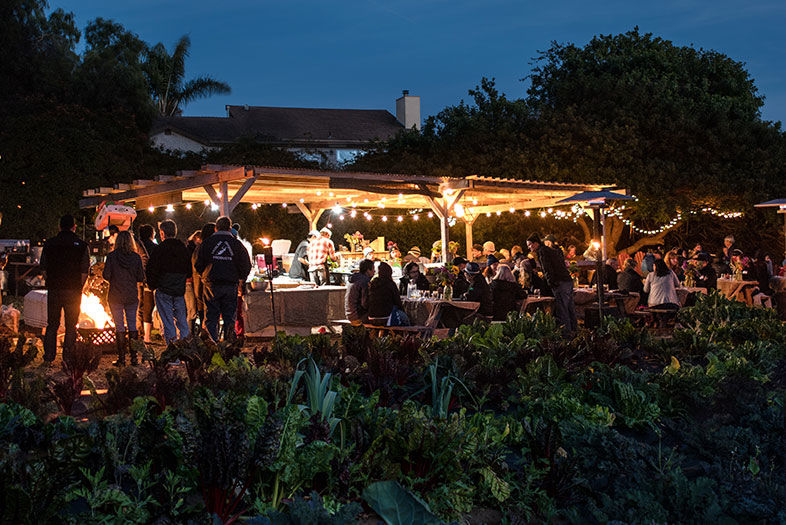
Monthly Wine Dinner at Cyclops Farms

CATEGORIES:

Food & Drink | Health & Fitness | Shopping & Beauty | Arts & Culture

The Best of North County 2017

The Best of North County 2017

Indulgent Breakfast

Breakfast Republic

You may be tempted to skip lunch and dinner after the hearty steak ’n’ eggs, breakfast bacon mac ’n’ cheese, the decadent cinnamon roll pancakes, and the s’mores French toast. Whether you go sweet or savory, the generous portions at this expanding local chain ensure you’ll leave with a full stomach.

251 North El Camino Real, Encinitas, breakfastrepublic.com

Family-Friendly Dining

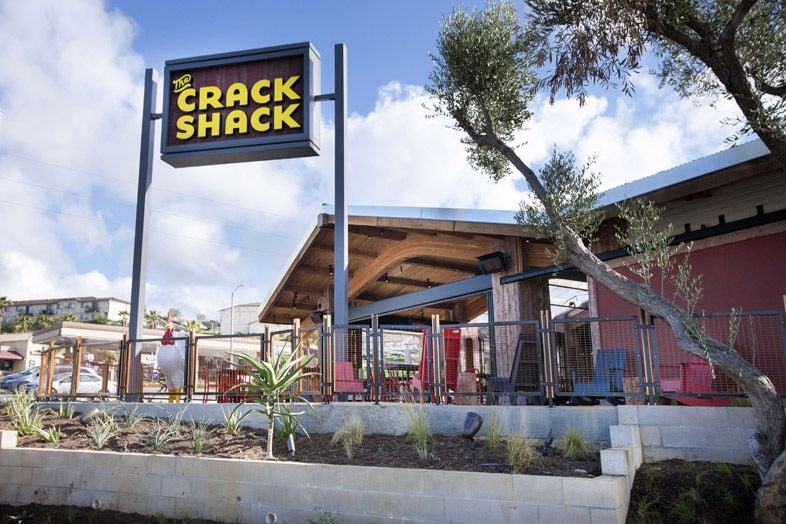
The Crack Shack

The new Crack Shack features a sandbox and chalkboard wall for ample playtime. Order a custom kids meal for your favorite human nuggets, and engage in a game of bocce ball or cornhole on-site without having to fly the coop.

407 Encinitas Boulevard, Encinitas, crack-shack.com

Lakefront Dining

Decoy Dockside Dining

Hugging the shoreline of Lake San Marcos, Decoy’s dining room and outdoor bar have prime views of the lake’s recreational boaters. The restaurant’s upscale hunting lodge decor is accented with roaring fireplaces for a cozy experience. When ordering, shoot for the game meats like bison, venison, and wild boar, or get hooked on the fresh seafood selections.

1025 La Bonita Drive, San Marcos, lakehousehotelandresort.com
The Best of North County 2017

The Best of North County 2017

Flower Child

Healthy Fast-Casual

Flower Child

This new Del Mar eatery crafts its fare with the food enlightenment philosophy “healthy food for a happy world.” The colorful, bright establishment has communal and patio dining, friendly walk-up service, and a fun menu overseen by Steven Molina, formerly of Kitchen 1540 and Delicias. We love the sweet corn and quinoa, crushed avocado toast with soft egg and black sesame seeds, yuzu Brussels sprouts, skinny Cobb, and healthy bowls, as do many other locals, proven by packed tables and a long but fast-moving line.

2690 Via de la Valle, Del Mar, iamaflowerchild.com

Veggie Side

Bob’s Steak & Chop House

Although this steakhouse is known for its prime cuts of beef, Bob’s signature staple is the glazed California jumbo carrot served whole with every entrée. The carrot, which is poached and braised in a brown sugar orange glaze, is so popular diners ask for the recipe to replicate it at home.

2100 Costa Del Mar Road, Carlsbad, bobs-steakandchop.com/carlsbad

​

Behind-the-Scenes Dinner

Seasons Restaurant

If you devour famous chefs’ memoirs and cooking shows, then you’ll savor the Kitchen Counter experience at the Four Seasons Residence Club Aviara, where you get a grill-side seat to watch the preparation of your five-course meal (the rotating menu includes octopus, duck breast, and a piña-colada-like tapioca dessert artfully arranged in a terrarium vase). Previously, only residence club members could score one of the six Kitchen Counter seats, but the restaurant opened to the public earlier this year.

7210 Blue Heron Place, Carlsbad, seasonsaviara.com

Seasonal Supper Club

Prepkitchen Del Mar

Chef Jordan Beall has launched a series of four-course pairing dinners. Imagine baby octopus salad with a riesling from Mosel, Germany; rabbit pot pie with fava beans, turnips, and buttermilk crust with an Anderson Valley pinot noir; prime rib au jus with an Y Rousseau Tannat from the Russian River Valley; and a decadent chocolate peanut butter cake with a Columbia Valley cab as a cap to a grand meal.

1201 Camino Del Mar, Del Mar, prepkitchendelmar.com

New Brunch

Hello Betty Fish House

Post up on the outdoor patio and snack on Betty’s Biscuits, sharp cheddar nuggets with sea salt and agave butter, charred strawberry, and serrano jam; a Baja bagel and lox with jalapeño cream cheese; Piña Colada French Toast with coconut milk, pineapple chunks, icing, and toasted coconut; or their famous smoked grilled fish tacos. Plus: bottomless mimosas for $15. Helloooooo, Betty!

211 Mission Avenue, Oceanside, hellobettyoceanside.com
The Best of North County 2017

The Best of North County 2017

The Miller’s Table

Neighborhood Eatery

The Miller’s Table

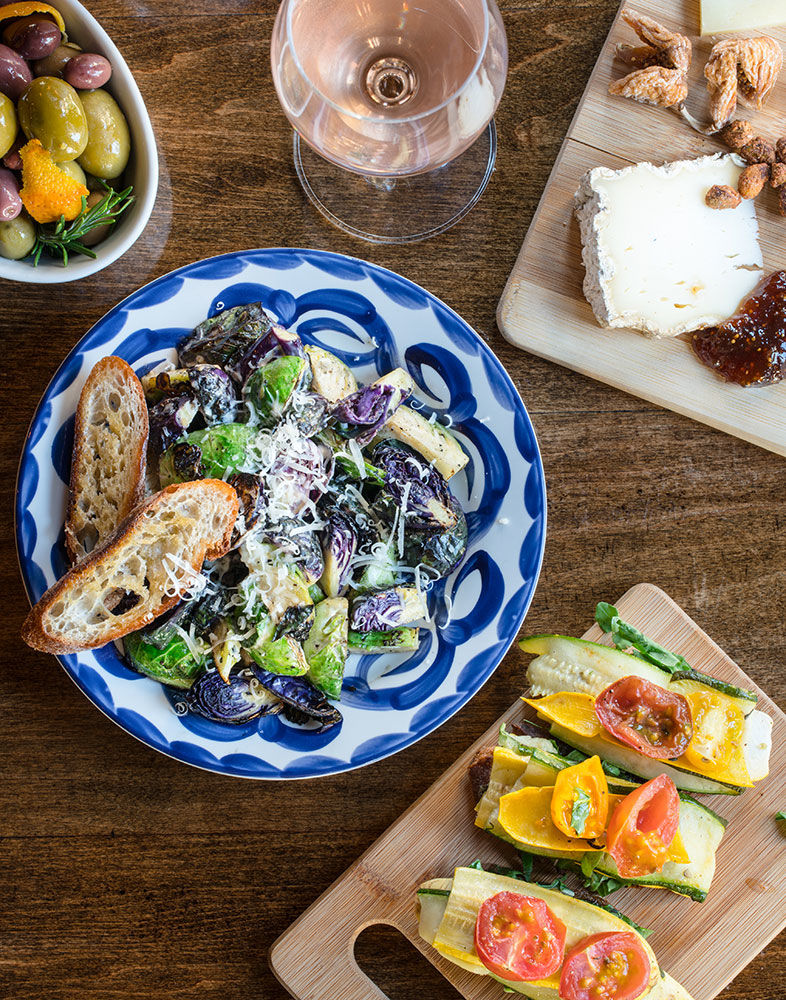
This new O-side spot celebrates the simplicity of the communal table and farm fresh eats. Look for a “Today Menu” inspired by seasonal farm veggies, Prager Brothers artisanal breads, herbed popcorns, vegan soups, meat and cheese boards, deconstructed crostini sandwiches like short rib and charred radicchio or gooey Gouda grilled cheese with apples and sage, paired with well-curated beers and wines.

514 South Coast Highway, Oceanside, themillerstable.com

Organic Farm

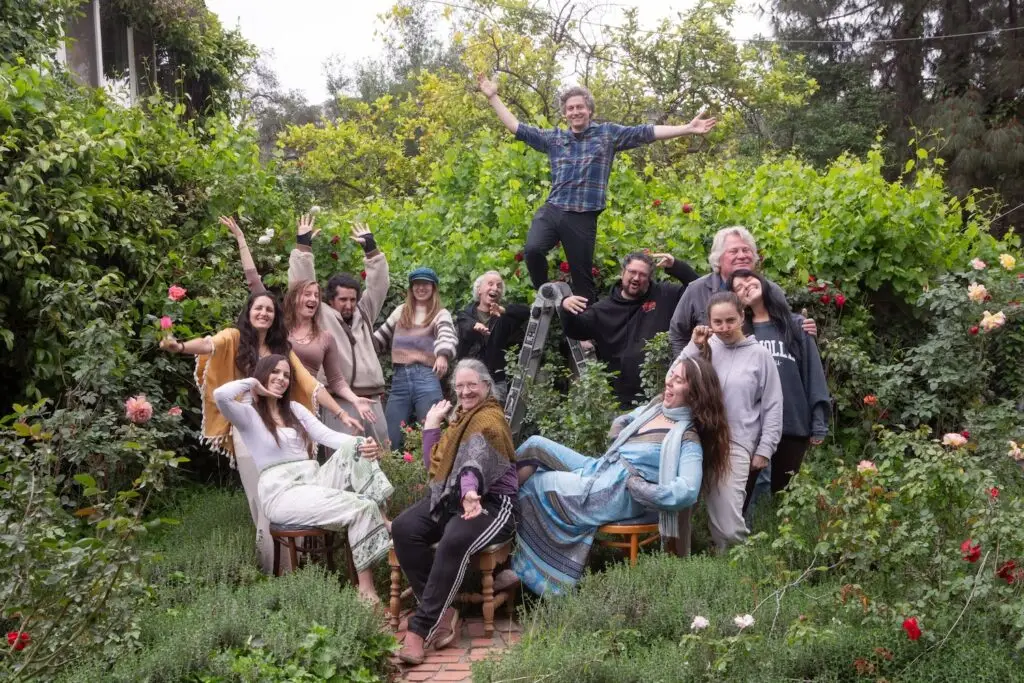
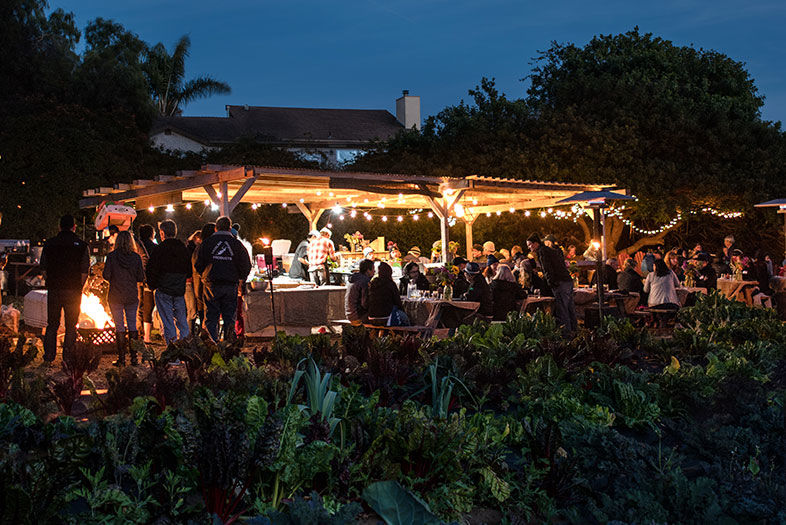
Cyclops Farms

Two years after taking to Kickstarter to become the first certified organic, non-GMO farm in North County, first-generation farmer Luke Girling has grown Cyclops Farms into an integral community player, partnering with schools on young-grower programs where students grow and sell their own crops to local restaurants, supporting zero-waste initiatives, and figuring out ways to eliminate urban food deserts. Last summer, he launched a hyper-local outdoor dinner series with wine and beer pairings, inviting talent from chef-run restaurants like Wrench & Rodent, The Privateer, and Local Tap House to prepare intimate meals on-site.

1448 Avocado Road, Oceanside, cyclopsfarms.com
The Best of North County 2017

The Best of North County 2017

Petal to Plate

Menu Creativity

Petal to Plate

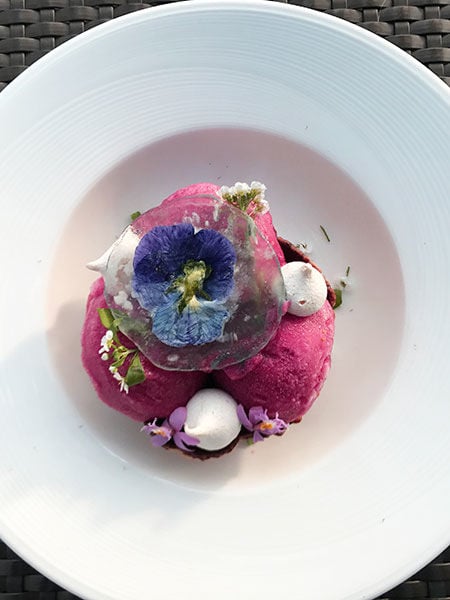
This month, the City of Carlsbad launches Petal to Plate, a 10-day celebration of flowers and food inspired by the nearby Flower Fields that extends to the area’s hotels and restaurants. The Park Hyatt Aviara Resort is serving a seared Baja striped bass with spring flower blossoms while Chandler’s Restaurant at Cape Rey, a Hilton Resort, will serve a mixed berry hibiscus sorbet. Bistro West Restaurant at West Inn & Suites will be offering a Field Of Dreams Martini made with strawberry vodka, elderflower liqueur, and pomegranate juice, topped with a rose sugar rim. Flower power!

April 20–30, visitcarlsbad.com

Upscale Deli

Moto Deli Sandwich Co.

With high-end ingredients—like hamachi, apricot mostarda, and pickled daikon—plus house-made potato chips and sandwich spreads, and starters such as shishito peppers and braised octopus, this is not your average deli. A liquor license is coming soon, so you can wash down your Cubano or Turketta with beer or wine; hours will also expand to include breakfast and dinner.

810 North Coast Highway 101, Encinitas, motodeli.com

Casual Night Out

The Privateer Marketplace & Wine Bar

After building a loyal following for four years, The Privateer Coal Fire Pizza opened a marketplace and wine bar next door last spring, bringing with it an incredible wine program and zero pretense—they even have stand-up comedy on Tuesdays. Come for the reasonably priced flights, stay for the house-made gelato and locally sourced charcuterie. Then come back for monthly meetings of the Oceanside Wine Society (born here) to sample vintages from Napa Valley to Valle de Guadalupe.

1704 South Coast Highway, Oceanside, privateer-marketplace.com

The Best of North County 2017

The Best of North County 2017

Butter & Crumbs

Giftable Desserts

Butter & Crumbs

Self-taught baker Chloe Stoddard, who counts her Sicilian and Korean grandmothers as cooking muses alongside Julia Child, makes delectable sweets to order from her home kitchen in Oceanside. Stoddard’s most popular items since her June 2016 launch are the Twix cookie, a shortbread cookie topped with softened caramel and salted milk chocolate, and the Coconut Cupcake, a fluffy coconut cake topped with cream cheese icing and toasted coconut flakes. Order treats for a friend or keep them for yourself—no judgment here.

butterandcrumbs.com

Smoothies

Banana Dang

It may be a coffee shop, but Banana Dang is equally popular for its smoothies, all of which contain its namesake fruit. Still need your caffeine fix? Order a “dirty smoothie,” which includes a shot of espresso.

115 South Coast Highway, Oceanside, bananadang.com

The Best of North County 2017

The Best of North County 2017

Handel’s

Ice Cream Towers

Handel’s

Triple scoops run standard when you order a single flavor at this Handel’s franchise, one of four in the state and the only location in San Diego. More than 50 flavors grace the menu, which changes daily, and all ice creams are made in-store. Flavors in rotation this month include green tea, made with a matcha base, and blueberry cobbler, a vanilla-based ice cream with a blueberry-sauce ribbon and cookie wafers.

90 North Coast Highway 101, Encinitas, facebook.com/handelssd

Coffee Import

Philz Coffee

Since its founding in 2002, Philz has been a Bay Area cult favorite (Mark Zuckerberg served its coffee at his wedding). After opening outposts in DC and LA, Philz brought its sustainably sourced, custom roasted and blended beans to the SD area, where customers sip on made-to-order pour-over brews, like the spring-perfect “Mint Mojito” iced coffee.

1060 South Coast Highway 101, Encinitas, philzcoffee.com

Coffee Bar in a Wine Bar

Sleeping Tiger Coffees

Can’t live without coffee and wine? This is your new spot for liquid courage. Just inside and to the left is the tasting room for Witch Creek Winery; to the right is Sleeping Tiger Coffees, opened by the winery last year. The coffee shop roasts its beans on-site and serves up single-origin pour-overs, cold brew on nitro, and house-made coffee syrups.

2906 Carlsbad Boulevard, Carlsbad, witchcreekwinery.com

Sunset Mai Tais

Chandler’s Restaurant and Lounge

The restaurant at Cape Rey Carlsbad serves up potent mai tais and live music at sunset, when guests can lounge by a fire pit and drink in the ocean views. It’s a tasty bit of paradise, complete with Jack Johnson–esque tunes, coastal cuisine, and a beachy vibe.

1 Ponto Road, Carlsbad, chandlerscarlsbad.com

Urban Wine Tasting

Carruth Cellars Urban Winery & Tasting Room

The second in a trio of Carruth Cellars winery projects, this stylish tasting room features roll-up garage doors, cool barrel stacks, a long, elegant tasting bar, and noteworthy single-vineyard wines from grapes sourced in Northern and Central California.

2727 State Street, Carlsbad, carruthcellars.com

Indoor Marketplace

Carlsbad Gateway Center

CGC is Carlsbad’s first “makers, office, industrial, commercial mixed-use project.” Businesses are selling flowers, offering college planning, teaching Pilates, customizing frames, hosting beer tastings, and more—all under one roof. Go local, go small, go often.

5650 El Camino Real, Carlsbad, carlsbadgatewaycenter.com

Upscale Happy Hour

Masters Kitchen and Cocktail

New executive chef Josh Richardi (formerly of Rancho Valencia and La Valencia) is in the driver’s seat at Masters, a former 1930s car shop turned comfort food and cocktail haven. The wallet-friendly happy hour features $7 root beer barbecue ribs, carne adovada (chili-braised pork) tacos, or ahi poke, plus $6 classic cocktails by local barman Nick Herda, who whips up tasty old-fashioneds, Moscow mules, and a festive Luau daiquiri with white rum, house vanilla, and pressed lime and orange.

208 South Coast Highway, Oceanside, mastersoceanside.com

Rule-Bending Brewery

Rouleur Brewing Co.

Part of the Brewer Igniter project in Carlsbad, this new beer hub is helmed by engineer, beer judge, and 10-plus-year homebrewer Rawley Macias, who is known for his hybrid beer styles with unusual ingredients that bend the rules. He’s also an avid cyclist—hence all of the bike-inspired beer names: The Domestique (blonde ale), The Sprinteur (red ale), The Puncheur (pale ale), The Grimpeur (dark ale), The Clydesdale (IPA), and The Soloist (golden strong ale).

5840 El Camino Real, Carlsbad, rouleurbrewing.com

Speakeasy

101 Proof

Tucked into the back of Urge Gastropub in a former bank vault, Oceanside’s newest speakeasy requires reservations, follows a dress code, and serves handcrafted Prohibition-style cocktails in a dimly lit room with vintage decor, a copper penny floor, and no-nonsense bartenders who take their spirits seriously. We suggest their pyrophilic potable, a rum bomb called the Boom Tiki Tiki with local Malahat rum, Appleton Reserve Jamaica rum, Apricot brandy, and fresh tropical juices—all of which is lit on fire and limited to two per person.

2002 South Coast Highway, Oceanside, 101proofoceanside.com

Wine Selection

Tasting Room Del Mar

With a wine cellar that boasts more than 1,400 bottles, Tasting Room Del Mar’s vino selection includes several hard-to-find labels from small-production wineries. Join the monthly wine club to get a taste of their collection, 40 percent of which comes from California wineries.

1435 Camino Del Mar, Del Mar, tastingroomdelmar.com
The Best of North County 2017

The Best of North County 2017

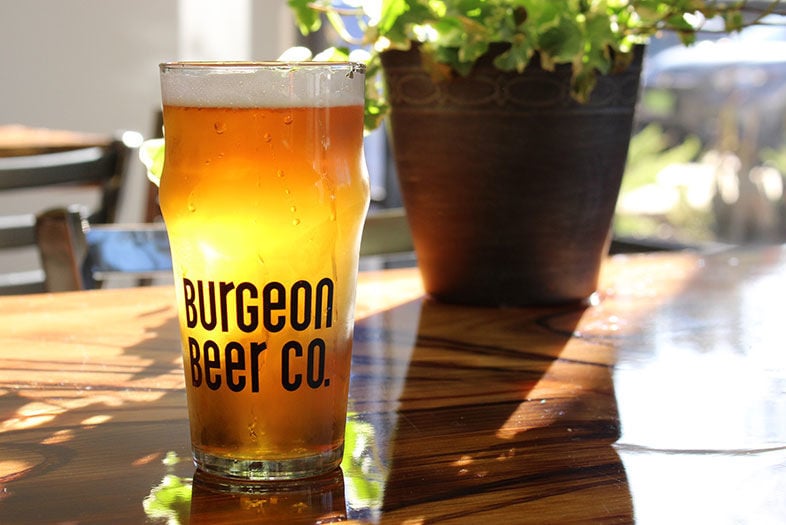
Burgeon Beer | Photo by Bruce Glassman

Yoga and Beer Combo

Burgeon Beer

This new brewery, the brainchild of three La Costa Canyon graduates, just opened in a warehouse across from McClellan-Palomar Airport and already has a following for its Northeast-style pale ales, Imperial stouts, and Crippler Double IPA. Food trucks visit daily and yoga classes take place on two Sundays a month. Bonus points for friendly beertenders.

6530 Yarrow Drive, Carlsbad, burgeonbeer.com

New BrewPub

Belching Beaver Brewery Tavern & Grill

San Diego’s fastest-growing brewery keeps expanding its suds kingdom. The newly minted tavern is a revamped Vista bank with 70 beers on tap, a private wine room set in a bank vault, a dog-friendly beer garden with fire pits, and hearty dining—including Cubanos, sausage sandwiches, pot pies, flatbreads, and pork chops—to soak up those strong stouts and IPAs. There’s even beer in the dessert—order one of their famed Belching Beaver Beer Floats, like their Milk and Cookies, a milk stout with cookie dough ice cream and a chocolate chip cookie.

302 East Broadway, Vista, belchingbeaver.com
The Best of North County 2017

The Best of North County 2017

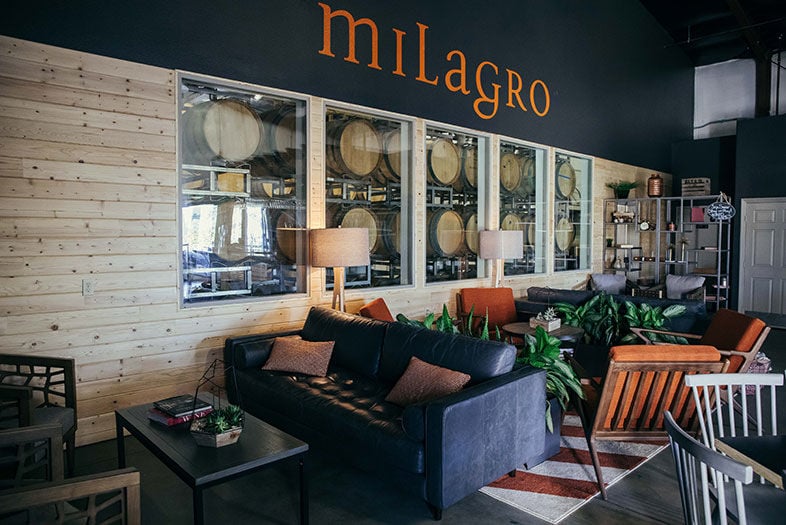
Milagro Farm Winery | Photo by Jim Sullivan

Wine Country Getaway

Milagro Farm Winery

Following a major renovation last fall, Milagro has debuted a chic new look plus a partnership with Whisknladle Hospitality (the team behind Prepkitchen, Catania, and the eponymous Whisknladle). The makeover includes a tasting room with classic board games and outdoor areas for the whole family—babies and fur babies included. They also host olive oil tastings and just introduced a food truck into the mix. With its setting on 110 bucolic acres in Ramona, the winery makes for a serene day trip less than an hour from downtown.

18750 Littlepage Road, Ramona, milagrowinery.com

Fire-Roasted Cocktails

Campfire

At Campfire, the same techniques of cooking over an open flame are used when mixing drinks. Order off the “from the fire” section of their cocktail list for unique flavors like grilled purple sweet potato, charred parsnips, ember-grilled quince, roasted beets, and smoked apple.

2725 State Street, Carlsbad, thisiscampfire.com

Spanish Food 

César

New to Fairbanks is César, San Diego’s incarnation of the well-loved Berkeley restaurant. Owned by husband-wife duo Richard Mazzera and Terumi Shibata-Mazzera, this temple of tapas draws from Richard’s past at Chez Panisse, meaning farm-to-fork is the name of the game. Not to be missed is the paella for two, the rotating list of tapas, and the bar manager’s creative cocktails.

16089 San Dieguito Road, Rancho Santa Fe, cesartapas.com
The Best of North County 2017

The Best of North County 2017

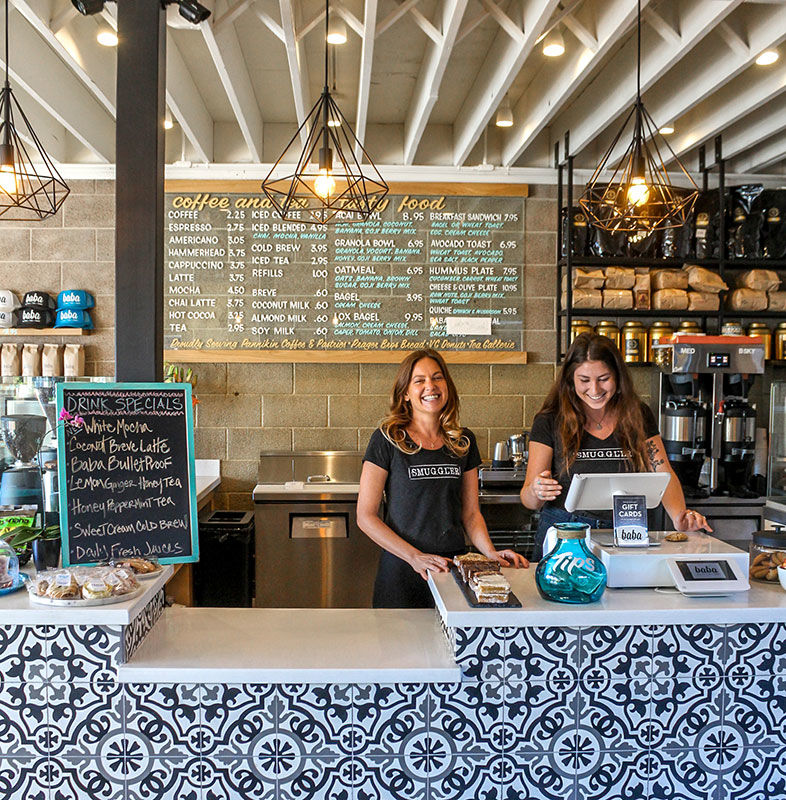
Baba Coffee | Photo by Sabrina Roulades

Caffeinated Happy Hour

Baba Coffee

In the morning, there’s a menu typical of top-notch coffee houses, with everything from avocado toast to acai bowls (with North County favorites such as VG Donuts, Prager Brothers bread, and Pannikin coffee). But from 4 to 6 p.m., Baba takes it a step further with $1 off craft beers, including local favorites like Mason and Modern Times.

2727 State Street, Carlsbad, babacoffee.com

Northern Exposure

When restaurants launch a new spot, they do it downtown. When they want to grow their empire, they look to North County.

By Anastacia Grenda

The Best of North County 2017

The Best of North County 2017

The Crack Shack Encinitas | Photo: Paul Body

For years, when I wanted to check out the hottest new restaurant in Little Italy or North Park it was a production—navigating freeways at rush hour, hunting for parking, and wolfing down dinner so I could get home before paying the sitter overtime. But now a night out is as simple as a five-minute surface-street drive, with the city’s buzziest restaurants opening North County outposts.

In 2011, Urban Solace opened a sister restaurant, Solace & the Moonlight Lounge, in Encinitas, and the Gaslamp’s Searsucker birthed Burlap at Carmel Valley’s Del Mar Highlands Town Center. They were followed by Davanti Enoteca (first in Little Italy) and Snooze, an A.M. Eatery (from Hillcrest), both at Del Mar Highlands; Cucina Enoteca, a Cucina Urbana offshoot, at Del Mar’s Flower Hill Promenade; and Napizza (from Little Italy) in 4S Ranch and, soon, Encinitas. The trend is hotter than ever at the Encinitas locations of The Taco Stand, The Crack Shack, and Breakfast Republic, where lines are out the door.

Not every transplant took root—Carnitas’ Snack Shack and Solace’s Sea & Smoke closed, and Burlap rebranded as Searsucker—but the North County migration is still hot. Coming soon to a North County neighborhood near you: Waypoint Public and Piacere Mio (Del Sur Town Center), Grater Grilled Cheese (Del Mar Highlands), and an offshoot of Buona Forchetta (Encinitas).

Back to top^


The Best of North County 2017

The Best of North County 2017

Golf Course Revival

Goat Hill Park

After more than a decade of public political battles and a brief closure, the first golf course in San Diego County reopened last year, rolling out major overhauls to its driving range, pro shop, bar and lounge, and irrigation system, plus a massive retrofit for reclaimed water. Under the leadership of golf legend (and Oceanside local) John Ashworth, who acquired the land in 2012 when its dirt fairways were good for little more than nostalgia, the public course’s ocean views, relaxed vibe, and welcoming attitude attract families and pros alike because it respects the neighborhood’s history, right down to its slogan: “World class. Working class.”

2323 Goat Hill Drive, Oceanside, goathillpark.com

Quick Workout

9Round Fitness

Practice uppercuts and jabs with a pro at this Carlsbad facility, which has nine kickboxing stations available at your convenience with no set class times. Under the watchful eye of a trainer, 9Round’s 30-minute circuit renders your “lack of time” excuse null and void. And with new routines daily, this innovative boxing program is also ideal for those prone to fitness fatigue.

6994 El Camino Real, Carlsbad, 9round.com

High-Energy Workout

Equinox La Costa Firestarter Class

This is not your granny’s step aerobics. The new Firestarter Class at the Carlsbad Equinox enlists a bench and your own body weight for a high-intensity interval training class that features brief but challenging pushes intermixed with strength training segments. It’ll light a fire under those who’ve hit that dreaded plateau.

7710 El Camino Real, Carlsbad, equinox.com

New Wellness Experiences

Spa at Fairmont Grand Del Mar

The resort’s Forbes Five-Star spa has launched its new Wellbeing Retreats, a four-part mindfulness series led by brain researcher Jim Cahill. Mind-body topics include dreaming yoga and lucid dreaming, the neuroscience of emotional balance, painless habit change, biofeedback and psychophysiology, and more. In conjunction, the spa’s new signature treatment—Fundamentals of Wellbeing—is a bespoke therapy based on an in-depth wellness consultation and may include various modalities like herbal reflexology, aroma rejuvenation, hydrotherapies, and connective tissue massage.

5300 Grand Del Mar Court, Carmel Valley, fairmont.com
The Best of North County 2017

The Best of North County 2017

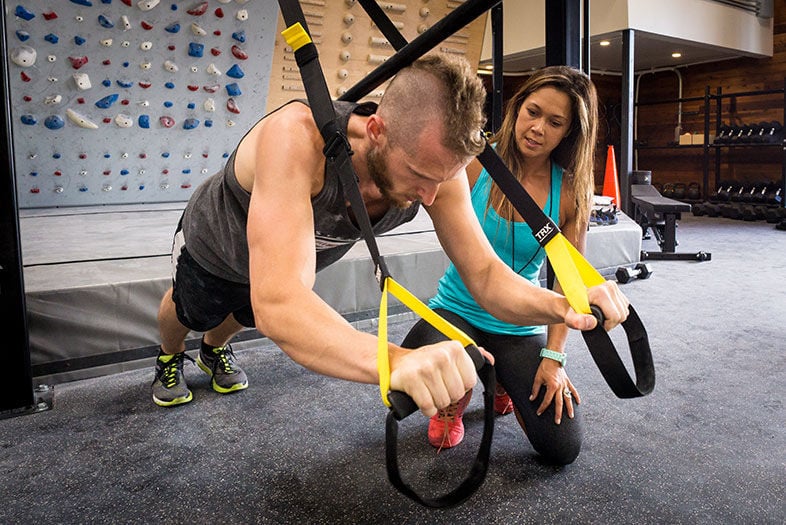
Vital

New Gym

Vital

Roll-up doors, a cedar-planked exterior, warehouse-high ceilings with night-sky lighting, and a floating yoga studio and loft overlooking hundreds of bouldering routes: Meet the stunning new Vital gym on South Coast Highway. The 24-hour facility far surpasses everything in the area in terms of size, aesthetic, and amenities, including shoe rentals, yoga classes (everything from vinyasa to acro), a kitchen and café, weight area, slack line, and—most importantly—community.

525 South Coast Highway, Oceanside, vitalclimbinggym.com

Back to top^


The Best of North County 2017

The Best of North County 2017

Redesign

L’Auberge Del Mar

Los Angeles interior design maestro Barclay Butera has superbly reimagined the seaside hotel’s 121 rooms and suites with nature-inspired colors: ocean blues, sea-glass greens, and soft tan hues. Layered details include infused damask prints, patterned wall coverings, handsome stripe-style carpeting, oversized blue-green accent pillows, and custom bedding. Modern beach flair at its finest.

1540 Camino Del Mar, Del Mar, laubergedelmar.com
The Best of North County 2017

The Best of North County 2017

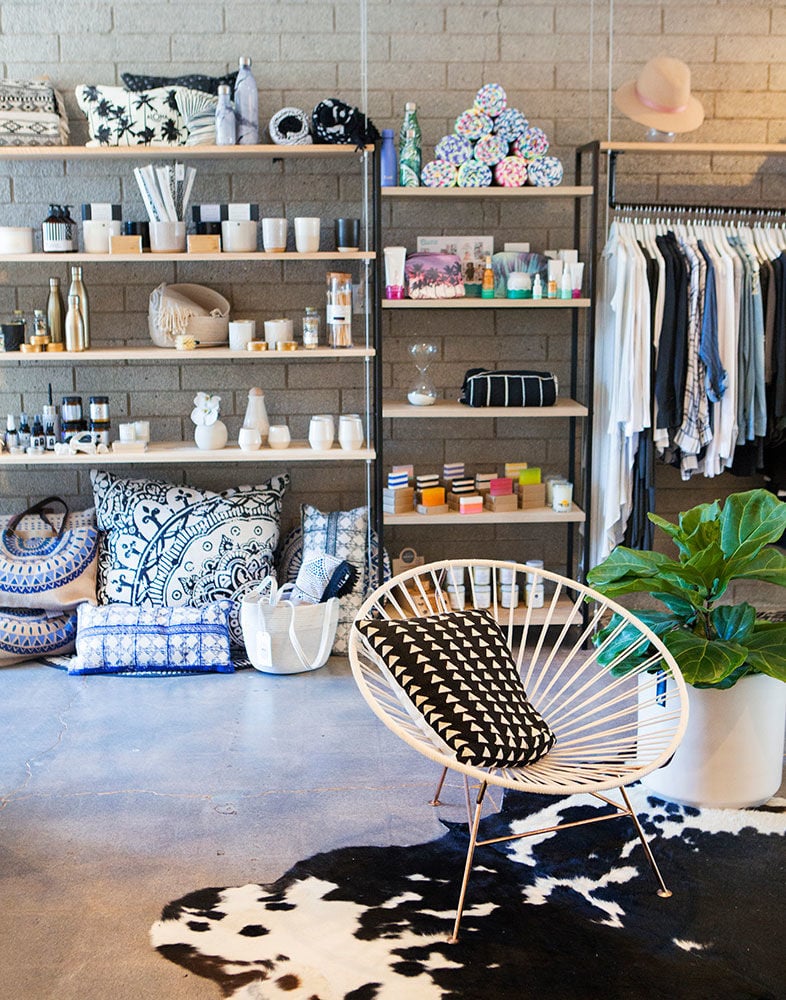
Sea + Wander | Photo by Becca Batista

One-Stop Shop

Sea + Wander

Owner Maria Thornton brings her Manhattan style to Cardiff, with this new storefront that stocks women’s, kids’, and baby clothes in effortless styles, plus darling giftables. Thornton’s great taste and mix of East and West Coast brands make time management a little easier for busy moms on the go.

154 Aberdeen Drive, Cardiff-by-the-Sea, sea-and-wander.com

Gift Boutique

Hello

Expect a handwritten thank-you note if you give a gift from this surprising strip mall store that has NoCo moms buzzing. Choose from polished heart-shaped stones, goat milk skin-care products, soy wax candles in scents like jasmine bamboo, Billabong tops and sweaters, and more. Plus, there’s a treasure-filled kids’ section in back with mini aviator glasses, stuffed animals, art supplies, and whimsical hair accessories.

123 North El Camino Real, Encinitashellogiftboutique

​

Handcrafted Skateboards

Sanford Shapes

This family-run skateboard company started in a Leucadia garage with brothers Josh (16) and Robby (20) learning woodworking from their uncle Don. Their artful handcrafted boards have surf-inspired shapes and natural color palettes via hand-cut wood veneers (no stains, no paint). Buy ’em at McGills, Hansen’s, and Concept Surf, or custom-design your board online.

sanfordshapes.com

The Best of North County 2017

The Best of North County 2017

Sanford Shapes

Nighttime Shopping

South O Walkabout

Every second Wednesday from 5 to 8 p.m., businesses along South Coast Highway between The Privateer Coal Fire Pizza and Urge Gastropub stay open for locals to mingle during this free event. Stores offer samplings, treats, and promos, while restaurants and coffee shops dole out discounts and specials. Walkers can also enjoy live entertainment.

South Coast Highway between Whaley Street and Vista Way, South Oceanside, facebook.com/southowalkabout

​

Kids’ Clothes

Mini Market

For the latest in micro fashion, head to this posh new boutique in Flower Hill Promenade. It’s helmed by Andrea Van de Vort; her namesake women’s boutique is located in the same plaza. Look for hip brands like Mad about Mini and the locally designed Rylee and Cru. Your little mini will be the best-dressed kid on the block.

2710 Via de la Valle, Del Mar, shopminimarket.com

High-Tech Facial

Ocean Crest Spa

The under-the-radar and unpretentious Cape Rey Carlsbad hotel is a hidden gem—a stone’s throw from the beach, with a full-service day spa to boot. Its Signature Ultimate Renewal Facial combines red-light therapy and microcurrent technology, which work wonders on fine lines, acne, and sun spots. At 80 minutes, it’s pure indulgence followed by fresh, dewy skin.

1 Ponto Road, Carlsbad, oceancrestspa.com

Natural Cosmetics

SMD Cosmetics

This all-natural skin care and cosmetics line started in South Korea and has now grown into an international brand with owners based in San Marcos. SMD’s products are backed by formulas that are 10 to 15 years ahead of the competition. Inhyunjin is the top-selling anti-aging line, but it’s the Saromae Quintessential Snail Serum Concentrate that SMD can’t keep in stock due to its ability to repair and brighten skin.
smdcosmetics.com

The Best of North County 2017

The Best of North County 2017

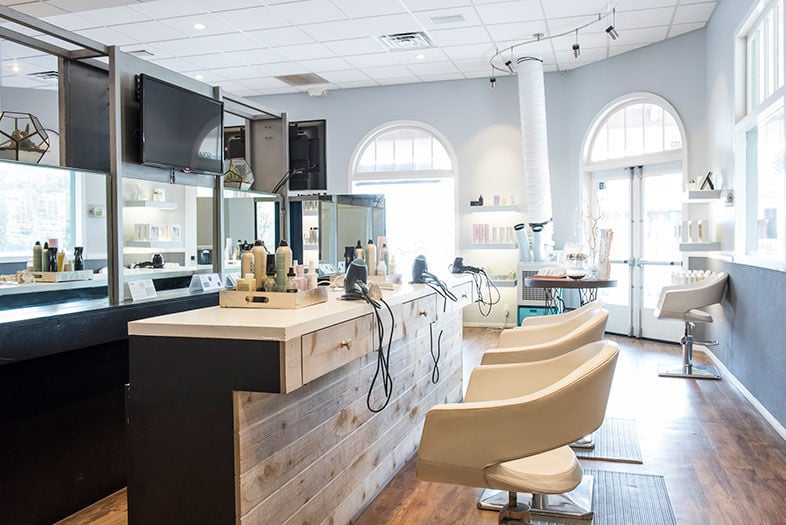
Pure Blowout and Color Bar

Beauty Club

Pure Blowout and Color Bar 

This friendly blowout bar, owned by local Jamie Deberry, is a bright and airy addition to The Lumberyard scene. Pure’s color bar adds a new twist, so patrons can touch up those pesky grays or try a new shade. The salon also offers memberships like “The Addict,” which includes four blowouts, one deep condition, and more for $120 per month.

1031 South Coast Highway 101, Encinitas, pureblowoutbar.com

Body Treatment

Driftwood Spa

This once members-only spa at the Four Seasons Residence Club Aviara is now open to the public. The new spa menu includes a French green clay and seaweed detox wrap that begins with a gentle body brushing before your body is coated in a clay mask and wrapped in warm towels for the mineral-rich formula to work its magic. To top if off, there’s a nap-inducing head and scalp massage.

7210 Blue Heron Place, Carlsbad, fourseasons.com/northsandiego
Back to top^


The Best of North County 2017

The Best of North County 2017

creative Space

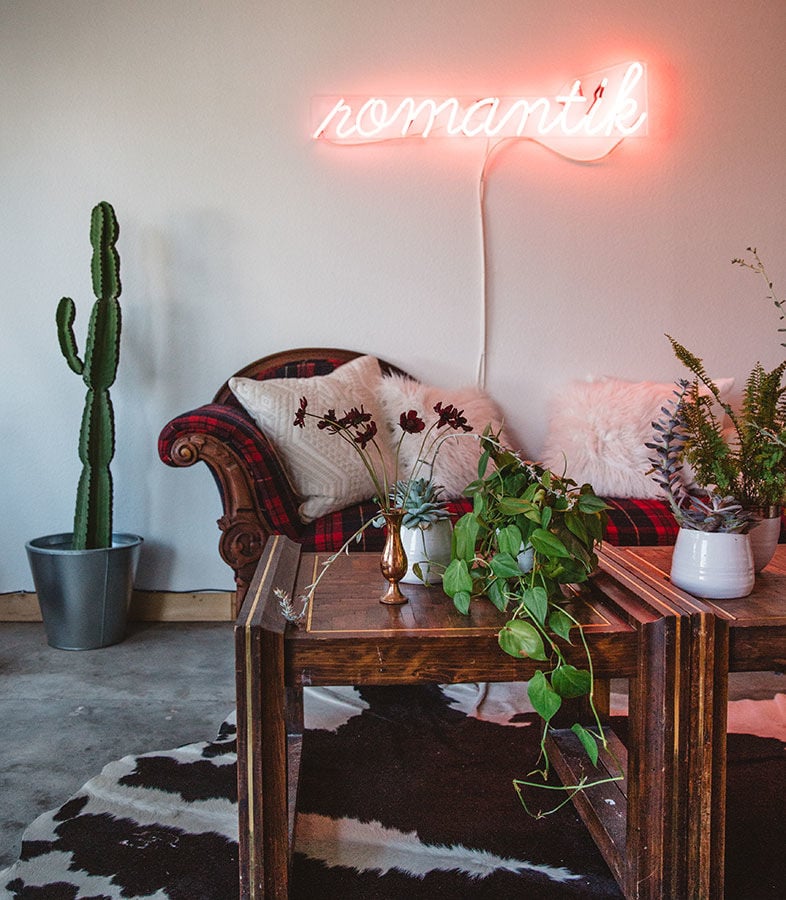
The Romantik Studio

When floral designers Rachael Ann Lunghi, owner of Lace and Likes and Siren Floral Co., and Kasia Mikulska, owner of Plenty of Petals, founded their new workspace, they knew they wanted to share it with others. They will be using the 1,600-square foot space for collaborative projects with other creatives and holding floral-related workshops.

5631 Palmer Way, Carlsbad, theromantikstudio.com
The Best of North County 2017

The Best of North County 2017

The Romantik Studio

New Chapter for a Library

Dove Library

Last June, the La Costa–area library reopened after an $11.6-million remodel (which included its sister institution, the Georgina Cole Library). The result: an airy, contemporary look, upgraded technology, and improvements to the Ruby G. Schulman Auditorium, which is home to concerts, film screenings, and author talks. A new café will open soon, with courtyard seating and the William D. Cannon Art Gallery.

1775 Dove Lane, Carlsbad, carlsbadca.gov

New Podcast

Wild Ideas Worth Living

Journalist, adventurer, Surf Diva instructor, and Solana Beach resident Shelby Stanger interviews people who push the limits, like surfer and shark attack survivor Bethany Hamilton and Dean Karnazes, who quit his corporate job and became an ultramarathoner. Fresh and intriguing, Stanger’s podcasts empower listeners to shake the mundane and chase their own wild idea.

wildideasworthliving.com

Networking Group

Boss Babes Brunch Club

A “non-networking network” that brings together female creatives, entrepreneurs, and businesswomen, the Leucadia-based Boss Babe Brunch Club launched last August under the guiding principle that “empowered women empower women.” And that’s exactly what cofounders Alisha Ochoa (North County) and Brandi Daniels (Los Angeles) do, through ticketed workshops and social events ranging from yoga and meditation to goal-setting seminars with Tony Robbins’s team.
bossbabesbrunchclub.com

Back to top^

The Best of North County 2017

Monthly Wine Dinner at Cyclops Farms

Subscribe to our newsletters

Select Options

By subscribing you confirm that you agree with our Terms and Conditions and Privacy Policy.

Arts & Culture SEPTEMBER 11, 2026

San Diego FC’s Vision Goes Beyond the Soccer Field

A conversation with Sebastián Morúa on art, community, and why the club’s future heroes should include the creatives helping build it

San Diego FC’s Vision Goes Beyond the Soccer Field
Photo Credit: Xavier Hernandez

Sebastián Morúa is the Senior Vice President of Brand & Innovation for San Diego FC. He oversees Playmakers, the program through which the club has, over the past three years, engaged with over 80 working artists—not as marketing partners, but as co-creative directors.

Morúa didn’t build Playmakers as a community-outreach program bolted onto a Major League Soccer franchise. He built it as the identity of the franchise. When we sat down, he talked about the World Cup, San Diego’s creative workforce, his challenge to other sports franchises in the city, and the mural of heroes he hopes people will see one day when they close their eyes and picture San Diego FC.

Claire Johnson: Why does an MLS team invest in arts and culture?

Sebastián Morúa: I want to answer that in two parts. Philosophically first—because I think what you’re really asking is why should any sports team do this when most don’t.

Sport is a platform for transformation. It has proven that over and over. We saw it this summer with countries participating in the World Cup for the first time and what that did in their home countries—the sense of self-identification, pride, possibility. That is the power of sport.

When you take a sports team that’s fueled by that principle and understands what it could mean for other stakeholders in a community, you start to think about what you can accomplish in collaboration with them. One of those stakeholders, very early on, was the creative community. If we were going to build a team that represents this place and its people, we needed to go to the source. Artists are uniquely positioned to translate the essence and the soul of a community. When you zoom out and look at the multitude of artists in a place, you start to see the fabric of that local culture. That’s where the sense of pride and possibility gets unlocked.

But you’re also San Diego FC specifically. That matters.

Our mission is to create opportunities for talent to flourish and make San Diego shine. That means the club is a platform. When we started doing the early research for the brand, we brought artists into our focus groups. The response was immediate. There was a clear need. In 2024, we ran the first full year of what became Playmakers, working with more than 20 artists to help us tell the story of how San Diego FC could weave 18 distinct communities together.

We’re in the business of developing communities through sport. We’re not in the business of fútbol to entertain communities. That is an outcome—but not the purpose.

When you started, were you thinking about the profitability of this type of program?

No. I wasn’t thinking about where this was going or how much it would cost. It instinctively felt aligned with our organizational purpose, and we made a decision to go for it. Now it’s become what it’s become.

What does Playmakers look like in 10 or 20 years?

If a fan closed their eyes 20 years from now and tried to paint a mural of the heroes that make up the club, they would see a big percentage of Playmakers artists on that mural. Ask any fan about the team they’ve supported for decades, and they’ll tell you about players, maybe a coach, maybe an owner. We’re expanding that. In our mural, there’ll be artists, entrepreneurs, community leaders, youth coaches. The community will be present.

Three to five years from now, Playmakers is an established community of creatives who have co-directed the identity of the club and the evolving identity of San Diego. If we keep the pace we’ve kept, we should have collaborated with 150 to 200 artists whose stories we’ve told and whose next steps we’ve helped support.

What would you tell another organization considering this kind of investment?

There’s a huge benefit for us as a club and as a brand. This is symbiotic. The artists have a need, we can support that need, and in return the community cares more about our club because of the investment we’re doing in the community. That’s what I would tell another organization.

What excites you most about how San Diego is changing?

San Diego is waking up to how much it has to offer the global conversation around culture. There’s a purity to life here—partly because of the weather, which allows us to spend so much time outside, in nature—and that exists alongside this incredible richness in food, music, art, and now sports.

I have a sense that San Diego is ready to unlock its full potential. You see it in the artists and creatives here. They’re ready. There’s very little hesitation. It’s more like: “Hell yeah, of course I want to do this. I know I’m talented. I’ve been waiting for something like this.”

That energy, combined with the unique lifestyle and character of this place, creates a really exciting sense of what San Diego can become in the years ahead.

Is there a question I should have asked you that I haven’t?

I would ask: What would you say to the other big players in San Diego who are—or could be—shaping the cultural fabric of our community? Do they understand the symbiotic benefit? Are they supporting it?

Because Playmakers, in the end, is a cultural compass. It’s making sure that San Diego still feels—and will always feel—represented in the creative process of building San Diego FC and what that means for San Diego.

The pitch is a canvas. Athletes are painting collectively during every game. There is a story in every game. That’s the link between sport and art. At the core, it’s the same creative process.

Arts & Culture Q&A
Arts & Culture SEPTEMBER 4, 2026

What’s Next for Arts and Culture in San Diego?

Artists and advocates are building a more sustainable creative future through public funding, political organization, and cross-border collaboration

What’s Next for Arts and Culture in San Diego?
Photo Credit: Katie Gardner & Matt Furman

This is part of a three-part series. This is Act III. See Act I and Act II here.

The Future

We’ve been here before.

In 2012, city funding for the arts and culture in San Diego had eroded. As a corrective, the city council unanimously approved “Penny for the Arts”—a promise to dedicate roughly one penny of every dollar spent on hotel rooms (the Transient Occupancy Tax, or TOT).

The logic was fair and sound: Cultural institutions and events help attract visitors. Those visitors pay hotel taxes. So, the people agreed, some of that hotel-tax revenue should go back into maintaining the cultural ecosystem that helps bring those visitors and that money.

Projected as a five-year plan, the measure was supposed to increase funding to $17.9 million by 2017.

It never did. The penny was never guaranteed, so each year the city used part of it for other priorities. By 2023, the money going to arts and culture was up to about a half a penny. Even as TOT revenue has gone up significantly.

In 2019, TOT revenue was $245 million.

In 2025: $325 million.

One fix would be to guarantee the penny. Not simple, given San Diego’s financial woes. But the alternative—eroding the culture that makes San Diego San Diego, give it its identity—also doesn’t feel wise. Plus, even a locked percentage still rises and falls with tourism, which is why culture advocates want a guaranteed floor on top of it.

Another solution would be to give the arts commission actual authority.

“It’s an advisory body,” says arts commissioner Kamaal Martin. “You’d be hard-pressed to find anybody who takes our advice.”

Photo Credit: Katie Gardner & Matt Furman

He described the commissioners debating real, consequential questions this year, like whether and how to divide the cuts between funding pools. But those conversations “don’t connect to whoever’s actually deciding,” Martin says. “We haven’t been entrusted with decision-making about relevant things nearly enough.”

Christine Martinez is building political infrastructure through her organization Arts+Culture:San Diego—which is starting a 501(c)(4) lobbying structure not unlike police and fire unions. Martinez is also keeping her community actively engaged. “We won’t be caught off guard next year like we were this year,” she tells me.

Then there’s the evergreen issue of affordability and accessibility. Kiplinger’s most recent report ranks San Diego as the 11th most expensive city in the US, based on cost of living. The average home value is $980,700 (the US median is $540,000), but San Diego’s median household income is only one-third greater than the national level. Rent is also 66 percent higher than the national average ($2,716 vs. $1,636).

This is why San Diego has long suffered from the creative brain drain—creatives leaving for more affordable cities. “Artists are free to live wherever they want, and they will go where the rent is affordable,” says Jennifer de Poyen of Space 4 Art. “When they leave, they take their gifts with them, and their contributions, and their economic impact.”

One saving grace is the presence of Tijuana, where the cost of living is about 60 percent lower than San Diego, per Numbeo. Tijuana has long functioned as an affordable neighborhood for many in San Diego’s creative culture. It’s part of the reason why the binational identity is such a constant in our galleries, music, theater, murals, and culture. While that cross-border blood flow is one of San Diego’s most compelling attributes, few artists living that life would call it convenient or easy. A city is at a disadvantage when its culture creators have to cross a border to go home at night, and cross again the next morning to work.

In May, San Diego County Board of Supervisors approved a $2.75 million arts initiative of its own. It includes an Artist Space Grant Program aimed directly at the affordability crisis, as well as an artist-in-residence program, a dedicated Binational Creative Economy Investment, and a one-time investment in the Black Arts and Culture District in Encanto.

Bob Lehman of San Diego Art Matters has been doing county-level, binational organizing for years; in 2023, he helped get the county’s arts commission reestablished after 30 years of defunctness. That’s important because it gives arts and culture an official seat in county government, advising the County Board of Supervisors on arts and culture policy. He also brought in consultant Laura Zucker, who ran LA County’s arts program for three decades, to build a real regional plan.

“I really believe we’ll have something set up here that other communities come and look at,” he told me. “A national template other cities come to learn from.”

When asked who decides which artists will get the new grant money, county arts commissioner and executive director of the Chicano Park Museum and Cultural Center Monica Delgadillo Hernandez doesn’t hedge.

“That’s part of the infrastructure we’re going to be building,” she says. “What should a panel of reviewers look like? Should it be the commissioners? Should it be other folks? A supervisor?” She was just as candid that the commission itself doesn’t reflect San Diego’s population—Chicano communities are roughly a third of the city, she tells me, “and that’s not represented at the table yet.”

Photo Credit: Katie Gardner & Matt Furman

What Other Cities Prove Is Possible

The great news is that none of these solutions have to be invented from scratch. Numerous cities serve as examples of what’s possible—if we have the will.

Jonathon Glus—Prebys Foundation Senior Fellow for Art & Design, the Executive Director of the Art + Design District, and board president for California for the Arts—worked in Houston before coming to San Diego. The Texas city dedicates 74.5 percent of its hotel tax to arts grants by formula, and that support is guaranteed. Washington, DC locked in dedicated arts funding in 2019. Salt Lake City, my hometown, has run a voter-approved arts tax for almost 30 years, most recently reauthorized through 2034. And just this summer, New York City pushed cultural funding to a record $323.8 million, even incorporating an emergency fund.

Denver’s model is interesting because instead of a city-dependent funding model, theirs is a 0.1 percent regional sales tax. In place since 1988 and renewed by voters three times, their Scientific & Cultural Facilities District has distributed between $54 million and $85 million to arts, culture, and scientific orgs—each of the last 12 years.

This is part of a three-part series. This is Act III. See Act I and Act II here.

None of these cities got there by accident. They decided, on purpose, that arts and culture were worth protecting from politics—and, in some cases, worth building an entire identity around.

“That’s how Miami has flipped the switch,” says Glus. “People go to Miami for culture as much as they do the beach.”

San Diego has spent decades selling itself backward: Beach and weather first, culture as an afterthought you might stumble into. Glus would love to see the strategy flipped: Visitors should come for the art, “and then, by the way, you’re on the beach.”

Photo Credit: Katie Gardner & Matt Furman

So What Happens From Here?

“I do think it was a wake-up call for the community,” de Poyen says of the budget fight. “People understand that our funding is vulnerable. It was a lesson in how much power people have when they coalesce. But wow, is it painful.”

Glus says he’s genuinely optimistic. “The players have all changed seats, but the work is moving forward.”

“I believe optimism is a moral duty,” says Martin, who’s both power-fist and polite.

In eight months, there will be another budget fight. Everyone I talked to expects it will be worse. But something happened this spring that can’t be undone.

“I hope this rupture has brought us together in a moment of self-realization,” says Leticia Gomez Franco of the Balboa Art Conservation Center. “I hope we stop being so transactional; we begin to see ourselves and each other as partners in this work.”

That’s the whole ask, really. And it’s on all of us.

This is part of a three-part series. This is Act III. See Act I and Act II here.

A

About Aaryn Belfer

Aaryn Belfer is a writer and editor specializing in nonfiction across art, architecture, and culture. Once upon a time, she wrote a provocative column for San Diego CityBeat (RIP). She was a runner up in the 2025 Matchbook Stories contest at the San Diego Central Library and is irrationally happy about it. Currently in her Soft Girl Era, Aaryn has expensive taste in (mostly flat) shoes and will choose a great art exhibit or live jazz concert over almost anything else. Except, possibly, Javier Bardem.

Art Arts & Culture
Arts & Culture SEPTEMBER 4, 2026

How San Diego Became a City of Art and Culture

The history, communities, and creative movements behind a cultural scene that extends far beyond the city’s postcard image

How San Diego Became a City of Art and Culture
Photo Credit: Katie Gardner & Matt Furman

This is part of a three-part series. This is Act II. See Act I and Act III here.

Without concrete, wildflowers are just weeds. Any honest history of San Diego art and culture is tension and its reckonings. It begins before the name existed, with the Kumeyaay. It must pass through the Panama-California Exposition, one hell of a county fair that conjured Balboa Park as our grand cultural stage. It pays tribute to the lights of La Jolla, where the donor pool helped realize unrealizable things. It should mention names like Marston, Scripps, Ochoa, DeWitt, Lopez, Klauber, Baldessari, Torres… so many.

In short spaces like this, long histories like that become roll calls. So this is more of a walk through pressure points, notes on recurring forces and regional oddities.

Border life is key to understanding the here of here. Art without dialogue is just decoration. At its best, that dialogue should be a tad muddy, emotionally gassed. In other words, it should be in need of art—to widen perspective, parse meaning, see the unseen.

San Diego’s central dialogue—the magic and the stressor—is being flatmates with Mexico’s second-largest city by population. That makes San Diego a swing-gate of shared and vastly different perspectives, both its own place and something larger. And in no other major city in the US do the fresh flow of ideas from two countries—different governments, laws, mores, expressions, arts, cultures, traditions, economies, loves, and resentments—mingle at such a constant daily rate (due respect to El Paso).

That binational steam created Chicano Park, one of the most uniquely San Diegan contributions to national and international culture. When construction of the I-5 and Coronado Bridge divided Logan Heights, neighbors protested by transmuting prejudicial concrete into redwoods of Chicano art. Turning a civic wound into a beautiful and enduring landmark that expressed and preserved a core identity—like East Side Gallery in Berlin or Constitution Hill in Johannesburg—is damn near the core of what art is supposed to do.

Like any city, the underground-overground friction is crucial in San Diego. Our culture is headlined by institutions that lift creative work onto national and international stages: MCASD, The Nat, SDMA, Centro Cultural de la Raza, the Symphony, WorldBeat Center, The Old Globe, La Jolla Playhouse, Mingei, Museum of Us, Stuart Collection, Timken, ICA, Comic-Con, etc. The next mutations grow in the seams: street murals, music dives, tattoo shops, wheatpasted walls, graffiti, lowriders, surf and skate art (though in San Diego, this is mainstream), pop-up shows, backyard shows, beach raves, any place with room for people and a loose relationship with regulations.

Photo Credit: Katie Gardner & Matt Furman

Both art and culture get their power from power. They’re fundamentally a conversation with and retort against dominant structures. San Diego’s most pervasive structure is arguably the most rigid form: the military. Its presence is heavy in the southern tip (Border Patrol), the middle (Navy and MCAS Miramar), and northern edge (Camp Pendleton). The military is San Diego’s largest employer, by a long shot.

Within this plus-sized environment of order and hierarchy, it’s understandable that Shepard Fairey’s “OBEY” posters in the late ’90s struck such a potent chord. The most compelling punk rock is often outside a strong governor’s window. (The “OBEY” series featured an ominous, propaganda-style André the Giant wheatpasted on random ugly surfaces across San Diego—launching Fairey’s style that he eventually used for Obama’s “HOPE” poster.)

Armed forces are often viewed as the absence of creative culture—understandably so, since rogue individual expression feels like a pretty sure way to sink a war effort.

But in San Diego, the Navy’s unsuspecting role as art creator—directly or indirectly—is hard to ignore. Tattoos are a dawn-of-time practice of many early cultures, including the Kumeyaay. But Polynesia was a core realm. Sailors were exposed to it on deployment in the Pacific Rim, inking their arms with the names of loved ones and unit insignia. Back in San Diego, they’d flaunt those tats in the beaches and bars of Mission Beach or PB (Marines did the same in Oceanside.) Enlistees were the muscular flesh galleries that helped turn skin art into one of the city’s most widespread modern art forms.

During WWII, the military also trained huge legions of San Diego laborers how to build war machines. Those mechanics, engineers, machinists, welders, painters, and metal fabricators used those skills for creative good in their neighborhoods—especially in custom car culture, which took off in the post-war ’50s and ’60s. Mexican-American vets helped develop the lowrider scene, a deeply rooted part of San Diego creative expression. Galleries on slow-moving wheels.

Tourism is the other mainstream force ripe for creating against. It is both critical to San Diego’s economy, and one of the greatest barriers to deeper, more nuanced expressions of what and who San Diego is. The industry of selling our city to passers-through creates a gigantic tarp of cultural tropes. It reinforces the most obvious charms—cute zoo animal takes in an epic sunset with a giant margarita—and doesn’t yield much airspace to the thrilling micro-cultures that live and breathe where locals live and breathe. Nothing against watercolors of dolphins, but much against the hegemony of watercolors of dolphins.

Maybe because of these dominant forces, San Diegans especially tend to force underground and institutional art into a needless cage match. It’s human instinct to champion the underdog as more worthy, but that has always felt like a form of articide.

Photo Credit: Katie Gardner & Matt Furman

It’s like saying the only good food is made by gritty upstarts who crafted their own whisks from discarded shopping carts. Most of those plucky whisk-makers would love to eventually be paid properly, would love a stage, a grant, a building, a donor, a lighting rig, health insurance, maybe even one chair that doesn’t threaten the spine.

That’s what the major institutions do. Both stages—the duct-taped and the donored—serve vital roles and deserve commensurate support if we care about the entire lifespan of creative expression and not just its first exciting steps. Championing the starving artist exclusively just secures an enduring poverty for the creative class at large.

I’ve often theorized it’s harder to create great art and culture in cities like San Diego, where the climate is supernaturally pleasant. In colder/hotter/rainier/less beautiful cities, people are forced indoors to fabricate their own beauty (the grunge music of Seattle, the obscene creative output of Reykjavík). San Diego’s eternally mild sunshine tends to make the human body our art medium of choice. But scratch the surface of that surf poster (and I’ve only scratched a miniscule percent here), and this city’s far from the cultural shallows it gets accused of being.

Addendum: A Personal Agenda. In scouting the route of art and culture across San Diego county through history, two areas come up again and again: La Jolla and Barrio Logan. So I propose a collaboration between two icons of artful concrete—Chicano Park and Salk Institute (one of the world’s great examples of brutalism architecture). Let Barrio Logan’s muralists go nuts on that coastal science fortress, unite the realms for a moment in time.

This is part of a three-part series. This is Act II. See Act I and Act III here.

Troy Johnson

About Troy Johnson

Troy Johnson is the magazine’s award-winning food writer and humorist, and a long-standing expert on Food Network. His work has been featured on NatGeo, Travel Channel, NPR, and in Food Matters, a textbook of the best American food writing.

Studio S SEPTEMBER 11, 2026

Vi at La Jolla Village – Senior Living in the Heart of Everything

At Vi at La Jolla Village, residents don't have to choose between security and adventure, connection and independence. They get all of it.

Vi at La Jolla Village – Senior Living in the Heart of Everything
Courtesy of Vi at La Jolla Village

Today’s seniors are more connected than ever, with a renewed focus on retirement as a time of discovery and enriching experiences. The ultimate reward for a retirement well-earned is the wisdom to appreciate it all, and what better place to enjoy that unique perspective than Vi at La Jolla Village, in the heart of San Diego.

All-access pass to good living.

As a Continuing Care Retirement Community (CCRC), Vi provides access to a connected and fulfilling community while making it easy to plan for future care, should the need ever arise. With a care plan in place, residents enjoy greater financial predictability and long-term value, freeing them to focus on making the most out of retirement.

Resort-style amenities at the epicenter of a cultural hub like San Diego offer a retirement experience unlike any other. Paired with exceptional dining, spacious accommodations and dedicated staff, the best of maintenance-free living is all around. And with the introduction of Vista 360 Well-Being, Vi’s panoramic approach to wellness, there are more ways than ever for residents to access it all.

The harmony of mind, body and community.

Courtesy of Vi at La Jolla Village

The key to longevity is striking the right balance in maintaining an active lifestyle with an active mind in a fulfilling community. With newly renovated community spaces and restaurants, Vista brings a variety of opportunities for residents to elevate their well-being through Vi-exclusive “Signature Experiences.”

Vista Enrich takes an evidence-based approach to brain vitality, keeping residents at the forefront of cognitive health through exergaming (exercising + gaming), nutritional plans and informative workshops. It is also home to The Brain Vitality Studio, an innovative facility dedicated to cognitive fitness that has garnered national recognition.

Vista Discover invites residents into stimulating educational experiences, from chef-led cooking demos and guided wine tastings to lectures at local universities and intimate lectures following cultural outings.

While Vista Enrich focuses on brain health and Vista Discover engages residents intellectually, Vista Explore cultivates a sense of adventure through curated travel and local excursions. But broadening one’s horizons doesn’t always require a plane ticket. One recent event brought a taste of the world right to the community: an onsite “jazz cruise” featuring live music and global cuisine served at a series of themed “ports” all within the community’s own ballroom.

“Location, location, location”

Courtesy of Vi at La Jolla Village

One of the biggest perks of life at Vi at La Jolla Village is its proximity to just about everything. With easy access to transportation and local attractions just steps away, residents can explore and engage with their community at their own pace.

“There are trolley and bus stops within a 5-minute walk that will get you to the beach, UCSD Campus, medical appointments, downtown La Jolla or San Diego, et cetera. We rarely use our car,” said resident Tom Yager.

With the best of San Diego just steps away, residents don’t just live in the city, they live within reach of everything that makes it special.

The best of all worlds.

Courtesy of Vi at La Jolla Village

At Vi at La Jolla Village, retirement isn’t a chapter to slow down; it’s an invitation to discover more. Tailored community experiences created by Vista, paired with the vibrant pulse of San Diego just outside the door, mean that residents don’t have to choose between security and adventure, connection and independence. They get all of it.

This is what an all-access pass to good living looks like: the comforts of an elevated lifestyle, a community built for growth and a city made for discovery – all in one place.

To learn more about Vi at La Jolla Village or for details on available floor plans, visit ViatLaJollaVillage.com/SDM.

Partner Content
Arts & Culture SEPTEMBER 4, 2026

San Diego Restored Arts Funding—But the Crisis Isn’t Over

The city’s cultural sector regained millions after a proposed 85 percent cut, yet nonprofits, youth programs and major institutions still face painful losses

San Diego Restored Arts Funding—But the Crisis Isn’t Over
Photo Credit: Katie Gardner & Matt Furman

This is part of a three-part series. This is Act I. See Act II and Act III here.

Every spring, Christine Martinez reaches out to the arts community to explain what’s on the line, hoping they’ll engage with the city’s budget process. Cultural funding, she constantly reminds, is almost always strapped to the guillotine. Especially in a city strapped for cash.

“It’s not an easy ask,” says Martinez, manager of Arts+Culture:San Diego. “Showing up is a real cost for small, volunteer-run groups that can’t spare half a day at City Council without possibly having to close their doors.”

Then, last April—with one day’s notice to arts leaders—Mayor Todd Gloria proposed a budget that didn’t trim arts funding; it eviscerated it, from $13.8 million to $2 million. An 85 percent slash. Other city departments faced cuts of about 7 percent.

The scheduled date of the cuts was just three months away (beginning of the fiscal year). Organizational leaders have to plan months if not years ahead to run their organizations. They had made hires, dedicated spending, and programmed their seasons based on a reasonable expectation that support for the arts would be somewhat in line with previous years. (The City has allotted at least $7 million a year to arts every year for the last 20 years, and the last four years have ranged between $13.8 and $18.2 million.)

The day felt even more existential given the national and international climate around the arts: namely, the federal government’s repeated proposal to eliminate the country’s two biggest cultural foundations (NEA and NEH), and the global trend of AI replacing more costly human creatives.

“It shocked everybody,” says Kamaal Martin, arts commissioner and co-founder of Art Power Equity. “If the message had been, ‘Times are tough, everybody tighten their belts a little,’ it would have landed differently. But there was no vision offered for the future, no parity in the cut. It was just, essentially, ‘Fuck you.’”

Among things I’m good at—sleeping late, low bidding for expensive shoes on Poshmark, parallel parking on either side of the street—budget analysis isn’t among them. In trying to understand how bad the finances were for San Diego to propose this drastic cut, I found myself drowning in numbers, pie charts, and politi-speak.

In his April 27 newsletter, Gloria explained that balancing the budget means “asking hard questions about every single dollar this city spends: Is this a core responsibility of city government, or is it something we do when we can afford to?”

Fair enough—if he were to ask those hard questions about every single dollar this city spends. It also makes his conclusion clear: The City of San Diego does not view supporting arts and culture as a core responsibility.

Which begs more than a few questions: Should the City be responsible? If not, then who? How crucial are arts and culture to a city? And since this is a budget discussion, how much revenue does the arts and culture industry generate for San Diego? What’s the ROI?

Photo Credit: Katie Gardner & Matt Furman

The Impact of Arts & Culture

$1.2 billion.

That’s how much economic activity San Diego’s arts and culture nonprofits generated in 2022, according to the City’s latest Arts & Economic Prosperity 6 report. The industry created nearly 17,000 jobs and generated $878 million of personal income for local residents. About 15 percent of the people showing up to arts events in San Diego are tourists, so money was raised through TOT (Transit Occupancy Tax). The activity generated $275.7 million in tax revenue to the city.

In other words, the ROI seems to be ROI-ing.

Still, there have been signs that cuts were coming. In 2025, the City demoted the Department of Cultural Affairs to a division, folding it into the Economic Development Department (EDD). That meant Cultural Affairs no longer had independence, nor its own leader sitting at the same organizational level as departments like parks and recreation, library, police, and fire. It lost institutional leverage and would now have to compete with other EDD priorities—real estate, airport operations, business development, etc.—for budget allocation.

To be clear, few arts administrators and leaders I spoke with are interested in the either/or false choice of funding law enforcement or after-school programs; the fire departments or libraries. They’re sincere in looking for solutions that don’t leave any single group with a greater burden of righting a long-out-of-balance budget.

Jennifer de Poyen, executive director of Space 4 Art, says Gloria had long been a supporter of the arts, which made his attempted Red Wedding especially upsetting.

A

About Aaryn Belfer

Aaryn Belfer is a writer and editor specializing in nonfiction across art, architecture, and culture. Once upon a time, she wrote a provocative column for San Diego CityBeat (RIP). She was a runner up in the 2025 Matchbook Stories contest at the San Diego Central Library and is irrationally happy about it. Currently in her Soft Girl Era, Aaryn has expensive taste in (mostly flat) shoes and will choose a great art exhibit or live jazz concert over almost anything else. Except, possibly, Javier Bardem.

Art Arts & Culture
Arts & Culture SEPTEMBER 2, 2026

31 People Shaping San Diego’s Creative Scene

Meet the artists, makers, and advocates whose work shapes how the city looks, sounds, gathers, and connects

31 People Shaping San Diego’s Creative Scene
Photo Credit: Katie Gardner & Matt Furman

San Diego is full of people who deserve a few thousand words on what they make, who they bring together, and how their work changes the city around them. The artists, makers, advocates, and behind-the-scenes talent below are a small part of that larger ecosystem.

To help us narrow our list, we looked for names that kept coming up, work that reflects the diversity of our region, and people building something bigger than themselves.

Jackie is a long-time freelance journalist covering cannabis, food/restaurants, travel, labor, wine, spirits, arts & culture, design, and other topics. Her work has been selected twice for Best American Travel Writing, and she has won a variety of national and local awards for her writing and reporting.

Isabella Dallas is a freelance writer for San Diego Magazine and the Arts and Culture Editor at The Daily Aztec in her final year at San Diego State University. She previously worked as an editorial intern for SDM, but when she’s not writing, you can find her trying the best coffee spots in SD, devouring the latest rom-coms, and indulging in anything and everything pop culture.

Matt Eisenberg is an award-winning writer and photographer based in San Diego. A former ESPN editor, his work has also been published by CNN, Bleacher Report and the New York Daily News.

A

About Aaryn Belfer

Aaryn Belfer is a writer and editor specializing in nonfiction across art, architecture, and culture. Once upon a time, she wrote a provocative column for San Diego CityBeat (RIP). She was a runner up in the 2025 Matchbook Stories contest at the San Diego Central Library and is irrationally happy about it. Currently in her Soft Girl Era, Aaryn has expensive taste in (mostly flat) shoes and will choose a great art exhibit or live jazz concert over almost anything else. Except, possibly, Javier Bardem.

Leorah Gavidor won her first essay contest at age 5. She writes features, news, and non-fiction in San Diego.

Lili Kim

About Lili Kim

Lili Kim is a content coordinator and writer for San Diego Magazine, with experience highlighting local businesses and communities. When not writing or shooting film, she is likely brewing her seventh cup of tea of the day or strolling along Sunset Cliffs.

Emma Veidt

About Emma Veidt

Emma Veidt is an editor at San Diego Magazine. She earned her bachelor's and master's degrees from the Missouri School of Journalism. She loves running, hiking, and rock climbing, but really, she mostly loves encounters with the street cats around North Park.

Gail Czyszczon is owner/copywriter at Z3 Writing and best-selling author of a children’s book series. As a strategic communications professional and editorialist, she's passionate about discovering untold stories and themes that ignite fresh conversation and true change in communities.

Partner Content AUGUST 21, 2026

This Scripps Clinic Physician is Serving Up Care

Laika Nur, MD, takes her love of volleyball from the court to the clinic as team physician for the San Diego Mojo

This Scripps Clinic Physician is Serving Up Care
Courtesy of Scripps Health

Growing up, Laika Nur, MD, Scripps Clinic sports medicine specialist, loved watching beach volleyball when the Association of Volleyball Professionals tour came to her hometown of Chicago. A talented volleyball player herself, she remembers sitting in the stands all day, and once, even got a couple autographs. Years later, Dr. Nur was attending a professional event focused on women’s sports, and the discussion turned to a new professional women’s volleyball league. The general manager and coaching staff  for San Diego’s team, the Mojo, happened to be in attendance, and Dr. Nur took the opportunity to ask them if they needed a team doctor. Flash forward to the Mojo’s inaugural 2024 season, when Dr. Nur officially became the team physician. Click here to read more about Dr. Nur and how she incorporates lessons she learned on the court into her practice. 

For more nutrition, wellness, and healthy living tips, sign up for the San Diego Health newsletter here.

Partner Content

Thousands of savvy locals already get it.

San Diego's best restaurants, experiences, and events—handpicked and delivered to your inbox weekly. You in?

Close the CTA

Contact Us

1230 Columbia Street, Suite 800,

San Diego, CA