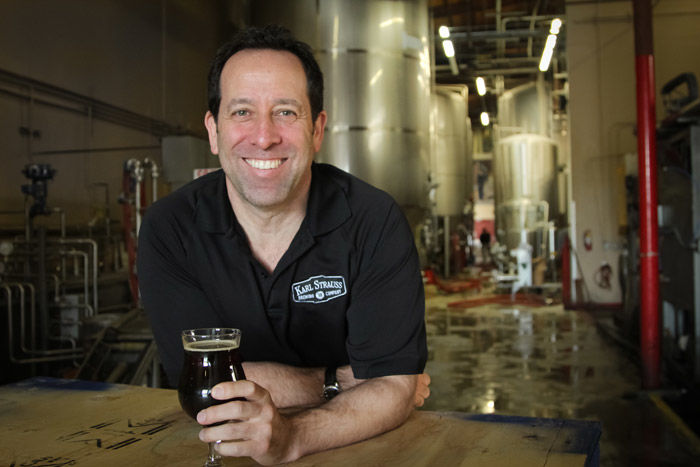
How do you keep the keg party going post-college? For Matt Rattner, president and co-founder of Karl Strauss Brewing Company, the answer, back in 1989, was to make some beer. Here, his top 10 reasons for starting his biz.
Tickets to the Del Mar Wine & Food Festival get you in the door. The real fun is figuring out who you’ll run into once you’re there. This year’s weeklong schedule of exclusive events, running September 30–October 4, includes dinners, tastings, and loosely-supervised chaos where celebrity chefs and local icons finally let their hair down.
The festival has a track record of the unexpected: Bryan Cranston and Aaron Paul once toasted their mezcal brand Dos Hombres with an intimate dinner at the Lodge at Torrey Pines (and then, evidently unsatisfied, kept drinking it on the cliffs above Blacks Beach with a rotating cast of San Diego and Food Network chefs. Alex Morgan showed up for a dinner under the lights honoring the country’s most badass women chefs). Drew Brees ran a celebrity pickleball tournament where the guy from It’s Always Sunny in Philadelphia got absolutely humbled by locals.
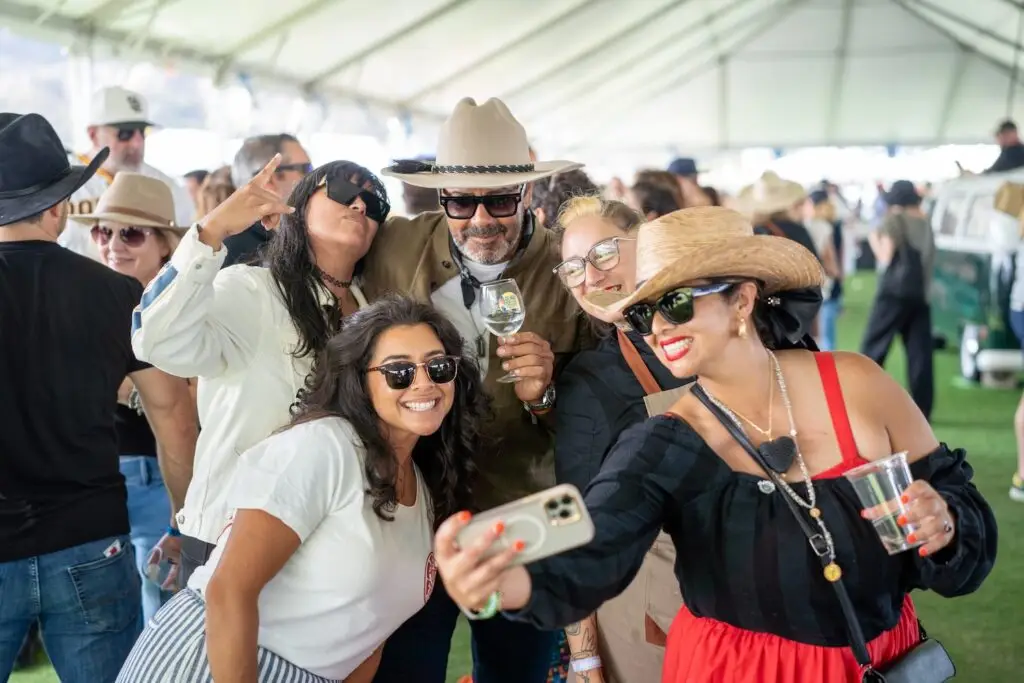
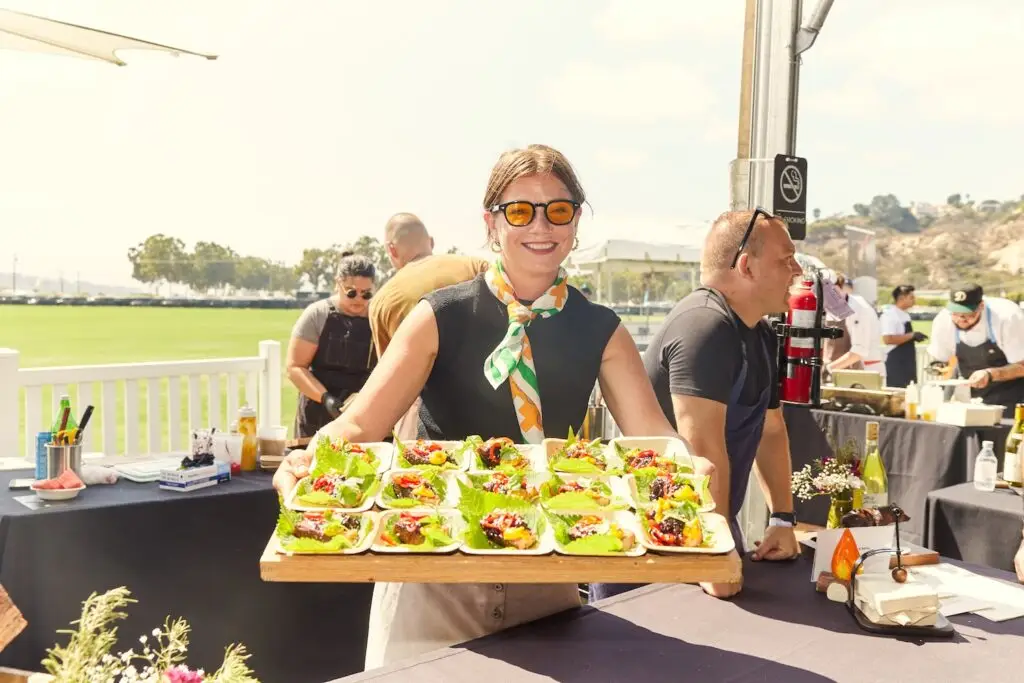
If you scored a ticket to last year’s Grand Tasting, you might’ve caught Guy Fieri doing exactly what Guy Fieri does: strolling the grass, signing t-shirts and foreheads, and hanging off the DJ surf van like it was built for him. Meanwhile, local chef Ethan Yang of Glass Box walked off with the Chef Competition surfboard.
So whether your plan for 2026 is to corner legendary San Diego chefs like Victor Jimenez of Cowboy Star and Jon Sloan of Juniper & Ivy in person, or just aim for a spontaneous golf cart ride with a Food Network star—here’s your cheat sheet for where to run into a celebrity chef, TV personality, award-winning winemaker, or pro athlete at this year’s Del Mar Wine & Food Festival.
Courtesy of Del Mar Wine & Food Festival
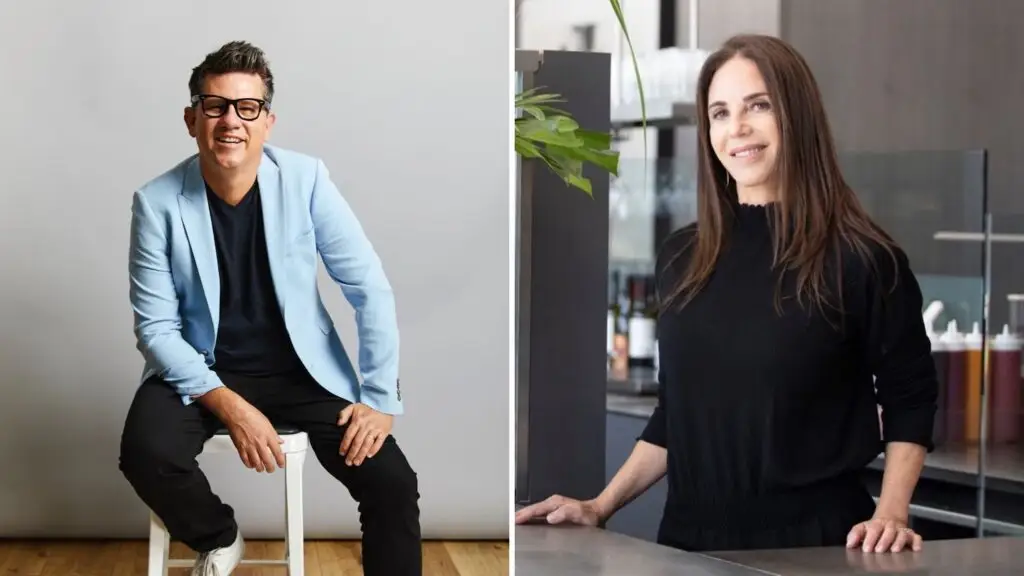
Troy Johnson, Karen Krasne
Signature San Diego Opening Night Party
September 30 | 6 – 9 p.m. | Monarch Ocean Pub
Consider this your soft landing into festival week—the walk-around tasting that eases you in before things get chaotic later on. Monarch Ocean Pub hands its patio over to the flavors that define San Diego eating: Baja seafood done right, coastal bites, Mexican flavors with some heat behind them, all the staples locals will fight you over.
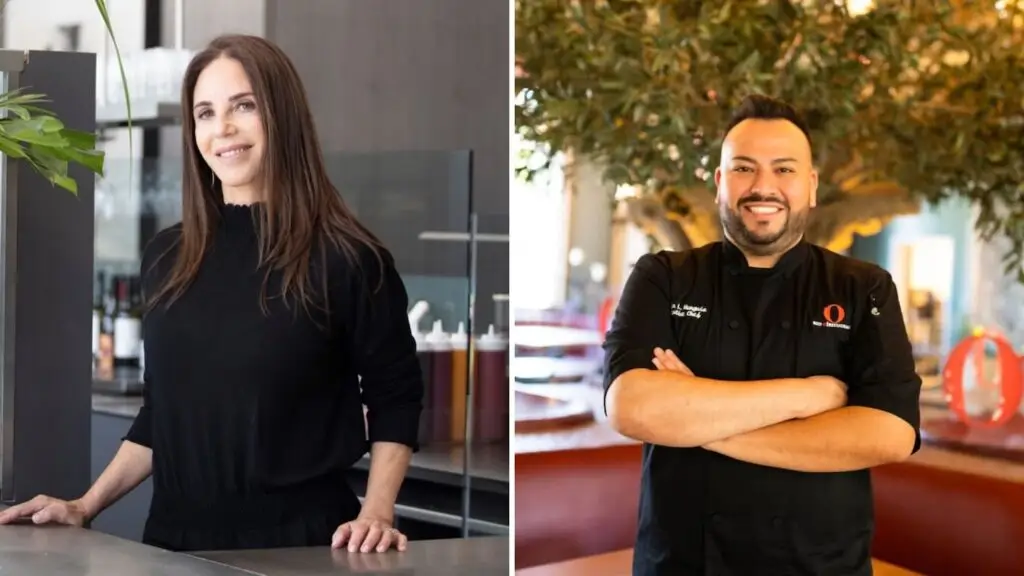
The celebrity sightings here lean more “bump into” than “spot from across the room.” Troy Johnson—Food Network judge, San Diego Magazine chief content officer and co-owner, Emmy-winning host, a man who has eaten his way across the entire country professionally—is the type to materialize at whichever station has the longest line, because he already knows it’s worth the wait. Ask him what he’s had so far. He’ll have opinions.
Then there’s celebrity pastry chef Karen Krasne, owner and executive pastry chef of Extraordinary Desserts, James Beard House alum, and a woman Forbes once ranked among the top 10 pastry chefs in the country—which tracks, because you might find her holding court next to a tray of her roasted pecan shortbread dipped in white chocolate, explaining exactly why this is the flavor combination. You will listen to every word, too, because you’ll want to try that cookie.
This is an opening night party where the person next to you in line might just be the one who baked the thing you’re about to eat.
Courtesy of Del Mar Wine & Food Festival
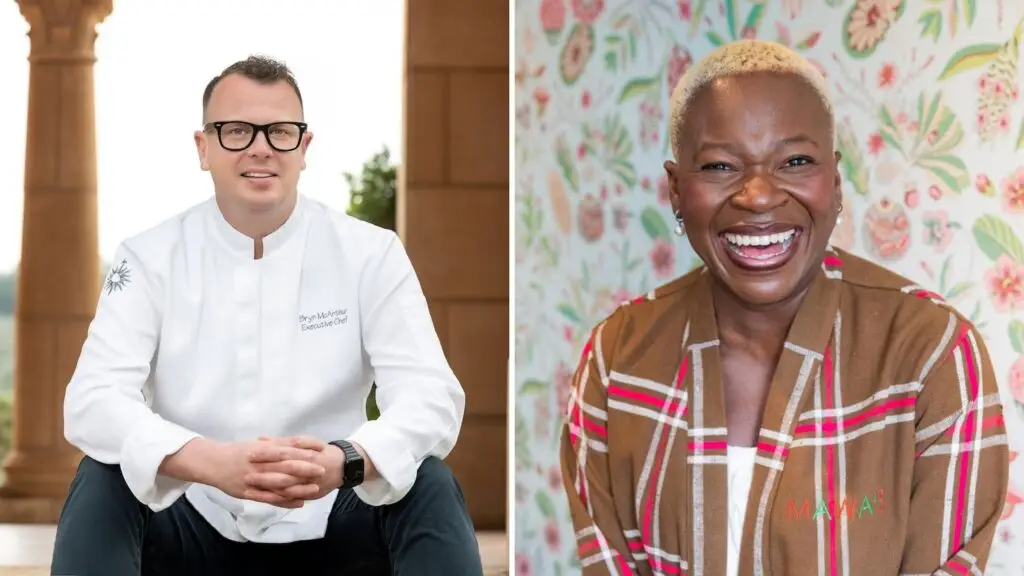
Bryn McArthur, Mawa McQueen
Chateau Montelena’s 50th Anniversary Celebration
October 1 | 6 – 9 p.m. | Fairmont Grand Del Mar
Fifty years ago, a Napa Chardonnay beat France at its own game and rewrote what the world thought it knew about wine. This dinner is that legacy, poured by the family who built it, course by course.
Under the arches at Fairmont Grand Del Mar, Ernie Hahn and the Hahn family, who partnered with the Barretts to revive Chateau Montelena into the Napa powerhouse it is today, host an evening built entirely around the winery’s most iconic pours. Every course gets its own pairing straight from the Montelena portfolio, so you’re not just hearing about the Judgment of Paris, you’re tasting the wine that started it.
Chef Mawa McQueen, a former James Beard Best of the West winner out of Aspen, brings globally inspired cuisine and serious technique to the table. Alongside her, Fairmont Grand Del Mar’s executive chef Bryn McArthur leans into farm-to-table sensibility shaped by a career of global kitchens. Together they’re building a menu meant to hold its own against wine that already changed history once.
This is the rare dinner where the wine isn’t just accompanying the meal, it’s the reason the meal exists. Fifty years after Paris, the rematch is happening right here in Del Mar.
Isabella Dallas is a freelance writer for San Diego Magazine and the Arts and Culture Editor at The Daily Aztec in her final year at San Diego State University. She previously worked as an editorial intern for SDM, but when she’s not writing, you can find her trying the best coffee spots in SD, devouring the latest rom-coms, and indulging in anything and everything pop culture.
Two San Diego Wine Pros Are Betting Big on Tinned Fish
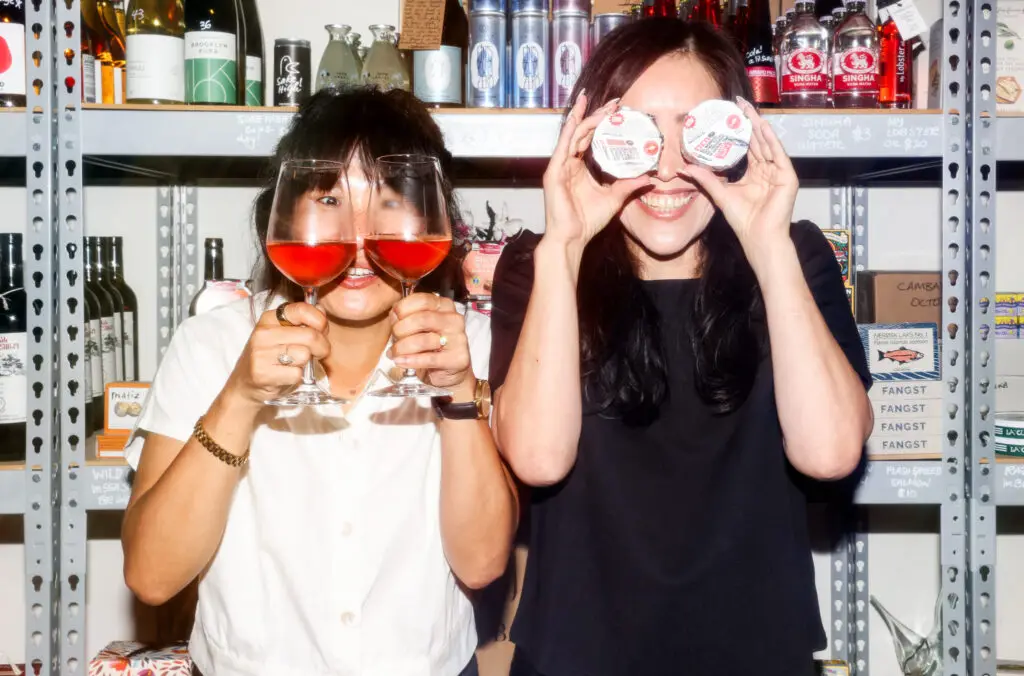
With Sosal Line, Heidi Greenwood and Juerie Masters are importing traceable seafood from small producers and building a global pantry business along the way
Courtesy of Sosal Line | Photo Credit: Madison Daube
No matter your job, it’s helpful to find some sort of joy in it to avoid going completely insane. Some people savor the variety of personalities when dealing with customers. Others find comfort in the predictability of closing a bar after last call, counting tips and wiping counters. Perhaps achieving Inbox Zero really gets your blood pumping, or shipping a new product design sparks joy.
For Heidi Greenwood and Juerie Masters, work doesn’t get better than logistics and operations.
“[We] both love all the unsexy parts of supply chain and backend management,” laughs Greenwood. Tracking outbound orders? Ensuring compliance? Managing inbound freight? Stop me if this is getting too hot for you!
Not enough people think about the unsexy reality of running a business before launch, but effectively and consistently keeping an eye on operations separates successful companies from out-of-business ones. Both Masters and Greenwood already own their own businesses—Greenwood is behind the wine zine Campestre Mag and runs the online wine shop Esquina, and Masters co-owns Clos Wine Shop and Fintastic Provisions in University Heights with her husband Paul. Apparently, these gigs weren’t enough to satisfy their collective yearning for spreadsheets and inventory maintenance.
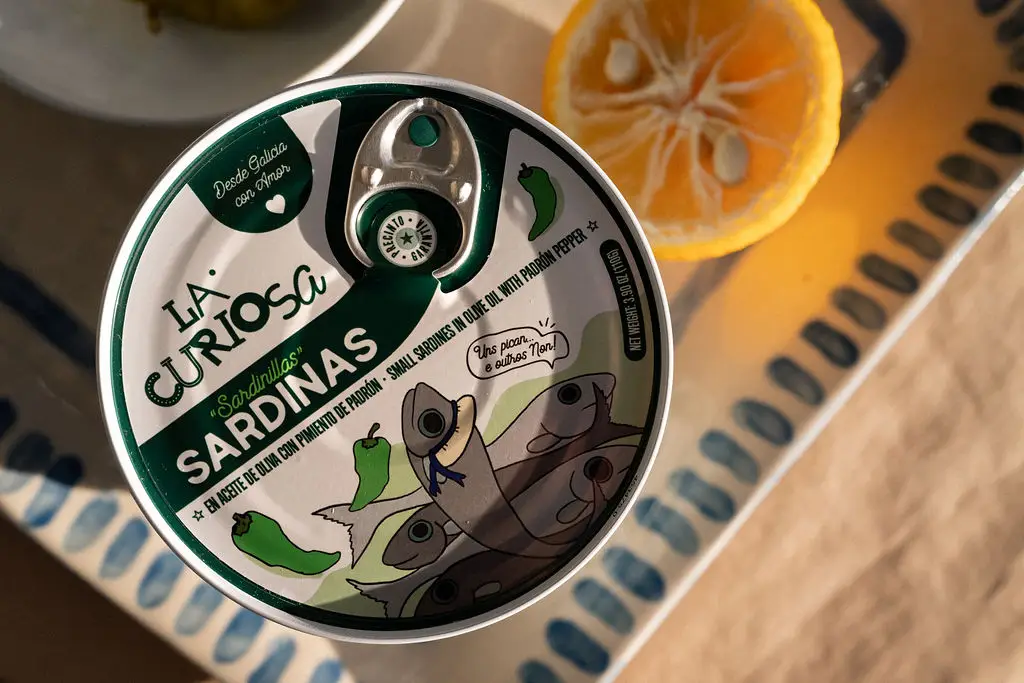
So, they decided to start another business together—Sosal Line, a San Diego-based import and distribution company specializing in global pantry items. The pair launched Sosal Line at the beginning of 2025 and currently only sell three brands of tinned fish, but Greenwood says they plan to expand their offerings as they discover other small or family-run businesses that share their values.
“We want to work with brands and with products that really have a sense of place and actually tell a story—not just the product, but the people behind it too,” she says.
Masters and Greenwood are both Korean-American and named this burgeoning business after Haenyeo, the legendary free-diving women of Jeju Island in South Korea. Traditional Haenyeo equipment and garb include oribal (swim fins), yeoncheol (lead belts to help them sink), and the company’s namesake sosal, a hand-held fishing spear (sometimes called jaksal).
The average person, if sitting completely still, can stay underwater for up to a minute and a half at most. Haenyeo can hold their breath for up to three minutes while actively foraging, harvesting, and swimming. Scientists say these diving women spend more time underwater than any other group of humans on earth. Not badass enough for you? The average age of Haenyeo is around 70.
Courtesy of Sosal Line | Photo Credit: Luke Schmuecker
“Fishing is a strong heritage for Koreans, and it’s the same here in San Diego with the Portuguese settlers,” Greenwood explains. (We aren’t the tuna capital of the US for no reason.)
Sosal Line carries 100 percent traceable, wild caught fish from Galicia in Northern Spain and the Pacific Northwest, all family-owned companies who don’t compromise on sustainable practices. Tinned fish has never been more popular—or more debated—but there’s more to it than cute labels designed for maximum Instagram reach. “I want to know who I’m purchasing from,” says Greenwood. One of their suppliers, Craft Fish Co., which is based in San Diego but fishes in the PNW, is run by JJ and Jessica Gerritsen. JJ catches, Jessica packages, and it’s a business relationship on a first-name basis. “You can’t find that when you’re working with some nameless brand.”
San Diegans can find Sosal Line products at local retailers like Clos/Fintastic (obviously), allmine in Oceanside, Always Hungry Grocery & Goods in Carlsbad, J. Brix Wines in San Marcos, Collins & Coupe/Tablespoon in North Park, and Green Acre in La Jolla. They’re also available in select retailers in Northern California, Oregon, Arizona, and strangely enough, South Carolina. Expanding its client base is, of course, a goal. But not at the expense of quality or joy of discovery.
“I would love to see people try food from different cultures and be excited about it,” says Greenwood. “Maybe make them want to travel to experience different areas of the world.”
Beth Demmon is an award-winning writer and podcaster whose work regularly appears in national outlets and San Diego Magazine. Her first book, The Beer Lover's Guide to Cider, is now available. Find out more on bethdemmon.com.
When I was pregnant, my food craving was singular and intense. If I didn’t eat at least one thing doused in cinnamon every day (ideally, more than one), I was—to put it gently—a complete monster.
Since then, my obsession has tempered somewhat. But cinnamon buns still perch high on my top treats list, so I’m always on the lookout for the next great place to indulge. IMO, The Huddle in Mission Hills’ mondo cinnamon roll remains top-tier, but after eyeing the ooey, gooey goodies from Sinner Buns, we might have a contender.
Originally from Ukraine, Daria Nadar had already done everything one can do at a bakery—business operations, wholesale contracts, actually baking, you name it—so during the pandemic, she started dabbling with perfecting her cinnamon rolls. After she got a couple fans over social media, she threw her first pop-up to see how they’d be received. She sold out.
After a few false starts with a couple storefronts and business deals, Nadar officially launched Sinner Buns in October 2025 with her partner Filipe Pazi. After making it through an unexpectedly hectic season stuffed with holiday orders, the team closed temporarily to get everything in line and reopened this April. Business has remained in full swing ever since.
There are only so many ingredients in a cinnamon roll, but “the process is what makes it special,” she says, adding they use fresh yeast rather than powder and a 48-hour process for each batch of brioche dough made to order. (Thus the need for pre-orders.) Customers can preorder until Thursday each week for pickup Friday, Saturday, or Sunday from Sinner Buns’ ghost kitchen at 780 Hollister Street, just east of Imperial Beach.
You can also catch her at various pop-ups around San Diego. Eventually, Nadar opens to offer nationwide shipping (once she figures out the logistics and quality control) and one day, her own storefront.
But it’ll be on her terms, not the whims of social media. “We already learned how to not only rely on virality of the product, because you go viral and then it fades,” she says. “It’s a slow burner, and I know eventually, it’s going to grow much more.”
Courtesy of San Diego Spirits Festival
San Diego Restaurant News & Food Events
Beth’s Bites
Get spirited away at the 17th annual San Diego Spirits Festival. If you understood that reference, I regret to inform you that it is not a Studio Ghibli watchathon, but it’s still a win with a bonanza of craft makers pouring libations at the Museum of Contemporary Art in La Jolla for two full days. On September 26-27, try sips, glugs, and guzzles from brands like Condesa Gin and Uncle Nearest (with some bites to wash it all down, of course). Could you ask for a more picturesque venue? Spoiler alert: no.
You love to see a longtime employee take the reins of a beloved local institution. That’s exactly what happened at Konito’s Cafe in Pacific Beach, which is currently transitioning to Pablo’s Cafe, which is now under new ownership. (Yes, his name is Pablo.) Will their breakfast sandwich still slap? Guess we’ll have to go find out.
I’ve yet to visit Tigawok, the small California-based chain serving mini bowls like Kung Pao chicken and Mapo tofu. But the latest storefront (and the first in San Diego) is now soft open in La Jolla, and it’s only a matter of time before their Sichuan shredded chicken gets in my belly.
Listen Now: The Latest in San Diego’s Food and Drink Scene
Have breaking news, exciting scoops, or great stories about new San Diego restaurants or the city’s food scene? Send your pitches to [email protected].
Beth Demmon is an award-winning writer and podcaster whose work regularly appears in national outlets and San Diego Magazine. Her first book, The Beer Lover's Guide to Cider, is now available. Find out more on bethdemmon.com.
Implementing a farm-to-table model hardly deserves acknowledgement these days. It’s not a stretch. It’s not innovative. “It’s the bare f**king minimum,” says Herb & Sea‘s executive chef Aidan Owens.
When I arrive at the Encinitas restaurant, I’m ready to talk sustainability, farm-to-table stuff, with Owens. “Did you see the chin on that?” he says of the extra big jiggly chin on the sheephead that just arrived with the day’s fresh catch. I did. It was Jay Leno adjacent.
I learn quickly that he somehow oozes both charm and stone-cold honesty. Maybe he could construct a new dish with chin goo, like he did when he had a bunch of tuna scraps and voila’d it into a smooth and crowd-pleasing ‘nduja. “I want to know what’s in there,” he says.
Courtesy of Herb & Sea
The instinct to look closer, to dig into what others might discard, says a lot about the chef’s approach. I guide him back to our topic, but he has something else on his mind. “We’re overcomplicating food—what happened to just cooking good food and having fun with it?”
Owens grew up on a farm in Byron Bay, Australia, where sustainability wasn’t a concept you chat about so much as a way of life. Think dirt roads, backyard chickens, pulling vegetables straight from the ground, and a mother who believed that if you couldn’t pronounce the ingredients on a package, you shouldn’t eat what was inside.
Food wasn’t precious or performative. Making it was what you did because you were hungry and that’s still what inspires Owens today. “I like to cook good food because I like to eat good food,” he says.
His approach to sustainability at Herb & Sea began so naturally that it felt just like instinct. “I was just like, ‘Let’s order food from the people who live and work here,’” he says.
Courtesy of Herb & Sea
And why wouldn’t he when lives in San Diego? Cities all over the world vie for our goods. Our tuna is sent overseas. Our spiny lobsters hit dinner plates in China and Japan. Not to mention California’s producing a third of the country’s vegetables and three-quarters of its fruits and nuts.
“Why would we outsource when it’s all here?” Owens asks.
Sustainability, in this context, is about cooking what exists in abundance, nearby, right now. “I love the local fish here. It’s f**king delicious and San Diego citrus, I mean, it is so f**ing good,” he says.
Instead of importing ingredients, Owens also looks for nearby alternatives. “You can find really cool things in the local waters,” he says, pointing out that stingray cheeks taste similar to scallops.
Courtesy of Herb & Sea
Whatever he finds in that sheephead chin might just be the next substitute for marrow. But to make this work, it means getting diners amped up about the slightly unfamiliar.
Tasting menus, where diners are completely in his hands, become an opportunity to gently push boundaries. “I’ll serve mackerel, because people think they hate it,” Owens says, noting that the abundant local fish can have some fishiness. “But when it’s fresh, it’s arguably one of the best fish in the ocean.”
He also tweaks the language on the menu so people might feel more compelled to give dishes a try without preconceived notions. He might use “lengua” instead of “tongue.” “Whelk” instead of “snail.” When he puts “stingray throat” on the menu, he disarmingly calls it “skate.”
To reduce waste, scraps aren’t always discarded but rather turned into something new. Sometimes they’re smoked, cured or fermented. Apples going bad turn into apple ponzu. Lemons turn to marmalade, which stretches their usefulness far beyond peak season. “And it’s super tasty on our pizza,” he says.
What makes the food even richer, is the relationships he’s built with farmers. Though it didn’t always feel natural, Owens sought personal connection first. He recalls approaching a fisherman at the Tuna Harbor Dockside Market. “I was awkward,” he says. “I went up to him and said, ‘I like your fish.’”
Owen’s is now so close to his suppliers—like fishermen Ryan Sebo and Joe Daly—that he gets texted pictures of fresh catches right as they flop on the boat. The messages always ask if he wants first dibs. “I say yes to a lot of fish,” Owens says, noting that Herb & Sea can go through 2,000 pounds of seafood a week.
Courtesy of Herb & Sea
The next evolution of sustainability, in his view, will be chefs working directly with producers such as his alliance with Sebo, cutting out middlemen and purveyors where possible. “It will put more money in the pockets of the people doing the work,” he says.
It will mean that chefs can’t just know their local farmers and producers, but they’ll choose to work with the ones who have the best practices. Dining and sustainability will become much less about the final plate. “It will be more about the impact that plate has on the Earth,” he says.
Ultimately, he believes sustainability doesn’t need to be loud. It doesn’t need hashtags. It just needs to be honest.
“We aren’t saving lives. We’re feeding people good food,” he says.
And yet, in feeding people well—simply, thoughtfully, responsibly—something meaningful happens. Guests leave satisfied. Ingredients are respected. Local ecosystems are supported and food returns to what it has always been at its core: nourishment, pleasure, and a quiet reflection of the place it comes from.
When San Diego launched Micro Enterprise Home Kitchen Operations (MEHKO), it changed everything. Riverside County first established the experimental program in 2019, with San Diego introducing its own countywide pilot program in 2022 and granting it permanent status in 2024. The new category allowed people to launch at-home retail food operations—basically, home restaurants—with special requirements and restrictions to ensure food safety and smooth operations. Over two dozen counties across California have since adopted their own versions with over 1,200 permits issued, around 100 of them in San Diego alone.
Some have a dizzyingly long waitlist (Warung RieRie), others are still getting their name out there (The Hidden Gazebo Eatery), and still others use MEHKO for pickups rather than fully opening their home as an onsite dining facility. Love Pupusas falls into that category.
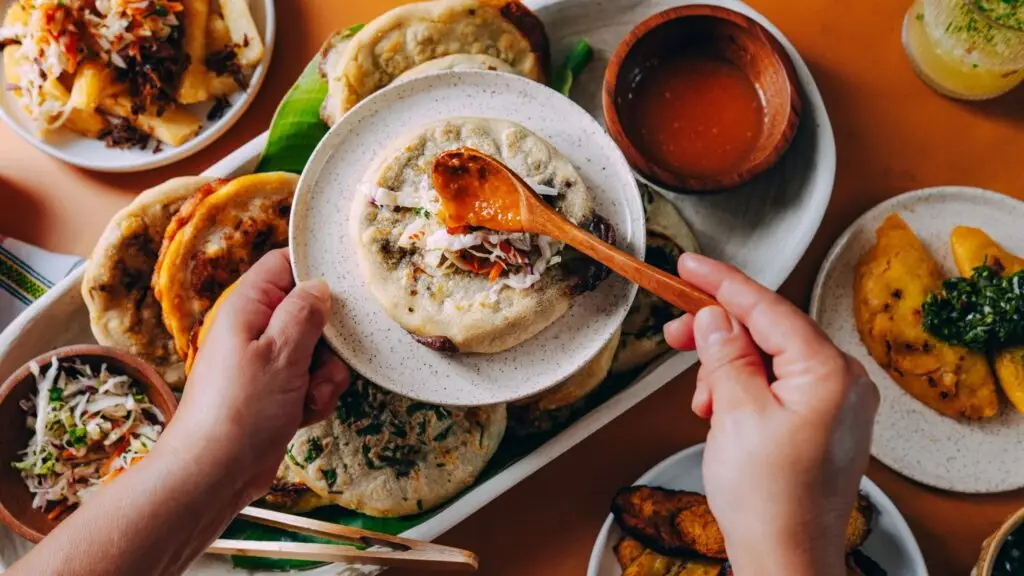
Yanira Majano came with her family from El Salvador to the United States when she was 11 years old, bringing a love of cooking and desire to share the country’s cuisine along with her. “There’s a lot of similarity [between Salvadoran food and] Central, South America, even Baja Mexico,” she says. Salvadoran cooking tends to be less spicy than some Mexican cuisines, with an emphasis on ingredients like corn, staples like yucca root (cassava), meats like crispy pork (chicharrón), and sides like curtido, a tangy cabbage slaw that’s typically either naturally fermented or vinegar-based.
And of course, the signature dish of El Salvador—pupusas.
In San Diego, Salvadoran food lacks the widespread availability of other Latin American cuisines like Mexican or Peruvian food, but Majano says she’s seen pupusas gain popularity over the past few years. But she likes to think her recipes, which have been passed down by her mother and kitchen partner Martha, contain a certain special something.
Some pupuserías use rice flour to create the handheld stuffed tortillas, but she prefers the more traditional gluten-free corn flour. Still, it’s what’s inside that really counts. “That’s where we put our own touch,” she explains. Most of Majano’s pupusas come with cheese and different fillings like carnitas, black beans, mushrooms, or zucchini, but she also offers vegan options. Every one comes with a side of curtido and salsa, each made fresh daily.
Showing people the magic of home-cooked food might not have been possible without the MEHKO program or The Cook Alliance, a MEHKO support and advocacy coalition. Opening a brick-and-mortar restaurant requires a huge amount of start-up capital—at least six figures, generally. Not exactly pocket change. “But when the MEHKO program started in 2022, I said, ‘Oh my God, this is for me,’” says Majano.
Now with four years under her belt, she says she’d love to bring Love Pupusas to more food festivals, host more pop-ups, and eventually open a food truck to keep serving the humble dish of her homeland, taking pride in every bite. “[I put] a lot of love in everything I do. You see it when you taste the food,” she promises.
Pre-order Love Pupusas for next day pickup in Rancho Peñasquitos between noon and 5 p.m.
It’s not the end of the road for Catalina Offshore Products—just the end of an address. The local family-owned fish market announced that come September, they are moving from their longtime location in the Morena District to The Old San Diego Seafood Building at 1842 McKinley Avenue in National City. Normal business operations will resume in October with the same retail market fully stocked with premium seafood and local catches, so it’s not goodbye, it’s just “see you later.” (And yes, 5202 Lovelock Street is still open until moving day.)
Don’t come at me with complaints about autumnal seasonal creep—I got an email this week about holiday shopping. In August. In comparison, the 2026 release of Karl Strauss Oktoberfest seems right on time. For the 38th year in a row, ahead of the Munich-inspired festivities, the 5 percent ABV malty amber lager is now available in bottles, with draft coming to the brewpubs in September. Despite the lack of chill in the air, there’s no reason why your fridge can’t be stocked with this frosty German delight.
Listen Now: The Latest in San Diego’s Food and Drink Scene
Have breaking news, exciting scoops, or great stories about new San Diego restaurants or the city’s food scene? Send your pitches to [email protected].
Beth Demmon is an award-winning writer and podcaster whose work regularly appears in national outlets and San Diego Magazine. Her first book, The Beer Lover's Guide to Cider, is now available. Find out more on bethdemmon.com.
From celebrity pickleball tournaments to intimate dinner parties with your favorite Food Network chefs, here are all of the can’t-miss events going on Sept 30–Oct 4
Play is underrated. Somewhere along the way, someone decided it was something we should outgrow. That you A good song comes on, and they dance. A game appears, and they’re in. Someone hands them a melting ice cream cone, and somehow it’s the best part of the day.
Adults tend to need a reason. Or maybe just the right setting.
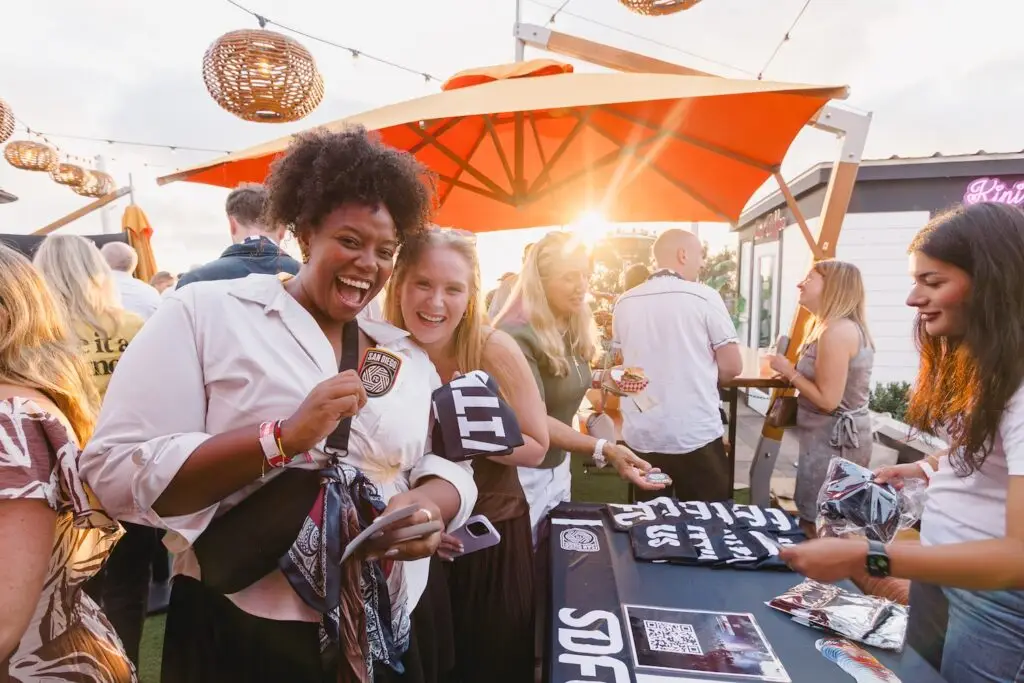
That’s part of what makes the Del Mar Wine & Food Festival feel different. Yes, the week revolves around food and wine, with celebrated chefs, winemakers, and restaurants drawing crowds from across the region. But what lingers afterward is the conversations that stretch a little longer than expected, the strangers who become dinner companions, the live music that pulls people out of their seats, and the rare chance to spend a few hours simply enjoying yourself without much of an agenda.
The Grand Tasting is the festival’s centerpiece, bringing thousands of guests together over two days for hundreds of bites and pours. But some of the week’s most memorable experiences happen on a smaller scale. In the days leading up to the main event, intimate dinners, chef collaborations, and guided tastings create opportunities for guests to interact more closely with the people behind the food and wine and with each other.
Signature San Diego Opening Night Party at Monarch Ocean Pub
Start festival week the San Diego way: ocean views, Baja-inspired bites, and a drink in hand as the sun goes down. The Signature San Diego Opening Night Party at Monarch Ocean Pub sets the tone for the week ahead with a walk-around tasting experience celebrating the flavors that make this city impossible to replicate. It’s an evening of fresh coastal cuisine, bold Mexican flavors, Baja seafood, and plenty of local favorites—all served against one of Del Mar’s most iconic backdrops. Consider it your first official toast to the weekend ahead…
Celebrity Pickleball Tournament Presented by Justin Vineyards & Winery
Wine and competition make an unexpectedly perfect pair. You can join Drew Brees and celebrity players at Barnes Tennis Center for a pickleball tournament benefiting Feeding San Diego, where the sidelines are just as exciting as the court. Grab a paddle, cheer from the sidelines, or simply enjoy a glass of wine while the action unfolds. The day blends friendly competition with an all-inclusive tasting experience.
Since year one, Del Mar Wine & Food Festival has partnered with Feeding San Diego to raise $100,000 in support of the organization’s mission to fight hunger across the region. Every serve, sip, and bite helps give back to the community that makes this festival possible.
Remember that pickleball paddle you swore you’d use? Time to put it to work.
Barnes Tennis Center | 4490 W Point Loma Blvd, San Diego, CA 92107
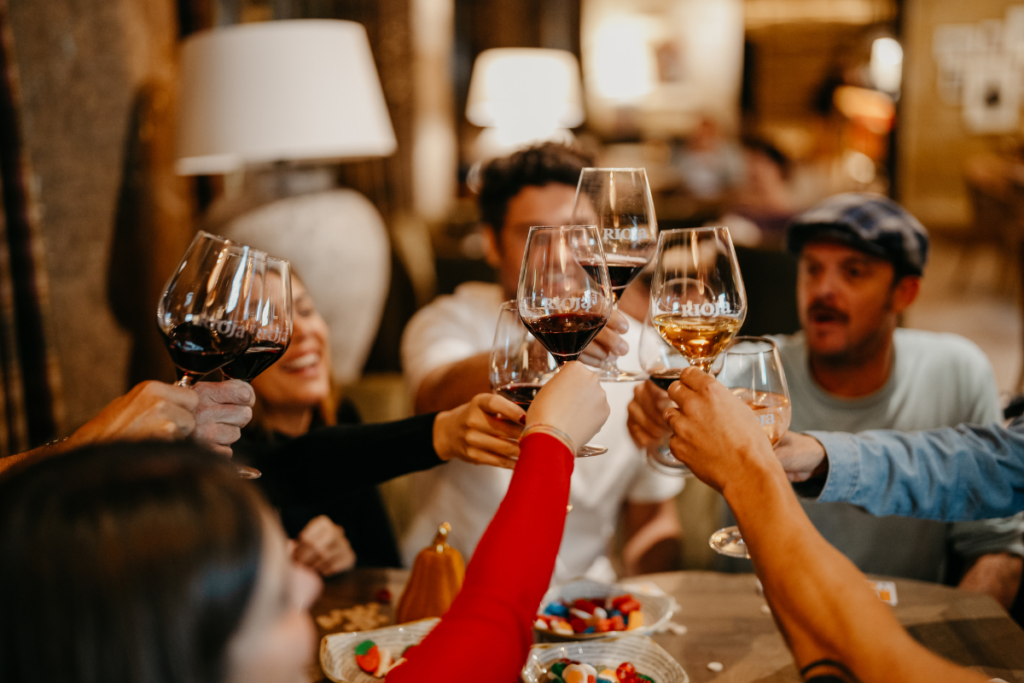
This is essentially a passport to Spain with no airport required. Set among the lush grounds of Rancho Valencia, Rioja Uncorked celebrates one of Spain’s most iconic wine regions with an evening of exceptional pours and thoughtfully paired bites. Guests will sip their way through Rioja wines while enjoying a menu featuring everything from Hiramasa crudo and uni toast to duck rillette, birria mini tacos, Cardiff Crack tri-tip sandwiches, and a sweet finale from Karen Krasne of Extraordinary Desserts (date night plans, solved).
Rancho Valencia | 5921 Valencia Cir, Rancho Santa Fe
Justin Wine Dinner with Chefs Kaitlyn Weber, Buddha Lo & Jackson Kalb
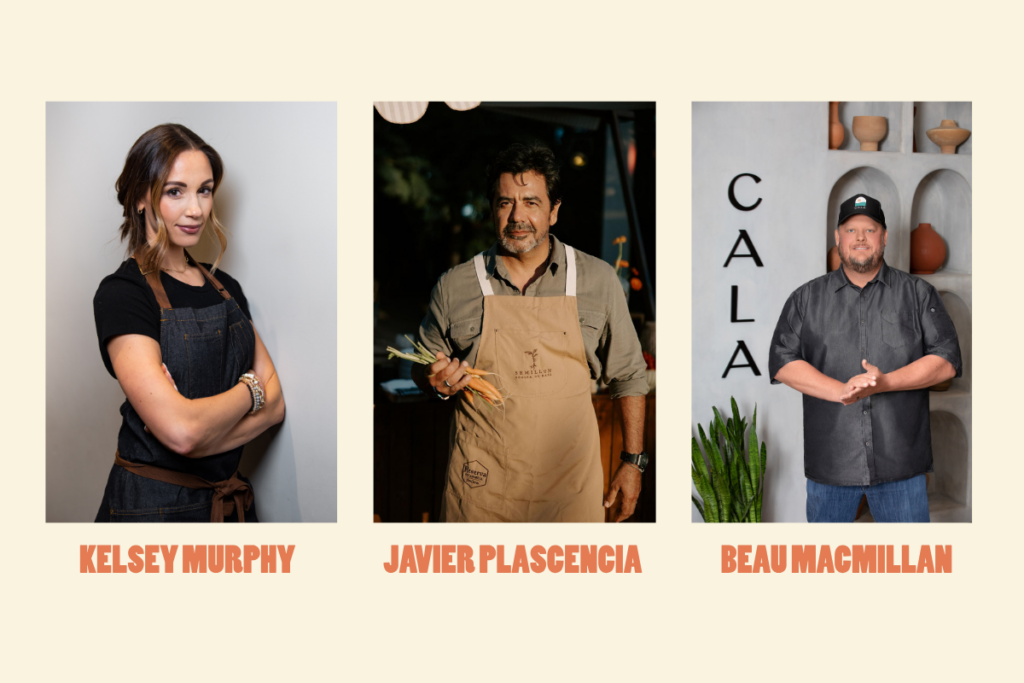
Justin Wine Dinner sounds simple: three chefs, one unforgettable table. But chefs Kaitlyn Weber (Estancia La Jolla), Buddha Lo (Top Chef), and Jackson Kalb (Top Chef) are taking you on a one-night-only culinary ride where three styles collide over a multi-course menu paired with exceptional pours from Justin Vineyards & Winery. Set in Estancia’s coastal estate, the evening unfolds course by course with pairings from Justin wines as each chef brings their own style to a menu focused on craft, connection, and a bit of friendly culinary overlap. It’s the kind of culinary conversation that only happens when very, very talented people cook together.
Estancia – Olive Lawn | 9700 N Torrey Pines Road, La Jolla, California
Isabella Dallas is a freelance writer for San Diego Magazine and the Arts and Culture Editor at The Daily Aztec in her final year at San Diego State University. She previously worked as an editorial intern for SDM, but when she’s not writing, you can find her trying the best coffee spots in SD, devouring the latest rom-coms, and indulging in anything and everything pop culture.
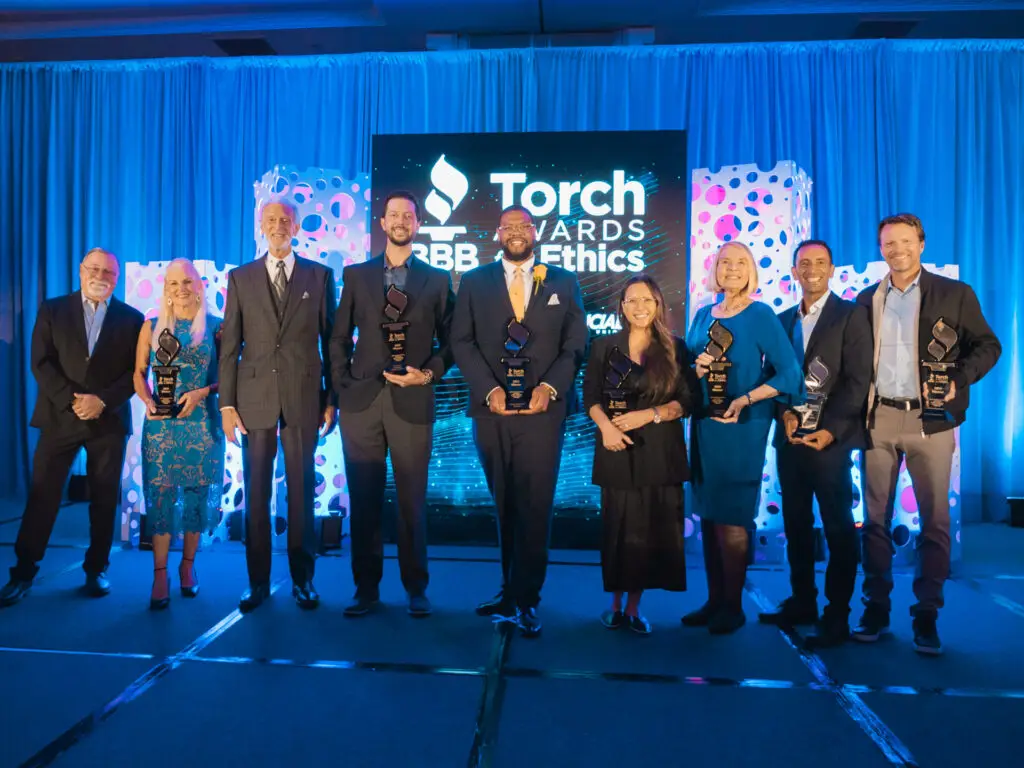
Torch Heroes: Why San Diego’s Most Trusted Businesses Win by Doing the Right Thing
In a world overflowing with shortcuts, marketing fluff, and “good enough,” there are still companies that choose a different answer. And in San Diego, there are plenty of them.
2025-Torch-SD-09131839 (2)
In a world overflowing with shortcuts, marketing fluff, and “good enough,” there are still companies that choose a different answer.
Integrity guides how they show up every day. They make hard decisions, hold themselves accountable, and build trust the old-fashioned way, one action at a time. At the Better Business Bureau, we call these businesses Torch Heroes: leaders who demonstrate that ethical leadership strengthens businesses and drives long-term success.
And in San Diego, there are plenty of them.
Take House Collective Marketing Solutions, a Carlsbad-based digital agency that won the 2025 Torch Award for Ethics for its people-first approach to marketing. Instead of pushing flashy campaigns, the team often takes a step back to make sure clients’ foundations are strong before going big. Their philosophy? Truth over transaction builds partnerships that last.
Or look at Young Black & N’ Business, where integrity shows up through community action. When a local school lost art funding, founder Roosevelt Williams III and his team stepped in with workshops, mentorship, and hands-on support to help restore creative opportunity. That kind of engagement reflects ethical leadership rooted in real impact.
And in Vista, Lotus Sustainables carried its commitment to ethics all the way to the product line. After discovering defects in a shipment of eco-friendly products, the company issued full refunds and redesigned its offerings at its own expense, a choice that shaped its identity and reinforced to customers that ethics guide every decision.
In North County, Greenway Landscape Design & Build brings integrity into everyday service. When a client’s glass was damaged, likely not by their crew, owner Scott Lawn chose responsibility over blame and covered the repair personally. For Greenway, doing the right thing serves as a north star, guiding every interaction through transparent pricing, accountable partnerships, proactive communication, and follow-through long after the job is done.
Other honorees include At Your Home Familycare, whose leadership turned down a lucrative state contract during the pandemic to protect vulnerable clients and staff, and Bill Howe Family of Companies, where hiring practices, training, and service centers around shared values, every day, on every call.
What connects these diverse businesses, from marketing to nonprofit support to home services, isn’t size, industry, or revenue. It’s something deeper: a commitment to trust as a business strategy.
In San Diego’s competitive marketplace, that trust gives companies an edge. Clients invest in relationships. They refer friends. They stay loyal when others fade.
As one Torch Award winner puts it, integrity isn’t a section in the employee handbook. It’s the operating system of the company, the invisible code that determines every choice, every day.
And that’s exactly the point of the BBB Torch Awards for Ethics: to spotlight companies that dispel the myth that ethics and success are at odds. These businesses show that when leaders choose honesty, fairness, and accountability, especially when it’s hard, they build brands that matter.
At BBB, we see nominations come in from clients, employees, and business partners who have witnessed ethical leadership up close. These submissions aren’t polished promotions. They’re stories of moments when a company chose people over profit, clarity over confusion, and trust over convenience.
The nomination window for the 2026 Torch Awards for Ethics is open through March 31, 2026, and there are more Torch Heroes waiting to be recognized.
Who comes to mind in San Diego’s business community?
A vendor who always delivers — and always explains why.
A competitor who chooses the high road even when shortcuts tempt.
A team within your own company whose day-in, day-out choices reflect deep character.
And yes, businesses can nominate themselves. We encourage it. If you’ve built your business on principles rather than buzzwords, we want to hear your story.
Because in a world full of noise, integrity still deserves the spotlight, and San Diego is full of stories worth telling. Nominate your hero now.