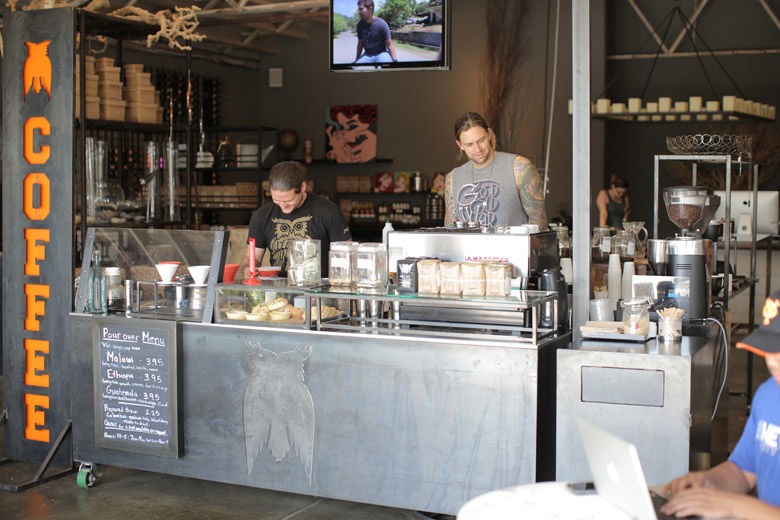
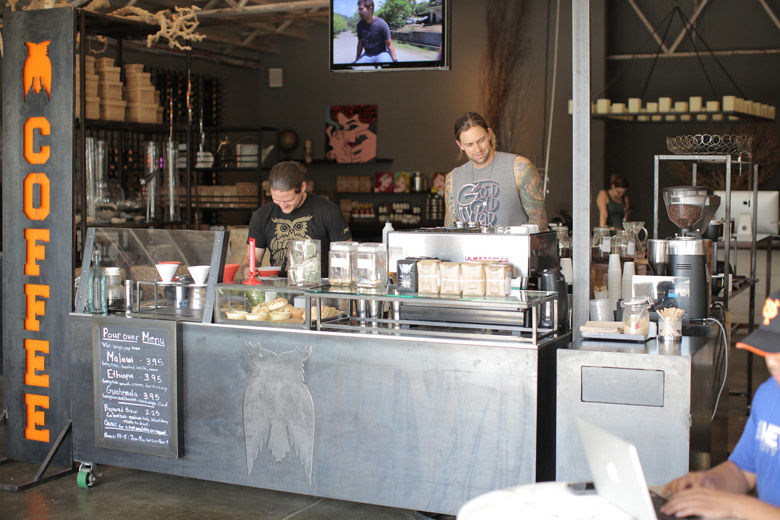
David James Kennedy (guitarist of Angels and Airwaves) moonlights as coffee roaster of James Coffee Co. He’s finally set up shop in North Little Italy’s VI Star boutique, serving pour-overs, pastries, and selling his beans.
Dark Horse Coffee opened its first shop in Normal Heights in 2013 and recently announced plans to expand to Lake Tahoe. A third Dark Horse location is also slated for Golden Hill. And longtime local leader in the roasting biz
From 19th-century imports to the modern craft scene, the city's coffee culture has grown from a decentralized effort to a thriving collective of indie artisans
San Diego was, of course, a tuna town before it was a coffee town, but the end of one marked the beginning of the other. In the late 1800s, a wave of Portuguese immigrants formed a fishing community in Point Loma, and by the 1970s, San Diego was the tuna capital of the world. The city’s “Cannery Row” stretched across the downtown waterfront, filling warehouses with thousands of employees sorting, processing, packing, and canning fish to ship across the country.
As those halcyon fishing days waned for multiple reasons—the Marine Mammal Protection Act of 1972, increased competition from abroad, rising costs of production—some warehouse proprietors turned their sights to alternative business opportunities.
Coffee was a commodity on the rise.
At the time, only a very small handful of coffee businesses operated in San Diego, including G. H. Ballou & Co., considered to be the city’s first. Established in 1889, it began importing coffee and tea in Little Italy (taking advantage of the nearby rail line for easy shipping), eventually becoming the Adams-Henry Company in 1912. The San Diego Coffee Company purchased it in 1928, adding a roastery to its importing and distribution model.
By the mid-1900s, there were only about a dozen coffee shops across the city. Writers like the late Lou Curtiss, founder and owner of San Diego’s iconic music shop Folk Arts Rare Records, described them as mostly European salon–style respites for beatnik poets, painters, and other artist types. Torrey Lee, owner of Cafe Moto, remembers that bohemian vibe.
Courtesy of InterAmerican Coffee
“Coffee shops were a place where it was like going to the beach, if you didn’t go to the beach,” he recalls. He’d hop on his scooter and search out that communal culture (he met his wife Kim in a coffee shop in the ’80s).
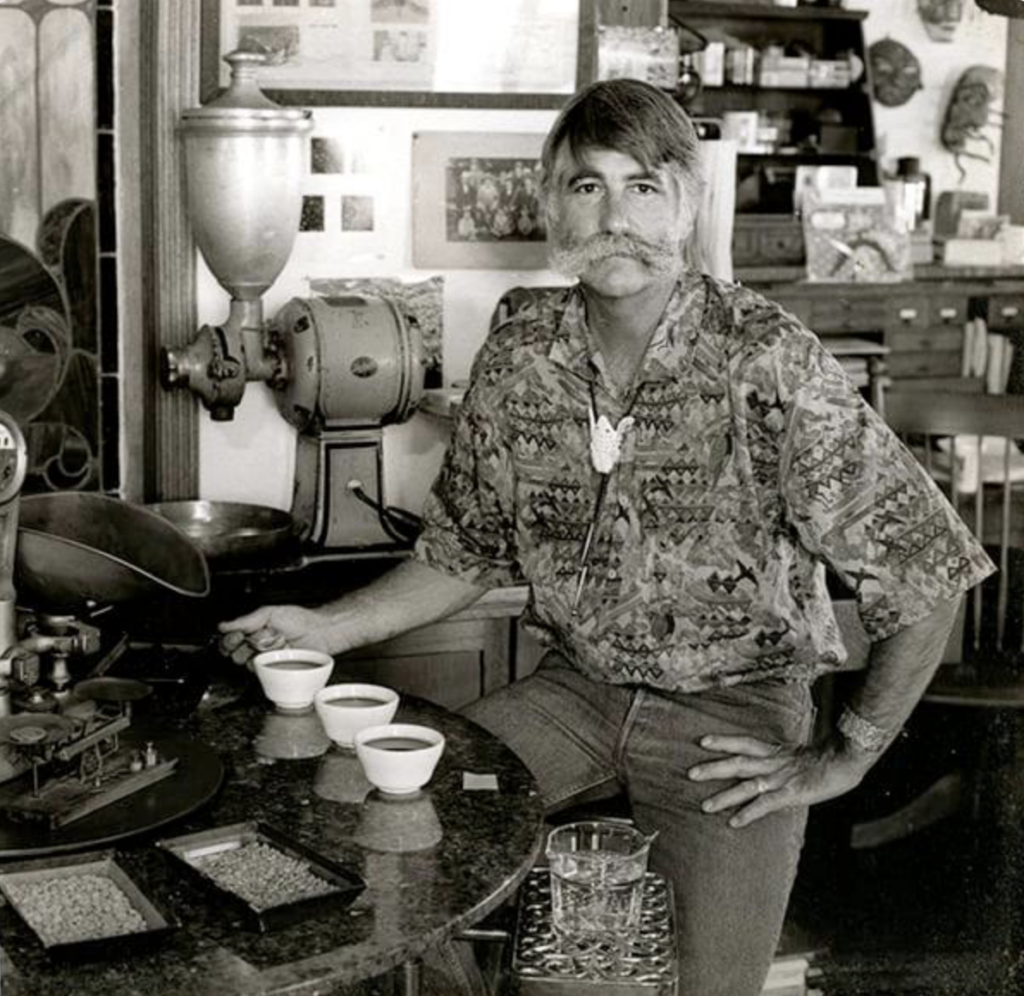
Lee is a second-generation San Diego coffee authority. In 1968, his mother Gay and stepfather Bob Sinclair opened Pannikin Coffee & Tea in La Jolla. It’s believed to be the first modern-era San Diego coffee roaster, which also sold specialty coffee to both wholesale and retail customers and imported tea, coffee, and Mexican cocoa. Sinclair acquired various warehouses in the Gaslamp and downtown, including the historic Wheelworks Building on J Street in East Village. He grew the coffee-roasting portion of the business so much that in 1997 he separated that facet as Cafe Moto. In 1998, Lee and Kim purchased it outright and have operated it as a wholesale company and café out of Barrio Logan for over 20 years (it’s one of the first drive-thru coffee joints in the city).
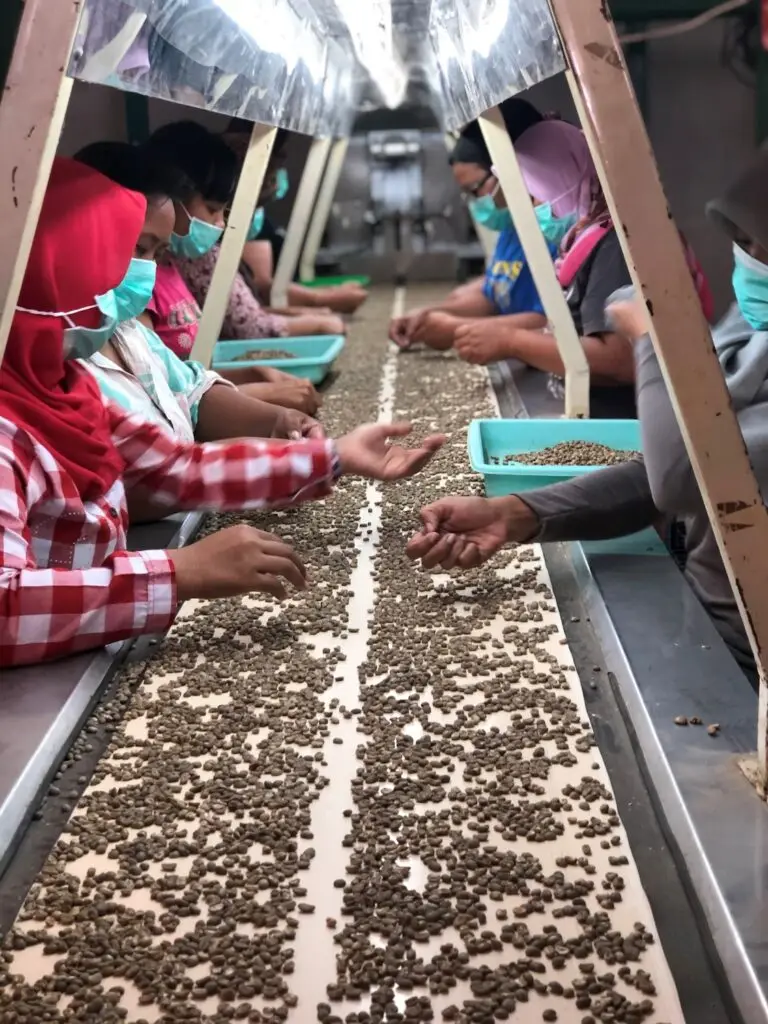
In 1989, Karen Cebreros launched Elan Organic Coffees, San Diego’s first company importing green coffee—raw, unroasted beans—from various countries of origin. Roasters buy green coffee for a few reasons: They’re less expensive, have a longer shelf life, and allow local roasters to control the flavor profile and be part of the craft instead of buying someone else’s finished product. It’s the de facto option for specialty coffee roasters. The same year Elan opened, the price of coffee collapsed across the world, giving cafés in San Diego and beyond even more incentive to give roasting their own beans a try.
Courtesy of Bird Rock Coffee Roasters
Kayd Whalen is the senior trade and head of the San Diego office for InterAmerican Coffee, a global importer of specialty raw coffee across 27 countries. When she worked for Elan in 2005, “there were very few roasters here,” she says, pointing to businesses like Ryan Brothers (opened in 1994) and Bird Rock Coffee Roasters (whose founder Chuck Patton started roasting in 2002 but didn’t open the first retail location in Bird Rock until 2006). But she could see the revolution was coming.
“I think the actual birth of specialty [coffee] and the birth of roasting coffee in San Diego kind of came along hand-in-hand with the craft beer boom,” she adds.
Beer and beans’ concurrent explosion isn’t a surprise: The rise in craft in one category makes people look around and think, “What other, similar things can we do this to?” From the mid-2000s to mid-2010s, both beverages were on the rise. By 2018, at least 155 breweries operated across the city, and Wallethub ranked San Diego the 10th best coffee city in the United States.
While the 2008 recession was bad news for a lot of businesses, the silver lining was that more people started tinkering with the art. “Everybody got into roasting because they were trying to lower their cost of goods,” explains Bird Rock Coffee Roaster president Jeff Taylor. Whalen estimates the number of local roasters she worked with jumped from three or four in 2007 to well over 100 today.
Courtesy of InterAmerican Coffee
San Diego’s proximity to Mexico is also crucial; we’re the closest major US city to a coffee-producing country. Roasters from Baja are beginning to attend and host cuppings in San Diego—events where coffee pros sniff, slurp, describe, and discuss characteristics like aroma, flavor, mouthfeel, and aftertaste to evaluate a particular brew. “Tijuana is really coming up,” Whalen says.
“It’s not like you have to go to Portland to get a good cup of coffee,” Taylor says, noting that everyone has access to the same beans, same machines, and same training. “The coffee culture in San Diego is 100 percent as good—maybe not as large, maybe not as intense—but absolutely as good as Seattle or Portland or New York or anywhere else.”
Courtesy of Cafe Moto
The Mentor
Cafe Moto
If the San Diego coffee industry had a Hall of Fame, there’s no doubt Cafe Moto would occupy a place of honor. Not only is it one of the OG roasters in town since 1998, but the Moto gang has also mentored many other roasters, baristas, and café owners for years, sending its influence across every corner of the county.
Owner Torrey Lee subscribes to the theory that sharing knowledge with others creates community, not competition. He works to help professionals find their feet in an increasingly crowded (and expensive) industry. “Coffee is a people business,” he says. At least two dozen different hands touch coffee beans along the supply chain, from farmers to exporters to the baristas handing over the final, finished cup. The true cost of the beverage many of us take for granted is a relentless daily grind (no pun intended) for many, many folks.
One of the biggest challenges is getting customers to try a single-origin from a lesser-known coffee region like Rwanda or Papua New Guinea—and ballooning costs aren’t helping people break out of their comfort zones. But despite the occasional sticker shock, the team makes many choices—like buying from women coffee farmers (including Las Hermanas, an organic and fair-trade cooperative in Nicaragua)—based on the belief that value comes from more than just a price tag.
Courtesy of Bird Rock Coffee Roasters
The Shape-Shifter
Bird Rock Coffee Roasters
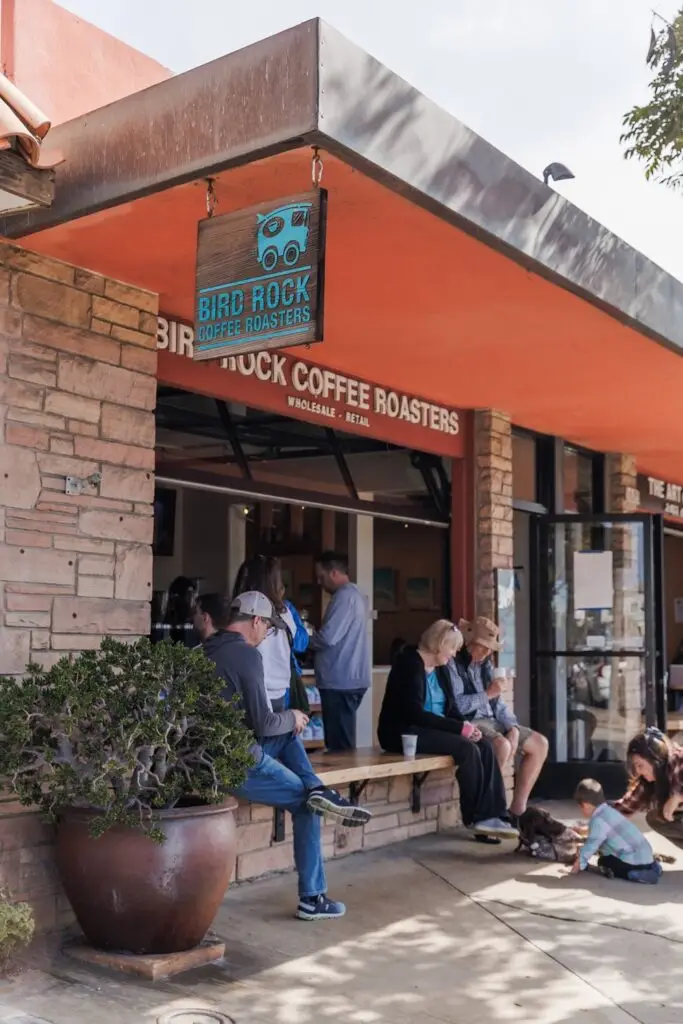
San Diego’s coffee timeline can be divided into two eras: Before Chuck and After Chuck. Chuck Patton launched Bird Rock Coffee Roasters in 2002, riding the third wave of coffee—defined by a commitment to ethically sourced beans; more delicate roasting profiles; and, well, the art of it all. It was perfect timing to get into the coffee game, and Patton had the right touch: By 2006, he opened his first café and in 2012, Roast Magazine (which hosts what’s basically the Oscars of coffee) named Bird Rock Roaster of the Year. Then he left.
In 2017, Patton sold Bird Rock to Jeff Taylor, cofounder and CEO of PT’s Coffee out of Kansas. (The two were friends, having spent years traveling across the world on buying trips.) He handed the head buyer reins to Taylor’s wife Maritza, one of the first “coffee sommeliers” in Colombia, before leaving the company in 2018. In 2024, he launched Chuck’s Roast and Patton Coffee Consulting, two ultra-small passion projects dedicated to coffee education, training, consulting, and roasting.
Meanwhile, Taylor took Bird Rock on a larger trajectory. He expanded café operations, opened a dozen shops across San Diego, launched wholesale accounts with Costco and Cometeer (an up-and- coming, fully recyclable alternative to plastic coffee pods), and made Bird Rock synonymous with San Diego coffee.
Courtesy of Dark Horse Coffee Roasters
The Goldilocks
Dark Horse Coffee Roasters
In 2013, Miley Cyrus topped the charts with “Wrecking Ball,” President Obama started his second term, and brothers Daniel and Bryan Charlson opened the first Dark Horse Coffee Roasters, serving cold brew and direct-trade coffee out of a small storefront on Adams Avenue in Normal Heights.
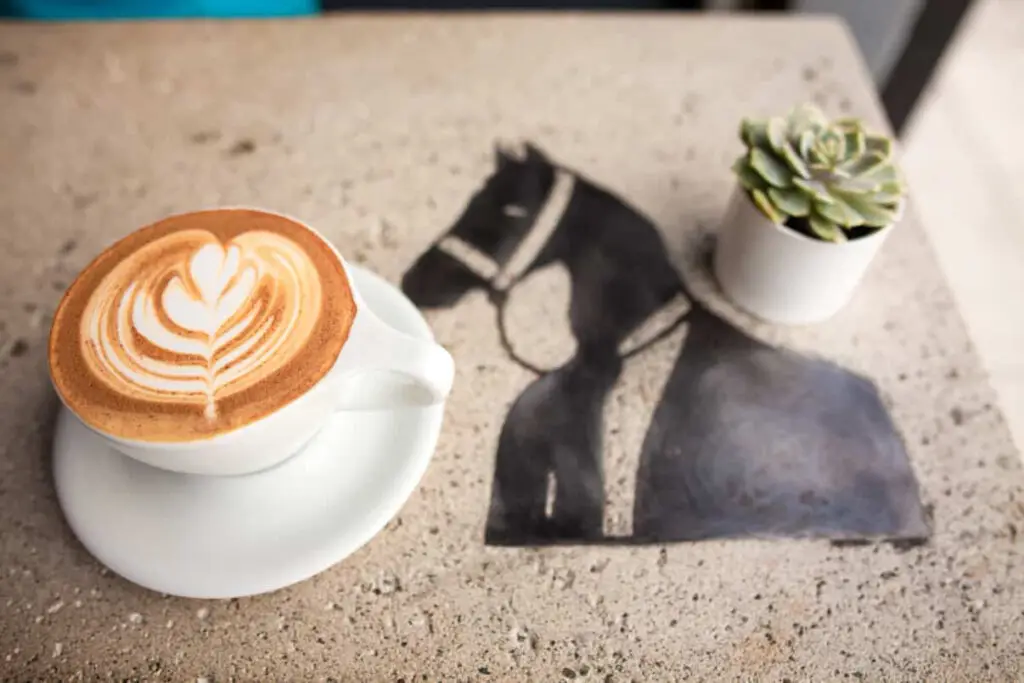
In the years since, the punk-oriented brand has grown slowly, now operating eight coffee shops in San Diego County (with two more in Truckee, CA and Koloa, Kaua’i) and slinging merch that satirizes ’90s cultural touchstones like the D.A.R.E. program and the cover of Sonic Youth’s Goo. The branding helps, but the beans and drinks (including a buzzy nitro cold brew and “The Champ,” a latte with honey and cinnamon) have been consistently good since day one.
Some other highly renowned cafés opened before Dark Horse (Coffee & Tea Collective, 2012), and some came later (Steady State Roasting, 2018). Others grew bigger (Better Buzz Coffee Roasters has at least 50 locations and remains on a roll), and others kept things a little more niche (James Coffee has five shops). But in an increasingly crowded coffee landscape, Dark Horse has found a formula that works, partly by going beyond obvious coffee meccas like North Park and South Park to launch outposts in places such as La Mesa, Mission Gorge, and Chula Vista.
The Curator
Rikka Fika
In an era of cluttered social media algorithms and Instagram-over-flavor drinks, Rikka Fika’s simplicity manages to shine through the hubbub. Combining the Japanese word rikka (meaning the first day of summer) and the Swedish word fika (the daily ritual of slowing down for a coffee break), the brick-and-mortar opened in 2023 in East Village after a few pop-ups around San Diego.
The shop prioritizes specialty coffee beans from a small number of international roasters that are hard to find in the US, especially much lighter, delicate roasts, as well as a small, hand-picked selection of retail products. “A lot of them are more curated items that promote slow living in a more minimalist way,” explains one of the two owners (who requested to remain unnamed since she spoke on behalf of the team).
Don’t mistake the shop’s intentional selectivism for pretentiousness. Neither owner comes from a hospitality background, and instead apply their professional expertise in fields like UX design to create something new—and rather special. “There’s more freedom and more liberty to do what we believe is right and what we believe is good,” the co-owner says.
There are plenty of coffee shops to bring your laptop to work or grab a latte to go as you rush to an appointment. But Rikka Fika’s whole thing is encouraging guests to take the time to await a hand-whisked matcha, savor a rare pour-over from a small roaster rarely seen outside Japan, or browse its collection of Norwegian porcelain cups—a rare reminder that it’s okay to slow down.
Beth Demmon is an award-winning writer and podcaster whose work regularly appears in national outlets and San Diego Magazine. Her first book, The Beer Lover's Guide to Cider, is now available. Find out more on bethdemmon.com.
Even as tea stages a takeover of the morning routine, the boutique coffee biz is buzzing.
Photo by Tim Spreadbury
By Nate Martins
David James Kennedy (guitarist of Angels and Airwaves) moonlights as coffee roaster of James Coffee Co. He’s finally set up shop in North Little Italy’s VI Star boutique, serving pour-overs, pastries, and selling his beans.
Dark Horse Coffee opened its first shop in Normal Heights in 2013 and recently announced plans to expand to Lake Tahoe. A third Dark Horse location is also slated for Golden Hill. And longtime local leader in the roasting biz
Bird Rock Coffee Roasters will expand to a second location in Little Italy soon, and plans to open a new, larger roasting facility as well.
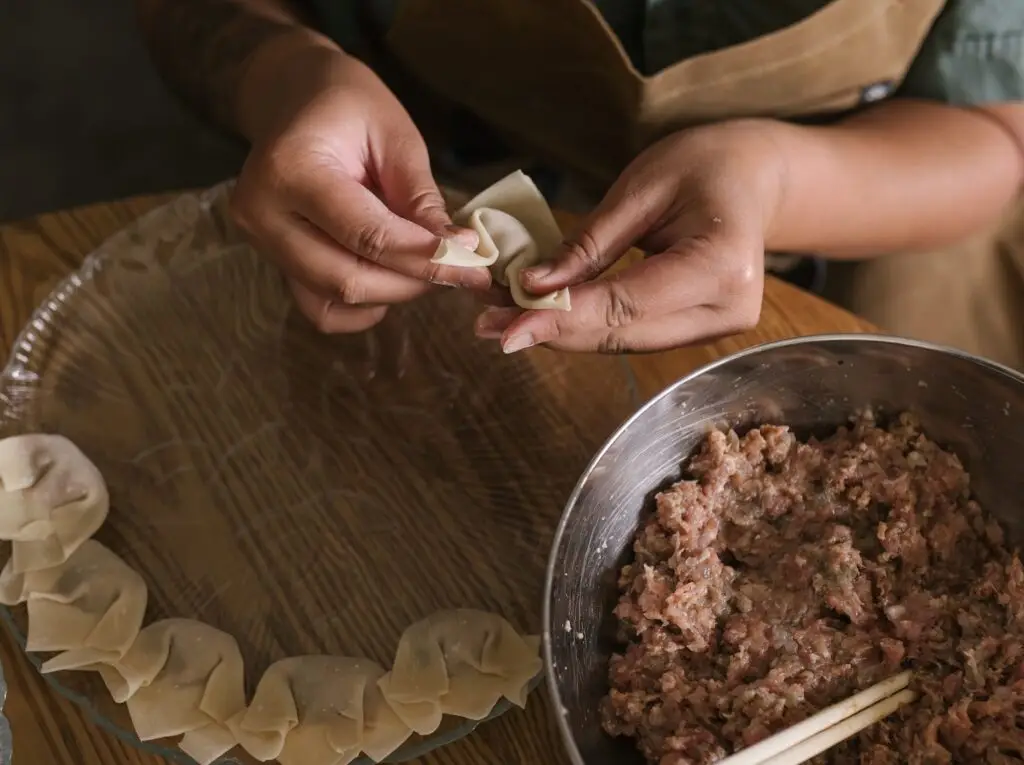
As a child, Chantal Partolan never considered cooking as a viable job route. Rather, it was a passion she could turn to as a way to flex her creative muscle, from the time she was in school all the way into adulthood working in a corporate space.
“I never felt like [cooking] was a chore, like some other people feel,” she says. To feed that passion, she started hosting supper clubs in 2022, creating menus and full tablescapes to bring together friends and family. With each successful gathering, she wondered: Could she take this further?
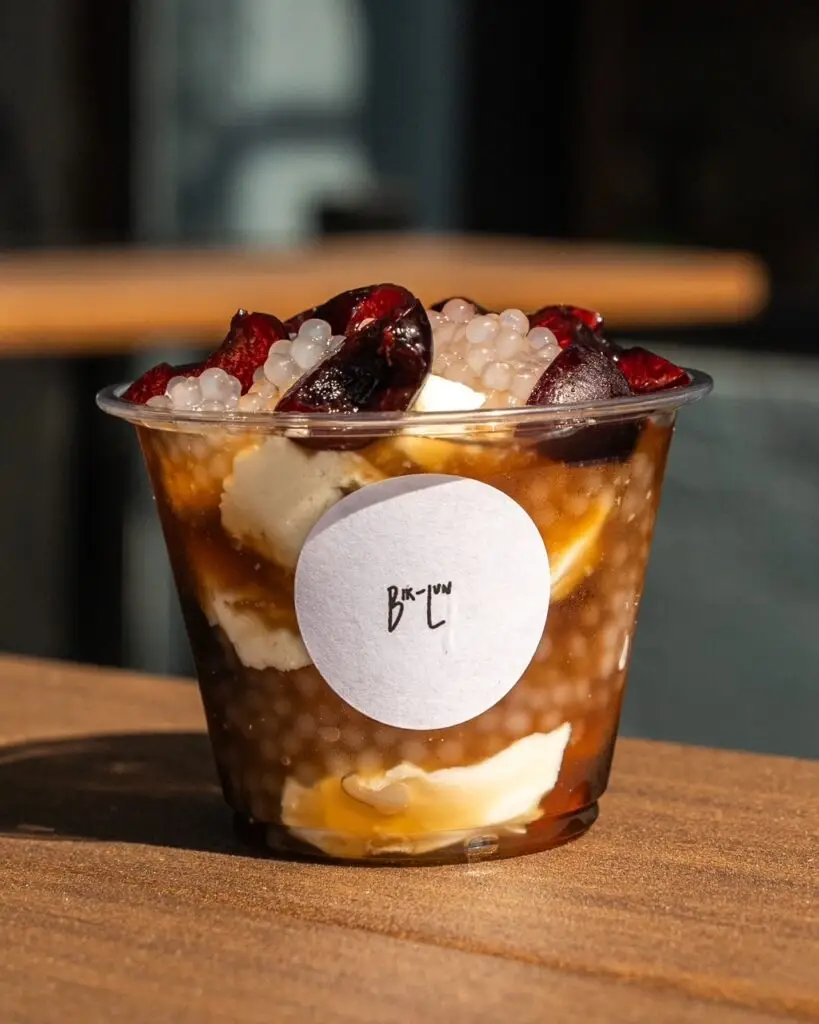
In 2024, she did. Officially launching as Bik-Lun, she began small, hosting baking pop-ups in Long Beach before moving back to her hometown of San Diego in 2025. Now, Partolan still mostly pops up at small local businesses like Moniker General and Joon Shoppe, but now also offers small batch catering and private chef services, all centered around her father’s Filipino and her mother’s Chinese heritages.
Photo Credit: Megan Jane Burgess
Bik-Lun (pronounced bik-LUHN, like “fun”) is named for her mother. “When she migrated to America when she was younger with all her siblings, they all got American names,” Partolan says. She doesn’t strictly adhere to rigid culinary rules—instead, she lets memories drive her creations.
“Now that my grandparents are no longer here, trying to revisit those memories and share them with others has been a really important part of this journey for me,” she explains. Ingredients like red bean and black sesame reflect her Chinese roots, while more savory items like sinigang (a sour and savory Filipino soup) pay homage to her father’s family.
You can next catch Bik-Lun on September 27 at Home Ec + Best Bud with Magnaye (formerly One of One), October 3 at Patine’s new location in Bankers Hill, and October 10-11 at the Mingei Museum for Merkado Kultura, a makers market for Filipino producers. Partolan says since most customers are familiar with her sweet products, she’s planning to offer more savory items—like a breakfast sandwich—at the Home Ec event to give people a taste of her creative versatility.
Eventually, she hopes to add some permanent residencies to Bik-Lun’s schedule—a few are already in the works, so stay tuned—while also looking for ways to combine her food and photography expertise. (A cookbook? Maybe, she says.) But in the meantime, Partolan will remain curious about where she comes from—and how it can take her to where she’s going.
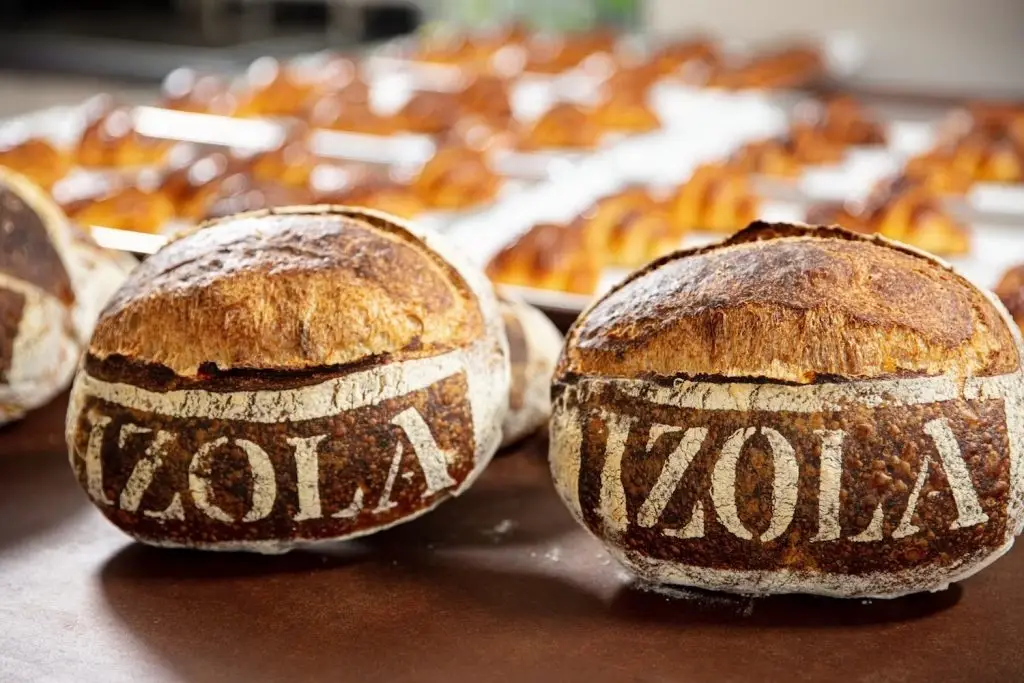
Courtesy of Izola Bakery
San Diego Restaurant News & Food Events
Beth’s Bites
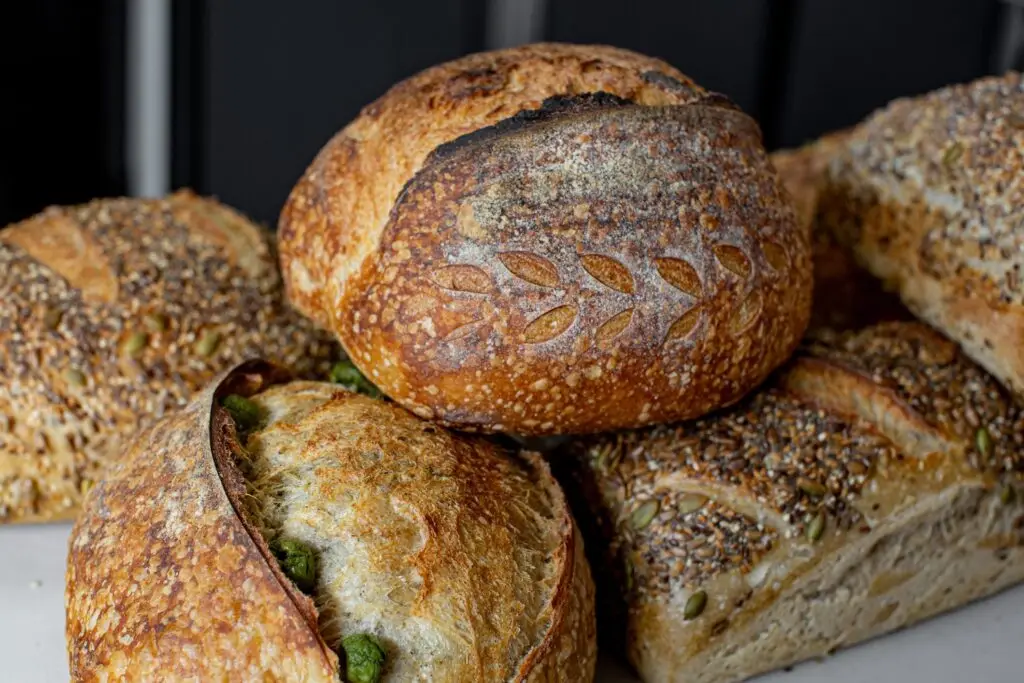
Izola Bakery has long discussed its expansion plans, and at long last, there’s finally some traction. The award-winning East Village bakery will officially move into its second location at the former California English space in Sorrento Valley, hopefully by the end of the year, according to owner Jeffrey Brown. In the meantime, the downtown location will continue to churn out plenty of buns, croissants, sourdough, and more to keep your carb cravings at bay.
Why settle for beer at Oktoberfest when you can have cider? Bivouac Ciderworks is throwing their version of Septemberfest, on Saturday, September 26 from noon to 5 p.m. at their North Park taproom and restaurant. Entry is free, and there will be plenty of German-inspired bites and eats to enjoy. I’m particularly eyeing the apple strudel cider float and Bavarian cider-kraut, but in all likelihood will also be getting a soft pretzel or two as well.
Listen Now: The Latest in San Diego’s Food and Drink Scene
Have breaking news, exciting scoops, or great stories about new San Diego restaurants or the city’s food scene? Send your pitches to [email protected].
Beth Demmon is an award-winning writer and podcaster whose work regularly appears in national outlets and San Diego Magazine. Her first book, The Beer Lover's Guide to Cider, is now available. Find out more on bethdemmon.com.
Today’s seniors are more connected than ever, with a renewed focus on retirement as a time of discovery and enriching experiences. The ultimate reward for a retirement well-earned is the wisdom to appreciate it all, and what better place to enjoy that unique perspective than Vi at La Jolla Village, in the heart of San Diego.
All-access pass to good living.
As a Continuing Care Retirement Community (CCRC), Vi provides access to a connected and fulfilling community while making it easy to plan for future care, should the need ever arise. With a care plan in place, residents enjoy greater financial predictability and long-term value, freeing them to focus on making the most out of retirement.
Resort-style amenities at the epicenter of a cultural hub like San Diego offer a retirement experience unlike any other. Paired with exceptional dining, spacious accommodations and dedicated staff, the best of maintenance-free living is all around. And with the introduction of Vista 360 Well-Being, Vi’s panoramic approach to wellness, there are more ways than ever for residents to access it all.
The harmony of mind, body and community.
Courtesy of Vi at La Jolla Village
The key to longevity is striking the right balance in maintaining an active lifestyle with an active mind in a fulfilling community. With newly renovated community spaces and restaurants, Vista brings a variety of opportunities for residents to elevate their well-being through Vi-exclusive “Signature Experiences.”
Vista Enrich takes an evidence-based approach to brain vitality, keeping residents at the forefront of cognitive health through exergaming (exercising + gaming), nutritional plans and informative workshops. It is also home to The Brain Vitality Studio, an innovative facility dedicated to cognitive fitness that has garnered national recognition.
Vista Discover invites residents into stimulating educational experiences, from chef-led cooking demos and guided wine tastings to lectures at local universities and intimate lectures following cultural outings.
While Vista Enrich focuses on brain health and Vista Discover engages residents intellectually, Vista Explore cultivates a sense of adventure through curated travel and local excursions. But broadening one’s horizons doesn’t always require a plane ticket. One recent event brought a taste of the world right to the community: an onsite “jazz cruise” featuring live music and global cuisine served at a series of themed “ports” all within the community’s own ballroom.
“Location, location, location”
Courtesy of Vi at La Jolla Village
One of the biggest perks of life at Vi at La Jolla Village is its proximity to just about everything. With easy access to transportation and local attractions just steps away, residents can explore and engage with their community at their own pace.
“There are trolley and bus stops within a 5-minute walk that will get you to the beach, UCSD Campus, medical appointments, downtown La Jolla or San Diego, et cetera. We rarely use our car,” said resident Tom Yager.
With the best of San Diego just steps away, residents don’t just live in the city, they live within reach of everything that makes it special.
The best of all worlds.
Courtesy of Vi at La Jolla Village
At Vi at La Jolla Village, retirement isn’t a chapter to slow down; it’s an invitation to discover more. Tailored community experiences created by Vista, paired with the vibrant pulse of San Diego just outside the door, mean that residents don’t have to choose between security and adventure, connection and independence. They get all of it.
This is what an all-access pass to good living looks like: the comforts of an elevated lifestyle, a community built for growth and a city made for discovery – all in one place.
To learn more about Vi at La Jolla Village or for details on available floor plans, visit ViatLaJollaVillage.com/SDM.
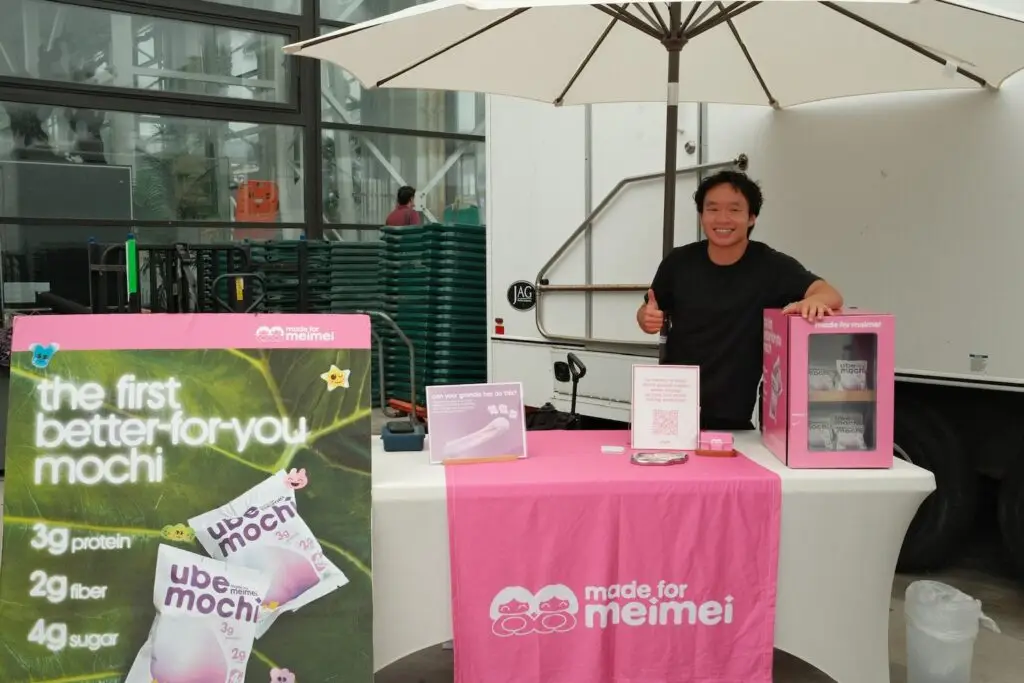
As a kid, Jacob Chen scrounged up whatever odd jobs he could—running lemonade stands, organizing garage sales, reselling appliances on Facebook Marketplace. But there was something about cooking that kept him coming back to the kitchen. “It started as a way for me to spend time with my mom,” he says. “In a way, I think it was inevitable that I would begin a food-based business.”
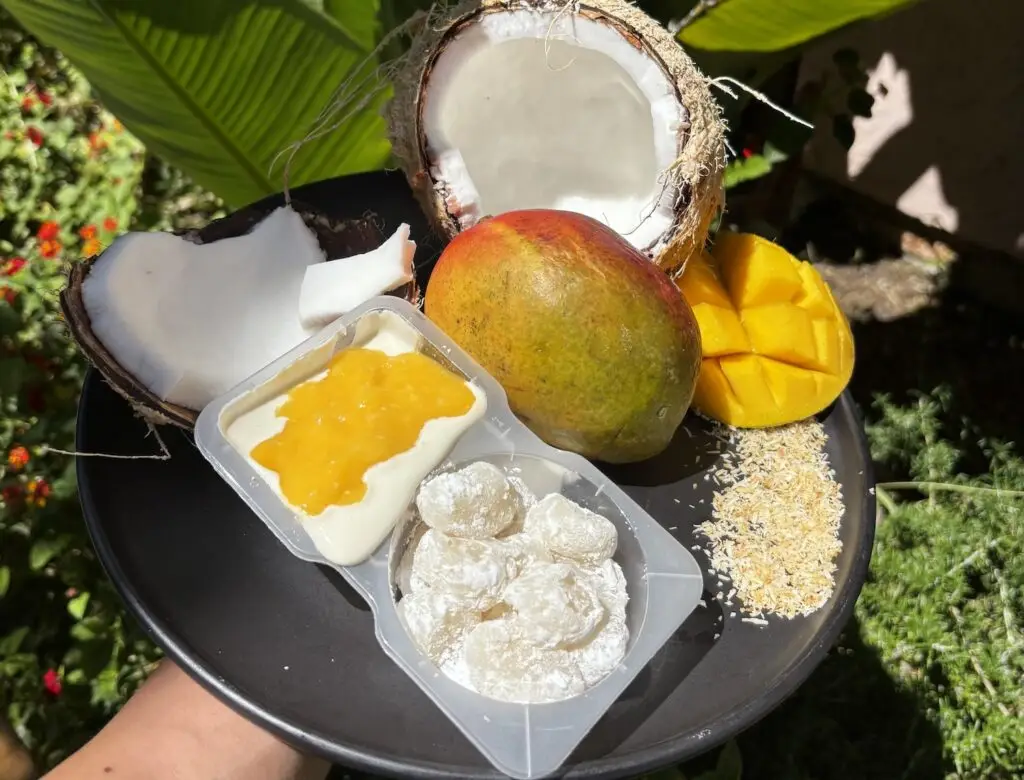
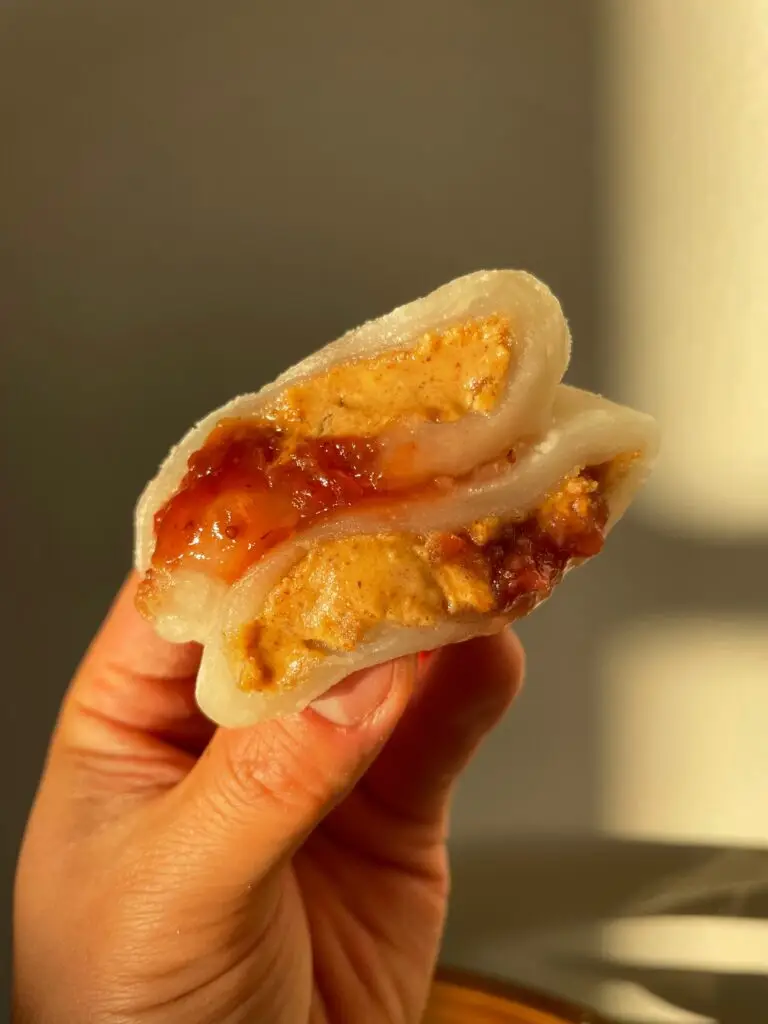
That business ended up being Made for MeiMei, a line of low-sugar, high protein and fiber mochi flavors like ube, matcha, red bean, black sesame, peanut butter and jelly, and chocolate hazelnut. “‘Mochi’ is derived from ‘mochigome,’ which is the special type of short grain rice that gives mochi its stretchy, chewy texture,” he explains. Traditionally served in Japan as a dessert to celebrate the new year (similar to bibingka in the Philippines and nian gao in China), American-style mochi tends to taste sweeter and often comes as mochi ice cream. However, Chen points out that wasn’t always the case.
Courtesy of Made for MeiMei
“Before mochi was synonymous with ice cream and refined sugar, it was simply a rice based snack filled with whole food ingredients,” he says. “That’s the version of mochi we’re trying to bring back.”
Made for MeiMei’s primary ingredients are rice flour and coconut milk, plus the featured ingredient for each flavor. But rather than using refined sugar, Chen sweetens his mochi with monk fruit and uses organic pumpkin seed protein and chicory root fiber to create what he calls “the first better-for-you mochi.”
Recent collaborations include a mochi-wrapped gelato with An’s Dry Cleaning, strawberry daifuku cream puff with Mon Chourie, and a funfetti chantilly cream dip mochi with The Clovery, but Chen has his sights set on retail expansion. Currently, Made for MeiMei products are available online, locally at Easy Does It Cafe, Bodega Market, or at upcoming events like Embolden Beer Company’s Taste of Shogun on September 27 (admission is free!) and a pop-up with Organic Oren on October 5.
Courtesy of Made for MeiMei
Besides being better for you nutritionally, Chen’s goal for the business is to also be better for the world. He’s worked in rehabilitation clinics and volunteered at San Quentin when he lived in Berkeley—experiences that transformed his worldview. “It really doesn’t take much to be on the other side of the fence,” he says. That’s why he donates portions of proceeds to organizations like Second Chance San Diego (which helps formerly incarcerated people find steady employment), Immigrant Defenders Law Center (a nonprofit deportation defense law firm), and Border Angels, an advocacy group working to reduce fatalities of people crossing the United States and Mexico border.
Chen has his sights aimed high, hoping to bring Made for MeiMei to more local grocery stores and cafes before hitting national retail shelves. Will he stop at mochi? Maybe not.
“There are so many childhood treats that could use an ingredient upgrade,” he says. “Mochi is just the beginning!”
Courtesy of Roppongi Restaurant & Lounge
San Diego Restaurant News & Events
Leave It Up To The Chefs at Roppongi
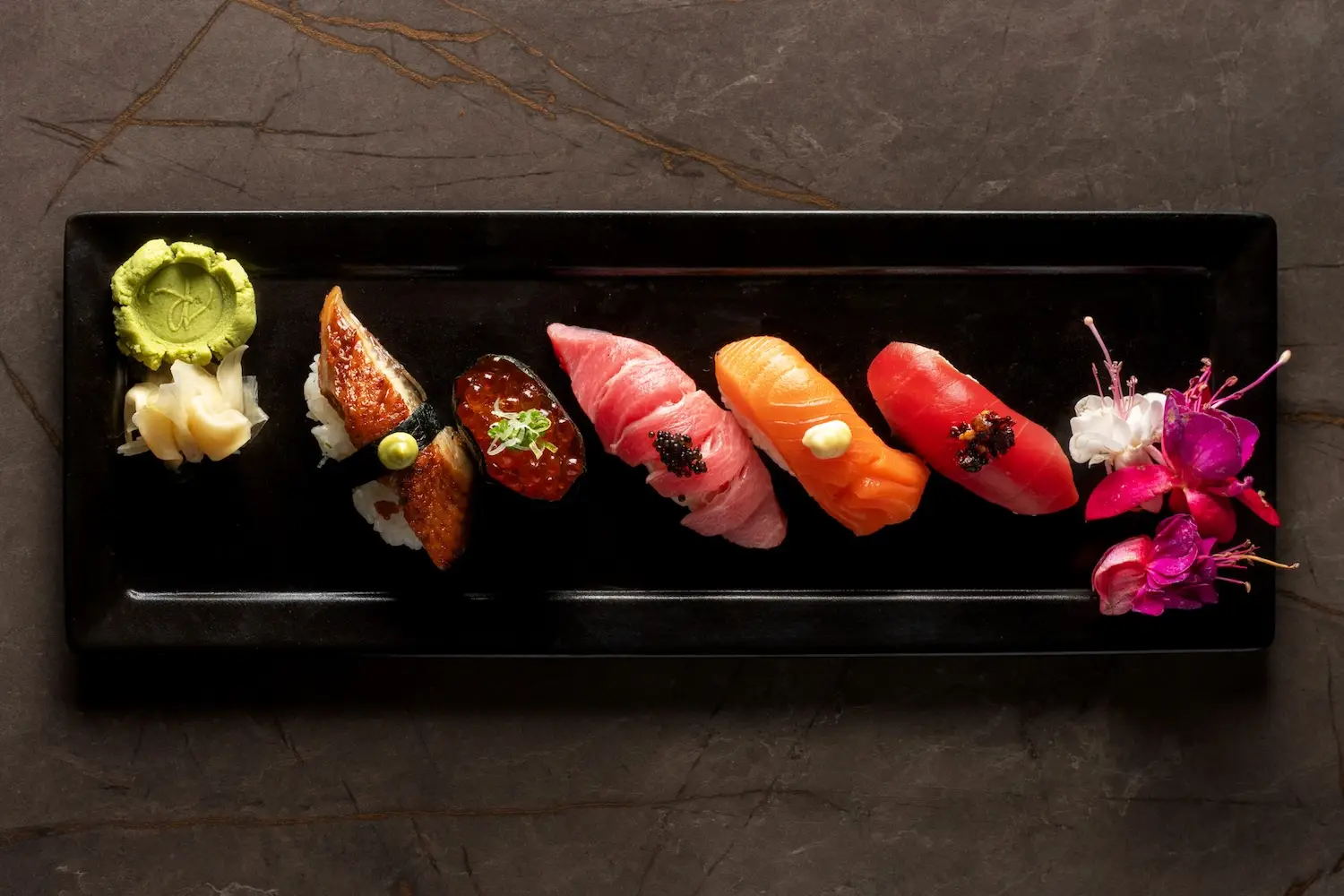
There’s no such thing as too much omakase, and we’re leaning in. On September 24, chef Davin Waite (The Plot, Wrench & Rodent) will join chef Mark Correa at Roppongi Restaurant & Lounge for a one-night-only, eight-course omakase experience with an optional (but personally recommended) beverage pairing curated by sommelier Humberto Ramirez. You definitely need to snap up a reservation for this one before they’re gone—and with a dream team like this, they will be gone.
Courtesy of Swells Sourdough Bakery
Beth’s Bites
Another weekend, another food festival—not that I’m complaining! On October 3, the 15th annual Taste of North Park hits the streets with over 50 tastings and 15 beverage stops awaiting your arrival. The event sells out every year (for real), thanks to participants like the newly opened One of Us, Falafel Heights, Finca, and many, many more. (Leave the parking stress at home—this is the ideal time to take advantage of the not-utilized-enough North Park parking garage.)
Swells Sourdough Bakery is movin’ on up—to Little Italy, that is. The farmers market favorite officially opens at 2254 India Street on October 1, but eager patrons can stop by during the soft opening starting September 26. Swimsuit season is over, people. It’s time to get our bagel on.
Longtime Point Loma watering hole Paradise Lounge & Grill is closing its doors, but only temporarily. I’m keeping an eye out for an official opening date, but the business has posted they hope by the end of September. Hopefully, it’ll be in time for the Padres to make the playoffs—manifestation!
Listen Now: The Latest in San Diego’s Food and Drink Scene
Have breaking news, exciting scoops, or great stories about new San Diego restaurants or the city’s food scene? Send your pitches to [email protected].
Beth Demmon is an award-winning writer and podcaster whose work regularly appears in national outlets and San Diego Magazine. Her first book, The Beer Lover's Guide to Cider, is now available. Find out more on bethdemmon.com.
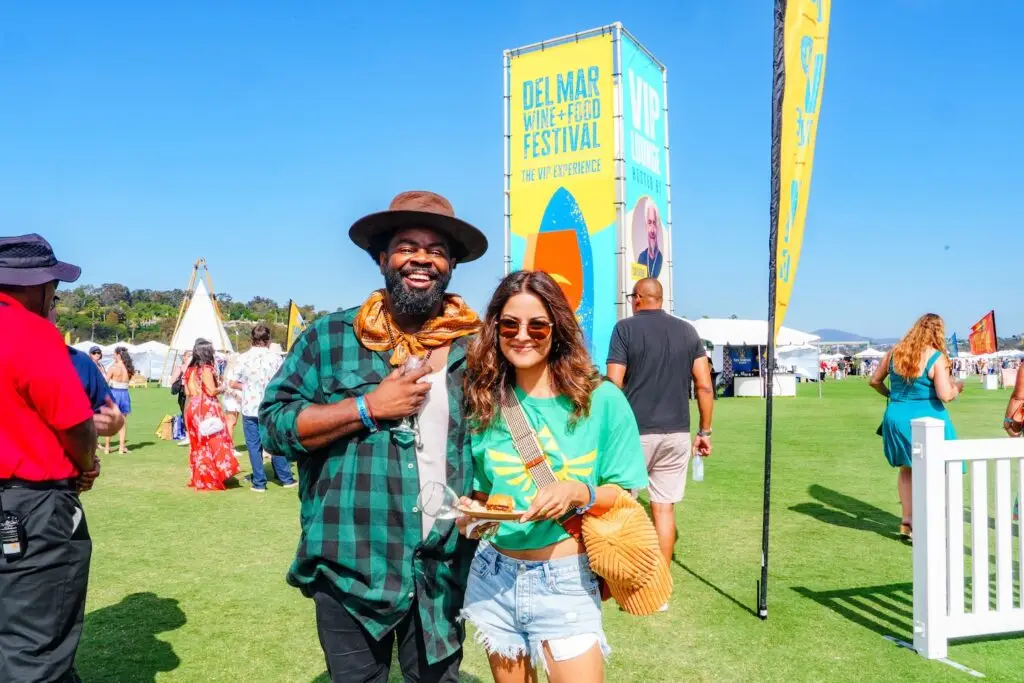
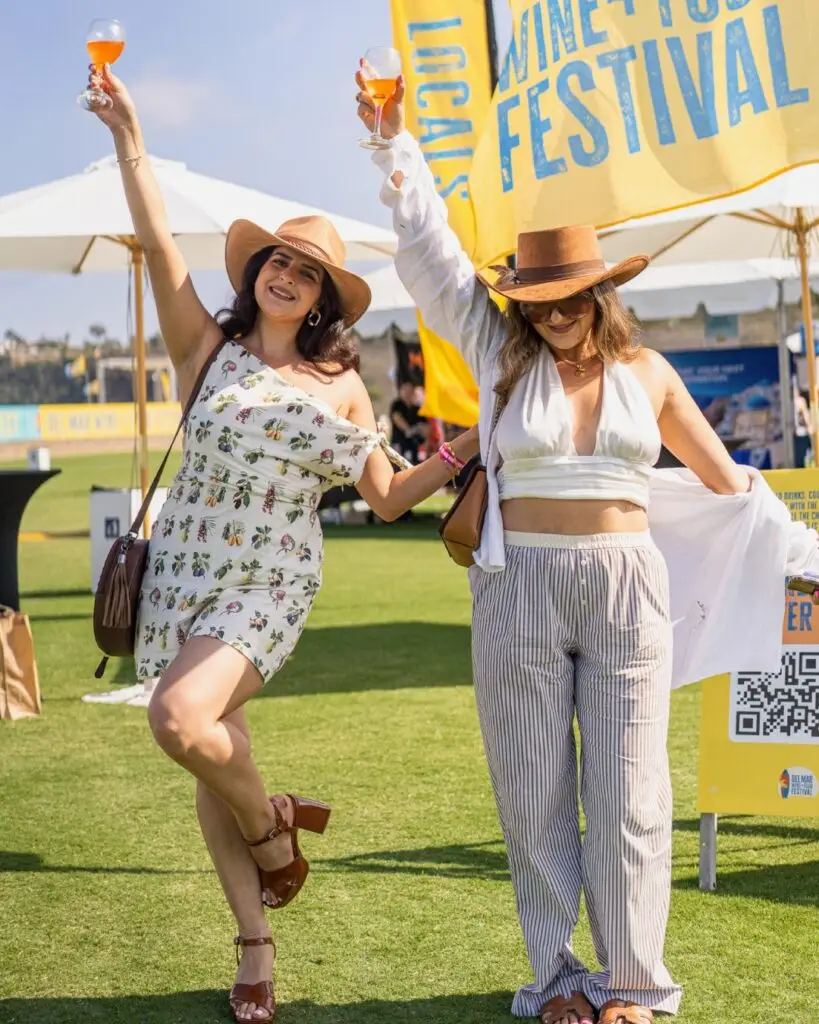
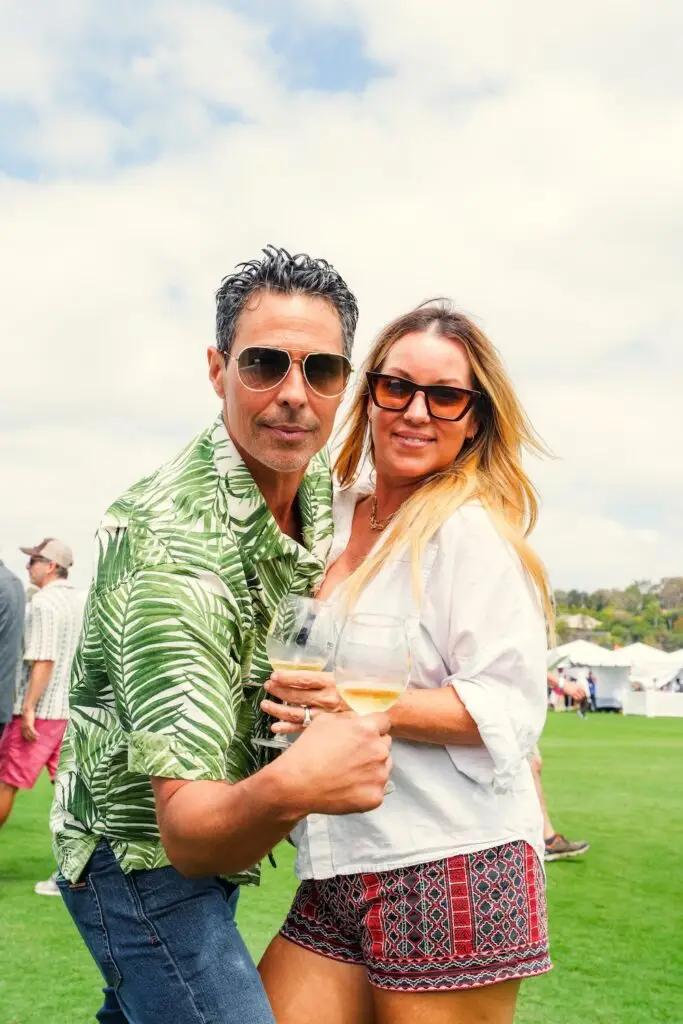
At Del Mar Wine & Food Festival’s Grand Tasting, the walk between food tents can take a while. You might stop to watch a chef competition, get pulled toward the DJ, or find yourself playing mini golf before you remember which bite you were after.
Across the Del Mar Polo Fields, there’s also line dancing, a 1961 red Beetle ready for photos, and an aviation-themed pop-up with Reno Tahoe chefs and mixologists. Need a slower stretch? Check out the wellness stops or browse the shops. Here’s what to look for as you make your way through the festival’s zones:
Courtesy of Del Mar Wine & Food Festival
VIP First Bites & First Sips
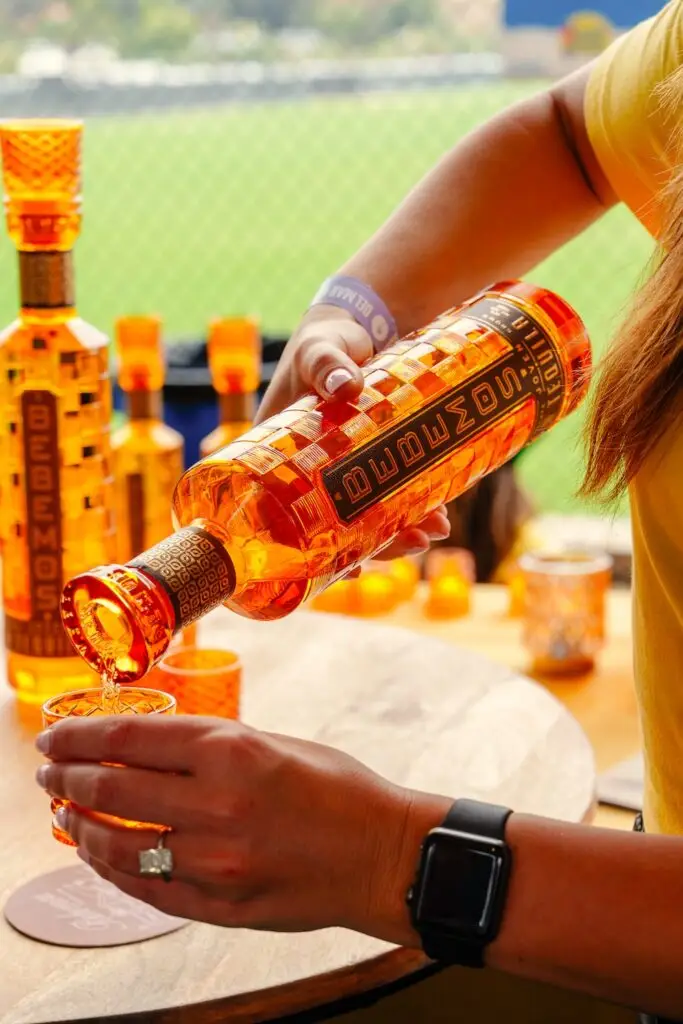
VIP ticket holders get a head start, with the VIP Reception running from 11:15 a.m. to 1 p.m. and serving first bites, first sips, and a few surprises before the Grand Tasting officially gets going. Champagne Telmont will make the festival’s first pour, while Cohn Restaurant Group brings carajillos alongside pours from Karl Strauss, Licor 43, Tap Truck San Diego, Bebemos Tequila, and Devil’s Grin Gin.
The bites are just as good. Celebrity chef Beau MacMillan will serve a first bite, while Warung RieRie is bringing one of its highly coveted dishes. Yes, this is the restaurant that currently has an eight-month waitlist. You’ll also find bites from The Shellfish Affair, The Waverly, Wolf in the Woods, Dora Ristorante, Cori Pastificio Trattoria, An’s Gelato, Pacific 333, Vintana, and more.
And because every good first act needs a soundtrack, there will be live painting and music, with Courtney Govan bringing live jazz to the reception. It’s the perfect opening act before the main event.
Live Cooking & Culinary Moments
During the VIP Reception, chefs Tommy Gomes and Jeff Roberto will conduct a live ahi cutting. Plant Paradise brings another culinary angle, with celebrity chef Zuliya Khawaja joining the plant-based lineup. The area combines chef talent with plant-forward restaurants and brands, giving guests a chance to see just how creative plant-based cooking can get.
Throughout the weekend, The Stage keeps the cooking demonstrations coming, with celebrities and chefs sharing techniques, recipes, and plenty of inspiration for anyone who plans to actually cook something when they get home. Before you know it, you’re watching a chef demo, casting your awards vote, and sipping mezcal on the grass with friends you just met in line.
Courtesy of Del Mar Wine & Food Festival
DJs, Music, & The Party
At the Grand Tasting, dancing just sort of… happens. A DJ drops the right song. Someone’s holding a taco in one hand and a glass of wine in the other. The country zone breaks into a two-step. Friends convince friends. Strangers become temporary dance partners. By the end of the day, everyone’s forgotten they were ever worried about looking cool.
DJ TENAX will be spinning in Plant Paradise, bringing house, techno, and UKG to an open-air dance floor that’s hard to leave. Chris Cantore, a veteran San Diego broadcaster, takes over the VIP Tent, while BootScootin Line Dance and PVO Events bring country-style line dancing to the Polo Fields, so you can work off your tasting itinerary one two-step at a time.
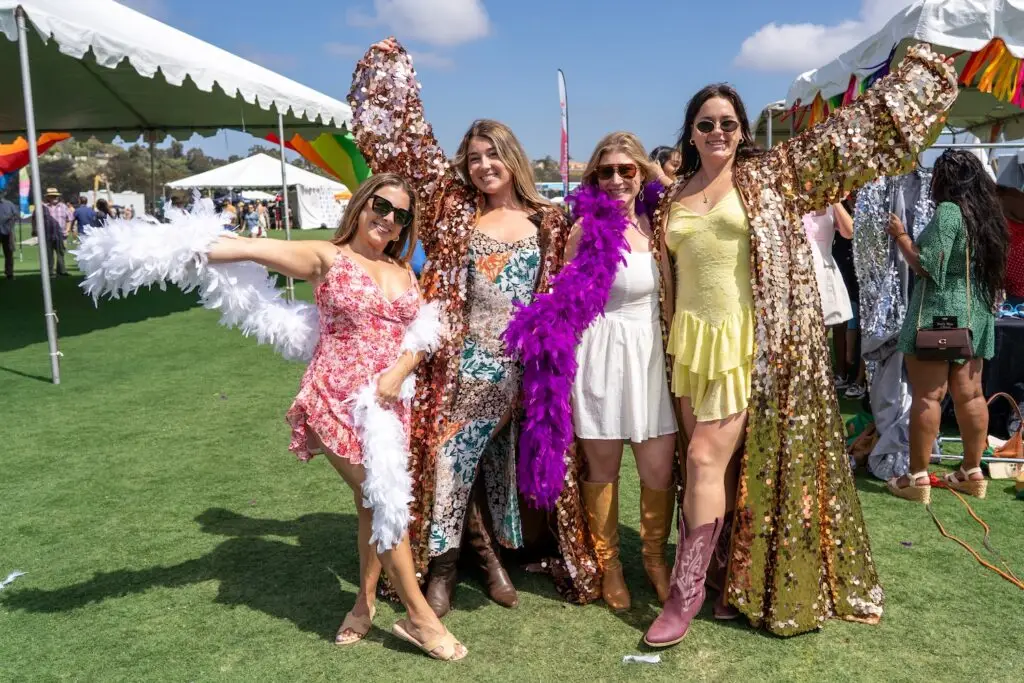
Then a live guitar hum in the distance leads you to a fuchsia boa over at the Pride Zone, where you’ll find yourself covered in sequins and having the lawn party of a lifetime.
Sports, Tailgates, & Games
Not every activity at the festival requires a tasting glass (although it’s certainly encouraged).
The Matchday Experience brings San Diego FC and San Diego Wave FC into the Grand Tasting, complete with interactive tents and plenty of game-day energy. Athletic Brewing is also sharing activation space with San Diego Wave FC, bringing a fun nonalcoholic option into the mix.
For golf fans, the Los Angeles Golf Club is bringing a Dryve Box golf simulator to the festival. And if your competitive streak is less fairway and more miniature windmill, SD Pop Up Mini Golf has you covered.
The Beach Zone gets in on the action, too, with surfing-inspired elements and Playavole paddle courts. Hemlock Hats and other California brands add to the coastal atmosphere, but the real draw is having somewhere to actually play. And don’t worry, you can cool down in COOLA’s turquoise beach chairs, too, and when your bestie suggests reapplying sunscreen, obviously you do. Basically, there are plenty of ways to work up an appetite between tastings.
Courtesy of Del Mar Wine & Food Festival
Photo Ops & Instagram Moments
You’re going to want to take photos, and the festival has made that extremely easy.
A Timeless Day is bringing multiple photo moments to the Grand Tasting, including a 1961 red Beetle at The Italian Getaway and a teal VW bus in The Beach Zone. For something a little more polished than the standard group selfie, head to the Locals Zone for Pixster Photo Booth and San Diego’s version of a Glam-Bot, complete with a grass red carpet.
Bebemos Tequila is also bringing back its festival-favorite hidden speakeasy. If there’s ever a time for a photo, it’s here. Otherwise, people might not believe you. The speakeasy serves bone marrow shots straight from the bone, with candlelight, a lounge area that makes it hard to believe you’re in a tent outside, and little orange shot glasses. This is “first slide of your festival photo dump” material.
You can also grab your squad and head to LaCroix’s bright and ridiculously cute setup, or swing by San Diego Magazine’s area, where you might stop for a photo in front of the larger-than-life SD Magazine sign and find yourself watching a painting come to life.
But really, you’re in Del Mar. The ocean is essentially your backdrop, and every zone gives you an excuse to stop for the obligatory “totally candid” photo. And yes, the best strategy is to get the group shot before everyone has been sampling wine for three hours.
Shop, Browse, & Take Something Home
The Grand Tasting also doubles as a little shopping excursion, with local makers, fashion, vintage finds, jewelry, and lifestyle brands scattered throughout the grounds. Smoke Revival Vintage Vault brings the thrill of vintage treasure hunting, while Nortte Hats and Hemlock Hat Company make a pretty good case for leaving with a new accessory.
Keep an eye out for jewelry and creative vendors, too, including Iris Studio Jewelry and New Nightfall Jewelry, plus local artists and makers featured throughout the festival.
You can come for an all day food and wine festival, but still leave with something shiny you definitely did not plan to buy.
Wellness & Reset Moments
We know, at some point, even the most dedicated grazer has to come up for air. The Novo Dia Wellness Zone is designed for exactly that, bringing together mocktails, coffee, hydration, wellness brands, and even bites from Parakeet Cafe.
Step away from the food and drink frenzy for a few minutes, relax in the shade, try some skincare, stretch with prAna, and maybe grab some Instant Hydration Electrolytes before round three.
There’s also nothing wrong with stopping to smell the roses at Green Air Botanicals while devouring a dairy-free cheese dip. It’s less about disappearing from the party and more about making sure you have enough energy to keep going.
The zones give you somewhere to wander, and the activities give you a reason to keep going. So grab your tasting glass, check the schedule, and leave a little room in your afternoon for something you didn’t plan on doing. At Del Mar Wine & Food, that’s usually where things get interesting.
Isabella Dallas is a freelance writer for San Diego Magazine and the Arts and Culture Editor at The Daily Aztec in her final year at San Diego State University. She previously worked as an editorial intern for SDM, but when she’s not writing, you can find her trying the best coffee spots in SD, devouring the latest rom-coms, and indulging in anything and everything pop culture.
NewBridge School is San Diego’s only school dedicated to the education of students with dyslexia and related learning profiles. For 30 years we have successfully served students with dyslexia, dysgraphia, dyscalculia, receptive/expressive language disorders, ADHD, executive functioning and memory deficits. Students transition successfully into academically rigorous high schools and colleges across the country. Why NewBridge? Training, training, training (plus intensive individualization, and comprehensive program design). All teachers are trained and retrained biennially in Orton-Gillingham, the only approach proven to remediate dyslexia based on Science of Reading research, and complete a year-long training program. Every aspect of our program is designed around our students’ learning styles and needs. Every class is taught by a highly-trained expert, and our Speech/Language and Occupational Therapy teams embed throughout the day. Our multisensory, multi-tiered math program has been developed in conjunction with sister schools and experts across the country. Don’t wait—early intervention is magic!