Ready to know more about San Diego?

Subscribe
Everything SD JANUARY 3, 2024

15 of the Best San Diego Food & Drinks to Try This January

Each month, the SDM staff eats their way through the city—here are all of our favorite sips and bites
15 of the Best San Diego Food & Drinks to Try This January
Courtesy of Our Green Affair

After a few months of hot toddy–fueled debauchery, most folks crave a reset come January. But new year virtuousness looks different for all. Some take a break from booze; others partake only in plants. Plenty of us merely try to squeeze in more greens between our breakfast burritos and midnight fry runs. To help undergird your 2024 intentions, here are 15 of our favorite better-for-you bites and sips in San Diego.
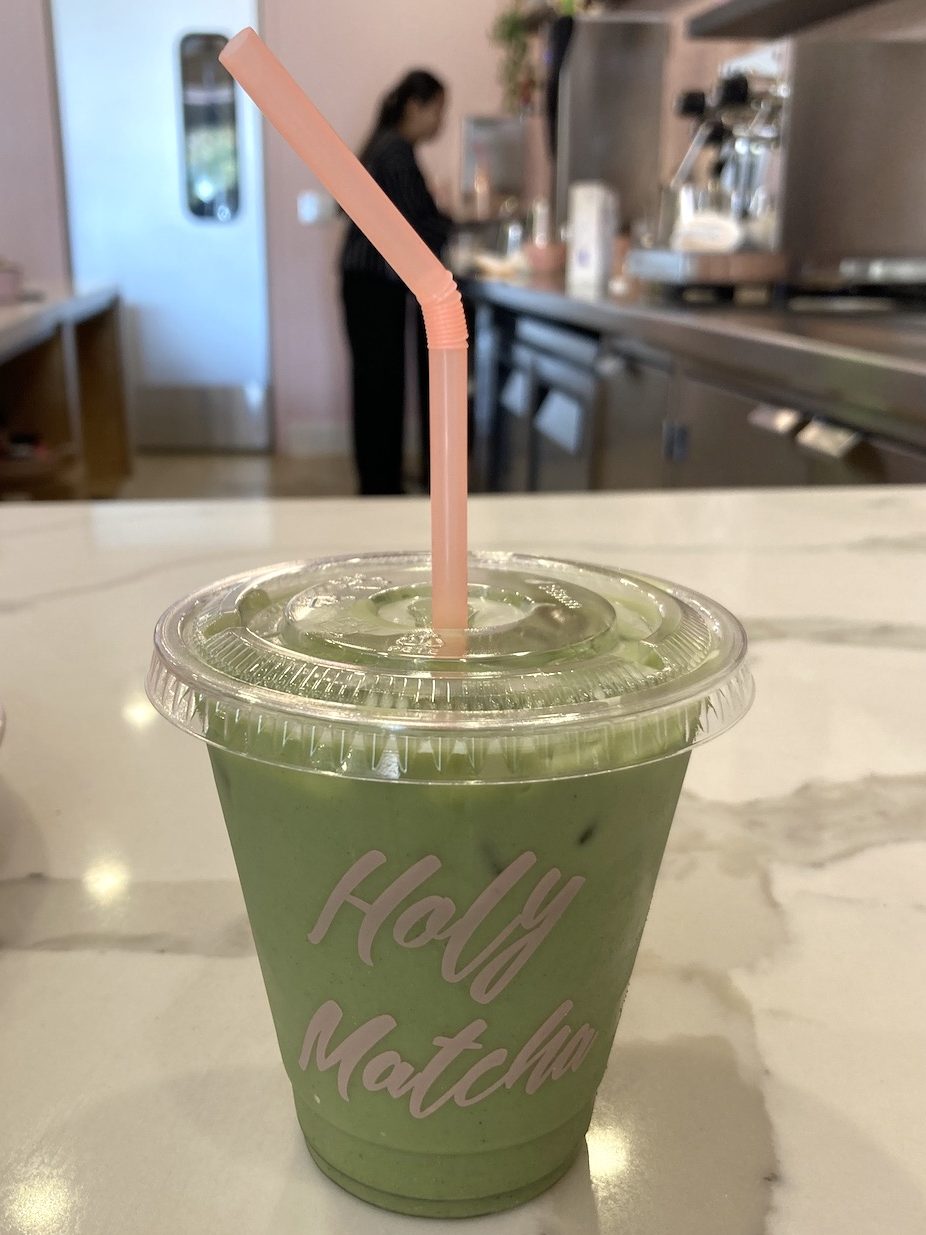
Best food and drink to try in San Diego including the Glow Latte from Holy Matcha in Little Italy and North Park

Holy Matcha

Glow Latte

Enterprising ice cream shops did wonders for what was once a mere breakfast residual when they invented cereal milk–flavored shakes. North Park and East Village’s Holy Matcha delivers an accidental, inflammation-busting take on the concept with their Glow latte, a blend of matcha, powdered pearl, tocopherol (an antioxidant), ashwagandha (an allegedly anxiety-soothing herb), rose, and your pick of plant milk. It tastes (pleasantly) like raisin bran remnants and is intended to impart skin with a disco-ball radiance. –AR
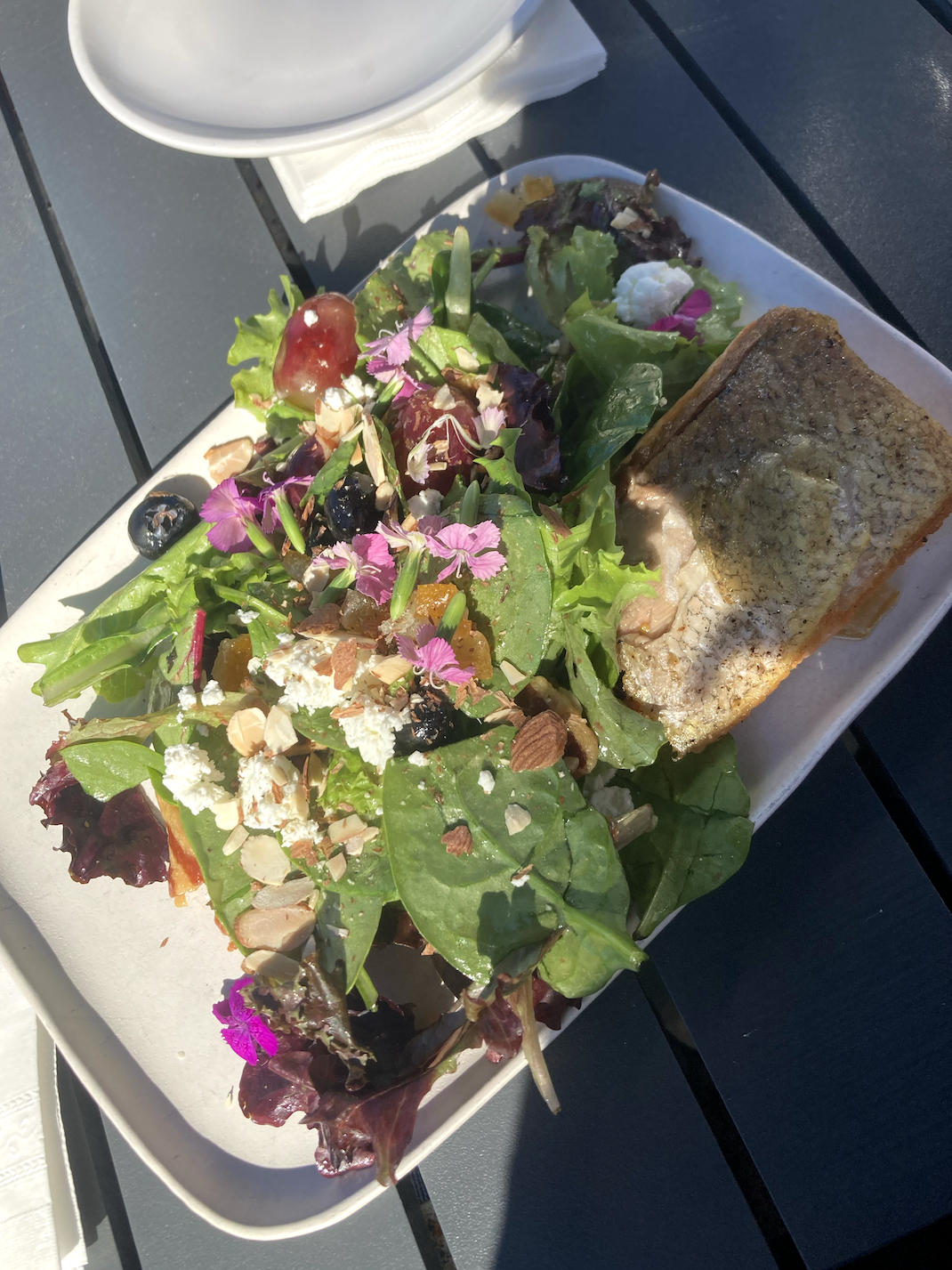
Best food and drink to try in San Diego including the otago citrus salad from Kairoa Brewing Company in University Heights

Kairoa Brewing Company

Otago Citrus Salad

Alongside the expected chicken wings and drippy burgers at University Heights’ Kairoa are a wealth of surprisingly legit vegan and veggie-forward options. The citrus salad is a vibrant, seductive orchard on spring mix: blueberries, candied orange peel, charred (!) grapes, kumquat-passion-fruit dressing. Plus crunchy pancetta and creamy goat cheese, because a salad without LA (lavish accessories) is just SAD. –AR
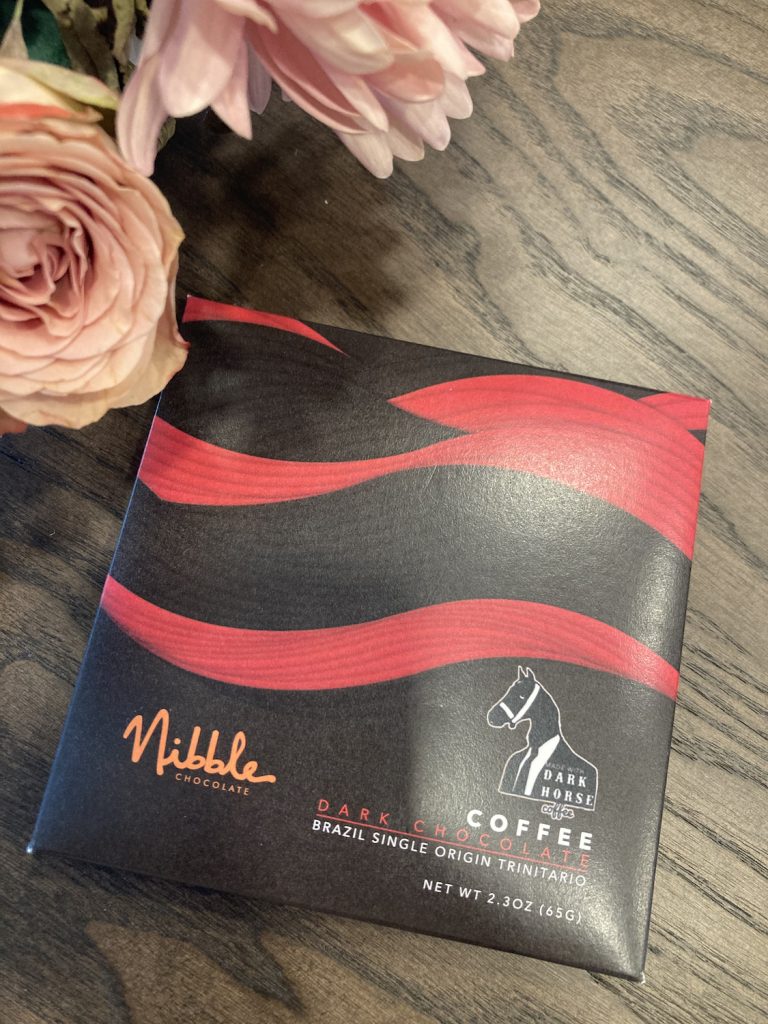
Best food and drink to try in San Diego including Coffee Dark Chocolate from Nibble Chocolate with  coffee from Dark Horse

Nibble Chocolate

Coffee Dark Chocolate

Local cocoa outpost Nibble was founded to combat the heedless scarfing typically associated with candy bars. If Hershey makes the Natty Light of chocolate, Nibble’s ultra-rich, single-origin bars are the fancy scotch—a little goes a long way. They’re all good, but I’m partial to the kind threaded through with ground coffee from SD roaster Dark Horse. –AR
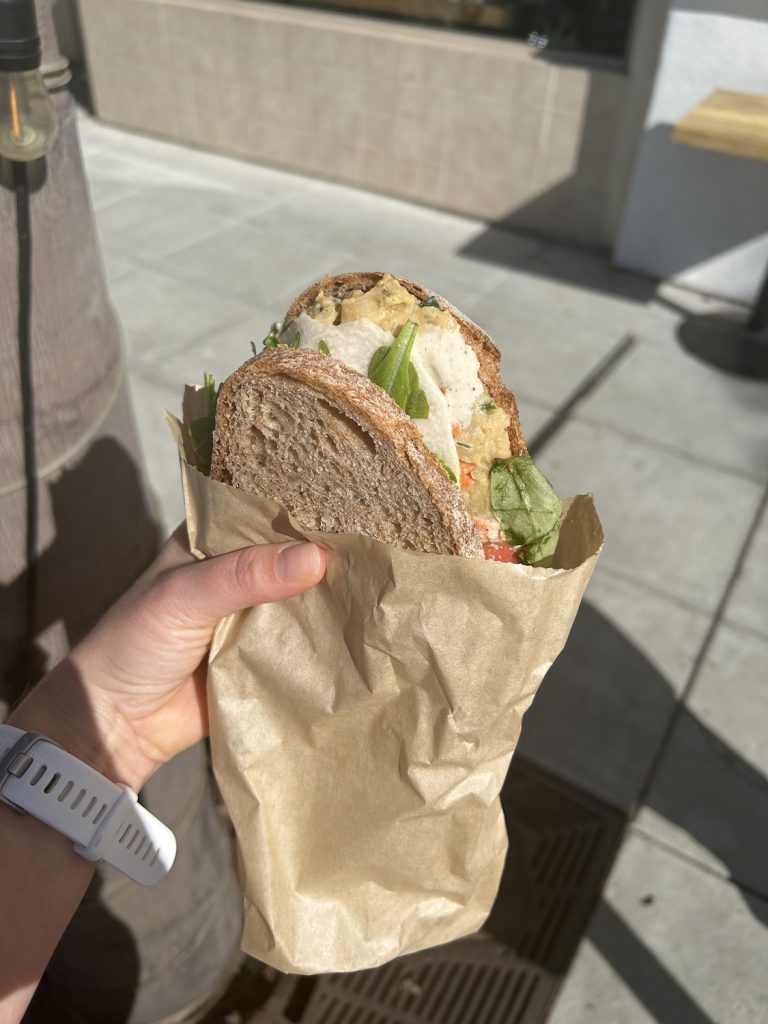
Best food and drink to try in San Diego including the veggie sandwich from Prager Bros. Artisan Bread in Hillcrest

Prager Bros. Artisan Bread

Veggie Sandwich

Like pairing your mom’s old vintage fringe with your Lululemon crop top, the classic ’70s veggie sandwich feels fresh again at Prager Bros. Swap out the cream cheese for flavorful chickpea mash, sub a sad whole wheat loaf for toothsome sourdough miche, and add apples and pickled daikon for crunch over watery alfalfa. The good old days are now. –SL
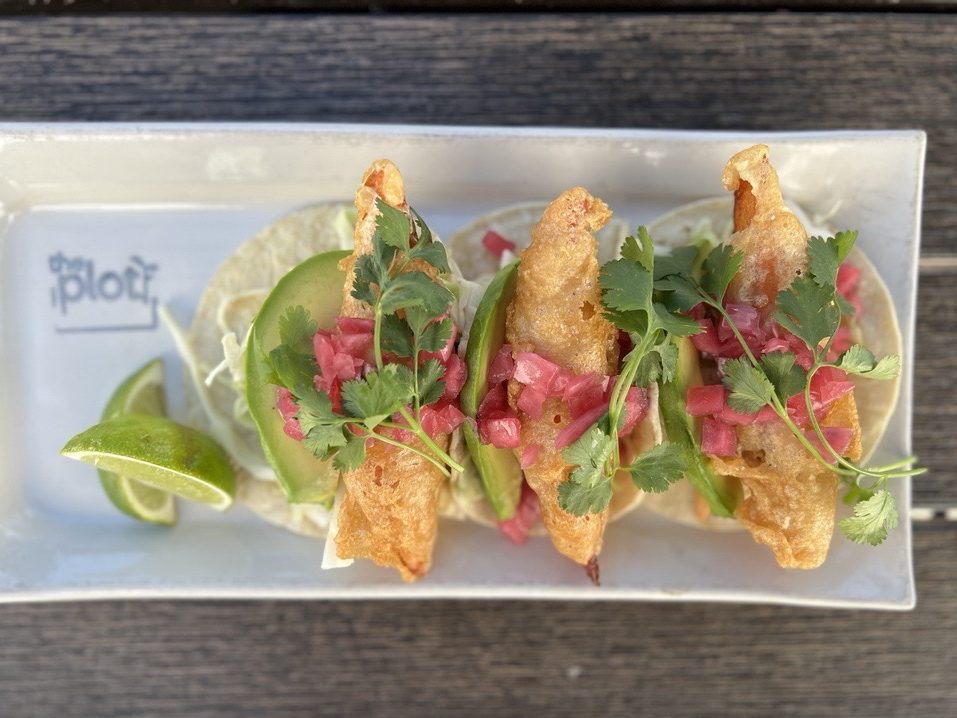
Best food and drink to try in San Diego including Carrotfish Tacos from plant based restaurant The Plot in Oceanside

The Plot

Carrotfish Tacos

Nixing mahi mahi for a dang carrot may sound like vegan half-assery, but Oceanside’s plant-based pioneers nail the SD classic with neat tricks. A local, hyper-fresh carrot is blanched in kelp broth (giving it a tiny bit of sea flavor, plus umami from the glutamates in kelp), fried in tempura-light English-style batter, tucked in a tortilla slathered in egg-less yum yum sauce, and topped with hot sauce made of kale stems sautéed into submission. –TJ
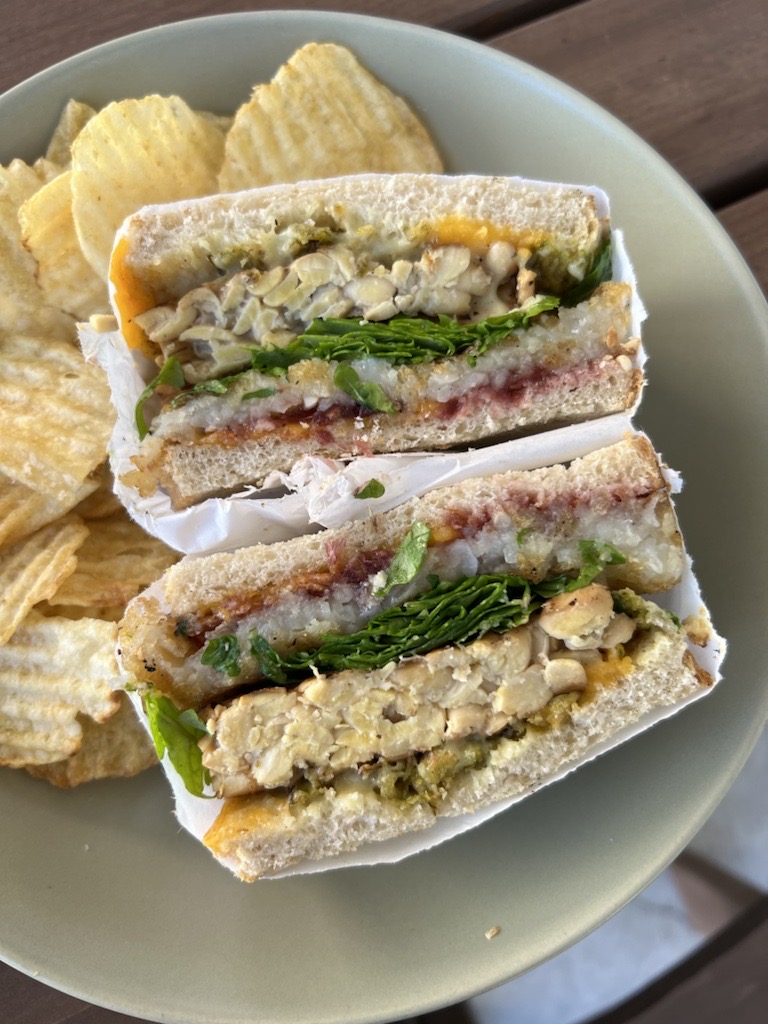
Best food and drink to try in San Diego including the leftover sandwich from Ultreya Coffee + Tea in Rolando

Ultreya Coffee + Tea

The Leftover

We know, we know. “A Thanksgiving sandwich? With no turkey? What, are you nuts?” We are not nuts. (We think.) Even our most carnivorous editors can’t stop thinking about this vegan sandwich from Ultreya. Poultry or no poultry, this ’wich is a winner. In between the toasted sourdough sits a slice of “cheddar,” plant-based cream cheese with leftover-inspired seasonings, crispy hash browns, cranberry jam, crunchy onions and jalapeños, housemade smoked tempeh, and a little arugula. –EH
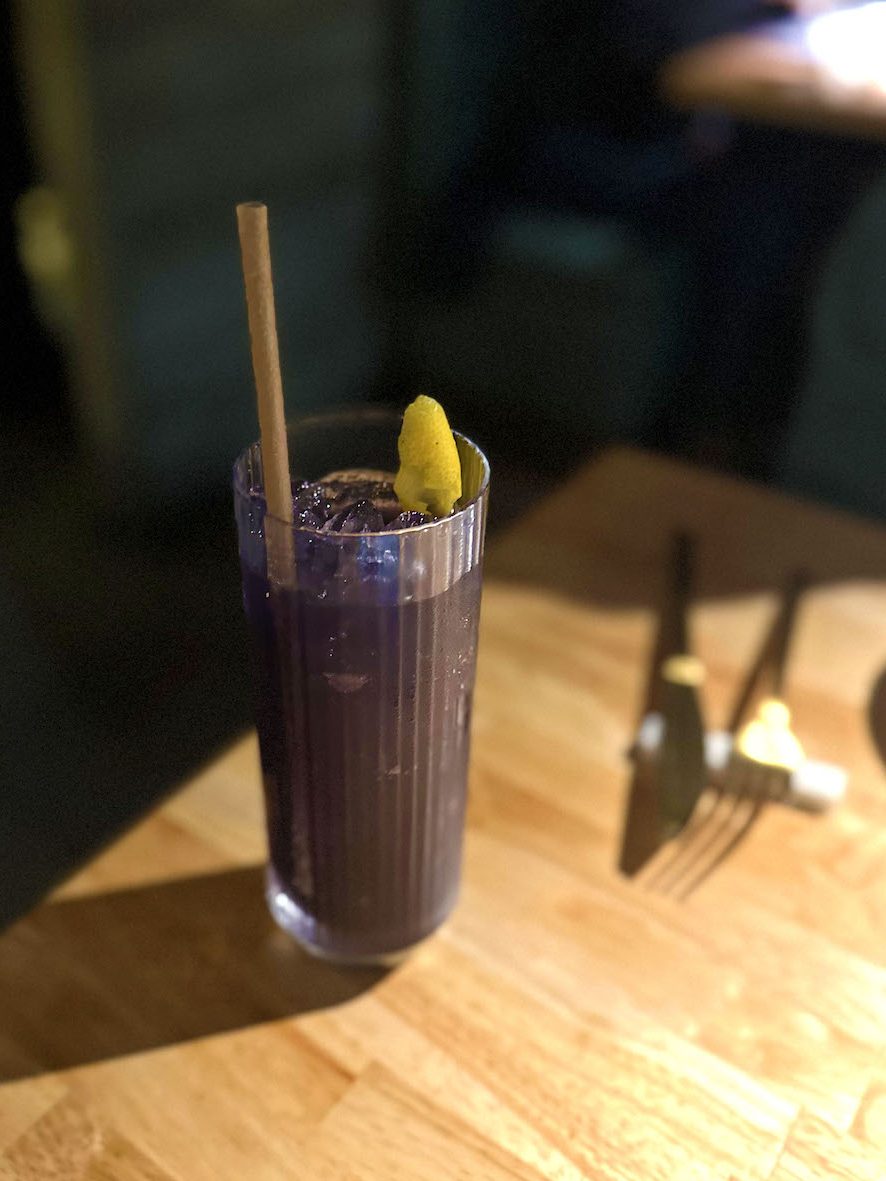
Best food and drink to try in San Diego including the I Got Ube alcohol-free mocktail from Books & Records in Banker's Hill

Books & Records

I Got Ube

Bankers Hill’s Books & Records is exactly the kind of sexy, jazz-soaked establishment I avoid during my annual Dry January sabbatical for fear of fatal FOMO pangs… because what craft cocktail program worth its rimming salt gives a whoop about mocktails? Well, this one. The bar’s zero-proof ube-mint-lemon spritzer tastes like a refreshing version of an ube baked good and looks just as pretty as your friend’s negroni. –AR
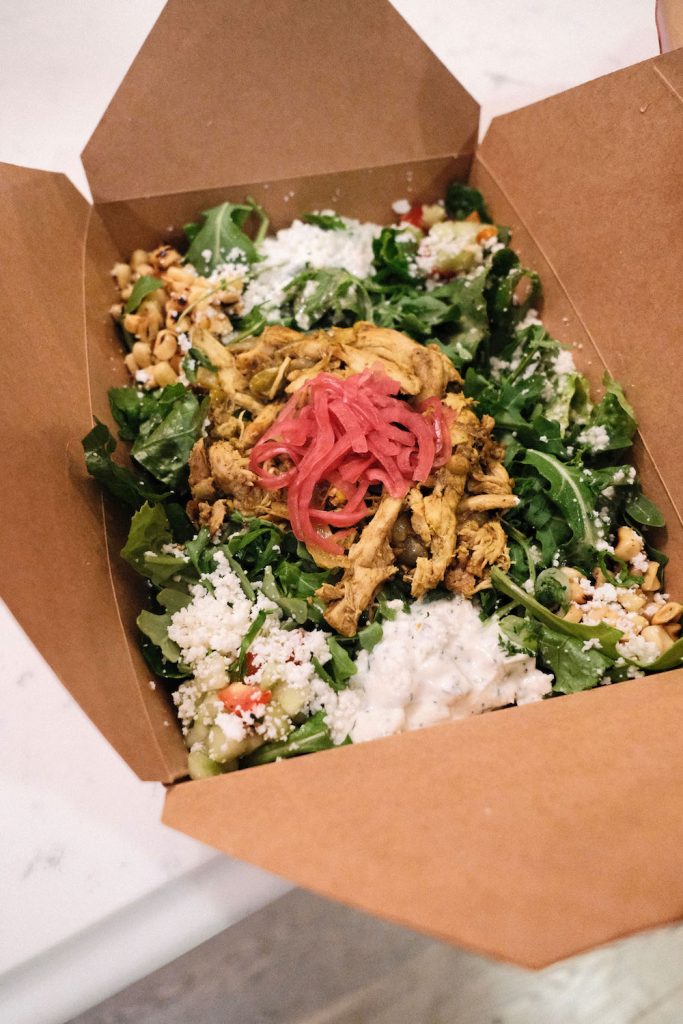
Best food and drink to try in San Diego including the Chicken Bowl from restaurant Medina in North Park

Medina

Chicken Bowl

Medina is a breath of fresh air for El Cajon Boulevard, a destination packed with gastropubs, fast food chains, and greasy joints that tempt me on Friday nights. The Michelin-recognized eatery offers flavorful entrées like their chicken bowl, featuring spiced chicken asado, caramelized onions, and tzatziki on a bed of beans and couscous, topped with a colorful assortment of roasted corn, pickled onions, and arugula. Finally, a healthy antidote for my North Park drunchies. –CN
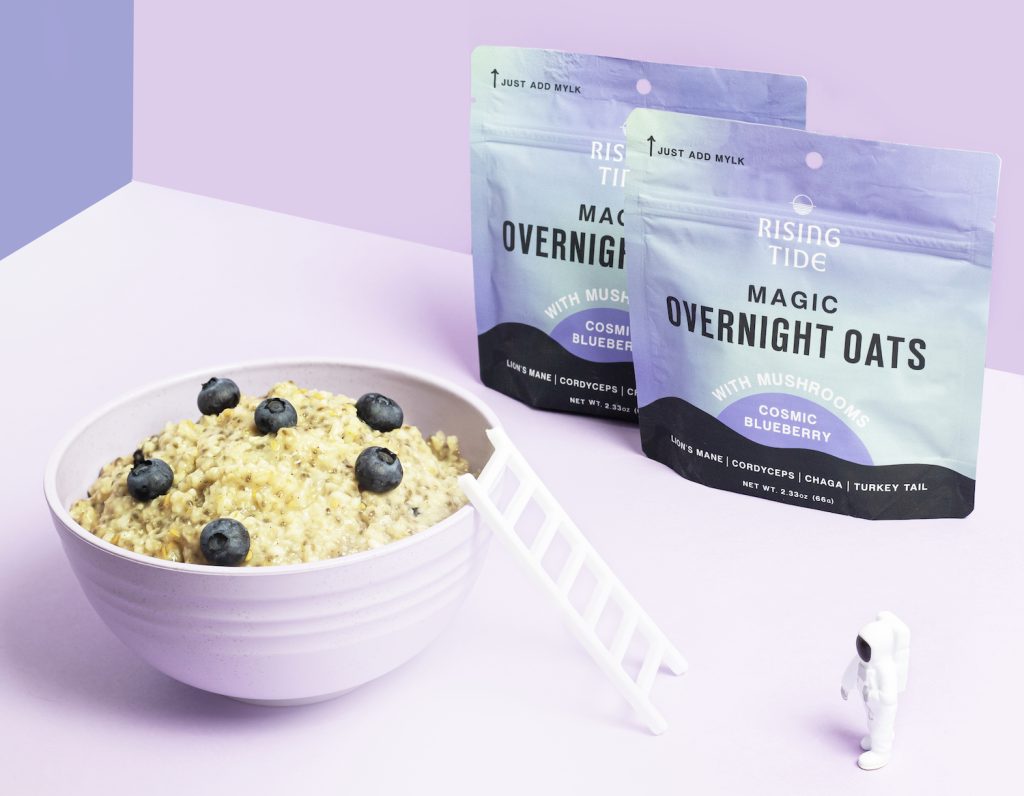
Magic Overnight Oats from Rising Tide
Courtesy of Rising Tide

Rising Tide

Magic Overnight Oats

Still looking for that elusive harmony between healthy and quick when hunger hits early? SD-based Rising Tide’s overnight oats might be your new best breakfast. Lion’s mane, cordyceps, chaga, and turkey tail mushrooms, plus plenty of protein and no added sugar, mean that with just a little planning the night before, your day can begin better. –MH
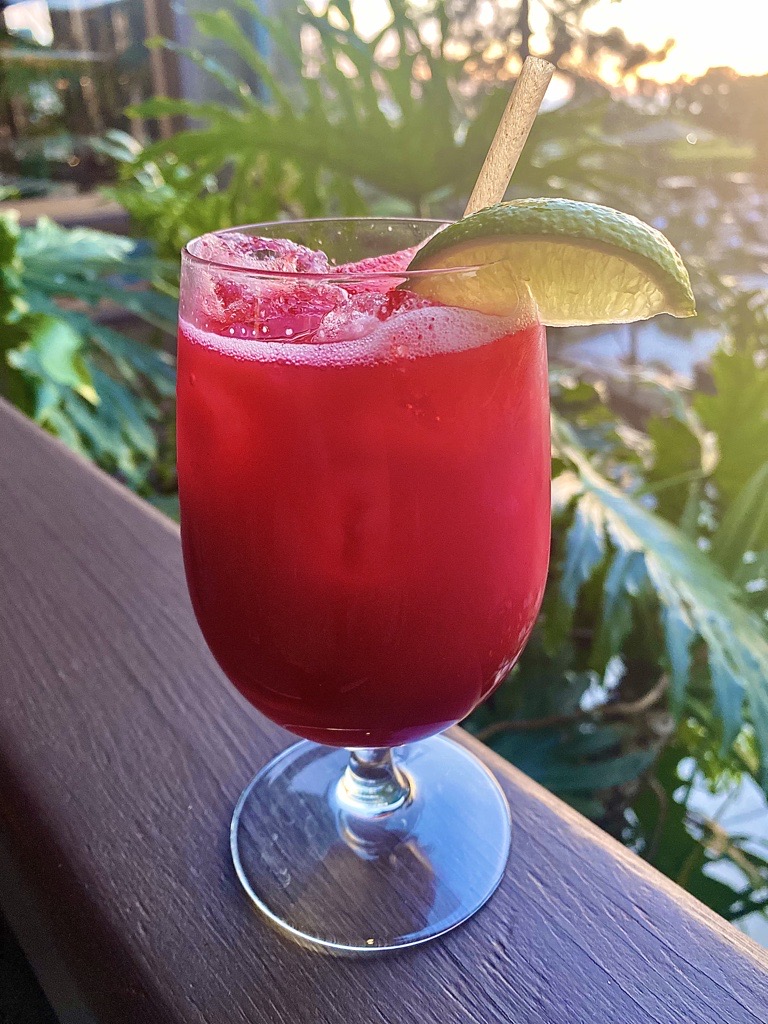
Best food and drink to try in San Diego including the alcohol-free mocktail the Angry Gardener from A.r Valentien in Torrey Pines

A.R. Valentien

Angry Gardener

Cocktails are meant to be sipped, but too many mocktails go down like a glass of juice. The Angry Gardener at A.R. Valentien inside the Lodge at Torrey Pines, though, has the it factor all good drinks have, regardless of alcohol content. With DHŌS Gin Free and Orange “spirits,” lime, and raspberry purée, it’s sour enough to slow you down while maintaining crucial balance. No alcohol, no problem. –MH
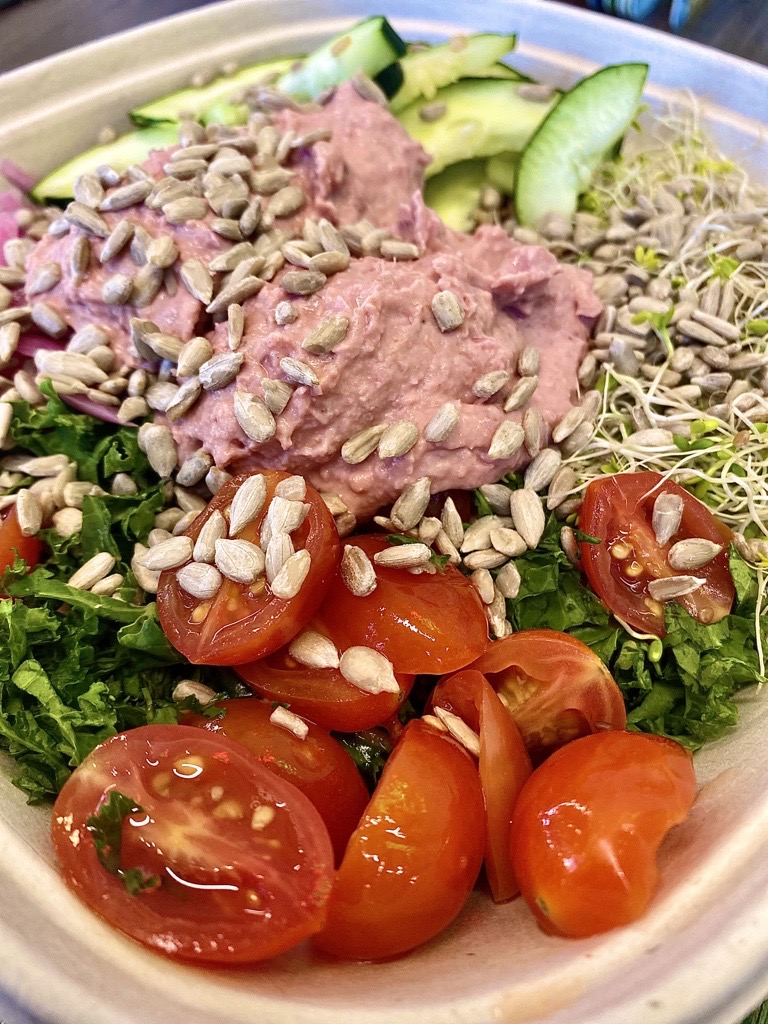
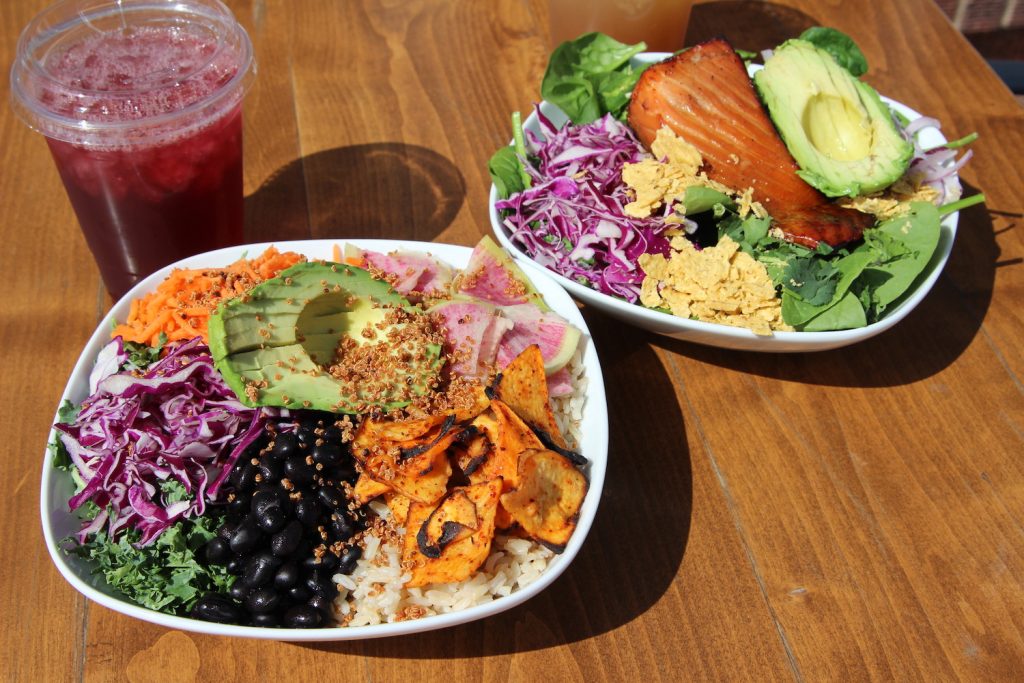
Hummus Where The Heart is Bowl from restaurant Our Green Affair in Pacific Beach

Our Green Affair

Hummus Where The Heart Is Bowl

Kale, quinoa, hummus, and veggies are what I think I want to eat all the time—until I remember that deep frying and breakfast carbs exist. But with pleasingly pink beet hummus and creamy cilantro-tahini dressing, this bowl from Our Green Affair in PB (with another location in Hillcrest) reminds me that plant-based options can also put a green-flecked smile on my waffle-loving face. –MH
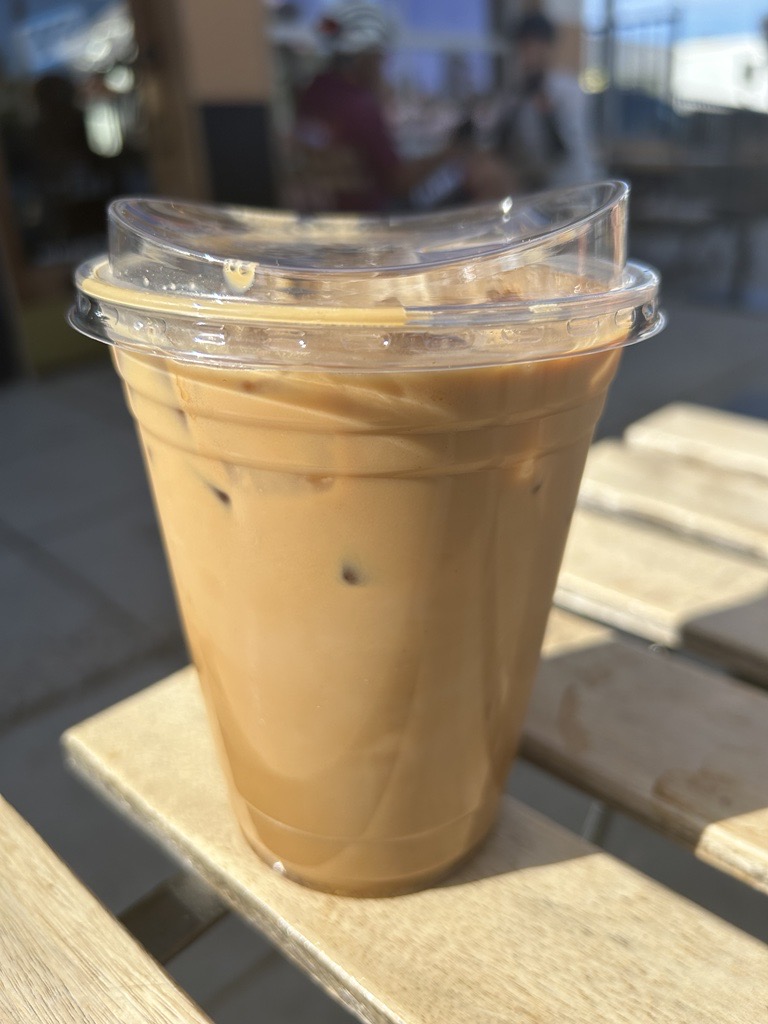
Best food and drink to try in San Diego including the Chagaccino with oat milk from Ironsmith Coffee in Encinitas

Ironsmith Coffee

Chagaccino With Oat Milk

Chaga is a fungus said to promote immunity, fight free radicals, and lower blood sugar and cholesterol. You’d never guess you’re getting all that goodness from this lavish treat. Powdered chaga is blended with rich oat milk and Ironsmith’s coffee for an intense concoction that tastes like fully melted affogato. It puts the “mm” in “mushroom.” –SL
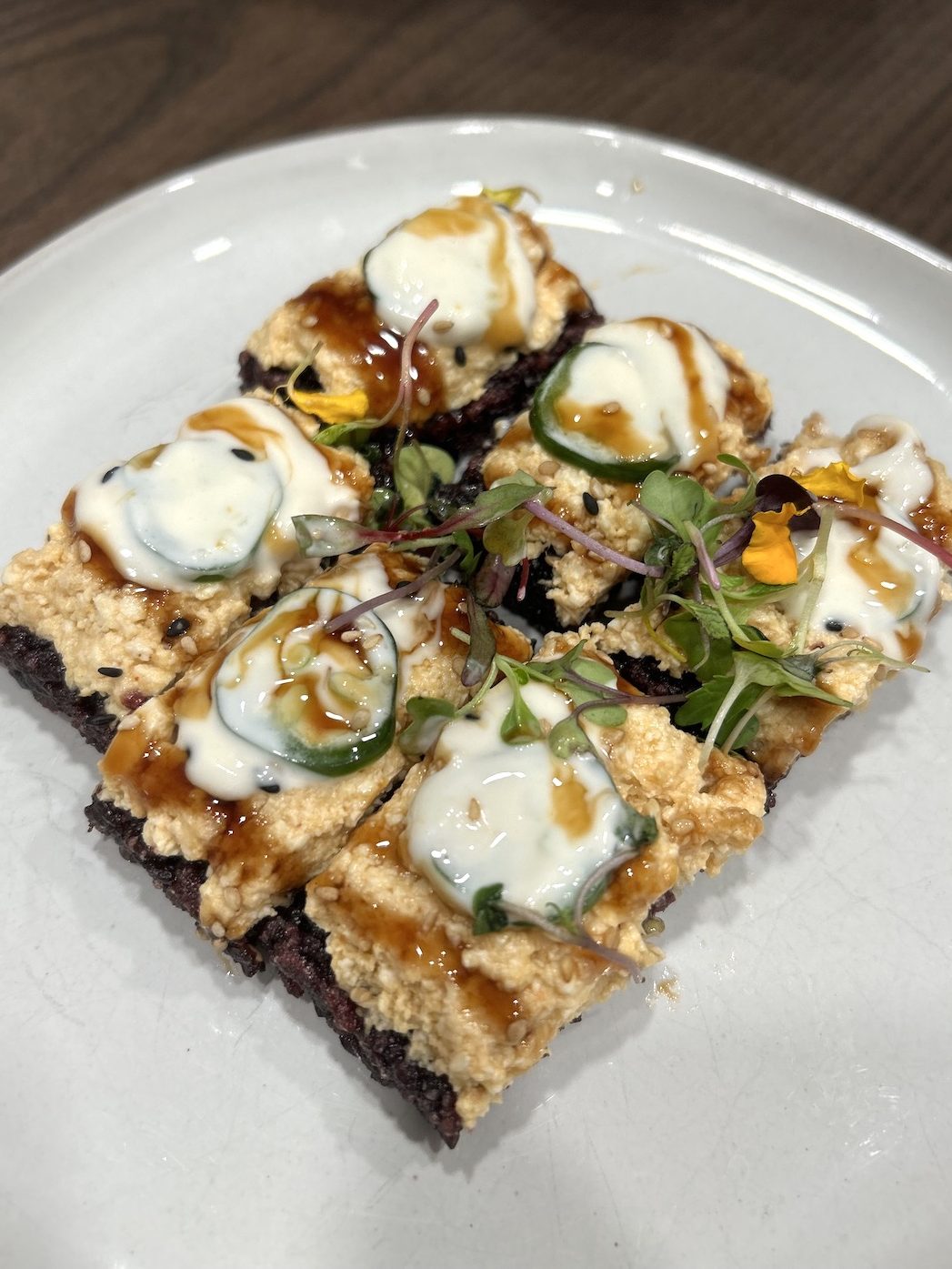
Crispy Forbidden Rice from The Yasai by RakiRaki in Little Italy and the Convoy District

The Yasai By RakiRaki

Crispy Forbidden Rice

“I’d go vegan, but I could never give up sushi,” is a common refrain in omnivore circles—so RakiRaki executive chef Junya Watanabe took up the gauntlet. His fully vegan sushi house The Yasai (with locations in Convoy and Little Italy) leans into Japanese fermentation techniques to impart plants with familiar seafood flavors: shrimp, crab, even scallop. Veganuary participants can get their raw fish fix with spicy “tuna,” snappy jalapeño slices, and microgreens over bite-sized slabs of crispy rice. –AR
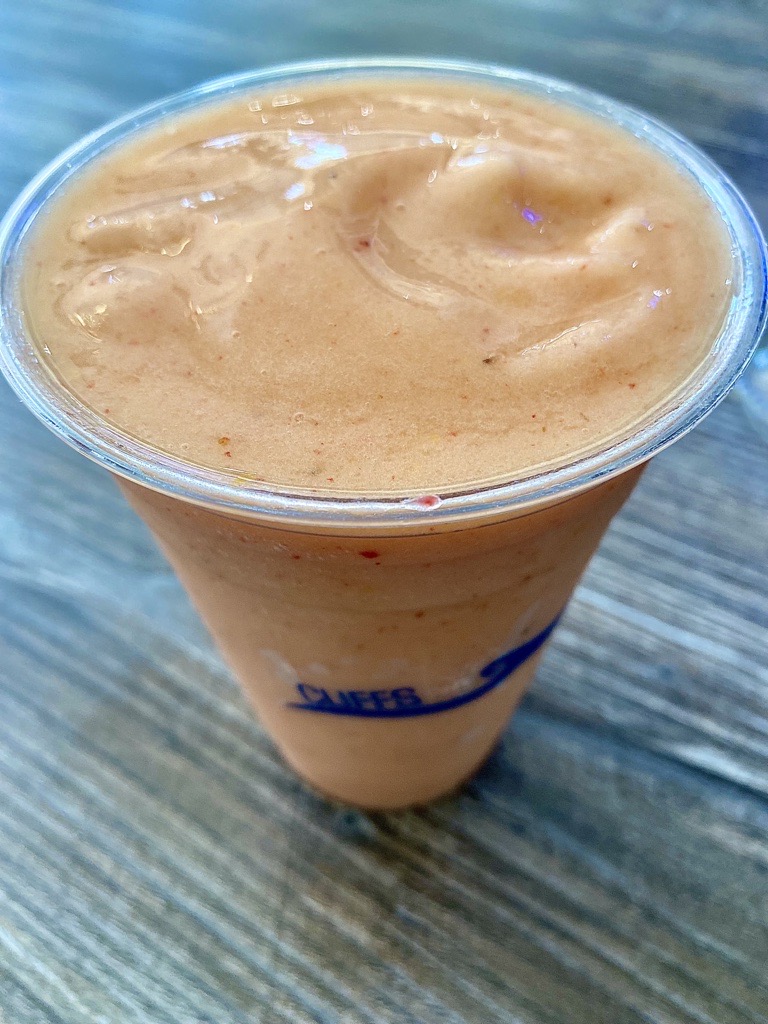
The Obecian smoothie from The Cliffs Cafe in Ocean Beach

The Cliffs Cafe

Obecian

Peninsula-dwelling hermits who never leave OB, this smoothie is for you: strawberry, mango, banana, and pineapple juice, refreshing and not overpowered with OJ like so many cafe purées. The Cliffs Cafe is simply a gem—the kind of family-run joint where they remember the name and order of every regular who can’t be bothered to make it east of Sunset Cliffs Boulevard. Not fast, but that’s the charm. Everything here is worth waiting for, especially this. –MH
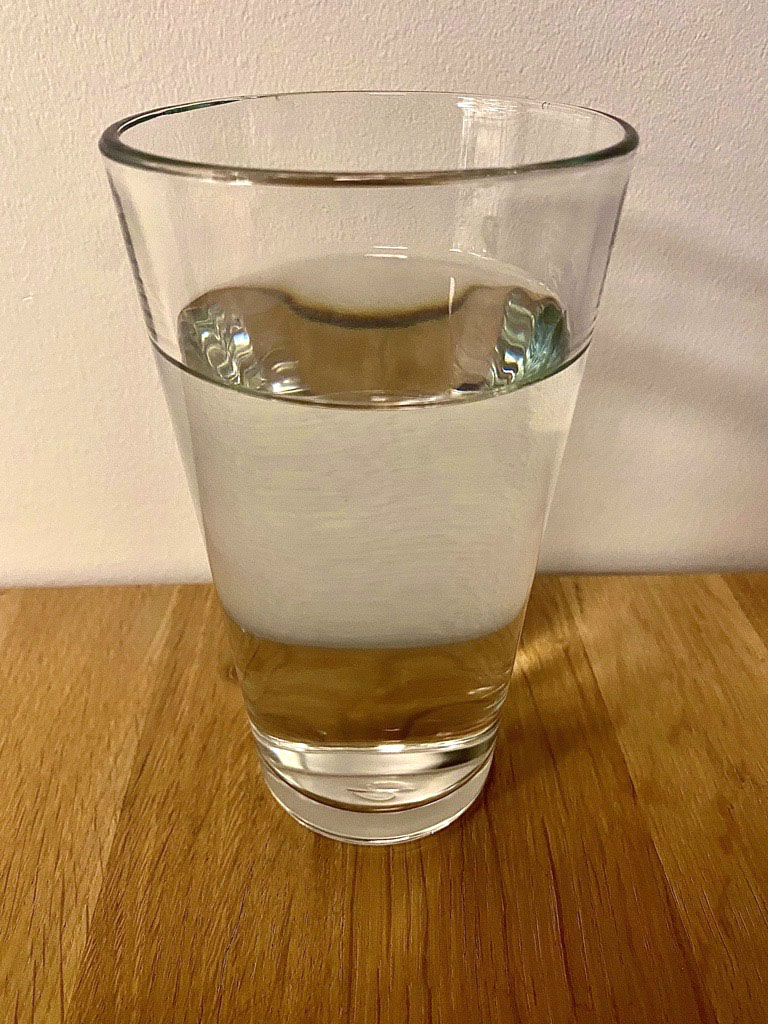
A San Diego glass of tap water

Your House

Tepid Glass of Water

Our friend who loves yoga said putting ice in it messes with your insides. So guzzle it warm like human breath. You can try the filtered kind as long as you remember to refill the pitcher, because, if you don’t, your spouse is moving out. They’ve had enough. Unofficial science here (not to be adhered to even though you know it in your heart to be right): Drink it out of a rusty garden hose like they did in the ’70s. Those kids are still alive… and they own homes. –TJ

Subscribe to our newsletters

Select Options

By subscribing you confirm that you agree with our Terms and Conditions and Privacy Policy.

Food & Drink AUGUST 13, 2026

Love Pupusas Brings Salvadoran Home Cooking to San Diego

From her Rancho Peñasquitos kitchen, Yanira Majano is sharing family recipes through San Diego’s growing home-restaurant movement

Love Pupusas Brings Salvadoran Home Cooking to San Diego
Courtesy of Catalina Offshore Products

When San Diego launched Micro Enterprise Home Kitchen Operations (MEHKO), it changed everything. Riverside County first established the experimental program in 2019, with San Diego introducing its own countywide pilot program in 2022 and granting it permanent status in 2024. The new category allowed people to launch at-home retail food operations—basically, home restaurants—with special requirements and restrictions to ensure food safety and smooth operations. Over two dozen counties across California have since adopted their own versions with over 1,200 permits issued, around 100 of them in San Diego alone.

Some have a dizzyingly long waitlist (Warung RieRie), others are still getting their name out there (The Hidden Gazebo Eatery), and still others use MEHKO for pickups rather than fully opening their home as an onsite dining facility. Love Pupusas falls into that category.

Yanira Majano came with her family from El Salvador to the United States when she was 11 years old, bringing a love of cooking and desire to share the country’s cuisine along with her. “There’s a lot of similarity [between Salvadoran food and] Central, South America, even Baja Mexico,” she says. Salvadoran cooking tends to be less spicy than some Mexican cuisines, with an emphasis on ingredients like corn, staples like yucca root (cassava), meats like crispy pork (chicharrón), and sides like curtido, a tangy cabbage slaw that’s typically either naturally fermented or vinegar-based. 

And of course, the signature dish of El Salvador—pupusas. 

In San Diego, Salvadoran food lacks the widespread availability of other Latin American cuisines like Mexican or Peruvian food, but Majano says she’s seen pupusas gain popularity over the past few years. But she likes to think her recipes, which have been passed down by her mother and kitchen partner Martha, contain a certain special something.

Some pupuserías use rice flour to create the handheld stuffed tortillas, but she prefers the more traditional gluten-free corn flour. Still, it’s what’s inside that really counts. “That’s where we put our own touch,” she explains. Most of Majano’s pupusas come with cheese and different fillings like carnitas, black beans, mushrooms, or zucchini, but she also offers vegan options. Every one comes with a side of curtido and salsa, each made fresh daily.

Showing people the magic of home-cooked food might not have been possible without the MEHKO program or The Cook Alliance, a MEHKO support and advocacy coalition. Opening a brick-and-mortar restaurant requires a huge amount of start-up capital—at least six figures, generally. Not exactly pocket change. “But when the MEHKO program started in 2022, I said, ‘Oh my God, this is for me,’” says Majano. 

Now with four years under her belt, she says she’d love to bring Love Pupusas to more food festivals, host more pop-ups, and eventually open a food truck to keep serving the humble dish of her homeland, taking pride in every bite. “[I put] a lot of love in everything I do. You see it when you taste the food,” she promises. 

Pre-order Love Pupusas for next day pickup in Rancho Peñasquitos between noon and 5 p.m.

San Diego Restaurant News & Food Events

Beth’s Bites

  • It’s not the end of the road for Catalina Offshore Products—just the end of an address. The local family-owned fish market announced that come September, they are moving from their longtime location in the Morena District to The Old San Diego Seafood Building at 1842 McKinley Avenue in National City. Normal business operations will resume in October with the same retail market fully stocked with premium seafood and local catches, so it’s not goodbye, it’s just “see you later.” (And yes, 5202 Lovelock Street is still open until moving day.)
  • Don’t come at me with complaints about autumnal seasonal creep—I got an email this week about holiday shopping. In August. In comparison, the 2026 release of Karl Strauss Oktoberfest seems right on time. For the 38th year in a row, ahead of the Munich-inspired festivities, the 5 percent ABV malty amber lager is now available in bottles, with draft coming to the brewpubs in September. Despite the lack of chill in the air, there’s no reason why your fridge can’t be stocked with this frosty German delight.

Listen Now: The Latest in San Diego’s Food and Drink Scene

Have breaking news, exciting scoops, or great stories about new San Diego restaurants or the city’s food scene? Send your pitches to [email protected].

Beth Demmon

About Beth Demmon

Beth Demmon is an award-winning writer and podcaster whose work regularly appears in national outlets and San Diego Magazine. Her first book, The Beer Lover's Guide to Cider, is now available. Find out more on bethdemmon.com.

Everything SD AUGUST 12, 2026

San Diego’s Skateboarding Scene Rolls Into a New Era

The county that helped push skating into the mainstream is now nurturing the competitors, communities, and culture shaping its future

San Diego’s Skateboarding Scene Rolls Into a New Era
Photo Credit: Taylor Ballard

It was the summer of 1999. MTV, The Matrix, and first-generation PlayStation glowed on tube TV sets all over America. What a time to be alive. Smartphones weren’t yet stealing people from the moment. Cultural was a shared reality. During the last few minutes of the monoculture, Tony Hawk executed the first-ever 900 at X Games V in San Francisco. That’s two and a half aerial rotations with a side of the dizzies.

The time had run out on the Vert Best Trick competition long before the 11th attempt when he pulled off the fateful feat. Nobody cared. Not the judges, not the competition, and certainly not the crowd. “Let that bird fly,” they said. Once the trick was landed, they partied like it was 1999 … because it was.

That was the tipping point when the skateboarding world exploded, going from counterculture to a national phenomenon. Shortly after that, “Tony Hawk’s Pro Skater” video game came out, introducing millions of kids to what skate culture looked like. Oh, the game had a killer punk soundtrack, too.

Linda Vista skatepark in San Diego featuring skaters on the side of a half-pipe

We can all thank Hawk for the globalization of skateboarding. But we can also recognize his local influence and how San Diego County continues to be a hub for skateboarders young and old, for competitors and street skaters. To see it all, go to Park De La Cruz in City Heights—or, heck, any other skatepark in the county—which, at 19,000 square feet, is about twice the size of the average skatepark and has signature features like an M-shaped transition ramp. The amount of talent that continues to evolve in this county is a testament to deep-rooted skate culture and world-class athletes supporting the next generation.

Photo Credit: Casiel Sanchez

The Skatepark

I’m a little early for a skate lesson with pro skater Mike Owen when I get to Linda Vista Skatepark. In the 2010s, Owen ranked as one of the world’s top bowl riders. He’s the founder of San Diego Skateboarding and has “helped thousands of kids, teens, and adults learn to skate safely, confidently, and with style,” the company’s site says. And now it’s my turn. We start the lesson on the nearby tennis courts, getting my basic foot mechanics down. Safety before style.

In terms of street plaza features, the massive Linda Vista Skatepark is loaded with rails, stairs, manuals, and ledges. There are more bowls than you can get from Cava: a flow bowl, backyard-style pool, and vert bowl. The main feature is a full pipe for advanced line riders. It’s a hell of a park, even if somebody just wants to watch the action from the 100-foot-long pedestrian skybridge overhead.

Right now, San Diego has over 50 public skateparks scattered throughout the county. “There are now more [skateparks], more resources for them, and more terrain,” Owen tells me. “Now, they’re offering different competitive style skateparks that help for competitions. The best parks have a variety of different terrain where you have things for beginners and bigger transitions. Not every town has that.”

San Diego, luckily, does. But despite the bounty, Owen believes there should still be more—public skateparks are safe spaces for all to learn and develop on-board skills. Without them, a huge portion of San Diego’s culture withers. Encinitas could be the next city to add a skatepark to the county’s roster: In early July, the Encinitas City Council appointed 12 local skaters and community members for the newly established Skate Feature Committee. In partnership with two councilmembers, the committee’s purpose is to design a working skatepark or feature for the city.

But like any big project, Owen says, it’s a long process to add another skatepark to the community.

“I wish it were easier,” he says. “When there are different contractors for different things, [there’s only] a certain amount of time to build. It gets tricky.”

Then there’s the matter of funding the actual construction and development of the skatepark. That usually comes from grants, fundraisers, and donations. For reference, Linda Vista Skatepark was built on a $4.46 million grant from the California Department of Housing and Community Development in 2014. With an additional $40,000 donated by the Tony Hawk Foundation, the park opened in 2018 and is the largest in San Diego’s Parks and Recreation system. The best way to get a skatepark in your neighborhood, Owen says, is to start a petition and reach out to your city.

Photo Credit: Blair Alley

The Street Skaters

Jordan Thrower’s first street skate sesh at San Diego City College in 2003 ended with a police chase. The campus was swarming with skaters riding rails, jumping stairs, and grinding tricks on benches, curbs, and ledges. When the cops got on their loudspeaker telling them not to run, everyone obviously ran. Back then, cops would give tickets and confiscate boards. The vibe has loosened since. “Now, the police don’t really care,” Thrower says. “They just make you leave. It’s not anything crazy.”

Street skating is when riders use real-world urban obstacles, rather than pristinely designed bowls or ramps—such as in college campuses, downtown areas, corporate buildings, and malls. Abandoned mini-golf courses and construction sites do the trick, too.

Thrower says the street skating hub here isn’t as huge as it once was. Thanks to modern technology and social media, skaters aren’t tied to any certain place to create skate videos. You know, those videos that could have been taken this year but have the low-fi vibe of 2004, where skaters carve down stairwells into parking lots, over mailboxes, or across park benches. The silver lining: Even though there are fewer street skaters than there once was, those who stayed in San Diego are still tight.

“Everyone skates with each other and knows each other here,” Thrower says. “In LA, it’s not really like that. It’s small there, but not everybody knows each other, and they don’t really skate with each other too much. They just have a lot of little crews.”

Back in 2015, Thrower started his own street team and brand that sells boards and shirts called Tantrum. The Tantrum team is split between San Diego and San Francisco. It doesn’t take much to be a part of a skate team. You just have to be a good hang.

“The way I pick people [for the team] is if I can get along with them,” he says. “It doesn’t even really matter if they’re that good. If you’re likable and funny, you can pretty much be on the team.”

Photo Credit: Marc Wierenega

The Future

Running it up to North County, a Vista-based nonprofit organization called Exposure Skate has been shaping up the youth since 2012. Its mission is to give more opportunities to otherwise underrepresented women, girls, and non-binary individuals by offering classes and camps. This, to build up confidence and community. We could all use a little bit of that, eh?

Thanks to Exposure Skate, 13-year-old Joey Yarbrough has found herself competing in the LA Olympic trials. (Her first time on a skateboard came at just 18 months old at an Exposure Skate Rising event.)

While competing for Team USA in Rome in June of this year, she finished 13th at the first Olympic qualifier for LA28. Currently ranked 21st in the world and 5th among American women, the young prodigy is blooming. And she’s in good company and mentorship from her biggest influence, Bryce Wettstein.

“She taught me at the first Exposure Skate Rising when I was little,” Yarbrough recalls. “I compete and skate with her all the time now, and it’s super fun. [At Exposure,] it feels so good to have someone there to help me whenever I need it. They’re like my family, always encouraging me and always there for me.”

Yarbrough will be just 15 years old when the Olympics go down in LA. She’s following the Olympic torch carried by other locals such as Wettstein, Ruby Lilley, Jordyn Barratt, and Exposure Skate’s Amelia Brodka.

“I’m working my hardest to get there,” she says. “I’ll also work my hardest to go higher in the Olympics, maybe on podium. That’s just my dream. So, hopefully it’ll come true.”

Jake Peterson is a San Diego-based journalist and culture writer. His work explores the city’s music scene, sports, local characters, and the offbeat corners of San Diego’s subcultures.

Food & Drink AUGUST 11, 2026

Mon Chourie Is Opening Its First Permanent Bakery

After two years of farmers markets and pop-ups, the San Diego baker is bringing its Korean-inspired pastries to University Heights

Mon Chourie Is Opening Its First Permanent Bakery
Courtesy of Kelly Kim

The folks at Kairoa Brewing Company must never be lonely. It seems like there’s always a local pop-up or event at the University Heights space, from Bincho Taco slinging Japanese coal-fired tacos on the rooftop patio every Tuesday to Yipao Coffee serving coffee from a window on the ground floor. Later this year, the New Zealand-inspired brewery will bring yet another resident into the fold—Mon Chourie is launching its first bakery counter service window along Park Blvd.

Mon Chourie owner and baker Kelly Kim first started selling her Korean-style cream puffs at farmers markets and places like Pizza Kaiju, Pho Ga Go, and Mixed Grounds, collaborating with a myriad of other makers (like Amor ice cream and Ming Oun’s) before nabbing a regular spot at Michi Michi Bakery every Wednesday. San Diego Magazine readers even voted Mon Chourie the Best Pop-Up for 2026.

In French, the word for an airy puff pastry is “choux,” which is pronounced generally the same way as “syu,” the Korean word for the same item. (Both sound like “shoe.”) Mon Chourie plays with both iterations with a dash of whimsy by referencing the song My Cherie Amour by Stevie Wonder, which translates to “my darling love.”

As long as all the permits and inspections move forward without issue, Mon Chourie should open in Kairoa before the busy holiday season. She’ll continue appearing every Wednesday at Michi Michi and other pop-ups in the meantime. Once open, expect best-selling flavors like the savory potato croquette (a collaboration with Karanchi chili crisp) and a sweet Dubai chocolate choux au craquelin, a version of puff pastry with a delicate cookie crust. 

Classic cream puffs are fluffy, softs and often filled with custard cream in the United States. “What makes a difference for us is we use a very light version of diplomat cream, which is my mom’s recipe,” she explains. Diplomat cream is a lighter French pastry cream that uses whipped cream for a lighter, airier end result. 

Choux au craquelin’s signature crunchy top comes from adding a thin disc of cookie-like dough on top of the pastry, which crackles as it bakes, leaving a thin layer of crispiness atop the final product. “It contrasts with the creamy, fluffy cream inside, so it gets that better, deeper texture experience,” she says.

Courtesy of Kelly Kim

Along with her popular cream puffs and her bite-sized “mini-choux” options, Kim is also planning on offering more of a newer-to-her item: salt bread, a rich butter pastry topped with sea salt that originated in Japan, but went completely viral in South Korea. There are a few places to get it in Los Angeles and New York, “but I know that a lot of people here are interested in trying out new stuff, or maybe they had it in Korea or Japan, and they came back, but they couldn’t find it anymore,” says Kim. At first, she didn’t really get why it was so popular. Then she tried it in South Korea earlier this year. 

“I was in love,” she laughs. “This is what the hype is about.”

Ideally, Mon Chourie will eventually open its own storefront and introduce more events in North County to satisfy demand. “I would also love to have our own drink program that reflects what’s popular in Korea,” she says. And to mark two years of puffy pastry prosperity, Mon Chourie is throwing a two-year anniversary party at Easy Does It (5375 Kearny Villa Rd., Suite 112) on Wednesday, August 25 from 4 p.m. to 7 p.m. with drink specials like a misugaru latte (a Korean roasted multi-grain powder with espresso), a DJ, photo booths, special ceramic merch created by local ceramicist Whale Tran, and a few other vendors. Get there early.

Mon Chourie will open inside Kairoa Brewing Company by the end of 2026 and posts the next week’s schedule of upcoming events and pop-ups on Instagram every Monday.

San Diego Restaurant News & Food Events

Beth’s Bites

  • Mabel’s Gone Fishing has always supported the arts—see their Fishbowl Artist Series—and they’re keeping things going this month with The Studio Table, an immersive dining event on Saturday, August 29 from 6 p.m. to 9 p.m. at Barrio Logan-based ceramic studio Tao of Clay. For $160, guests can slurp down oysters and other Spanish-inspired pintxos, Basque ciders, cocktails, and take home a handmade oyster bowl made with reclaimed oyster shells. Gratuity is included for this 21+ event, so be prepared to slow down and enjoy the tangible fruits of nature.
  • City Tacos keeps moving and shaking, and the restaurant group’s next landing place is Liberty Station. El Punto by City Tacos is slated to open in October in the former El Jardin space (2885 Perry Road, Suite 102). Once destined to become another Lola55 outpost, the space will now become a full-service, family-friendly, and dog-friendly restaurant with seafood, tacos, cocktails, and more.
  • For as many closings as we’ve seen over the past year, restaurant openings seem to be back on track. The long-awaited Honor Bar finally opened its doors in Del Mar this summer, and Soul Sip in North Park is soft open from 4 p.m. to midnight daily. Still on the way are The Shackhouse by Julian Beer Company (slated to open by Labor Day) and Sprouts Farmers Market plans to open in the former Pancho Villa’s building in North Park this October. (La Mesa is still waiting patiently for Stella Jean’s and Pop Pie to make their debuts.)

Listen Now: The Latest in San Diego’s Food and Drink Scene

Have breaking news, exciting scoops, or great stories about new San Diego restaurants or the city’s food scene? Send your pitches to [email protected].

Beth Demmon

About Beth Demmon

Beth Demmon is an award-winning writer and podcaster whose work regularly appears in national outlets and San Diego Magazine. Her first book, The Beer Lover's Guide to Cider, is now available. Find out more on bethdemmon.com.

Studio S FEBRUARY 26, 2026

Chef Aidan Owens Thinks Your Fish is Boring

The 29-year-old culinary director at Herb & Sea is making seafood sexy (and approachable) again

Implementing a farm-to-table model hardly deserves acknowledgement these days. It’s not a stretch. It’s not innovative. “It’s the bare f**king minimum,” says Herb & Sea‘s executive chef Aidan Owens.  

When I arrive at the Encinitas restaurant, I’m ready to talk sustainability, farm-to-table stuff, with Owens. “Did you see the chin on that?” he says of the extra big jiggly chin on the sheephead that just arrived with the day’s fresh catch. I did. It was Jay Leno adjacent.

I learn quickly that he somehow oozes both charm and stone-cold honesty. Maybe he could construct a new dish with chin goo, like he did when he had a bunch of tuna scraps and voila’d it into a smooth and crowd-pleasing ‘nduja. “I want to know what’s in there,” he says.    

Courtesy of Herb & Sea

The instinct to look closer, to dig into what others might discard, says a lot about the chef’s approach. I guide him back to our topic, but he has something else on his mind. “We’re overcomplicating food—what happened to just cooking good food and having fun with it?”

Owens grew up on a farm in Byron Bay, Australia, where sustainability wasn’t a concept you chat about so much as a way of life. Think dirt roads, backyard chickens, pulling vegetables straight from the ground, and a mother who believed that if you couldn’t pronounce the ingredients on a package, you shouldn’t eat what was inside.

Food wasn’t precious or performative. Making it was what you did because you were hungry and that’s still what inspires Owens today. “I like to cook good food because I like to eat good food,” he says.

His approach to sustainability at Herb & Sea began so naturally that it felt just like instinct. “I was just like, ‘Let’s order food from the people who live and work here,’” he says.

Courtesy of Herb & Sea

And why wouldn’t he when lives in San Diego? Cities all over the world vie for our goods. Our tuna is sent overseas. Our spiny lobsters hit dinner plates in China and Japan. Not to mention California’s producing a third of the country’s vegetables and three-quarters of its fruits and nuts. 

“Why would we outsource when it’s all here?” Owens asks.

Sustainability, in this context, is about cooking what exists in abundance, nearby, right now. “I love the local fish here. It’s f**king delicious and San Diego citrus, I mean, it is so f**ing good,” he says.

Instead of importing ingredients, Owens also looks for nearby alternatives. “You can find really cool things in the local waters,” he says, pointing out that stingray cheeks taste similar to scallops.

Courtesy of Herb & Sea

Whatever he finds in that sheephead chin might just be the next substitute for marrow. But to make this work, it means getting diners amped up about the slightly unfamiliar. 

Tasting menus, where diners are completely in his hands, become an opportunity to gently push boundaries. “I’ll serve mackerel, because people think they hate it,” Owens says, noting that the abundant local fish can have some fishiness. “But when it’s fresh, it’s arguably one of the best fish in the ocean.”

He also tweaks the language on the menu so people might feel more compelled to give dishes a try without preconceived notions. He might use “lengua” instead of “tongue.” “Whelk” instead of “snail.” When he puts “stingray throat” on the menu, he disarmingly calls it “skate.” 

To reduce waste, scraps aren’t always discarded but rather turned into something new. Sometimes they’re smoked, cured or fermented. Apples going bad turn into apple ponzu. Lemons turn to marmalade, which stretches their usefulness far beyond peak season. “And it’s super tasty on our pizza,” he says.

What makes the food even richer, is the relationships he’s built with farmers. Though it didn’t always feel natural, Owens sought personal connection first. He recalls approaching a fisherman at the Tuna Harbor Dockside Market. “I was awkward,” he says. “I went up to him and said, ‘I like your fish.’”

Owen’s is now so close to his suppliers—like fishermen Ryan Sebo and Joe Daly—that he gets texted pictures of fresh catches right as they flop on the boat. The messages always ask if he wants first dibs. “I say yes to a lot of fish,” Owens says, noting that Herb & Sea can go through 2,000 pounds of seafood a week.

Courtesy of Herb & Sea

The next evolution of sustainability, in his view, will be chefs working directly with producers such as his alliance with Sebo, cutting out middlemen and purveyors where possible. “It will put more money in the pockets of the people doing the work,” he says.

It will mean that chefs can’t just know their local farmers and producers, but they’ll choose to work with the ones who have the best practices. Dining and sustainability will become much less about the final plate. “It will be more about the impact that plate has on the Earth,” he says.  

Ultimately, he believes sustainability doesn’t need to be loud. It doesn’t need hashtags. It just needs to be honest.

“We aren’t saving lives. We’re feeding people good food,” he says.

And yet, in feeding people well—simply, thoughtfully, responsibly—something meaningful happens. Guests leave satisfied. Ingredients are respected. Local ecosystems are supported and food returns to what it has always been at its core: nourishment, pleasure, and a quiet reflection of the place it comes from.

No buzzwords required.

Food & Drink AUGUST 11, 2026

8 San Diego Food Gifts Your Friends Actually Want

Bring home a taste of the city with local coffee, conchas, chili crisp, hot sauce, and other suitcase-worthy finds

8 San Diego Food Gifts Your Friends Actually Want
Courtesy of Provecho! Coffee Co.

Snacks are the best vacation souvenirs. You get all the novelty of having something to unwrap without any of the burden of keeping random crap around. I’m always game to try some chips from a place I can’t find on a map with ingredients I can’t identify by taste. Gimme that spice mix from that Southern barbecue pit whose wine list consists of light beers from lesser-known appellations. Don’t think I won’t lick the inside wrapper of some chocolate bar homemade by a grandma at a farmers market you stumbled upon in a small Midwestern town best known for giant yarn balls.

Even though San Diego is best known for our thigh-sized burritos, fish tacos, and craft beers, those travel about as well as room-temp mayo. So we gathered some of the city’s best food souvenirs: snacks, spices, and sauces worth sliding into your carry-on or gifting to a lucky out-of-towner.

Courtesy of Provecho! Coffee Co.

Bulk Coffee

Provecho! Coffee Co.

Inside Bread & Salt—Barrio Logan’s old Weber Bread Factory turned into one of the city’s most vibrant art, culture, and community spaces—there’s a cafe in front of a giant, now-defunct bread mixer. Mexican-owned specialty brew shop and roastery Provecho! Coffee started as a pop-up in 2020, but its success quickly bricked-and-mortared. Although Provecho! specializes in sourcing and roasting Mexican coffees, its consistency is variety: The lineup changes regularly as Provecho! finds new sources around the world. Get a to-go taste via the coffee bags that range between 250 g and 2 kg.

Courtesy of Superlova!

Sesame Sauce

Superlova!

Superlova!’s Chinese-inspired, seed oil–free sauces are grocery list mainstays for San Diegans. The sesame sauces (Dan Dan is spicy, May May is tame) pair with noodles, dumplings, or any meal that could use a little more oomph. They don’t have tahini, which is de-hulled; they have Chinese sesame paste, which is dark-roasted for a nuttier flavor and packed with fiber and calcium.

Courtesy of JuneShine

Hard Kombucha

JuneShine

San Diego is known for beer, sure. But real locals pour from a different tap. JuneShine’s low-sugar, yet still refreshingly sweet, hard kombucha is an SD favorite. The brand has joined the canned cocktail tidal wave and now sells vodka mules, tequila palomas, and vodka sodas—all with about two shots per can, real juice, and sparkling water. But for a classic food gift, get a variety pack of the booch. Fit it into your checked bag. It’s worth it.

Courtesy of Down to Ferment

Hot Sauce

Down To Ferment

Double entendre is key to hot sauce brand Down To Ferment, aka DTF. (Popular sauces have flavor names like CornHub, Smokin’ Hot Date, and Ghosted.) But it’s no gimmick. The homemade, kombucha-based sauce is seriously good: DTF’s That’s What Shishito Said made it onto Season 30’s lineup on Internet-famous interview show Hot Ones.

Courtesy of Tortilleria Los Reyes

Fresh Tortillas

As discussed, carne asada burritos travel about as well as a toddler with emotional-regulation issues. But the soul of a truly great, San Diego burrito? It’s not the fillings. It’s the tortilla. You can’t go wrong from any locally owned spots, but our favorites are Tortilleria Los Reyes in Vista, Windmill Farms Market in Del Cerro (which uses Pancho Villa’s old tortilla press), Esperanza’s Tortilleria in Escondido, and Tortilleria Lily in City Heights.

Courtesy of Karanchi

Chili Crisp

Karanchi

Handcrafted in small batches, Karanchi’s Sichuan peppercorn–packed chili oil comes in two varieties: original and spicy. The original warms your palate and adds depth to your meal, and the spicy is a form of mealtime masochism. Founder Nguyen Le’s favorite way to eat his garlic-studded chili crisp is on avocado toast—which makes an already San Diego meal even more San Diegan—but it’d make old shoes taste pretty good.

Canned Local Tuna

Tuna Harbor Dockside Market

Fresh fish ranks low on society’s acceptable realms of carry-on items. But canned fresh fish straight from local fishermen? You’re the best part of a bruschetta. Every Saturday at the docks behind Seaport Village, fishermen step off their boats and sell what they caught as recently as that morning. While getting yourself some fresh sea urchin and squid, grab a couple cans of locally caught albacore tuna for the tinned-fish lover in your life.

Photo Credit: Salsa Digital Agency

Conchas

Tus Chefs Favoritas

Started as a pandemic baking hobby for BFFs Natalie Rodriguez and Lesly Mendoza, Tus Chefs is now a South County favorite spot for conchas with a twist. The menu is expansive enough to get over a baker’s dozen without any repeats—why not get one of each, anyway?—but if you only have enough space in your carry-on for a few, start with popular “chocolate abuelita,” churro, mazapan, horchata, and brownie conchas.

Emma Veidt

About Emma Veidt

Emma Veidt is an editor at San Diego Magazine. She earned her bachelor's and master's degrees from the Missouri School of Journalism. She loves running, hiking, and rock climbing, but really, she mostly loves encounters with the street cats around North Park.

Everything SD AUGUST 10, 2026

San Diego’s Zine Scene Has No Rules

No gatekeepers, no creative rules, no perfect definition—the city’s DIY publishing scene makes room for anyone with something to say.

San Diego’s Zine Scene Has No Rules
Courtesy of Duophobia

If magazines are like the adultier eldest daughters who know exactly how much anarchy they can get away with, zines are the far less predictable younger siblings going on whim and instinct. Those who draw on the walls around the house, DIY their own piercings, and experiment with different emo/straight-edge/back to emo phases (or not-phases). Boundaries and routines are what zines were created to rail against.

Walk into Verbatim Books’ zine corner, and this rebellion is immediately clear. Zines have no singular form, no clean category or definition. Vintage magazine scraps are collaged into new meaning alongside mini fandom zines. Single sheets of plain white printer paper are covered in nothing but black ballpoint pen. Repurposed hardback book covers are folded into something entirely new. Some are duct-taped together, others stapled. Some glossy, others matte. There are guides to anything and everything, comic panels, photography, hand-drawn cartoons, poetry, recipes, diaries, and ramblings that only make sense to the person who made them—and that’s on purpose.

Zines are creative magic. And with no rules, they’re incredibly accessible. Anyone can zine and have a voice, regardless of artistic training or work life experience.

You are your own Anna Wintour, Graydon Carter, Ruth Whitney.

San Diego–based zine creator Lyssette Williams specializes in mini zines—often limited to eight pages, they’re meditations in abbreviation. Outlining, thumbnailing, and revision all move quickly from idea to page. Larger projects, including Williams’ long-form graphic novel thesis, move at a slower pace. For those, she often returns to pen and ink, a choice that resists the over-editability of digital work.

Raised by a single mother and navigating mixed-race identity in a predominantly white town, she finds a home for processing it all in zines. Her work deals in identity, belonging, self-definition, and punk-rock childhood. But it isn’t always heavy; Williams creates a mini duck-themed zine called Backyard Duck Propaganda that’s hard not to love. “When I create, I think about what would have helped me find the words back then, what my younger self would’ve needed,” Williams says. “[Zines] put the tools in your hands and democratize art. They’re translations of memories and identities.”

Courtesy of Lyssette Williams

For Williams, a big reason she keeps creating is being surrounded by other creatives—a scene that extends across the border. She points to Verbatim and Comicbook Artists of San Diego, plus events like Zine Fest (October 17–18 this year at Woo in Barrio Logan) and Black Comix Day at the WorldBeat Cultural Center.

Zines have always been a road for subcultures. During the Harlem Renaissance, Black creatives like Langston Hughes and Zora Neale Hurston self-published one issue of Fire!!, which inspired other Black authors. In the 1930s, zines (then called fanzines) were hubs for sci-fi nerds to write fanfiction, address the fandom, and create new characters. Superman actually made his public debut in a fanzine called Science Fiction (he was originally cast as a villain with a fully receded hairline). A couple decades later, zines about feminism and riot grrrl became subculture de rigueur.

The internet nearly killed zines, of course. But now, people tired of the algorithm’s firehose are finding comfort and renewed inspiration in analog. Zines, a salve for digital fatigue.

Courtesy of Duophobia

A giant figure in San Diego zine culture is Burn All Books. Founded by Amanda and Nick Bernal, BAB started as a risograph (digital screen printing) studio and turned into one of those places that keeps expanding the whole scene around it, even forming its own archive group, SCANNNERS. Since opening in January 2023, it has published over 35 works and collaborated with more than 100 artists, writers, and zinesters.

For Duophobia, the pseudonym for local twin sisters Alora and Kiani Dotson (affectionately known as the “possum twins”), zines make room for experimentation and play that doesn’t fit anywhere else. Room for eclectic cartoons and dirty jokes. For sticker-covered sketchbooks.

It’s that same brand of nostalgia you might feel when, say, you walk past the carcass of an abandoned mall and see a faded cartoon mural. Their work lives somewhere between childhood and adulthood, where being unserious is taken very, very seriously.

“We’re born and raised in San Diego, and the community of artists here is a main reason we started publishing,” Kiani Dotson says. “There are people here like Trixxie Land who run open art gatherings. Show up, and you’re part of it.”

Land, a zinester herself (she made 250 single-page zines during 2020’s lockdown), is all about storytelling over hierarchy. Art shouldn’t be about gatekeeping or intimidation, she says. So she holds open-invite arts shows at Subterranean Coffee.

Courtesy of Lyssette Williams

Duophobia regularly share their work at local galleries like Subterranean, filling that lowbrow space with pieces that answer: “What would’ve made us laugh as kids?” Children are often the first to pick up their zines, unfolding them in every direction while parents briefly panic at the impulsive destruction. The twins always step in. “No, no, it’s okay,” they say, before showing how one sheet of paper folds into an entire little book. “It’s like magic.” More often than not, the kids leave with a tiny zine tucked under a tiny arm, future San Diego zinesters in the making.

When asked what a zine really is, Alora Dotson’s response was simple: “It’s anything. Literally anything. The more genuine you are, the more people are going to hear what you have to say. Your voice matters, even if it’s just a silly joke or story. People want to hear about it.”

Not a perfect definition? Exactly. Zines inherently resist categories. Want to turn a single playing card into a storybook? Do it. What about your favorite graffiti artist’s signature tag at Prince Memorial Skatepark? Turn it into a zine.

Everything’s a zine.

Isabella Dallas is a freelance writer for San Diego Magazine and the Arts and Culture Editor at The Daily Aztec in her final year at San Diego State University. She previously worked as an editorial intern for SDM, but when she’s not writing, you can find her trying the best coffee spots in SD, devouring the latest rom-coms, and indulging in anything and everything pop culture.

Partner Content JUNE 25, 2026

Summer Nights at SeaWorld San Diego

SeaWorld dazzles with a drone show, big-name entertainers, new animal adventures and more 

Summer Nights at SeaWorld San Diego

Nights are heating up at SeaWorld San Diego. The quintessential summertime staple on Mission Bay is transforming into a destination for unforgettable day-to-night adventures, bringing back some of its most popular Summer Nights programming and introducing exciting new experiences sure to delight both kids and adults alike. 

The 2026 Summer Day to Night at SeaWorld San Diego is the park’s most ambitious season yet. SeaWorld has planned a highly anticipated entertainment lineup that features nine weeks of throwback concerts featuring R&B and hip‑hop favorites from the ‘90s and early 2000s, including Jordin Sparks, Too $hort and Warren G, Ashanti, and an array of boy band heartthrobs performing together as part of the Pop 2000 Tour. 

New this season is perhaps the park’s most visible update: a nightly drone show, Ocean of Dreams, which illuminates the sky with hundreds of synchronized sparklers. Drones form sea otters, sharks, dolphins, and a majestic orca that tell a breathtaking 12-minute story of marine life and underwater ecosystems. The show culminates with a spectacular electric neon finale celebrating hope, wonder, and ocean stewardship.

Nighttime visitors are also in store for animal adventures that fuse education with high-energy fun and the dreamy ambiance of nighttime. The park has launched two all-new animal presentations: Shamu’s Celebration: Light Up the Night and Dolphins: Touch the Sky. Shamu’s Celebration: Light Up the Night features vibrant lighting, music, and dynamic choreography that celebrates the power and beauty of killer whales. Dolphins: Touch the Sky showcases playful bottlenose dolphins and the special connection between humans and the natural world. And back by popular demand is fan-favorite Sea Lions Tonite. See the charming pinnipeds splash, play, and parody pop culture in this refreshed crowd-pleaser. 

More must-sees: a newly reimagined Shark Encounter, one of the country’s more immersive exhibits highlighting 11 different species up close, SeaWorld’s beloved BMX Blast! stunt show, and high-seas escapade, Pirates Ahoy! The Battle for Mermaid Cove. And don’t miss the park’s all-new Deep Sea Disco, which encourages guests to dance the night away under the glow of the SkyTower, and vibrant closing time laser light display Laser Reef Summer Spectacular. 

Amp up the nighttime vibe with local craft beers, curated cocktails, and nostalgic theme park treats with $1 beer all summer long. SeaWorld is the place for day to night summer fun. When the sun goes down, SeaWorld lights up, and inspires guests of all ages to embrace their inner whimsy and see why generations of San Diegans head to SeaWorld to make memories they’ll never forget. 

Eat Like a Local (Who Knows a Guy).

Restaurant news, culinary storytelling, and Troy Johnson’s sharp takes delivered straight to your inbox twice a month.

Close the CTA

Contact Us

1230 Columbia Street, Suite 800,

San Diego, CA