Featured articles
Food & Drink
Food & Drink
Food & Drink
Featured articles
Everything SD
Everything SD
Things to Do
Featured articles
Things to Do
Things to Do
Guides
Featured articles
podcast-ep
podcast-ep
podcast-ep
Featured articles
Everything SD
Everything SD
Food & Drink
Featured articles
Everything SD
Everything SD
Food & Drink
Ready to know more about San Diego?
SubscribeReady to know more about San Diego?
An acclaimed chef on hold, a beloved boutique adapting, and an icon lost
Chef Travis Swikard’s anticipated restaurant, Callie, is on hold.
Restaurant life has never been easy, but it’s never been this hard. Those that are built for to-go business are sheepishly having banner years. Those who rely on butts in seats are faced with losing everything.
“We’re fine, all things considered,” says Arturo Kassel, co-owner of Whisknladle Hospitality. “But the shoe hasn’t dropped yet. A lot of restaurants are hanging on and keeping employees because of the PPP money. Now that’s running out, and when it does, it’s a whole different calculation.”
During the pandemic, governments are trying to balance public safety while simultaneously keeping small businesses afloat. Without further assistance or a breakthrough in containing the coronavirus, this will be one of the most historically brutal winters the restaurant industry has ever seen.
These are the stories of three local restaurant owners at three distinct stages of the fallout, and how they see a path forward.
Ten years. That’s how long San Diego native Travis Swikard worked as the right hand of famed French chef Daniel Boulud. When they say “put in your time,” this is what they mean. Time was put. While in New York at Boulud Sud, restaurateur David Cohn ate Swikard’s food and liked it so much he threw out an idea: Come home, let me help you open your own restaurant.
Swikard made the jump. He moved his wife and two young boys across the country to Rancho Peñasquitos, and the plans for Callie were announced. In the food world, Cohn bringing Swikard to our city was the equivalent of the Padres landing Manny Machado—shock, buzz, pride. We expect bright, bold-faced free agents to land in bright LA or bold-faced New York. You know it was huge news because Swikard and his restaurant are still talked about two years later, and Callie hasn’t even opened.
They were slated for this March. Then September. October. Now, probably next year. Some better time.
“This month, I moved here two years ago,” says the chef. “As much as I’m like, ‘Let’s go!’ the best decision you can make is the best business decision. And the best business decision is to always take your emotions and get them out of the way. David said to me, ‘You only get one opening—if it’s 25 percent capacity, your opening is not grand.”
The chef is grateful, recognizes his luck. Had they opened in March, they would’ve been shut down. The most sainted person in the restaurant industry right now is a “good landlord,” and he’s got one—they aren’t making Swikard pay until Callie opens. The hardest part was what it did to his people: He’d put together his dream team, only to welcome them with goodbyes.
“I hired a general manager who worked with Daniel for a long time—I kept him on through this entire thing and then had to let him go,” he explains. “He was just sitting in his apartment in this new city, he doesn’t have any friends; it’s emotionally hard for him, too. I hired a chef de cuisine who was working at Saison in San Francisco. The day he moved here I had to tell him we’re not opening. I had a bar manager leave his job and I had a sommelier move from Twist in Las Vegas.
“They all moved to work for me and I had to tell them sorry. It put me in a black hole for a couple of weeks. It’s my first time owning a business; I want the best for my team and I care about them. There’s nothing I could’ve done, but I really felt like I let them down.”
Swikard climbed out of his black hole. He’s helping Cohn make meals for people who’ve been laid off, putting on collaboration dinners with local chefs, and working with Smarts Farm, which teaches underprivileged children how to make their own food from the garden. The silveriest lining, for him as for all of us, is the reclaimed time. Time for family, and to get to know small, independent farmers and food makers on a personal level—people he’ll feature at Callie whenever it opens.
“There are some really incredible people in San Diego we’re not giving enough business to—not just the chefs but the farmers,” he says. “When you’re working, it’s hard to find the time to develop the relationships. So a lot of chefs just call up a produce company. We have to find a way to get more access to them.”
Hanna Tesfamichael stands behind a table blocking the blue-edged doorway of her bistro in University Heights. She greets customers with a smile behind her mask, handing each a hefty brown bag full of stews and soups and international dishes in plastic containers. Behind her are dozens and dozens of these bags. This is where she and her husband stand every Sunday now, reconnecting with longtime regulars.
When news of the virus broke, she knew the initial two-week shutdown would turn into much, much longer.
“The week before this all started, I didn’t have the fear,” she says. “I knew Italy and New York were bad, but it wasn’t too bad in California. But then I saw the fear in my customers. They started to email to see if I was going to install an air dryer, asking for changes. When our sales were less than 40 percent of normal, that’s when I knew I wasn’t watching enough news. My sister is a nurse and she said this is going to be big.”
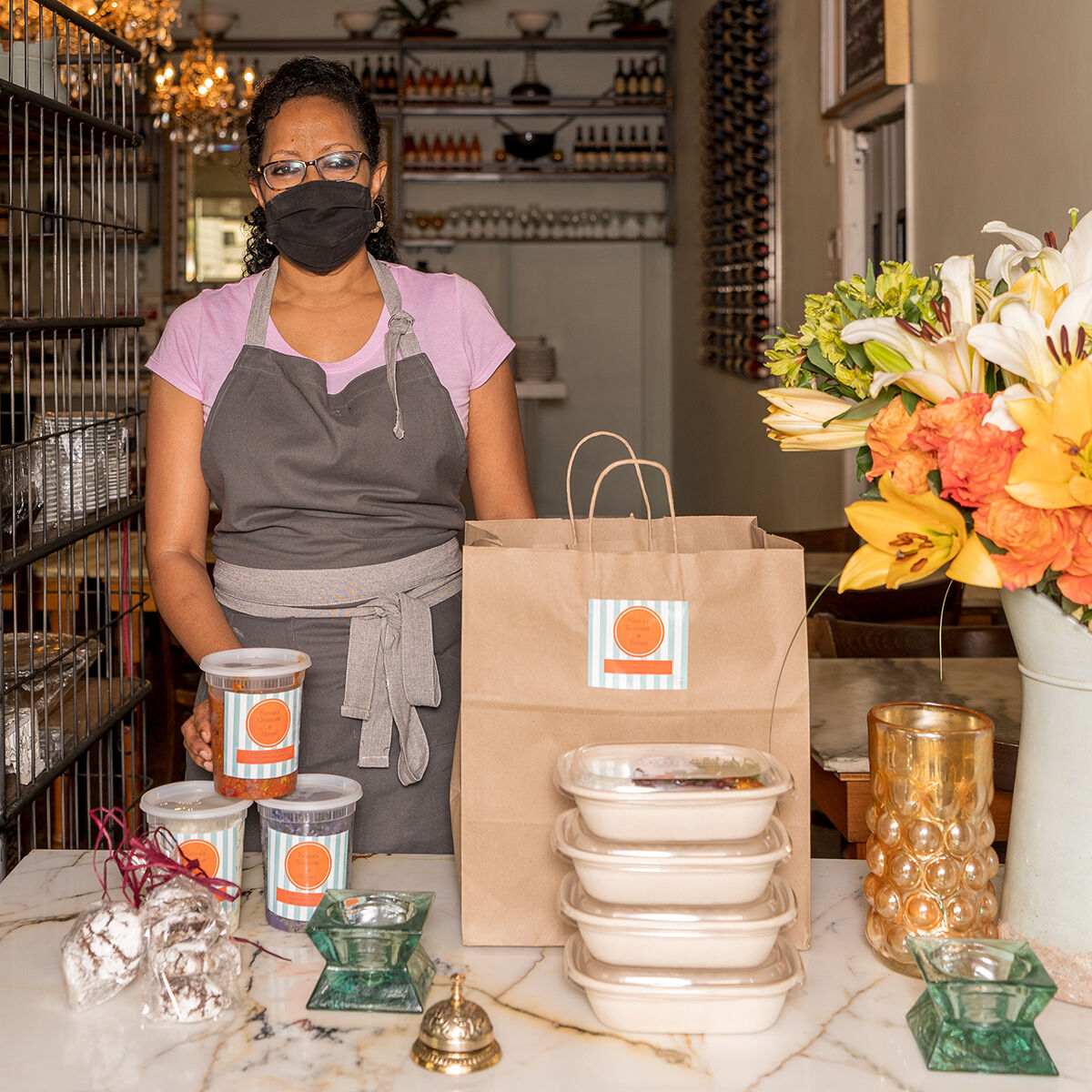
Hanna Tesfamichael of Hanna’s Gourmet shifted service to takeaway meal kits.
James Tran and Olivia Beall
In January and February, Tesfamichael was sicker than she’d ever been. She wonders now if it may have been COVID-19, and this played a part in her decision to stay shuttered long after California allowed restaurants to reopen for takeout and delivery. “It was the first time I was down on my knees and realized my immune system is not as strong as I’d like,” she explains. “And some of my employees lived with their extended family and worked other jobs. We would all be exposed.”
Tesfamichael had been ready, though. She and her husband had been preparing for catastrophe since day one.
“We knew an earthquake could happen and everything can stop,” she says. “We invested so much money to build this from the ground up. We had to secure it somehow. So we said, from day one, we cannot go into debt. If we had to change anything or needed equipment, we waited until we could afford it. We were old school. For our tables, I looked for marble on clearance. I went to Caffè Calabria and got chairs they were changing out. I controlled our labor by working a lot of hours. So that gave us control to always be prepared for six months ahead.”
Tesfamichael never intended this to be a restaurant. After moving to San Diego from Eritrea, she studied food and nutrition at SDSU, took a job at Jenny Craig, then opened her catering kitchen of global food in 2011. “People would take it to go, and then they started sitting down, they started asking for lunch,” she laughs. Piece by piece, she built and adapted it into a neighborhood bistro with family-style dinners and weekend brunch.
And now she’s adapting again, reverting a little closer to her original idea from a decade ago.
“Even before we closed, we talked about doing this,” she says. “The restaurant scene was changing, with more counter service and takeout. The virus has opened eyes for people about working from home. So even after, people are not going to dine out as much during the day.”
While she was closed, regulars kept calling, emailing. She listened. They were tired of doing dishes. They felt restricted to the same old takeout. They didn’t feel they were eating healthy enough. They wanted Tesfamichael’s international food and they wanted enough to eat for days.
“They wanted a personal chef,” she says. “I said, ‘Well, I can’t come to your house, but let me see what I can do.’”
So she studied the meal-kit delivery services, like Blue Apron and HelloFresh. She hired cooks back. They work in shifts through the night so they’re not breathing the same air. Her husband, an electrician, comes in to do the dishes. Every week, she designs a new global menu—emails it to her customers, sets a Thursday deadline for orders, and packages it in leftover-sized portions. She stands in that doorway for four hours on Sunday, chatting from a distance, divvying out days’ worth of home-cooked meals.
Her regulars have shown up. They still have wants. They want her to reopen the dining room. They want more pickup days. They want a larger menu again. She patiently tries to help them understand.
“I have a small window of pickup time because if I expose myself more, I run the risk of getting it and having to close down,” she says. “I tell them I’m a little short-staffed, so the menu is smaller. Right now, the government agencies do their part, we have to do our part, and the customers have to do their part. We make sacrifices.”
The phrase “farm-to-table” has been co-opted and is nearing total meaninglessness. But the movement was beautiful in its infancy—chefs using local growers and makers, forming personal relationships, changing menus constantly depending on what comes off the farm truck. Whisknladle in La Jolla, while not the first, was one of the early adopters, and it made them a star.
The duo that started Whisknladle—restaurateur Arturo Kassel and chef Ryan Johnston—made their mark by bridging the gap between casual and fine dining. Johnston cooked the same from-scratch meals you’d find at James Beardy places, but servers wore T-shirts, dinner music was Hendrix, and customers complained about the ever-changing menu. This all sounds commonplace now, but in 2008 it was not normal.
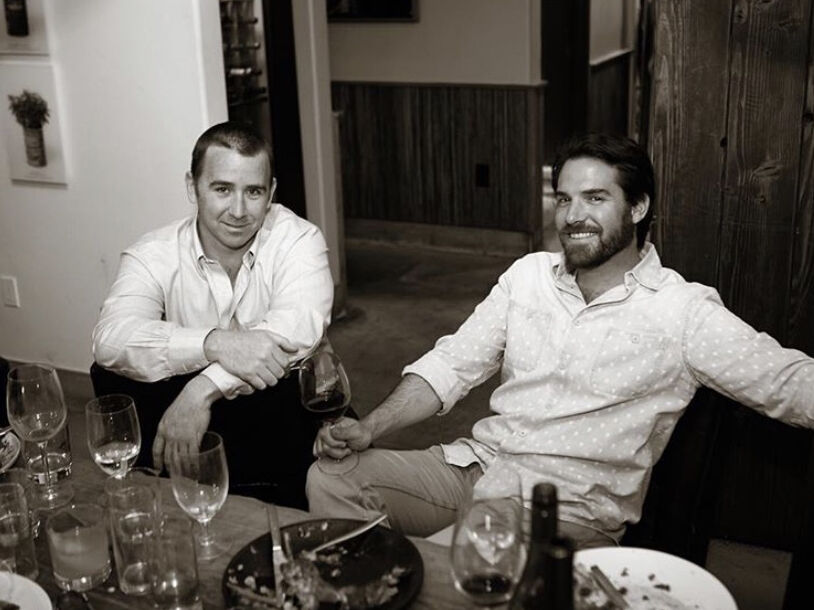
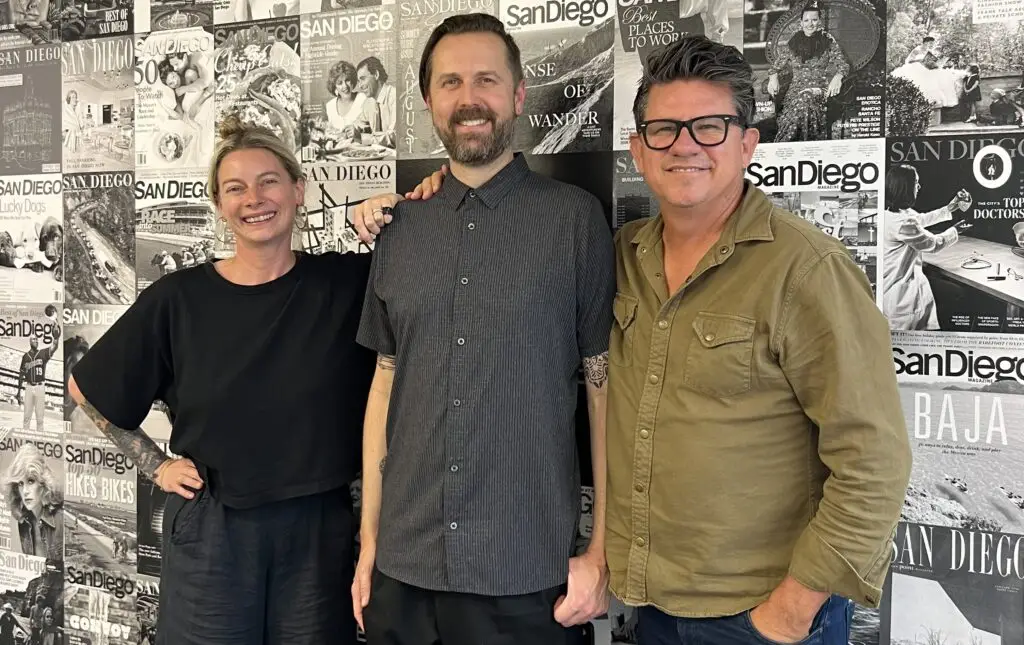
Chef Ryan Johnston and Arturo Kassel of Whisknladle Hospitality
“It definitely wasn’t for everybody and certainly kind of a shock for La Jolla,” Kassel says. “We had people who wanted to come to the same table, get that same macadamia-nut-crusted mahi-mahi. They flipped out that we changed everything. We didn’t know what we were doing, I was 26. Ryan and I met a week before we took over that location. He’s my longest relationship, and, aside from the one with my wife and kids and immediate family, my most important one.”
Whisknladle got national media attention, and so did San Diego by proxy. In May, they shuttered for good. It wasn’t all due to the pandemic, but as with most restaurants considering a change, it was a drastic accelerator.
“It was time,” says Kassel. “COVID was the nail in the coffin. Ironically, our competitive advantage helped open up a whole genre and style of dining in San Diego. But then farm-to-table exploded and you lose that edge a bit. When we first opened there was no food scene in Little Italy, no Liberty Public Market, Carlsbad, or Encinitas. The main problem is, that kind of food is so labor intensive. With wages rising, eventually the margins just aren’t there.”
Kassel and Johnston are still together, heads down, focused on navigating their other projects (Catania, Gravity Heights, Milagro Farm Winery) through the pandemic. But Whisknladle is the reason all of those exist. It was the original good idea that made their names, changed their lives, convinced investors to back their next steps.
“I was pretty stoic when we announced it,” he says. “We had 30-some-odd employees, great people. We were doing the right thing by not stringing them along. It was when the phone calls and DMs started coming. People expressed an outpour of support. I found myself crying all night, just an uncontrollable amount of emotion I wasn’t prepared for. Not because we regret the decision. It was very validating that it was more than just another restaurant. For people in the industry and people who came through those doors for 12 years, Whisknladle meant something.
PARTNER CONTENT
“Whisk wasn’t the most beautiful restaurant. And it was always a better restaurant than it was a business. But I’m most proud of how, though I didn’t grasp it at the time, it impacted so many people and left a legacy behind.”

Troy Johnson is the magazine’s award-winning food writer and humorist, and a long-standing expert on Food Network. His work has been featured on NatGeo, Travel Channel, NPR, and in Food Matters, a textbook of the best American food writing.
Kory Stetina and CH Projects pull the plug on their epic plant-based concept on February 8
Well, damn. Vulture and Dreamboat are calling it a day.
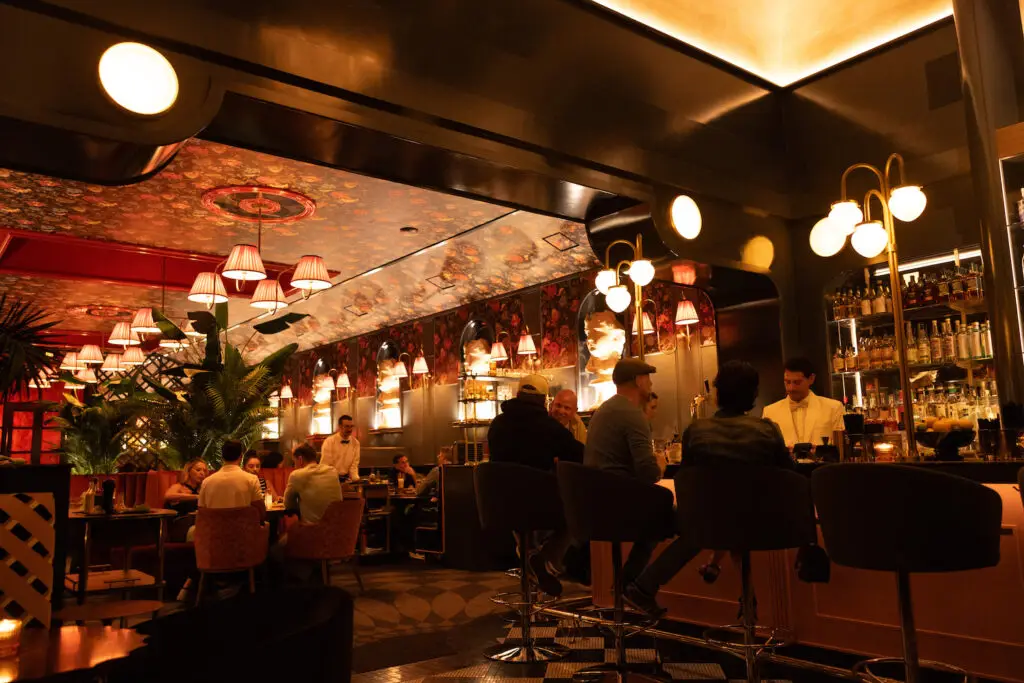
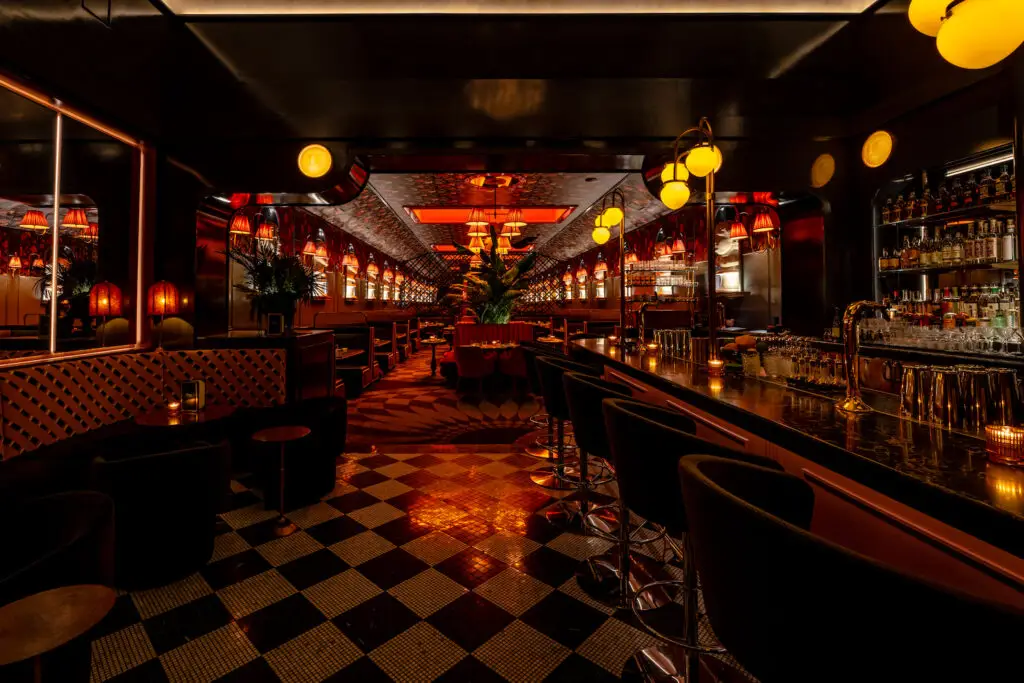
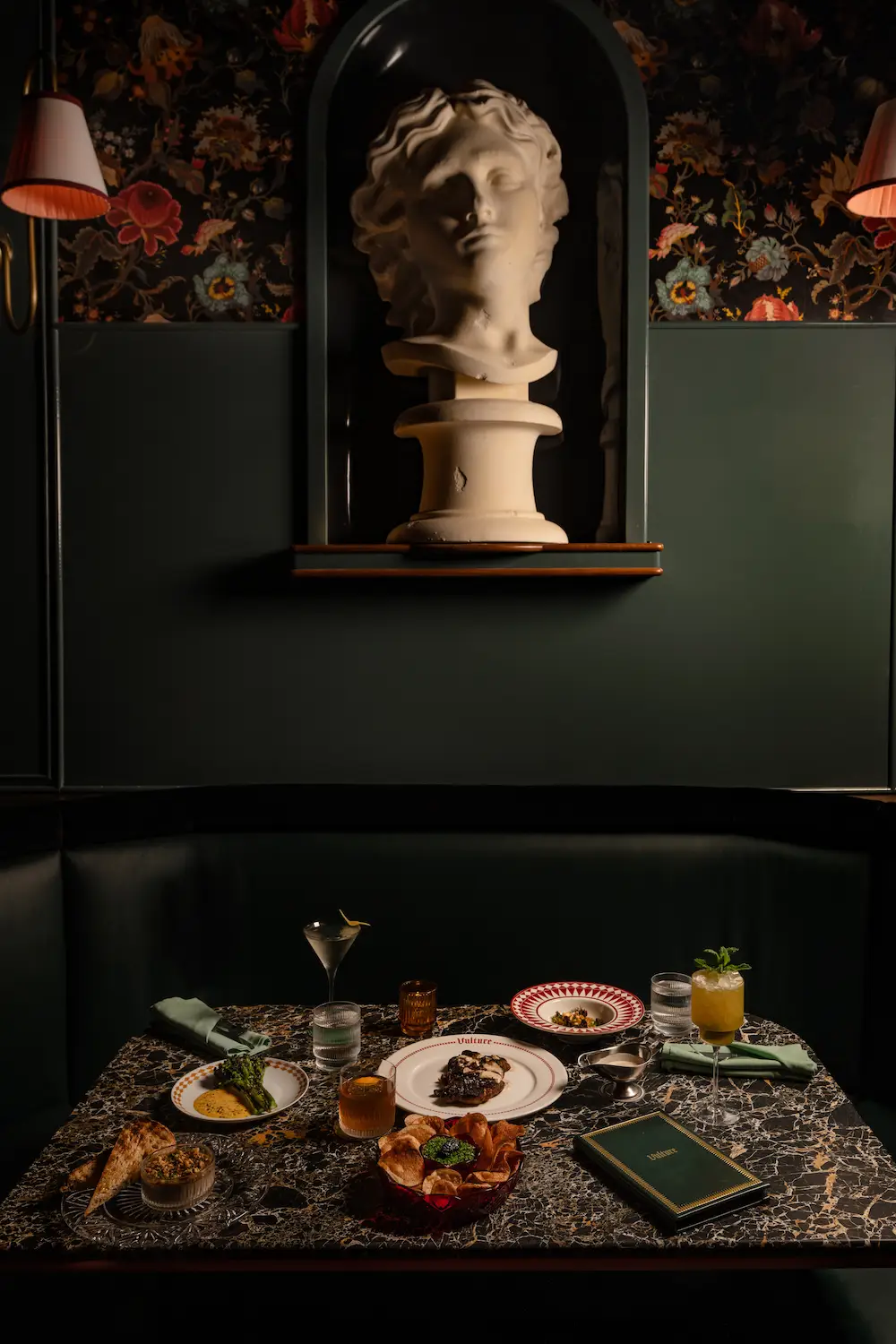
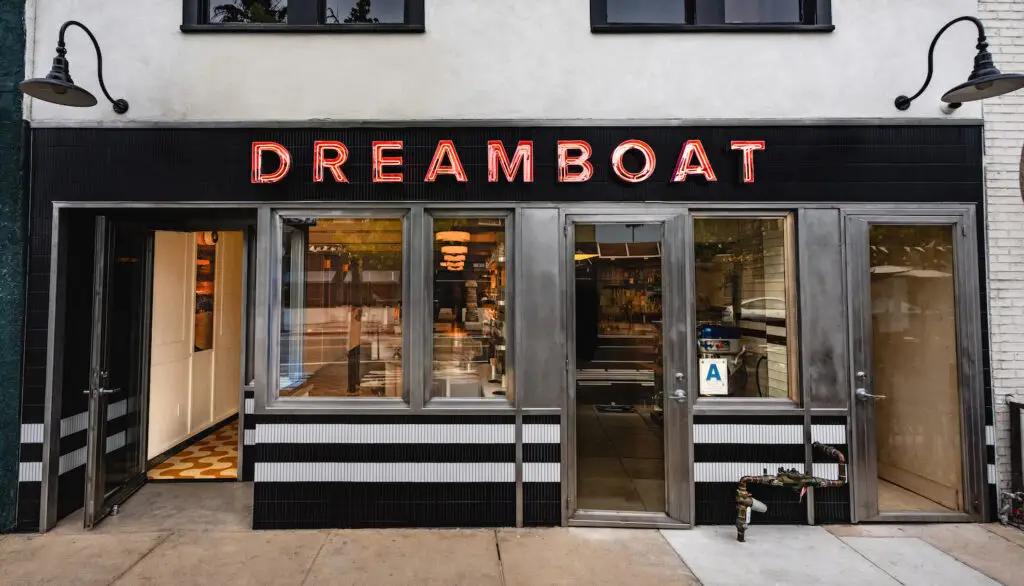
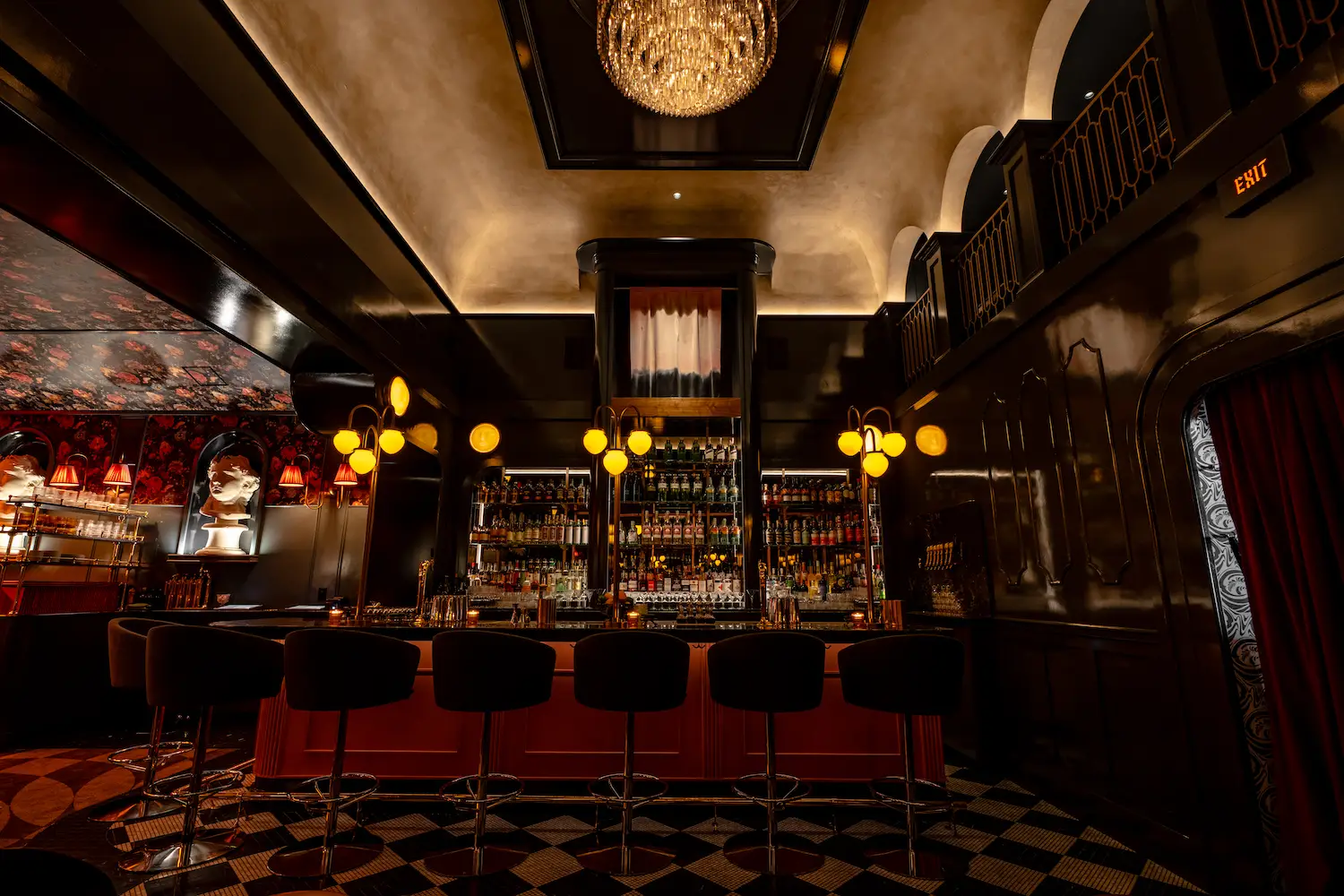
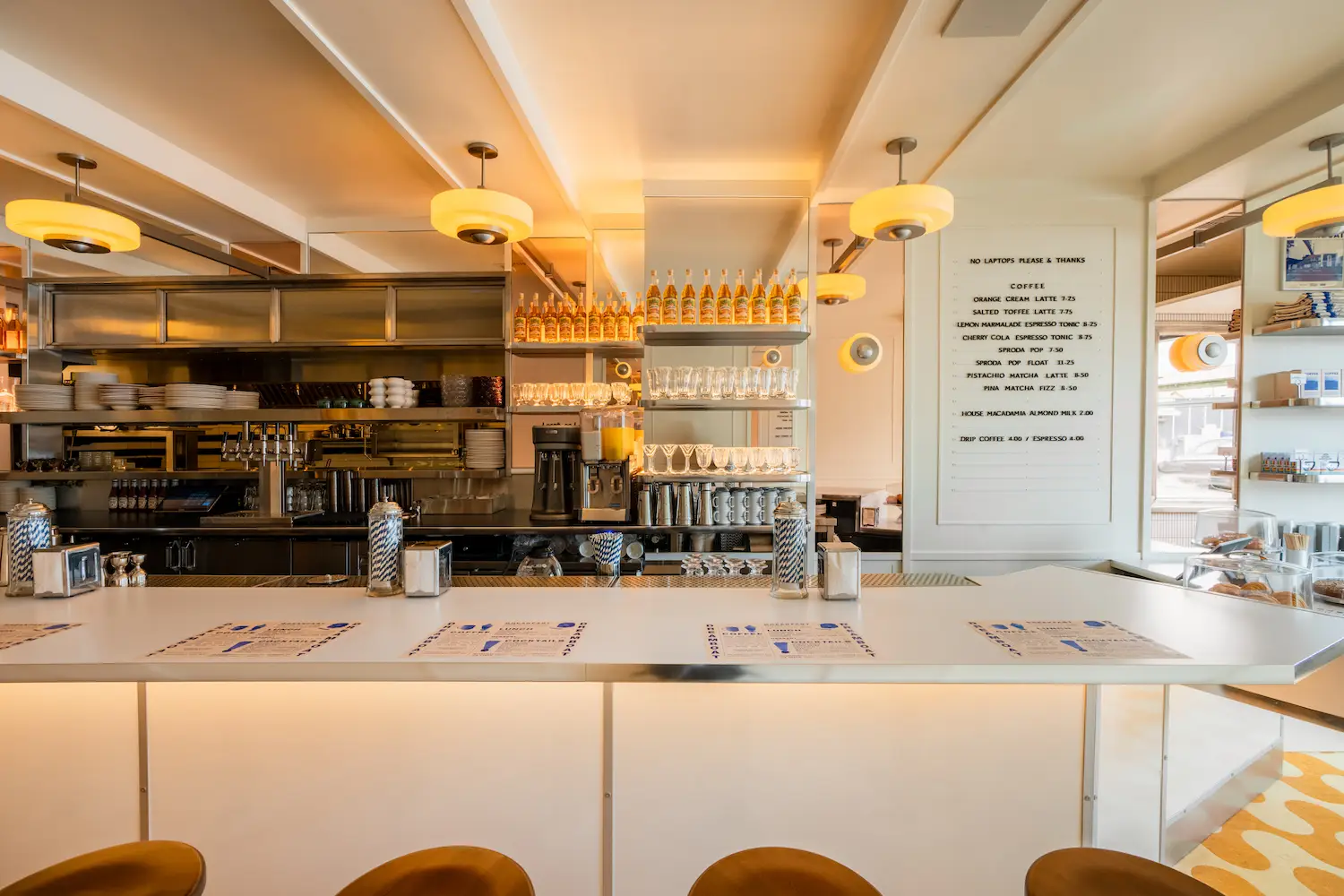
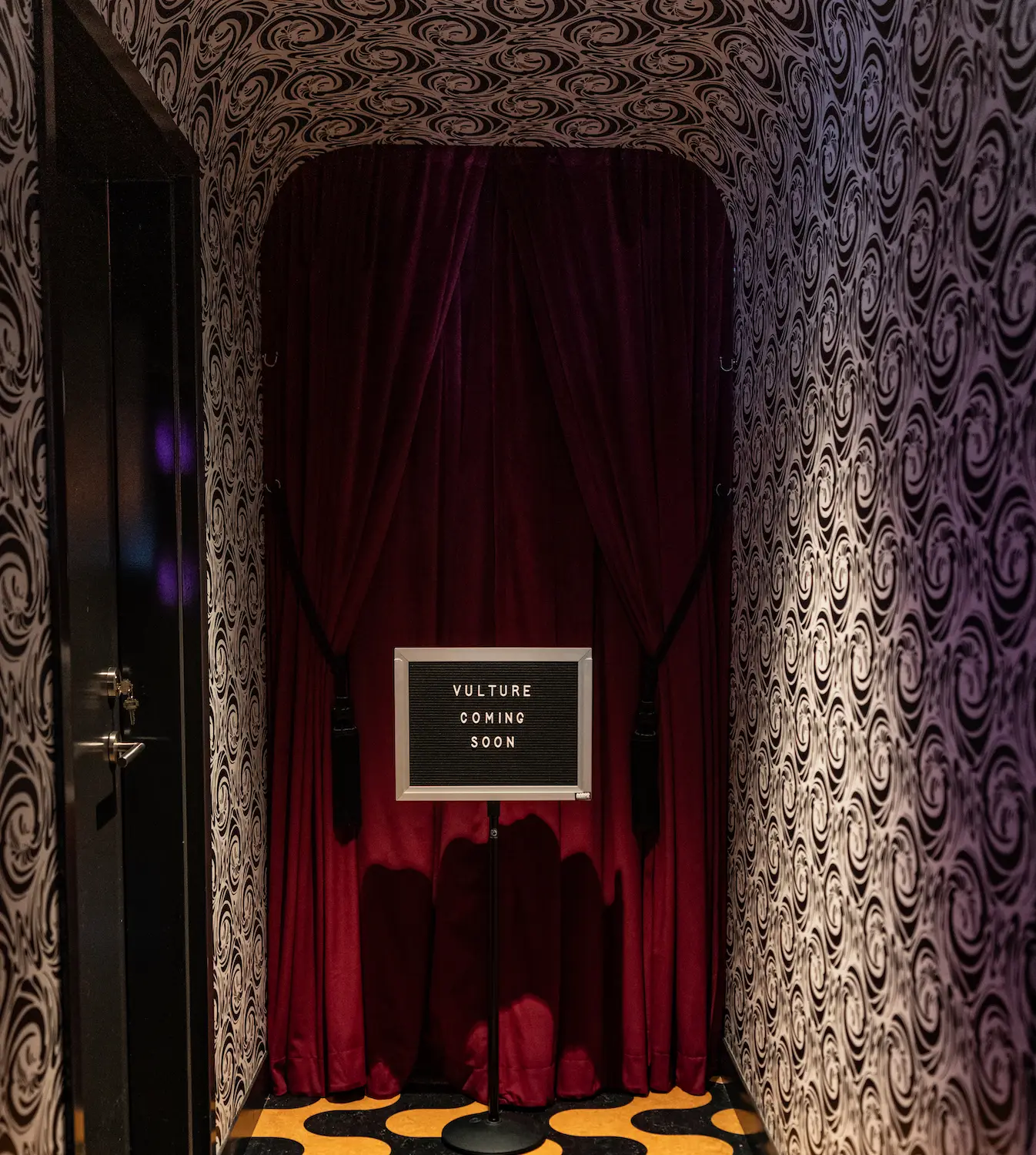
Partners Kory Stetina and CH Projects have announced what feels like a too-soon curtain call for their plant-based odyssey in University Heights. Dreamboat, arguably the best name of a restaurant in decades, is the tiny, white, ’50s-style diner up front, and through a hallway and a velvet curtain is Vulture—a moody, stately continental restaurant with gothic-O’Keeffe wallpaper and giant plaster busts of indeterminate renaissance heroes.
The team is inviting guests in to fête the last three weeks of service, and the restaurants will shutter February 8.
“Right now, what matters most is taking care of our people and closing this chapter with integrity,” Stetina says. “These final weeks are important to us, and we want the final chapter of Vulture and Dreamboat to feel really celebratory. We are intensely proud of what was built here and deeply grateful to the teams and community who brought these spaces to life, especially our extraordinary crew.”
Vulture was Stetina and CH’s biggest plant-based swing yet. The ambition was driven at least partially by the success of their previous two collaborations: Kindred (SDM’s “Best Vegetarian” many years running) and the alien cantina Mothership (named one of Esquire’s “Best Bars in America”).

It was the first high-end, fully plant-based restaurant in the city. Both were nominated for an Orchid design award by the San Diego Architectural Foundation, and Vulture was nominated by VegNews as the best new vegan restaurant in the country (Dreamboat got the nomination for the best vegan diner). Vulture’s potato pave was incredible; so were the martinis and the French onion soup. It had the group’s trademark magic and felt like a Cowboy Star or Albie’s Beef Inn for the cellulose crowd.
By most restaurant operators’ metrics, the crowds both spots were drawing would have been considered a major success. But most operators don’t build restaurants like Stetina and CH do; they obsess over design, turning blank buildings into art projects. That costs quite a bit more, demanding more martinis and tableside Ceasar salads be sold.
“We had very strong support and real momentum,” Stetina says. “High opening and operating costs, combined with the economic realities of today, ultimately made it unsustainable.”
The dream also took too long to manifest: They took ownership of the building (and its accompanying bills) before the pandemic. In the long stretch from there to opening last spring (five years), the industry shifted in massive structural ways. Food costs are up. Labor costs are up. Mortgage costs are up. Drinking is down (the bar has historically floated most ambitious restaurants—and a less boozy generation and Ozempic are really sinking bar tabs).
Even plant-based food, which has been rising for decades and still is (it’s currently worth around $8 billion in the US and projected to be $19 to $30 billion by 2030) has ceded a bit of the moment to the animal-protein mania and “eat like a predator” diet-sabre rattling.
“The project took years to bring to life, and during that time the climate of our industry changed underneath our feet,” Stetina says. “Decisions that felt ambitious but workable when we committed to them ultimately revealed themselves to be far more leveraged and risky than we had counted on.”

Stetina’s one of the more respected, likable operators who gives a damn about his people. With each project, he’s emphasized the party of plant-based culture and avoided the polemic of it. It’s not a small loss for him. This one hurts—for him and his team. But he has the healthy and incredibly hard perspective needed when a big dream doesn’t quite get there.
“I called friends of mine who own multiple restaurants and they said, ‘Welcome to the club–the first one hurts.’ But this is part of it,” he says. “Kindred will be celebrating its 10th year throughout 2026, and we have a lot planned there for the year ahead. Some of what we loved most about the Vulture and Dreamboat magic will also likely carry forward into Kindred in ways that feel thoughtful and true to its spirit.”
He urges everyone to come in for the last few weeks of Vulture and Dreamboat, party it up, and use any gift cards (needless to say, they can’t be redeemed after close).
Troy Johnson is the magazine’s award-winning food writer and humorist, and a long-standing expert on Food Network. His work has been featured on NatGeo, Travel Channel, NPR, and in Food Matters, a textbook of the best American food writing.
Little While will open in the former Hawthorn Coffee space in Normal Heights
What started with a humble pie shop in University Heights has come a long way. Over the past nine years, San Diego’s Sweet & Savory Collective—parent company to Stella Jean’s and Pop Pie Co.—have built a small empire in San Diego and Orange County, focusing on almost universally adored treats: ice cream and tiny lil’ pies. (I mean, who doesn’t love pie?!)
But at the same time, co-founder Steven Torres has quietly been honing its coffee program, working with local partners like Provecho Coffee Company in San Diego and Necessity Coffee in Encinitas to source and roast beans.
After years of observation and practice, they’re ready to fully take it on. Little While, the company’s first dedicated coffee and pastry shop, will open in the former Hawthorn Coffee space later this year (3019 Adams Ave., next to Et Voila! French Bistro). Torres estimates Little While will open mid-October.

“At its heart, it’s inspired by the idea that life is made up of many ‘little whiles,’ fleeting moments that spark connection, joy, and reflection,” he explains. Its aim is to be a place to slow down, get comfortable, and enjoy the present. Shared treats help, especially treats created by the all-star team they’ve assembled.
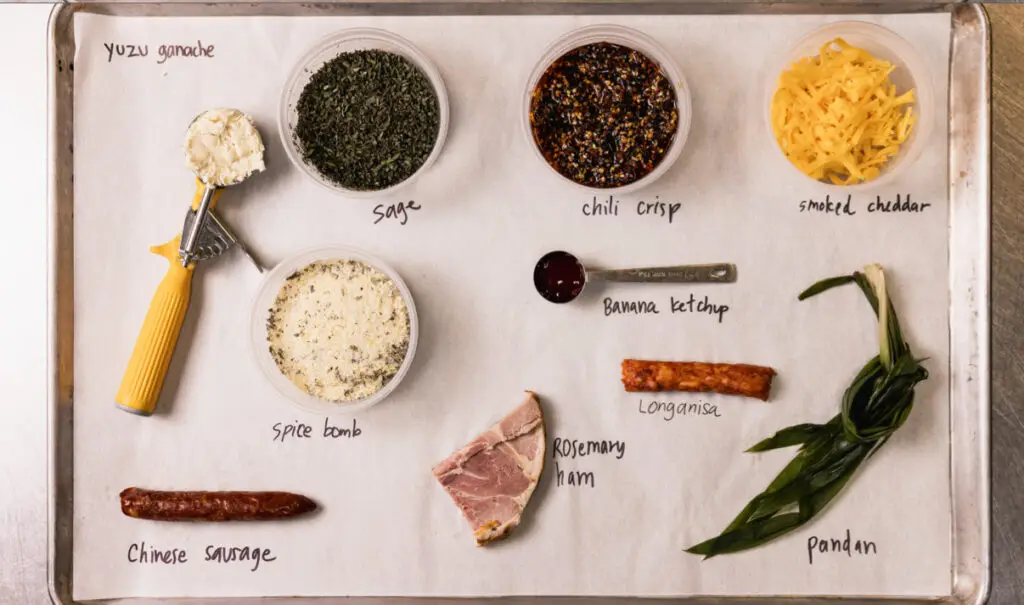
Aly Lyng (Communion, Paradis, George’s at the Cove) will spearhead the baking program alongside Justin Gaspar (Hommage Bakehouse) with a mix of globally-inspired pastries alongside traditional favorites. Torres promises the pastry case will “stop you in your tracks,” utilizing ingredients like guava jam, chile crisp, banana ketchup, Chinese sausage, and more. Chef and co-founder Gan Suebsarakham will oversee the menu, with Madyson Hodge of Sweet & Savory Collective as culinary operations manager.
Torres and Nayton Rosales are co-leading the coffee and roasting side of things, and he hopes to launch their own roastery soon. They’ll have a full espresso bar with pourovers, seasonal drinks, and some more global touches like kadak chai, matcha, and traditional Thai tea.

They want to honor ingredients in their purest forms—for instance, they’ve sourced their matcha from the same purveyor as long as they’ve been in business (nearly 10 years). Their approach will be less outrageous foamy matcha sugar bombs—not that there’s anything wrong with that, he stresses. Little While’s will simply be more of a spotlight on the technique and history behind each product.
For the vibe, expect more chill and less bright color than Stella Jean’s technicolor pink. “This is going to be more cozy, warm wood, that kind of energy,” says Torres, pointing to Little While’s architecture firm (Tecscape) and design (Solstice Interiors).
The restaurant will open early, probably 6:30 or 7 a.m. daily, closing around 4 p.m. on weekdays with later hours on weekends. “Little While… [is] the kind of café we’ve always looked for in other cities,” he says. “We’re excited—and a little nervous—to bring it to life at home in San Diego.”
Little While opens mid-October at 3019 Adams Avenue.

Willy Wu Jye and Karine Beers—the sibling duo behind standout French cafe, La Clochette—recently opened its latest venture in Solana Beach. CTZN (pronounced “citizen”) is a “celebration of life, a celebration of the Basque culture, California creativity, and the universal joy of coming together around food and drink,” says Wu Jye, fusing their interest in Basque cuisine with California coastal dining.
The pintxo-style menu features plenty of wood-fired items and sharable plates, like classic Spanish paella, lots of seafood, and of course, Basque cheesecake, and the indoor/outdoor restaurant is already soft open (with a grand opening planned for September 3). Wu Jye says they chose the name as an homage to a restaurant they frequented as kids in Madagascar, also named Citizen. “That memory became the seed for the name,” he explains. “CTZN is both a tribute to such a rich culinary and cultural heritage and a humble gift to the beautiful community of Solana Beach.”

Listen Now: The Latest in San Diego’s Food and Drink Scene
Have breaking news, exciting scoops, or great stories about new San Diego restaurants or the city’s food scene? Send your pitches to [email protected].
Beth Demmon is an award-winning writer and podcaster whose work regularly appears in national outlets and San Diego Magazine. Her first book, The Beer Lover's Guide to Cider, is now available. Find out more on bethdemmon.com.
Una Más brewpub brings a jolt of cross-border collaboration along with a roster of high-profile Mexico talent to University Heights
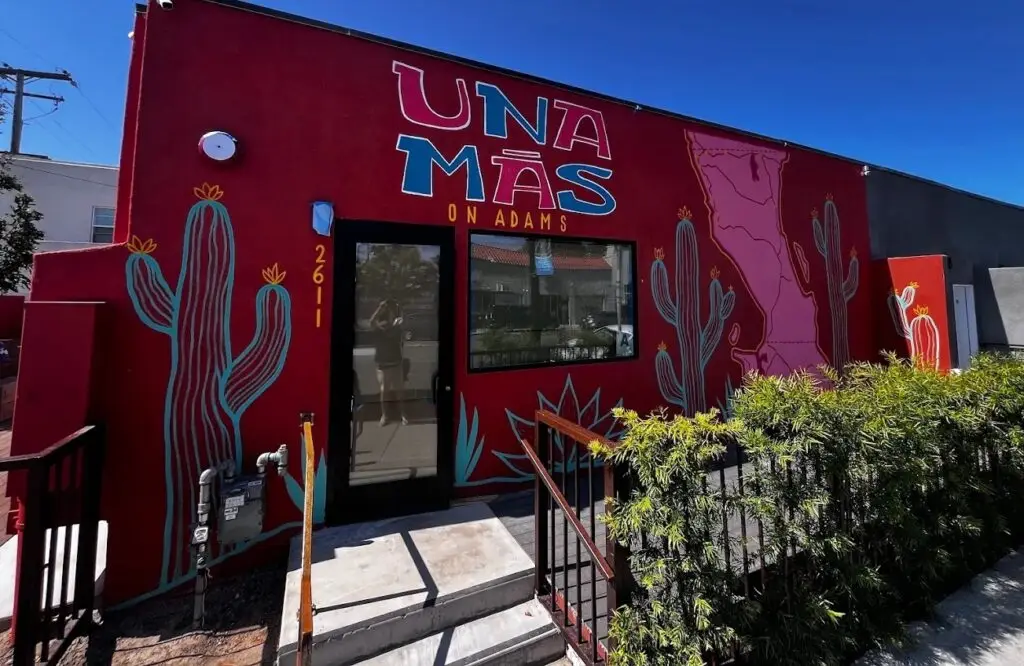
Una Más isn’t even open yet, and already the Baja-Southern California fusion concept has lived several lives. First, the University Heights space was slated to become a German biergarten (it didn’t.) Then, Collin Corrigan hoped he could open it as a cross-border brewpub earlier this spring (he couldn’t). But at long last, Una Más will open on Friday, August 1.
Corrigan founded Ensenada’s Cervecería Transpeninsular in 2016, and was a former partner in El Cruce+241 in Chula Vista before Brewjeria Company took over the concept. To get Una Más over the finish line, he enlisted some high-profile names in the local food and drink scene. He tapped Danny Romero (one of the new owners of The Lion’s Share) and Ian Ward (Ponyboy, Addison) of Service Animals to consult on menu development with executive chef Real Coronado. Coronado has worked in restaurants in Tijuana (Casa de Coronados, Savage) and San Diego, including with Romero at his pop-ups Tortoise, Two Ducks, as well as Wormwood and Ponyboy.
Along with Geoff Hill (co-founder of Baja Bound Insurance) and creative consultants Jeff Lozano and Danny Goycoolea (OverPour Media), Una Más’s team is a hodgepodge of top-tier San Diego and Baja California talent. That’s precisely what’s going to make it stand out, says Lozano.
“These particular players, at this particular time, in this particular neighborhood, with this particular idea, are really what sets it apart from any other spot in North Park,” he says.
Una Más’ menu features Ensenada-style cuisine, specifically emphasizing a lot of fresh seafood. Romero wanted to take it one step further. “[Service Animals] had been simmering on a concept that was a play off of Taco Bell—like an elevated Taco Bell,” Lozano explains. They took familiar favorites, like Taco Bell’s signature nachos, and kicked them up a notch using premium ingredients and preparation techniques. Other items include an escabeche pickle dip, coconut and tomatillo aguachile, and various vegan/vegetarian and gluten-free items.
Despite the playful twist, Corrigan emphasizes the menu will be a serious representation of the best of Baja. “It’s still very, very much Ensenada-style food, with a couple dishes that have a fun spin,” he promises. There are also 20 taps featuring San Diego craft beers and Baja breweries, plus NA beers, ciders, kombucha, agua frescas, and wines from Valle de Guadalupe. A coffee counter will be open daily starting at 7 a.m. as well. Once open, Una Más will offer lunch and dinner service, and will launch a brunch program on Saturdays and Sundays a few weeks after opening.
“The full intention of this business is to provide a family-friendly, community-driven, hyper-local establishment where people can gather, enjoy food and libation sustainably, and have your family and your pets there and enjoy what we know down south of Mexico and what we all know in San Diego,” says Corrigan.
Una Más opens at 2611 Adams Avenue on Friday, August 1. Hours will be Monday through Thursday, 11 a.m. to 9 p.m.; Friday and Saturday, 11 a.m. to 10 p.m.; Sunday, 11 a.m. to 8 p.m. The coffee counter will open starting at 7 a.m. every day.

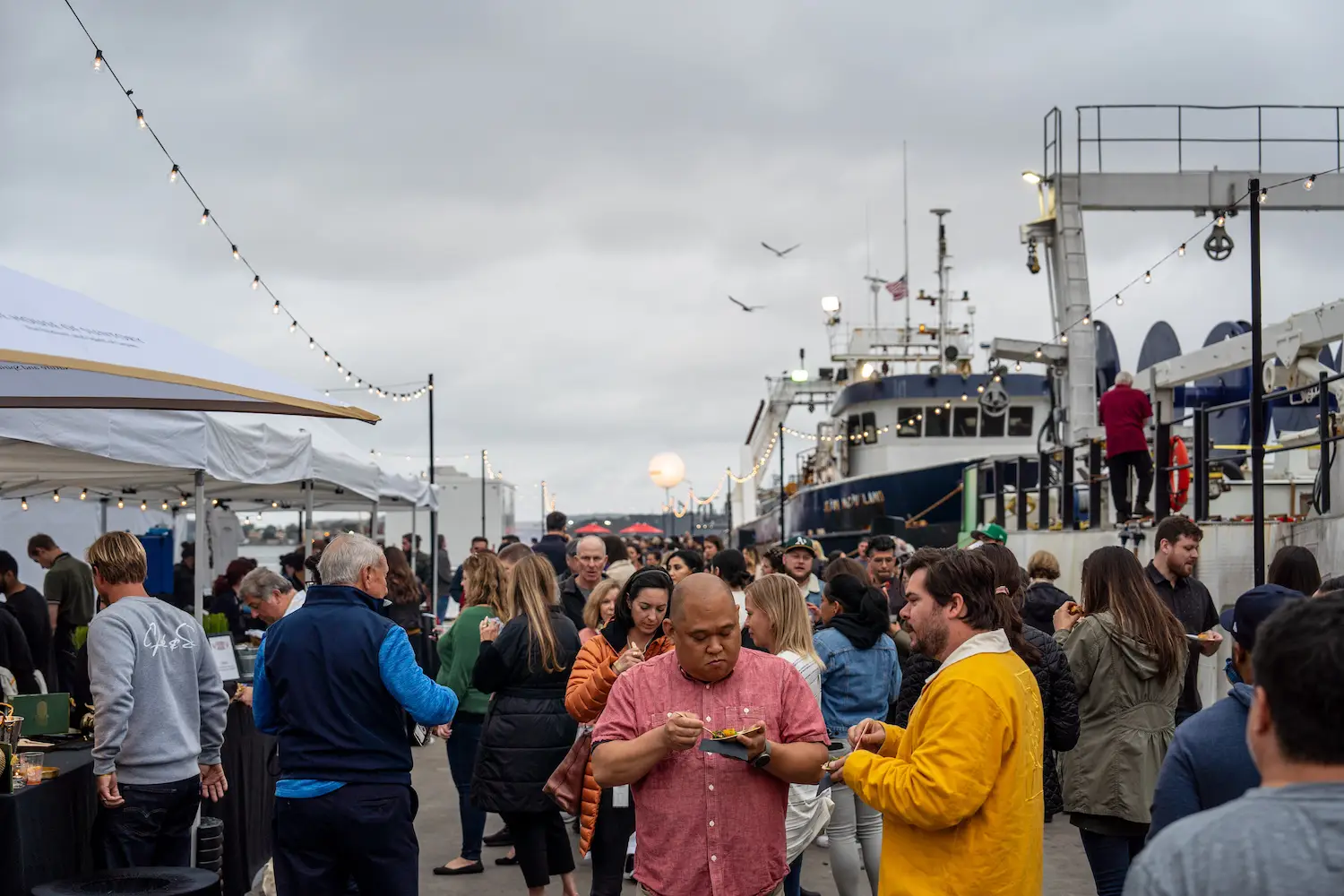
In novels, the concept of a Night Market swirls around mystery, intrigue, and a bit of danger. It’s a place where magical folks come to buy, sell, and trade all manner of enchanted items. San Diego doesn’t have one of those (that I, a non-magical person, am aware of, at least), but what we do have is much more delicious. On Thursday, August 7 from 6 p.m. to 10 p.m., Dockside Night Market returns to Tuna Harbor Pier for a one-night culinary gathering centered around our abundance of locally caught seafood. Expect cocktails, live music, and of course, plenty of fresh seafood prepared by local chefs from restaurants like Bica, Campfire, Ponyboy, Herb & Sea, Mabel’s Gone Fishing, Ironside, and more. Leave the kiddies at home for this 21+ event (it’s past their bedtime anyway).
Beth Demmon is an award-winning writer and podcaster whose work regularly appears in national outlets and San Diego Magazine. Her first book, The Beer Lover's Guide to Cider, is now available. Find out more on bethdemmon.com.
Stake Chophouse & Bar brings contemporary classics and old-school service to the heart of Coronado
Stake Chophouse & Bar isn’t your average steakhouse. Blue Bridge Hospitality’s Coronado outpost is a modern interpretation of a big-city steakhouse nestled in the heart of the small coastal community. The team at Stake has reimagined the whole steakhouse experience. By prioritizing a seasonal farm-to-table sourcing philosophy, a personalized guest experience, and unique service touches, like a formal steak presentation and a bespoke knife selection process, Stake distinguishes itself in a sea of steakhouses.
Exceptional steaks, including Wagyu from Japan, Australia, and the U.S., and fresh seafood flown in daily form the core of Stake’s culinary identity. The menu features a five-course omakase-style steak experience highlighting house favorites, plus an array of cuts, and classic steakhouse staples—think a wedge salad, baked potato, or pasta carbonara—refined for a contemporary palate without losing their traditional appeal. Stake focuses on seasonal sourcing from the region’s best family farms and specialty purveyors, and incorporates intentionally unexpected touches to create something truly unique.
“I challenge our chefs and myself to take it a step further in sourcing,” says Chef Ronnie Schwandt. “It’s important to us to highlight different farms, unique one-off farms—whether it’s cattle, strawberries, a local fisherman or from anywhere in the United States, we’re always trying to find that niche.”
Beyond the menu, Stake emphasizes outstanding service, says Vinny Spatafore, Director of Hospitality Operations. Staff maintains detailed notes, allowing them to remember guests by name, recall previous orders such as a favorite martini (also memorable for the customer since it’s served in an extra tall, distinctly-shaped glass), and celebrate special occasions like birthdays and anniversaries.
“When you have those points of topic that you remember about a guest, they appreciate that,” he says. “Our servers are really good with that—we have a couple servers who have been here since the beginning and they’ll remember somebody from years ago, their name, their kids’ names, where they live. I’m really thankful to have a great front of house staff.”
Award-winning wines, rare whiskeys, special events, and a complementary black car service that provides transportation for guests throughout Coronado add to Stake’s appeal.
Schwandt stresses that Stake offers more than a meal; they aim to give patrons something unforgettable.
“It starts when you walk up the stairs and are greeted by the hostess—that sets the tone for the night. Then you’re greeted by a server, who may know you by name, and can guide you through the menu and curate as they get to know you,” says Schwandt. “Most people leave kind of blown away; they leave feeling like they just had an experience. That’s the goal, right? Whether you’re serving smash burgers or high-end steak, you want somebody to leave thinking, Wow, that was awesome.”
Behold the hidden, shadow-psychedelia plant-based supper club from the Kindred people
Being here is to be highly stimulated and stim-deprived at the same time.
A skinny shadow restaurant tucked behind a stark-white tiny diner, scarce visible signage save for a concrete engraving on the sidewalk along Park Boulevard and an amber-lit sign in the back of Dreamboat. Fully cut off from its University Heights neighborhood, it’s got no windows and is both dark and color-flamboyant (an amber skylight harkens to photography dark rooms and The Godfather Don Corleone’s office at night), with some lightly Alex Grey/Yayoi Kusama-ish fungal wallpaper, giant plaster busts of presumably epic dead people, brass, checkerboard tiles, a chandelier with fancy ghosts in it, a giant plant lording in the heart of the place, an incredibly obsessive martini, sporadic flambée fires torching cherries tableside, and real or imagined memories of utopianistic 1960s Americans going out on the town in grand fashion.

It’s Vulture, the newest restaurant art project (I want to say restaurant but that feels lamer than Vulture looks) from the creatives behind Kindred, Mothership, and Dreamboat (the recently opened, aforementioned tiny diner—which every time I mention I can’t stop singing to the tune of “Tiny Dancer”).
“Five years,” says co-conspirator Kory Stetina, sighing with terror and relief about how long Vulture has been in the works. “Every little detail has been fussed over. We’re not religious, but my wife says this project has angel wings. I always had an itch to do a little more on the elevated side of things. But I don’t really force it. I let opportunities reveal themselves.”

To reduce its charms to stereotypical sentences: It feels like a hidden Great Gatsbian restaurant made entirely of plant food. It’s being hailed as “continental,” which is how our grandparents expressed fairly approachable, familiar entrées (steaks, potatoes, vegetable sides) that had been fancified with then-new things like French sauces and dramatic tableside preparations and finishes.
“I wasn’t around in that era,” Stetina says. “But my grandparents would celebrate at these kinds of places, the ‘fancy’ places of the time, right when American chefs were starting to dip their feet into European culinary tradition—French, Italian, Spanish. A lot of the food that was served would be pretty approachable.”

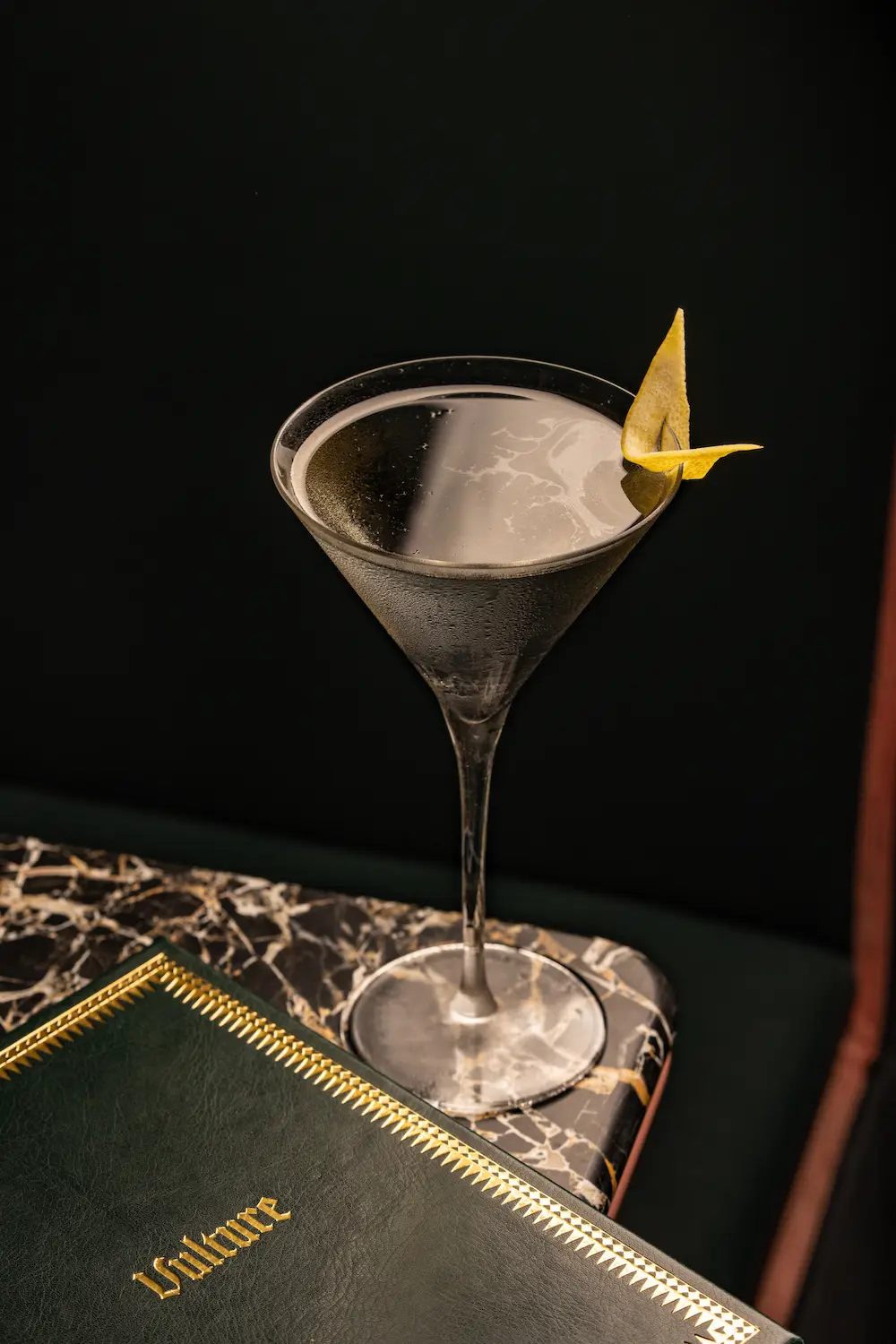
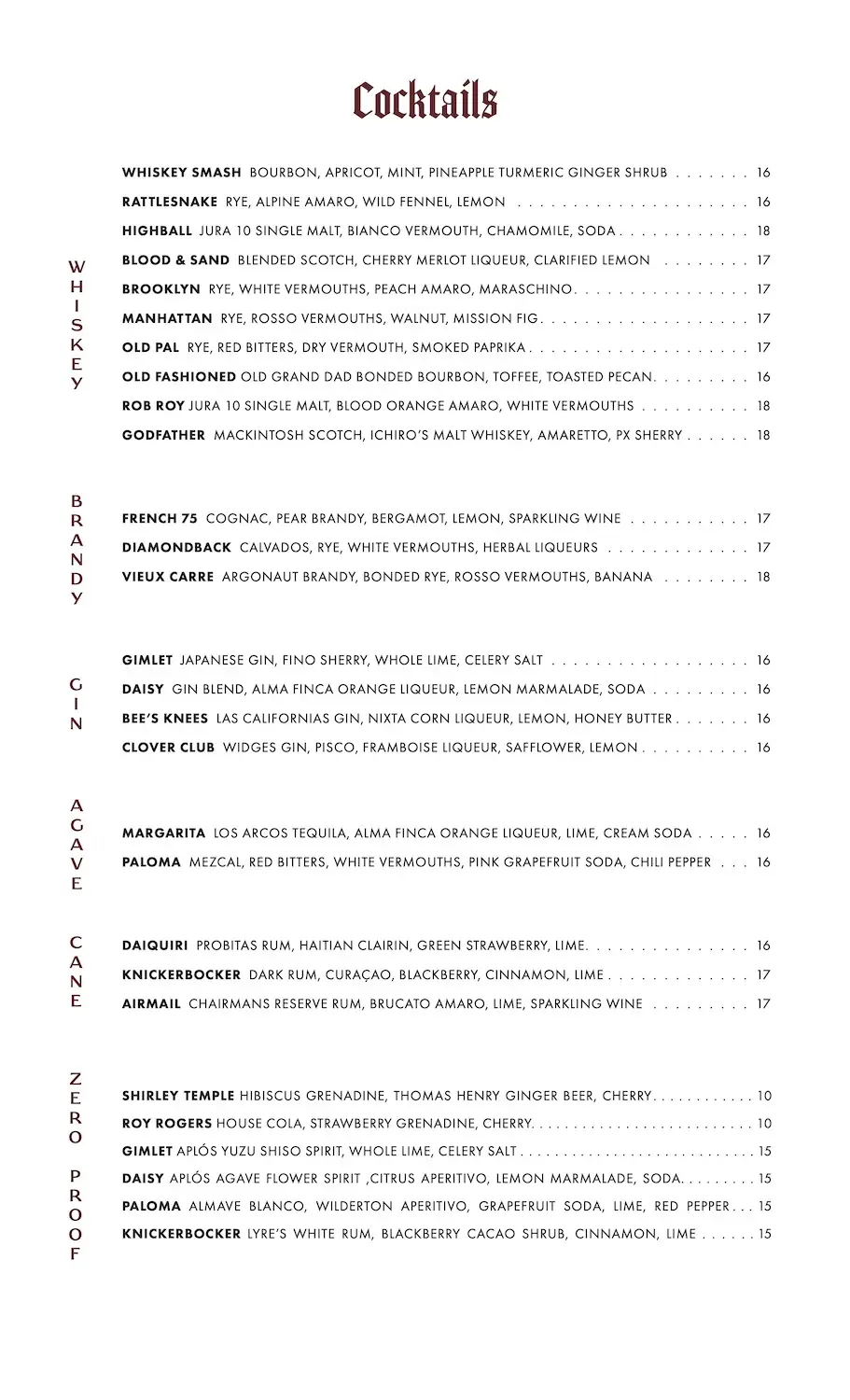
As for that martini. The perfect martini sounds so easy and never has been. Vulture’s is a blend of three different gins and four vermouths tested at dozens of temps and served at the one that tasted best. Its dilution rates are calibrated with biotech zeal. The bar team serves a regular version, a teensy cocktail version, and “The Works:” a larger, moon-cold portion served on an ancestral tray stacked with pickled treats, plus its own potato pavé topped with horseradish crème fraîche and truffle caviar. Cocktail poobah Lucas Ryden (Kindred, Realm of the 52 Remedies) has 38 cocktails joyriding the nostalgia: highballs, manhattans, Rob Roys, French 75s, Vieux Carres, gimlets, daisies, knickerbockers, you get it. And six zero-proof versions of the same (plus a Shirley Temple)


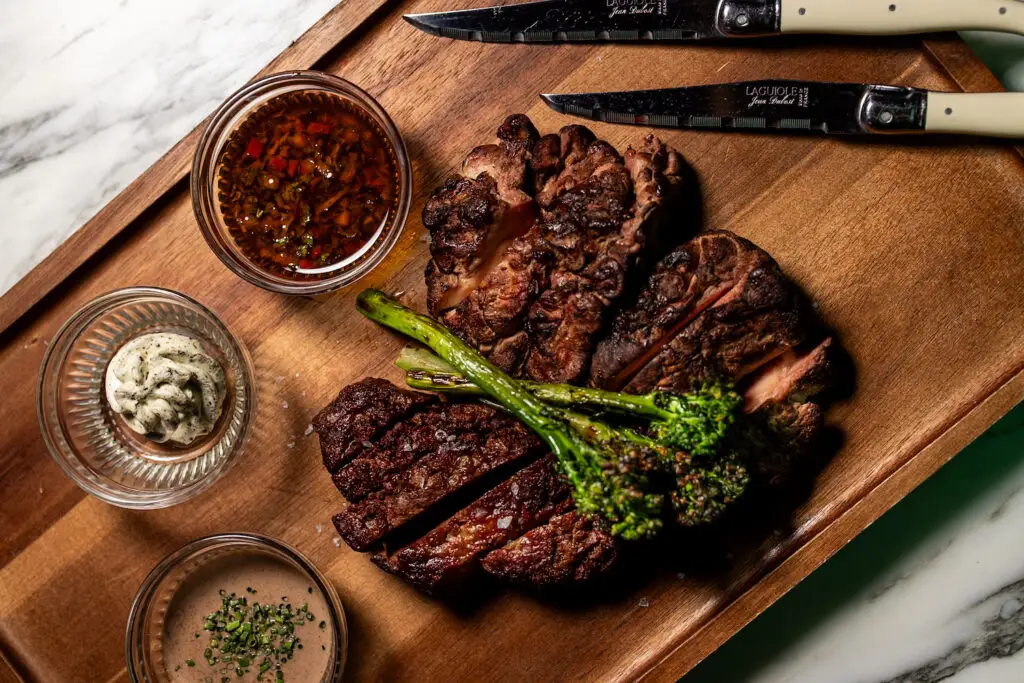
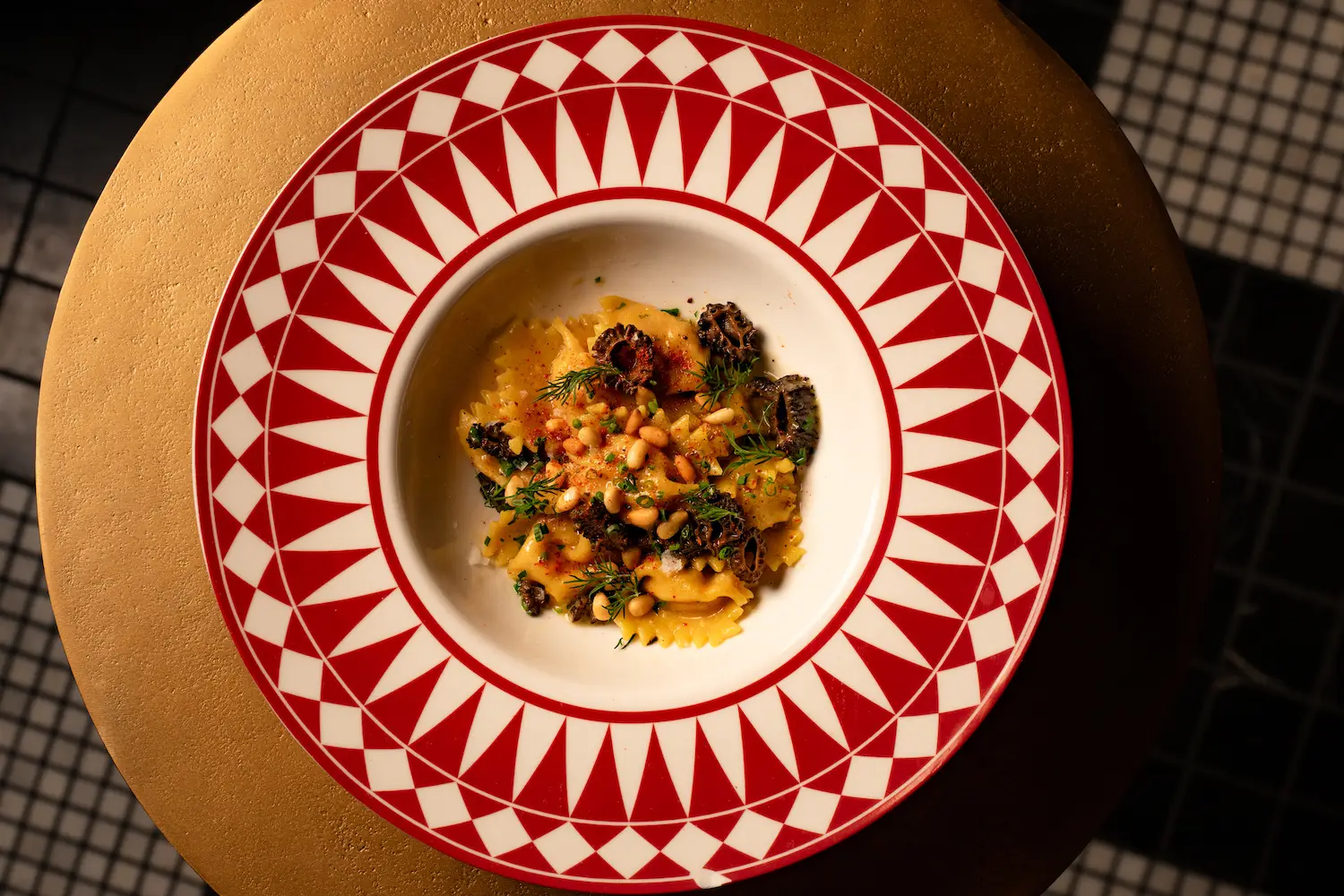
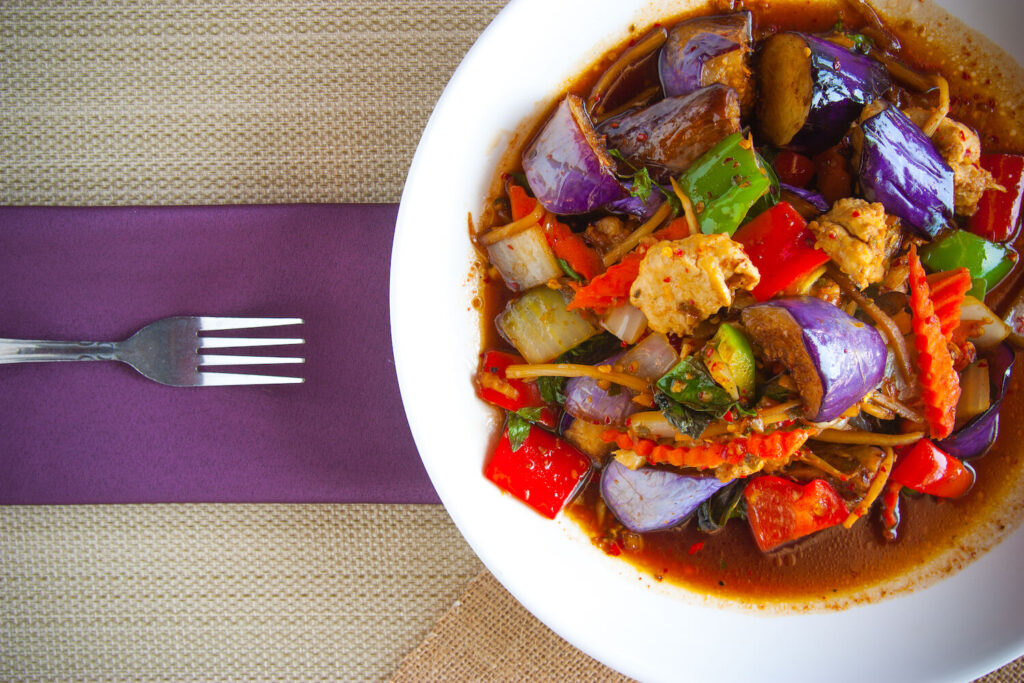
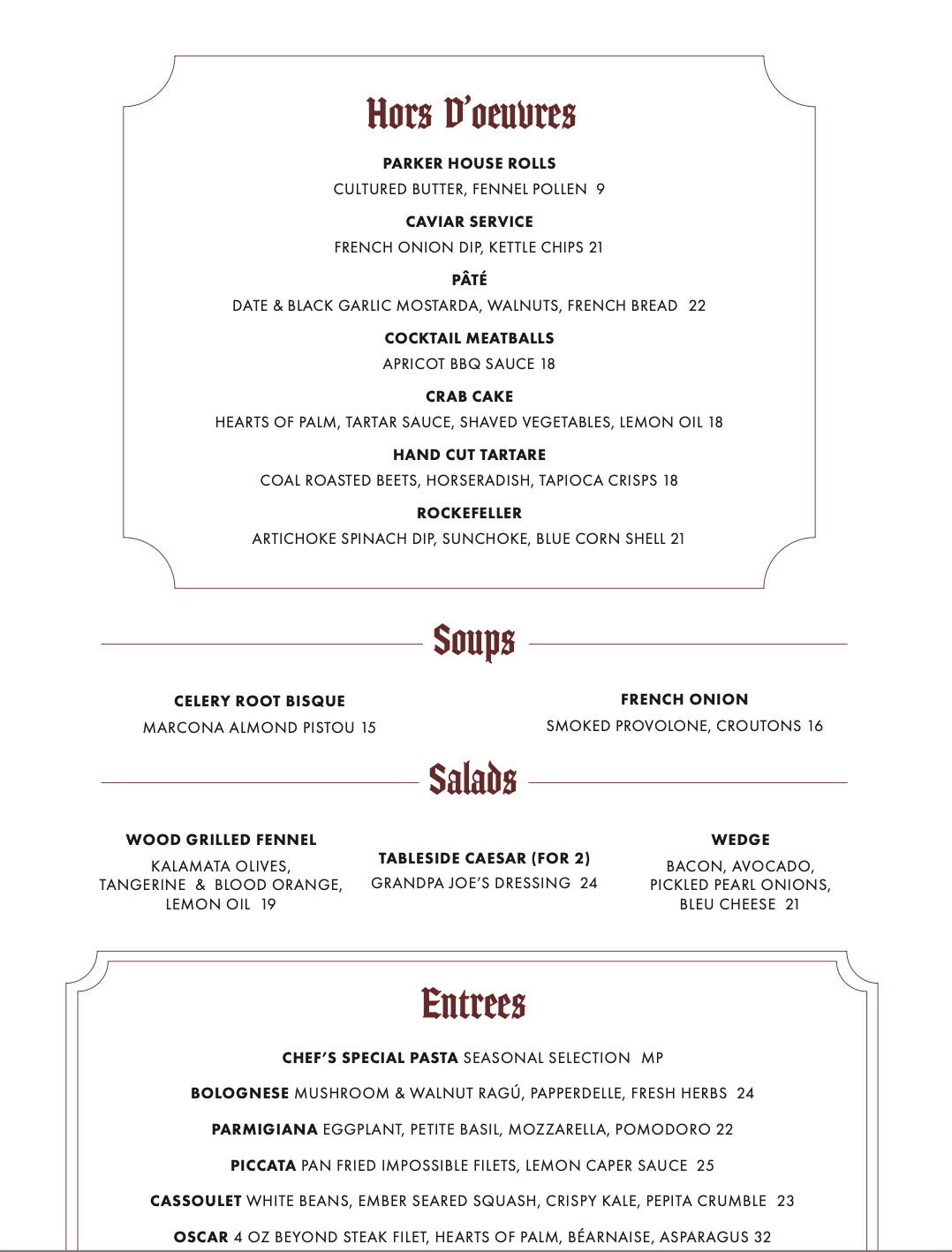
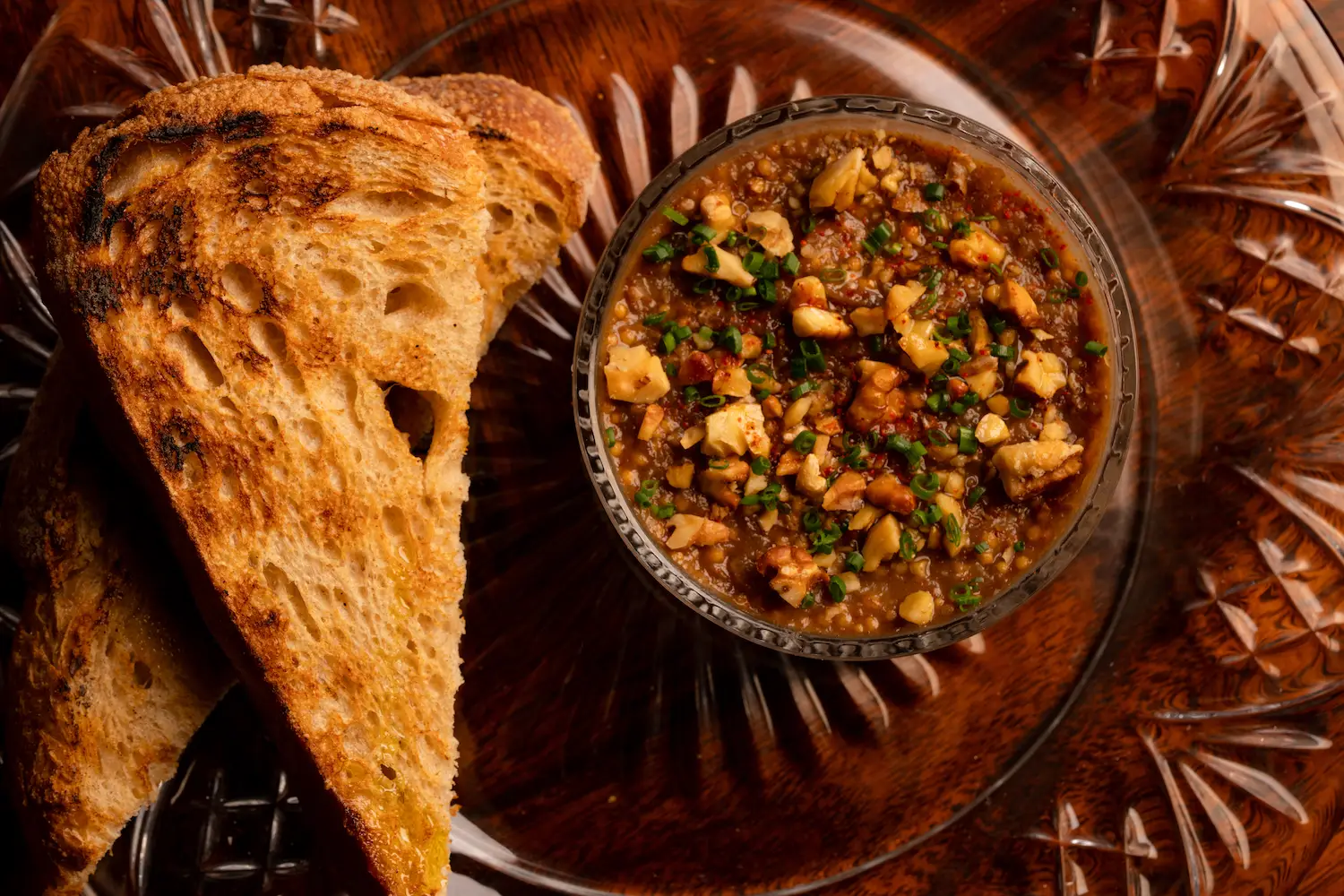
To eat (see full menu), it’s things like the Diane. A giant lion’s mane mushroom is grown by El Cajon’s Mindful Mushrooms specifically for Vulture’s specs, then grilled over wood fire by exec chef Pancho Castellón (who cooked at San Francisco’s Michelin-starred steakhouse Niku) and served in Diane-style creamy mushroom sauce. For the Oscar, Vulture is the first restaurant on the West Coast to have Beyond Steak Filet, which the kitchen seasons and tweaks, then serves with hearts of palm, plant bearnaise, and asparagus. There will be Parker House rolls with cultured “butter;” kelp caviar with French onion dip and kettle chips; date and black garlic pâté; beet tartare; “Rockefeller” minus the oyster, plus the artichoke, sunchoke, and spinach dip. The Caesar will be tossed tableside in “Grandpa Joe’s” dressing.

“There was a tradition in my family of gathering and making Caesar salads on Sunday nights,” Stetina says. “Grandpa Joe made it, then my dad made it. When I became the black sheep that turned vegan, I had to figure out how to make it taste the same… nutritional yeast, capers. I always added capers to the top, but chef ground it into a paste like an anchovy, then created a house parmesan out of garbanzo flour. We make it in blocks and shred it over the salad tableside.”
For dessert, chef Amy Noonan will douse cherries in booze and set them on ceremonial fire throughout the dining room for jubilees. There will be cheesecake.

And there will be relief for Stetina. He and his wife bought this building five years ago, leveraged everything they had, barely held on through the pandemic, and obsessively pulled it off. “We opened Mothership thinking that Vulture might never happen,” he says.
PARTNER CONTENT
And then Esquire named Mothership one of the top 50 bars in the country. Vulture seems poised for similar realms.
Vulture soft opens next week.
Troy Johnson is the magazine’s award-winning food writer and humorist, and a long-standing expert on Food Network. His work has been featured on NatGeo, Travel Channel, NPR, and in Food Matters, a textbook of the best American food writing.
A golden-era California diner from the mystics behind Kindred and Mothership is open now
First off, Dreamboat is a hell of a name. The rest of us are drastically underperforming at naming things. It brings to mind the innocent romantic swoon, back of the hand melodramatically to the forehead, the glint of light coming off a real snazzy gal’s or guy’s super white teeth. A radically cuter and possibly lost slice of pre-algorithm Americana.
And Dreamboat is now the charming as heck little hiccup of a breakfast-lunch-dessert diner in University Heights. Dreamed up by the plant-based culture creators behind Kindred and Mothership. It’s got stainless steel and minimalist white everything (save for that floor, with a orange-ish lava lamp grooviness, creamsicle-esque) and one single counter with 10 barstools. Comfy ones, not the modern kind that makes you regret having an ass. Something cheerful about having a neon sign on a street that says: “DREAMBOAT.”

“We’re calling it a micro-diner,” says co-conspirator Kory Stetina. “It’s definitely not meant to be a history lesson or time warp to an actual diner. It’s a ’50s-, ’60s-California kind of thing. Fun and flirtatious and kitschy. We just thought, “‘Well, what would make us smile?’ and did that.”
Before I slander the place, it must be said Dreamboat has pretty magical standalone value. Exec chef Pancho Castellón is former chef de cuisine of Serea, and before that executive sous at San Francisco’s Michelin-star steakhouse, Niku. In that tiny diner, he’s got a woodfired oven to char and caramelize and boost all flavors (wood fire has 400 flavor compounds you don’t get with gas).

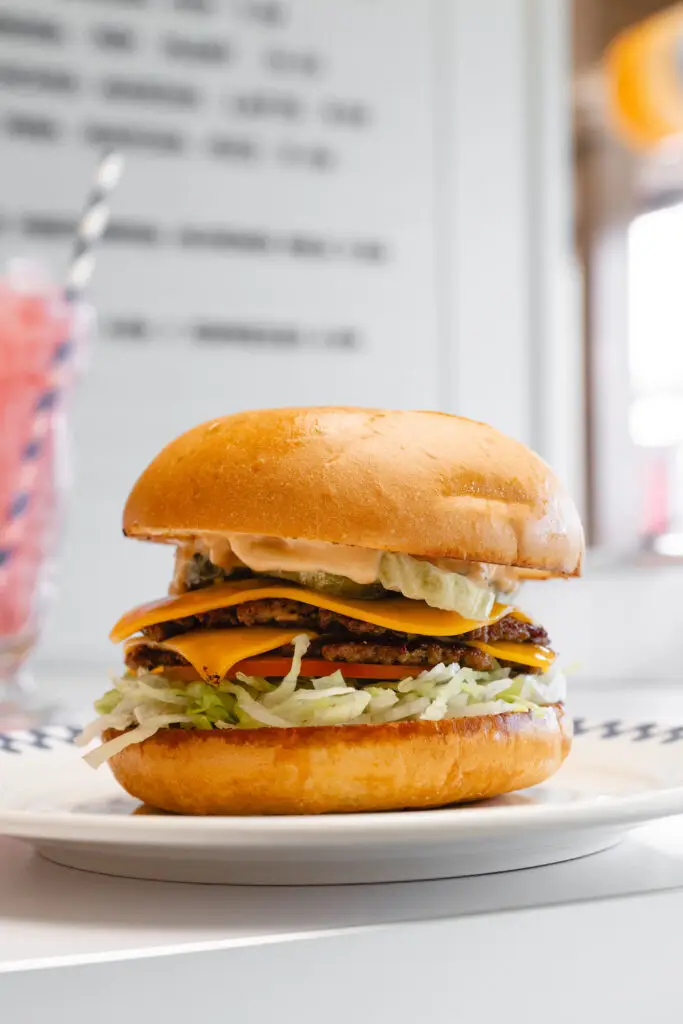
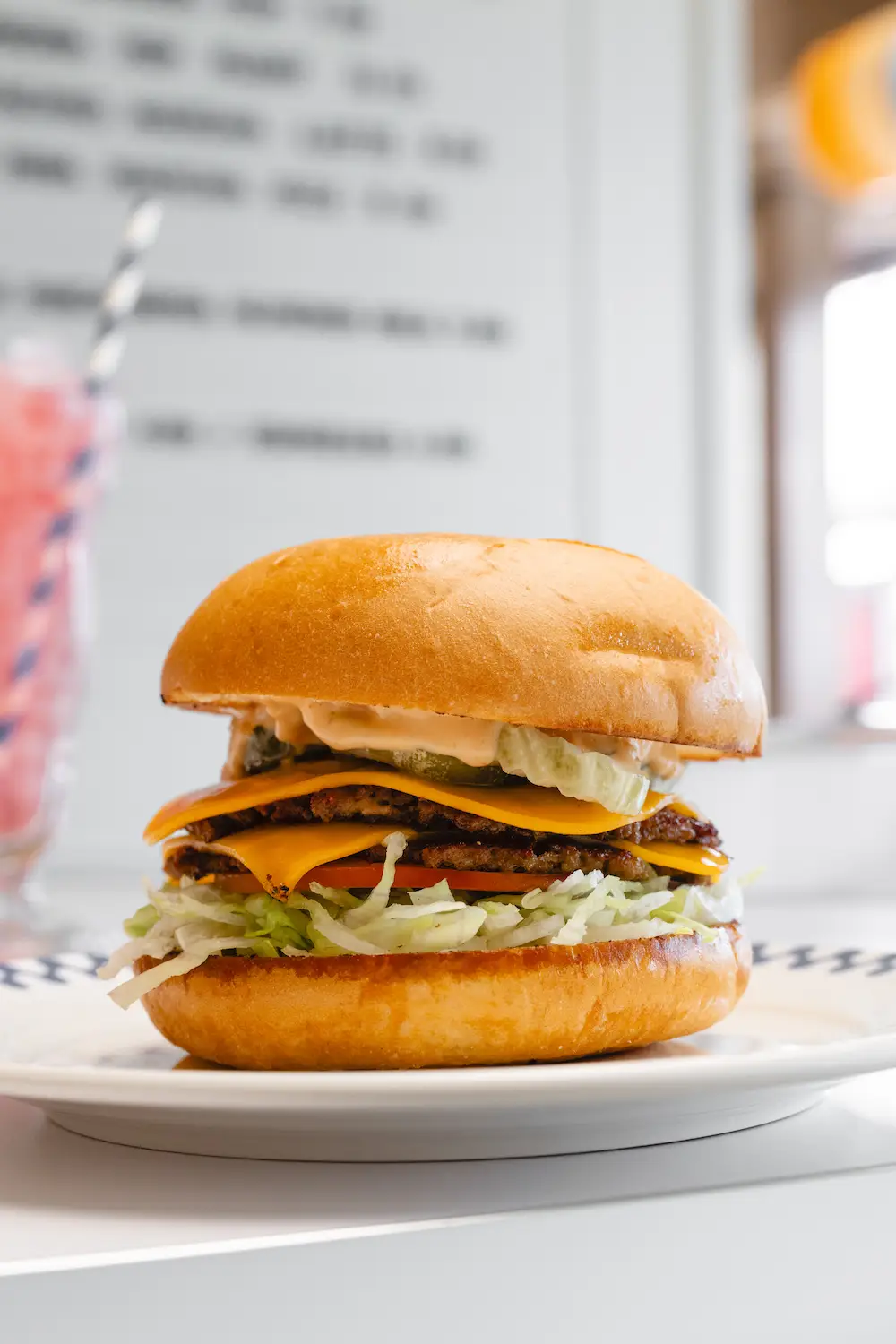
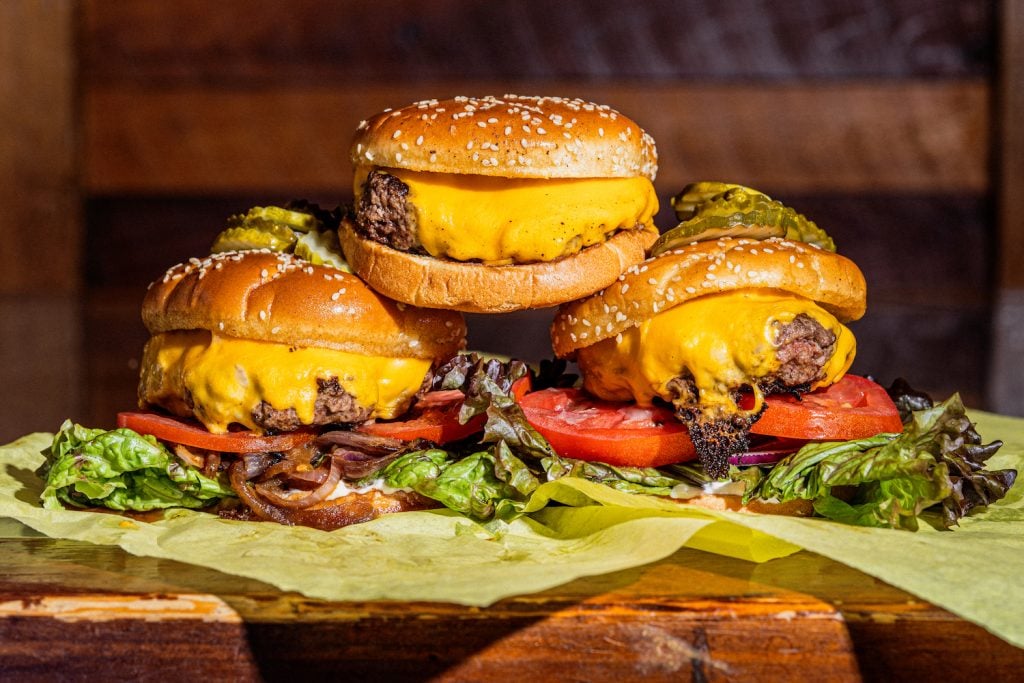
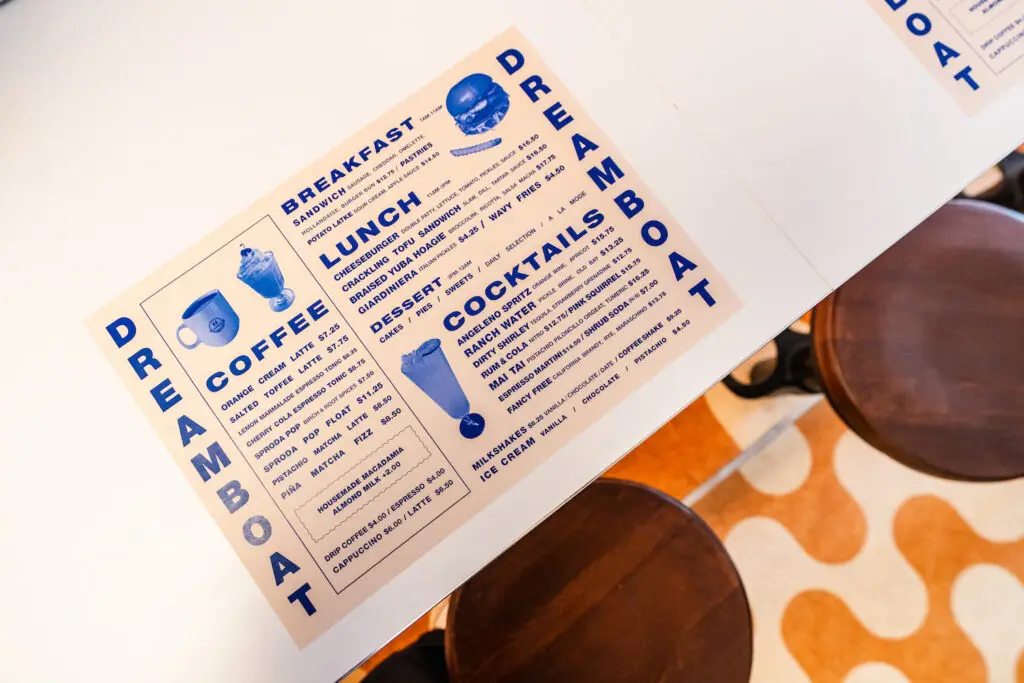
He’s doing breakfast treats, including a giant latke served with a fairly incredible spiced and stewed apple compote. And lunch—a cheeseburger with animal-style sauce and impressively American-ish nut cheese, plus a braised yuba (the very-expensive and luxurious tofu skins, like the chicharrón of tofu) with charred broccolini, ricotta, and salsa macha.
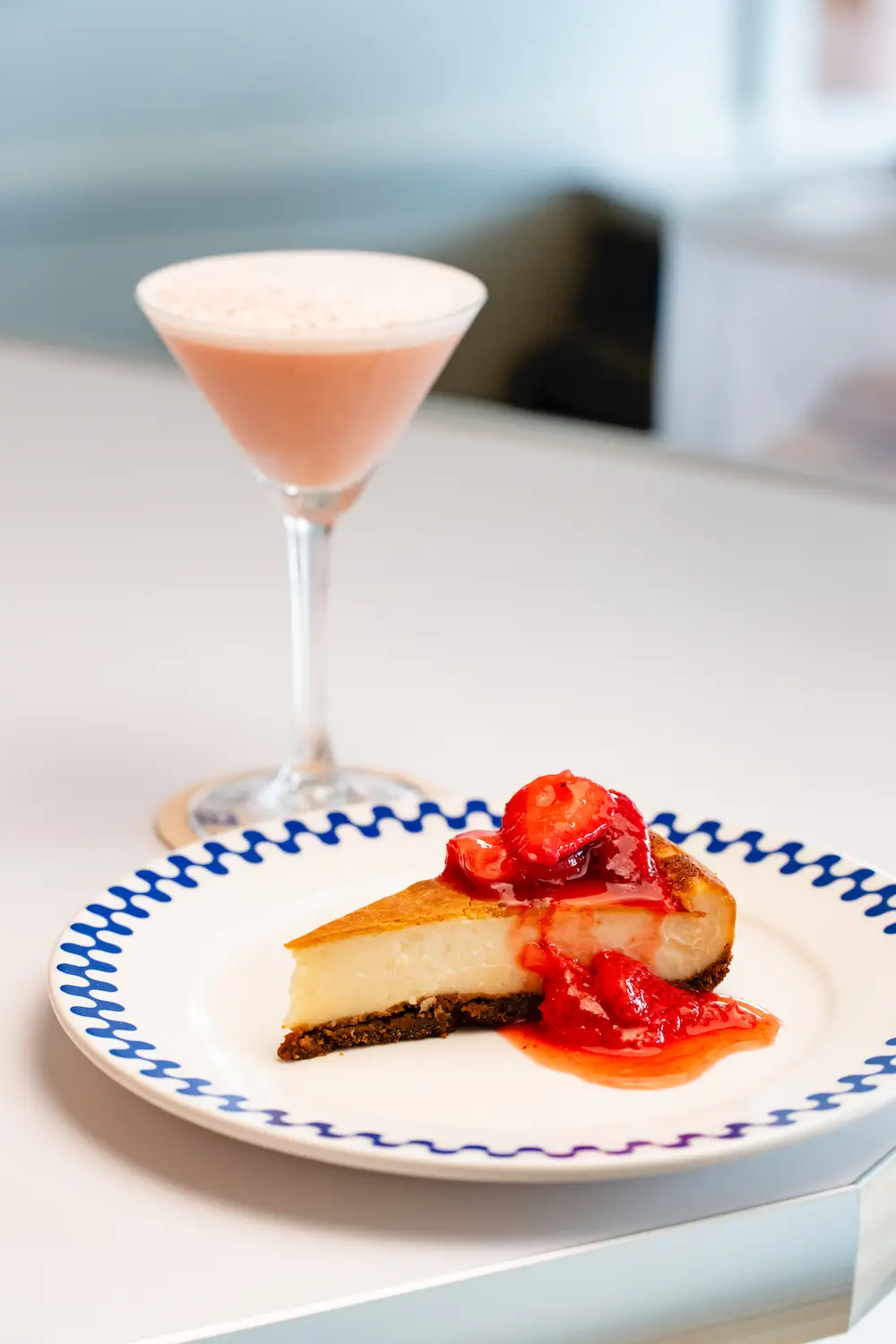
For desserts, Kindred exec chef Amy Noonan (who founded Glendale’s beloved vegan bakery, Peaches Bakeshop, and was head of pastry and baking at LA spots like Moby’s, Little Pine and Donut Friend) has an adorable mini rum cake, a NY cheesecake that almost eats like a Basque, brownies, and ice cream and milkshakes.

The drinks program is, per standards set by Mothership and Kindred, excellent and obsessive. Cocktail whiz Lucas Ryden (who led Realm of 52 Remedies and has his own shrubs company, Cool Hand Co.) has created the hit of the summer—a Dirty Shirley, adulting a Shirley Temple with tequila and strawberry grenadine. The ranch water with pickle brine and Old Bay-spiced rim is—weird and compelling. Not sure if I don’t like it or it will grow on me and become my favorite thing ever.

The coffee program is special. They’re using the same craft cocktail science for the caffeinated set. The star is the orange cream latte (creamy chocolate with orange notes), a salted toffee latte, and an espresso tonic that’s made with a lemon marmalade. Plus soda pops (birch and root spices), pistachio matcha fizz, etc.
As for the slander… Dreamboat might also be the most elaborate host stand ever created. Because behind it—down a hallway, through the time-space continuum—is Vulture. Opening in a few weeks, Vulture promises to be one of those otherworldly, super-stim design wonderlands that make Kindred and Mothership such a creative joy. The host stand will literally be in the corner of Dreamboat, and they’ll share a kitchen.

“It originally started more as this contrast to what was happening with Vulture, which is really over-the-top in all the great ways,” says Stetina. “The whole point is that in the evening when you’ve dressed up to come to Vulture, you have to walk into this little diner and wonder if you’re in the right place. And then you’ll walk through that curtain and have a real moment, a real ride into Vulture. Dimly lit, lots of color, kind of psychedelic.”
So it’s a planned progression to recreational vertigo. A restaurant mullet. Sweet retro American diner upfront, explosive disorientation out back.
Dreamboat is soft opening this Saturday. Soft opens are when restaurants work out the kinks. Be patient and kind.
Troy Johnson is the magazine’s award-winning food writer and humorist, and a long-standing expert on Food Network. His work has been featured on NatGeo, Travel Channel, NPR, and in Food Matters, a textbook of the best American food writing.
Scripps study shows that some patients may be able to taper their dose and maintain results
While glucagon-like peptide-1 (GLP-1) receptor agents have been used to treat Type 2 diabetes for more than 20 years, their recent emergence as weight-loss wonder drugs marked a new frontier in medicine. But their effectiveness has left some patients wondering what to do once they’ve reached their goal. Stopping the medication could mean regaining some, if not all, of the weight. A Scripps Clinic internal medicine physician recently conducted a small study of whether GLP-1 patients who had reached their goal weight could maintain that weight by taking their regularly prescribed injection every other week instead of weekly. Spoiler alert: 30 of 34 patients did. Read more about the study here and what that may mean as pharmaceutical companies roll out oral GLP-1s.
For more nutrition, wellness, and healthy living tips, sign up for the San Diego Health newsletter here.