Featured articles
Food & Drink
Food & Drink
Food & Drink
Featured articles

Things to Do
Everything SD
Everything SD
Featured articles
Things to Do
Things to Do
Things to Do
Featured articles
podcast-ep
podcast-ep
podcast-ep
Featured articles
Everything SD
Everything SD
Everything SD
Featured articles

Food & Drink
Things to Do
Everything SD
Ready to know more about San Diego?
SubscribeReady to know more about San Diego?
There’s so much to see, shop, and eat in this coastal North County town
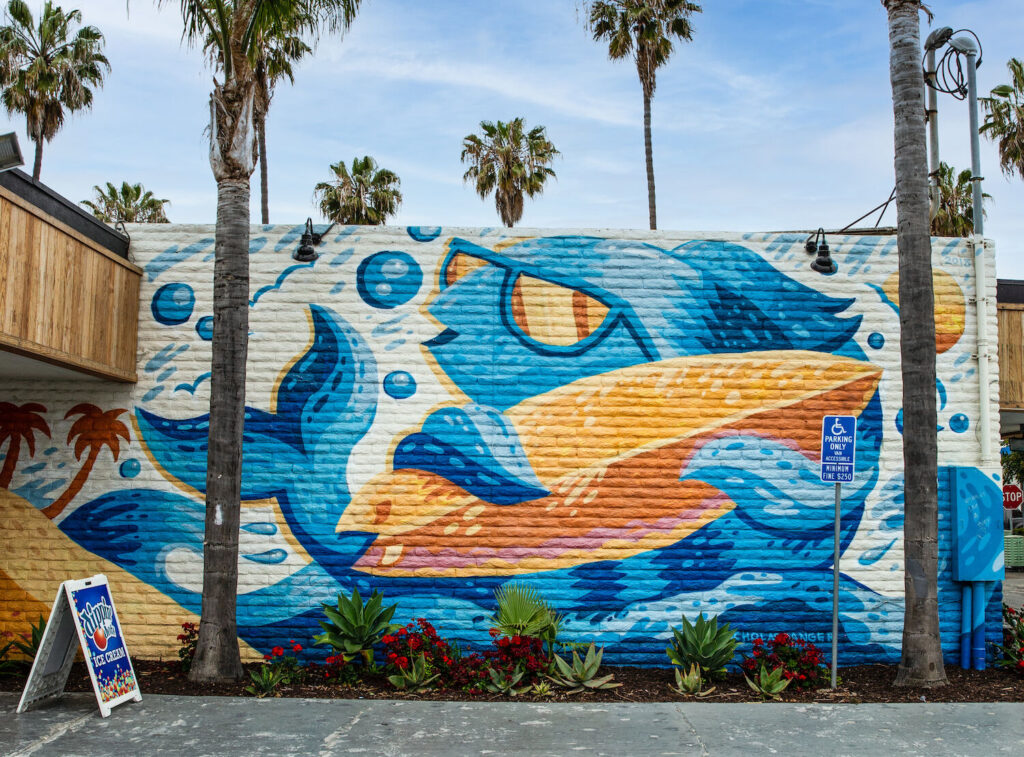
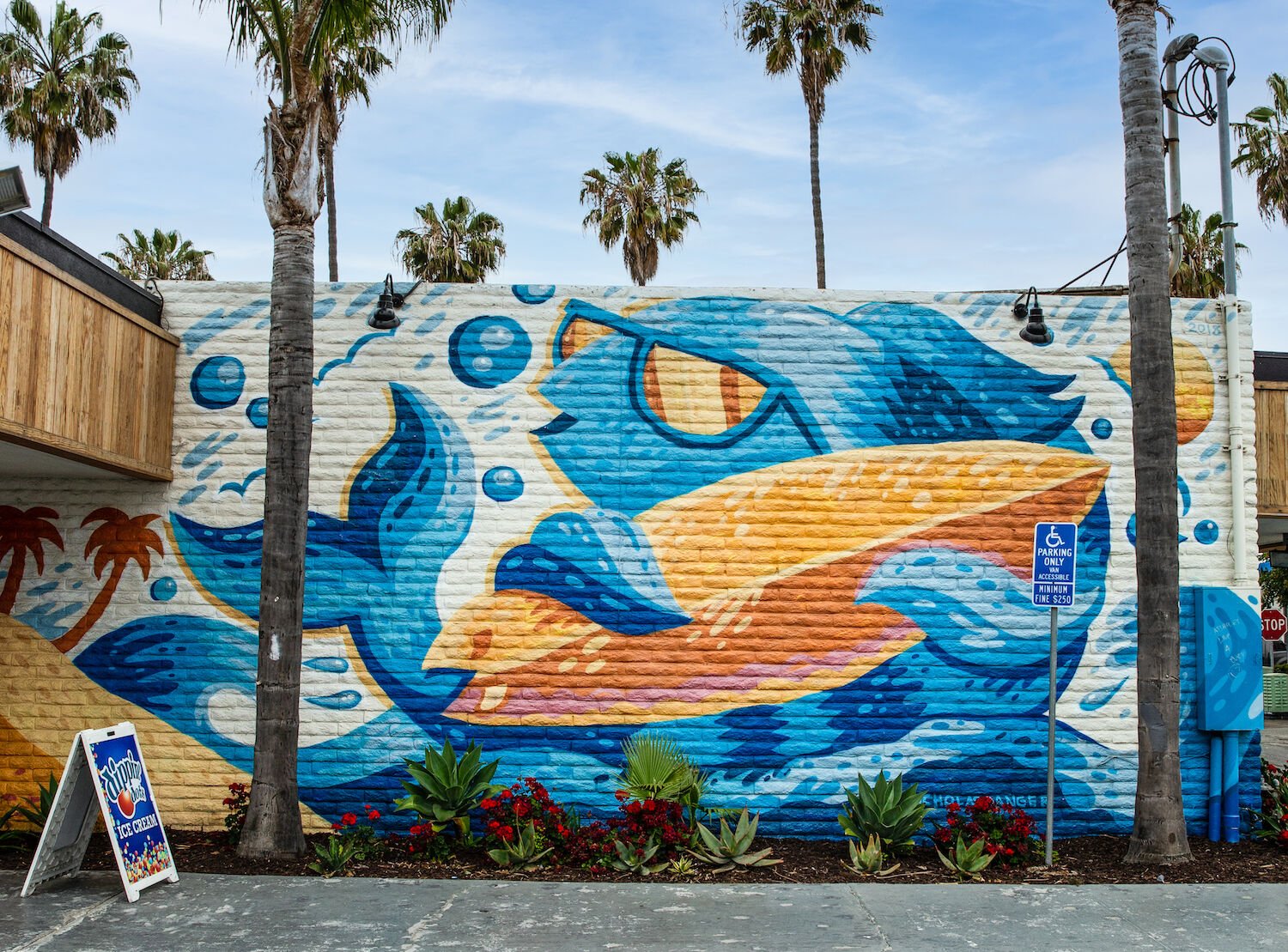
Bubbles by the Beach mural
There’s a lot happening in Oceanside’s dining scene, even if you can’t see it all just yet. Flying Pig Pub relocated to a new spot on Mission Avenue this month. In its place (for now) is chef William Eick’s Japanese fried chicken sandwich pop-up, Naegi, which will be expanded by the end of summer into a permanent Japanese tasting menu concept, Matsu.
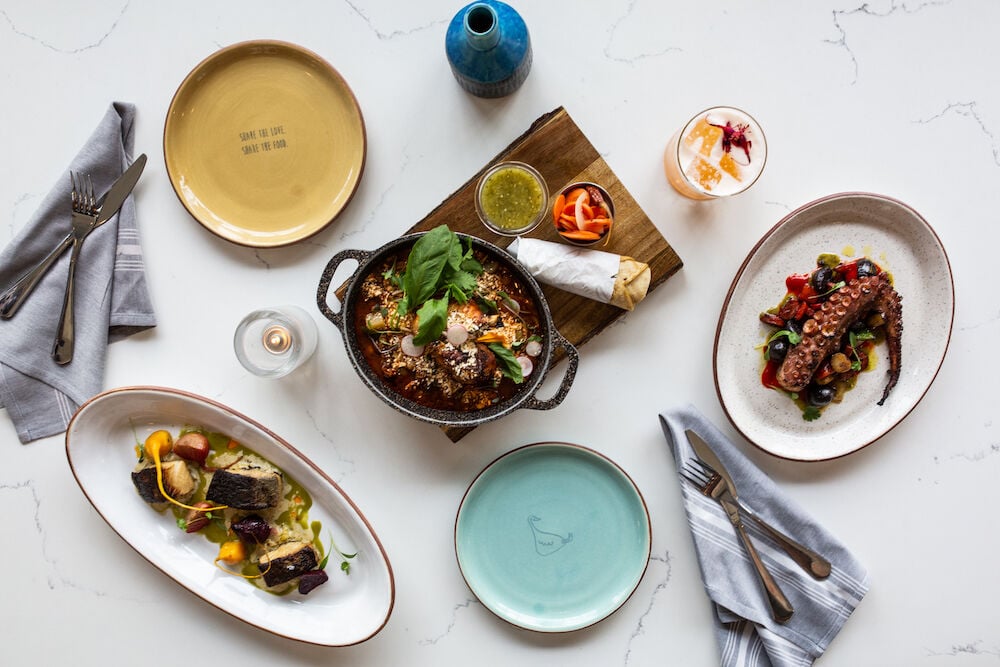
Carte Blanche Bistro & Bar
In the meantime, try Eick’s Famous Karaage Sando: a crunchy fried chicken thigh topped with togarashi mayo, cabbage, and teriyaki sauce between two slices of milk bread. Also to come on Tremont Street is Tremont Collective, a co-op that’ll house retail and restaurants like Bottlecraft and Al Fresko so you can dine, drink, shop, and play in one place. Until then, explore the new kids that are already open, like Frankie’s for cocktails and live music, Craft Coast for a taste of Oceanside craft beer and tacos, and Carte Blanche Bistro & Bar for French- and Mexican-inspired plates—all opened in the last year.
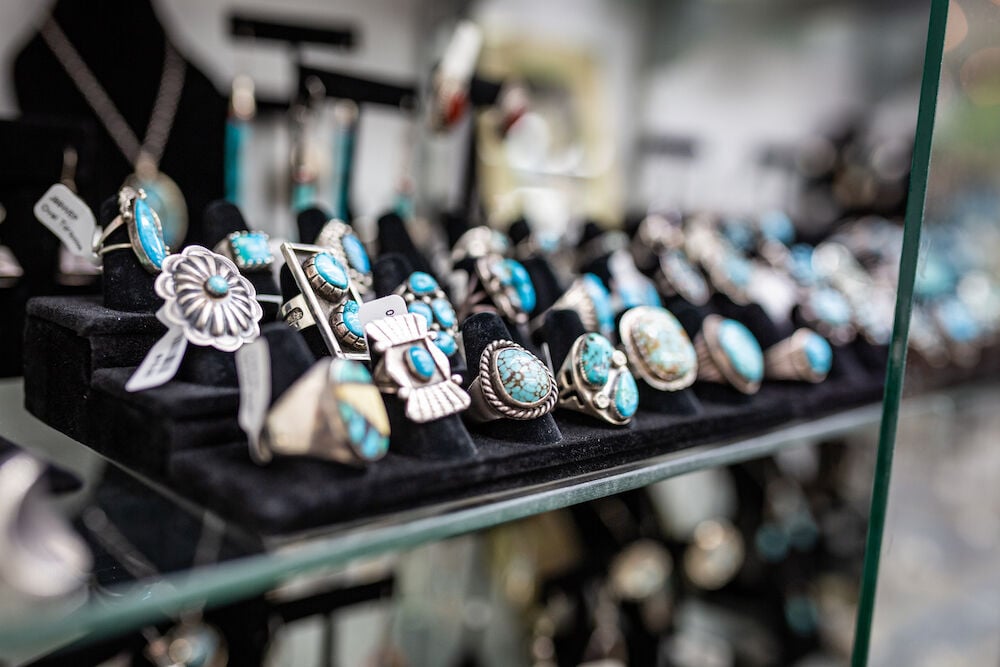
Sea Hive
Secondhand shoppers rejoice—Oceanside is chock-full of antique malls, curated vintage boutiques, and thrift stores to scour. Poke around South Oceanside, where you’ll find Sea Hive—a 13,000-square-foot antique mall with everything from jewelry and jeans to midcentury furniture and grandfather clocks. Just down the street, you can sell or trade your gently used items before you peruse the racks at Captain’s Helm. They stock vintage band tees, ’90s crewnecks, and accessories, and there’s even a café (Captain’s Grounds Coffee) to keep you caffeinated while you shop.
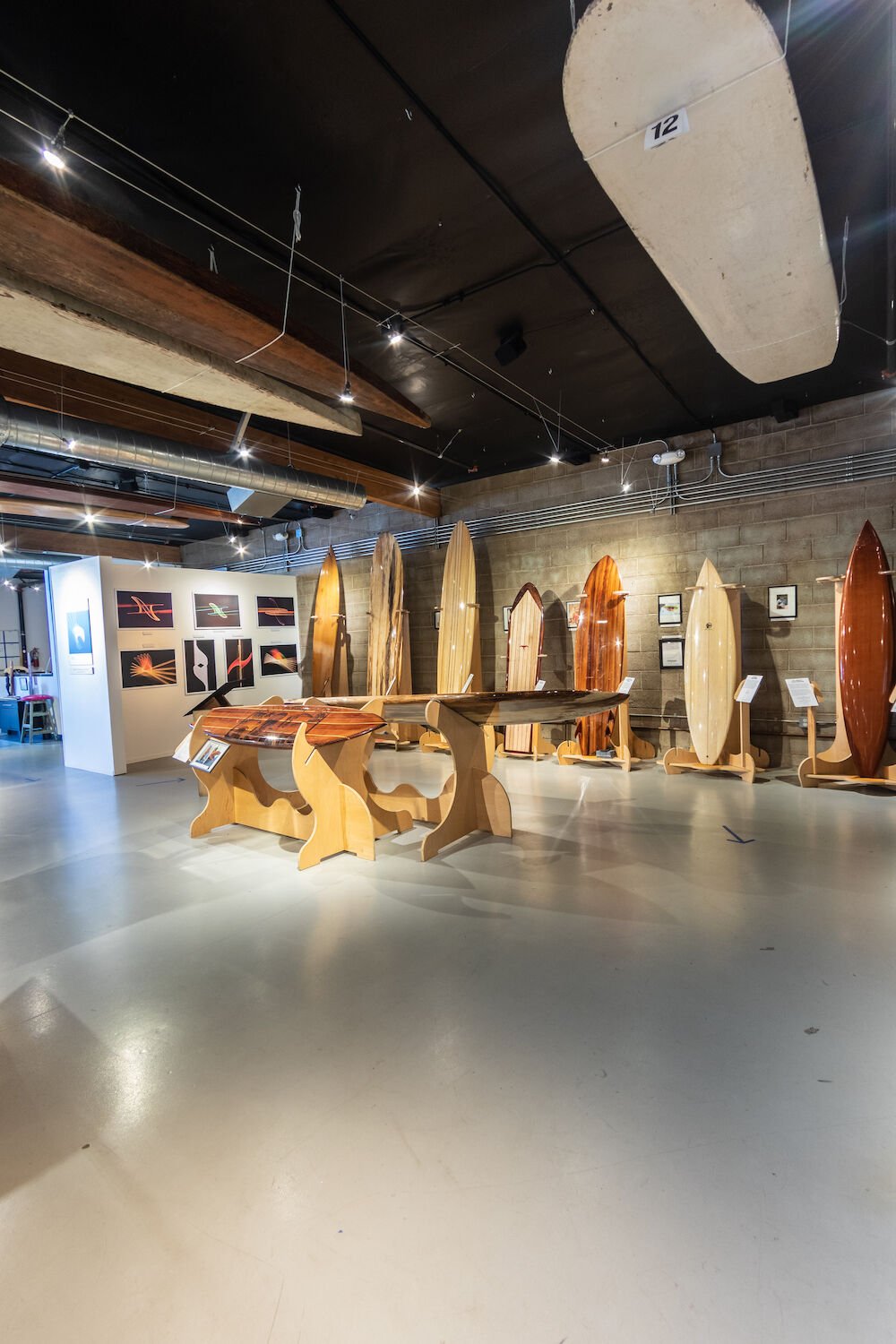
California Surf Museum
PARTNER CONTENT
No matter what’s on your agenda, you can’t go too far without spotting one of Oceanside’s colorful outdoor murals; there are over 30 created by local and visiting artists alike. Snap a photo of the Star Theatre mural on Civic Center Drive on your way to the Oceanside Museum of Art—exhibits this summer include painting installations by Taylor Chapin and an exhibit of 35 works by Mark Bryce. Closer to the water, the California Surf Museum recently reopened their permanent exhibit of memorabilia that chronicles the history of Southern California’s surf culture. Sound like a lot to see? Make a staycation out of it so you have more time to explore. The Seabird Resort and Mission Pacific Hotel both opened in May and offer sweet amenities and ocean views.
Where to eat, shop, and explore in this burgeoning beachside town
A coastal gem that feels like it’s been heavily polished over the last several years, Oceanside effortlessly blends beach-town charm with a burgeoning foodie and things-to-do scene. From its iconic pier and swim-and-surf worthy beaches to its hidden culinary treasures—and everything in between—Oceanside is having a well-deserved moment, that by all accounts, is here to stay. This guide highlights some of the must-visit spots that make Oceanside shine.

An elevated take on Italian-inspired cuisine, Allmine showcases masterfully crafted artisanal pizzas, handmade pastas, and thoughtfully curated natural wines. With careful attention to ingredients—like imported Italian flour for their signature pizza dough—and making nearly everything in-house, from rich sauces to house-cured sausages and creamy burrata, every dish reflects a commitment to quality and craftsmanship.
119 S Coast Hwy.
Communal Coffee offers a wide selection of coffee, teas, fresh pastries, and cafe bites all set against a boho-chic space with creative energy, and plentiful indoor and outdoor seating. A favorite for those working remote, as well as business and friend meet-ups.
602 S Tremont St
The ultimate lounge for breathtaking ocean views and vibrant sunsets, The Rooftop Bar at Mission Pacific Hotel also features a stellar drink and food menu. With its stylish ambiance, creative cocktails, and shareable bites, it’s a must-visit for a chic coastal experience in Oceanside.
201 N Myers St.
A new addition to the historic Brick Hotel, The Lobby Tiki Bar & Grill is a vibrant tiki-inspired vibe with Instagram-worthy drinks, and island-infused American cuisine. Don’t miss the Tiki dancers during Friday’s dinner service.
408 Pier View Way
One of the rare Michelin-starred restaurants in San Diego, Valle showcases the flavors of Baja California through elevated, modern Mexican cuisine with an extensive wine list highlighting Valle de Guadalupe wines. The multi-course experience is ripe for a special-occasion set amongst a breathtaking ambiance—with ocean views as the cherry on top.
222 N Pacific St
Head to Rose Cafe for breakfast, lunch or a little of both with their popular brunch menu and enjoy tasty bites in a charming and cozy setting. They offer a surprisingly large and diverse menu whether you’re popping in for a quick coffee, or fixing for a full on meal.
1902 S Coast Hwy
Merenda is an authentic European-inspired wine bar with a diverse wine list and selection of light bites, including a build-your-own charcuterie experience with a choice-of cheeses and meats.
1931 S Coast Hwy
A refined and modern Japanese omakase style experience, Matsu uses seasonal ingredients and meticulous techniques to offer a five-star dining experience. Helmed by chef/owner William Eick, his menu blends tradition with innovation and the food is as much art as it is delicious.
626 S Tremont St
An Oceanside staple since 2013, Wrench and Rodent Seabasstropub is sustainability-driven sushi-forward spot is known for inventive flavors and a daily-changing menu, with a focus on responsibly sourced ingredients. The eclectic vibe makes for an effortlessly cool setting.
1815 South Coast Hwy
Blending Balinese flavors with modern California cuisine, Dija Mara offers bold, umami-rich dishes. With a stylish, laid-back atmosphere and a well-curated natural wine list. It’s a worthy visit for adventurous and spice-loving foodies.
232 S Coast Hwy
The Plot features an elevated earthy vibe with outdoor dining in a garden-setting complemented by its inventive plant-based dishes. Artfully crafted sushi rolls are popular, as well as the brunch, where the vegan chicken and waffles and the bold and bountiful Bloody Mary, are a crowd favorite.
1733 S Coast Hwy.
Little Fox Cups & Cones makes creative ice cream concoctions with a host of inventive flavors, and tried-and-true classics. While they dish out traditional cups and cones of ice cream, they also have their popular ice cream taco, ice cream cakes and other goodies. As a bonus they cater to all dietary needs with a few seriously good vegan options. Everything is made in house, from scratch.
1940s S Freeman St
In an unassuming strip mall, 24 Suns is a shining culinary achievement. Two former Michelin three-star restaurant chefs have taken over an old dive bar, and turned it into a chef-driven culinary experience with a focus on modern Chinese cuisine.
3375 Mission Ave.
Using parts of their house and parts of their garden, the Pig is reborn
Flying Pig – main
There is something familiar and vulnerable about those glasslike panels above the entrance to the new Flying Pig.
“Shower doors,” laughs owner Aaron Browning, pointing at her husband.
Yep, that’s it. Shower doors from the ’70s. That hard plastic almost-glass, dimpled to secure the privacy of our own dimples. As we’ve heard, the pandemic rattled and snapped supply chains, bulled its way through the china shop of how we send and receive the things we need. So, unable to get windows that fit, Roddy Browning’s glance fell on old shower doors in his home (while many of us made banana bread during the pandemic, Roddy rebuilt his home). He measured them, smiled, found yet another solution in the discard pile.
This is why I have always loved The Flying Pig. It’s why Oceanside loves the Pig. When Roddy and Aaron opened their original restaurant in 2011, they found a one-story building in an obscure, forgotten location. And they resuscitated it, filled it with life and art and good Southern food. With old vinyl records, succulent pork chops, ramshackle mason jars, buttery grits, kitschy garage sale finds, hush puppies, eye-popping tchotchkes, so much bacon, figurines with moxie, craft beer and good booze.
The pandemic was hell on restaurants, and the Brownings weren’t spared. They had to close their second Vista location (they openly admit that location never worked, and the pandemic expedited the end of its run). They moved from their original spot and had to find a new home. But, the silver lining: They bought a building on Mission Avenue in Oceanside, put down real roots just off main street. And their old place is now home to Matsu, a just-opened Japanese concept from their friend and talented young chef William Eick.
Roddy and Aaron Browning, owners of Flying Pig
And so the Pig—often rightly credited with sparking a food movement in O’side years back—will remain a fixture of its future. They hired a young chef, Harrison Hackett, who studied under James Beard nominee Eli Kulp (Fork restaurant in Philadelphia), sustainability chef Eric Morris (Nightbell, in Asheville), and a hot minute at San Diego’s George’s at the Cove.
Still proudly Southern, their hush puppies are textbook deep-fried savorycakes with a side of smoked shrimp butter (lobster takes all the credit for illuminating the magic of shellfish and butter, but it works with shrimp, too). The Pig has never been accused of hoarding or even serving very many plants, but their butternut squash is excellent—pulled from the family’s garden, roasted and glazed in a serrano reduction, set atop fresh apples and a lemon-mint yogurt sauce with crispy garlic.
But it’s the chicken—brined in sweet tea, smoked, and tossed in an herb vinaigrette with oranges and greens—that’s a stunner, moist with just enough campfire, offset by the vague sweetness of the summer Southern tea. Finish the night off with a bananas Foster in a bowl, that classic way to sabotage the human pleasure center.
The Pig is now open. With a large patio and a full bar with great wine (Roddy came from Market Del Mar, and knows his wine), the Brownings hope it’ll become the neighborhood spot for a late-night nip. You’ll see Aaron standing as hostess at the front, Roddy running food, and both of them washing dishes. “The dishwashing machine busted,” she says.
No sweat. Just have Roddy make one out of old car parts.
The Flying Pig, 509 Mission Avenue, Oceanside.
Flying Pig – inside
Hush puppies
Butternut squash
Flying Pig – chicken
Flying Pig – team
Flying Pig – menu
Troy Johnson is the magazine’s award-winning food writer and humorist, and a long-standing expert on Food Network. His work has been featured on NatGeo, Travel Channel, NPR, and in Food Matters, a textbook of the best American food writing.
Longtime SD restaurant family expands to Oceanside, knows importance of the dish pit
“My brother and I started in the dish pit,” says Ryan Ross.
Ross is a starkly nice man. I’d been warned about this, but still, it’s striking. Along with his brother, their wives, and chef Alex Carballo, he’s opening Carte Blanche, a new French-Mexican restaurant in Oceanside (French-Mexican sounds like a promising combo, as does Carballo’s escargot tostada). It’s a big deal for a long-time San Diego restaurant family. Their dad rejuvenated Old Town’s Fiesta De Reyes and The Cosmopolitan Hotel. The sons have been with him there for 11 years, scrubbing dishes and cutting avocados and crunching numbers and managing and doing whatever urgent thing needs doing (in restaurants, things are always urgent).
Though dad’s still involved, Carte Blanche is a passing of the torch, a couple of grown restaurant industry kids giving it their own go. It’s all hands on deck and—oh, who am I kidding. I’m just filling this story with stats because I didn’t hear anything he said for the next ten seconds after the words “dish pit.” I didn’t black out, but I wasn’t there.
I was standing in a blindingly bright room. Everything is hot and wet and loud and metal and chaotic, like an off-brand, apocalyptic rainforest. The air is a sauna of bleach and egg sulfur and aerated broccoli parts and abandoned ounces of booze. I am being steamed like an artichoke. I am spackled with damp bits of food. Every breath feels like partial drowning. I will break many dishes, and the dishes will break me. I was 24, and my brain brings up this memory every time I consider complaining at a restaurant.
Every U.S. citizen should be required to spend at least a month as a dishwasher in a restaurant by the time they’re 20 years old. Few realms put life into sharp perspective quite as effectively as the dish pit.
Anyway, Ross has spent time there, and that’s important for Carte Blanche’s potential success—as is Carballo and the French-Mexican idea.
“We run Mexican restaurants, and this is a bit of an evolution,” Ross explains. “We were enthralled with places like Bracero and Death by Tequila, but we were struggling to find our own identity. So we dug through the roots of Mexican cooking and culture, and read about the French influence from the war. Once we put those two together, it just became a dervish of creativity. We knew we had it.”
“Every U.S. citizen should be required to spend at least a month as a dishwasher in a restaurant by the time they’re 20 years old. Few realms put life into sharp perspective quite as effectively as the dish pit.”
Ross also admits without shame and a glint of pride that they’ll be making their own version of a White Claw. Scoff if you’re snooty, but flavored sparkling waters with an ABV have been around for centuries in very serious drink regions (Italy, for one). There are reasons to poke fun at the Claw (it’s made of malt liquor, which is the roach motel of alcohol), but the concept isn’t one of them. At CB, their housemade hard seltzer doubles as a sustainability effort, utilizing leftover garnishes and trimmings that might otherwise go in the trash.
There will be a salad of grilled frisee and jalapeño-candied lardons, pomme frites and duck mole tacos, mushroom raclettes and carne asada tartare, fig-jalapeno pork chops and Mexican hot pots in adobada broth, French and Mexican throughout. Plus a burger. Always a burger.
Carte Blanche opens Feb. 18. 339 N. Cleveland St., Oceanside.
First Look Carte Blanche 2
Kimberly Motos
First Look Carte Blanche 3
Kimberly Motos
First Look Carte Blanche 4
Kimberly Motos
First Look Carte Blanche 5
Kimberly Motos
First Look Carte Blanche 6
Kimberly Motos
First Look Carte Blanche 18
Kimberly Motos
First Look Carte Blanche 7
Kimberly Motos
First Look Carte Blanche 9
Kimberly Motos
First Look Carte Blanche 14
Kimberly Motos
First Look Carte Blanche 10
First Look Carte Blanche 15
Kimberly Motos
First Look Carte Blanche 17
Kimberly Motos
First Look Carte Blanche 8
Kimberly Motos
First Look Carte Blanche 19
Kimberly Motos
First Look Carte Blanche 12
Kimberly Motos
First Look Carte Blanche 13
First Look Carte Blanche 11
Kimberly Motos
First Look Carte Blanche 16
Kimberly Motos
First Look Carte Blanche 20
Kimberly Motos
First Look Carte Blanche 1
Kimberly Motos
Troy Johnson is the magazine’s award-winning food writer and humorist, and a long-standing expert on Food Network. His work has been featured on NatGeo, Travel Channel, NPR, and in Food Matters, a textbook of the best American food writing.
Stake Chophouse & Bar brings contemporary classics and old-school service to the heart of Coronado
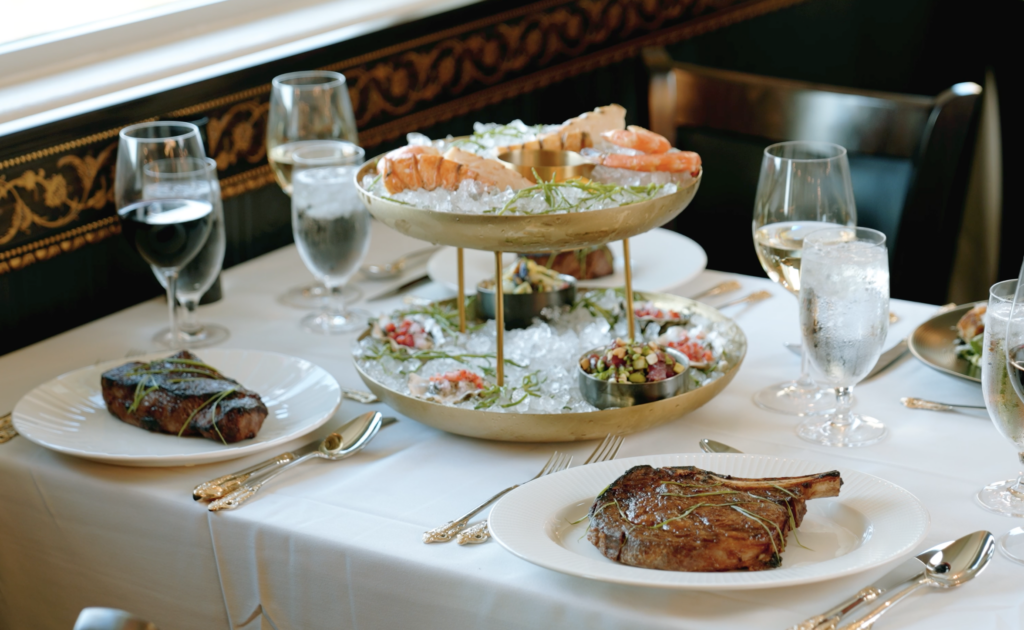
Stake Chophouse & Bar isn’t your average steakhouse. Blue Bridge Hospitality’s Coronado outpost is a modern interpretation of a big-city steakhouse nestled in the heart of the small coastal community. The team at Stake has reimagined the whole steakhouse experience. By prioritizing a seasonal farm-to-table sourcing philosophy, a personalized guest experience, and unique service touches, like a formal steak presentation and a bespoke knife selection process, Stake distinguishes itself in a sea of steakhouses.
Exceptional steaks, including Wagyu from Japan, Australia, and the U.S., and fresh seafood flown in daily form the core of Stake’s culinary identity. The menu features a five-course omakase-style steak experience highlighting house favorites, plus an array of cuts, and classic steakhouse staples—think a wedge salad, baked potato, or pasta carbonara—refined for a contemporary palate without losing their traditional appeal. Stake focuses on seasonal sourcing from the region’s best family farms and specialty purveyors, and incorporates intentionally unexpected touches to create something truly unique.
“I challenge our chefs and myself to take it a step further in sourcing,” says Chef Ronnie Schwandt. “It’s important to us to highlight different farms, unique one-off farms—whether it’s cattle, strawberries, a local fisherman or from anywhere in the United States, we’re always trying to find that niche.”
Beyond the menu, Stake emphasizes outstanding service, says Vinny Spatafore, Director of Hospitality Operations. Staff maintains detailed notes, allowing them to remember guests by name, recall previous orders such as a favorite martini (also memorable for the customer since it’s served in an extra tall, distinctly-shaped glass), and celebrate special occasions like birthdays and anniversaries.
“When you have those points of topic that you remember about a guest, they appreciate that,” he says. “Our servers are really good with that—we have a couple servers who have been here since the beginning and they’ll remember somebody from years ago, their name, their kids’ names, where they live. I’m really thankful to have a great front of house staff.”
Award-winning wines, rare whiskeys, special events, and a complementary black car service that provides transportation for guests throughout Coronado add to Stake’s appeal.
Schwandt stresses that Stake offers more than a meal; they aim to give patrons something unforgettable.
“It starts when you walk up the stairs and are greeted by the hostess—that sets the tone for the night. Then you’re greeted by a server, who may know you by name, and can guide you through the menu and curate as they get to know you,” says Schwandt. “Most people leave kind of blown away; they leave feeling like they just had an experience. That’s the goal, right? Whether you’re serving smash burgers or high-end steak, you want somebody to leave thinking, Wow, that was awesome.”
San Marcos-based Vintage Cellars designs and builds customized, high-end wine storage with calibrated humidity, racking systems, and LED lighting
The floor is made of glass. Under your feet, you can see the cellar—15-foot ceilings, soft light, and stained white oak walls the color of desert silt.
Tucked behind the wood, inside the doors, and in the ceiling is a highly advanced and very specific network of tech assembled in San Marcos—perfectly calibrating the room for humidity and temperature with vapor barriers, specialized insulation, and LED lights. Along the walls on matte blag pegs lay 1,000-plus bottles of wine—some iconic collector vintages, some with stories, some earmarked for major life moments.
This is a very serious wine home, built by someone whose obsession eventually leads to a call with Chris Noel.
“We have some clients who have been collecting wine since the ’60s and the ’70s, and they have collections of 15,000 or 20,000 or more bottles,” says Noel, owner of Vintage Cellars, the San Marcos–based designer of custom wine vaults for some of the region’s top restaurants and super-collectors. “[For them], collecting wine is similar to Jay Leno collecting cars.”

Before the wheel, there was wine. Fermenting fruit sugars into alcohol was a thing as early as 4100 B.C. (wheel, circa 3500 B.C.), most likely a happy accident. Unsurprisingly, the tipsy breakthrough in juice arts was a huge hit. The challenge was that it was also hugely perishable.
The first efforts to save it from spoil were clay vessels called amphora, often fully or partially buried to create a sun-proof, temperature-stable environment. The terra-cotta pots were pointy-bottomed, which stacked and traveled better, encouraged gas circulation (thus preventing oxidation, the famed wine ruiner), and helped separate sediments.
Once basic preservation was figured out, makers noticed the aging process ushered in a moodier magic. So they engineered structures to tinker with the possibilities of the long haul. Those first wine holes in the dirt evolved into entire catacombs, tombs, quarries, and caves.

Ancient Romans engineered wine storage rooms called fumariums, built facing north to avoid the sun and filled with smoke to speed the aging process (no doubt rapidly aging the cellar workers in the process).
For centuries, specialized wine storage was mostly a commercial venture. Serious wine people would (and still do) outsource their collections to a bonded storage facility or turn to professional cellarers who run giant chilled warehouses of cabernets.
A few major social moments sparked a more serious at-home cellar trend. First, the “Judgment of Paris” in 1976 (California wines famously besting the French in a blind tasting) established US wineries as worthy of collections.
A few years later came the 1982 Bordeaux, one of the most-coveted vintages in history. It was championed by a US lawyer named Robert Parker, whose 100-point scale rating system would quickly become the gold-standard for grading wines, creating a huge boom of wine collectors for the next few decades (wine as an economic investment became a thing).
The US economy also boomed in the ’80s, while France hit a skid. With the dollar trading 6-1 against the franc, US collectors had a rare chance to pick up Grand Crus at serious bargains, which demanded equally serious storage.

Given that framing, 1990 was a fairly great time for Vintage Cellars to get into the game. Noel—who worked his way up at the company and then eventually took over as owner in 2020—and his team work with architects, designers, and builders to create cellars that both fit the space and act as an attraction in multimillion-dollar homes across the region, and at top restaurants like Pamplemousse Grille in Del Mar and Avant Restaurant in Rancho Bernardo Inn. They hide cooling systems in brick-walled enclosures, bend bottle racks around curved walls, create standalone pavilions—engineer structures for cabs.
Their cellars hover between 50 to 70 percent humidity to keep the cork appropriately moist. Air too dry, and a cracked cork will give up the ghost—O2, in excess, turns wine into vinegar. If the air’s too dry, it can shrink the cork, eventually evaporating the wine and creating a low pressure that will pull in destruction. Too humid, and mold contaminates the works.
Light’s a big no-no for wine, too. Incandescent or halogen lights were the norm for cellars 20 years ago, but they emitted heat. Like Schrödinger’s Cat, these bulbs would risk the subject in order to view it. Vintage Cellars adopts LED lighting and, for glass cellars in the sightline of bright windows, mechanized shades that lower during UV exposure times.
Custom circumference-cut cove trays, leather saddles, and pegs stabilize bottles in Vintage Cellars storage areas; movement disturbs the tannins and upsets the aging process. And these cellars are smart, with app-based monitoring, remote temperature monitoring, and eSommelier cellar management. Don’t fret, Siri’s got your Syrah.
The most important decision, however, is deciding when to uncork that special bottle.
“[A lot of times, people] are saving those wines for specific moments in life—maybe a 50th anniversary or when their firstborn turns 21,” says Noel. “That’s how they look at it: as social and also to create memories.”
Pete Peterson has served as high as Editor-in-Chief of an enthusiast media magazine and as low as writer of his own bio… In addition to contributing to San Diego Magazine, Pete authored the YA novel One Tiger One Teen and is working on his second novel. Slightly more info is available at petepetersonauthor.com.
Troy Johnson is the magazine’s award-winning food writer and humorist, and a long-standing expert on Food Network. His work has been featured on NatGeo, Travel Channel, NPR, and in Food Matters, a textbook of the best American food writing.
Discover eateries, outings, and shops within this inland North County community
Just south of Lake Hodges near 4S Ranch and Poway, Rancho Bernardo is a suburban community that blends residential neighborhoods with industrial pockets, elevated by a decidedly diverse food scene.
Over 60 years ago, this North County neighborhood was once part of a family ranch. Since that time, big tech companies have taken up residence here, including Amazon, Sony Electronics, Oura Ring, HP, Teradata, and ASML. Rancho Bernardo Inn serves as a community hub, with locals frequently meeting at the hotel’s restaurants, golf course, and spa.
Whether it’s work or a round of golf that brings you to Rancho Bernardo, we’ve taken care of the agenda planning with our guide to the area’s best restaurants, activities, and shops.

Sample ingredients plucked straight from Rancho Bernardo Inn’s onsite garden and served at their signature restaurant Avant. One of the neighborhood’s most upscale dining options, they serve a French-inspired menu with nods to California, including many seafood options. Don’t miss their more casual sister restaurant Veranda for al fresco dining.
17550 Bernardo Oaks Drive
Wood-fired pizzas and handmade pastas are standouts at The Kitchen, Bernardo Winery’s counter-service restaurant specializing in Sicilian flavors. Charcuterie boards and bruschetta make for great starters or snacks while wine tasting.
13330 Paseo Del Verano Norte
Fast-casual and family-owned eatery Bushfire Kitchen recently opened a location in Rancho Bernardo, serving sandwiches, bowls, salads, burgers, protein plates, and housemade empanadas. Bushfire prepares comfort food with healthy ingredients, and offers plenty of vegetarian and vegan options.
11962 Bernardo Plaza Drive, Suite 110
Some might call The Cork & Craft an overachiever. This gastropub has an in-house craft brewery and winery: Abnormal Beer and Wine. The more, the merrier. Their sushi menu is definitely worth exploring, but don’t miss other specialties like garlic noodles, chicken wings, and pork belly.
16990 Via Tazon

You don’t have to leave Rancho Bernardo to get a white tablecloth steakhouse experience. Carvers Steaks & Chops has prime rib (their best seller), filet, ribeye, porterhouse, New York strip, and other cuts, served alongside crab-stuffed mushrooms, wedge salad, French onion soup, potato skins, and other steakhouse specialties.
1940 Bernardo Plaza Drive
This no-frills Burmese restaurant is known for its traditional tea leaf salad that’s topped with sesame and sunflower seeds, garlic chips, peanuts, tomatoes, jalapeños, fried yellow beans, and fermented green tea leaf dressing. Tucked into a nondescript strip mall, Burma Place is a great takeout option when you want to eat garlic noodles, fried rice, chicken curry, and samosas from the comfort of your couch.
16719 Bernardo Center Drive, Suite A
Find authentic Vietnamese cuisine at Phở Ca Dao, including favorites like phở noodle soup, vermicelli noodles, broken rice dishes, and spring rolls. One of eight locations throughout San Diego, this family-owned chain uses robot servers for food delivery.
11808 Rancho Bernardo Road, Suite 100
It’s all about the sauce at fast-casual Mediterranean restaurant The Kebab Shop. Smothering your chicken shawarma, gyro, or falafels in garlic yogurt, cilantro jalapeno, fire chili, and dill yogurt sauce is practically a rite of passage. The hardest part is deciding whether to order a wrap, bowl, or salad.
11980 Bernardo Plaza Drive
Get a taste of South Asian flavors at Casa Lahori, a Pakistani restaurant noted for its grilled meat kabobs. Other best-selling dishes include beef nihari, chicken biryani, and shahi paneer— best enjoyed with naan bread.
11975 Bernardo Plaza Drive
Grill your own meat on the tabletop at Kangnam Korean BBQ, an interactive, all-you-can-eat experience that’s well-suited for large groups. Marinated beef bulgogi, grilled galbi short ribs, and spicy pork are served alongside traditional banchan dishes like kimchi, japchae glass noodles, and flavorful stews. Weekday lunch specials provide a nice discount on these filling meals.
11828 Rancho Bernardo Road, Suite 117–119

Dig in to your favorite curries and kebabs at Curry & More Indian Bistro. Most entrees are served with a choice of two side dishes, including basmati rice, potatoes with cumin, daal, naan, or mixed greens. Help offset the spice with one of their sweet mango or strawberry lassi drinks.
11808 Rancho Bernardo Road, Suite 123
Kai Oliver-Kurtin is a San Diego-based writer who covers travel, dining, events, and culture. Her writing has been published in USA Today, Condé Nast Traveler, Fodor's Travel, Marie Claire, and HuffPost, among others.
Scripps study shows that some patients may be able to taper their dose and maintain results
While glucagon-like peptide-1 (GLP-1) receptor agents have been used to treat Type 2 diabetes for more than 20 years, their recent emergence as weight-loss wonder drugs marked a new frontier in medicine. But their effectiveness has left some patients wondering what to do once they’ve reached their goal. Stopping the medication could mean regaining some, if not all, of the weight. A Scripps Clinic internal medicine physician recently conducted a small study of whether GLP-1 patients who had reached their goal weight could maintain that weight by taking their regularly prescribed injection every other week instead of weekly. Spoiler alert: 30 of 34 patients did. Read more about the study here and what that may mean as pharmaceutical companies roll out oral GLP-1s.
For more nutrition, wellness, and healthy living tips, sign up for the San Diego Health newsletter here.