Featured articles
Food & Drink
Food & Drink
Food News
Featured articles
Arts & Culture
Everything SD
Everything SD
Featured articles
Things to Do
Things to Do
Everything SD
Featured articles
podcast-ep
podcast-ep
podcast-ep
Featured articles
Everything SD
Everything SD
Food & Drink
Featured articles
Arts & Culture
Everything SD
Partner content
Ready to know more about San Diego?
SubscribeReady to know more about San Diego?
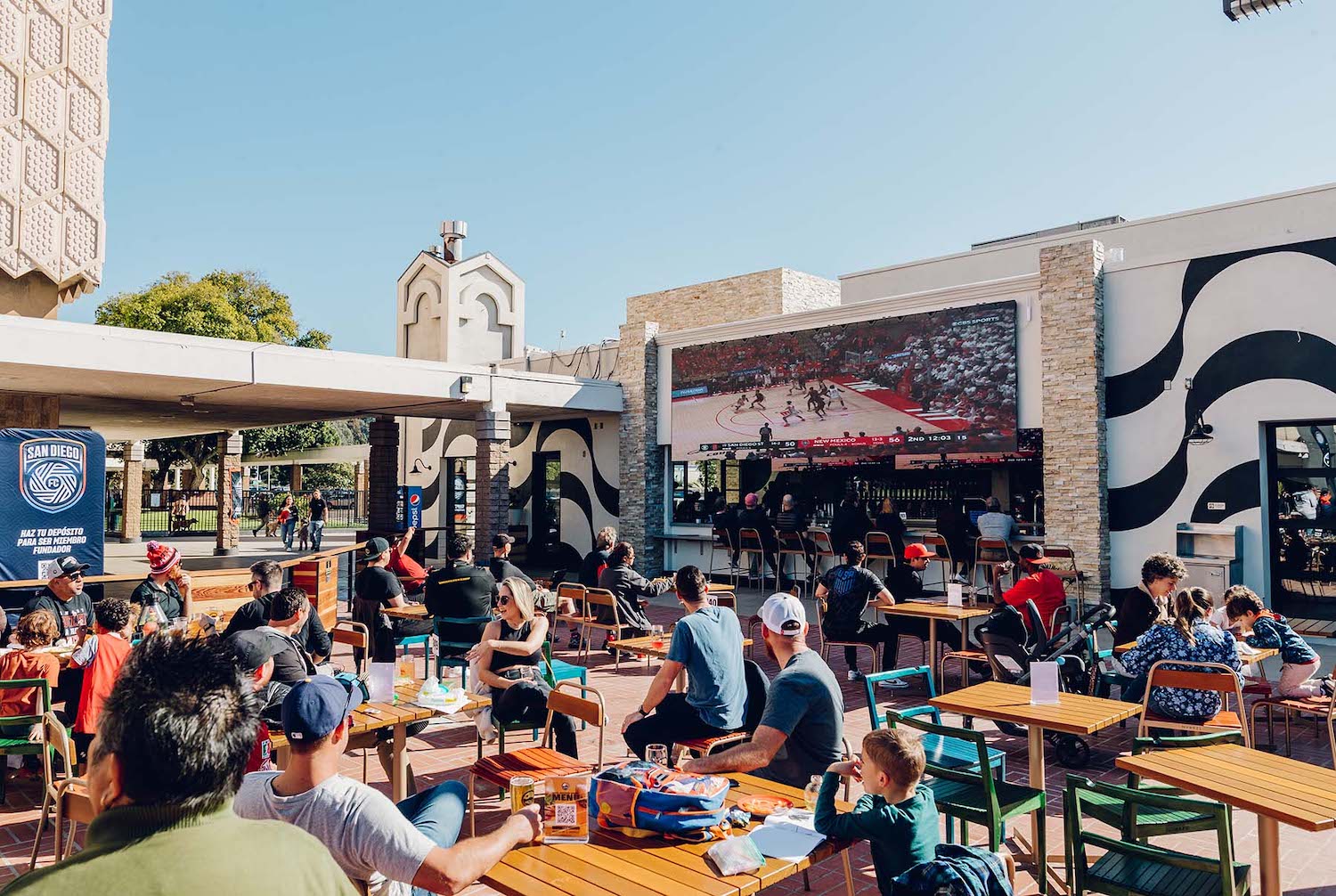
All the best game day watch parties, sports bars, and gatherings offering food and drink specials across the city this year
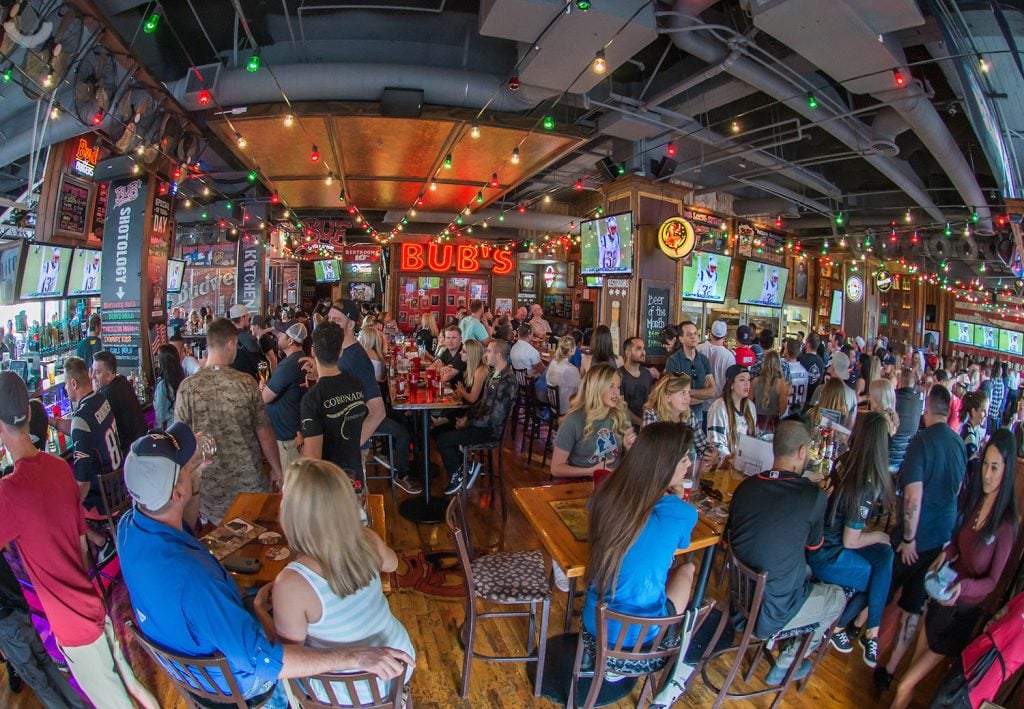
February is here, and love (for football) is in the air. Super Bowl Sunday is less than a week away, and it’s time to lock in your plans. Tired of playing QB for your friends’ and family’s game-day plans? We’ve got you covered with the ultimate list of San Diego sports bars and restaurants throwing Super Bowl watch parties—perfect for cheering on your team.
Super Bowl LIX kicks off on Sunday, February 9, 2025 at Caesars Superdome in New Orleans. The Philadelphia Eagles (14-3) will face off against the defending champs, the Kansas City Chiefs (15-2).
Super Bowl LIX’s kickoff is scheduled for 3:30 p.m. PST, with the game broadcast live on FOX.
Fresh off winning five Grammy awards this year, Kendrick Lamar is set to take the stage for the Super Bowl halftime show alongside five-time Grammy-winner SZA. He’ll perform tracks from his latest album, GNX, and is expected to take shots at Drake during his performance of “Not Like Us.”

Novo Brazil’s Mission Valley location is a football fan’s dream, featuring 100 feet of LED video walls and a 20-foot outdoor screen. Their four other locations in Otay Ranch, Imperial Beach, Eastlake, and Ocean Beach will also be hosting fans with happy hour specials until 2:30 p.m. on Super Bowl Sunday.
Price: Free
Hours: 10 a.m.-8 p.m.
Address: 1640 Camino Del Rio North, #341, Mission Valley | 2015 Birch Road, Suite 1017, Chula Vista | 535 Florence St, Imperial Beach | 4845 Newport Ave., Ocean Beach | 901 Lane Ave #100, Eastlake
Watching the Super Bowl from a rooftop? That’s tough to beat. Rooftop Cinema Club is hosting its Big Game Watch Party, where fans can catch the action on a massive 24-foot LED screen, enjoy a live DJ, play games, and snack on complimentary popcorn before kickoff. Guests must be 18+.
Price: $22 per person
Hours: 1:30 p.m.-end of game
Address: 1 Market Place 4th Floor, Harbor Tower, Downtown
Reservations: Rooftop Cinema Club
For a lively Pacific Beach Super Bowl Sunday, swing by Duck Dive. The local bar is serving up game-day eats like fried pickles, cheesy garlic parmesan fries, and carne asada fries. Super Bowl specials include a $12 shot-and-beer combo and a $30 Touchdown Platter stacked with wings, duck fat fries, calamari, and more. Be sure to pace yourself to avoid ending up with a Travis Kelce-style postseason dad-bod.
Price: No cover fee
Hours: 9 a.m.-11 p.m.
Address: 4650 Mission Blvd, Pacific Beach
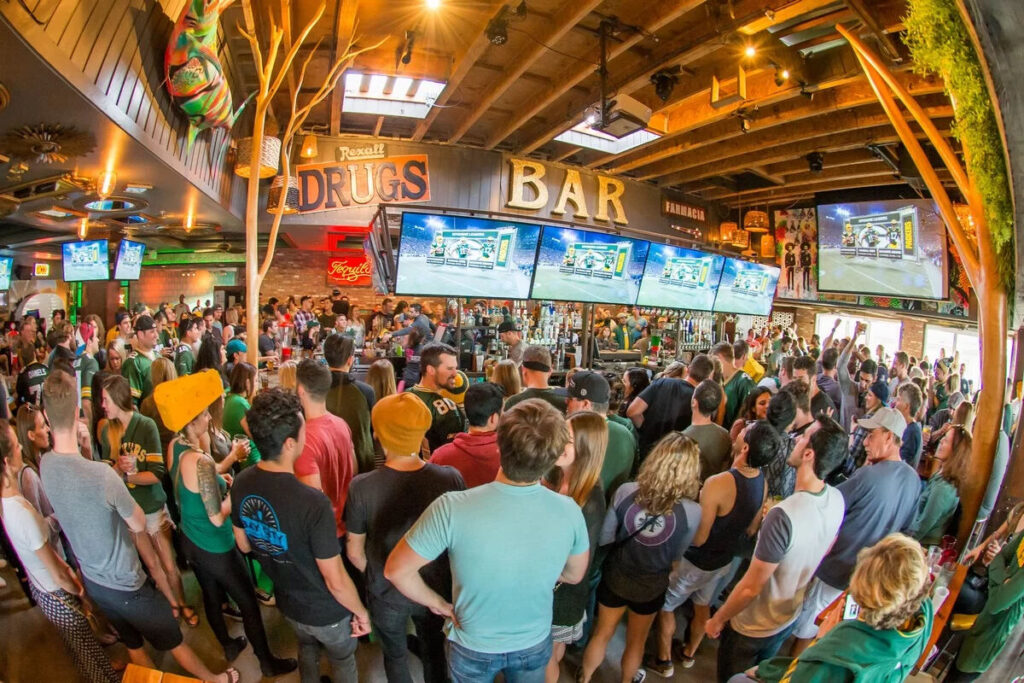
Mavericks is always one of the liveliest spots in PB, and Super Bowl Sunday will be no exception. With 40+ TVs, a massive screen with bleacher seating, themed games, and food specials, this is one of San Diego’s top game-day destinations.
Price: No cover fee
Hours: 9 a.m.-11 p.m.
Address: 860 Garnet Ave, Pacific Beach
Reservations: Email [email protected]
Normally a hotspot for Patriots fans, Sandbar will be buzzing with Chiefs and Eagles supporters this year. They’re offering an $82 Touchdown Package, which includes drink tickets, all-you-can-eat tacos, game-day appetizers, reserved seating, and raffle prizes. Just don’t mention the Eagles’ 2005 Super Bowl win over the Patriots to the staff.
Price: $82 per person
Hours: 2:30- 8:30 p.m.
Address: 718 Ventura Pl, Mission Beach
Reservations: Eventbrite
Want an all-you-can-eat tailgate party before watching the big game in a theater? The LOT is offering endless fare at its Liberty Station and La Jolla locations for $75 per person ($35 for children). Private theaters and VIP experiences are available by reservation via phone call or email.
Price: $75 for adults | $35 for kids
Hours: 2 p.m.-8 p.m.
Address: 2620 Truxtun Rd, Liberty Station | 7611 Fay Ave, La Jolla
Reservations: La Jolla – OpenTable | Liberty Station – OpenTable

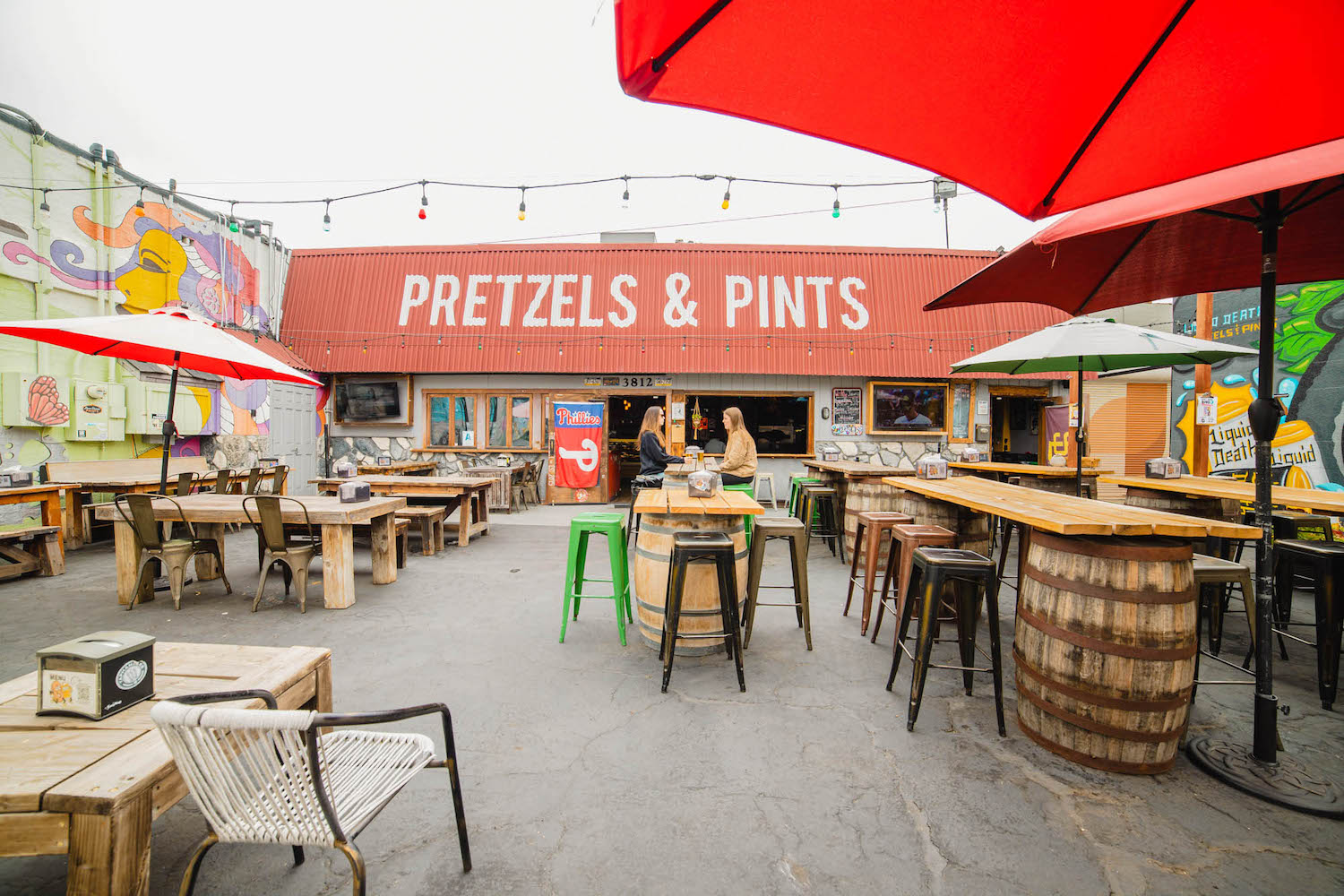
Fly over to Pretzels & Pints, Philly fans! Pretzels & Pints is hosting one of the liveliest watch parties in North Park this year. The event is first-come, first-served, with a $5 cover charge. Planning an at-home watch party? Order your pretzels by 3 p.m. Saturday for Sunday pickup. Go birds!
Price: $5 per person
Hours: 10 a.m.-10 p.m.
Address: 3812 Ray St, North Park
Catch the game from the rooftop of the Hyatt’s Andaz hotel in the Gaslamp Quarter. Their upscale tailgate party features a $20 beer bucket special and plenty of BBQ bites starting at 3 p.m.
Price: General Admission – $13 | Reserve Seating – $18 | VIP Packages starting at $162
Hours: 3:00 p.m.-11:30 p.m.
Address: 600 F St, Gaslamp Quarter
Reservations: Eventbrite
Avoid the usual game-day shoulder-to-shoulder crowd at this spacious 23,500-square-foot venue. Punch Bowl Social is hosting a Super Bowl bingo event with prizes, along with a $30 build-your-own beer bucket special (six cans). If football isn’t your thing, you can still enjoy bowling, arcade games, shuffleboard, karaoke, and more.
Price: Free
Hours: 11 a.m.-12 a.m.
Address: 1485 E St, Downtown
Reservations: RSVP on Eventbrite

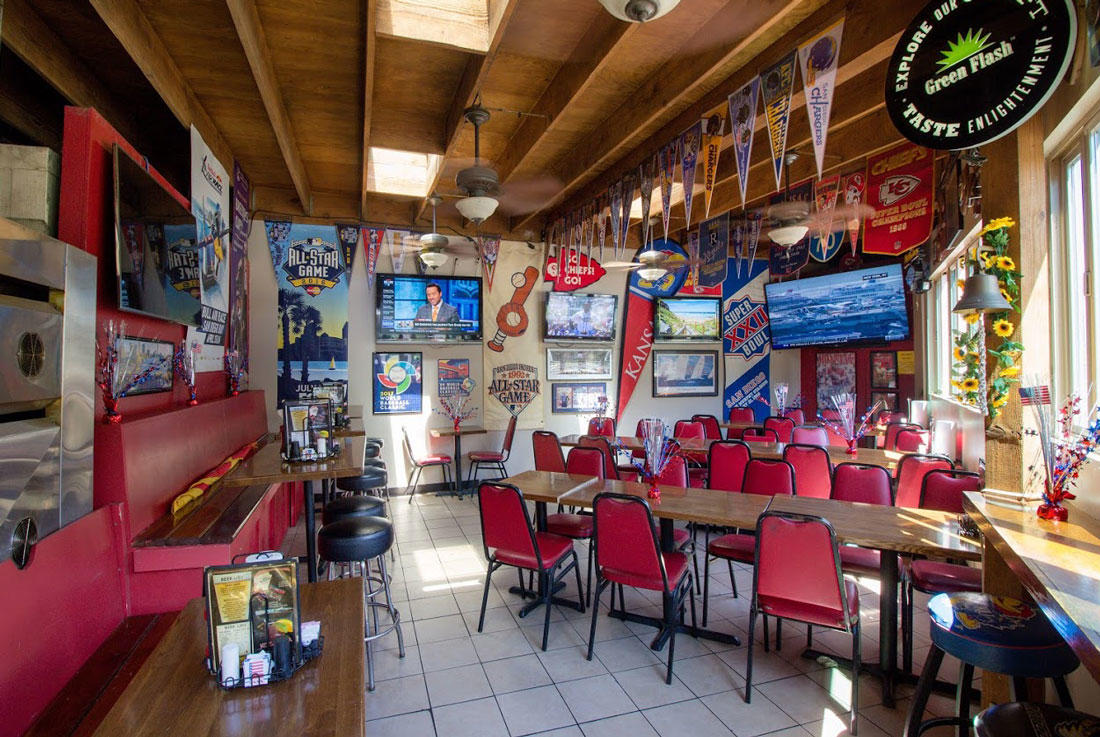
Wear your red and gold at this classic San Diego sports bar and restaurant. Known for its appearance in Top Gun, Kansas City BBQ will be bustling with Chiefs fans and BBQ bites. Arrive early to secure your spot at this cozy Chiefs bar.
Price: No cover fee
Hours: 11 a.m.-2 p.m.
Address: 600 W Harbor Dr, Gaslamp Quarter
North County’s spacious BBQ joint and sports bar PRK 101 is the go-to game-day destination for Carlsbad residents. The dog-friendly hotspot is taking reservations for groups of 6–10 on the patio from 2 p.m. onward.
Price: No cover fee
Hours: 10 a.m.-9 p.m.
Address: 3040 Carlsbad Blvd, Carlsbad
Reservations: Call (619) 738-6892 or email [email protected]
Another hotspot for Chiefs Kingdom, Home & Away in Old Town is hosting an epic game-day party. Cheer on Mahomes and the Chiefs at this spacious indoor-outdoor bar which offers plenty of TVs and fare including burgers, nachos, tacos, and more.
Price: Free
Hours: 11 a.m.-11 p.m.
Address: 2222 San Diego Ave, Old Town
Football fans and dog lovers unite! McGregor’s is hosting a Puppy Bowl Cornhole Tournament at 10:30 a.m., where 10 percent of food and drink sales will benefit the Helen Woodward Animal Center. Meet adorable, adoptable puppies, compete for prizes like SeaWorld and Sesame Place passes, and stick around for the other big game at 3:30 p.m.
Price: Free
Hours: 9 a.m.-12 p.m.
Address: 10475 San Diego Mission Rd, Grantville
Reservations: RSVP for the cornhole tournament here
This lively downtown bar is throwing a can’t-miss Super Bowl Sunday celebration. Starting at noon, enjoy live pregame music from a DJ and dig into game-day eats crafted by executive chef Kevin Templeton.
Hours: 9 a.m.-2 a.m.
Address: 600 Fifth Ave #6916, Gaslamp Quarter
South County sports fans will flock to 3in1 Sports Bar & Grill, a venue combining a sports bar, cigar lounge, and restaurant. With over 20 beers on tap and 25+ TVs, it’s the ultimate spot to catch every play. Secure your seat with a $10 deposit per person.
Price: $10 deposit per person
Hours: 9 a.m.-10 p.m.
Address: 2330 Proctor Valley Rd # 101, Chula Vista
Reservations: Tock
For an upscale Super Bowl experience, head to Clubhouse Grill at the Fairmont Grand Del Mar. Their game-day buffet kicks off at 2 p.m. for $89 per person, with an optional upgrade to bottomless beer for an additional $30.
Price: Buffet – $89 | Limitless Beers – $49 | Buffet and Limitless Beers – $119
Hours: 2 p.m. till end of game
Address: 5300 Grand Del Mar Way, Carmel Valley
Reservations: OpenTable
Cole Novak is an award-winning writer with a passion for highlighting local figures, small businesses, and nonprofits. Born and raised in San Diego, Cole is passionate about photography, surfing, art, the local food scene, and the great outdoors.

Offering everything from smashburgers to sundaes, the latest food hall from Tiger Hospitality opens its doors this weekend
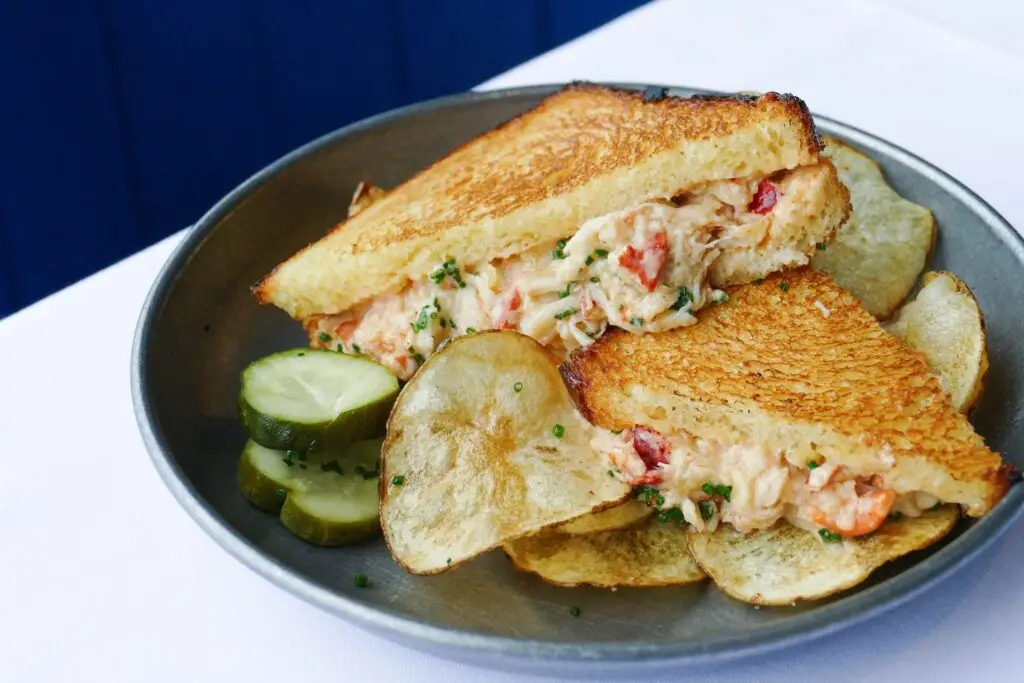
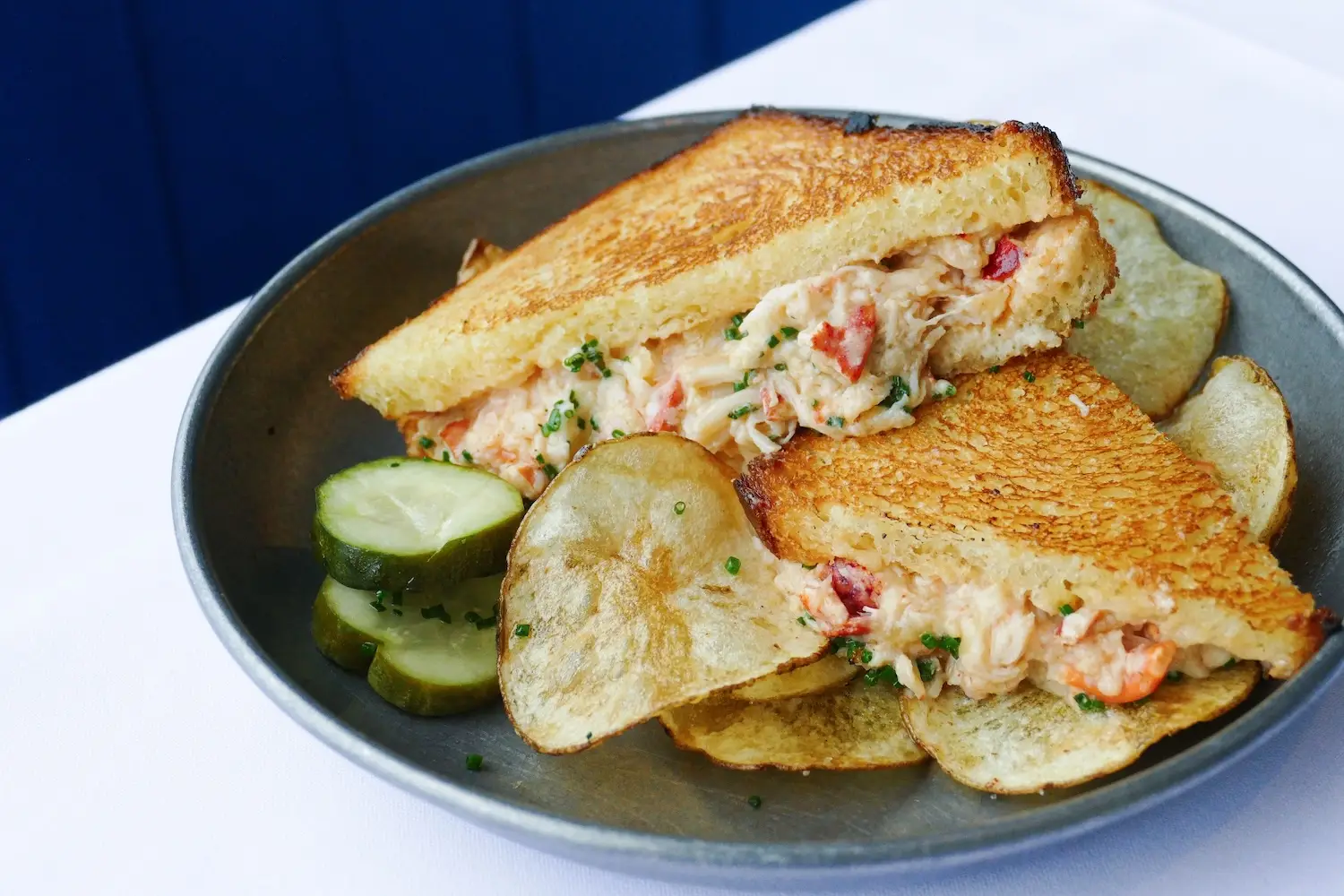
Omakase and fixed-price menus are one way hospitality businesses are addressing our collective food decision-making fatigue. But on the opposite end of the spectrum, some restaurateurs are offering a bonanza of totally unrelated options for people ordering on a whim. Why not pair a lobster grilled cheese sandwich, açaí bowl, and ridiculously loaded hot dog?
Starting June 27, diners can satisfy their spur-of-the-moment appetites at Global Fork in Little Italy, the latest food hall from Southern California-based Tiger Hospitality.
Six different food concepts will be featured in the 4,685-square-foot, indoor-outdoor space along the Piazza della Famiglia promenade. The space’s inaugural lineup includes a mix of Tiger Hospitality-owned concepts (Cosmos Burger, La Vida, Lobster Lab, and Prik Ki Nu Thai) and outside operators (Seattle-based Moto Pizza and Handel’s Homemade Ice Cream). The space next door, Good Enough Cocktail Club, is another Tiger-backed brand, operated by the team behind Same Same and Amor y Magia in Carlsbad.
Cosmos Burger serves smashburgers stacked with classic toppings, while Lobster Lab focuses on seafood favorites including lobster rolls, shrimp rolls, and lobster mac n’ cheese. Prik Ki Nu Thai adds Thai street food to the mix, with traditional noodle, rice, and stir-fry dishes. And for those looking for something on the lighter side, La Vida offers things like smoothies, salads, and wraps.

Moto Pizza focuses on Detroit-style square pizza with Filipino influences and, despite the name, is not affiliated with Mr. Moto Pizza. Handel’s, which began in Ohio in 1945, will offer dozens of flavors ranging from staples like chocolate and vanilla to rotating specialties packed with candies, cookies, and other mix-ins. (Handel’s already has a number of locations across San Diego, with a La Mesa store coming later this year.)
Some of these vendors already operate at Miramar Food Hall, the other Tiger-owned food hall in San Clemente. And some of them will also appear in Station8, the next food hall slated to open in UC San Diego’s Theatre District Living and Learning Neighborhood later this fall. But if you ask me, reviving the space that housed the Little Italy Food Hall before its closure last February is a far better outcome than leaving empty suites smack in the middle of an area saturated with fantastic food options. Plus, where else can you order a slice of beef adobo pizza alongside squares of caviar toast and a banana split?
Global Fork opens June 27 at 550 W. Date Street, Suite B, in Little Italy. Initial operating hours are from 9 a.m. to 9 p.m., seven days a week, but vendor hours may differ.

Listen Now: The Latest in San Diego’s Food and Drink Scene
Have breaking news, exciting scoops, or great stories about new San Diego restaurants or the city’s food scene? Send your pitches to [email protected].
Beth Demmon is an award-winning writer and podcaster whose work regularly appears in national outlets and San Diego Magazine. Her first book, The Beer Lover's Guide to Cider, is now available. Find out more on bethdemmon.com.
How the now iconic rating system became the biggest name in the food and how it made its way to our backyard
So, Michelin chose San Diego to host its annual awards show this week. Big thing for our city, which people wrote off as the flaccid mozzarella stick or the “fish tacos bro” of California food culture.
Michelin Guide is a pretty fascinating story. It started as a marketing brochure for a tire company and evolved into the strongest global marketing platform for restaurant culture in history.
In 1900, there were less than 3,000 cars in all of France. André and Édouard Michelin were trying to sell tires. A niche market. If people drove more, they figured, tires would go bald faster. They’d sell more rubber.
So they published a guidebook with maps, gas stations, mechanics, hotels, restaurants, and travel advice. The “How to Go Bald” book with food as the bait. By the 1920s, people were buying the guide just for the restaurant recs.
In 1926, Michelin introduced stars. This changes everything.
Originally just one. Five years later, it expanded to three. One meant “very good restaurant.” Two meant “worth a detour.” Three stars meant “worth a special journey.” In other words, wear those tires down to a nub in search of Dover sole.

By WWII, Michelin was the gold standard guide to French food. And French food was the gold standard for western food. Which was half the world.
Michelin first came to the US in 2005.
New York only.
(Knicks in five).
In 2007, San Francisco. Then LA and Vegas in 2008.
Michelin stopped publishing in LA and Vegas after two years and stayed dark until 2019.
Major theories for this?
First, print is expensive. I can attest. ROI on a printed story is hard.
Second, people wanted local critics, and they were finding them online.
Third, Michelin landed like a stuffed shirt in LA, which had taco carts in its heart. LA swiped hard left.
Then Michelin discovered a new way to fund what it does. Instead of trying to sell enough books to justify the cost (inspectors, printing, restaurant bills, etc.), it had tourism marketing districts pay for inspectors to come analyze their cities or states.
Tourism marketing districts are massive organizations whose primary goal is to sing the priases of their cities and states—attract tourists, who pay for hotels and spend money in the city. Heads in beds.
The first to swipe its credit card was California, which paid $600,000 in 2019 for Michelin to come back to LA, Orange County, Monterey, Sacramento, Santa Barbara, and… San Diego.
It’s an overwhelmingly positive thing, which is never without its doubters and critics.
Namely, not everyone is down with the pay for play model.
The biggest reason is that it means cities without big tourism budgets get left out. Chefs in those cities are chefs non grata in the eyes of Michelin. Which is a fair complaint, though also, sadly or not, kind of how capitalism works.
Michelin isn’t a government organization, or a nonprofit culinary organization. It’s a publicly traded company with real bills to pay and investors and shareholders to answer to.
Since it feels like a tad of a PR dilemma for Michelin, I have a proposal that may or may not work.
What if Michelin took a portion of the money it receives from larger cities and used it to fund its expansion into an underserved city or state that can’t afford it? Bake it into the price it charges California or any other state.
Again, Michelin’s not obligated to do this; there is no penalty beyond the paper cuts of public sentiment. But that sort of pay-it-forward model could help other cities without the resources to play the game, while simultaneously making Michelin’s reach bigger and more holistic.
Second, people claim this TMD-funded model somehow taints the winners.
I don’t buy that at all. All tourism boards are doing is paying a marketing business (Michelin) to come operate in their city. They’re not telling Michelin which restaurants to choose for awards. As I understand it, Michelin has retained independence, and its inspectors only award restaurants that they feel are absolutely worth it based on merit.
True pay for play would be if a restaurant group paid Michelin in exchange for a star. Or if tourism boards had a say in which restaurants received attention or awards.
I haven’t found any proof of that happening, and so I won’t ding the validity of the awards until (and if) I ever do.
All tourism boards can control is which areas they’re willing to pay to have analyzed. For instance, San Diego could technically ask that only the city be analyzed and not the county. Which it did not, most likely because Visit San Diego (our TMD) is in charge of marketing the entire county (and thus why Michelin stars like Jeune et Jolie, Lilo, and Addison are outside of SD city limits).
So, if you’re dead set on criticizing Michelin, I’m not sold yet on the pay-for-play model being the right route.
Troy Johnson is the magazine’s award-winning food writer and humorist, and a long-standing expert on Food Network. His work has been featured on NatGeo, Travel Channel, NPR, and in Food Matters, a textbook of the best American food writing.
One of One combines creative seasonal drinks, ethical sourcing, and Filipino-American roots to stand out in San Diego's crowded cafe scene
In a city overflowing with cortados, ceremonial-grade matcha, and ambitious coffee startups, standing out isn’t easy. It’s even harder when your business doesn’t have a fixed address. That’s the challenge (and increasingly, the appeal) of One of One.
The Filipino-American coffee and matcha pop-up concept is the work of Kristin Cleavinger, a San Diego native who spent nearly a decade working in the Los Angeles specialty coffee business before returning home to build a concept of her own. The business takes its name from Cleavinger’s grandfather Gregorio Magnaye Bolor, who immigrated from the Philippines to the United States in the 1970s with almost nothing, but managed to build a life for him as well as his descendants.
It’s that sense of grit, perseverance, and identity that Cleavinger says fueled her to build One of One. “Throughout my time in specialty coffee, I was really curious about Filipino representation, because that wasn’t something that I saw,” she explains. She began to research coffee from the Philippines, but considering the island nation only produces about 0.25 percent of the world’s largest producer, Brazil, there wasn’t much to find.
Instead, she turned inward, drawing from her family’s history and her own Filipina-American identity to build something personal. “To me, this really is a way to honor my family’s legacy—my nanay, Maria Nieves Bolor, and my tatay Gregorio.”

For her drinks, Cleavinger never uses refined sugars, and syrups are made in-house from organic and regenerative ingredients. The Summer Peach latte, the current seasonal special, layers Ceylon cinnamon, unrefined cane sugar, Maldon sea salt, and ripe yellow peaches for a riff on one of summer’s most glorious treats: peach cobbler. Another new drink is Mint Chip, inspired by Thrifty ice cream with a fresh mint syrup, dark cocoa powder, and chocolate chunks with a base of either espresso or hojicha (roasted Japanese green tea with a mild, sweet, earthy flavor and lower caffeine content than other green teas).
Other crowd pleasers include the signature Neapolitan latte, which is inspired by childhood memories of her family using Neapolitan ice cream to create pan de sal ice cream sandwiches. She layers housemade organic strawberry syrup, Madagascar vanilla bean-infused oat milk, and dark cocoa-swirled espresso for a tricolored beverage experience that she recommends sipping before stirring to taste each layer on its own merit.
Past specials have ventured deeper into Filipino flavors, like a turon-inspired latte using jackfruit and banana; another was a coconut pandan matcha made with organic coconut water and topped with a pandan matcha cream.

The sourcing decisions behind these drinks are equally deliberate. Coffee comes from Boondocks, a Filipino-owned LA roaster whose founder is originally from National City. Its current offering, the Galleon blend, combines beans from southern Luzon in the Philippines with Chiapas, Mexico—a nod to the communities woven into San Diego’s own cross-border identity. Matcha is sourced through Este, a local San Diego company that works directly with producers in Mie Prefecture, Japan.
Every supplier is chosen for value alignment as much as quality—Boondocks’ current blend, for example, directly supports women-owned farms. “Each person has the power to choose where they want to put their dollar,” Cleavinger says.
You can catch her at regularly scheduled pop-ups at places like Olivewood Gardens in National City (every third Saturday), Ayi in South Park’s Summer Series (every Saturday morning in June), and on regular rotation at Home Ec and Best Bud Floral in Kensington. (More dates are listed on Instagram as well.) Cleavinger says she does have plans to launch a brick-and-mortar shop in the future, ideally with an expanded beverage menu, space for art shows, and a community gathering place for local and Filipino-owned makers.
In a crowded field of coffee concepts, One of One shows that a memorable drink can do more than wake you up. It can tell you something about the person behind the idea—who they are, where they’re from, and where they’re going next.
Listen Now: The Latest in San Diego’s Food and Drink Scene
Have breaking news, exciting scoops, or great stories about new San Diego restaurants or the city’s food scene? Send your pitches to [email protected].
Beth Demmon is an award-winning writer and podcaster whose work regularly appears in national outlets and San Diego Magazine. Her first book, The Beer Lover's Guide to Cider, is now available. Find out more on bethdemmon.com.
The 29-year-old culinary director at Herb & Sea is making seafood sexy (and approachable) again
Implementing a farm-to-table model hardly deserves acknowledgement these days. It’s not a stretch. It’s not innovative. “It’s the bare f**king minimum,” says Herb & Sea‘s executive chef Aidan Owens.
When I arrive at the Encinitas restaurant, I’m ready to talk sustainability, farm-to-table stuff, with Owens. “Did you see the chin on that?” he says of the extra big jiggly chin on the sheephead that just arrived with the day’s fresh catch. I did. It was Jay Leno adjacent.
I learn quickly that he somehow oozes both charm and stone-cold honesty. Maybe he could construct a new dish with chin goo, like he did when he had a bunch of tuna scraps and voila’d it into a smooth and crowd-pleasing ‘nduja. “I want to know what’s in there,” he says.

The instinct to look closer, to dig into what others might discard, says a lot about the chef’s approach. I guide him back to our topic, but he has something else on his mind. “We’re overcomplicating food—what happened to just cooking good food and having fun with it?”
Owens grew up on a farm in Byron Bay, Australia, where sustainability wasn’t a concept you chat about so much as a way of life. Think dirt roads, backyard chickens, pulling vegetables straight from the ground, and a mother who believed that if you couldn’t pronounce the ingredients on a package, you shouldn’t eat what was inside.
Food wasn’t precious or performative. Making it was what you did because you were hungry and that’s still what inspires Owens today. “I like to cook good food because I like to eat good food,” he says.
His approach to sustainability at Herb & Sea began so naturally that it felt just like instinct. “I was just like, ‘Let’s order food from the people who live and work here,’” he says.

And why wouldn’t he when lives in San Diego? Cities all over the world vie for our goods. Our tuna is sent overseas. Our spiny lobsters hit dinner plates in China and Japan. Not to mention California’s producing a third of the country’s vegetables and three-quarters of its fruits and nuts.
“Why would we outsource when it’s all here?” Owens asks.
Sustainability, in this context, is about cooking what exists in abundance, nearby, right now. “I love the local fish here. It’s f**king delicious and San Diego citrus, I mean, it is so f**ing good,” he says.
Instead of importing ingredients, Owens also looks for nearby alternatives. “You can find really cool things in the local waters,” he says, pointing out that stingray cheeks taste similar to scallops.

Whatever he finds in that sheephead chin might just be the next substitute for marrow. But to make this work, it means getting diners amped up about the slightly unfamiliar.
Tasting menus, where diners are completely in his hands, become an opportunity to gently push boundaries. “I’ll serve mackerel, because people think they hate it,” Owens says, noting that the abundant local fish can have some fishiness. “But when it’s fresh, it’s arguably one of the best fish in the ocean.”
He also tweaks the language on the menu so people might feel more compelled to give dishes a try without preconceived notions. He might use “lengua” instead of “tongue.” “Whelk” instead of “snail.” When he puts “stingray throat” on the menu, he disarmingly calls it “skate.”
To reduce waste, scraps aren’t always discarded but rather turned into something new. Sometimes they’re smoked, cured or fermented. Apples going bad turn into apple ponzu. Lemons turn to marmalade, which stretches their usefulness far beyond peak season. “And it’s super tasty on our pizza,” he says.
What makes the food even richer, is the relationships he’s built with farmers. Though it didn’t always feel natural, Owens sought personal connection first. He recalls approaching a fisherman at the Tuna Harbor Dockside Market. “I was awkward,” he says. “I went up to him and said, ‘I like your fish.’”
Owen’s is now so close to his suppliers—like fishermen Ryan Sebo and Joe Daly—that he gets texted pictures of fresh catches right as they flop on the boat. The messages always ask if he wants first dibs. “I say yes to a lot of fish,” Owens says, noting that Herb & Sea can go through 2,000 pounds of seafood a week.

The next evolution of sustainability, in his view, will be chefs working directly with producers such as his alliance with Sebo, cutting out middlemen and purveyors where possible. “It will put more money in the pockets of the people doing the work,” he says.
It will mean that chefs can’t just know their local farmers and producers, but they’ll choose to work with the ones who have the best practices. Dining and sustainability will become much less about the final plate. “It will be more about the impact that plate has on the Earth,” he says.
Ultimately, he believes sustainability doesn’t need to be loud. It doesn’t need hashtags. It just needs to be honest.
“We aren’t saving lives. We’re feeding people good food,” he says.
And yet, in feeding people well—simply, thoughtfully, responsibly—something meaningful happens. Guests leave satisfied. Ingredients are respected. Local ecosystems are supported and food returns to what it has always been at its core: nourishment, pleasure, and a quiet reflection of the place it comes from.
No buzzwords required.
A complete guide to the festival, the parade, the lineup, and all the good stuff in between
There are two types of San Diegans in July: those who have their Pride Festival tickets, and those who wish they’d bought them sooner. Summer in San Diego already feels like a fever dream of sunshine and saltwater, and with Balboa Park turning it up to a level best described as joyfully unhinged, we wouldn’t have it any other way.
That’s right: San Diego Pride 2026 is bigger, louder, and more necessary than ever. From July 18–19, expect a full, unapologetic, flags-everywhere kind of weekend where the city opens its arms and means it. Here’s everything you need to know about San Diego Pride 2026.
The San Diego Pride Festival takes over Marston Point in Balboa Park (6th Ave. & Laurel St.) on Saturday, July 18 (12 p.m. to 10 p.m.) and Sunday, July 19 (12 p.m. to 9 p.m.).
Buy tickets early because prices go up closer to the weekend. Regular GA is priced at $45 for a single day or $75 for the full weekend. Once Pride Weekend pricing kicks in, that bumps to $48 for one day and $85 for two days. VIP Weekend starts at $269, and if you want a Meet & Greet with Hailie Sahar on July 18 at 2 p.m., tickets are $106.
Seniors 65 years and older can grab a ticket at the box office for $15, and high schoolers and younger get in free, though they still need to stop by the box office for a ticket before entering. Regular pricing is available through July 17, so don’t wait until the last minute.
The San Diego Pride Festival isn’t just a typical party. Expect Balboa Park at maximum capacity and maximum heart with five stages, hundreds of vendors, and more joy per square foot than anywhere else in the city that weekend.
At the heart of it all is the Stonewall Stage, the main event where legends and newcomers alike make their San Diego Pride debut. The Mundo Latino Stage brings Rock en Español, DJs, drag shows, and multicultural performers to the mix. The Movement Stage offers a full celebration of Black LGBTQIA+ arts, music, and culture through hip hop, urban contemporary, and local DJs, plus a Queer Locals Marketplace full of LGBTQ-owned small businesses selling handmade art, wellness goods, literature, community resources, and more.
For the people who came to actually dance, the Euphoria Stage delivers electronic music and groundbreaking talent. Prism For All is where art, libraries, and history collide, with workshops, performances, and a makerspace hosted by Art of Pride, the San Diego Public Library, and Lambda Archives. And the Youth Zone gives LGBTQIA+ young people their own dedicated area to meet, get creative, play, and find support.
The lineup includes:
Saturday, July 18
Sunday, July 19

The San Diego Pride Festival 2026 runs on the energy of over 2,000 volunteers every year. With more than 30 departments to choose from, whether you’re a people person, a behind-the-scenes organizer, or just someone who wants to do something good in a great outfit, there’s a spot with your name on it. Head to the San Diego Pride website to sign up.
San Diego’s Pride Parade calls the parade “the region’s largest single-day civic event,” drawing more than 250,000 attendees annually. This year it takes place on Saturday, July 18 from 10 a.m. to 3 p.m. and starts at University Avenue and Normal Street. Then it travels west on University Avenue, south on Sixth Avenue, and ends near Balboa Park/Quince Drive.
The Pride 5K Run & Walk is one of the highlights of Pride Week, drawing as many as 1,700 runners and walkers from around the world and raising approximately $40,000 for charity partners San Diego Pride and The LGBT Center’s Youth Housing Project. This year it also takes place on July 18, just a bit earlier at 8 a.m., at the corner of Centre and University Ave in Hillcrest.
Of course, buying a ticket is a guaranteed good time, but it’s also funding something real. San Diego Pride is a registered 501(c)(3) nonprofit, and proceeds go toward supporting organizations that host community events, programs, and fundraisers advancing pride, equality, and respect for LGBTQ+ communities locally, nationally, and globally.
That includes virtual youth programming like Pride’s Youth Leadership Academy, which reaches more than 4,000 LGBTQ children and young adults, as well as coalitions like the QAPIMEDA Coalition, Black LGBTQ Coalition, and Latinx Coalition, and more than 30 LGBTQ programs and events throughout the year.
The prohibited items list is lengthy (no balloons, no selfie sticks, no bubble-making devices, trust us they’ll make up for it elsewhere), but the big ones to keep in mind: clear bags only (max 12″x6″x12″), no outside food, no alcoholic beverages, no glass, no large umbrellas, and no knives or weapons of any kind. Leave the drone at home too. For the full list, head to sdpride.org/entry-policies.
Check out San Diego Pride’s frequently asked questions page for more details.
Isabella Dallas is a freelance writer for San Diego Magazine and the Arts and Culture Editor at The Daily Aztec in her final year at San Diego State University. She previously worked as an editorial intern for SDM, but when she’s not writing, you can find her trying the best coffee spots in SD, devouring the latest rom-coms, and indulging in anything and everything pop culture.
CoCo Ichibanya's wildly popular katsu curry has become a ballpark favorite—and now the chain is opening a second San Diego location
I’m a creature of habit. When I go to Petco Park for a Padres game, I order two things without fail: a Swingin’ Friar ale from Ballast Point and a Friar Frank (extra mustard, no ketchup). I might supplement with tri-tip nachos from Seaside Market, or splurge on fancy fish tacos from Deckman’s at the Draft, but there’s no way I’m going to a ballgame without enjoying the classic combo of a beer and hot dog.
But this season, I’m faced with a conundrum. CoCo Ichibanya, the world-famous Japanese curry chain with locations in Convoy District, Los Angeles, Orange County, and Texas, debuted this March at the Mercado near Section 104. I recently attended a game against the New York Mets when I noticed a woman sitting in the row in front of me with a giant helping of chicken katsu curry. I hadn’t seen CoCo’s curry in the wild at the ballpark yet, but the aroma of the crispy fried chicken bathed in savory curry wafting over her shoulder absolutely intoxicated me (and ended up being a nice distraction to the 7-3 loss). Hopefully, she didn’t notice me leering with envy, but I’m 92 percent sure I got some drool on the guy next to me.
The world’s largest Japanese curry chain isn’t done popping up in San Diego quite yet. This July, CoCo Ichibanya will open its second standalone store in San Diego on the ground floor of the Denizen building in Hillcrest.
First launched in Nagoya, Japan in 1978, CoCo Ichibanya specializes in Japanese-style curry dishes, a comfort food signature. Unlike fiery Thai and Indian curry, Japanese curries are often more like gravy, served over rice and alongside katsu pork, chicken, or beef, or as curry omurice (omelet rice). The chain expanded to the United States 15 years ago, and owner Teruyoshi Ono says they’d been eyeing more opportunities in San Diego for some time.

The location in Hillcrest spans 2,585-square-feet with seating for around 49 guests. Menu favorites like the chicken cutlet curry with vegetables, the pork cutlet omelet, and Thai tea will be available, but Ono said Hillcrest will be the first location in the US to offer one major crowd-pleaser: alcohol. And keeping with local baseball fandom, “We will also have Padres x CoCo Ichi limited merchandise at our Hillcrest location,” he promises.
Ono also revealed that CoCo’s future expansion plans include looking for more locations across Southern California and possibly more in San Diego. While the Japanese yen remains at a historic low against the dollar (making it an absolutely unbeatable time to visit the Land of the Rising Sun), why fly overseas when you can get a taste of Japan in your own backyard—or ballpark?
CoCo Ichibanya Hillcrest is slated to open at 3833 5th Avenue in July.
Listen Now: The Latest in San Diego’s Food and Drink Scene
Have breaking news, exciting scoops, or great stories about new San Diego restaurants or the city’s food scene? Send your pitches to [email protected].
Beth Demmon is an award-winning writer and podcaster whose work regularly appears in national outlets and San Diego Magazine. Her first book, The Beer Lover's Guide to Cider, is now available. Find out more on bethdemmon.com.
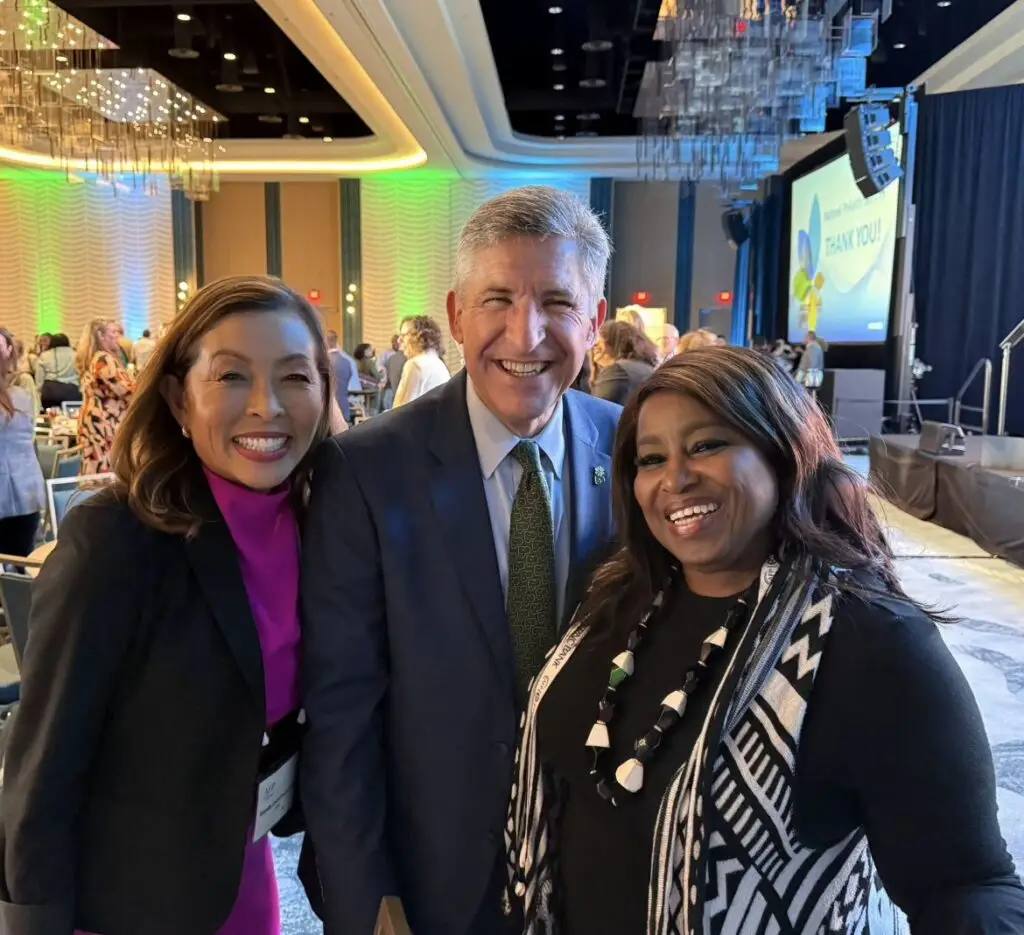
The 53rd Annual National Philanthropy Day Takes Place on November 21. Join us from 11:00 a.m. – 1:30 p.m. at the new Gaylord Pacific Resort & Convention Center!
Once yearly, AFP San Diego joins with others worldwide to celebrate National Philanthropy Day (NPD), a special day set aside to recognize the great contributions of donors and nonprofits that enrich of our community and the world. San Diego’s NPD is one of the largest and most successful in the U.S., attracting nearly 900 participants, including philanthropists, nonprofit leaders, CEOs, board members, development professionals, and business, community, and civic leaders.
Sponsorship proceeds from National Philanthropy Day are reinvested in education, training, scholarships, career development, and the advancement of fundraising professionals throughout San Diego. These resources and training provide fundraising professionals with the tools necessary to support our region’s diverse array of nonprofit organizations, which rely on charitable giving for close to half of their annual revenues.
The National Philanthropy Day Honorees are selected by the NPD Honorary Committee, a group of highly respected, diverse nonprofit and business leaders. Our 2025 Honorees include:
National Philanthropy Day San Diego provides an opportunity to reflect on the meaning of giving and to celebrate the selfless contributions of individuals and organizations across the region. We look forward to celebrating with you!
Sponsorship opportunities and individual tickets are available. Please visit www.afpsd.org for more information.