This article is available to SDM newsletter subscribers. By registering, you agree to receive the Best of San Diego This Week newsletter and occasional sponsored content from SDM. You can manage your email preferences and unsubscribe from newsletters or sponsored emails at any time.
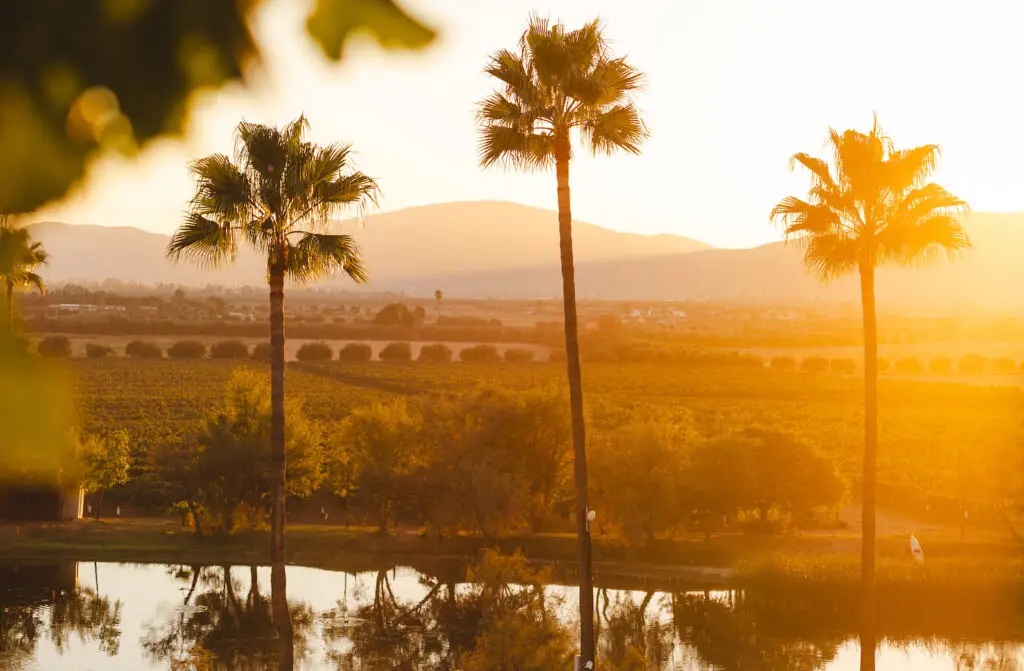
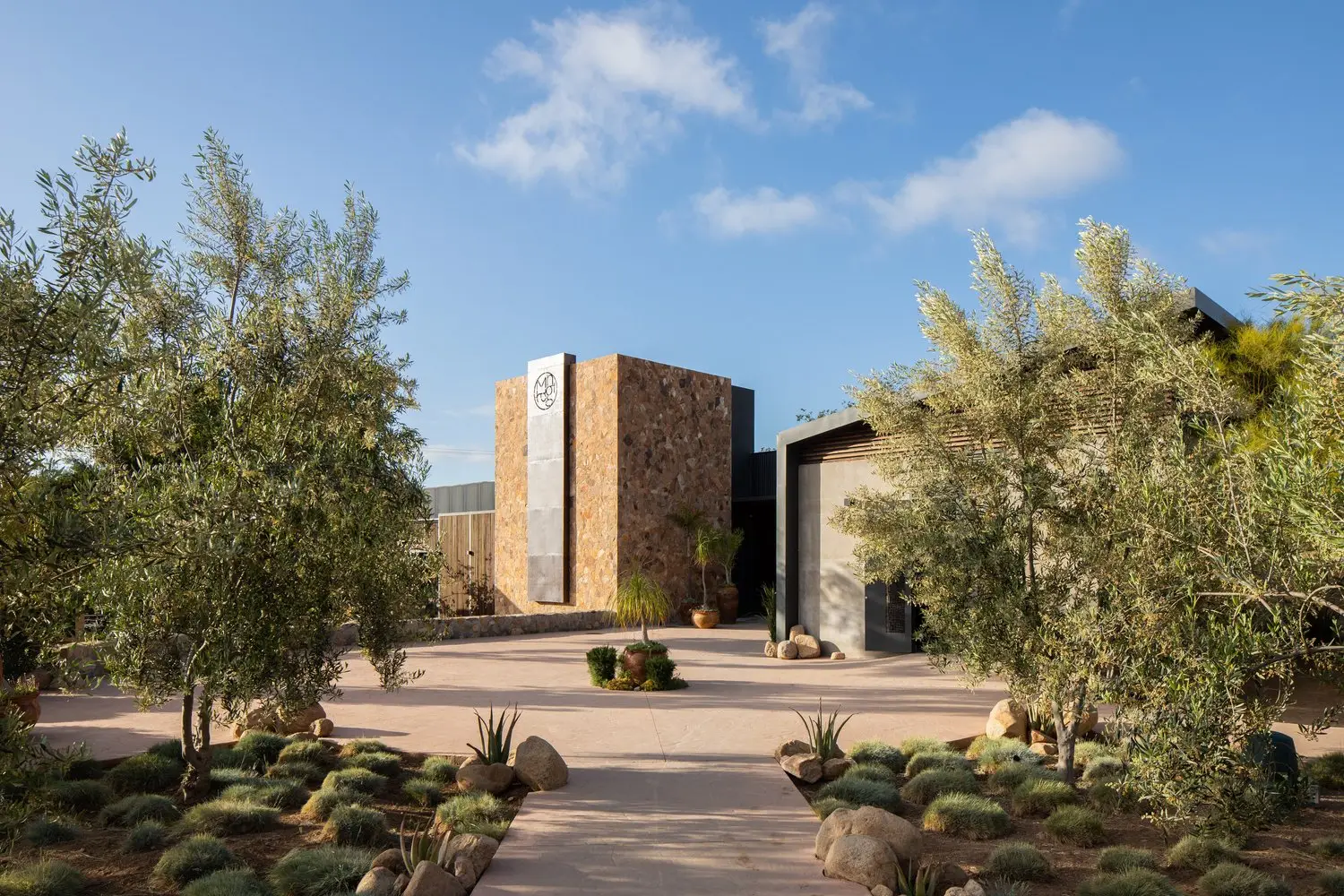
A wooden sign and an unpaved road got you here, and now you’re looking out at a desert transformed into rolling fields of fruit while a tasting room manager explains that, yes, it is possible to filter wine with green beans. You can sense it: Something special is happening here in Valle de Guadalupe.
The only problem with the road less traveled? It can be hard to figure out exactly where to go in an area where “if you know, you know” still broadly applies, despite the buzz-making chefs and nationally known wineries that put Valle on the map. That’s where we come in—we traced the area’s history from its surprising origins to its dynamic present; rounded up what’s new and exciting; and tapped the area’s top winemakers, chefs, and other experts to tell us how they like to spend their days.
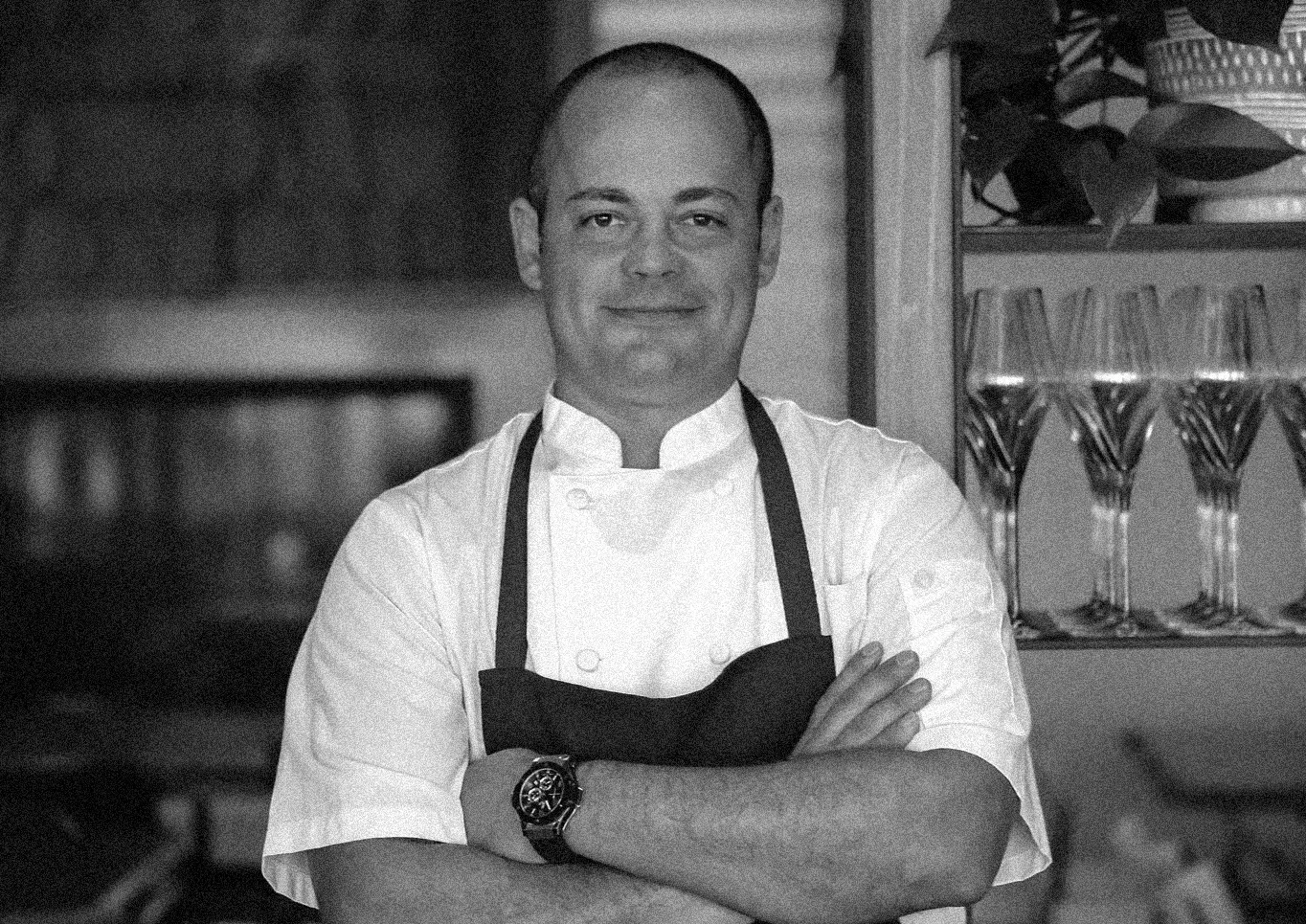
Roberto Alcocer
Chef & Owner, Malva & Valle Oceanside
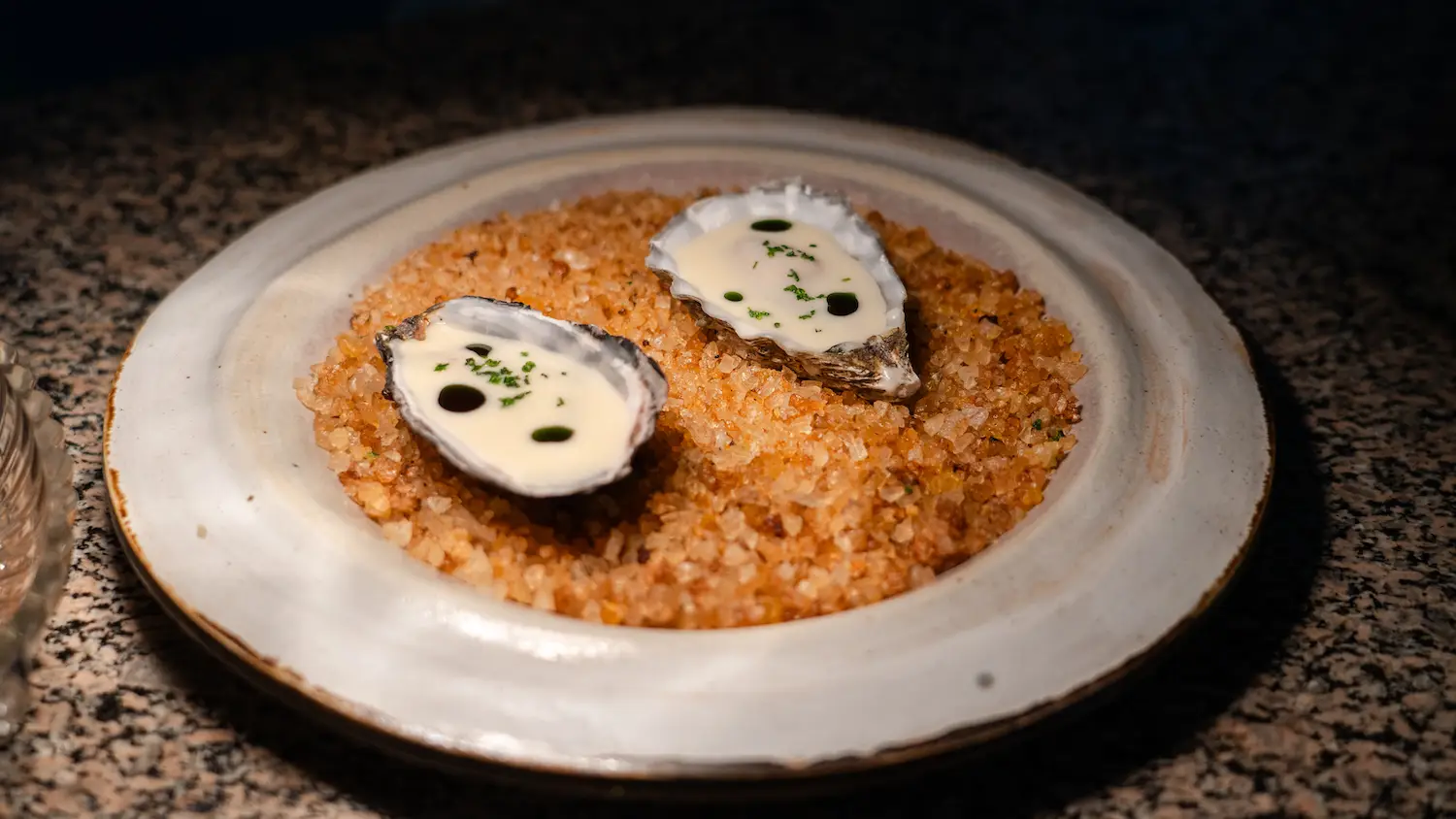
Chef Roberto Alcocer has long been a champion of Baja’s culinary identity, blending rustic traditions with refined techniques. As the creative force behind the Michelin-starred Valle in Oceanside, the Ensenada native has earned a reputation for unique takes on local coastal flavors.
Career-defining star aside, the Michelin recognition for his restaurant MALVA in Valle de Guadalupe might be his most meaningful accolade. Alcocer’s passion, culinary prowess, and reputation for turning heads helped transform the area from sleepy hillside farm community to full-on gustatory destination. Beyond the kitchen, Alcocer is a true aficionado of the Valle de Guadalupe lifestyle.
“In Valle de Guadalupe, you drink wine,” Alcocer states simply. His ideal day starts with a hearty breakfast, followed by curated wine tastings. He suggests scheduling the second tasting near a standout restaurant, ensuring a long, leisurely lunch or dinner before a final stop at a winery or a relaxing evening with local cheese, a fire, and the bottle that spoke to you most.
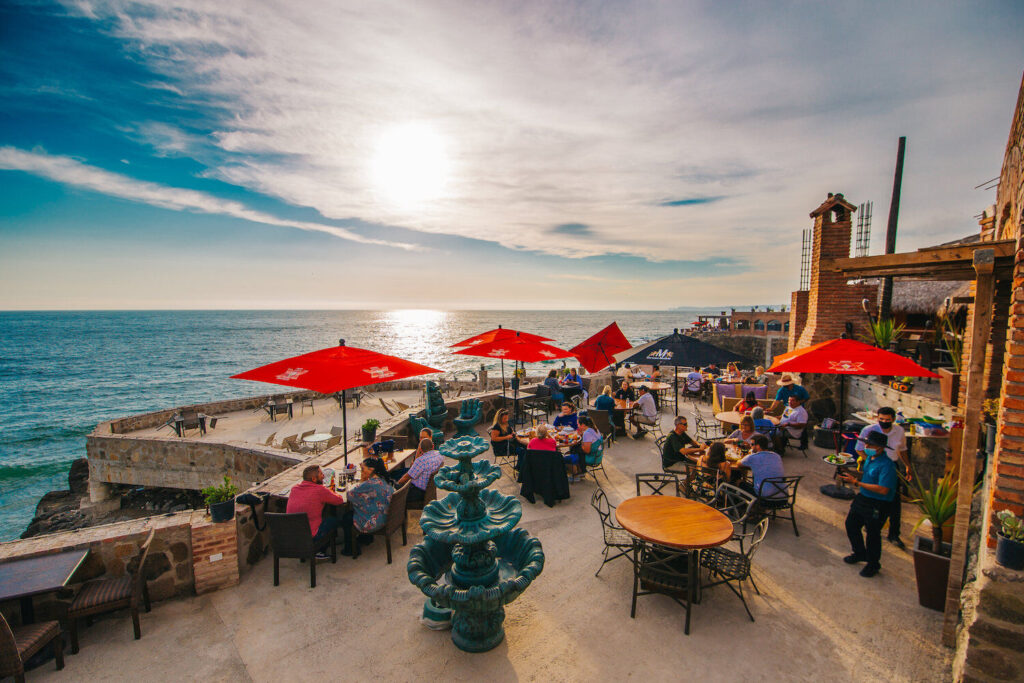
Courtesy of Baja Tourism Ministry
A guided wine tasting led by Valle’s top winemakers is essential, Alcocer says. He recommends Veronica Santiago at Viñedos Mina Penélope, Erick Plata at Vinos Plata, or Amado Garza at Viñas De Garza for an insider’s perspective on the region’s evolving wine scene.
For Alcocer, VdG is about more than just food and wine—it’s about the locals and the landscape. “Great wine, good food, good people, and great views,” he says.
Kristin Shute
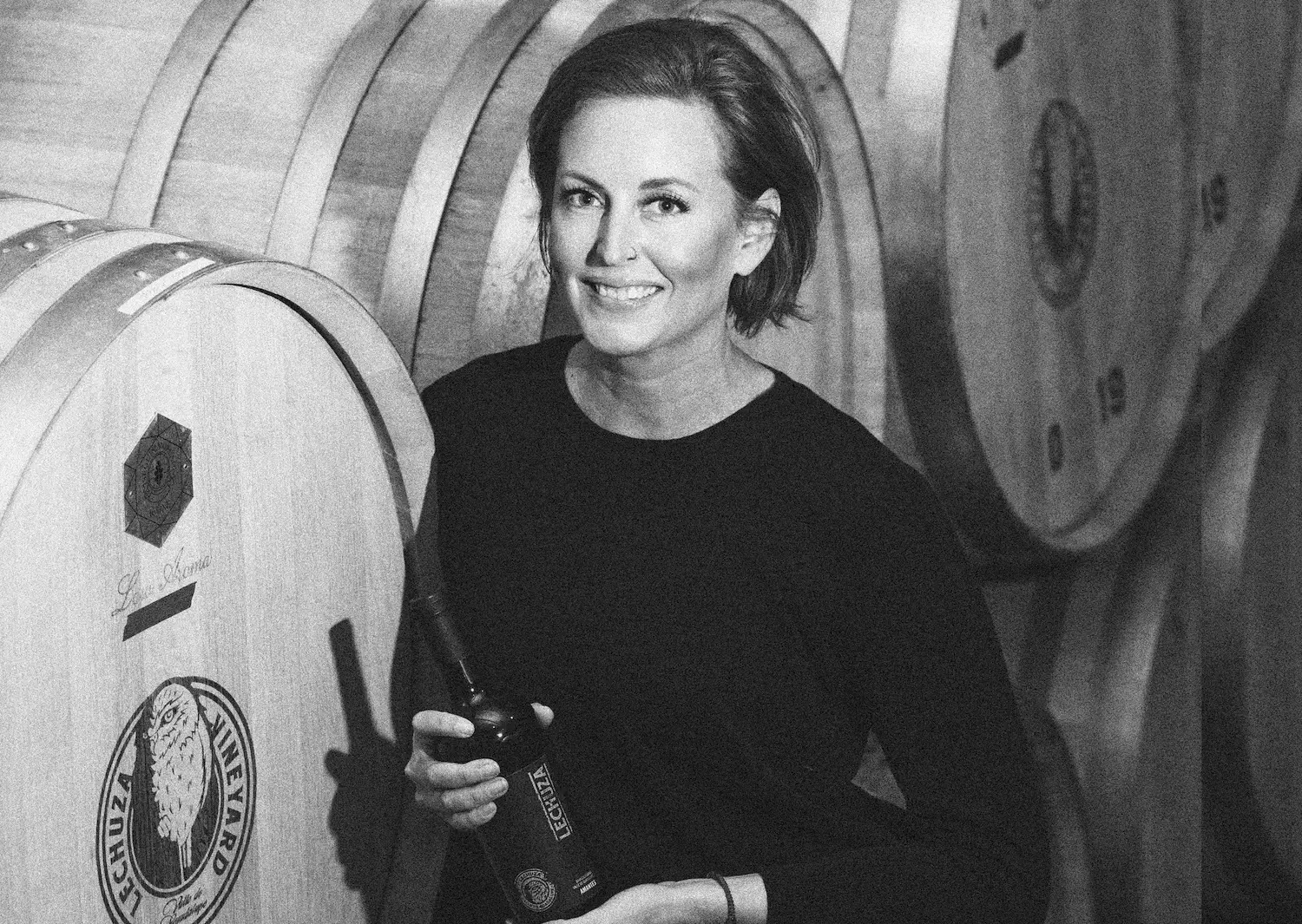
Winemaker, Vinos Lechuza
Vinos Lechuza was never supposed to be a business. Winemaker Kristin Shute’s father, San Diego native Ray Magnussen, bought an overgrown wheat field in Valle de Guadalupe in 2003 and, after studying winemaking at UC Davis, planted two acres of vines purely as a retirement hobby.
A decade later, Shute’s parents invited her to take over the vineyard and turn it into a moneymaker. Under her tutelage, Vinos Lechuza has grown. Yet the company’s approach remains small-scale and thoughtful, with a mind toward sustainability and community stewardship.
Shute spends much of her time at Lechuza, in the fields, in the lab, or on the patio, where she loves “sitting on the porch and losing an afternoon with great company and a glass (or three) of wine,” she says.
Photo Credit: Francisco Palacio Casa Magoni has three lines of wine, plus olive oil and balsamic vinegar
But she makes time to hike up to the hot springs via a lovely, relatively easy trail behind L.A. Cetto. When she ventures out to eat, her current favorite is Villa Torél, Santo Tomás winery’s beautiful, open-air restaurant. “The duck is a must-have!” she recommends. The restaurant hosts “Liernes” every Monday to celebrate the start of food and drink industry workers’ “weekend,” offering a special prix-fixe menu.
Shute’s dream day in Valle de Guadalupe begins with a sunrise. “If you can catch that magic, your soul will be forever grateful,” she says. Later, it’s time for wine at spots like Clos De Tres Cantos, where you can nibble on a cheese plate while taking in canyon views.
“If there is enough room for one more stop, sitting under the oak tree at Casa Magoni, listening to live music is enchanting,” Shute continues. Later, “get a gelato from Casa Marcelo and watch the stars. It will remind you how many we miss [with] city life.”
But don’t feel like you have to pack it all into a single day. “If you have patience to go at a slower pace, you have a chance to fully settle into the Valle vibe,” Shute says. “The community is so beautifully rich with love and talent, [and] almost every winemaker and owner is readily accessible. Take the time to make the pause.”
Hans Backoff
CEO, Monte Xanic
As CEO of Monte Xanic—one of Mexico’s pioneering wineries, which his father helped co-found in the 1980s—Hans Backhoff has spent his life immersed in Valle’s agricultural revolution. “I grew up surrounded by vineyards, learning about wine-making from my father,” he says.
“I made my first wine at 15, trained in Bordeaux, but my heart has always been here in Valle.”
And while elevating Mexican wine to global prestige is Backhoff ’s passion, he is quick to point to the region’s food scene, as well. “Valle de Guadalupe is home to some of the most incredible culinary experiences in Mexico,” he says.
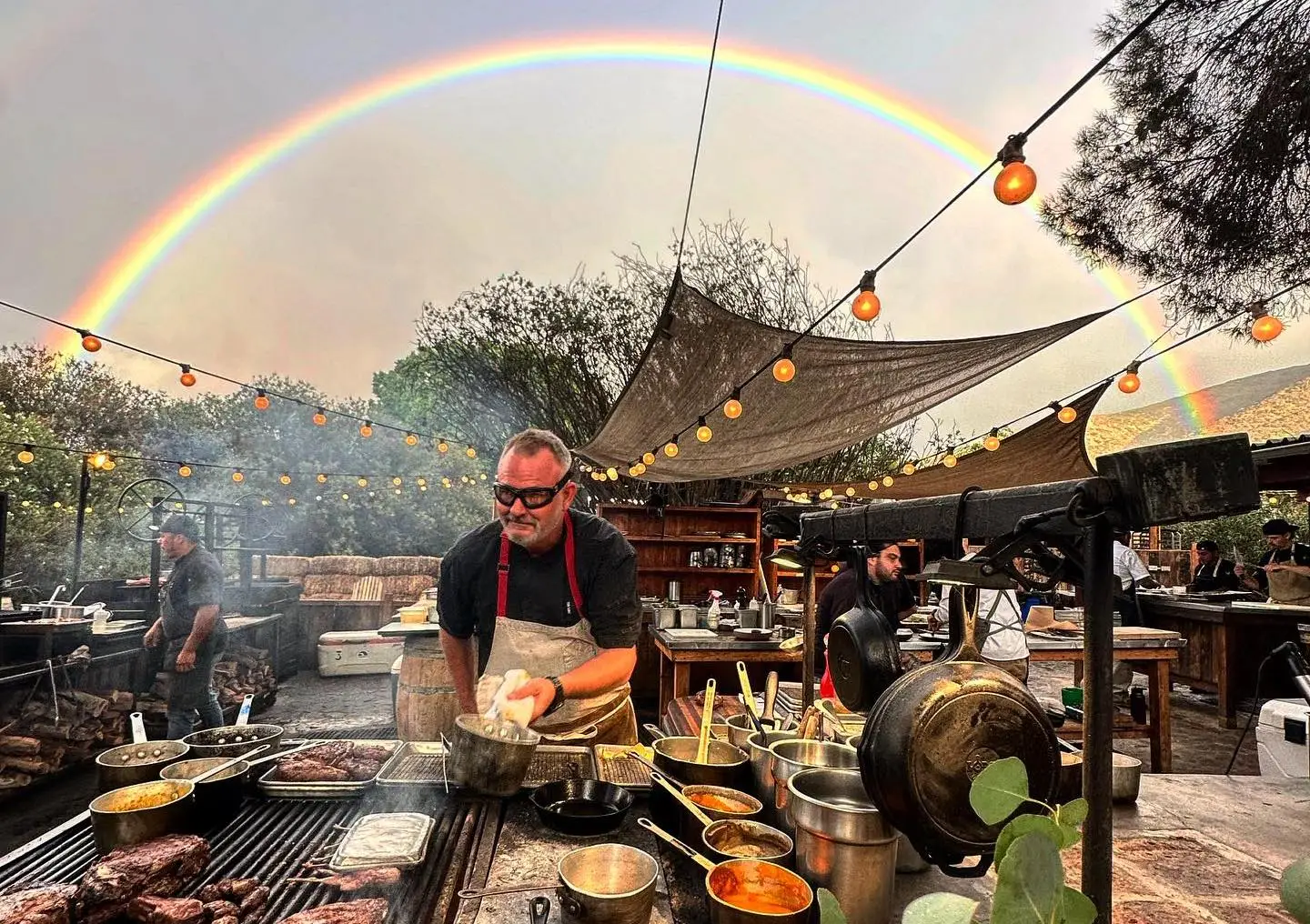
Backhoff has a few favorites, like Lunario, where chef Sheyla Alvarado’s seasonal tasting menu never fails to surprise. “It’s always a perfect balance of flavors,” he adds. He also praises Deckman’s En El Mogor, where chef Drew Deckman’s commitment to the region shines through wood-grilled, locally sourced seafood.
Photo Credit: Paulina Deckman You’ll often find renowned chef Drew Deckman cooking on the outdoor grill at his eponymous Valle restaurant.
When it comes to drinks, Backhoff has a clear favorite: “Without a doubt, a glass of Gran Ricardo from Monte Xanic. It represents years of passion, innovation, and dedication to Mexican winemaking,” he says. But he also enjoys exploring other local wines, recognizing the creativity of Valle’s winemakers.
His ideal day starts with a sunrise walk through Monte Xanic’s vineyards, followed by breakfast at Banyan Tree Veya. “In the afternoon, I’d visit some of my favorite wineries—places like Finca La Carrodilla always have something interesting to taste,” he suggests.
And as the sun sets? “A perfect ending to the day would be a firepit gathering under the stars, with good wine and great company,” he says.
For Backhoff, Valle is a place where innovation and tradition mix like varietals in a blend. “What I love most is the sense of community,” he says. “The way winemakers, chefs, and farmers work together to push Mexican wine and cuisine to new heights.”
Fer Parra
Winemaker, Pouya & Anatolia
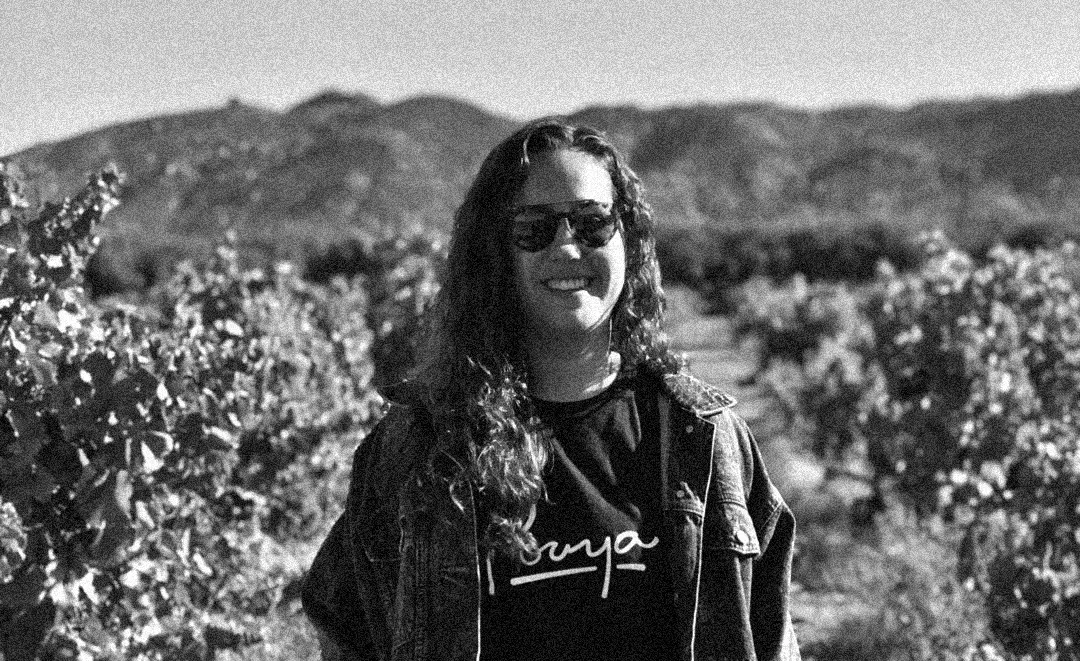
“I’m a Baja native,” winemaker Fer Parra says. After obtaining her MS in enology and viticulture in France, she returned home to Valle de Guadalupe, where she runs two businesses:
Parra founded Pouya—which is named after her great-grandfather—in 2020, producing 800 cases of unfiltered, low-sulfite wines a year using exclusively Valle grapes. And, with four friends, she grows cinsault, mourvèdre, and tempranillo grapes on eight hectares to make wine under the label Anatolia.
Her favorite way to pass time in town is to “take in the sights while drinking a chilled rosé,” she says. So it’s only natural that, like any Valle local, her perfect day includes lots of vino. But it begins at Casa De Pan Alvéolo with chilaquiles, followed by tastings at Tres Mujeres—led by a fellow woman winemaker—and Natalia Badan’s Mogor Badan.
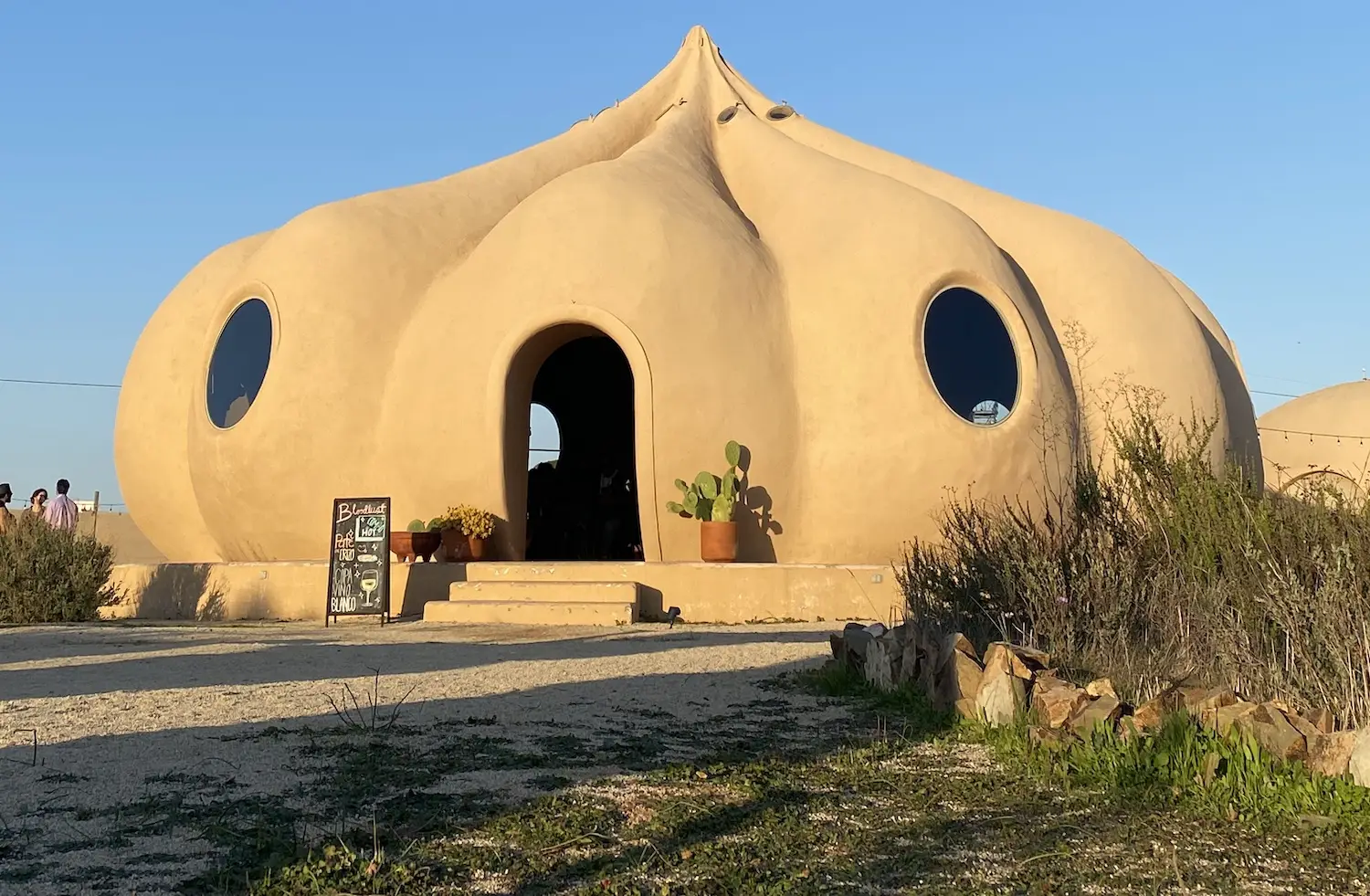
Photo Credit: Mateo Hoke Bloodlust is an architecturally fun place to try local wines.
“Then, a snack at Finca Altozano—pulpo del pacifíco with a cold beer—and a stop at Baja Divina wine shop to see what’s new,” Parra says. It’s off to more wineries after that, like Duoma, where husband-and-wife team Eliecer Arroyo and Carla Figueroa Torres make minimal-intervention sips with native yeasts. Later that night, she’d stop for a drink and dancing at Bloodlust, Valle’s famous bar shaped (depending on who you ask) like either a garlic bulb or a drop of wine.
And while Parra loves Valle’s high-end eats, she’s also keen on more low-key spots. “For a very relaxed meal, [I like] a quesataco at Birrieria Sandoval,” she says. “[And don’t miss the] off-the-beaten path wineries—there are a lot of hidden, small, family-owned wineries.”
Lauren Plascencia
Wine Director, Animalón / Owner, Baja Divina
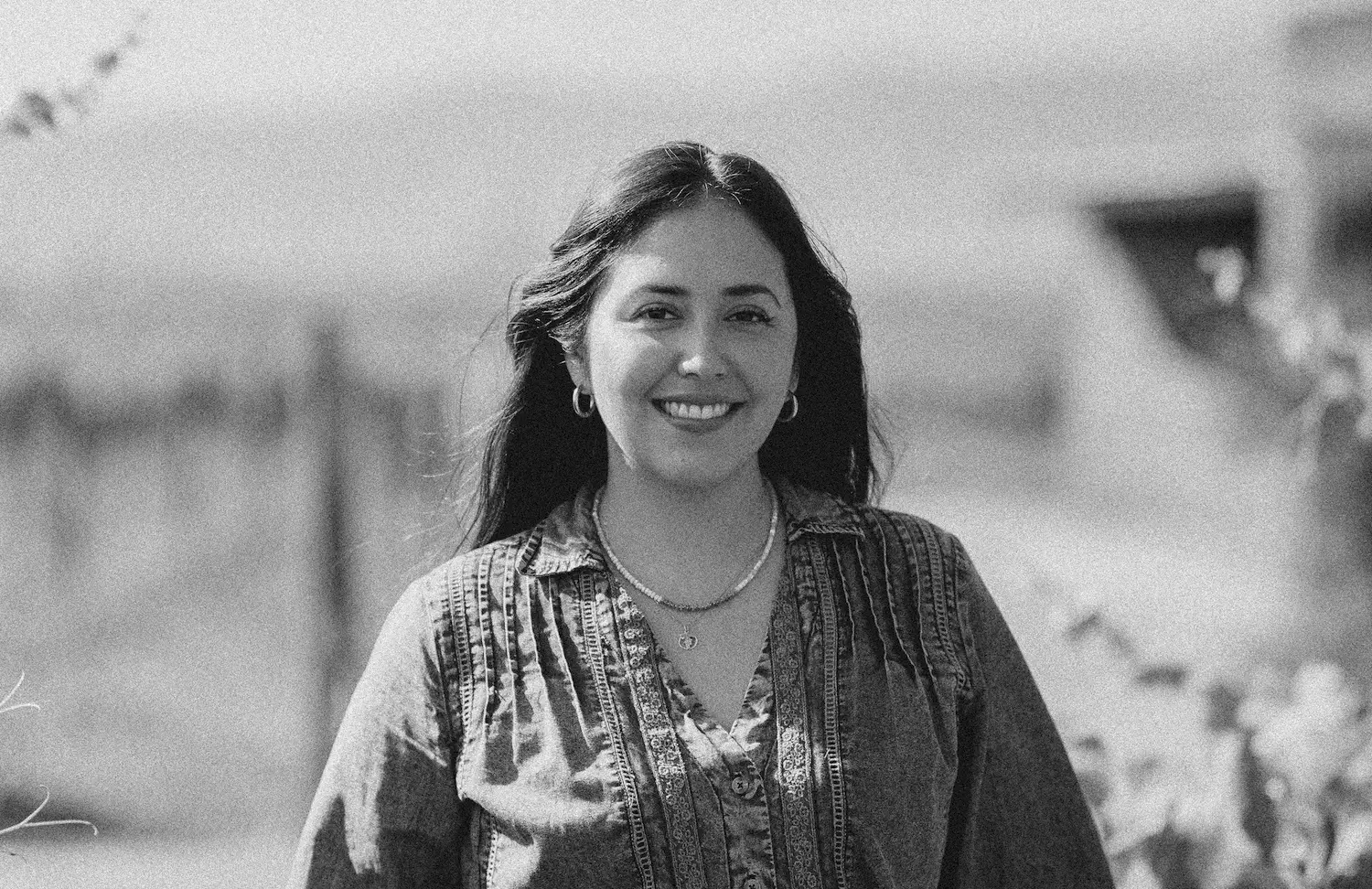
Lauren Plascencia’s name is probably familiar to you. For one, there’s the fact that her father, Tijuana-born and San Diego–trained Javier Plascencia, is a globally famous chef considered a major architect of Baja Med cuisine, which takes cues from
Photo Credit: Juan Pablo Espinosa Animalón’s inventive dishes earned the restaurant a Michelin star in 2024.
And though her favorite drink in town is actually a cocktail—“[for] a nightcap at Animalón, I love ordering a sbagliato or a Naked and Famous,” she says—her wine recommendations are, of course, legit. So it’s worth stopping by her self-professed “all-time favorite,” Vinisterra Vitivinícola, a micro-producer putting out 50,000 bottles of minimal-intervention wine annually. She also loves Vinos Paoloni from founder Paolo Paoloni, who grew up on a winery in Italy and brought those old-world techniques to Valle in 1997, planting varietals like sangiovese, Montepulciano, and nebbiolo.
Lauren often drinks and eats at beloved Valle destination Bruma Wine Resort, as well. “I love going for an impromptu lunch date to Bruma Wine Garden,” she says. “The salad with sheep’s cheese is my favorite.”
It’s not solely about the culinary scene for her, though. “Besides the wine and food, I love the open spaces and scenery. [Valle] definitely has its own essence,” Lauren says. “Just the drive down from Tijuana relaxes me—it’s like leaving all the chaos behind. It has always been my favorite place ever, and seeing my daughter Zoe run and enjoy Valle as much as me makes me so happy.”
Ana Juncal
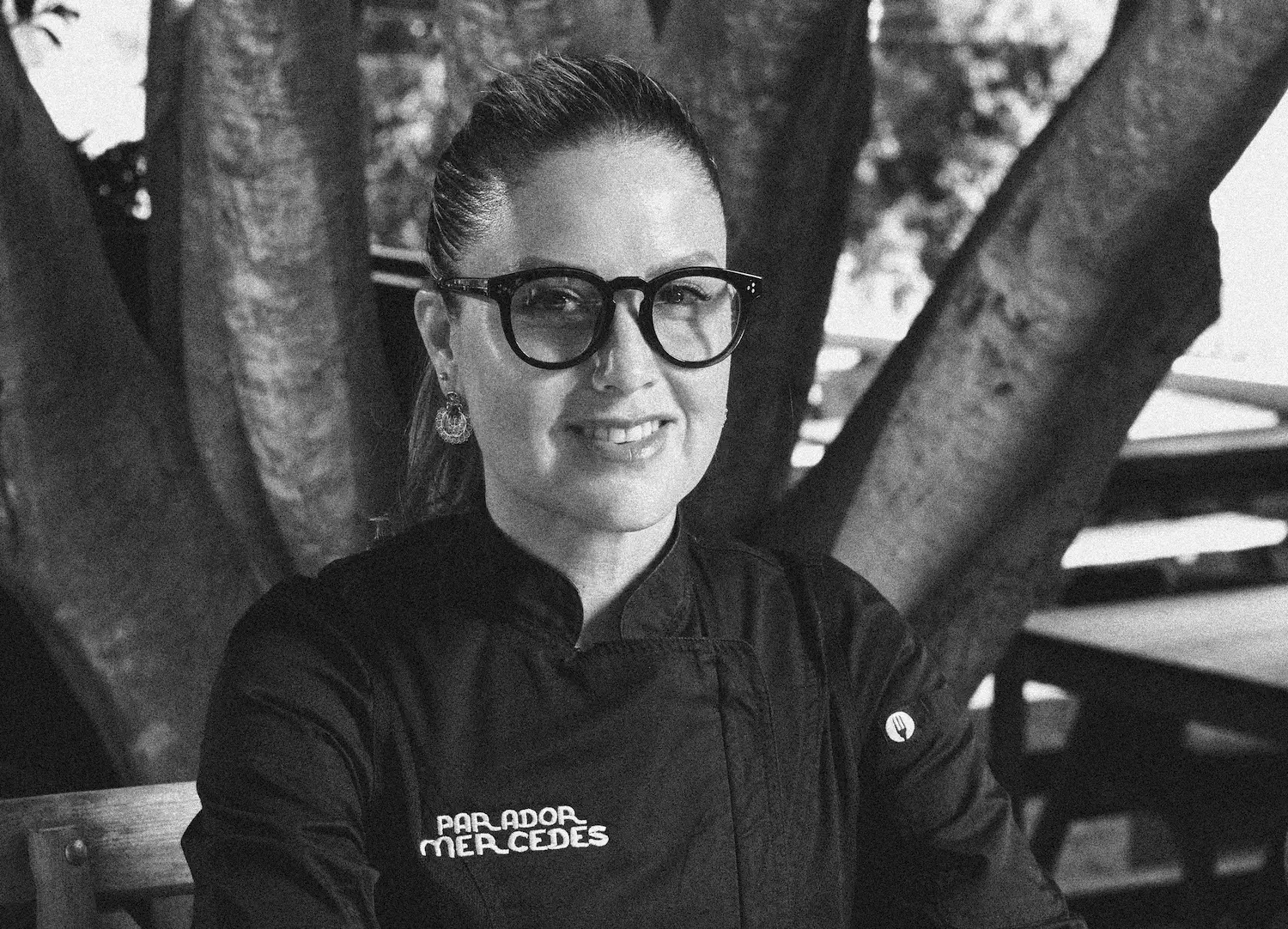
Chef & Operations Director, Parador Mercedes
“Valle has a special place in my professional life,” says Ana Juncal, the chef and operations director at Parador Mercedes, the laid-back, family-oriented breakfast and lunch spot she co-owns with her partner Diego Hernández. The duo opened an outpost in VdG in October 2023 (there’s a location in Tijuana, too).
“It’s where we connect with local ingredients; local producers; seasonal ingredients; amazing people; and a slower, more intentional way of doing things. It’s a huge part of what inspires the food and experience we create at Parador Mercedes.”
That experience includes burritos de centolla, or spider crab, and the restaurant’s “margatinta,” a margarita topped off with red wine. And that’s only one way Juncal likes to partake in wine in Valle—you’ll also find her at local outposts like Bodegas Icaro and Vinícola Bajalupano.
When it comes to stays, she’s a fan of the 10-villa Hábimo. Overlooking vineyards and olive groves, “this place is new, but very special,” Juncal says. “It’s a space to relax and fully enjoy the essence of Valle.”
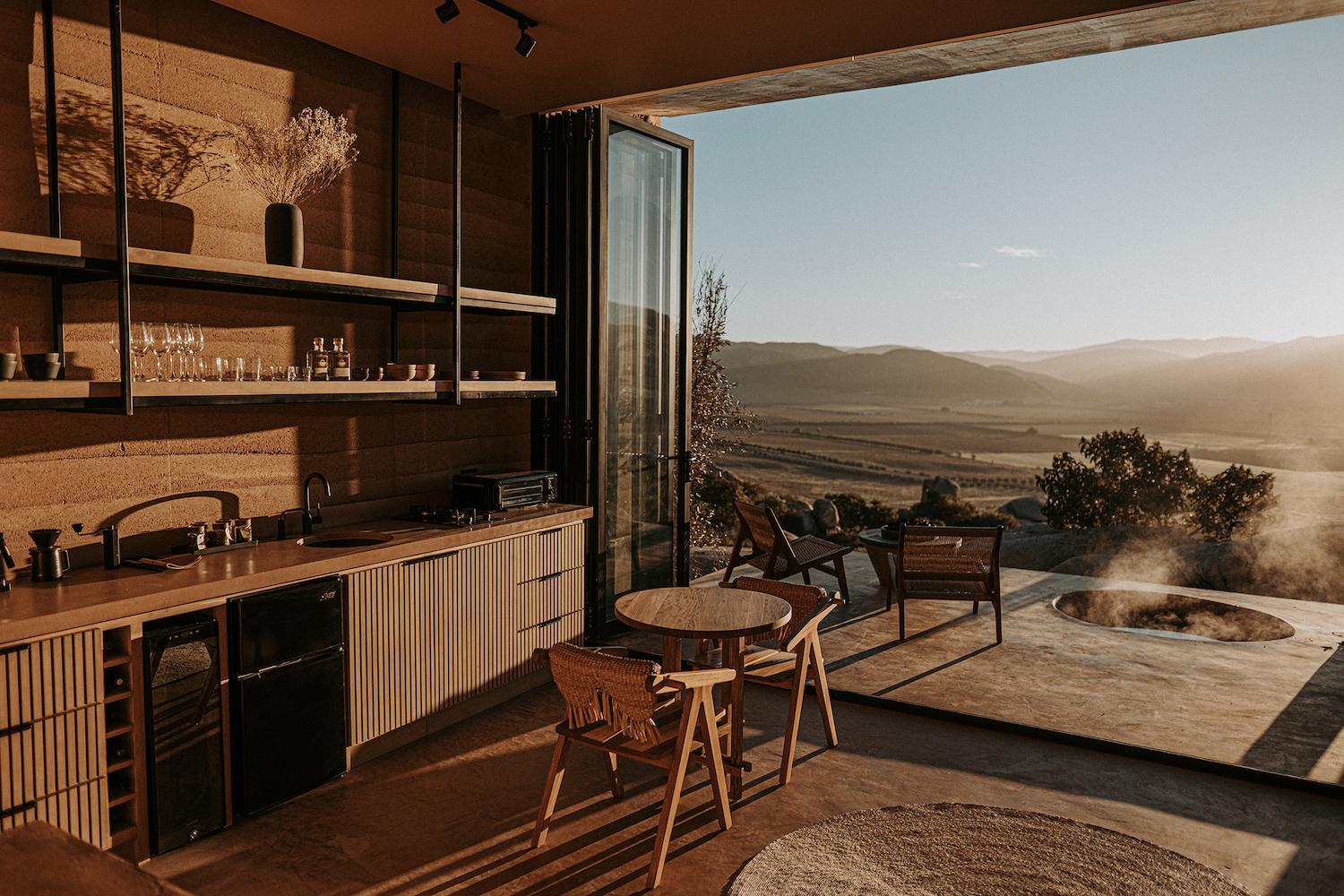
However, on Juncal’s perfect day in Valle, she’d wake up at Mira Earth Studios, a boutique hotel consisting of a handful of sexy, moody apartments built directly into a rocky hillside. She would take a short hike around the property with a morning margarita in hand, then hit the private infrared sauna in her hotel room. After breakfast, she’d spend some time taking in the spectacular views by the pool at Encuentro Guadalupe hotel, followed by “a good late lunch at a very nice restaurant,” like Diego Hernández’s own namesake eatery. Juncal would round things out with a private wine tasting. All told, it’s a great way to experience what she describes as “a unique blend of tradition and good people.”
Courtesy of Mira Earth Studios The accommodations at Mira Earth Studios come equipped with private hot tubs.
“I consider this region to have the best conditions to be a culinary professional, but I also, as an entrepreneur, have to consider how fragile the impact of tourism is in a rural area,” she adds. “I love seeing how the landscape in Valle changes throughout the year—it’s a constant reminder that being here is a gift. For us, it feels like the right place and the right time. Tourists and entrepreneurs come and go, but we’re here, building something long-term, shaping this place as a community… or maybe it’s Valle that’s shaping us.”
Amelia Rodriguez is a writer and journalist and winner of the San Diego Press Club's 2023 Rising Star Award and 2024 Best of Show Award, she’s also covered music, food, arts and culture, fashion, and design for Rolling Stone, Palm Springs Life, and other national and regional publications. After work, you can find her hunting down San Diego’s best pastries and maintaining her five-year Duolingo streak.
San Diego is full of people who deserve a few thousand words on what they make, who they bring together, and how their work changes the city around them. The artists, makers, advocates, and behind-the-scenes talent below are a small part of that larger ecosystem.
To help us narrow our list, we looked for names that kept coming up, work that reflects the diversity of our region, and people building something bigger than themselves.
Jackie is a long-time freelance journalist covering cannabis, food/restaurants, travel, labor, wine, spirits, arts & culture, design, and other topics. Her work has been selected twice for Best American Travel Writing, and she has won a variety of national and local awards for her writing and reporting.
Isabella Dallas is a freelance writer for San Diego Magazine and the Arts and Culture Editor at The Daily Aztec in her final year at San Diego State University. She previously worked as an editorial intern for SDM, but when she’s not writing, you can find her trying the best coffee spots in SD, devouring the latest rom-coms, and indulging in anything and everything pop culture.
Matt Eisenberg is an award-winning writer and photographer based in San Diego. A former ESPN editor, his work has also been published by CNN, Bleacher Report and the New York Daily News.
Aaryn Belfer is a writer and editor specializing in nonfiction across art, architecture, and culture. Once upon a time, she wrote a provocative column for San Diego CityBeat (RIP). She was a runner up in the 2025 Matchbook Stories contest at the San Diego Central Library and is irrationally happy about it. Currently in her Soft Girl Era, Aaryn has expensive taste in (mostly flat) shoes and will choose a great art exhibit or live jazz concert over almost anything else. Except, possibly, Javier Bardem.
Lili Kim is a content coordinator and writer for San Diego Magazine, with experience highlighting local businesses and communities. When not writing or shooting film, she is likely brewing her seventh cup of tea of the day or strolling along Sunset Cliffs.
Emma Veidt is an editor at San Diego Magazine. She earned her bachelor's and master's degrees from the Missouri School of Journalism. She loves running, hiking, and rock climbing, but really, she mostly loves encounters with the street cats around North Park.
Gail Czyszczon is owner/copywriter at Z3 Writing and best-selling author of a children’s book series. As a strategic communications professional and editorialist, she's passionate about discovering untold stories and themes that ignite fresh conversation and true change in communities.
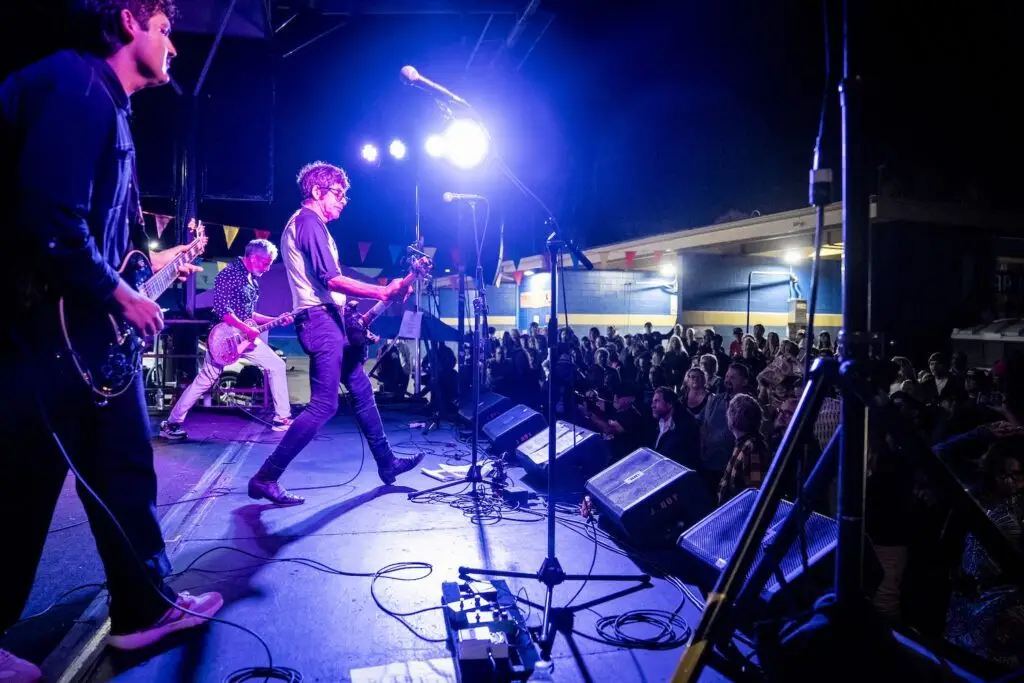
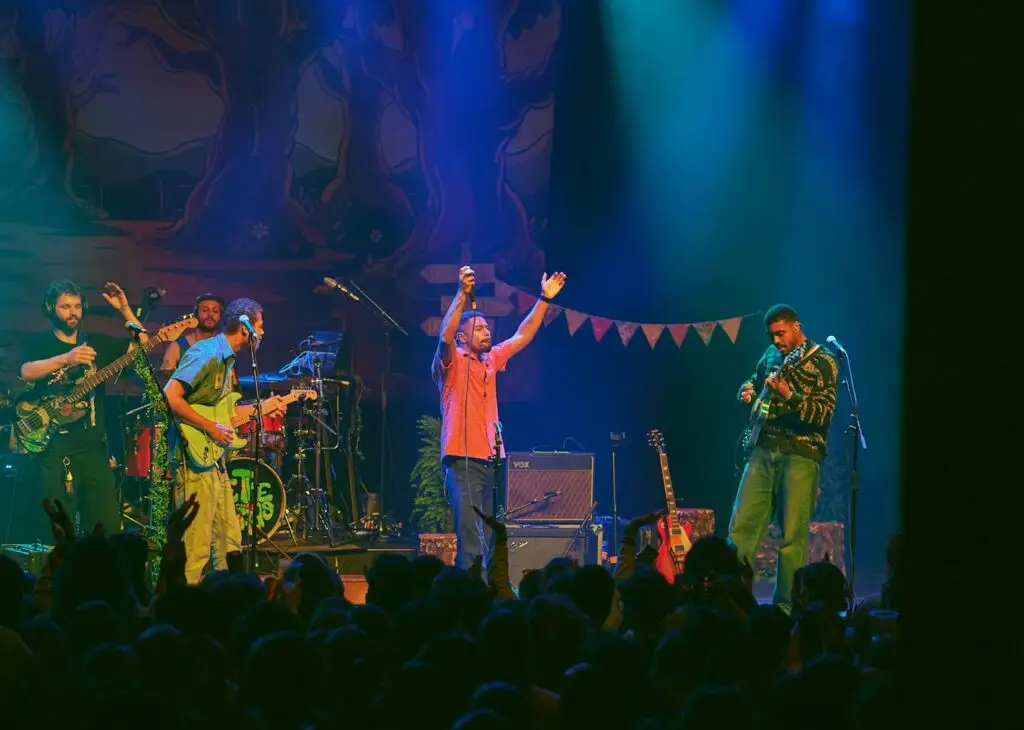
Imagine being the song continuously getting skipped on the playlist. Not because no one wants to hear you, but because you never quite fit the moment. For years, San Diego has been that song on the touring circuit. Artists who have outgrown intimate clubs but aren’t yet filling arenas and stadiums have often passed us by, heading north to venues better suited to the size of their show. San Diego wasn’t missing the audience, it was missing the room.
That’s all about to change.
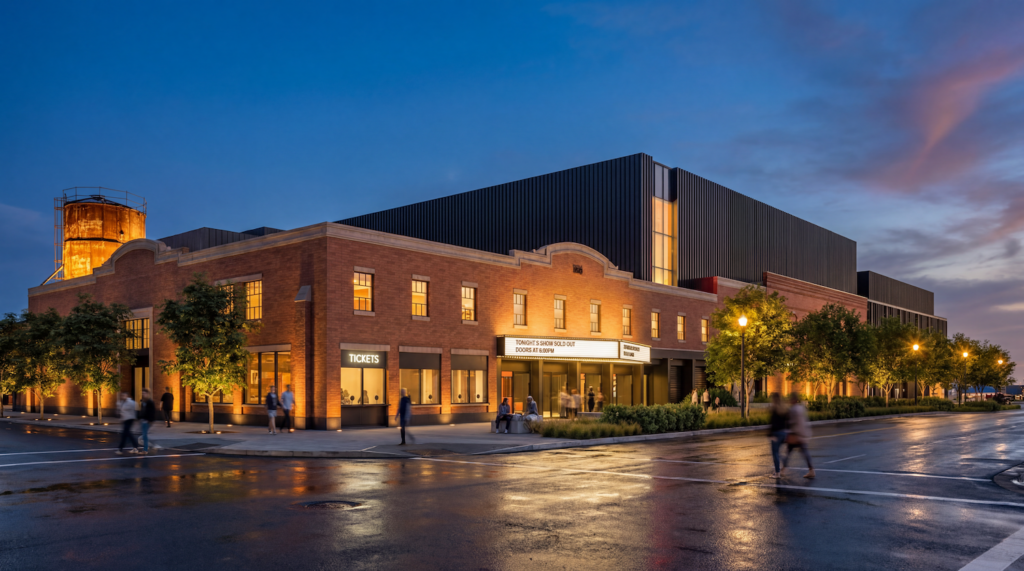
On August 17, Live Nation Entertainment announced plans to transform the historic Wonder Bread Building, which it purchased in June for $16.8 million, into a 4,000-capacity indoor venue slated to open in fall 2028. The new space will host music acts as well as private, corporate, and community events.
Currently, San Diego’s concert landscape jumps quickly from intimate clubs like the Casbah, Winston’s, and Belly Up to larger theaters, amphitheaters, arenas, and stadiums. What’s largely missing—particularly downtown—is a modern indoor room built specifically for roughly 4,000 concertgoers. This leaves a gap in mid-size venues for touring acts that land stages like the Hollywood Palladium or Boston’s MGM Music Hall at Fenway.
“We are filling a void in the market,” says John Schalk, Live Nation’s Vice President, San Diego Market. “There are other venues in town, but this […] building is just something that doesn’t currently exist.” Although SDSU’s Cal Coast Credit Union Amphitheater serves the 4,000-capacity range, its outdoor, fixed-seating arrangement isn’t as versatile as the proposed Live Nation project.
Located at 171 14th Street, just a six-minute walk from Petco Park, the building carries a century of history. Architect Eugene Hoffman designed it in 1924, a year after completing the Barcelona Apartment Hotel in Bankers Hill. The landmark brick building served as a bakery and warehouse for the Southern California Baking Company before Continental Baking Company, producers of Wonder Bread, took over in the 1950s and operated there through 1988 continued at the site until 2007.
In the early 2000s, Bob and Gay Sinclair, the couple behind a portfolio of East Village properties, purchased the building. After Bob—the founder of Pannikin Coffee & Tea—died in 2011, Gay sold much of their real estate portfolio but held onto the Wonder Bread Building. Mission Brewing eventually took over the space, where it operated for more than a decade before announcing its 2026 departure.
Now, the building is preparing for another reinvention. Live Nation plans to preserve the historic bakery’s four exterior walls, red brick façade, grain silo, barrel-vaulted trusses, and skylights as part of its next chapter.
Live Nation isn’t looking to erase its history but to celebrate it, allowing the building’s past to give the new venue some soul. “It’s really important for us that we maintain the integrity and the history of that building,” Schalk says. “There will be new construction and design elements as we go through the process to create the concert venue, but we’re working really hard to preserve it.”
Blueprint Studio, Live Nation’s in-house design and development group, and Gensler, the architecture firm behind San Diego International Airport Terminal 1 and Snapdragon Stadium, will be heading the project. The plan is to design the ground-floor space as an open, general-admission area with a premium level above with 600-plus fixed seats, in addition to box and suite sections. There will also be an additional structure built on top of the historical portion of the building (the four original walls that house the lobby) called the Vinyl Room—a Japanese-inspired hi-fi listening VIP lounge serving elevated food options.
One of the most reassuring aspects of the project is the focus on the concertgoer’s experience—specifically the “pet peeves” we all know too well: long bathroom lines, cramped exits, obstructed views. According to Schalk, one of the best things about building upon the existing structure is having the ability to consider potential obstacles and tackle them before construction begins. “I’d say we are ‘purpose building’ the entirety of the project for a music venue,” says Gensler lead project architect Garrett van Leeuwen. “As part of our design process, we do an in-depth sightline analysis to make sure that sightlines are optimized from every point and seat within the venue.”
Circulation design is also being implemented to ease traffic flow, alongside acoustic optimization and a transformative outdoor beautification effort. According to van Leeuwen, this “public realm space” will grow the existing 14-foot sidewalk to a 32-foot sidewalk complete with plazas and landscaping.
“This venue is for the fans. For the music lovers,” Schalk explains. The vision is intimate: “I want a fan to walk up to that building, see that red brick facade, grab their ticket from the box office, go into the lobby and see some of the history that will present itself… and feel like you entered a home.” Schalk also expressed a “keen interest in making sure that we work with the local artists, the local bands, the local musicians in town.” It’s a project that recognizes San Diego as a growing market that is hungry and ready to see a vibrant arts and culture community thrive.
According to an analysis by Oxford Economics analysis shared by Live Nation, the venue is projected to deliver a significant boost to the local economy, generating approximately $97 million in annual economic impact and supporting 660 jobs. This also includes welcoming 316,000 fans each year—with 126,000 traveling from outside the San Diego metro area—and driving $53 million in local spending at nearby restaurants, hotels, and retail establishments.
Considering its proximity to other major event spaces and overall busy urban areas, traffic and parking may be a concern, especially on nights of overlapping events. But in those cases, Schalk said they would work together on communication efforts; parking availability; and staggering start, end, and loading times; as well as providing easy access to designated rideshare areas. With transit stations nearby (the closest one being a 4-minute walk at 12th & Imperial), public transportation is another great option for enjoying your night out.
There are still two years of design, construction, and plenty of logistics between now and opening night. But the bigger promise of the Wonder Bread Building is simple: San Diego finally gets a venue built for the artists who have historically passed it by. After years of getting skipped on the touring playlist, the city may finally be getting its turn on repeat.
Camila Ibarra Gallego is a CaliBaja native pursuing a master's degree in culinary journalism at the Basque Culinary Center. Shaped by the culturally rich, bicultural megaregion, she's passionate about sniffing out stories that connect people, territory and culture through food. When she's not tumbling down internet rabbit holes, you can find her pretending to be a wine connoisseur at a local wine bar or nose-deep in a good book.
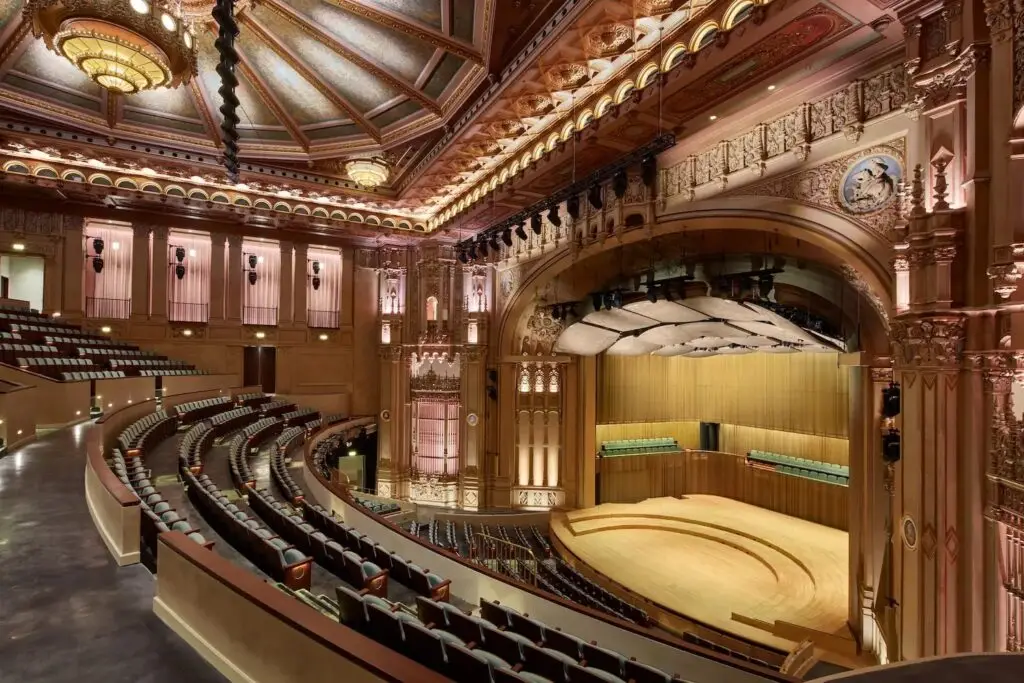
Arts District Liberty Station officially became one of the state’s designated cultural districts, joining a list reserved for places with thriving creative communities. Considering the campus is home to more than 100 galleries, artist studios, museums, and arts organizations—not to mention The Joan, the 42,000-square-foot performance center housing Cygnet Theatre—it was only a matter of time until the district got its flowers.
Best Deterrent of Public Vandalism
Vision Culture Foundation
If you can’t beat ’em, join ’em. The National City Public Works building has been a target of graffiti artists for years, only to be constantly painted over (and the cycle restarts). Now, it’s working with the local artists from Vision Culture Foundation to create intentional public murals. A win-win in our book.
One of the biggest questions this year is who will show up for San Diego arts and culture—so a Best Of nod goes to a nonprofit that’s been doing it for years. Founded by longtime arts advocate Susanna Peredo Swap, Vanguard Culture has staged events for creatives, told their stories, and just created an SD ARTS Pass—a single ticket that gets you access to 39 creative spots.
Photo credit: Carly Topazio
Best Way to Overcome Your Fear of Ghosts
The Rosin Box Project
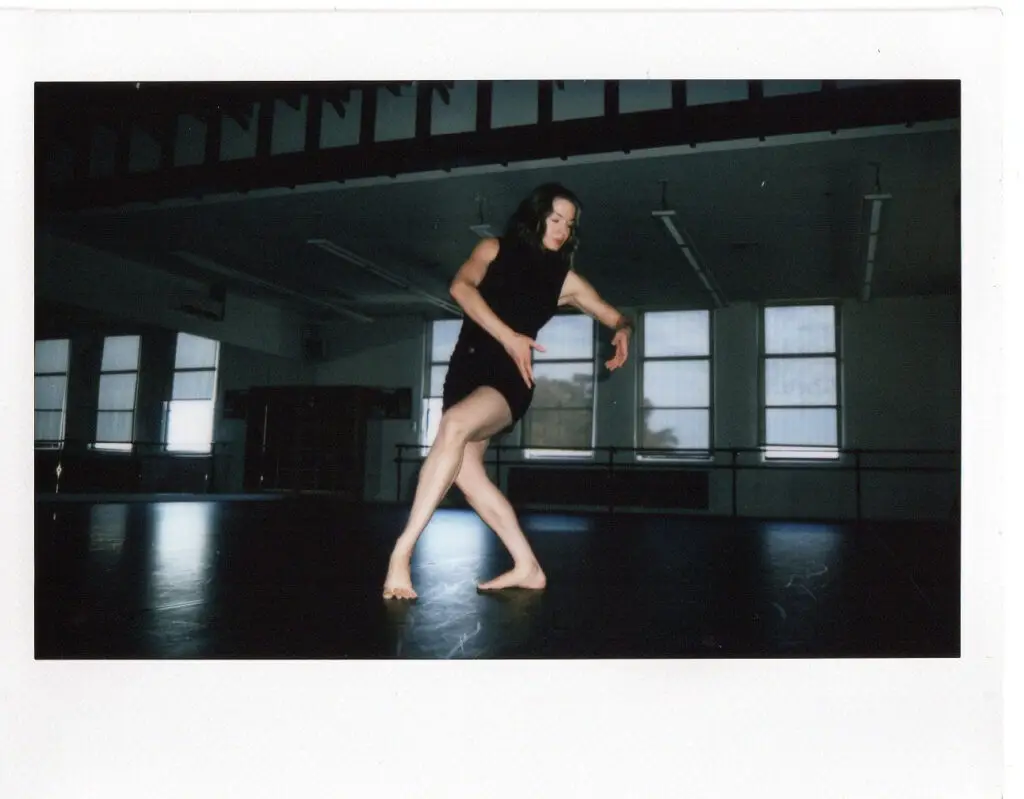
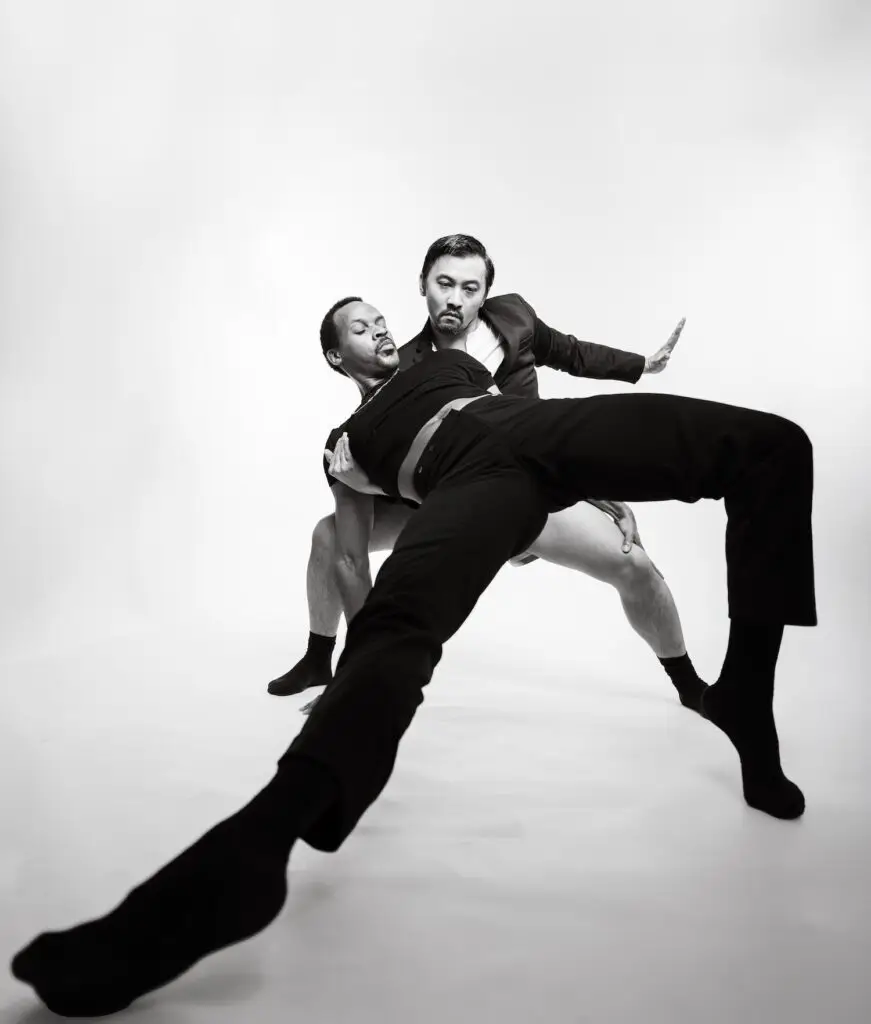
Ballet’s already got a sort of otherworldly thing going for it, with people morphing into 90-degree angles and defying gravity with each pirouette. The Rosin Box Project feels like a raw, creative new force in the classic art form, though—especially with its annual Ghost Light Masquerade. It’s a dance of eerie spirits that makes you second-guess what’s real and what’s not.
Best Music Venue That Also Sells Hot Dogs
Gallagher Square
Once upon a time, Gallagher Square was just a grassy knoll behind the outfield wall at Petco Park. Now, it’s a concert venue, playground, play ball field, dog park, and unofficial home for those who prefer the vibe of baseball more than the actual game. Big-time performers are showing up: Ms. Lauryn Hill, Cypress Hill, and Peach Pit.
Best Local Canvas
Casa Casillas
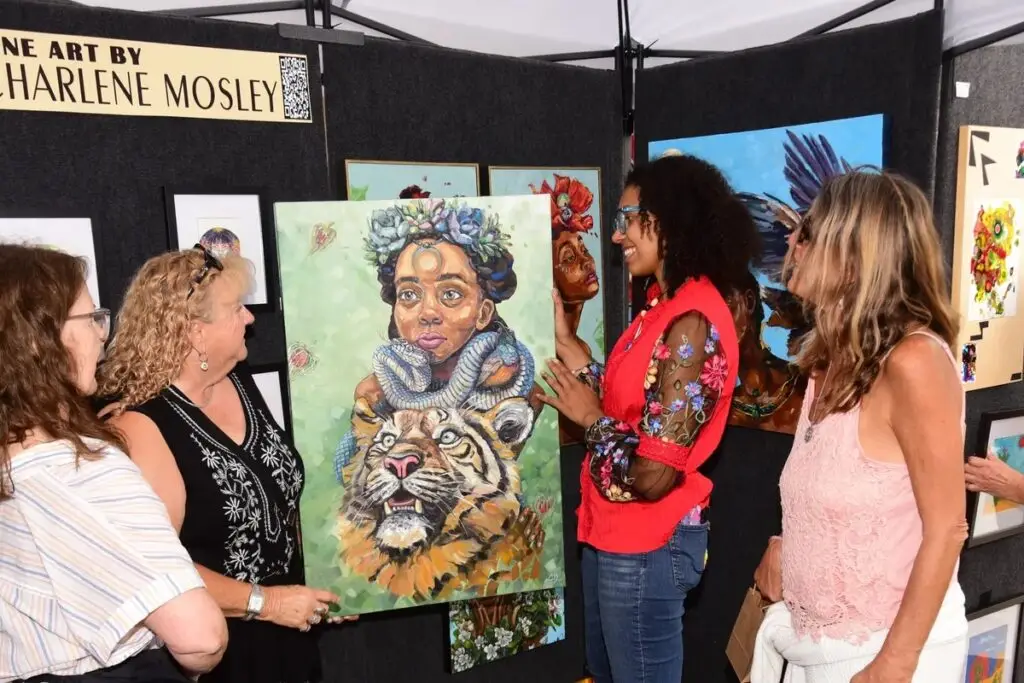
Casa Casillas has filled a long-standing gap in Chula Vista’s art scene. Open since last August, the space gives local artists a dedicated venue to display their work and visitors a chance to explore the neighborhood’s vibrant art. Two rotating resident artists always keep the space moving, so it rarely looks the same twice.
Courtesy of Alley Cat Art Fest
Best Place to Say “I Think It’s About Capitalism”
Alley Cat Art Fest
El Cajon translates to “the box” in Spanish—a nod to the city’s surrounding hills—but Alley Cat Art Fest (previously called Artivál) doesn’t stay inside it. As the first arts festival in East County, it celebrates local galleries, sculpture, live music, and food trucks—the whole nine.
Best On-Two-Feet Art Tour
Barrio Art Crawl
Every second Saturday, Barrio Logan turns into a choose-your-own-adventure with the Barrio Art Crawl, a free self-guided art tour through galleries, museums, and murals, with street food and music filling in the gaps. Barrio is one of the city’s most thriving arts neighborhoods, and it’s worth getting a bit lost in.
Leave it to The Old Globe to give the local theater scene some Hollywood glamour. Katie Holmes led the premiere of Henrik Ibsen’s Hedda Gabler this past spring, turning the classic Norwegian play into one of the most buzzed-about theater productions of the year.
Today’s seniors are more connected than ever, with a renewed focus on retirement as a time of discovery and enriching experiences. The ultimate reward for a retirement well-earned is the wisdom to appreciate it all, and what better place to enjoy that unique perspective than Vi at La Jolla Village, in the heart of San Diego.
All-access pass to good living.
As a Continuing Care Retirement Community (CCRC), Vi provides access to a connected and fulfilling community while making it easy to plan for future care, should the need ever arise. With a care plan in place, residents enjoy greater financial predictability and long-term value, freeing them to focus on making the most out of retirement.
Resort-style amenities at the epicenter of a cultural hub like San Diego offer a retirement experience unlike any other. Paired with exceptional dining, spacious accommodations and dedicated staff, the best of maintenance-free living is all around. And with the introduction of Vista 360 Well-Being, Vi’s panoramic approach to wellness, there are more ways than ever for residents to access it all.
The harmony of mind, body and community.
Courtesy of Vi at La Jolla Village
The key to longevity is striking the right balance in maintaining an active lifestyle with an active mind in a fulfilling community. With newly renovated community spaces and restaurants, Vista brings a variety of opportunities for residents to elevate their well-being through Vi-exclusive “Signature Experiences.”
Vista Enrich takes an evidence-based approach to brain vitality, keeping residents at the forefront of cognitive health through exergaming (exercising + gaming), nutritional plans and informative workshops. It is also home to The Brain Vitality Studio, an innovative facility dedicated to cognitive fitness that has garnered national recognition.
Vista Discover invites residents into stimulating educational experiences, from chef-led cooking demos and guided wine tastings to lectures at local universities and intimate lectures following cultural outings.
While Vista Enrich focuses on brain health and Vista Discover engages residents intellectually, Vista Explore cultivates a sense of adventure through curated travel and local excursions. But broadening one’s horizons doesn’t always require a plane ticket. One recent event brought a taste of the world right to the community: an onsite “jazz cruise” featuring live music and global cuisine served at a series of themed “ports” all within the community’s own ballroom.
“Location, location, location”
Courtesy of Vi at La Jolla Village
One of the biggest perks of life at Vi at La Jolla Village is its proximity to just about everything. With easy access to transportation and local attractions just steps away, residents can explore and engage with their community at their own pace.
“There are trolley and bus stops within a 5-minute walk that will get you to the beach, UCSD Campus, medical appointments, downtown La Jolla or San Diego, et cetera. We rarely use our car,” said resident Tom Yager.
With the best of San Diego just steps away, residents don’t just live in the city, they live within reach of everything that makes it special.
The best of all worlds.
Courtesy of Vi at La Jolla Village
At Vi at La Jolla Village, retirement isn’t a chapter to slow down; it’s an invitation to discover more. Tailored community experiences created by Vista, paired with the vibrant pulse of San Diego just outside the door, mean that residents don’t have to choose between security and adventure, connection and independence. They get all of it.
This is what an all-access pass to good living looks like: the comforts of an elevated lifestyle, a community built for growth and a city made for discovery – all in one place.
To learn more about Vi at La Jolla Village or for details on available floor plans, visit ViatLaJollaVillage.com/SDM.
How Scrojo Became One of Rock’s Most Prolific Poster Artists
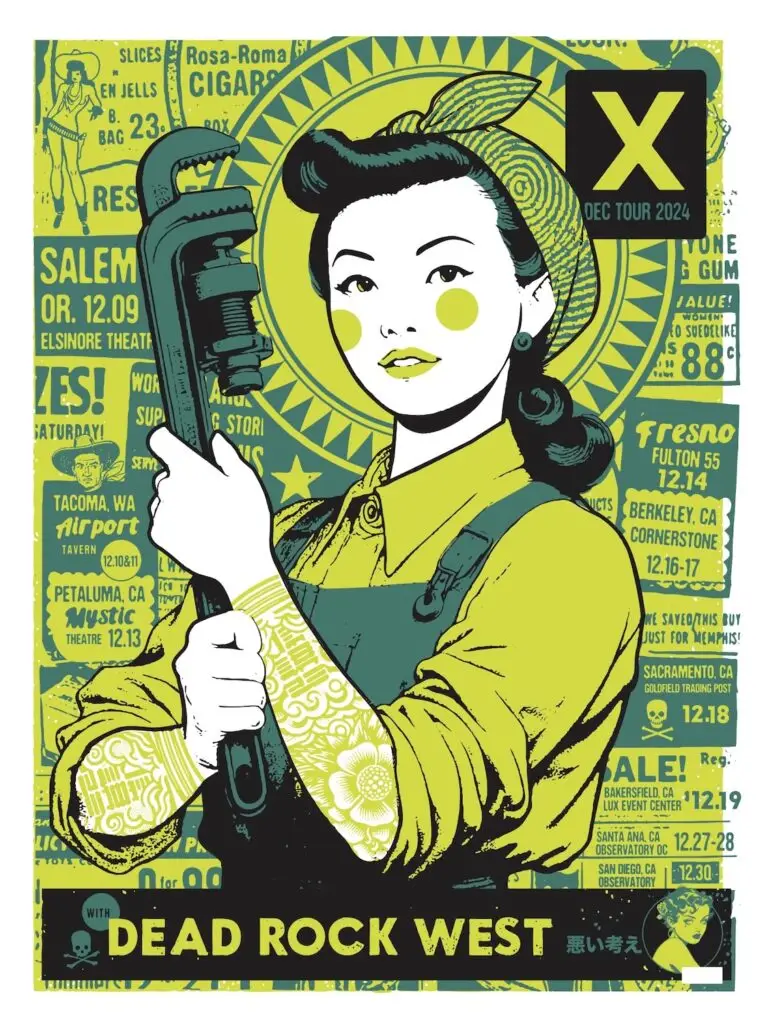
The San Diego designer has created more than 3,000 concert posters over nearly 40 years for artists including the Rolling Stones and the Red Hot Chili Peppers
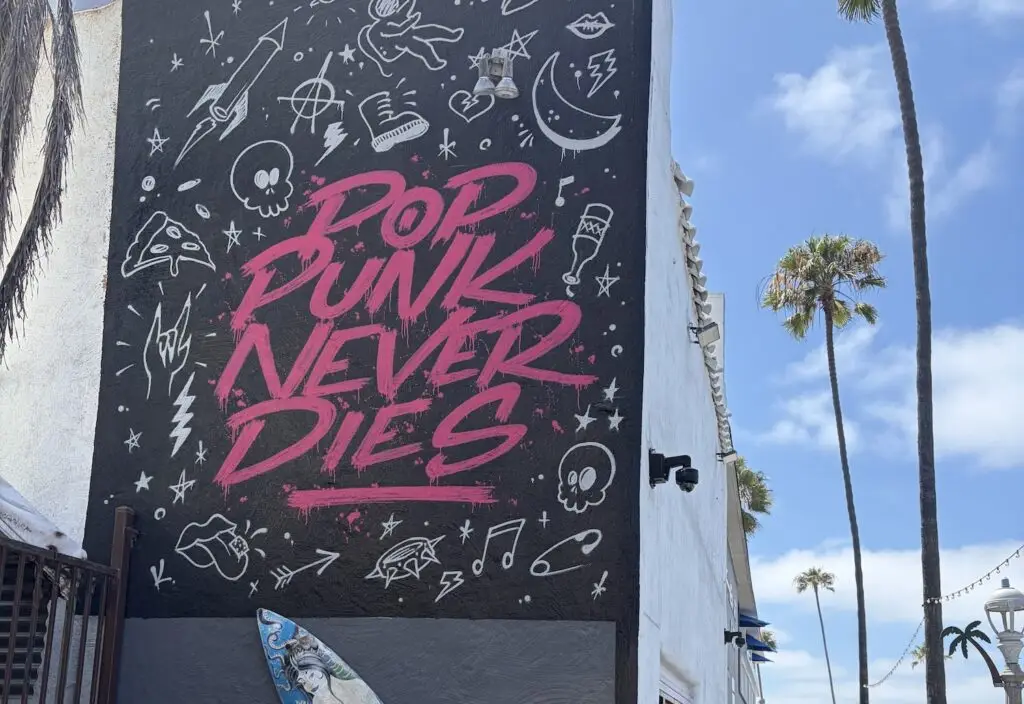
When he was in high school, he and his friends were trying to come up with the perfect name for their punk band that would encapsulate all their personas. Nicaragua. The Freds.
One of his friends said he was going to go by Jimmy Stacks and called it “the perfect rock and roll name.” Their names changed so much that Haskett erupted: “Fine, I’m f—ing Scrotum Joe, the true defender of the Open West.”
Their response: Wow, that’s a great name.
As a teenager, he drew chalkboards for Del Mar’s Pannikin coffee shop and would design T-shirts for surf/skate brand Life’s a Beach. He signed the shirts with his moniker, but even in punk rebellion, who wants a shirt with the words Scrotum Joe on it? “They just cut out the ‘t-u-m,’ and the next thing you know, a client referred to me as that, and it stuck,” he says.
Courtesy of Scrojo
Scrojo could have been part of a band as iconic as The Misfits—had he been able to learn the famously cumbersome bassline to The Kingsmen’s “Louie Louie.” Becoming one of the most renowned concert poster designers—someone who quite literally designed the cover of Art of Modern Rock: The Poster Explosion—is a pretty good Plan B.
“To my knowledge, he’s done more rock posters than anybody else alive,” says Dennis King, whose D. King Gallery in Berkeley, California, serves as one of the largest private rock poster collections in the world. “He’s the hardest-working guy in the poster business.”
King not only co-authored the sequel to music historian Paul Grushkin’s The Art of Rock, but he also handles distribution and sales for all of Scrojo’s work. That’s more than 3,000 different posters over nearly 40 years. (That’s over one poster each week. For four decades straight.)
For anything from boxing matches to rodeos, posters have long been used as promotional items. Toulouse-Lautrec’s famous lithographs advertised Moulin Rouge in the late 1800s. Around the same time, Hatch Show Print in Nashville was making handbills for the Grand Ole Opry.
“I propose this: Cave paintings are the first poster art,” Scrojo says.
Courtesy of Scrojo
Rock and roll posters took off in the 1960s, when the hippie counterculture era replaced conformity and suburbia. Artists like Jimi Hendrix and the Grateful Dead used their vibrant, psychedelic prints as a form of rebellion from the mainstream. Posters were promotional, commemorative, collectible, and especially expressive.
If the name Scrojo is any indication, he doesn’t shy away from imagery that toes the line of being too provocative. He focused more on what inspired him instead of trying to be offensive for the sake of getting attention.
“Didn’t want to show it to my grandmother, but my parents were fine with it,” Scrojo says with a laugh.
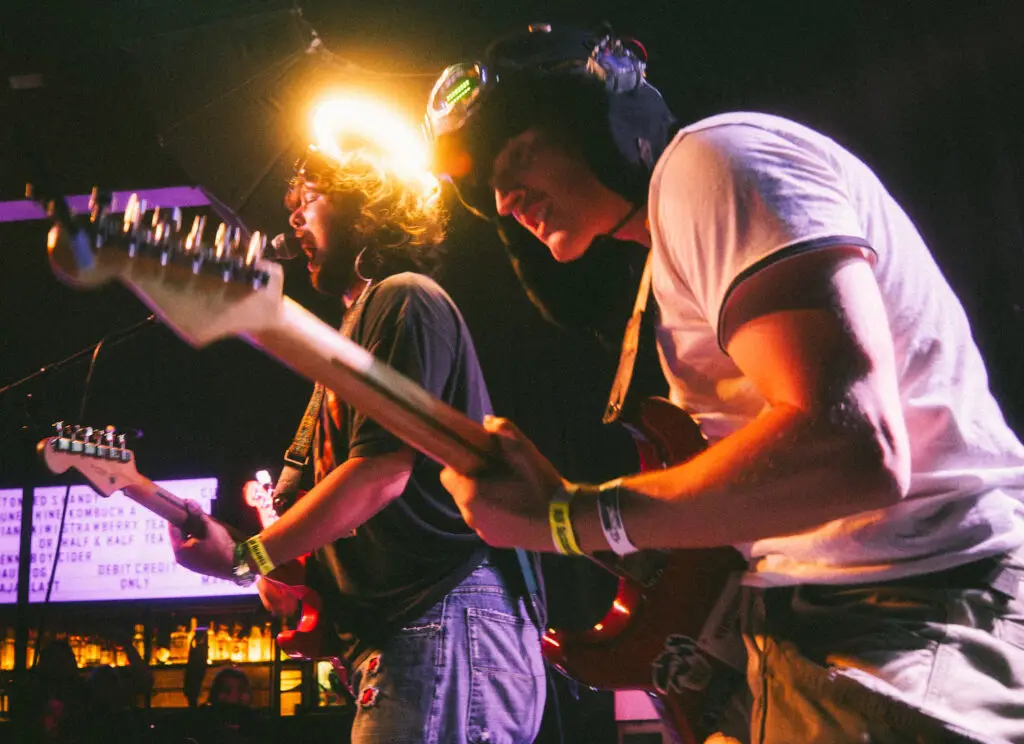
“We’ve had to ask him to put a Band-Aid over a nipple every now and then,” says Chris Goldsmith, president of Belly Up Tavern in Solana Beach, where Scrojo started out and hundreds of his posters currently line the walls.
Scrojo spent six weeks at Otis College of Art and Design for a summer semester before drugs, alcohol, and a self-described lack of discipline prevented him from enrolling full time. Still, he taught himself concepts like text hierarchy and later found his niche at the Belly Up and in the surfing and skating world, working with brands like Quiksilver, Rip Curl, Scorpion Bay, and DGK.
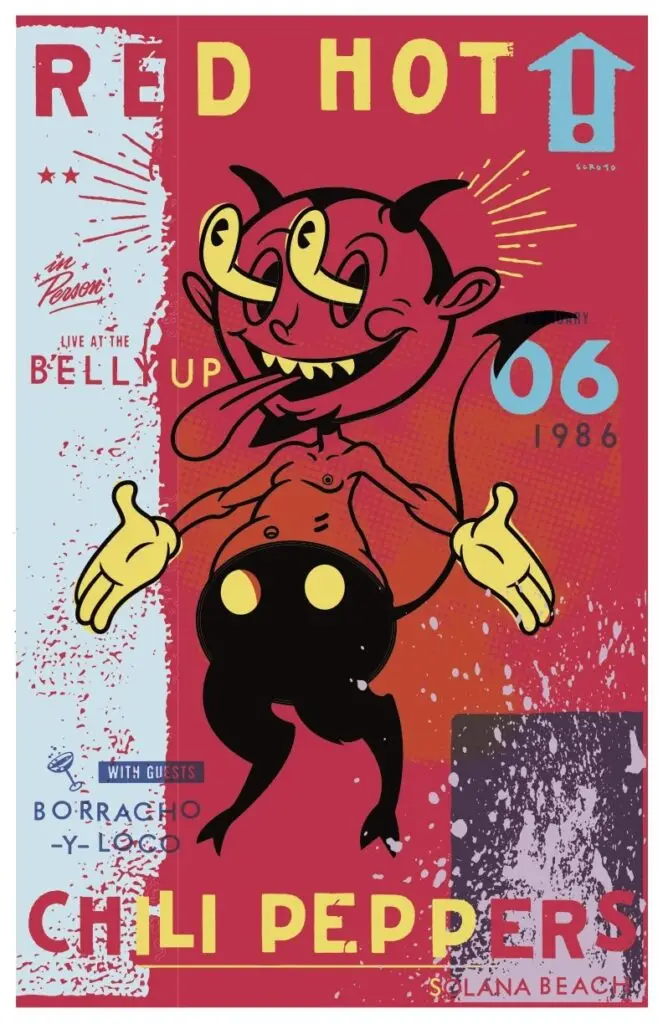
His first concert poster was for North County band Borracho y Loco, of which Goldsmith was bass guitarist. Scrojo drew an abstract version of the Belly Up’s iconic shark with colorful calypso and tiki themes.
Early on, he would craft using a pencil, pen, non-reproduction blue pencil, X-Acto knife, rubber knife, and proportion scale to create each poster, and the finished product could take a week or even longer.
Courtesy of Scrojo
“I recommend every artist coming up to do that for like six weeks,” Scrojo says. “It forces you to think about every design decision as you’re going along.”
He has since mastered vector imagery through Adobe Illustrator to the point where, depending on the level of detail needed, he could finish two projects in a day. Still, he fills sketchbook after sketchbook to blueprint.
“I liked his line in particular, and he knows how to draw, which a lot of people don’t really know how to do these days,” King says.
Scrojo would research what each musician’s merchandise looks like to get a feel for each artist’s tone and voice. Once he has his central image in mind, he focuses on what and where to place the text.
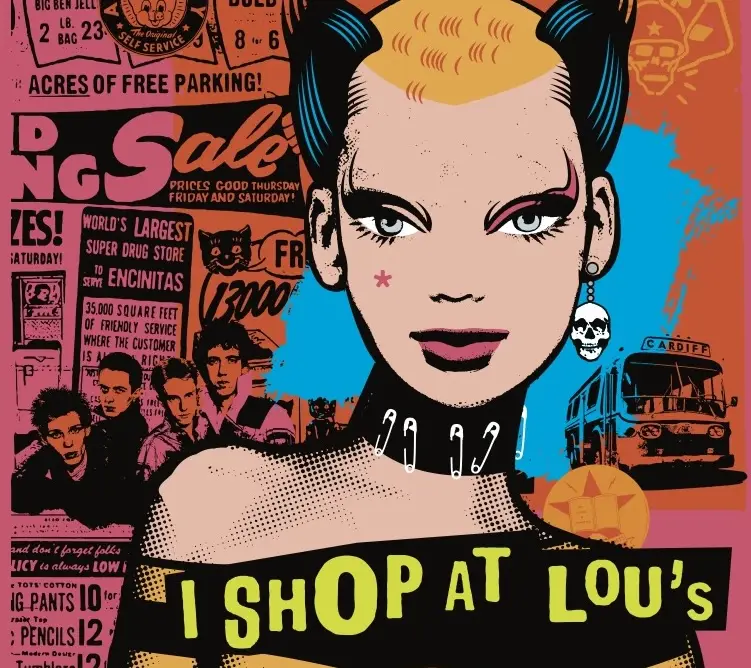
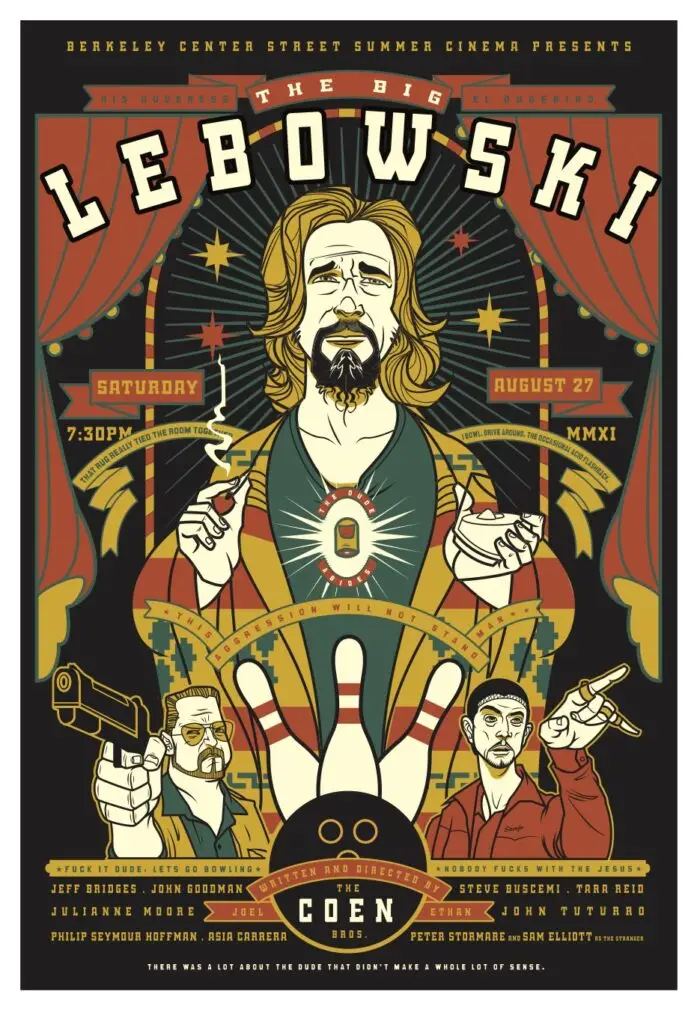
He doesn’t have one specific style, ranging his talents from art deco to psychedelic and everything in between (and outside the lines). Want a pop surrealist comic book cartoon devil with splattered paint textures, halftone dot patterns, and pure chaos? Red Hot Chili Peppers, February 1986. Want a minimalist graphic portrait with bold strokes and graffiti text? P!nk, October 2023. Want a carnival sideshow style piece with a tasteful caricature of Jeff Bridges? The Big Lebowski, August 2011.
Scrojo calls himself a jack of all trades because he can create posters for all music genres. King calls him a chameleon for his ability to adapt his voice to new eras.
Courtesy of Scrojo
“The variety of his skillset makes it possible for us to put 50 of his posters on a wall next to each other and have it look compelling, not just a bunch of the same thing over and over,” Goldsmith says.
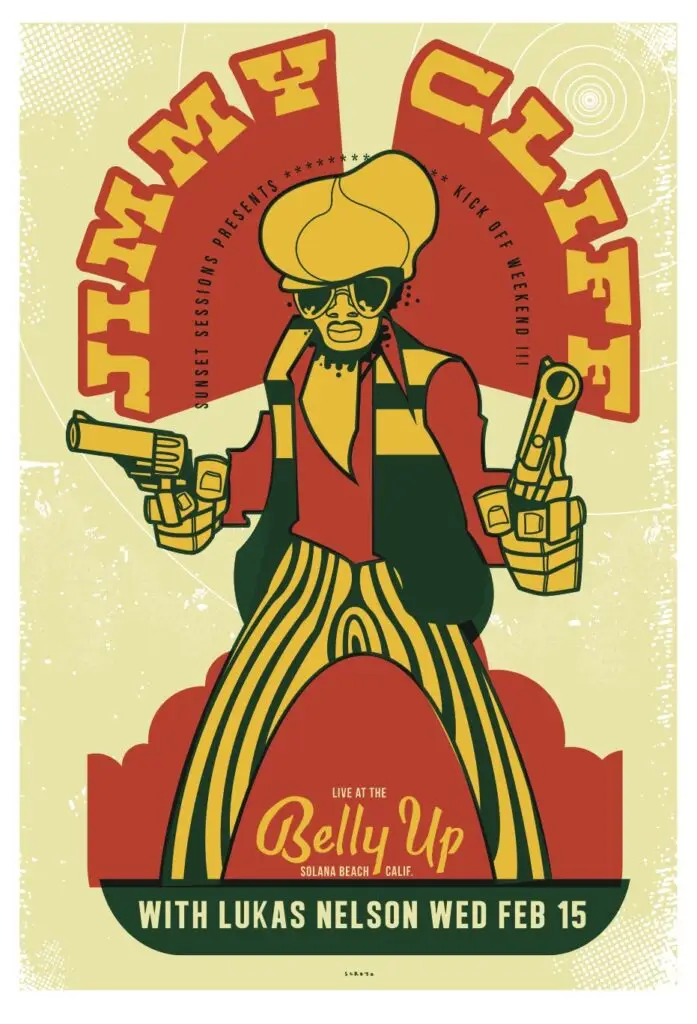
Some of Scrojo’s favorite posters are when he feels a personal connection to the artist or the album. He has a vivid memory as a child of being trapped in a closet filled with marijuana leaves while playing hide and seek and staring at Jimmy Cliff’s “The Harder They Come” LP. “For whatever reason, as a kid, that sparked a desire to do graphic design,” Scrojo says.
Fast forward to February 2012, Cliff is performing at Belly Up. Scrojo decided to modify Cliff’s original album cover from rainbow gradient fills to classic reggae psychedelia while preserving Cliff’s striped pants and bold hat. Cliff’s manager called him and said they wanted to use it for the rest of their tour.
“We always get artists requesting that he does their posters,” Goldsmith says. “A lot of artists don’t want venues to go all rogue because they want to control how they’re being presented. With him, they’re like, ‘Let him go nuts.’”
Matt Eisenberg is an award-winning writer and photographer based in San Diego. A former ESPN editor, his work has also been published by CNN, Bleacher Report and the New York Daily News.
The inland North County community of Rancho Santa Fe is often associated with wealth. It’s one of San Diego’s most expensive residential markets and is consistently ranked one of the highest-income zip codes in California and the U.S. Rancho Santa Fe is known for its large equestrian community including riding facilities and horse trails, as well as its country club lifestyle and associated golf courses.
At the center of this luxury master-planned community is a small, walkable downtown area referred to as the “village,” with The Inn at Rancho Santa Fe acting as both a landmark and social hub. Much of the community, including the historic Inn, was designed by acclaimed architect Lilian Rice, one of California’s earliest female architects. The Spanish Colonial-style architecture she brought to the village is still one of its defining characteristics today.
Whether you’re coming to Rancho Santa Fe for golf, horseback riding, or pampering at a resort spa, be sure to start with a short walk around the village to take in the neighborhood’s charm. Plan your next visit here with our neighborhood guide to the area’s best restaurants, things to do, and shopping.
Rancho Santa Fe Restaurants, Bars, and Coffee Shops
The Pony Room
Families congregate at The Pony Room for elevated California ranch-style cuisine. Lamb lollipops, carne asada tacos, burgers, and weekly dinner specials are offered here, alongside an extensive collection of wine and spirits (especially tequila) and sizeable kids menus. As the signature restaurant of Rancho Valencia Resort & Spa, this all-day eatery is a lively centerpiece of the local social scene.
5921 Valencia Circle
Mille Fleurs
The piano bar at Mille Fleurs is the buzziest spot to be on Friday and Saturday nights in Rancho Santa Fe. French classics like escargot, lobster bisque, duck confit, and steak frites are the main dinner attractions at this local institution that has been around for more than 40 years. Spring for the four-course prix fixe menu before nabbing a coveted bar seat near the piano entertainer.
6009 Paseo Delicias
Nick & G’s Restaurant
Nick & G’s is one of the most prominent restaurants in the village, with an outdoor patio that overlooks the main thoroughfare. Enjoy modern Italian food, steaks, and seafood dishes here, including homemade pasta, pizza, wagyu beef, and oysters. Be sure to check their live music schedule and events calendar for the latest happenings.
6106 Paseo Delicias
Lilian’s
Named after renowned architect and planner Lilian Rice, Lilian’s is The Inn at Rancho Santa Fe’s flagship restaurant. Their upscale menus feature sustainable seafood, grass-fed meats, local produce, and even sushi rolls during dinner. Outdoor seating provides a bird’s-eye view of the village and an elegant backdrop for weekend brunch. Stop by Bing’s Bar (a nod to Bing Crosby) for craft cocktails, beer, wine, and light bites in a refined setting.
5951 Linea Del Cielo
Thyme in the Ranch
Quaint cafe and bakery Thyme in the Ranch serves a small selection of breakfast and lunch items (don’t miss the tarragon chicken salad), but is perhaps best known for its pastries and baked goods. Cakes, pies, muffins, scones, and cookies fly off the shelves here, where locals come for special occasions, parties, and group catering orders.
16905 Avenida De Acacias
Paseo RSF
Located inside a historic building once home to Rancho Santa Fe’s original schoolhouse, Paseo RSF is one of the village’s newest dining options. The charming American bistro has pasta, salads, burgers, meat and seafood entrees, plus a thoughtfully selected California wine list and new sushi and omakase program. Kids and dogs are both welcome here.
6024 Paseo Delicias, Suite C
Rancho Roasters
Grab a quick coffee to go from this walk-up window in the same shopping center as the post office. Cinnamon roll lattes, cold brew, spiced chai, smoothies, protein bowls, and more can be found at Rancho Roasters, where they brew beans from Dark Horse Coffee.
16950 Via De Santa Fe
Goli Pizza
Casual pizzeria and martini bar Goli is a popular spot for catching the latest sports games. Order one of their unique specialty pizzas like the Casbah with hummus and veggies, build your own pizza or burger, or go with one of their hearty wraps that’s made with an extra thin version of pizza dough.
18021 Calle Ambiente, Suite 403
Cocina del Rancho
Find generous portions of Mexican food at Cocina del Rancho, run by the same owners as Carlsbad’s Cicciotti’s Trattoria Italiana and Village Kabob. Get classic dishes like burritos, tacos, and enchiladas, plus their specialty items including pulpo, carne asada, and fajitas with lobster tail. Don’t skip the margaritas.
Kai Oliver-Kurtin is a San Diego-based writer who covers travel, dining, events, and culture. Her writing has been published in USA Today, Condé Nast Traveler, Fodor's Travel, Marie Claire, and HuffPost, among others.
National Philanthropy Day, presented by PNC Bank, Celebrates the Best of Philanthropy in San Diego
The 53rd Annual National Philanthropy Day Takes Place on November 21. Join us from 11:00 a.m. – 1:30 p.m. at the new Gaylord Pacific Resort & Convention Center!
Once yearly, AFP San Diego joins with others worldwide to celebrate National Philanthropy Day (NPD), a special day set aside to recognize the great contributions of donors and nonprofits that enrich of our community and the world. San Diego’s NPD is one of the largest and most successful in the U.S., attracting nearly 900 participants, including philanthropists, nonprofit leaders, CEOs, board members, development professionals, and business, community, and civic leaders.
Sponsorship proceeds from National Philanthropy Day are reinvested in education, training, scholarships, career development, and the advancement of fundraising professionals throughout San Diego. These resources and training provide fundraising professionals with the tools necessary to support our region’s diverse array of nonprofit organizations, which rely on charitable giving for close to half of their annual revenues.
The National Philanthropy Day Honorees are selected by the NPD Honorary Committee, a group of highly respected, diverse nonprofit and business leaders. Our 2025 Honorees include:
Outstanding Development Emerging Leader – Taylor Thompson Self-Nominated
Outstanding Development Professional – Sharyn Goodson Nominated by: AJ Steinberg & Jeanne Schmelzer
Outstanding Organization for IDEA – Accessity Self-Nominated
Outstanding Philanthropic Institution – Life Science Cares San Diego Nominated by: Blair Search Partners
Outstanding Philanthropist – Dan & Phyllis Epstein Nominated by: CSU San Marcos & KPBS
Outstanding Student Volunteer – Camden Hall Nominated by: Curebound
National Philanthropy Day San Diego provides an opportunity to reflect on the meaning of giving and to celebrate the selfless contributions of individuals and organizations across the region. We look forward to celebrating with you!
Sponsorship opportunities and individual tickets are available. Please visit www.afpsd.org for more information.