Featured articles
Food & Drink
Food & Drink

Features
Featured articles
Things to Do
Things to Do

Food & Drink
Featured articles
Things to Do
Things to Do
Food & Drink
Featured articles
podcast-ep
podcast-ep

podcast-ep
Featured articles
Food & Drink
Features
Food & Drink
Featured articles
Food & Drink
Partner content
Things to Do
Ready to know more about San Diego?
SubscribeReady to know more about San Diego?
Where to eat, shop, and play in the home of the Convoy district
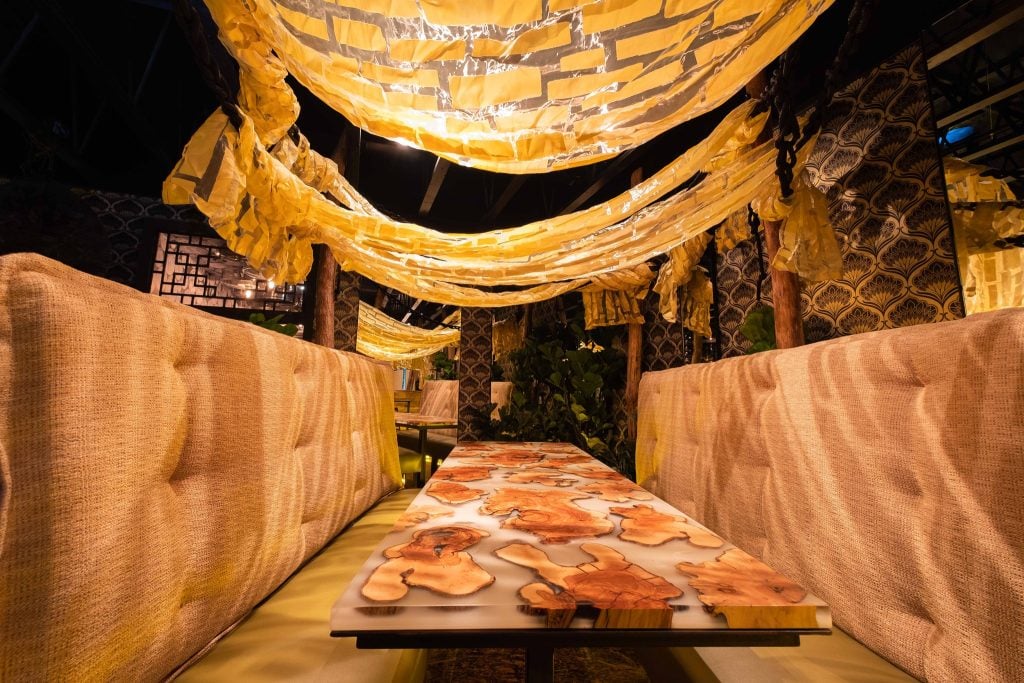
Anyone seeking some of San Diego’s best noodles has likely wandered to Convoy, our city’s official Pan-Asian Cultural District. We won’t pretend that beloved cluster of restaurants laying down hot pot, ramen, and bibimbap isn’t a major part of Kearny Mesa’s appeal, but there’s much to do in the neighborhood besides chowing down. You’ll find shops slinging imported goods and adventure-ready active gear here, as well as performance venues, unique date spots, and opportunities to take to the sky or sea.
Here’s our guide to the top places to explore next time you’re in Kearny Mesa.
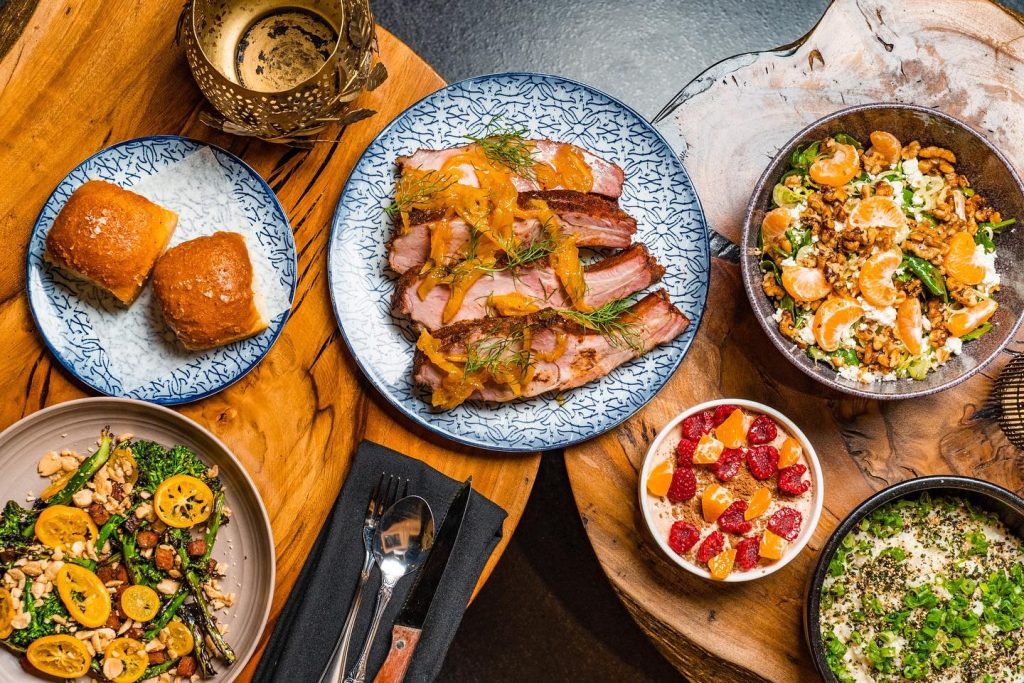
This Korean supermarket is a one-stop shop for grocery items like marinated meats, kimchi, and banchan (side dishes), plus imported housewares and beauty products. There’s also a food hall onsite with five vendors offering quick-service bites like Korean corn dogs and fried chicken.
7725 Balboa Avenue
Hot pot restaurant chain Shancheng Lameizi has 20-plus locations in Beijing, but the eatery is harder to find stateside—Convoy’s is one of only three in the US. Here, you’ll cook meats and veggies at your table in two bubbling broths: one spiced with Guizhou peppers, the other more mild.
4225 Convoy Street
Surrounded by Asian eateries, this American pub with an Irish name stands out on Convoy Street. O’Brien’s was one of the first craft breweries in San Diego. Emphasizing hoppy beers on tap and Belgian ales in bottles, they also have great pub food, including burgers, sandwiches, salads, and housemade soups.
4646 Convoy Street
This cozy hidden speakeasy in Convoy Street’s Common Theory serves creative, seasonal cocktails and small plates. Guests pass through a stark-white apothecary before emerging into a sexy, dimly lit drinking den slinging mixes inspired by everything from manga and anime to classic Japanese treats.
4805 Convoy Street
A popular street food in Seoul, Korean corn dogs are fried in a rice flour batter for a crispy exterior with chewiness beneath. Two Hands offers a broad range of batters, seasonings, and fillings, including cheese sticks and plant-based franks for vegetarian diners.
3860 Convoy Street, Suite 100
RakiRaki is best known for its ramen (get the spicy miso tonkotsu with mochi noodles), but chef Junya Watanabe’s popular local restaurant chain also serves other staples from Japanese cuisine, such as gyoza, curry, sushi, and crispy chicken karaage.
4646 Convoy Street, Suite 102-A
This retro, Chicago-style steakhouse serves all the standards: prime rib, lobster bisque, salt-covered baked potatoes. The Butcher Shop grills all its beef—from dainty steak medallions to a formidable 48-ounce tomahawk—over mesquite wood.
5255 Kearny Villa Road
The moniker says it all. This little sweet shop transforms its namesake fruit into all sorts of desserts, from cakes, ice cream, and kakigori (Japanese shaved ice) to milk teas and lemonades. But you’ll find other flavors here, too, including strawberry-, lychee-, and taro-based treats.
4176 Convoy Street
Seeking pre-made Korean foods or sushi-grade fish to make rolls at home? Stop by this sprawling grocery store. Zion Market also houses counter-serve eateries, a location of the delicious Korean bakery chain Paris Baguette, clothing shops, a travel agency, and more.
7655 Clairemont Mesa Boulevard
Crepes are king at Cafe Hue, which serves sweet and savory versions of the paper-thin pancakes (the nutella-stuffed is most popular, but don’t sleep on the cookie butter). Guests can also get Belgian waffles, coffee, and rotating flavors of gelato.
3860 Convoy Street

Bibliophiles should set aside at least an hour to browse through the shelves at this packed-to-the-gills used bookstore. Those searching for hard-to-find manga and older DVDs and TV shows may have particular luck here. BOOKOFF also vends figurines and collectibles and purchases used items to resell.
4240 Kearny Mesa Road, Suite 128
This vibrant, mega outpost for Japanese goods sprawls across three buildings, vending groceries, grab-and-go bites, toys, electronics, porcelain dishware, and even furniture. Signs throughout the shelves stocked with food offer suggestions and instructions for popular Japanese dishes.
8151 Balboa Avenue
Kearny Mesa is home to one of San Diego’s two REI locations, a campers’ wonderland slinging activewear and must-haves for backpacking, rock climbing, and other outdoor adventures. REI also offers a bike shop, a ski shop, and used and rental gear.
5556 Copley Drive
Overwhelmed by the deluge of running shoes on the market? Leave it up to science. The staff at Road Runner Sports will create a 3D scan of your feet to determine the best-fitting shoes (and even socks!) and create custom insoles for your trotters. You can also check out their activewear, fitness gear, and nutrition products.
5553 Copley Drive
Owned and operated by experienced skaters, Sin City Skates is a great spot for beginners just foraying into roller skating to gear up and get some expert tips. The shop also offers lessons and transforms ordinary shoes—including sneakers and Doc Martens—into tricked-out skates.
8280 Clairemont Mesa Boulevard, Suite 126
Before indulging on Convoy Street, stop by the family-owned Axe Thro Co for a fun workout and personalized instructions for improving your aim. Groups can also pass time at onsite pool tables while waiting for their turn to toss.
4428 Convoy Street, Suite 310
Practice your swing at The Golf Bar, where simulation technology allows you to play 18 holes in the great indoors. You can also order beer and bites, catch a game on TV, and try your hand at other simulated sports like baseball and soccer.
5583 Clairemont Mesa Boulevard
This spacious stand-up venue has welcomed major names like Margaret Cho, Fortune Feimster, and Emma Willmann. Mic Drop hosts shows nearly every night and occasionally offers classes for aspiring comics.
8878 Clairemont Mesa Boulevard
Grab your besties and test your mettle against a series of puzzles. Games at The Unlockables’ Kearny Mesa location ask you to create an antidote to end a zombie apocalypse, pull off a pawn shop heist, and figure out whether the high school principal is an extraterrestrial.
7380 Clairemont Mesa Boulevard, Suite 205
Get a birds-eye view of the San Diego skyline with this veteran-owned business’s aerial tours and biplane flights. Former military pilots from San Diego Sky Tours can take you on a thrilling ride full of loops and rolls or offer a more relaxing jaunt over the ocean to catch sight of whales and dolphins.
Executive Airpark, 3717 John J Montgomery Drive
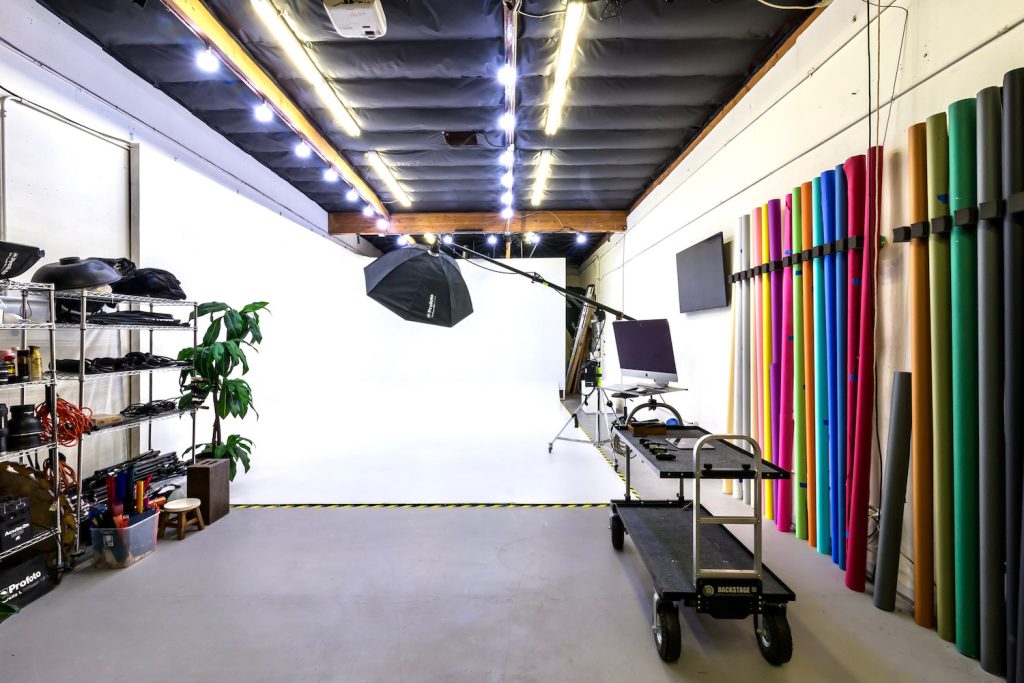
Your band’s music video shoot just got an upgrade. Hendo Studios offers 2,000 square feet of studio space complete with makeup stations and an audio recording area for capturing photos, films, commercials, podcasts, and more.
4898 Ronson Court, Suite E
Take advantage of San Diego’s seaside locale by getting up close and personal with some aquatic critters. Ocean Enterprises offers scuba diving lessons, special courses in subjects like underwater photography, and scuba gear rentals and repairs.
7710 Balboa Avenue, Suite 101
PARTNER CONTENT
Can’t make it to the Big Apple this year? Catch a Broadway show closer to home at San Diego Musical Theatre, which has staged productions of major musicals like Little Shop of Horrors, In the Heights, and Rent.
7710 Balboa Avenue, Suite 101

Mimi Le is a web intern at San Diego Magazine. She is currently majoring in Communications at the University of California - San Diego with a minor in Marketing and plans to graduate in spring of 2024. She is always looking for creative and culturally-enriching ways to fill her days.
"The Distinct Modernism of San Diego" tells the story of how some architects pioneered their own style in 20th-century San Diego
San Diego is just out here minding its own business. It’s long been cast as Los Angeles’s less ambitious sibling—the chill one, the one who shows up late for dinner reservations in flip-flops with a few provocative opinions. Architecturally it’s often cast the same: secondary, derivative, a footnote to California modernism that seems to begin and end with the Stahl House (Case Study House #22). LA has Pierre Koenig, Craig Ellwood, John Lautner. San Diego has the original fish taco.
But this version of the story is redacted, metaphorically speaking.
While the jazz hands of Hollywood and its hills cast a spell on historians and architecture buffs, San Diego had, and has, its own quiet evolution: It invented and reinvented itself through homegrown modernism, beginning with The Allen House (1907) in Bonita by Irving J. Gill.
“The biggest misconception is that San Diego was following Los Angeles,” says Keith York of Modern San Diego, one of the city’s top guides to modernist architecture. “Those who consider Rudolph Schindler and Richard Neutra as the fathers of Southern California Modernism often fail to recognize the outsize influence Gill and his buildings had on their work.”

A new book, The Distinct Modernism of San Diego—written by Mark Hargreaves and Hallie Swenson, published by York—focuses on eight architects who were born, raised, or built their careers in San Diego. It illustrates how the city wasn’t hosting weekend warrior architects on side quests. It was a staging ground for a less look-at-me modernism from luminaries like Gill, Lilian J. Rice, Richard Requa, Lloyd Ruocco, Frederick Liebhardt, Kendrick Bangs Kellogg, Sim Bruce Richards, and Cliff May.
“Absent the backstabbing competition for projects, a collegial group of architectural peers collaborated and maintained lasting friendships with one another as they designed in response to the temperate climate and slower economy,” York says.
Largely unknown until the mid-1960s, Gill is a marquee name today. He arrived here from the East Coast at a moment when San Diego was still defining itself, which gave him the freedom to invent something new, experiment, rebel.
Instead of imposing the flourishes and frills of the time, he considered San Diego’s climate, light, landscape, history—the joie de vivre—and designed for this place. “[Architects of the west] must have the courage to fling aside every device that distracts the eye from structural beauty, must break through convention and get down to fundamental truths,” he once said, a sentiment that nails the un-ornate, total lack of pretension that’s defined San Diego people and culture.
And, lo, did Gill fling: His flat roofs, clean lines, and almost no ornamentation—though not necessarily modernism in the Eames or Eichler sense—foreshadowed what would later be called minimalism. Gill eventually became synonymous with the Los Angeles narrative, but broader architectural histories overlook the fact that his most progressive designs happened here.

Another key to San Diego’s architectural movement was Lilian J. Rice, who often worked behind the scenes with little credit. She was one of only about 10 women in America licensed as architects at the time. Even though she died from cancer at 43, she somehow managed to complete an estimated 170 projects in the region, many in Rancho Santa Fe.
Born and raised in National City, Rice also wasn’t importing ideas. She shaped her own based on her understanding of this region and her commitment to protect the natural environment. Her work has been categorized as Spanish Colonial Revival, but she wasn’t reviving as much as she was refining a style suited to our border region—serene, mirroring nature, beautiful.
“San Diego architects were designing for a way of life, not just a look,” says York.
Like Sim Bruce Richards, who was his own way of life. While Gill stripped away ornamentation and Rice focused on the peace of open spaces, Richards came along several decades later and went full emo. By then, modernism had grown deep roots; its steel-and-glass structures took themselves very seriously. Richards came to party.

An eccentric, unpredictable man with half a face (part of his jaw was removed following a bone infection when he was a child), his life was a jalopy of adventures. He was opinionated and passionate about design, music, texture—and he created what he called a “sensuous environment.” He wanted his clients and their guests to feel the spaces as much as to be in them, appealing to the visual, tactile, nasal (“a cedar house smells good”), auditory (“acoustically superior”), even taste. “Though, I‘ve never had a client lick my houses,” he once wrote.
Organic, woodsy, textured, aromatic—if you ever find yourself in a Sim Bruce Richards house, a licking impulse might not seem so outrageous.
Gill, Rice, Richards and the other architects in Distinct Modernism built a legacy in San Diego that resonates nationally. And the work of these heavy hitters isn’t stuck in an inaccessible collectors realm: This October, homes by Kellogg and Liebhardt will open to the public as part of the La Jolla Modernism Home Tour—an opportunity to experience it not as a museum relic or magazine image (ahem), but as something alive.
Modernism in San Diego was never about glamour or an intention to be iconic. What transpired here is more nuanced, more ingrained with a less shouty aesthetic. A very San Diego aesthetic.
San Diego architects and designers spill on the trends, textures, and ideas shaping the city's homes today
Craftsmans and Spanish Revivalists and mid-century modernists—why does San Diego have so many different architectural styles? What makes a home distinctly San Diego? What are the trends shaping the look of the city’s neighborhoods for years to come? We asked the experts: architects and designers honoring the past, crafting the present, and radically altering the future of San Diego living. They opened their portfolios, shared points of view, and treated us to snapshots of their latest work that speaks to the ideas they’re playing with. The result? Six trends, design choices, and a proposal to make local homes unique. Grab a lemonade and get a little inspo for your own place.
“Clients are now reaching for comfortable outdoor spaces that can be controlled for subtle shifts in the environment—heated covered porches, or patios with controlled louvered ceilings with integrated fans, lighting, heaters, and adjustable light.” –Mark Morris, Oasis Architecture & Design
“I think outdoor spaces in San Diego can be as useful or even more useful than indoor spaces. Relating to the site, view, [and] neighborhood can bring so much value and richness to a home.” –Bill Bocken, Bill Bocken Architecture & Interior Design

“After years of modern farmhouses—black windows, white houses, and gray walls and floors—natural tones are coming back. We are seeing a return to organic textures and more saturated color. Homes feel layered rather than stark.” –Susan Wintersteen, Savvy Interiors
“There’s a move toward homes that feel like every element has a purpose. I see a strong desire for warmth and natural stone, wood, organic textures with softer transitions, and materials that age well.” –Jen Pinto, Jackson Design & Remodeling
“I would like to see even more architectural integrity, fewer quick flips, and more thoughtful renovations that respect proportion, scale, and context. San Diego deserves homes that feel timeless, not transactional.” –Susan Wintersteen, Savvy Interiors
“We want to see people respecting the original character of their homes while re-imagining them for modern life, rather than erasing character in favor of quick transformations that look ‘cookie-cutter.’” –John Kavan, Jackson Design & Remodeling
“Homeowners are staying in their homes longer—some 15 or 20 years. That has shifted design away from trend-driven choices and toward architecturally driven spaces that are functional, cohesive, timeless, and designed to support daily life over decades.” –Jen Pinto, Jackson Design & Remodeling

“There’s a noticeable move away from literal ‘coastal themes’ and toward more layered, textural environments. San Diego homes today often feel cleaner, more architectural, and more personal.” –Julie Crosby, designer
“Today, the aesthetic is more refined but still rooted in ease. It is coastal without being cliché and modern without being cold. The throughline is light, air, and a relaxed sophistication that reflects how people actually live here.” –Susan Wintersteen, Savvy Interiors
“When you can live outdoors most of the year, architecture and interiors must support that. Large format doors, layered patios, durable materials, and seamless flooring transitions all stem from lifestyle.” –Susan Wintersteen, Savvy Interiors
“Nearly everyone wants to take advantage of the constant sunshine, so we see a huge desire for indoor-outdoor living, light and airy fabrics, organic materials that bring the feeling of nature into the home, and a desire to incorporate a relaxed, coastal lifestyle into everyday living.” –Lilli Fish, LS Design Studio
Lili Kim is a content coordinator and writer for San Diego Magazine, with experience highlighting local businesses and communities. When not writing or shooting film, she is likely brewing her seventh cup of tea of the day or strolling along Sunset Cliffs.
Take your sanctuary to the next level with high-end fixtures that turn your space into a dreamy escape
Your bedroom is your sanctuary—a haven for your favorite shoes (the ones you never actually wear but love to admire), the place where your best thoughts sneak in before you drift off, the safe space that’s seen you through anxious nights and joyful secret dance parties.
With a little guidance and intention, this space can feel just as dreamy as that one nap you never want to end, anchored by warm burl wood, smooth (and sustainable) upholstery, and stone nightstands that read as art. And we’re not talking about the overly staged look-at-me rooms you see on HGTV. Great design prioritizes feeling just as much as form. We’ve handpicked upscale, quietly chic finds from local home stores to bring your ultimate bedroom vision to life.

Mary had a little…chair? Wrapped in camel-hued wool, the Allora Chair proves that one standout spot for lounging is often all a bedroom needs to feel like the penthouse suite at a fancy-schmancy hotel.

Room & Board sources the Sitara Rug from India, where skilled craftspeople hand-knot every inch of this soft wool carpet. Tiny flecks of gold silk add a subtle shimmer. Just try not to drop any earring backs on it.

Everyone loves flowers, but real lilies lose points for fading fast—and being dangerous for pets! Sub in these hand-painted faux calla stems suspended in crystal-clear “water” for a fresh bouquet that never withers.

Who said canopy beds had an age limit? Add a little whimsy to your sleep schedule with this walnut burl frame. Arhaus’ Morley Collection is artisan-crafted, meaning no two beds are exactly alike, so your room is as unique as you are. Go ahead, sleep like royalty.

Wrapped in a pale mint (Moonstone) velvet, the Berlin Bench delivers a soft pop of color. Equal parts functional and beautiful, it’s made for collecting discarded shirts during an outfit-planning sesh and supporting dramatic swoons.

Bonjour, bedroom—meet your new obsession. Inspired by traditional French design, this mirror’s iron-and-resin frame features delicate floral-and-vine detailing. Your reflection just got a vacation in Nice.

If the Pixar lamp got a glow-up, it’d look a lot like the Christie Floor Lamp. Thanks to a curving brass post, milk glass globe, and coralle stone base, it’s a killer source of mood lighting, but it’s also a whole mood in itself.

Whoever said recessed lighting was enough clearly hasn’t met this chandelier. Finished in antique brass with three layered tiers of glass that gently diffuse light, the fixture resembles a soft cascade of feathers. Showgirl glam or one with nature? Why not a little bit of both?

This dresser has a backstory: Mexican artisans collect ash trees felled by storms; cut them into cross-sections that show off their natural rings, cracks, and watermarks; and piece them together into a patchwork that has bits of sustainably-farmed European ash burl.

It’s okay—you can finally let go of the beige canvas you panic-bought for above your bed. Roam Homeware’s Shell Collector feels perfectly SoCal with soothing neutrals, interesting abstract patterns, and recognizable shapes (but no faces to scare you during a 3 a.m. bathroom trip).

Furniture made from rocks can lean a little Flintstones. Not here, though. The scalloped curves and shiny finish of this charming little nightstand coax an unexpected softness and romance out of natural stone.

Candles in a glass jar are so last season. Instead, pop some beeswax tapers into these sculptural sand-cast iron holders. Set them on a shelf, and you’ve got a touch of vintage charm without the fussy fragility of antique pieces.
Isabella Dallas is a freelance writer for San Diego Magazine and the Arts and Culture Editor at The Daily Aztec in her final year at San Diego State University. She previously worked as an editorial intern for SDM, but when she’s not writing, you can find her trying the best coffee spots in SD, devouring the latest rom-coms, and indulging in anything and everything pop culture.
Yes, Chef! winner Emily Brubaker leads the robust culinary program at Omni La Costa Resort & Spa
For Executive Chef Emily Brubaker, Omni La Costa Resort & Spa feels like home. She grew up just a mile-and-a-half away from the 400-acre property and fondly recalls walking the golf course perimeter as a kid. Though her ambitions led her away from San Diego for nearly two decades in which she honed her craft in some of the highest of high-profile Las Vegas restaurants—including triple Michelin-starred Joël Robuchon at MGM Grand—they ultimately brought her back to North County.

Today, the classically French-trained chef, who’s fresh off a victory on NBC’s Yes, Chef!, judged by Martha Stewart and José Andrés, oversees Omni La Costa Resort & Spa’s seven distinct dining concepts. Her goal is to elevate the resort’s culinary program with her creative, hyperlocal ingredient-driven approach while maintaining the Spanish- inspired flavors and fresh California coastal cuisine that are the bedrock of its culinary identity.
“The San Diego food scene is really growing, and in North County alone, it’s really exploded in the last five years,” Brubaker says. “There are Michelin stars, beautiful tasting menus, craft bakers, and all this food—when I was growing up in La Costa, it was fish tacos. Now there are really cool things popping up, and I’m so happy to be here to see where it’s going to go.”
Brubaker gives chefs de cuisine at each individual restaurant autonomy, however, her influence is evident across the resort.
For example, lobby restaurant Bar Traza serves as Omni La Costa’s culinary centerpiece and features bold Spanish flavors in a lively, social atmosphere. Brubaker overhauled the menu to be more consistent and centered on casual bites with that signature vibe. Think smoky paprika, vibrant citrus, and Spanish meats and cheeses.
At VUE, the focus is on seasonal offerings, California coastal cuisine, and Baja-inspired dishes. She and Chef de Cuisine Cameron Dixon change the menu biannually, which heading into summer, will highlight farm-fresh produce and hyperlocal ingredients—the resort even has its own herb garden and honeybee hives.

Poolside dining options are leaning into the country’s 250th this summer with a selection of classic American dishes with an Omni La Costa twist. And Bob’s Steak & Chop House (Brubaker is a trained butcher) offers a classic steakhouse experience with elevated service.
The chef and company also plan menus for special events at the resort where her creativity can really shine. For an upcoming National Ski Association dinner, the banquet hall will be transformed into an Alpine-themed winter wonderland complete with a snow machine, savory sausages, and melty, decadent raclette. A recent dinner was built around the Carlsbad Flower Fields and each course was matched to a color of ranunculus (Did you know pink dragonfruit are grown in North County? You do now.).
“It’s my zen to be in the kitchen playing with food,” Brubaker says.
Omni La Costa’s culinary program is a key part of the resort experience. And with Brubaker’s leadership, it’s becoming a draw for visitors and locals alike.
“These aren’t just hotel restaurants, these are restaurants that you should go to. They’re destinations, and I’m really hoping for the future that’s where we’re going,” Brubaker says.

Brubaker is also channeling her experience on Yes, Chef! into the culture at Omni La Costa—more emphasis on teamwork and collaboration, empowering her staff to share constructive critiques, and embracing different perspectives. Alongside her leadership role, Brubaker has become an advocate for mental health in the hospitality industry, serving as chief ambassador for the Burnt Chef Project and serves on the Board of Advisors for the Apex Culinary Program, where she mentors and develops future talent.
For more on Omni La Costa Resort & Spa and its dining program, please visit omnihotels.com/hotels/san-diego-la-costa.
See this year's list of winners, voted on by a panel of expert judges and SDM readers
San Diego Magazine’s annual Home + Design Awards returned for its third year with nearly 200 nominations from innovative architects, developers, designers, and other industry pros across the country. To select the top projects from a broad range of categories—including interior and exterior residential design, commercial design, overall home design, and student submissions—we tapped a panel of expert judges.
Daniela Deutsch works as dean of the School of Architecture at the NewSchool of Architecture & Design, Megan Groth is an architect and urbanist and the author of the civic-minded local guidebook Places We Love: San Diego Tijuana, Jeff Walker sells SoCal’s historic and unique homes as the founder and broker of Agents of Architecture, Inc., and entrepreneur Kristy Kropat serves as the President-Elect of the SD Chapter of the American Society of Interior Design.
Our readers weighed in, too, voting on the spaces and designs that wow’ed them. Take a moment to explore the awardees here and marvel at San Diego’s outstanding design community.
Design Perspectives/Tina Marie Koch — Communion
Nakhshab Development & Design — Cardiff Residence
Julie Crosby Design — Esperia
GroundLevel Landscape Architecture — Private Residence
Esteban Interiors — Project Coastal Luxury
Danielle Seipel/Mesa College — Chapter House
Design Perspectives/Tina Marie Koch — Communion
Tiger Veil/Rachel Larraine Crawford — Aura Gardens
AAHA Studio — Wedgwood Weddings at The Headquarters
Kevin & Alvin Monsour, Owners or Oram Hotels | Erika Baker, Leader Designer & Creative Director at Oram Hotels — Granger Hotel
PGAL — Bioterra
Bells + Whistles — Starlite
Unscripted Spaces — Unscripted Spaces Design Showroom
LS Design Studio — La Jolla Spanish Revival
Dwell West Homes — Estrella Del Mar
VisionDesign Associates — Deitz ADU
Greenway Landscape Design & Build — Poway Modern Backyard
GroundLevel Landscape Architecture — Private Residence
Brookside Landscape Design — Nevada
K2 Interiors / Designer: Kendra Araujo — One-of-a-Kind Outdoor
Greenway Landscape Design & Build — Poway Pool & Patio Remodel
The Bureau/Claire Deutsch — Claire Deutsch
Esteban Interiors — Project Tailored Historic
Mark Stocker Design — Olivenhain, CA
Laura Abrams Design — Moody Office
The Bureau/Claire Deutsch — Claire Deutsch
Dwell West Homes — Estrella Del Mar
Savvy Interiors, Susan Wintersteen — Spanish modern staircase
Keri Michelle Interiors — Villa Serena Laundry Room
Danielle Seipel/Mesa College — Chapter House
This historical East County community offers numerous hikes, family-owned shops, and a slower pace of life.
You don’t have to go far to get your forest fix in San Diego County—just take the 8 East past El Cajon and gain altitude in the Cuyamaca Mountains and you’ll hit Alpine, a quasi-rural community of 15,000 with sweeping views. Surrounded by national forest land and two reservations and perched at 2,000-feet elevation, Alpine is only about 30 miles east of downtown San Diego, perfect for a day trip when you’re in the mood for a small-town outing (or a stop along the way to the desert or Viejas).
The Kumeyaay hunted, gathered, and farmed in what is now Alpine more than 12,000 years ago before Spanish missionaries forced them to convert their villages to rancherias. By the late 1840s, after California and Mexico declared independence from Spain, the rancherias were consolidated into one massive “rancho,” and, in the 1850s, the area became a stopover on the “Jackass Mail,” SoCal’s first regular postal route. Then came the Gold Rush and a road to Julian, followed by another kind of gold: Alpine was California’s leading producer of honey in the late 1800s.
Former historical society president and honorary mayor Bob Ring says that during WWI, Alpine became known for having the “best climate” in the United States—healthy for soldiers’ convalescence or those with respiratory issues. Good weather, agriculture, and deer hunting brought folks to Alpine as it grew from hunting shacks to cottages to family homes.
Nowadays, Alpine is a place where “you have to get in touch with nature—because we have no movie theaters,” jokes real estate broker and former chamber of commerce board member Jeff Campbell, a resident since 1974. Getting outdoors in Alpine might mean joining 4-H or Future Farmers of America; hiking or dog-walking at Wright’s Field or Loveland Reservoir; riding horses, ATVs, and mountain bikes; or hitting the trails to discover seasonal waterfalls like Cedar Creek Falls, which cascades into a swimmable pool. Alpine is also the place to get up close with raptors at Sky Falconry and meet rescued big cats at the animal sanctuary Lions Tigers and Bears.


“Here’s how favorites work in Alpine: We all have our preferred menu items at each of our town’s 11 eateries,” Campbell explains. The restaurants are mostly concentrated along Alpine Boulevard right off the 8.
Ring likes the rolled tacos at family-owned Alpine Taco Shop, with extra guac and cheese, while Campbell is partial to the fried fish tacos at Casino Inn Bar & Grill. According to Campbell, Franca’s Italian Kitchen and Bar has the best baked rigatoni not only in Alpine but in all of San Diego County. Ring goes there for family dinners and says he could be satisfied with “just the homemade bread with balsamic and olive oil.” Or head to Mediterraneo (locals call it “the Med”) for vegetarian lasagna. “I’m a keto dude, but it’s that good,” Campbell says.
For coffee, there’s The Well Cafe, where Cecilia Kennedy runs the shop and her husband Alan roasts beans in micro batches at home. Try the dark roast for drip and Mexican mocha for something a little fancier. Breakfast is a must at Janet’s Montana Cafe, which Campbell says serves the fluffiest pancakes, with no syrup needed. “[Janet’s has] homemade everything,” Ring adds, “but try the pies.” Grab supersized treats at Steph’s Donut Hole, and lunch is on the go at Barons Market, where you can pick up soup and salad.

With two award-winning breweries in town, Alpine has a good beer scene for its size. Campbell gets the Assaulted By Feather Pillows IPA at Mike Hess Brewing and the Apricot Bells Bluff blonde ale at Mcilhenney Brewing Co.
The town also has a healthy populace of gearheads: Locals like to bring out their classic cars, motorcycles, dune buggies, and fifth wheels. Hang out on a Sunday to ogle old Thunderbirds, Mustangs, and Corvettes. For fun, Alpine parents take their kids to Viejas Outlet Center for outdoor ice skating in winter (and roller skating the rest of the year) or games at the center’s big arcade.
Overall, Campbell and Ring agree, you gotta have humor and heart to live in Alpine. “The culture of this community is that people are always willing to help, even in these busy times,” Ring says.

Change in Alpine is incremental. Campbell anticipates Alpine’s mix of historic and suburban-type housing won’t shift dramatically in the near future, but he has seen some movement by the county to rezone some of its land to encourage more affordable units. “It’s my greatest hope for Alpine,” he says. “Nothing is deeded yet, but it’s on the county’s radar.”
Caltrans is also paying attention to the area, with a recent freeway expansion east of Alpine to Pine Valley, which means more road enhancements could be coming to the two-lane stretch of the 8 that leads from El Cajon west to Alpine.
A new state law that took effect in 2026 will certainly bring changes to Alpine’s mountain aesthetic: Homeowners and businesses must remove all combustible materials within five feet of any structure to help prevent fires. Compliance means replacement of existing landscaping with bare soil, rocks, gravel, concrete, or stone. It could be a whole different look for a rugged town with natural smatterings of oaks, bushy sage, and chaparral.
Campbell has recently seen positive growth and possible expansion in the tribal areas, with new housing subdivisions. In Alpine, he’s noticed a gradual ADU trend, gaining momentum but not catching on as quickly as in other parts of San Diego—“because people come out here for elbow room,” he says.
It’s kind of big news that there’s talk of a small grocery store incoming (the first supermarket to arrive in town since Barons in 2015). New businesses in Alpine used to be heralded with ribbon-cuttings by the chamber of commerce, which disbanded last year—but, Campbell has heard, the organization may get revived soon and bring back this charmingly small-town style of welcome. “Alpine has a need for a center to elevate business to a new level,” he says.
Franca’s Italian Kitchen and Bar
Leorah Gavidor won her first essay contest at age 5. She writes features, news, and non-fiction in San Diego.
Scripps study shows that some patients may be able to taper their dose and maintain results
While glucagon-like peptide-1 (GLP-1) receptor agents have been used to treat Type 2 diabetes for more than 20 years, their recent emergence as weight-loss wonder drugs marked a new frontier in medicine. But their effectiveness has left some patients wondering what to do once they’ve reached their goal. Stopping the medication could mean regaining some, if not all, of the weight. A Scripps Clinic internal medicine physician recently conducted a small study of whether GLP-1 patients who had reached their goal weight could maintain that weight by taking their regularly prescribed injection every other week instead of weekly. Spoiler alert: 30 of 34 patients did. Read more about the study here and what that may mean as pharmaceutical companies roll out oral GLP-1s.
For more nutrition, wellness, and healthy living tips, sign up for the San Diego Health newsletter here.